My Favorite Quotes: Daguerre


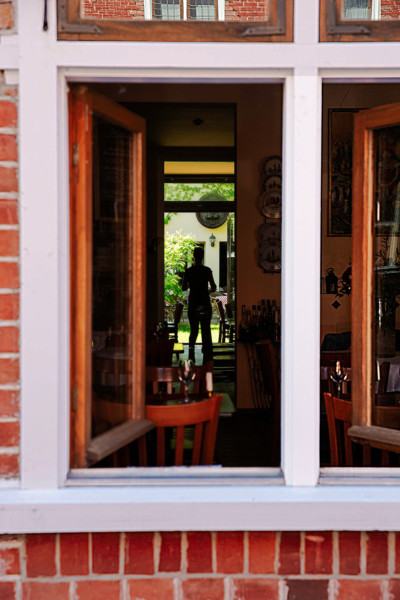
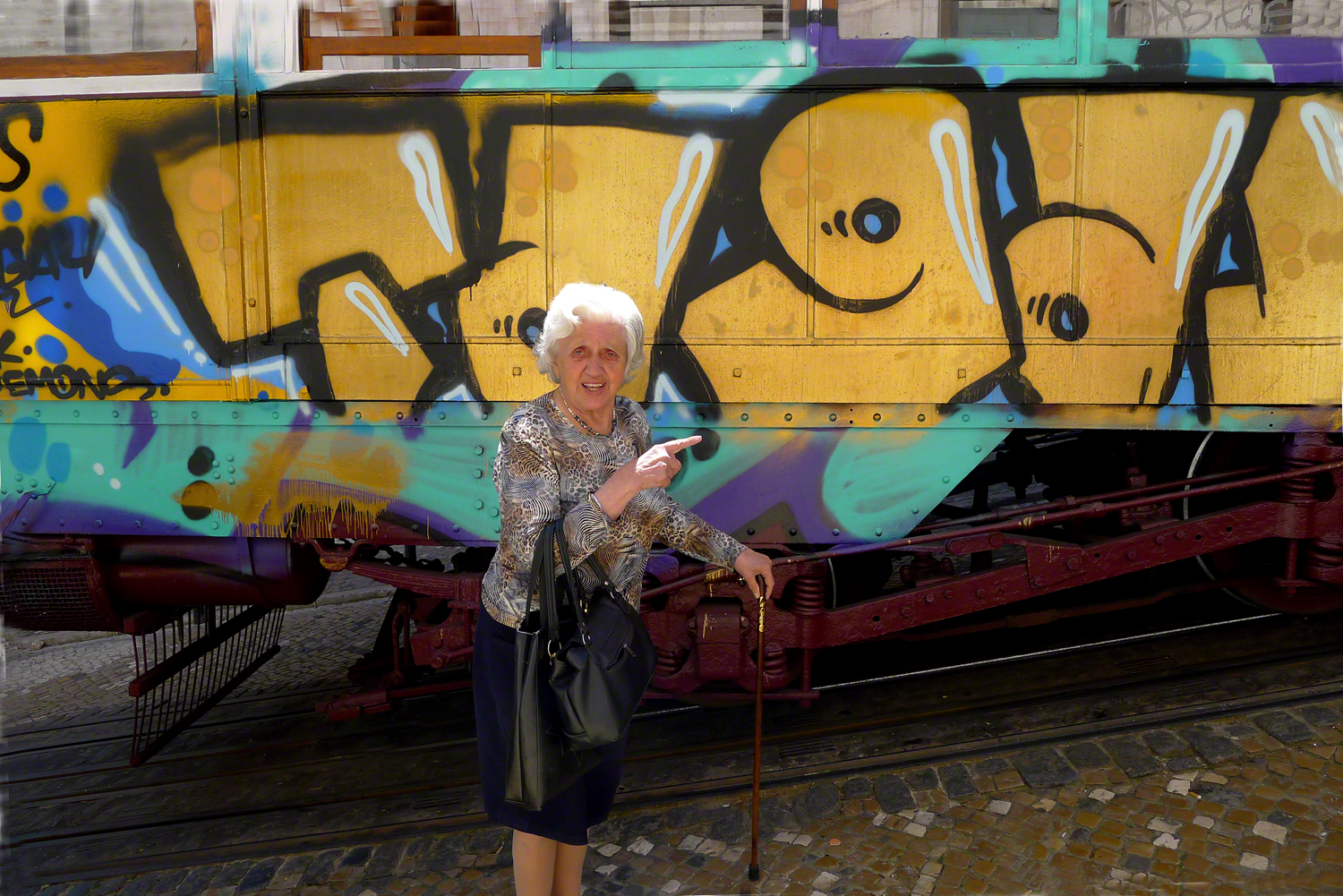
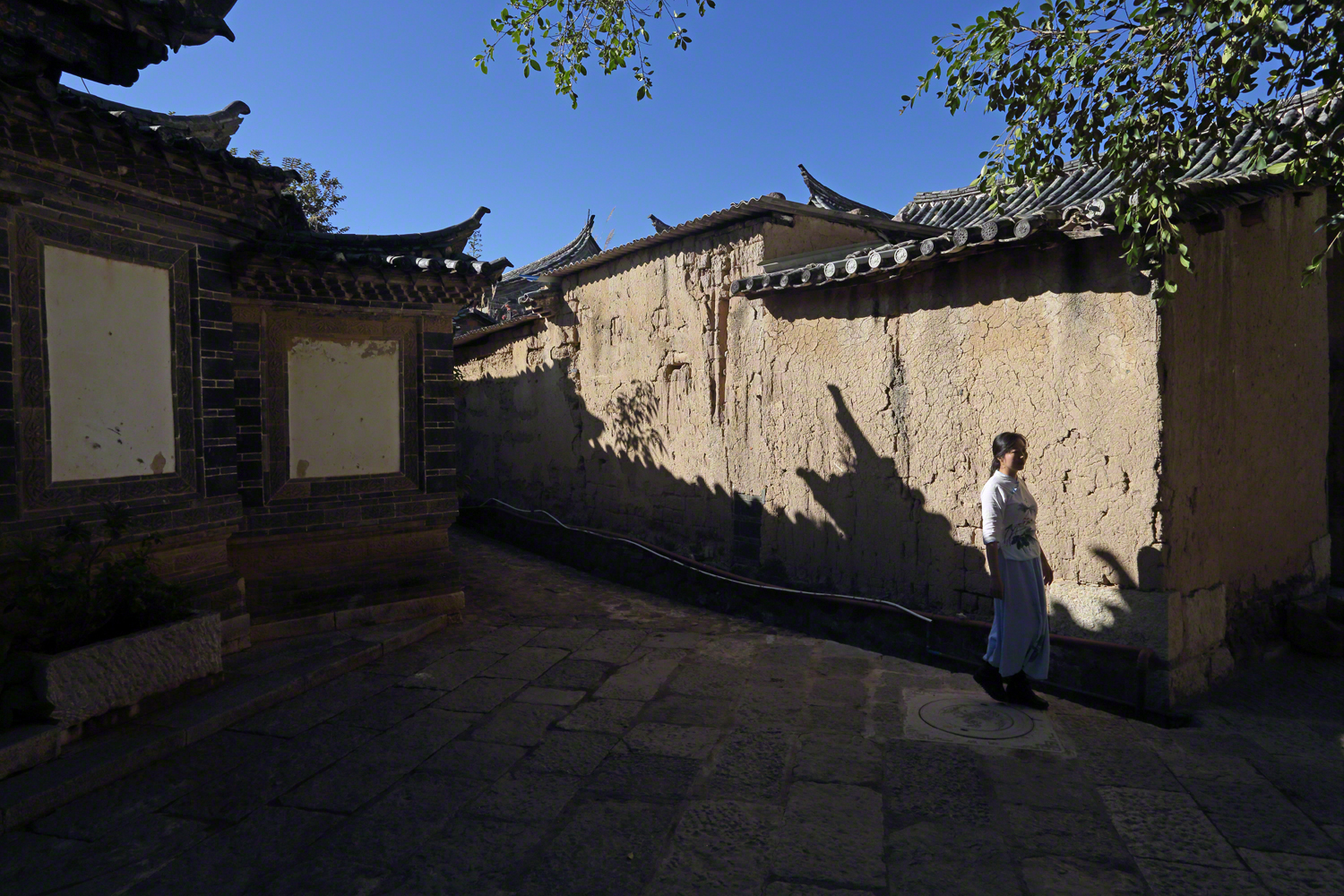
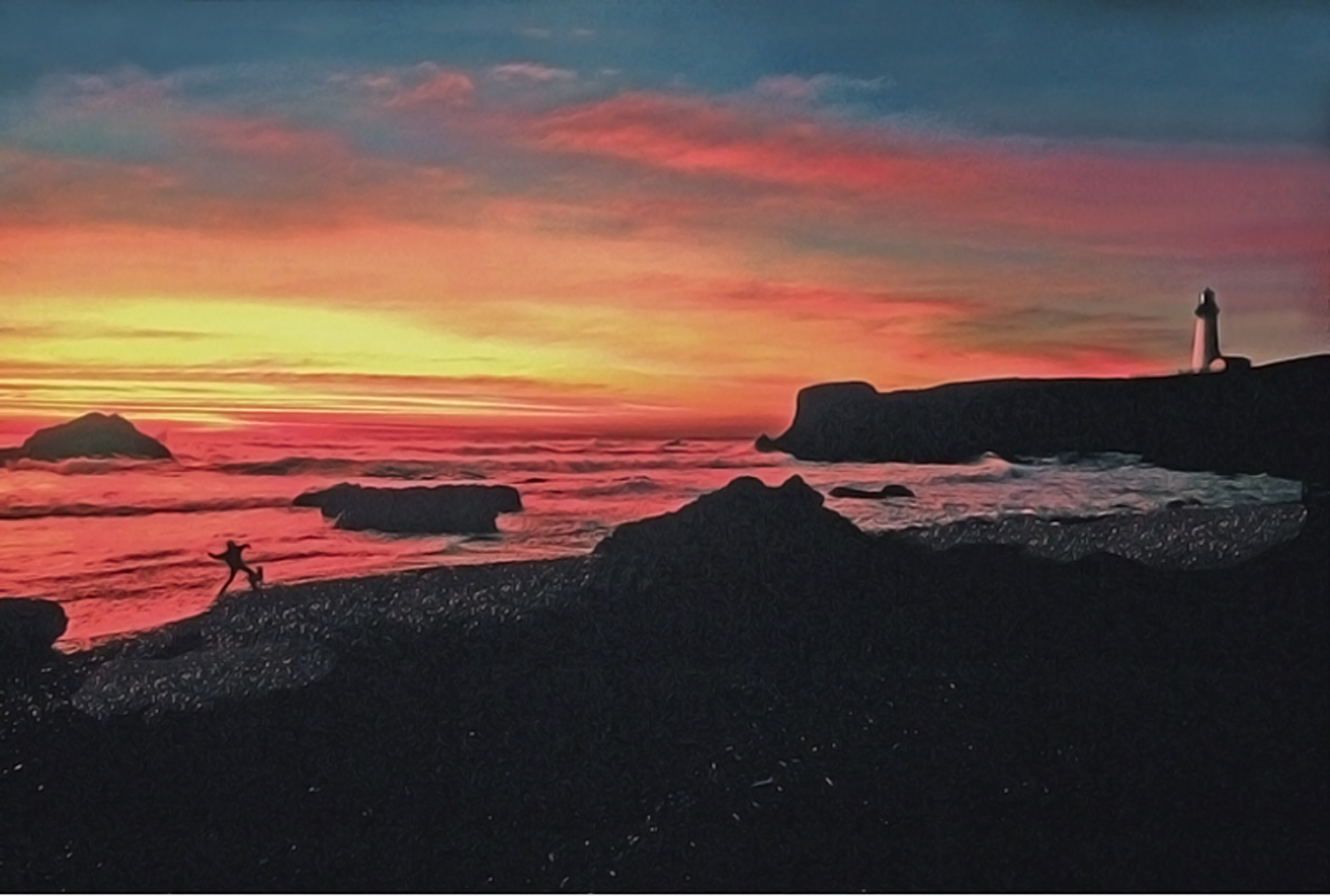
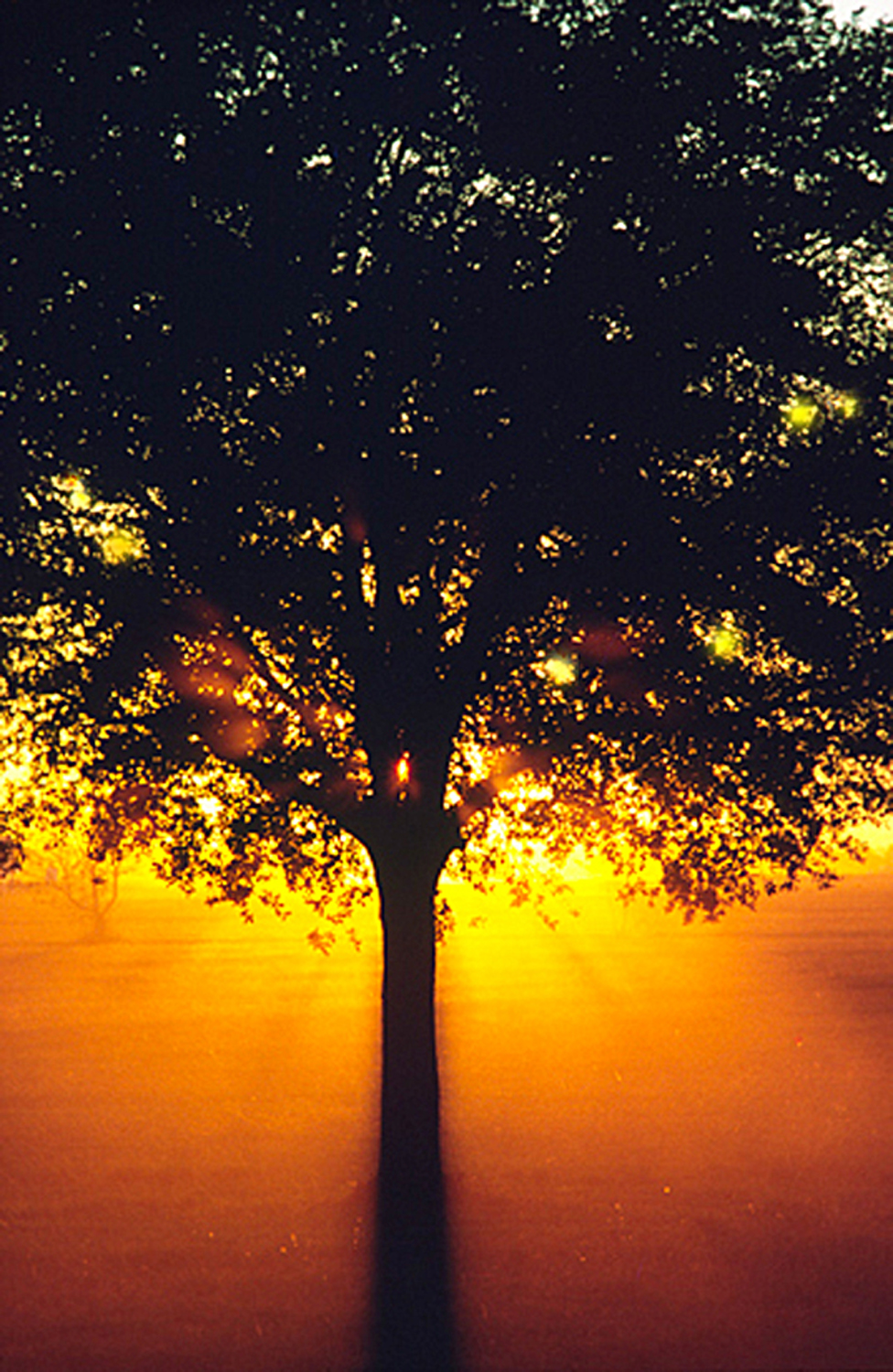
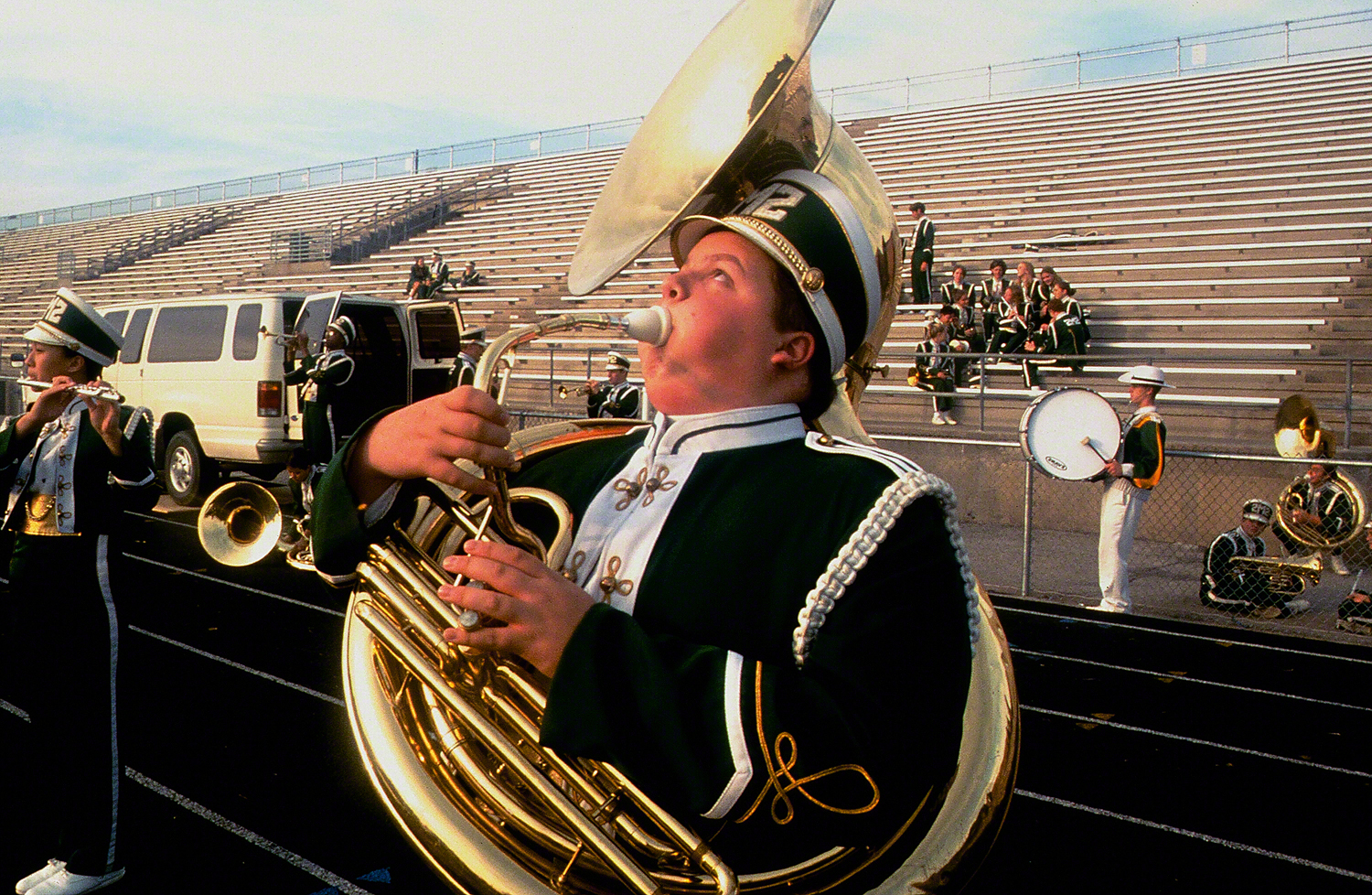
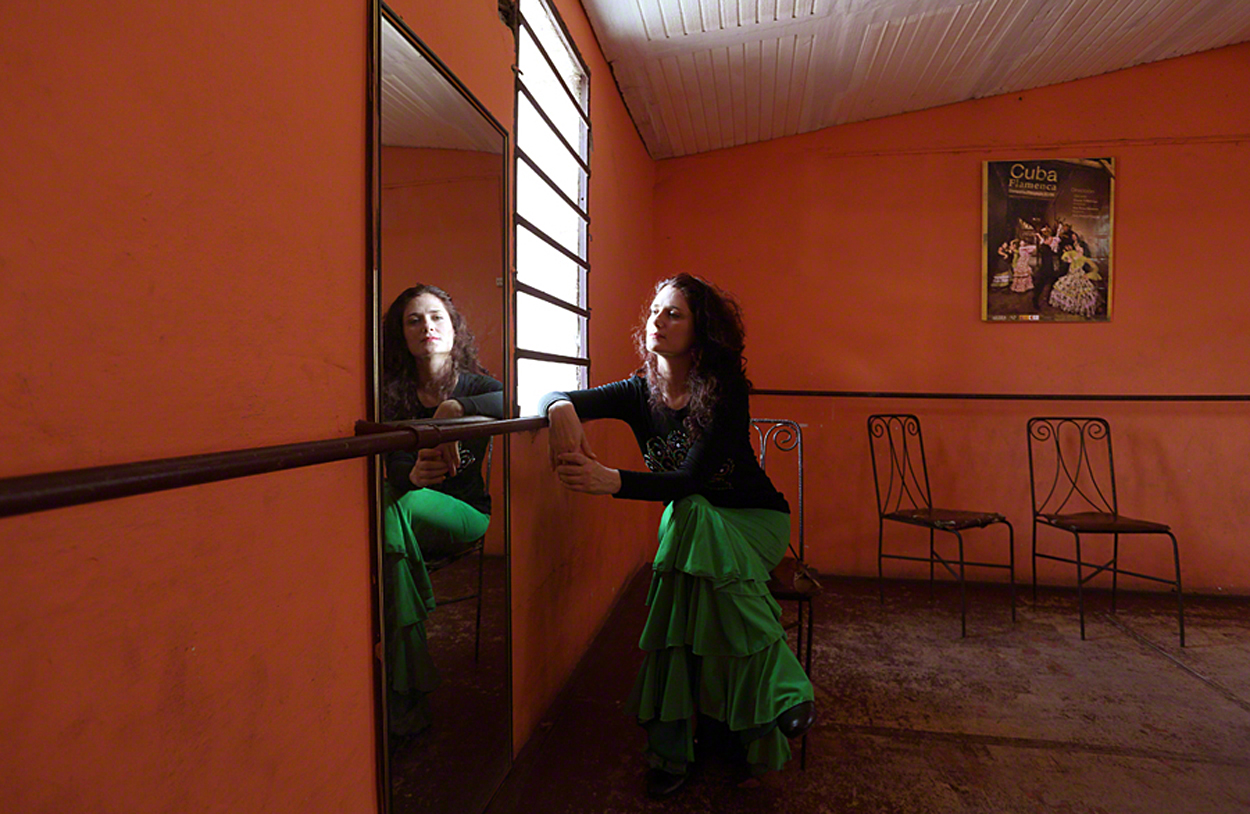
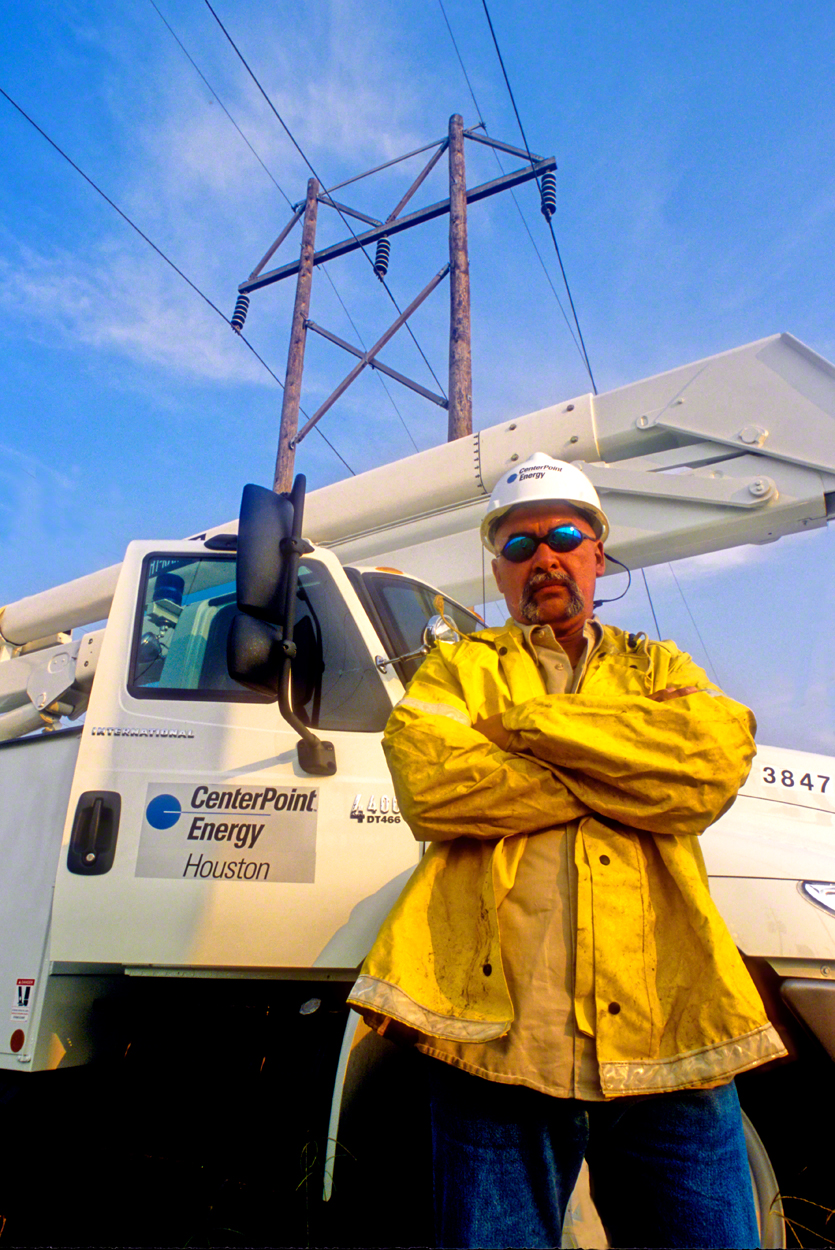
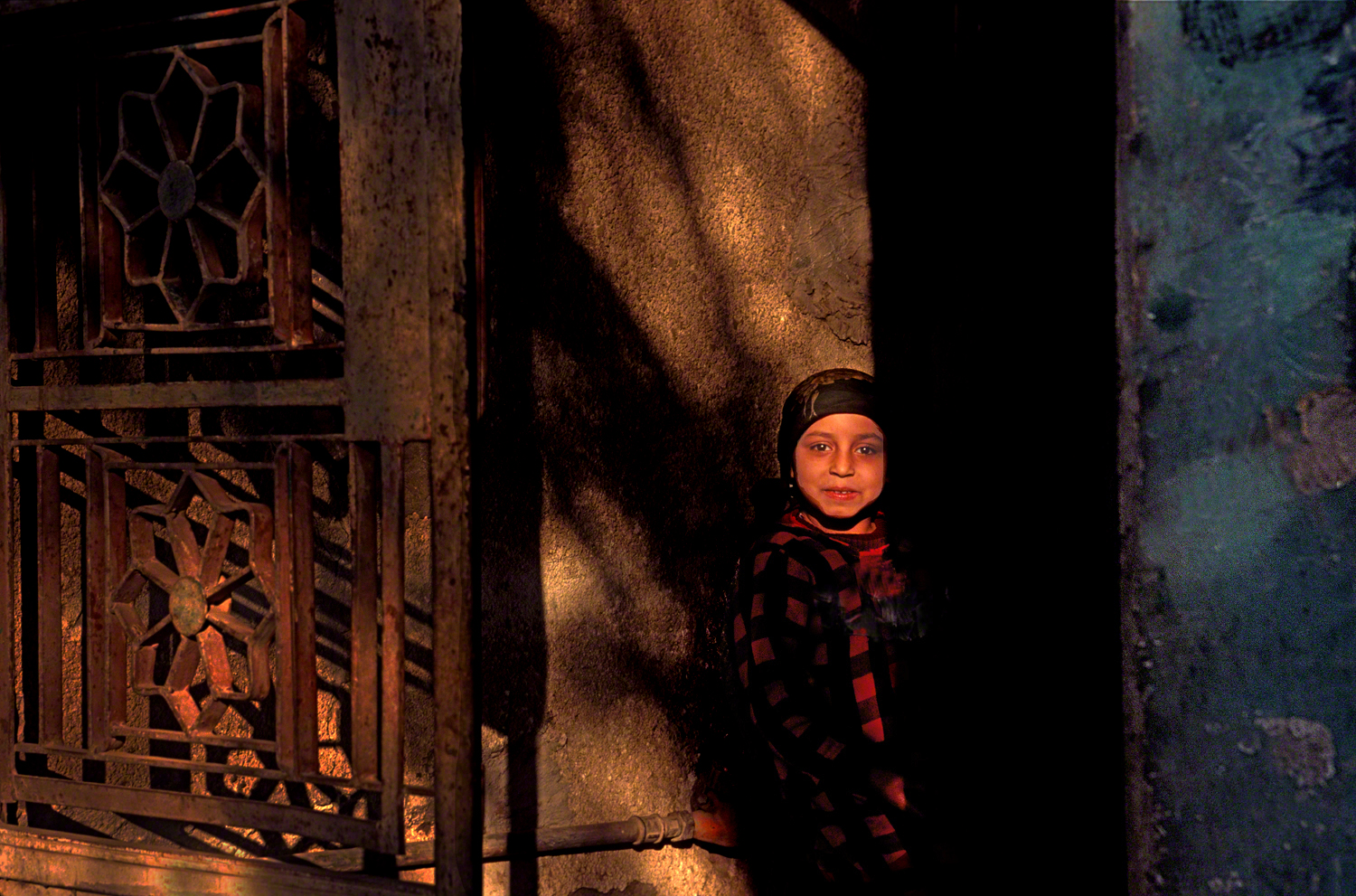
Side light for depth

  Louis Daguerre was a painter and Physicist, but he was better known for inventing the Daguerreotype; the first process for making photographs. Actually it was Nie’pce that was the first, and later they both actually became partners working on it together.

One of my all time favorite quotes was made by Daguerre. He said, ” I have captured the light and arrested its flight. The sun itself shall draw my pictures.”

When I first read this quote I was instantly struck by my own thoughts I’ve been carrying with me for the past fifty years of being an advertising and corporate photographer and now that I’m retired those same thoughts are with me when I show my fellow photographers how to  “make pictures”, as well as using the light and sun effectively. That is, how critical light is and should be to them when they’re out shooting and more importantly, how the sun affects every aspect of a photographer’s thought process as it relates to his or her imagery.

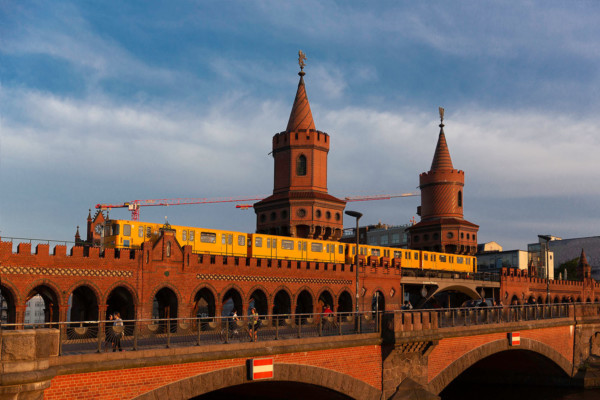
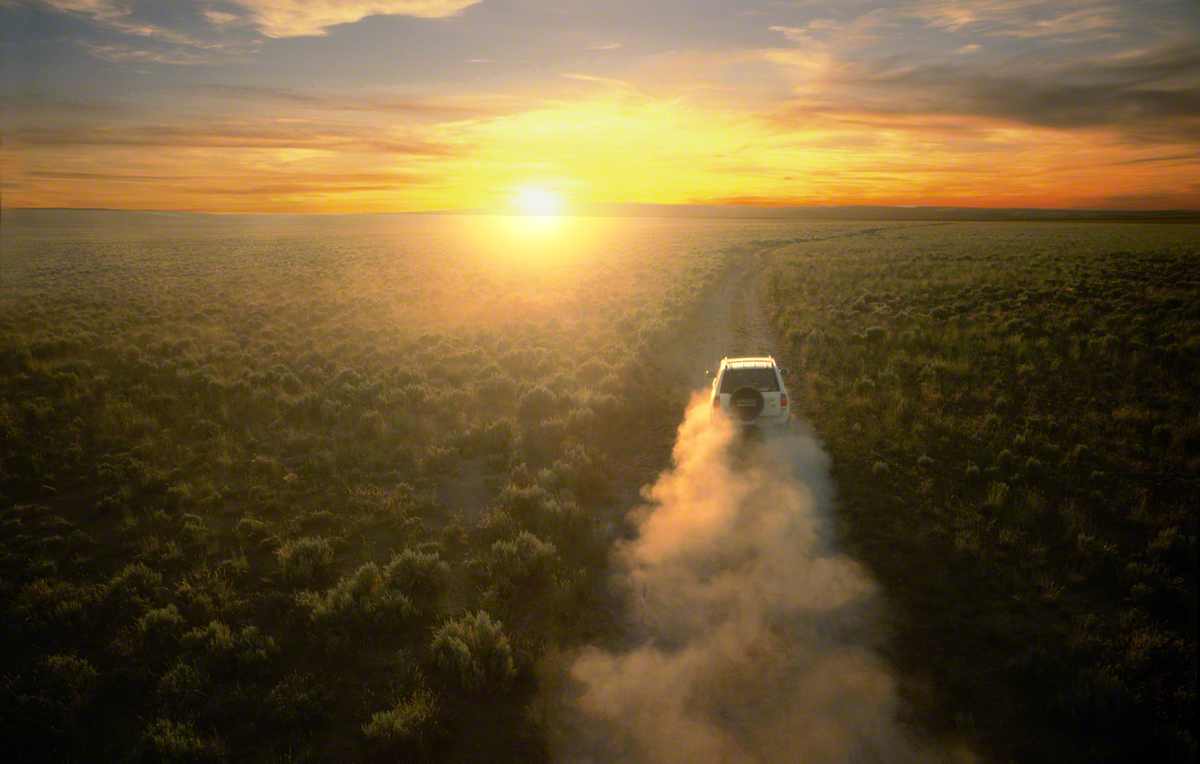
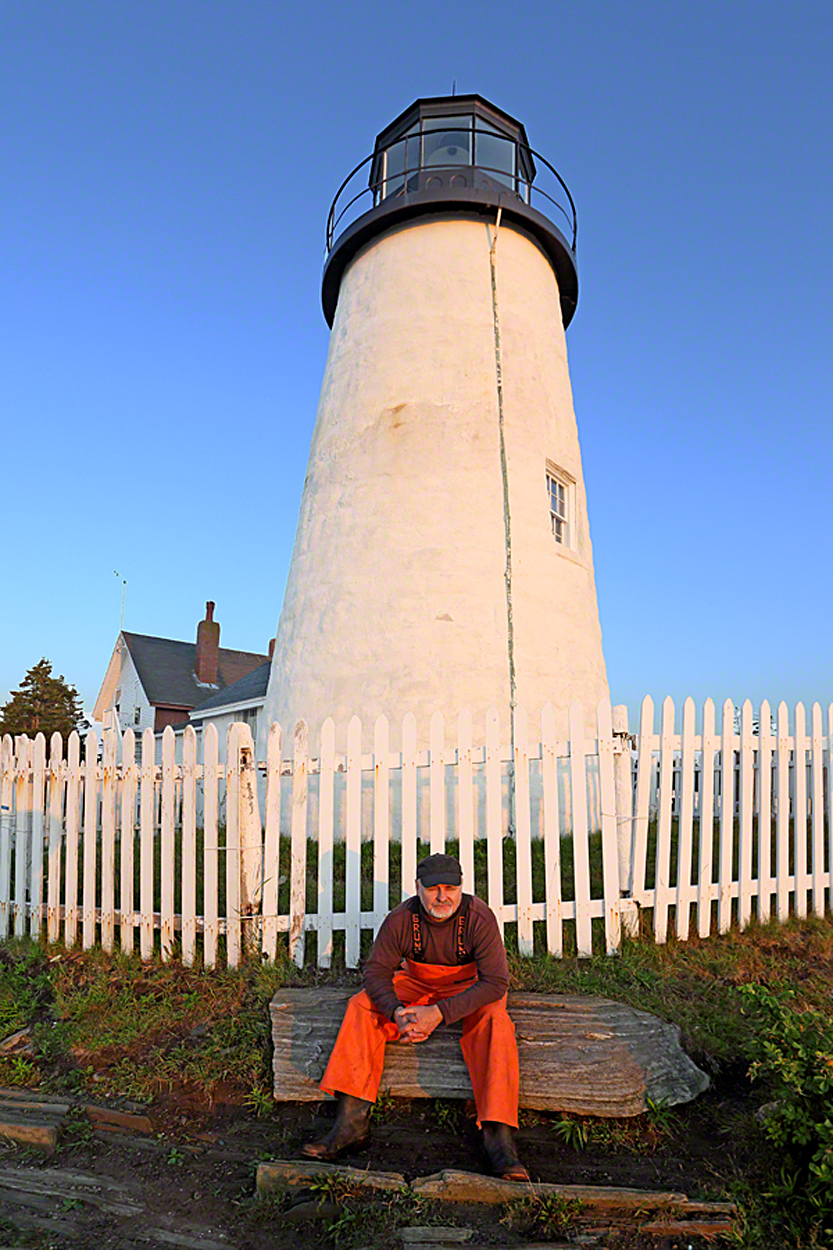
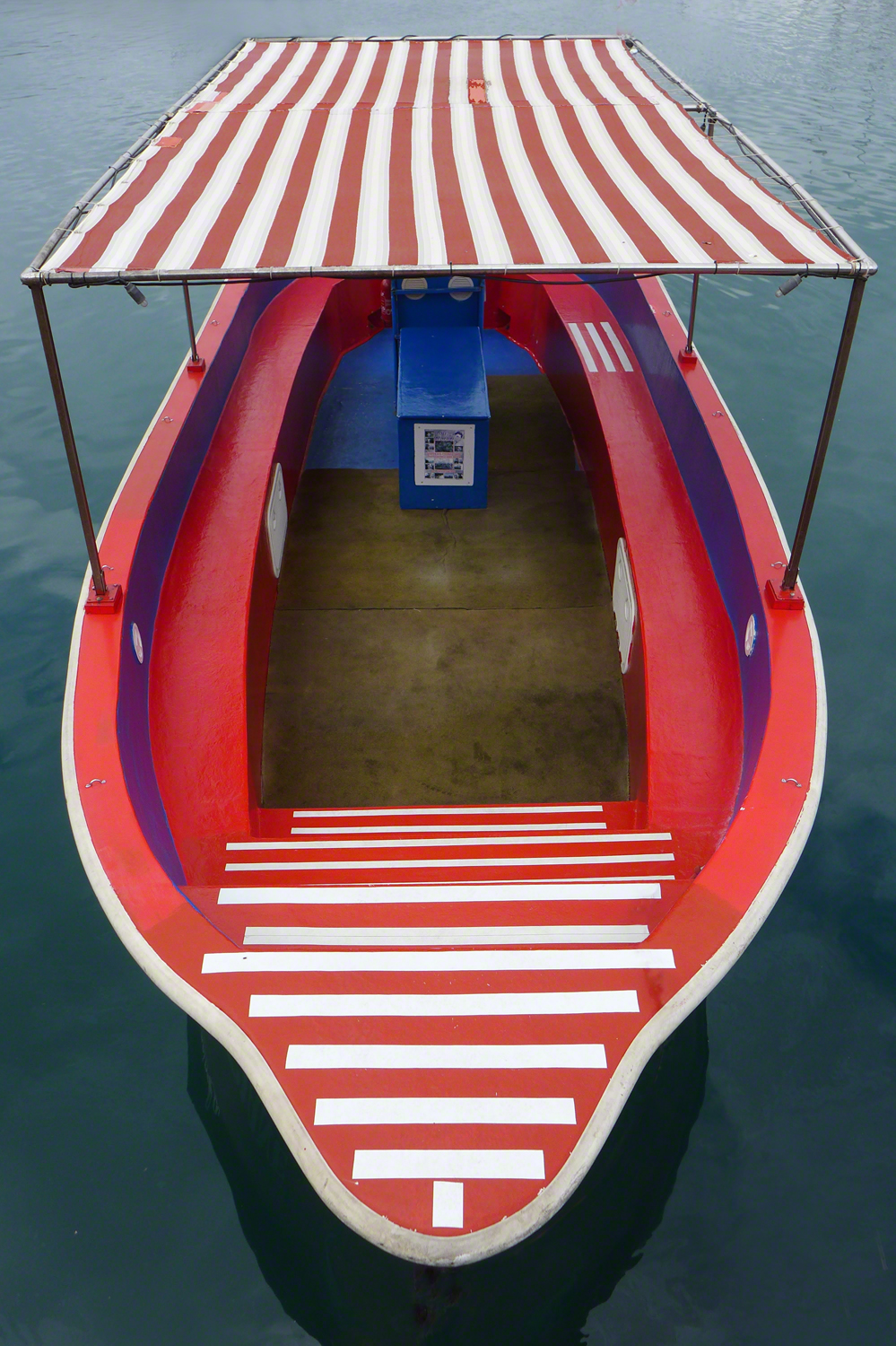
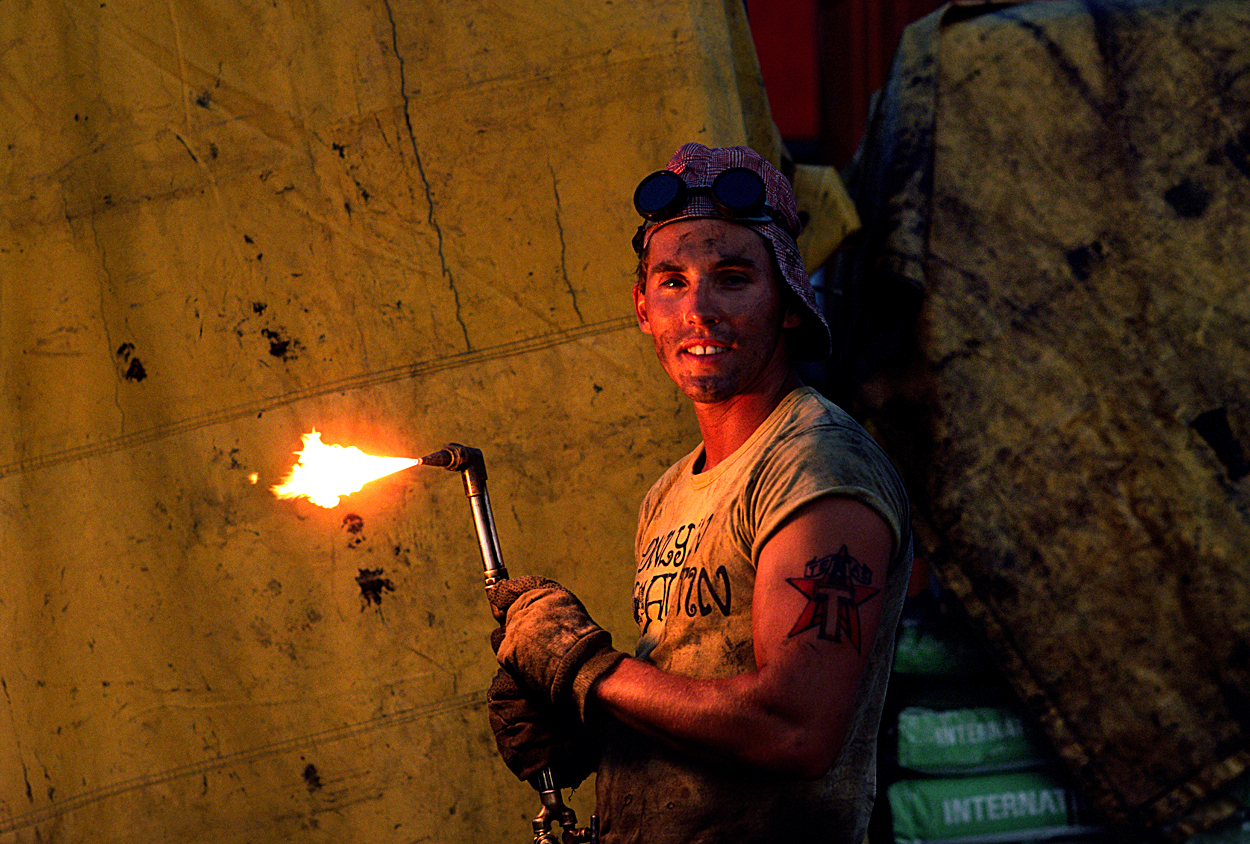
Back light for energy

I’m constantly advising my online students with the BPSOP, that shooting when the sun is no more than 15 degrees off the horizon offers the optimum light as far as the quality and softness is concerned; known as the Golden Hour. As far as as my “Stretching Your Frame of Mind” workshops I conduct, we might be street shooting midday, but we’re always out there early in the morning and late in the afternoon as well.

If you’re a student of light, you think about the sun and where it is any time you’re holding a camera. I have talked for years about my clock and how I determine what the subject will look like under various conditions. In other words I always let the sun draw my pictures.

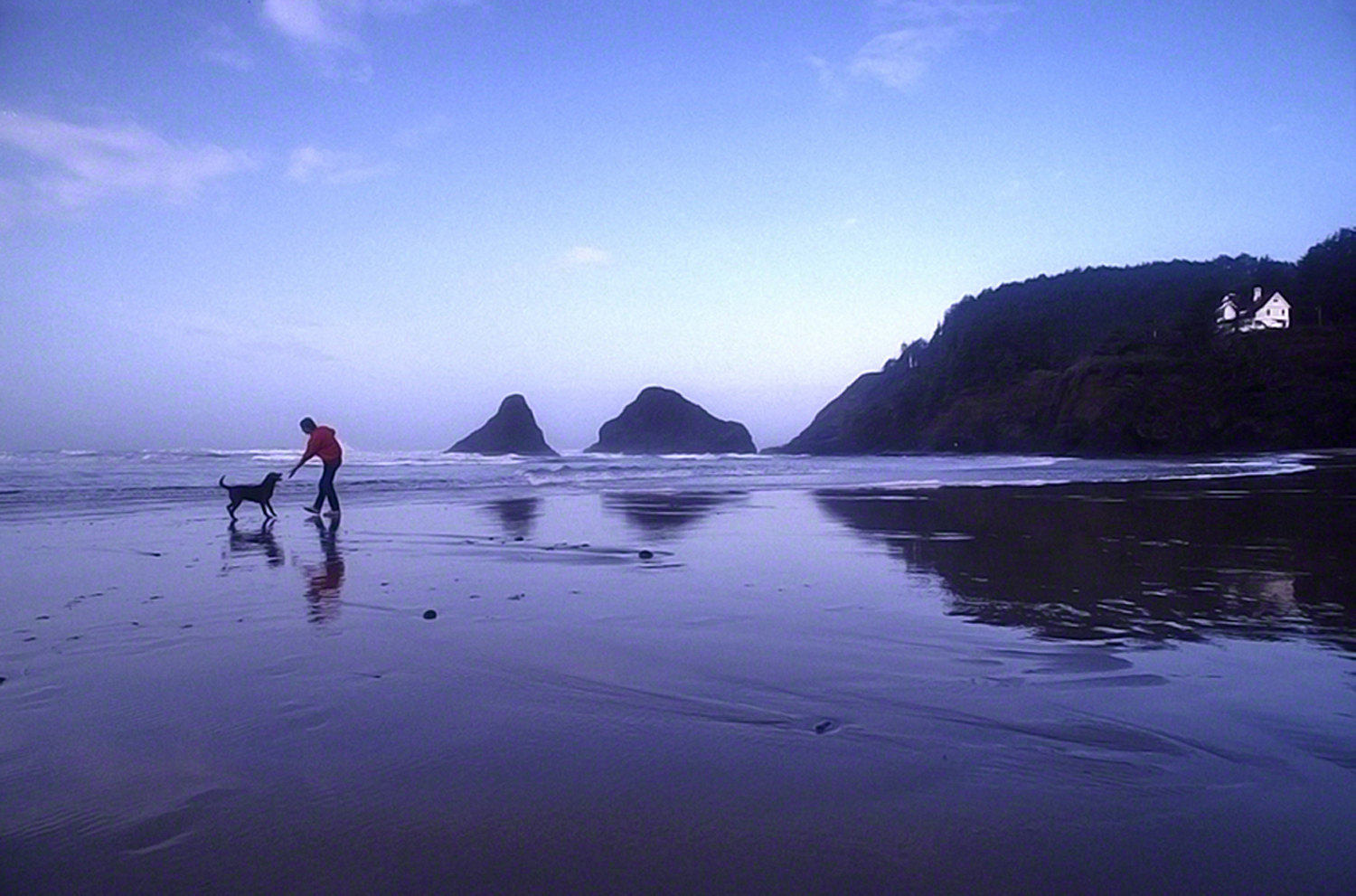
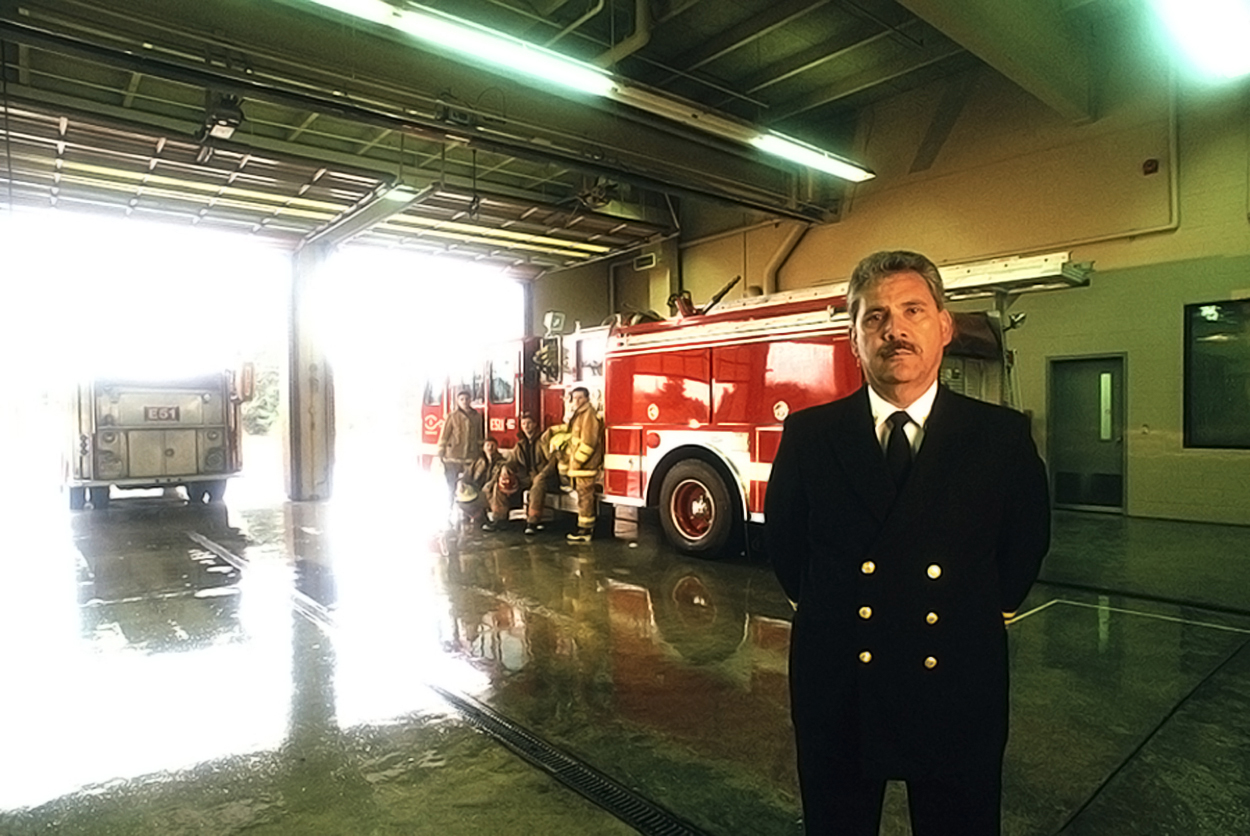
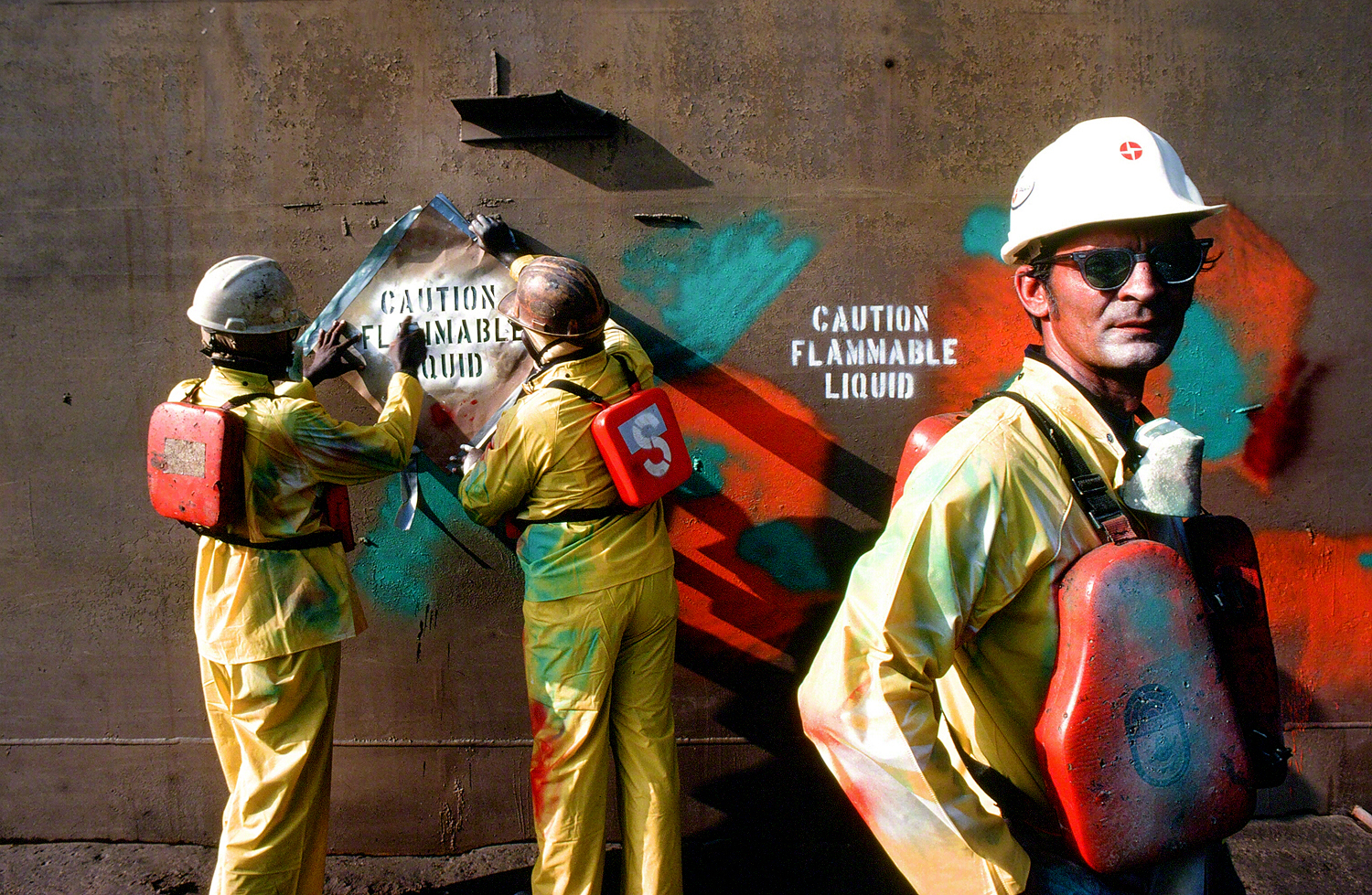
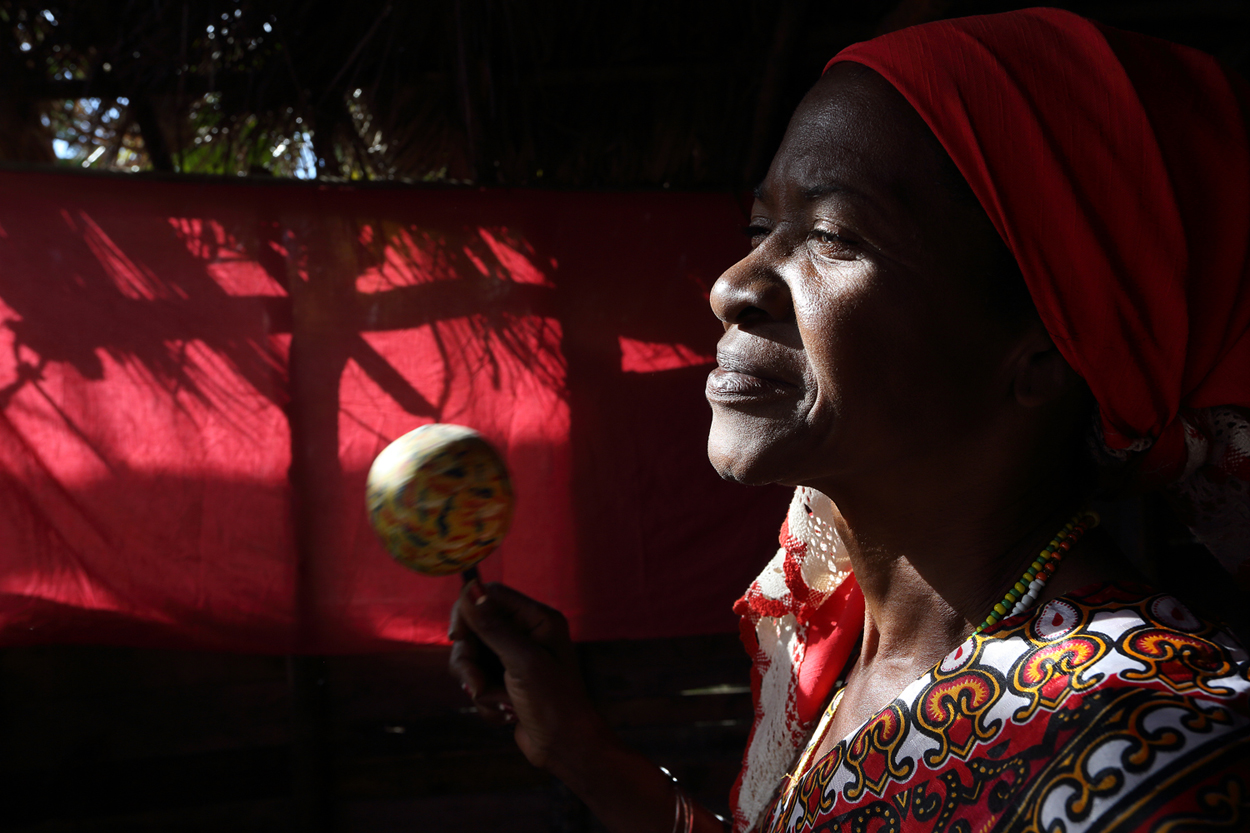
Front light for contrast

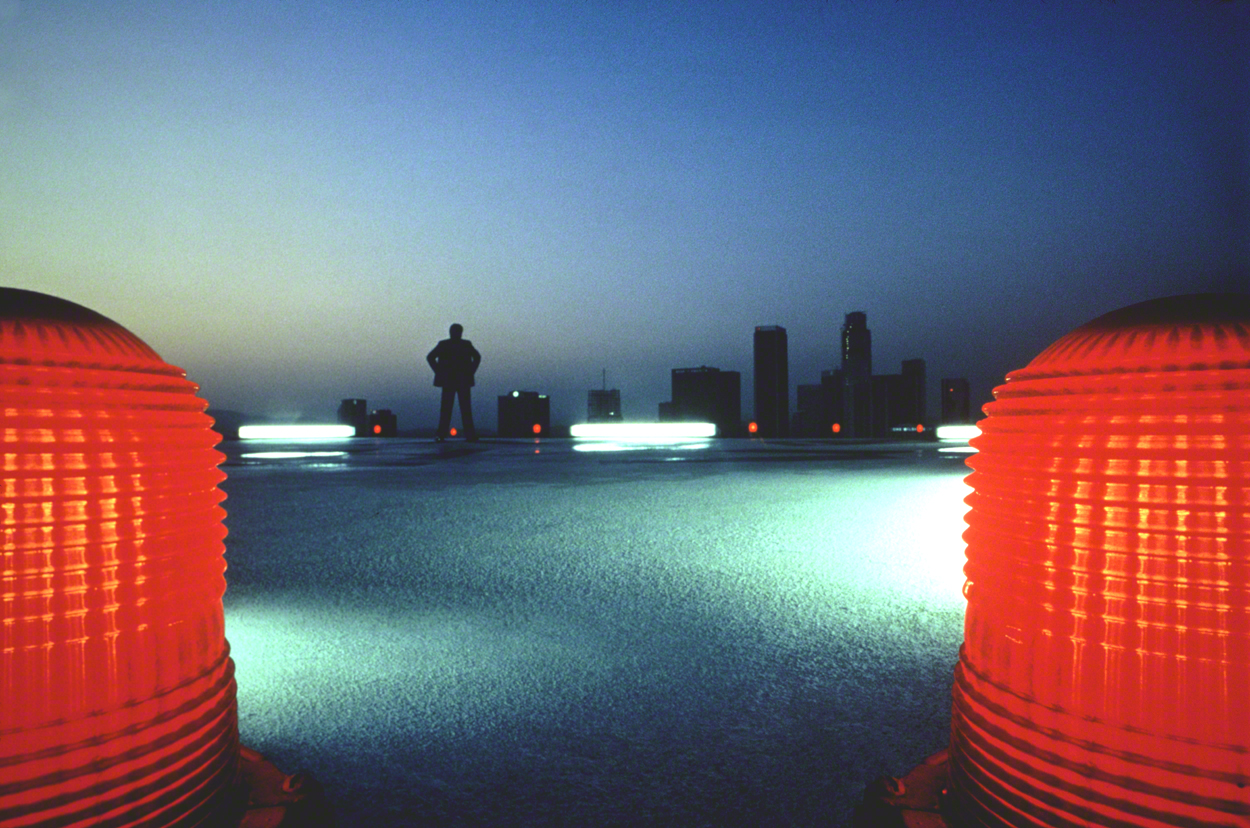
Where I place myself in relation to the sun will create different visual interest and tension. For example, if I want to add the third dimension to my subject, the illusion of depth, I’ll use light coming in from the side. If I want the feeling of energy and make my subjects seem to be glowing, I’ll back light them. If I’m looking for extreme contrast I’ll place the sun at my back and front light, providing I can get the area behind the subject dark.

So many photographers just don’t give the light and the sun much credence. For them if the sun is out nice and bright and right above their heads that means that it’s beaming down enough to “take pictures”…albeit hot and harsh.

If I had a dollar for every time I saw a photographer look up to make sure the sun was shining as much as possible on their subject, I would be writing this from a lounge chair next to a pool on some Island; a blue and frothy cocktail with an umbrella hanging down on one side, sitting on a table very close to me.

Here’s what I can promise you…if you become cognizant of the light and where the sun is at any time you’re out shooting, and let it draw your pictures, you’re photography will move up at least one notch.

Visit my website at: www.joebaraban.com and check out my 2018 workshop schedule at the top of this blog. Come shoot with me sometime. I’ve a couple of openings in my Springtime in Berlin workshop next May 23rd. A fantastic city with so many great locations we’re going to be shooting.

This coming July 29th will be my 30th anniversary teaching at the Maine Media Workshop. I’ve always picked this time as it’s the week of the Lobster Festival down the road in Rockland. This ofers a unique set of photo ops, different from the Maine Coast, fishing villages and lighthouses. The Lobster Festival is all about color, design, light, energy, people watchng and environmental portraits everywhere you look; some people are there in costumes and loved to be photographed.

In conjunction with The Santa Fe Workshops, October 2nd I’ll be leading a group in San Miguel de Allende. A beautiful oasis and artist colony, and the entire city is a UNESCO site.

Come join me for a week of fun and photography…what could be better?

JoeB
Food For Digital Thought: Creativity

Keep those creative juices flowing.

Here’s a very interesting concept I created that I want to share with all of you. Something to think about when you’re shooting:

There are two men swimming in the ocean, and while doing so one of the men sees a gray spot against a calm blue horizon. That man decides to swim to shore, the other man doesn’t and is eaten by a huge shark. By reacting to something different, the man that swam to shore survived. He saw something different!!!

Creativity is the gray spot. It was that which was the most different. As photographers we want the viewer to react (and will always react) to that, which is the most different.

Imagination keeps us young. It’s the gas and oil that keeps our mind running smoothly. Hopefully, the kinds of people that will look at our work do have some semblance of being creative…or they wouldn’t be bothered…so who cares about them??? That goes for ourselves as well. Let everyone else be predictable in his or her approach to shooting pictures. Remember that good photographers follow the more traditional ways and adhere to all the rules. The great photographers “follow the beat of a different drummer”, and break the rules.

Most people put a high value on creativity, but since it’s an intangible commodity it’s also misunderstood. It takes a somewhat flexible mind to even get close to realizing its importance in our society. I’ve had students in my workshops tell me that in order to be really creative you have to be original, and they also say that there aren’t any photos left that haven’t already been taken. While it’s true that there aren’t very many if any original ideas left, the creative part comes in when you take those existing ideas and show them in a new way. Marcel Proust, a French novelist said, “The voyage of discovery is not in seeking new landscapes, but having new eyes”.

One way to see new landscapes is to what I call “Seeing past first impressions”. The great photographs that you aspire to take will come with seeing new ways to look at old ideas. Go out and be prepared for the unexpected. Eddie Adams, a Pulitzer Prize-winning photographer once said, “When you get lucky be ready”.

In my opinion, one of the best inventions to ever come around, hell-bent on stifling creativity is the Histogram and those pesky blinking areas in the back of your camera that tells you that in a certain part of your frame the highlights were clipped (see my post on this subject). DANGER-COMBUSTIBLE-DO NOT MIX THESE WITH CREATIVITY-HARMFUL IF SWALLOWED!!! Truth be told, they actually slow the process down and no doubt were put there because that’s our world now. If you free yourself of those things your photos will have a much better chance of moving “up a notch”.

To my way of thinking it’s going to do more harm than good, and wind up complicating those creative juices. Learn to feel/see/ find the light, then be creative with it. It’s so important to be able to sense when it’s changing all around you and make immediate corrections without looking at your Histogram because make no mistake, light is so fleeting that just a few seconds can make the difference in going home empty handed or excited because you just took the best photo of your photographic life.

Spark those creative juices. Shoot photos without looking through the viewfinder. Stand on top of something, lay on your stomach, shoot with the lens you like the least, etc. I tell people to take art classes as a way to expand your current thought process; as a way to get new ‘creative juices into your veins. This is what I always tell my online students I teach with the BPSOP, and my “Stretching Your Frame of Mind” workshop I conduct around the planet when they ask what else they can do to take stronger photos.

If you really want to enjoy the power of creativity in it’s purest form, KNOW YOUR CAMERA,  UNDERSTAND WHAT GOOD COMPOSITION IS, MASTER THE ELEMENTS OF VISUAL DESIGN, HOW EXPOSURE WORKS, and FOLLOW THE LIGHT. In my opinion, you could forget everything else. I did and my photos still come out pretty good.

Be creative, stay thirsty, and survive my fellow photographers.

Visit my website at www.joebaraban.com and check out my 2018 workshop schedule at the top of this blog. Come shoot with me sometime. I have a couple of openings in my Springtime in Berlin workshop next May 23rd. A fantastic city with so many great locations we’re going to be shooting.

This coming July 29th will be my 30th anniversary teaching at the Maine Media Workshop. I’ve always picked this time as it’s the week of the Lobster Festival down the road in Rockland. This offers a unique set of photo ops, different from the Maine Coast, fishing villages, and lighthouses. The Lobster Festival is all about color, design, light, energy, people watching and environmental portraits everywhere you look; some people are there in costumes and loved to be photographed.

In conjunction with The Santa Fe Workshops, October 2nd I’ll be leading a group in San Miguel de Allende. A beautiful oasis and artist colony and the entire city is a UNESCO site.

Come join me for a week of fun and photography…what could be better?

JoeB
Food For digital Thought: What You See Is Not Always What You Can Get.

The right side of my brain

The beginning of August, 2017, I was conducting my latest Maine Media Workshop (also known as my “Stretching Your Frame of Mind” workshop”) for the twenty-ninth time. I always go up a day early to look around for possible ideas to add to the way I’ve already  structured the week long class.

Among other discussions I always work on getting people to see with the right side of their brain, the creative side, instead of the left side, the analytical side; this is also a big part of my online class with the BPSOP.

I was driving from Rockport where the workshop campus is located down to Rockland where the Lobster Festival was slated to start a few days later. As I passed one of many motels along scenic Route 1, I noticed several striped umbrellas grouped together that offered shade to the residents wanting to sit around and enjoy the fabulous weather.

I kept driving but after a few miles I had an epiphany, and when I have one of those while driving around with a camera next to me I immediately make a U-turn; people driving with me are usually not as excited as I am!!

the left side of my brain.

As I passed these umbrellas I first saw them with the left side of my brain, the side that only saw a group of umbrellas. It didn’t take me long to switch off the left side of my brain and imagine those umbrellas with the right side. The side that saw something entirely different.

In my mind I envisioned several of the basic elements of visual design: color, shape, line, and pattern. I saw them no longer as umbrellas, but an arrangement of elements in a way that became an abstraction of a group of ordinary objects.

I knew that what I was originally looking at was not what I was going to get, which was why I made the decision to go back and take a closer look.

To my fellow photographers my point here is to look at the world around you not with the left side of your brain, the analytical side, but with the right side, the creative side. When you can start doing that, a whole new world will open up and you be able to see things not as they are, but what they could be.

Visit my website at: www.joebaraban.com and check out my 2018 workshop schedule at the top of this blog. Come shoot with me sometime. I’ve a couple of openings in my Springtime in Berlin workshop next May 23rd. A fantastic city with so many great locations we’re going to be shooting.

This coming July 29th will be my 30th anniversary teaching at the Maine Media Workshop. I’ve always picked this time as it’s the week of the Lobster Festival down the road in Rockland. This ofers a unique set of photo ops, different from the Maine Coast, fishing villages and lighthouses. The Lobster Festival is all about color, design, light, energy, people watchng and environmental portraits everywhere you look; some people are there in costumes and loved to be photographed.

In conjunction with The Santa Fe Workshops, October 2nd I’ll be leading a group in San Miguel de Allende. A beautiful oasis and artist colony, and the entire city is a UNESCO site.

Come join me for a week of fun and photography…what could be better

JoeB

Food For Digital Thought: Take, Make, And Create

Creating pictures is so much fun.

I often refer to photography as the art of taking, making, or creating pictures. In fact, these three concepts can determine the strength of your composition. They will decide on how long the viewer will look at your images and if they will even be remembered.

First let’s look at the approach my fellow photographers take when they either submit their photos in my online class with the BPSOP or during the daily critiques in my “Stretching Your Frame of Mind” workshops I conduct.

For the most part, when I see their photos the one thing that usually stands out is that I find these photographers taking pictures. In other words they stand there and bring their camera up to their eye and start shooting without thinking about how to keep the viewer around; because of the visual interest and tension needed to do just that.

I have found a common thread between these types of pictures and it stems from always shooting at the same height, the same POV, the same F/stop, the same direction of the light, the same lens, and letting the camera decide on the exposure…which is usually the wrong advice.

My desire as a teacher is to show photographers the difference between taking and making pictures, and try to get them to stop the practice of taking pictures and move them forward to making them.

Making pictures is all about looking a your subject differently. Putting the light up front and among the most important aspects of your photographic vision. Unless you’re street shooting where capturing the moment is critical, light is everything!!!

I show my students how to incorporate the Elements of Visual Design into their imagery, and these elements are put on an imaginary ‘Artist Palette’. The same ‘Artist Palette’ I’ve been carrying around in the back of my mind for the past forty-nine years.

When I’m out shooting I look for things not immediately visible without the help of my palette. I look for: Light, Texture, Patterns, Shapes, Vanishing Points, Perspective, Color, and most important Line.

I look for different ways to show the subject, whether it’s lying on my stomach and getting dirt on my shirt, or finding a way to shoot down on objects. Maybe panning is the answer, or a slow shutter speed, or using lens not necessarily meant for what I’m thinking about; a 100mm macro lens or a 300mm for portraiture as one example.

I look for ways to use Negative Space to define my subjects, as well as balancing my composition. I use lines to move the viewer around the frame, especially if I can introduce a Vanishing Point. I introduce Color on overcast days, and I also use color to communicate ideas. I see a tree, and I look for what else it is.

This is making pictures and a hell of a lot more fun than just bringing the camera up to my eyes and clicking the shutter.

Finally, there’s creating pictures, and this is my favorite way to shoot. To me, my camera on a tripod is the same as a blank canvas on an easel.

Creating pictures means adding a prop, asking someone to pose for me, or moving things around to gain more interest and tension. The above photo was taken during my Maine Media Workshop I conduct every year at the end of July beginning of August.

This was at the Lobster Festival in Rockland. I saw the couple outside of the tent taking turns shooting each others picture so I asked them if they would mind if I took a picture of the young woman taking a picture of her boyfriend. I had first noticed the wonderful light creating silhouettes from others walking by and the wonderful squares (shapes) that were backlit.

I placed the woman so all I would see is her silhouette, and I put the man so his face would appear in one of the squares. I then told them to forget I was here and continue taking pictures. The blank canvas was in my mind so I began creating my art.

So now you’ve read about three approaches to the art of photography. You can continue to take pictures and travel the well worn road to mediocrity, you can begin making pictures and experience a whole new way to gain attention to your images, or you can create pictures and really have fun…even reaching Nirvana!!!!

🙂

Visit my website at: www.joebaraban.com, and check out my 2018 workshop schedule at the top of this blog. Come shoot with me sometime. I can promise you a lot of fun, reaching Nirvana might be a little more difficult. I’ve a couple of openings in my Springtime in Berlin workshop next May 23rd. A fantastic city with so many great locations we’re going to be shooting.

This coming July 29th will be my 30th anniversary teaching at the Maine Media Workshop. I’ve always picked this time as it’s the week of the Lobster Festival down the road in Rockland. This ofers a unique set of photo ops, different from the Maine Coast, fishing villages and lighthouses. The Lobster Festival is all about color, design, light, energy, people watchng and environmental portraits everywhere you look; some people are there in costumes and loved to be photographed.

In conjunction with The Santa Fe Workshops, October 2nd I’ll be leading a group in San Miguel de Allende. A beautiful oasis and artist colony, and the entire city is a UNESCO site.

Come join me for a week of fun and photography…what could be better?

JoeB
Personal Pearls of Wisdom: I came, I shot, I left.

Spanning almost forty years of teaching photography workshops, I have compiled a list of my own “Personal Pearls of Wisdom” that I have written over the years.

When talking to photography students from around the world, either in person, or online, or by email, I often refer to a catchphrase I’ve created throughout my photographic career. These Pearls of Wisdom’ are usually used in a critique, but sometimes I just throw one out for everyone’s enjoyment. Most of the time it gets a laugh…not all the time but a LOT.

Here’s one of my favorites, and one I’m constantly using: “I came, I shot, I left.”

What that means is that photographers usually don’t spend a lot of time taking a photo. They will invariably walk up to a subject or location, shoot the first idea that comes to mind, and then move on leaving a lot still ‘on the table’. By the way, the photograph is usually taken at eye level since it’s the easiest and less stressful way to compose.  STOP!!! Don’t leave!!! Use this first shot for what I call the ‘Master Shot’ and stick around to observe what else is going on.

I can’t remember when I started doing this, but I think it was when I started as a director/cameraman and began with TV commercials…about thirty years ago.

I learned to take the ‘Master Shot’, which was the first set up in a scene.  It was important because it set up the rest of what was left of the thirty seconds. It’s the key shot, and when you could walk away with in case it started to “rain on your parade”.

In my online class I teach with the BPSOP school, and my “Stretching Your Frame of Mind” workshop I teach around the world, I have them take a ‘Master Shot’, which is the first idea that they see when they come upon a worthy subject/location. Then, I have them take two more photos of the same location/subject. These two shots should come to them while taking this first shot. The idea is to find ways to segue your first photo into a better and stronger way to see it.

What I don’t mean is to stay in the same position and just zoom in or out in the same composition.

For example:

  • Up close and personal
  • Change lens
  • Up high then down low
  • Different light
  • Change a prop
  • Put in a person, or take one out
  • Look for something that might be unexpected or unpredictable.
Master shot

When I’m shooting, I have one eye in the viewfinder and the other scouring the location for a way to segue my current composition into a stronger shot. As I’m shooting, I’m constantly making small to medium-sized changes.

I’m always looking for that elusive “OMG” shot.

Here’s an example of a ‘Master Shot’:  While driving around with my class at the Maine Media Workshop, Chasing the Light as I refer to it, I stopped at this location to show them what I meant. While these photos are not going to win any awards, they are an excellent example of taking a ‘Master Shot’, then looking for other ways to make it more interesting before leaving.

So the next time you’re out shooting think about taking a master shot then see what other possibilities come from it. Once you try it and see that it works, you’re on the right road to taking your work to the next level.

Visit my website at www.joebaraban.com and check out my 2018 workshop schedule at the top of this blog. Come shoot with me sometime. I have a couple of openings in my Springtime in Berlin workshop next May 23rd. A fantastic city with so many great locations we’re going to be shooting.

In conjunction with The Santa Fe Workshops, October 2nd I’ll be leading a group in San Miguel de Allende. A beautiful oasis and artist colony and the entire city is a UNESCO site.

Come join me for a week of fun and photography…what could be better

JoeB

2018 WORKSHOPS

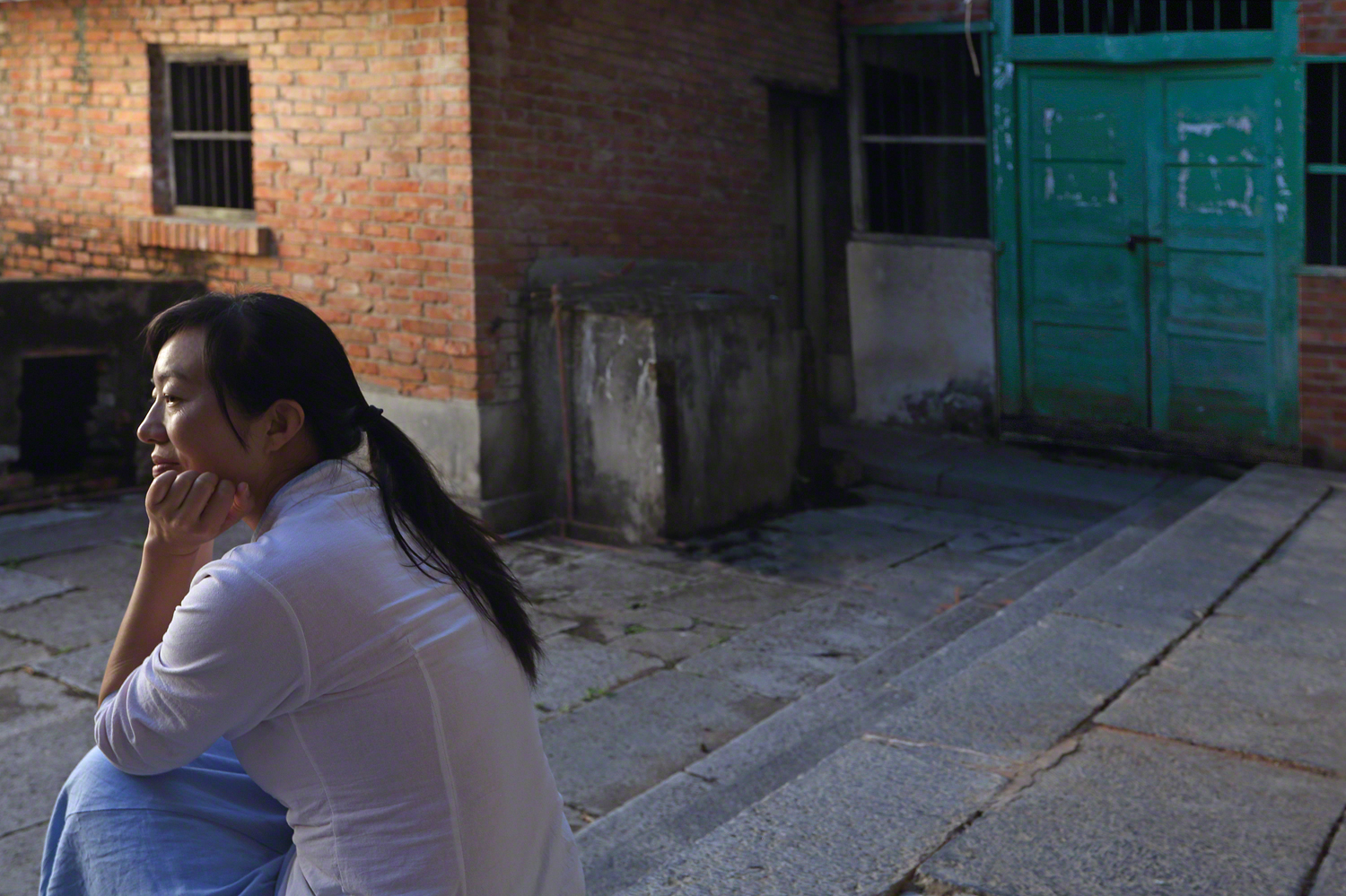
This portrait I took was actually of one of my students.

I wanted to send out this post dedicated to the new 2018 workshops I have coming up.

I want to share two new workshops I have planned this year. The first one is the Maine Media Workshop beginning July 29th. I will be celebrating my 30th anniversary there and after all these years, I still love going there. I’ve always had it the same week, as it’s the week of the Lobster Festival just down the road in Rockland. The reason is that it offers a completely different set of photo opportunities than the Maine coast, fishing villages and lighthouses. At the festival there’s color, design, energy, people watching, and being able to shoot various environmental portraits of people (sometimes in costume) willing to be photographed.

Here’s the link: https://www.mainemedia.edu/workshops/item/stretching-frame-mind-jul-29-aug-4-2018/

Here’s a couple of links from past workshops images taken by students:

https://joebaraban.com/2016maine-media-workshop/

https://joebaraban.com/workshop-stuff-maine-2017/

https://joebaraban.com/2014-maine-media-workshop/

The second one is in conjunction with the Santa Fe Workshops. Beginning October 2nd, I’ll be leading a workshop in San Miguel de Allende. This is not a city you might think of when considering Mexico as a destination. San Miguel is an oasis high up in central Mexico.

Here’s the link: https://santafeworkshops.com/workshop/Light_Color_People_San_Miguel/

Here’s what Lonelyplanet has to say about this beautiful city:

https://www.lonelyplanet.com/mexico/northern-central-highlands/san-miguel-de-allende

Also Wikitravel: https://wikitravel.org/en/San_Miguel_de_Allende

I hope some of you will join me in the fun well as shoot alongside me.

JoeB

Food For Digital Thought: Clipping The Highlights

I blow out highlights.

First of all, let me explain what is meant by “clipping the highlights”:

According to several definitions I’ve read over the information highway, clipping occurs when there is an incorrect exposure. When an exposure is increased so is the amount of light, and increasing the exposure too far will cause the lightest areas in your photograph to ‘clip’ or appear ‘blown out’.

Here’s one of those definitions, and would I love to meet the person that wrote it!!!!!

“The clipped area of the image will typically appear as a uniform area of the minimum or maximum brightness, losing any image detail. The amount by which values were clipped, and the extent of the clipped area, affect the degree to which the clipping is visually noticeable or undesirable in the resulting image.”

UNDESIRABLE??? SERIOUSLY???? If you’re the one that wrote this please contact me so I can try to get your head screwed back on so you’ll see where you’re going instead of always looking behind you and in the past.

It’s always amazing to me when a student tells me that he had a  photography instructor or a fellow member of the camera club, tell him or her to never clip the highlights.  It’s also amazing when I’m looking at the back of a student’s digital camera and there’s a bunch of “blinking stuff” on it.

This conversation comes up a lot in my online class with the BPSOP  and in my  “Stretching Your Frame of Mind”, workshop I conduct all around the planet.

The first thing I tell my fellow photographers is to get that stuff off of their display. You know, the areas that blink when they’re being clipped.

It would drive me crazy!!! In fifty-three years of shooting professionally I’ve NEVER, and I do mean NOT ONCE ever worried or even thought about whether my  highlights were clipped; I want that energy…that visual tension!!

Always remember this: “The viewer will always react to that which is most different.” It’s what I teach/preach when I talk about the Psychology of Gestalt and how the different concepts within it can help us make stronger images.

Here’s some examples of when I clip the highlights:

My last thought on this is when those same fellow photographers tell me that during their camera clubs yearly competition, if they were to submit an image where areas are blown out they’re either disqualified or told to go sit in a corner; can you just image the degradation one would encounter?

The answer I usually give is for them to start their own camera club that encourages photographers to color outside the lines.

Blow out those highlights, and be damn proud of it.

Visit my website at: www.joebaraban.com and check out my 2018 workshop schedule at the top of this blog. Come shoot with me sometime. I’ve a couple of openings in my Springtime in Berlin workshop next May 23rd. A fantastic city with so many great locations we’re going to be shooting.

In conjunction with The Santa Fe Workshops, October 2nd I’ll be leading a group in San Miguel de Allende. A beautiful oasis and artist colony, and the entire city is a UNESCO site.

Come join me for a week of fun and photography…what could be better?

JoeB
Food For Digital Thought: Tripods, What Are They Good For?

Only with a tripod.

I would safely say that the biggest hurdle I have in my online class with the BPSOP, and in my “Stretching Your Frame of Mind” workshops I conduct around the planet, is to get my students to use a tripod. The digital era has brought with it a new class of photographers that think the only way to take a photo is to always hand hold their camera; and that’s fine a lot of the time. When I’m walking around, either when I’m traveling or just taking snapshots around my hometown, I’ll carry my camera over my shoulder. That’s when the photos are for a record  of where I’ve been, or possibly for planning out my next shoot, or for showing a family member something or someone I might have seen, or perhaps for a teaching aid.

However, when I’m going out to take serious photos, I always use a tripod…why you ask?

Because I’ll never let my camera tell me when and where I can take a photo. I’m going to be the only one that decides if I can shoot something or not…certainly not a machine. Ok, I know you can jack up the ISO to a million (give or take a few hundred thousand), but I wish I had a dollar for every time a student explained that the reason the photo they submitted looked weird is because they forgot to change the ISO back to the normal range. I’ve also been told that they don’t shoot when the light is toooooooooo low because they can’t hand hold their camera during that time…YIKES!!!!! Tell me it ain’t so!!!!!!

All this is predicated on the idea that early in the morning or late in the evening is going to be the best light, and therefore that’s when I’m going to shoot; it’s the only time I shoot when I’m serious. I want to be able to shoot at any shutter speed I want, and with any aperture setting…and any combination of the two. This is how I maintain control of my photographs.

If you like shooting after breakfast right after lunch, and before dinner and your goal is to take “half way decent pictures” and be a fairly good photographer, then by all means hand hold your camera. If you want something more, then get a tripod. The key is to get a tripod that’s simple to use and lightweight. So many students of mine have inexpensive tripods that are only good for putting hanging plants on. It’s a life time investment and one of the best you’ll ever make. Buying one and occasionally using it won’t do you any good. It takes practice…a lot of practice. When you get use to it you’ll find that it’s going to open up soooooooo many creative doors for you. It’s going to free up your hands…why is that important you ask?

To me, I think of a camera on a tripod like a canvas on an easel. When I’m on a tripod, I can leave the camera and adjust something in my composition and know that when I take a look at whatever changes I’ve done, the camera will be in the exact same position. If you’re hand holding your camera and you make a change, you’ll never be able to go back to the same position. When I’m designing the Negative and Positive space for example, or moving something into or out of my frame, I want to be able to see the exact change in my viewfinder

BTW, buy the best tripod you can, that way you’ll only cry once!!

Visit my website at: www.joebaraban.com, and follow me on Instagram: www.instagram.com/barabanjoe. Check out my 2018 workshop schedule at the top of this blog. Come shoot the sunrise and sunsets with me. You might want to bring along a tripod!! I’ve a couple of openings in my Springtime in Berlin workshop next May 23rd. A fantastic city with so many great locations we’re going to be shooting.

🙂

JoeB

Food For digital Thought: POV

From a different POV

It’s amazing how often I see photos that were taken either for my online class with the PPSOP, or in my “Stretching Your Frame of Mind” workshops I conduct around the planet, that appear to be taken from the exact same height; that height being the distance from their eyes to the ground.

In other words, my fellow photographers shoot from the same POV (point of view) all the time….why you ask?

Two reasons:

The first is because it’s the easiest and laziest  way to take a photo. All you have to do is raise the camera up to your eyes, aim, then pull the trigger (Texas talk for clicking the shutter). Simple and quick, am I right? The second reason is because most of my fellow photographers take instead of make pictures. Part of that is what I refer to in a past post as “I came, I shot, I left“.

🙁

If I can make a suggestion, that will help take your photos what I always refer to as “up a notch”, change your point of view the next time you go out shooting. Instead of bringing the camera up to your eye and shooting from the same height as always, think about getting down low to the ground. Look all around, there might be a railing or balcony you can shoot from. How about shooting through a window or the windshield in your car? Is there a ladder nearby? If you’re shooting flowers, get down to their level. Get some dirt on the front of your shirt!!!

The next time you’re shooting your kids, or your friends kids, or your grand kids, don’t just stand over them and point your camera down. Get on their level, and you’ll immediately see how much more powerful your photo is.

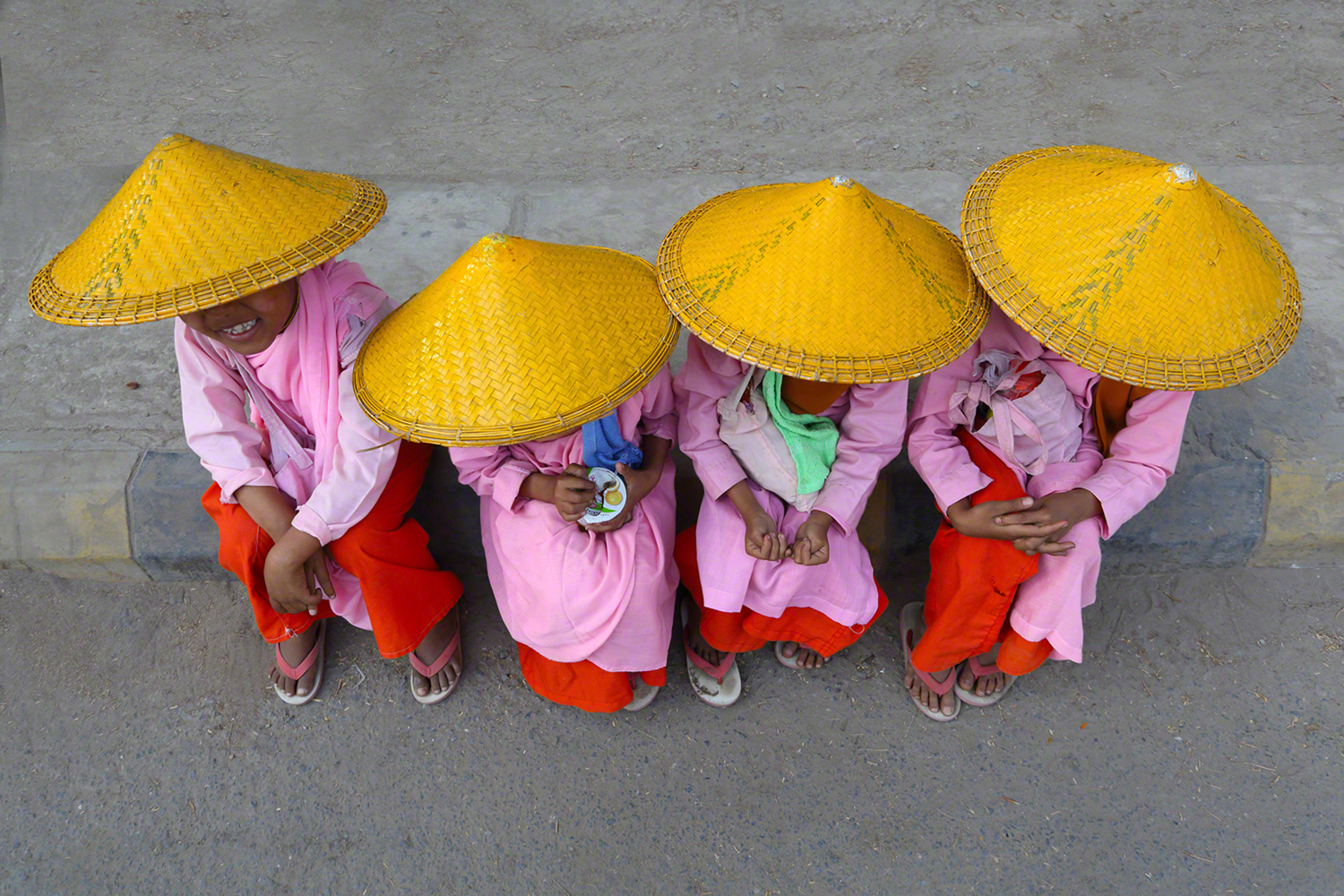
The above photo was taken while I was conducting a workshop in Myanmar. Our guide had these small girls that were about to go in a convent to become nuns pose for my fellow photographers. They all had fun taking various portraits of individual girls and as a group. When they were all done I asked our guide to have them sit next to each other on the curb. I put on my 17-40mm Canon lens and stood on my tiptoes above them.

I had pre-visualized the photo in my mind so it took just a few seconds to shoot it. This photo is one of my favorite, if not the number one favorite, of everything I had taken while in the country.

Visit my website at: www.joebaraban.com and check out my 2018 workshop schedule at the top of this blog. Come shoot with me sometime. I’ve a couple of openings in my Springtime in Berlin workshop next May 23rd. A fantastic city with so many great locations we’re going to be shooting.

Don’t forget to send me a photo and question to: AskJoeB@gmail.com.

JoeB

My China Photo Tour and Workshop

Photo by Denis Bennett

I recently returned from my photo tour/workshop I conducted with William Yu. To say that it was an experience/adventure is putting it mildly. We visited places in rural China very few westerners will ever see; sometimes as close as a few miles from the northern Vietnam border.

We went in January because that’s the time of year the thirteen hundred year old rice paddies are flooded, in preparation to the planting. Thanks to William and his very good friend and local guide Junyong Ma, we were able to view the fields from several lookouts both early in the morning and late in the afternoon.

Although we were hampered by an unseasonably cold front, gray skies, and fog almost every day,  we still managed to take some great photos; especially in the tribal villages where we shot both close-up and environmental portraits.

We were also very fortunate to be there the same time as the yearly festival where the various local tribes bring their specialty dishes for all to taste; placed on over four hundred tables that run throughout one of the villages.

With me were photographers that had taken both my online classes with the BPSOP and several had taken as many as 2,3,4,5,6,7,8, and even nine of my “Stretching Your Frame of Mind Workshops” I conduct around our planet.

For those that are seeking “new horizons where few men have gone before”, I can recommend William to be your captain.

These are not mine, but represent my fellow photographers that were with me. I know there’s a lot of photos, but you should have seen the list I first began with. Just sit back and click on the slideshow at your own speed.

Visit my website at: www.joebaraban.com, and check out my new 2018 workshop schedule at the top of this blog. Come shoot with me sometime.

I have just added two new workshops for 2018. The first one is my next Maine Media Workshop to begin the end of next July. It will be the 30th anniversary there so come celebate with me. I’ve always held it the same week as it’s the week of the Lobster Frstival down the road in Rockland. It offers a completely different set of photo ops than the beautiful coast, lighthouses, and fishing villages where we shoot at. You’ll be surrounded by color, lights, design, energy, people watching, and food.

I have just received the link to my next workshop in conjunction with the Santa Fe Workshops to be next October 2nd in San Miguel de Allende. A fabulous oasis and artist community.

JoeB

Quick Photo Tip: Stop, Look, and Listen

I stopped, I looked, and I listened.


I’m guessing that most of you have heard this saying, but how many know its origin? There have been films with this title, numerous songs sung by an assortment of people, and even a game show, but it was originally a slogan made up for a pedestrian safety campaign in the UK.

I recently saw it written somewhere and immediately though of a photo I took at a flea market in Paris a million years ago with my fellow photographers that were taking my “Stretching Your Frame of Mind” workshops I conduct around the planet. To this day I still think about it when I go out street shooting or mention it to the students that take my BPSOP online classes; unfortunately my pet dinosaur didn’t survive the asteroid like I did.

I digress!

Ok, let’s talk about each word and how in the hell it could possibly relate to the art of “making” interesting pictures. To make it easier to explain my thought process, let’s use these words as they narrate the photo above.

STOP: While walking around looking for interesting subject matter and how said subjects interacted with the light (light is everything), I immediately stopped when I saw these sunglasses and the way the light was dancing on them. They seemed to be sparkling, and as I slightly moved from left to right different parts of the sunglasses were in what is known as “The Law of the Light”, and would glow.

I knew that I had one piece of the puzzle and needed a couple more pieces to make a visually interesting photo…one that would also tell a story; I decided it was worth hanging around.

LOOK: As I was standing there I observed several people walking by giving an occasional glance to the sunglasses but weren’t interested enough to stop. I thought that if I would just be patient and wait long enough I might just get lucky and add another piece to the puzzle; and perhaps complete the work of art I was beginning to form in my mind. I was looking for just the right person.

LISTEN: My patience was rewarded as a couple of women stopped and began studying the rows of sunglasses. I non-nonchalantly moved closer to put myself in a position to capture whatever might happen next, while listening to their conversation. They were asking each other which pair they liked and one of them (the one not in the photo) pointed to a single pair.

At that moment I brought my little Lumix DMC-LX5 up to my chest ( in crowded places my small Lumix is more discreet) so it would be closer to my eye just in case I got lucky, and when you get lucky be ready. The other woman reached out her hand and pointed to the pair she liked, and when she did I grabbed the shot. I was ready for it!!!

I still have two spots open for my Springtime in Berlin workshop to begin the end of May.

Visit my website at: www.joebaraban.com and check out my 2018 workshop schedule at the top of this blog. Come shoot with me sometime. I’ve a couple of openings in my Springtime in Berlin workshop this coming May 23rd. A fantastic city with so many great locations we’re going to be shooting.

JoeB

Life Before Photoshop: Russell Athletics

Look ma, no Photoshop

I’m sure some of you can relate to the phrase often said by one or both parents or by someone that was in control of your daily lives, and it went like this, “You think you have it tough? I had to walk to school everyday in the freezing cold and two feet of snow.”…or something to that order.

Well, I can honestly say that I never said that to any of my four kids…why? Because they were raised in Houston, Texas!!

But one phrase I have said (repeatedly) to my online class with the BPSOP, and to those that have taken one or more (some ten) of my “stretching your frame of mind” workshops I conduct around our planet is “Once upon a time Adobe was only known as a type of house in the southwest part of the US, and everything had to be done in the camera; one exposure, one click”.

I don’t blame the majority of my fellow photographers that fell in love with photography after the advent of the digital era. That said, these people think that Photoshop, HDR, and all the weird plug-ins are a vital part of image making, and as a result the challenge of getting it in the camera will become obsolete when people like me are long gone.

More’s the pity!! The good news is that I won’t be around to witness it, and the bad news is that I won’t be around to continue the fight.

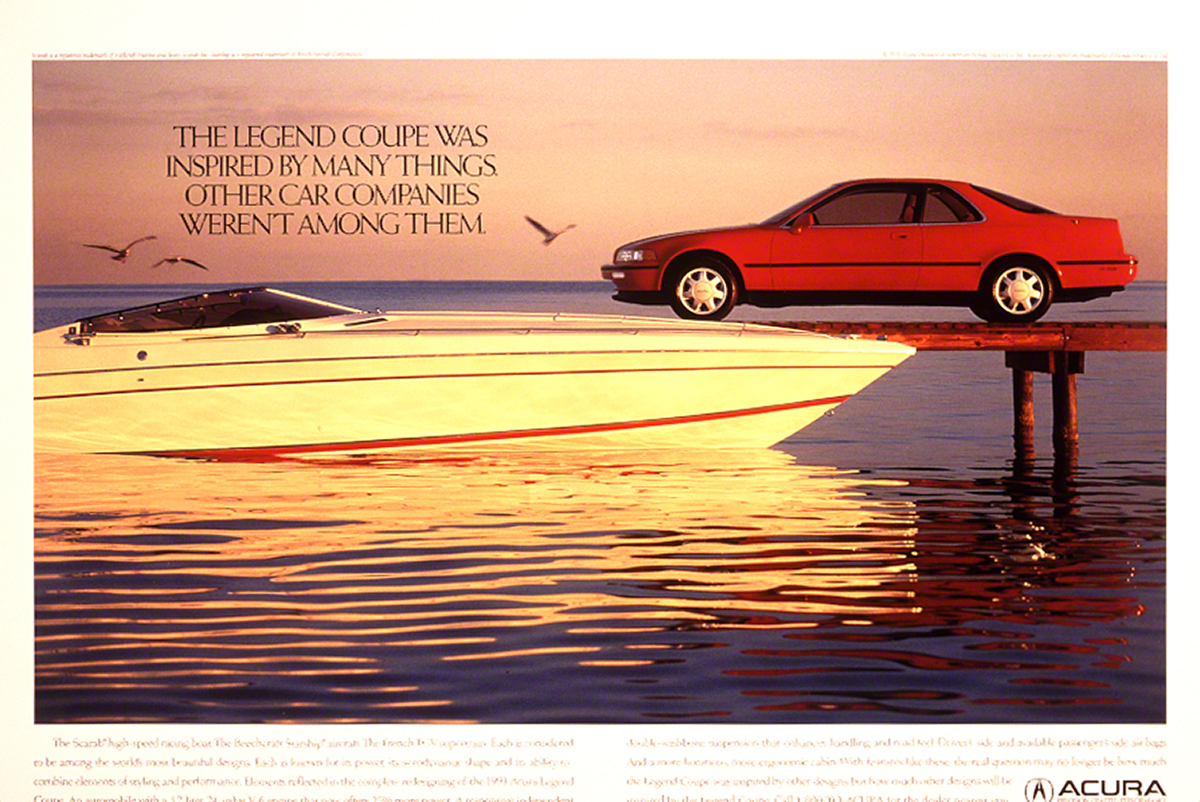
The above photo was challenging because I had to create the movement in the camera. It was a two page consumer spread appearing in sports magazines, and the art director wanted an attractive fit looking woman jogging while wearing clothing made by Russell Athletics.

I picked a location near downtown Houston that was a small bridge that had some character, while showing the skyline. I scouted the location ahead of time with my Sunpath program and hand bearing compass, and determined that sunrise would be ideal as far as having light coming from the 10 o’ clock position.

I was in a convertible with the top down and my assistant was driving alongside her at the same rate of speed she was going. I was shooting at a fairly slow shutter speed so as to make it seem like she was running faster than she was. Since her feet were moving faster than the rest of her they appear to be blurred more.

All this was accomplished in the camera, one exposure, one click.

Visit my website at: www.joebaraban.com and check out my 2018 workshop schedule at the top of this blog. Come shoot with me sometime. I’ve a couple of openings in my Springtime in Berlin workshop next May 23rd. A fantastic city with so many great locations we’re going to be shooting.

JoeB

Personal Pearls of Wisdom: Don’t shoot because it makes you feel good, shoot because it looks good.

Feels good, looks good, and has meaning.

OK, I hope this doesn’t draw angry letters or bomb threats since at first this “Pearl of Wisdom” might seem a little harsh and insensitive but there’s a reason for my madness.

When I get a submission in my online class with the BPSOP, or a photo presented to me during one of the daily reviews in  my “Stretching Your Frame of Mind” workshops I conduct all over the place, there is usually feedback in the form of an explanation as to why the photo was shot in the first place.

I will often say to the photographer, “Ok, tell me about this shot. Why did you decide to click the shutter?” If I had a dollar for every time I’ve  heard someone say…”besides it was just so cute I couldn’t help myself”, I would be writing this posts from my own island after one of my staff brought me a blue and frothy drink with an umbrella hanging perilously down from one side.

That’s all well and good and I love having my fellow photographers feeling terrific about the world and the environment that surrounds them; but if the photo doesn’t have some meaning to others, it won’t stand the test of time.

I’m as sentimental as the next guy and I like feeling good about things that I see on a daily basis, but I’m also out there trying to take photos that look good…and if they make me feel good doing it so much the better; usually it’s one in the same since I love taking pictures.

For example, I’m walking down the street and I see a child getting licked in the face by a puppy I will probably say to myself, “oh how cute”, but that doesn’t mean I’m going to take a picture of it…unless maybe it’s my kid and puppy, and it’s going into a time capsule to be opened with they get engaged or married and I show all the guests how cute they were when they were little.

I digress.

Now, if that same child and puppy is not the entire puzzle but a piece of it, then I’m going to take a closer look. In other words if there’s something else going on around them, something that tells or completes a story, then I will stop…providing I obtain permission from the parent beforehand.

What if the kid being licked is a freckled-face darling little girl, wearing a white lace dress with bows tied around her pigtails while behind or next to them is a bunch of dirty, huge, hard hat wearing constructions workers sitting around having lunch? Then you have a dichotomy, and that would give the photo a different meaning…why you ask?

Because you would be combining opposites in the same composition and in so doing you’re creating visual tension.

See what I mean?

Visit my website at: www.joebaraban.com and check out my 2018 workshop schedule at the top of this blog. Come shoot with me sometime. I’ve a couple of openings in my Springtime in Berlin workshop next May 23rd. A fantastic city with so many great locations we’re going to be shooting.

Send me a photo and question to: AskJoeB@gmail.com, and I’ll create a video review for you.

JoeB

Food for Digital Thought: Make Hay While the Sun Doesn’t Shine

I just love a rainy day

Yes you’re reading that right..while the sun doesn’t shine not while the sun does shine. The original expression is an idiom that’s been around for a long time. Basically, it means to grab an opportunity when the time and conditions are perfect.

In my online classes with the BPSOP, and in my “Stretching Your Frame of Mind” workshops I conduct I often hear from my fellow photographers that since it was a overcast day, or even raining, there wasn’t any reason to go out…that’s just an excuse to watch TV because that’s just not true!!!

Btw, throughout my career, I’ve gone out countless times when it was gray, or even raining only to get lucky and have the sky open up; perhaps for only a minute or two…and that’s all you need to get that one shot off that winds up being one for the wall.

If it’s overcast then don’t show the sky or very little of it. A gray day will produce either a white or light gray sky; if it’s raining take an umbrella. If you have a camera similar to the one I use in these situation (a Panasonic Lumix DMC-LX7) you can easily walk around with the umbrella in one hand while holding your camera in the other. Give it a try sometime, you’ll thank me down the road.

If you were familiar with my workshop and class overview, you would know that I teach people how to incorporate the basic elements of visual design into their imagery. When it all said and done, these elements and other compositional tools are firmly planted on what I call my Artist Palette.

What’s good about these elements and various tools: Line, Pattern, Texture, Shapes, Balance, Negative Space, Vanishing Points, Silhouettes, Shadows, and Color, is that they can help you out on overcast crummy gray days not just sunny good days; shadows being the possible exception!!

Getting back to my personal workshops, we will often spend time walking the streets of some village, town, or big city. Street shooting is one genre that doesn’t necessarily require good light; it’s more about capturing a moment in time. In fact, shooting in the streets at night can reward the photographer with some real keepers; especially after it rains and those wonderful reflections from wet streets are fun to find.

I’ve always found that using a long lens and a very shallow DOF (Figure-Ground) on a gray day can result in good photos, especially if you combine color with it.

Overcast light can be extremely beneficial when you are required to shoot in the middle of the day; weddings for one example. For the most part midday sun can be a real problem shooting portraits because the contrast between the shadows and the highlights can be too extreme. Looking for natural shade in this harsh light is important. A gray day can save you from dealing  with this type of light by the fact that the contrast has been negated.

Don’t fight it, go with the flow. Take advantage of the overcast conditions to create a unique photo that reflects the gloomy weather. For example, shooting a sad photo is a great use of overcast weather conditions.

There is one other way to create memorable photos on dreadful days is the use of humor. As far as I know, it’s one of the best ways to overcome these kinds of days.

Visit my website at: www.joebaraban.com, and check out my 2018 workshop schedule at the top of this blog. Come shoot with me sometime. My next springtime workshop will Berlin next May; an incredibly beautiful city.

If you send me a photo and question to: AskJoeB@gmail.com, I’ll create a video critique for you.

JoeB