My Favorite Quotes: Ernst Haas

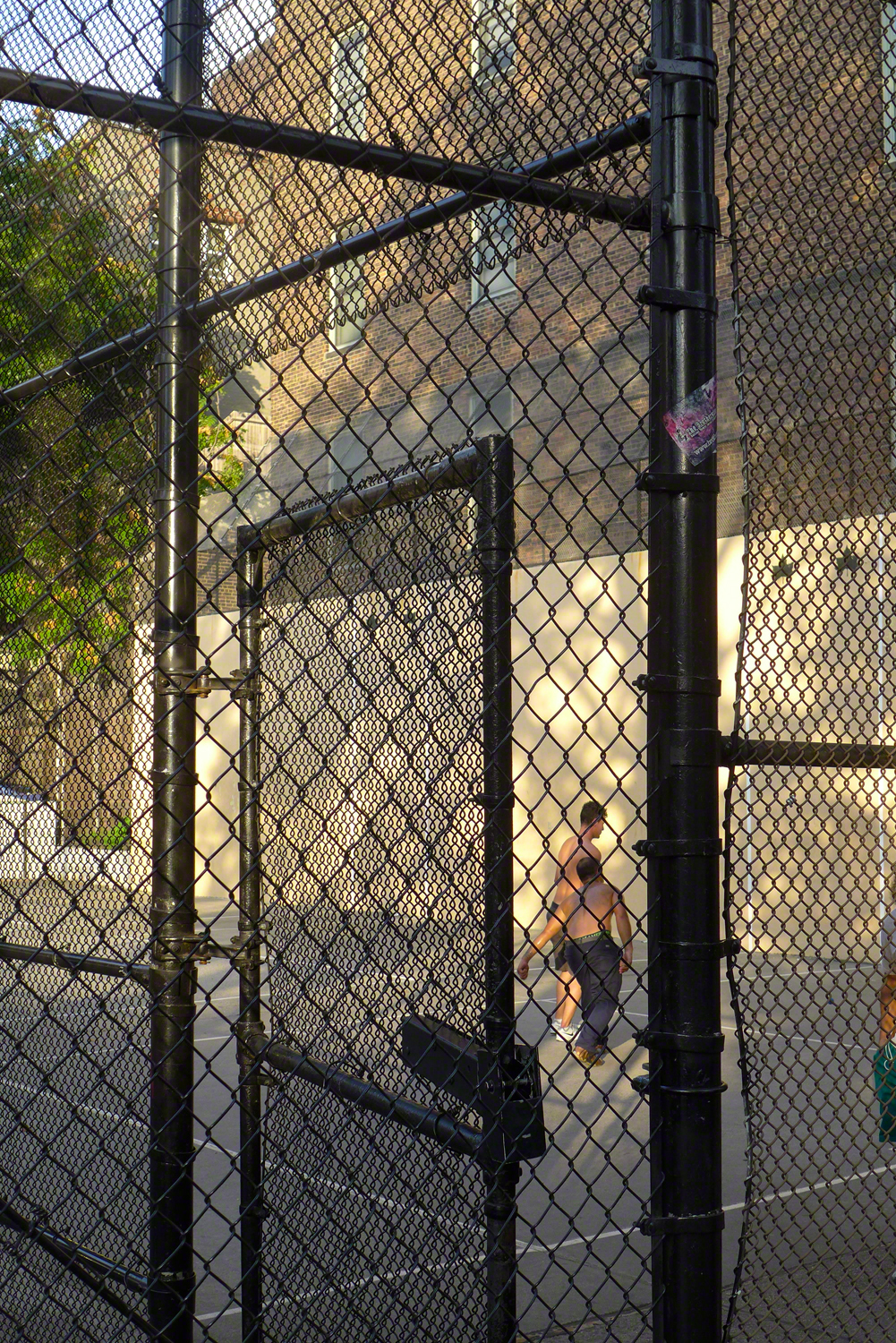
Ernst Haas is one of my all time favorite photographers, and I’m lucky enough to have one of his images on my wall. One of his quotes has stuck with me for a whole lot of years. He once said, “The best zoom lens is your feet”.

I have used that quote (always crediting him with saying it) for years, both in my online class with the BPSOP and in my “Stretching Your Frame of Mind” workshops I conduct all over this planet.

If I had a nickel for everytime I walked up to someone who was shooting multiple photos merely buy zooming in and out with the same subject in the viewfinder, I would be writing this post from a chaise lounge by some pool with a blue and frothy drink; an umbrella hanging over one side of the tall glass.

It makes me think of a post I wrote crediting another artist with his quote…Bob Marley. It doesn’t say the exact same thing, but the idea fits this post; he said, “Some people feel the rain while others just get wet.”

The reason why it applies to Ernst Haas’s quote is because when you just stand there zooming in and out, you’re just getting wet. In order to feel the rain you should use your feet and not your lens when shooting.

Use your feet to move aound your subject, whether it be to change the way the light affects it or to merely change your POV. If you want less information around your subject then move closer. Converesly, if you want to include more of the environment back away.

Of course this is all predicated on the assumption that you only brought one lens with you. If you’re like me, you have several options (lens) to choose from.

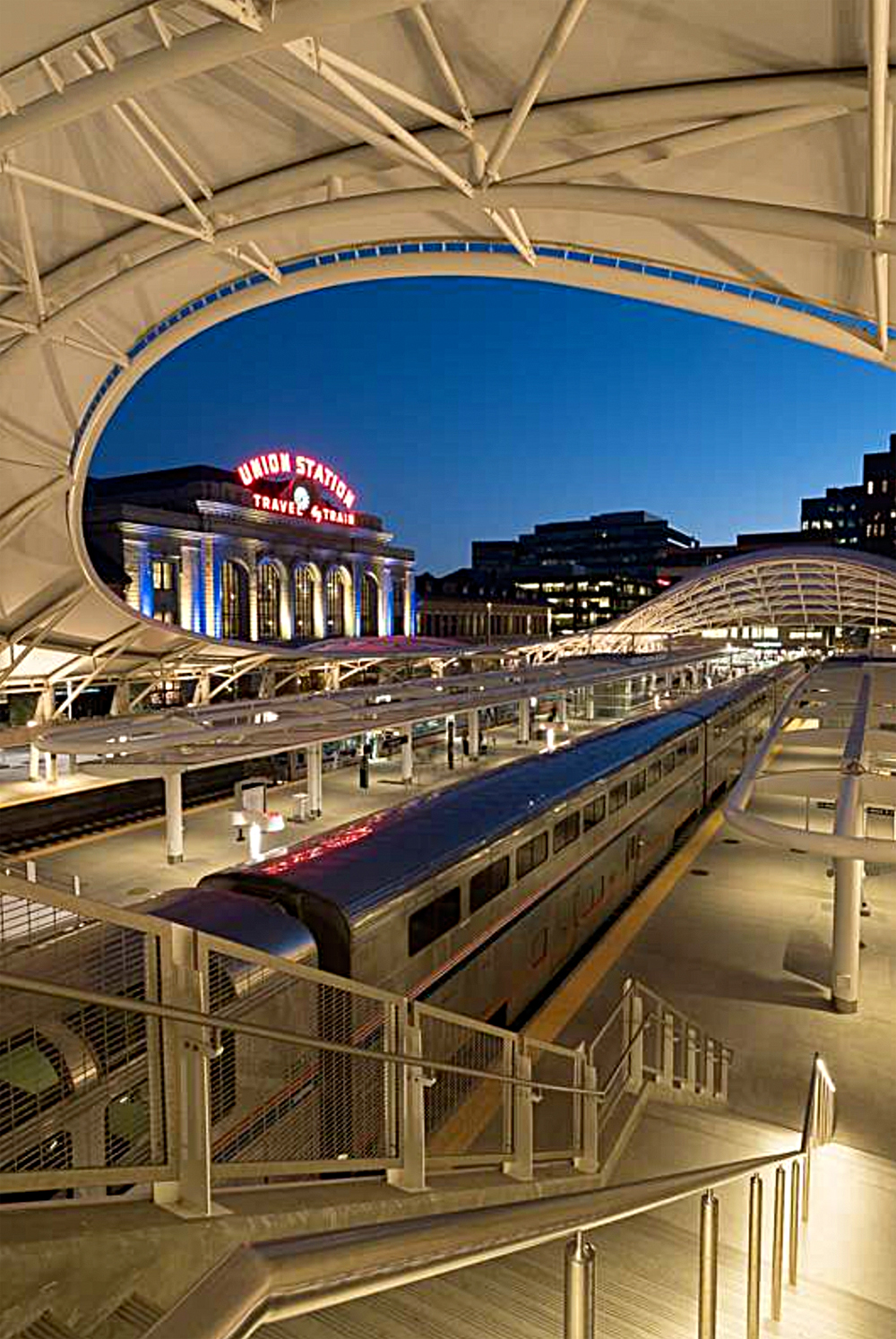
In the above photo taken during my Maine Media Workshop I first shot this pedestrian bridge by walking up to this position and shooting what you see now. If I han’t I might not have gotten everything sharp from fron to back; and the feeling of compression. So many people make the mistake of just zooming in on something like this without thinking of any possible side effects.

I love zoom lens, having three of them myself. When necessay they’re great to have aound. When I say ‘necessaryy’ I’m talking about times when using your feet are impossible. For example if there’s a fence in front of me which by the way I might just scale depending if the shot would possibly be worth it verses the amount of probable stiches; remember that begging for forgiveness could be a lot better than asking permission. What about a giant pool of quicksand, a den of rattlesnakes (I hate snakes), or  a starving school of Piranha??

That would do it for me!!

I think you get the point. For me, It would take things like the before mentioned problems for me not to walk to find another POV; besides, I need the extra steps!!!

Visit my website at: www.joebaraban.com, and check out my 2018 worksho schedule at the top of this blog. Come shoot with me sometime.

In conjunction with The Santa Fe Workshops, on October 2nd I’ll be leading a group in San Miguel de Allende. A beautiful oasis and artist colony, and the entire city is a UNESCO site.

Come join me for a week of fun and photography…what could be better?

JoeB

Personal Pearl of Wisdom: Focus on Focus


F/22 and manually focused a third of the way in.

As I hope a lot of you know, I’ve had a post come out every five or six days for seven years, and the ideas for these posts come in all shapes, sizes, and colors.

It can come from the following: A word or phrase I hear on the TV, a song title while listening to the radio, while reading a novel, a comment said to me from one of my students that take my online class with he BPSOP, or in one of my “Stretching Your Frame of Mind” workshops I conducts around our planet, or just recently a woman that signed up for my six-month mentoring program. It can basically come from the time I wake up to the time I go to sleep; even in my dreams where I will wake up and immediately write it down; least I forget by morning..

This time it came from a woman that is currently taking my mentoring program, and it came about from a discussion on depth of field.

While skyping and sharing the screen, we were looking at the photos she had submitted for the critique. I saw a common thread while looking at all her images, and that was areas that were in focus and areas that should have been; or areas that should not have been.

When talking about it she admitted that she really had no idea what was going to be in focus until she looked at them while sitting at her computer; not in her best interest.

Why I asked??? Because she depended on her digital camera to always decide for her…WHAT???

Until we started to work on her shooting in the manual mode she always shot on some program…mostly aperture or shutter priority. Here’s the inherent problem with that: You won’t know what’s in focus before you click the shutter, and you really should.

I see it all the time when one of my students is totally bummed because she or he wanted something in focus but it didn’t turn out that way. Unfortunately, it’s almost impossible to correct after the fact.

I make my life simple…If I want everything in focus from the front to the back I stop down to F/22 and focus a third of the way into my composition. Of course you would want to manually focus to make sure. Remember that auto focus is a luxury, not a necessity.

Ok, so you say that in order to shoot in ideal light (very early or very late) you would have to increase your ISO, because in order to stop down that much you would be shooting at a slow shutter speed and couldn’t hand hold your camera.

I never worry about that because when I’m working under this kind of light I never change my ISO…WHY YOU ASK? Because I’m always on a tripod!!!!!!!

And so my fellow photographers, next time not only bracket your exposure, but bracket your DOF as well. It will give you a whole lot more choices, and the more choices we have the better our chances to come back with a wall hanger…focus on the focus!!

Visit my website at: www.joebaraban.com, and check out my 2018 workshop schedule at the top of this blog. Come shoot with me sometime.

JoeB

Food For Digital Thought: Creating Visual Empathy

True Visual Empathy

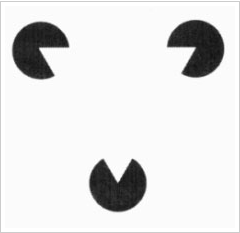
According to the German philosopher and psychologist Karl Albert Schener, our minds whether we’re awake or asleep will transform things symbolically.

Visual input is a part of everyday life, and when we go about the world we’re not just taking in what we see, we’re relying on the perception of the environment that surrounds us.

A part of ourselves is out there and as photographers, it’s our prime objective to present visual information in a way as to take control of what the viewer feels and sees when we present information in the form of a photograph.

When I talk about what the viewer feels when looking at our photos, I’m talking about visual empathy. A brief definition of empathy is the ability to understand and share the feelings of others. The question is how do we create visual empathy in a photograph?

I can remember on numerous occasions during one of my “Stretching Your Frame of Mind” when I mentioned this concept to one of my fellow photographers. I’ve also talked about it at great lengths to my online classes with the BPSOP.

Here’s one of the easiest ways to create visual empathy:

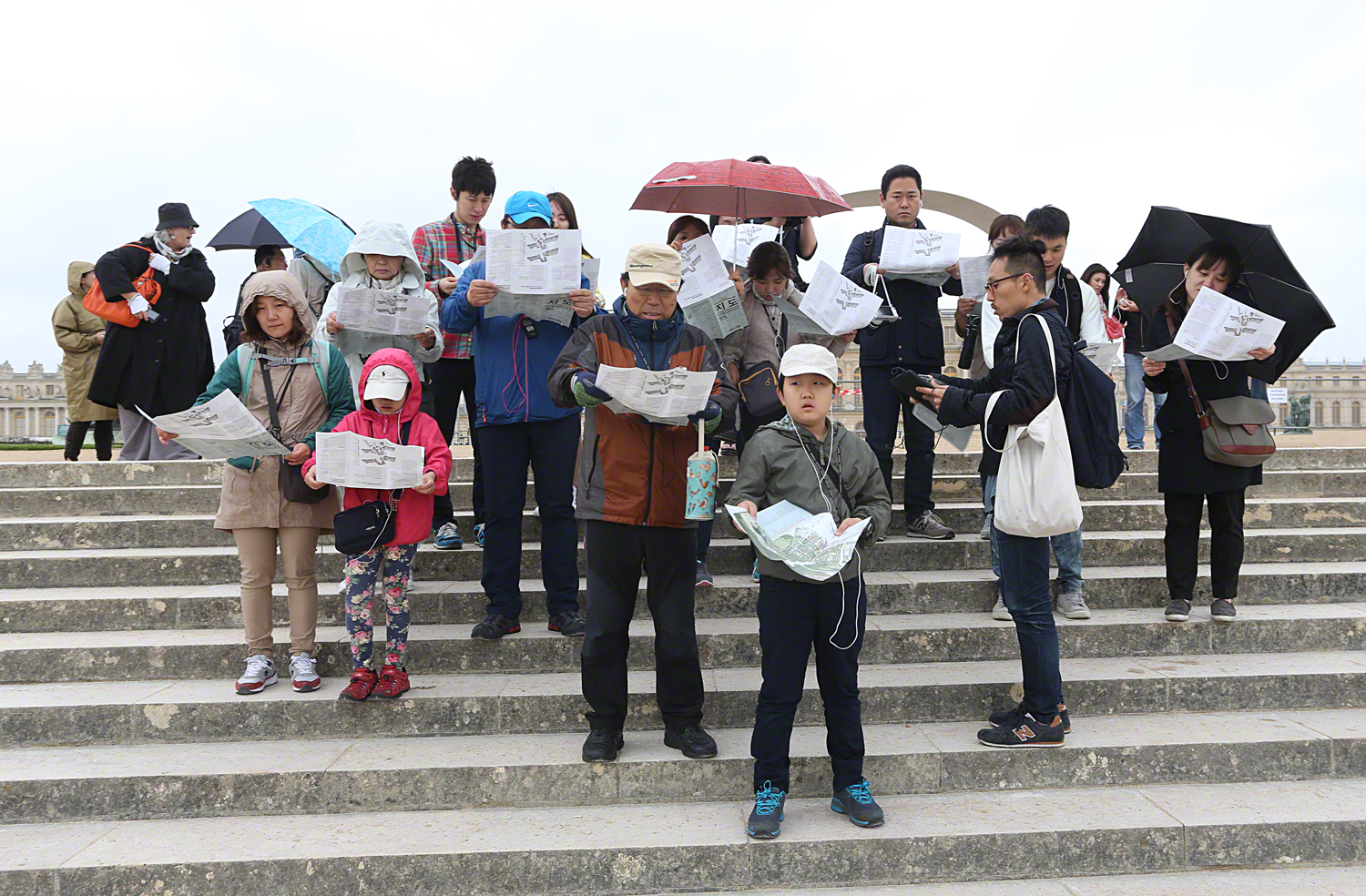
Imagine two people walking side by side, either down a street, on a beach, hiking, etc. If they’re talking to one another (of course the viewer won’t know what they’re saying) the viewer won’t necessarily know if they like one another or not; even though he’ll realize that they know one another…but that’s about all. This is one measure of empathy. Btw, if you play golf you’ll know that they wouldn’t necessarily know one another.

A measure of Visual Empathy

Now, imagine those same two people walking side by side, and either they’re holding hands or one person has his hand around the other. This is the true definition of visual empathy and will make the viewer think; making him think is a good way to keep him around longer, and that’s precisely what I like to do.

There are other ways to create visual empathy: the use of color and light, and I’ll be talking about these in future posts.

Visit my website at: www.joebaraban.com, and be sure to check out my workshop schedule at the top of this blog. Come shoot with me sometime.

JoeB
Food For Digital Thought: Light Matters, a Lot

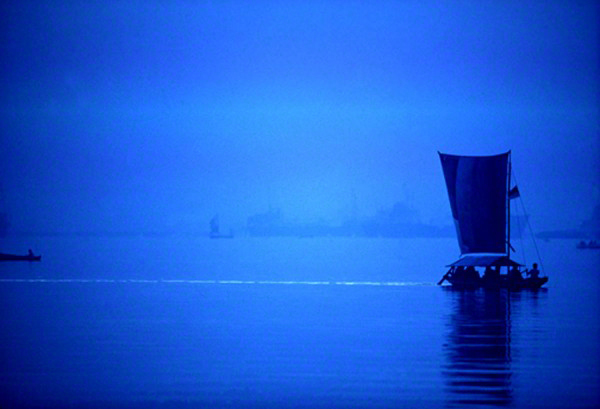
I think I’ve written more posts where the light is the main theme than any other subject matter, and I’ve had a post come out every five days for nine years; that’s a lot of posts!

In my online classes with the BPSOP, and in my “Stretching Your Frame of Mind” workshops I conduct around the planet, I’m constantly talking about the importance of light and the fact that it’s so fleeting you need to be ready for it when it comes and then when it goes…be ready if and when it comes back; sometimes in mere seconds.

I can’t tell you how many times I’ve seen one of my fellow photographers start shooting without any regard as to what’s happening with the light. In my opinion, this is definitely not in their best interest, and the consequence comes in the form of a dull, gray, and flat photo; the exception is if that’s what was important in creating some kind of mood.

In conjunction with the Santa Fe Workshops I was conducting a workshop in Bayamo, Cuba. We were sitting around the bar in the pool area enjoying a Mojito; we were sitting there because it had been raining and we were just waiting for it to stop. While we were waiting I noticed the sun break out for a few seconds then go back behind the dark clouds. I immediately grabbed my camera and thought about a great post I could write (once again) about the light and how relevant it is in creating visually interesting images.

Having said that, I have submitted two photos that were taken in the space of about a minute. You won’t find these on my website, in a gallery, or in a museum but that was not the intent.

The intent is to demonstrate how powerful the addition of light can be in your composition, and the possibility of making just about anything in the way of subject matter look good.

I shot the pool first with really bad light as the man in the middle swam (btw, the pool is not as big as it looks since I had on a 17-40mm lens) away from me. He turned and began swimming towards me and I shot again when the sun broke out.

Pull the slider from left to right so you can see the diference. As you can see, if one picture really is worth a thousand words, then what’s two pictures worth?

So my fellow photographers, the next time you’re shooting and the light isn’t great, look around you to see if the conditions will be changing anytime soon. If you see that they might, stick around!!!

Visit my website at: www.joebaraban.com, and check out my 2018 workshop schedule at the top of this blog. Come shoot with me sometime.

In conjunction with The Santa Fe Workshops, on October 2nd I’ll be leading a group in San Miguel de Allende. A beautiful oasis and artist colony, and the entire city is a UNESCO site.

Come join me for a week of fun and photography…what could be better?

JoeB

My Favorite Quotes: Alfred Steiglitz

ISO 25

I’m currently reading a book called Group F/64, and I can’t recommend it enough to all my fellow photographers out there. Some of the book talks about the relationship between Edward Weston living on the west coast in San Francisco and Alfred Steiglitz living in NY.

I had been familiar with Steiglitz and know that he was considered the man that everyone looked up to and so much wanted his respect…especially Edward Weston.

Steiglitz once said, ” Wherever there is light, one can photograph”.

You find the light, you find the shot.

If I had to say which subject I’ve written the most posts on it would have to be the Light. I’ve said to my online class with the BPSOP, and to the photographers that sign up for my “Stretching Your Frame of Mind” workshops countless times that Light is everything; the only possible exception is capturing a moment in time while street shooting.

Since I can remember, and that would be going on fifty years, if I can see it, I can take a picture of it….and that was in the film days; days when the ASA was twenty-five. Now with the digital age that has become even easier; it’s called jacking up your ISO…way up!! Of course the only problem is forgetting to jack it back down…way down…which everyone does at one time or another…except for me. Truth be told, I’m not sure where that little button is on my camera!!!

ISO 200

It takes such a small amount of light to create long lasting images, and you can also do it like I do which is with a tripod and an ISO of two hundred. Or if you left your tripod in the car, and you’re walking around looking for interesting subject matter, be sure to have a fast lens on and shoot wide open. I’ve even found places to rest my camera on for additional support.

FYI, your wife’s shoulder makes a great tripod!!!

So next time you go out, think of what Alfred Steiglitz said. You don’t need to look for areas in bright sun, bright rooms, or thinking you have to shoot midday…because you don’t. You find the light and you’ll find  the shot.

Visit my website at: www.joebaraban.com and check out my 2018 workshop schedule at the top of this blog. Come shoot with me sometime.

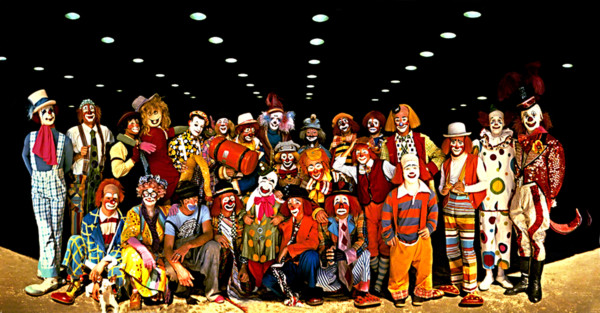
This coming July 29th will be my 30th anniversary teaching at the Maine Media Workshop. I’ve always picked this time as it’s the week of the Lobster Festival down the road in Rockland. This ofers a unique set of photo ops, different from the Maine Coast, fishing villages and lighthouses. The Lobster Festival is all about color, design, light, energy, people watchng and environmental portraits everywhere you look; some people are there in costumes and loved to be photographed.

In conjunction with The Santa Fe Workshops, on October 2nd I’ll be leading a group in San Miguel de Allende. A beautiful oasis and artist colony, and the entire city is a UNESCO site.

Come join me for a week of fun and photography…what could be better?

JoeB

JoeB

*Springtime in Berlin 2018

Springtime in Berlin 2018

A few weeks ago I conducted my yearly ‘Springtime’ workshop and this time it was in Berlin. It was a great group, and many of them had taken several workshops with me before (some as many as nine, and also have taken my online classes with the BPSOP.

It’s become a tradition to showcase their images in one of my posts. I usually don’t have this many photos but this time there were so many great shots that after deleting and deleting and deleting, there were still a whole lot!!!

Having said this, you can just hold down the arrow and let them cruise by at a speed that will still give you an idea not only of the beautiful city but of the talent that I was lucky enough to have join me this time.

In fact, I couldn’t really pick one to have at the top of this post so I decided to show the group photo taken in front of our meeting room we used for several hours each morning for the daily reviews and critiques.

Enjoy and let me know what you think:

Visit my website at: www.joebaraban.com, and check out my workshop schedule at the top of this blog. Come shoot with me sometime. In conjunction with the Santa Fe Workshops I still have a couple of spots in my upcoming trip to San Miguel.

JoeB
Food For Digital Thought: Designing Your Composition Around the Action

I waited for her to walk into my frame.

For those that have ever shot at a clay pigeon, you know you have to lead it. In other words don’t shoot where they are, shoot where they’re going to be. If you shoot where they are, you’ll miss every time.

A similar analogy can be applied to photography…how you say?

First of all let me explain what Skeet shooting is all about. Simply, it’s a recreational and competitive activity where participants, using shotguns, attempt to break clay targets mechanically flung into the air; and since I love to shoot at these little fellows I can compare it to street shooting.

As I’ve demonstrated to my online class with the BPSOP, and in person with my “Stretching Your Frame of Mind” workshops I conduct around the planet, the next time you’re out shooting action or anything that moves whether it be a person or object, try aiming your camera where your subject is going to be and not where it is when you start shooting.

Try giving he, she, or it a destination; someplace to wind up. As I’m writing this post I think of Henri Cartier-Bresson and how he would shoot his photos. Although he was a master at capturing the moment, he would also ocasionally arrange his composition keeping in mind geometric shapes; much like I tell my students after filling their ‘artist Palette’ with all the elements of visual design; shape and pattern to name a couple.

Cartier-Breson would design his composition and then wait for some action. For example a person walking into it and at a pre-chosen spot in the frame he would click the shutter.

Although this concept is always in the back of my mind, I also look for and follow the action, i.e., a person walking down the street or that person about to do something worth taking a picture of. Hopefully my peripheral vision will allow me to see the movement coming out of the corner of my eye and while I’m following it I’m also looking ahead to see where he’s going (or doing) and wait for the right moment to click the shutter; having your camera set on continuous is a good idea in this instance.

Then you can get really lucky, as in the top photo.

I was leading my workshop in Lisbon and as usual we were walking aound the “City of Seven Hills”. I came upon this graffiti covered streetcar and because of the color and all the people walking up the hill, I decided to wait.

Out of the corner of my eye I saw this woman coming up the street and I quickly aimed my camera and decided on this composition and where I wanted  her to be; one reason was to have control of the placement because of all the graffiti that would be distracting if it were coming out of her head!!!

Will as Eddie Adams once said, “When you get lucky, be ready”. She saw me and stopped to ask a question…unfortunately I don’t speak Portuguese. I shrugged my shoulders and she walked off. Where she went after the brief encounter was irrevelent since I had got it!!!

Leading the action.

In the bottom image, whike leading a group to photograph the flooded rice paddies in southern rural China, I saw the woman coming and as she was walking I was following her with my camera, but I was leading her by several feet and waited until she was in an area that clearly defined her and placed her close to the edge of the frame to create Visual Tension.

Visit my website at: www.joebaraban.com, and check out my 2018 workshop schedule at the top of this blog. Come shoot with me sometime.

This coming July 29th will be my 30th anniversary teaching at the Maine Media Workshop. I’ve always picked this time as it’s the week of the Lobster Festival down the road in Rockland. This ofers a unique set of photo ops, different from the Maine Coast, fishing villages and lighthouses. The Lobster Festival is all about color, design, light, energy, people watchng and environmental portraits everywhere you look; some people are there in costumes and loved to be photographed.

In conjunction with The Santa Fe Workshops, on October 2nd I’ll be leading a group in San Miguel de Allende. A beautiful oasis and artist colony, and the entire city is a UNESCO site.

Come join me for a week of fun and photography…what could be better?

JoeB
Personal Pearls of Wisdom: Embrace the Sun

Look ma, no filter and no post processing!!!

One of the comments I’ve constantly heard from both my online students I teach with the BPSOP, and my “Stretching Your Frame of Mind” workshop I conduct around the planet is to never, never, never shoot into the sun.

One student said that she was always taught to avoid it “at all costs”, while another said that a teacher told her to make sure the sun was at her back. By the way, when you do that, you can’t add depth to ‘Form’ (an elements of visual design).

“OMG”, who says these things????

I love shooting into the sun!!! I’ve read what some photographers say and that is to always use a filter when the sun is low on the horizon. Hogwash!!! I’ve been shooting for coming onto fifty years, and I’ve never had to use a filter to create good photos under those conditions.

In the above photo shot for a campaign for the Range Rover, I intentionally wanted a dirt road that led to the setting sun; the sun being one of the two subjects. I never worried that shooting into the sun could be a bad idea, but then I’ve never put a lot of faith into the “photography powers that be” whose advice is sometines (not always) damaging to the outcome of my photos; that is, if I wanted them to be keepers!!!

By using my Sunpath program and my Morin2000 hand bearing compass I could pinpoint the exact spot (to the one degree) the sun would either rise or set and set out to find a dirt road that the vehicle would drive to…or very close to it.

I’ll tell you this: Make sure you’re shooting in the manual mode and bracket. Also, it would be a really good idea to avoid high noon sun.

Visit my website at: www.joebaraban.com, and check out my 2018 workshop schedule at the top of this blog. Come shoot with me sometime.

This coming July 29th will be my 30th anniversary teaching at the Maine Media Workshop. I’ve always picked this time as it’s the week of the Lobster Festival down the road in Rockland. This ofers a unique set of photo ops, different from the Maine Coast, fishing villages and lighthouses. The Lobster Festival is all about color, design, light, energy, people watchng and environmental portraits everywhere you look; some people are there in costumes and loved to be photographed.

In conjunction with The Santa Fe Workshops, on October 2nd I’ll be leading a group in San Miguel de Allende. A beautiful oasis and artist colony, and the entire city is a UNESCO site.

Come join me for a week of fun and photography…what could be better?

JoeB
My Favorite Quotes: “What a Difference a Day Makes, Twenty-Four Little Hours”

A typical day on the Oregon Coast

In 1959, Dinah Washington won a Grammy for her rendition of this Rhythm and Blues favorite, and I remember my mother use to love listening to it…I was fourteen!!

While going through some old images I stumbled upon a couple that were taken while on an assignment in Oregon, and all of a sudden this song popped into my head and bingo, I had the basis for an interesting post.

I say interesting because what I’m talking about occasionally happens to some of my students that take my online classes with the BPSOP. I’ve also personally encountered this in my “Stretching Your Frame of Mind” workshops I conduct arount the planet.

What I’m getting at is the fact that over that past fifty years of shooting, I have had to shoot whatever the weather and light brought me on any particular day…sometimes no matter what; but sometimes I could do something about it.

The students taking my online classes will have the opportunity to go back to a location and go for it again, and I encourage this all the time. If the location, time, and circumstances warrent during one of my workshops, we’ll go back either at the same time or if we were there in the morning we’ll go back in the afternoon if logistics dictates.

In the two photos that I’ve have submitted, the one at the top was shot on a very gray/blue overcast/foggy afternoon at a location somewhere on the Oregon coast. We had a man and his trained dog with us and we were looking for some great light; which we didn’t get… as you can obviously see.

I shot it anyway just to have something in the can and it came out pretty good , actually depicted Oregon’s coast as it usually looks; but I was determined to shoot in better light.

What a difference a day makes, 24 little hours.

We came back the next day at the same time but on our way to the same location a little further down I was welcomed by this incredible sky, and what a difference a day made. Knowing how fleeting the light is we all jumped out of the car and shot this in less than a minute; which is about all the ‘powers that be’ intended to give me.

So my fellow photographers, never give up a potential ‘keeper’ if you possibly can. Go back the next day and try it again because as Eddie Adams once said, “When you get lucky, be ready”.

In case you’re interested, here’s Dinah singing it: https://www.youtube.com/watch?v=OmBxVfQTuvI

Visit my website at: www.joebaraban.com, and check out my 2018 workshop schedule at the top of this blog. Come shoot with me sometime.

This coming July 29th will be my 30th anniversary teaching at the Maine Media Workshop. I’ve always picked this time as it’s the week of the Lobster Festival down the road in Rockland. This ofers a unique set of photo ops, different from the Maine Coast, fishing villages and lighthouses. The Lobster Festival is all about color, design, light, energy, people watchng and environmental portraits everywhere you look; some people are there in costumes and loved to be photographed.

In conjunction with The Santa Fe Workshops, on October 2nd I’ll be leading a group in San Miguel de Allende. A beautiful oasis and artist colony, and the entire city is a UNESCO site.

Come join me for a week of fun and photography…what could be better?

JoeB
Personal Pearls of Wisdom: “The Whole Enchilada”

I looked at the whole enchilada.

When I’m working with my online students at the BPSOP, or at one of the “Stretching Your Frame of Mind” workshops I conduct around the planet, there seems to be a recurring theme. Photographers will invariably shut their minds out to anything except the immediate subject at hand, which includes telling whatever story they’re trying to sell to the viewer.

Most of the time, they’re not even aware they’re doing it because they’re usually shooting too fast to begin with. They run around with their heads cut off and shooting anything that comes into their periphery; sometimes regardless of the subject matter.

At best, when there is a subject worth shooting, they’re so focused on placing the subject in the best light and the best positioning in the frame, that they forget about the rest of the environment. That is, the balance between the Negative or Positive Space that’s surrounding the subject/main center of interest, the contrast between the light and dark areas, or whether the colors compliment one another. Way too much time might be spent on coming up with some esoteric title.

It could be as simple as making sure a telephone pole or tree isn’t growing out of someone’s head. What about DOF? Don’t you want to know what’s going to be in focus from the front to the back? You don’t want to find out in front of a computer.

It’s “The Whole Enchilada”, that’s going to take your photograph what I call “up a notch”. It’s not just the pretty girlfriend, wife, lover, or grandson, granddaughter, mom, dad, brother, sister, aunt, uncle, etc, or your dog, horse, parrot, turtle, or cat. Nor is it any inanimate object. It’s the relationship between these subjects/objects and the environmental reality they happen to be in, or that you put them in.

One of the best ways to check on these relationships is what I talked about in an earlier post. I use what I refer to as my “Fifteen Point Protection Plan”. Or the Border Patrol, or checking the four corners.

Right before I click the shutter, I look around each and every IMAGINARY black dot that’s covering my focusing screen. You should try it sometime, I’ve been using it for fifty-three years, and it really helps!!!

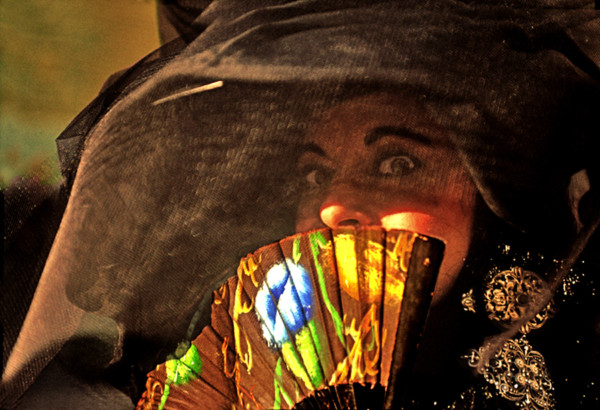
In the above photo, it may look like a photo that didn’t take me very long to shoot, quite the contrary. I placed her in different places in this environment and settled for this one that because of the Figure-Ground concept in Gestalt, I had her head in front of the black area.

I purposely chose the shallow DOF to make her stand out; also part of Figure-Ground. I also placed her at the edge of the frame to generate Visual Tension. There’s nothing brighter than her face so the viewer will go straight to it. The light is coming from ten on the invisible clock…my favorite. She’s looking out which implies “content outside the frame”.

Visit my website at: www.joebaraban.com, check out my 2018 workshop schedule at the top of this blog. Come shoot with me sometime. You’ll love my Protection Plan!!!

This coming July 29th will be my 30th anniversary teaching at the Maine Media Workshop. I’ve always picked this time as it’s the week of the Lobster Festival down the road in Rockland. This offers a unique set of photo ops, different from the Maine Coast, fishing villages, and lighthouses. The Lobster Festival is all about color, design, light, energy, people watching, and environmental portraits everywhere you look; some people are there in costumes and love to be photographed.

In conjunction with The Santa Fe Workshops, on October 2nd I’ll be leading a group in San Miguel de Allende. A beautiful oasis and artist colony and the entire city is a UNESCO site.

Come join me for a week of fun and photography…what could be better?

JoeB
My Favorite Quotes: Minor White

 Minor White was an American photographer whose work I have followed since the beginning of my career. Most of his images are not my style or ways I look at subjects, but enough were to keep me interested.

In any event, he did say something that I do agree with and have “spread the word” to all of my students that have signed on for my online classes with the BPSOP, and those photographers that have joined me in one of my “Stretching Your Frame of Mind” workshops I conduct around our planet. Minor White once said, “One does not photograph something simply for what it is, but for what else it is.”

Think about that for a moment. What does that mean to each of you? What do you think about when composing your subjects or centers of interest? I would love to hear from you. If it’s simply a tree you’re about to take a picture of, do you merely look at it with the left side of your brain (the analytical side) or do you use the right side of the brain…the creative side?

The analytical side will see a tree of some species. Perhaps it’s an Aspen and you love the fact that the bark is white, and a reminder of the days of skiing through a stand of them. Maybe it’s a willow tree and when you were young you use to take the branches and make whips to beat your brother or sister with.

What if it’s a Sycamore and the huge leaves and fruit hanging down remind you of the well spent days of your youth when during the Autumn you use to throw the small round round fruit at your other brothers and sisters.

These are all good reasons to take pictures but I doubt they will stand the test of time as far as a photograph worthy of matting, framing, and hanging on a wall; unless you’re always going to be around to explain to people just why you took the photo in the first place.

When I look at a tree I’m about to photograph I look at it with the right side of my brain…the creative side. This is the side that will see patterns and texture in the bark and leaves. The shape of the leaves and the side that will notice anything that might be a little peculier, as in the direction of the light, i.e. front, side, or back, and the color of the tree. I will also notice how it works in the surrounding environment as far as how well it’s balanced between the negative and positive space in the composition; and the visual weight it projects.

To me these are the most important things I look for, and they all happen to be the elements of visual design that I show my fellow photographers how to incorporate them into their imagery.

Visit my website at: www.joebaraban.com, and check out my 2018 workshop schedueat the top of this post. Come shoot with me sometime.

This coming July 29th will be my 30th anniversary teaching at the Maine Media Workshop. I’ve always picked this time as it’s the week of the Lobster Festival down the road in Rockland. This ofers a unique set of photo ops, different from the Maine Coast, fishing villages and lighthouses. The Lobster Festival is all about color, design, light, energy, people watchng and environmental portraits everywhere you look; some people are there in costumes and loved to be photographed.

In conjunction with The Santa Fe Workshops, on October 2nd I’ll be leading a group in San Miguel de Allende. A beautiful oasis and artist colony, and the entire city is a UNESCO site.

Come join me for a week of fun and photography…what could be better?

JoeB

Life before Photoshop: Accura Legend Photo Shoot

Taking 'Artistic License'
Taking ‘Artistic License’

The above photograph was shot for Acura, as a two-page consumer spread ad.

I had hired a location scout on the West and East coast to find a pier that would not be too high over the water. The West coast wouldn’t work, but I found a set of piers in Sarasota that would work perfectly. As usual, the location scout would send me their picks to my studio ahead of time and I would go through them to decide which ones I wanted to see when I arrived a couple of days before the agency people and client. When my team arrived, the location scout took me and my producer to look at the ones I had selected. We settled on the one in the photograph because according to my Sunpath and compass readings it was perfect for the light I was after. Plus, I could shoot off the pier right next to it.

I thought it was going to be a no brainer, but I also knew from a lot of experience that in this business, never think anything was going to be easy; I proved myself right.

The next day, the Art Director and the agency entourage arrived with the two clients in tow. I took the Art Director to the pier I thought would work the best. We scouted the location in the morning to make sure everything was cool with him and he loved it. That afternoon we went for the shoot, but no one had thought about the tide!!!

When we got there that afternoon to shoot the sunset, the  tide had come in (right on schedule I might add) and when we positioned the boat it was now covering the car (the hero!) While the two clients weren’t looking, the art director non-nonchalantly sashayed up to me and asked me with trepidation in his now pallor face if I had a plan ‘B’?????

I thought for a moment then an idea hit me in the head like a big Pepperoni Pizza Pie . I sent my producer back to the beginning of the pier where there was a tavern favored by the locals. I had her go in and offer a twenty dollar bill to anyone that would come out, get inside the boat and lie down.

So what you see in this photo, or actually you don’t see, is fifteen really large inebriated locals that are lying down inside the boat. Because of all the additional weight, we were able to lower it just enough for me to get the shot.

Remember that it was in the days before Photoshop, so whatever I had to come up with had to be done “in the camera”.  So having said this, there’s absolutely no post-processing done to this photograph.

This is all about “Stretching Your Frame of Mind“, which happens to be the title of my workshop. Check it out and come shoot with me sometime.

This coming July 29th will be my 30th anniversary teaching at the Maine Media Workshop. I’ve always picked this time as it’s the week of the Lobster Festival down the road in Rockland. This ofers a unique set of photo ops, different from the Maine Coast, fishing villages and lighthouses. The Lobster Festival is all about color, design, light, energy, people watchng and environmental portraits everywhere you look; some people are there in costumes and loved to be photographed.

In conjunction with The Santa Fe Workshops, on October 2nd I’ll be leading a group in San Miguel de Allende. A beautiful oasis and artist colony, and the entire city is a UNESCO site.

Come join me for a week of fun and photography…what could be better?

JoeB

Food For Digital Thought: The Environmental Portrait

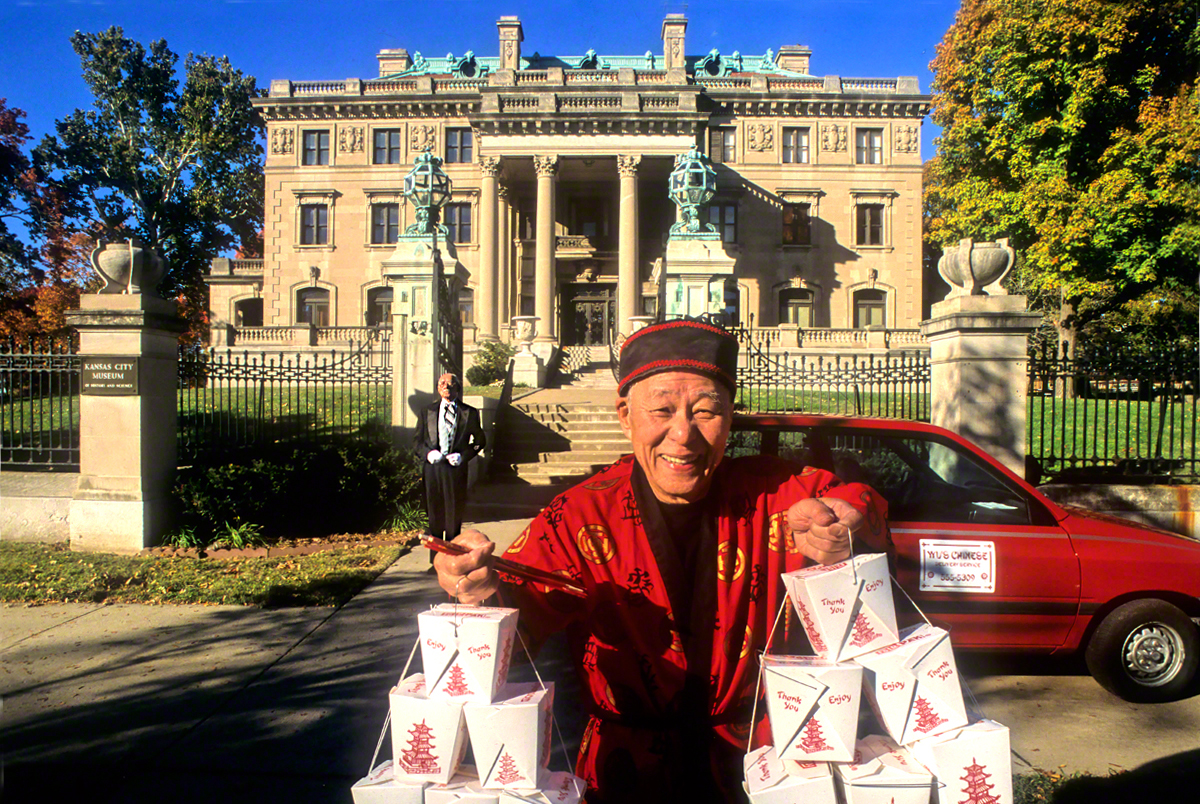
Marching band tuba guy

Closing in on fifty years of being a advertising and corporate photographer, one of my favorite assignments is to shoot a portrait in an environment; the main reason is that I’m a location photographer.

Fire Chief in Portland

First of all, let’s define the environmental portrait: It’s a portrait of someone in a situation that they either work, live, or it could be a place where they spend a lot of comfortable time, as on a boat or in a park, etc. In any event, it’s a location that says who they are, and the finished photo should be able to tell a story.

In my online class with the BPSOP, and in my “Stretching Your Frame of Mind” workshops I conduct around the planet, I’m always telling my fellow photographers to “get up close and personal”. That could be anything from an object to a person. In this context, I’m referring to people. When you’re up close to your subject there’s more of a connection between the two of you and as a result your image will be stronger; besides the fact that it will be easier to direct them.

Pemaquid Lighthouse

An environmental portrait can be very important in explaining where your subject is, and that usually means to think about and show as much of the background as you can; I wrote a post on this idea that I call the “Whole Enchilada”. The key here is to be up close and personal, but at the same time show the environment the subject is in.

Of course the best way to achieve this is to shoot with a wide angle lens.  Remember that this is not a regular portrait where you’ll often shoot with a shallow depth of field. You want to show as much as you can, and get it all sharp. Again, that can easily be handled with a wide angle.

Flamenco instructor in Cuba

Ok, so why do I like shooting environmental portraits? For one, it shows the subject in relation to the world around him, and can make him relax. I also like it because it gives the viewer something else to look at.

Make your viewer want to stick around longer by giving him more things to look at and discover. Personally, I’m really not interested in looking at someone I don’t know, bur I might be interested in what’s around him.

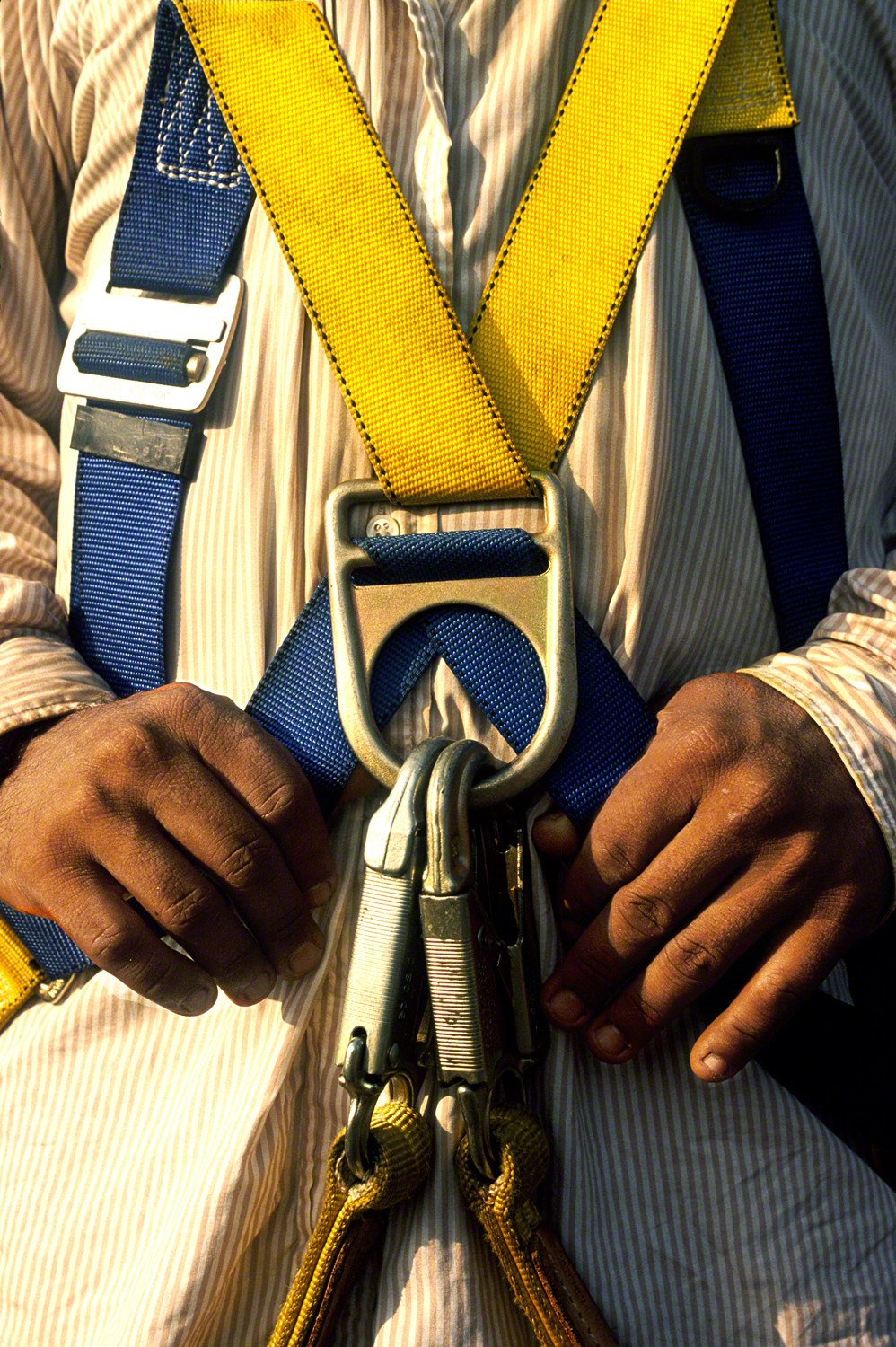
Lineman supervisor

If at all possible choose the location ahead of time; yes, that would take some pre-production. When I’m scouting a location, I take the readings from my Sunpath program, and my Morin2000 hand bearing compass. I want to know exactly where the sun is going to be so I can place him according to the way I want the light to fall.

Since I usually don’t have more than a few minutes either because that’s all the person gave me, or because of the loss of light, I want to be prepared with a shot list. If I have five minutes, that’s usually enough to get several poses in various places within the location.

Visit my website at: www.joebaraban.com, and check out my 2018 workshop schedule at the top of this blog. Come shoot with me sometime.

This coming July 29th will be my 30th anniversary teaching at the Maine Media Workshop. I’ve always picked this time as it’s the week of the Lobster Festival down the road in Rockland. This ofers a unique set of photo ops, different from the Maine Coast, fishing villages and lighthouses. The Lobster Festival is all about color, design, light, energy, people watchng and environmental portraits everywhere you look; some people are there in costumes and loved to be photographed.

In conjunction with The Santa Fe Workshops, on October 2nd I’ll be leading a group in San Miguel de Allende. A beautiful oasis and artist colony, and the entire city is a UNESCO site.

Come join me for a week of fun and photography…what could be better?

JoeB

JoeB

Food For Digital Thought: Seeing Past First Impressions

What’s your first impression?

A couple of years ago I conducted a workshop in Sicily and was walking next with a fellow photographer who signed up for one of my “Stretching Your Frame of Mind” workshops I conduct around the planet.

We were walking next to the Ionian sea on Ortygia, an Island in the historic section of Syracusa and I was talking about one of my personal pearls of wisdom that I also discuss in my online classes with the BPSOP….”Seeing past first impressions”.

I stopped in front of this boat that was moored and asked her what she saw…besides a boat waiting to be chartered by tourists; at first all she could see was a “cute) red striped boat.

I said yes it was that, but it was so much more. I saw several elements of visual design, namely shapes, patterns, color, and balance. Upon seeing past her first impression, she also saw the same things and also the fact that these elements seemed to her to be in three dimensions.

We talked about composition and the fact that it was partially cloudy so we couldn’t include a lot of environment (at least with this subject) because of the flat light. Showing a gray sky would not benefit this subject.

I suggested to use the edges of her frame to help create visual tension (by placing the subject close to the edges of the frame) and to put all the emphasis on this beautifully designed and painted boat….making it a study of someone’s three dimensional work of art.

So the next time you’re out and about shooting don’t view things as they are and what you first see, look past those initial reactions to things so you can see what else they represent. It will open so many other photo possibilities.

Visit my website at: www.joebaraban.com, and check out my 2018 workshop schedule at the top of this blog. Come shoot with me sometime.

This coming July 29th will be my 30th anniversary teaching at the Maine Media Workshop. I’ve always picked this time as it’s the week of the Lobster Festival down the road in Rockland. This ofers a unique set of photo ops, different from the Maine Coast, fishing villages and lighthouses. The Lobster Festival is all about color, design, light, energy, people watchng and environmental portraits everywhere you look; some people are there in costumes and loved to be photographed.

In conjunction with The Santa Fe Workshops, on October 2nd I’ll be leading a group in San Miguel de Allende. A beautiful oasis and artist colony, and the entire city is a UNESCO site.

Come join me for a week of fun and photography…what could be better?

JoeB

JoeB