I’m a huge believer in coloring outside the lines and I was always telling my fellow photographers that took my online classes with the BPSOP and the ones that join me in my “Stretching Your Frame of Mind” workshops I conduct around our plant to do just that.
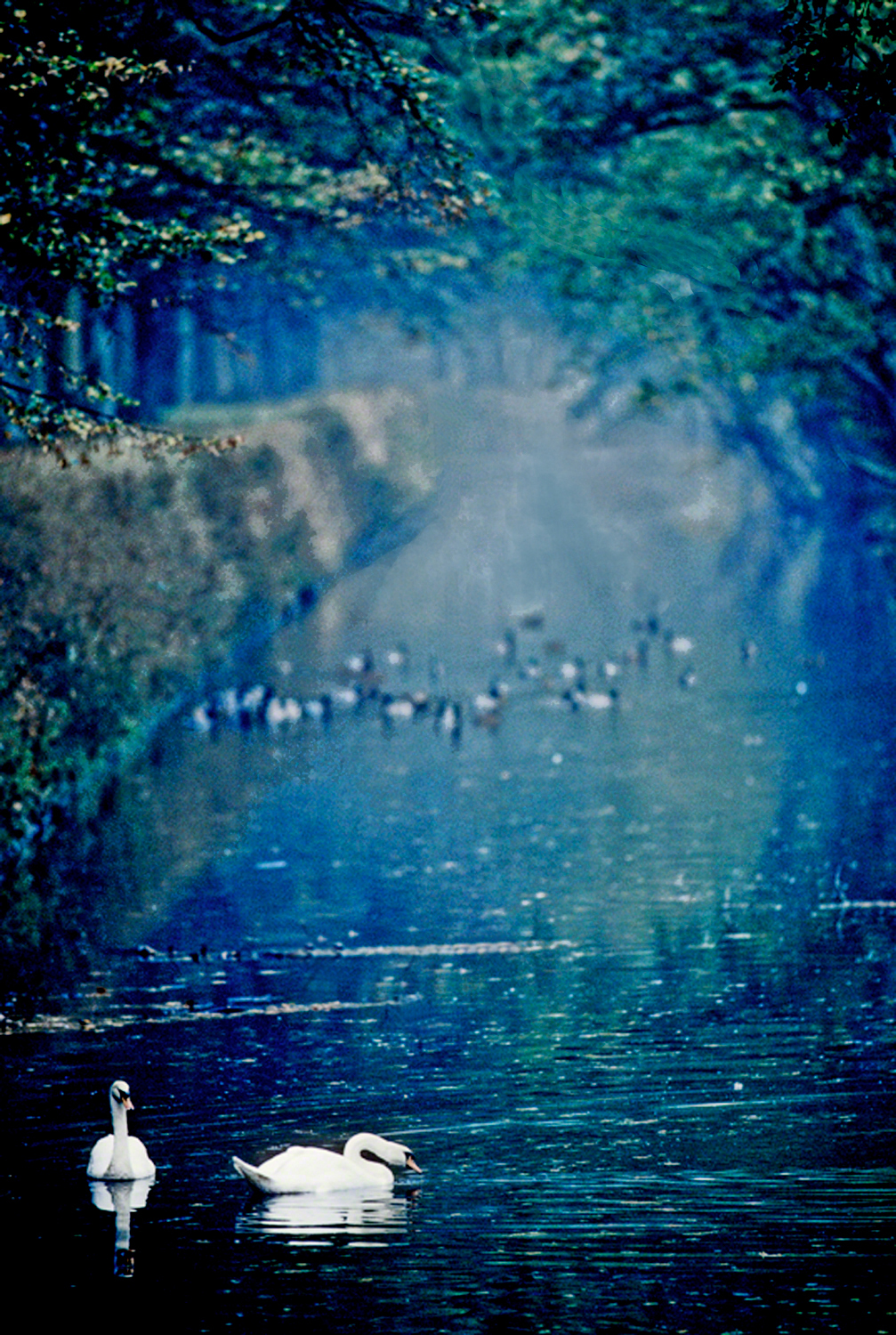
I wrote a post on it almost four years ago and because of it I followed my own advice. I was in an area in the south of France, and when I got out of my rent car to walk along the area surrounding a chateau, I decided to not use my usual go-to lens and put on something I would never think about using for this type of situation…my 100mm Macro.
It was a fortuitous decision as it turned out giving me what I still consider to be a very unusual depiction of swans that were nestled in a small stream next to this incredible well-known chateau. Although (sadly) it looks like I did considerable post processing work to it, it was shot in the camera, one exposure on one 35mm Kodachrome frame with no post work done to it; this is what Kodachrome looked like, and boy do I miss it!!!!
I know so many of you out there get comfortable with one or two lens that always reward you with good photos. The only problem is that they always look the same, as in the same compression or lack thereof, the same focal length that might be on one of your zooms, or the same dOF because you’re using a lens (like a prime) and rendering the same F/stop to all your compositions.
So my fellow photographers bite the bullet, take a leap of faith and grab a lens you haven’t use in forever, or one you would never use in a situation you’ve been in a hundred times and have been comfortable to the point of being complacent.
Visit my website at: www.joebaraban.com, and follow me on Instagram: www.instagram.com/barabanjoe. Check out my workshop schedule at the top of this blog. Come color outside the lines with me sometime. Next September 2027, I’m conducting a workshop in Puglia, Italy. If you’re interested, you can contact me through my website.
It’s been sooooooooo long I can’t remember when I first started relying on my fifteen point protection plan, checking my four corners, and making sure I paid attention to my borders to guide me through the process of creating strong images before I clicked the shutter. I can tell you that it’s been thirty-four years since I first shared these concepts with my fellow photographers that took my first Maine Media Workshop in 1983.
I continue to work these concepts into my “Stretching Your Frame of Mind” workshops I conduct around the planet. Now there’s one more I recently thought about when I was shooting an environmental portrait, but had never really thought about sharing it with others.
It was in an environment where I couldn’t move the subject or change anything. It was filled with obstacles that could easily get in the way of what I was trying to achieve in the camera. Or having no other choice, one where it would either take a long time to fix so it would look natural, or one I couldn’t fix at all; given a reasonable time table.
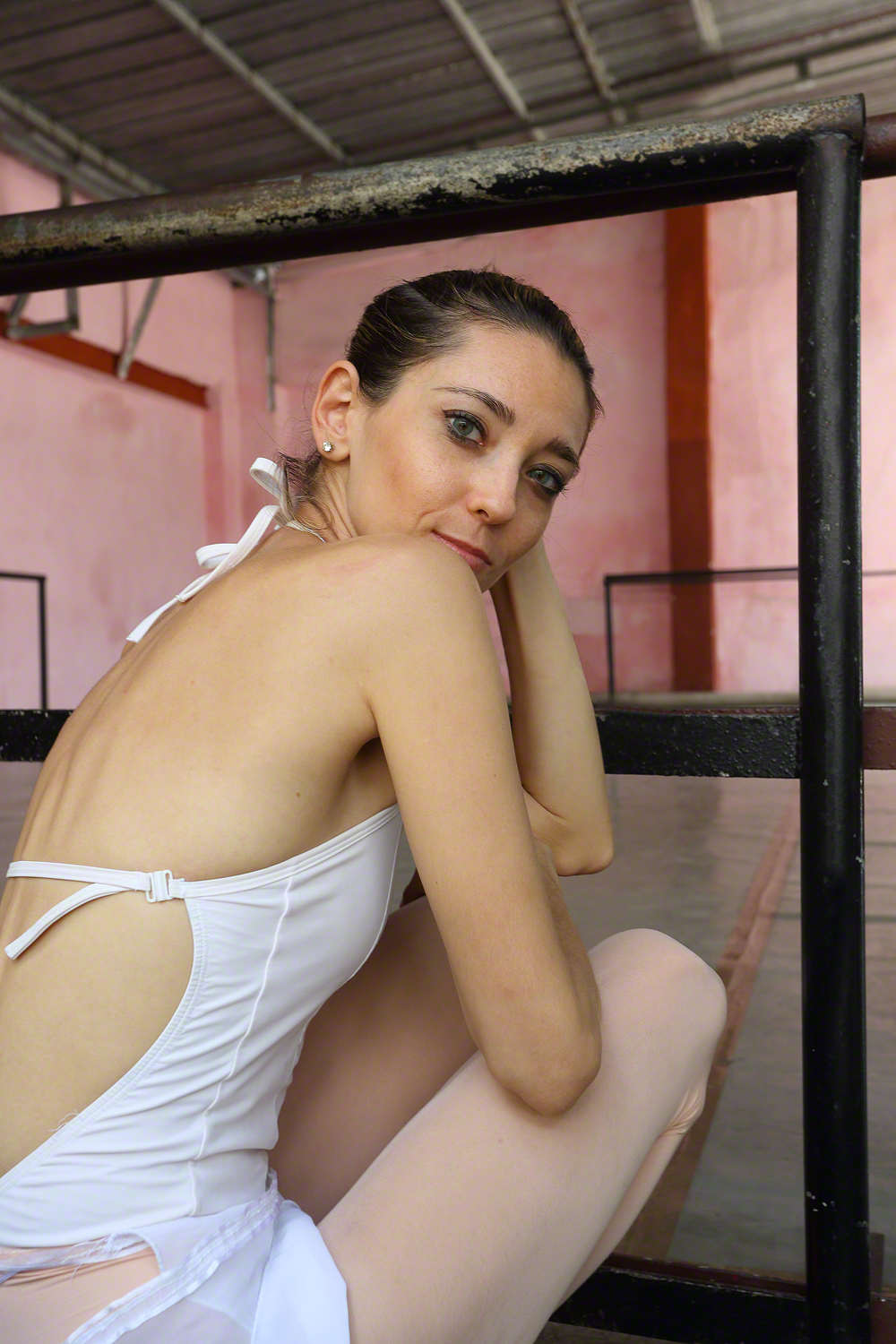
I went through my photo process, which by the way now takes me a very few seconds. As though I was outlining the woman in pencil I quickly ran my eye over her entire outline to see if anything was growing out of her head or in a really bad position. Remember that this was a ballet rehearsal in Cuba and I had absolutely no control other than having her glance over her shoulder at the lens.
When doing this I could make adjustments by moving one way or the other to get her where the area around her was free and clear, and avoiding unnecessary time in front of a computer that may or may not have been successful.
So the next time you’re out shooting people give it a try. Let your eye become a pencil and draw an imaginary line around the person, looking for potential problems. You’ll thank me for it later!
Before it closed, due to the passing of its founder Bryan Peterson, I had been teaching online with the BPSOP and I’m still conducting my “Stretching Your Frame of Mind” workshops around the planet for many years, and one thing, among many, stands out. My fellow photographers will almost always bring the camera up to their eye, and whatever that height is to the ground is what POV the photo will take.
One reason is that it’s the easiest way to shoot. No muss, no fuss, no dirt on the knee or shirt to wipe off….therefore no problem. But there is one problem, and that is all your photos will take on the same look. If that’s your intent, then to each his own.
However, if you’re tired of all your photos looking the same, I suggest you approach your subject from a different point of view. Try looking at it from way down low, then way up high. Walk around and take a look from the side, then the back, then the other side. Of course the direction of the light is extremely important, and for me, dictates where I’m going to position myself.
If you’re able, try to combine both the light and a different POV. They can have a profound effect on the outcome of your end result, and can most definitely keep the viewer interested when you do.
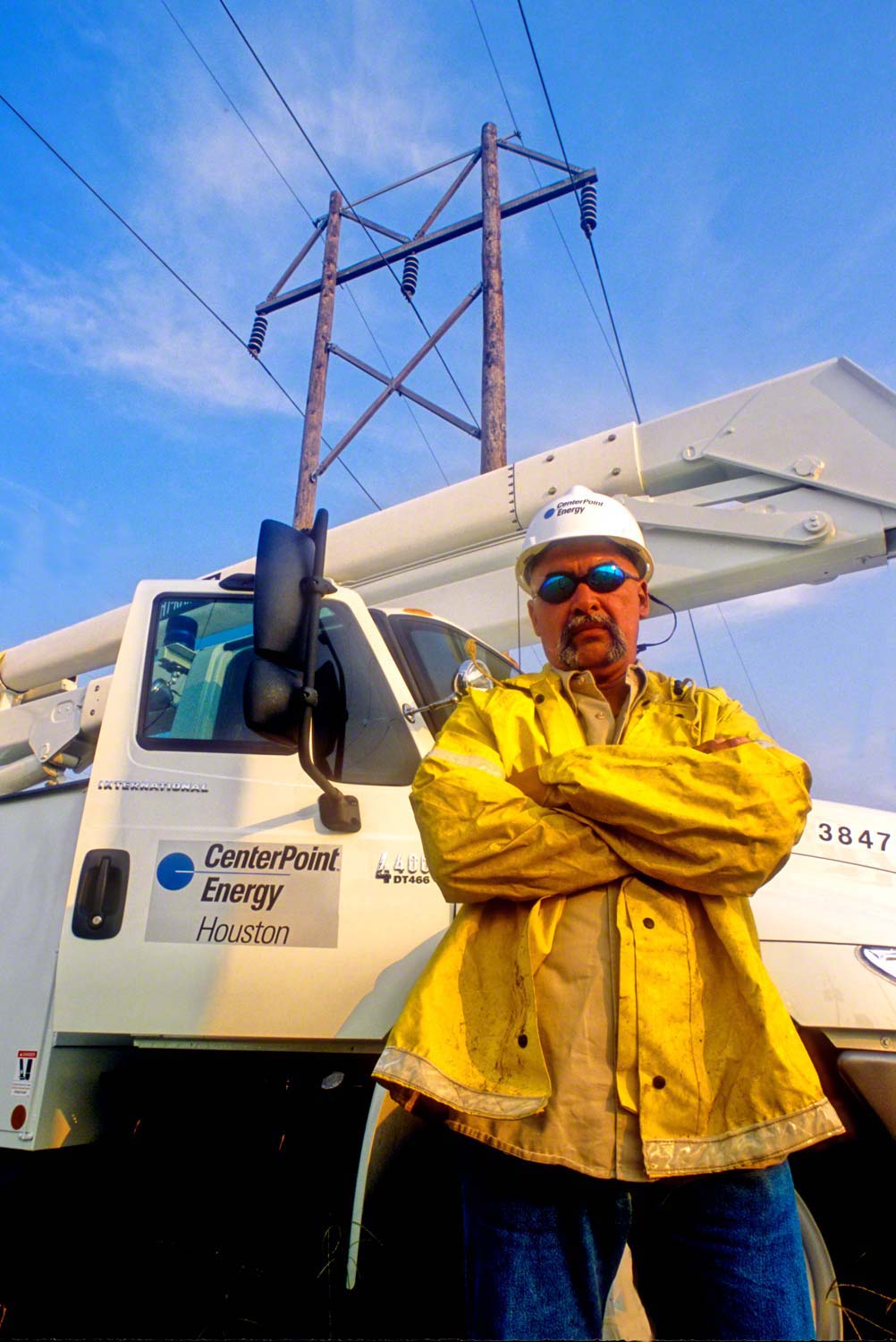
The above photo was taken as part of an advertising campaign for CenterPoint Energy; Houston’s main electric service provider. The client told the advertising agency who in turn relayed to me that they wanted to show how reliable their repair service was, and that their men were always there when you needed them most. You could be comfortable knowing that you were in good hands with the men at Center Point.
How do you represent that in a single photo? By your POV. To get their message across as quickly as possible, I wanted to show not only the man, but all the components as well, i.e., the power lines and poles, the truck, strength, and the man. To add the comfort level, I got down on my knees, and with a 20mm lens was able to capture all the ingredients…I made him larger than life.
Visit my website at: www.joebaraban.com, and follow me on Instagram: www.instagram.com/barabanjoe. Check out my workshop schedule at the top of this blog. Come shoot with me sometime.
One of the terms that’s used in the film industry and you’ll see on movie scripts is the initials ECU, and it stands for extreme close-up. When I was a director-cameraman I would often put at least one close-up of a person on film just in case the powers that be would use it…they never did.
The reason is not because it didn’t look good, there just wasn’t a lot of places for one…unless you were shooting a toothpaste commercial. That doesn’t hold water anymore when I’m shooting stills, because to me it’s a great way to really get up close and personal to their personality.
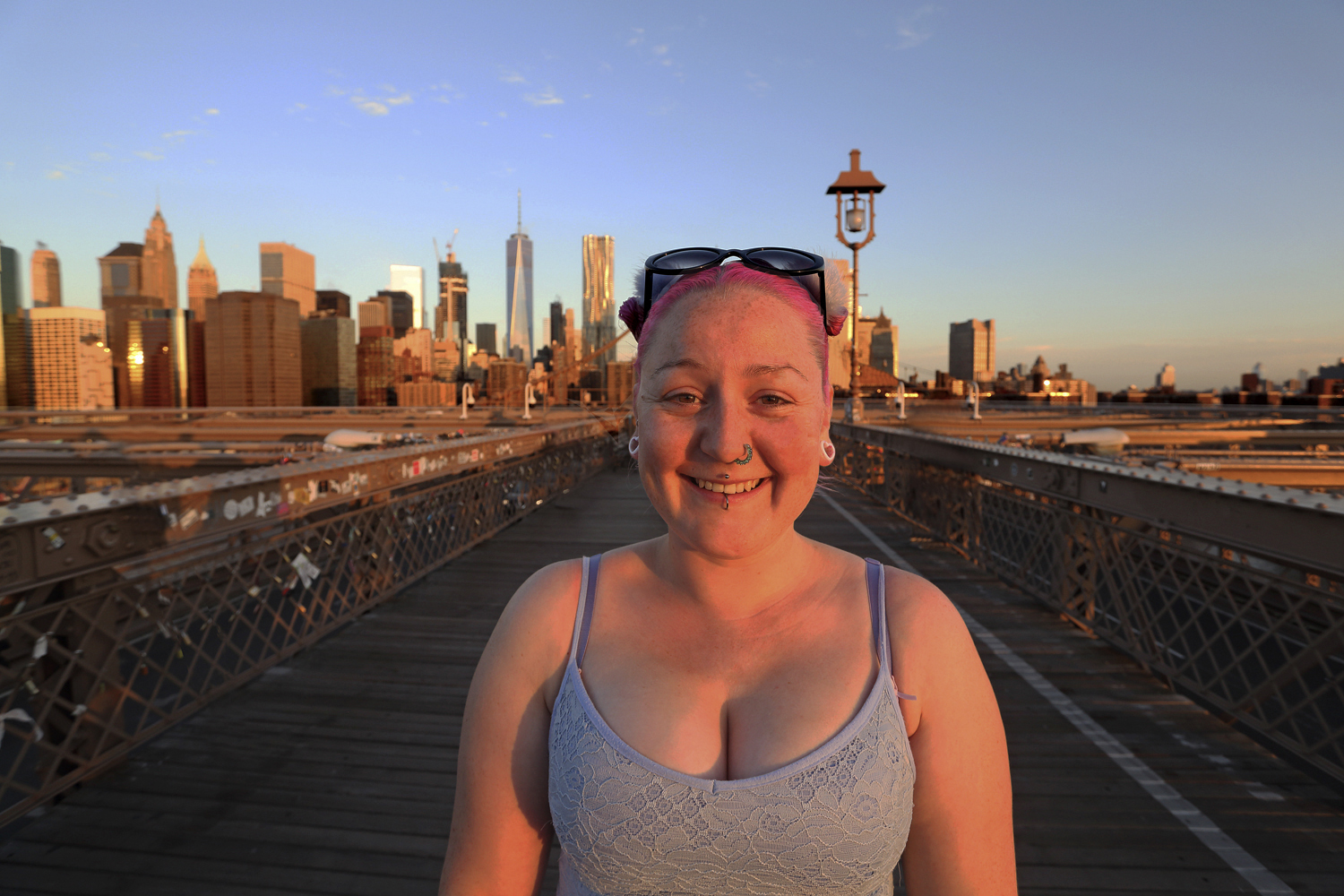
I’m not talking about filling the frame with someone’s face. I’m talking about using a wide angle lens (17-40mm) putting the subject in the center, and including a lot of the environment around them or the background behind them.
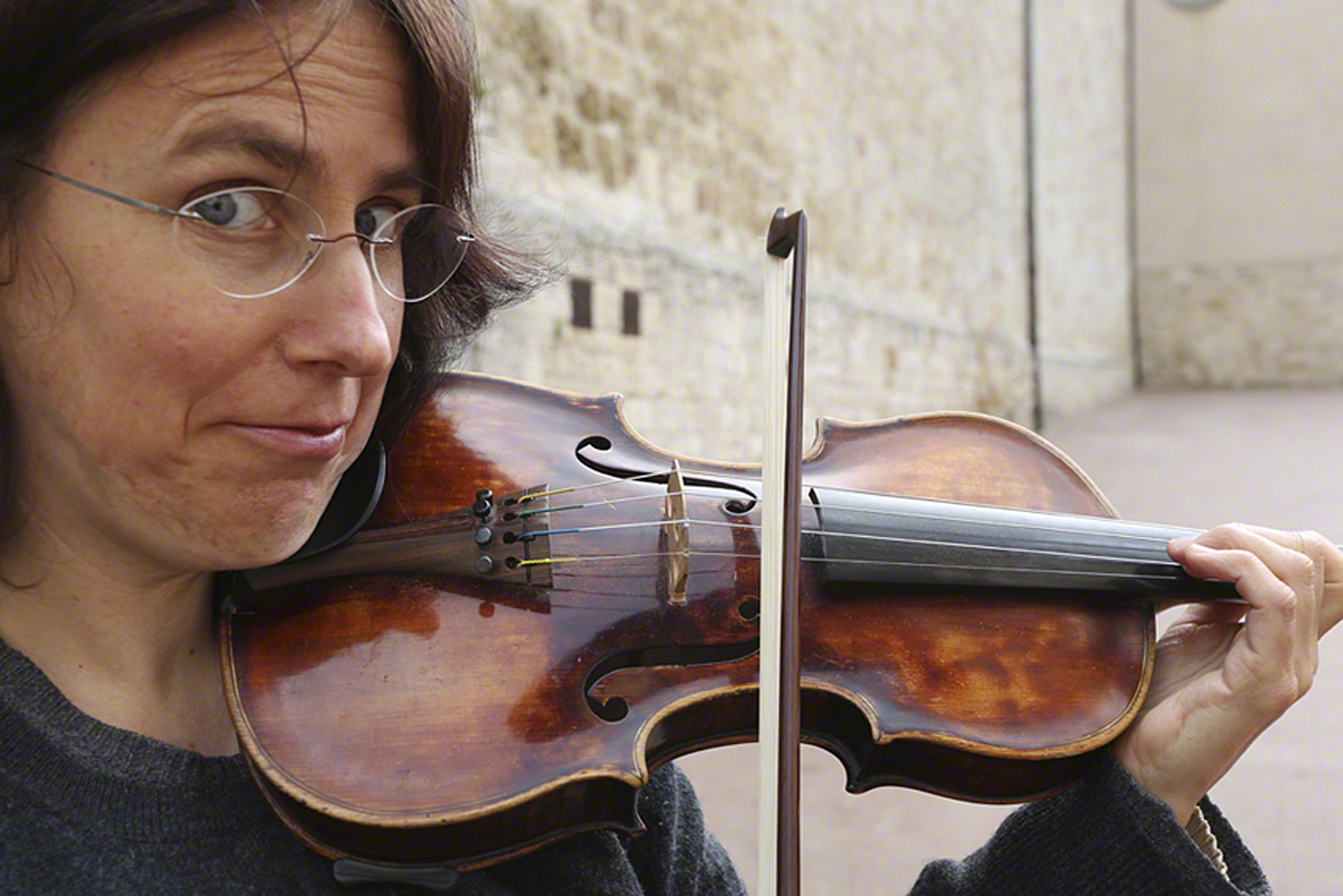
In my online classes with the BPSOP I use to show students examples and encourage people to give it a shot. When I’m conducting one of my “Stretching Your Frame of Mind” workshops I’ll create a scenario with someone local, ask one of my students to take his or her portrait, then I’ll show what a ECU looks like to them…as in the photo above taken in my Springtime in Tuscany Workshop.
Her ECU was on the Brooklyn.
BTW, when you put someone in the center and keep your camera level, you’ll avoid any weird distortion; otherwise, well you know what that looks like and it’s the primary reason my fellow photographers don’t like to do it. Again you have to keep the camera level and the subject right in the center or very close to it.
I don’t advise you making that you’re first variation as it will probably freak out the person..which is sometimes a good idea to record their reaction. I would ease your way into it after a certain amount of rapport and then maybe the last shot is one you take..after switching lens and moving n for the ECU.
I suppose I see as many or probably more baby photos as the next guy…why you might be asking? Because I have four kids and two grandkids, and my wife has two kids and five grandchildren which would seem to qualify me as a semi-expert on baby photos.
That’s not counting the times when someone shows me their kids on their phones…ad nauseam!!
If you’re at all interested in showing off your kids/grandkids and not having the person you’re showing them to break out in hives, then here’s a great tip for you and it relates to one of the six concepts of Gestalt I teach online both in my six-month private Zoom program and in my “Stretching Your frame of Mind” workshops I conduct around our planet…the concept is called Closure.
So, the next time you’re in a position to photograph one of your kids or grandkids, think about this concept and allow the viewer the chance to fill in the rest of the image…as in the parent. I’ll bet you a dollar to a doughnut that they will think it’s a really good photo and will even think you’re a creative photographer…besides being relieved from seeing just one more baby photo.
Visit my website at: www.joebaraban.com, and follow me on Instagram: www.instagram.com/barabanjoe. Check out my workshop schedule at the top of this blog. Come shoot with me sometime. I have added a new workshop to my 2027 schedule. in Puglia, Italy. Come shoot with me.
How many times growing up did a parent, usually your mother, tell you to stop playing with your food? How many times have you been guilty of saying those same indelible words to one or more of your children?
I don’t know about you, but I lost count way back when. As an adult I also admit to saying those words or something like them to each of my four kids…and grand kids. By the way, if you were lucky as I was, you wanted your mom to say it more than your dad, if you know what I mean.
Well, my fellow photographers in both my private six-month mentoring Zoom program and in my “Stretching Your Frame of Mind” workshops I conduct around our planet, I’m here to tell you to start playing with your food again; only this time with your camera.
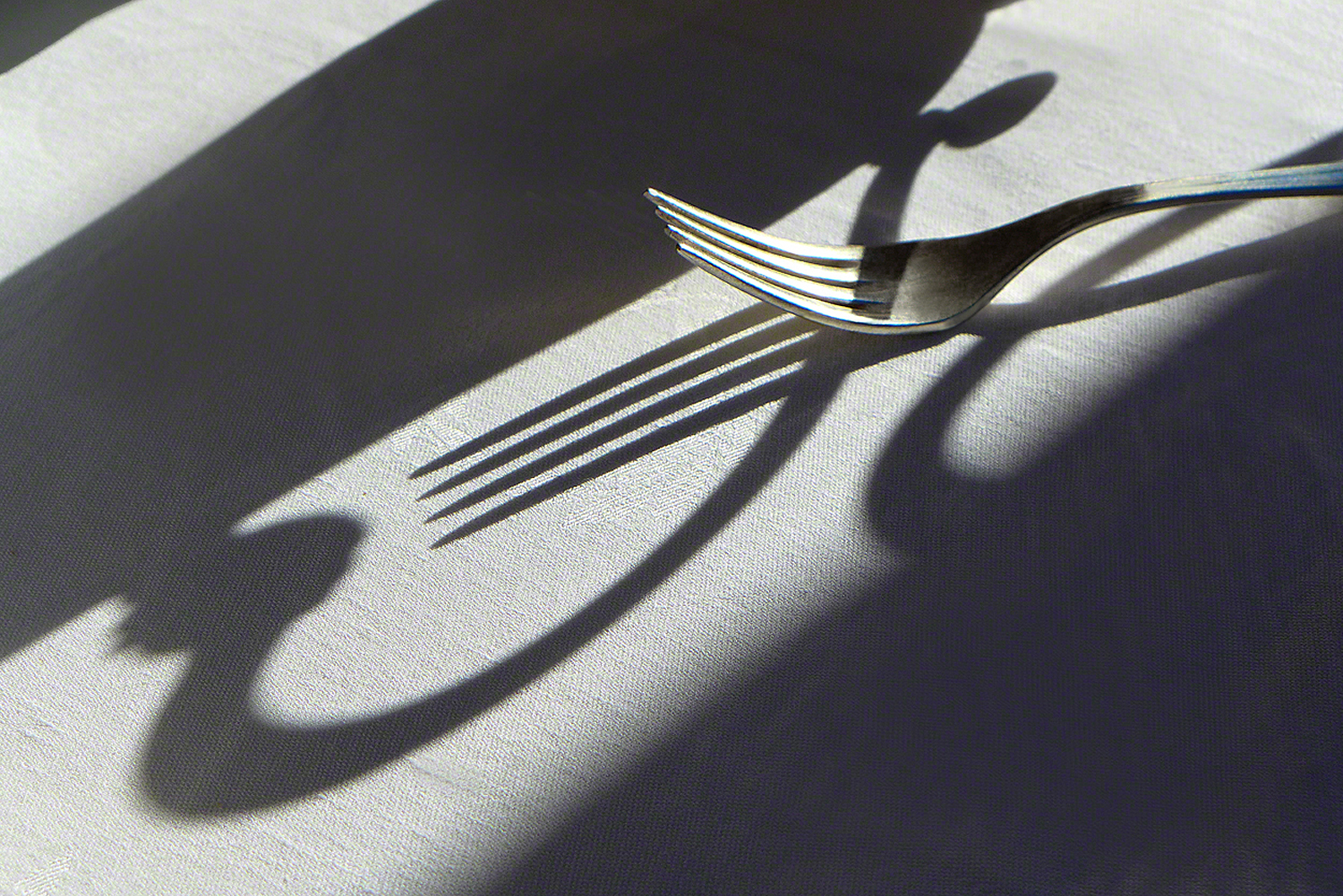
Since I’m always carrying my little Lumix DMC-LX7 in my pocket, I’m always at the ready when that illusive photo epiphany suddenly reveals itself to my imagination. It can be just about anywhere, including a bathroom. I see it a lot at restaurants, dinner tables (mine or friends), or anywhere where food and/or utensils are served and used.
This epiphany or sudden revelation usually occurs when some form of light comes into play, and as you know by now…light rules the photo world. You find the light and you’ll find the shot.
The above photo was taken during the beginning of breakfast on the terrace at the Royal Hotel in San Remo, Italy. While waiting to be served, I noticed the early morning light casting a shadow on our two-top. I began moving around the fork and silver tea service until I had the composition I wanted. By the way, all this was happening while Mikki was patiently watching…waiting until I was through “playing around” so she could pour herself a cup of coffee.
Visit my website at: www.joebaraban.com, and follow me on Instagram: www.instagram.com/barabanjoe. Come shoot with me sometime in 2027 in Puglia, Italy.
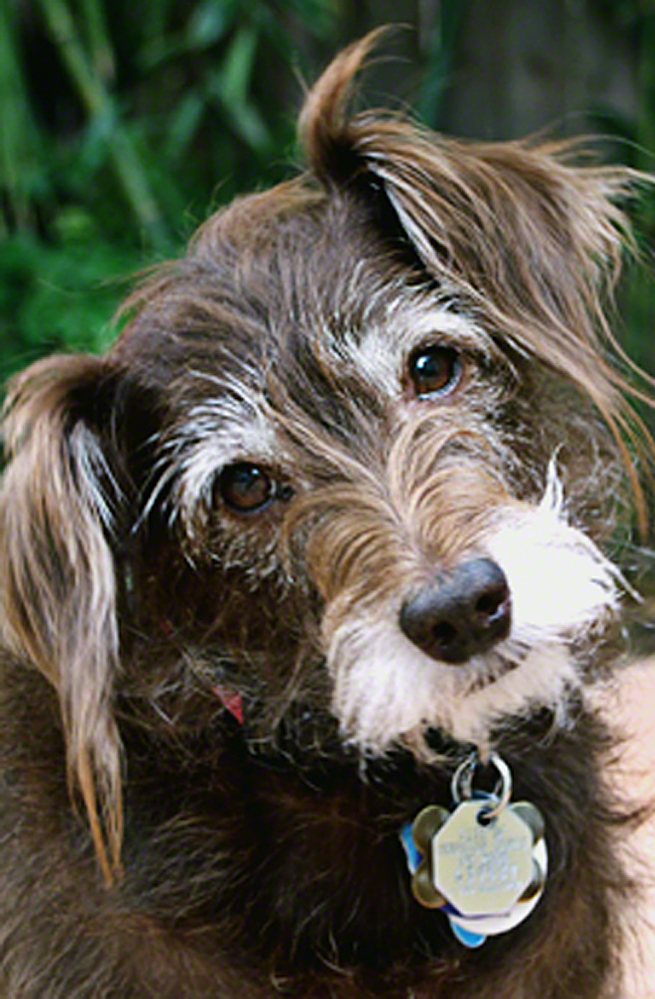
I made a weird noise to bring out Gertie’s personality.
Until the passing of Bryan Peterson, the founder of the BPSOP, I taught classes with the school. I also conduct my “Stretching Your Frame of Mind” workshops around the planet. I’ve occasionally been asked how do I photograph pets, so since there’s a million links to this genre, I’ll put my two cents in and make it brief.
I’m not a pet photographer per se, I was an advertising and corporate photographer that periodically would get a project that included shooting animals; specifically dogs…why? I’m not a cat person, I’m a dog guy so I guess it was just one of those reasons that no one ever called me to shoot cats. So what I know about shooting pets is mostly about shooting dogs.
What advice I can offer is first and foremost, get it sharp! Make sure you’re shooting at a fast enough shutter speed to freeze any action, and above all make sure you have a comfortable F/stop to get the nose to the eyes in focus. This is not a rule because there’s always going to be times when having areas out of focus is more important; getting it sharp is just generally a good overall suggestion.
Get on their level. To me it makes for a stronger connection, especially the implied line between their eyes and the lens.
Always use natural light. The obvious reason is that the light will be softer, but another reason is that electronic flash could either distract or scare them…or both.
Choose a background that’s familiar to your pet. A backyard (depending on the light) is desirable so he won’t be distracted by a new environment. If it’s a portrait I’m after, then I like to have the background out of focus. A medium telephoto shot at it’s widest aperture will usually make this happen. Just don’t put Fido in front of something or close to anything that will look like it’s growing out of his head.
If you’re dog is dark put him in front of something light. Conversely, if you’re dog is light, put him in front of something dark.
If you use a small zoom, you have the option in filling the frame with just their head to quickly pulling out to reveal some kind of out of focus environment.
Remember that you’re dealing with an animal, so patience is going to be rewarded. If you need to take a Valium beforehand…then just do it!
Feeding your pet ahead of time is always a good idea as it will keep them relaxed…especially if you didn’t take your Valium
Having someone to help you can be a Godsend. If you have a large pet, getting someone to lay down and hold their feet in position has worked for me.
If you’re after their personality and that can mean getting an inquisitive look, try making some type of weird sound. Be sure to have your finger pressed firmly on the shutter release because more than likely they won’t hold the pose for you.
If you’re taking a portrait of a family member with their pet. Get the pose you want from them then tell them to keep looking into the lens and ignore any and all commands you give to the dog. This will help tremendously since you’ll only have to concentrate on one of them.
Well that’s about all I can think of right now. I can tell you that if you follow these guidelines you’ll have an excellent chance in walking away the winner of the joint meeting or friendly confrontation!!
Visit my website at: www.joebaraban.com, and follow me on Instagram: www,instagram.com/barabanjoe. Check out my workshop schedule at the top of this blog. Come shoot with me sometime. My workshop descriptions don’t stay up more than a couple of days before they’re filled.
Here’s a great photo tip, but you’ll have to really be looking for it: juxtaposition.
Juxtaposition is when two elements are placed side by side to one another. They are usually in contrast to one another, unlike things, but can also can share certain ideas.
In my six-month mentoring program, and during my “Stretching Your Frame of Mind” workshops around our planet. I show my fellow photographers how to incorporate the element of visual design into their imagery.
To do this takes more than just looking around the environment that surrounds you, this takes seeing things that also surrounds you; there for the taking.
I love to look for things that when placed side by side creates a sort of dichotomy. Things that either have nothing to do with one another but merely exist together, or things that do relate in one form or another. In any event creating an image that stirs the viewer’s interest.
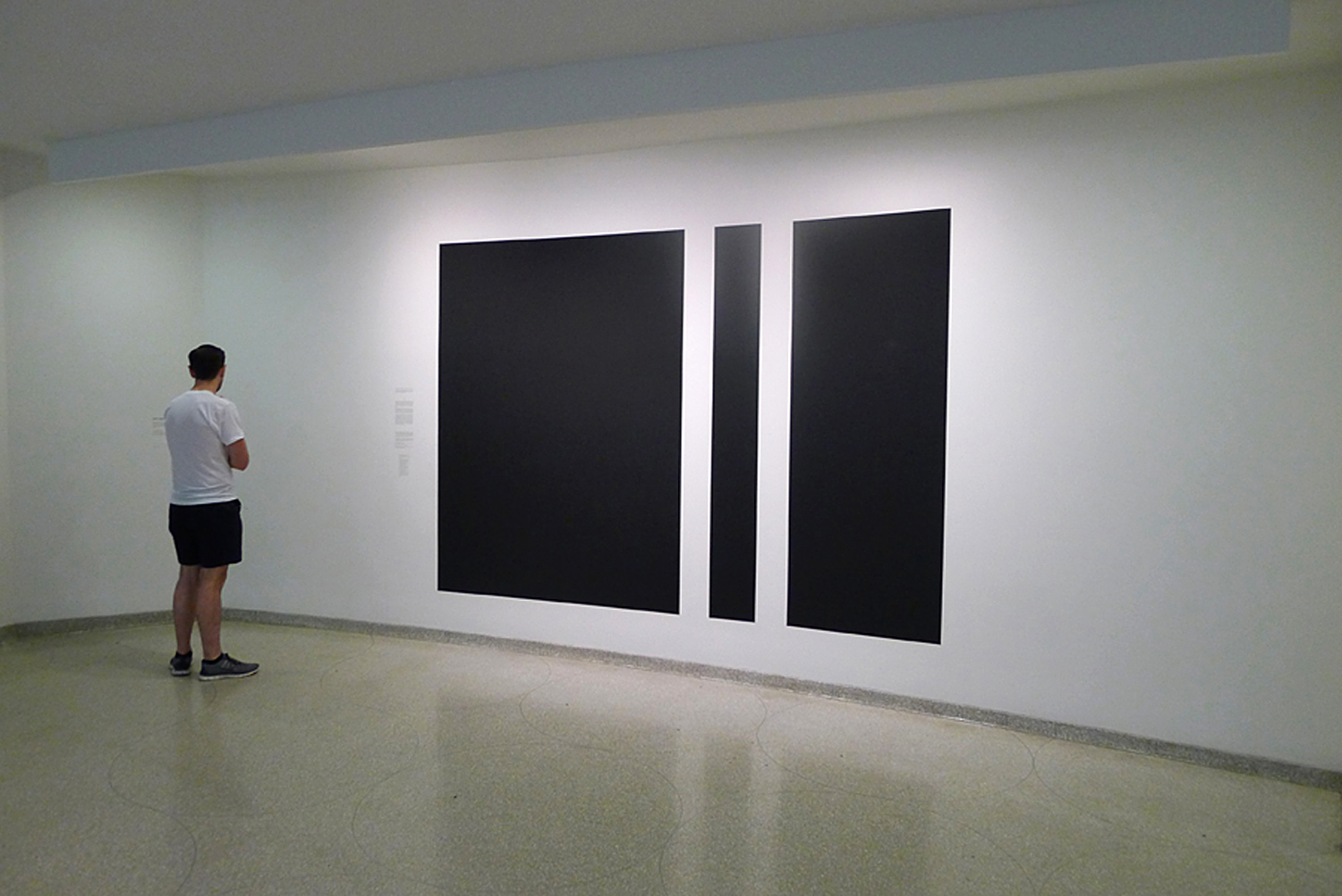
In the above photo, I was in the Guggenheim Museum in NYC, and because of the way the architect designed the space, I was sort of spiraling my way down from the top to the ground floor. I had my little friend with me so I could go relatively unnoticed among the ever present security ready to toss me over the railing if I was seen taking pictures.
By happenstance, I stopped in front of a large black and white painting (the artist names escapes me right now), and was looking it over for some sort of meaning, when this man walked up. The juxtaposition hit me right smack dab in the kisser and before he could take a step in any direction, I had my camera up to my eye and captured this wonderful relationship that I suspect no one else was paying any attention to.
That’s one kind of juxtaposition.
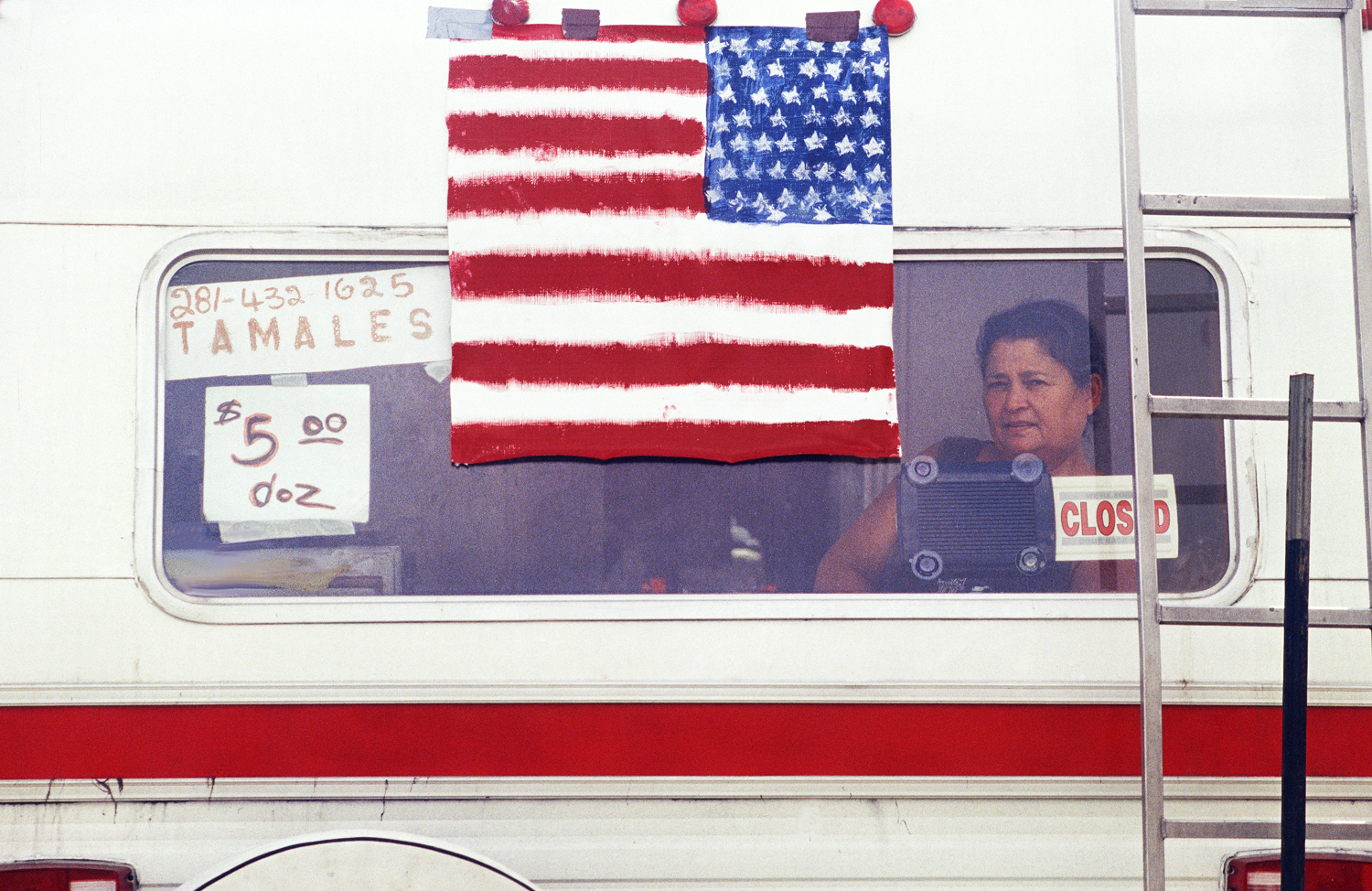
The second and more traditional definition of juxtaposition is in the photo of the woman selling tamales from her truck, i.e., sharp contrast. While walking in front of a construction site in Houston, I came upon this food truck and immediately saw this fantastic juxtaposition of an Hispanic woman selling tamales for five dollars a dozen, and about as prominent as an American flag could ever hang, there was the red, white, and blue…Old Glory at its finest.
A more traditional juxtaposition
Only in the US of A, I thought to myself, then took the shot!!!
And so my fellow Americans, go forth and seek out your own photos that are all about juxtaposition, it’s a lot of fun when you see them.
I have found that in my past online classes and also in my “Stretching Your Frame of Mind” workshops I conduct around our planet, so many people think that to create a mood, especially one that pulls at the proverbial “heart strings”, while drawing out an emotional response, you have to underexpose your photos. I mean underexpose to the extent that the viewer has no idea what he’s looking at. My fellow photographers also will try to underexpose a scene that was taken at a time of day where there is no possibility of created the kind of mood they want…as in high noon!!!!!
My answer is always the same, and fairly simple. If you’re trying to take a picture and your message to the viewer is dark and moody, then start out with something that’s already dark and moody and occurring naturally in nature. Or, at least a good start and adding ancillary lighting to finish the job.
OK, you can’t expect to find this happening outdoors naturally if you go out after breakfast…say mid-morning. You also can’t expect to see this if you go out after an afternoon nap and before dinner. If those are the only times you can shoot, for one reason or another, then go indoors where it will be easier to create a mood. This is also a good idea if it’s overcast outdoors…I don’t mean stormy, stormy is good. I mean a midday gray overcast sky.
If you can go out early or late, then it’s going to be a lot easier to pull on those heartstrings and create a photo that’s moody. Look for areas in shadow with little or no ambient light coming in. Or better yet, look for those dark areas that has a little natural light coming in from somewhere out of the frame and hitting your subject.
If you expose for the brightest part of the composition, as in the light falling on your subject, then everything else will be darker and the mood will be forthcoming.
Having said this, if you want a piece of advice don’t rely on the meter in your camera to help; because it won’t. Shoot on manual because the meter doesn’t know that you’re going for a mood. It will read the area in shadow and try to give you some detail in said shadows. If and when that happens, you can kiss the mood goodbye.
Shoot on manual (which is what I’m always preaching to the choir), take control and put your camera on spot metering, and expose for just the highlights. Do that, and you’ll achieve the mood you were after.
Visit my website at: www.joebaraban.com and follow me on Instagram: www.instagram.com/barabanjoe. Watch for my workshop schedule at the top of this blog. Come shoot with me sometime, and we’ll be moody together.
Besides the fact that people like to see people in photos, I like to have people in my shots to bring a sense of scale to them; not all the time, just some of the time.
Not only will adding a person show scale, but it will also change the genre of the photograph. In other words, adding people will editorialize the original idea. for example, taking a picture of a building with no people in it makes it lean towards the architectural side of photography.
When you add a person, not only will it reveal the actual size of the building, but it will ask the viewer why the person is there. When you do that it you’re creating a story for the viewer to read visually; it asks the viewer to express an opinion making it editorial instead of architectural.
The same thing happens with a landscape. Simply stated, a landscape represents all the visible features of a countryside that the viewer can see all at one time from a single viewpoint.
Before the passing of the school’s founder Bryan Peterson, I’ve had ‘landscape photographers’ take my online class with the BPSOP and I’ve also had them sign up for my “Stretching Your Frame of Mind” workshops I conduct around our planet, and I can tell you that they can be a stubborn lot; not all of them but a lot. What I’m getting at is that they can be adamant that a landscape cannot be a landscape if there buildings in the composition, and certainly not a person.
These people call themselves purists, but they have no compunction to do a little work on them in Lightroom or Photoshop; it makes me wonder just when you can begin or stop being a purist?????
I digress again.
I’m not going to get into that, but I will say that when you add a person it gives scale to the image. The viewer doesn’t know the actual size of a building nor does he have any idea of the vastness of the landscape he’s looking at. What he does know is the average size of a person, and that will help him identify the size of a building or the scope of a landscape.
BTW it also, like an architectural photo, makes the viewer wonder who that person is, where did he come from, and why is he there. These are questions that will keep the viewer around, and unless you’re shooting photos strictly for yourself and if you’re at all like me, you like people to look at your pictures.
During my Maine Media Workshop, I was working with a fellow photographer and the moment before she clicked the shutter, her LCD screen exploded with blinking black areas going on in the highlighted areas. This meant that those areas were being overexposed or “clipped” as what’s said by those that don’t know what they’re talking about.
I think “visually undesirable” is what I’ve been told by students (who were told this) that tøok my online class with the BPSOP. Since then the school has closed due to the passing of its founder Bryan Peterson. I’ve also had similar conversations in my own “Stretching Your Frame of Mind” workshops I conduct around the planet.
I digress.
“Egads”, I yelled to no one in particular, “make it stop blinking, I’ll tell you anything you want to know!!” The student relayed to me that she had been told that whenever she encountered the blinking, to immediately stop what she was doing because she was about to overexpose an area. It also annoyed her (not knowing what it meant) and how did she take it off.
Seriously? The only reason anyone (not in their right mind) would want to do that is if they wanted to be led (blindfolded) down that one way path to mediocrity. Or maybe they wanted to have the slightest chance in winning a blue ribbon at their camera club’s annual competition.
Here’s what I think…Get that blinking stuff off you camera. Go to settings on your camera and where it says “highlight alert” disable it. Believe me it’s a better thing you do than you’ve ever done before…why?
Because one of the ways to generate visual tension is contrast and another is the use of light. Those blown out (clipped) areas brings energy to your images. I don’t always blow out the highlights because there’s a time and place for everything. That said, whenever there are bright highlights in my composition I’m always looking to blow them out.
It’s easier said than done because if you use the meter in your camera, more than likely it’s going to give you an average exposure of the highlighted and shadow areas; based on what the meter is set on. For best results, set your meter on spot and try exposing just for the areas in shadow; this will blow out the highlights.
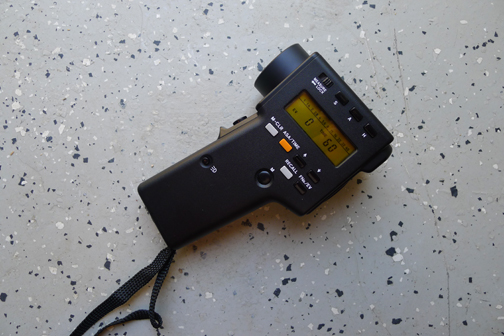
For most of my fifty-three year career, I’ve used a Minolta One-Degree Spot Meter. It’s an external hand held meter (you can find them on e-Bay) that can read just one degree of reflected light, which gives me total control to do as I please to my photo.
I prefer the energy, so next time blow out the highlights my fellow photographers and you won’t spend eternity in photographic purgatory.
Visit my website at: www.joebaraban.com, and follow me on Instagram: www.instagram.com/barabanjoe. Check out my workshop schedule at the top of this blog. They don’t stay up very long since they fill so fast. Come shoot with me sometime
For me, the easiest way to walk away with the best shot possible is to make a series of adjustments as I’m shooting. Photography is all about making adjustments from your first frame to your final composition.
As I’m shooting, I look all around the frame. I’m doing my Fifteen Point Protection Plan, my Border Patrol, and the Four Corner Checkoff. Each time the shutter opens and closes I’m making adjustments, some minor and some major…a new final composition, and I take several “final compositions” before I’m through….shoot adjust, shoot adjust, shoot adjust, etc., etc., etc.
The reason? To achieve what I want in the camera, and not have to rely on a computer to fix the problems I could/should have done prior to clicking the shutter.
I rarely use the first image I take unless I’m street shooting and I have one shot at it. It’s always the second, third, fourth, etc., before I’m satisfied.
I’ve discovered after thirty plus years of teaching that my fellow photographers will generally bring the camera up to their eye and aim, shoot, then move on to the next shot. Doing that really lowers the odds of that one photo being the one that can stand the test of time. The proverbial ‘OMG’ shot, a ‘keeper’, one that makes it to the ‘wow’ category of picture making.
In my online class with the BPSOP I use to critique so many images that could have been so much stronger had they made just a few adjustments. I say that in the past tense since Bryan Peterson, the founder recently passed away and the school closed. In my personal “Stretching Your Frame of Mind” workshops, I’ll observe a photographer shoot an images and immediately walk away. Slow down and smell the flowers I’ll say to them; don’t be in such a hurry.
Maybe the horizon line is off, perhaps it’s something growing out of someone’s head. It could be something coming into the corner or edge of the frame (those dead branches for one example) that you really don’t want to be there…I call those UFO’s, which would not be considered something that was hidden in Area 51. These may be nothing but minor nuisances, but they could also be something that even a computer can’t fix and therefore winds up on the cutting room floor…as in painfully deleted.
In the above photo of a dance instructor in Cuba, there were several adjustments before I was satisfied: I had her standing with no chairs, sitting with no chairs against the wall, then I added a chair, then I added another chair, then I had her looking out the window, then straight at me, then at me through the mirror…shoot adjust, shoot adjust, shoot adjust, etc., etc., etc.
If you consider yourself a painter as I do, then a good analogy would be to not think about your camera being on a tripod, think about it being a blank canvas on an easel. A finished painting is achieved by adding and subtracting pigment. Mixing colors to get just the right shade of blue, adding white or black to change the value of an area. Switching from one size brush to another is akin to changing lens. Then there’s always the option of using a palette knife of various shapes.
If you’re into getting the right light, then you’re shooting from different points of view and thinking about my clock. Shoot then adjust by moving around to see how your subject looks lit from the side perhaps to bring out the texture, then make another adjustment by placing the sun behind your subject to backlight it.
The digital age has had a profound effect on photography. some good and so many not so good. One good thing that has come about is the ability to shoot a photo and immediately look at the back of your camera to check it out. It’s so easy now to make those adjustments that will undoubtedly take your photography to where you’ve never gone before; and what I refer to as ‘up a notch”.
Visit my website at: www.joebaraban.com, and follow me on Instagram: www.barabanjoe.com Check out my workshop schedule at the top of this blog. I’ll be conducting a workshop every so often, so be sure to check them out at the top of this post.They fill rather quickly.
I like to have complete control over all aspects of my final composition/photo. That means being in control of the final exposure as well. Letting the meter in your camera decide your exposure takes you out of the control you need to create strong images with lots of Visual Tension/Energy, and interest. I can tell you that the meter in your camera, no matter the brand, is not giving you the right information.
One of the many areas I cover both in my online classes with the BPSOP, and in my “Stretching Your Frame of Mind” workshops I conduct around the planet is how to take meter readings that will provide you with this tension, interest, and energy.
Most of my fellow photographers have the meter in their camera set on Matrix. The problem with that is the meter doesn’t know exactly what you want. It will read a large area of reflected light, and that’s not the best way to have control of the final photograph.
For me, I want more control than that. I want to know what every area of my composition reads so I can compare one part of the frame to the other. I want to know what it’s going to look like before I look at it on the back of my camera, and certainly before I sit down in front of a computer. By that time I had lost control and now I’m left to devices, computer software, and programs to help out.
The next time you go out, try setting your meter on ‘spot’ so it will read a smaller portion of your composition. Read the highlights and then the shadows and see what you get. If you really want to master the light, get a handheld meter like the one I’ve used for the past forty-four years. I use a meter that’s not made anymore but you can find them in mint condition on e-Bay.
I use a one degree spot meter that was made by Minolta, and in it’s day, it was the state of the art. I can read just one degree of light at a time and can compare readings from the highlights to the shadows…and everything in between.
Minolta One-Degree Spot Meter
In the past couple of years, this meter has become very popular again. I guess there’s more people out there that want the challenge of being a good photographer and not a good computer artist.
Of course these days you don’t need that, but to me it’s fun and challenging to get exactly what I want in a photo…before I click the shutter.
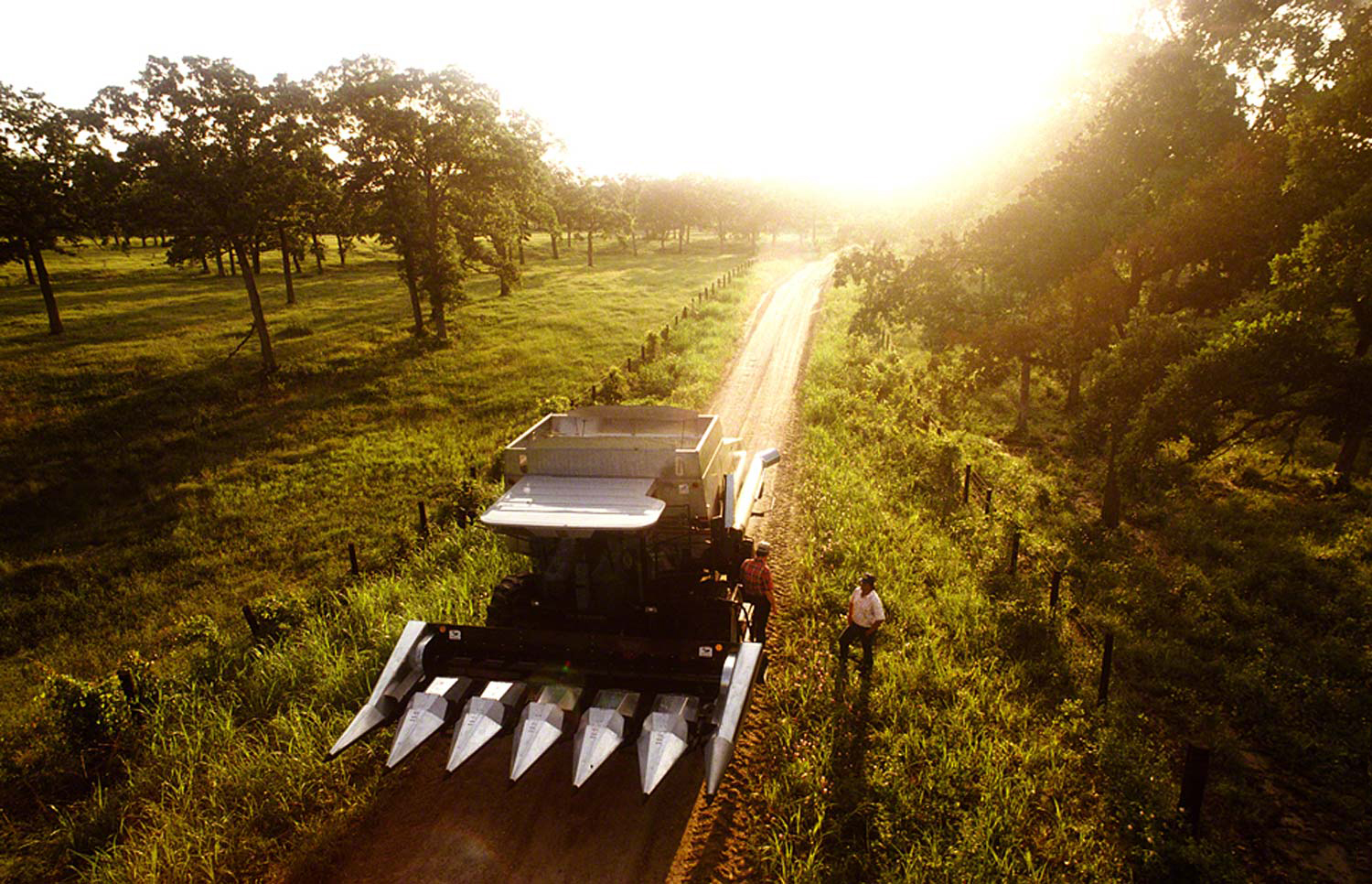
In the photo above, I wanted that sunrise energy so I read the reflected light on the two men. Once I set my camera to expose for them, the early morning sky behind blew out creating the Visual Tension, interest, and energy.
I’m sure some of you out there are horrified because I clipped the highlights. All I can say is…get over it. Stop being predictable and following rules written by people a long time ago that never colored outside the lines.
Visit my website at: www.joebaraban.com, and follow me on Instagram. Check out my workshop schedule at the top of this blog.
Since so many of my fellow photographers always hand hold their camera, it’s very difficult to stop down to F/22 to get everything in your composition in focus; without having to jack up the ISO. The problem I’m always hearing in my online class with the BPSOP, and also in my “Stretching Your Frame of Mind” workshops I conduct around the planet is that inevitably, they always forget to change the ISO back which as you know can lead to more issues.
If I’m walking around with a camera over my shoulder and not knowing what to expect, my go to lens, the lens I almost always have on my camera is a 17-40 35mm Canon lens. I shoot everything from landscapes to portraits with it, and have always loved the len. On of the main reasons is that I can get more in focus at a shallower DOF with a wide angle rather than any other lens that’s longer.
However, there are times when I can’t stop down enough and be able to hand hold. This is important to me as I always want to have complete control, so it’s the reason I’m almost always on a tripod…and very fast with it. That said, I’m occasionally hand holding my camera and come up against a situation where I’m not going to be able to stop down enough (I never jack up my ISO because I will most likely forget to change it back) to get everything I want to be sharp.
So, what do you do? Go the opposite way and use “selective focusing” to get the shot you want…and just maybe it will turn out to be a better idea.
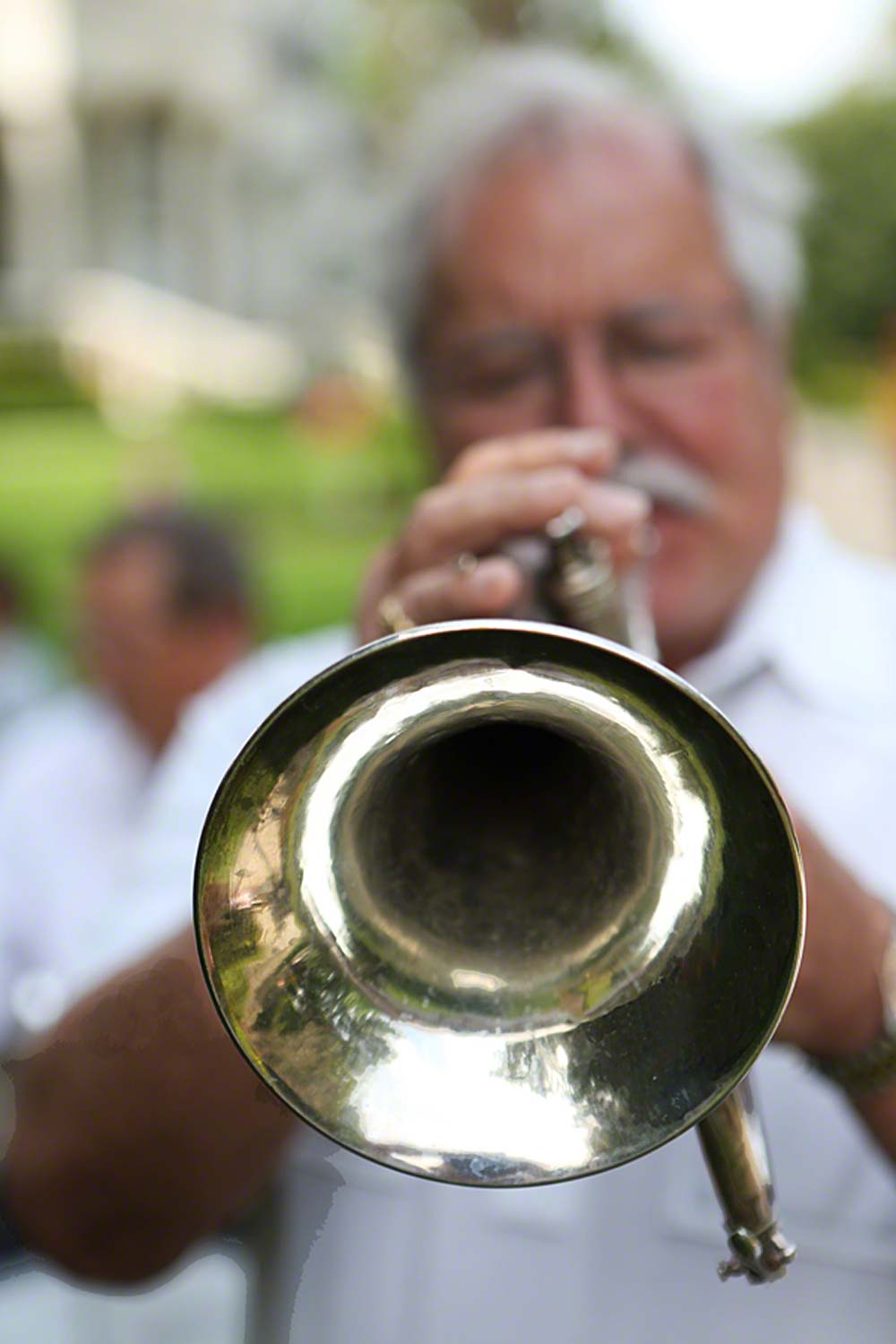
In the shot with the man playing the trumpet, While walking around an outdoor event, I heard the jazz trio and went to investigate. I wanted to take this man’s portrait but I couldn’t get him all sharp while getting “up close and personal” to his trumpet. I decided to shoot wide open and just have the front of the instrument sharp and let everything else be soft. It still says the same thing I was trying to say, and to me it “colors outside the lines”…one of my favorite things to do. BTW, it is a lot easier if you set your focus to manual instead of auto-focus. Auto-focus is a luxury, not a necessity. Just remember to change it back!!!!