Quick Photo Tip: You Can Never Go Back

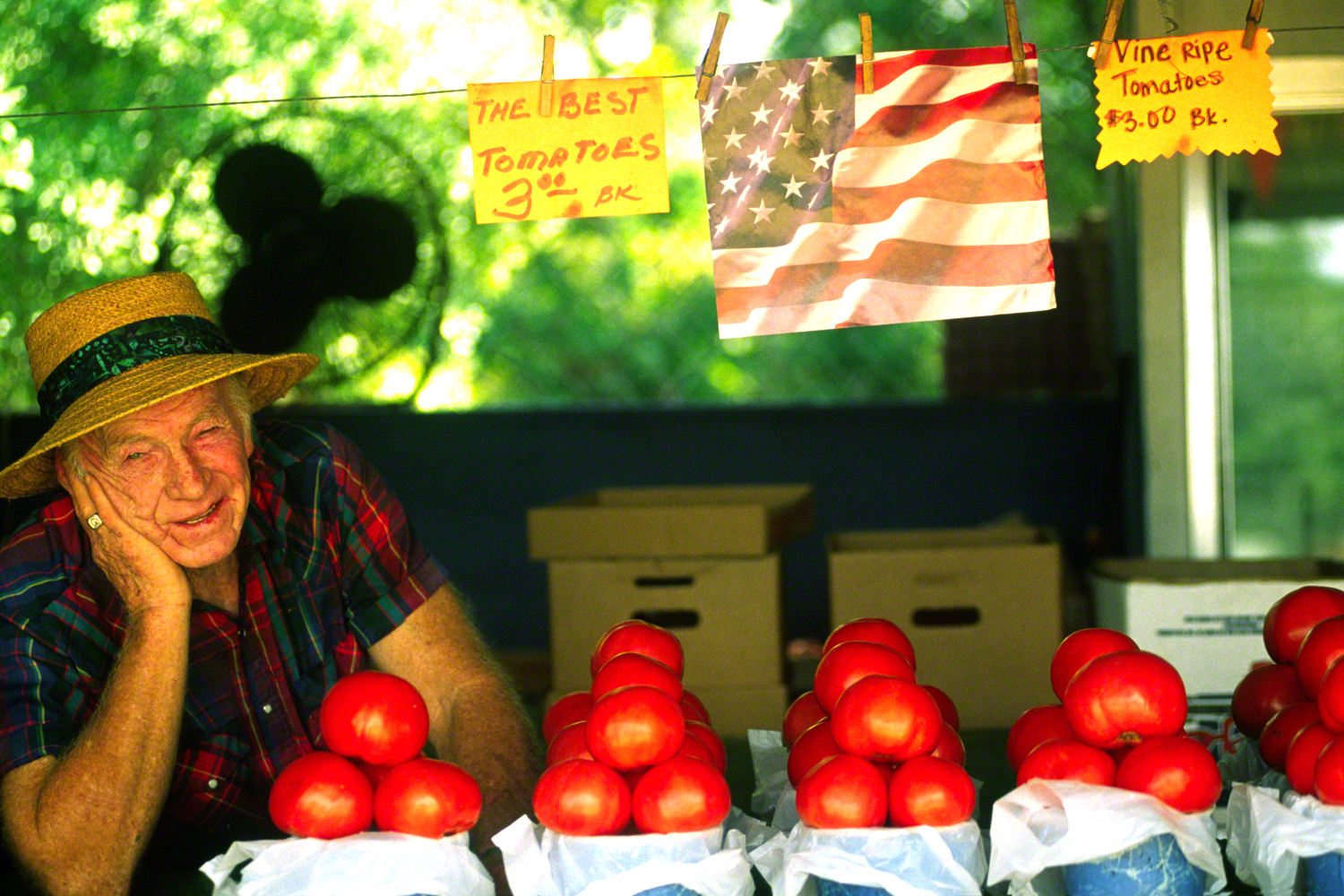
This building was gone in two days.

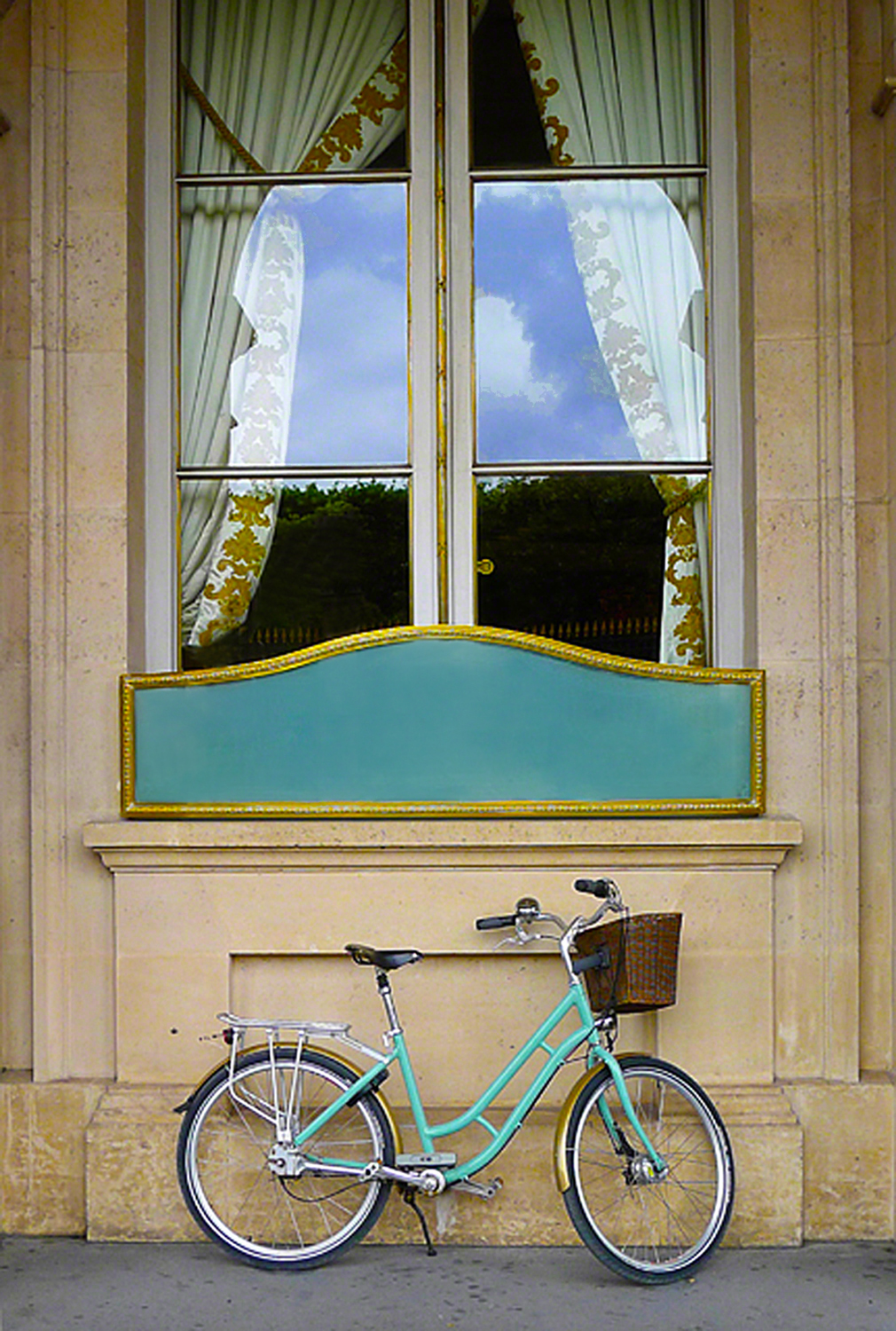
Even though I’ve realized this for most of my career, it didn’t really come into focus until I started working on my fine art series called Window Dressings.

Besides working on great advertising and corporate assignment that took me around the world, the biggest kick I get is when I load my dog into my car with my camera bag, a map, and an ice chest and head out for parts unknown; without a clue as to where I’m going.

My goal is to find great looking old worn-out windows, windows that if they could speak what would they tell me. Imagining who the last person to look out the abandoned window was and what they saw before leaving for good.

I come to an intersection on an interstate or two-lane blacktop and flip a coin as to what direction I’m going to go in, and look for small towns that have a center square with streets running out in all directions.

This building became a dance studio.

Unfortunately, I don’t have the luxury of coming across one of these windows when the light is low on the horizon. I take what I can get at the time I pull up to one of them. I’m certainly not going to try and come back to it under better lighting conditions, especially when I’m trying to cover as much ground as I can in a few days. But that’s just half of it.

When I’m talking to my online students with the BPSOP, and observing photographers that are with me on one of my “Stretching Your Frame of Mind” workshops I conduct around our planet.

I will often hear from one of them that they plan on going back to shoot something at a later date for one reason or another, usually because they just didn’t want to take the time or had something else to do; even though it had great possibilities.

I’m here to tell you that there’s a very good chance that when you do decide to go back it won’t be the same. There might be a large truck parked just where you were going to stand, there’s a construction crew that has roped it off, inclement weather, it just might not be there anymore, or a brand spanking new security guard shaking his head no.

This window had been boarded up in a week.

Case in point, the photo at the top was taken on the way to my lakehouse just outside Crockett Texas. I had never noticed it before and really didn’t have a reason to. I passed by it and after a few miles, I had the feeling that I better turn around and take a closer look at the building. I decided to go back and photograph it; especially since I had one of my cameras and a tripod.

As it turns out, it’s one of my favorites and my intuition was right. Coming back from Crockett on my way back home in Houston I looked to where the Mexican restaurant had been just to days before and now it was gone…as in where did it go in two days!!

And so my fellow photographers, if you see something that tickles your fancy don’t think you’ll just go back at a later date. Stop and shoot it right then and there…even if the light isn’t ideal. At least you have it in the can, and then you can think about going back under better conditions with more time.

Visit my workshop at www.joebaraban.com, and check out future workshops at the top of this blog. Come shoot with me sometime.

JoeB

Food For Digital Thought: Great Camera, Great Typewriter

Taken with my $300 Lumix DMC-LX5

Over the years, it just seems like I get the same feedback from both the students that sign up for my online class with the BPSOP, and my fellow photographers that attend my “Stretching Your Frame of Mind” workshops I conduct around our planet. It’s weird that over the course of a few days I’ll get the exact same thoughts that seem to come in waves of three or four.

Well, it happened again to me, and this time I was walking down the street minding my own business, my Canon EOS 5D Mark III ( now outdated) over my shoulder when I was accosted by a couple that said…since I had such a great camera I must be a great photographer.

Then during a conversation with a couple of online students a few days later the conversation’s focus was about cameras and what ones should we buy. First I started out with this line, “In my opinion, the last person you want to talk to about it is friends, fellow camera club members, and salespeople that make a commission.”

Then I went on to remind them that most cameras (and I don’t keep up with new designs and innovation) have a place to put your finger when you’re ready to take a picture; called a shutter release. They all have a place to put on the lens (unless it’s a fixed lens found on smaller cameras), All DSLRs have a viewfinder where you put your eye to compose your pictures.

Continuing into the exchange of ideas, I said that those three things are all you need to create memorable photos…why they asked? Because, I told them, that it’s not the camera but the ten inches behind it that’s important; the most important piece of equipment.

All cameras have the ability to let you see just enough to compose a picture, then it’s up to you to perceive what’s in front of you and realize when you have enough information to process, thus resulting in a good shot; that’s the tricky part.

Ok, I’m not telling you not to buy a good camera, because there are advantages in doing just that. I will advise you to do some research, read the reviews when possible, and find the camera best suited to you, your needs, and what level you’re at now or want to be in the future.

Staying in this vein of logic, I will tell you what I often tell people that are in a position to buy new photography equipment..of any kind. Buy the best you can so you only have to cry once. You take care of your camera and it will last you a lifetime of enjoyment.

Having said that, I leave you with this…you have a great camera, so you must be a great photographer. is like saying…I’ve read all your books, you must have a great typewriter.

🙂

Visit my website at: www.joebaraban.com, and check out upcoming workshops at the top of this blog. Come shoot with me some time.

Send me a photo and question to: AskJoeB@gmail.com, and I’ll create a video critique for you.

JoeB

Food for Digital Thought: Slow Down and Smell the Roses

When I slowed down and started smelling the roses, I saw this right before my eyes.

I’ve been an advertising and corporate photographer for almost fifty years and I’ve also been teaching my “Stretching Your Frame of Mind” workshops for thirty-four of those years and an online class with the BPSOP for six. One occurring theme throughout all these years is when I observe photographers taking pictures…which has happened a lot!!!

🙂

What I just about always see is a student taking a photo without taking any time at all between the time he/she first sees something they think is worthwhile enough to bring the camera up to their eye, to clicking the shutter, to moving on to look for something else to shoot. They don’t spend enough time smelling the roses.

They will invariably walk up to a subject or location, shoot the first idea that comes to mind, and then move on leaving a lot still ‘on the table’. By the way, the photograph is usually taken at eye level and horizontal since it’s the easiest and less stressful way to compose.  STOP!!! Don’t leave!!! Use this first shot for what I call the ‘Master Shot’ and stick around to observe what else is going on.

I’ve seen photographers that have become stronger shooters put a lot of undo pressure on themselves to continue the upward path they’re now on. This is the time to relax and enjoy your new way of seeing things.

Look at your subject from as many different positions as you can. While doing so check out where the sun is and how it’s affecting your composition. Btw, this is probably what I see happening the most when I observe my fellow photographers about to take a picture. I can tell you that your odds of coming back home with a good photo will greatly increase if you just take a second to observe what’s going on around you.

Having said all this, there’s going to be times when you don’t have the extra time to think before you shoot. I’m talking about street shooting when capturing the moment is essential in creating strong memorable images. Of course, if you’re always thinking about what I’ve been saying you have an even better chance of capturing that moment in time and have great light on your subject at the same time…and this can be somewhat controlled…how you say?

By picking the side of the street to walk on. If I’m walking on the shady side of the street I’m going to look for ways for the sun to hit certain areas. For example buildings of different sizes next to each other, intersections close together allowing light to come down the street highlighting some areas and keeping some in the shadow…a great combination.

If I choose to walk on the sunny side I then look for areas in shadow. Remember that the use of light and contrast are two ways to generate visual tension.

All this boils down to one thing to remember. Think before you act, slow down, and smell the roses.

Visit my website at: www.joebaraban.com and check out upcoming workshops at the top of this blog. Come shoot with me sometime.

Send me a photo and question to: AskJoeB@gmail.com, and I’ll crate a video critique for you.

JoeB

Anecdotes: Prince Tennis

Let The Games Begin

I’ve been a professional photographer for almost fifty years, and the number of anecdotes and stories I’ve encountered along the way still pop into my head at one time or another. Since I teach an online class with the BPSOP I’m constantly going through my files looking for photos to show to my students for any number of reasons; mostly to show an alternative way of looking at similar subjects or ideas.

Sharing a glass of wine or a martini while talking to some of my fellow photographers that take my “Stretching Your Frame of Mind” workshops planet will usually unleash a story or two.

There’s been enough time pass by so that the bad experiences have mostly melted into any lasting memory I might have had since so many years have passed. The funny memories and anecdotes will hopefully always remain in my mind, no matter how much time goes by.

I was shooting a series of posters, centered around a tennis court, for Prince Tennis rackets that appeared in pro shops  around the country. The campaign’s slogan was let the games begin, and it referred to the fact that people would do anything to play tennis, even shovel snow off the court. I was to produce four different posters, all at one time which made it logistically difficult since one of them had to look like it was shot in Winter while the others had more of a Spring and Summer backdrop.

Since the time of year was during the Winter months, a decision was finally made to shoot three of them in Santa Barbara, California while one of them needed a location somewhere in the North where we could find some snow; easier said than done…why?

I had hired a location scout around the Santa Barbara area to find just the right court. A court that would get either very early sun or one that would be a good place at sunset; to obviously get the best (golden hour) light. I was also suppose to send a scout up north to find the same thing. This is where a serious dilemma would play a big part.

Even if the location scout were to find a snow covered tennis court, by the time my crew and the people on the agency side arrived, there was no guarantee that the snow would still be there; and a lot of money would have been wasted. Having thought through that, I came up with an idea. Since the other posters were to be shot in Santa Barbara, why not just cover a local tennis court with snow? It would cost about the same as everyone flying up to who knows where and maybe not getting the shot.

The agency account executive, wearing a blue t-shirt and his head down, was just told about the additional $4500.

Well we had good intentions, but as my mother use to say, “The road to hell is paved with good intentions”. The client had approved $4500 for enough shaved ice to cover the courts, but the day of the shoot turned out to be a record breaker and the temperature climbed to ninety degrees when we started laying out the ice; $4500 turned into $9000 and by that time we were committed.

The account executive on the account was freaked out when we told him what was happening, the client took it pretty good…why?

He was pre-occupied and had something else entirely on his mind. Right before I climbed into the giant crane so I could shoot straight down, he came up, pulled me aside, and asked me for a big favor.

He said he would make her a star

He asked me if I would take a quick picture of this blonde he had met the night before in a bathing suit. It seems that he had met her in a bar and promised her stardom in exchange for…your guess is as good as mine!!!

Since he was willing to pay the extra $4500, it was the least I could do…I took one for the team…literally.

Visit my website at: www.joebaraban.com and check out my upcoming workshops at the top of this blog. Come shoot with me sometime…I got a million stories.

Send me a photo and question to: AskJoeB@gmal.com, and I’ll create a video critique for you.

JoeB

Photo Opportunities: A little research goes a long way

Found him on the internet.

In the old days, and when I say old days, I’m referring to the days before the internet. The days when you had to send away for information or go to the Library, and maybe it would come when you needed it and before it was too late, or maybe it wouldn’t.

Every time I was awarded a project in another state or country it was important to find out as much as I could about the place or places I was going to be shooting in. It was especially important if I was looking for possible photo ops to either send a location scout to or check out myself; advance preparation was and still is the key to a successful shoot. This is important not only for the professional photographer, but serious amateur shooters as well that want to come back home with interesting photos created in interesting locations.

Every state and  city in the US, as well as every other country has a Department of Tourism and also a Film Commission. The best way to find out information as to the best places to shoot is to contact them, and now it’s so easy to do through the World Wide Web.

Before you travel, whether it be on vacation or for work, and you want to shoot as much as you can in the little amount of time most people have, instead of looking for places when you get there spend a little time researching ahead of time.

I would find (and still do) where the traditional tourists places are…the ones that are crowded with them and make sure I go to those first…why would I do that you ask?

Because I’m there for sunrise and late in the afternoon right before the sun sets. That’s when the light is the best. When I’m coming back to the hotel for breakfast, the tourists are just leaving to go to these places to shoot. When I’m shooting the last light of the day at sunset, the tourists have already left to go eat.

No matter what country you’re going to be in, the Film Commission and the Tourist Bureau want to help you in any way they can. They want and encourage photographers to come photograph their country and cities.

I teach an online class with the BPSOP, and I have students from all over the world signing up. I always suggest that they look up these sites to check out possible photo ops. You would be surprised to learn that a lot of homegrown people as well as xpats are not familiar with everything in their city, state, or country.

I also teach my “Stretching Your Frame of Mind” workshops around the planet, and looking up these sites is one of the first things I do. The above photo was taken during my workshop in Sicily. I had found this fish market in Palermo on the internet.

Here’s a couple of examples if you were going to Italy and Rome:

http://www.filminginitaly.com/home

http://www.turismoroma.it/?lang=en

Here’s a link if you were coming to New York to shoot for the first time:

https://www.viator.com/New-York-City-tours/d687-ttd?pref=02

Good luck and safe travels.

Visit my website at: www.joebaraban.com, and watch for upcoming workshops in 2017. Come shoot with me sometime.

Don’t forget to send me a photo and question to: AskJoeB@gmail.com, and I’ll create a video critique for you.

JoeB

Life Before Photoshop: Buick

Look ma, no Photoshop

Back when I was traveling and shooting two hundred and twenty-five days out of the year I had three reps (representatives); one in Chicago, one in New York, and one in LA. Most of my advertising jobs came from Chicago and New York, and the majority of my corporate work (annual reports and brochures) came from Houston (where I was living and still live) and Dallas.

The biggest chunk of automotive assignments came from my rep in Los Angeles, since that’s where most of the advertising agencies that handled car accounts were based.

I loved shooting cars and had a very good reputation for always coming back with “the goods”. These were my favorite assignments since they were usually several days of shooting and several days of pre-production and travel; it didn’t hurt that they were extremely lucrative, but that’s not where my mind was at.

As I’ve said in prior posts, the best examples I have of shooting before any form of post processing was developed is in automotive photography. This was the most difficult genre to shoot since the cars had to be lit perfect and all movement was achieved in the camera. So different than in today’s world where you can have the car sitting still against a background and make it look like it’s moving through the use of Photoshop. The majority of the time the car is photographed on a green screen and then stripped into  some landscape; which seldom looks right.

I was extended over the guardrail while we were moving and shooting.

One of the things I ask my online students with the BPSOP and in my “Stretching Your Frame of Mind” workshops I conduct around our planet is to refrain from using any post processing, and to crop only in the camera. I read once that when you crop in front of a computer it’s a sign of sloppy technique and a lack of discipline; I agree.

I want my fellow photographers to take the challenge and do whatever they need to do before clicking the shutter. It will make for a much stronger photographer, and not a more skilled computer artist.

The wet-down with a water truck.

In the photo above, We shot at sunrise and I was sitting/positioned in a crane extending out from a camera car because the Art Director wanted to see the guardrails on both sides of the Buick. both the camera car and the Buick were traveling at the same speed so I could make the car look like it was moving. Right before the start of the shoot, I sent in a water truck to do what was called a wet down. The tricky part was to blur the skyline and have it be out of focus so that the Buick was the main focal point; to add to the effect I used a diffusion filter.

That’s the days when it was fun to be a good photographer and not a proficient computer artist.

Visit my website at: www.joebaraban.com, and check out my workshop schedule at the top of this blog. Come shoot with me sometime. On July 30th I begin my 29th year at the Maine Media Workshops. I’ve had the same week since the beginning. It’s the week of the Lobster Festival down the road in Rockland. It offers a completely different set of photo ops than one would expect when coming to photograph the coastline, lighthouses, and fishing villages of Maine. Come join me and spend a week completely immersed in your love for photography.

Send a photo and question to: AskjoeB@gmail.com, and I’ll create a video critique for you.

JoeB

Quick Photo Tip: North Light

Thank you Rembrandt.

The next time you want to take a portrait of a friend, relative, spouse, your kids, or your pet, and you either don’t have the right lighting equipment (the flash on your camera is not the right equipment) or you can’t afford it,  think about the best source of light there is…North light.

If you want to find out just how important North light really is, just go to Google and type in North light rental studios in let’s say New York, and you’ll find several to choose from.

Why is North light so sought after?

Let me digress or a moment and say that in 1971 I opened my first studio in the bottom floor of an old house in Houston. I also rented one room upstairs that had a window that faced North. I used that for my only light (I couldn’t afford any lighting)  when I shot portraits. Back then I didn’t realize the importance of North light; the importance being that direct light will never come in the window keeping the quality of the light and color balance the same all day.

My clients (few but growing) loved the way they looked when I put them next to the window while adding a little white reflector on the dark side of their face. Since I studied painting and not photography, I remembered the way Rembrandt painted and now, three hundred and fifty years later, his light is referred to by photographers as Rembrandt lighting.

The above photo of a boxer, his manager, and trainer was shot for Budweiser beer. We had just finished a big production shot that included several hours of setting up lights in a very dimly lit gym in San Antonio. As I was heading to the bathroom I noticed this small window that was facing North. I went back to where we had been shooting, grabbed all three of them and took them back to the window. In a matter of about a minute I had taken a picture that the client wound up using.

What I tell the students that take my online class with the BPSOP, and my fellow photographers that join me in my “Stretching Your frame of Mind” workshops, make like simple for yourself. Find a window in your house that faces North, and try it out for yourself; you’ll be glad you did.

Visit my website at: www.joebaraban.com, and check out my workshop schedule at the top of this blog. Come shoot with me sometime. On July 30th I begin my 29th year at the Maine Media Workshops. I’ve had the same week since the beginning. It’s the week of the Lobster Festival down the road in Rockland. It offers a completely different set of photo ops than one would expect when coming to photograph the coastline, lighthouses, and fishing villages of Maine. Come join me and spend a week completely immersed in your love for photography.

Keep sending me photos and questions to: AskJoeB@gmail.com, and I’ll create a video critique for you.

JoeB


Food For Digital Thought: Making a New Friend.

The final portrait

I love all aspects of photography, from landscapes to macro, and from street shooting to portraiture. Whether my subject are mountains, running streams, rivers, forests, architecture, anything with wheels on it, people, kids, dogs  and bugs; bugs not so much.

My favorite is environmental portraits, and I’ve shot them from Timbuktu to Kalamazoo. For me, this is just about the most fun someone can have, and I’m going to milk it for all it’s worth…what do I mean?

What I mean is that when I look at submitted photos from my online classes with the BPSOP, I always know when someone has done the least required effort when taking portraits of people; usually because they take them from too far away. When I’m watching someone in my “Stretching Your Frame of Mind” workshops I also see my fellow photographers doing little else than walking up to someone and asking permission to photograph them; they’re leaving out so much.

When I see someone I want to photograph, first of all I don’t ever run up and stick a camera in his or her face; that’s a great way to get a hand up and aimed at you shaking vigorously in a ‘no’ kind of international way,  A little discretion will go a long way so keep the camera over your shoulder but behind you so as not to be intimidating; if the hand doesn’t immediately come up you’re at least in the door.

Conversations during the shoot keeps things loose.

I personally love to talk to people before, during, and especially after taking their pictures. Milk it, you bet. I will often have my photo taken with them so when I get back home I can relive that brief encounter. It will always remain a wonderful memory no matter how much time goes by. I need only to bring them up on my computer from time to time and it’s just like D’eja vu all over again. It’s a feeling one should not miss out on.

I’ve selected these three photos taken a very long time ago as good examples of the fact that there’s no time limit on the feelings you get when looking back.

Looking back in time are great memories

Having said all this, it’s a great way to not only promote photography, while spreading good-will around the world, but to leave a smile on the face and a long lasting experience as to have just had their picture taken; let them know that photographers are really good people…most of them!

Visit my website at: www.joebaraban.com, and check out my workshop schedule at the top of this blog. Come shoot with me sometime. On July 30th I begin my 29th year at the Maine Media Workshops. I’ve had the same week since the beginning. It’s the week of the Lobster Festival down the road in Rockland. It offers a completely different set of photo ops than one would expect when coming to photograph the coastline, lighthouses, and fishing villages of Maine. Come join me and spend a week completely immersed in your love for photography.

Send me a photo and question to: AskJoeB@ gmail.com, and I’ll create a video critique for you.

JoeB

My Favorite Quotes: A Photographer’s Creed

A rainy night in Paris.

“Neither rain, nor snow, nor sleet, nor hail shall keep the photographers from their appointed shoots”.

You might have heard something similar before?? Maybe something like this, “Neither rain, nor snow, nor sleet, nor hail shall keep the postmen from their appointed rounds”.

No matter, I still like it the way I say it; it certainly has more meaning this way…why you ask?

I teach online classes with the BPSOP, and I also conduct my “Stretching Your Frame of Mind” workshops around the planet. If I’ve heard it once, I’ve heard it a thousand times…”It was raining so I didn’t go out”…or “too cold and snowing so I figured there was nothing to shoot”. How about this one, “It was too hot and sunny to get anything good”…I won’t even spend time on that one!!!

I’ve had several photographers do as I have suggested, and as a result have dried out (hopefully in some bar) while looking back at all the great images they shot; and can pat themselves on the back for taking. The above photo for example that was taken in France by a friend, student, and very good photographer. She put on a rain coat for the camera and for herself then went out in the rain. As you can see from the photo above, it was well worth it. It shows desire…a desire to take great photos!!

Btw, sleet, hail, lightening, Hurricanes, and last but not least tornadoes just might be five good reasons to stay indoors…and shoot pictures!!!

I digress.

Rain (misting, drizzling to light) and snow (any type) are great reasons to go out because they can provide you with opportunities that you could never get otherwise. When I think of rain, I think of reflections.I think of going somewhere where there’s a multitude of colorful lights so I can get them reflecting in the wet streets; one of the ways to generate Visual Tension is to show a subject and it’s reflection.

I think of taking a big black umbrella and a volunteer to walk along, holding it while I shooting her or him. This usually will cost me a nice dinner in a warm, cozy restaurant. You can also save the money for dinner by shooting in a city that’s meant to be walked in, i.e. New York, San Francisco, Charlotte, New Orleans, Paris, London. I’ve shot in these cities when it was either cold and raining, day or night; people are still out and about…don’t forget about dense fog for a great way to come back with a wall-hanger.

If you want to create images that have lots of visual interest, these are certainly some of the times to go out. Put on a raincoat, put your camera in a rain pouch and go out. Or to save some money get a large zip lock storage bag, cut a hole to put your lens through and go out.

Some of the best images you’ll ever take will be under these conditions, so do yourself a huge favor and give it a shot!!!

Neither you or your camera will melt.

Btw, it’s really not the mailman’s creed, nor does it have any official status.

Visit my website at: www.joebaraban.com, and check out my workshop schedule at the top of this blog. Come shoot with me sometime. On July 30th I begin my 29th year at the Maine Media Workshops. I’ve had the same week since the beginning. It’s the week of the Lobster Festival down the road in Rockland. It offers a completely different set of photo ops than one would expect when coming to photograph the coastline, lighthouses, and fishing villages of Maine. Come join me and spend a week completely immersed in your love for photography.

Send me a photo and question to: AskJoeB@gmail.com, and I’ll create a video critique for you.

JoeB

Student Work: May BPSOP Class

Taken by Debby in my part I class.

For the past six years I’ve been teaching online classes with the BPSOP, while also teaching my “Stretching Your Frame of Mind ” workshops around the planet. In both of these, I like to share their work with the people that follow my blog. I would also like to thank everyone reading this for being loyal followers that as of now average 300-400 visits every week.

In my two four week classes, I teach photographers how to incorporate the elements of visual design and composition into their imagery: Line, Texture, Pattern, Shape, Form, Balance, Light, and Color are the basic elements. We also work on elements of composition such as: Negative Space, Vanishing Points, Creating Depth, Visual Tension, Silhouettes, and Shadows (your best friend).

After the end of the classes, photographers will walk away with a clear understanding of how their new Artist Palette will change the way they see things; to be remembered for as long as photography remains their passion and love.

I recently finished the part I and II May classes, and because of the great work that was done, I wanted to share their images with you. I hope, as I am, you’re as impressed with their work and can see how their Artist Palette played a big role in their ability to see things differently.

Enjoy!!!

Visit my website at: www.joebaraban.com, and check out my workshop schedule at the top of this blog. Come shoot with me sometime and get your own Artist Palette to start using.

If you send me a photo and question to AskJoeB@gmail.com, I’ll create a video critique for you.

JoeB

My Favorite Quotes: Three Dog Night

One is a lonely number.

Coming back from a road trip to Dallas, I was listening to a classic hits channel on Sirius-XM. One of my all time favorite bands played one of my favorite songs. It was Three Dog Night and they were playing, “One is the loneliest number”.

As is usually the case (I was not driving) I closed my eyes and listened, but this time I was conjuring up past photos that I’ve taken as I was singing along in my mind. It’s a great way to produce ideas that I can write about on my blog, and also show the way I like to send out messages via photos to the viewer.

I’m a firm believer in the psychology of Gestalt, and in my online classes with the BPSOP, and in my “Stretching Your Frame of Mind”, I often show photographers how to incorporate these concepts into their imagery.

It’s so important to think about how we manage what the viewer perceives and processes when looking at the visual information we lay out to him in the form of a photograph. One of my favorite ways to manage said information is through one of the six concepts called Figure-Ground, and I’ve talked about several ways in past posts.

People like to see people in photographs, and I like putting them in to also show scale. I also like to create a mood, and there’s nothing better to do just that as to use the light to your advantage and to isolate one individual; creating the feeling of the Figure (the subject) being small and lonely…or being alone. By making the Ground (the background) the overwhelming part of your composition, this message will come across to the viewer.

Btw, by definition, Figure-ground refers to the relationship between an object or subject and its surroundings.

As far as the photo above, one morning I took my fellow photographers that joined me for my “Springtime in Sicily” to Acitrezza, a small fishing village north of Catania. It was before sunrise so we were looking around for silhouettes to put against the sky that had not yet seen the morning sun; one of my favorite ways to spend the pre-dawn moments.

I noticed this intersection and the unusual light cast on the streets from above. I immediately visualized one lonely person walking under the street lights before people came out to start their daily routines; I thought about my song, “One is the loneliest number that you’ll ever do”.

Since I rarely see what I want, I photographed what I wanted to see by having one of the non-shooting spouses go over and slowly walk down the street for me. As you can see it worked perfectly, and sent the message I wanted to the viewer.

FYI, for those that also love the song, here it is: One is the loneliest number.

Visit my website at: www.joebaraban.com, and check out my workshop schedule at the top of this blog. Come shoot with me sometime. On July 30th I begin my 29th year at the Maine Media Workshops. I’ve had the same week since the beginning. It’s the week of the Lobster Festival down the road in Rockland. It offers a completely different set of photo ops than one would expect when coming to photograph the coastline, lighthouses, and fishing villages of Maine. Come join me and spend a week completely immersed in your love for photography.

Send me a photo and question to: AskJoeB@gmail.com, and I’ll create a video critique for you.

JoeB

Quick Photo Tip: Outline the Person

I just followed her outline with my eyes.

It’s been sooooooooo long I can’t remember when I first started relying on my fifteen point protection plan, checking my four corners, and making sure I paid attention to my borders to guide me through the process of creating strong images before I clicked the shutter. I can tell you that it’s been thirty-four years since I first shared these concepts with my fellow photographers that took my first Maine Media Workshop in 1983.

I continue to work these concepts into my online classes with the BPSOP, and in my “Stretching Your Frame of Mind” workshops I conduct around the planet. Now there’s one more I recently thought about when I was shooting an environmental portrait, but had never really thought about sharing it with others.

It was in an environment where I couldn’t move the subject or change anything. It was filled with obstacles that could easily get in the way of what I was trying to achieve in the camera. Or having no other choice, one where it would either take a long time to fix so it would look natural, or one I couldn’t fix at all; given a reasonable time table.

I went through my photo process, which by the way now takes me a very few seconds. As though I was outlining the woman in pencil I quickly ran my eye over her entire outline to see if anything was growing out of her head or in a really bad position. Remember that this was a ballet rehearsal in Cuba and I had absolutely no control other than having her glance over her shoulder at the lens.

When doing this I could make adjustments by moving one way or the other to get her where the area around her was free and clear, and avoiding unnecessary time in front of a computer that may or may not have been successful.

So the next time you’re out shooting people give it a try. Let your eye become a pencil and draw an imaginary line around the person, looking for potential problems. You’ll thank me for it later!

Visit my website at: www.joebaraban.com, and check out my workshop schedule at the top of this blog. Come shoot with me sometime. On July 30th I begin my 29th year at the Maine Media Workshops. I’ve had the same week since the beginning. It’s the week of the Lobster Festival down the road in Rockland. It offers a completely different set of photo ops than one would expect when coming to photograph the coastline, lighthouses, and fishing villages of Maine. Come join me and spend a week completely immersed in your love for photography.

Don’t forget to send me a photo and question to: AskJoeB@gmail.com, and I’ll create a video critique for you.

JoeB

Personal Pearl of Wisdom: When in Doubt Leave it Out.

I was in doubt, so I left it out.

Over the past five years, I found that in both my online classes with the BPSOP, and in my “Stretching Your Frame of Mind” workshops I conduct, people that are just now starting to understand the “why and the how” of photography are not quite confident in what they put or don’t put into a photograph.

As the level of my fellow photographers images goes up to what I refer to as up a notch, striving for that OMG shot, that photo that can become a wall-hanger, will become more difficult; at least in their minds. You can read more about it in a post I did under the category “My favorite quotes” and was about Edgar Degas, who once said, “Painting is easy when you don’t know how, very difficult when you do”.

So, the tendency is to put more than you need to get your message across. To that I always say, “When it doubt leave it out”.

This might mean taking a little more time when composing, and there lies the rub. I’ve found that after thirty years of showing people how to create stronger images, people just are not willing to take the extra time. I can tell you from my fifty years of shooting, that’s what it will take.

Photography is the art of subtraction. When you have a blank canvas on an easel you fill it up with all different pigment until you get the desired effect; a camera on a tripod is just the opposite.

When you raise the camera up to your eye and look through the viewfinder, it’s already filled with some sort of composition based on the environment you happen to be standing it. To me that’s when the real thought process, the real photography begins.

It begins by the photographer choosing what to leave in and what to take out, and this is where it gets a little tricky! This is when you decide what you need to create that illusive keeper.

This is when, and I’ve seen it a thousand times, one will tend to put or keep in too much because of the lack of confidence; the moment when your photo is about to go up one level.

In the above image I shot on a very cold and foggy day in a small Medieval village north of Taromina, Sicily. People walking around were few and far between. I saw these two men walking down a very small cobblestone street and was immediately drawn to his red sweater; since finding color anywhere would have been a blessing.

However, I didn’t want to show very much of the sky sine it was so gloomy. I decided to come in close to the older man while still giving the viewer a clear message that he was being helped by a friend or family member. To me leaving the rest of the man out added another dimension…Closure in the Psychology of Gestalt.

If you have happened to take my online classes where I show photographers how to incorporate the elements of visual design into their photos, the job is considerably easier; because now you know what to look for.

Although I’m a firm believer in the expression, “if more’s better then too much is just right”, in this scenario more is definitely not better.

I leave you with one last thought…if you have the opportunity shoot it both ways and look at both images side by side on your monitor and them make the decision.

Visit my website at: www.joebaraban.com, and check out my workshop schedule at the top of this blog. Come shoot with me sometime. On July 30th I begin my 29th year at the Maine Media Workshops. I’ve had the same week since the beginning. It’s the week of the Lobster Festival down the road in Rockland. It offers a completely different set of photo ops than one would expect when coming to photograph the coastline, lighthouses, and fishing villages of Maine. Come join me and spend a week completely immersed in your love for photography.

Send me a photo with a question to: AskJoeB@gmail.com, and I’ll create a video critique for you.

JoeB

Food For Digital Thought: Compression is cool!

Nikon 300mm F/2.8 lens shot at F/2.8

I’ll often have people taking my online classes with the BPSOP submit a photo and then talk about how they should have used a telephoto lens to compress the elements in the composition.

It also happens during my “Stretching Your Frame of Mind” workshops when right before we go out shooting I’ll be asked by one of my fellow photographers if we’re going to be somewhere where they could use a telephoto to compress everything.

Ok, let’s get to the crux of the conversation: Lens compression will occur when you use a telephoto lens, but the compression is not a result of the lens or its focal length.

So then what exactly is meant by lens compression? Why don’t we call it lens compression for the sake of the article even if we know that it doesn’t have anything to do with the lens.

When we decide to use a long lens for whatever reason, we need to stand back from our subject to do so. It’s the camera to subject distance that will give the viewer the feeling of compression..why you ask?

Because the camera to subject ratio will give the impression that distant objects are larger than they actually are; giving the appearance that the background has pulled in closer to the subject.

In the photo above, I was shooting for the Sears Annual Report and I wanted to focus on just the commuter. I shot with a 300mmF/2.8 lens at it widest aperture. In doing so it pulled the train in closer making it appear as if the train is huge behind him.

Conversely, a wide angle lens has a much wider field of vision so the opposite will occur. In other words, to keep the subject the same size as you do with the telephoto you’ll have to get much closer. Because we’re so close, objects near to us will correspond in size making the background elements smaller and seem farther away.

So if we’re looking  at a small historical church in the viewfinder and visually it looks closer to the parishioners whose portrait you’re taking, it’s not because perspective has gotten compressed but simply because in the viewfinder we see a smaller portion of it.

Visit my website at: www.joebaraban.com, and check out my workshop schedule at the top of this blog. Come shoot with me sometime. On July 30th I begin my 29th year at the Maine Media Workshops. I’ve had the same week since the beginning. It’s the week of the Lobster Festival down the road in Rockland. It offers a completely different set of photo ops than one would expect when coming to photograph the coastline, lighthouses, and fishing villages of Maine. Come join me and spend a week completely immersed in your love for photography.

JoeB