Food For Digital Thought: Visual Relief
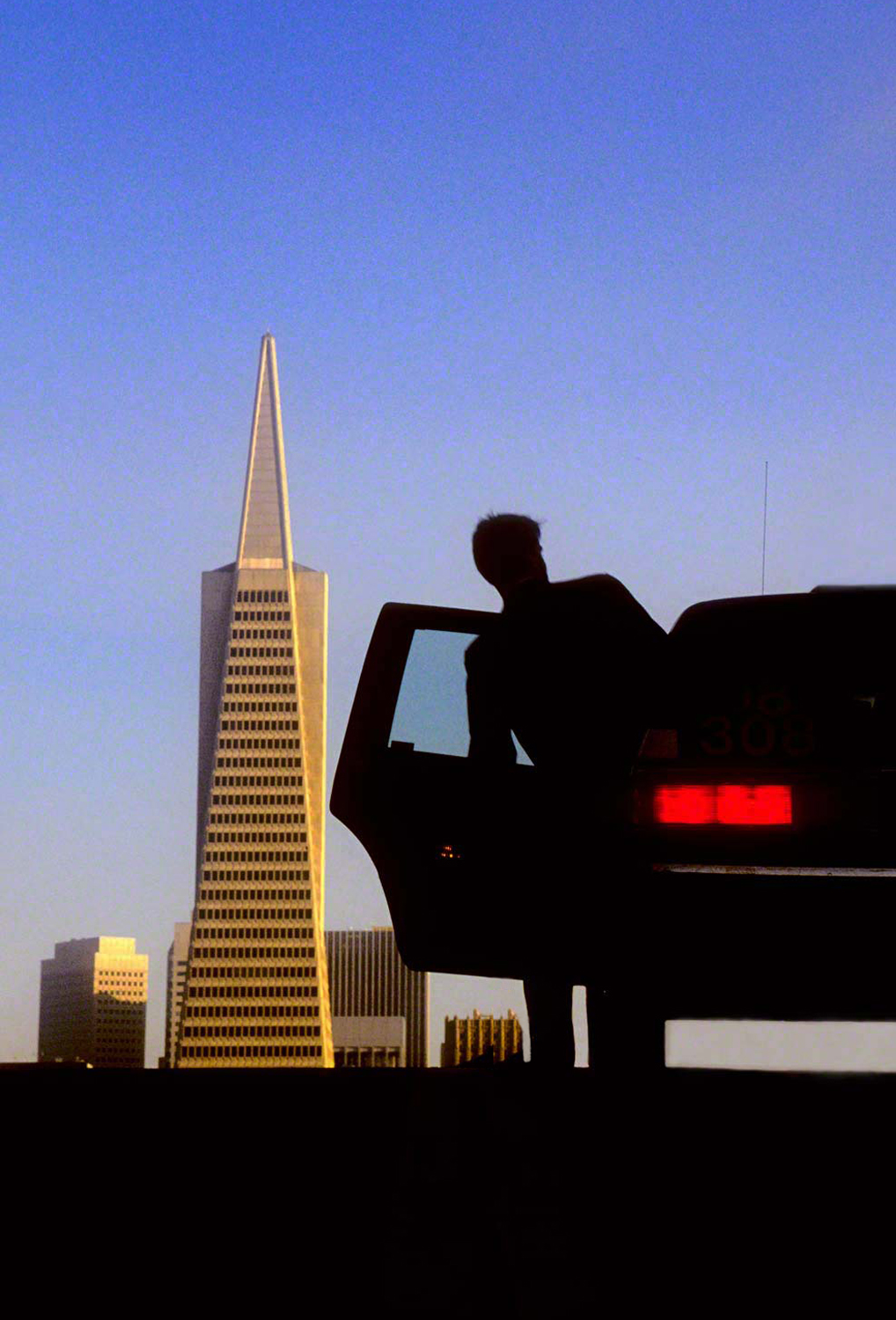
  Once again I was surfing through the channels, gliding non-stop through each number and name, my trusted remote comfortably positioned in my hand, and my thumb firmly resting on the button. For one brief shiny moment I stop on a series of old but still famous television commercials. As chance would have it I just happened to stop at the beginning of an old commercial for Alka-Seltzer. It ran in the sixties and it brought back memories sitting around the television watching programs that it sponsored.

Later that evening while lying in my bed after a romp down the perverbial memory lane, it began to conjure up an entirely different meaning. A concept that I had been talking about just that morning through one of my video critiques I make daily for those online students in my BPSOP class.

It’s also what we talk about every morning in my critiques during one of my “Stretching Your Frame of Mind” workshops and photo tours I conduct every year  in different cities all over the place. I call it Visual Relief.

I think one of the biggest mistakes I see is that photogrphers are in too much of a hurry to shoot and move on and as a result there’s no consideration for the area around their subject or subjects; a recipe for confusion and distraction. There’s no place for the viewer to rest his eyes, especially when the subject is placed too close to the edge of the frame.
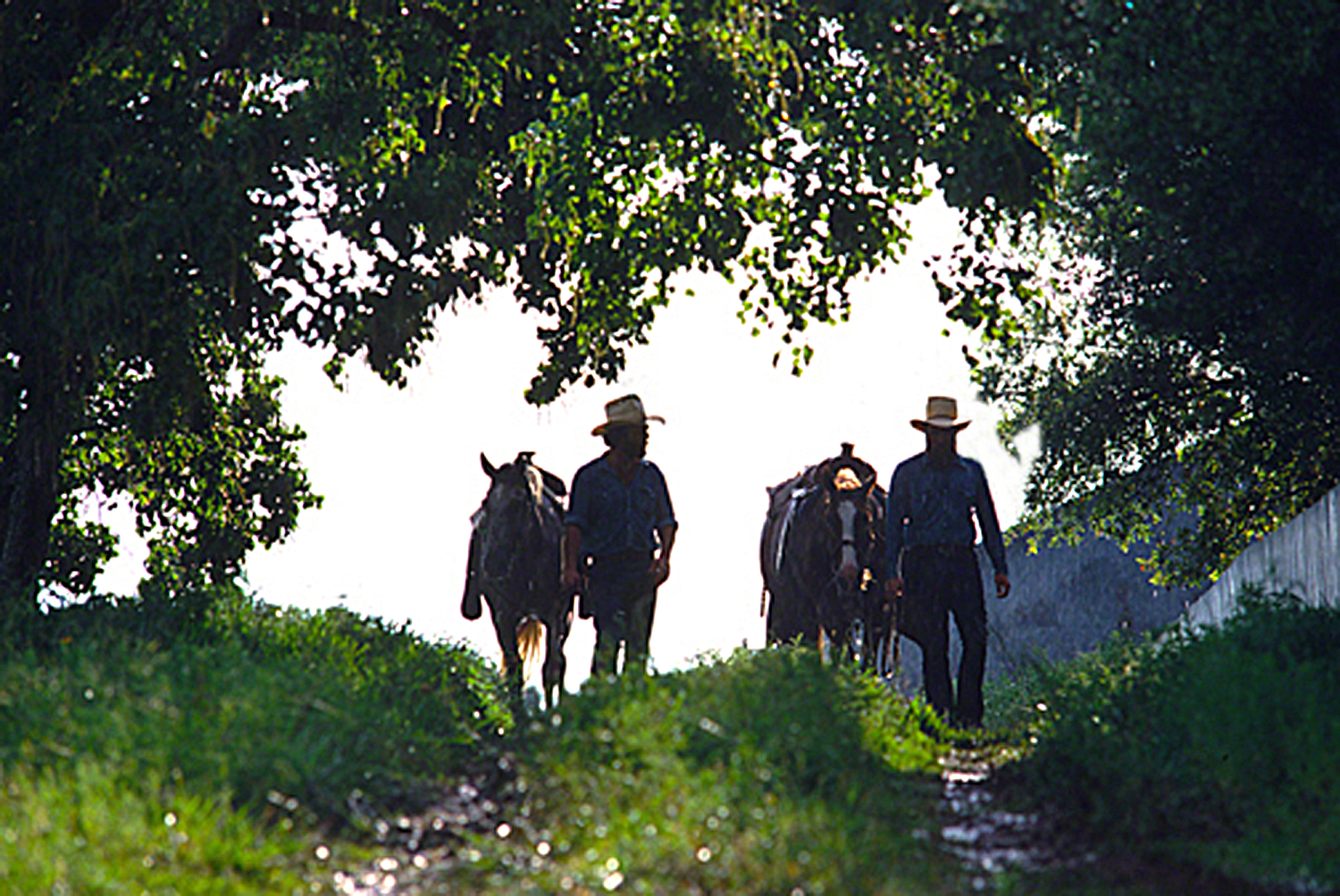
Those of you that know about my 15 Point Protection Plan and my Border Patrol and are diligent about using them will usually catch this and apply a quick remedy; creating some Negative Space around the subject or between the subject and the edge of the frame; in other words allowing the viewer some visual relief.

It’s so imporant to place as much emphasis on the negative space, the space that borders the positive space. It helps to only to give visual relief but it important in defining the subject as well.

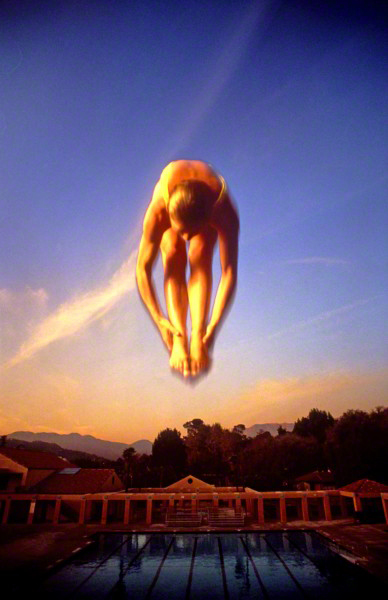
How about now?

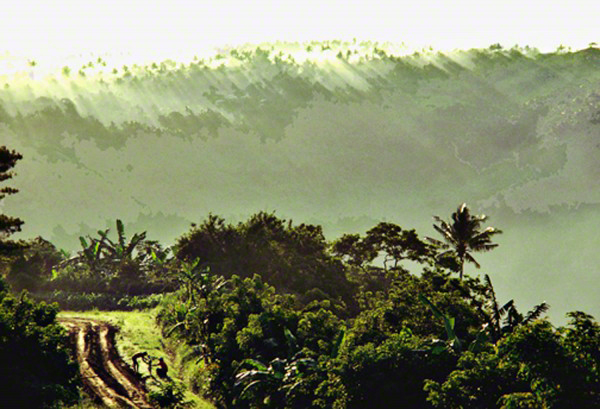
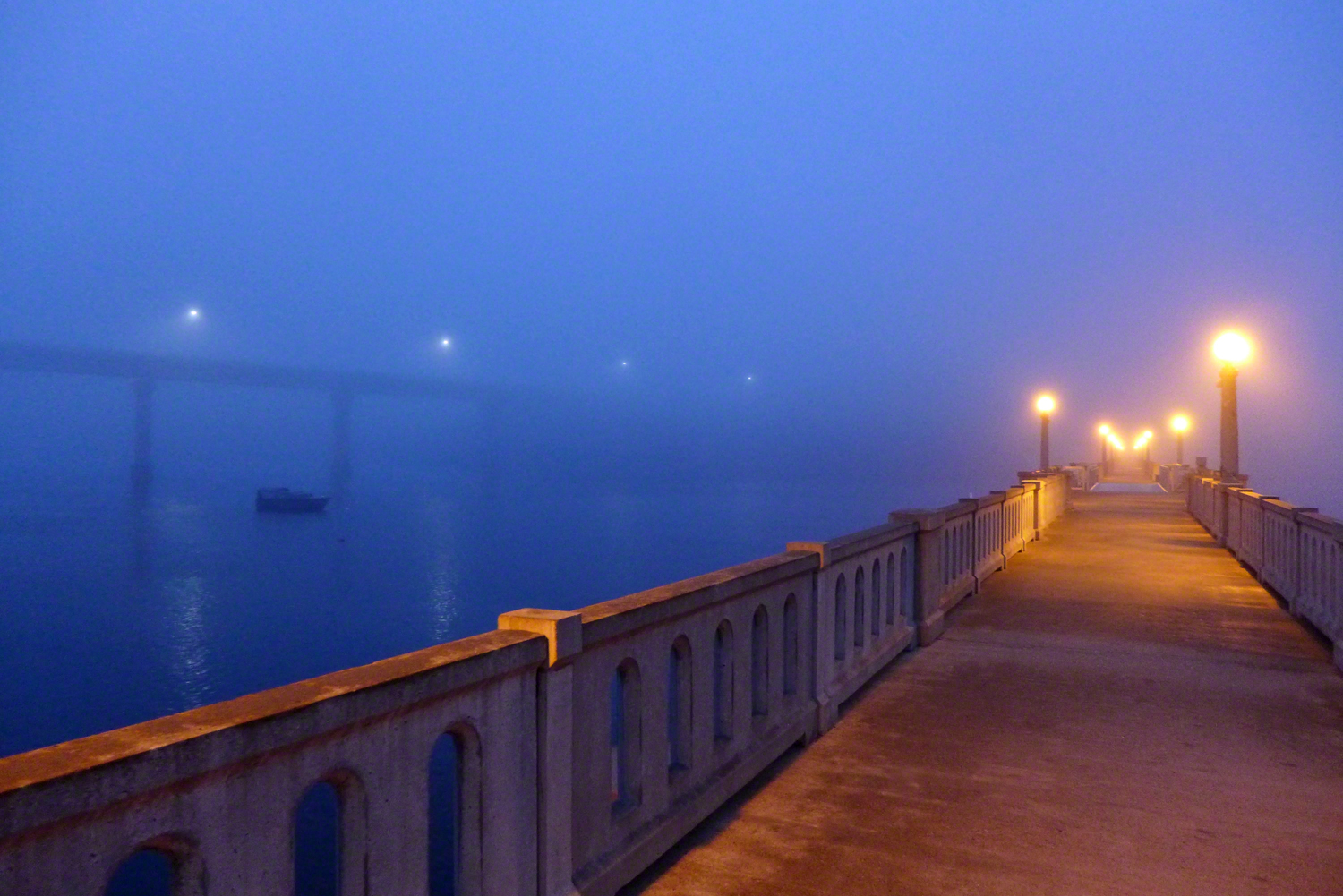
When you look at the above photo I hope it will demonstrate what I mean by giving your image some visual relief. Look at how I created negative space (and therefore visual relief) by using the sky…down to the small area that defines where his elbow ends and his waist begins. It’s the same thought process in the other two photos.

So, my fellow photographers, I know you’re just dying to see how this post came about: www.youtube.com/watch?v=bxjb2UJZ-5I

🙂

Visit my website at: www.joebaraban.com, and check out my workshop schedule at the top of this blog. Come shoot with me sometime and we’ll toast with an Alka-Seltzer Martini.

JoeB
Food For Digital Thought: Quit Burning Daylight

I wasn’t going to burn daylight.

The phrase “burning daylight” is film industry slang and it comes from my days as a director/cameraman. It’s still used to tell the crew to hurry up since the natural daylight is so fleeting. The sun’s position and the quality of the light change so fast that we always need to have continuity from one scene to another; even with the light.

I write this because I’m always telling my online students with the BPSOP and especially in my “Stretching Your Frame of Mind” workshops I conduct all over the place to stop standing or sitting around talking when the light is the best.

Not too long ago I returned from my latest “Springtime” workshop that was held in Berlin. I always find a location that can support ten photographers, and be able to spread out enough as not to step on each other’s toes…or even see each other for that matter.

On more than one occasion I will walk up to a few that have gotten together to chat. Now I don’t mind people talking about what they shot, what they shot it with, where was it, and even what was your lens and exposure; after all, it is their nickel.

That’s all well and good and should be talked about over dinner and or drinks, but not when the sun is starting to get right…that would be called burning daylight.

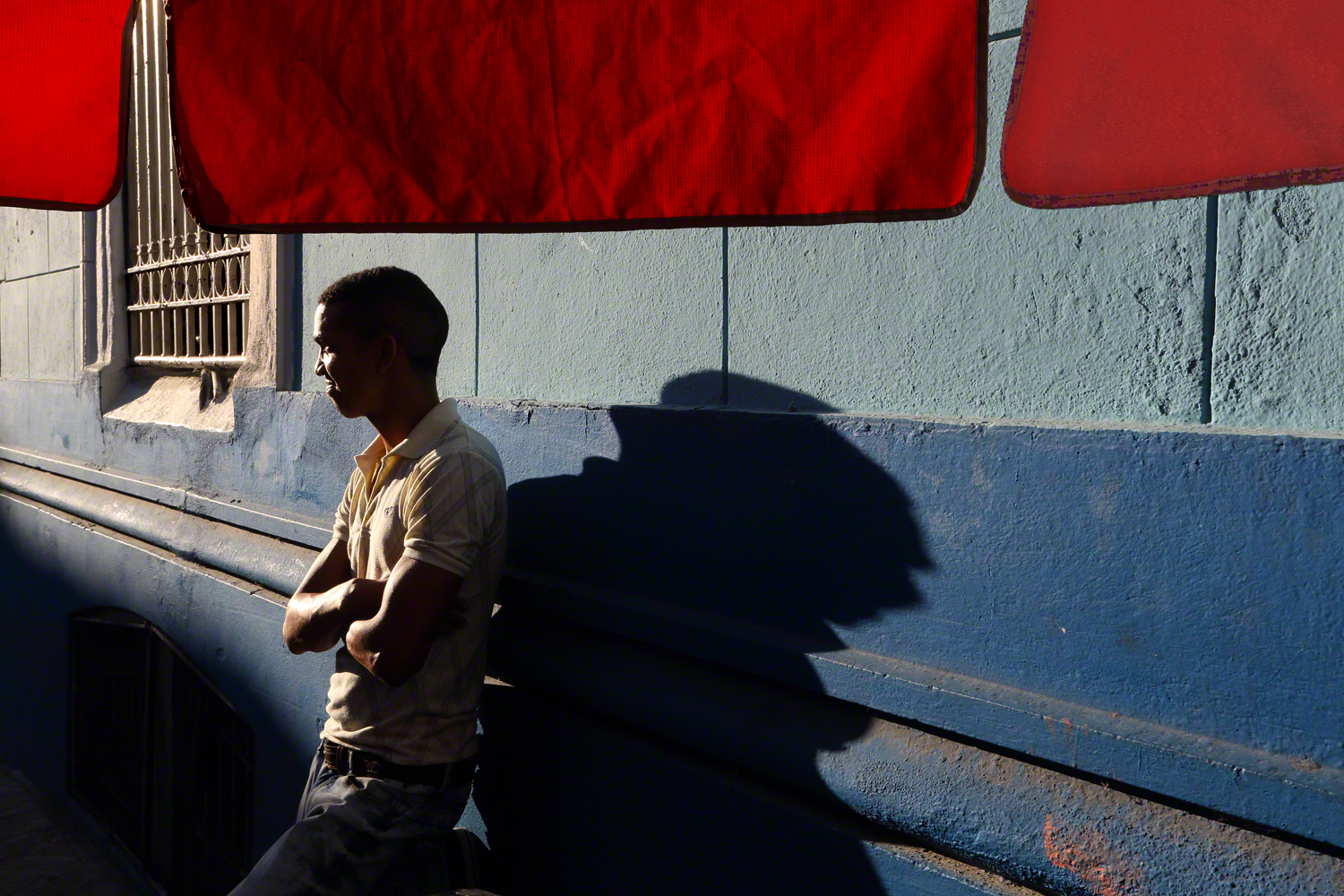
In the photo above, I walked up to a group and had barely finished my sermon about wasting beautiful light and getting them to break it up when I saw this man leaning against the wall. I raced over and was able to get off a couple of shots, and within twenty seconds the light was gone.

So how does this apply to you? In a matter of speaking the same way. If you’re just out and about shooting during midday, and just enjoying yourself and whatever location you’re at, that’s one thing.

However, if you’re out early in the morning or late in the afternoon (possibly with a friend) and you want that elusive ‘OMG’ shot, think about what you’re doing and why you’re doing it when you’re doing it…as in getting up before the sun comes up.

Don’t stop at a Starbucks for a cold latte and run into a friend and decide to sit down for thirty minutes…then all of a sudden jump up because the light has dropped considerably. More than just likely you will miss what could have been the best photo you had ever taken; at least up to then. At least get it at the drive-thru!!!

🙂

And so my fellow photographers, don’t let the visual world pass you by and take that beautiful light with it. Don’t burn up the best daylight hours of which there’s so little of. Don’t procrastinate and waste precious time getting started, or when you’re out shooting. Above all, don’t waste precious seconds with the settings on your camera.

Or, on the other hand, a tall, half-caf, half de-caf, double half expresso, half cappuccino with low-fat foam, and a twist of lemon might just hit the spot.

Visit my website at www.joebaraban.com, and check out my workshop schedule at the top of this blog. Come shoot with me sometime.

JoeB

My Favorite Quotes: James Whistler

My Artist Palete

 James Whistler was an American born artist, and most of you know him by what is regarded as his best known painting…Whistler’s Mother. Since my background is in painting and not photography, I spent time taking courses in Art History, and have studied several American and European painters. I was recently looking through an Art in America magazine and came upon one of Whistler’s quotes.

I show people how to incorporate into their photography the elements of visual design both in my online class with the BPSOP, and in my “Stretching Your Frame of Mind” workshops I conduct all over the place. That said, I found his quote to fit right in with what I give to people that I work with…an Artist Palette.

This quote is also predicated on the fact that a camera on a tripod is just like a blank canvas on an easel. We are artists who have chosen a camera instead of a paintbrush.

When I say Artist Palette, I’m not referring to a palette filled with various pigment. I’m talking about a palette that has on it the elements of visual design: Color, Pattern, Form, Shape, Texture, and Balance.

So if you’re with me so far, then his quote will make more sense. Whistler once said, “If you cannot manage your palette, how are you going to manage your canvas?”.

By using the right side of your brain, the creative side, you can imagine all the elements all the time as they are there in your imagination…all the time. Managing your Artist Palette means just that. Managing them as part of your thought process when looking for subject matter.

These elements are not necessarily the subject, but they can enhance whatever subject you have decided on. These elements are there to create a stronger bond between your subject and any other centers of interest. Remember that the more things the viewer can discover when looking at your photos, the longer he’ll stick around.

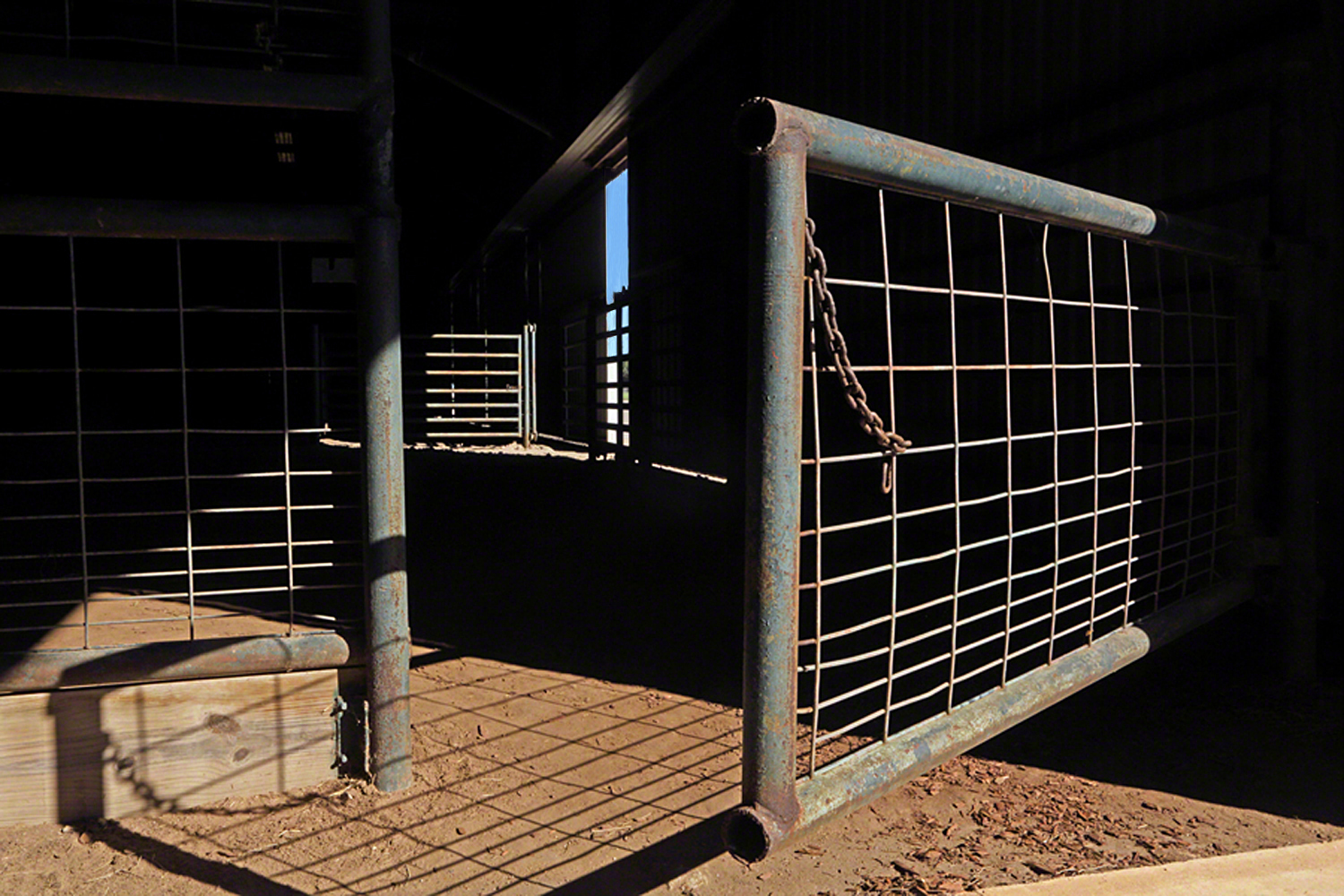
In the above photo I was working with photographers that were in Houston for my workshop. We were shooting at a ranch and as I walked by this barn I looked in and brought up my Artist Palete I always keep in the back of the left side of my brain. I immediately saw Patterns, Shapes, Texture, and Color; the light was the bond that tied all of the elements together.

For those of you that have taken my online classes and have also taken my workshops you’ll know how much I stress using these elements to create stronger images that can stand the test of time; as the paintings off James Whistler and so many other American and European painters have.

Visit my website at: www.joebaraban.com, and check out my workshop schedule at the top of this post. Come shoot with me sometime.

JoeB

Quick Photo Tip: Worst Case Scenario

  I recently had one of my students taking my online class with the BPSOP send me her photos for my video critique. She had gone to a hot air balloon launch consisting of balloons from several local clubs. She told me that she was very naive to think that she could just wander around among the balloons as they were being inflated and taking off.

It didn’t take long for her to discover that she was not going to be permitted to just wander around. The first reason was because (as she put it) people were frantically running around trying to get their balloons in the air as close to sunrise as they could. The second reason, was for security, and the third most obvious reason was for  liability. As a result she was keeped off the field and even with her telephoto lens the balloons were small in her frame. She was very dissapointed but as I told her a valuable lesson was learned.

In an event like that or any event where there’s mulitple things going on i.e., car races, horse racing, certain marathons, air shows, etc. I say airshows because I also had a student taking my“Stretching Your Frame of Mind” workshops show me some of his photos of an airshow he had recently attended. The airplanes in his pictures were so small, they could have passed for minuature hummingbirds!!

So what do you do? You have to factor in the worst case scenario. You have to be smart and figure (especially in this current age) that you’re not going to be able to get close to your subjects for the reasons I stated above. Do your homework enough ahead of time so the powers that be can make a decision and hand it down the proverbial chain of command.

In the case of the woman in my online class, I suggested that next time well before the day of the hot air balloon launch, she contact some or if necessary all of the clubs. I told her to ask permission to be up close and personal and in exchange give them copies of all the photos she took. Maybe it would work and maybe not; but it never hurts to ask.

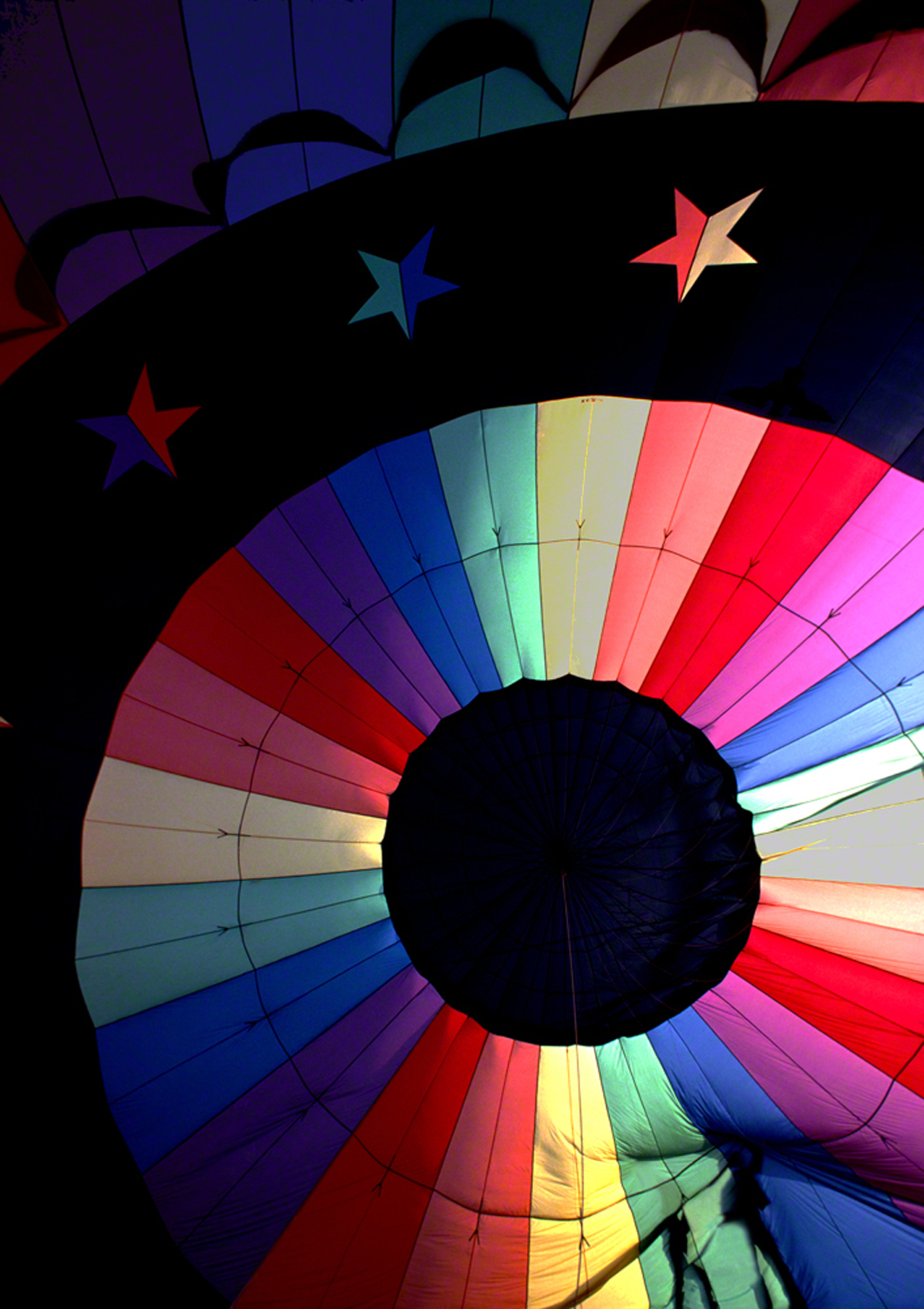
In the photo above, I found out about the club’s launch and contacted the president several days before. He agreed to let me take photos, so I met him there well before sunrise as they were beginning to take their equipment out of their van. I used my Sunpath program and my Morin 2000 hand bearing compass to determine (to the degree) where the sun was going to rise.

I wanted to backlight the balloon (so it would glow) being inflated, so I had them lay it out in a straight line aiming it right at where the sun was going to hit the horizon. As it was being inflated I took off my shoes and stood inside it, and as a result got a pretty damn good shot. The silhouettes you see are actually two people had stand there to add some scale to the image.

Visit my website at: www.joebarabab.com, and check out my workshop schedule at the top of this blog. Come shoot with me sometime.

JoeB

Quick Photo Tip: Photographing Kids and Dogs Together

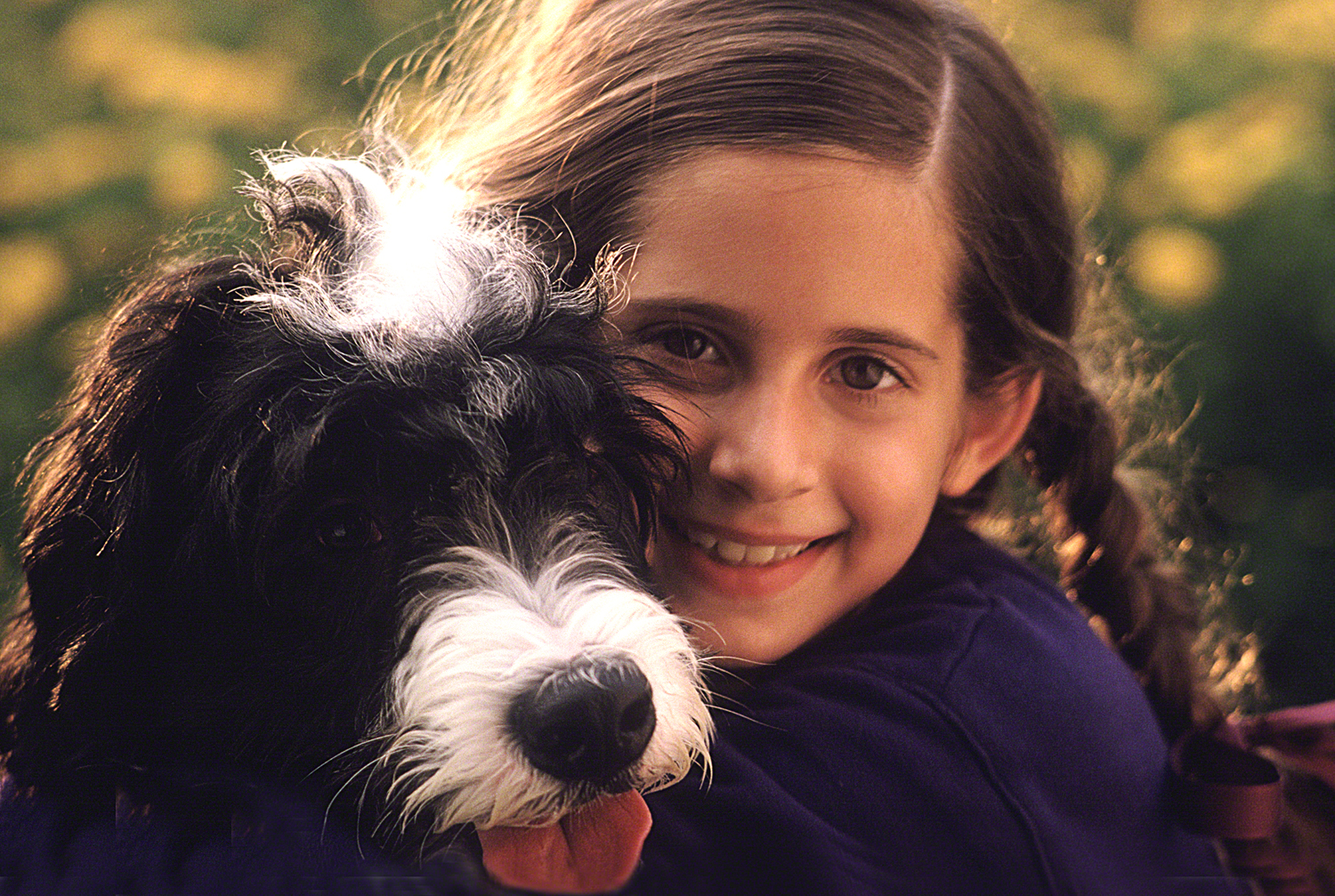
I don’t know about you, but the two hardest things I’ve ever had to photograph are kids and dogs, and photographing both together can be problematic; and perhaps leading to an earlier than usual cocktail.

It’s stressful enough when you’re shooting for a client whose paying you a lot of money to deliver the goods, but when you’re shooting just for the family album, the level of anxiety goes way over the top!!!

Self-medicating is one way to overcome the angst, and especially any misgivings as to why you accepted the challenge in the first place; even a self imposed challenge can occasionally strain the nervous system.

Sure, any fast acting Benzodiazepines such as: Valium, Xanax, Klonopin or Ativan would probably do the trick, but for those photographers that would rather take a healthier more organic approach, I’ve got just the thing for you. It’s very simple and over the counter.

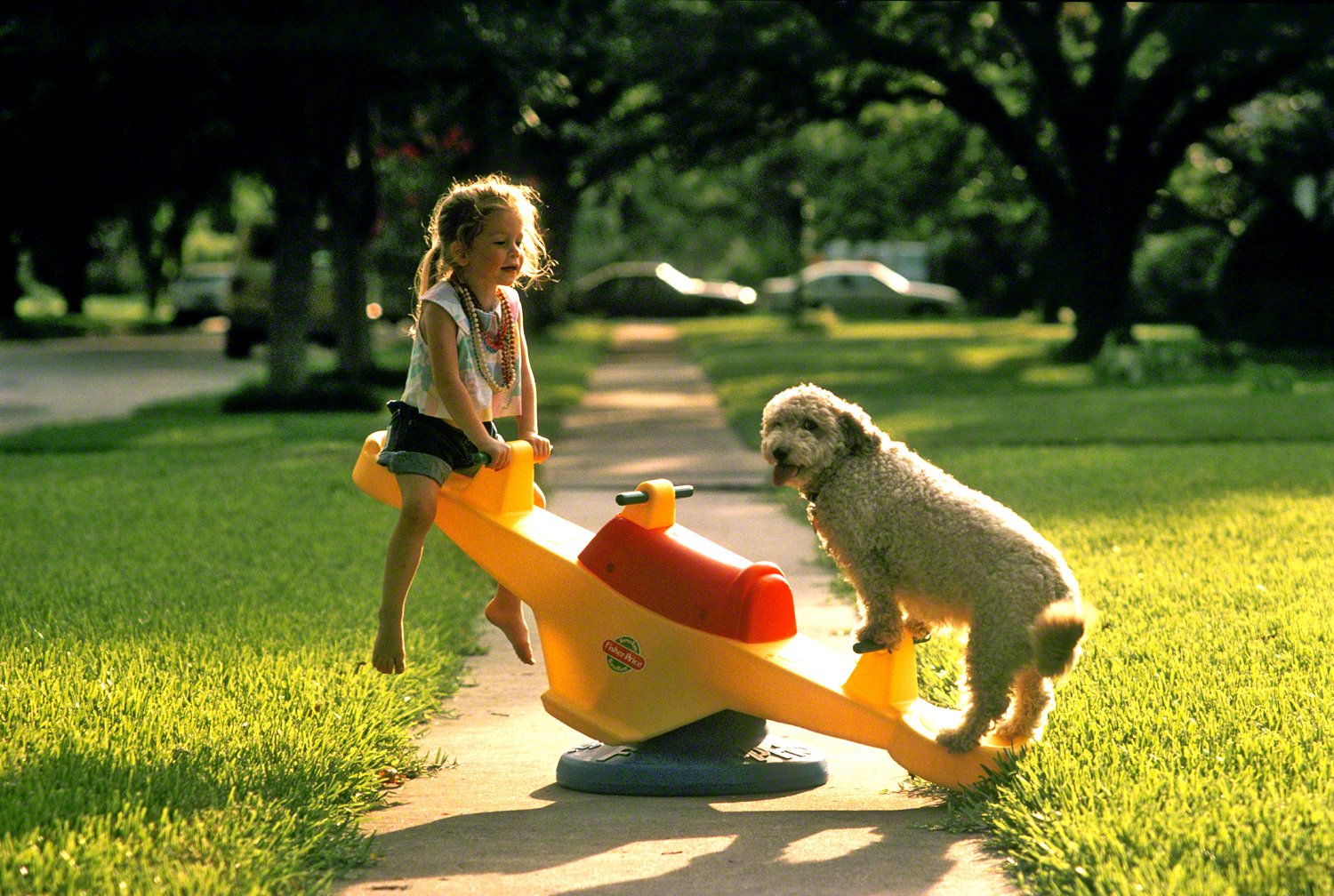
First, I figure out where I want to shoot. Not just the location, but where I want to stand in relation to the sun to get the right light; whether it’s side or back light . Then I shoot several frames without anyone in it to get the proper exposure. The odds are that I probably won’t get more than one shot, or be able to bracket before whatever it is that happens doesn’t ever happen again.

Once I’m satisfied with the exposure, I place the kids and dogs exactly where I took the readings, and let them do whatever it is that kids and dogs do without direction from me. I’ve found that over the years, trying to give any direction is very close to being a pure waste of time. The best I would be able to do is have their attention for a couple of minutes before they’re done with me.

What I’m basically doing is to set it up as best I can and then shoot more of a reportage style and creating the illusion that I just got lucky.

In my online class with the BPSOP, I always get at least one photo of a grandkid and or their dog…or both. Two things I suggest to them for submitting a photo filled with frustration: One, to pay the kid something. After all you are taking up his time so why not offer to give him/her something.

The pay scale will obviously depend on their age, for example a young grandchild that now understands what money is and can do, a quarter or two might work; maybe even a dollar. As they get older the pay increases porportionally. Try offering a middle school or a teenager a quarter and see what happens!!!

Two, the dog is somewhat easier, a treat will usually do the trick…at any age.

In my next post I’ll talk about my fellow photographers that sign up for one of my “Stretching Your Frame of Mind” workshops, and how to photographic kids and dogs while traveling.

Visit my website at: www.joebaraban.com, and check out my 2018 workshop schdule at the top of this blog. Come shoot with me sometime.

JoeB

Food For Digital Thought: The Most Important Line is the Horizon Line

Keep your horizon line straight.

Since my background is not in photography rather in painting and design, I studied the elements of visual design. The day I picked up a camera and looked through the viewfinder was the day I changed the medium from a brush and colored pencils to a camera. Years and years later I still consider myself an artist, only now I photograph what I actually see instead of painting what I saw or only see in my mind.

Since this is the way I approach picture taking, I now enlighten those that sign up for my online class with the BPSOP, and my fellow photographers that sign up for my “Stretching Your Frame of Mind” workshops I conduct all over the place. The ones that first take my online class walk away with I refer to as my Artist Palette.

This particular palette no longer has different pigments on it, but instead has: Texture, Pattern, Form, Shape, Line, Balance, and Color; if you click on the aforementioned link you can get an idea of how to use the palette.

In my online class I devote an entire lesson on Line. Line is the most important of all the elements of Visual Design, and without line none of the other elements I teach would exist. In fact without line, planes, trains, automobiles, and even people wouldn’t exist as well. Why? Because we all have an outLINE.

That said, the most important line is the horizon line, and when I see a horizon line that’s not straight it’s a sure sign that a novice took the picture. Don’t get me wrong, It’s not a judgment, merely an observation. In my opinion, the only time the horizon line wouldn’t appear straight is if you were in the Space Shuttle.

You would think that it’s an easy fix, and you would be partially right. If you’re on a tripod, like I am a lot of the time, you simply straighten the horizon right away and then forget about it. It will continue to be straight right up to and including the part when you actually take the photo.

However, most people don’t like being in complete control so they always hand hold their camera. The inherent problem is in the fact that you have to look at the horizon line while you’re composing, and then again right before you take the photo. That’s going to make it hard to concentrate on a host of things like: capturing the moment, human and non-human gesture, body language, the peak of any action, balance, etc.

I’ve been shooting for fifty years and I often have a tough time remembering to take a final look at the horizon line. If you can do it, and do it successfully then you’re way above my pay grade…and I take my hat off to you.

The next time you go out shooting, look at the horizon line and remember these words. It will take your photos “up a notch”. Oh and one last piece of advice: Try getting it straight “in the camera”, and not later in front of a computer. It will make you a better photographer, if that’s what your thing is.

Visit my website at: www.joebaraban.com, and check out my 2018 workshop schedule at the top of this blog. Come shoot with me sometime.

JoeB

Anecdotes: The United Way Portraits

No questions were asked.

Back in the do-dah days when I was traveling two hundred and fifty days a year on assignments, I always made time to donate my photography with orginizations like the United Way, The Salvation Army, The Red Cross, and others.

It was a win-win proposition for both sides. I got to shoot what I wanted and they got me at no charge.

I was helping the United Way with a brochure on their Houston facilities, and after I filled their immediate needs I asked if I could take a few portraits of some of the workers; of course that they could also use.

I was granted permission provided the people said it was ok with them. The people living there were severely challenged but had jobs, i.e., putting packs of sugar in boxes. It was good for them to be doing something meaningful and made them happy. It also gave the people that were more cognizant of the world around them some self-respect.

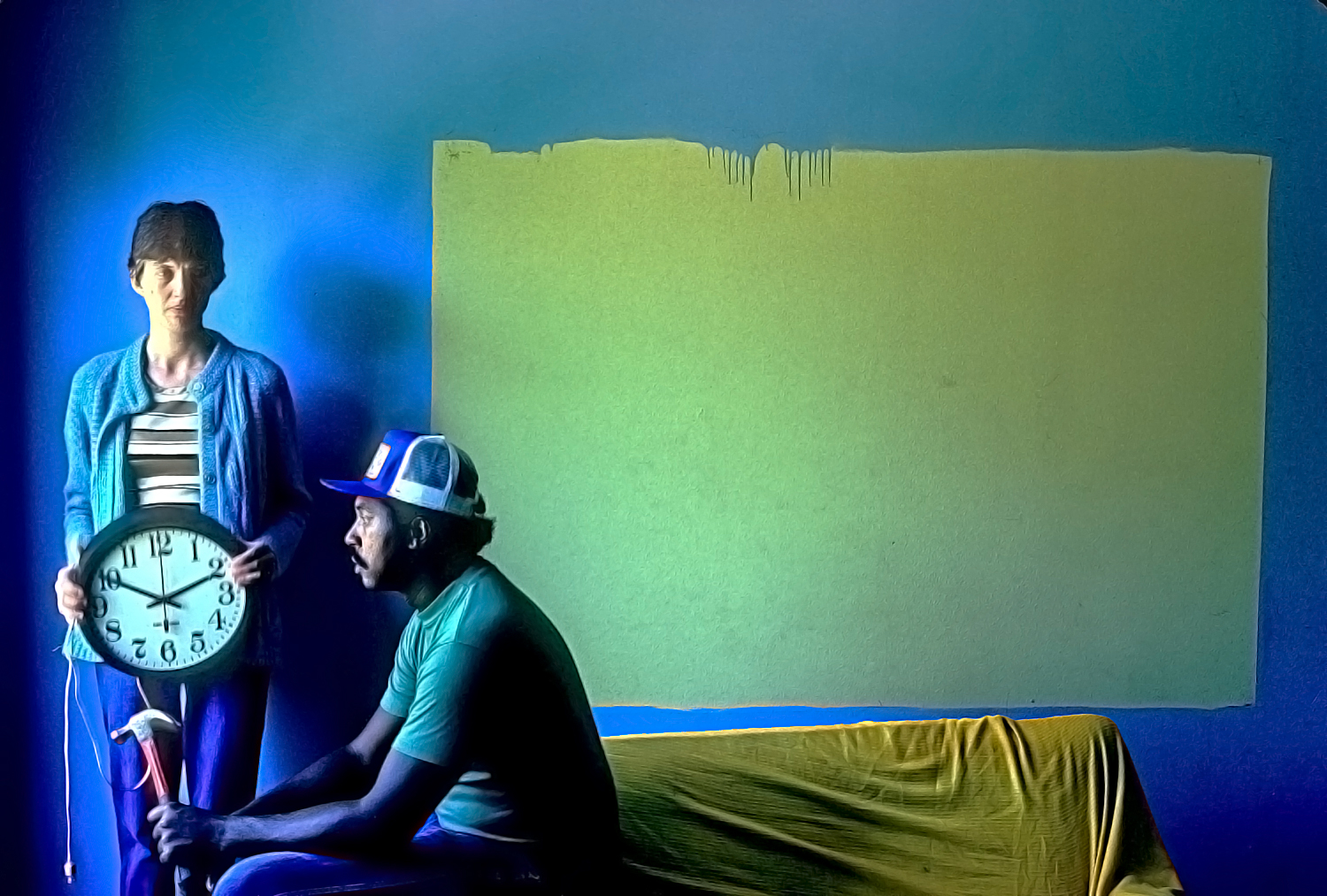
Walking around the tired old building was revealing several photo ops, but nothing was jumping out at me. Towards the end of a hallway I walked by this empty room and immediately stopped. I was taken in by the couch and wall, and I immediately conjoured up visions of Rothko’s paintings that began racing through my mind; I decided that this was where I needed to shoot.

As I walked around a man and a woman began following me. One of the women in charge talked to them and then to me. It seemed that these two really wanted their picture taken and since no one else seemed to be interested for one reason or another, I said that would be great.

An idea hit me and I asked each of them if they would bring to the room something that they wanted to be photographed with and there would be no questions asked.

This is along the lines of what I ask of my online students with the BPSOP and my fellow photographers that sign up for one of my “Stretching Your Frame of Mind” workshops I conduct all over the place. I always mention bringing some props/wardrobe with them when they go out shooting. It adds another Layer of Interest to their imagery.

In the above photo, what you see them holding is what each one decided to be photographed with. It was one of the most interesting and rewarding shoots I had ever done, and to this day I believe it still is.

Btw, I came back with prints I had made for them and to see them each holding their print and smiling made me smile…how could it not.

Visit my website at: www,joebaraban.com, and check out my 2018 workshop schedule at the top of this blog. Come shoot with me sometime. In conjunction with The Santa Fe Workshops, on October 2nd I’ll be leading a group in San Miguel de Allende. A beautiful oasis and artist colony, and the entire city is a UNESCO site.

JoeB

Personal Pearls of Wisdom: Are you Ready for Your Closeup?

Is anyone out there old enough to remember this famous line, “Ok Mr. DeMille I’m ready for my close-up”? Well I was five when Gloria Swanson first uttered these famous words in the 1950 movie Sunset Boulevard, so I didn’t actually see the movie since I was five at the time. That said, over the years I have heard it repeated several times since that line has become sort of a Hollywood semi-joke/legend.

Moving forward into modern times, I have spoken this line to my online classes with the BPSOP, and in my “Stretching Your Frame of Mind” workshops I conduct all over the place; btw, it’s not because I remember hearing them when I was a kid.

I say this phrase because it’s part of my approach to taking people pictures. I will usually start out with more of a longer lens environmental portrait, then once my subject is comfortable with me I move in for the close-up.

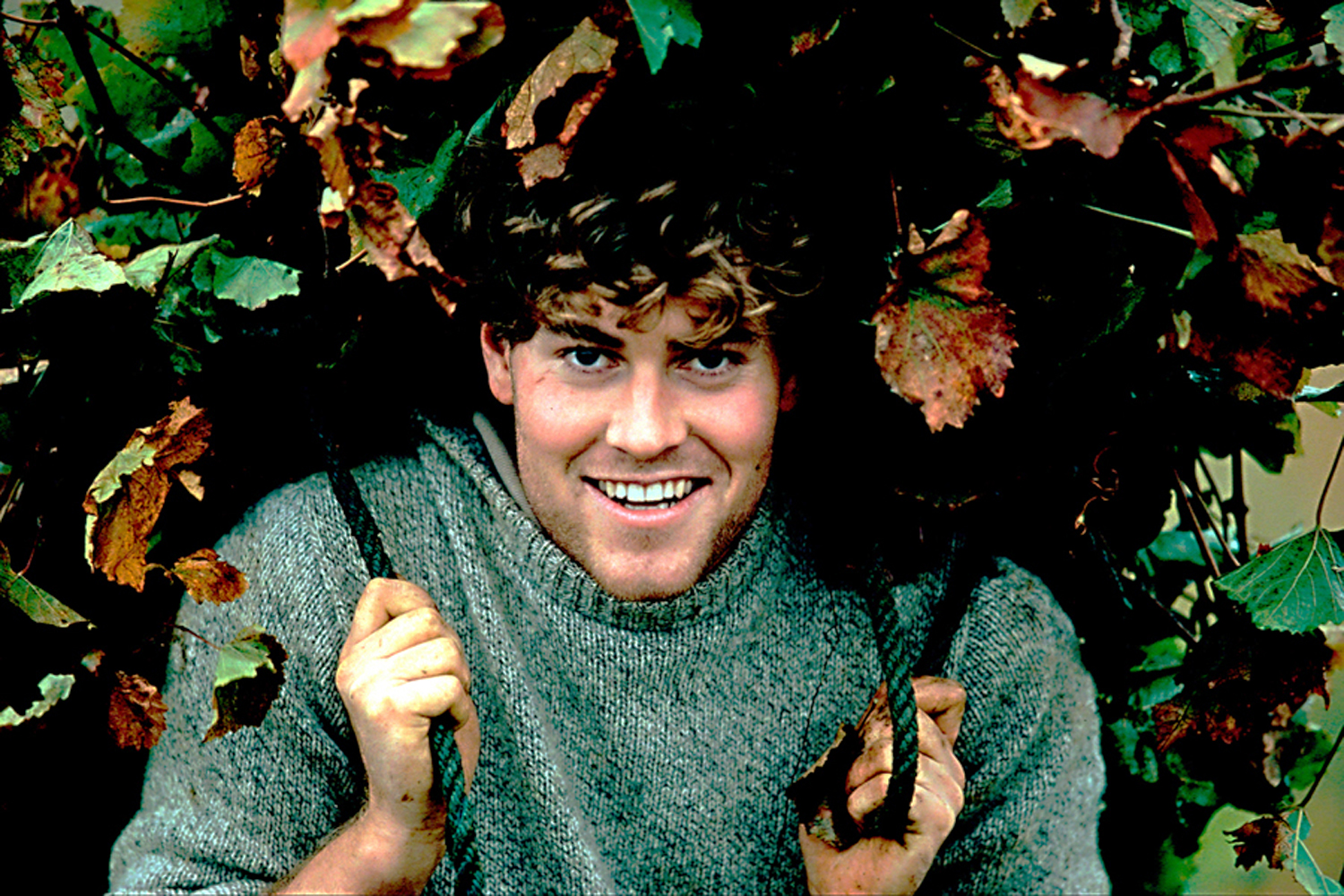
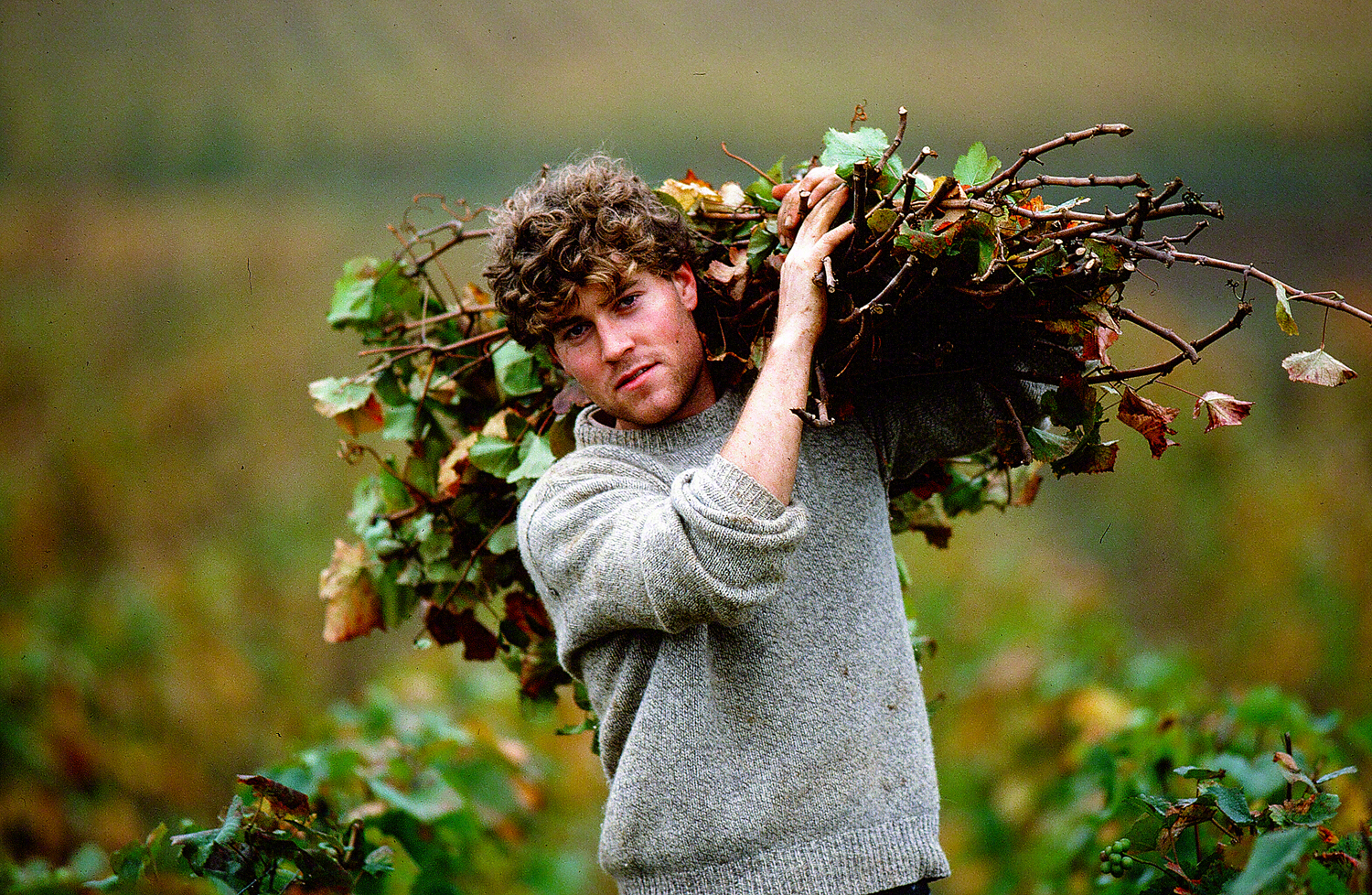
In the two images above, I was shooting for a client publishing a cookbook that was going to be called, “Autumn in Provence”. We were in a van that started out in Normandy and shot all the down to Nice. There were specific locations and events that the woman wanted me to shoot, and there were times that while we were going down the highway I woud see something worth shooting so we would stop for a photo op.

Since we were always moving South, there wasn’t time for me to wait until the best conditions so it was hit or miss as far as the quality of the light.

As we were driving down the highway I looked out at several people cleaning up after the harvest in a vineyard. We got out of the van and I approached this great looking young Frenchman and asked if I could photograph him. He loved the idea!!

As I tell my students and fellow photographers, when the sky is that nasty bluish-gray-white that we all know, do whatever you can to avoid it. I usually do this one of two ways:

I will use a lens like my 300mm F/2.8 and shoot wide open knocking everything out of focus, as in the photo above when you place the slide on the far left. Then for my close-up I’ll switch to my 20mm lens and get up close and personal thus eliminating unwanted sky; as in the photo on the right.

FYI, he wasn’t French, he was from Idaho and was spending the Fall bumming around in France.

If you’re interested in seeing Gloria say this infamous line, click here: https://www.youtube.com/watch?v=zIcC8YJrevQ

For me, the key to coming home with ‘wall hangers’ is to give yourself as many options as you can, and when you’re ready for that closeup…take it!!

Visit my website at: www.joebaraban.com, and check out my 2018 workshop schedule a the top of this blog. Come shoot with me sometime. In conjunction with The Santa Fe Workshops, on October 2nd I’ll be leading a group in San Miguel de Allende. A beautiful oasis and artist colony, and the entire city is a UNESCO site.

JoeB

My Favorite Quotes: TCB

With my dog, my bag of solutions and TCB

My guess is that most of you that read my posts don’t know what TCB stands for…unless you happen to be an Elvis fan. It stands for Taking Care of Business, and it was the name Elvis gave his band until his death…which is the reason I’m writing this post in honor of his death in Memphis on this same day: August 16th, 1977.

😢

I was going to college in Memphis so I was privy to a lot of things Elvis said and was repeated in the loal newspaper. He was an extremely hard worker and his mantra was to always take care of business, to not get sidetracked, mostly in the area of his music.

So, you might ask why does this relate to photography? For one thing it’s what I profess when I’m talking to students that are enrolled in my online classes with the BPSOP and the ones that are taking my“Stretching Your Frame of Mind” workshops I conduct all over the place.

In my opinion there’s two kinds of photography: the kind where you throw a camera over your shoulder before you hit the door in hopes of seeing something you might be interested in taking a picture of; these types of photos will generally be deleted at one future time or another.

You took it either because you love the process of taking pictures, you want to try out your new camera, take pictures of your new honey, you want to look artsy, all of them making the subject moot; and that’s perfectly fine as I do it myself all the time…trying to look artsy, that is!!!

Then there’s the other kind of photography. This is the kind where you are after that illusive “OMG” photo, and you begin to prepare for it. For me that means pulling out my bag of solutions, and that’s serious stuff!!!! It also means always using a tripod.

It also means whenever possible going out a day or so ahead of time and checking out the locations I’m interested in shooting. Along with my trusty Sunpath program (not an app) and my hand bearing compass (see link), I’m off scouting.

I do this because I don’t like surprises and it gives me a mental list of potential photo ops to store in the back of my mind, so I don’t have to stress on it at sunrise or sunset when the light is so fleeting…it’s the times I prefer to shoot when it’s important to me.

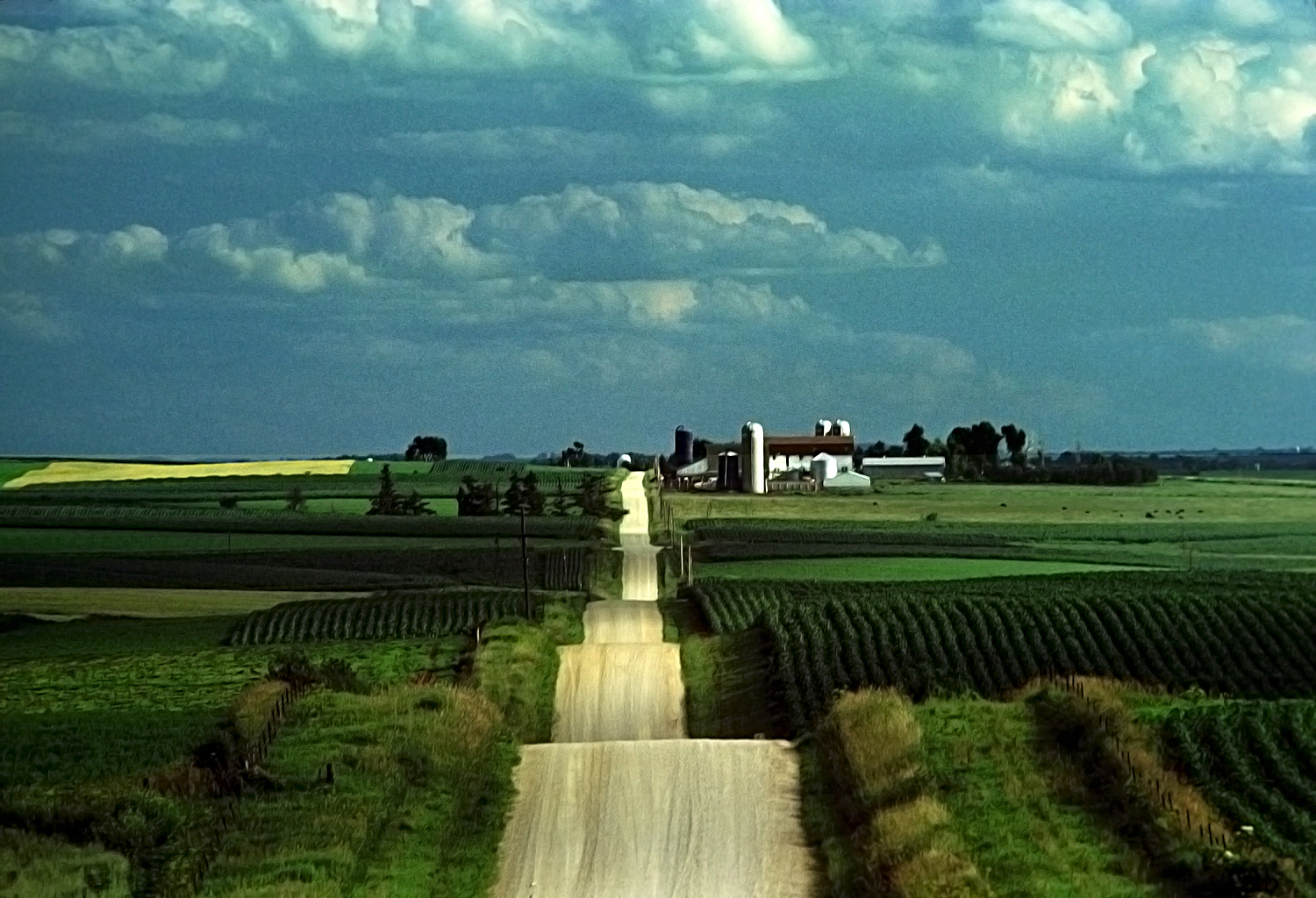
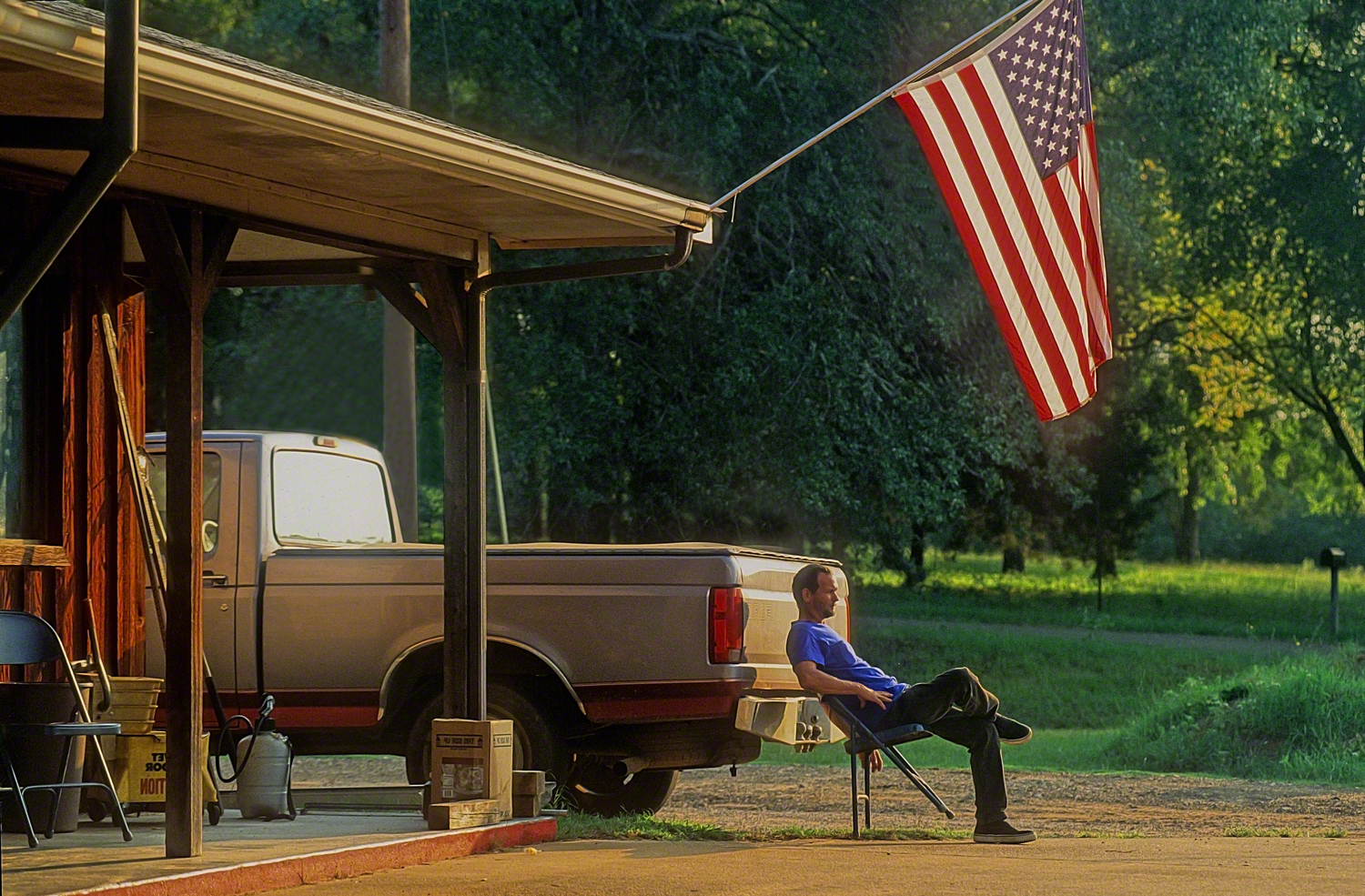
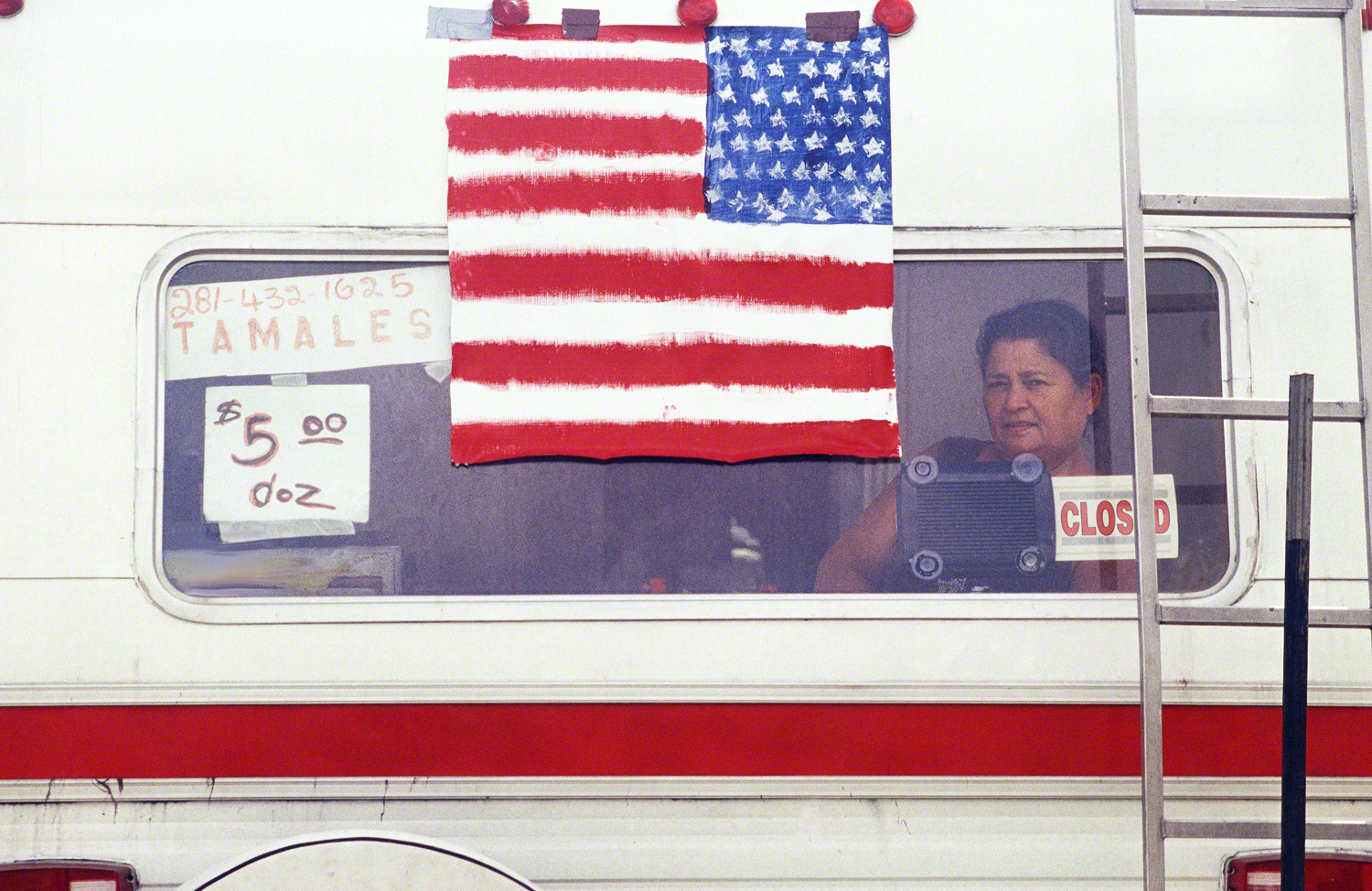
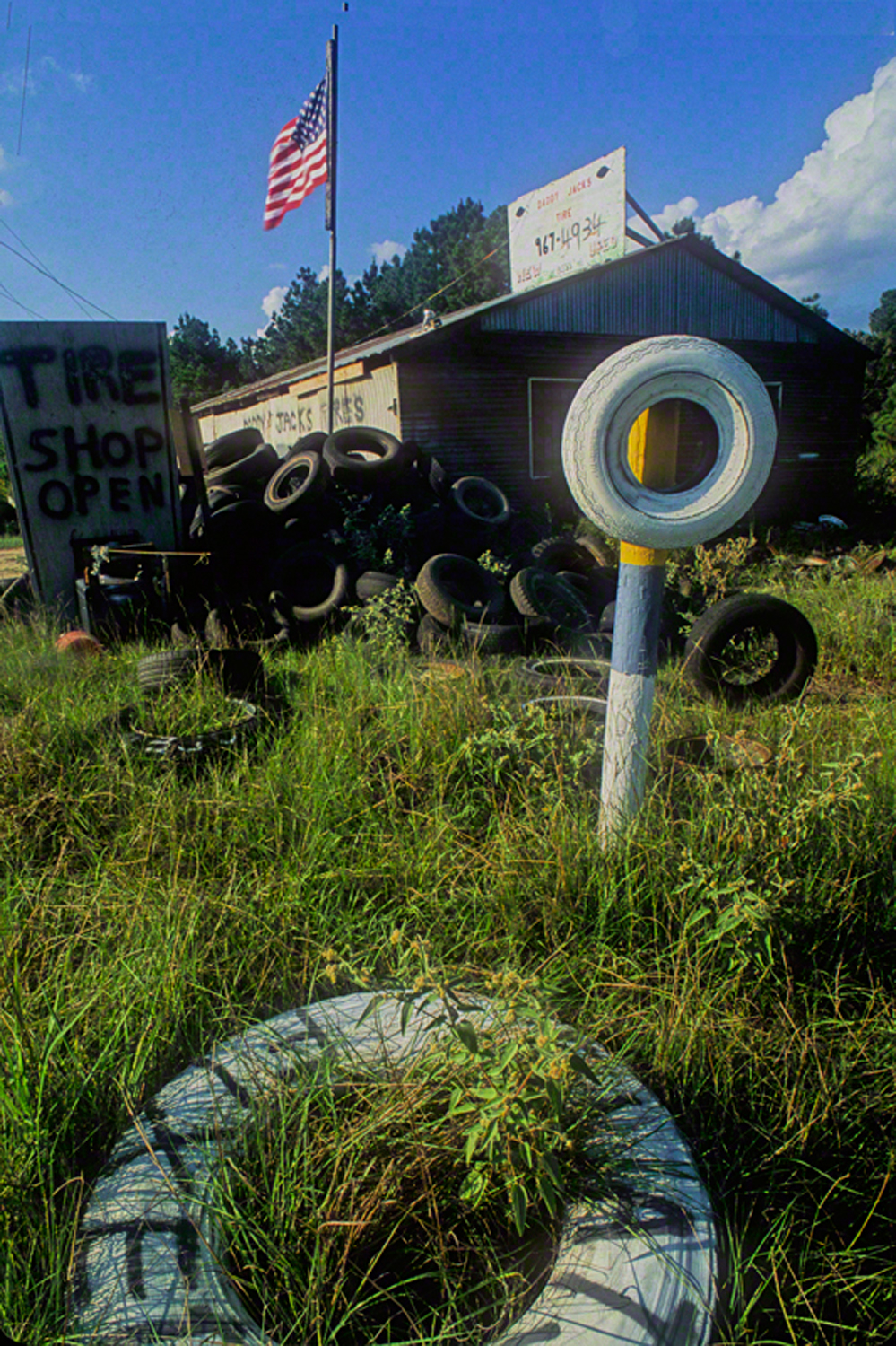
In the above photo I had this epiphany one Friday to take a road trip and drive all the farm and county roads that connect all of Texas in one way or another. I gave myself an assignment and it would be called “Backroad Patriots”. I went into my TCB mode and with my best friend and dog Gertie we hit the road.

And so my fellow photographers,  the next time you’re planning on going out shooting make sure you decide on what you want to do. Do you want to just shoot what ever strikes your fancy, and maybe, just maybe you’ll see something that does just that…or do you want to go out and Take Care of Business?

And now ladies and gentlemen, Elvis has left the building.

Visit my website at: www.joebaraban.com, and check out my 2018 workshop schedule at the top of this blog. Come shoot with me sometime. In conjunction with The Santa Fe Workshops, on October 2nd I’ll be leading a group in San Miguel de Allende. A beautiful oasis and artist colony, and the entire city is a UNESCO site.

JoeB

Personal Pearls of Wisdom: “The Rule of Thirds Is Not For Everyone”

Centered with tension, energy, and interest.

First of all, let me define what the Rule of Thirds means for those that have been lucky enough to have never heard of it:

The rule states that an image should be imagined as divided into nine equal parts by two equally-spaced horizontal lines and two equally-spaced vertical lines, and that important compositional elements should be placed along these lines or their intersections.

Proponents of the technique claim that aligning a subject with these points creates more tension, energy and interest in the composition than simply centering the subject would.

Ok, here’s my two-cents worth: TENSION, I don’t think so…ENERGY, no way…INTEREST…not for those that get bored easily. Better than centering the subject? Boy would I like to meet the person that wrote this, he needs to have his mind stretched, and I’m just the one to do it.

At least once during my four week online classes with the BPSOP, and also in my “Stretching Your Friend of Mind” workshops I have the same discussions with one or more of my fellow photographers. They almost always say the exact same thing…”I was told to always follow the Rule of Thirds”.

In my opinion, this is the silliest rule out there. The last thing I want to do is to be standing there somewhere, anywhere with just a couple of seconds left of incredible light, and worry about what intersection to put my subject in. I’m going to save that idea for those people that aspire to be a ‘good photographer’…why? Because good photographer’s follow the rules; those rules that take you down a one way path to mediocrity; purgatory for those that would rather color inside the lines.

Now, if you would rather be a ‘great photographer’, I strongly suggest you break every rule you can. Ansel Adams once said, “There are no rules for good pictures, there’s just good pictures”. To me, rules are a hindrance that gets in the way of creativity thinking. Rules, and especially the Rule of Thirds should be avoided at all costs. I suppose learning the rules might be important, but so is finshing all your vegetables.

Here’s a few examples of not following the Rule of Thirds:

So the next time you out and about taking pictures, do yourself a big favor and decide for yourself what makes a photo have tension, energy, and interest.

Visit my website at: www.joebaraban.com, and check out my 2018 workshop schedule at the top of this blog. Come shoot with me sometime, and we’ll break some rules. In conjunction with The Santa Fe Workshops, on October 2nd I’ll be leading a group in San Miguel de Allende. A beautiful oasis and artist colony, and the entire city is a UNESCO site.

JoeB

My Favorite Quotes: Ernst Haas

Ernst Haas is one of my all time favorite photographers, and I’m lucky enough to have one of his images on my wall. One of his quotes has stuck with me for a whole lot of years. He once said, “The best zoom lens is your feet”.

I have used that quote (always crediting him with saying it) for years, both in my online class with the BPSOP and in my “Stretching Your Frame of Mind” workshops I conduct all over this planet.

If I had a nickel for everytime I walked up to someone who was shooting multiple photos merely buy zooming in and out with the same subject in the viewfinder, I would be writing this post from a chaise lounge by some pool with a blue and frothy drink; an umbrella hanging over one side of the tall glass.

It makes me think of a post I wrote crediting another artist with his quote…Bob Marley. It doesn’t say the exact same thing, but the idea fits this post; he said, “Some people feel the rain while others just get wet.”

The reason why it applies to Ernst Haas’s quote is because when you just stand there zooming in and out, you’re just getting wet. In order to feel the rain you should use your feet and not your lens when shooting.

Use your feet to move aound your subject, whether it be to change the way the light affects it or to merely change your POV. If you want less information around your subject then move closer. Converesly, if you want to include more of the environment back away.

Of course this is all predicated on the assumption that you only brought one lens with you. If you’re like me, you have several options (lens) to choose from.

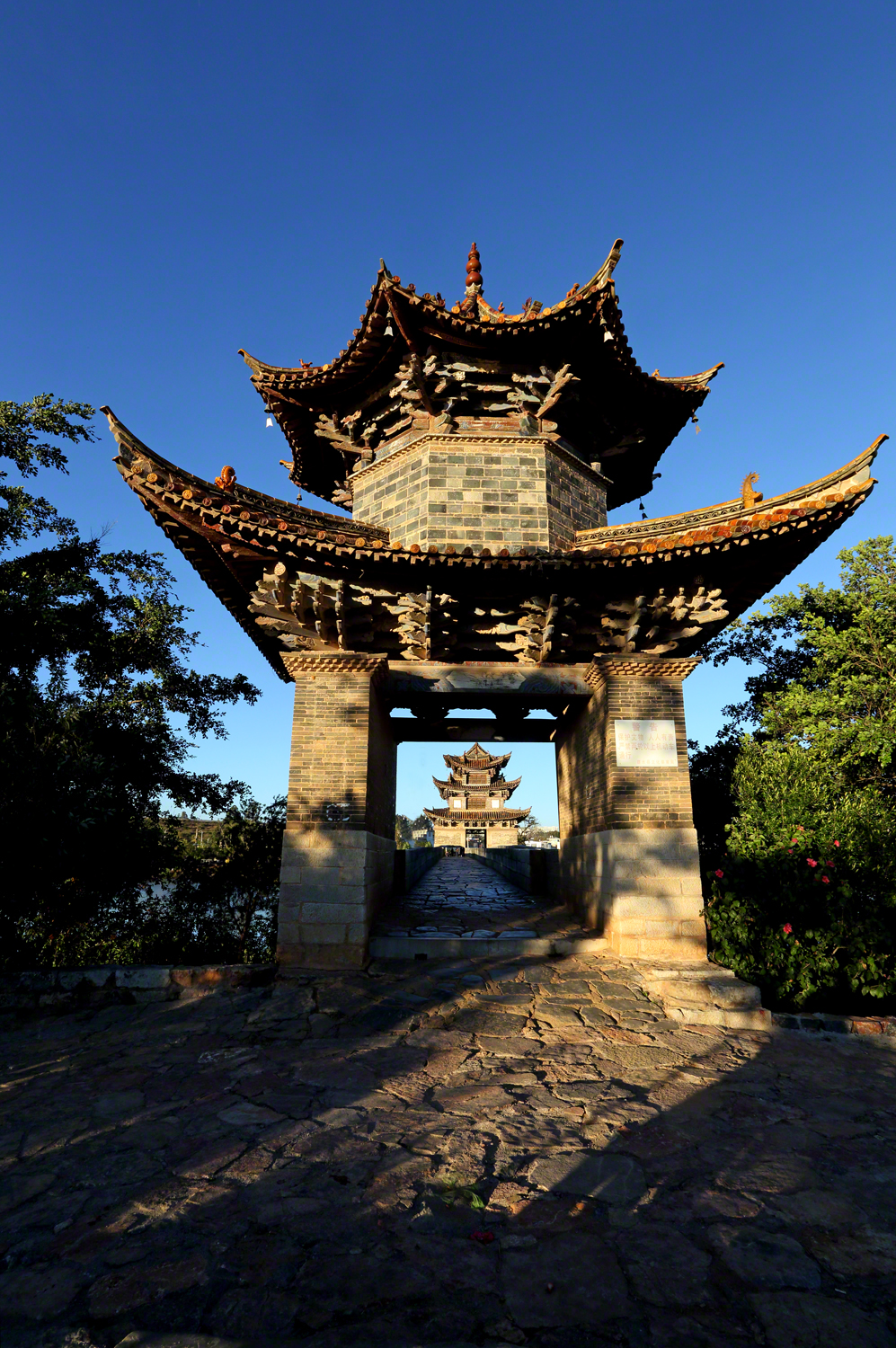
In the above photo taken during my Maine Media Workshop I first shot this pedestrian bridge by walking up to this position and shooting what you see now. If I han’t I might not have gotten everything sharp from fron to back; and the feeling of compression. So many people make the mistake of just zooming in on something like this without thinking of any possible side effects.

I love zoom lens, having three of them myself. When necessay they’re great to have aound. When I say ‘necessaryy’ I’m talking about times when using your feet are impossible. For example if there’s a fence in front of me which by the way I might just scale depending if the shot would possibly be worth it verses the amount of probable stiches; remember that begging for forgiveness could be a lot better than asking permission. What about a giant pool of quicksand, a den of rattlesnakes (I hate snakes), or  a starving school of Piranha??

That would do it for me!!

I think you get the point. For me, It would take things like the before mentioned problems for me not to walk to find another POV; besides, I need the extra steps!!!

Visit my website at: www.joebaraban.com, and check out my 2018 worksho schedule at the top of this blog. Come shoot with me sometime.

In conjunction with The Santa Fe Workshops, on October 2nd I’ll be leading a group in San Miguel de Allende. A beautiful oasis and artist colony, and the entire city is a UNESCO site.

Come join me for a week of fun and photography…what could be better?

JoeB

Personal Pearl of Wisdom: Focus on Focus


F/22 and manually focused a third of the way in.

As I hope a lot of you know, I’ve had a post come out every five or six days for seven years, and the ideas for these posts come in all shapes, sizes, and colors.

It can come from the following: A word or phrase I hear on the TV, a song title while listening to the radio, while reading a novel, a comment said to me from one of my students that take my online class with he BPSOP, or in one of my “Stretching Your Frame of Mind” workshops I conducts around our planet, or just recently a woman that signed up for my six-month mentoring program. It can basically come from the time I wake up to the time I go to sleep; even in my dreams where I will wake up and immediately write it down; least I forget by morning..

This time it came from a woman that is currently taking my mentoring program, and it came about from a discussion on depth of field.

While skyping and sharing the screen, we were looking at the photos she had submitted for the critique. I saw a common thread while looking at all her images, and that was areas that were in focus and areas that should have been; or areas that should not have been.

When talking about it she admitted that she really had no idea what was going to be in focus until she looked at them while sitting at her computer; not in her best interest.

Why I asked??? Because she depended on her digital camera to always decide for her…WHAT???

Until we started to work on her shooting in the manual mode she always shot on some program…mostly aperture or shutter priority. Here’s the inherent problem with that: You won’t know what’s in focus before you click the shutter, and you really should.

I see it all the time when one of my students is totally bummed because she or he wanted something in focus but it didn’t turn out that way. Unfortunately, it’s almost impossible to correct after the fact.

I make my life simple…If I want everything in focus from the front to the back I stop down to F/22 and focus a third of the way into my composition. Of course you would want to manually focus to make sure. Remember that auto focus is a luxury, not a necessity.

Ok, so you say that in order to shoot in ideal light (very early or very late) you would have to increase your ISO, because in order to stop down that much you would be shooting at a slow shutter speed and couldn’t hand hold your camera.

I never worry about that because when I’m working under this kind of light I never change my ISO…WHY YOU ASK? Because I’m always on a tripod!!!!!!!

And so my fellow photographers, next time not only bracket your exposure, but bracket your DOF as well. It will give you a whole lot more choices, and the more choices we have the better our chances to come back with a wall hanger…focus on the focus!!

Visit my website at: www.joebaraban.com, and check out my 2018 workshop schedule at the top of this blog. Come shoot with me sometime.

JoeB

Food For Digital Thought: Creating Visual Empathy

True Visual Empathy

According to the German philosopher and psychologist Karl Albert Schener, our minds whether we’re awake or asleep will transform things symbolically.

Visual input is a part of everyday life, and when we go about the world we’re not just taking in what we see, we’re relying on the perception of the environment that surrounds us.

A part of ourselves is out there and as photographers, it’s our prime objective to present visual information in a way as to take control of what the viewer feels and sees when we present information in the form of a photograph.

When I talk about what the viewer feels when looking at our photos, I’m talking about visual empathy. A brief definition of empathy is the ability to understand and share the feelings of others. The question is how do we create visual empathy in a photograph?

I can remember on numerous occasions during one of my “Stretching Your Frame of Mind” when I mentioned this concept to one of my fellow photographers. I’ve also talked about it at great lengths to my online classes with the BPSOP.

Here’s one of the easiest ways to create visual empathy:

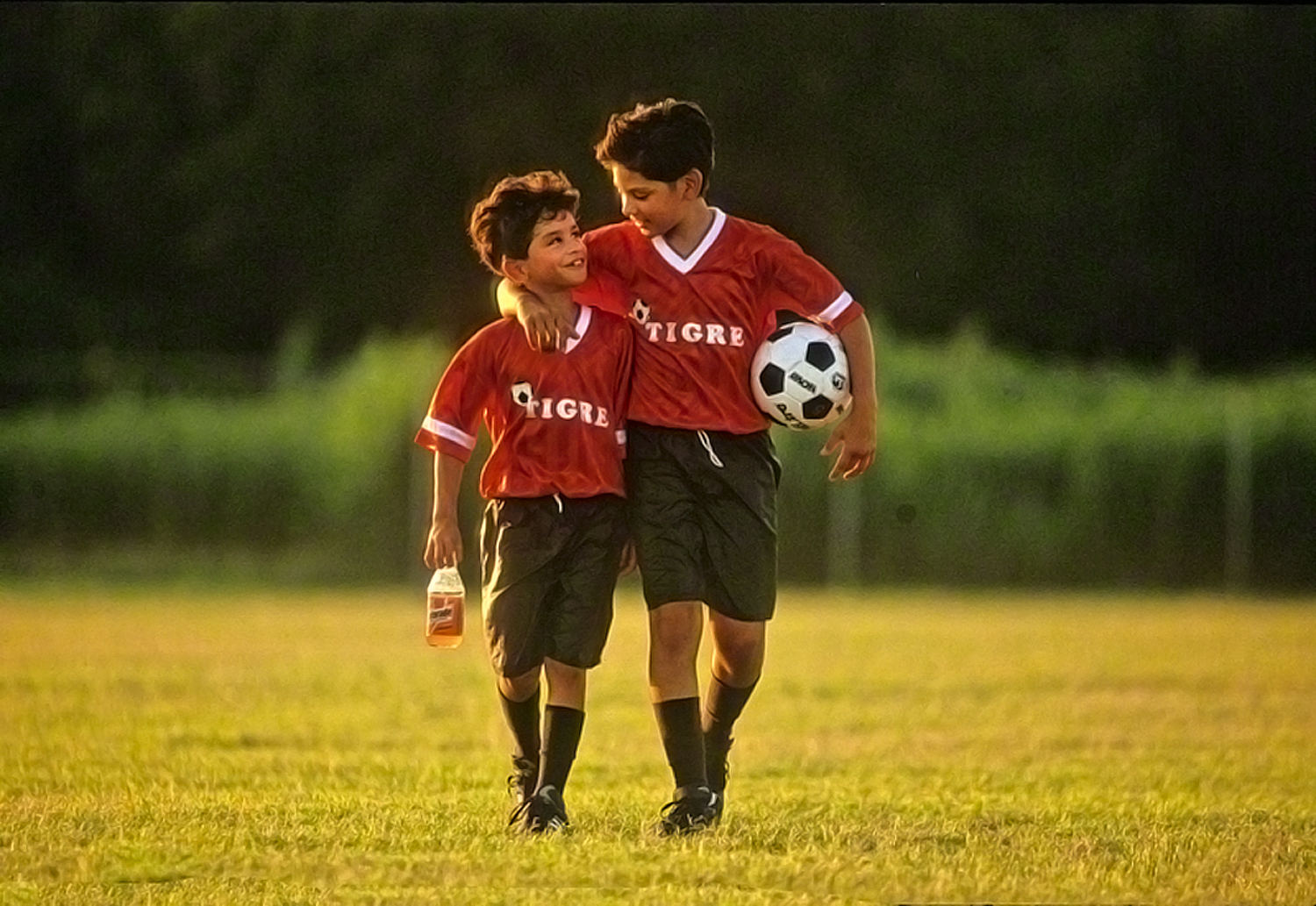
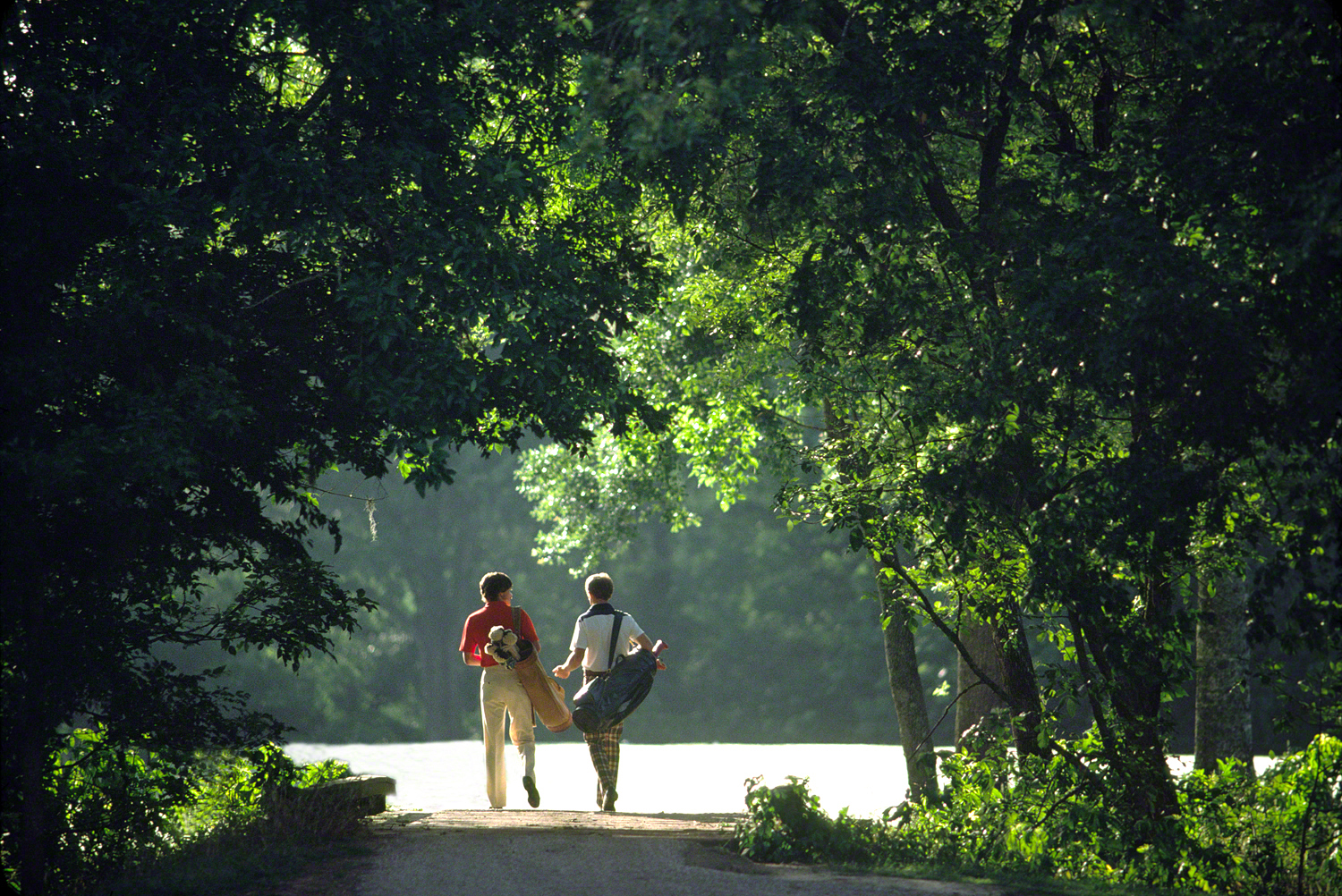
Imagine two people walking side by side, either down a street, on a beach, hiking, etc. If they’re talking to one another (of course the viewer won’t know what they’re saying) the viewer won’t necessarily know if they like one another or not; even though he’ll realize that they know one another…but that’s about all. This is one measure of empathy. Btw, if you play golf you’ll know that they wouldn’t necessarily know one another.

A measure of Visual Empathy

Now, imagine those same two people walking side by side, and either they’re holding hands or one person has his hand around the other. This is the true definition of visual empathy and will make the viewer think; making him think is a good way to keep him around longer, and that’s precisely what I like to do.

There are other ways to create visual empathy: the use of color and light, and I’ll be talking about these in future posts.

Visit my website at: www.joebaraban.com, and be sure to check out my workshop schedule at the top of this blog. Come shoot with me sometime.

JoeB

Food For Digital Thought: Light Matters, a Lot

I think I’ve written more posts where the light is the main theme than any other subject matter, and I’ve had a post come out every five days for nine years; that’s a lot of posts!

In my online classes with the BPSOP, and in my “Stretching Your Frame of Mind” workshops I conduct around the planet, I’m constantly talking about the importance of light and the fact that it’s so fleeting you need to be ready for it when it comes and then when it goes…be ready if and when it comes back; sometimes in mere seconds.

I can’t tell you how many times I’ve seen one of my fellow photographers start shooting without any regard as to what’s happening with the light. In my opinion, this is definitely not in their best interest, and the consequence comes in the form of a dull, gray, and flat photo; the exception is if that’s what was important in creating some kind of mood.

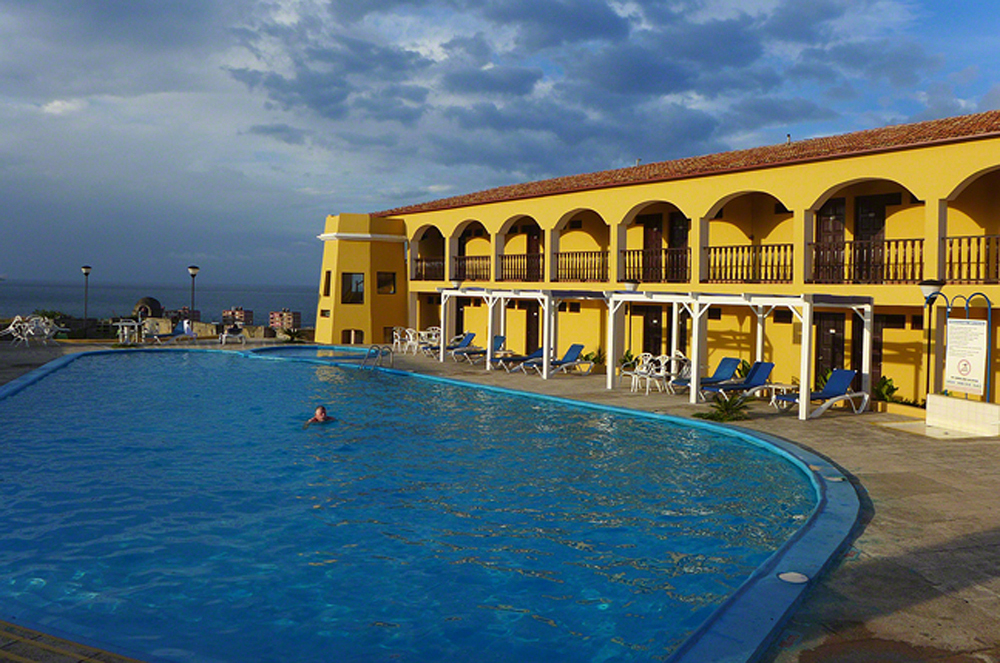
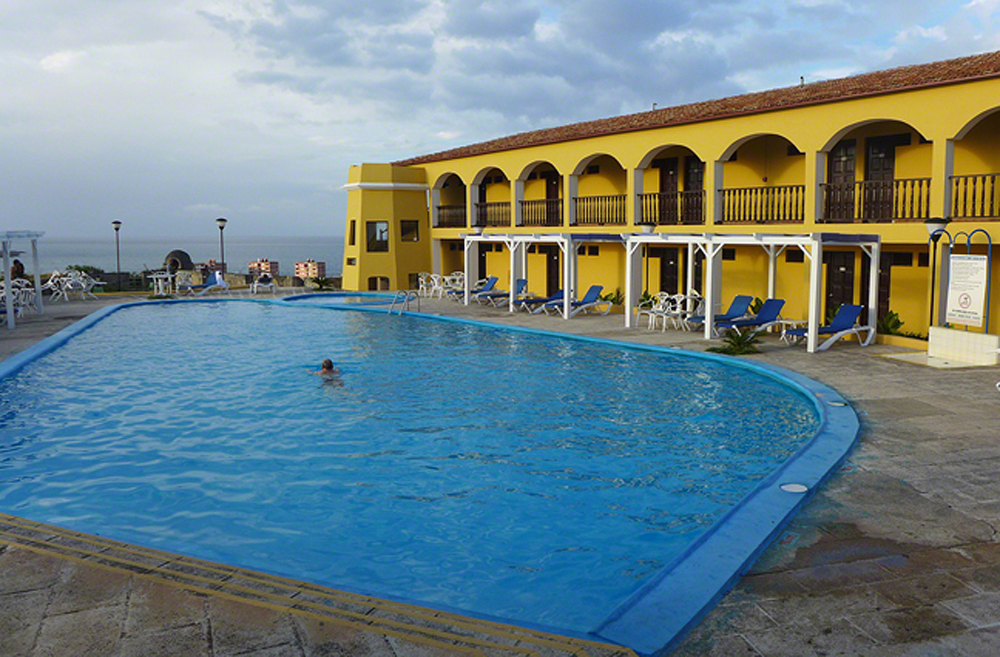
In conjunction with the Santa Fe Workshops I was conducting a workshop in Bayamo, Cuba. We were sitting around the bar in the pool area enjoying a Mojito; we were sitting there because it had been raining and we were just waiting for it to stop. While we were waiting I noticed the sun break out for a few seconds then go back behind the dark clouds. I immediately grabbed my camera and thought about a great post I could write (once again) about the light and how relevant it is in creating visually interesting images.

Having said that, I have submitted two photos that were taken in the space of about a minute. You won’t find these on my website, in a gallery, or in a museum but that was not the intent.

The intent is to demonstrate how powerful the addition of light can be in your composition, and the possibility of making just about anything in the way of subject matter look good.

I shot the pool first with really bad light as the man in the middle swam (btw, the pool is not as big as it looks since I had on a 17-40mm lens) away from me. He turned and began swimming towards me and I shot again when the sun broke out.

Pull the slider from left to right so you can see the diference. As you can see, if one picture really is worth a thousand words, then what’s two pictures worth?

So my fellow photographers, the next time you’re shooting and the light isn’t great, look around you to see if the conditions will be changing anytime soon. If you see that they might, stick around!!!

Visit my website at: www.joebaraban.com, and check out my 2018 workshop schedule at the top of this blog. Come shoot with me sometime.

In conjunction with The Santa Fe Workshops, on October 2nd I’ll be leading a group in San Miguel de Allende. A beautiful oasis and artist colony, and the entire city is a UNESCO site.

Come join me for a week of fun and photography…what could be better?

JoeB