Food for Digital Thought: Are You a One Hit Wonder
Are you a one hit wonder?

Common back in the fifties and sixties were musical groups that were successful with one hit records and not a comparable subsequent hit. It also applies to a sole artist who is remembered for only one hit despite other successes.

Once again I ask you to bear with me while I explain how this relates to you and your photography.

For those of you new to my blog, I teach an online class with the BPSOP, and I also conduct my “Stretching Your Frame of Mind” workshops around our hopefully round planet. I see my fellow photographers walking down the streets of old medieval villages and stopping for a photo op.

They will invariably walk up to a subject or location, shoot the first idea that comes to mind, and then move on leaving a lot still ‘on the table’. By the way, the photograph is usually taken at eye level since it’s the easiest and less stressful way to compose. STOP!!! Don’t leave…don’t be a one hit wonder!!

The odds of you taking one shot and walking away with what you think in a ‘wall hanger, a keeper, or one of those elusive OMG photos are slim, and Vegas wouldn’t book it.  Even for me, and I’m a pretty good shooter.

Let me back up for a moment and explain how I would approach the same photo op. The first thing I do before raising my camera up to my eye is to determine the source of the light. In other words, what direction is it coming from. This is when “the clock” comes into play; check out this link!!

OK, so I’ve taken my first shot. Now, I look for variations and that doesn’t mean just zooming in or out while standing in the same spot!!

Here are some of the things I normally do:

  • Up close and personal
  • Change lens
  • Up high then down low
  • Different light
  • Change a prop
  • Put in a person, or take one out
  • Look for something that might be unexpected or unpredictable.

When I’m shooting, I have one eye in the viewfinder and the other scouring the location for a way to segue my current composition into a stronger shot. As I’m shooting, I’m constantly making small to medium-sized adjustments besides the variations because like you, I’m always looking for that “OMG” shot!!!!

Visit my website at www.joebaraban.com, and check out my workshop schedule at the top of this blog. Come shoot with me sometime.

JoeB
Quick Photo Tip: Silhouettes Are Good For You.

Creating an abstraction from reality.

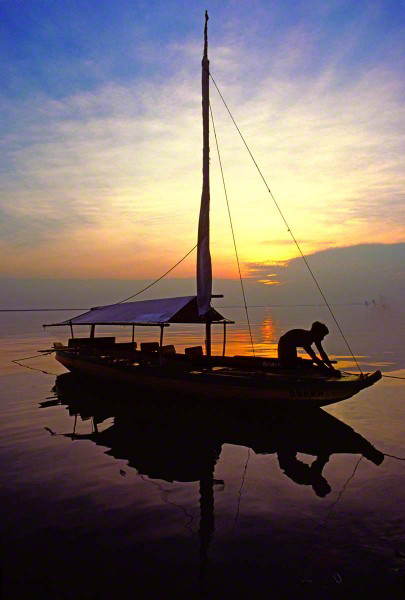
In my part II class with the BPSOP, we spend one week out of four, an entire lesson, just working on the silhouette…Why? Because they can render aid not only on a hot harsh day but while you’re waiting for the sun to come up or sticking around after it has set.

So many of my students both in my online class and my “Stretching Your Frame of mind” workshops have a difficult time thinking about this great photo aid and seem to have a tougher time creating them.

A  silhouette is simply a representation of someone or something showing the shape or outline only, typically colored in black against a lighter background. It’s an abstraction of reality and a good way to take your imagery what I refer to as “up a notch”.

For me, shooting in ‘golden light’ is easy, but when I’m occasionally forced to shoot under conditions that I ordinarily would pass on, sleep through, or spend that time scouting, I always reach into my ‘bag of solutions’, and invariably I use the same technique…I look for SILHOUETTES!!!

Midday light isn’t always the time to look for silhouettes. I’ll get to a sunrise location well in advance so I can look for silhouettes. I’ll also hang around after the sun goes down and look for interesting silhouettes at dusk. I’ll also put people in a silhouette to give scale to a landscape.

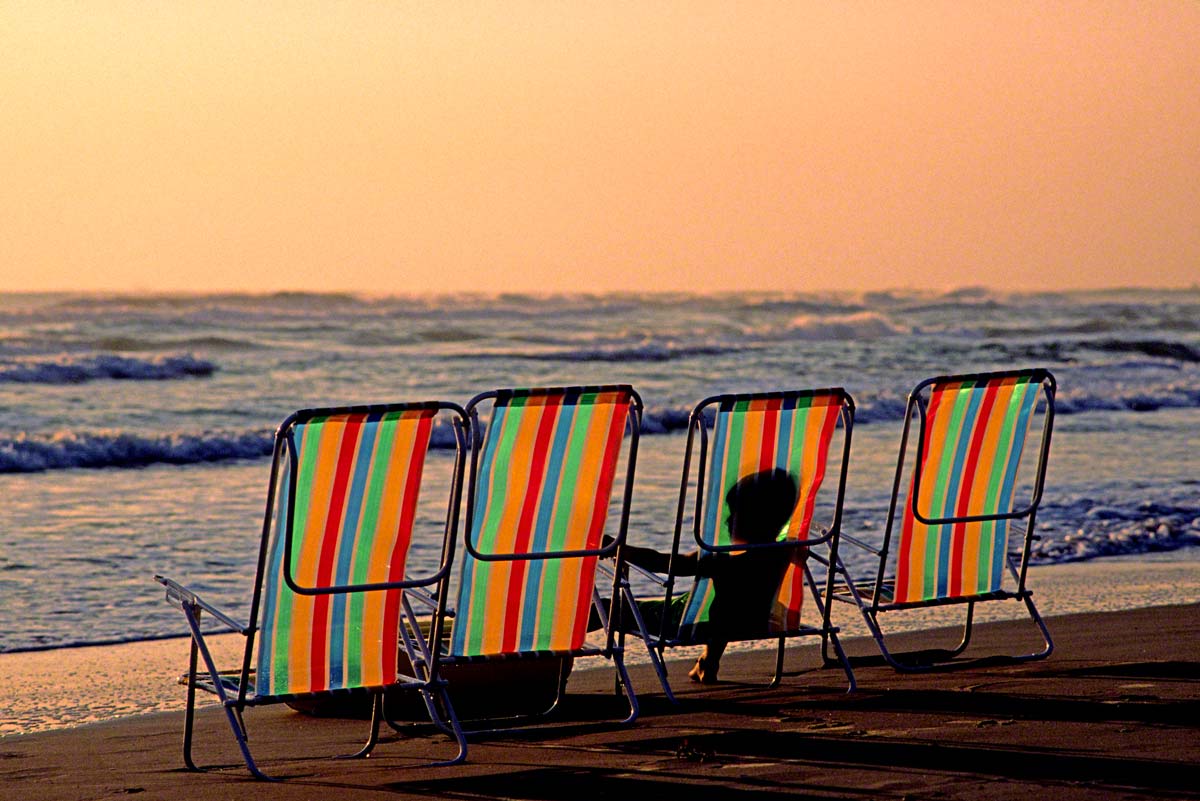
One of my favorite ways to show a silhouette is to combine it with an environment that isn’t in silhouette. Take a look at my photo of the boy sitting in the beach chair shown above. I’ve managed to create a silhouette while showing the rest of the scene as it normally appears. From the use of the silhouette, I’ve managed to create an abstraction of the boy while the chairs surrounding him are in the reality that we’re use to seeing. Try it sometime. While it’s not as easy as it looks to create, the results are well worth the time and thought that goes into it.

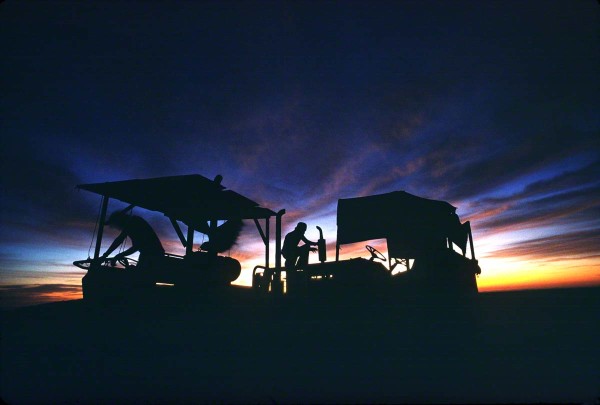
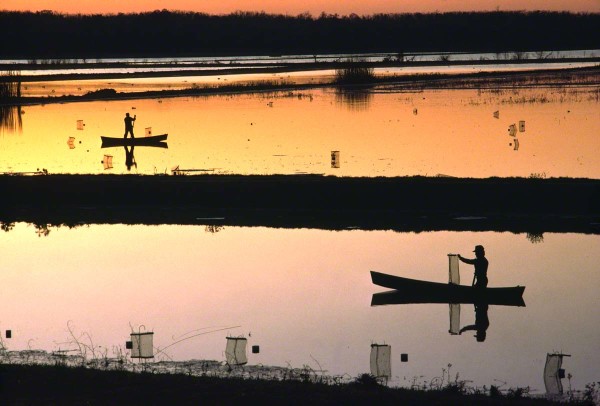
Enjoy some more silhouettes:

Visit my website at www.joebaraban.com and check out my workshop schedule at the top of this blog, come shoot with me sometime.

JoeB

Quick Photo Tip

 Anticipating the action
Anticipating the action

Eddie Adams was a Pulitzer Prize winning photojournalist that was known for his photo essays while being a combat photographer during the Viet Nam war.

One of my all time favorite quotes was said by Eddie, and while it refers to all the combat photographers who risked their lives, I’ve always applied it to my photography. I’ve also included it in my teachings with the BPSOP,  my online students, as well as my “Stretching Your Frame of Mind” workshops I conduct around the planet.

Eddie Adams said, “When you get lucky, be ready”. It’s easy to see how this quote can relate to war photographers, but how does it relate to civilians…like most of us for example?

I shoot predominately early in the morning and late in the evening when the light is the most dramatic and the shadows are long. As a result, it comes and goes very quickly; sometimes you have seconds to see/think/compose/shoot.

After forty-two years of shooting, I’ve learned that you just never know when that extremely elusive “OMG” photo is going to materialize. It can come at any time and when it does, you better know (literally) where you stand.

So having said that, the first thing I do when I arrive at a location is to find out the direction of the sun. Since my favorite way to shoot is to side and backlight, I look for subject matter that will get that kind of light.

The next thing I do is to shoot some random exposures with nothing more in mind except to get the proper camera settings…just in case. If I have just one shot at it, I want it to be very close; close enough to work on it in post if need be. I will tell you that the challenge and sense of achievement in nailing the exposure in the camera beats sitting in front of a computer any day. To me, that’s what being a really good shooter is all about!!!

OK, there’s another part of the “OMG “ photo equation and that’s being able to anticipate the action; a good street shooter will know what I mean. I spent the early part of my career as a stringer for Blackstar, UPI then AP, so I did a lot of street shooting. By anticipating a person’s next move, whether it be as a gesture or a change in their body language, a plane, train, or automobile coming or going, or an action solely created by Mother Nature, I can now be ready for that split second I have to click the shutter. With my camera settings already in place, I stand a good chance of coming home with the bacon!!!

Here are some examples of being ready when I got lucky

Visit my website at www.joebaraban.com, and check out my 2012 workshop schedule. Come shoot with me sometime.

JoeB

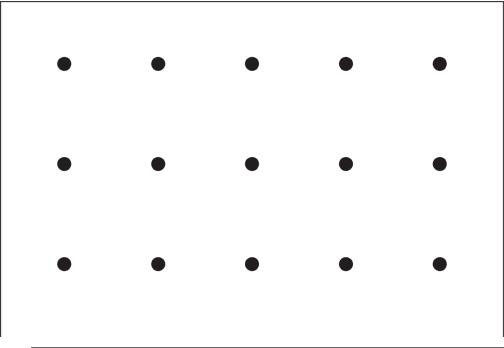
Don’t forget to take your “Fifteen Point Protection Plan”

Holt was just born

One of my all time favorite ‘Pearls’ that I constantly refer to in my online class with the BPSOP, and in my “Stretching Your Frame of Mind” workshop I conduct around the planet, is called my “Fifteen Point Protection Plan”. I want to introduce you to it because it could be the most important tool you’ll have in your ‘camera bag’.

I can’t remember when I came up with this tool, but I’m guessing over thirty years ago, and I have done well by it.

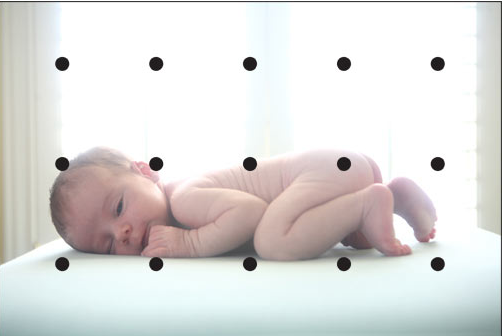
Imagine a clear piece of acetate in your viewfinder with fifteen evenly spaced (imaginary) black dots on it. After I’ve decided what my final photo is going to be, and it’s framed in my viewfinder, I look at each of the black imaginary dots and all four directions around them. Remember that these dots cover the frame, so I look all the way from the dot to the edges of the frame they’re next to.

What that does is it helps me check to make sure everything in the photo I’m about to take is the way I want it. I don’t want to be surprised when I get back to the studio and wonder why I didn’t notice the tree growing out of someone’s head, or why I cropped out something important…or put in something not so important.

Give it a try. Once this becomes second nature to you and a permanent part of your thought process, I can guarantee you that your imagery will go “up a notch”.

Here’s the diagram placed over a photograph:

Visit my website at joebaraban.com, and check out my upcoming workshops at the top of this blog. Come shoot with me sometime.

JoeB


My Favorite quote: The Buck Stops Here.

The buck always stops with me

When Harry S. Truman was president, he had a sign on his desk that said, “The buck stops here”. The phrase refers to the notion that the President has to make the decisions and accept the ultimate responsibility for those decisions. Truman received the sign as a gift from a prison warden who was also an avid poker player.

To digress for a moment, I grew up in KC Missouri, and one day our elementary class took a field trip to his library that’s in Independence, Missouri. He happened to be there and I actually shook hands with him.

So, what in the world does that have to do with photography???

For those new to my blog, I teach an online class with the BPSOP and I also conduct my “Stretching Your Frame of Mind” workshops around the planet. I work closely with photographers to get them to perceive and processes with the right side of their brain. I also show people to take matters into their own hands by using the elements of visual design and composition that they put on their Artist Palettes. 

Besides mastering all the elements on your palette, the three most important ways to take your level of photography “up a notch”, is to use your 15 Point Protection Plan, pay attention to the Border Patrol, and check those four corners.  If you’re diligent and make those a part of your thought process, you’ll be far better off. Conversely, if you go about your business that way you always have, you’ll have no one to blame but yourself.

I’ve heard it all after teaching since 1983, including these remarks:

  • I didn’t read that far into the manual
  • I didn’t bring the right lens
  • It’s not what the president of my camera club said to do
  • I left my filter case at home
  • I only brought one card, and it’s full
  • I didn’t charge all my batteries before I left
  • I trusted my camera to make the right exposure decision for me
  • I didn’t know it was going to be out of focus
  • I guess I should have used a tripod
  • I forgot to set my alarm
  • I was hungry so I ate first
  • I’ll just fix it later

And last but certainly not least…it wasn’t my fault!!!!

We are just like television commercial or feature film directors. The difference is that we direct still photographs. We are all responsible for the content of our images. Only we can make ourselves look good or bad. Don’t rely on excuses to make your way through the art of photography. If you just study all the things I’ve laid out to you in this post, that even means clicking on all the links, you’ll become a stronger photographer.

So, my fellow photographers, remember that ‘The buck stops with you’.

Visit my website at www.joebaraban.com, and check out my workshop schedule at the top of this blog. come shoot with me sometime.

JoeB

Life Before Photoshop: Russell Athletics

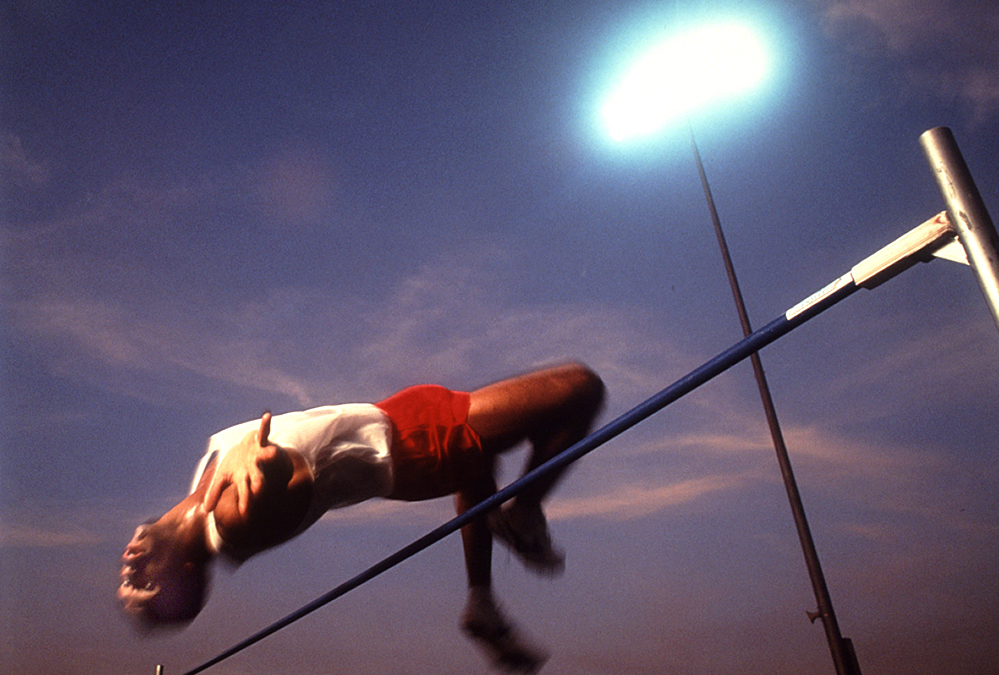
The finished un-retouched photo

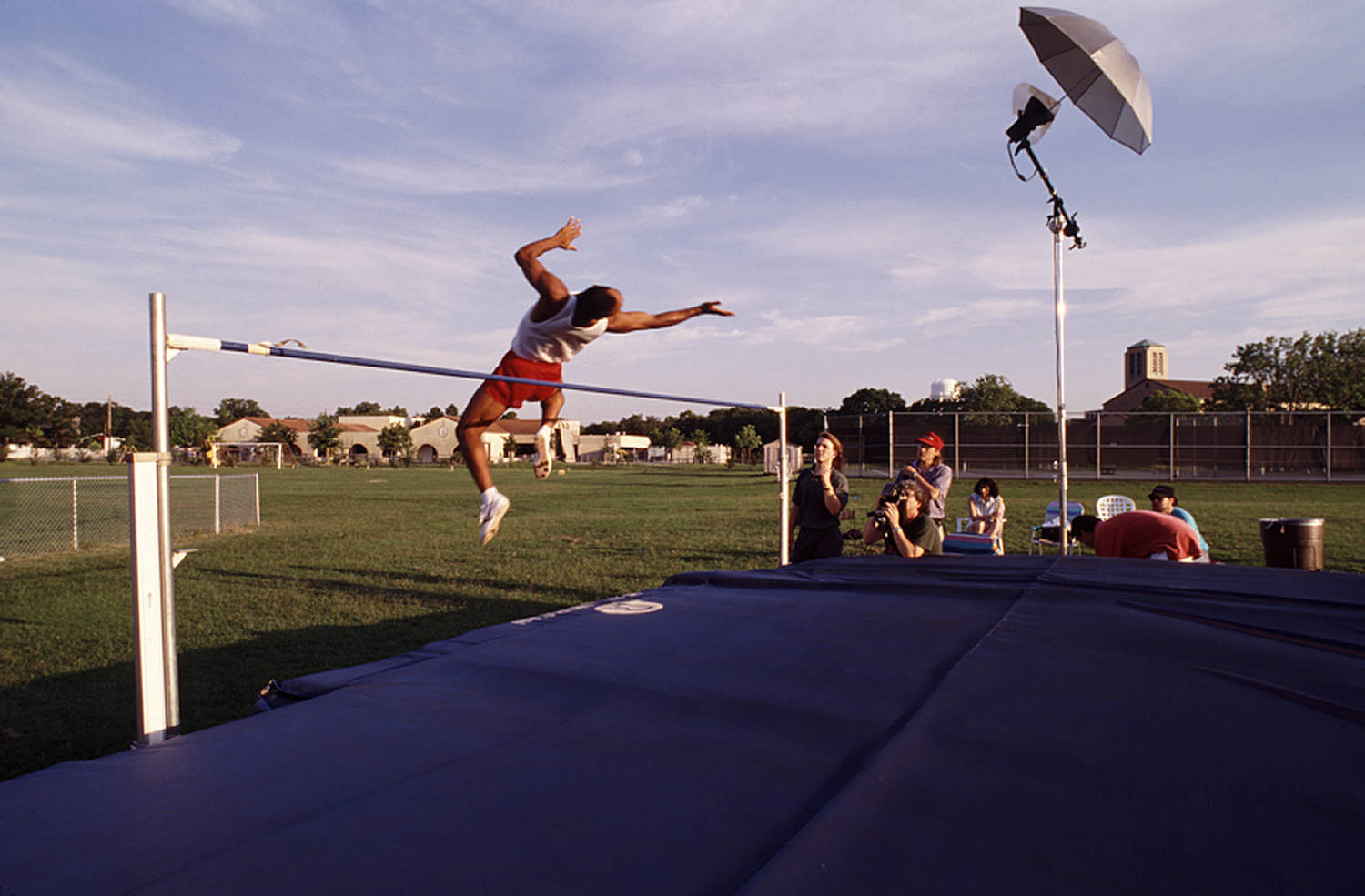
Years ago, right after the last remaining dinosaur disappeared, I shot a campaign for Russel Athletics. Among several other photos, this idea was to capture a well-known athlete during the sport he or she was involved in.

To digress for a moment, I show people both in my online classes with the BPSOP; and also in my “Stretching Your Frame of Mind ways to create Visual Tension in our imagery. I’m not talking about the kind of tension that comes from mental or emotional strain, I’m talking about Visual Tension. One of the ways is to stop an action and leave it uncompleted.

This is what I was thinking when I first started preparing for the shoot.

When this photo was taken, Adobe was a type of house in the southwest part of the country…in other words, Photoshop didn’t exist so we had to everything in the camera. Can you imagine how much easier it would have been if shot today? Easier, but not nearly as much fun.

This is how we use to do it, and this shot was relatively easy to create. One strobe head with an umbrella. I waited until the beginning of the Blue Hour and with a one-degree handheld spot meter set on the flash function, I waited until the exposure on his face matched the shy behind him.

How it was done.

I purposely shot directly into the lights so I could blow them out, creating not only energy but also more Visual Tension.  BTW, don’t let anyone ever tell you that ‘clipping the highlights’ is a bad thing!!!!!

This image was produced using one frame, one exposure, and one click.

Visit my website at www.joebaraban.com, and check out my workshop schedule at the top of this blog. Come shoot with me sometime.

JoeB
Quick Photo Tip: Matthew 7:7

Knowledge is power

First of all, I’m not a religious person; in fact far from it. But when I read something and it inadvertently has something that I can associate with photography, I can overcome my beliefs.

So, having said that, Matthew 7:7 says, “Seek and ye shall find”. Ok, what on God’s green earth does that have to do with photography?

Plenty, but it’s not in the actual picture-taking part of photography but having to do with research. Let me explain:

As most of you know, I teach an online class with the BPSOP, and I conduct my “Stretching Your Frame of Mind” workshops all around our (round) planet.

I’m constantly asked questions relating to just about every aspect of photography. After a fifty-three year career in advertising, corporate, and editorial photography, and teaching since 1983, I would say that I can answer most of them.

When I’m asked a question that I’m not sure I can answer with authority, I go to the World Wide Web, aka the Internet. Everything one would want to know is there if you just take the time to look.

I’m not sure why my fellow photographers won’t take the time to find out what they want to be answered. Perhaps they have never heard of the internet? Maybe they just don’t have the time to “mess with it”, or they don’t know what to write.

Take the time, there’s so much great information out there besides what you’re looking for; I have often stopped and read something that I wasn’t looking for.

When you do, I strongly suggest that you confirm the information. Never rely on just one opinion or definition…why? Because there’s a lot of bad BS out there and people who claim to be experts, are just looking for their fifteen minutes of fame. When you get the same or similar answers, then more than likely you can trust the information.

If you’re looking for equipment from cameras and lens, to tripods and filters be sure to read all the comments/reviews both positive and negative. How many stars does it have?

Take it from me, knowledge is power.

Visit my website at www.joebaraban.com, and check out my workshop schedule at the top of this blog. Come shoot with me sometime.

JoeB
Food For Digital Thought: The Eyes Have It

Into her soul

I teach fellow photographers how to incorporate the elements of visual design and composition into their imagery.

In my part I and part II online class with the PPSOP, and in my “Stretching Your Frame of Mind” workshops I conduct around the planet, one of the basic elements and probably the most important of them all is LINE. Without line, the other elements of visual design wouldn’t be elements, and worse, the world as we know it wouldn’t exist…why you ask????

For the simple reason that Pattern, Texture, Vanishing Points, Shape, Form, and Perspective are made up of Line. The world wouldn’t exist because everything around us from buildings to forms of locomotion to flowers to humans, etc. all have an implied outLINE.

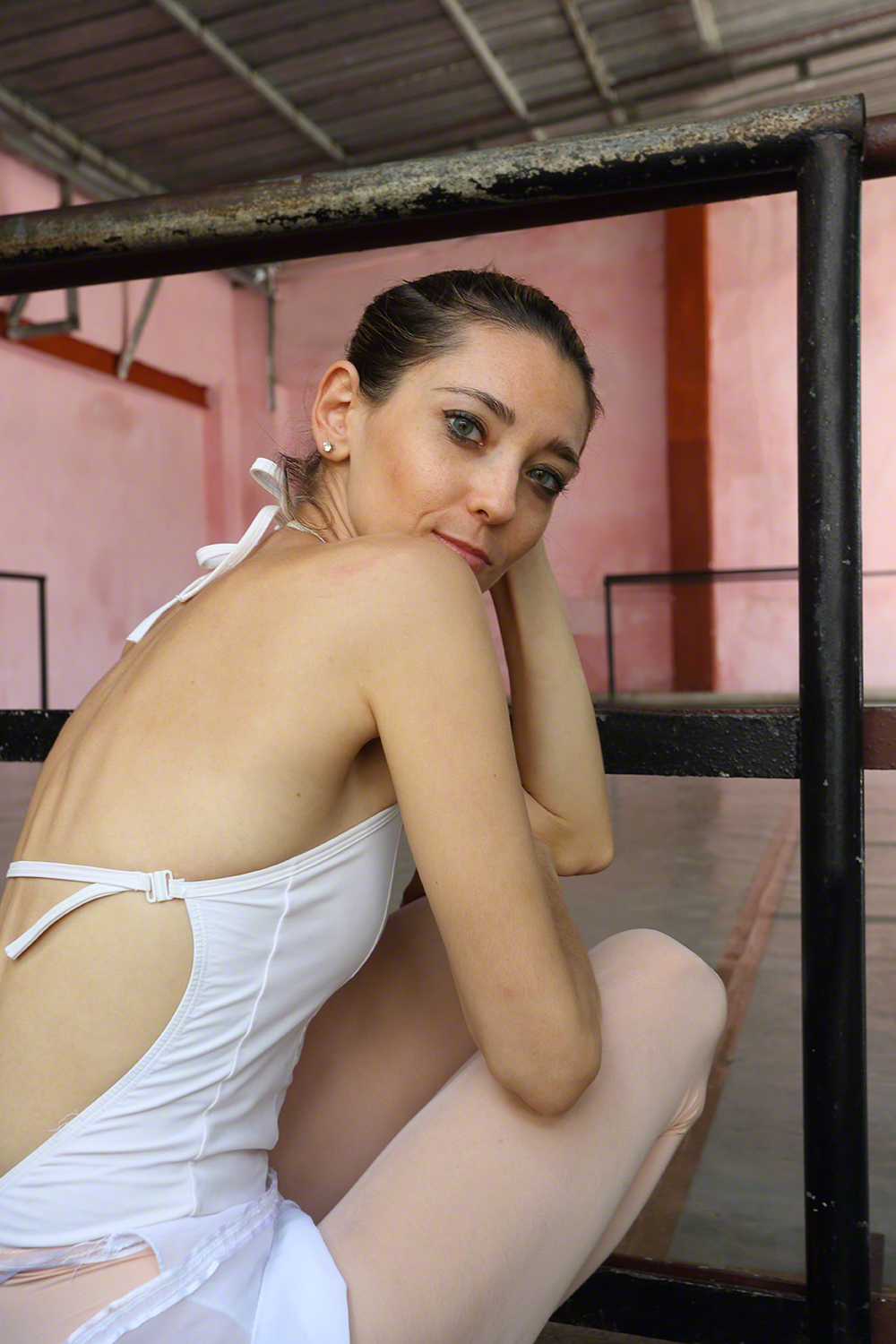
When I’m photographing people, I almost always have my subject looking into the lens.  One of the most important implied lines is the imaginary line that runs from the subject’s eyes to the center of the lens. Not only does it suggest a certain intimacy and private bond between the subject and the photographer, but it also creates visual tension and intellectual energy.

As I always say, “Tension=Energy”.

I don’t mean the Tension that comes from mental or emotional strain, but the Tension that comes from forces acting in opposition to one another…as in the subject and the camera looking at each other.

At one time taking pictures of people use to be thought of as “robbing oneself of their soul”. Having said that, I’m not looking to steal someone’s soul (what would I do with it once I had it? Craig’s List or eBay?), however, I like the old adage that suggests the eyes are the doorway to one’s soul, and I do like the idea of looking into one’s inner spirit.

Visit my website at www.joebaraban.com and check out my workshop schedule at the top of this blog. Come shoot with me sometimes and maybe we’ll go steal some ‘souls’ together!!!

🙂

JoeB

Giving Meaning to Photographs

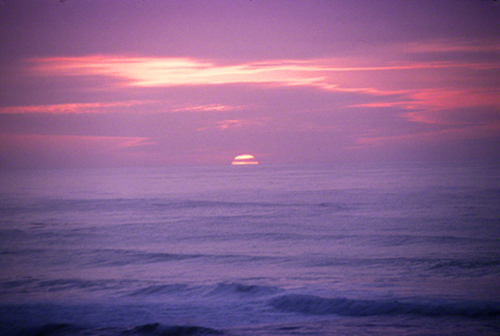
sunsetovertheocean_DM2

Here’s an interesting article I found on the ‘information highway” I thought I would share with all of you. Unfortunately, I failed to write down the name of the woman or man who wrote it, and now I can’t locate the article again. I would have loved to credit it to her/him as I find it a great read. If you are the author or know who she is, please let me know so I can credit it properly.

Here’s the article just the way I found it:

“Unless you take photographs strictly for yourself, you probably like to share your images with others. What makes that dreaded slide show your uncle pulls out every time you visit so boring is that while it has tons of associations for him and your aunt, it has none for you. After all, it was their trip to Borneo, not yours. You didn’t share the experience of buying food from a street vendor or smell the smells of the urban neighborhoods. So, pictures of them don’t mean much to you.

You should keep this exclusivity in mind when editing your own pictures. Ask yourself, “Do I like my images because they have a certain emotional appeal to me alone?” A special vacation shot or a picture of your grand kids, might be an example. Or, do your images convey a more universal meaning that will inspire emotional response in others? It helps to gather feedback from a trusted friend.

REMEMBER THAT BELOVED SUNSET OR SUNRISE YOU HAVE–SO EXCELLENTLY CAPTURED, SO EXPERTLY PRINTED AND FRAMED–MAY BE JUST ANOTHER SUNSET TO SOMEONE ELSE.

Learn how composition can affect meaning. Placement of the subject within the viewfinder can have profound effects on the meaning. Placing the subject low and surrounded by a large amount of negative space sends a different message than cropping it close. The former may send the message of hopelessness or depression, the latter a message of intimacy or friendship.

It’s a challenge to create images with meaning. It’s what separates a good photographer from a mediocre one. In judging contests and exhibits, I’ve seen many prints that are technically well done, but lack depth of meaning. These may be processed to resist aging in preparation for archival preservation, but they won’t stand the test of time on anyone’s wall–except, perhaps, the photographer’s own.

For, without an emotional connection to the image, we’ll grow weary of it. It’ll remain on exhibition for a few months and then be taken down or simply ignored as part of the background blur of our lives.

Our ability to connect with an image emotionally entices us to keep coming back to an image over and over again in order to repeat the emotion. Or, what’s even more exciting, we may find new meaning in the image as we grow emotionally and experience it in a fresh, new way.

A part of the issue surrounding meaning is the controversy over whether an image should be titled. Many contests require that the photographer name her image as part of the process of entering. And I know of several professional competitions in which the title of the print is actually part of the judging process.

I can’t tell you how strongly I object. A strong print needs no title. If I have to be told what the meaning of a print is via a title, I wonder if the photographer is certain of his message.

Titles also serve to direct and/or mislead. A title given by a photographer may direct his viewer in a particular direction, but without the limitations of a title, a viewer may discover meaning which was only subliminally apparent to the photographer. We have all taken a picture and thought it meant one thing, only to find that everyone else was seeing something else– something that emerged from our subconscious.

A title, in this instance, would have served to confuse the real meaning.

And, of course, there is the issue of language and culture itself. If a title is important, what if it’s in a language the viewer doesn’t understand? Does the image cease to have meaning? Of course, not. Art, in general, and photography specifically, are universal languages. They speak to us all–regardless of our native tongues or cultures.”

Any Thoughts?

           JoeB

Food For Digital Thought: Using Gesture In Your Photography

Gesture

The psychological use of Gesture in Photography can take our imagery what I often refer to as “Up a notch”.

A gesture is a human nonverbal movement by the hand, the face or head, or the feet to express an idea. It’s an action that conveys a person’s feelings or a deliberate act to get across a point. This point can be full of emotional implications.

Capturing this in your photography can be a powerful tool while showing a person’s personality in the process. A gesture may only comprise a very small part of your composition, but its effect can contribute more than half of the overall photograph. This is an important area we work on in my online class with the BPSOP, and in my “Stretching Your Frame of Mind” workshop I conduct around the planet.

The way a person smiles, holds their head, or hands, or even the way he or she crosses their legs can be a declaration of their persona. Having a man slump says something different than having him stand straight. Placing a person in the middle of the frame says something entirely different than placing him/her close to the edge of the frame. Gesture is a language unto itself, and can often be translated universally. Gesture is also a great way to tell a story without the words.

The most important thing to remember is that a gesture is a fleeting single motion and being able to freeze it in time is critical. If you want your photo to be authentic, it takes practice to capture the gesture at the peak of its action.

I use gesture all the time, but I don’t always wait for it. I like to create a scenario and stage the gesture then make it look like I caught it and then shot it more in a reportage reporting style. By the way, be sure to watch for my upcoming post on non-human gestures.

Here’s a few examples of actually capturing the gesture the moment it happened, and creating it to make it look real. Can you tell which is which?

Visit my website at www.joebaraban.com, and check out my workshop schedule at the top of this blog. Come shoot with me sometime.

JoeB

Food for Digital Thought: A Dichotomy

Dichotomy

When you’re walking the streets somewhere in the world looking for photo opportunities, My suggestion is to be on the lookout for what I call the ‘photo dichotomy’.

First, in case you’ve heard the word used but might not know exactly what a dichotomy is, let me give you the definition.

Dichotomy: something with seemingly contradictory qualities. mutually exclusive or contradictory.

Perhaps you’re still a little confused as to how this relates to photography. So, having said that let me show you in the photo seen above.

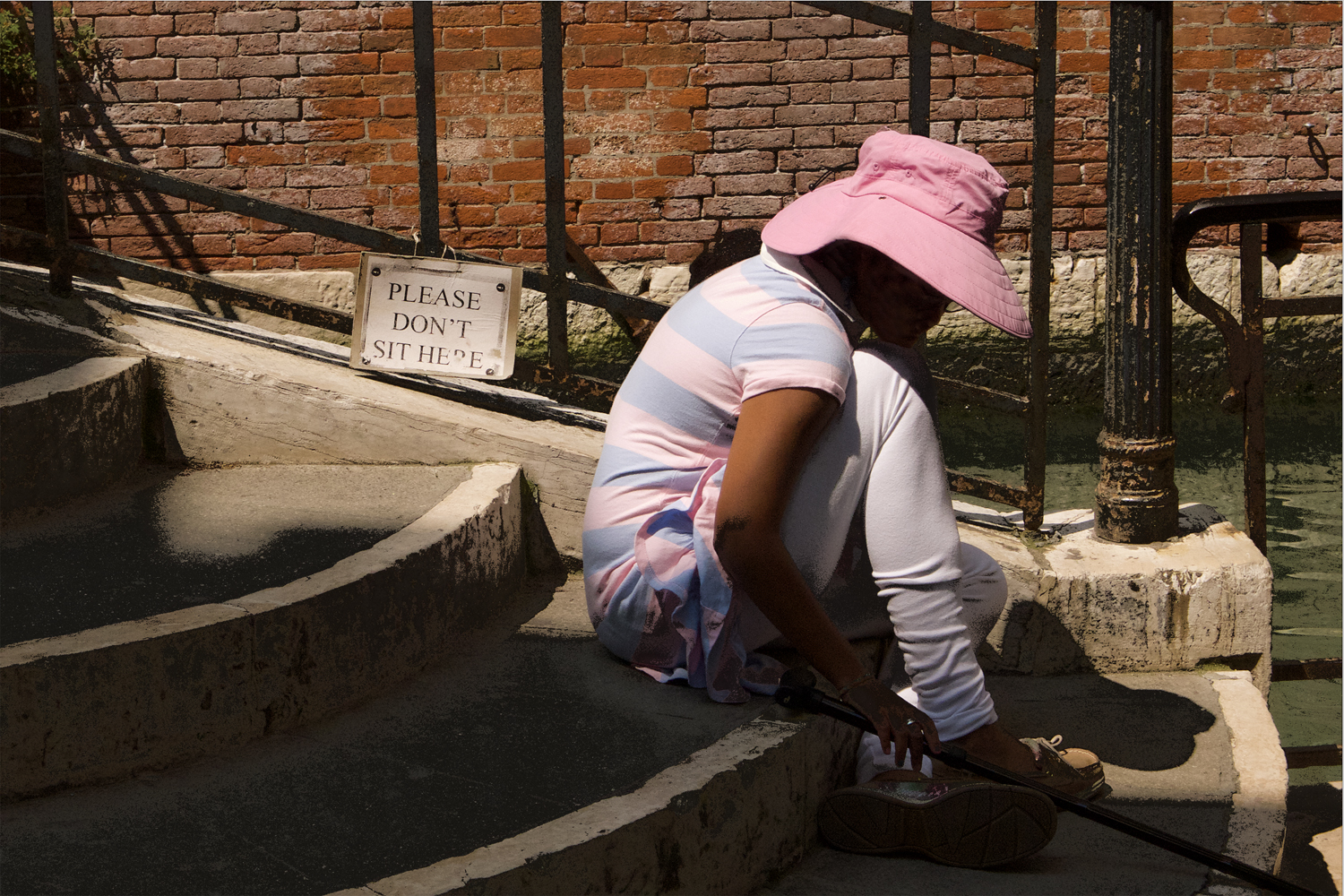
I was walking around the canals in Venice, looking in all four directions to make sure I didn’t miss anything when I saw this young woman sitting on the steps.

Ordinarily, I might pass on it since the visual interest is limiting. But what really sparked my interest was the small sign right behind her…a dichotomy!!

In my online classes with the BPSOP, I often talk about keeping your eyes and ears open all the time. You just never know when a photo op will rear its head, and when it does it will usually be for just a moment.

When I’m walking with my fellow photographers that are participating in one of my “Stretching Your Frame of Mind” workshops, I always point out things that in of themselves have visual interest.

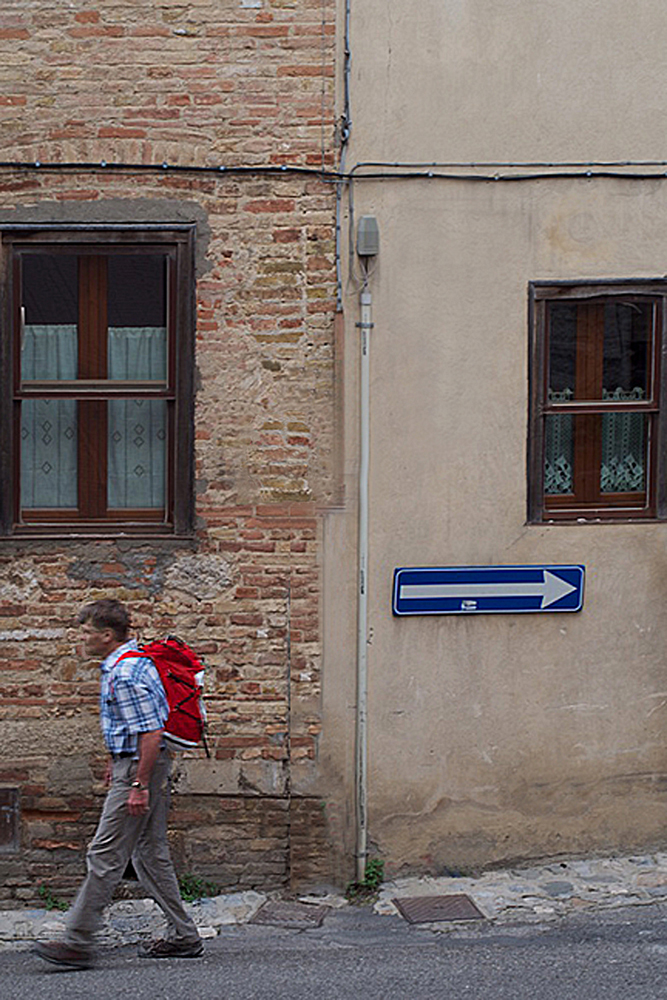
Another dichotomy

Another example of a dichotomy is in the other photo pictured here of a man walking in the opposite direction of the arrow signifying a one-way street.

If you click on this link, it will take you to a post on paying attention to what you hear.

Visit my website at www.joebaraban.com, and check out upcoming workshops at the top of this blog. Come shoot with me sometime.

JoeB

Food For Digital Thought: Imagination

People like to see people in pictures

In my online classes with the BPSOP, I’ve been finding that so many photographers are always playing it safe. Either from always shooting at the same height, the height of the eye to the ground, zooming in with their lens instead of using their feet, or looking for a different POV.

When I’m walking around shooting with the photographers that are taking my “Stretching Your Frame of Mind”, I see it up close and personal all the time. It’s one and done, and it really doesn’t matter what the subject is.

Now I’m all in favor of my mantra…” more shots per hour”, but that’s after shooting lots of variations. I can tell you from fifty-three years of experience that taking one shot of anything and going home with a ‘wall hanger’ is slim to none. Vegas would probably put it at 50-1.

Life is too short to always be safe. Always ‘coloring inside the lines’ keeps you on the road to mediocrity. Sure, it just might get you that third place ribbon at your camera club’s competition, winning you a 16GB compact card…if that’s what you want. Hell, by triple mounting your photo with color mats that are in harmony, you might even move up to a second-place ribbon…that would be special and now a 32GB compact card.

I say ‘color outside the lines’, and take the path less traveled. Imagination keeps us young, it’s the gas and oil that keeps our mind running. Shoot with a lens you would never think of, get some dirt on your shirt by laying on your stomach, add some props, and editorialize your photo. People like to see people in photos, so think about putting them in your pictures. Don’t photograph what you see, photograph what you would like to see.

Think of yourself as an artist that has chosen the camera as your medium. To my way of thinking, a camera on a tripod is just like a blank canvas on an easel.

Visit my website at www.joebaraban.com, and check out my workshops schedule at the top of this blog. Come shoot with me sometime.

JoeB

My Favorite Quotes: For a Few Good Men

Pretty clear what he’s doing

I know some of you are asking yourself what in the world could a quote from this movie have anything to do with photography.

Well, I’m always on the lookout for anything that might make an interesting quote, especially if it’s based on something from my online classes with the BPSOP, or in my “Stretching Your Frame of Mind” workshops I conduct around our (more than likely) round planet.

I recently had a student enrolled in my part II class submit a photo that represented the current lesson Silhouettes. She submitted a shot of someone taking a picture that was in silhouette; actually one version and another almost identical.

As I always do, I put them up side by side so I could make a comparison and talk about it in a video that I create for every submission, and there was one small detail that was in one photo but not the other.

In one of the photos where the man had his camera up to his eye, there was a small area of negative space that was separating his arm from his body. It was clear that he was taking a picture.

In the other photo, there wasn’t any separation because that small area of negative space wasn’t there. As a result, the viewer would not be able to tell what the man was doing; it just wasn’t clear.

So my fellow photographers, whatever you’re trying to say in your photography no matter what the subject is, remember that you’re not going to be around to explain your thought process so it’s going to need to be…crystal clear!!

Visit my website at www.joebaraban.com, and check out my workshop schedule at the top of this blog. Come shoot with me sometime.

JoeB

BTW, here’s where I got the quote, in case you don’t remember the scene: here it is: https://www.youtube.com/watch?v=wYqgHXFBWbg

Life Before Photoshop: Mazda Shoot

Look ma, no Photoshop!

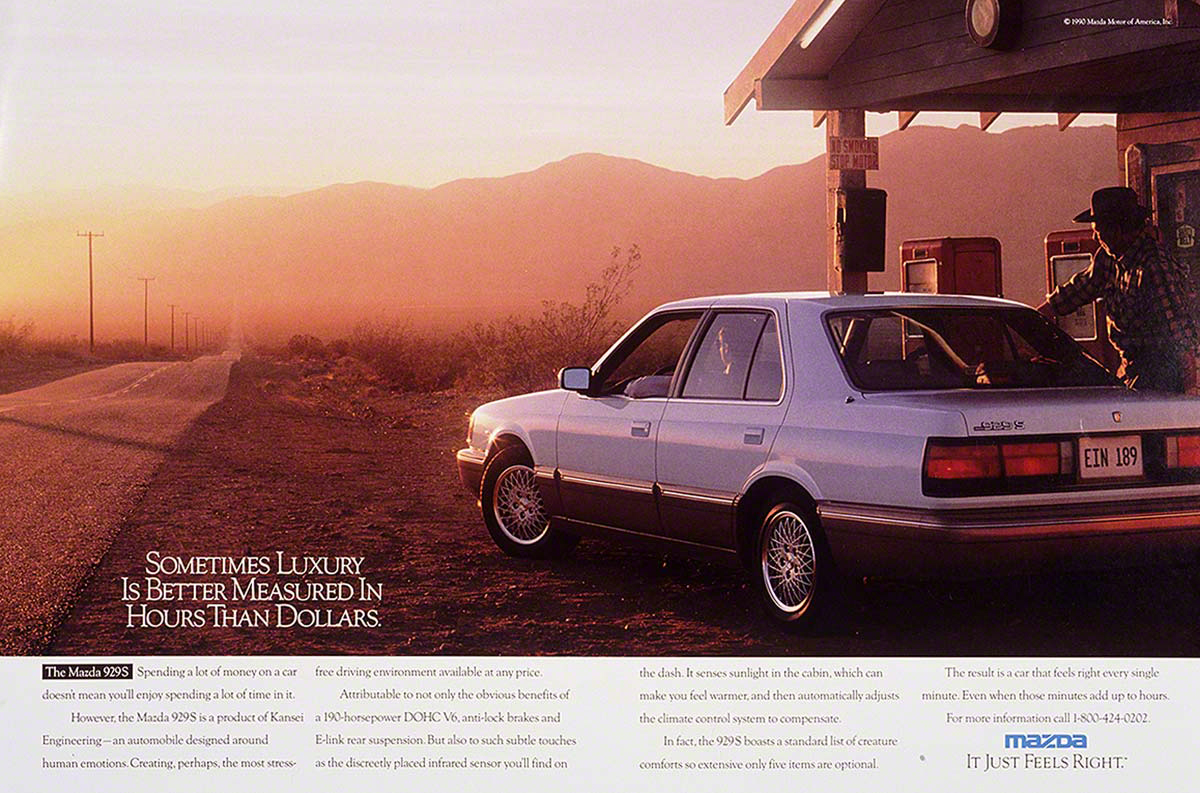
In the continuation of my series I call “Life Before Photoshop“, I present to you a tw0-page center spread taken for the Mazda car account.

In my online class with the BPSOP, and in my “Stretching Your Frame of Mind” workshops I conduct around the planet, the majority of my students began shooting in the digital era. Along with digital cameras came post processing, and for some weird reason, new-age photographers think that they go together; as in you can’t have one without the other.

Don’t get me wrong, I use Cs5 all the time but sparingly. The challenge for me (since I’m old and a product of the film era) is to create as much in the camera as I can. I love to see something in my imagination and be able to create it without any help. So many students of mine absolutely panic at the thought of not using post-processing, and I only have to show them my film work to convince them that they too can create good photos all by themselves.

In the above photo, the Art Director wanted me to find a gas station close to the side of the road in the desert. As usual in those days Art Director’s had no idea what they were asking for, and most of the time what they wanted couldn’t be done; no matter how big the budget was.

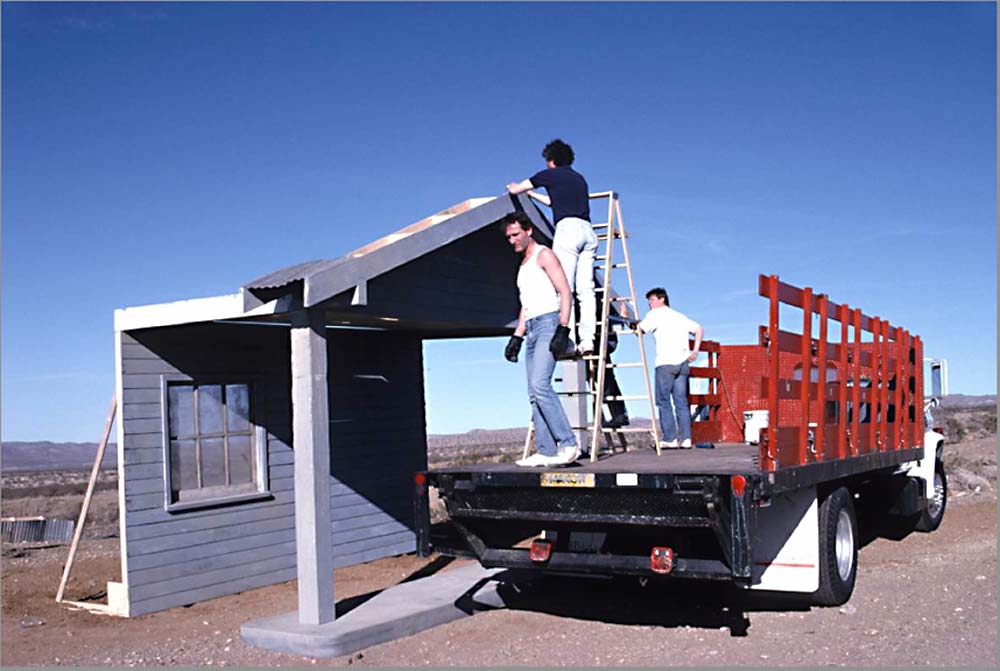
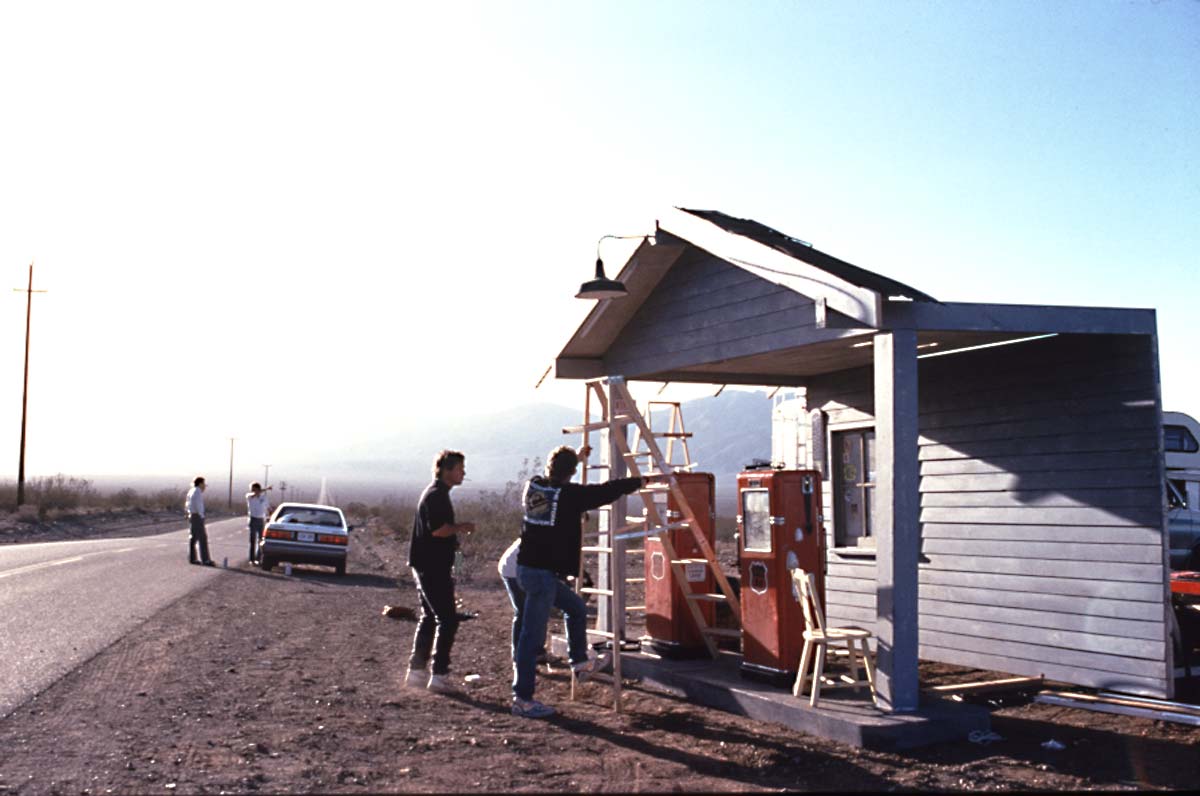
After a location scout looking for a week came up empty-handed…there aren’t any gas stations next to the road in the desert because there weren’t any gas stations at all.  I ask the Art Director if I could have one built there in Hollywood, dismantled and put back together in the Mojave Desert which was fairly close. He went back to the client and explained that we could either keep spending $750.00 a day on a location scout or we could have complete control and build one. The client agreed on the price and we set off to shoot the ad…without the help of post-processing!

If we were to shoot this ad now, the car would have been shot in a studio and the gas station would have been a very small model. Together with the help of CGI (computer-generated imagery), they would have had a digital artist put the two together.

How much fun would that be????? BORING!!!

Here’s a couple of production photos showing the set up.

I had the gas station built after I took readings with my Sunpath software and used my Morin 2000 hand bearing compass to find where the sun would set on the horizon. I wanted to get a glow on the side of the car by placing it with the grill facing the last moments of sunset.

Visit my website at www.joebaraban.com., and check out my workshop schedule. Come shoot with me sometime.

JoeB