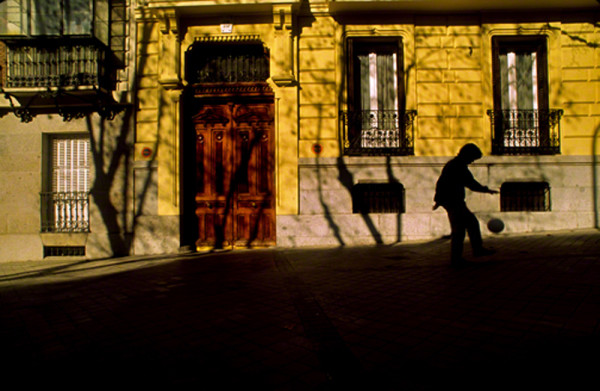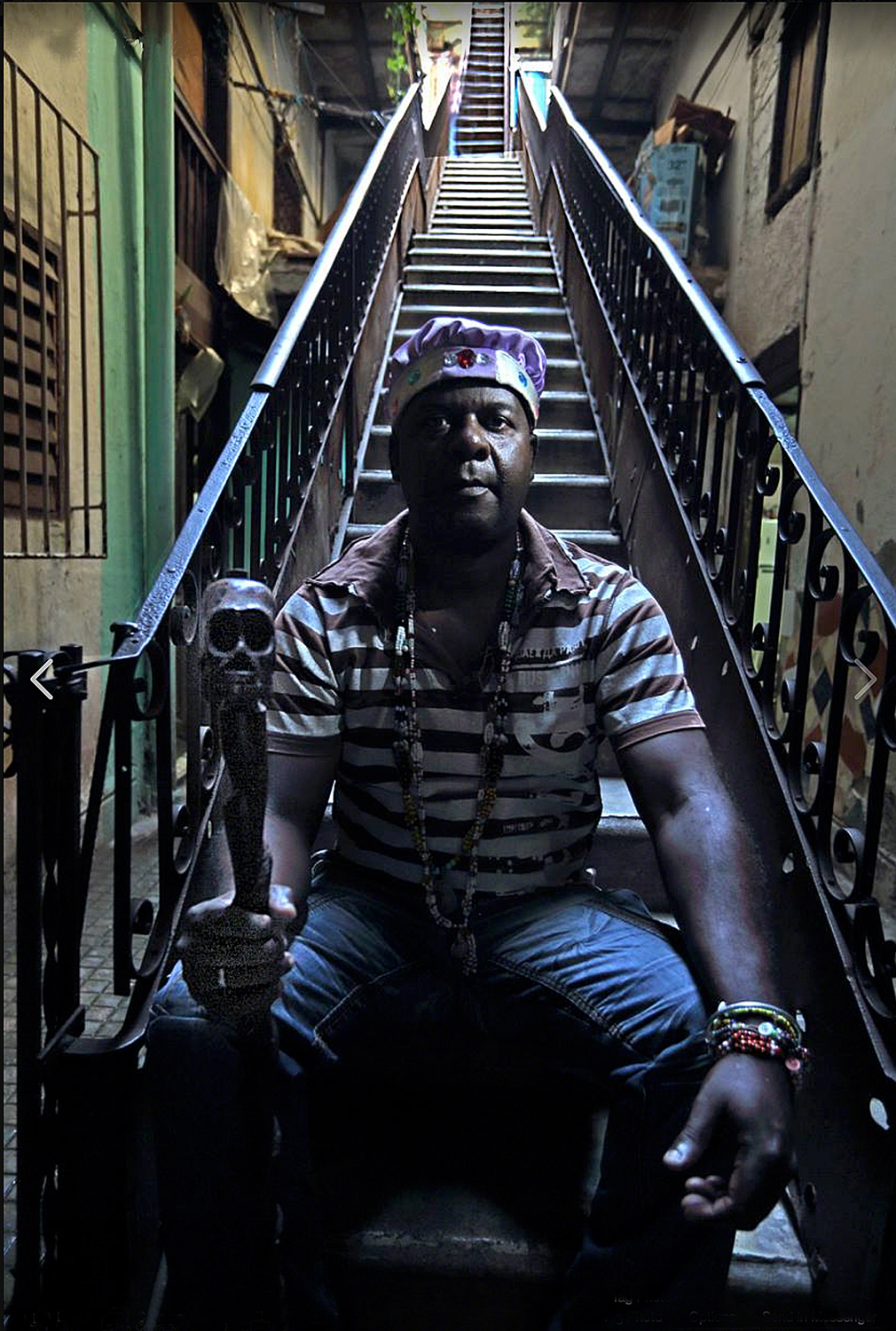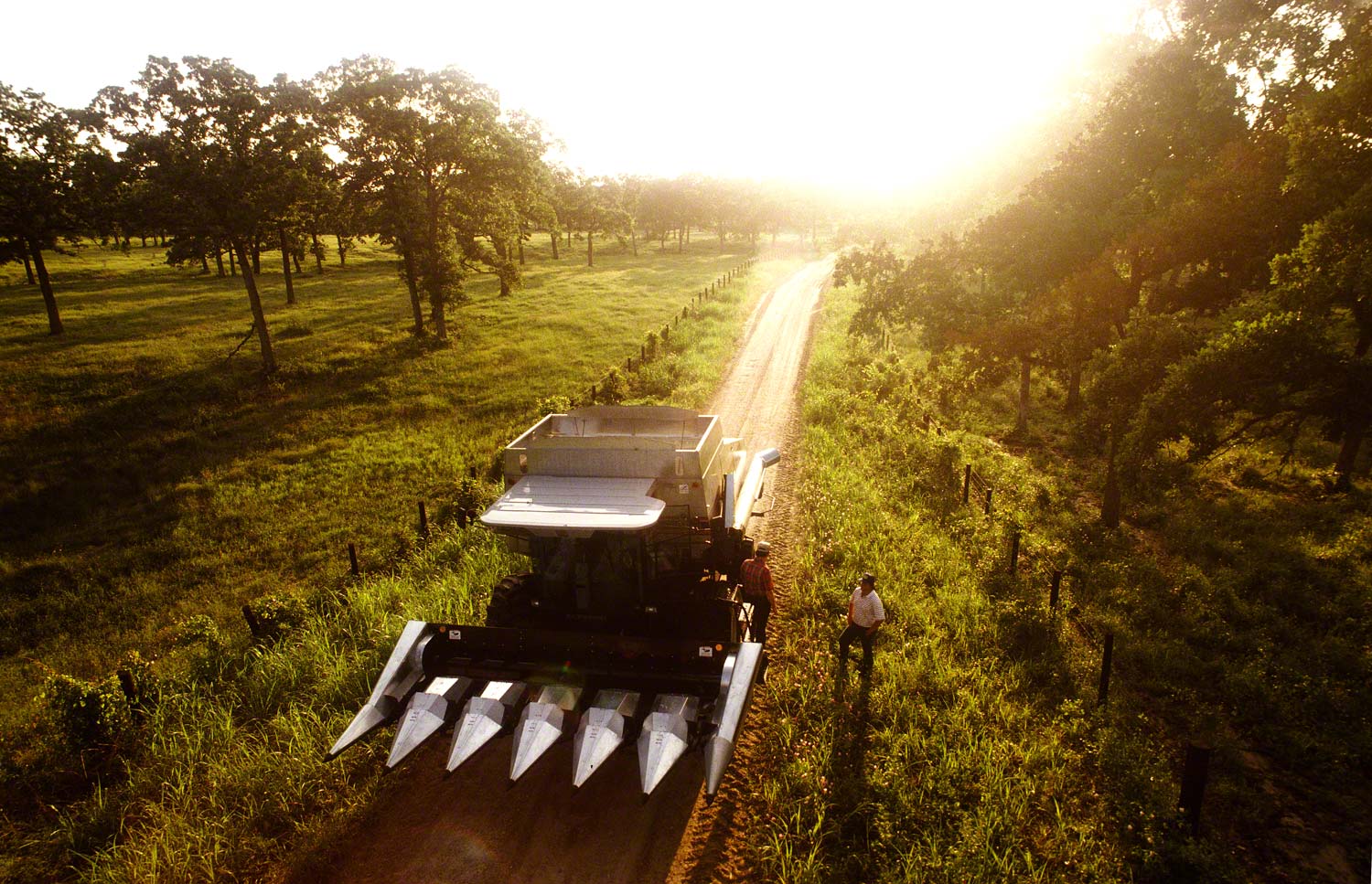
Food For Digital Thought: Kodak’s Slogan

In 1888, George Eastman coined the slogan, “You press the button, we do the rest.” Up until then, picture-taking was a laborious undertaking where one had to be able to process and develop their film.

BTW, this slogan made Eastman a wealthy man with the advent of what was basically point-and-shoot cameras; in other words no controls. You didn’t have to set the shutter speed and aperture, or even be aware of the speed of the film…didn’t even have to focus!!

Sound familiar? It’s 2021, and that slogan is still an effective catchphrase with the emergence of the digital era. You still don’t have to do anything except push the button.

In my online class with the BPSOP, I would guess that eighty percent of the students have no idea what shooting in the manual mode is all about. In fact, it scares the pea-waddens (a term my wife says) out of them at the mere mention of doing things for themselves. During my “Stretching Your Frame of Mind” workshops, I encourage everyone for the week to shoot on manual…I have also told them that autofocus is a luxury, not a necessity…oh the horror!!

I come from the age of film and manual focus, where the word Adobe was a type of house in the Southwest part of the country. The new generation of cameras has so many buttons and programs that my poor little (old) brain would shut down trying to figure them out. When I’m shooting I carry a Canon 5D Mark 3 with a 17-40 lens and a very small Panasonic Lumix DMC-LX7 with an electronic viewfinder and a 24-90 lens. That affords me everything from 17-90mm, and my photos come out pretty good.

Last, in the fifty-three years I’ve been shooting advertising, corporate, and editorial photography, I have never cropped one of my photos. Although I do work somewhat on my images in post, my goal is to get whatever I want to say before I click the shutter. To each his own, but I would rather spend my time being a good photographer, than a proficient computer artist.

So, my fellow photographers, the next time you go out, try shooting on manual and do your cropping in the camera. It will make you a stronger shooter.

Visit my website at www.joebaraban.com, and check out my workshop schedule at the top of this blog. Come shoot with me sometime.

JoeB

My Favorite Quotes: Ansel Adams

Shooting right into the sun at sunrise is about energy.

Shooting right into the sun at sunrise is about energy.

Ever since I started teaching workshops, back in 1983, I’ve collected quotes written by various artists. Whether they were photographers, painters, writers, musicians are of no relevance. The important thing to me is that they are artists, and at the top of their game in their respective fields.; of course the quote has to deal with some area that I’m interested in.

Years ago while studying a body of work by Ansel Adams, I came across a quote he said that has stuck with me all these years, and one I mention in my online class with the BPSOP, and in my “Stretching Your Frame of Mind” workshops I conduct around the planet. Ansel Adams said, “There are no rules for good photographs, there are just good photographs”.

What makes this quote so important to me is that I’m always defending it to my fellow photographers. If I had a dollar for every time a student told me that he was taught to never clip the highlights, shooting into the sun is a bad thing, or practice the Rule of Thirds, or the Leading in Rule (always have your subject walking into the frame), or how about this one….stay away from the color red, it’s too hard to photograph (who in the world said that?), I’d be on my Island right now. I’d be sitting on a chaise lounge on my beach, waiting for another blue and frothy drink to be brought to me; a drink with an umbrella hanging perilously down from one side.

Now I’m not suggesting that you don’t know what these rules are, as it’s important to know them. I’m suggesting that as soon as you know them…forget them. That is unless you want to be taken down the one-way road to mediocrity.

So my fellow photographers, what constitutes a good photo? Well, if you’ve been following my posts, you would remember a category I called “did it do it”. On my list is concepts that I think make a good photo. At least they do for me, and I’ve thought about this list for most of the fifty-three years I’ve been a photographer.

I can tell you from years of experience, the students of mine that stop listening to people who lived and died by these silly rules and started shooting what felt and looked good never looked back. As I’ve always told my kids, “Color Outside the Lines”.

Visit my website at www.joebaraban.com, and check out my workshop schedule.

JoeB
Personal Pearls of wisdom: Seek and ye Shall Find

To be honest, as some of you just might know, I stole this line from Matthew 7:7, and not being a very religious person I thought this would fit perfectly in the post I had been thinking of writing.

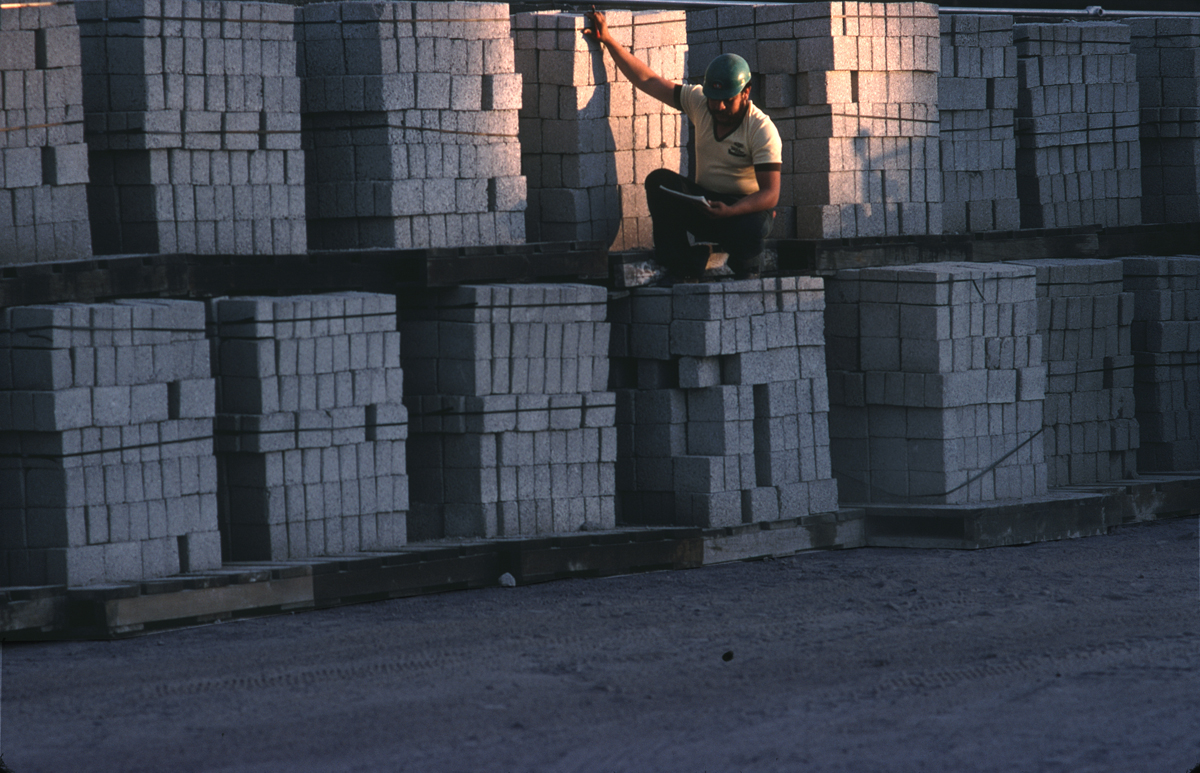
I’m not talking about language that connotates or that involves religion of any kind, I referring to the Light…seeking out and finding the light; photographically speaking.

I just love talking about the light and how it affects our composition. For one thing, we are attracted to it like a moth to a flame. No matter what’s in the final composition, the viewer will immediately look at the brightest object in the frame.

In my “Stretching Your Frame of Mind” workshops I’m often referring to ways to get students to realize this, as well in my online classes with the BPSOP. Knowing this, it will be easier to seek out the light and use it to your advantage. You don’t need a lot of it to make an impression and it comes in all shapes, colors, and sizes.

When looking at my examples, you’ll get the idea of just how important light plays in our images and how its use will definitely take your photography what I refer to as ‘up a notch’.

So, when your out shooting, be aware of what’s bright in your peripheral vision and see how you can incorporate it into your thought process.

Visit my website at www.joebaraban.com, and check out my workshop schedule at the top of this blog. come shoot with me sometime.

JoeB


Quick Photo Tip: Patience Is A Virtue

I got really lucky!

When I’m walking around with some students in my “Stretching Your Frame of Mind” workshop, I see photographers in a hurry to just get the shot without taking the time to see what else they can bring to the table. In other words, failing to pre-visualize what their image could really be like. I also can tell when someone in my BPSOP online class has submitted a photo that doesn’t really say very much.

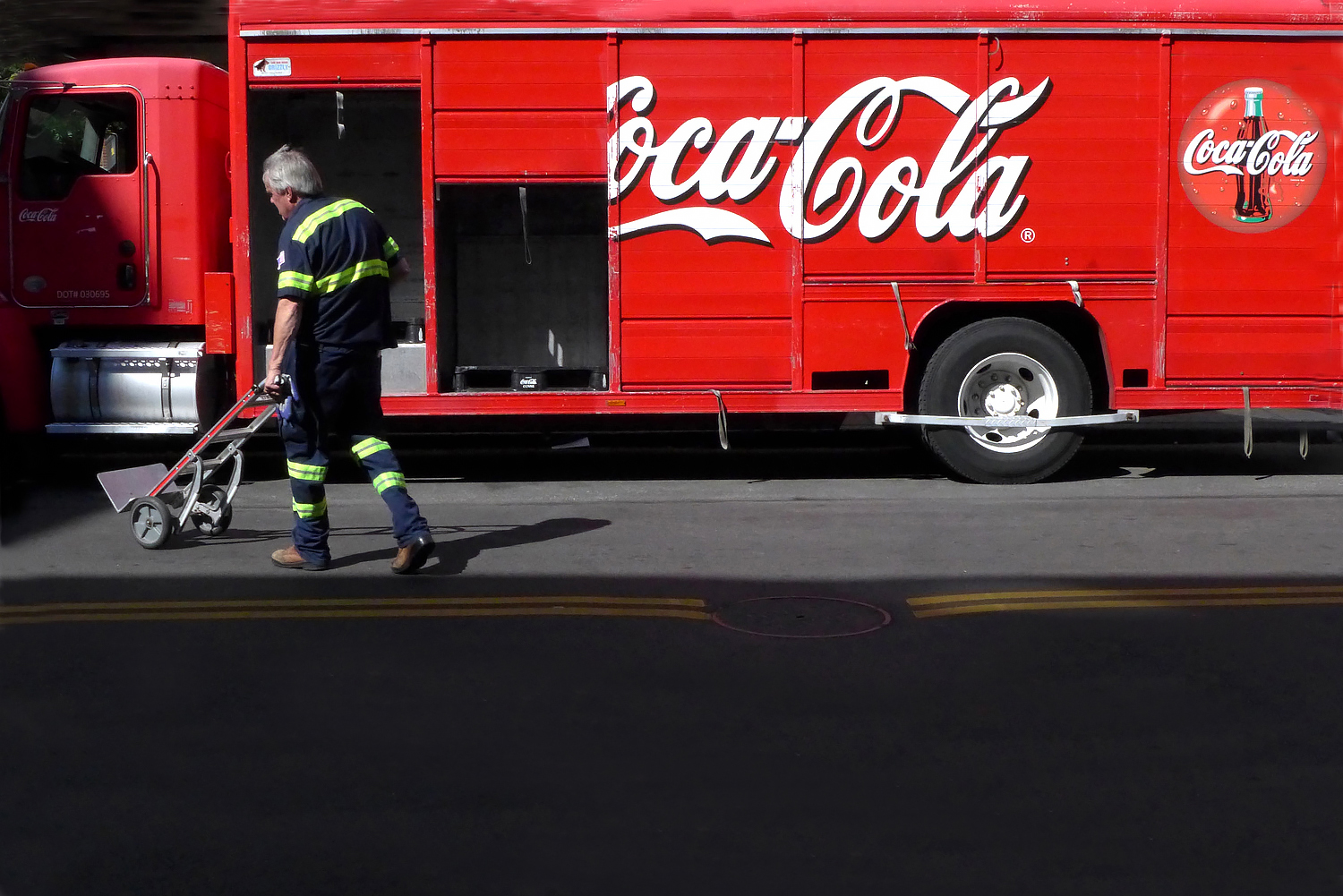
For example, in my photo, I saw how the light was playing against the street and truck. It was a good study in color and light, but it failed to keep the viewer around by creating some additional ‘layers of interest’. In other words, adding something or someone to editorialize the photo.

By editorialize I mean to have the viewer ask a question. What I was trying to say in this image is where is the man that belongs to this truck? The doors were open so he to be around somewhere delivering product. I saw in my mind this driver returning and if I was really lucky, he would cross the open doors and I could capture him perfectly framed…or so I hoped.

I decided to wait until it was actually happening; that’s where the patience comes in. I knew that if I waited long enough my idea just might come to fruition, and as Eddie Adams once said, “When you get lucky, be ready”. I was ready, and I got lucky…after waiting there twenty minutes.

If you have ever studied Henri-Cartier-Bresson and his approach to photography, he would often compose his photos in such a way as to leave room for someone to enter his frame. He would wait as long as it took and when it happened, at that moment he would snap the shutter.

So, my fellow photographers, take some time when thinking about your photo. Think about how you can make it stronger so that the viewer will stick around longer. If it takes a while so be it, more than likely it will be worth the wait…just have some patience.

View my website at www.joebaraban.com, and check out my workshop schedule at the top of this blog. Come shoot with me sometime.

JoeB
Food For Digital Thought: Been There Shot That?

Henry David Thoreau once said, “It’s not what you look at that matters, it’s what you see”.

This is a quote I memorized thirty years ago when while I was doing some personal research on his essay entitled Civil Disobedience. It struck me as something I had been doing all along in my photography, as I always went out looking for new ways to say the same thing; not for anyone else’s edification but my own. As long as I was able sleep at night knowing I did everything possible to make the best photo I could, that’s what mattered most.

Been there shot that

In my online class with the BPSOP, and with my “Stretching Your Frame of Mind” workshops I conduct around the planet, I tell my students that what’s so important in taking their photos what I refer to as “Up a Notch” is to “see past first impressions”, or in other words, “It’s not what you look at that matters, it’s what you see”.

So how does the phrase “been there shot that” relate to this post? It’s a phrase I’ve heard photographers say when they thought there wasn’t much of a point in going back to the same place since they had already been there and shot all there was to shoot. Or investing any more of their time taking pictures of the same subject because it was boring. Some might call it boring, but then again some might call it being lazy.

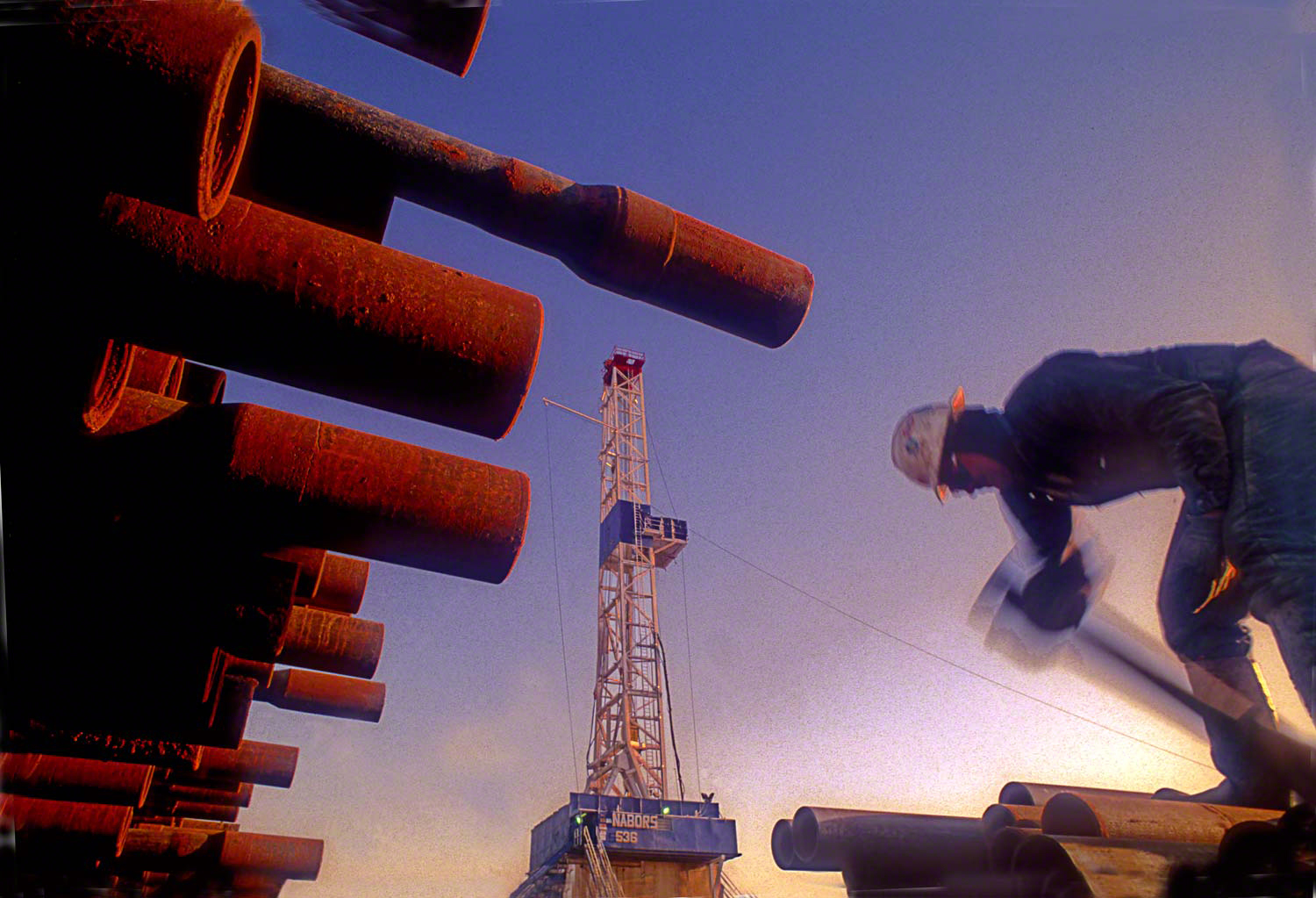
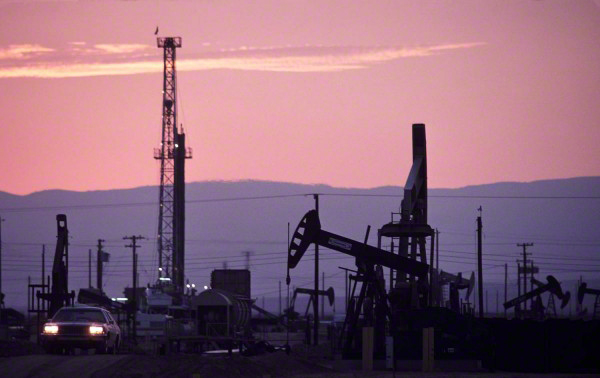
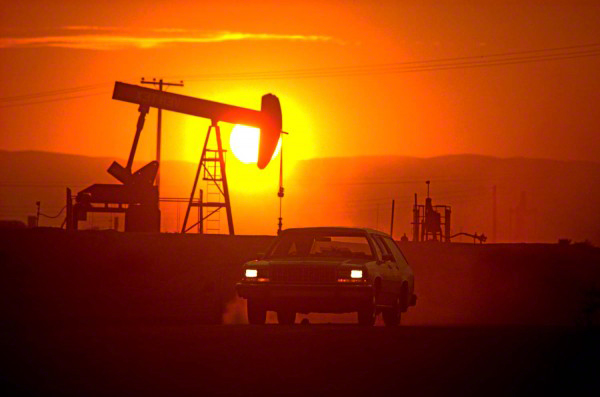
Do you want to know what the epitome of boring is? Shooting oil rigs and Pumpjacks…now you’re talking boring!!! You couldn’t be a corporate photographer in the eighties and nineties without shooting for companies that dealt somehow in the oilfield industry; that is if you wanted to earn a living as a photographer. If you did want photography to be your day job you shot oil rigs and Pumpjacks and smiled the whole time.

Every time I got a call to shoot an annual report for an oil company I always made it sound as if I was excited to get to shoot their oil rigs or Pumpjacks. Truth be told, it’s just about as boring as it got. Sure it was exciting in the beginning, but how many ways can you shoot an oil rig or a Pumpjack over the course of a fifty-year career???

This is where I tell you to remember that “it’s not what you look at that matters, it’s what you see”. If you’ve been there and shot that, go back and shoot it again. All you have to do is to work with the elements of visual design and composition found on my ‘Artist Palette’ and “Stretch Your Frame of Mind”!

As Marcel Proust said, “The only real voyage of discovery is not in discovering new landscapes, but in having new eyes”. Challenge yourself…couldn’t hurt!!!

Here are just a few examples showing years of shooting oil rigs and Pumpjacks:

Visit my website at www.joebaraban.com, and check out my workshop schedule at the top of this blog. Come shoot with me sometime.

JoeB
Anecdotes: Rubbermaid Furniture

  I teach an online class with the BPSOP, and I conduct ” Stretching Your frame of Mind” workshops all over the place. Over the past forty-four years of shooting advertising and corporate photography, one can’t help to have been involved with some pretty funny stuff; especially in the advertising world where people tend to be weird. This was always acceptable when and if the interested parties had enough talent to transcend hard stares coming from the management side of the advertising agencies.

One project I worked on, I came in contact with one of the strangest and most talented art directors I had worked with in my career. The agency was in Chicago, and the client was Rubbermaid Sundial Furniture.

It was scheduled to be two weeks of shooting which meant a large budget,  so the account department wanted me to fly up and meet with them, the client, and the art director assigned to the project in person.

I flew to Chicago and immediately cabbed it to their building. I walked into the agency and gave the receptionist my name. I was led to the art director’s office and told to wait. As I sat down, I started looking around and couldn’t believe what I was seeing…which was one of the strangest things I had ever encountered.

Everything in his office had been covered and wrapped in Aluminum Foil. From his desk to his chair to the coat rack. His drawing board, T- square, pencils and pencil holder, stapler…everything!!!

I was flabbergasted…so much so that I started laughing..and I’ve seen some pretty weird stuff in my career. When this guy walked in he didn’t say a word about how his room was decorated…he completely ignored it and as a result, I didn’t mention it in case he wanted the satisfaction of me thinking he was one of the oddest people I had ever met and obviously had come from somewhere deep in the middle of the Earth.

The Art Director.
The Art Director.

The shoot involved having two trucks loaded with Rubbermaid’s entire line of furniture following Gary and I down the coast highway from San Francisco to Los Angeles, and allowing me to do anything I wanted. As it turned out, we had a great time and he was one of the most talented art directors I had ever worked with.

FYI, the above photo has not been post-processed in any way. Straight out of the camera, and shot on Kodachrome 25 film.

Visit my website at www.joebaraban.com, and check out my workshop schedule at the top of this blog. Come shoot with me sometime.

JoeB
 

Quick Photo Tip: Kids and Dogs

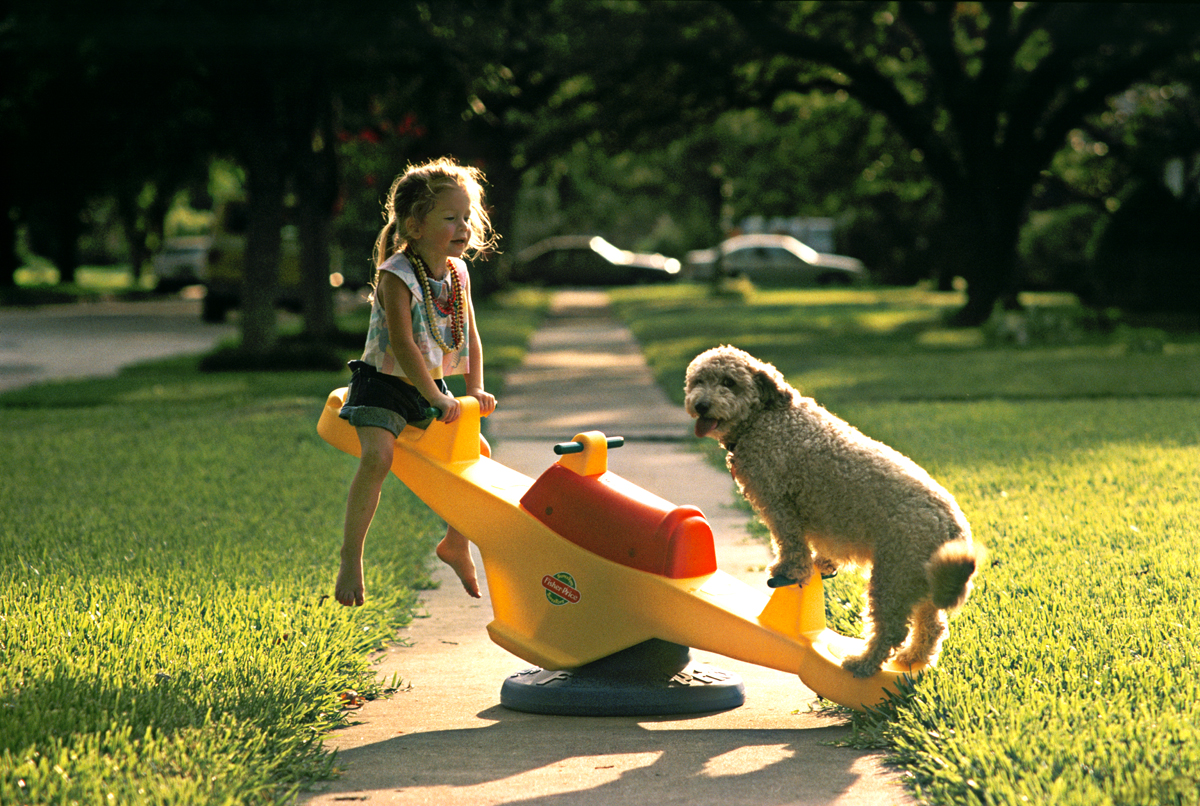
Shot for the Quaker Oats Annual Report,  one of my three daughters and Lucy, shot in my front yard.

I don’t know about you, but the two hardest things I’ve ever had to photograph are kids and dogs.

It’s stressful enough when you’re shooting for a client who’s paying you a lot of money to deliver the goods, but when you’re shooting just for the family album, the level of anxiety goes way over the top!!! Self-medicating is one way to overcome the angst, and especially any misgivings as to why you accepted the challenge in the first place; even a self-imposed challenge can occasionally strain the nervous system.

 Sure, any fast-acting Benzodiazepines such as Valium, Xanax, Klonopin, or Ativan would probably do the trick, but for those photographers that would rather take a healthier more organic approach, I’ve got just the thing for you. It’s very simple and over the counter.

In my online classes with the BBSOP and in my “Stretching Your Frame of Mind” I talk about this a lot: First, I figure out where I want to shoot. Not just the location, but where I want to stand in relation to the sun to get the right light; whether it’s side or backlight. Then I shoot several frames without anyone in it to get the proper exposure.  The odds are that I probably won’t get more than one shot, or be able to bracket before whatever it is that happens doesn’t ever happen again.

Once I’m satisfied with the exposure, I place the kids and dogs exactly where I took the readings, and let them do whatever it is that kids and dogs do without direction from me. I’ve found that over the years, trying to give any direction is very close to being a pure waste of time. The best I would be able to do is have their attention for a couple of minutes before they’re done with me.

What I’m basically doing is to set it up as best I can and then shoot more of a reportage style and creating the illusion that I just got lucky.

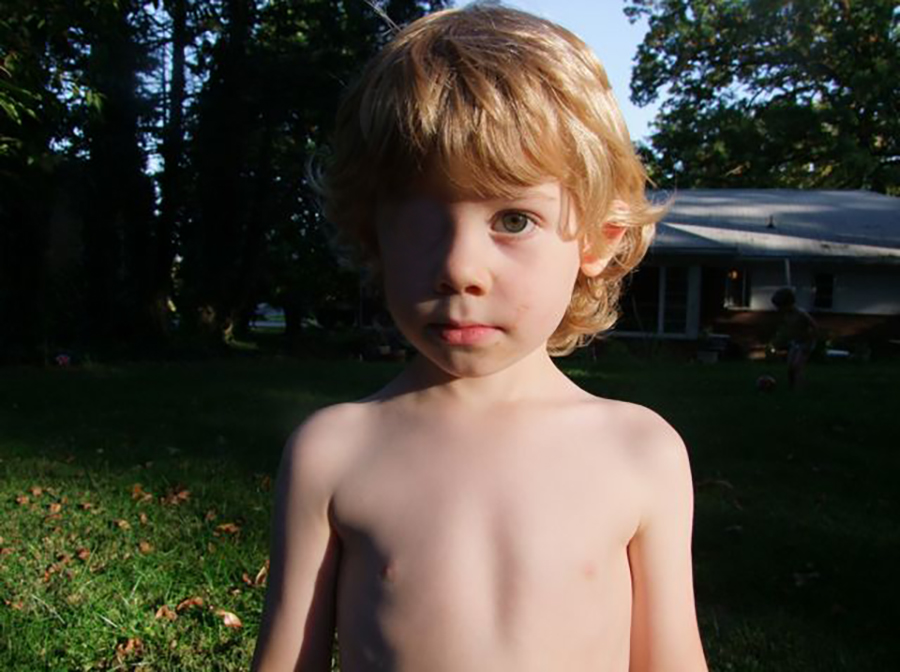
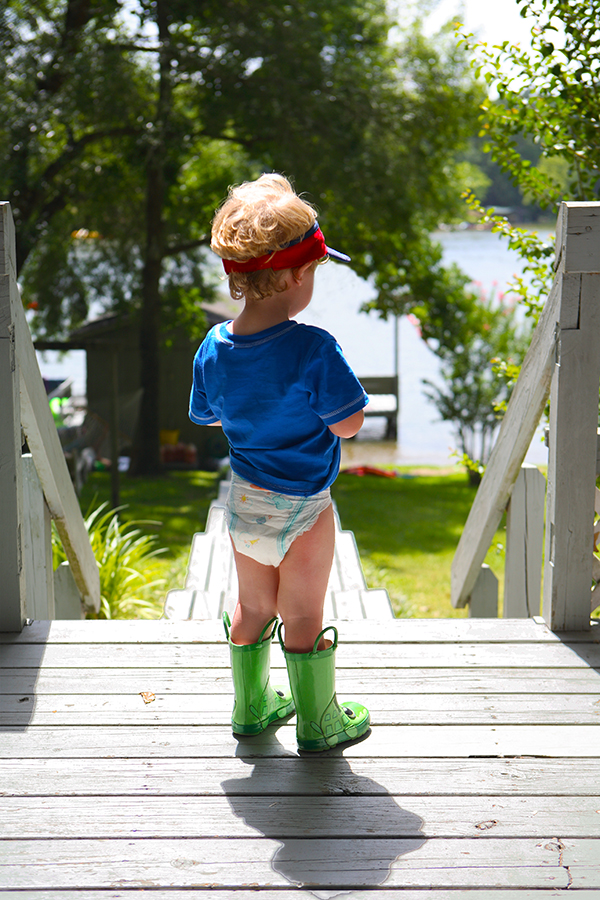
Here are two examples of shooting grandchildren for the family album without worrying about “missing the shot”.

These are some of the ideas I cover both in my online class I teach with the BPSOP, and the “stretching Your Frame of Mind” workshops I conduct around the planet.

Visit my website at: www.joebaraban.com and check out my 2012 workshop schedule found at the top of this blog and come shoot with me sometime.

JoeB
My Favorite Quotes: Bo Diddley

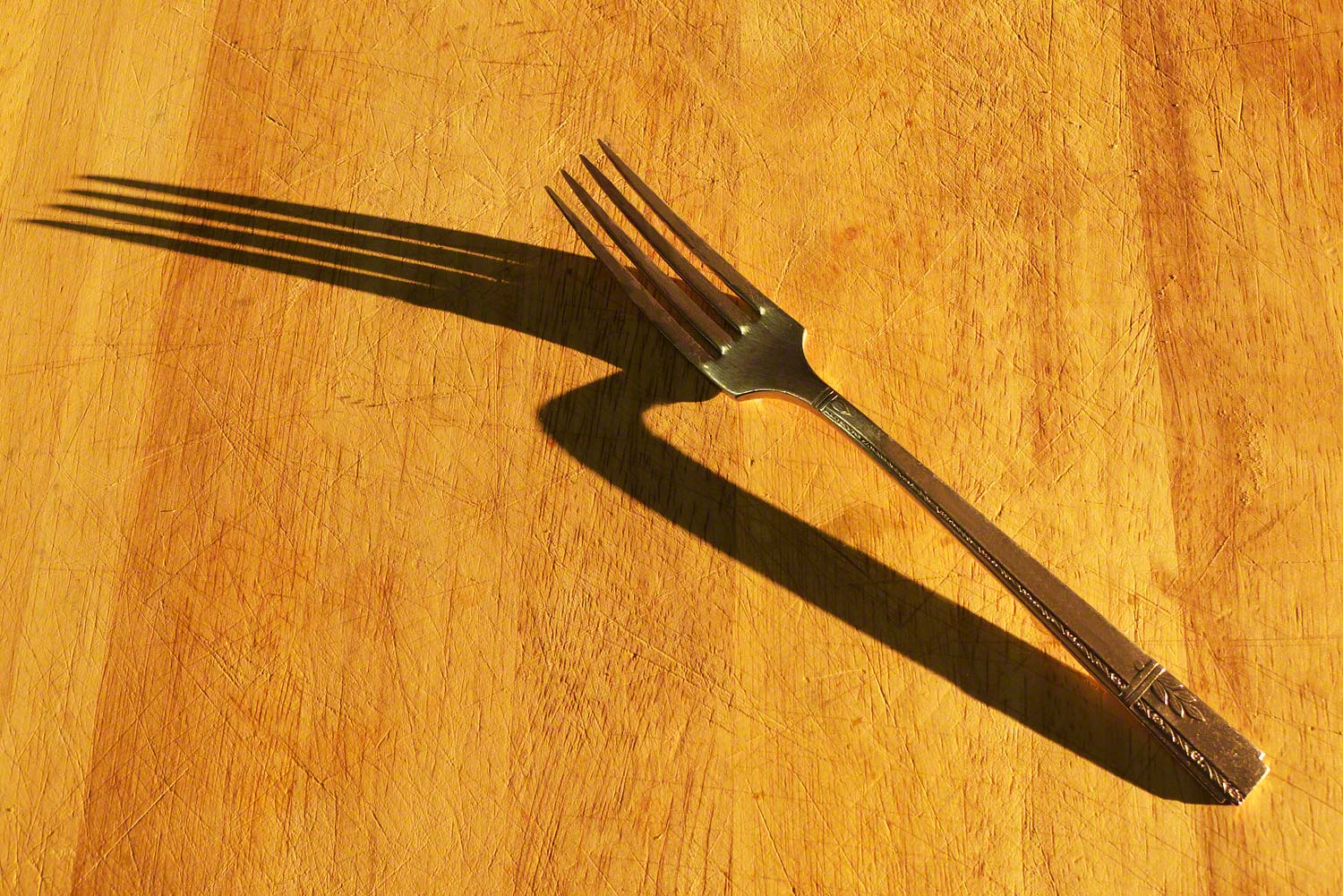
I saw a fork, but what else did I see?

Here’s another of my favorite quotes, that may have been written long ago, but I’ll always remember it being sung by an old friend named Bo Diddley. The name of the song was, “You can’t judge a book by looking at the cover”.

In the early eighties, I was on the board of the Houston Art Director Club, and my job that year was to find and provide the entertainment for the year’s award show. I thought long and hard and was told to look up agencies that represented well-known artists. On the list of possibles that fit into my budget was Bo Diddley. I couldn’t believe it!!!

I called and we worked out the details and I couldn’t believe that Bo was actually going to perform for our gala. I picked him up at the airport, took him to lunch, and stayed with him the entire day right up to the time he went on. He was soooooo cool!!!

Ok, I might be digressing a tad, but there’s a method to my madness, and here’s how it applies to the present-day task of making pictures.

So many students that take my online class with the BPSOP, and the ones that attend my “Stretching Your Frame of Mind” workshop will walk up to something and just start shooting…blindly so to speak. They just look at it with the left side of their brain and just see the obvious. If it’s a tree, then they just see a tree. If it’s railroad tracks, then that’s all they see. If it’s a fountain with a naked baby in it spitting water out of its mouth, then that’s all they see, and that’s how they judge it; by only looking at the cover.

When I look at a tree, I look at it with the right side of my brain…the creative side. I see the negative space that defines the branches, I see the texture provided by the bark and any shapes that might be hidden between the leaves. I move around it to see how the light may backlight the leaves, and look for the important shadows that are being created and laying on the ground.

If I’m looking at railroad tracks, I see patterns created by the ties, texture created by the rocks, and a Vanishing Point I can use to move the viewer around my composition. If I’m looking at a naked baby spitting water into the fountain it’s sitting in, I imagine the possibility of creating a silhouette with backlit water spewing out of his mouth.

My point is to not just walk up and judge your subject by looking at its cover. Open the book and reads what’s inside.

HEY BO DIDDLEY!!!!!

Visit my website at www.joebaraban.com and check out my workshop schedule at the top of this blog.

JoeB

Quick Photo Tip: Keeping an eye out for those Elements of Visual Design

I teach an online class with the BPSOP, and I conduct my “Stretching Your Frame of Mine” workshops all over the place. My approach to creating stronger photos is knowing and teaching all the Elements of Visual Design, and being able to see them occurring naturally in the environment that surrounds us; using the right side of the brain to do it.

  Texture, Pattern, Form. Balance, Shape, Color, and the most important element of all…Line. There are those out there that consider Space as one. Space refers to Negative and Positive space.

If I’m out walking the streets with someone in my workshop, I’m constantly looking for these elements and if I can create a visually interesting photo with one or more elements in it, I’ve got a good chance in taking my image what I refer to as “up a notch”.

Sometimes I see the design element first and wait for something interesting to happen, and sometimes I see the background first and wait for something interesting to happen.

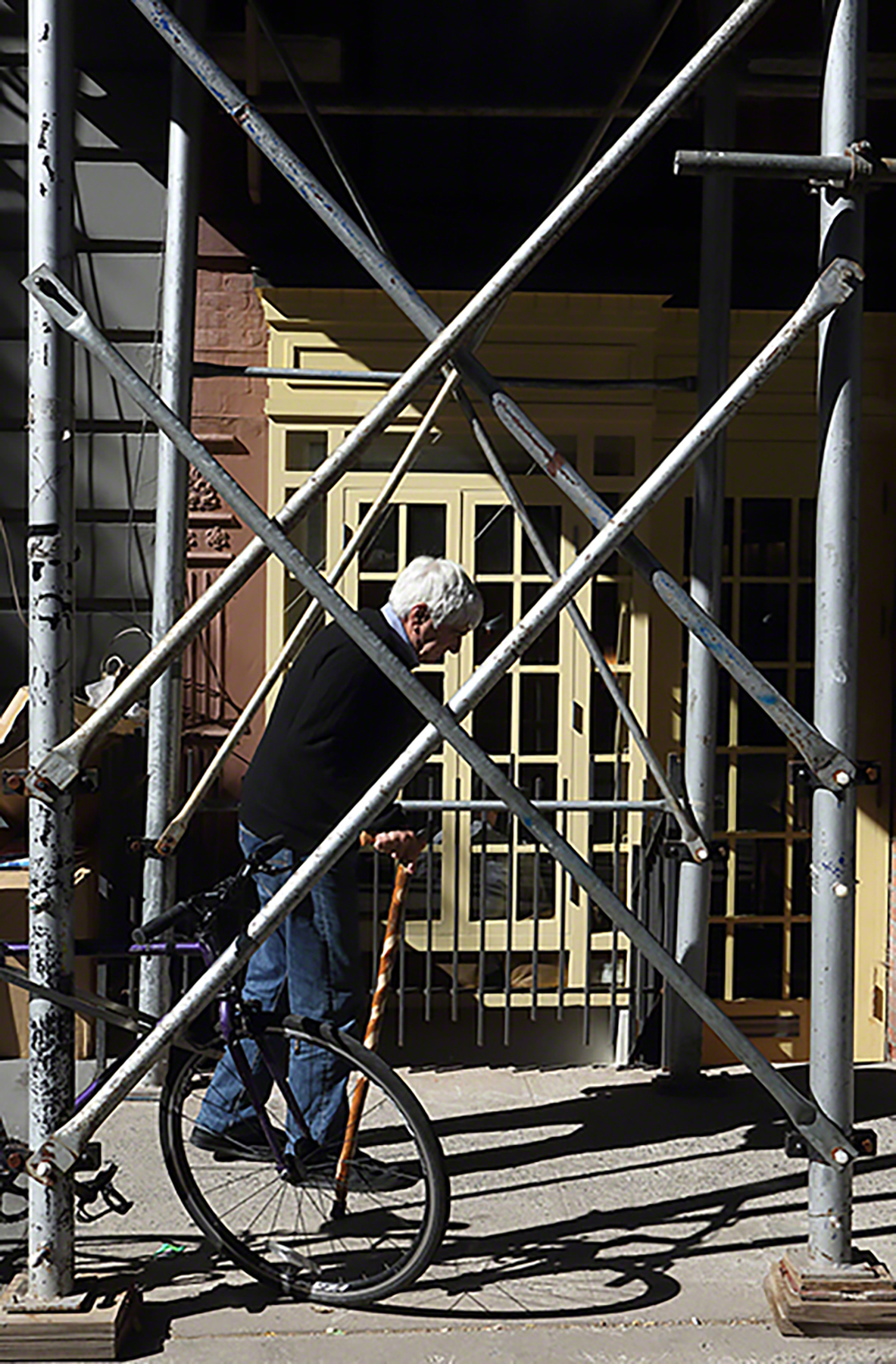
In the above photo, using the right side of my brain the creative side, I saw the triangles and the perfect diamond. It was too good to pass up so I decided to wait to see if I was going to get lucky.

I was ready when I got lucky

BTW, Eddie Adams, a famous Pulitzer Prize winner once said, “When you get lucky, be ready”. Sure enough, I was set up and waiting, and waiting, and waiting and got tired of waiting so I saw a manfriend and had him walk through my frame. If I don’t see what I want, I photograph what I’d like to see???

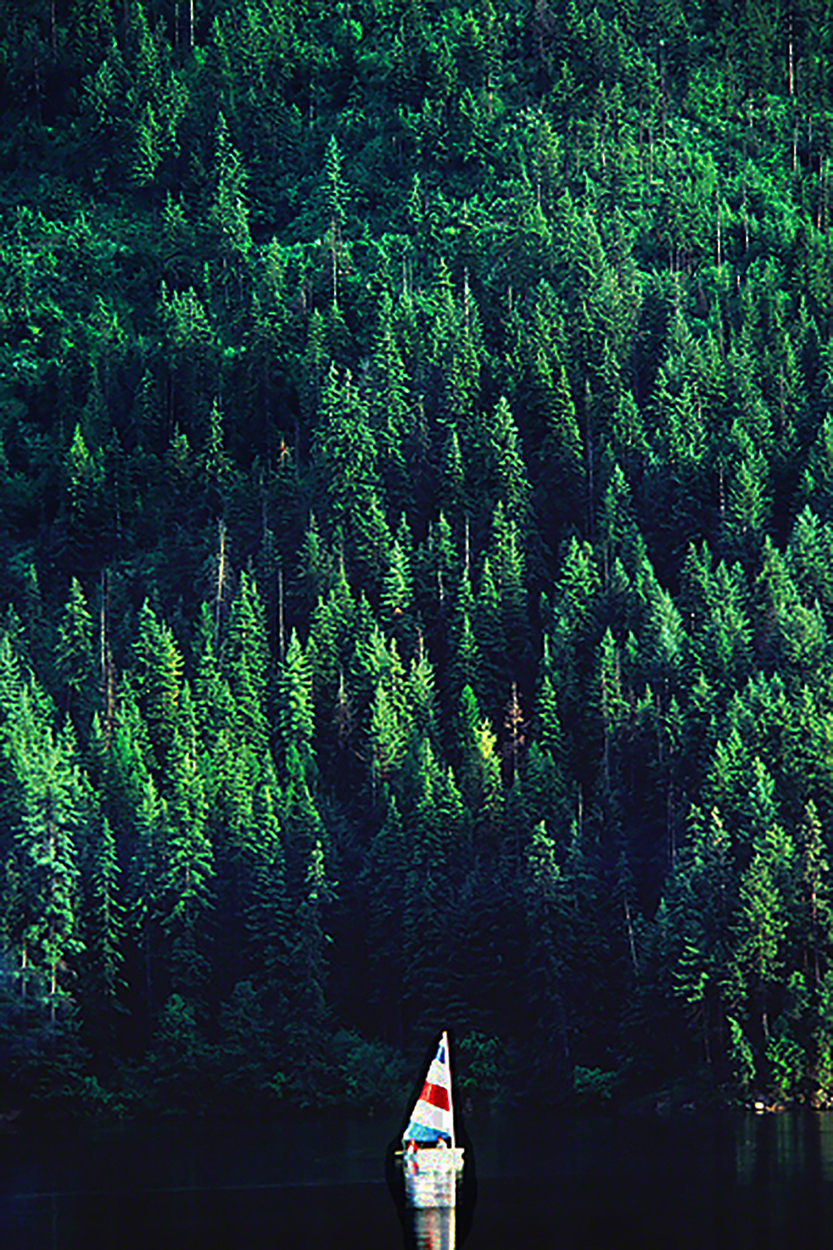
In the bottom photo, I saw the pattern of the trees, and fifteen minutes later this sailboat a.k.a. triangle came into my frame…BINGO!!!

Visit my website at www.joebaraban.com, and check out my workshop schedule at the top of this blog. Come shoot with me sometime and we’ll use the right side of our brain.

JoeB

Food for Digital Thought: Idealism Vs Realism

When Idealism meets Realism.

One of my favorite Pearls of Wisdom that I often say to my online class with the BPSOP and in my “Stretching Your Frame of Mind Workshops” I conduct around the planet, is “in a perfect world, what if”. I’ll bring this up when I’m discussing one of my student’s photos and ask them if they could go back and re-take the photo, and could add, change, or do anything they wanted, what would they do.

I do this then explain that whether or not they could change anything isn’t the issue. It’s just an exercise to sharpen the mind and have them always thinking about improving their photos so that one day when they could actually add, change, or do anything, they will be ready for it.

The Realism comes from the photo as they first saw it. If I had a quarter for every time a fellow photographer or student told me that they never thought about adding, changing, or doing anything they wanted, to create a stronger image, I would be writing this post on my island with a blue and frothy cocktail resting comfortably on my stomach…with an umbrella perilously hanging from one side. They just figured that if it was the way it was, then that’s the way they should shoot it.

Now, I know that there are photographers out there that believe you should never alter anything before you click the shutter. If that was the way it was before they got there, then come hell or high water that’s the way they were going to photograph it. Well, that’s all well and good, and I hope all their photographic dreams and endeavors come to fruition. My problem is that most of the time, I never like things the way they are.

Since my background is in painting and design, I think of my camera on a tripod the same way I would have a blank canvas on an easel. With a canvas, you add pigment until you get your finished ‘work of art’. That’s the way I approach my photography, I still consider myself a painter. I chose a camera instead of a paintbrush.

The Idealism part of this post is when that same fellow photographer or student tells me things he would have liked to have added or changed. That’s the ideal world, not the real world talking, and that’s the world I live in…photographically that is!!!

In the above photo, I was shooting an annual report for a pharmaceutical company. Although this kind of activity was going on (Realism), this photo was a part of my imagination (Idealism). In other words, I put all the elements together and staged it.

If you want to “take pictures”, then by all means live in the real world where Realism is the common denominator. On the other hand, if you want to “make pictures”, then it’s the ideal world for you. Don’t look at what’s there, look at what you’d like to be there.

As for me, my mother always said I was a dreamer!!!

Visit my website at www.joebaraban.com and check out my workshop schedule at the top of this blog. Come shoot with me sometime.

JoeB

Life Before Photoshop: Cessna

Look ma, no Photoshop!

Here’s another post in my never-ending quest to bring to life over the top, incredible, amazing, unbelievable, and yes even scary idea that you can actually create your pictures “in the camera”.

I started teaching workshops in the early eighties when we used film, and Adobe was thought to be a type of building material that went into houses in the southwest part of the US. Through the years I’ve seen the transformation from film to digital, and for the most part students of mine that I teach online at the BPSOP and the “Stretching Your Frame of Mind” workshops I conduct around the planet fell in love with photography after the sorrowful end of “cellulose acetate”…momma they took my Kodachrome away!!!

🙁

For the most part, my fellow photographers think that Lightroom and Photoshop are just part of the process; a needed part of the process. An integral part of picture taking, the results being a good photo that we can show our friends and family and watch them react favorably with plenty of “Ooh’s and Aahs.

Well that’s all well and good, and truth be told I also enjoy Photoshop, but my first thought is to take on the challenge of creating my photos before I click the shutter. That includes cropping in the camera. You see, by not cropping in the camera, you’ll never know where the edges of your frame are. The best thing that ever happened to me was that I’ve spent the majority of my fifty-three year career in film and without the added help of post processing…why you ask?

Because I think it’s made me a stronger photographer.

🙂

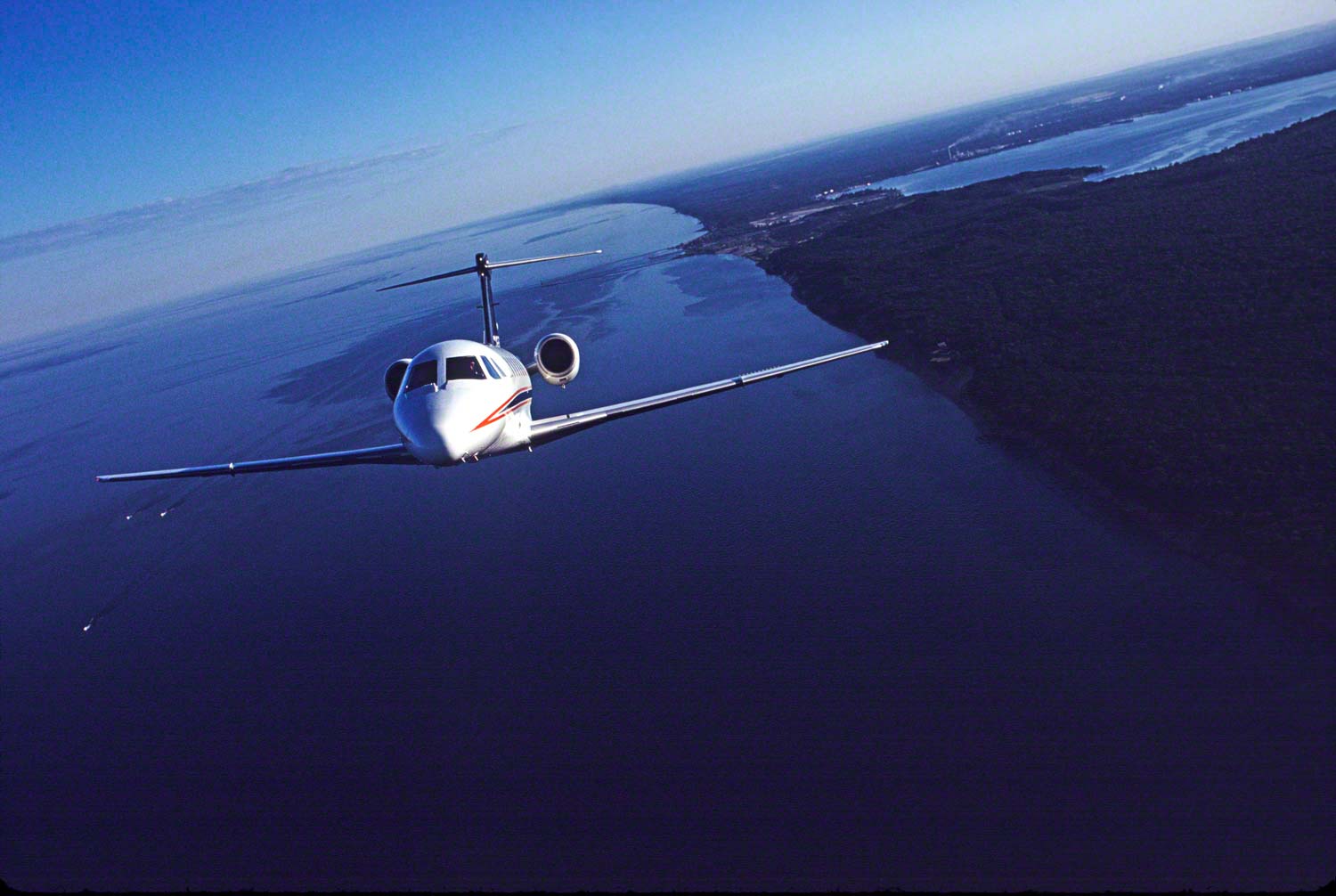
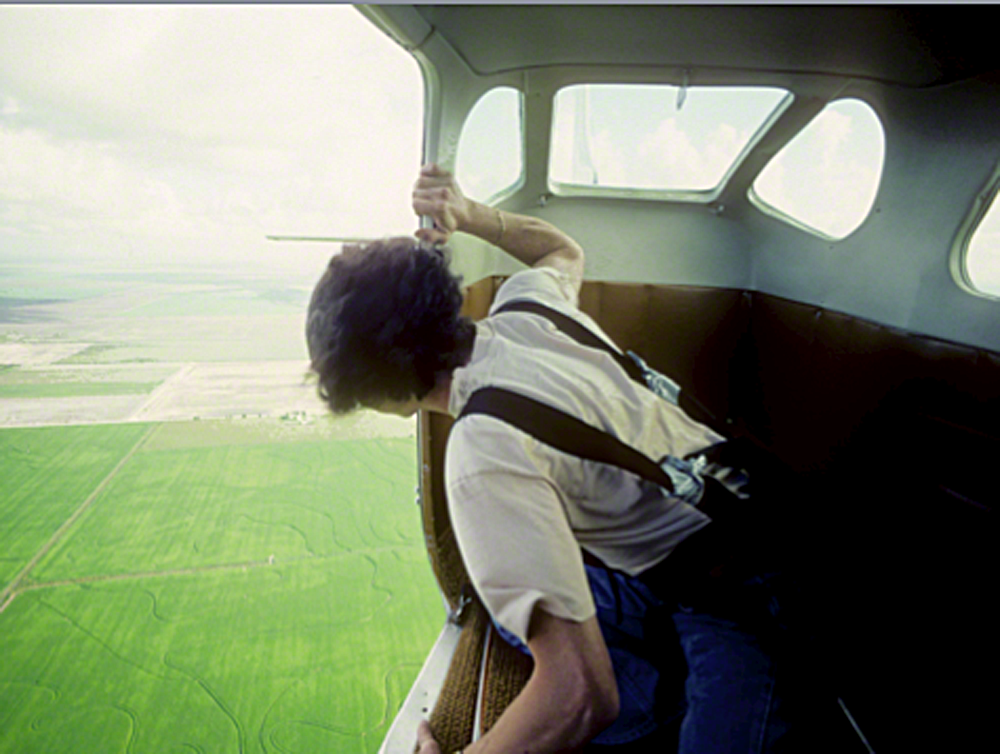
The photo above was taken for Cessna. I was in a shoot plane designed for taking air-to-air photos of their line of aircraft. As you can see, one side of the plane is completely open. We took off first and I positioned our plane so the Citation Jet would get the best light. As the jet approached, I sat on the edge with my feet hanging out and I started shooting until it veered off, leaving a lot of turbulence in its wake. We went through the steps a couple more times until I felt I had it “in the can”. You see, there wasn’t a way I could view my shots in the back of the camera!!!

Checking the direction of the light.

Visit my website at www.joebaraban.com and check out my workshop schedule at the top of this blog. Come shoot with me sometime.

JoeB

Quick Photo Tip: Humor

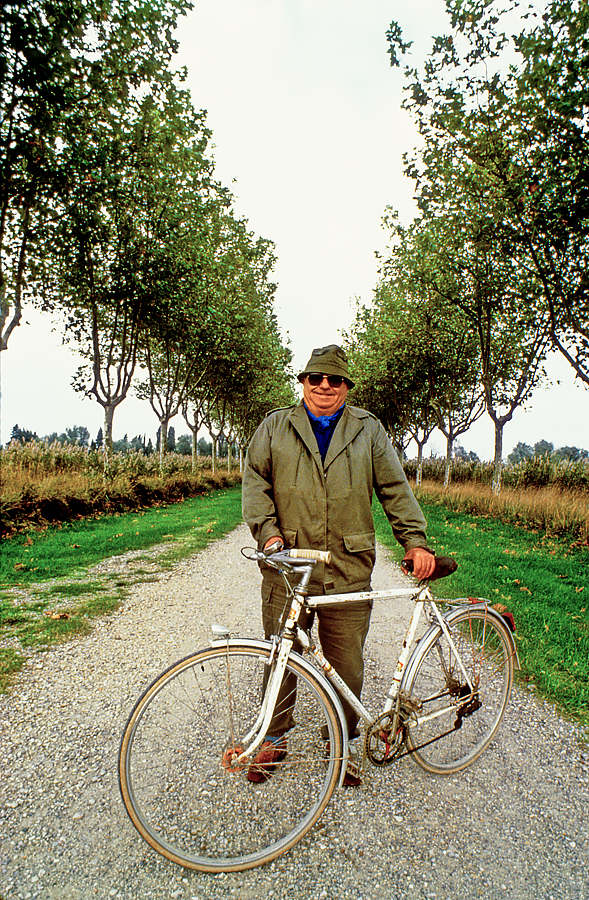
A perfect Vanishing Point

I teach people how to use the elements of visual design and composition to create stronger and more memorable images. Images that people won’t forget in the moments just after looking at your photo. Images that are compelling and will leave an impression days, weeks, and yes, even months afterward.

In my online class with the BPSOP, and in my “Stretching Your Frame of Mind” workshops I conduct around the planet, I stress the fact that “light is everything”, and should be considered first when composing your photo. One of my Personal Pearls of Wisdom is, “You find the light and you’ll find the shot”.

Now I’m not referring to the shooters that like to prowl the city streets looking to capture an emotional photo that has some kind of consequence, or as followers of Henri Cartier-Bresson’s work would say, “The Decisive Moment”. These are the type of photos that rely more on a quick finger hitting the shutter release and timing than on light. Instead, I’m talking about the type of photographers that likes to create beautiful photographs in any other genre that are timeless representations of reality. To me, these are the type of photos that require great light. Landscapes, Architecture, environmental portraits, to name a few.

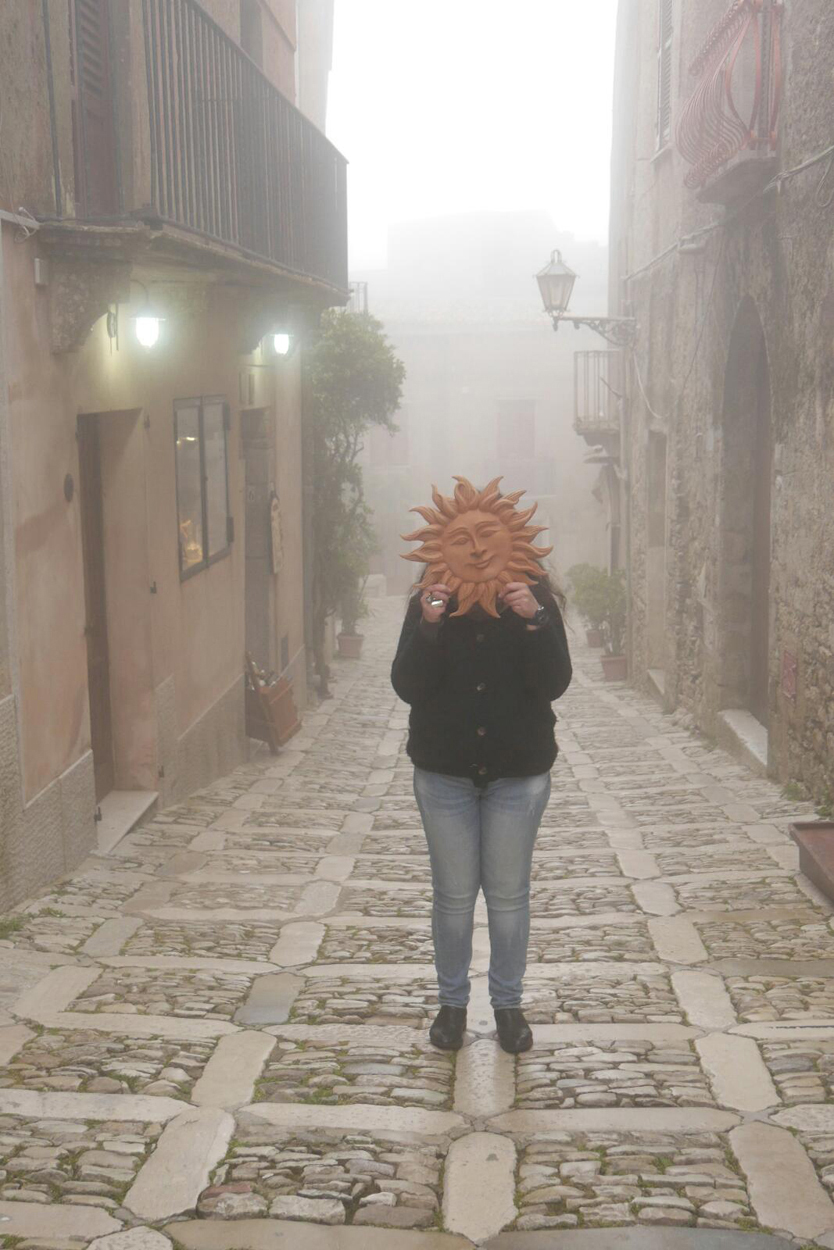
Foggy day in Sicily

OK, here’s where the Quick Photo Tip comes in. As I tell my students and fellow photographers, there is one genre that doesn’t need quality light to be memorable and that’s Humor. Humor is the one concept that can replace a day of flat, gray, and un-inspiring light. Whether it be a funny situation, an awkward expression on a loved one’s face, or perhaps something as simple as a misspelled word on a sign, if it’s funny that’s all you might need.!!!

In the above photo of the man and bicycle, I took advantage of a natural Vanishing Point happening on an overcast day. During a workshop in Sicily, one of my students added some humor in a heavy fog.

Visit my website at www.joebaraban.com and check out my workshop schedule at the top of this blog. Come shoot with me sometime and we’ll have a few laughs.

JoeB

Quick Photo Tip: Setting Up An Action Shot

I set this photo up and shot it as though it was really happening in real time.
I set this photo up and shot it as though it was happening in real time.

Since I can remember, I’ve been accused of someone lacking in patience. I don’t necessarily agree with that except for when it comes to “making pictures”.

One of my all-time favorite “Pearls of Wisdom” is, “I don’t photograph what I see, because I never see what I want; so I photograph what I’d like to see”. What I mean is that I love throwing a camera over my shoulder and go out to “take pictures”.  This is usually when I’m traveling, and sometimes I get photos that I really like and sometimes I don’t.

With my online class with the BPSOP, and in my “Stretching Your Frame of Mind” workshops I conduct around the planet,  I talk a lot about the difference between taking and making pictures.

What I prefer to do is go out and “make pictures”. I like to set things up and then stand back and shoot in a repertoire fashion. In other words, I have complete control of the action, and I’m after a photo that looks real…as if I just happened to capture it. The look of being at the right place at the right time.

In all these images, I set the action up and then photographed it as though it was really happening. Give it a try sometime. It will take some pre-visualization on your part, but you’ll like the results…and you don’t have to rely on a virtue called patience for it to happen!!! 🙂

Visit my website at www.joebaraban.com, and check out my workshop schedule at the top of this blog.

JoeB

My Favorite Quotes: Yul Brynner

  I get my ideas for all my posts from the strangest places, and I never know what is going to spark an idea. They can be from listening to a description of a photo submitted by one of my online students with the BPSOP, or from those that are taking one of my “Stretching Your Frame of Mind workshops during one of my daily critiques, while sleeping, or even watching an old movie.

This idea came from a conversation with some friends during the week of Passover when for the one-millionth time I watched The Ten Commandments. I’m not sure how many of you ever watched it, but it has been one of my all-time classics starring Yul Brynner and  Charlton Heston. I’ve seen it so many times that I know most of the dialogue and say it simultaneously with the characters; much to the chagrin of my wife.

The quote was said by Brynner playing Pharoah, aka Ramseys II. He said, ” So let it be written, so let it be done.”

What in the world does that have to do with photography, you’re asking yourself as you scratch your head!!!!

Okay, here you go…it’s amazing how many times one of my students tells me that he or she did something (in creating a photo) because they had read it in a book…so it had to be true. When possible I will ask them to take a screenshot of exactly what they read, and in what book they read it.

Here are just a couple of instances of what they showed me: They actually read it wrong, they took it completely out of context, it referring to a completely different genre so as not to compare apples to apples, it was written so long ago that the way it was then is no longer the way it is now, or last but not least…the writer didn’t know what he was talking about. This last part reminds me of an old saying, “You have a great typewriter so you must be a great writer.

I digress.

Don’t get me wrong, I read a lot on the ‘information highway’ for ideas and to do research of what I heard and didn’t know, so as to answer my student but I never trust just one person, and neither should you. There’s so much misinformation out there mainly because everyone thinks they are an expert in the field. Generally, with little or no experience in the area that they’re writing about.

There are some great articles on the internet written by some of the top photographers, but I always, and let me repeat, I always seek out affirmation; by reading as much as I can on a subject and making sure everyone is on the same page…so to speak!!!

BTW, I’ve been shooting, writing, and conducting workshops since 1983, and I know a little bit about it.

Visit my website at www.joebaraban.com, and check out my workshop schedule at the top of this blog, Shoot with me sometime.

If you’re still reading this and are interested, here’s the line:

https://www.youtube.com/watch?v=h4emcNAf5lY

JoeB