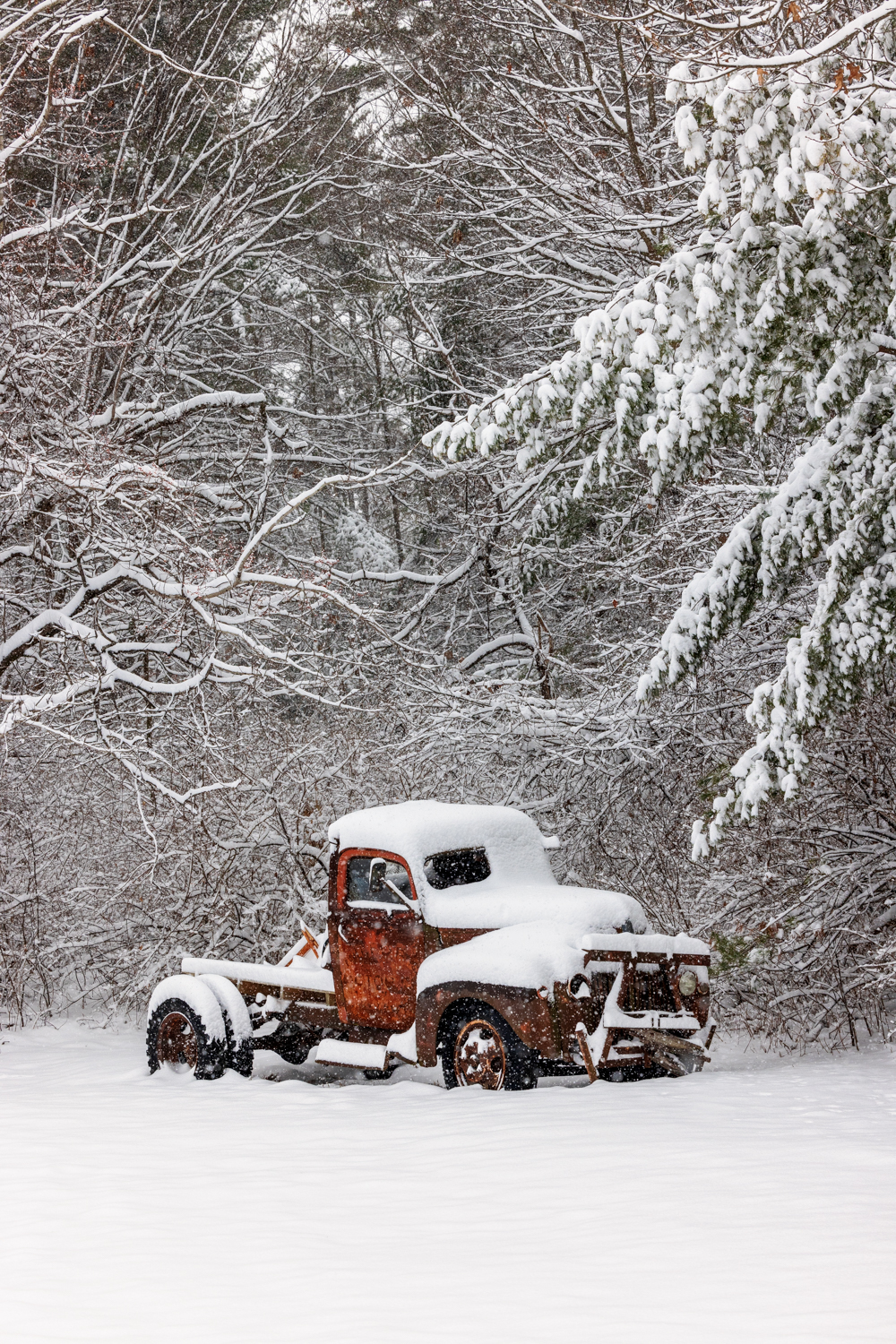
Food For Dogital Thought: Mama, Don’t Take My Kodachrome Away.

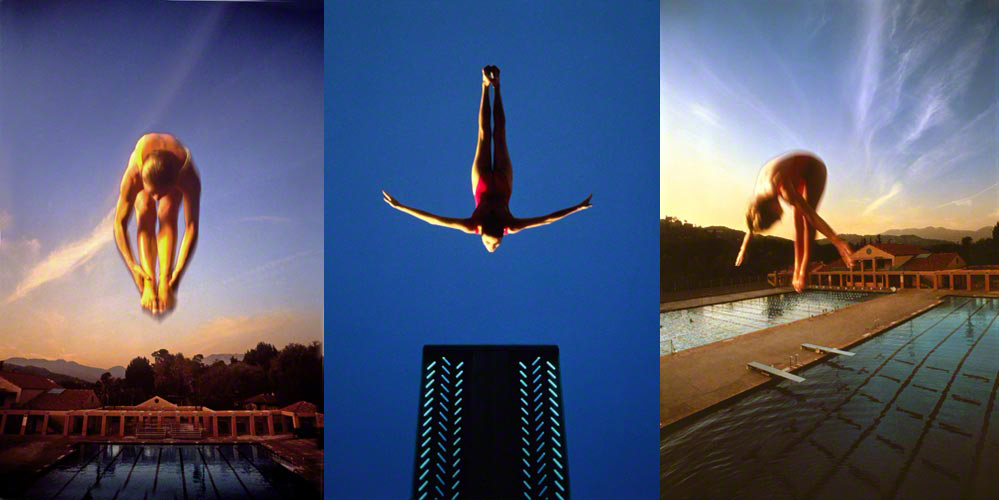
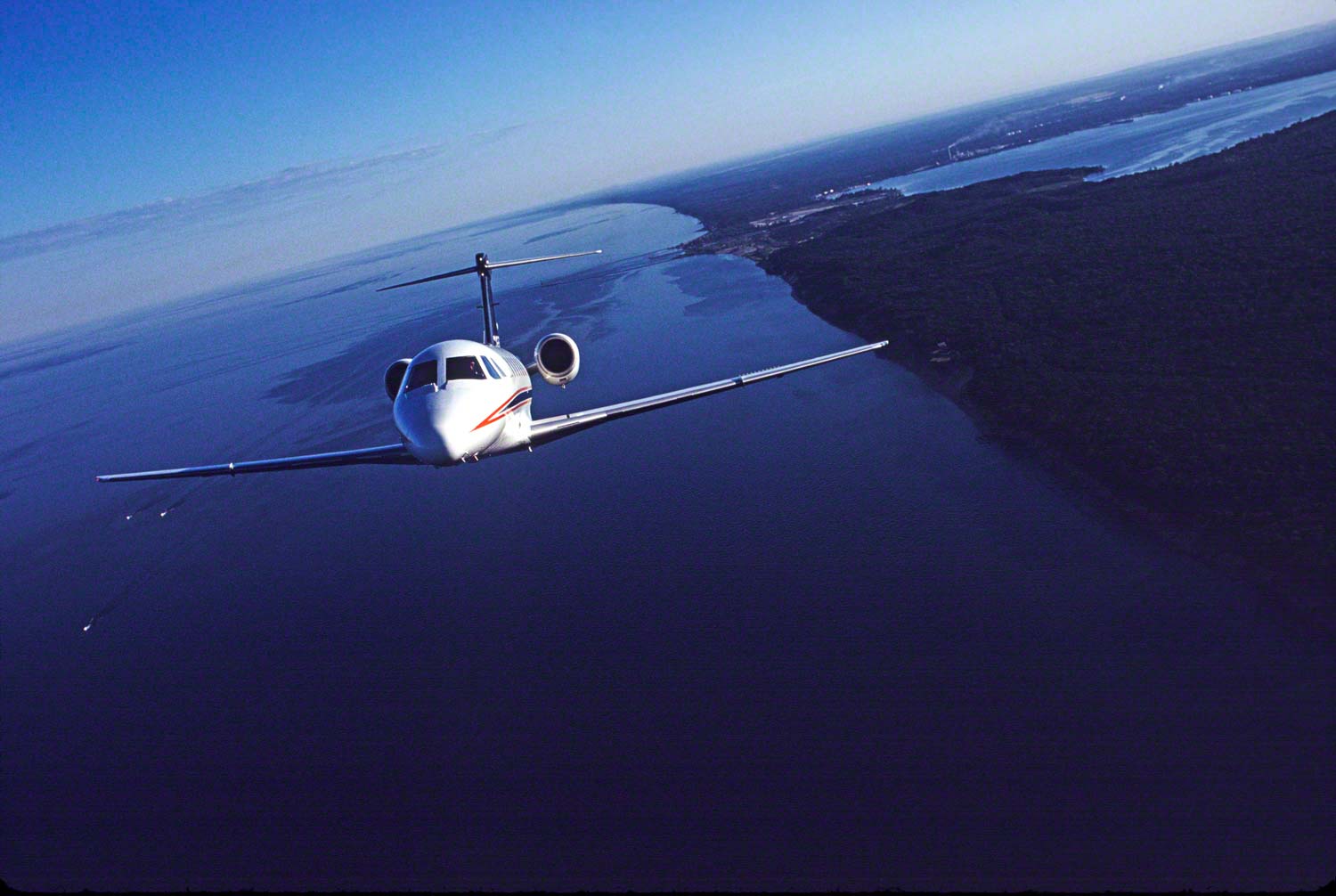
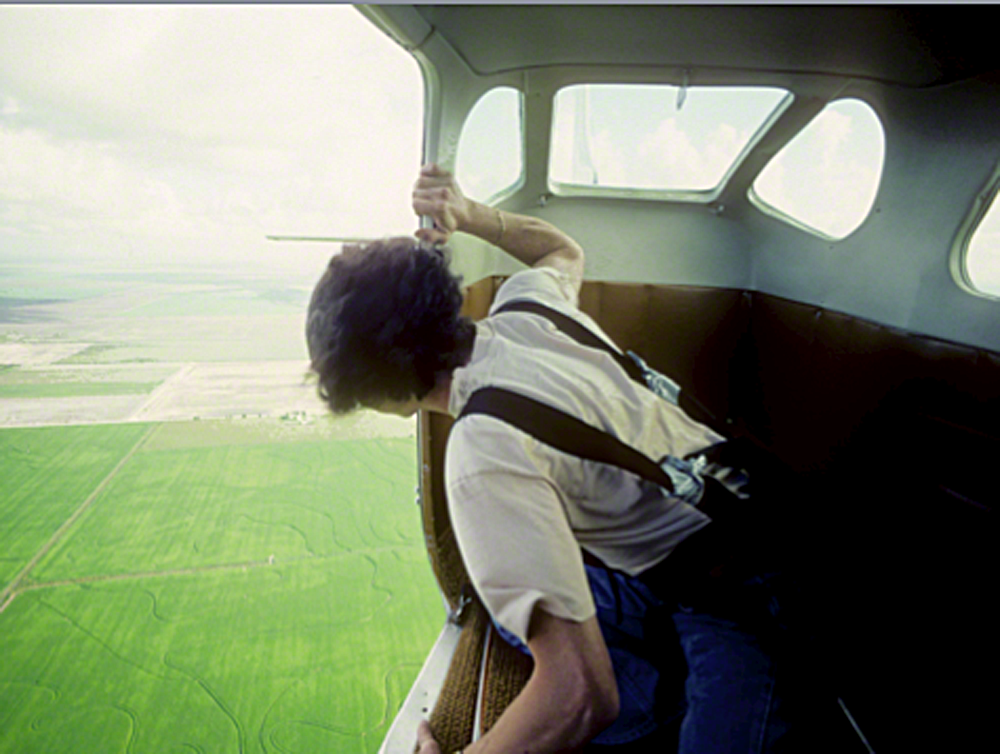
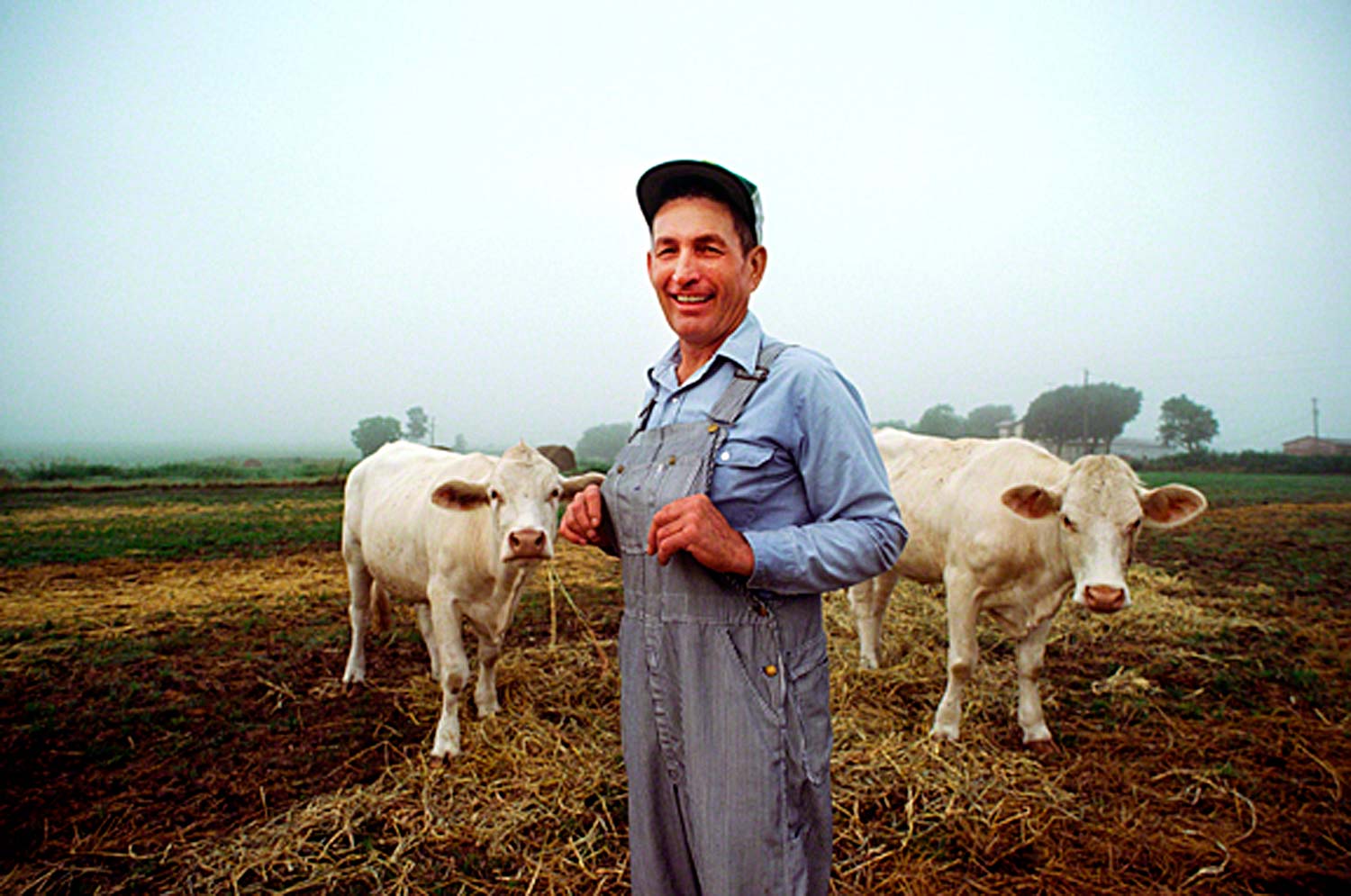
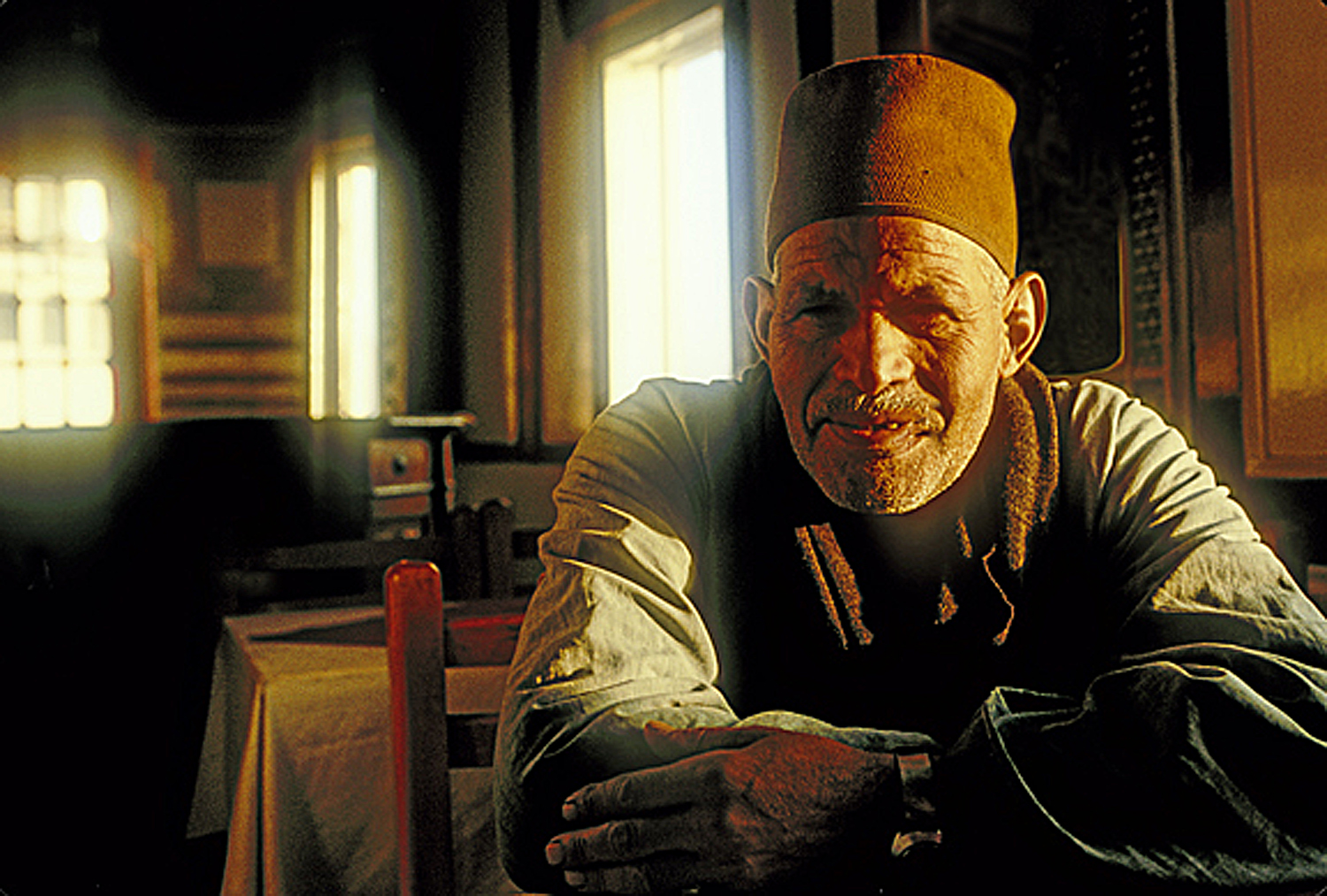
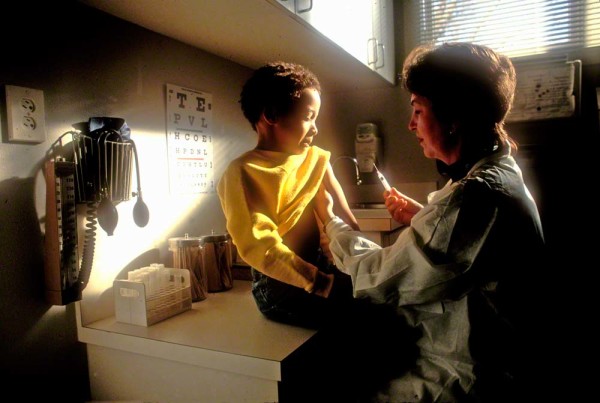
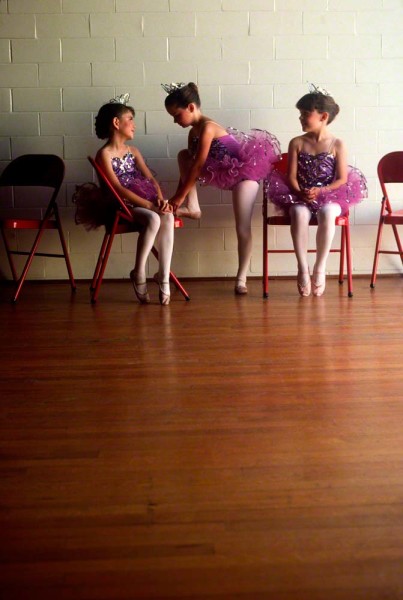
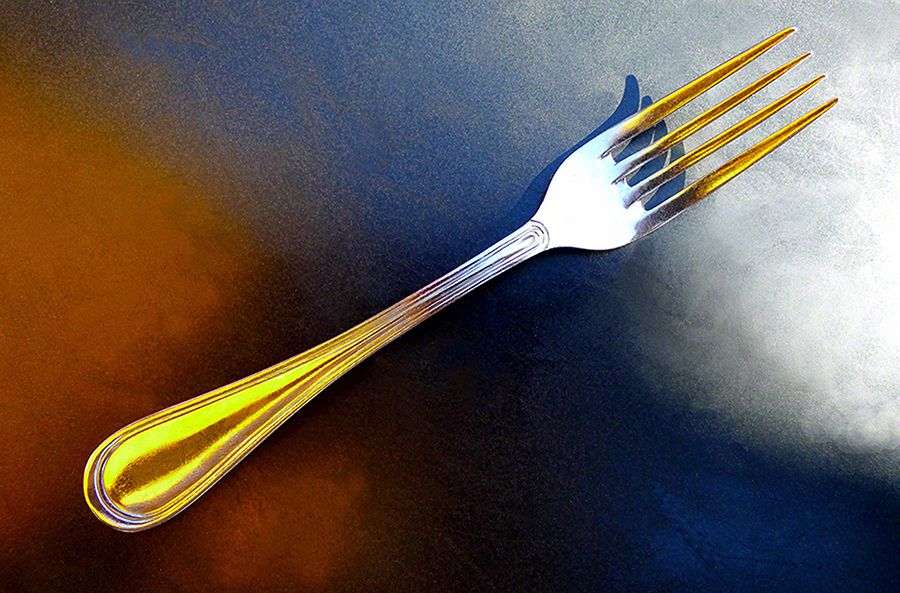
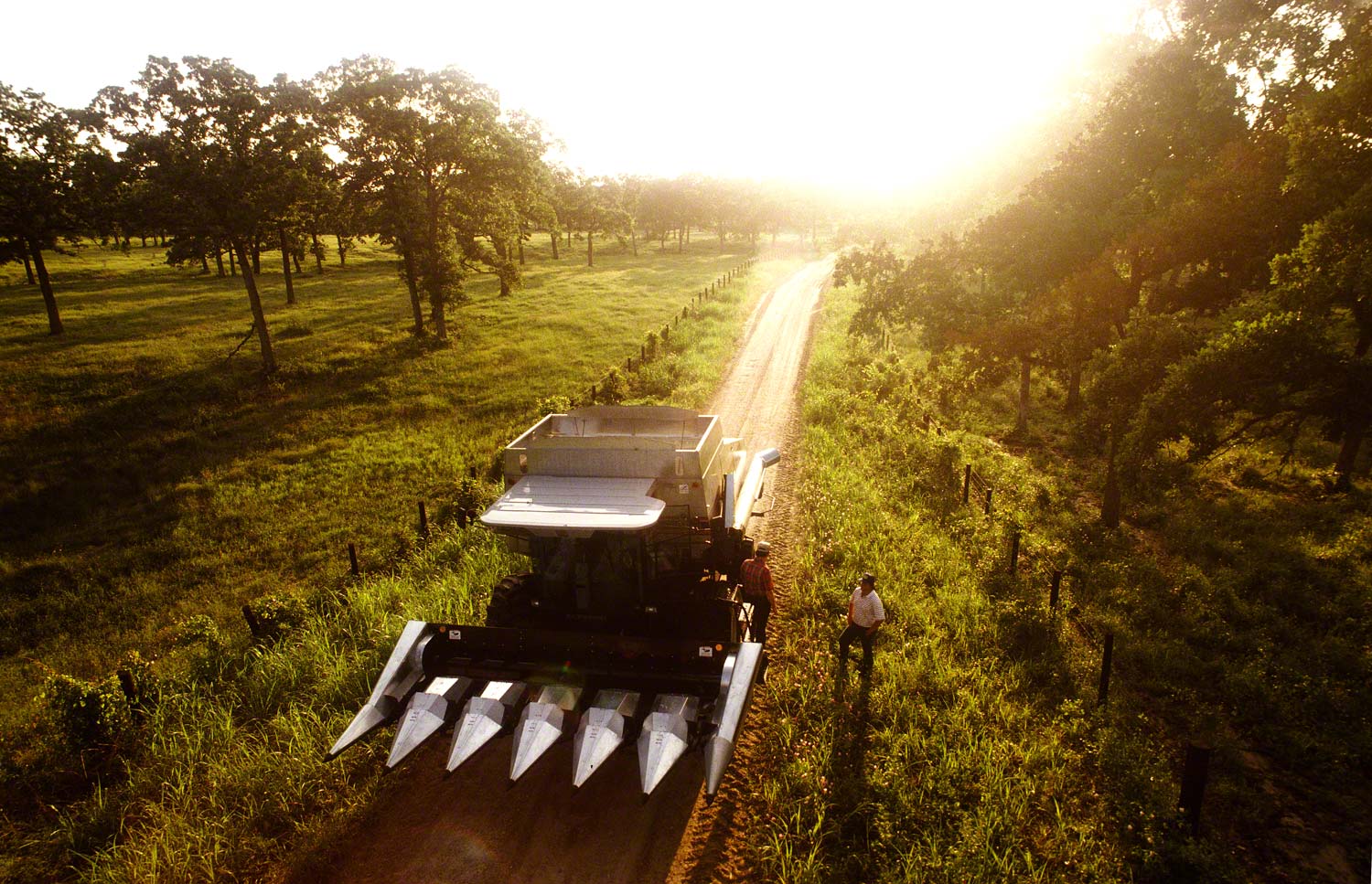
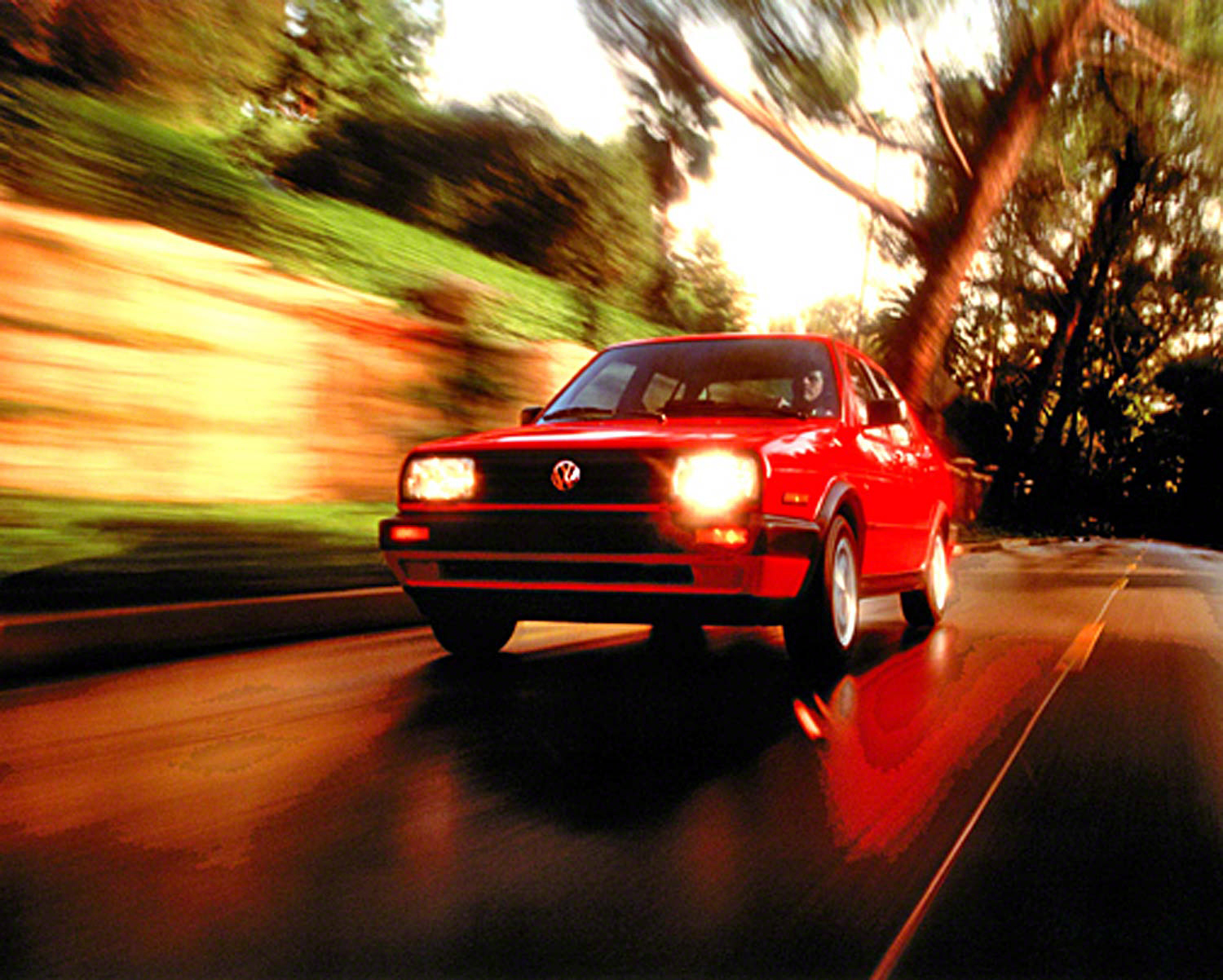
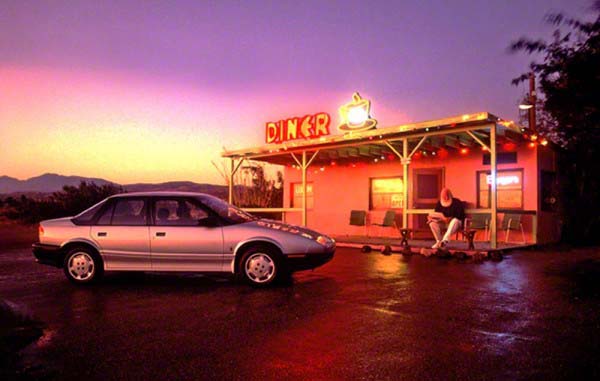
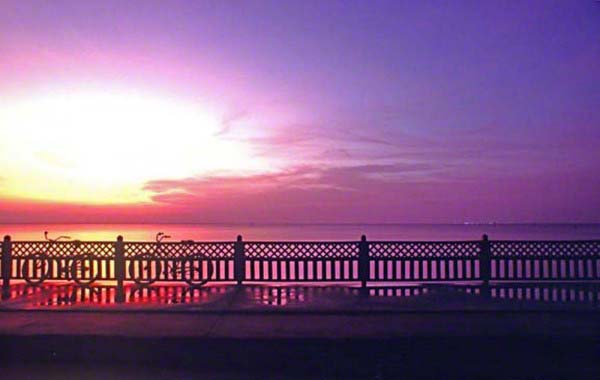
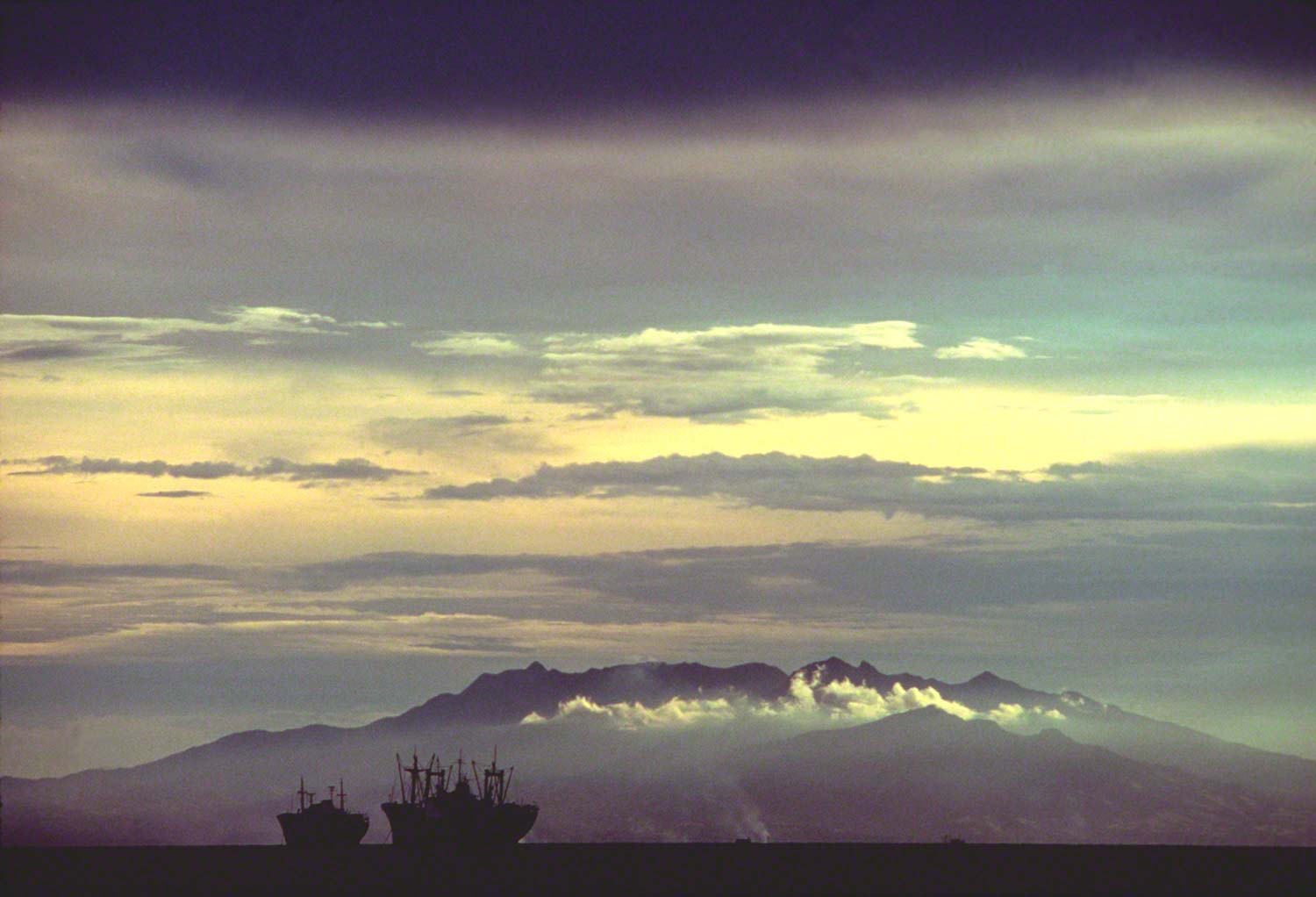
Kodachrome 25/20mm lens/ 1/sec@F/4

It always makes me wonder how in the world we were able to make photos when the film of choice was Kodachrome. I say film of choice because virtually everyone I knew shot it. Except for when I was shooting for AP and UPI in the seventies, and we rated Ektachrome up to ASA 1600, I would shoot with Kodachrome because the color was soooooo much better looking.

In my online class with the BPSOP, and in my “Stretching Your Frame of Mind” workshops I conduct around the planet, I’m always asked what ISO (ASA) I keep my camera on? Do I increase it in low light situations? How do I remind myself to change it back?

My answer is always the same. I now keep it at 800 and forget about it no matter what the situation is. Since I’m on a tripod nearly 100% of the time, I’m in complete control. I can shoot at any shutter speed/aperture combination in any low light situations, and walk away with the photo I was after.

In the Kodachrome days, I got use to and became comfortable with shooting people at very slow shutter speeds. Taking a portrait at a 1/4 sec, 1/2, or even a full second was the norm. It’s what I had to do if I wanted the rich saturated colors that came from shooting Kodachrome 25….meaning ASA or ISO of 25.

One of the many problems that came with the digital camera and the new photographers that came with it was the idea that in order to shoot good photos, you have to manipulate the many camera settings from situation to situation, and from location to location. Trust me when I tell you that YOU DON’T!!!!!

Try taking the “Baraban Challenge” sometime. Change all your setting back to their default, and put your camera back in the box it came in; then pretend that you just bought it. Open it (with great enthusiasm and excitement) and start reading the parts of the manual that shows you where the shutter release is, where you change out the card, the location of the manual setting, where you change the shutter speed, and oh yes…where you turn it on!!!

After learning all this hard stuff, go out and start shooting. You don’t even need the AF mode. After all, auto-focusing is a luxury not a necessity.

Toooooooo scary????????????? That’s OK, I understand. If you’re scared, just put all the settings back to where you’re not scared anymore!!!!

One last thing: When someone asks me what I did when I needed a faster ISO/ASA, I tell them I would switch to Kodachrome 64.

🙂

Boy do I miss my Kodachrome!!!

🙁

Visit my website at:www.joebaraban.com and check out my workshop schedule at the top of this blog. Come shoot the low light with me sometime.

JoeB

Quick Photo Tip: Taking Pictures of People Taking Pictures.

friends taking pictures of friends in Tuscany.

Maybe it’s a touch of voyeurism and maybe I’m just a people watcher who likes to observe how people go about taking pictures of each other.  Either way, it offers up a great photo opportunity. Be honest, haven’t you stopped and watched people as they photograph their friends or family? It’s one of my favorite things to do, and I usually end up asking if they want me to take the picture so all the family can be in the photo…which I also love to do.

First place finish.
First place finish.

There’s something endearing about the way people take pictures of others. The way they try to direct, their body language as they compose, especially if the ones being photographed are giving them a hard time. It makes for great subject matter when families take pictures after someone has done something important, even if it’s just important to them. For example winning a trophy is a good one. Or families traveling together.

I’ve been lucky enough to catch that happening on several occasions.

A coach and his team.

As I tell my online students with the BPSOP, and in my “Stretching Your Frame of Mind” workshops I conduct around the planet you have to be an obsever of your surroundings. Pay attention all the time to what’s happening and you just might get lucky.

Visit my website at: www.joebaraban.com, and check out my workshop schedule at the top of this blog. Come shoot with me sometime.

JoeB

Food for digital Thought: 10 and 2 Light.

The sun was at '2' on my clock.
The sun was at ‘2’ on my clock.

If you were a race driver you would immediately know what the expression ’10’ and ‘2’ meant. That’s when your left hand is at the ’10’ position on the steering wheel and your right hand is at the ‘2’ position. In the old days, this was the recommended position and all student driver classes taught you to drive this way.

In photography, there’s a term called “The Law of the light”. This is also referred to as “The Angle of Reflection”, although I’m not sure why since it doesn’t cover the full meaning? What this does means is that when light falls (incident light) on a subject it falls at a particular angle. This is called “the Angle of Incidence”. When this light bounces (reflects) off this subject, it also bounces off at a particular angle and is called the Angle of Reflection. When both the Angle of Incidence and the Angle of Reflection are the same, you are in The Law of the Light.

Have you ever driven by a tall glass office building and noticed that at a certain point the glass seems to glow, and as you pass by that point the glow fades away? That’s because at that point in time both the angle from the light falling on the building and the angle of the light reflecting off it to your eyes were the same. Well, imagine having a camera in your hand and you happen to record it…pretty dramatic, right?

I use this same law when shooting environmental portraits, as it’s my favorite way to light people. Imagine a clock in your viewfinder and placing your subject in such a way (right in the center of the clock) as to have the source of the light coming from either ’10’ or ‘2’.  What this does is to create a rim of light that runs down the person’s face and body. It adds a dramatic gesture that seems to add to whatever facial expression, or body language that the subject is communicating. In my online class with the BPSOP, and in my “Stretching Your Frame of Mind” workshops, we spend time working on this lighting concept.

In the photo above, I positioned the girl so I would have the sun not only back-lighting the water, but at ‘2’ on the clock in my viewfinder to get that wonderful rim lighting on her profile.

FYI, because of air bags installed in current model cars, the recommended position of the hands is now ‘9’ and ‘3’.

Here’s some examples of the light coming from ’10’or ‘2’ position:

Visit my website at: www.joebaraban.com, and be sure to check out my new workshop schedule at the top of this blog.Come shoot with me sometime.

JoeB

Food For Digital Thought: Who, What When, Where, and Why of Photography

  Besides being an advertising, corporate, and editorial photographer for the past fifty-three years that has been a lifelong dream come true, photography has not been my only love for dare I say…half a century!!

I also come from a background that started out with a BA degree in Journalism. Over the years I have done a lot of writing, some of which have been published, and two screenplays, and a novel I hope to be bought someday.

With that in mind, I have often sought to combine the two and create in a single photo a story that can be understood without actually putting anything down on paper.

I have shared this over the years with those that take my online classes with the BPSOP and those that join me in one of my “Stretching Your Frame of Mind” workshops I conduct throughout the world.

As I said, with a college education based in Journalism (with a minor in art), we were trained to answer these five questions when writing an article. Over the course of my career in photography, I have often applied these same five questions when thinking about ‘making’ a photograph.

Of course, it’s difficult if not impossible to produce one single image that includes all five. I can say that looking back at my calling, I have a pretty good job in including as many as possible.

So, my fellow photographers, you should give it a try. The next time you go out think about telling a story in a single photograph. A story that will keep the viewer around for as long as possible, and as I always say, the more we can make the viewer an active participant in our imagery the more he’ll stick around…isn’t that what we want him/her to do?

Visit my website at www.joebaraban.com, and check out my workshop schedule at the top of this blog. Come shoot with me sometime.

JoeB

Food for Digital Thought: Keep or Delete, that is the Question

I’ll keep it

How do you decide to either keep a photo or delete it?

First and most important, stay objective. Whatever you do, don’t even think about letting sentiment enter into your thought process.

For example, when I’m shooting pictures of all my kids and grandchildren, if an image doesn’t meet the criteria I’ve long ago set for myself, I have no problem deleting it…but deleting where is the question.

There is deleting, and then there’s deleting. This is a topic that frequently comes up in either my online classes with the BPSOP or in my “Stretching Your Frame of Mind” I conduct all over the place.

If the shot really sucks, then it immediately goes in the trash bin lost forever somewhere in the digital cosmos, a.k.a. “the new gender-free intellectual cosmos”. If it represents a timeline, as in photographing them growing up, but not the yardstick that measures creativity, it goes into a folder marked ‘The family’.

That folder is saved for the day when one of my kids gets engaged and during the reception or engagement party those photos hopefully, one of them, is a shot of them naked as a small child is shown in a digital slideshow….always good for a laugh!!!!

Now, if it does meet the personal benchmark I’ve set up for myself, then it just might make it to my website, a future post on my blog, or in some teaching capacity.

Whatever standards you’ve set up for yourself, stick with it no matter what. Editing is a huge part of the process and can be as relaxing or frustrating as you make it.

Visit my website at www.joebaraban.com, and check out my workshop schedule at the top of this blog. Come shoot with me sometime.

JoeB

Food For Digital Thought: Improvise

I improvised!

LIGHT IS EVERYTHING!!!

That’s what I keep telling my online students with the BPSOP, and my “Stretching Your Frame of Mind” workshop I conduct around the planet.

Having said that, what happens if you suddenly lose the light or needed it when it just wasn’t there in the first place? In my forty-six year career, I’ve been in situations where I wasn’t allowed to prepare for by scouting ahead of time or a photo op that was thought up by a client at the last moment and expecting me to “come through”.

I just love it when an art director or a graphic designer forgets to tell me something that was requested by the “powers that be”, and if I don’t figure something out…and quick, all of a sudden there’s a bad taste in everyone’s mouth; I become  persona non grata (not welcomed at the agency anymore)  for any chance at new work.

So, what do I do? I improvise!!!

The above photo is a good example of improvising when your forced to shot where there’s no light, and since I was shooting at a rig, bringing in lights was not an option. I was shooting for Budweiser and they wanted a portrait of some of the Roughnecks. It started out as a potential great sunset, but thirty minutes before I started shooting , a thunderstorm began to develop bringing with it some very dark ominous clouds. and before I knew it covered most of the late afternoon light.

In a matter of minutes, everything became very dark and because of some new pipe being brought in, I couldn’t stand on the other side of the rig where I would have has at least a little light. I looked around for something, anything I could use to cast light on their faces. I looked over on the ground and saw the welding equipment. I had one of the men fire it up so that it wold make as large of a flame as possible, and that’s what I used to light the men.

Here are a few more photos where I had to come up with a way to light the people. In each photo, I added light that I found nearby:

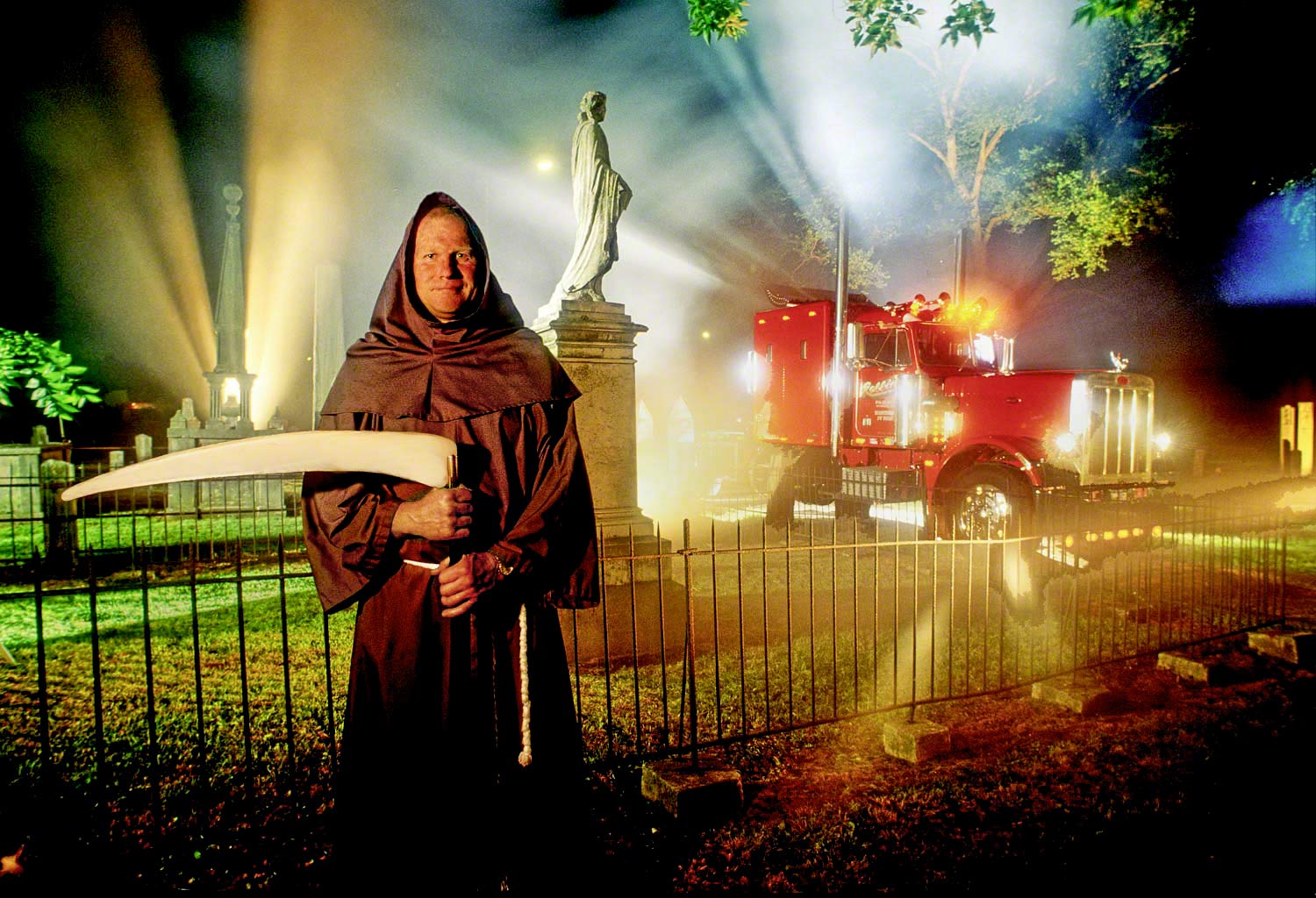
In the photo of the man behind the Coke truck, the client wanted the lettering on the truck to show up, so I took a small flashlight out of my bag and had him hold it on the truck’s door. The man about to swallow the torch was shot during a Luau in Hawaii. The man shoveling coal was actually in another part of the building. i brought him over and put him in the light. I also put the man reading off his clipboard in front of the headlight, and I used the lantern to light the grandfather reading to his granddaughter since there was no other source of light.

The next time you’re in a similar situation, look around because the answer might be right in front of you. It could be anything from a flashlight to a headlight. You just gotta use your imagination, and when you can do that, the skies the limit!!!

Visit my website at: www.joebaraban.com and watch for my new workshop schedule at the top of this blog. Come improvise with me sometime.

JoeB

Food For Digital Thought: No light? Improvise!

Rough-Necks-1DM

LIGHT IS EVERYTHING!!!

That’s what I keep telling my online students with the BPSOP, and my “Stretching Your Frame of Mind” workshop I conduct around the planet.

Having said that, what happens if you suddenly lose the light or needed it when it just wasn’t there in the first place? In my forty-six year career, I’ve been in situations where I wasn’t allowed to prepare for by scouting ahead of time or a photo op that was thought up by a client at the last moment and expecting me to “come through”.

I just love it when an art director or a graphic designer forgets to tell me something that was requested by the “powers that be”, and if I don’t figure something out…and quick, all of a sudden there’s a bad taste in everyone’s mouth; I become  persona non grata (not welcomed at the agency anymore)  for any chance at new work.

So, what do I do? I improvise!!!

The above photo is a good example of improvising when your forced to shot where there’s no light, and since I was shooting at a rig, bringing in lights was not an option. I was shooting for Budweiser and they wanted a portrait of some of the Roughnecks. It started out as a potential great sunset, but thirty minutes before I started shooting , a thunderstorm began to develop bringing with it some very dark ominous clouds. and before I knew it covered most of the late afternoon light.

In a matter of minutes, everything became very dark and because of some new pipe being brought in, I couldn’t stand on the other side of the rig where I would have has at least a little light. I looked around for something, anything I could use to cast light on their faces. I looked over on the ground and saw the welding equipment. I had one of the men fire it up so that it wold make as large of a flame as possible, and that’s what I used to light the men.

Here are a few more photos where I had to come up with a way to light the people. In each photo, I added light that I found nearby:

In the photo of the man behind the Coke truck, the client wanted the lettering on the truck to show up, so I took a small flashlight out of my bag and had him hold it on the truck’s door. The man about to swallow the torch was shot during a Luau in Hawaii. The man shoveling coal was actually in another part of the building. i brought him over and put him in the light. I also put the man reading off his clipboard in front of the headlight, and I used the lantern to light the grandfather reading to his granddaughter since there was no other source of light.

The next time you’re in a similar situation, look around because the answer might be right in front of you. It could be anything from a flashlight to a headlight. You just gotta use your imagination, and when you can do that, the skies the limit!!!

Visit my website at: www.joebaraban.com and watch for my new workshop schedule at the top of this blog. Come improvise with me sometime.

JoeB

Food For Digital Thought: Are You Ever Satisfied?

I was finally satisfied when I sat the two farmers down on the bench.

I don’t know about you, but I’m never totally satisfied with the way my photos turn out …what do I mean?

I’m a painter, In my much younger days I used a brush, and then I started to have a lot less time…especially to spend time to cleaning said brushes.  That was the point when I changed from a paint brush, colored pencils, etc., to a camera as the medium of choice.

Sometimes I painted exactly what I saw, and sometimes what flowed from the various brushes and palette knives came strictly from my imagination. As a photographer, I pretty much look at things the same way. Sometimes I photograph what I see, but most of the time I take pictures of what I’d like to see.

Photography is very different to painting in one important respect. When I was painting, I started out with a blank canvas on an easel and began to fill it in until I had what I though was a work of art. Now the canvas on an easel is a camera on a tripod and I take away things until I’m satisfied with what I consider to be a work of art. But am I ever satisfied?

In my online class with the BPSOP, and in my “Stretching Your Frame of Mind” workshop I conduct around the planet, I’m always telling my fellow photographers to take more than one photo. That thought of creating one photo during one photo op, without any geographic criteria, as the one and only is to dream the “Impossible Dream”. That photo that’s taken when the camera is brought up to one’s eye (the usual height for all one’s photos), and without any thought to light, exposure, or point of view the shutter release is depressed.

BtW, every so often someone tells me that they took a workshop and was told by the instructor to never alter anything or you’ll surely go to photo hell; it has to be photographed as it is. Well that’s certainly admirable, and I can only think that a painter was not behind the camera. Those people take pictures and to each his own. I make pictures.

Don’t be satisfied with your first idea as the odds of it being a “keeper” or an “OMG” photo are mighty slim. Walk around, look it from different points of view, underexpose or overexpose, give yourself choices.

As far as ever being satisfied. Sometimes I am, and sometimes after looking at it later on my monitor, I wish I had done more…looked at it even another way. To me that’s a good thing that keeps me sharp and interested in the the future…photographically speaking. After all, the best picture I’ve ever taken may very well be my next one.

Visit my website at: www.joebaraban.com, and check out my workshop schedule at the top of this blog.  Come shoot with me sometime

JoeB
Life Before Photoshop: Merit Cigarettes

Look ma, no Photoshop!

Look ma, no Photoshop!

I love writing posts for “Life Before Photoshop” as it continues to get a lot of feedback from fellow photographers that up to this point are convinced digital photography and Photoshop go hand in hand. Somewhat reminiscent to a symbiotic relationship where one hand scratches the other; the result being a photo that could not have been created without post-processing.

After teaching with the online BPSOP school for the past three years, and taking my “Stretching Your Frame of Mind” workshops around the planet I have come to the conclusion that most of the lovers of photography were either born or became interested after the advent of the digital age, and can’t fathom the idea of actually creating photos “in the camera”.

I’m very lucky in a way because I’m not a product of: HDR, WB, Histograms, Masking, Lightroom, AF, Photoshop, and any other knob, dial, selector, mode, and who know what else I’ve forgotten to mention or just blocked out of my mind.  Now I’m not suggesting that these won’t help you, because they will and I do use Photoshop to some degree all the time. I’m talking about those photographers that think you have to know and use all the terms I just mentioned. Especially those photographers that are either scared to take the “Baraban Challenge” of creating photos in the camera, or two lazy to try to create said photos and prefer to wait until they’re back home in front of a computer. After all, why use up all that energy in moving over to the right to create a better composition when you can just crop later.

No Photoshop here as well

Years ago, cigarette advertising was the big thing in advertising photography, and if you could latch on to one of the many campaigns, you would not only travel around the world first-class, but make a hell of a lot of money in the process.

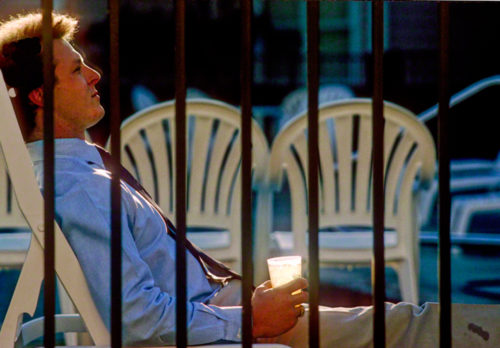
For a year, I worked on the Merit Cigarette account out of Chicago and we traveled around the world shooting pictures of small freighters in action that would eventually wind up on billboards around the country. Besides shooting these vessels, we also traveled with a professional model that was designated as the Captain. Part of the campaign was to show this man doing what was referred to as the “light-up”. This smaller photo was placed in the corner of the larger photo of the freighter. From Europe to the United States, down to Puerto Rico, and South America, we searched for just the right kind of ship.

In order to create the “light-up” in the photo of the captain, My assistant took apart a small Vivitar flash. The kind that went on top of the camera. He took out the flash element and rewired it back to the main unit, only with a lot more wire. We taped it to the palm of the captain’s hand and ran the wire down his sleeve to where we had the rest of the flash. I positioned myself as close as the minimum distance from the 300mm F/2.8 lens so I could compress him against the sky and give the look created by a long lens. I also didn’t want anything else in focus.

I had a remote synch cord with a slave attached so that when I fired the camera, the tiny element hidden in his cupped hands would fire. I couldn’t use a real match because there wouldn’t be a bright enough light coming from either a match or lighter, I wouldn’t have enough time to shoot, and I couldn’t control the different exposures from the background and his face.

By using a flash I could make the sky as dark as I wanted. I just took a reading of his face and the background separately and made the exposure based on the light from the flash. I could increase the power on the flash, underexpose it and create the effect I wanted in the sky. As you can see in the production photo, It was late afternoon but still fairly bright.

Those were the days when the challenge of creating the photo in the camera was a lot more fun than sitting in front of a computer to get the same results. I’d much rather be a good photographer than a good computer artist.

Visit my website at: www.joebaraban.com and check out my workshop schedule at the top of this blog. . Come shoot with me and have some fun!!!

JoeB
Quick Photo Tips: Vertical and Horizontal

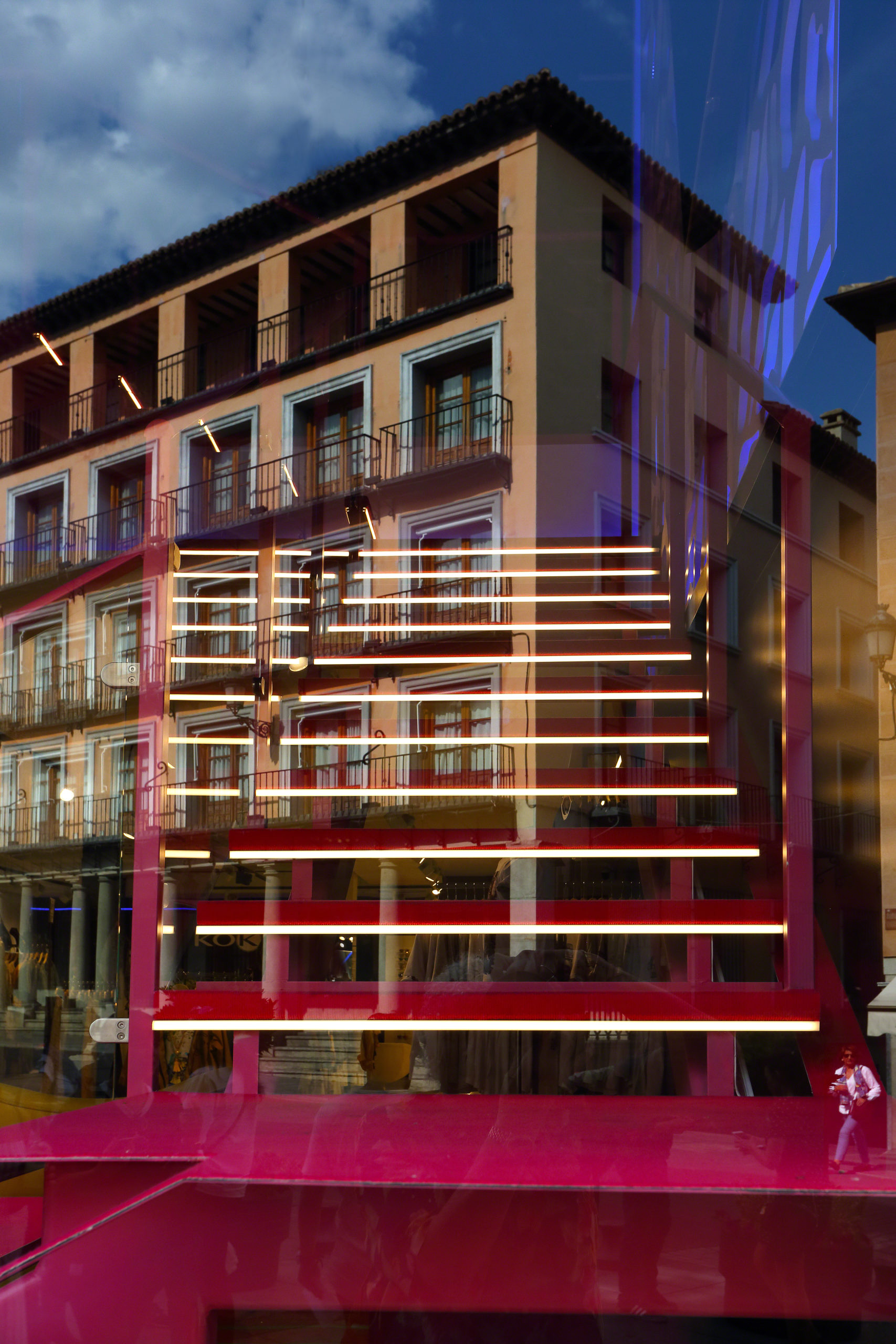
First shot was a horizontal.

One of the things I find fairly common in my online class with the BPSOP, and in my “Stretching your Frame of Mind” workshop I conduct around the plane, is that students/photographers will frame a subject and either shoot it vertically or horizontally then walk away. I’ve even had people frame something horizontally (mostly because it’s the easiest), not like what they saw then walk away.

REALLY!!!

OK, here’s the problem simply put: We perceive in a rectangle, so it’s the way we see the world. Having said that the camera was designed to be brought up to our eye horizontally; the objective of the camera’s designer Gods was to make the camera easy to be held. If you ever want your photos to be what I refer to as “up a notch”, GET OUT OF THAT HABIT!!!!

Except for the early years of my career (fifty-three and counting) when I was shooting for AP and UPI, and since I may have been chased down the street shooting riots I didn’t have time. After moving into the advertising and corporate world I have always shot everything both horizontally and vertically. It’s just a natural movement that I don’t even think about anymore.

Next time when you’re out shooting, do yourself a favor and right after you’ve shot something horizontally, make your very next picture a vertical of the same subject. When your next picture is vertical, then make your next picture a horizontal of the same subject.

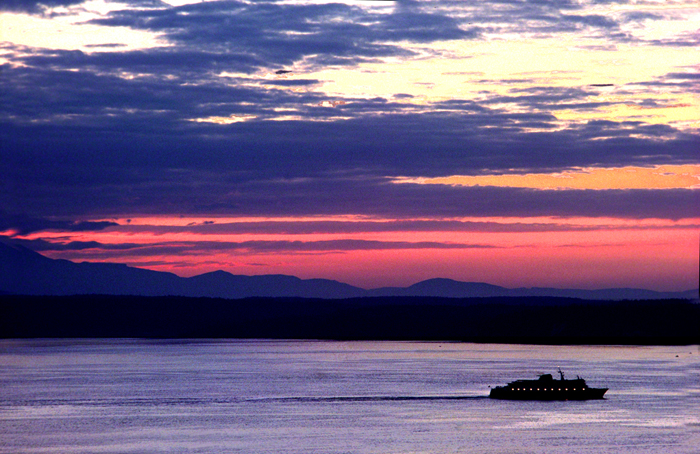
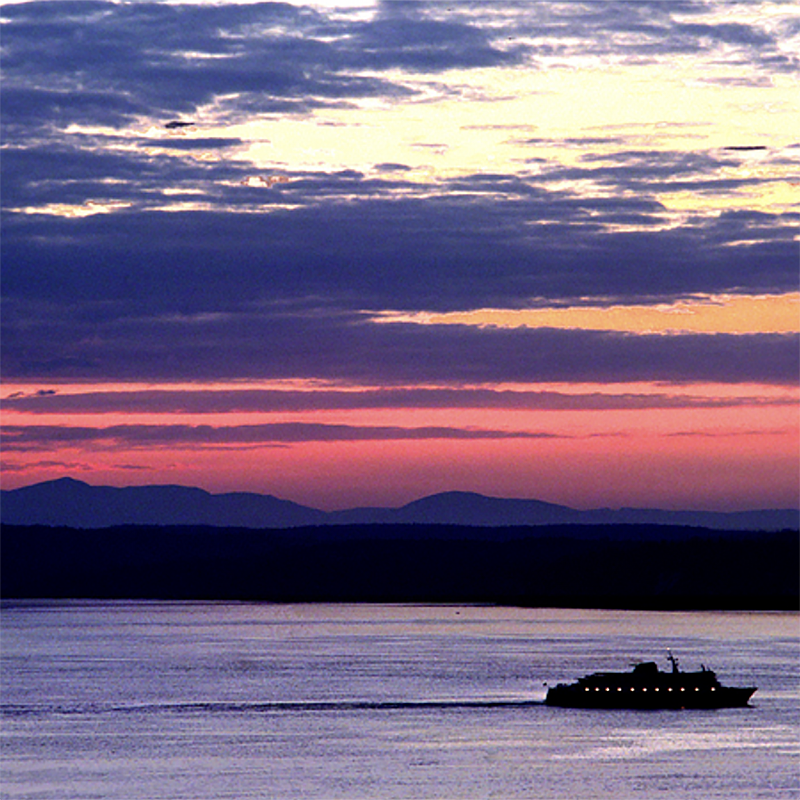
When you’re composing, keep in mind that a horizontal format is calming and mimics the horizon. A vertical format has more energy, strength, and of course stresses height.The reason why a vertical has more energy is because the viewer will start at the bottom of your frame and move his eyes upward. It will take him longer to go from the bottom to the top while viewing a vertical, and that time takes more energy. Also remember that when you put vertical subjects in a vertical composition, you achieve even more energy. Keeping that in mind still shoot both ways, if nothing else for options…options are a good thing!!!

My next shot was a vertical.

Visit my website at: www.joebaraban.com and keep a lookout for my workshop schedule. Come shoot with me sometime.

JoeB
My Favorite Quotes: Henri Cartier-Bresson

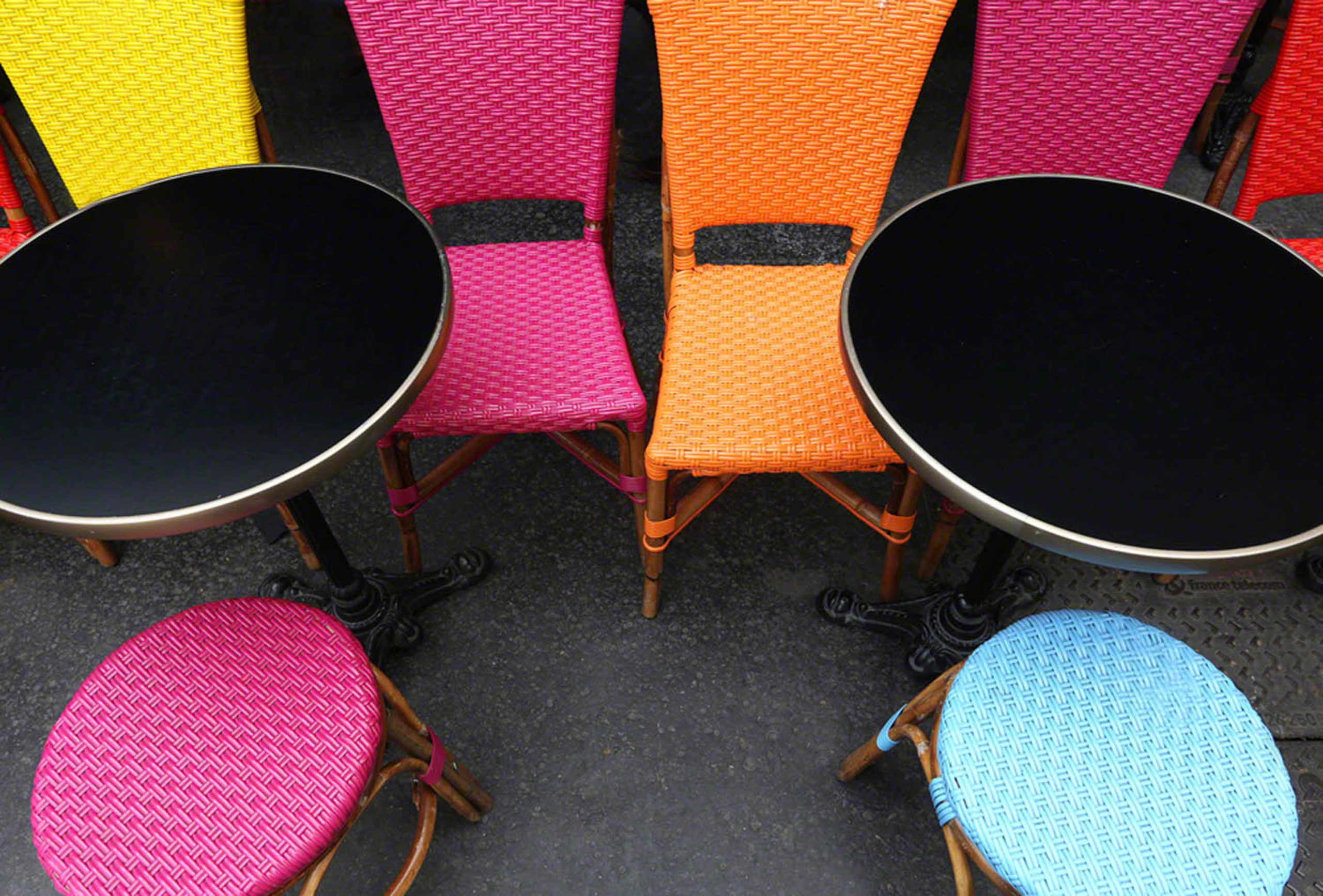
Use the edges of your frame as a compositional tool.

I’ll occasionally pick up one of my many photo books, take it over to the couch in my studio and look at the pictures while reading the text once again. One of my favorite photographers is Henri Cartier-Bresson…the father of “The Decisive Moment”. I love reading what he had to say about his approach to photography. From talking indirectly about the “Figure-Ground” principle in Gestalt to waiting for the right picture, to timing, and a hundred others thoughts to numerous to mention in one post.

The one thought that he talked about as much or more than others was about cropping your photos. here’s his quote:

“If you start cutting or cropping a good photograph, it means death to the geometrically correct interplay of proportions. Besides, it very rarely happens that a photograph which was feebly composed can be saved by reconstruction of its composition under the darkroom’s enlarger; the integrity of vision is no longer there.” I think the part about the geometrically correct interplay might be a touch above my pay grade, I absolutely believe that the integrity of vision is no longer there.

In my online class with the BPSOP, and in my “Stretching Your Frame of Mind” workshops, I want my students and fellow photographers to crop only in the camera. By cropping in the camera, you’ll always be aware of where the edges of your frame are. One of the best suggestions I can make is to use those edges as a compositional tool. A good example would be to use one or two of the edges simultaneously or just one to create one of the sides of a shape. Since Shape is a basic element of visual design, it’s important to use shapes to help create stronger images. one or two edges can complete a triangle, square, rectangle, or any irregular shape such as a diamond or trapezoid; These have the most energy of all the shapes.

When you crop too much on the computer, it’s so easy to become lazy even lethargic. It’s that “I’ll just crop it later” syndrome that the digital age has brought upon us, reminiscent of some European plague… Yikes!!! A loose approach to framing your idea in the viewfinder can and will be an impediment leading to the obstruction of your photographic vision.

I once read, “Cropping is a sign of sloppy technique and a lack of discipline”. Now there’s food for digital thought!

Visit my website at: www.joebaraban.com and follow me on Instagram: www.instagram.com/barabanjoe. Check out my workshop schedule at the top of this blog. Come shoot with me sometime.

JoeB
Quick Photo Tip: If it Goes Away Don’t Walk Away.

He was the fifth runner to come down the middle when the sun was out!

I see it all the time. It might be when someone submits a photo in one of my online classes with the BPSOP, or when I’m walking with one of my fellow photographers that is with me in my “Stretching Your Frame of Mind” workshops I conduct all over the place.

It might be the sun that has just gone behind a cloud putting everything in a less than desirable light. What will happen is that instead of the photographer looking up to see when the sun will come out they will invariably walk away from a potentially great photo op that needed light to pull it off. Of course, it is quite possible that the same photographer wouldn’t have a clue about the value of light and the way it affects the environment around him/her; that would really be a bummer!

What I see the most is the photographer just missing a person walking or maybe riding a bicycle down a street, path, beach, road, and the frustration knowing that he missed it clouds the mind and then not even consider the possibility of another person coming soon after.

Another common scenario is when a person or persons creates a situation where a gesture or some type of body language happens too fast for someone to raise his or her camera up to their eye to capture it. Never fear, the probability of that person repeated it is on your side. I’ve been shooting for fifty-three years and I’m here to tell you to not bet the farm that it won’t happen again…only maybe this time it will even be better.

Whatever you do, do give up, do ‘t quit then walk away. Give it a chance and the chances are you won’t be sorry for spending the time. Remember that the easiest part of taking pictures is clicking the shutter. The part that leads up to it takes time, energy, and work.

Visit my website at www.joebaraban.com, and check out my workshop schedule at the top of this blog. come shoot with me sometime.

JoeB
Quick Photo Tip: The Where, When, and Why of Focusing on Manual

Coming from the days before the digital era, not only did we have to crawl three miles in the snow to get a shot, but we had to focus our own camera. Of course, those were the days before the written word, as in pre-historic times.

Now that we’re in the digital era, we have one of many marvelous innovations called auto-focus.  However, it’s important to remember that auto-focus is a luxury, not a necessity.

I keep telling that to my online students that take my online classes with the BPSOP, and to those that are with me during my “Stretching Your Frame of Mind” workshops I conduct around the perfectly round planet.

Having said all this, I generally keep my camera set on auto-focus, but in doing that I’m keenly aware of any drawbacks to it, and in an instant I can change to manual focus.

Here are some examples of when you should make the switch:

WHERE: You need to be watching where your focal points are active and place them on something that has contrast. It’s important to remember that the camera needs that contrast to focus.

If your subject has a lot of sky, your camera can’t focus there because of a lack of distinction; there has to be something of contrast below the horizon line.

WHEN: If you’re pointing your camera at a wall with nothing on it and depending on what your focal points are set on, the camera won’t see anything so it won’t click the shutter.

The most obvious one is it your lens is too close to your subject.

In the above photo, I placed my subject close to the edge of the frame to not only create depth but to generate Visual Tension as well. The camera doesn’t know that’s what I’m doing and will focus on something farther away. If I’m really lucky and have stopped down to F/22 and I have a wide-angle lens on I might get my subject in focus.

The best way to handle it is to set my camera to manual focus and focus on my subject. Then, if I want what’s behind him to be sharp, I can just stop all the way down to F/22.

WHY focus on manual? Because it will make you more aware of your surroundings, and what your camera can and can’t do. As a result, will make you a stronger photographer.

Visit my website at www.joebaraban.com and check out my workshop schedule at the top of this blog. Come shoot with me sometime.

JoeB
Food For Digital Thought: The Eyes Have It.

Looking deep into her eyes was great!

I teach fellow photographers how to incorporate the elements of visual design and composition into their imagery.

In my part I and part II online class with the BPSOP, and in my “Stretching Your Frame of Mind” workshops I conduct around the planet, one of the basic elements and probably the most important of them all is LINE. Without Line, the other elements of visual design wouldn’t be elements, and worse, the world as we know it wouldn’t exist…why you ask????

For the simple reason that Pattern, Texture, Vanishing Points, Shape, Form, and Perspective are made up of Line. The world wouldn’t exist because everything around us from buildings to forms of locomotion to flowers to humans, etc. all have an implied outLINE.

When I’m photographing people, I almost always have my subject looking into the lens.  One of the most important implied lines is the imaginary line that runs from the subject’s eyes to the center of the lens. Not only does it suggest a certain intimacy and private bond between the subject and the photographer, but it also creates visual tension and intellectual energy.

As I always say, “Tension=Energy”.

I don’t mean the Tension that comes from mental or emotional strain, but the Tension that comes from forces acting in opposition to one another…as in the subject and the camera looking at each other.

At one time taking pictures of people use to be thought as “robbing oneself of their soul”. Having said that, I’m not looking to steal someone’s soul (what would I do with it once I had it? Craig’s List or eBay?), however, I like the old adage that suggests the eyes are the doorway to one’s soul, and I do like the idea of looking into one’s inner spirit.

Visit my website at: www.joebaraban.com and check out my workshop schedule. Come shoot with me sometimes and maybe we’ll go steal some ‘souls’ together!!!

🙂

JoeB