Pearls of Wisdom: Idealism or Realism, that is the Question
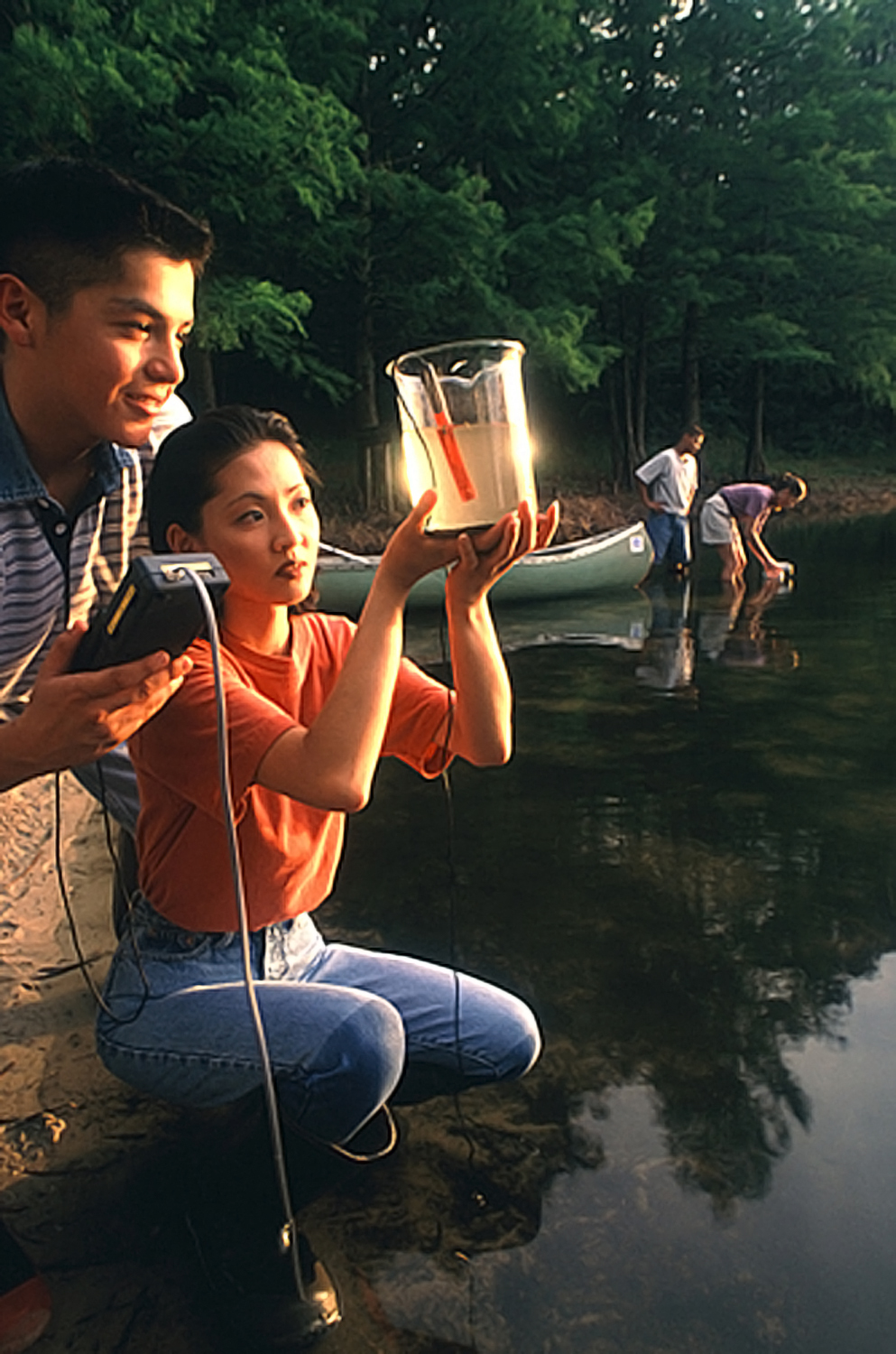
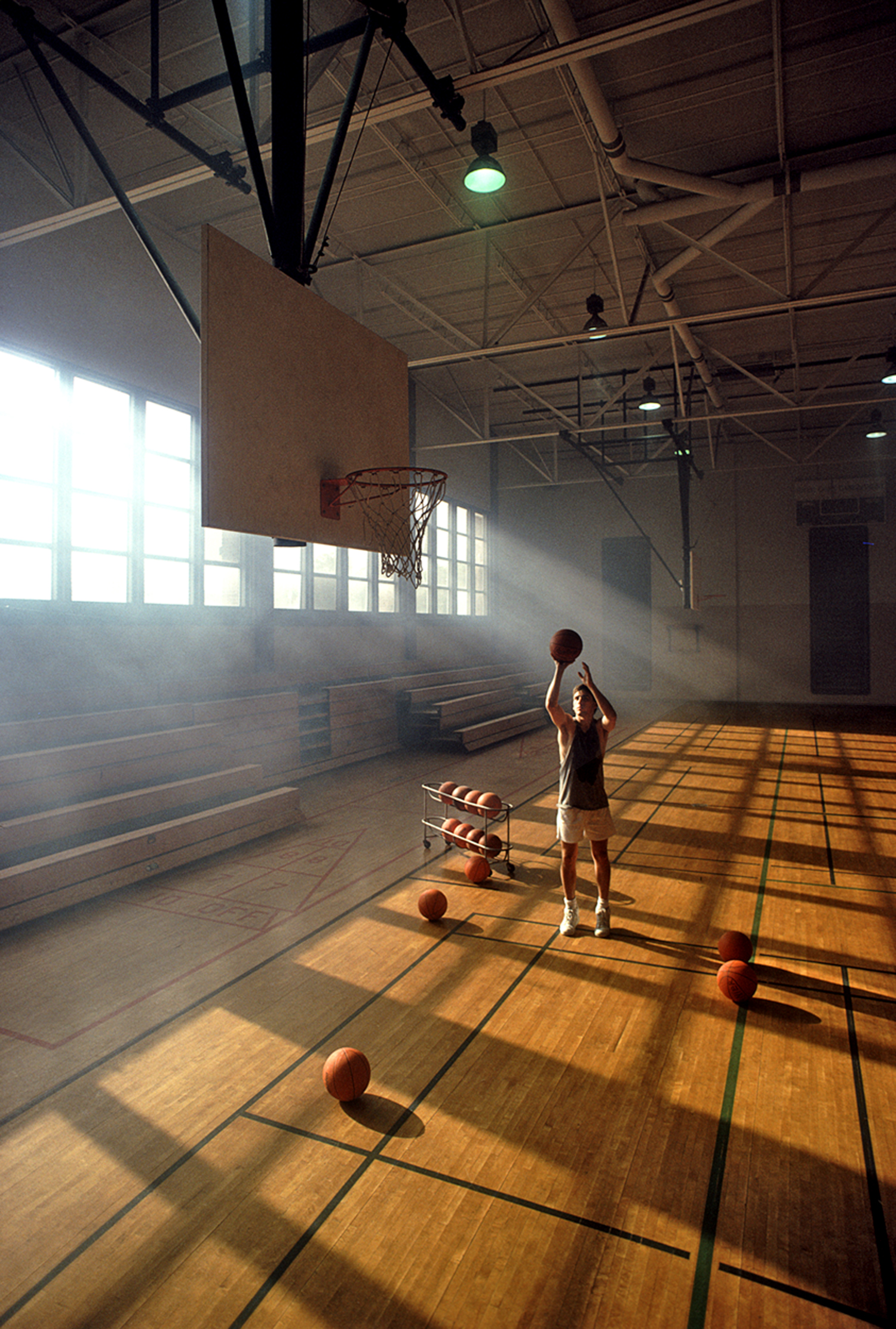
I moved them into the early morning light.

One of my favorite Pearls of Wisdom that I often say to my online class with the BPSOP and in my “Stretching Your Frame of Mind Workshops” I conduct around the planet, is “in a perfect world, what if”. I’ll bring this up when I’m discussing one of my students photos and ask them if they could go back and re-take the photo, and could add, change, or do anything they wanted, what would they do.

I do this then explain that whether or not they could change anything isn’t the issue. It’s just an exercise to sharpen their mind and have it always thinking about improving their photos so that one day when they could actually add, change, or do anything, they will be ready for it.

The Realism comes from the photo as they first saw it. If I had a quarter for every time a fellow photographer or student told me that they never thought about adding, changing, or doing anything they wanted, to create a stronger image, I would be writing this post on my island with a blue and frothy cocktail resting comfortably on my stomach…with an umbrella perilously hanging from one side. They just figured that if it was the way it was, then that’s the way they should shoot it.

Now, I know that there are photographers out there that believe you should never alter anything before you click the shutter. If that was the way it was before they got there, then come hell or high water that’s the way they were going to photograph it. Well, that’s all well and good, and I hope all their photographic dreams and endeavors comes to fruition. My problem is that most of the time, I never like things the way they are.

The Idealism part of this post is when that same fellow photographer or student tells me things he would have liked to have added or changed. That’s the ideal world, not the real world talking, and that’s the world I live in…photographically speaking that is!!!

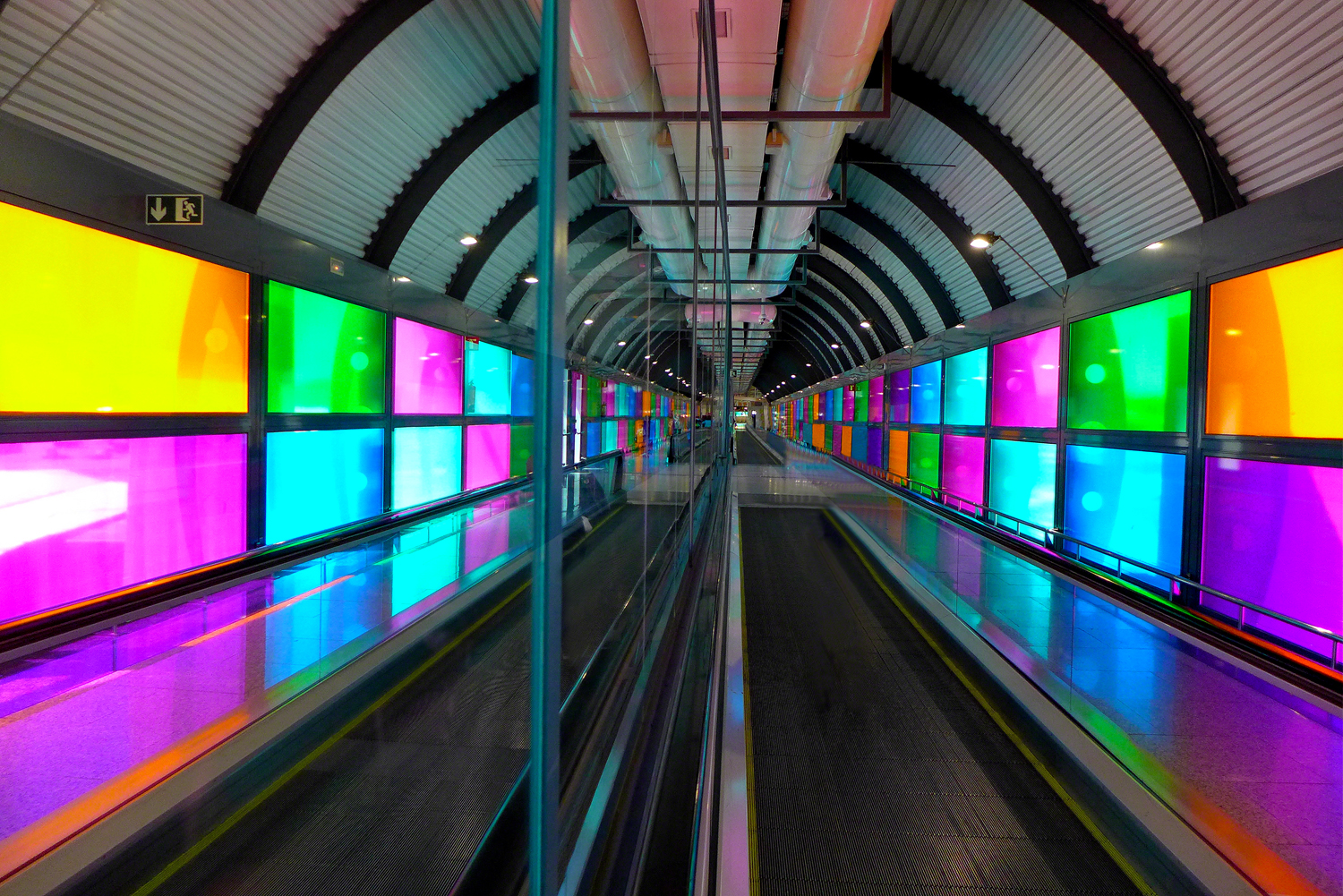
In the above photo, I was shooting an annual report for a Chemical company. Although this kind of activity was actually going on (Realism), I didn’t like where they were and how they were doing what they were doing. So, this photo was a part of my imagination (Idealism). In other words, I put all the elements together and then staged it.
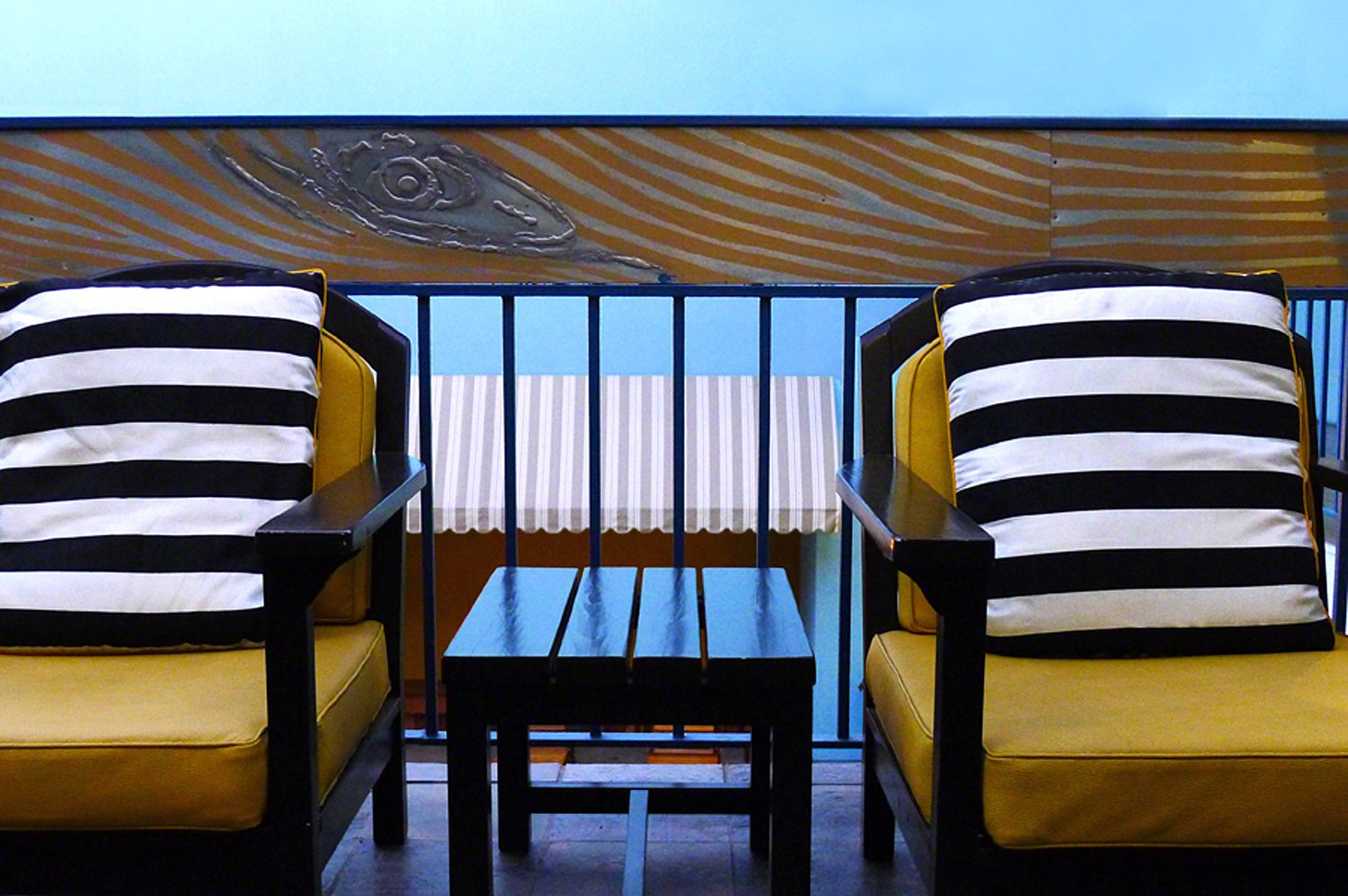
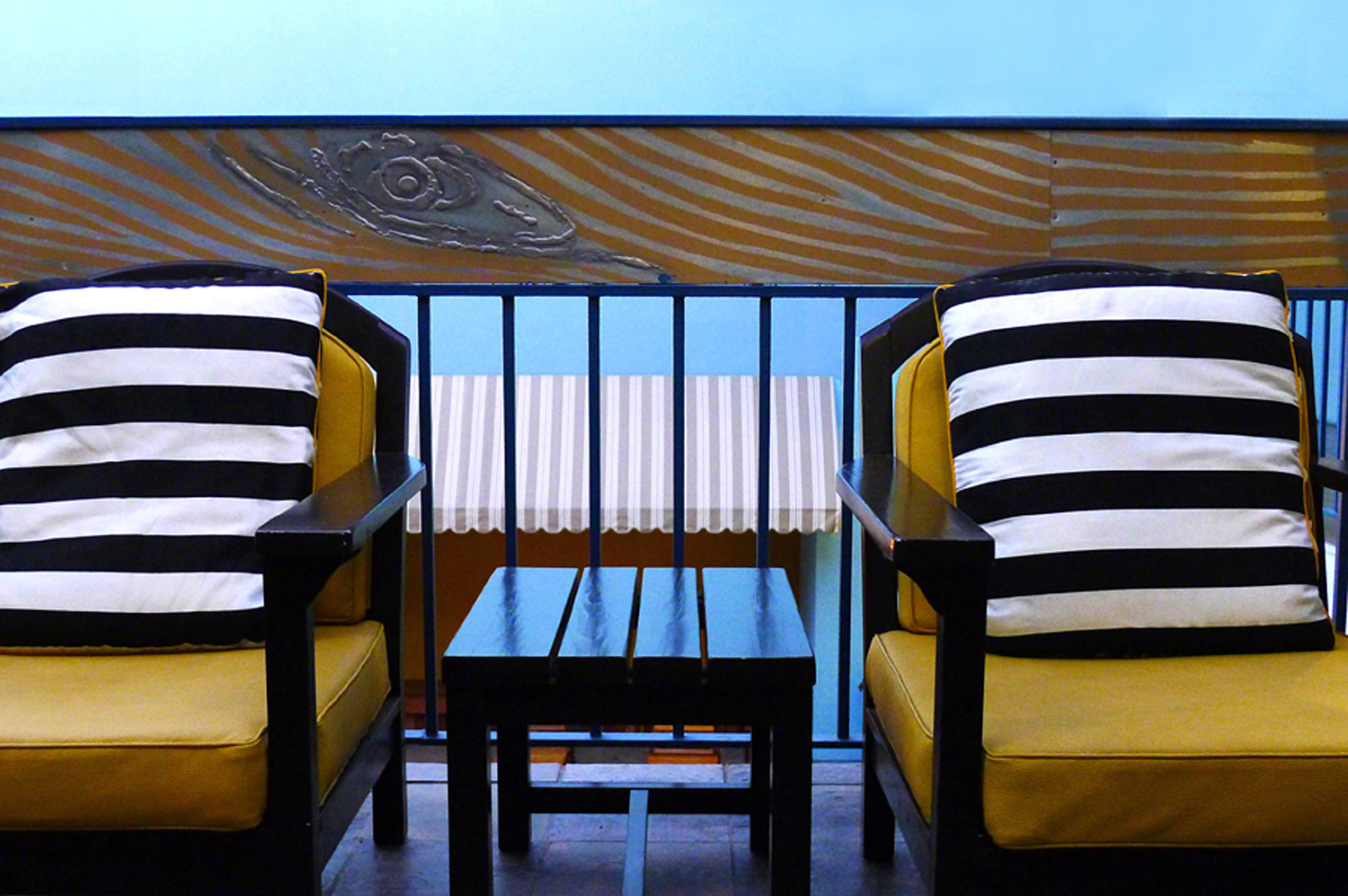
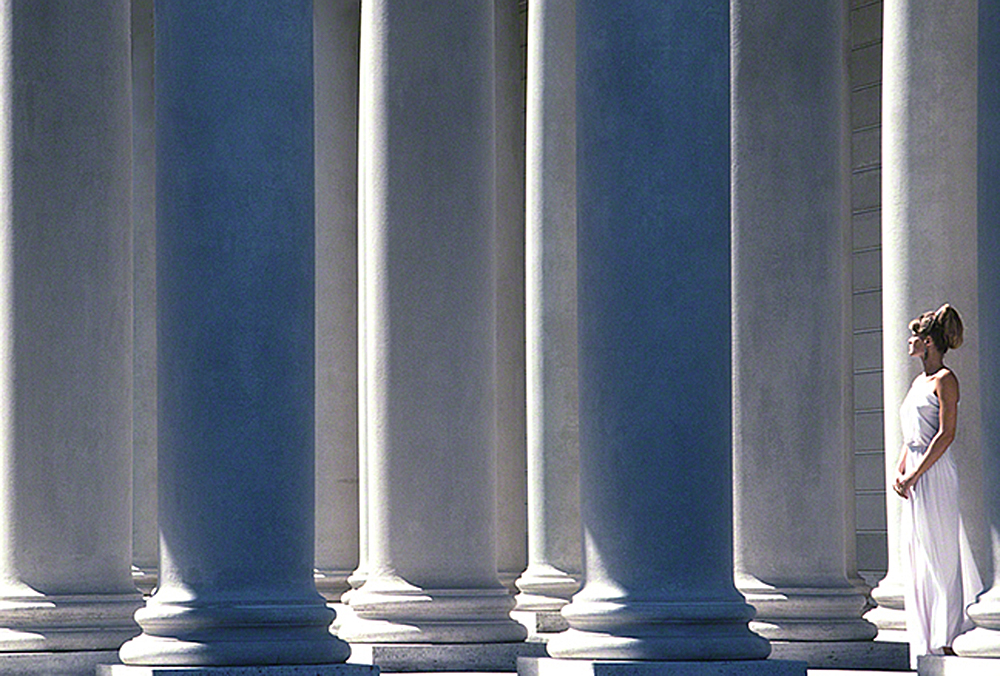
The striped pillows were on other chairs.

If you want to “take pictures”, then by all means live in the real world where Realism is the common denominator. On the other hand, if you want to “make pictures”, then it’s the ideal world for you. Don’t look at what’s there, look at what you’d like to be there.

As for me, my mother always said I was a dreamer!!!

Visit my website at: www.joebaraban.com and check out my workshop schedule at the top of this blog. Come and dream with me sometime.

JoeB
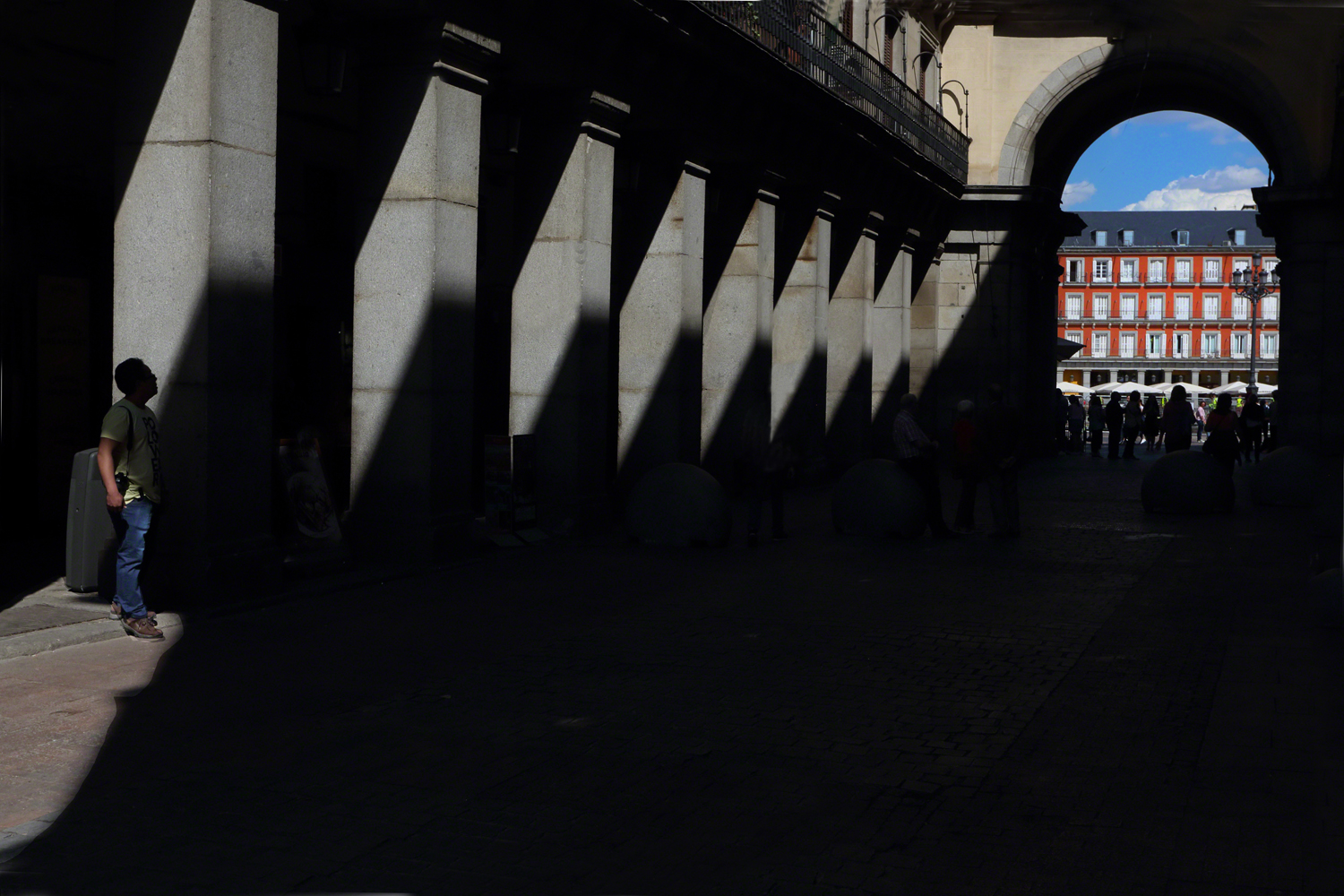
Photo Ops: Recognizing The Moment.

Recognizing the moment paid off

I’d like to think that there’s two photographers bottled up in this mind that’s been covered over with curly whitish gray hair. One that is calculating, and always wanting to “make pictures” by scouting ahead of time to know exactly where the sun is going to come up and go down. One that wants to know where the shadows will fall, how long they will be and when they’ll disappear. Someone that rarely photograph what he sees and as a result photographs what he’d like to see; in other words a story-teller.

The other person in me loves to throw a camera over his shoulder and just head out to the great beyond, not knowing if he’ll come back with anything or not. Truth be told, after forty-four years of shooting, I feel pretty good in the fact that I’ll see something worth raising a camera up to my eye for. I was a street shooting long before I started working in advertising and corporate design. Shooting for AP, UPI, and  Black Star tends to leave an indelible mark on you, and you really never shake it. Being chased down the street during the race riots in the sixties will do it to you. When you mix that with an art background and an eye for graphic design, to me the results can be wonderful.

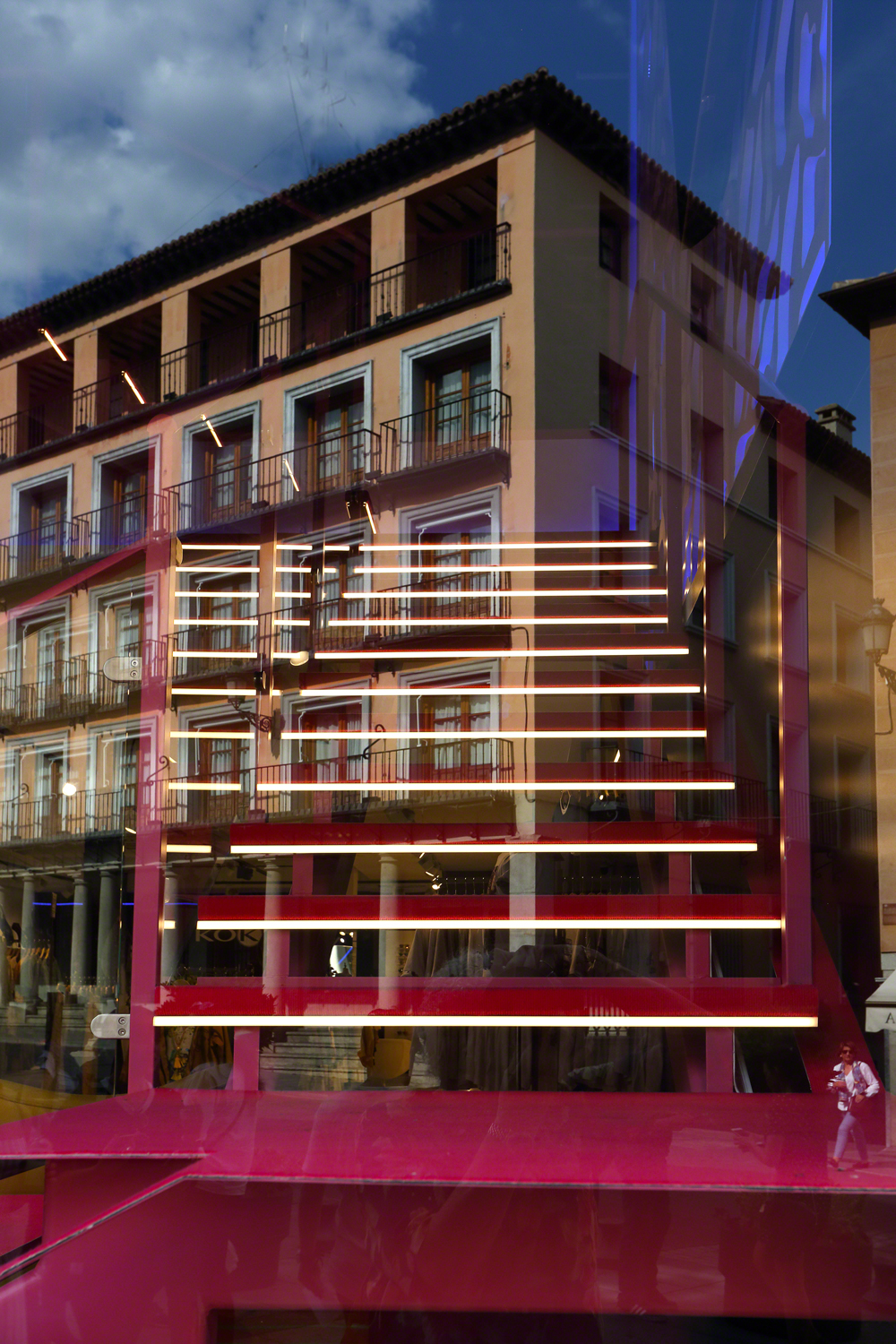
One of the ways to do this is one that I always talk about to my online class with the BPSOP, and with my “Stretching Your Frame of Mind” workshops I conduct around the planet…Recognizing the moment.  What I mean is to be out and about with your camera at the ready, and recognize the makings of a good photo. In the above photo, I was recently standing in the main plaza during my Spain workshop and saw this amazing row of triangle shaped shadows. It was a strong enough graphic to have just shot it and walked away happy.

Recognizing in that moment that if I could add a layer of interest, something besides the light, color, and design of the situation, I could make it even more interesting. It would change it from a purely graphic representation to a more editorialized one…why you ask? Because by adding a human element, it tells a story. And by waiting, it paid off when a man on the far left bottom corner walked in and stopped. And as Eddie Adams once said, “when you get lucky, be ready”.

Remember the next time you go out that it’s a well-known fact that people like to see people in photographs. Learn to recognize the moment, and your imagery will most definitely move what I refer to as “Up a notch”.

Visit my brand new website at: www.joebaraban.com, and be sure to check out my upcoming workshops at the top of this blog. Come shoot with me sometime.

JoeB

Photo Ops: The Elements of Visual Design as Your Subject

I saw triangles

In my online class with the BPSOP, we work on the basic elements of visual design and how to incorporate them into our imagery. When I’m walking around with my fellow photographers that have signed up for one of my “Stretching Your Frame of Mind” workshops I’m also pointing out these same elements, and showing ways to make them the subject. I have even gone so far as to make this concept part of the online class lesson.

In the following posts I will share with you each one of these elements and examples of photos that  represent said lessons.

Ok, so let’s start with SHAPE: Shapes are all around us and whether the viewer knows it or not, he’ll react when he sees them. Used in our imagery, shapes will provide a sense of structure to your composition. The four basic shapes are: circles, squares, triangles, and rectangles.

FYI, the shapes that are similar but are more irregular such as an isosceles triangle or a trapezoid have more energy. Besides those that are more prevalent in our world, the diamond is a great shape, filled with a great deal of energy and evokes a sense of motion; not to be overlooked. Repeating these shapes will provide a sense of unity, and can be perceived by the viewer as one group.

Btw, a great example of diamonds can be found on most chain link fences.

The ability to “see past first impressions” is the key in providing the various shapes to create stronger images. One may look at a series of beautiful sailboat silhouetted against a dramatic sunset racing towards the finish line and just see the sailboats. That’s the left side of your brain at work, the analytical side.

However, if you were to switch that side off, and look at the same group of sailboats with the right side of your brain, the creative side, you will see the beautiful backlit row of triangles glowing from the warm, late afternoon sky.

Look for shapes, and introduce them into your photography. Try making these four basic shapes the actual subject. Once you train yourself to see with that side of your brain and forget about the labels we put on things, your photographs will take on a new meaning and have a much better chance of being remembered.

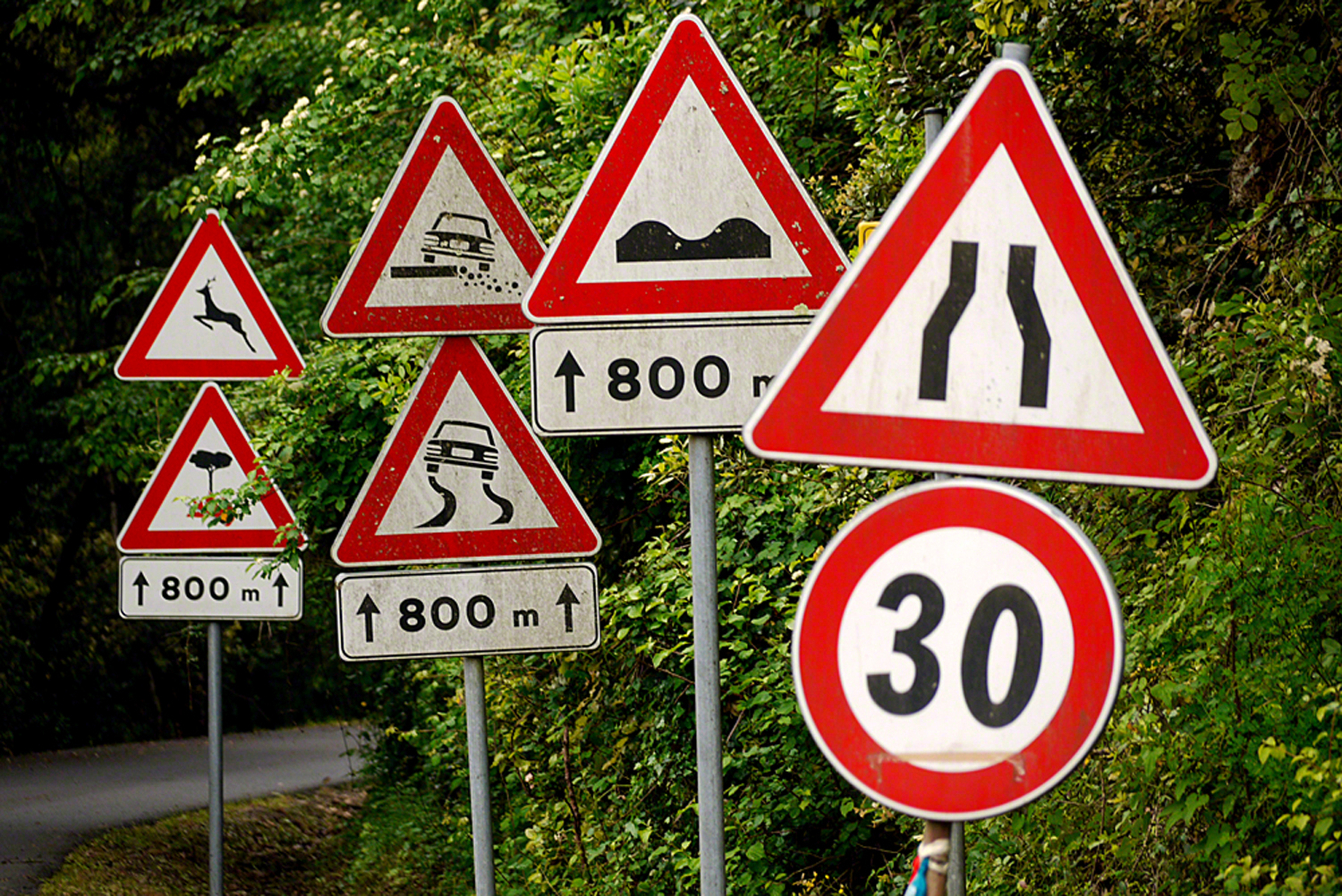
In the above photo, the left side of the brain sees caution, directional, and warning signs. The right side, the creative side, sees a series of triangles.

So, the next time you go out shooting, think about this post and try to make Shape the subject.

Visit my brand new website at: www.joebaraban.com, and check out my workshop schedule at the top of this blog. Come shoot with me sometime.

JoeB

My Favorite Quotes: W. Eugene Smith

Think, feel, and see

W. Eugene Smith is probably one of if not my favorite photographer. Since the beginning of my career as an advertising, corporate, and editorial photorapher, I shot mostly black and white. His images made a profound impact on the way I was starting to see, and I identified with just about all of them.

Bur recently, I discovered a side of him that I really felt made us kindred spirits; and it was all about the ways I approach teaching.

I teach an online class with the BPSOP, and I also conduct my “Stretching Your Frame of Mind” workshops all over the planet. I teach my fellow photographers how to incorporate the elements of visual design into their images, so when I read what Gene Smith said, I immediately saw so many parallels to the way I do things.

He said, “If I can get them to think, get them to feel, get them to see, then I’ve done about all I can as a teacher.”

Get them to think: One of the most common threads between photographers is that they’re in a rush to click the shutter. Sometimes that’s necessary, as in street shooting when a ‘moment’ occurs and you have to be fast to get it. Most of the time it’s not that important. What happens is that you wind up having to spend time in front of a computer to fix what you didn’t see when you ‘rushed to judgment’.

Think about what you’re doing when you’re trying to convey a message to the viewer. It can be any subject, i.e., landscapes, portraits, still lifes, etc. If the viewer doesn’t know what you’re trying to say/show, he won’t spend much time working to figure it out.

Get them to feel: Well it’s all about the difference between taking and making pictures. It’s about the total immersion into your new found passion and craft. It’s about mastering the light and understanding exposure. It’s about getting some dirt on your shirt or at least your knees. It’s about taking on the challenge of being a good photographer, not a good computer artist or digital technician. Let me explain further:

Determining the light and the direction it’s coming from before you raise your cameras up to their eye to me is the most important factor. Making your own decisions as to the correct exposure to use instead of letting the camera and lightroom do the work for you, scouting ahead of time and pre-visualizing your ideas in your mind then executing it, and spending more time than the “I came, I shot, I left”  frame of mind I find happening all the time.

The “I’ll fix it later” mentally that has come along with the digital era, has sucked the life and breath out of the right side of our brain; the creative side.  Why should I bracket when I can do it in lightroom? Why should I worry about the horizon line being straight when I can just use my straightening tool later in front of my computer? It just goes on and on.

Get them to see: Is it just a tree? I talk a lot about right and left brain thinking. The left brain is the analytical side while the right side is the creative side.

For example, if you were to look at a fence around a little league baseball infield, the left side would see a fence around a little league baseball infield. If you were to look at that same fence with the right side of your brain, you would see Pattern, Shape, and Line; three of the basic elements of visual design.

Make sure that when you’re out shooting don’t view things as they are and what you first see, look past those initial reactions to things so you can see what else they represent. It will open so many other photo possibilities.

Visit my new website at: www.joebaraban.com, and check out my workshop schedule at the top of this blog. Come shoot with me sometime.

JoeB
Food For Digital Thought: Are You a Photo Sinner or Saint?


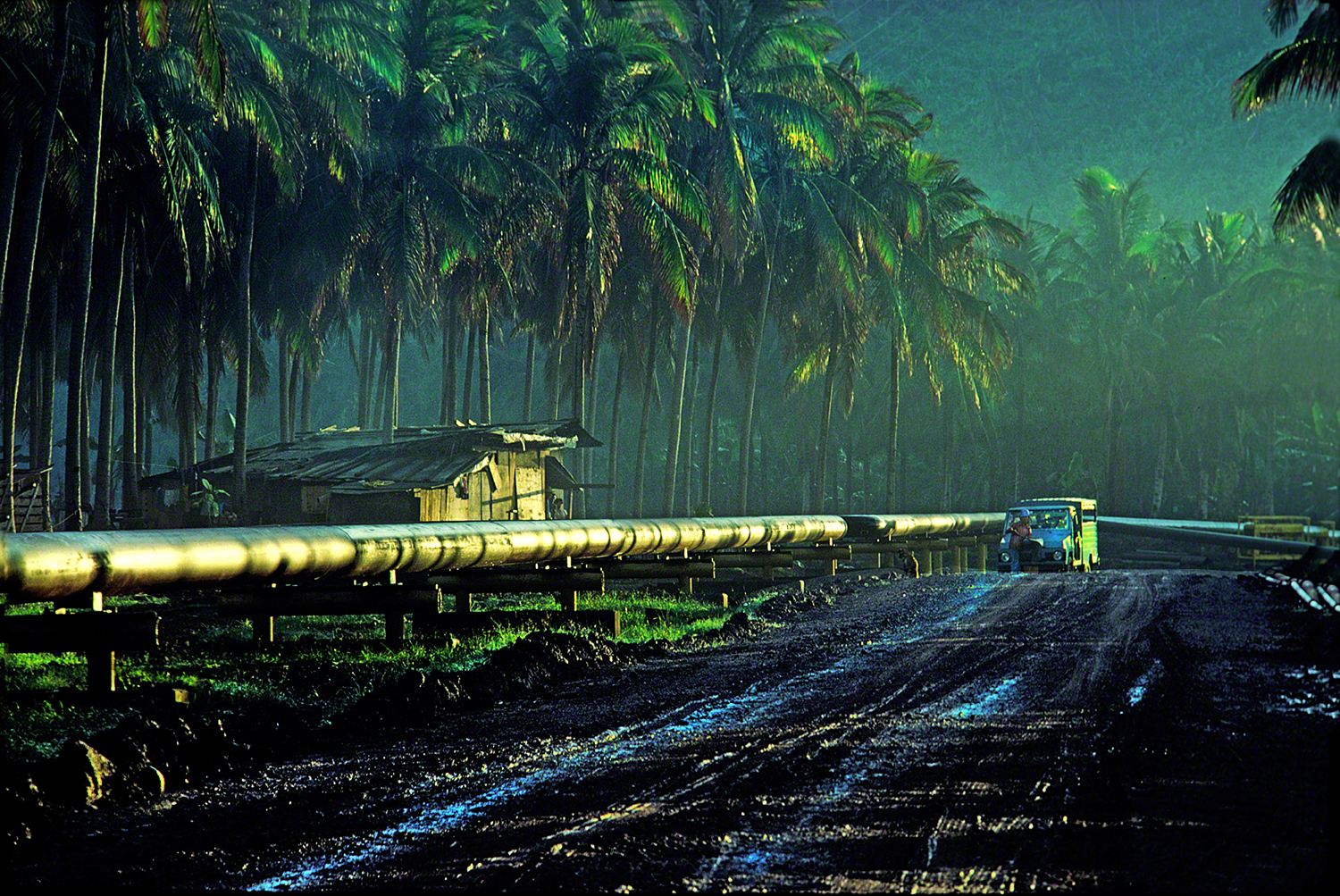
Follow the road less traveled

To all my brothers and sisters,

Do you raise the camera up to your eye and start shooting without first thinking it out? Do you take one shot then move on leaving a lot still on the table? Do you follow advice from all your self taught fellow photographers, even though it will lead you down the iniquitous path to mediocrity? Photographic purgatory for life everlasting!!!!

Moreover, do you buy expensive cameras in the name of artistry hoping for that creative vision, inspiration, and imagination that will evade you in perpituity? Do you really think a fast 50mm prime lens will make you a better photographer, so it’s the only lens you use? Do you crop your photos into squares, long rectangles, and enhancement bubbles or circles as they’re commonly called? Do you triple mount with colorful mats those camera club entries and give them weird esoteric titles? Do you let your camera do all your thinking for you? Do you aimlessly walk the hallowed aisles of the B&H photo store looking for expensive unnecessary crap you really don’t need? Do you let those naysayers convince you that HDR is the only way to achieve proper exposures? Do you fix it later in Photoshop?

If you answer yes to any of these, then I beseech you my fellow photographers in the name of all that’s sacred, mend your ways or become photo sinners for all eternity!!!

REPENT!! How do you ask? How do you find salvation? How do you keep the devil, also referred to as Lucifer, The Prince of Darkness, Beelzbub,  Satan, the Antichrist, or the funny looking guy with horns, a weird tail, and carries a trident wherever he goes, off your left shoulder who is just itching to force you into acts of bad behavior? How do you change your ways and go from being a photo sinner to saint?

By following the righteous trail less traveled…by not taking advice from people you might know more than…by using the elements of design and composition in your imagery…by making sure you convey your thoughts to the viewer….by doing what you intended…by having a center of interest…by including visual tension and interest in your photos…by pre-visualizing…by slowing down and smelling the roses…by coloring outside the lines, and most importantly…by breaking all the rules!!!

Of course, you could always take my online classes with the BPSOP, and/or take one of my “Stretching Your Frame of Mind” workshops I conduct around our (round) planet.

🙂

Visit my new website at: www.joebaraban.com, and check out my workshop schedule at the top of this blog. Come shoot with me some time and find sanctuary.

JoeB

QFT: Be Aware of Your Surroundings

Always being aware of my immediate environment.

As I tell my online students with the BPSOP, and those that take my “Stretching Your Frame of mind” workshops I conduct around the planet, you just never know when that illusive keeper will cross your photographic path. When I say illusive keeper, I’m talking about that 0ne in fifty images that passes through you camera on any given day of shooting.

Most of the photographers I teach, as well as those that I respect as great shooters all have certain criteria in judging what each considers a keeper, or better yet an “OMG” photo. My standards are set extremely high and they keep getting higher if that’s possible!!! Since I know that these kinds of photos come and go in a blink of an eye, mostly because of the sometimes fleeting light, I want to be ready just in case.

It stands to reason that one of the best ways to have a shot at your keeper is to always have a camera with you. Which I do!!! This reminds me of the tag line for the Texas Lottery that reads, “You can’t win if you don’t play”. The good news is that your chances of coming home with that “OMG” photo is a lot better than winning the Lottery.

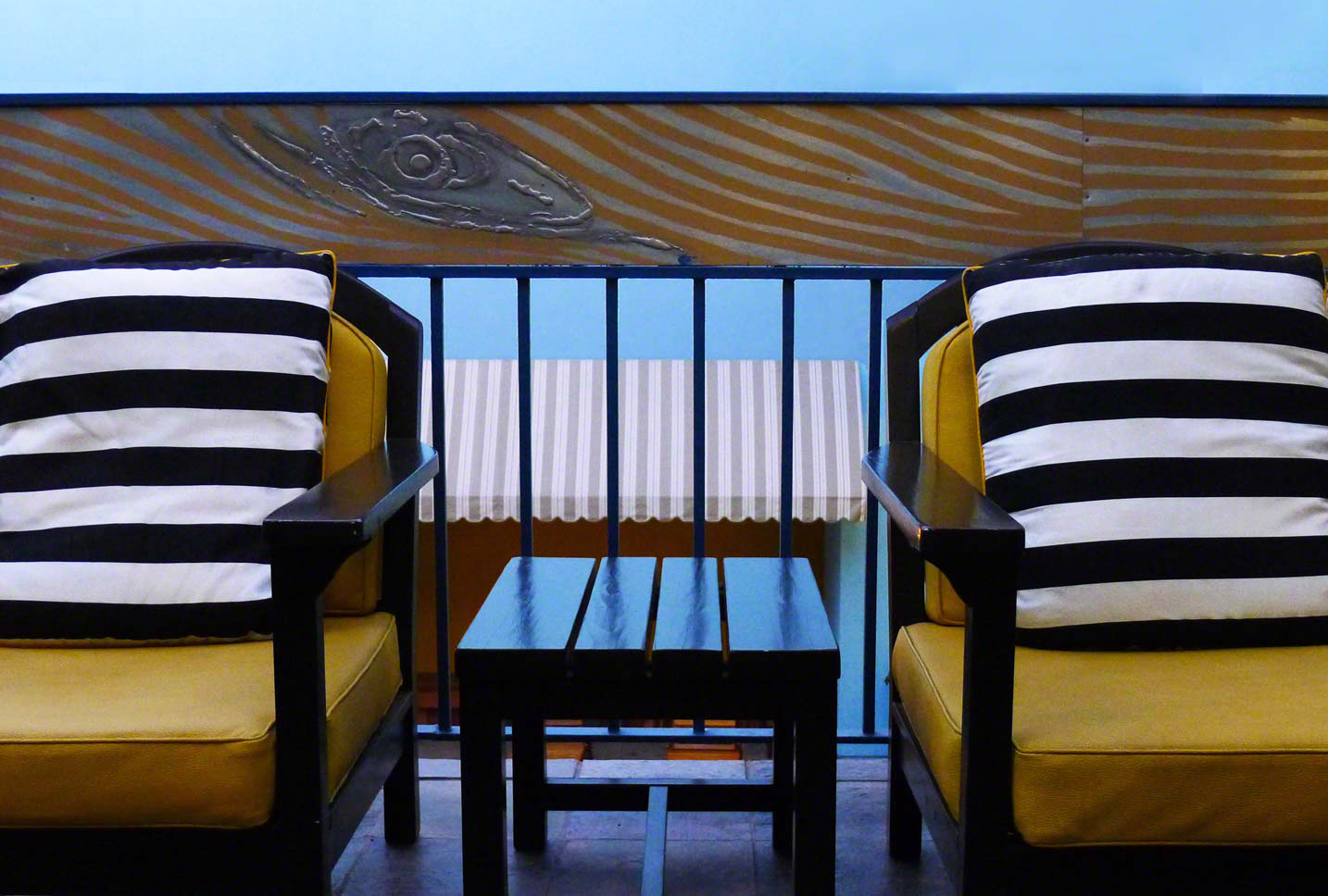
In the above photo, I had just sat down in an outside bar on the second floor of the hotel I was staying at. As always, I had my camera with me and saw this happening right before my very eyes. Since it screams Line, the most important of all the elements of visual design, I took a picture of it.

Wherever I’m sitting, walking, running, or riding, I’m constantly moving my eyes around my immediate environment. It’s like I have a built in 2X3 rectangle and I’m seeing everything in an imaginary viewfinder. I’m especially looking for light hitting or falling on an object or person. It may be as obscure as a thin shaft of light, or it might be in an unusual shadow that it creates. My eye is also attracted to any movement that occurs in my peripheral vision.

Looking for anything that’s weird or quirky because of some brief juxtaposition of elements or a reflection is a good source of keepers. Try to anticipate something that might be happening and have your camera “close to the vest” when it does. Chances are it won’t last long.

Last, remember what Eddie Adams (a Pulitzer prize winning photographer) said, “When you get lucky, be ready”.

Here’s a few examples of being an observer of my surroundings:

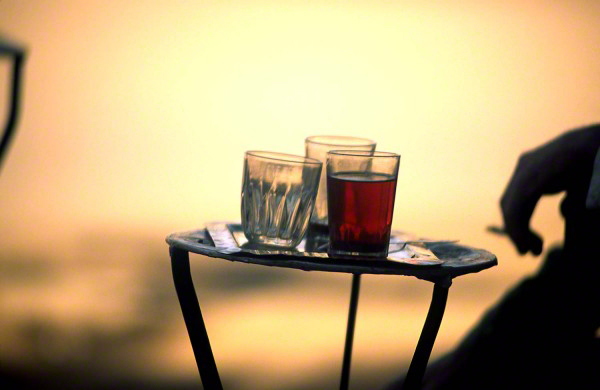
closeupofteainegypt-600x390_DM

closeupofteainegypt-600x390_DM thumbnail
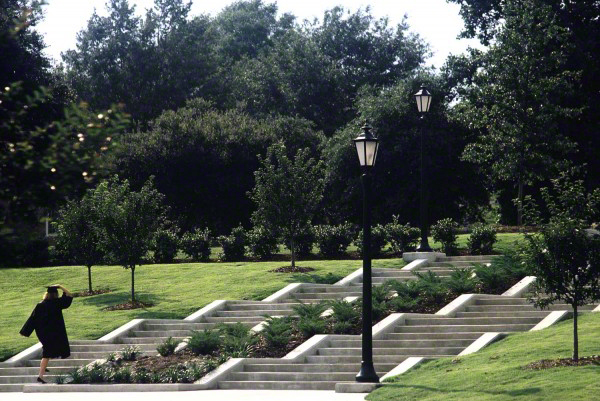
graduatewalkingupsteps0546_1-600x401_DM thumbnail
IMAG0006-358x600_DM thumbnail
IMG1-600x400_DM thumbnail
jungle-gym-600x400_DM thumbnail
manatJeffersonmemorial-397x600_DM thumbnail
navy-men-600x398_DM thumbnail
red-float-next-to-a-lake0976-401x600_DM thumbnail
reflection-ofsecurityman-400x600_DM thumbnail
skies-and-snow-from-a-ski-lift-0425-600x402_DM thumbnail
swings-on-a-beach0370-600x424_DM thumbnail
windowwashers-600x401_DM thumbnail

Visit my website at: www.joebaraban.com, and check out my workshop schedule at the top of this blog. Come shoot with me sometime.

JoeB
Food for Digital Thought: Leading the viewer around your composition

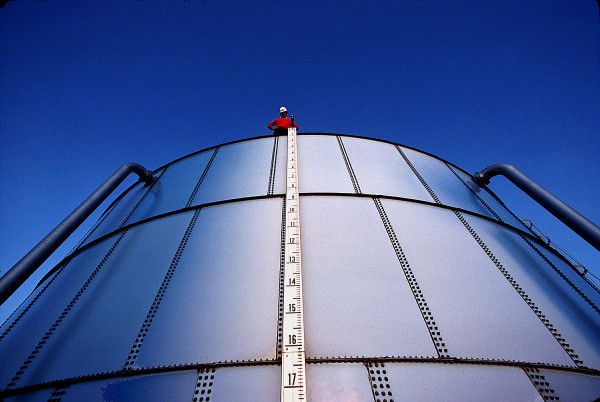
Leading lines to a payoff.

In my online class with the BPSOP, and in my “Stretching your Frame of Mind” workshops I conduct around the planet, we work on ways to use the elements of visual design to help take our imagery what I always refer to as “Up a notch”. In my part II class, we spend a lot of time on Line.

When thinking about the effects the psychology of Gestalt has on our imagery, one has to consider the facts about visual perception, and the methods we use to gain attention to our photography. What’s important is how we manage what the viewer perceives and processes when looking at the visual information we lay out to him in the form of a photograph. Humans rely on perception of the environment that surrounds them. Visual input is a part of our everyday life, and as photographers it’s our prime objective to present this visual information in a way that takes control of what the viewer sees when looking at our imagery.

The more ways we can have the viewer move around our composition, while at the same time leaving and entering it through the use of these concepts, the longer they will stick around. The more things we can get the viewer to discover while moving him around the frame will also keep them around longer. Isn’t that what we want?

Now let’s talk about Line. It’s the most important of all the elements. Without Line, none of the other elements would exist. You and I would cease to exist, as well as planes, trains, car, etc…why? Because we all have an outLINE. Line is a great vehicle in moving our viewer around the frame. I use it all the time in my imagery. The ultimate composition is where I’ve been able to lead the viewer around my frame to some kind of payoff at the end. Although that’s not a major criteria, it does add another layer of interest.

I don’t know about the rest of my fellow photographers, but for me, I want the viewer to look at a photo for as long as possible; at least six to eight seconds. You might not think that’s a long time but try looking at  someone’s photo somtime and you’ll see that it really is.

If it doesn’t pull at some inner feeling right away, then there’s little chance that the viewer will want to spend any time on it. Using leading and directional lines is one of the quickest ways to get their attention; especilly in the form of a Vanishing Point.

Take a look at these images where I’ve taken control of what the viewer does and then I’ll often lead him to a payoff by using Line.

Visit my new website at: www.joebaraban.com, and check out my workshop schedule at the top of this blog. Come shoot with me sometime.

JoeB
Quick Photo Tip: Be An Observer Of Your Surroundings.

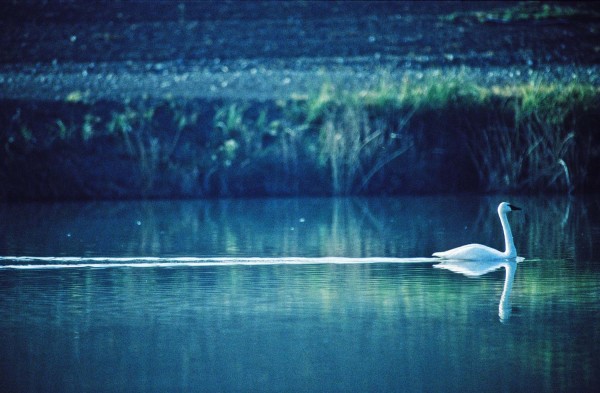
 Being aware and having a camera with me.
Being aware and having a camera with me.

As I tell my online students with the BPSOP, and those that take my “Stretching Your Frame of mind” workshops I conduct around the planet, you just never know when that illusive keeper will cross your photographic path. When I say illusive keeper, I’m talking about that 0ne in fifty images that passes through you camera on any given day of shooting.

Most of the photographers I teach, as well as those that I respect as great shooters all have certain criteria in judging what each considers a keeper, or better yet an “OMG” photo. My standards are set extremely high and they keep getting higher if that’s possible!!! Since I know that these kinds of photos come and go in a blink of an eye, mostly because of the sometimes fleeting light, I want to be ready just in case.

It stands to reason that one of the best ways to have a shot at your keeper is to always have a camera with you. Which I do!!! This reminds me of the tag line for the Texas Lottery that reads, “You can’t win if you don’t play”. The good news is that your chances of coming home with that “OMG” photo is a lot better than winning the Lottery.

In the above photo, I had just sat down in an outside bar on the second floor of the hotel I was staying at. As always, I had my camera with me and saw this happening right before my very eyes. Since it screams Line, the most important of all the elements of visual design, I took a picture of it.

Wherever I’m sitting, walking, running, or riding, I’m constantly moving my eyes around my immediate environment. It’s like I have a built in 2X3 rectangle and I’m seeing everything in an imaginary viewfinder. I’m especially looking for light hitting or falling on an object or person. It may be as obscure as a thin shaft of light, or it might be in an unusual shadow that it creates. My eye is also attracted to any movement that occurs in my peripheral vision.

Looking for anything that’s weird or quirky because of some brief juxtaposition of elements or a reflection is a good source of keepers. Try to anticipate something that might be happening and have your camera “close to the vest” when it does. Chances are it won’t last long.

Last, remember what Eddie Adams (a Pulitzer prize winning photographer) said, “When you get lucky, be ready”.

Here’s a few examples of being an observer of my surroundings:

Visit my website at: www.joebaraban.com, and check out my workshop schedule at the top of this blog. Come shoot with me sometime.

JoeB

Did It Do It: Did It Have A Center Of Interest?

Did it have a center of interest?

This is the sixth in my series I call “did it do it”. In each of my online classes I teach every month with the BPSOP, and also with my “Stretching Your Frame of Mind” workshop I conduct around the planet, I pass out this list of twelve suggestions to create stronger images and take your photos what I refer to as “up a notch”.

Since I’m not one for following rules, I submit these merely as guidelines. Guidelines that I’ve personally been following for most of my forty-six year career in Photography. The more of these guidelines you can include in your photos the better, as it’s worked for me so far. I call this one “did it have a center of interest”.

Since teaching my first workshop in 1984, I’ve looked at and critiqued hundreds of photographs, and a common thread that enviably runs through a vast majority is that they don’t have a center of interest.  Something that the viewer can clearly identify with and be able to recognize without aimlessness wondering around the frame looking for something to stop and enjoy; or wonder just what it was that you were shooting.

I can already hear what you’re thinking!!! What about a landscape or an abstract? First of all, a landscape does have a center of interest. It’s the location that’s the subject and what’s interesting. If there’s mountains, then they are the center of interest. If there’s a large body of water, then that’s what the viewer will latch onto. If there’s nothing but “sea, land and air”, then it the way they act and react to one another; the way the photographer arranges them in his composition.

If you’re talking about an abstract, then it’s conceptual and anything the viewer wants can be the center of interest.

For the most part, a photo needs a center of interest to create strength, convey a thought, communicate an idea,  make a statement, conjure up an emotion, or to be an anchor in the foreground to provide “layers of interest” and take the viewer to the horizon. It’s the glue that holds the entire composition together. Their can be more than one center of interest, as long as they say the same thing. This falls under one of the six principles of Gestalt I’ve written about for Adorama. This principle is called Similarity.

By the way, a center of interest does not have to be tangible. Intangible or an implied center of interest may come in the form of color, light, and contrast.

Some photographers tell you to “get to the point” by having your center of interest be seen right away. I agree, but with reservations. Sometimes I want the viewer to spend time looking at my photo, so I might pace it somewhere that will be discovered later rather than sooner.  This leads me to talk about another of the Principles of Gestalt…figure-Ground where sometimes the center of interest is up for grabs.

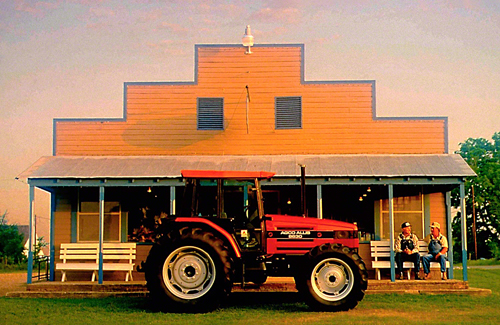
The important thing to remember is to make sure your idea is a “Quick read”, as in my tractor photo above.

Visit my new website at: www.joebaraban.com, and be sure to check out my workshop schedule at the top of this blog. Come shoot with me sometime.

JoeB

My Favorite Quotes: Paul Strand

What do you see?

Since I’m always on the lookout for articles of interest and observing well-known photographers (as well as other tyoes of artists) and their quotes, I get excited when I read one by a photographer whose work I’m familiar with.

Paul Strand is one of those photographers, who once said, “The artist’s world is limitless. It can be found anywhere, far from where he lives or a few feet away. It is always on his doorstep.”

For those of you new to my blog, I’m a semi-retired advertising, corporate, and editorial photographer who now teaches an online class with the BPSOP, as well as conducting my “Stretching Your Frame of Mind” workshops around our planet.

I teach my fellow photographers how to incorporate the basic elements of visual design into their photography. I also show students how to see past first impressions and instead of seeing with the left side of their brain, the analytical side, we work on using the right side of the brain, the creative side.

“Even in your own backyad”, I once said to one of my mentoring students who wasn’t able to leave her small farm. “It’s not just an old wooden fence” I remarked. “You see an old wooden fence with the left side of your brain, right? But what do you see with the right side?”, I asked.

I continued, “With the right side you see a possible Vanishing Point (leading and directional lines), Pattern, Texture, Shapes, and most importantly Line.

So my fellow photographers make no mistake we are artists who have chosen the camera as the medium. Our world really is limitless, and to me the best way to see it is to take the road less traveled. Strike out on your own, using your own imagination. Remember that it’s a beautiful world out there when in the hands of a photographer.

Remember that if you always do what you did, you’ll always get what you got!!!

Visit my brand new website at: www.joebaraban.com, and check out my upcoming workshops at the top of this blog. Come shoot with me sometime.

JoeB

Did It Do It: Did It Make People Want To Give Your Photograph More Than A Cursory Look?

Moving the viewer around the frame

Well my fellow photographers, here is another in the series of my “did it do it” list for good composition. If you study all of them that wll be forthcoming, you’re imagery will most definitely go what I refer to as “up a notch”. As I’ve said all along, these are not rules since rules will hinder your creative thinking. They are guidelines to making strong photos; photos that will be remembered.

Will your composition make people want to give your photograph more than a cursory look? Well first things first. First let’s see what the dictionary says about the cursory:

cursory |ˈkərsərē|
adjective
hasty and therefore not thorough or detailed : a cursory glance at the figures.

In other words, will it make the viewer want to stick around and spend more time looking. In order for the viewer to be more thorough or detailed, you have to provide enough elements for him to be thorough with.

In my online classes with the BPSOP, and in my “Stretching Your Frame of Mind” workshops I conduct around the planet, I teach my fellow photographers how to use the elements of Visual Design and Composition to create strong photos. A lot of what I teach includes the power of Gestalt. The methods we use to gain attention to our photos will vary, but what’s important is how we manage what the viewer perceives and processes when he/she looks at the visual information we lay out to him in the form of a photograph.

Visual input is a part of our everyday life. As photographer’s it’s up to us to present this information in a way that will control what the viewer sees when looking at our imagery. The more ways we can get the viewer to move around our composition, while at the same time leaving and entering our frame, the longer they will stick around. The more things we can get the viewer to discover ( layers of interest) while moving him around will also keep him around longer. This is how the elements of Visual Design can play an important part in giving our images more than a cursory look.

Isn’t that just what we want?

🙂

Visit my new website at: www.joebaraban.com, and check out my 2019 workshop schedule.

JoeB

Food For Digital Thought: giving a dramatic edge to your photos.

  As I’ve always said, Light is everything, and should be considered first, even before your composition. When it interacts with shadows, the results can be incredible. It’s a sure fire way to take our imagery “up a notch”. Light is important for sure, but equally important are the shadows. Not only is it important to know where the light is going to be, but it’s equally important to know where the shadows will fall.

In my online class with the BPSOP, and my “Stretching Your Frame of Mind” workshop I conduct around the planet, students learn beforehand exactly where shadows will fall any day of the week, anywhere in the world. Using a program called Sunpath, and coupling it with a hand bearing compass called a Morin 2000 not only do they learn where the shadows will fall, but which direction the light will be coming from, when it will be coming,  how long it will be there, and when it will leave.

Pretty important information if you ask me!

Once the interrelationship between light and shadow is established, a mood is set and the results can range from mysterious to downright scary. This is where the Theory of Gestalt comes in. Shadows can affect how the viewer perceives and is a quick way to conjure up all kinds of emotions by giving a dramatic edge to your composition.

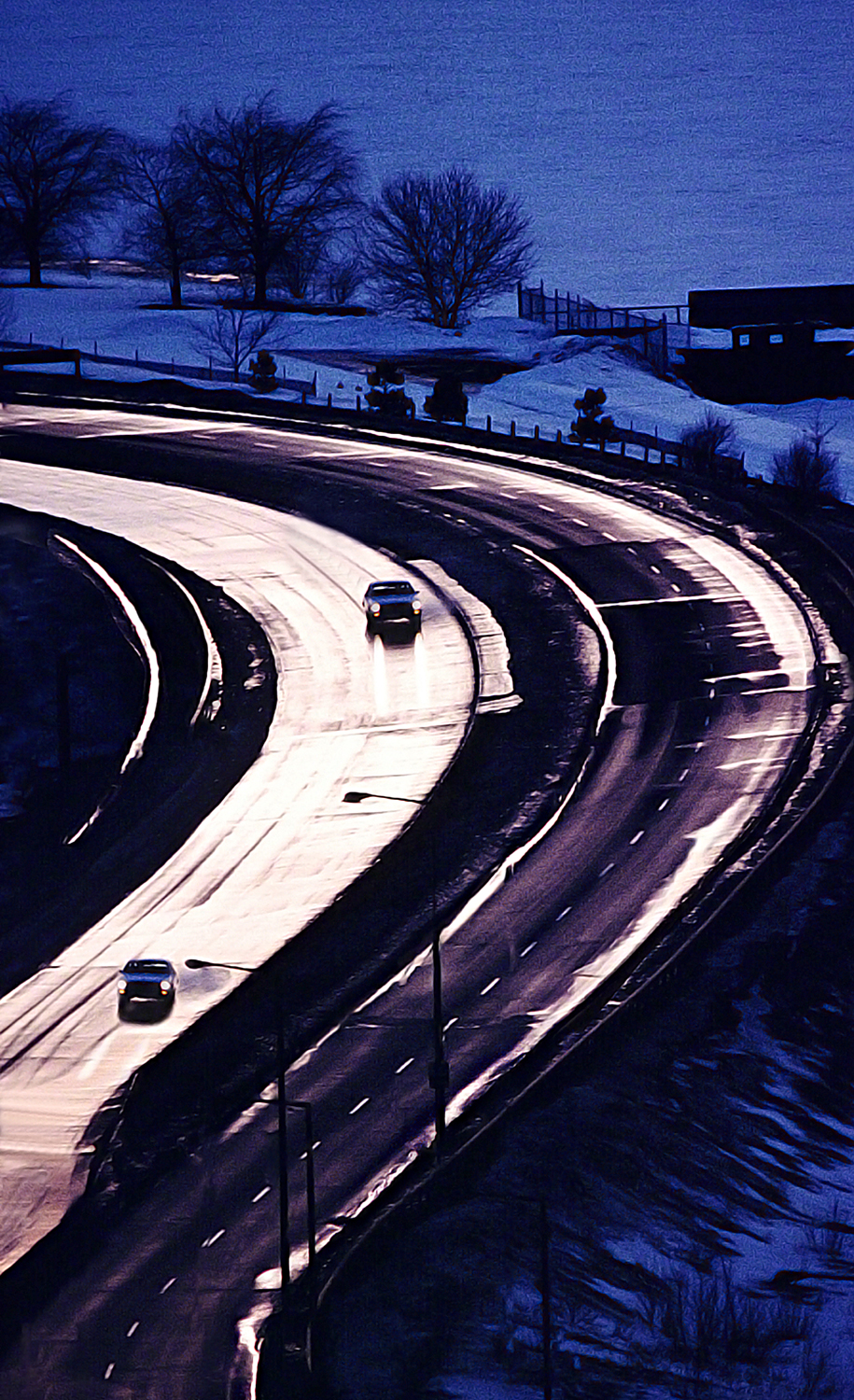
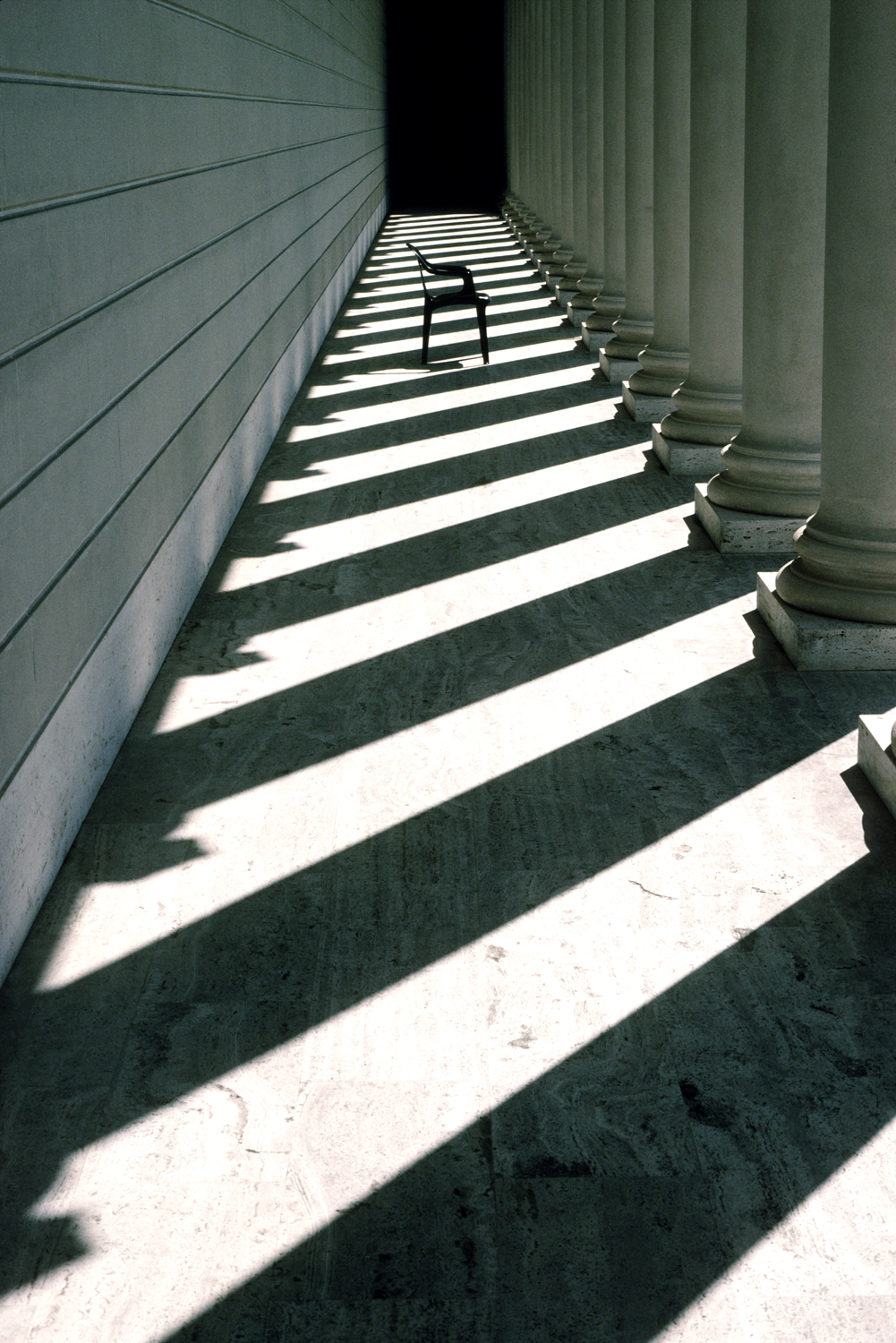
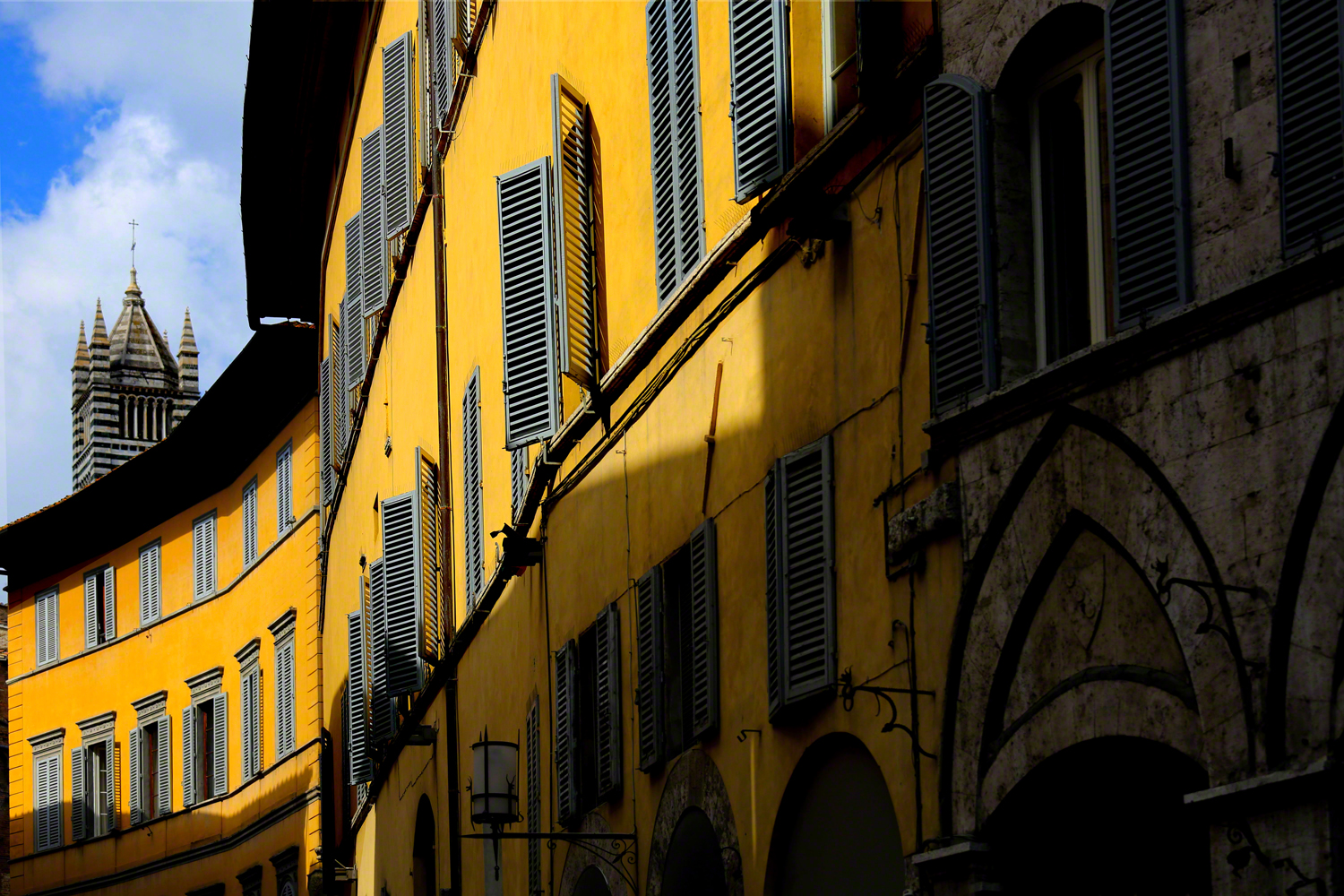
In both these images, I’ve made the shadows important enough as to make them the subject.

Photographers usually don’t give shadows any consideration; in fact, to many they can be intimidating.  Truth be told, they are leaving out a very important part of their imagery. Shadows can suggest what we can’t see in our reality. In fact, shadows help us to “celebrate the unseen”. Btw, the next time you’re out shooting, don’t think/worry about shadows falling on people’s faces.

Finally, when you master the light, be sure to master the shadows as well. We should pay tribute to the shadow, as it can help us take our imagery to “a place where no man has gone before”!!!

Visit my new website at: www.joebaraban.com, and check out my workshop schedule at the top of this blog. Come shoot with me sometime.

JoeB

Anecdotes: Oil Tools Limited

Somebody up there liked me that day.

Every once in a while I find myself going through old images and will generally stop on one that brings back fun (and not so much fun) memories.

I was hired by Lowell Williams design who was hired by an oil company in London…Oil Tools Limited. They were to begin drilling in Asia and wantd to create a high quality tabletop book that they could give out.

They sent the designer and myself to Malaysia, Indonesia, and the Philippines to photograph whatever I wanted that would visually represent the culture of the countries.

We had a driver that would take us all around the cities: Kuala Lumpur Malaysia, Jakarta, Indonesia, and Manilla, Philippines. We would also travel around the countryside outside these three cities as well. If I saw something interesting I would tell the driver to stop while I got out and took pictures.

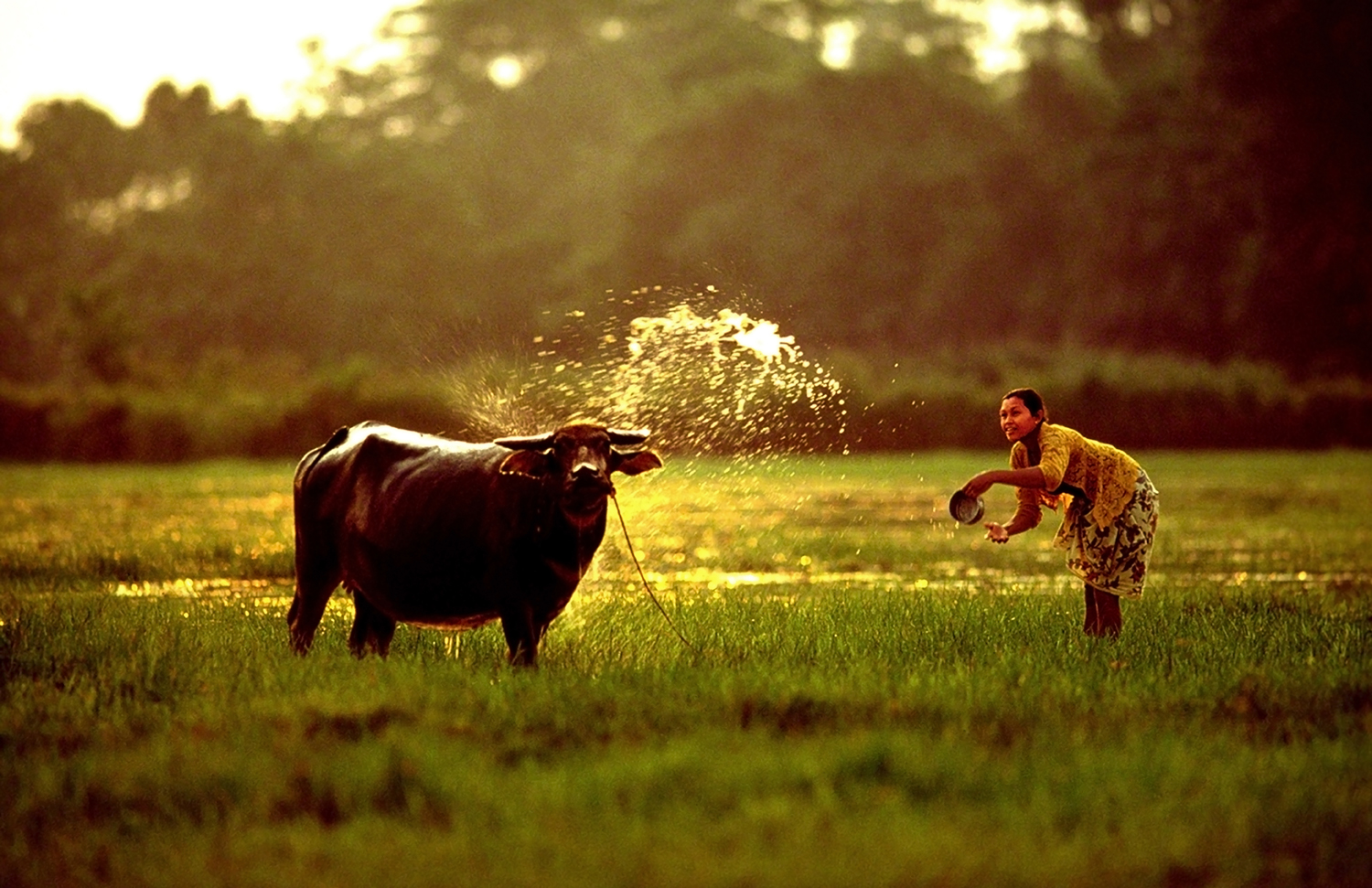
We were driving down the highway outside Kuala Lumpur and I looked out into the field and saw this young woman tossing water on her Water Buffalo. I asked what she was doing and our driver told us that she was keeping the animal cool; it was very hot and humid.

I jumped out, threw my Nikkor 300mm F/2.8 on an F3 motor drive, loaded a roll of Kodachrome 25, hooked it up to my tripod, and started running out towards her. I made it about thirty yards before I started bogging down in the mud.

I quickly set up, started waving at her, and began shooting. I can only imagine what she was thinking since I was pretty sure I was the first one to ever do whatever it was that I was doing!!

Well, the photo Gods were with me that day. She smiled and continued throwing water while I was shooting.

I waved to her and headed back to the car with a huge smile spreading from ear to ear. I couldn’t believe my good fortune as I thought I had at least one good shot; hard to tell in those days since it was on film and no way to see what I had shot.

I got back to the car and needed to change my jeans and tennis shoes. I set the camera and still attached (very big) lens on the top of the car while I changed. I was still very excited at the amazing experience I just had, so excited that I jumped into the car and we drove off looking for more photo ops.

It didn’t take long for me to realize that the camera and lens were still on the top of the car; just where I had left it.

I was panicked to say the least. I didn’t want to yell at the driver because he might suddenly slam on the brakes and any chance of rescuing my equipment would be compromised.

With a very slow, steady, and low voice, I explained  what was going on and would he take his foot off the gas and slowly come to a stop; which he did.

Now came the moment of truth when I opened the door and nervously looked up (with both eyes barely opened) to where the camera had been. I couldn’t believe my luck…it was still there!!!!

The photo Gods were looking out at this fool that day.

Btw, I’m always telling my online students with the BPSOP and my fellow photographers that join me in one of my “Stretching Your Frame of Mind” workshops to always know where your equipment is at all times; and to always check the area around you before you leave.

Visit my new website at: www.joebaraban.com, and check out my workshops at the top of this blog. Come shoot with me some time.

JoeB

Food For digital Thought: Checks and Balances

A balanced photograph

Ok, in this day and age we’re hearing this term almost on a daily basis. Just to be sure everyone knows the full definition, here you go:

Checks and balances: A system that allows each branch of a government to amend or veto acts of another branch so as to prevent any one branch from exerting too much power.

Yesterday, while listening to a news program, I kept hearing it and suddenly it all became crystal clear!!!

When I say it became clear,  I mean photographically speaking…how, you’re asking yourself right about now?

In my online classes with the BPSOP, I work with my fellow photographers on how to effectively use the basic elements of visual design in their imagery. I also discuss these as refreshers/reminders during the daily reviews with my “Stretching Your Frame of Mind” workshops; since many participants have taken my online classes beforehand.

One of the basic elements is Balance, and it’ about visual weight. A balanced photo is what we as photographers try to achieve because it makes for visually inviting images. A balanced photo gives the viewer a feeling of stability. We all are more comfortable when the environment around us is feels firm and steady.

The balance between the Positive and Negative Space is important in creating either symmetrical or asymmetrical balance. There is positive space, that area that has mass (visual weight), and the negative space that is everything else.

Btw, if you want to find out if your photo is balanced right away to check it, try looking at you photo on the LED glass…upside down!!! The proper checks and balances can be achieved by using my 15 Point Protection Plan.

Visit my new website at: www.joebaraban.com, and check out my 2019 workshop schedule at the top of this blog. Come shoot with me sometime. I have one last spot on my New York workshop starting this coming September 17th. We’ll be shooting in all five boroughs.

JoeB