Food For digital Thought: Proofread
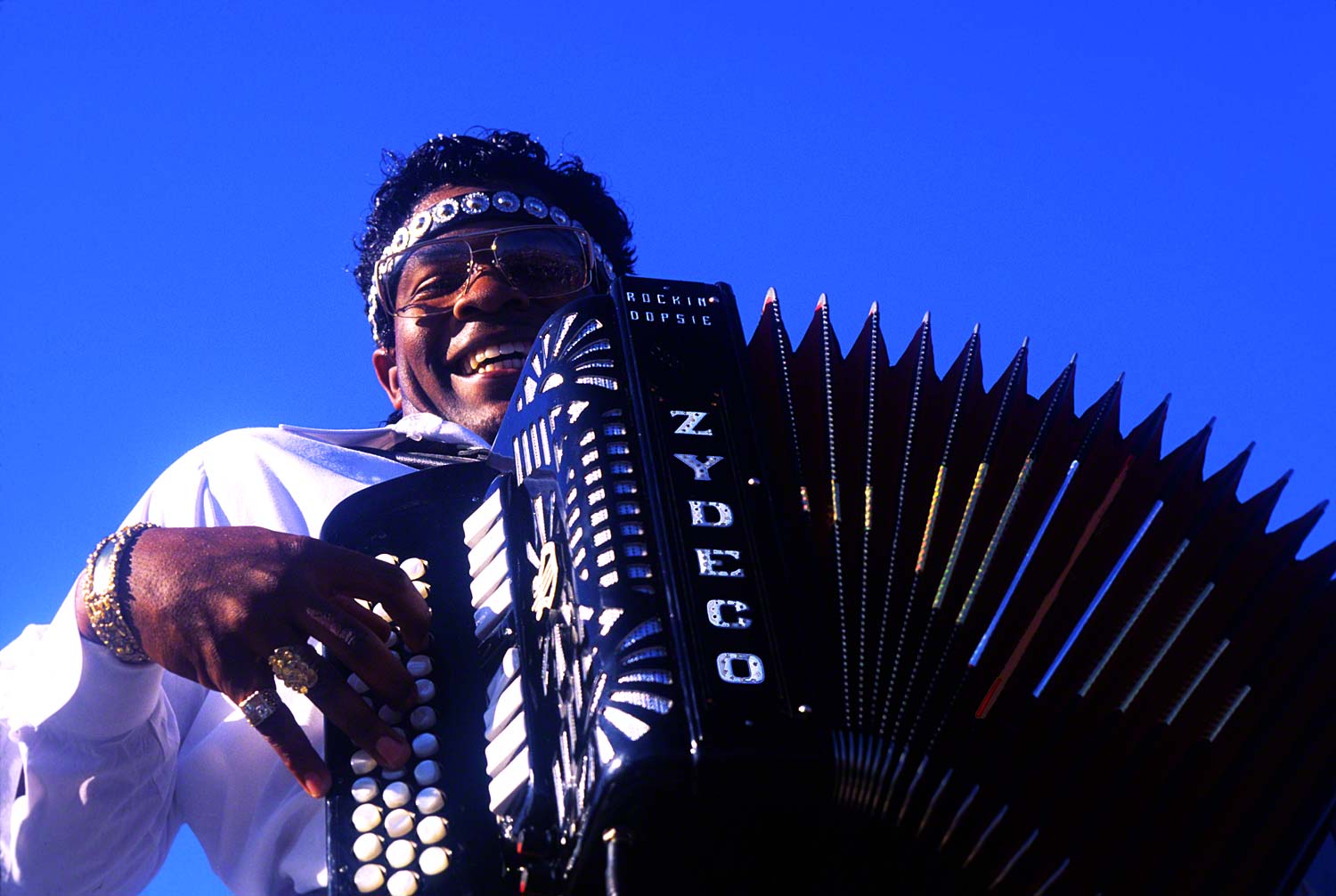
I love Zydeco!!!
I love Zydeco!!!

How many of you have ever written a letter, poem, story, e-mail, or perhaps an epic novel? If you did you proofread it before you hit send, submitted it to a magazine, or your literary agent. It would make perfect sense, right? After all, it’s all part of looking good and proving to others that you’re halfway literate.

Well, would it not hold true for taking pictures? Wouldn’t you want to make sure that proverbial tree or lamppost wasn’t growing out of your girlfriend or mother-in-law’s ( maybe you would in that situation) head, or including the rest of someone’s hand or foot? Truth be told, most people don’t think about it right before they snap the shutter; they’re always in a hurry. Sadly to say, those people rarely proofread so it’s probably no surprise there.

In my online class with the BPSOP, and in my “Stretching Your Frame of Mind” workshop I conduct around the planet, I tell my fellow photographers to always adhere to my three checks. First, the four-corner check. I take a quick gander at each of my four corners. If for no other reason, to make sure I had the right lens shade on for unwanted vignetting, or if my filter was the cause of the same problem.

Next, I always do my Border Patrol, which entails running my eye around all four edges of my frame to make sure what I wanted in my composition was in my composition, and what I didn’t want in my frame wasn’t. This includes making sure all of my subject’s fingers and toes were included.

Last,  I do my “Fifteen Point Protection Plan”. To make sure among other things, that there’s enough negative space defining the positive space, and making sure there’s a balance between those two thoughts….as well as the things I would see in my four-corner and border patrol.

Redundant, you say? Yes, and redundancy is a good thing…at least in creating strong, and memorably photos it is. The key to this is remembering to always do it, as I have for the past forty-four years. The more you do it the faster you’ll get at it, until it becomes second nature and can be accomplished in mere seconds.

Visit my website at: www.joebaraban.com, and www.instagram.com/barabanjoe   Check out my workshop schedule at the top of this blog.

JoeB
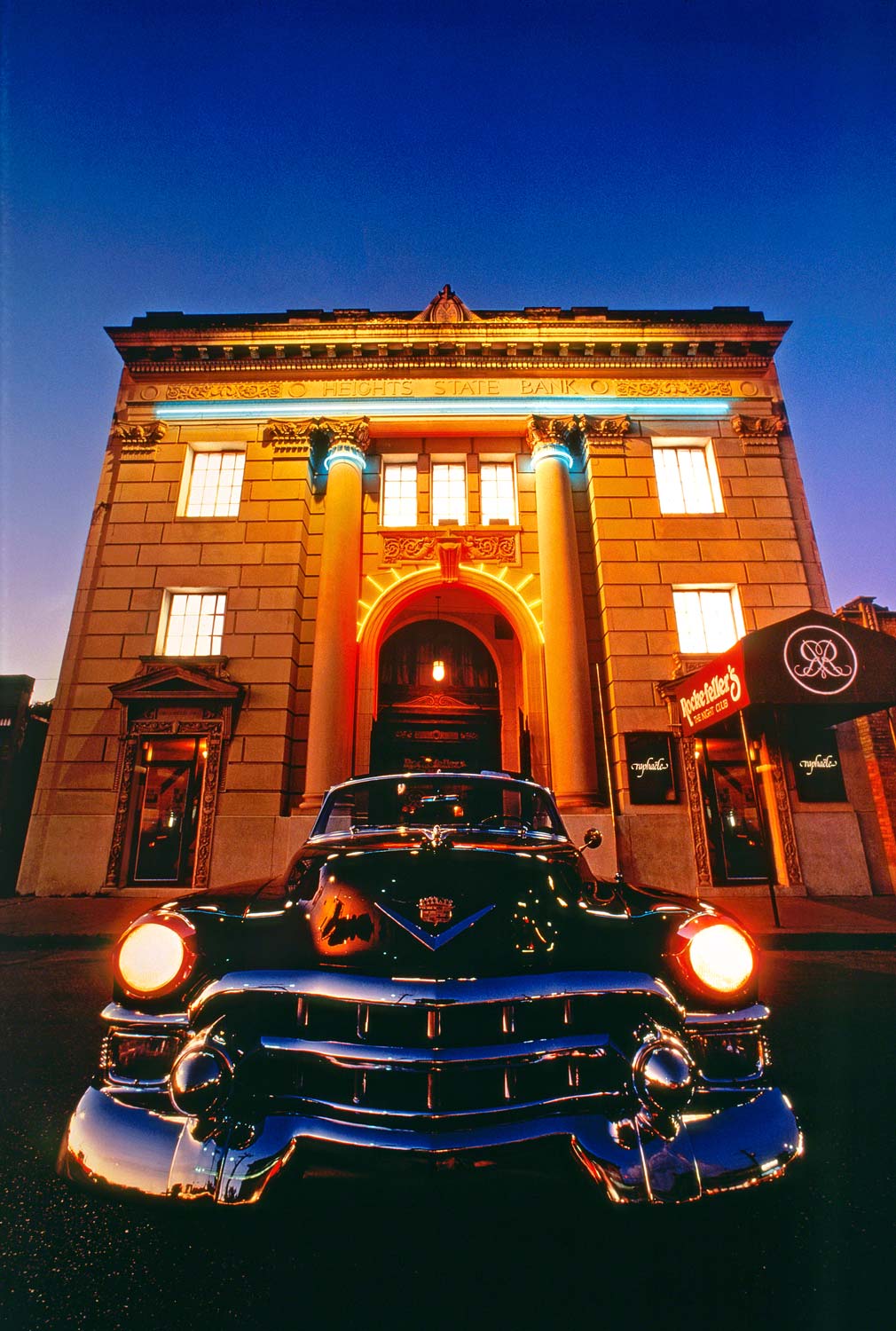
Anecdotes: My 40th Birthday Party

My 40th birthday party invitation.

It’s been more years than I’d like to remember, but when I do think about it I always give out a big smile since it was one of the best parties I’ve ever thrown, and I’ve thrown some damn good parties. It was for my 40th birthday, and I wanted it to be memorable so I rented out Rockefellers in Houston. It was a great place to go to hear well-known bands and solo singers that wanted to play in a smaller venue.

Renting Rockefellers for the night was expensive, so I struck a deal with the owners. I offered to shoot some pictures for them and I also explained what I was going to do for the invitation. They loved the idea so much that they wanted to create a poster and use my 53′ Caddy for their own advertising. Needless to say, I had no problem with that, especially since they were going to give me the entire place for a third of what they would normally charge for a Saturday night.

My idea was to take my 1953 black Cadillac convertible and park it in front of the building. The final invitation was a poster I sent out to all my friends working at the advertising and modeling agencies, and design studios. Well, when I did a tech scout and placed my car in front it was boring, and just wasn’t working. My next idea was to park it perpendicular to the building, but to do that would take hiring two cops to stop traffic while we shot. With a four hour minimum for each looking at me, I just couldn’t see putting good money out that should go to the bar!!!

I decided on a “gorilla shoot” (I’ve always been of the notion that it’s better to beg for forgiveness than to ask permission). That’s when you go on a Sunday night when the traffic is the lightest and just go for it. First, we put lights in all the windows of the building and I had two assistants with a walki-talki so that when I had my car in position, I would have them fire the strobes while the shutter was open and I was recording the building on the outside and mixing it with the ambient light in the dusk sky. That was the easy part.

The hard part was next. As fast as I could (since I didn’t have any police for traffic control), I turned my car around in the middle of the street so the building would be right behind it.  I jumped out, set up my tripod and started shooting. After checking a quick Polaroid, I was able to get off three exposures before the police showed up with red lights flashing.

The young cop was reasonably nice when he walked over to me and said, “Just what the hell are you doing? Are you nuts blocking this major street?” I explained what I was doing and he again said, “Well, you’re done doing it, now get this damn car out of the street. I’m writing you a ticket, but I have no idea what to put down”. I knew that was my moment. I told him that if he wouldn’t write me up, I’d like to invite him to the party, and by the way, I’m sending an open invitation to all the modeling agencies in town.

“Really?” he said with bulging eyes. “models?”  I said yes and that all the best looking women in Houston will be there. “Ok, I’ll be there. Can I bring a friend?”. I told him yes, and with that, he started directing traffic so I could get my car out of the middle of the street.

In case you’re wondering, he and a friend did show up, and from what I remember they both left with new friends.

Visit my website at: www.joebaraban.com and www.instagram.com/barabanjoe. Check out my workshop schedule at the top of this blog.

JoeB
Anecdotes: Christina’s World Unplugged

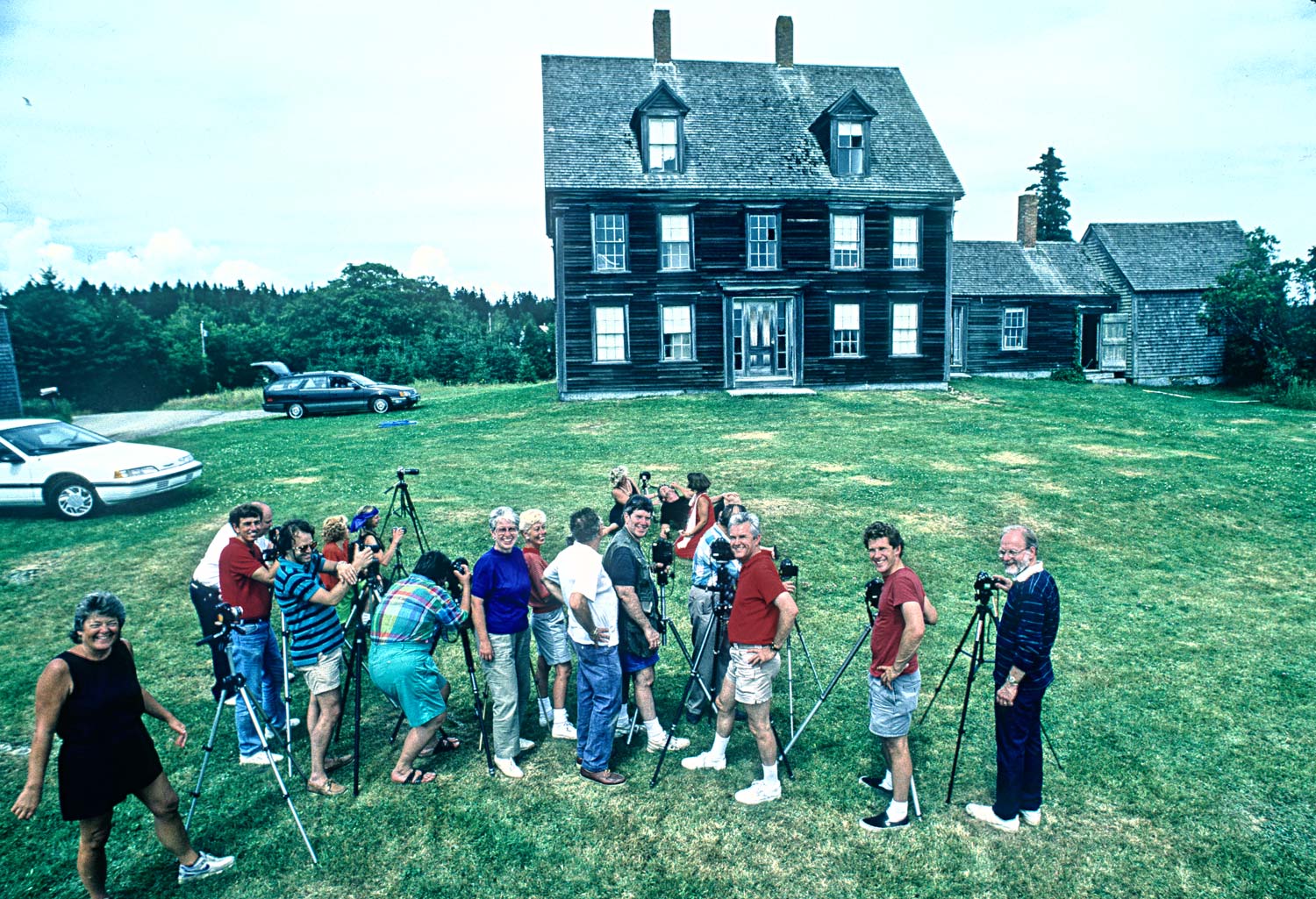
I'm the one wearing black and lying down in the middle.
I’m the one wearing black and lying down in the middle.

In my online classes I teach with the BPSOP, I teach my fellow photographers how to incorporate the Elements of Visual Design into their photography. I also conduct my “Stretching Your Frame of Mind” workshops with the same idea in mind. The first workshops I ever taught (1983) was at the Maine Media Workshops in Rockport, Maine.

In those days my workshop was called, The Poetry of Light, and while I covered the design elements, the main focus was on the Light. To this day I tell people that light is everything, except when street shooting where capturing the moment might supersede great light.

As I look back at the thirty-six years I’ve been teaching there, one week in particular comes to mind. From the first early morning shoot to the last sunset shoot of the week, we had overcast skies. The mornings were shrouded in fog, and when it finally lifted one could look up and enjoy a weeks worth of gray skies.

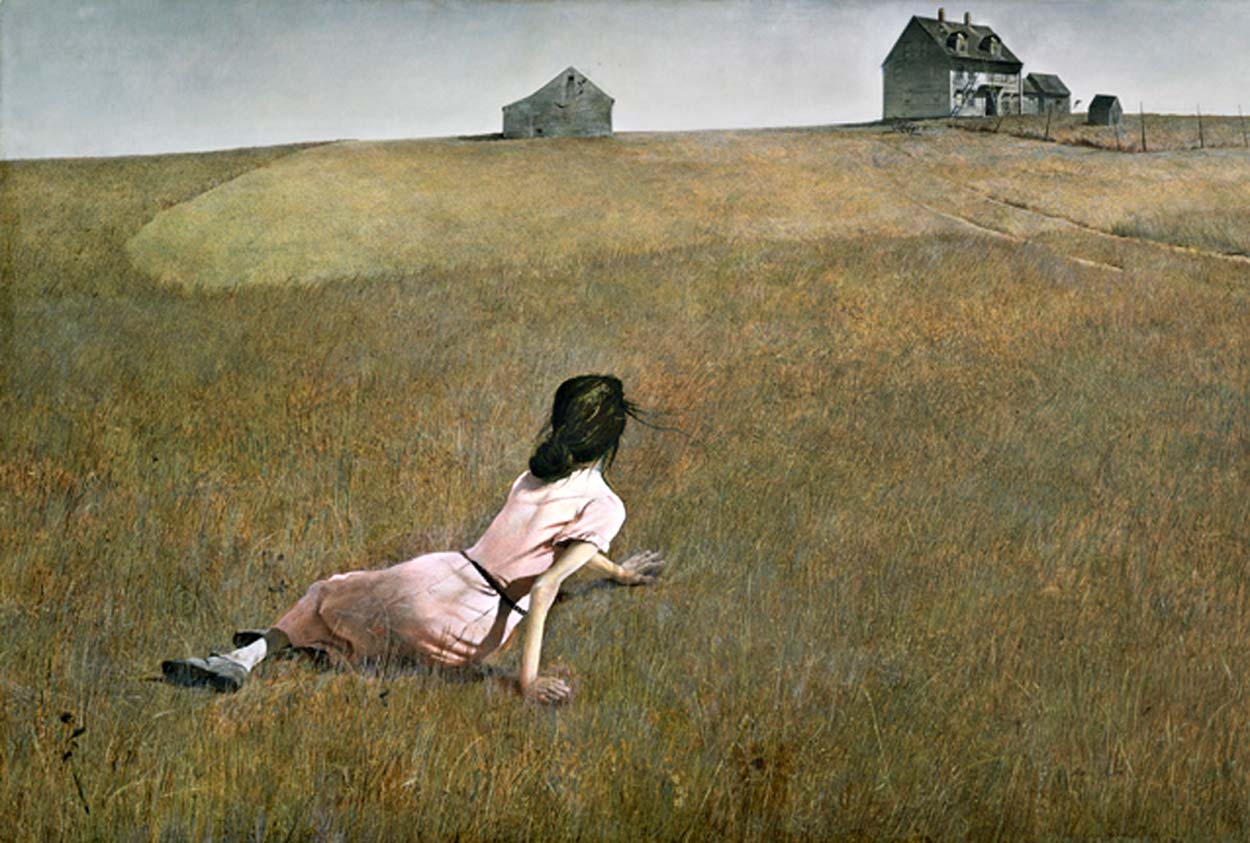
I was desperate to find some subject matter for my group; even if it was to be without any light. I had remembered that Andrew Wyeth had summered nearby and painted his famous “Christina’s World”, so I obtained permission to take the class there to have some fun, and after three days of overcast skies, the class was actually smiling…albeit just a little.

Christina's World by Andrew Wyeth.
Christina’s World by Andrew Wyeth.

The class and I decided to re-create the painting and I was elected (unanimously) to portray Anna Christina Olsen. We were then allowed to shoot inside the house, which was great since the light coming in from all the windows made for a great day of shooting. In those days, there was no limit as to the number of people that were in a class, and there were a lot of faces to create smiles on. Now the classes are smaller and a lot more intimate.

Btw, at the end of the week the class surprised me with a gift…a T-shirt that said, The Poetry of Fog with Joe Baraban.

Visit my website at: www.joebaraban.com, and follow me on Instagram: https://www.instagram.com/barabanjoe/

JoeB

Quick Photo Tip: The Use Of Shadows As The Center Of Interest

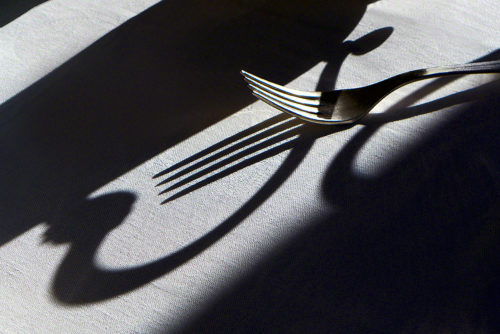
Shadows that are the center of interest and provide visual direction.

In the past year, I’ve written a couple of posts on the importance of using shadows to create drama in our imagery, and as a result, leave the viewer with a memorable experience.

In my online class with the BPSOP, and in my “Stretching Your Frame of mind” workshops I conduct around the planet, I’m always stressing the use of shadows in their photos. Shadows are our best friend, and the sooner my fellow photographers embrace them the sooner their photos will go what I always refer to as “up a notch”. I’ll occasionally be writing some additional posts about the use of different kinds of shadows, starting with this one.

This first post has to do with the type of shadow that’s the center of interest and it can often tell a story on its own. In the above photo, the shadows are from a group of photographers that were taking my “Springtime in Prague” workshop. We were down next to the Charles River at sunset and there were several young kids that were climbing up the wall of rocks. As I walked up to them, I immediately noticed their shadows on the ground and the fact that they led my eye to the kid climbing on the wall.

To me, the story is obvious as it clearly shows the shadows as the center of interest, and leads the viewer to the person.

Visit my website at: www.joebaraban.com and follow me on Instagram: www. Instagram/barabanjoe.com  check my workshop schedule at the top of this blog. Come shoot some shadows with me sometime.

JoeB

My Favorite Quotes: Kenny Rodgers

I knew when to hold em.

Ok, you’re asking yourself what Kenny Rodgers (a well-known CW singer from the past) might have said that has stuck with me and became a euphemism that applies to my Photography. In the song “The Gambler”, Kenny Rodgers sang these lyrics:

You got to know when to hold em, know when to fold them, know when to walk away, know when to run. I’ve always loved those words, and I’ve actually found myself singing them (discretely) when out shooting. Ok, let me finally explain:

In my online class with the BPSOP, and in my “Stretching Your Frame of Mind” workshops I conduct around the planet, I’m constantly asked when do I walk away from taking a photo? How do I know when it’s not working the way I thought it would? Do I just take the photo anyway and try to fix it later? This last question really gets me!!!!

Here’s what I have to say on this subject:

For me, it doesn’t take very long for me to fold em. For one thing I “Pre-visualize”  Over the years I’ve managed to create an imaginary 2X3 rectangle right behind my eyes. When I’m either walking the streets or setting up an actual photo. I look through this rectangle and try to visualize the composition before I ever bring the camera up to my eye. It’s an easy exercise and one all my fellow photographers should at least try.

This exercise will eliminate a lot of time and energy I go through in composing a photo. To add to this exercise is a critical step in my thought process. Determining the direction of the light. If the light isn’t right, I’ll walk away sooner. If I can’t get the light to work for me, I’ll run away.

So now, the light is right and I’ve brought the camera up (horizontally) to my eyes. I look for the balance between the Negative and Positive space and if it isn’t feeling right within a few seconds I’ll try it as a vertical. I’ll look around for props or people I can add. I’m not the type of photographer that won’t change or move something to create a better photo. I’m out “making pictures”, not taking them. Finally, I’ll also ask someone if he or she would be in my photo.

If none of this works, I won’t spend any more time on it…why? Because as I’m always telling those students that stay with it too long, “The best photo you’ve ever taken may well be your next one, and that could be right around the corner”.

Don’t feel like you have to stay with it and take something as so many photographers do…just to be taking a picture. And don’t think about fixing it later in front of a computer. That’s not going to make you a stronger photographer. However, it will make you a better computer artist…if that’s your cup of tea.

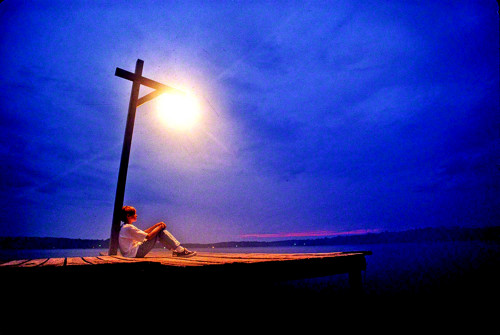
In the above photo, I was just about ready to fold em. It just wasn’t doing anything for me. Then I saw the boy and his mom walking down the pier. I asked if I could put him in my photo. Then, I knew to hold em.

Btw, if you’ve never heard this song, here it is: https://www.youtube.com/watch?v=gDwCMxPwJ_4

Visit my website at: www.joebaraban.com and follow me on Instagram: www.instagram.com/barabanjoe. Check out my workshop schedule at the top of this blog.

JoeB
Life Before Photoshop: Microsoft

As I tell my online students with the BPSOP and in my “Stretching Your Frame of Mind” workshops I conduct around the planet, there was actually a time when you had to create your pictures in the camera. During that period of time which goes back before most of the new age digital photographers were crawling around looking for our pacifier, Kodachrome was the film of choice. I shot Kodachrome 25, and when I needed high-speed film I switched to Kodachrome 64. Not only was the word Adobe linked to a type of house in the Southwest, but you had to wait until your film came back from the lab before you could breathe again.

What that did for photographers like myself was to make us rely solely on our own wits and knowledge of the camera. We had to know that 1/250th of a second at F/4 was the same exposure as 1/125th of a second at F/5.6, and 1/60th of a second at F/8. We also had to know that the depth of field would change according to the aperture.

Don’t get me wrong, I love CS5, and especially the content-aware tool!!! Now, if I can’t move to the right or the left to remove a telephone pole growing out of someone’s head, I use that tool as part of my thought process; however, I would rather embrace the challenge of creating my photographs in the camera. For me, the reward is knowing that I’m a good photographer that can solve problems and not a computer artist or digital technician that relies on a machine to fix something I could have taken care of at the point of conception…that is at the point that my camera and I created/made a picture together.

🙂

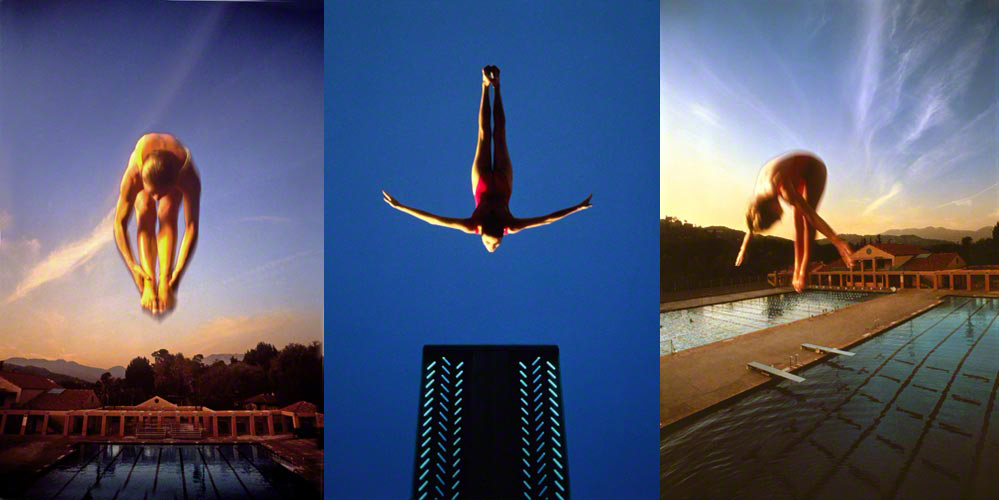
The three pictures above were a part of a campaign for Microsoft. The campaign was about being the best you can, and excelling in whatever endeavor you choose. The art director wanted something in the field of sports to make their point so I made a list I thought would make the best visuals. I had diving in the back of my mind and had already started to pre-visualize how the photos would look. The agency and client liked my idea so we started scouting locations where there was an Olympic pool. The direction of the light was critical to my idea so after looking at several pools across the country, I decided on the pool in Pasadena, California; just down the street where the Rose Bowl is played.

Ok, I had the right pool, so now it was time to secure some divers. As usual, when I’m shooting sports of any kind I want the best people out there. The visual part of the sport is important, as in the form, so I want the people that can do just that. I had my producer talk to the swimming clubs and organizations to get a list of names. We were in luck!!! There were several young women that were trying out for the US Olympic team that lived in the area. I thought you couldn’t do better than that since their form would be perfect. We paid three young teenage girls to come dive for me at sunset. I used three because one would get too tired climbing up to the top platform. I had each one doing their best dive for me one right after the other for the few minutes of time I had to be in the best light.

The swan dive was the easiest since I shot her with just the available light against a blue sky. With the other two, I waited until the sun went down behind a large hill so all I had was the sky behind them. I lit these with a small softbox I had set up on the top platform next to me. I waited until the sky behind the girls read the same as the light from the electronic flash and used what was called a synch delay so the flash would go off at the end of the exposure instead of the beginning. This created a slight movement.

I edited the selects down to these three and sent them to the art director to pick one for the ad. They wound up using the shot with the girl in a swan dive and as I said, there’s absolutely no post-processing of any kind in either of these three photos.

Visit my website at www.joebaraban.com, and follow me on Instagram: www.instagram.com/barabanjoe

JoeB

My Favorite Quotes: Man Ray

My Dada photo

I always think that I was fortunate to not have studied photography but to have studied art instead.  That’s not to say Photography isn’t art because I’ve been preaching to my fellow photographers that take my online class with the BPSOP, and my “Stretching Your Frame of Mind” workshops I conduct around the planet, that a camera on a tripod is just the same as a blank canvas on an easel.

I still consider myself an artist, I just changed the medium from a paintbrush, pastels,  and colored pencils to a camera. When I did it was “instant gratification”, instead of the hours and sometimes days or weeks finishing a drawing or painting.

When I got my first camera and looked into the viewfinder, I saw a rectangle. Since we perceive and process information in a rectangle (3:2 aspect ratio), I simply applied everything I had learned from studying all the elements of visual design in my drawing and painting classes to Art History and Color Theory into my newfound passion….photography.

Throughout my education in Art, I studied its history from the Italian Renaissance painters of the 15th and 16th century to the Impressionists, Post Impressionists, to the 20th-century modern artists…my favorite being the very founder of abstract art, Wassily Kandinsky.

Although Dadaism and Surrealism were not my favorite movements, there was one painter I liked, Man Ray. I tolerated his paintings, but what I enjoyed was some of his photography. Over the years I’ve occasionally seen his work in museums and galleries and one day, not having anything to do, I googled him up and found one of his quotes that I immediately related to.

Man Ray once said, “Of course, there will always be those who look only at technique, who ask ‘how’, while others of a more curious nature will ask ‘why’. Personally, I have always preferred inspiration to information”.

I could relate to this because on a couple of occasions when I’ve been talking to one of my students, I was told that I could explain the ‘how’, but what they liked most was that I could also explain the ‘why’. In other words, I could show them how to ‘make’ stronger images, but then I could explain why they were.

One of my online classes is all about the psychology of Gestalt. In this class, I talk about the fact that humans rely on the perception of the environment that surrounds them. Visual input is a part of our everyday life, and as photographers, it’s our prime objective to present this visual information in a way that takes control of what the viewer sees when looking at our imagery.

This is where the elements of visual design and composition come into play. These elements have been a part of art since the beginning, and knowing how to use these elements when creating your photos will always answer the ‘why’. Once you’ve put these elements on what I call my ‘Artist Palette’, it enables you to see what others can’t and this has always been the inspiration that has kept me going…after fifty years of taking pictures; the same inspiration my students walk away with.

Visit my website at: www.joebaraban.com, and check out the workshops I offer at the top of this blog. Follow me on Instagram: https://www.instagram.com/barabanjoe/Come shoot with me sometime, and we’ll talk about the how and the why.

JoeB

Food for digital Thought: Is Light Everything?

I chase light

You bet it is…sometimes!!!

I recently had a conversation with a fellow photographer that follows my blog about the statement I always make to my online classes with the BPSOP and to my “Stretching Your Frame of Mind” workshops that “light is everything”.  However, according to Mark light is not everything, emotion is and then quoted Henri Cartier-Bresson. It seems that Bresson was quoted as saying that light was “just the perfume to the image”.

Ok, let’s all jump into my time machine and travel back to the year 1971, when I was a young and restless photo-journalistic, street shooting for Associated Press, United Press International, and Blackstar, besides every Sunday supplement I could convince to hire me for their feature assignments. I would absolutely agree that capturing the emotion of the moment was more important than light. To be sure, being chased down the streets during the race riots of the early seventies was not a good time to stop and ask the guys chasing me (while I was re-loading my Nikon F motor drive) if they could move over into the sunlight; or come back during the “Golden hour”.

I couldn’t have cared less if it was bright and sunny or overcast and gloomy, I cared about getting the shot, at the peak of action if I could. BTW, it wasn’t about money then since UPI paid me $60.00 a photo…if it was transmitted over the wire. If the light was nice, then yes, it was the “perfume”.

That said, that is a particular genre and while it’s still a huge factor, it’s the perfume that I’m now after. First of all, I’m way too old and gray to be chased down the street anymore. These days I’m more interested in finding ways to incorporate the elements of Visual Design and using the light to enhance them. Its Shape, Pattern, Texture, Balance, Form, Line, and of course Color. that’s on my mind.

If there’s going to be any chasing, then it will be me ‘chasing after the light’!!!

Visit my website at www.joebaraban.com and check out my workshop schedule at the top of this blog. Come shoot the light with me sometime.

Follow me on Instagram:

https://www.instagram.com/barabanjoe/

JoeB

Food For digital Thought: Tension Will Get Attention

Figure-Ground

I have been writing this blog since 2011 and have had a post come out every five days to six days from the start. For those new to my blog, I teach an online class with the BPSOP and I conduct my “Stretching Your Frame of Mind” workshops around our perfectly round planet…meant for those naysayers!!

My blogs come from all directions and sources, and ideas can at any moment…even when sleeping.

Big and Small

As I tell all my fellow photographers, to me, the most important part of photography is to keep the viewer an active participant in our imagery. I want the viewer to stick around as long as possible while enjoying what I’m offering up in my photos.

How we perceive and process visual input is a part of our everyday life, and as photographers, it’s our prime objective to present this visual information in a way that takes control of what the viewer sees when they look at our photography.

Diagonal Lines

In one of my online lessons, we work on ways to generate Visual Tension, one of the most important ways to keep the viewer around…and paying attention.

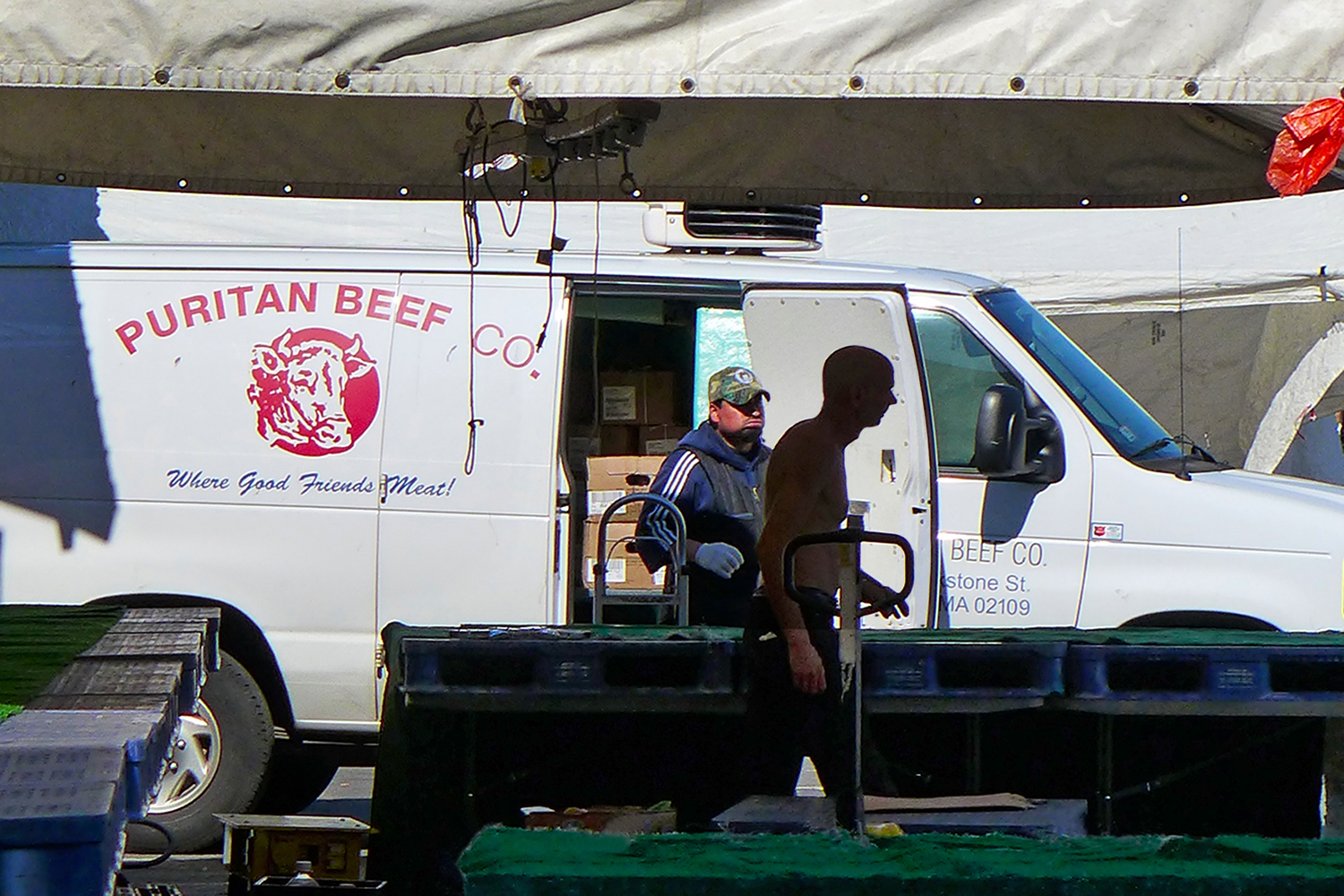
In my third class on the six concepts on the Psychology of Gestalt, one of the concepts we work on is the Figure-Ground relationship. The Figure is the subject, and the Ground is the background…see photo above. Besides the contrast, if the figure and the ground carry equal weight it can create tension; the silhouette against the truck.

Framing Within a Frame

Contrast is another way. Not the contrast in the above photo of the silhouetted man, but in light and dark and big and small for two examples.

Diagonal lines create more tension than vertical or horizontal lines. Why? Because it’s the feeling of the diagonal lines falling forward, and they are perceived as less secured.

The subject and it’s reflection

Showing the subject and its reflection, framing within a frame, are two more ways. Of course breaking all the STUPID  rules, such as putting the subject close to the edge of the frame…instead of that creative killer known as “The rule of thirds”.

As you can see, there are many I’ve discussed and so many more. The bottom line is to use these methods to keep the viewer interested…especially for six seconds!!!

Come take my online classes and come shoot with me in one of the workshops I list at the top of my blog. We can talk about it some more.

Visit my website at www.joebarban.com.  

Follow me on Instagram:

https://www.instagram.com/barabanjoe/

JoeB


Life Before Photoshop: New York Lotto

Look ma, no Photoshop!

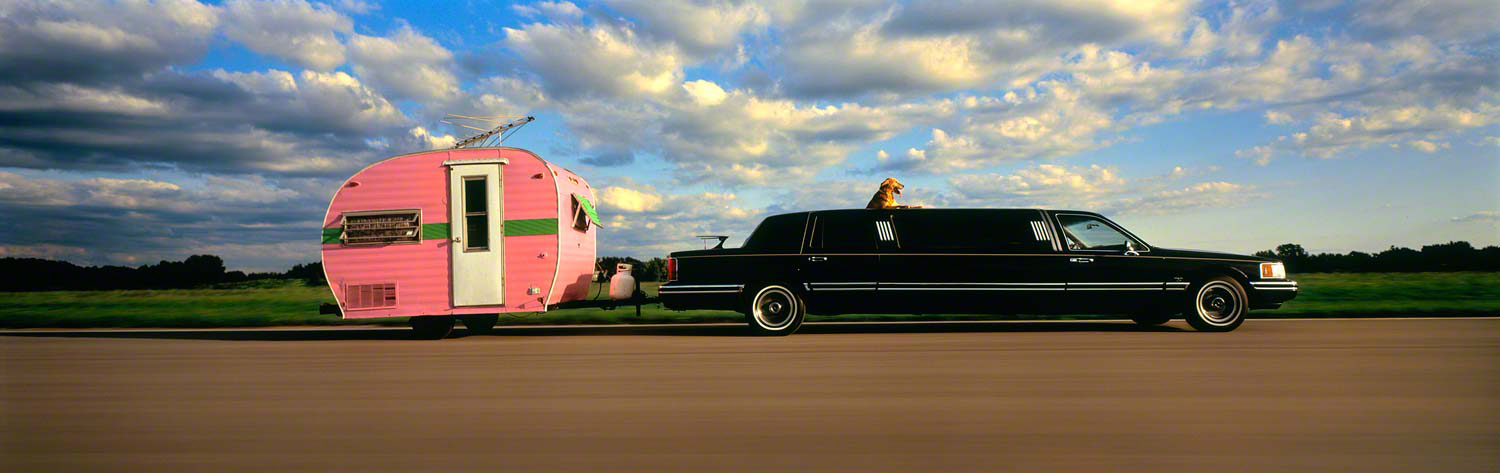
I was hired by an advertising agency in New York to shoot a photograph for their client who was the New York Lottery. The campaign was called, “Hey, you never know”. Since we had to shoot in the same state as the lottery, I sent a location scout out to find a highway that would be able to fit both the stretch limo and trailer and the camera car as well. Easier said than done!!!

In fact, it wasn’t happening. Because the limo was so long, and the trailer added even more, I couldn’t get back far enough to get it all in the Panoramic camera I was using. Why a Panoramic you ask? Because the ad was going to be on the sides of the buses in Manhattan. This way, the art director wouldn’t have to crop, making the photo a lot sharper.

If this image was to be shot in the digital age, it would be sooooo easy!!! You just shoot the limo and trailer in some large studio, or anywhere for that matter, then CGI it into the background. How much fun is that????. Maybe for the digital technician!!!

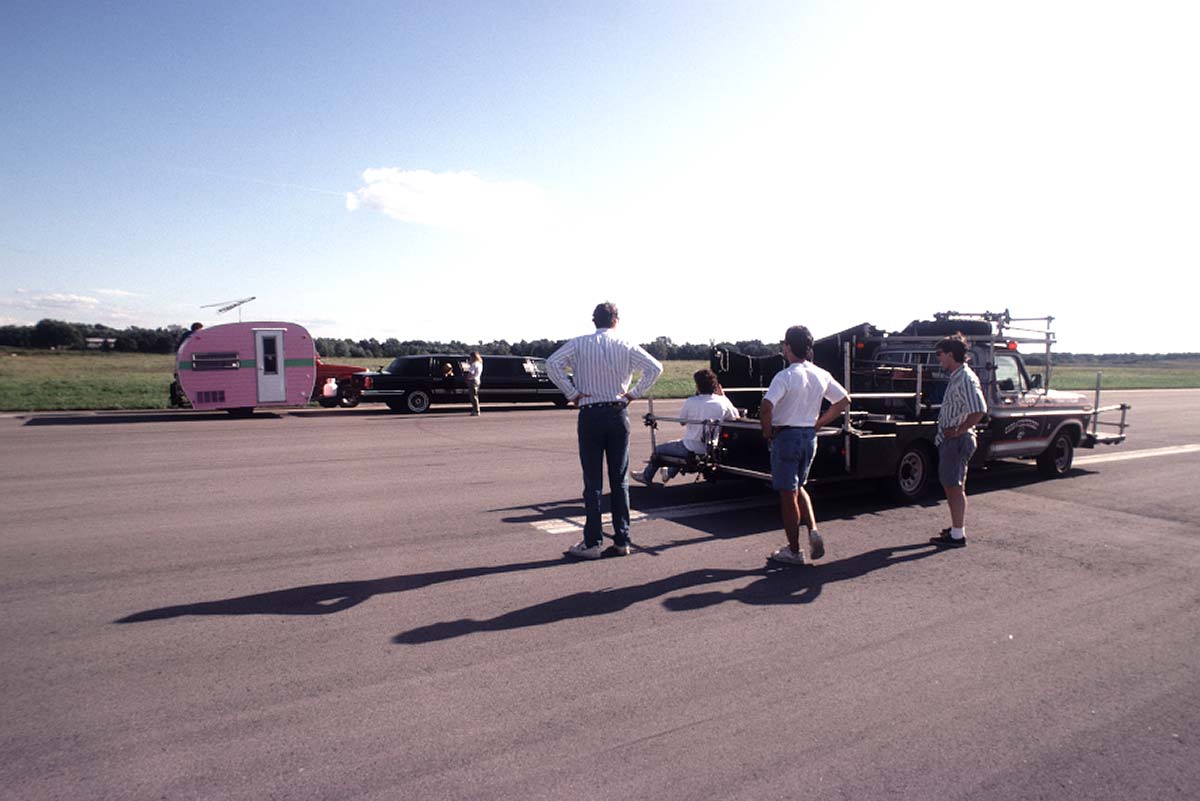
Back then it all had to be shot in the camera, so what did I do? I rented a runway at a small airport outside of the city and I sat on the camera car (panoramic camera in hand) while we both traveled down the runway at the exact same speed (at sunset) while I shot at a slow shutter speed. That way, I could blur the background. I talked the agency into painting the trailer ping and putting the dog (held up by three people) out the roof. Don’t worry, we were only traveling ten miles an hour!!!@

Now that was fun!!!! Here’s the setup:

In my online class with the BPSOP, and my “Stretching Your Frame of Mind” workshop I conduct around the planet, my students work on incorporating the elements of visual design and composition into their photographs, and we also work on creating as much of it as we can in the camera.

Visit my website at: www.joebaraban.com, and check out my workshop schedule at the top of this blog. Come shoot with me sometime.

Follow me on Instagram:

https://www.instagram.com/barabanjoe/

JoeB

My Favorite Quote: anonymous

  I’ve been trying now for a while today, trying to locate the author of one of my favorite quotes, “Don’t let the low hanging fruit keep you from your goal”.

Nowhere on the information highway does it mention it. However, I did find an article that in a matter of speaking, is a metaphor that fits perfectly.

“Pick the low-hanging fruit first”?

In business, going for the easiest win first can mean a quick payoff, even if the fruits of your labor are, well, a bit misshapen. But according to 30-year apple-picking veteran Henry Rueda, starting with “low-hanging fruit” is a load of horse apples. Rueda says it’s common practice to pick trees from top to bottom so that the sacks of apples that pickers carry around their necks grow heavier as they work downward.

To pick the low-hanging fruit first would mean climbing against gravity with an increasingly heavy load—and also preventing heavily-shaded fruit from ripening. “Fruit that is high up, exposed to the sun, ripens the fastest,” adds USDA plant breeder Gennaro Fazio. “You want to pick the low-hanging fruit last, so it has more time to develop.” Using this phrase can make you look less than intelligent even though it’s one of the most common sayings.

So, my fellow photographers, what the hell does this have to do with the price of beans, a.k.a. photography?

In my online class with the BPSOP, and in my “Stretching Your Frame of Mind” workshops I conduct around the planet, I work on getting people to take a ‘Master’ shot first, then segue it to other ways to look at the same subject. In other words, you want to work your way down from the top.

The  Master shot will help you stir up those creative juices; think of it as the oil to get your motor running. Once you do, then you can look at all the lower hanging fruit. One reason that immediately comes to mind is the quality of the light.

It would make sense that the subject near or at the top is going to have the brightest light on it. If you spend time at the bottom, you’re going to miss the light at the top. Chances are that there will also be light at the bottom so when you come back to it, it might be the softer, warmer light that memories are made of. Above all, depending on where you put it in relation to your subject, will make the difference between a potential wall hanger or a photo destined to fall on the cutting room floor….as in deleted!

Shooting the low-hanging subjects will (maybe) give you the quick payoff…instant gratification, but it won’t fill your basket (compact flash card) with choices. It’s the choices that will give you the best chance to go home with a photo you can put over your fireplace.

Visit my website at www.joebaraban.com, and check out any upcoming workshops. Come shoot with me sometime. Follow me on Instagram:

https://www.instagram.com/barabanjoe/

JoeB

Life Before Photoshop: Microsoft

As I tell my online students with the BPSOP and in my “Stretching Your Frame of Mind” workshops I conduct around the planet, there was actually a time when you had to create your pictures in the camera. During that period of time which goes back before most of the new age digital photographers were crawling around looking for our pacifier, Kodachrome was the film of choice.

I shot Kodachrome 25, and when I needed high-speed film I switched to Kodachrome 64. Not only was the word Adobe linked to a type of house in the Southwest, but you had to wait until your film came back from the lab before you could breathe again.

What that did for photographers like myself was to make us rely solely on our own wits and knowledge of the camera.

We had to know that 1/250th of a second at F/4 was the same exposure as 1/125th of a second at F/5.6, and 1/60th of a second at F/8. We also had to know that the depth of field would change according to the aperture.

Don’t get me wrong, I love CS5, and especially the content-aware tool!!! Now, if I can’t move to the right or the left to remove a telephone pole growing out of someone’s head, I use that tool as part of my thought process; however, I would rather embrace the challenge of creating my photographs in the camera.

For me, the reward is knowing that I’m a good photographer that can solve problems and not a computer artist or digital technician that relies on a machine to fix something I could have taken care of at the point of conception…that is at the point that my camera and I created/made a picture together.

🙂

The three pictures above were a part of a campaign for Microsoft. The campaign was about being the best you can, and excelling in whatever endeavor you choose. The art director wanted something in the field of sports to make their point so I made a list I thought would make the best visuals.

I had diving in the back of my mind and had already started to pre-visualize how the photos would look. The agency and client liked my idea so we started scouting locations where there was an Olympic pool.

The direction of the light was critical to my idea so after looking at several pools across the country, I decided on the pool in Pasadena, California; just down the street where the Rose Bowl is played.

Ok, I had the right pool, so now it was time to secure some divers. As usual, when I’m shooting sports of any kind I want the best people out there.

The visual part of the sport is important, as in the form, so I want the people that can do just that. I had my producer talk to the swimming clubs and organizations to get a list of names. We were in luck!!!

There were several young women that were trying out for the US Olympic team that lived in the area. I thought you couldn’t do better than that since their form would be perfect.

We paid three young teenage girls to come dive for me at sunset. I used three because one would get too tired climbing up to the top platform. I had each one doing their best dive for me one right after the other for the few minutes of time I had to be in the best light.

The swan dive was the easiest since I shot her with just the available light against a blue sky. With the other two, I waited until the sun went down behind a large hill so all I had was the sky behind them.

I lit these with a small softbox I had set up on the top platform next to me. I waited until the sky behind the girls read the same as the light from the electronic flash and used what was called a synch delay so the flash would go off at the end of the exposure instead of the beginning. This created a slight movement.

I edited the selects down to these three and sent them to the art director to pick one for the ad. They wound up using the shot with the girl in a swan dive and as I said, there’s absolutely no post-processing of any kind in either of these three photos.

Visit my website at www.joebaraban.com, and follow me on Instagram: www.instagram.com/barabanjoe

JoeB

Life Before Photoshop: Cessna

Look ma, no Photoshop!

Here’s another post in my never-ending quest to bring to life the: over the top, incredible, amazing, unbelievable, and yes even scary idea that you can actually create your pictures “in the camera”.

I started teaching workshops in the early eighties when we used film, and Adobe was thought to be a type of building material that went into houses in the southwest part of the US. Through the years I’ve seen the transformation from film to digital, and for the most part students of mine that I teach online at the BPSOP and the “Stretching Your Frame of Mind” workshops I conduct around the planet fell in love with photography after the sorrowful end of “cellulose acetate”…momma they took my Kodachrome away!!!

🙁

For the most part, my fellow photographers think that Lightroom and Photoshop are just part of the process; a needed part of the process. An integral part of picture taking, the results being a good photo that we can show our friends and family and watch them react favorably with plenty of “Ooh’s and Aah’s.

Well that’s all well and good, and truth be told I also enjoy Cs5, but my first thought is to take on the challenge of creating my photos before I pull the trigger (that’s Texas talk for clicking the shutter). That includes cropping in the camera. You see, by not cropping in the camera, you’ll never know where the edges of your frame are. The best thing that ever happened to me was that I’ve spent the majority of my forty-six-year career in film and without the added help of post-processing…why you ask?

Because I think it’s made me a stronger photographer.

🙂

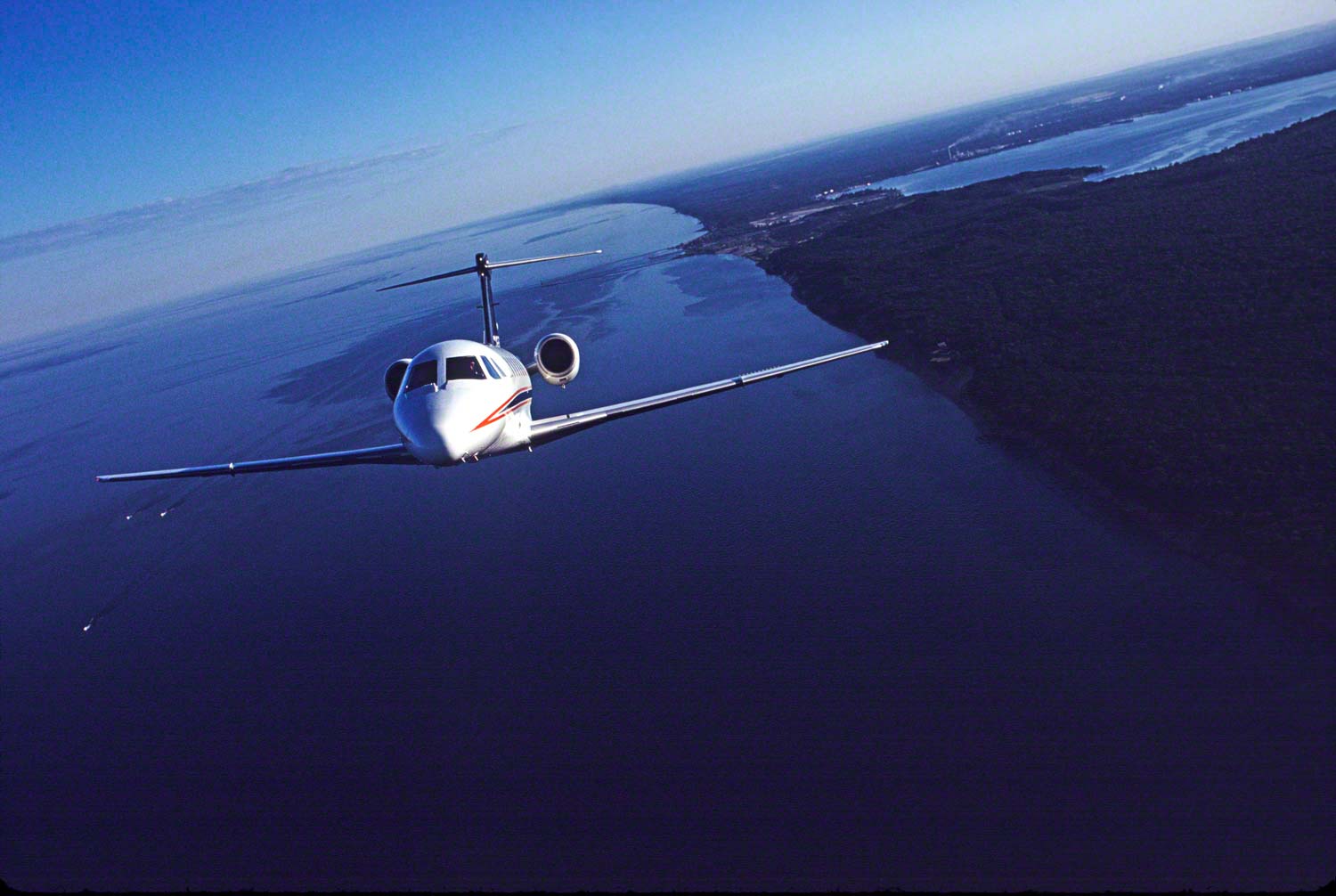
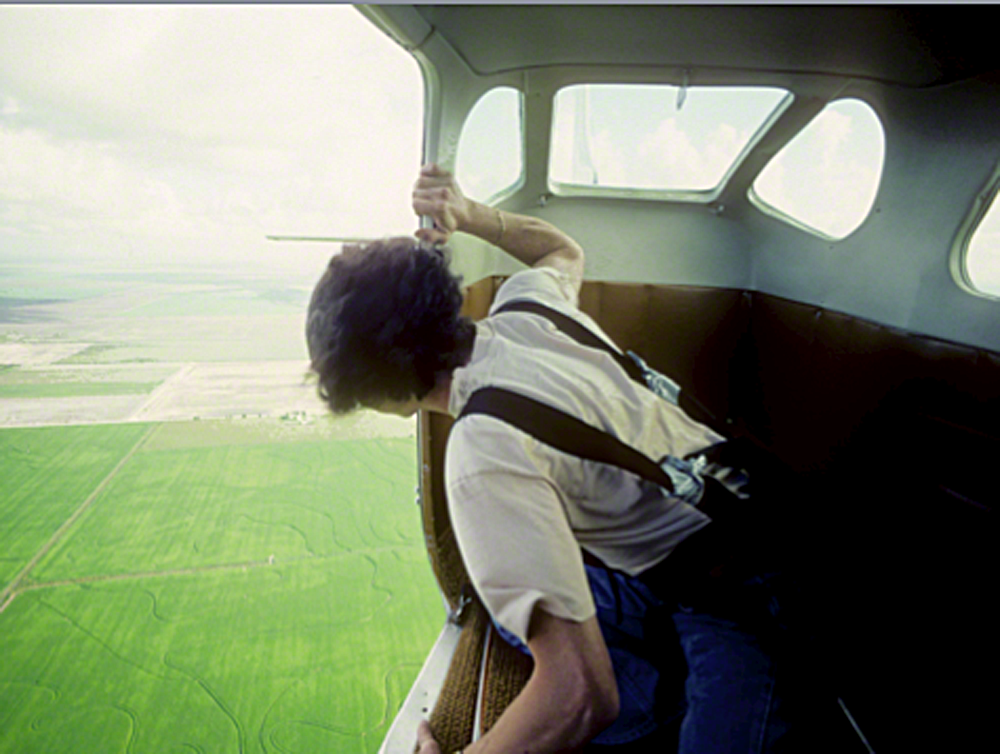
The photo above was taken for Cessna. I was in a shoot plane designed for taking air-to-air photos of their line of aircraft. As you can see, one side of the plane is completely open. We took off first and I positioned our plane so the Citation Jet would get the best light. As the jet approached, I sat on the edge with my feet hanging out and I started shooting until it veered off, leaving a lot of turbulence in its wake. We went through the steps a couple more times until I felt I had it “in the can”. You see, there wasn’t a way I could view my shots in the back of the camera!!!

Checking the direction of the light.

Visit my website at: www.joebaraban.com and check out my workshop schedule at the top of this blog. Come shoot with me sometime.

Follow me on Instagram.

https://www.instagram.com/barabanjoe/

JoeB


Quick Photo Tip: Humor

A funny situation.

I teach people how to use the elements of visual design and composition to create stronger and more memorable images. Images that people won’t forget in the moments just after looking at your photo. Images that are compelling and will leave an impression days, weeks, and yes, even months afterward.

In my online class with the BPSOP, and in my “Stretching Your Frame of Mind” workshops I conduct around the planet, I stress the fact that “light is everything”, and should be considered first when composing your photo. One of my favorite pearls of wisdom is, “You find the light and you’ll find the shot”.

Now I’m not referring to the shooters that like to prowl the city streets looking to capture an emotional photo that has some kind of consequence, or as followers of Henri Cartier-Bresson work would say, “The Decisive Moment”. These are the type of photos that rely more on a quick finger hitting the shutter release and timing than of light. Instead, I’m talking about the type of photographer that likes to create beautiful photographs in any other genre that are timeless representations of reality. To me, these are the type of photos that require great light. Landscapes, Architecture, environmental portraits, to name a few.

OK, here’s where the Quick Photo Tip comes in. As I tell my students and fellow photographers, there is one genre that doesn’t need quality light to be memorable and that’s Humor. Humor is the one concept that can replace a day of flat, gray, and uninspiring light. Whether it be a funny situation, an awkward expression on a loved one’s face, or perhaps something as simple as a misspelled word on a sign, if it’s funny that’s all you might need.!!!

Visit my website at: www.joebaraban.com and follow me on Instagram.  https://www.instagram.com/barabanjoe/ Check out my workshop schedule at the top of this blog. Come shoot with me some time and we’ll have a few laughs.

JoeB