My Favorite Quotes: Wassily Kandinsky
  Since my background is in painting and design, I show photographers how to incorporate the basic elements of Visual Design into their imagery.

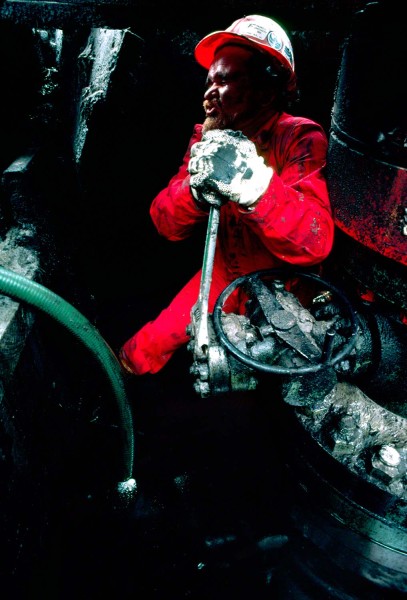
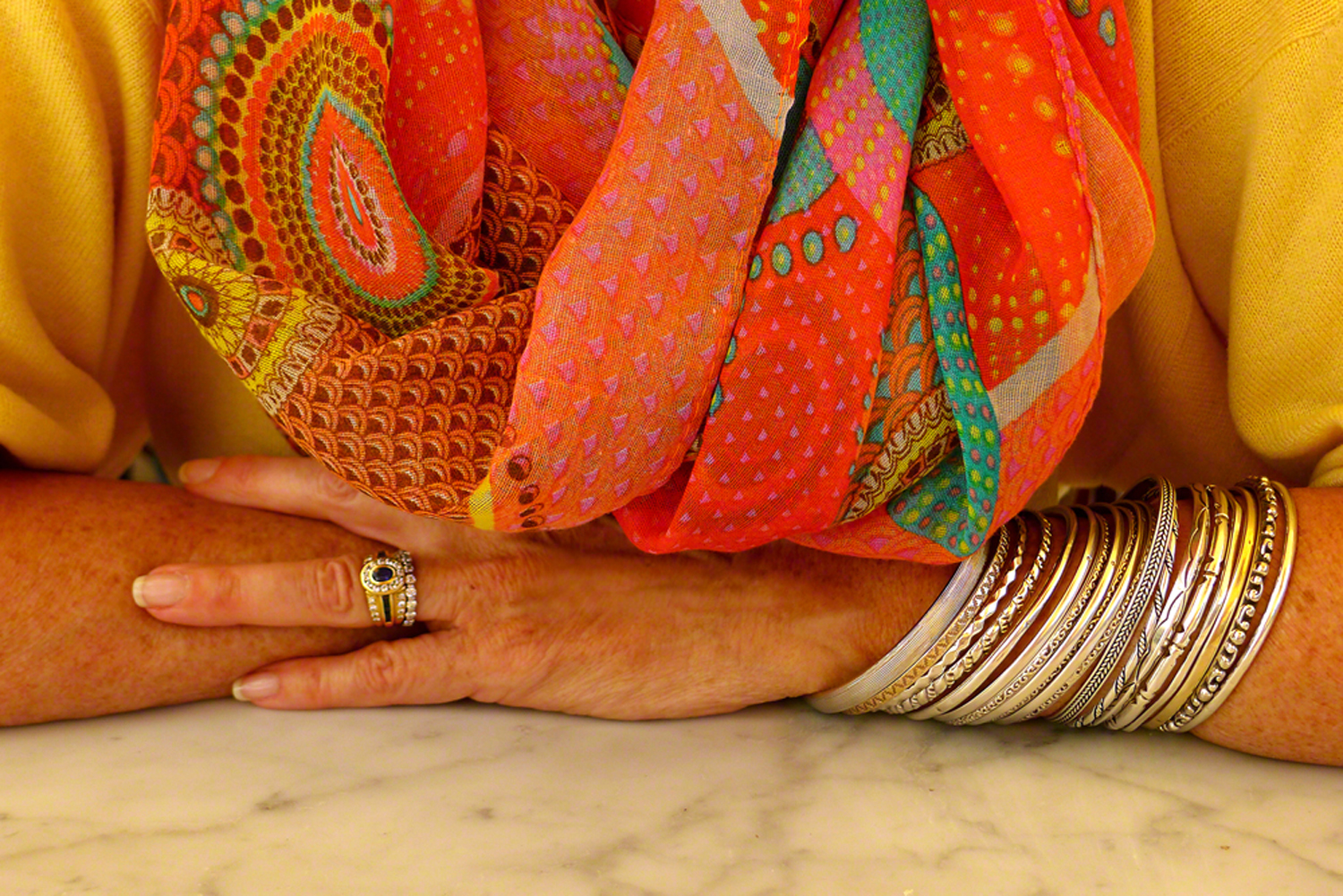
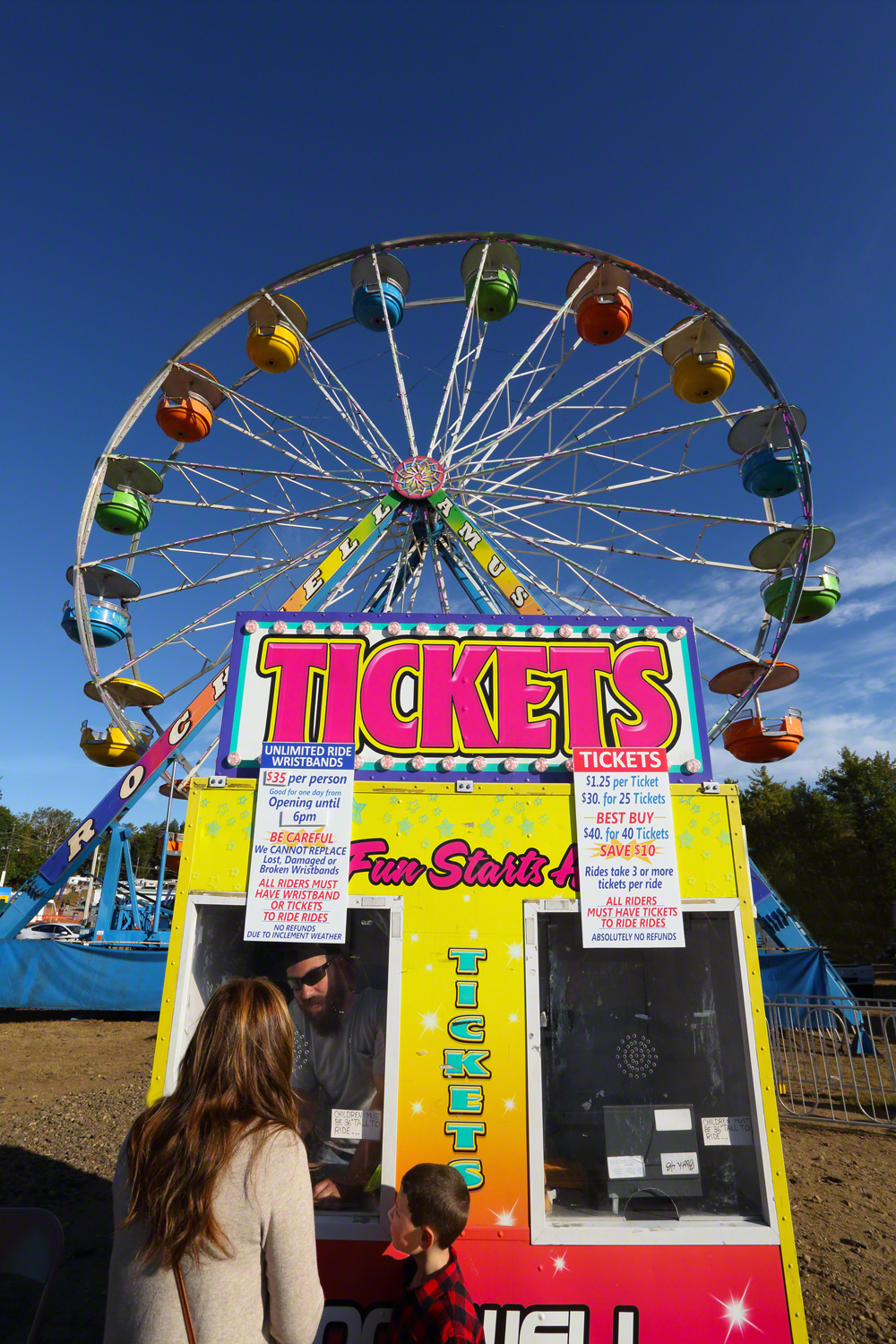
One of the elements is Color, which leads me to a quote said by one of if not my favorite artists. Wassily Kandinsky once said, “Colour is a power which directly influences the soul.”

Color is a universal language and is a great way to communicate ideas, and I’m always looking for it. For example, you see a group of people with their backs to you at a park. They’re all wearing the same color sweatshirt. What would that mean to you?

Color is a stimulant for our eyes and ties the elements of a photograph together. Color affects every moment of our lives and has an enormous impact on our photography. Knowing color is one of the first steps in making (not taking) consistently good photographs.

Color can give you a sense of mood, a sense of place, and a sense of time.  It can also be used to move the viewer’s eye around your composition; use it to create harmony and balance.

People that take my online class with the BPSOP, and those that participate in my “Stretching Your Fram of Mind” workshops I conduct around the world will often comment on the color saturation in my photos.

It usually is, and it’s not because of Photoshop. The main reason is that I shoot mostly in “Golden Light”, and I use the angle of the existing light as an important aid.

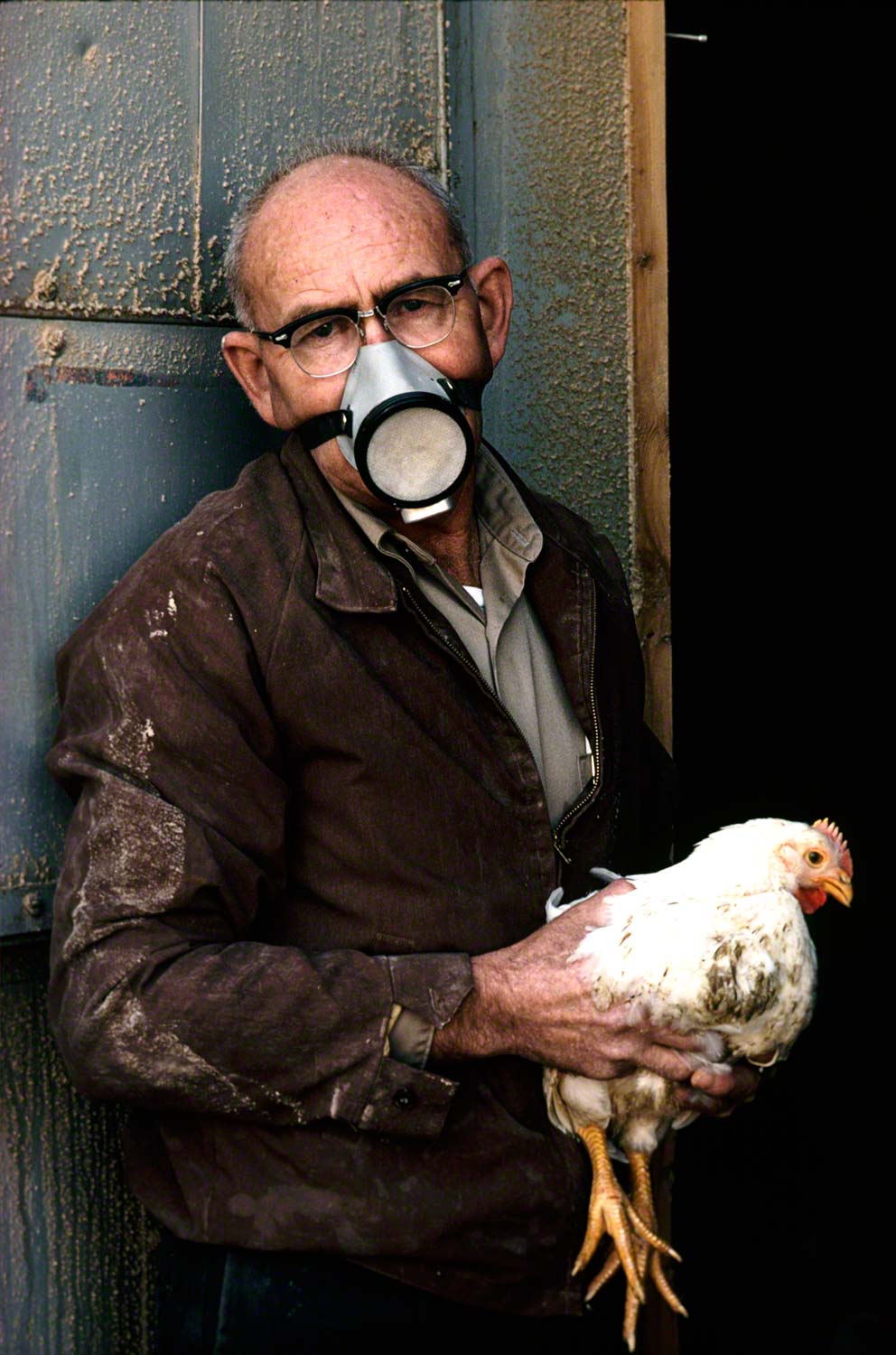
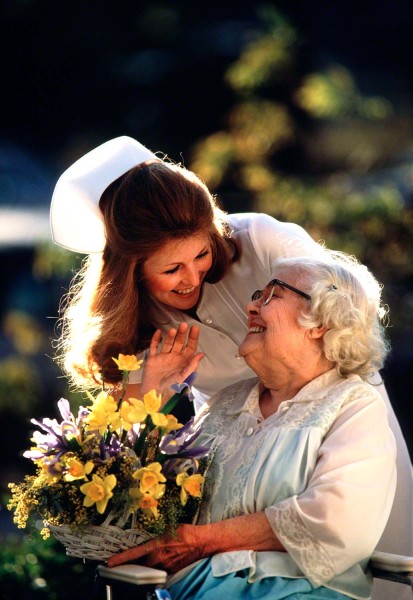
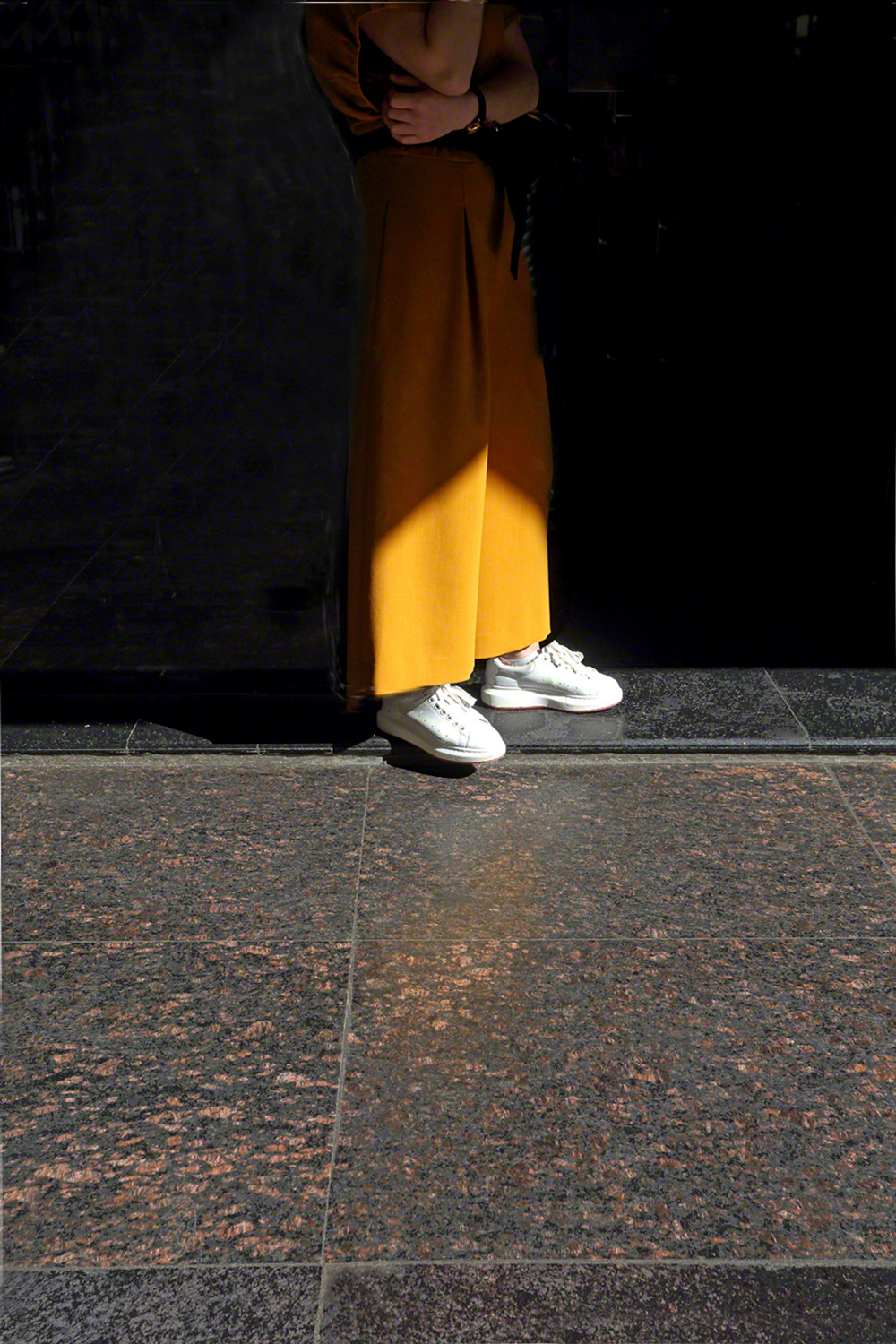
Having said all this, the one thing that really sticks out in my mind after reading Kandinsky’s quote that’s not always the case is that when you photograph people in color you’re photographing their clothes and when you’re photographing them in black and white you’re photographing their souls.

Visit my website at www.joebaraban.com, and check out my workshop schedule at the top of this blog. Come shoot with me sometime.

JoeB
Personal Pearls of Wisdom: Color Outside the Lines.

Coloring outside the lines

This is a category that I enjoy writing in. Although most of my pearls of wisdom are created by yours truly, there are some that I have read and remembered over the years. To be perfectly honest, I’m not sure if somewhere in my teaching past starting in 1983, I didn’t come up with a lot of them myself…not that it really matters!

🙂

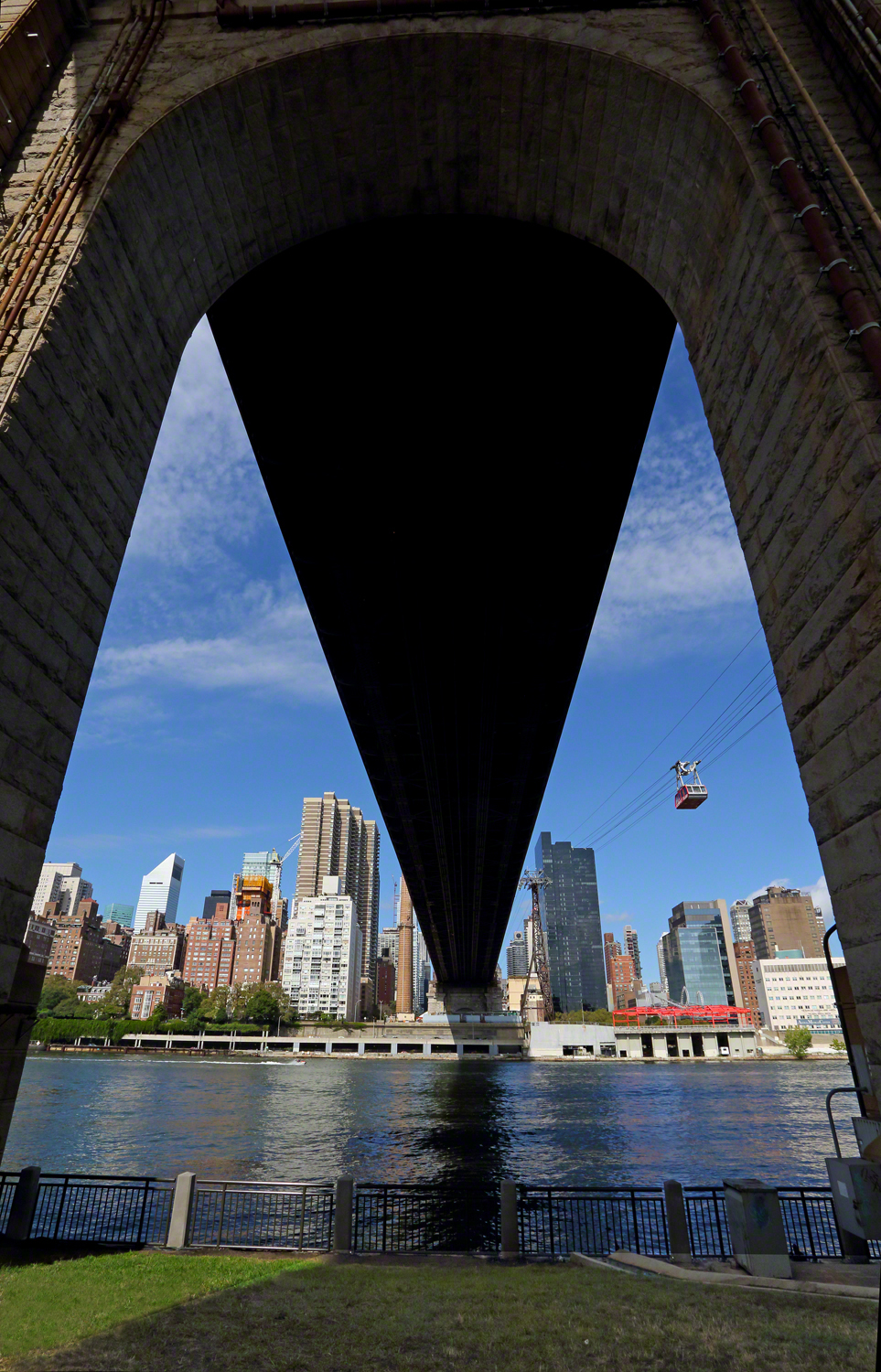
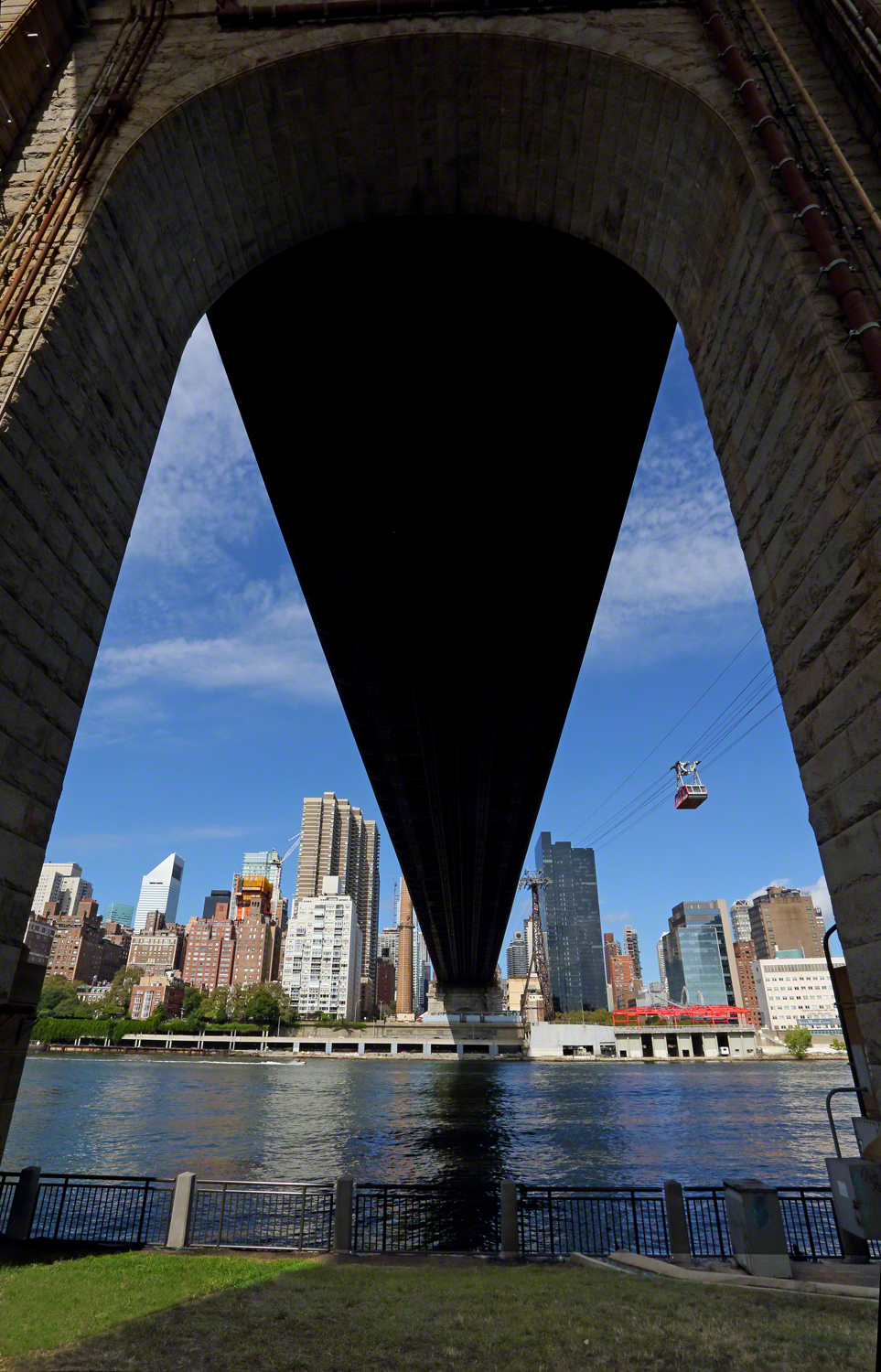
What matters here is the meaning of the phrase. I teach an online class with the BPSOP, and I also conduct my “Stretching Your Frame of Mind” workshops all over the world. I recently did a workshop in New York shooting in all five boroughs. We had taken the tram from Manhattan over to Roosevelt Island to shoot and as soon as we got off we went under the Roosevelt Bridge that connects the two boroughs.

Part of the class that was in the vicinity began shooting the skyline as the tram was coming from Manhattan. As I watched them I immediately saw that they were taking the predictable shot. The shot that I would refer to them as coloring inside the lines.

What I mean is that a couple of them walked to the right of the bridge, avoiding it, and started shooting the skyline. One walked to the left of the bridge and two more walked under the bridge to the edge and started shooting.

I moved to a position where I was directly under the bridge and waited for the next tram to come over.

My point here is to never take the road well-traveled. Always look for ways to color outside the lines and take the path less traveled. Look for different points of view, aka getting on your stomach. put on a lens you would never think of, etc..etc.

Visit my new website at www.joebaraban.com, and check out my upcoming workshops at the top of this blog. Come shoot with me sometime.

JoeB
Food for Digital Thought: Where, When, and for How Long

“The Law of the Light”

Through the years, I’ve been asked why my photos look the way they do since I use little to no post-processing. There’s no secret as to why, if you’ve taken my online classes with the BPSOP, or have come on my “Stretching Your Frame of Mind” workshops I conduct all over our (round) planet.

My secret is simple. In relation to my subject, I know where to stand, when to stand there, and how long I have to shoot while standing there. Before I bring my camera up to my eye I look to see where the direction of the sun is. For me, that’s the most important part in creating strong photos.

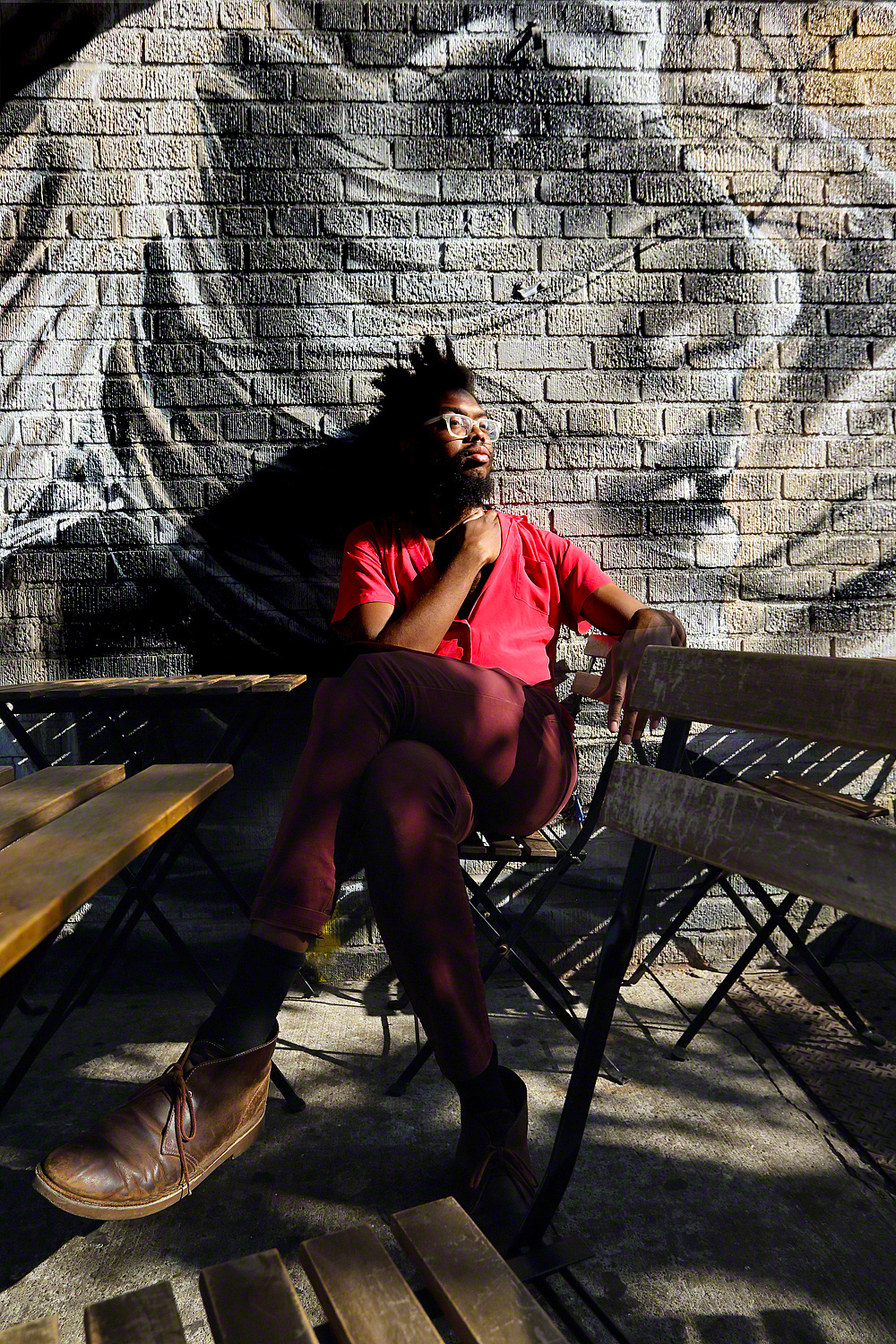
Ok, imagine a clock in your viewfinder, but if it’s easier, imagine the clock on the ground with your subject standing in the center. Now, imagine the sun (or light source) coming from behind the 11,12, and 1. This is ‘backlight’. It’s probably the way I light almost all the time…why?

Because backlight makes everything glow: water, grass, hair, or anything translucent. It adds so much energy and can be effective even if your subject is a touch on the boring side.

Now, imagine the light source behind the ’10’ and the ‘2’. This is what is called “The Law of the Light”. When the sun casts light on a subject it comes at a specific angle, and that angle is called the “Angle of Incidence”; it’s the light falling on the subject.

When that same light bounces (reflects) off the subject and hits the lens, it also bounces off at an angle to the camera. When those two angles are the same, it’s called the “Law of the Light”…also known as “The Angle of Reflection”…and I don’t know why??

Side Light

Now, imagine the sun at either ‘3’ or ‘9’. This is sidelight, and if I can’t backlight or put my subject in the Angle of reflection, this is the light I go for. When the sun is at ‘4’ or ‘8’ it’s ok, still somewhat side-lit, but bordering on front light…to me, this is the worst way to light…5,6, and 7 is front light and I avoid it like the plague…why? Because there aren’t any shadows or shading; it’s all about Form.

Form is a basic ‘element of visual design’, and Form refers to the three-dimensional quality of an object. When light hits an object from the side, part of the object is in shadow. The light and dark areas provide contrast that can suggest volume. Without shadows, the subject will be recorded without Form…appearing flat. Without shading/shadows Form exists in just two dimensions, height and width.

Front Light

This is what happens when you front light. Now, I’m not saying that you can’t take pictures that are front lit…I’m saying that those times for me are rare, and the sun should be low on the horizon and the background behind the subject fairly dark. Remember that Ansel Adams once said, “There are no rules for good pictures, there are just good pictures”.

So as I said, THE VERY FIRST THING I EVER DO when I get to a location…before I ever raise my camera up to my eyes…is to determine where the light source is coming from. Then I position myself to get the right/best light.

As far as WHEN and FOR HOW LONG, almost all of my photos were taken when the sun is no higher than ten degrees off the horizon, or in The Golden Hour.

In the mornings, I will usually shoot before the sun comes up (the Blue hour) and for about an hour after sunrise, depending on the time of year and where I am.

The same goes for the afternoon. I’ll start shooting about an hour before sunset, then until the end of the Blue Hour.

Having said this, this is the ideal time to shoot, but that doesn’t mean it’s the only time to shoot. It’s always time to take photos!!!

Visit my website at: www.joebaraban.com, and check out my upcoming workshops at the top of this blog.

JoeB


Did It Do It: Did It Do What You Intended?

Did it do what I intended?

This is the seventh post in a series I call “did it do it”.

In my online class with the BPSOP, and in my “Stretching Your Frame of Mind” workshops I conduct, I talk about my “Did it do it” list for creating good photos with strong compositions. These aren’t rules (followers of my blog know that I don’t like rules), they’re merely guidelines to use when out shooting. If you can remember these guidelines, you have a very good chance in taking your photos what I refer to as “Up a Notch”.

I call this post “did it do what you intended”:

So many of my students will submit a photo and tell me what was in their mind the second before they clicked the shutter, but what they were thinking didn’t transfer to the final composition. The key to remember is that you won’t be around to explain what you were thinking, and what story if any you were trying to get across to the viewer. It has to be a quick read, and unless it’s an abstract intended for the viewer to interpret it the way he or she wants, it has to be able to stand on it’s own…without you there.

“Consider the scene and its outcome” has been a phrase I’ve been telling my students since the eighties when I first started teaching workshops. Make sure your photo passes the too esoteric muster. If you want to convey loneliness, keep what you put in your frame to a minimum…one person, one house, etc; not a crowd somewhere off in the background or an entire neighborhood. If you want to convey mystery and add drama, don’t shoot in the middle of the day. Shoot either early or late when the long shadows and contrast can help out. Above all, always make sure you consider “The Whole Enchilada“.

If you want to show how vast the area in your viewfinder is, or how large a building is, then put something in the frame that will show the scale. Something that the viewer will recognize and know its actual size.

In the above photo, the message Toyota, my client, wanted to get across in this full page ad was their ‘mentoring program’ where several well know athletes would go around to middle and high schools and talk about their occupations, and what it takes to achieve their goals.

Visit my brand new website at: www.joebaraban .com, and check out my 2019-2020 workshop schedule. Come shoot with me sometime.

JoeB

Did It Do It: Did It Tell The Story You Wanted?

 Did it do what I intended?
Did it do what I intended?

This is the tenth of twelve posts I’ve written on what I refer to as my “Did it do it” list for good composition and ultimately/hopefully/usually ends up as a good photo. I pass this out as soon as I can to my students so they can get a handle on it and start incorporating it into their thought process. I call this one “Did it tell the story you wanted”

If I took a census of all the frequently made mistakes that all my students have made over the years in both my online class I teach with the BPSOP, and in my “Stretching Your Frame of Mind” workshop I conduct around the planet, a few quickly come to mind.  One of them is when the student explains to me what they were trying to achieve in their photo that is clearly esoteric. Sometimes it’s so esoteric that only the student/photographer himself gets it.

Now that’s really esoteric!!!

Whatever message they’re trying to send out (in a photograph) has to be able to stand on it’s own. I explain to my student that he/she won’t always be around to describe their thinking and make that idea clear, so unless it’s an obvious abstraction of reality where it’s best if the student lets the viewer decide what they think it is, the photo should be a “quick read”.

If you intended for the man that’s standing on a rock overlooking the ocean to be in deep thought, make it so his body language conveys that thought. Where you place him in the composition is so important. Putting him in the bottom right corner says something entirely different than placing him in the middle of the frame. Put yourself in the viewer’s place and think whether you would get the message. Right before you click the shutter “consider the scene, and its eventual outcome”.

In my photo of the boy I shot it for Russel Athletics, the story I wanted to get across in one photograph was that if if you work hard enough, no matter where you come from, or where you live, you can make it in the big leagues.

Visit my website at: www.joebaraban.com, check out my 2020 workshop schedule and come shoot with me sometime.

JoeB

Food For Digital Thought: Can One Frame Tell The Story?

Can you tell the point I'm trying to make?
Can you tell the point I’m trying to make?

In my early days of photo-journalism, if one of my photos was used it was used one or two ways: either “Spot News Photography” or in a “Feature Story” where several photos were used that tied together to compliment the written part of the story. There was one more area called a “photo-essay”, but those were hard to come by and far between if they did.

Most of the time I was sent out it was to come back with one photo that had to say it all, and that was referred to as “Spot News Photography”. This was a photo that happened unexpectedly, and besides a small caption, it had to convey whatever message there was to convey in the one photo because that’s all they were going to run with whatever copy that was written.

Since those early days, my focus has changed to color and light and using the elements of visual design and composition to create stronger images. That being said, I still think about making sure that I tell whatever story I’m trying to get across to the viewer as quickly as possible and an immediate understanding of any emotional tone I put in.

In my online class with the BPSOP, and in my “Stretching Your Frame of Mind” workshops I conduct around the (round) planet, I’m always telling my students to make each photo count. Get your point across in what I refer to as “a quick read”. Believe me it’s a challenge to make one photo say all you want to say, and reveal whatever emotion may be tied to the story behind it.

Rod Stewart wrote, “every picture tells a story, don’t it”.

In the following photos, can you tell what the subject is trying to say without actually hearing him say anything? Can you pick up on what message I was trying to get across to the viewer?

Visit my new website at: www.joebaraban.com and check out my 2020 workshop schedule at the top of this blog. Come shoot with me sometime.

JoeB
My Favorite Quotes: Yul Brenner

Break all the rules

Yul Brenner, a.k.a. Ramses II (Pharoah) in the movie The Ten Commandments said to Moses, a.k.a. Charlton Heston, “So let it be written, so let it be done”.

I know all my fellow photographers out there are wondering how in the hell can I draw the slightest analogy/conclusion as to how this quote affects photography.

For new people to my blog, I’ve been shooting professionally for fifty years, and I have been teaching since 1983.

My background is not in photography, it’s actually in painting and design. When I picked up a camera and looked through the viewfinder, it was instant love. I still consider a painter, but I now use a camera as my medium.

What I carried over from painting, design, etc. is the basic elements of visual design, and now I show photographers how to inorporatethese elements into their images.

I’ve decided to write this post now after a student in my online class with the BPSOP, and another in my recent “Stretching Your Frame of Mind” workhop I conducted in New York and Boston told me that they gets a lot of good information from the officers in their camera clubs….especially from the president!

Now can you begin to understand the analogy I’m writing????

There was a time in Houston where I was asked to give a talk and show my photos to the members of the various clubs….a very long time ago, and no more!!! Why you ask?

Because most of the “officers”/members are retired (a whole lot of left-brained engineers of various kinds), old, set in their ways, and always go down the road well traveled.

What they say is the creative whole truth as only they know it, and are just not opened to “coloring outside the lines”.

Let me digress for a moment. There are a lot of good things about being a member of a camera club.

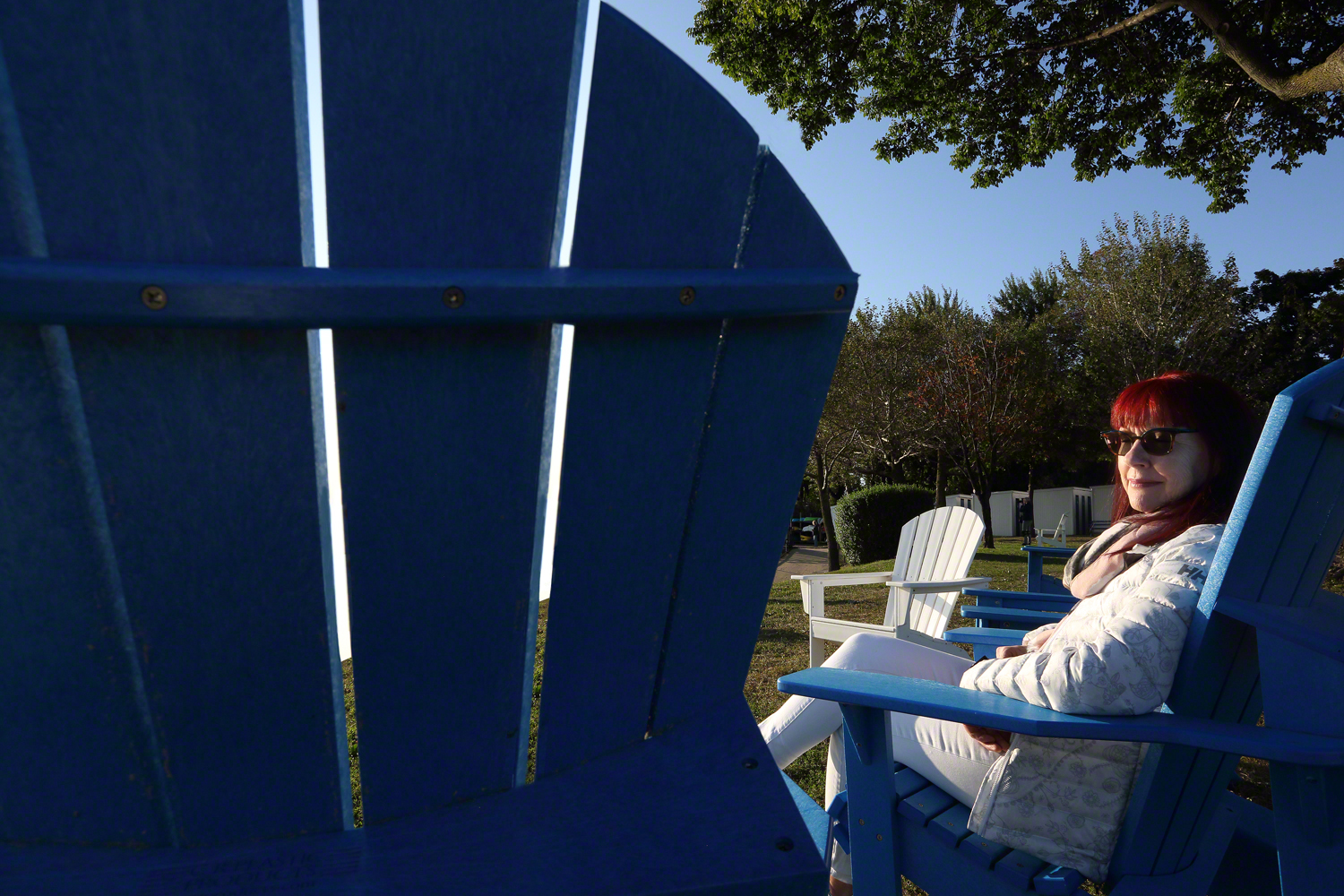
I’ve been to the meetings so I’m not spewing a lot of fake information.  They live by rules, and that’s a deal breaker for me. Ansel Adams once said, “There are no rules for good pictures, there’s just good pictures”.

Just because someone says something concerning obeying any or all rules as they apply to photography, doesn’t mean they’re true and need to be followed.

Whatever you do, don’t take the road well traveled, go a different route and walk, skip, or jump down the road less traveled.

Visit my new website at: www.joebaraban.com, and watch for new workshops at the top of this blog. Come shoot with me sometime.

JoeB
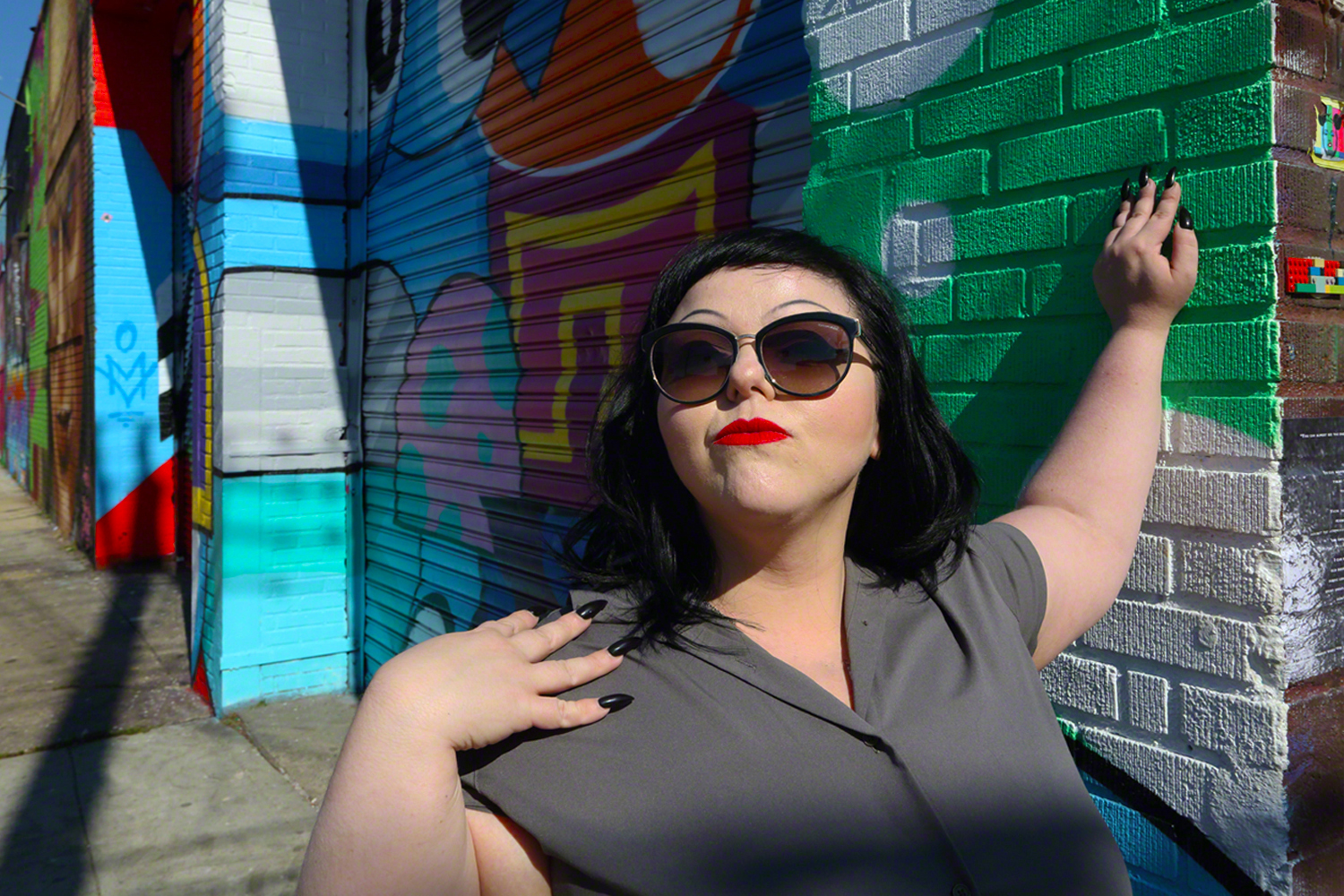
Did It do It: “Did it Convince the Viewer?”

Convincing?
Convincing?

This is the ninth post in the series of twelve I call “did it do it”, a guideline for good photographic composition. I call this one “did it convince the viewer”?

So many photographers don’t take the time to put their idea down in such a way as to convince the viewer that the photo was ready to be taken right before clicking the shutter. Did the photographer put forth enough effort and energy to deliver a solid message with the best possible visuals? Did it show the viewer that you knew what you were doing (even if you didn’t)? Did it show intent?

In this digital age, everyone’s in a hurry to get things done, even if it means sacrificing quality.  Get it done and move on seems to be the new Mantra, and there doesn’t seem to be any geographic boundaries that apply here.

In my online class I teach with the BPSOP, and in my “Stretching Your Frame of Mind” workshop I conduct around the planet, my goal is to instill in each of my students a sense of pride and accomplishment, and a finish photograph that has convinced the viewer that he or she cared about what they were doing. Creating an emotional appeal that will require a response from the viewer will convince him that his time won’t be wasted if he does. Will the viewer be convinced that the photo he’s looking at has enough informaion and therefore will believe it?

When  students of mine can include enough of these guidelines into their photos, they stand an excellent chance in taking their imagery what I refer to as “up a notch”.

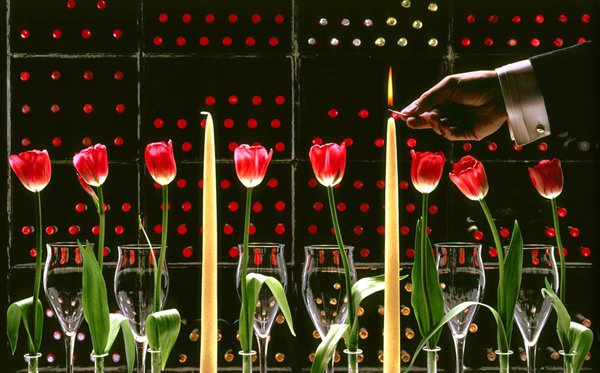
In the above photo for a new high rise that was going up, The intent was to show prospective buyers that there was fine dining nearby.

FYI, the above photograph was shot entirely in the camera with absolutely no post processing involved in the final image. I just love creating photos in the camera!!!!

Visit my website at: www.joebaraban.com and check out my 2020 workshop schedule at the top of this blog. Come shoot with me sometime.

JoeB
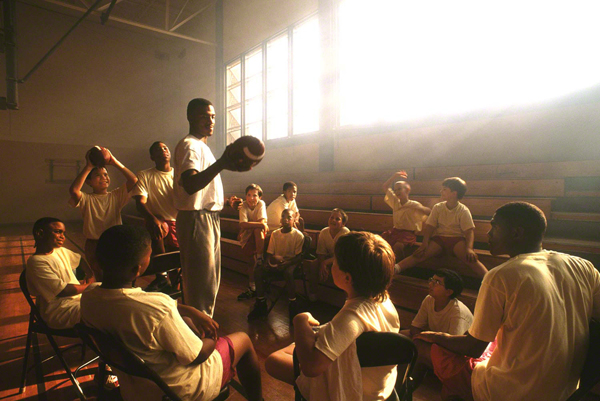
Photographic Equipment: What do I Shoot With?

In my August online class with the BPSOP, and right before my “Stretching Your Frame of Mind” workshop I conducted in Spain, I was asked what I take with me when I go out shooting. My reply is simple, I make it real easy for my poor tired little brain.

When I go out walking in some city with fellow photographers that are taking one of my workshops, I take two cameras. I have a Canon Mark III with a 17-40mm lens on it that I have over my shoulder, and I have a very small Panasonic Lumix DMC-LX7 with a 24-90mm lens that I have around my neck

That gives me a range from 17-90mm, and for the most part it’s all I need. When looking at my website, you never know what photo was shot with what camera. When asked, I tell people that it’s not the camera, it’s the ten inches behind it that really matters.

I’ve seen photographers carry a backpack that has a whole lot of lens in it. That’s great if you have the time to switch out a lens, but when you’re walking around ‘street shooting’ you would never have that kind of time. Your subject would be long gone or old and gray waiting for you to decide what to put on your camera.

If I’m going to be at a location that I have either scouted or thought about I might take a speciality lens besides my normal equipment. For example, I did a workshop in New York and we went to Coney island. I thought it would be ineresting to tak a 600mm lens and put it on a tripod. I stood in one location and with the camera free to move on the tripod, I scanned the boardwalk looking for interesting subjct matter; the point of this was to knock everything out of focus so the background would be a sea of muted color.

Btw, I have also put my 100mm macro on and shot portraits with it. I like to use the wrong lens for the right subject…or the wrong subject with the right lens…you just never know!!!!

Visit my new website at: www.joebaraban.com, and check out my workshop schedule at the the top of this blog. Come shoot with me sometime.

JoeB
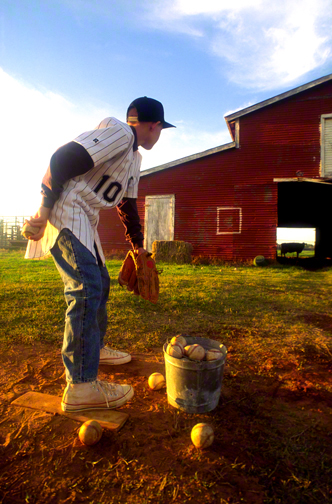
Quick Photo Tip: Walk Them Through The Light.

A good way to incorporate action with nice late or early light is to have your subject walk through an area that consists of a small or dappled area of light while you’re shooting. Easier said than done you say? Not if you set it up ahead of time.

As I tell my fellow photographers that take my online classes with the PPSOP, and in my “Stretching Your Frame of Mind” workshops, to me light is everything. If you can find the light, you can find a shot. Since I’m usually setting my photos up so I can have control, I’m always trying to use the light to my advantage. I like to staged things and then shoot reportage. What I mean is that I like it to look like it was a ‘grab shot’, and I just got lucky with the light. Well, truth being told, I just don’t have the time or sometimes the patients to wait for things to happen. I want things right now because it’s odds on that what I’m waiting and hoping for will never happen the way I want.

Walk them through the light.

As I said, I like to make photos that appear to be as if they were really happening. One of the ways is to have my subject or subjects walk through a spot of light. I’ll have them start several feet back from where I plan to click the shutter. I set my camera to continuous shooting and tell them to start walking and talking. If they start far enough back, by the time they hit the mark (in the light) they’re in a natural gait. The arms and legs are moving naturally, they’ve forgotten about me, and they’re talking and listening normally. It’s all about “stopping the action and leaving it uncompleted”; one of many ways to create Visual Tension” that I teach in my class and workshop.

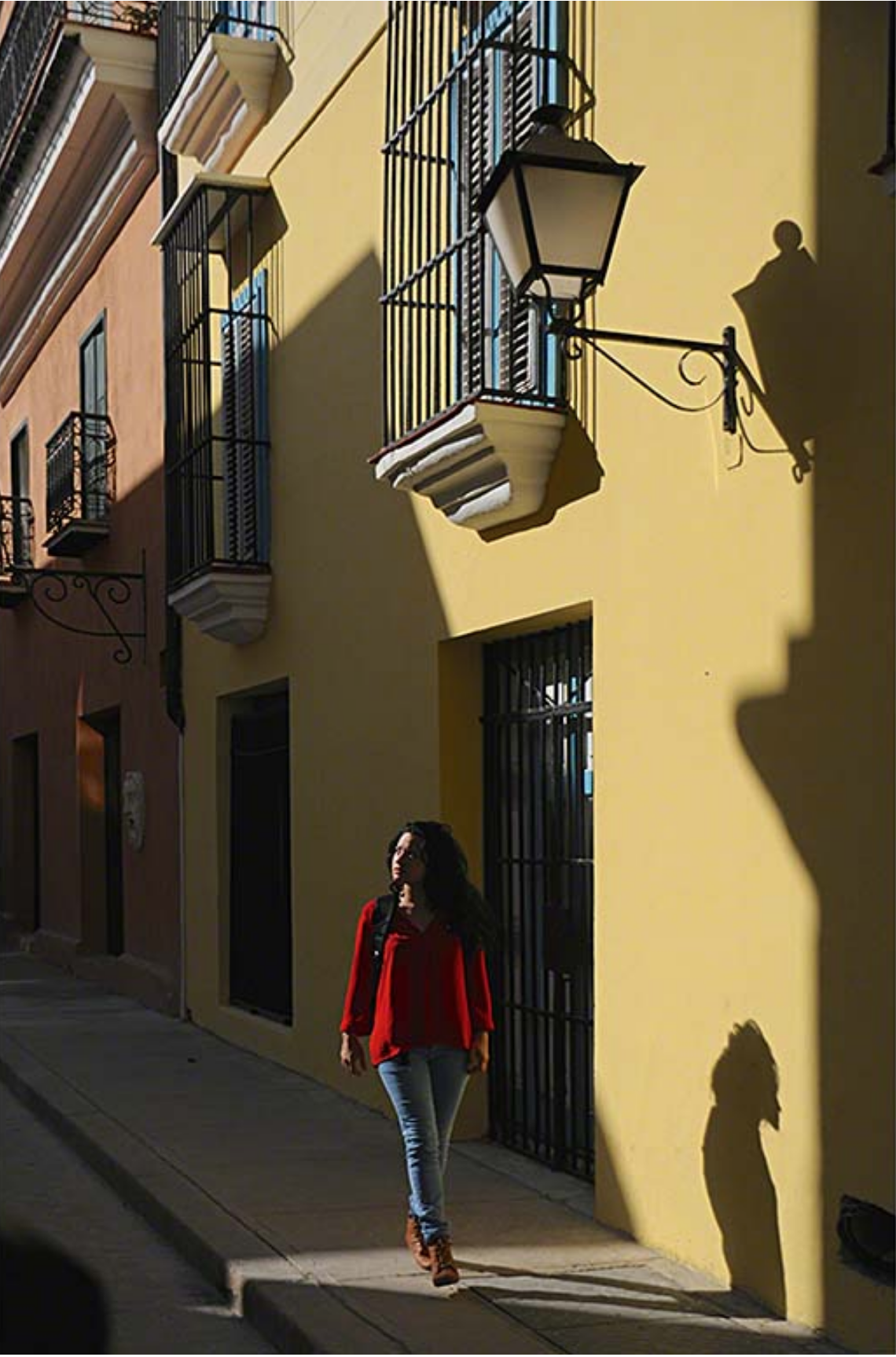
In the photo to the left, I had the woman walk through my frame. I set my camera on continuous and when she approach the mark (the small area of light), I started shooting. In order to hit the mark, and at the right exposure, I stood her in the spot I wanted and took a couple of shots to determine what I was after as far as being a little underexposed. Once I determined the right look, I backed her up and began the process.

Walking to the light.

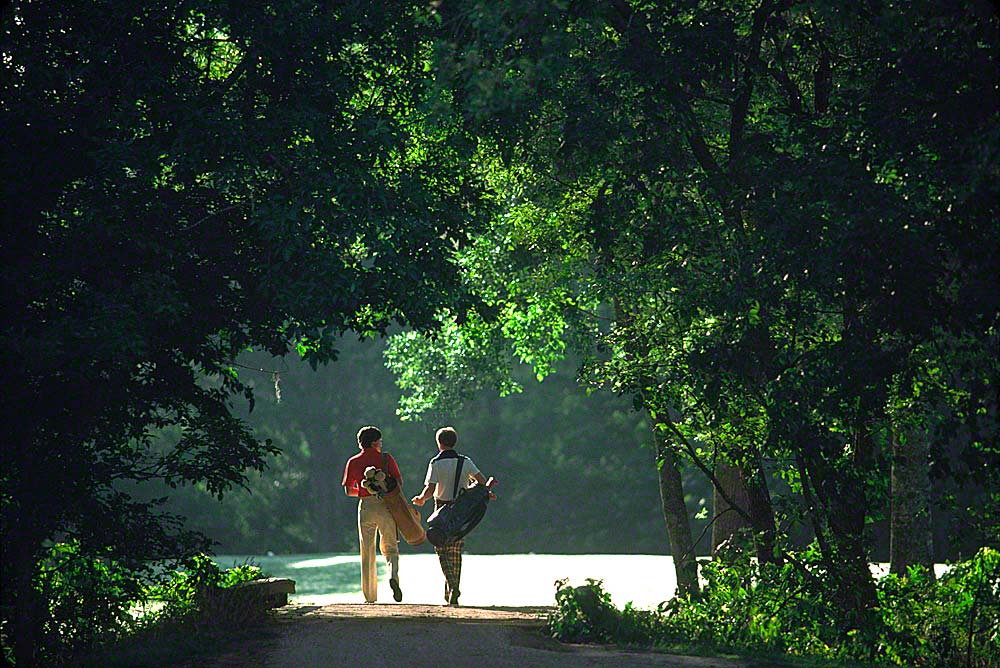
In the photo of the two golfers, I did virtually the same thing only this time I had them walk to where the shade ended and the bright (backlit) light began.

Visit my website at www.joebaraban.com and check out my workshop schedule at the top of this blog. Come shoot with me sometime.

Be sure to send me a photo and question to AskJoeB@gmail.com.

JoeB

STUDENT WORK

Creating depth

I conduct my “Stretching Your Frame of Mind” workshops all over the planet. I also teach two online classes with the BPSOP, and it’s this school that I’m writing about today.

In my part I four week class, I show people how to incorporate the basic elements of Visual Design into their imagery. I call it my Artist Palette: Shape. Texture, Pattern, Form, Color, and the most important element…Line.

We also work on ways to generate Visual Tension, using negative space to define the positive space, and applying a Vanishing Point (linear perspective) as a way to show depth in a two-dimensional representation of a three-dimensional world; as in a photograph.

Since the camera has one eye (a lens) it can only see in two-dimensions, height and width; we have two eyes so we see in all three dimensions which include depth. Having my students anchor an object in the foreground using a wide-angle lens creates the illusion of depth.

That’s in my part I class.

When you sign up for my part II class, you have mastered (hopefully) these elements of design and composition and now we work on silhouettes, and your best friend…the shadow. We also spend a great deal of time on Line, and how to use it to move the viewer around the frame; which is a good way to keep the viewer an active participant when looking at our photos.

So now that I’ve given you a brief description of my two classes, I wanted to share with you some of the images that a few of my fellow photographers have taken in several of my past part II classes. I hope you will not only see what they have gotten out of both classes but be as impressed as I am with the level of work.

One last note, in my classes students can’t crop their photos and absolutely no post-processing. I want to see what they can do before clicking the shutter. So, what you see is what they got!!

Enjoy the show.

Visit my website at www.joebaraban.com, and check out my workshops at the top of this blog. Come shoot with me some time.

JoeB

My favorite Quotes: Al Pacino

Rural China

Although I love all my categories, “my favorite quotes” is way up in my list of favorites. For those of you that for some reason have not read any, these quotes are from all areas of the arts and literature and not just photography.

There are some that I’ve known since my early days of being a professional photographer (fifty years and still counting) and there are those I’ve read since I started teaching  (while shooting professionally) in 1983. I often recite these quotes in my “Stretching Your Frame of Mind” workshops I conduct around our planet, as well as in my online class with the BPSOP.

When I find a quote that makes me say “OK, that’s cool” to myself, I’ll instantly think of how it fits into my thought process when I’ve been out shooting, and how it can become a teaching aid to my approach to turning my fellow photographers on to the way I see and/or shoot.

One of my all time favorite movies was Scarface, and one of my all time favorite lines in that (or any) movie was spoken by actor Al Pacino. “Say hello to my little friend”.  was said as the bad guys were coming in. Ok, I’m sure you’re wondering how in the hell does this relate to photography.

While on a sunset romantic cruise in Venice.

As I tell my students, always have a camera on your person. Well, one man (among others) once said to me that it was impossible to always have his big DSLR with him and that smaller point and shoot’s just can’t take good pictures”…WHAT I said!!!

In the modern age, there are cameras that have ten or more megapixels, and have lenses that are very fast and very sharp…that will fit in your pants (or shorts in my case) pocket. They can do as much as a large DSLR. Remember that it’s not the camera, it’s the ten inches behind it that’s important.

Waiting for lunch

I keep a Lumix DMC-Lx5 in my pocket all the time. It’s the identical camera to the Leica D-Lux 5 (same lens, same sensor, same look) but is half the price. You’re paying twice as much for that little ‘L’ in a red circle, but I know people out there with giant egos that would rather pay more so people will be impressed. Btw, I’ve recently replaced it (with an electronic viewfinder) with the LX7. 

Walking around Lisbon

After doing a lot of reading, it was the camera for me. The new one is a ten megapixel camera and has a new F/1.4 lens…”WOW”, and you can get a viewfinder for it that shows you exactly what you’re getting.

I can assure you that carrying around this “little friend” will add to the possibilities of never missing a good photo again. Ernst Haas, one of my all time favorite photographers whose work hangs in my house said , “The camera doesn’t make a bit of difference. All of them can record what you’re seeing…but, you have to see.”

FYI, here’s the scene where Al Pacino said this now famous line: https://www.youtube.com/watch?v=AVQ8byG2mY8

Visit my new website at: www.joebaraban.com, and check out my workshop schedule at the top of this blog. Come shoot with me sometime, and bring along your little friend.

JoeB

Did It Do It: Did It Show Pre-Visualization

Pre-Visualization
Pre-Visualization

This is the eight post in my series I call “Did it do it”. These are meant solely as guidelines to help in our thought process when we’re composing the elements that will end in a competed photo. They’re not rules, as anyone that reads my blog can attest to the fact that I don’t care at all for rules. Having said this, I do think we should at least know all the rules the powers that be has bestowed on us before immediately forgetting about them  ASAP!!! I say this for those whose goals and expectations exceed the mediocrity running rampant through the ever changing world of digital photography. 🙂

I use these guidelines in my online class with the BPSOP, and in my “Stretching Your Frame of Mind” workshops I conduct around the planet. It’s an effective way to illustrate to my fellow photographers the difference between a photo that was taken and one that was made. I call this one “did it show pre-visualization”, and it seems to be one of the most important, if not the most important concept, of all twelve that I work on with my classes.

So many photographers bring the camera up to their eye and just start clicking away and when their finger gets tired, they move on. I wrote a post I called “I came, I shot, I left”, and it’s a perfect example of not Pre-Visualizing. As a result, the photos that make it past the mediocre level are few and far between. One thing I do want to make clear here is that I’m not including Street Photography where instinct is more important. However, anticipating the action before it happens is all about the ability to pre-visualize.

Here’s how I approach pre-visualization:

First of all, I’m always trying to scout a location ahead of time so that they’re no surprises when I get there. I take my Sunpath readings and my Morin 2000 hand bearing compass to figure out the light; as in where the sun is going to be. Since light is everything, I want to make sure the direction it’s coming from, where I have to stand, and how long I have to stand there. From there, I plan out my shots depending on where the light is going to be first, then where it will go, etc.

I think about what props I’ll need to bring back to tell whatever story I’m thinking up in my mind. My thought process is all about taking photos of what I’d like to see, not necessarily what I actually see. Most of the time I don’t see what I want, so I’m not going to waste any time waiting for it to happen.

When I’m not able to scout ahead of time or when I’m traveling, I still pre-visualize; just a lot faster. I still think before I shoot. I won’t just take a photo to be taking one, so that means that I’m still looking around at all the possibilities a location has to offer. I can see a photo in my mind before I bring the camera up to my eye, and will often move things around, add or take away objects that either fit or don’t fit, or ask people to be in my shot. Bottom line is that I’m an artist whose medium is a camera instead of a paintbrush…I paint pictures with my camera.

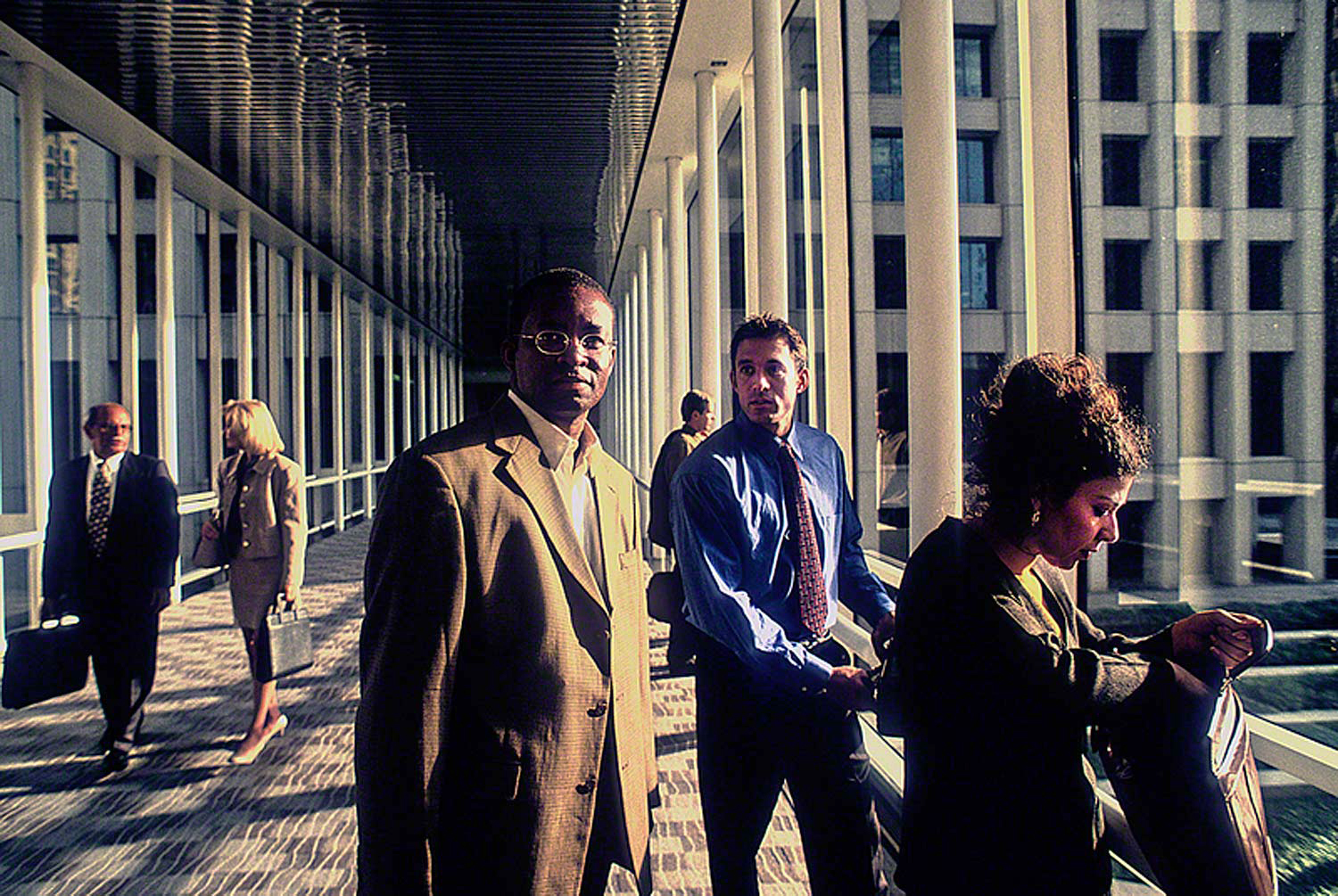
In the above photo, I was shooting a brochure for the leasing company; they wanted some random shots of people working in the building. As always, I want to have complete control, and I also know that the odds of seeing what I want to see or slim to none. So I asked the client to supply me with some internal company employees that I could work with.  I set up my camera and tripod and placed all the people where I wanted them, and I had all the people act out something they might have been doing if I wasn’t there, then I started shooting in a reportage style to stop people in their actions. I also included one of the six principles of Gestalt (I teach these principles in my new class at the PPSOP) named The Law of Common Fate by having the man in the middle looking towards me while the others are looking elsewhere.

Visit my new website at: www.joebaraban.com, and check out my 2019-2020 workshop schedule at the top of this blog. Come pre-visualize with me sometime.

JoeB

Personal Pearls Of Wisdom: In A Perfect World, What If?

What if?
What if?

One of my favorite Pearls I’m always asking my online students with the BPSOP, and my “Stretching Your Frame of Mind” workshops is, “In a perfect world, what if?”.

What I mean is that if they could go back and re-take a photo they submitted and they were able to do anything different that they wanted, what would they do. If time and money were not an issue, what would they add or take away from their composition?

I’ll usually ask a student this question if I see something that might be distracting, perhaps an imbalance between the Negative and Positive space, or something they didn’t notice when they were composing by not using their “Fifteen Point Protection Plan”I gave them at the beginning of the online class or workshop.

I might mention it even if the photo doesn’t have any issues at all and was a well done image. The reason is simple, it’s an exercise of the mind. There’s several analogies I can offer up to you to explain just what I mean. Do you stretch before jogging? Do you hit a bucket of golf balls at the range before actually playing eighteen holes? What about ‘batting practice’?

These are all things people do before beginning whatever it is that they do to loosen up, getting the tempo in their swing at the right pace, or get their eye-hand coordination finely tuned before that ninety miles per hour fastball comes hurtling towards them.

The same thing can apply to photography. By imagining “what if”, you’re exercising your imagination. Perhaps it’s adding some red tail lights in a street scene at dusk, or a couple at the end of the pier, or someone doing something to add an editorial (storytelling) element. That extra something to move their photo “up a notch”.

Whether you could actually add or change something doesn’t really matter. The point is to practice using your imagination every chance you get. It’s going to keep your thought process sharpened just in case you might be able to make it happen sometime.

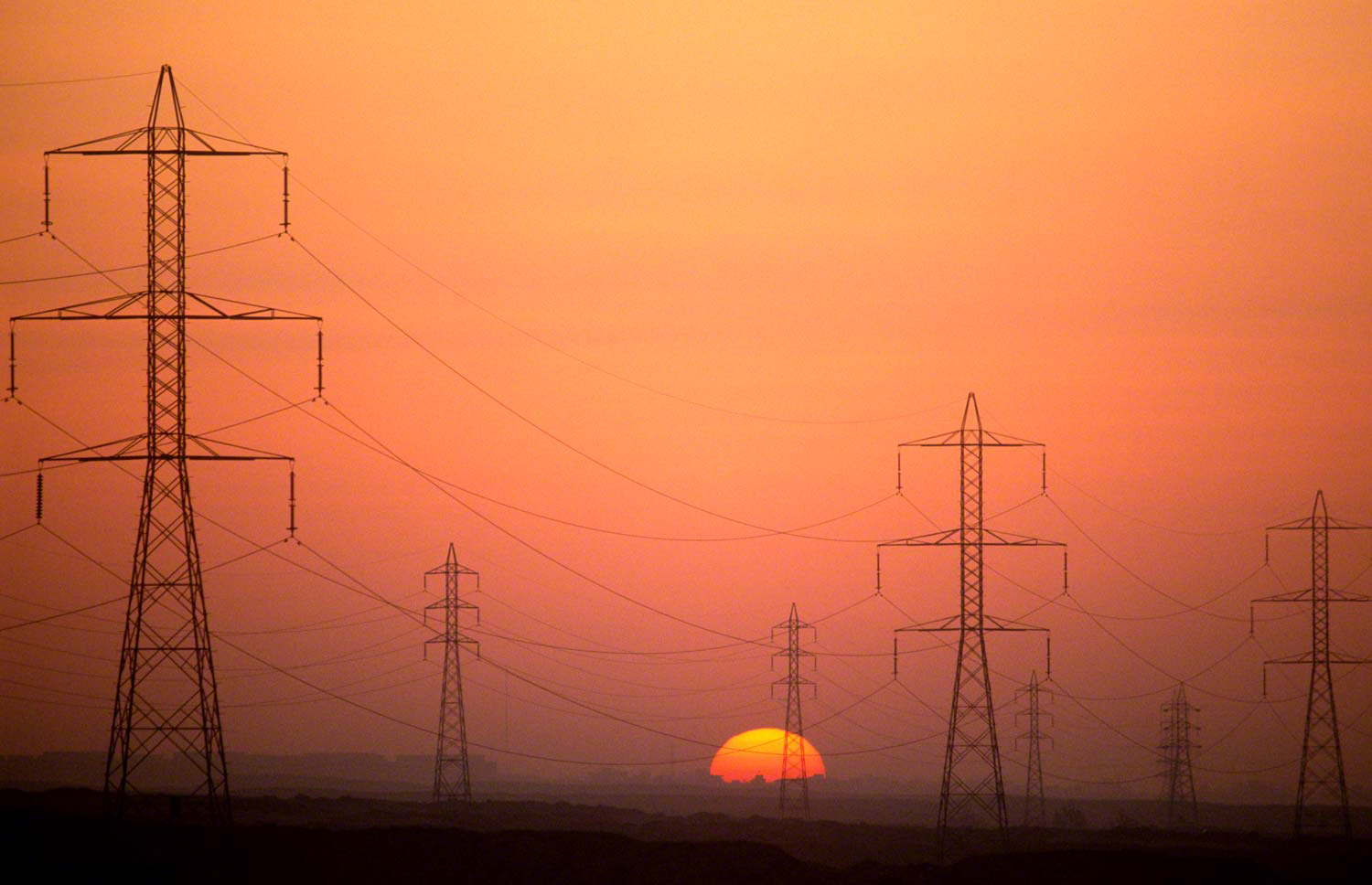
In the photo shown above, I was shooting for Apache Oil and Gas in Egypt, and was coming back from the Suez Canal when I saw this scene. I jumped out of the car and quickly set up my camera and tripod. As I was shooting I was also thinking (as I have done for over forty years) “what if”.

In that instance, I thought “what if” there was a telephone truck facing the camera with its headlights on parked right next to the tower in the foreground. There were two men on a Cherry Picker ( a device to lift people into the air) working on the transformer and silhouetted against the sky and the setting sun.

Now that would have been a picture that would be remembered!!!

Visit my new website at: www.joebaraban.com, and check out my new workshop schedule at the top of this blog. Come shoot with me sometime.

JoeB