Food For Digital Thought: When is a Landscape not a Landscape?

Tells a story

I often find myself in a situation where I’m standing or looking out at an incredible landscape. The word incredible not just comes with the territory, but because I’m usually shooting at sunrise or sunset when the sun is lower on the horizon, and the light is much softer, warmer, and with longer shadows…your best friend.

Over the years I will also find myself in a situation where I’m able to shoot a landscape for the sheer reason of showing a beautiful vast area; a true landscape.

So, what do I mean by a pure landscape? According to the dictionary, the definition of a landscape is: “All the visible features of an area, or countryside, or land, often considered in terms of their aesthetic appeal.”

Further, Wikipedia states that ” Many landscape photographers show little or no human activity in their photos, striving to attain pure, unsullied landscapes that are devoid of human influence, using instead subjects such as strongly defined landforms, weather, and ambient light.”

Just a landscape

I don’t always fall under that variety of photographers. My background is in painting and design, with a BA in the field of Journalism; I’m a storyteller. So, while following the purist ways, which is one genre, I’m also looking for a way to editorialize, which is another genre.

By adding a person, my landscape becomes more of a story. The viewer will ask why is that person there, what’s he doing there, etc., and when the viewer discovers my person or object, I’ve included a touch of Gestalt. Simply said, the more things the viewer discovers in our photography, the more he or she will stick around. Isn’t that just what we want him to do?

In the two photos, I took out the man diving so you’ll see a landscape. In the other photo, I left him in so now it’s more editorial. Still a landscape in my opinion, but now there’s a story to it.

Now, I realize that the ‘purist’, the photographer that shoots landscapes for the sake of landscapes, would have a big problem with adding a story to his/her photo, and that’s perfectly OK with me; a true landscape is just that.

Hopefully, there’s room for both images in the scheme of things.

In my online classes with the BPSOP, and in my personal “Stretching Your Frame of Mind” workshops I conduct around our planet My fellow photographers are always saying that they just couldn’t do anything about that person that shows up in their photo; they’ll just take him/her out later.

What I usually say is that by adding that person or old beat-up car, or sailboat, you’re not hurting the photo…you just might be saving it. It may be what you’ve always thought, but try looking at things a little differently.

Visit my website at www.joebaraban.com, and check out my workshop schedule at the top of this blog. Come shoot some scale with me.

JoeB

Food For Digital Thought: Non Human Gesture

non-human gesture

I talk to my online classes with the BPSOP, and in my “Stretching Your Frame of Mind” workshops I conduct throughout the world about the importance of a gesture in your imagery; it’s one of the ways to create Visual Tension.

The actual definition of a gesture is “a movement of a part of the body, especially a hand or the head, to express an idea. It’s an action performed to convey one’s feelings.”

Visual Tension is generated when you stop an action, as in a gesture, and leave it uncompleted. I’m always on the lookout for someone using a gesture either while talking or even pointing. That said, I don’t like to take photos of people pointing unless I have positioned them close to the edge of the frame so they’re pointing out. Tha way the viewer doesn’t know what they’re pointing out.

There is another type of gesture that I also like to talk about and especially in a photograph, and that’s a non-human gesture. Non-human gestures can also portray an emotion or communicate an idea.

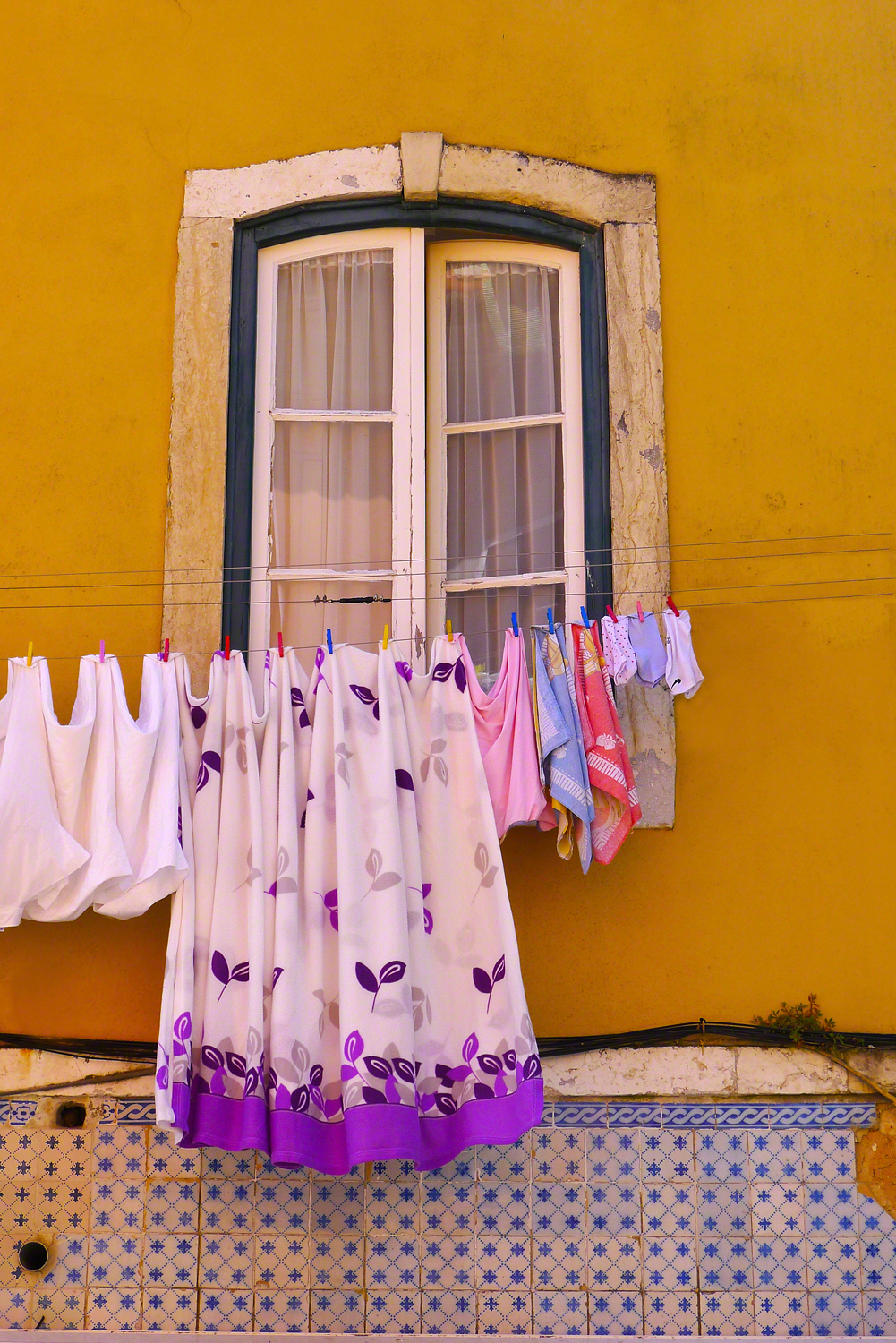
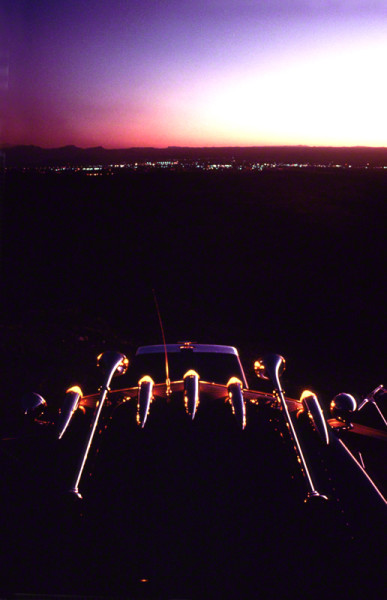
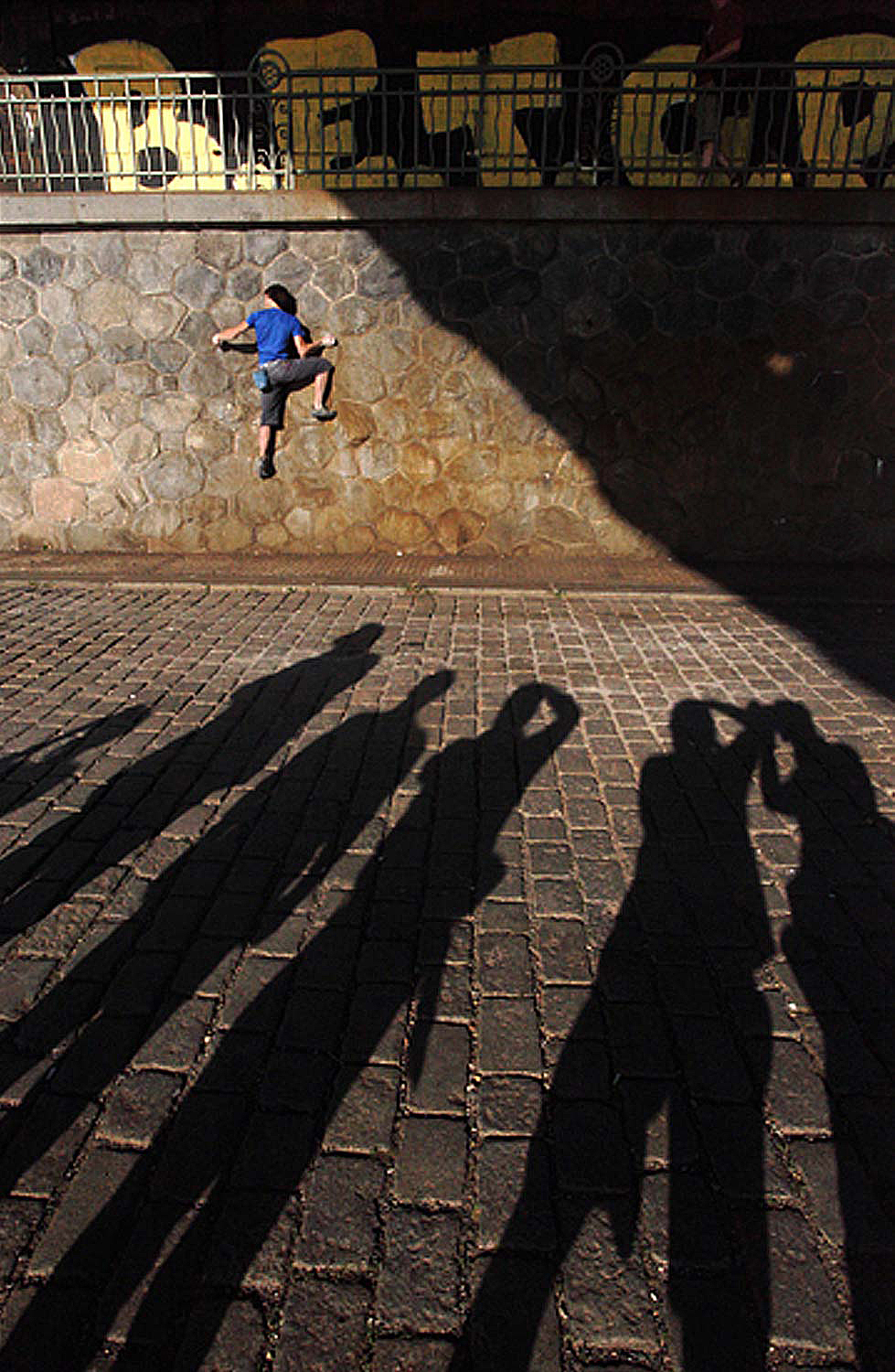
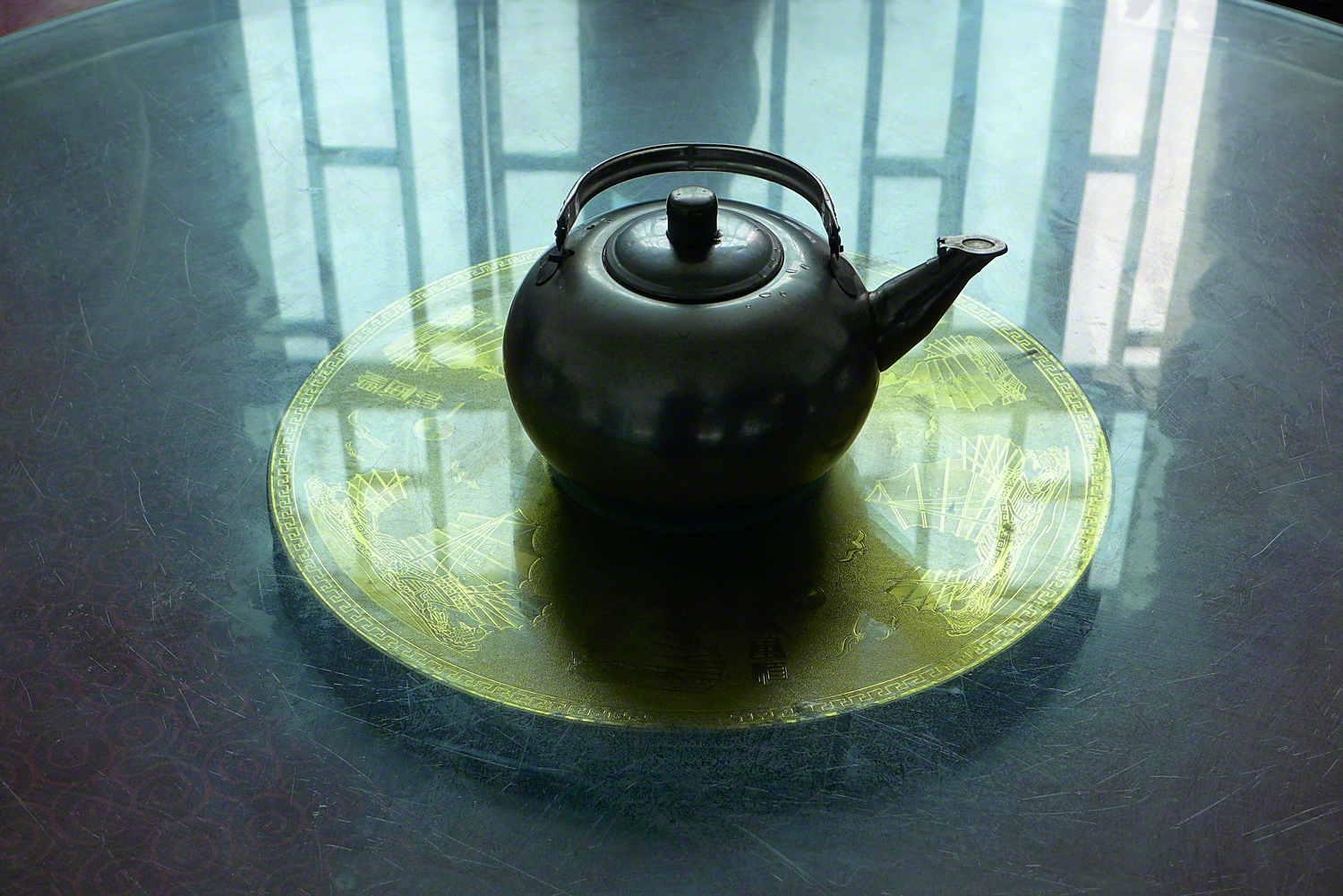
A list of non-human gestures would include contrast, a recurrence of objects, color, depth, shadows, light, and the element of surprise. Trees, waves in the ocean, flowers, and even rock formations can portray a sense of Gesture. The one idea that connects these objects and is usually necessary to show them in their reality is the use of elegance or grace.

The use of color or light to create a non-human expression is an unwritten language different than the intentional movement created by man or other living creatures. This demonstration of visual expression can be a complex form of communicating ideas and emotions to the viewer. The use of Light to create a non-human gesture can be more difficult since Light is so fleeting that it can come and go in a blink of the eye. When you can anticipate this moment, or quick enough to react, it can imply a sense of movement that will embody the essence of an object.

When you can combine these non-human gestures, with any of the elements of visual design and composition on my Artist Palette I refer to it’s a great way to find that elusive “OMG” photo we all strive to take.

Here are a few examples of non-human gesture:

Visit my website at www.joebaraban.com, and check out my workshop schedule at the top of this blog. Come shoot with me sometime.

JoeB
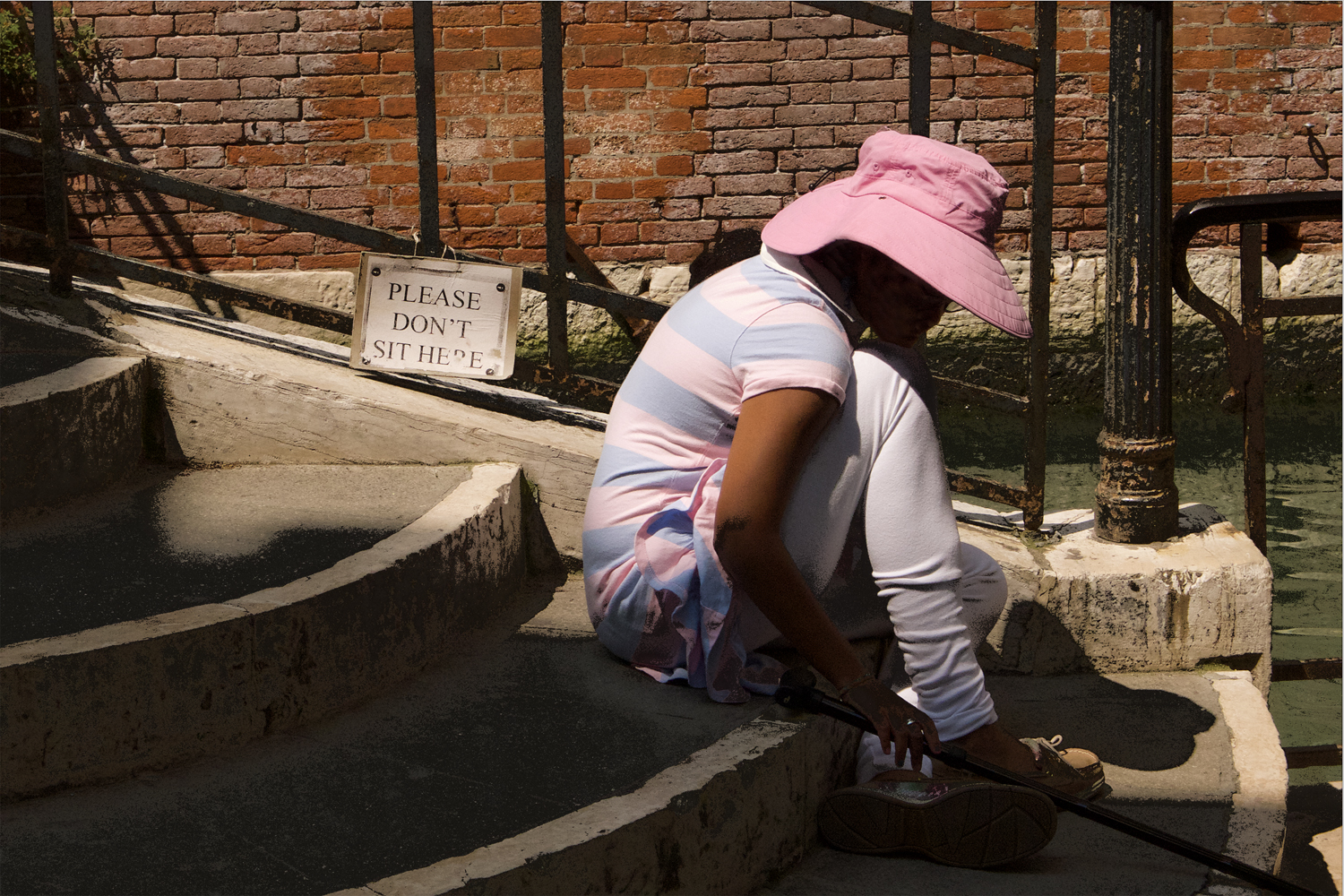
Quick Photo Tip: Do What I Do

I spent my entire career shooting assignments around the planet, and most of the time I had been fortunate enough to have an interpreter with me. Someone from the company I was shooting for would go with us and if I have someone in the photograph, they could explain to the subject exactly what I wanted him to do.

 Occasionally, even with the interpreter explaining to the subject, it could still lose something in the translation. If I only have a few minutes of great light left, it can get a little on the stressful side of normalcy.

So, what did I do when I wanted to set up a photo with a person that didn’t speak English, and I was losing the light?  If I was lucky enough to have a translator, I simply told him to tell the subject to change places with me, and tell them to “do what I do”. Then, I actually would act out what I wanted them to do. It’s a lot easier than you might think.

In my online classes with the BPSOP, I will often tell a photographer to try doing that when he or she is trying to get their subject to do something and there’s a language barrier.

It ‘s easier to explain (by a demonstration) when I’m walking alongside someone in my “Stretching Your Frame of Mind” workshops I conduct all over the place.

Just kidding!

So, my fellow photographers, If you don’t have a translator, which is usually going to be the case, give it a try. I will tell you that it will be a whole lot easier if your camera is on a tripod, and you’re shooting either at sunrise or at sunset.

They will get it immediately!!!

Visit my new website at www.joebaraban.com, and check out my upcoming workshops at the top of this blog. come shoot with me sometime.

JoeB


Quick Photo Tips: Shooting In Bad light.

 Working with color on a gray day.
Working with color on a gray day.

One of the recurring questions I get from students in my online class with the BPSOP, and the “Stretching Your Frame of Mind” workshops I conduct around the planet is how do I shoot in bad light?

Whether it’s hot and bright midday light or on a gray flat day, I approach it virtually the same way. Minimize or don’t show the sky. One exception is when you have a flat location like a landscape where everything is either above or below the horizon line.

You can bring out your graduated Neutral Density filters. The reason why I say that is because if you have the same object that’s both above and below the horizon line, the part of the subject above the line will be as dark as everything else in the composition above that line, but the part below the horizon line won’t. Making the photo look contrived and fake. I’m a firm believer in not letting the viewer know what I’m doing. It has to look real!!! That is if I want to have a good night’s sleep.

If I can’t minimize the sky on a gray day, I want to put something in it or change the way the sky looks. You have to take control of how the viewer is going to perceive the morning. Make sure it won’t matter to him by making an overcast day work for you. In this photo, of the two men standing in the boat, I broke up the foggy, overcast sky into four sections and created an ‘X’ to do it with.

Introduce color to a gray day. Put it “up close and personal” to the lens and hide the gray, or arrange colors as a graphic design tool.

Try incorporating the elements of Visual Design into your composition: Pattern, Shape, Texture, and Line, will make a big difference when you make these elements the subject or one of the subjects.

Take a look at some photos I shot in not so good light:

Visit my website at: www.joebaraban.com, and check out my workshop schedule at the top of this blog. Come shoot with me sometime.

JoeB
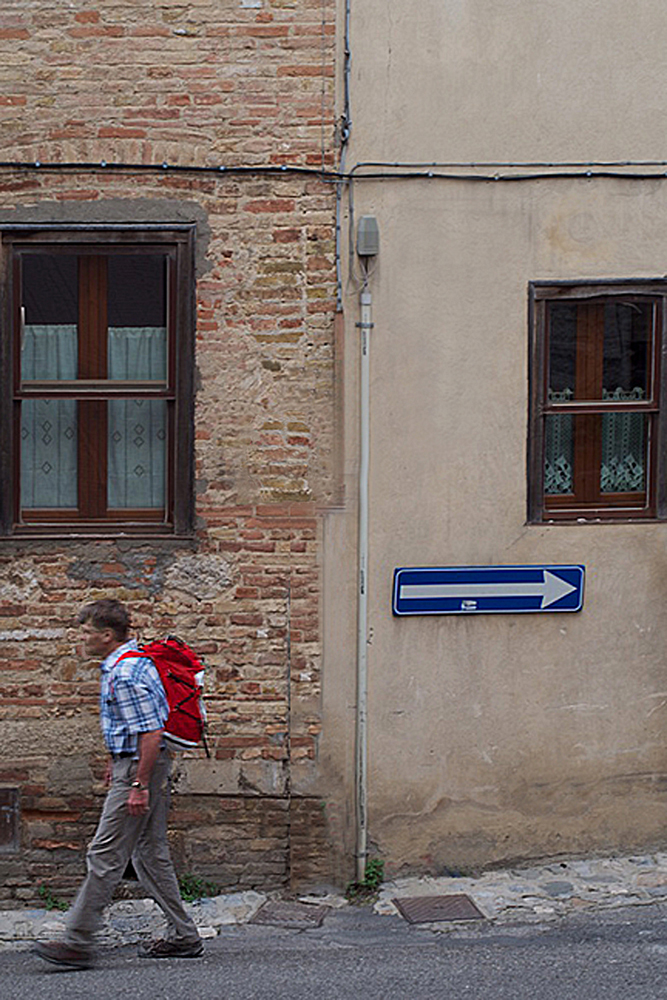
Adjustments vs Variations

Several adjustments and a couple of variations later

I’ve been a photographer for fifty-three years and in all those years I can count on my hand the number of times I took just one shot…of anything. The times that I did were when I was street shooting and I had one chance to get it before whatever I was going for had either changed or was gone altogether.

I virtually never take just one shot, it’s always a series of either adjustments or variations. It’s what I ‘Preach’ during my online classes with the BPSOP, or when I’m standing next to someone in one of my “Stretching Your Frame of Mind” workshops I conduct just about everywhere on Earth.

As I’m shooting, I look all around the frame. I’m doing my Fifteen Point Protection Plan, my Border Patrol, and the Four Corner Checkoff. Each time the shutter opens and closes I’m making adjustments, Shoot adjust, shoot adjust, shoot adjust, etc., etc., etc.

An adjustment can be nothing more than taking a step back to include all of the subject’s hand or foot, the rest of a tree, sign or car. It can also be moving in a step to exclude an unwanted hand or face coming into the frame, getting rid of a sign that has letters missing or some of the letters burned out on a sign; what about a streetlamp that should be on but isn’t?

The digital age has had a profound effect on photography. some good and so many not so good. One good thing that has come about is the ability to shoot a photo and immediately look at the back of your camera to check it out

The reason for adjustments? To achieve what I want in the camera, and not have to rely on a computer to fix the problems I could/should have done prior to clicking the shutter.

A variation is a different animal. The reason for a variation is to increase your chances of going home with one of those elusive ‘wall hangers’, and variations come in all types of reasons.

For example, If you’re into getting the right light, then you’re shooting from different points of view and thinking about my clock. Shoot then moving around to see how your subject looks lit from the side perhaps to bring out the texture, then decide on another variation by placing the sun behind your subject to backlight it.

I’ll occasionally (depending on how much time I have) completely change my position and lens. I’ll add or subtract people or objects, get on my knees or stomach, and anything else that comes to mind at that moment. Btw, at my age, it has to be a really good idea for me to get on my knees or stomach!!

Visit my website at www.joebaraban.com, and check out my workshop schedule at the top of this blog. Come shoot some variations with me sometime.

JoeB

My Favorite Quotes: Minor White

Do you often go out shooting on your own for the pure pleasure of creating impressionable photographs for you and others to enjoy? If the answer is not only yes, but hell yes, then “read on McDuff “.

If you go out very early one morning, you see a field of sunflowers and you decide to photograph them. Do you take a photo just because they pretty to see and they make you smile? Of course that alone is a good enough reason, but there’s a lot more to it than that.

Let me backtrack and say that among some of the photographers whose work I often look at is a photographer named Minor White. who once said, “One does not photograph something simply for ‘what it is’, but ‘for what else it is.”

Over the years I have thought about that and have used the expression in various forms in my own teachings both in my online classes with the BPSOP, and in my “Stretching Your Frame of Mind” workshops I conduct all around our (very round) planet.

Suppose you have taken your kids to Sesame Park in Dallas, and you see several yellow umbrellas set up for parents to hide under from the sun. Is it the umbrellas that interest you, or is it because you also see very big yellow triangles creating depth from overlapping each other?

How about the triangles created by the shadows in between the ridges of yellow? Or just the shadows themselves? Or even to go as far as the red, blue, and yellow colors that incidentally are the three primary (pigment) colors; not counting the red, blue, and green colors that make up primary light?

So you’re traveling and stop in a plaza in Sicily for some famous Gelato and you spot a toddler walking away from his bike. Do you try to photograph the kid or the bike? If it were me, I would take a photo of the patterns surrounding the bike that create all those fabulous diamonds and squares; and the shadows of the bike caused by the backlight.

  OK, so getting back to the sunflowers, You see a sunflower, but what else is it? It’s a flower that has petals glowing from the sun directly behind it that creates a pattern of color. It has beautiful texture that just happens to be one of the elements of visual design.

And so my fellow photographers, when you’re out ‘making’ your works of art, remember that the left side of your brain, the analytical side, sees an umbrella, a bike, and a sunflower. The right side of your brain, the creative side, sees everything else.

Visit my website at: www.joebaraban.com, and check out my workshop schedule at the top of this blog. Come shoot with me sometime.

JoeB
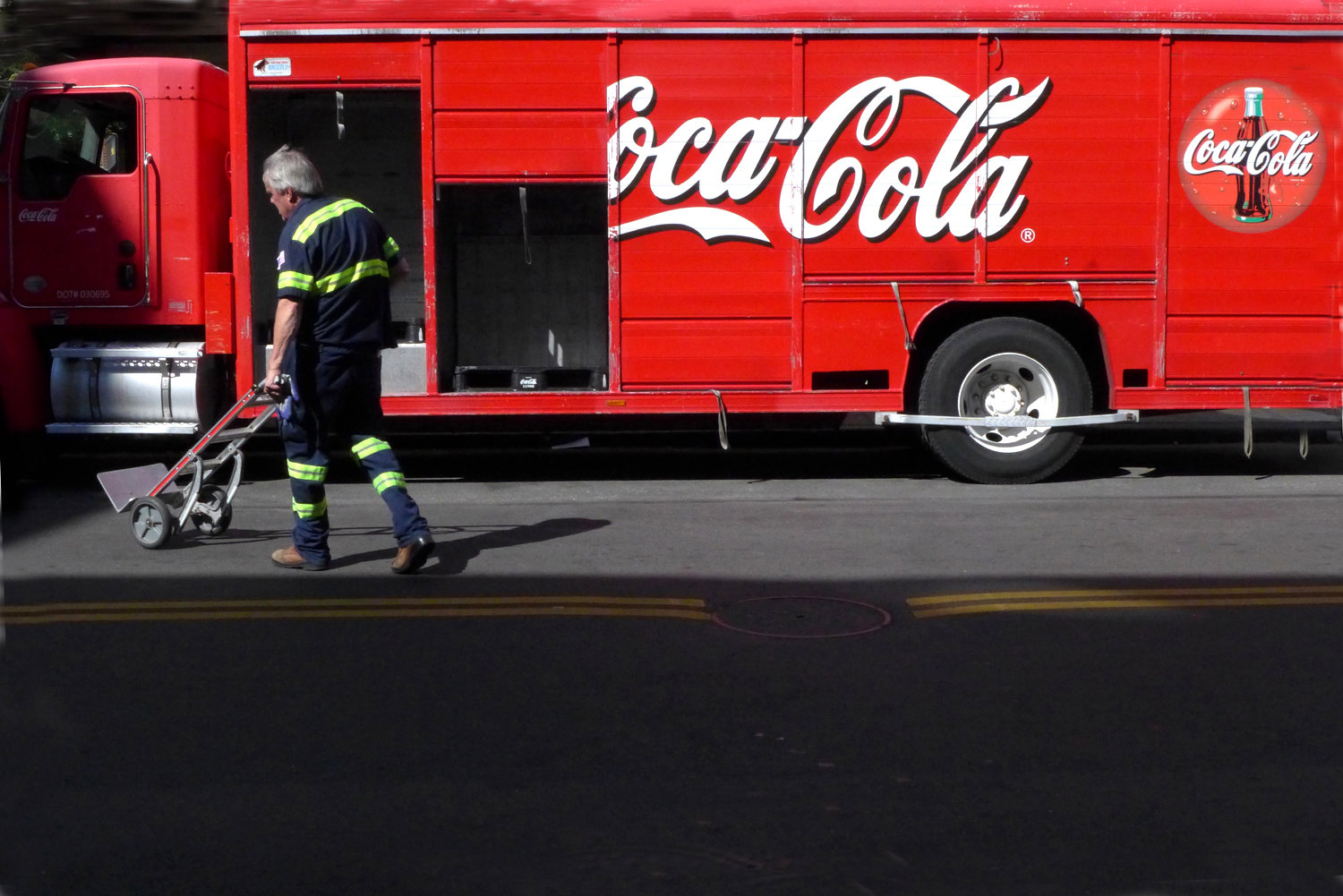
My Favorite Quotes: Pablo Picasso

Break all the rules!

Before reading this post, for all of you that have taken my part I and II classes, the school is bringing back my Gestalt class for a month, starting the first week in May. Here’s the link: https://bpsop.com/courses-1/

Every so often, either during a conversation with one of my online students with the BPSOP or in one of my “Stretching Your Frame of Mind” workshops I conduct all over the place, I’m told by one of my fellow photographers that they were, in turn, told to not do something while taking pictures. Well, it just happened again, so while it was still fresh in my mind I thought I would share it with you.

But first I’m going to digress a touch and give you the reason for this post. One of my all-time favorite painters was Pablo Picasso. Although I could go on and on about him, he was a painter that constantly re-invented himself. He was always bringing ‘something new to the art scene.

Picasso once said, ” Learn the rules like a pro, so you can break them like an artist.”

I suppose it’s (maybe) true that we must learn the rules of photography, which to me is a complete waste of time. Rules are a hindrance to our imagination and the shackles keeping us from any creative thought. But, far be it for me to dispute one of the most imaginative and creative painters to ever have lived.

Getting back to the photographer I’m referring to, this person was obsessed with the notion that you always wanted your subject facing into the composition; leaving lots of room for him or it to walk, drive, or fly into. After a time trying to de-program him, especially since his mentor and president of the local camera club told him so, it was an aha moment for me…president of the camera club…that started to make perfect sense.

When he followed it up with always put your subject in the Rule of Thirds, and make sure to check the Histogram before clicking the shutter, I knew I had a photographer that would always ‘color inside the lines’.

Showing him examples of images that broke all the rules just couldn’t pull him away…even though he really liked them he was just past the ‘point of no return’.

A retired civil engineer and a confirmed left-brain thinker, I realized that it was better to just let him be and continue on down the road well-traveled.

Well, you can’t win them all.

Visit my website at www.joebaraban.com, and check out my workshop schedule at the top of this blog. Come shoot with me sometime.

JoeB
Life Before Photoshop: Saturn Car Campaign

Look ma, no Photoshop!

Before reading this post, for all of you that have taken my part I and II classes, the school is bringing back my Gestalt class for a month, starting the first week in May. Here’s the link: https://bpsop.com/courses-1/

In my ongoing quest to enlighten those photographers that started in the digital era, I like to explain to people that there was actually a time when you had to create your image in the camera without any help from Photoshop; mainly because it wasn’t born yet. I know it’s scary to a lot of you because we talk about it in my online class with the bPSOP and in my “Stretching Your Frame of Mind” workshops I conduct around the planet. The thought of not being able to fix it later in front of a computer is chilling to say the least. YIKES!!!

I’m not opposed to using my Adobe CS5 program, because I tweak all my photos to some degree, but to me, the challenge is taking my visual idea and shooting it in the camera. The digital age has made photographers lazy. Why move a step to the right to take the telephone out of someone’s head when you can just use the Content Aware tool to remove it later? Why concern yourself with learning that 1/60th of a second at F/8 is going to look a stop darker than 1/60th of a second at F/5.6. there’s Lightroom to take care of that mistake.

To me, shooting on manual will make you a better photographer than setting your camera to one of many program modes. It’s a good way to learn exposure and shutter speed combinations.

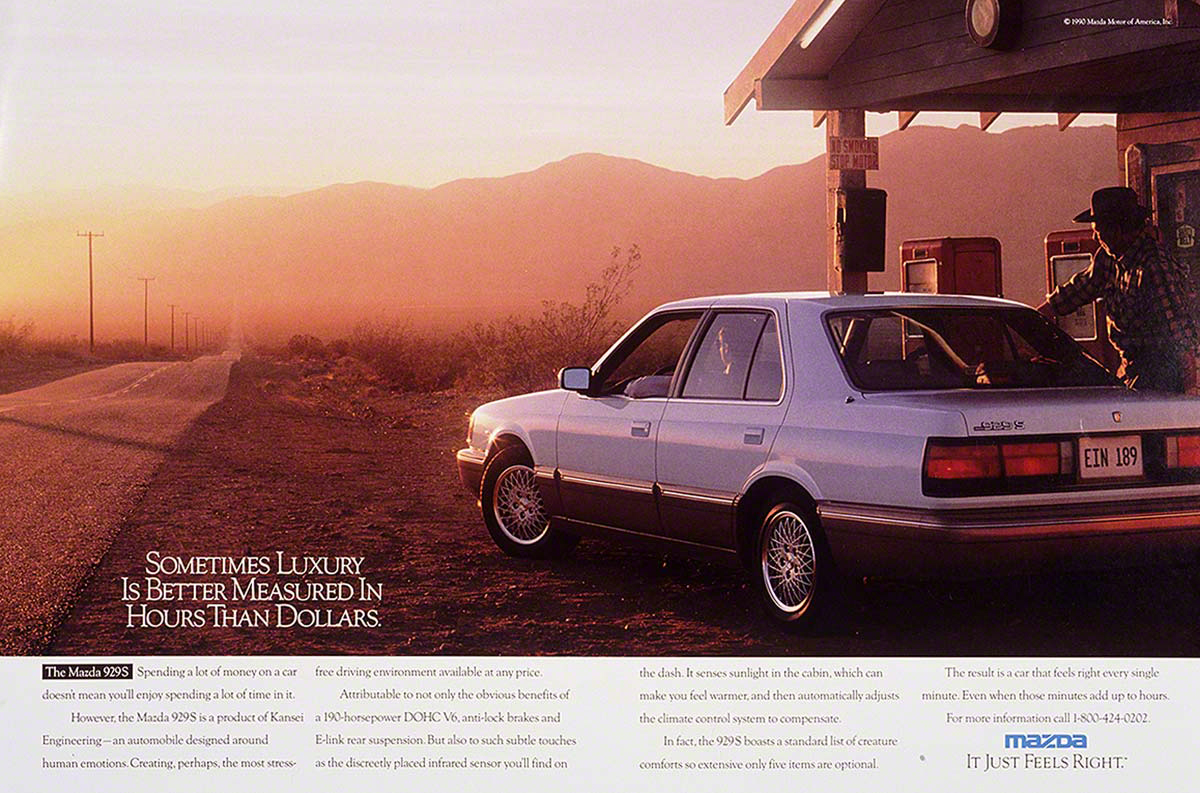
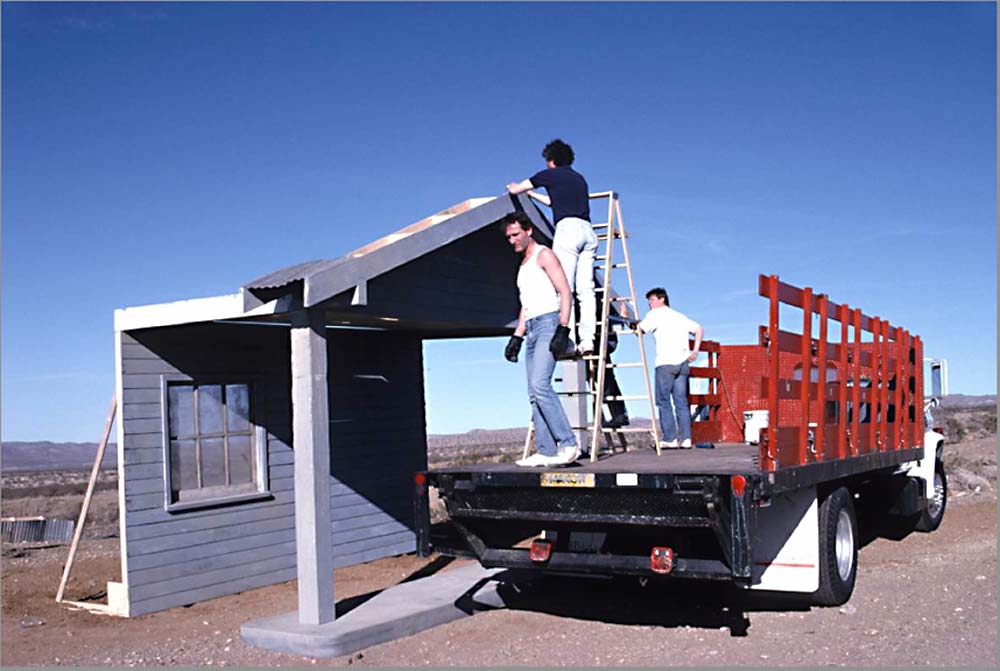
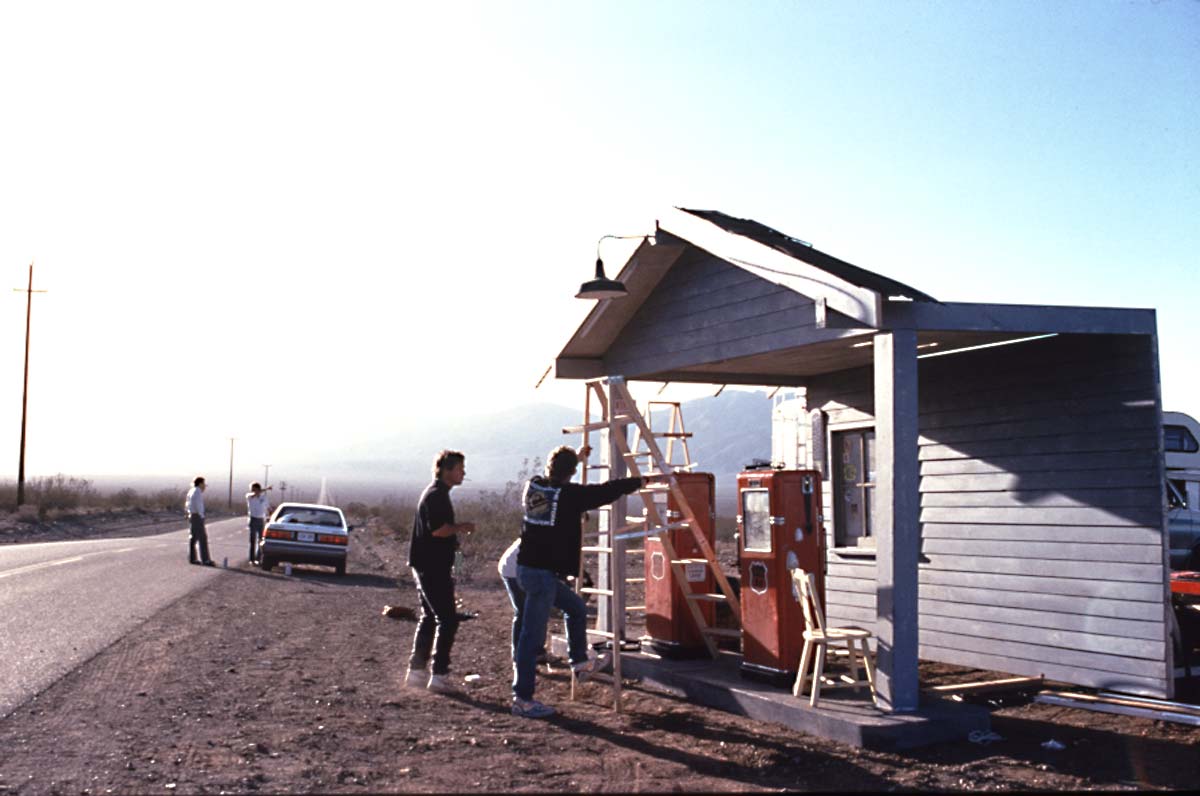
In the top photo of the Saturn, everything was done in the camera. The color silver was chosen so it would reflect the ambient light of the sunset evenly without adding any additional light. My instruction to the location scout was to find a diner where the sun would set or rise directly behind it. Using my Sunpath software and my Morin 2000 hand bearing compass, I was able to know ahead of time if this location would work. Shooting close to Hollywood was always nice because I had access to any props I could conjure up in my imagination. It certainly helped here since the diner was abandoned; we added all the neon and interior lights.

The pavement looked terrible so I had a water truck come in and do what’s called a wet down. This makes the driveway not on;y hide the cracks and discoloration, but being wet, it reflected the lights from the diner.

By the way, the man sitting out in front was the agency’s Art Director. I put him there to add an editorial feel.

So, there you have it. A little pre-visualization and pre-production can achieve the same results as sitting in front of a computer for hours to create this photograph. I can assure you that you don’t have to have a big budget to be able to create in the camera. It comes down to whether being a well-rounded photographer that takes the time to challenge himself is more important that being a good digital technician. Why not have the best of both worlds?

Here’s the diner when we started to work on it:

Visit my new website at www.joebaraban.com, and check out my workshop schedule at the top of this blog. Come shoot with me sometime!

JoeB

Quick Photo Tip: Layers of Interest

Layers of interest

Before reading this post, for all of you that have taken my part I and II classes, the school is bringing back my Gestalt class for a month, starting the first week in May. Here’s the link: https://bpsop.com/courses-1/

In my opinion, based on fifty years of being not only an Advertising, Corporate, and Editorial photographer, but a teacher for almost forty of those years as well, I’ve found that there are two kinds of pictures.

In my daily critiques during one of my “Stretching Your Frame of Mind” workshops I conduct all around our planet,  I see first hand the photos that are being shot. I’ll often be standing next to someone that’s actually shooting….anything!!!

I also critique countless images sent in by one of my online students with the BPSOP…so, I’ll ask them what kind of photos is this going to be for. Is this shot going into the family and friends slideshow that will be seen on a Saturday night while eating pizza and beer, or is it going to be more serious and perhaps wind up on a website?

If it’s the former, then I say shoot away and let the explanation be told with a slice of Pepperoni Pizza as your pointer. It really doesn’t have any content as far as a photo with more things to look at than a flower arrangement outside a tourist store in some village in France; or some clown with a monkey begging for spare change in some square.

However, if it’s something more important to you (while also being in the slideshow), then it will need layers of visual interest. In other words that flower arrangement now has a small child smelling one of the flowers while the owner is watering the rest of them. Now it tells a story, a visual story that doesn’t need anyone talking…while chewing.

Here’s what I suggest, don’t separate pictures into different categories. Make all of them important, and you’ll come out better for it moving forward.

Visit my website at www.joebaraban, and check out my workshop schedule at the top of this blog. Come shoot with me sometime.

JoeB
Food For Digital Thought: Observation vs Imagination

Waiting for breakfast early one morning in San Remo, Italy.

Before reading this post, for all of you that have taken my part I and II classes, the school is bringing back my Gestalt class for a month, starting the first week in May. Here’s the link: https://bpsop.com/courses-1/

When I critique one of my student’s photos in my online class with the BPSOP, and also in my “Stretching Your Frame of Mind” workshops I conduct around the planet, I’ll talk about what they saw versus what they would have like to have seen.

Most photographers that I see (close-up) in action walk up to something, some person, or someplace, and bring up their camera to their eye and “take’ a picture. In other words, they take a picture of what they see. What I want my online students that take my classes is to ‘make’ a picture not of what they see, but what they would like to see.

In the fifty years I’ve been shooting I have rarely seen what I want. I guess I’m just too impatient to wait around for something I want to shoot. What I’m getting at is that I shoot what I’d like to see.

In other words, If I see a group of chairs lined up against a wall and one or two of them are making the overall composition un-balanced, I have no problem going up to them and arranging them the way I’d like to photograph them.

Now, there are those out there that call themselves”purists”, and would never think about moving something. On the other hand, those same purists have no problem going back to their computers and adding a lot of post-processing, aka HDR for one.

I can’t think of anything as “un-pure” as taking three exposures and combining them into one photo..but that’s just me. In all these years I’ve never had to do that and my photos come out pretty damn good. Btw, I know people that do this.

If I see some ordinary items one would see while being served breakfast, I’ll fool around with them until I see something worthy of shooting as in the photo above. To me, that’s being an artist, and make no mistake my fellow photographers we are all artists that have chosen a camera as our medium of choice.

And so I leave you with this, a camera on a tripod is just the same as a blank canvas on an easel.

Visit my new website at www.joebaraban.com, and check out my workshop schedule at the top of this blog. Come paint with me sometime.

JoeB


Food For Digital Thought: The Shadow Knows

I love large areas in shadow to add a dramatic edge.

Before reading this post, for all of you that have taken my part I and II classes, the school is bringing back my Gestalt class for a month, starting the first week in May. Here’s the link: https://bpsop.com/courses-1/

When I was a young kid, the family got our first television. We would all gather around it mesmerized and completely taken in by this new form of entertainment. One of the shows we use to watch on Saturday nights was a show called The Shadow.

Food For Digital Thought: Engage the Viewer

Engage the viewer

I don’t know about you, but I like people to look at and enjoy my photography. In order to do that I need to make my images contain enough visual interest to keep them around.

Like all of us, visual input is a part of everyday life, and as photographers, it’s our prime objective to present this visual information in a way that takes control of what the viewer sees when looking at our imagery.

We want to make the viewer an active participant when looking at our photos. For example, the more ways we can have the viewer move around our composition, while at the same time leaving and entering the frame the longer they will stick around. The more things we can get the viewer to discover while moving around the frame will also keep them around longer.

Think about putting people in your images; it’s a known fact that people like to see people in photos. Editorialize your pictures, in other words, have them ask questions, tell a story; which by the way is one of the definitions of editorial.

This is what engaging the viewer is all about. I primarily think about incorporating all the basic elements of visual design, especially color, and this is as good as it gets in keeping the viewer around for at last six seconds.

That might not seem like a lot, but consider that some television commercials can be as little as ten to thirty seconds of constant motion, so in that regard looking at a still photograph for six seconds is a big deal.

All this is a big part of what I teach online in my BPSOP online classes, and also in my “Stretching Your Frame of Mind” workshops I conduct all over the world.

So, my fellow photographers, whatever you do do it on the path less traveled. Don’t follow any rules you’ve been taught to follow. Rules hinder the creative juices, and you’ll only wind up going down the well traveled road to mediocrity.

Visit my website at joebaraban.com, and check out my workshop schedule at the top of this blog. Come shoot with me sometime.

JoeB
Food For Digital thought: Paralysis Through Analysis

Painting 101

Degas once said, ” Painting is easy when you don’t know how, very difficult when you do.”.

I find this to be the basis for writing this post. You see, I teach an online class with the BPSOP, and I also conduct my “Stretching Your Frame of Mind” workshops around out hopefully around the planet.

Most of the people that have taken both online classes have taken at least one of my workshops; some as many a ten. As their eye develops, and they’re using the right side of their brain to compose more and more, frustration begins to creep into their thought process.

They tend to over analyze everything and I can tell you from years of experience teaching, doing that is not in your best interest.

I show people how to use the artist palette I give them that instead of pigment, there are the basic elements of Visual Design: Color, Shape, Pattern, Texture, Form, Balance, and the most important of them all…Line.

When I say over-analyze, I mean they begin seeing design elements that are not really there except for in their imagination. They get so tense that they almost become paralyzed and wind up either not shooting anything at all, or shooting something that winds up being deleted on the computer monitor.

So, my fellow photographers, when you go out shooting it needs to be fun and not something you overthink. Making visual mistakes comes with the territory, and everyone makes them…me included.

Visit my new website at www.joebaraban.com, and check out my upcoming workshops at the top of this blog. Come shoot with me sometime.

JoeB
Quick Photo tip: Border Patrol

Went through my checklist for UFO's.
Went through my checklist for UFOs.

One of the first posts I wrote when I started this blog (way back when) was on one of if not the most important tools my online class with the BPSOP, and in my “Stretching Your Frame of Mind” workshops I conduct around the planet takes with them…my “Fifteen Point Protection Plan”.

This “15PPP” as I refer to it is designed to help photographers look for things they don’t want in their composition, and to put things they should include. From that time to the present I’ve found myself expanding on this topic since it just wasn’t enough help. Now besides my protection plan, I’ve been including two additional ways to protect yourself from what I call unwanted UFOs. I tell my fellow photographers to not only run through the fifteen points but to also check the four corners and what I describe as the “Border Patrol”.

What I mean is to run your eyes along the edges of your frame; the edges that border your photo. Run them along one side, then the next, then the next, until you’re back to where you started. Doing this, along with the four corners and your Fifteen Point Protection Plan will keep you from discovering these annoying elements before you click the shutter and not in front of your computer screen…that is if you’re lucky enough to see it even then.

Visit my website at: www.joebaraban.com and www.instagram.com/barabanjoe. Also, check out my workshop schedule at the top of this blog. Come shoot with me sometime.

JoeB