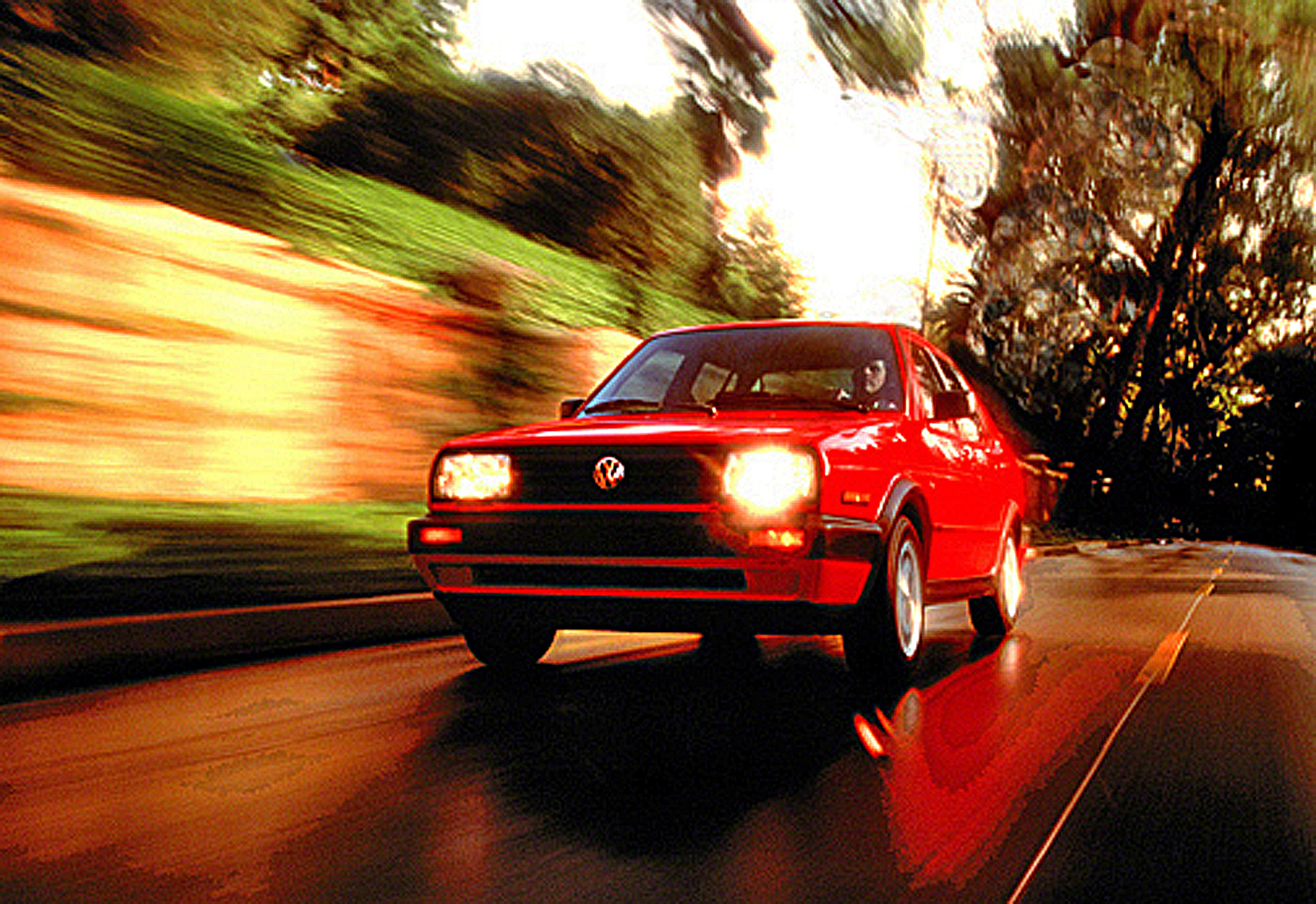
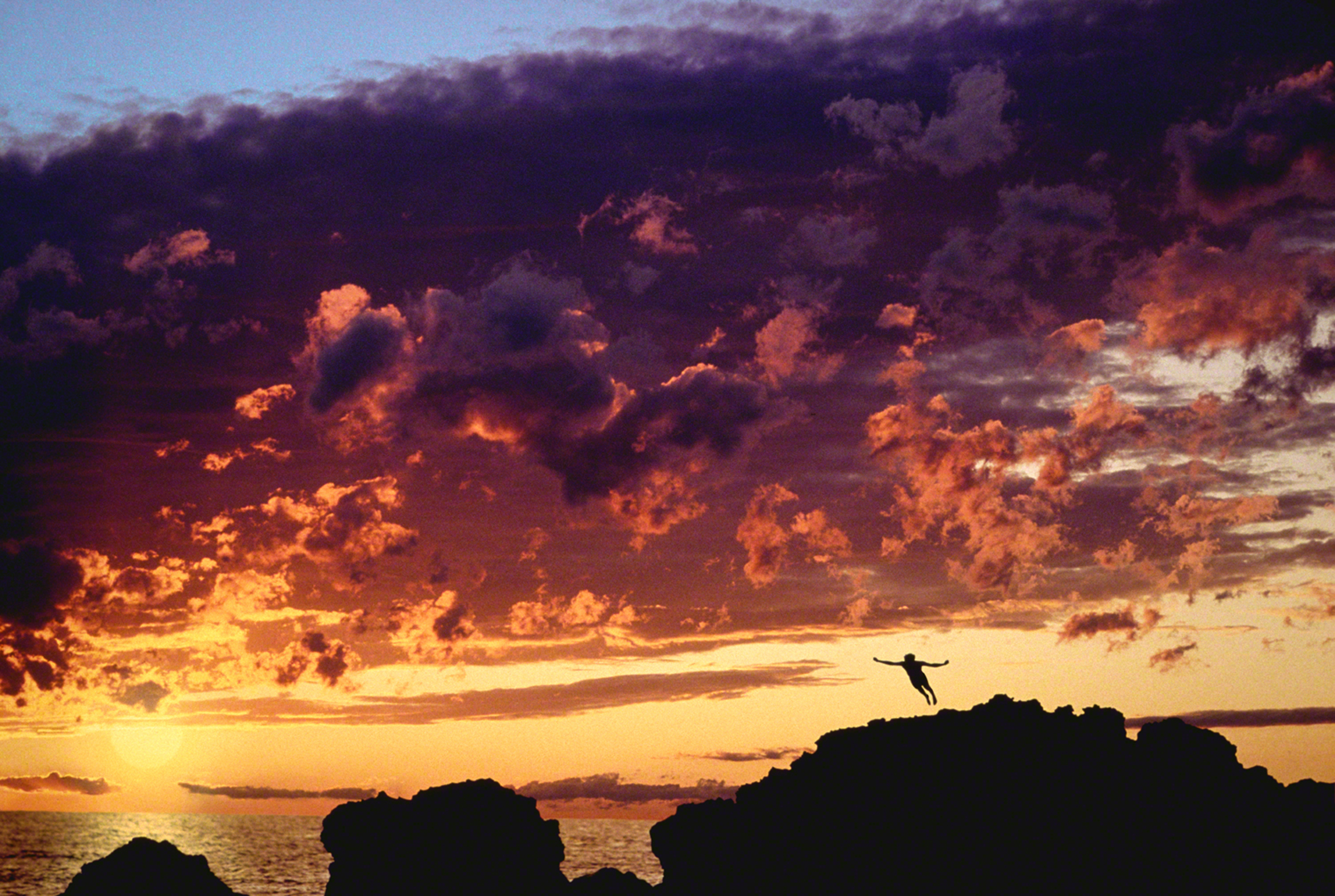
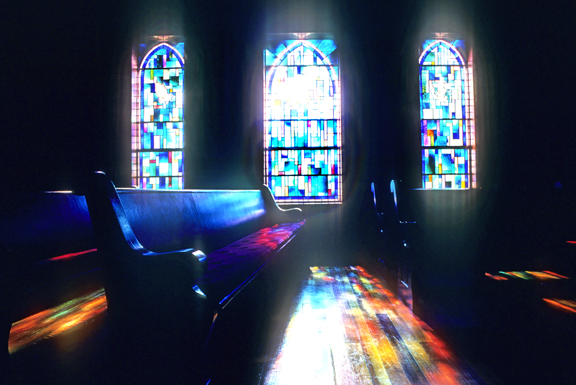
I conduct my “Stretching Your Frame of Mind” workshops all over the planet. I also teach two online classes with the BPSOP, and it’s this school that I’m writing about today.
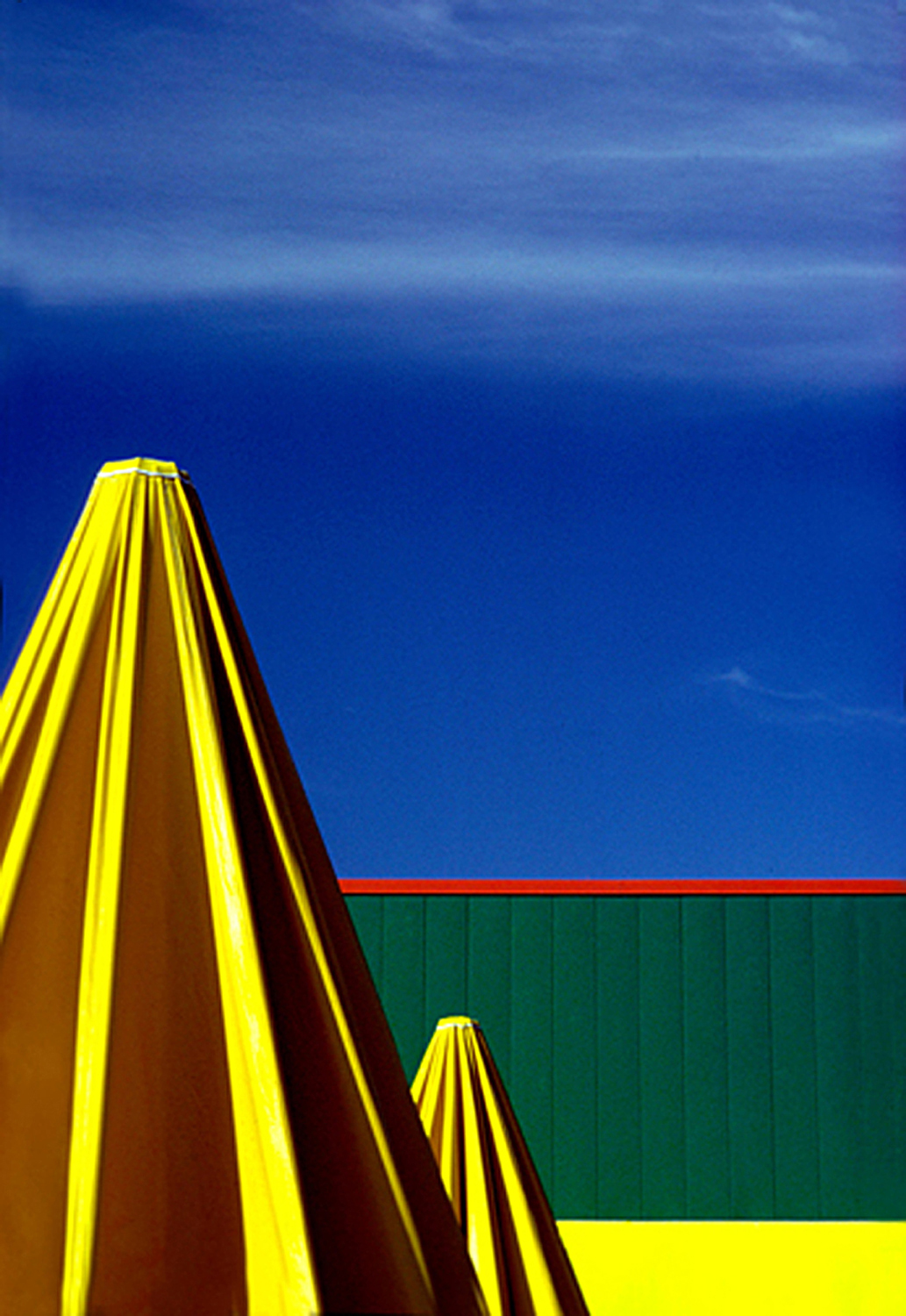
In my part I four week class, I show people how to incorporate the basic elements of Visual Design into their imagery. I call it my Artist Palette: Shape. Texture, Pattern, Form, Color, and the most important element…Line.
We also work on ways to generate Visual Tension, using negative space to define the positive space, and applying a Vanishing Point (linear perspective) as a way to show depth in a two-dimensional representation of a three-dimensional world; as in a photograph.
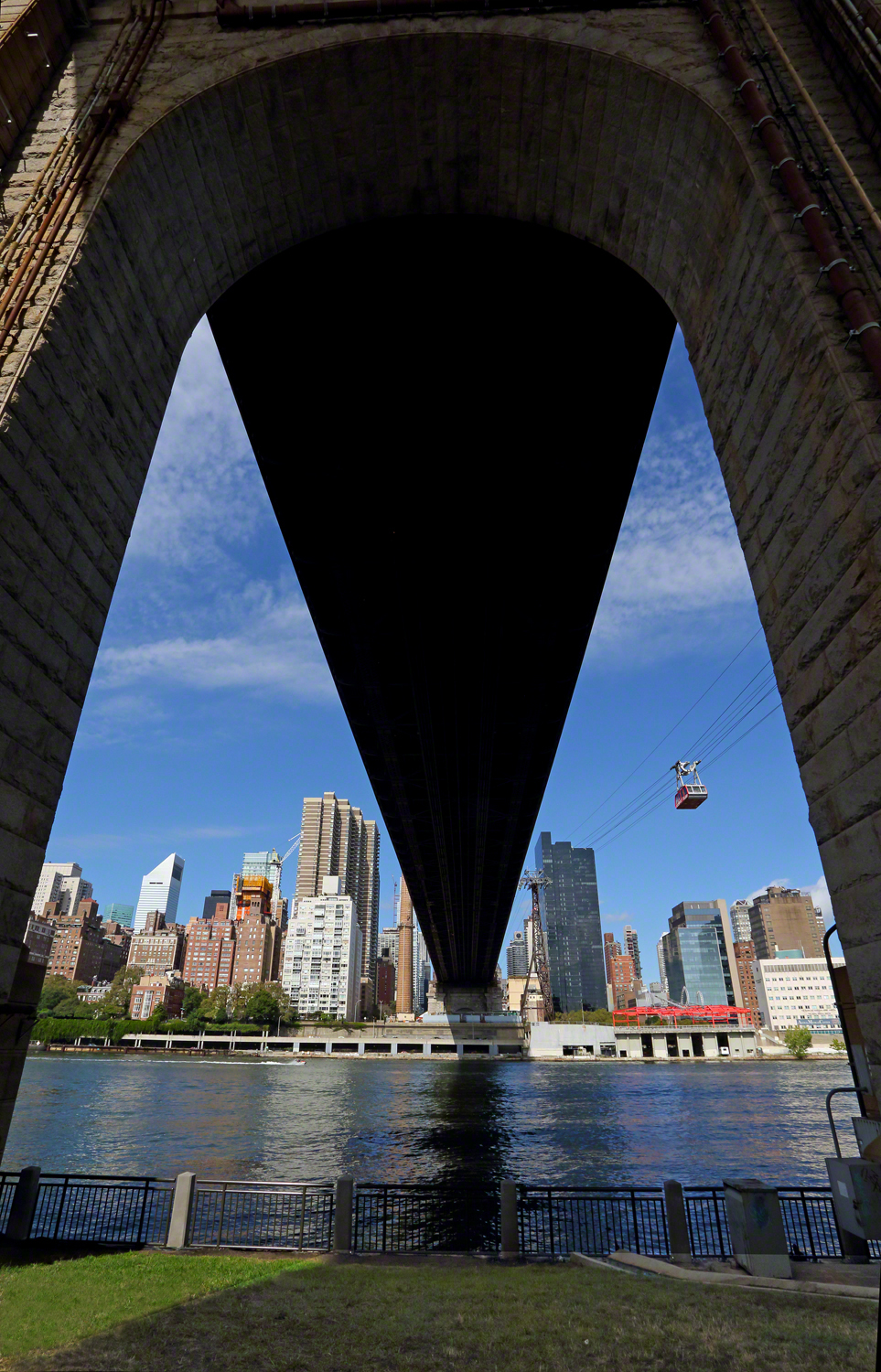
Since the camera has one eye (a lens) it can only see in two-dimensions, height and width; we have two eyes so we see in all three dimensions which include depth. Having my students anchor an object in the foreground using a wide-angle lens creates the illusion of depth.
That’s in my part I class.
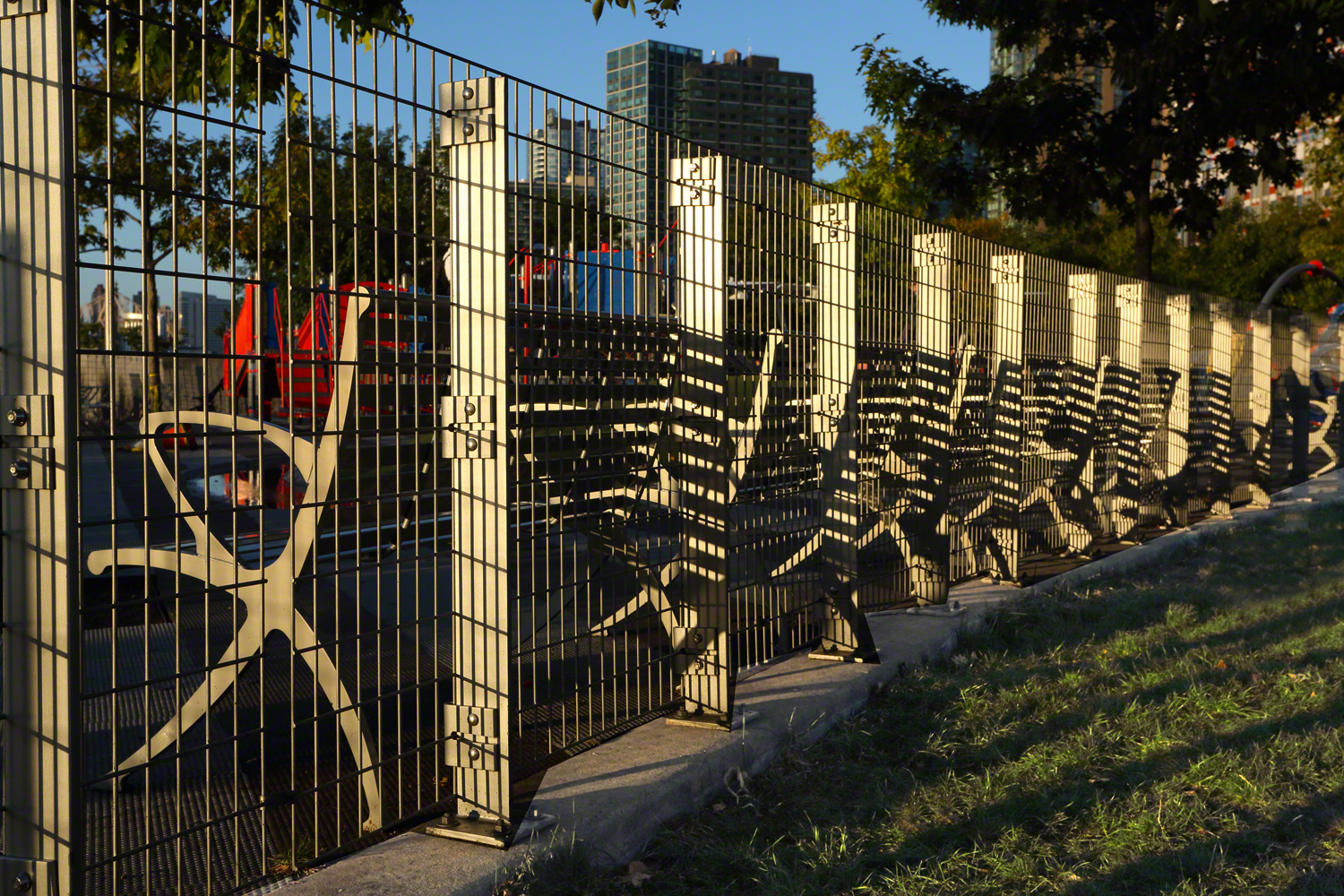
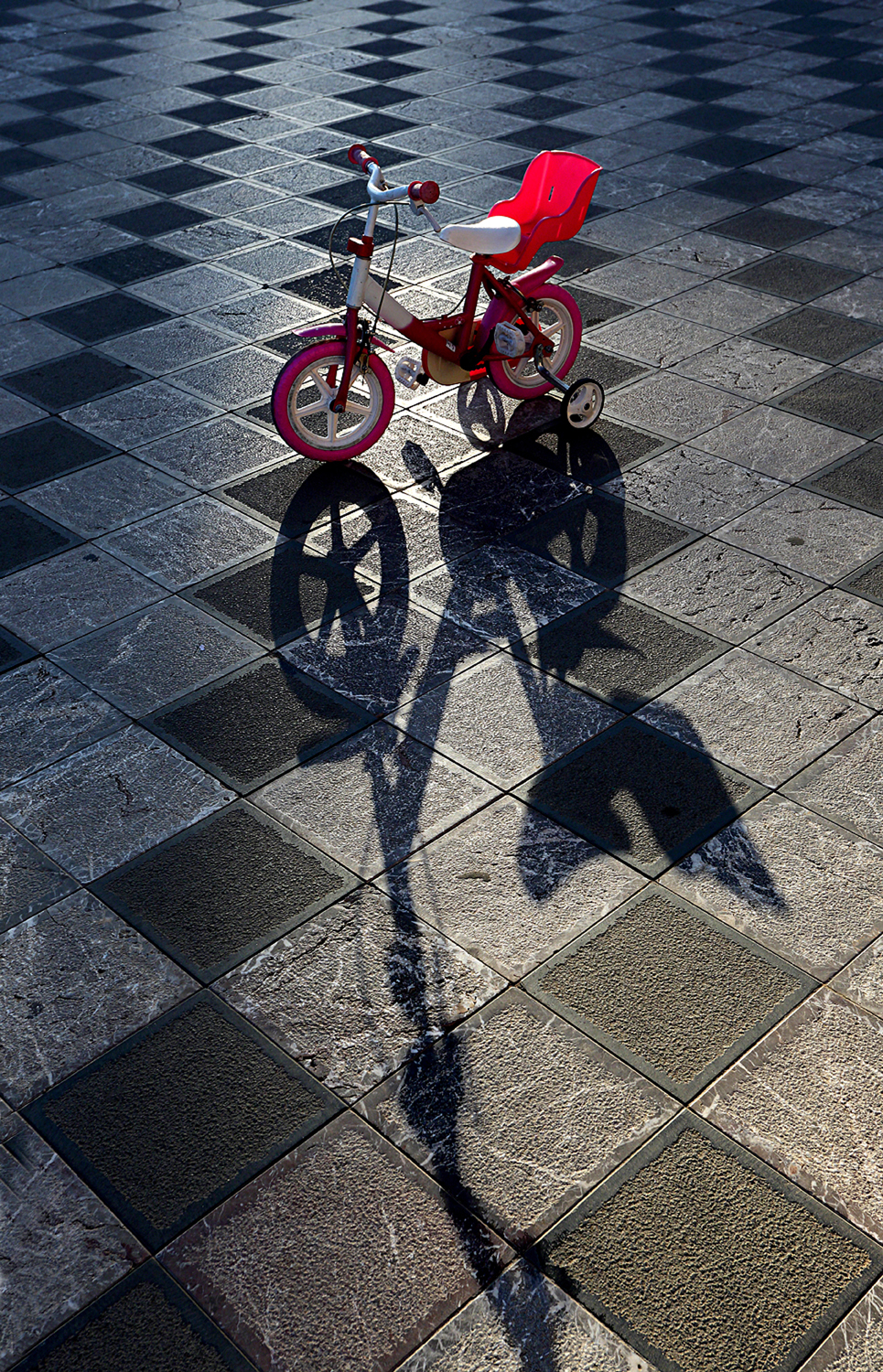
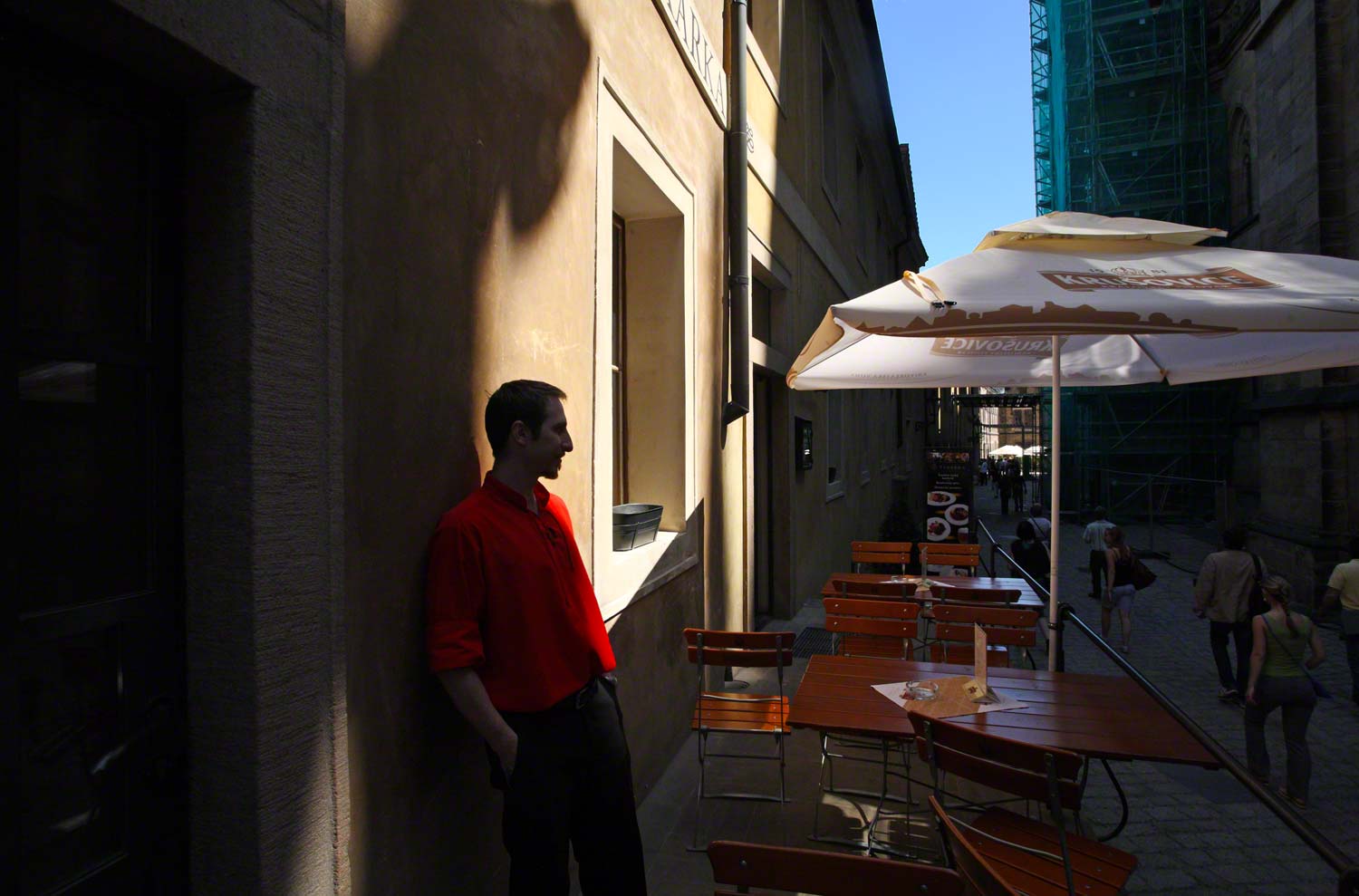
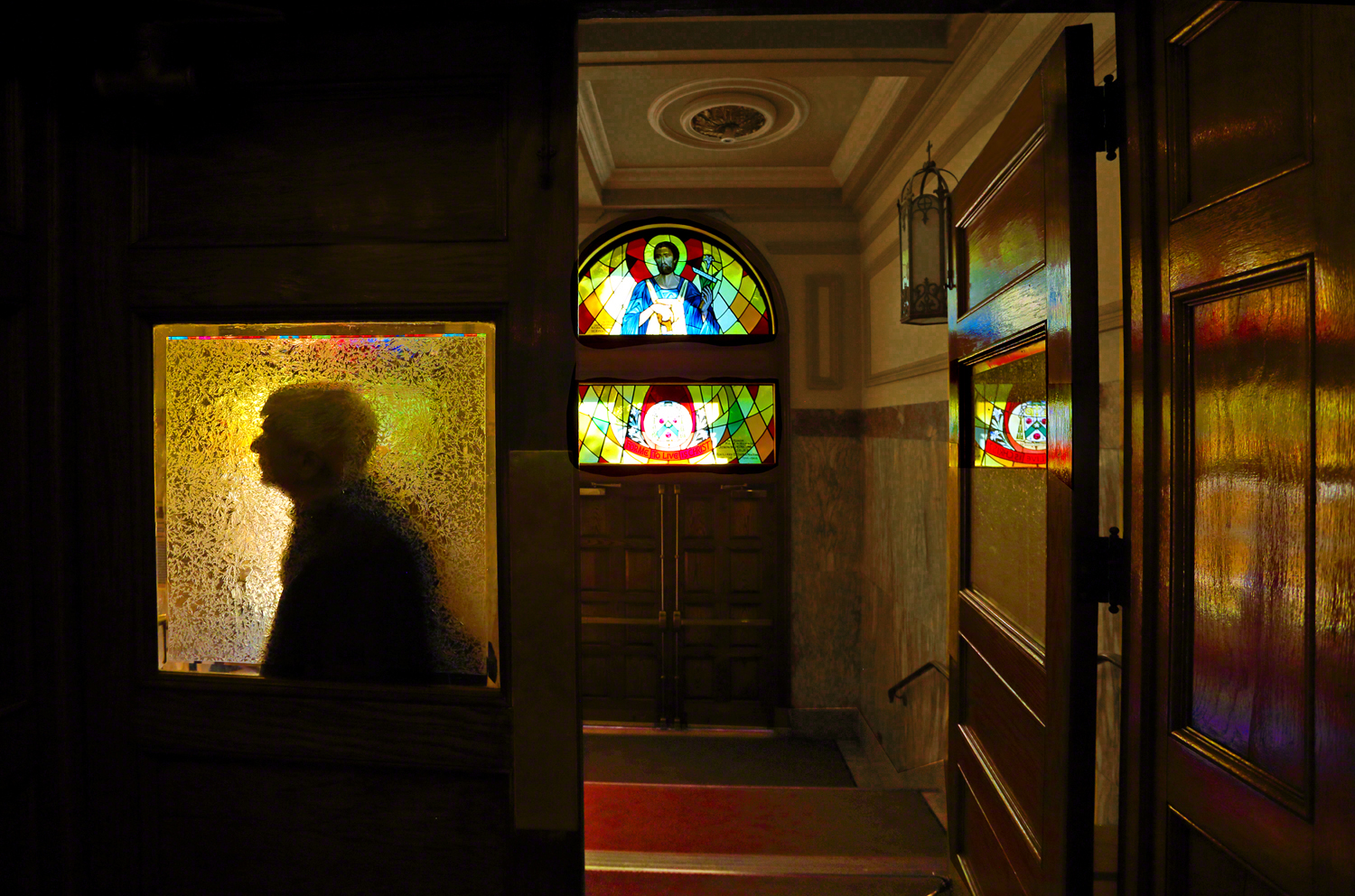
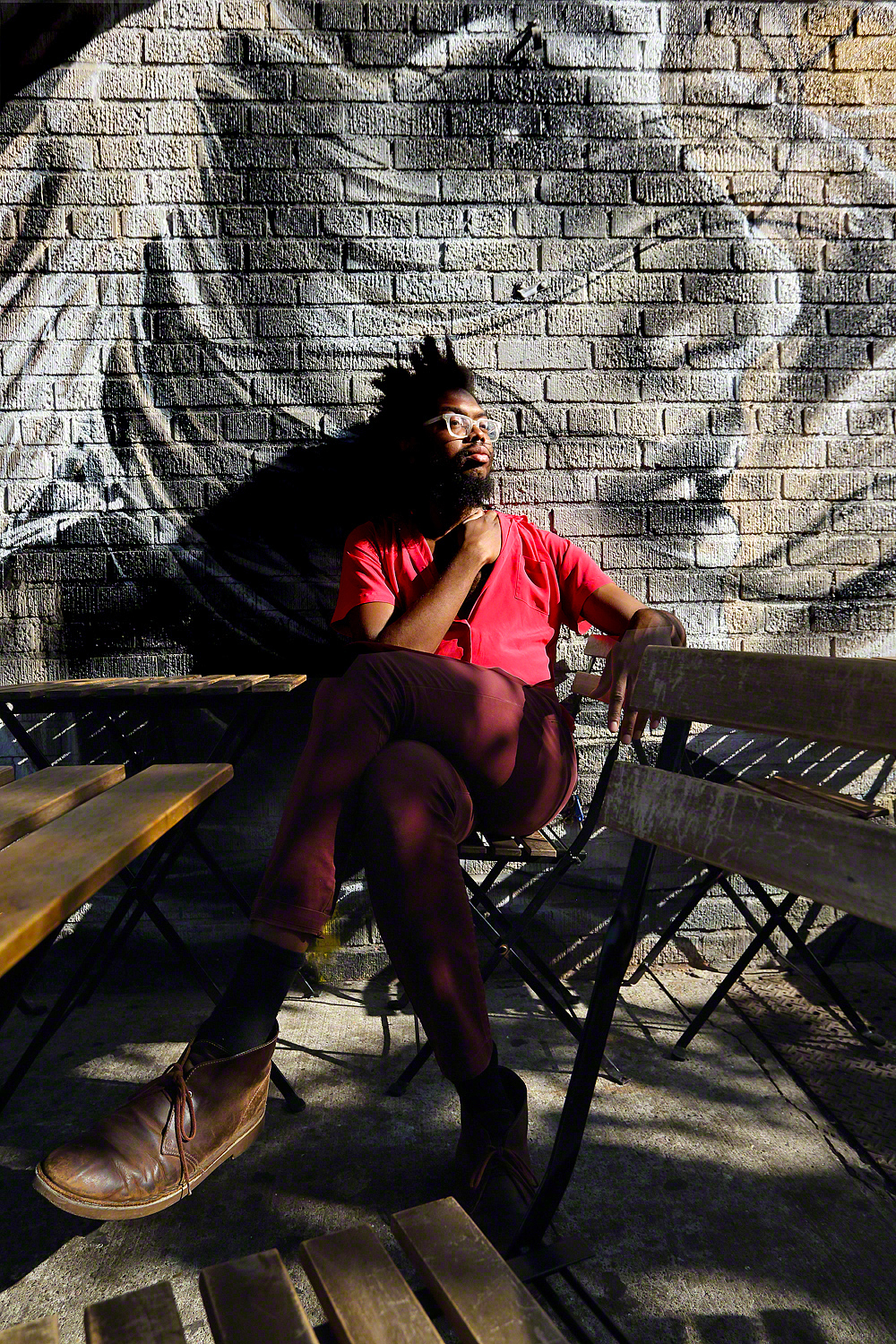
When you sign up for my part II class, you have mastered (hopefully) these elements of design and composition and now we work on silhouettes, and your best friend…the shadow. We also spend a great deal of time on Line, and how to use it to move the viewer around the frame; which is a good way to keep the viewer an active participant when looking at our photos.
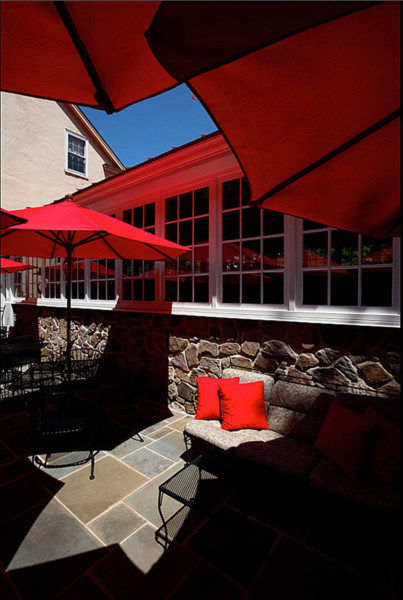
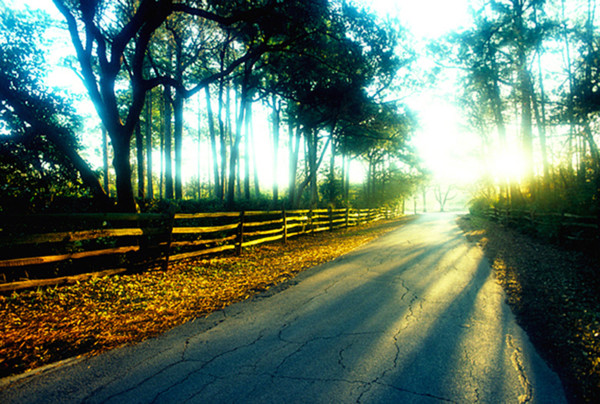
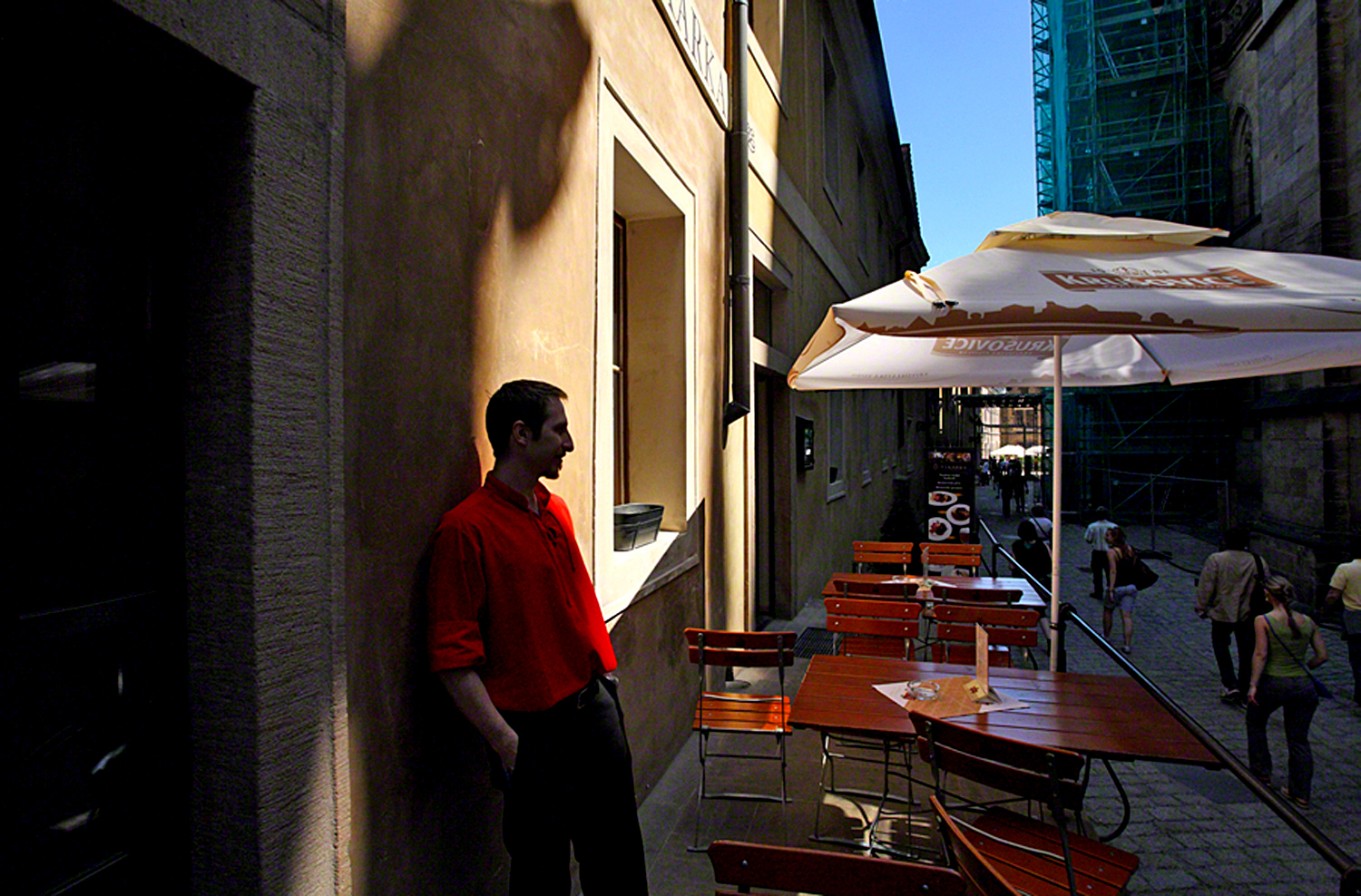
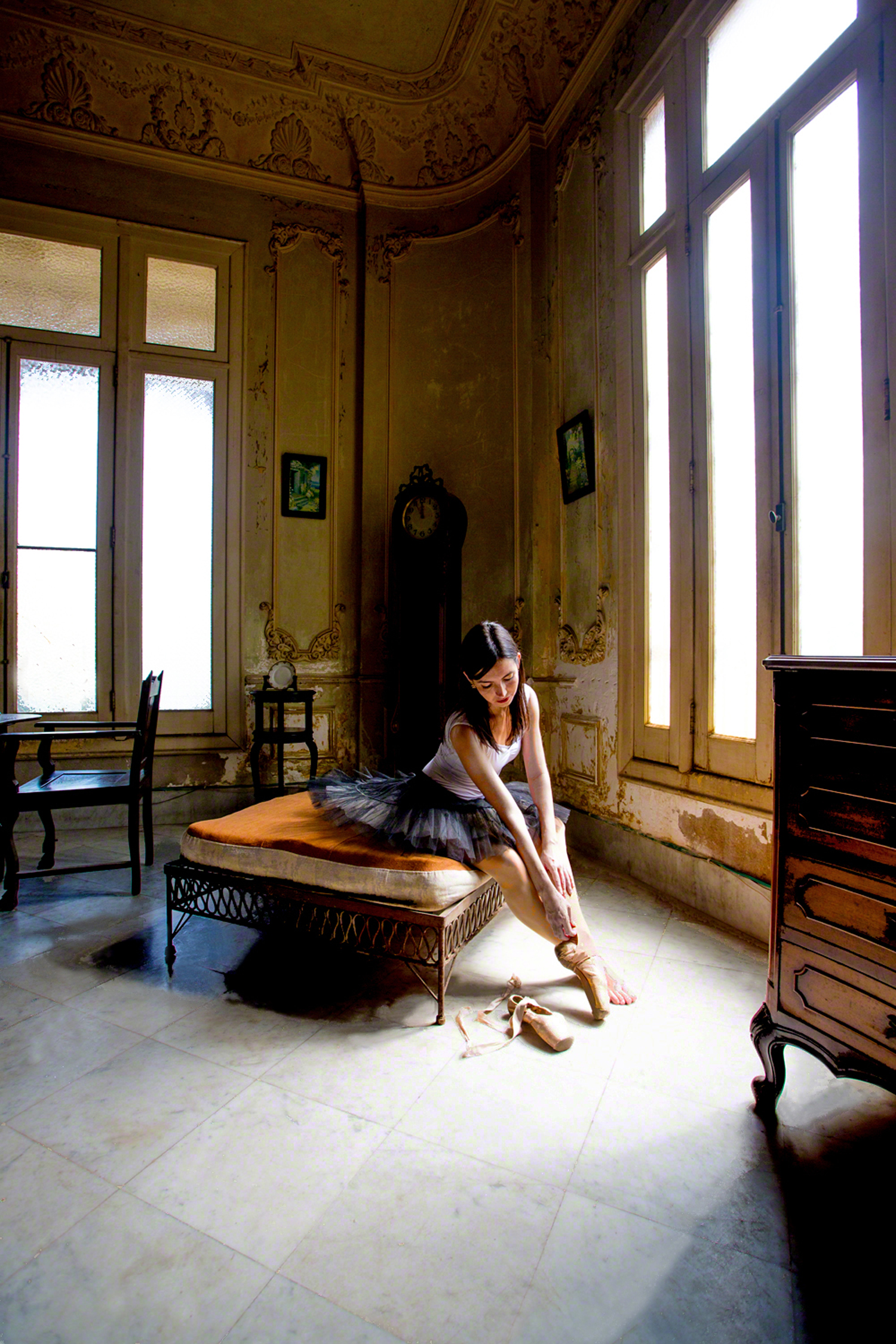
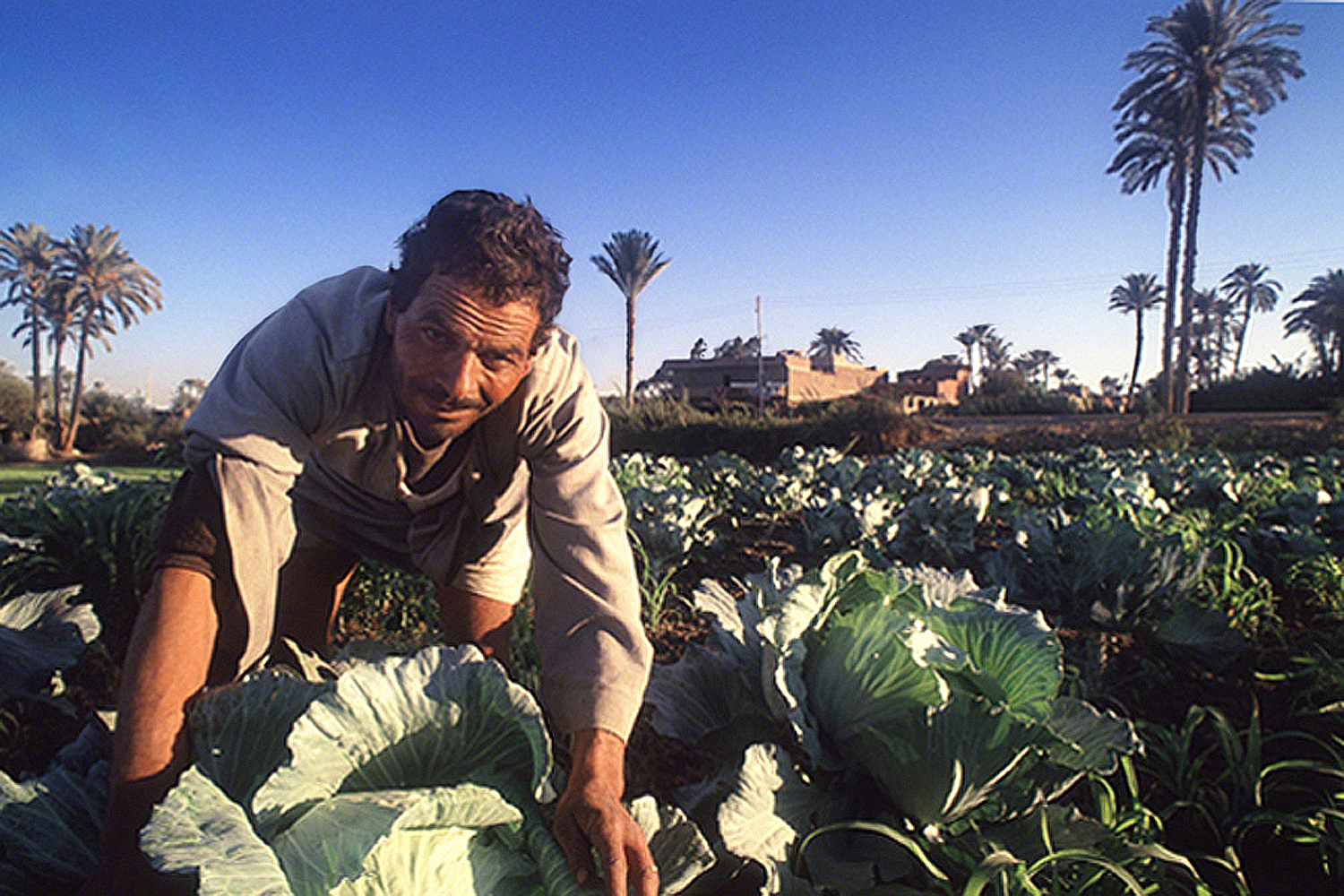
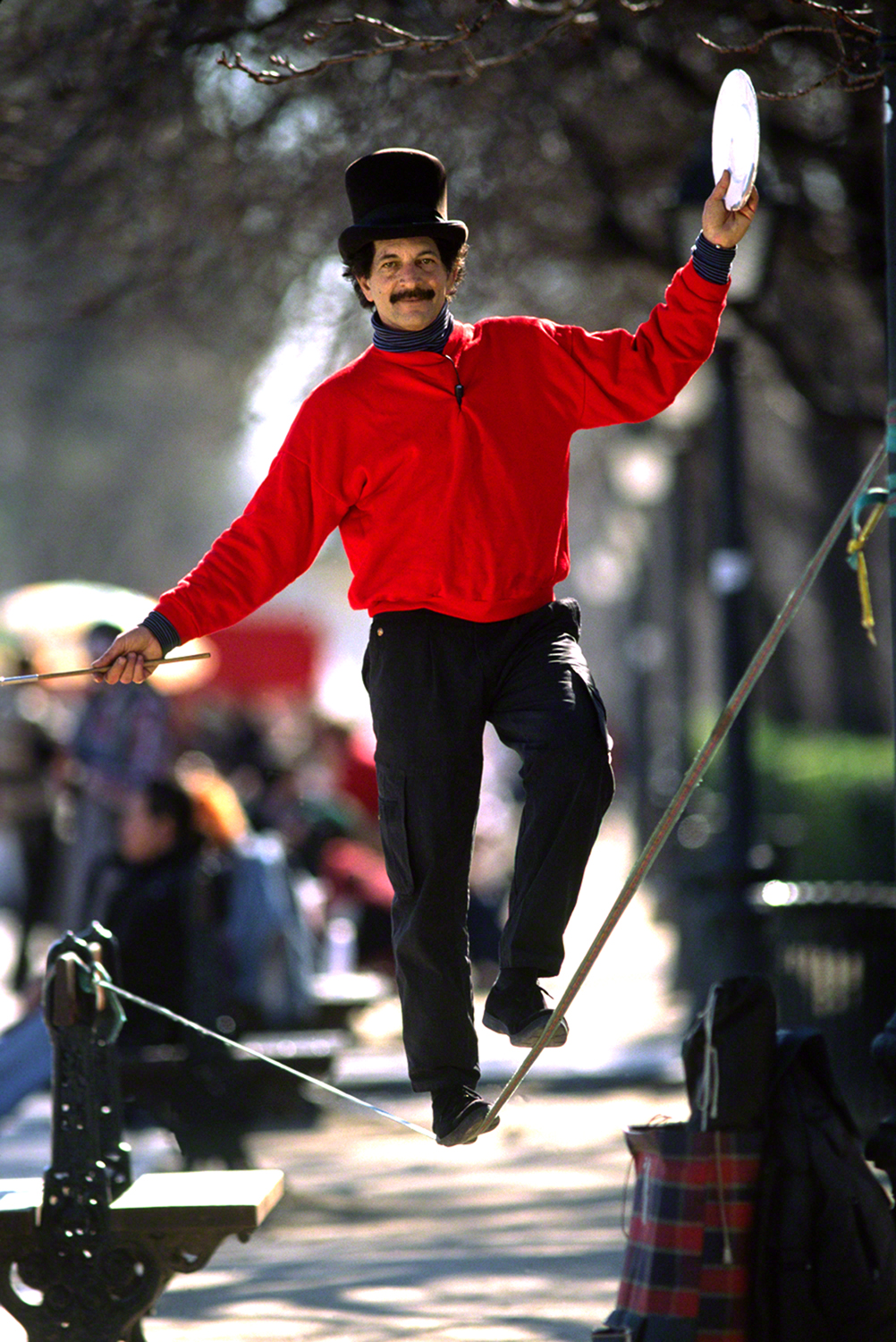
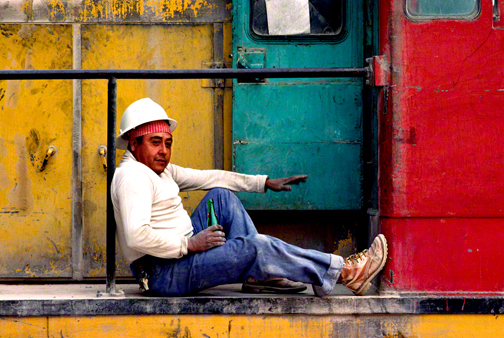
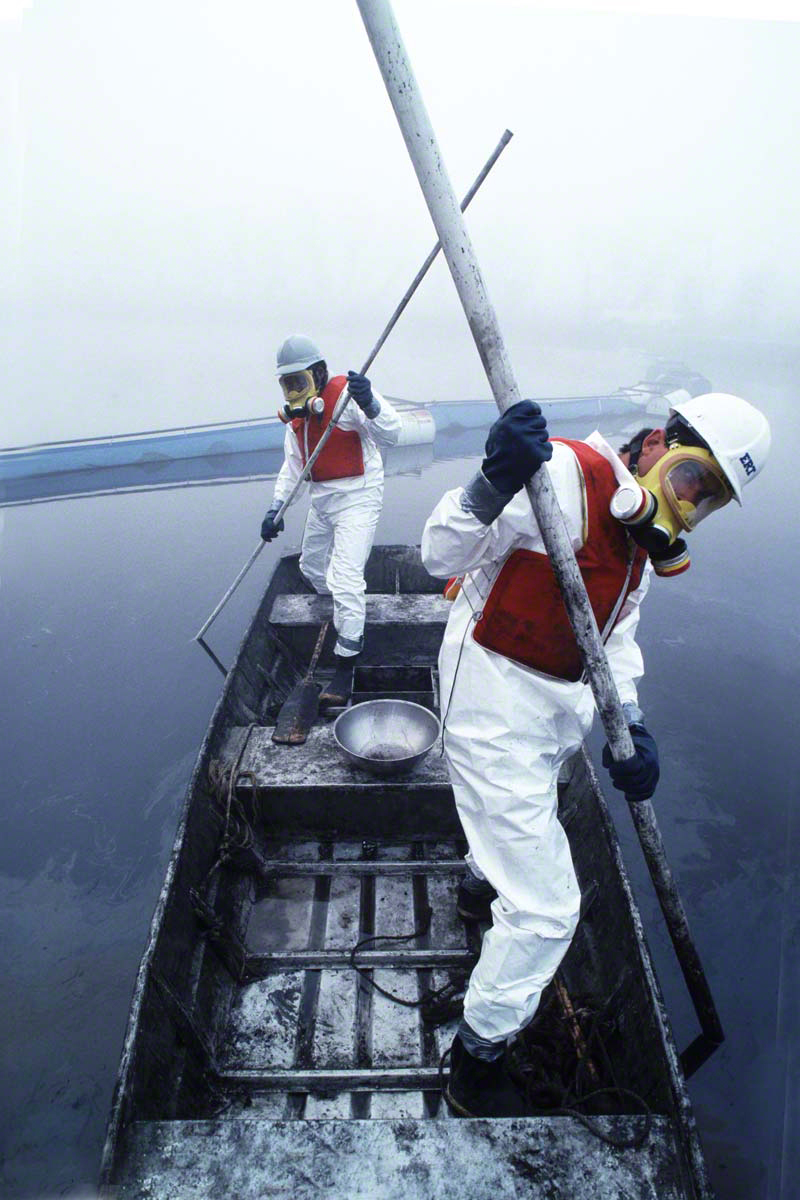
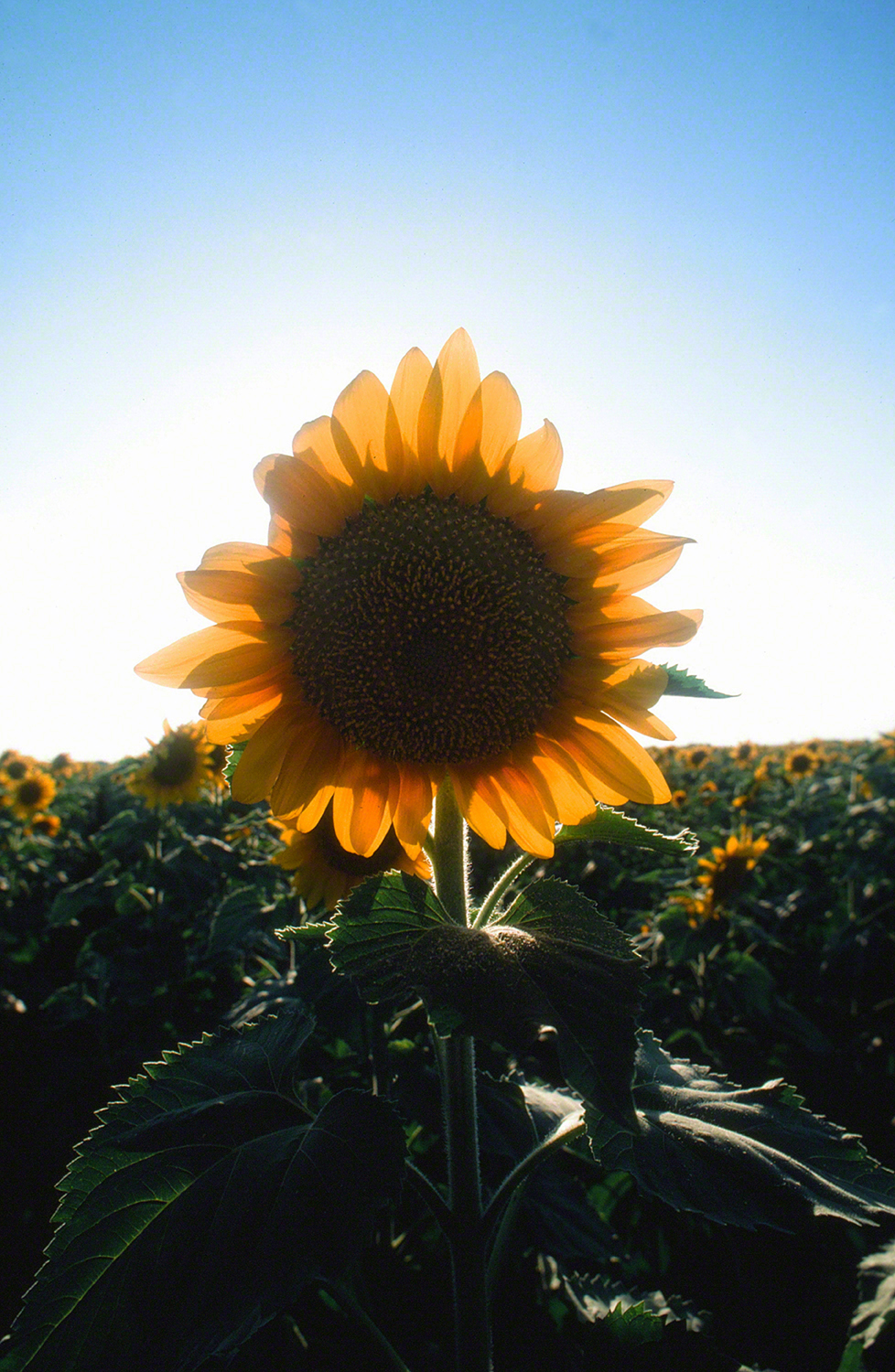
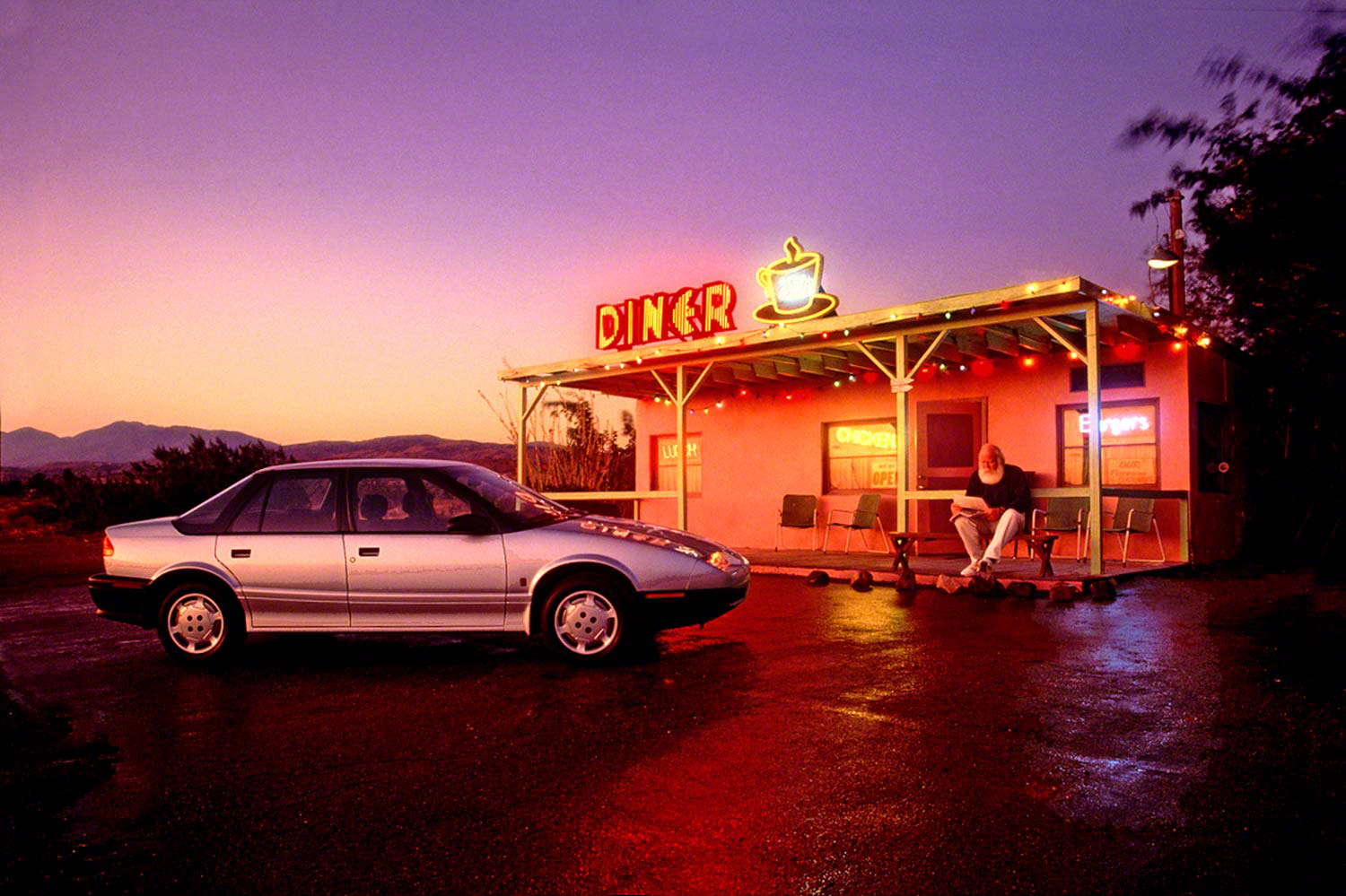
So now that I’ve given you a brief description of my two classes, I wanted to share with you some of the images that a few of my fellow photographers have taken in several of my past part II classes. I hope you will not only see what they have gotten out of both classes but be as impressed as I am with the level of work.
One last note, in my classes students can’t crop their photos and absolutely no post-processing. I want to see what they can do before clicking the shutter. So, what you see is what they got!!
Although I love all my categories, “my favorite quotes” is way up in my list of favorites. For those of you that for some reason have not read any, these quotes are from all areas of the arts and literature and not just photography.
There are some that I’ve known since my early days of being a professional photographer (fifty years and still counting) and there are those I’ve read since I started teaching (while shooting professionally) in 1983. I often recite these quotes in my “Stretching Your Frame of Mind” workshops I conduct around our planet, as well as in my online class with the BPSOP.
When I find a quote that makes me say “OK, that’s cool” to myself, I’ll instantly think of how it fits into my thought process when I’ve been out shooting, and how it can become a teaching aid to my approach to turning my fellow photographers on to the way I see and/or shoot.
One of my all time favorite movies was Scarface, and one of my all time favorite lines in that (or any) movie was spoken by actor Al Pacino. “Say hello to my little friend”. was said as the bad guys were coming in. Ok, I’m sure you’re wondering how in the hell does this relate to photography.
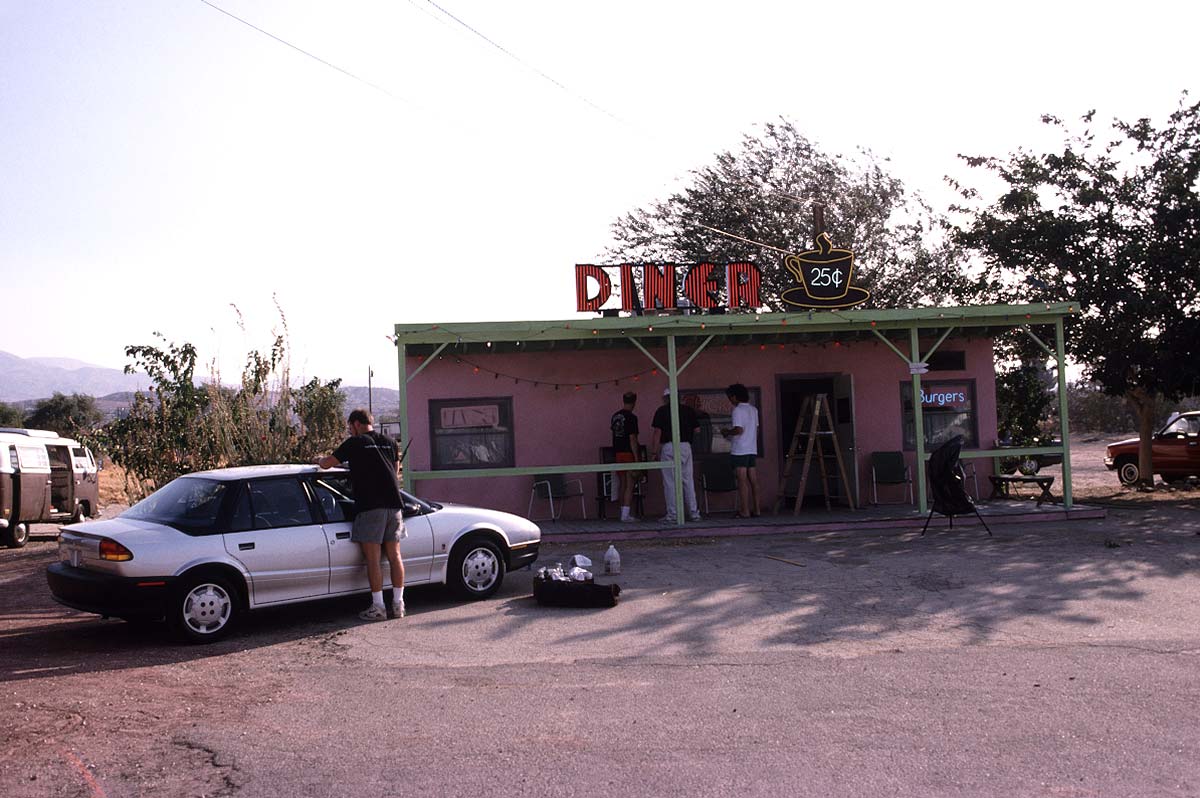
While on a sunset romantic cruise in Venice.
As I tell my students, always have a camera on your person. Well, one man (among others) once said to me that it was impossible to always have his big DSLR with him and that smaller point and shoot’s just can’t take good pictures”…WHAT I said!!!
In the modern age, there are cameras that have ten or more megapixels, and have lenses that are very fast and very sharp…that will fit in your pants (or shorts in my case) pocket. They can do as much as a large DSLR. Remember that it’s not the camera, it’s the ten inches behind it that’s important.
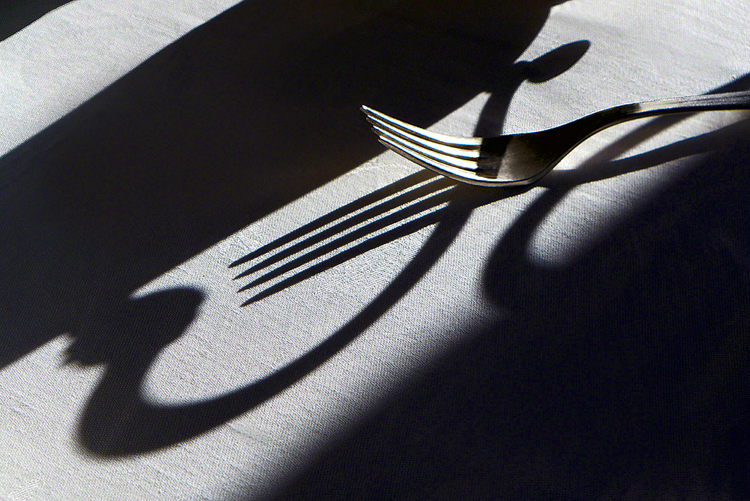
Waiting for lunch
I keep a Lumix DMC-Lx5 in my pocket all the time. It’s the identical camera to the Leica D-Lux 5 (same lens, same sensor, same look) but is half the price. You’re paying twice as much for that little ‘L’ in a red circle, but I know people out there with giant egos that would rather pay more so people will be impressed. Btw, I’ve recently replaced it (with an electronic viewfinder) with the LX7.
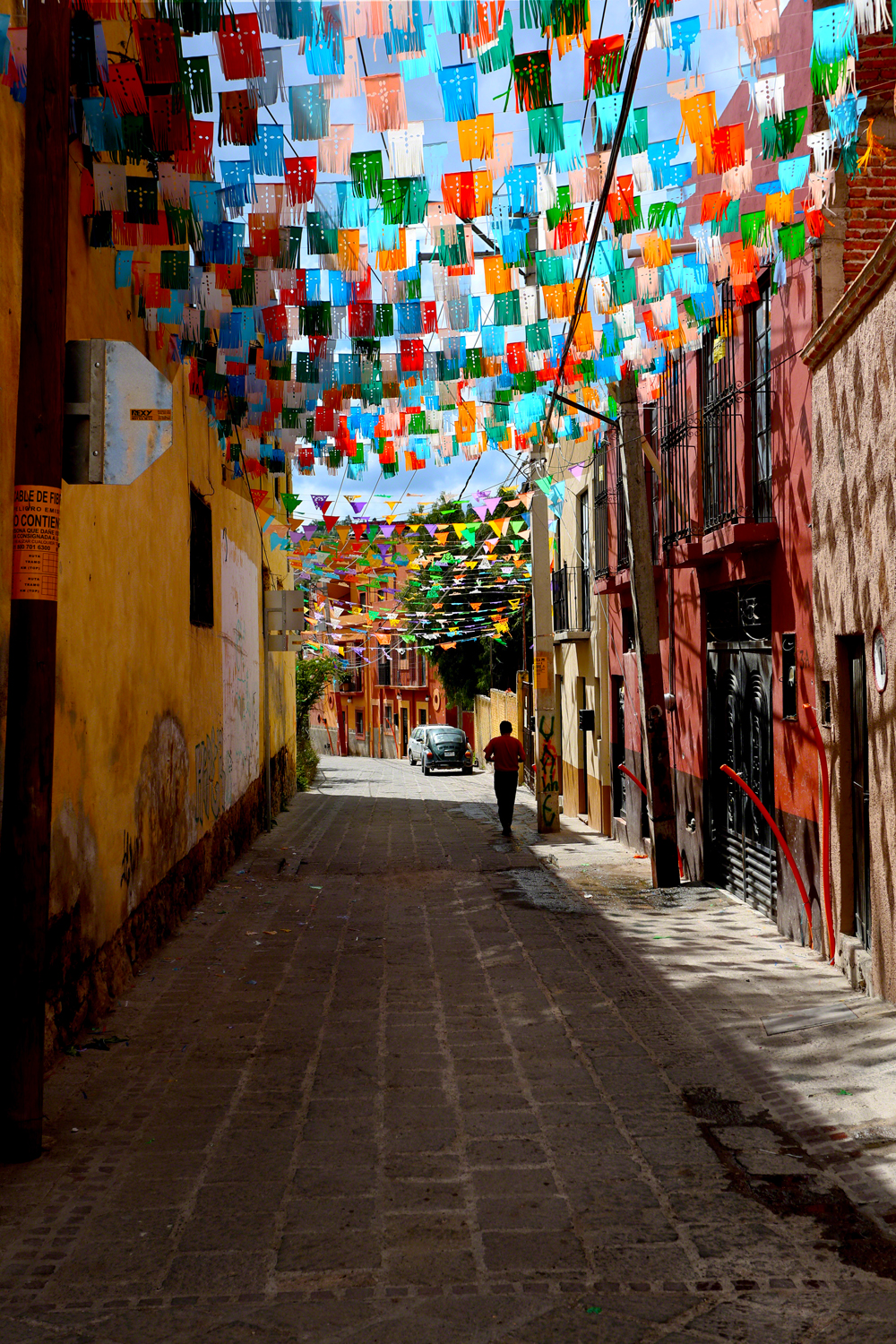
Walking around Lisbon
After doing a lot of reading, it was the camera for me. The new one is a ten megapixel camera and has a new F/1.4 lens…”WOW”, and you can get a viewfinder for it that shows you exactly what you’re getting.
I can assure you that carrying around this “little friend” will add to the possibilities of never missing a good photo again. Ernst Haas, one of my all time favorite photographers whose work hangs in my house said , “The camera doesn’t make a bit of difference. All of them can record what you’re seeing…but, you have to see.”
Visit my new website at: www.joebaraban.com, and check out my workshop schedule at the top of this blog. Come shoot with me sometime, and bring along your little friend.
This is the eight post in my series I call “Did it do it”. These are meant solely as guidelines to help in our thought process when we’re composing the elements that will end in a competed photo. They’re not rules, as anyone that reads my blog can attest to the fact that I don’t care at all for rules. Having said this, I do think we should at least know all the rules the powers that be has bestowed on us before immediately forgetting about them ASAP!!! I say this for those whose goals and expectations exceed the mediocrity running rampant through the ever changing world of digital photography. 🙂
I use these guidelines in my online class with the BPSOP, and in my “Stretching Your Frame of Mind” workshops I conduct around the planet. It’s an effective way to illustrate to my fellow photographers the difference between a photo that was taken and one that was made. I call this one “did it show pre-visualization”, and it seems to be one of the most important, if not the most important concept, of all twelve that I work on with my classes.
So many photographers bring the camera up to their eye and just start clicking away and when their finger gets tired, they move on. I wrote a post I called “I came, I shot, I left”, and it’s a perfect example of not Pre-Visualizing. As a result, the photos that make it past the mediocre level are few and far between. One thing I do want to make clear here is that I’m not including Street Photography where instinct is more important. However, anticipating the action before it happens is all about the ability to pre-visualize.
Here’s how I approach pre-visualization:
First of all, I’m always trying to scout a location ahead of time so that they’re no surprises when I get there. I take my Sunpath readings and my Morin 2000 hand bearing compass to figure out the light; as in where the sun is going to be. Since light is everything, I want to make sure the direction it’s coming from, where I have to stand, and how long I have to stand there. From there, I plan out my shots depending on where the light is going to be first, then where it will go, etc.
I think about what props I’ll need to bring back to tell whatever story I’m thinking up in my mind. My thought process is all about taking photos of what I’d like to see, not necessarily what I actually see. Most of the time I don’t see what I want, so I’m not going to waste any time waiting for it to happen.
When I’m not able to scout ahead of time or when I’m traveling, I still pre-visualize; just a lot faster. I still think before I shoot. I won’t just take a photo to be taking one, so that means that I’m still looking around at all the possibilities a location has to offer. I can see a photo in my mind before I bring the camera up to my eye, and will often move things around, add or take away objects that either fit or don’t fit, or ask people to be in my shot. Bottom line is that I’m an artist whose medium is a camera instead of a paintbrush…I paint pictures with my camera.
In the above photo, I was shooting a brochure for the leasing company; they wanted some random shots of people working in the building. As always, I want to have complete control, and I also know that the odds of seeing what I want to see or slim to none. So I asked the client to supply me with some internal company employees that I could work with. I set up my camera and tripod and placed all the people where I wanted them, and I had all the people act out something they might have been doing if I wasn’t there, then I started shooting in a reportage style to stop people in their actions. I also included one of the six principles of Gestalt (I teach these principles in my new class at the PPSOP) named The Law of Common Fate by having the man in the middle looking towards me while the others are looking elsewhere.
Visit my new website at: www.joebaraban.com, and check out my 2019-2020 workshop schedule at the top of this blog. Come pre-visualize with me sometime.
One of my favorite Pearls I’m always asking my online students with the BPSOP, and my “Stretching Your Frame of Mind” workshops is, “In a perfect world, what if?”.
What I mean is that if they could go back and re-take a photo they submitted and they were able to do anything different that they wanted, what would they do. If time and money were not an issue, what would they add or take away from their composition?
I’ll usually ask a student this question if I see something that might be distracting, perhaps an imbalance between the Negative and Positive space, or something they didn’t notice when they were composing by not using their “Fifteen Point Protection Plan”I gave them at the beginning of the online class or workshop.
I might mention it even if the photo doesn’t have any issues at all and was a well done image. The reason is simple, it’s an exercise of the mind. There’s several analogies I can offer up to you to explain just what I mean. Do you stretch before jogging? Do you hit a bucket of golf balls at the range before actually playing eighteen holes? What about ‘batting practice’?
These are all things people do before beginning whatever it is that they do to loosen up, getting the tempo in their swing at the right pace, or get their eye-hand coordination finely tuned before that ninety miles per hour fastball comes hurtling towards them.
The same thing can apply to photography. By imagining “what if”, you’re exercising your imagination. Perhaps it’s adding some red tail lights in a street scene at dusk, or a couple at the end of the pier, or someone doing something to add an editorial (storytelling) element. That extra something to move their photo “up a notch”.
Whether you could actually add or change something doesn’t really matter. The point is to practice using your imagination every chance you get. It’s going to keep your thought process sharpened just in case you might be able to make it happen sometime.
In the photo shown above, I was shooting for Apache Oil and Gas in Egypt, and was coming back from the Suez Canal when I saw this scene. I jumped out of the car and quickly set up my camera and tripod. As I was shooting I was also thinking (as I have done for over forty years) “what if”.
In that instance, I thought “what if” there was a telephone truck facing the camera with its headlights on parked right next to the tower in the foreground. There were two men on a Cherry Picker ( a device to lift people into the air) working on the transformer and silhouetted against the sky and the setting sun.
Now that would have been a picture that would be remembered!!!
Visit my new website at: www.joebaraban.com, and check out my new workshop schedule at the top of this blog. Come shoot with me sometime.
Using a wide angle lens to create the illusion of depth.
In general terms, perspective refers to the relationship of objects. It’s not the definition that’s important here, what’s important is how to control perspective and use it in as a tool to make our photographs stronger.
Since the camera has one eye, that being the lens, it can only see in two dimensions: height and width. By controlling perspective we can imply a third dimension by adding depth, as well as the illusion of space and distance. In other words, we can “trick the eye” into seeing more like our eyes and less like a camera. What we want to accomplish is to create layers of interest which in turn creates depth.
With my online class with the BPSOP, and also in my “Stretching Your Frame of Mind” workshops I conduct around the planet, We work on ways to create depth in our imagery.
There are several ways to create depth: manipulating LINE (a fundamental element of design), value (the lightness or darkness of a color), or color can create the illusion of depth. Depth can also be generated by cutting, dividing, or rearranging the space. Overlapping shapes or objects (one of my favorites) create depth. Arrangement of lights creates the illusion, as when light is contrasted against dark values.
Color can create the illusion of depth by placing bright or warm saturated color near the front of the scene. As color recedes into the background, its value becomes less saturated (caused by water crystals in the air that scatter the wavelengths), and finally becoming bluish gray as it reaches the horizon.
The best way by far, is the wide angle perspective. Hands down, the wide angle lens is the best tool in your bag to create the illusion of depth. They can manipulate perspective by altering space and distance. They can also offer maximum sharpness from the foreground all the way to the background.
Here’s some examples of the different ways to create perspective, including “anchoring the subject in the foreground” to create the illusion of depth, and using a wide angle lens to do so:
It was the lens I had with me…100mm macro or the 17-40mm Zoom?
It seems that there’s no geographic boundaries when it comes to people fretting over lens. People from literally all over the world sign up for my online classes with the BPSOP, and photographers from all four corners of the globe take my “Stretching Your Frame of Mind” workshops I conduct all over the globe.
“What’s the best lens to have”?, I hear all the time. Actually if I had a dollar for every time I did hear that, I would be writing this post from my Island with a blue and frothy drink sitting on a table dangerously close to me.
The best lens to have is the one you have with you. I never worry about which lens to have on my camera. Whatever comes up in front of me I’ll deal with no matter what I’m shooting with; I have enough to worry about!!!
I’m certainly not suggesting that you use just one lens. In fact, I wrote a post about always using one lens.
I’ve seen fairly short people in my workshops walk off the elevator with a backback that I wouldn’t be able to carry. It almost as tall as they are and filled with just about every lens offered by the camera’s manufacturer.
One woman in particular comes to mind that walked ( slumped over) all around the grounds at the Palace of Versailes with a huge backpack stapped to her back. I asked her what in the world did she have with her. She said that she had seven lens with her…seven lens!!! When I asked her why would she torture herself like that, she said that she’s afraid of not having the right lens when she saw something interesting…wait! what?
You don’t need seven lens unless you’re a working pro on assignment. Otherwise, think about what you’re after and put the corresponding lens on and have access to maybe one more. For example, I might have a 100mm macro lens on and carry something like a 17-40mm zoom; two totally different lens.
Having said that, I would probably use the macro for portraits as well as it’s intended use, and the wide angle zoom for close-ups…to creat depth. I’ll explain this in the next post.
So my fellow photographers, it’s not the lens nor the camera, it’s the ten inches behind the camera that really matters.
Visit my website at: www.joebataban.com, and check out my workshop schedule at the top of this blog. Come shoot with me sometime.
I put this story on facebook a while back and I had sevral people ask me to post it again on my blog which first came out seven years ago. Here it is again in its entirety:
I recently started a new category I call Anecdotes. These are funny or interesting stories or photographs that actually took place at one time or another during my forty-five years of taking photographs for editorial, advertising or corporate clients.
Only the names have been changed to protect the innocent, or those people that may not be the brightest star in our Milky Way galaxy. If you take my online class with the PPSOP, or my “Stretching Your Frame of Mind” Workshop I conduct around the planet, you’ve probably heard a couple.
I use to be called on by Texas Monthly magazine for all the assignments that were weird or dangerous, These were usually written by their senior writers whose articles were…weird and dangerous. Since they knew I would always come back with something out of the ordinary, I would get first pick.
I absolutely loved the challenge, and to me the weirder or more dangerous the story, the better I liked it. Editorial photography was always my favorite because I would be given the writer’s text, and allowed to do anything I wanted.
The above photo was part of a story on a man living in San Antonio, Texas who offered exorcisms to those whose family members souls were taken over by the devil, or Satan, or Beelzebub, or Lucifer, or The Prince of Darkness, or whatever name you want to give The Evil One!!!
I called him and said that I was the photographer the magazine had hired to come take his portrait. This man, whose name I can’t reveal (not that he’s still alive) had a stroke and his clientele started going elsewhere. He had just returned to a somewhat normal state and had no problem being photographed for PR sake. In fact, he loved the idea of being in a magazine.
My assistant and I drove to San Antonio not knowing what he looked like, where he did his exorcisms, or what to expect. When we arrived, his protege led us into his office, as it were. and I freaked out when I first laid eyes on his outfit. It was just toooooo good to be true. I introduced myself and started up a conversation. I had him explain the complete process of evicting the Devil, and he went over esch and every one of the tools he used to force the demon out of the body…any body. As he was demonstrating each one I had an epiphany.
I asked him if he would preform the entire exorcism on me!!!
He agreed so I put my “forever go to” 20mm lens on, got down on my knees right in front of him and had him go through each step while I shot on continuous. I usually like to light with a soft approach, meaning umbrellas or soft boxes, but this time I wanted it to be as raw as I could make it. I had a couple of one thousand watt quartz lights and I placed one to the left and aimed it right at him with no diffusion in front of it, and the other to bring up the exposure in the room.
What you see in his hand is some incense burning in an old soup can with a bare light socket sticking in it. As he waved it back and forth holding the frazzled exposed wire, and screaming at the devil to leave my body…all in Spanish, I was shooting. After twenty minutes or so, things got weird. All the dogs in the area started howling…not barking but howling. It really creeped my assistant and I out. Goosebumps formed all up and down my arm and I started sweating. My guess was the hot quartz lights in a small room with seven foot ceilings????
It has been one of my all time favorite shoots. One that to this day, I can still conjure up a metal picture of the room clouded with cheap, sweet smelling incense.
Ok, I’m sure I’ll be asked if it worked, and all I can say is who really know for sure. 😉
Visit my website at: www.joebaraban.com and be sure to check out my 2013 workshop schedule at the top of this blog. Come shoot with me sometime, I got a million stories.
Don’t forget to send me a photo and question to: AskJoeB@gmail.com
For those of you that are reading my post for the first time, I was an advertising, corporate, and editorial photographer for fifty years.
I’m retired now and teach an online class with the BPSOP, and I also conduct my “Stretching Your Frame of Mind” workshops all over this (round) planet.
I teach my fellow photographers how to incorporate the basic elements of visual design into their imagery. At the same time I work with them on becoming stronger shooters…how you ask?
First, let me finish my digital thought I posted in the title of this post. I didn’t write it and I’m not sure any one person did. At one point in time, I even might have had a hand in it since it’s one of my mantras!!
“Everyone’s a photographer until they try to shoot in the manual mode”. As I said, one of my mantras.
Shooting in the manual mode means that you’re in charge and not the camera; it’s a camera, but it’s also a machine. You make all three decisions: The exposure, the aperture, and the ISO. I can tell you that it’s in your best interest if you want to move your level of photo expertise what I refer to as ‘up a notch’.
In my online classes, it’s always a struggle to get people to stop depending on a program. One of the biggest problems is that most of the photographers out there started in the digital era, and think it’s important to use what the camera offers up by letting the camera make all the creative decisions…remember that it’s a machine, not an instrument for producing creative thought.
I have students that accept the fact (and wear it proudly on their chest) that shooting in the aperture mode is a bad habit, but they won’t do anything about it. It’s part being afraid to learn, and being too lazy to even try. That said, there’s a lot of comfort in shooting with a camera that’s fully automatic…unfortunately!!!
Shooting in ‘A’ means that the photographer sets the F/stop and the camera automatically sets the shutter speed. The problem here is that the camera won’t know what shutter speed will be fast (or slow) enough to do what you intended…it just picks one for you.
Shooting in ‘S’, the shutter priority, isn’t any better. You choose the shutter speed and the camera decides on what is going to be in focus…seriously????? I just shake my head and wonder why a photographer would not want to be in control of his/her photo destiny!!!
While a camera might be smart to some extent, it won’t ever be able to make any artistic decisions; and make no mistake, we are all artists who have chosen the camera as our medium.
Having written all this, if you really want to take you photography “to where no man has gone before”, then set your camera to ‘M’ on your dial and start practicing. It will take a commitment on your part, but the rewards are well worth it.
You can always sign up for my classes and I’ll help you!!!
Visit my new website at: www.joebaraban.com, and check out my workshop schedule at the top of this blog. Come shoot with me sometime.
I was recently reminded after watching a news segment on the assassination of JFK on November 22, 1963, I thought it might be good timing to suggest for your approval, one of my recent quotes. Like so many people of my generation, I remember exactly what i was doing the moment I had heard. I was sitting in a barber chair getting my hair cut.
Now, in remembrance of those incredible times, I offer you this quote that you’ll hopefully take to heart and include in your thought process when composing your photos: “Ask not what your camera can do for you, ask what you can do with your camera”. There’s no disrespect meant here, since I like so many others in that generation loved the president and agree that his famous quote will go down as one of a poignant reminder of such a tragic time.
With my online class with the BPSOP and in my “Stretching Your Frame of Mind” workshops I conduct around the planet, I work mainly with fellow photographers that have only been shooting in the digital era. The era where you no longer have to worry or think for that matter about how to take a picture…it’s so simple you see. All you have to do is aim the lens at something and pull the trigger; that’s Texas talk for clicking the shutter. The camera will do all your thinking for you, and what the camera leaves out, the computer and all the software you crammed in it will do the rest.
It will blink when you’re clipping a highlight, it shows you a histogram so you don’t have to actually study the light for yourself, It tells you what exposure to use, whether you like it or not, It focuses automatically which is a luxury not a necessity. It can bracket automatically which is a good thing, and some cameras even cleaned the sensor for you. Last, it provides so many different shooting programs that to know what all of them mean would take a degree from MIT.
I’ve heard of plans for some states to make it legal to actually marry your camera…No, say it ain’t so!!!
Ok, here’s some of the things you can do with your camera. You can crop in it so you’ll know where the edges of your frame are and use those edges as a compositional tool. You can move your camera to the ‘M’ setting.
For those of you that have no idea what ‘M’ stands for, it stands for manual. From there you can set your own shutter speed/aperture combination thus beginning to study and learn about the light. You can focus it yourself when those weird times come into play where the camera can’t decide what exactly it is you want in focus.
For those people that only shoot horizontally (and you know who you are), you can turn the camera 90 degrees and shoot vertically; btw, there’s more energy in a vertical than a horizontal. You can either look through the viewfinder or use live view when you’re in a weird spot. Some people even hide behind it to be invisible; war photographers did this all the time. If you put your camera on a tripod, you become the same artist as the ones that put a canvas on an easel. With the help of your camera, you can capture the beauty that surrounds you, making you feel good. And last, I seen people hammer small nails with their camera!!!
And so my fellow photographers, “Ask not what your camera can do for you, ask what you can do with your camera”
Visit my brand new website at: www.joebaraban.com, and check out my workshop schedule at the top of this blog. Come shoot with me sometime.
The last time I was conducting a workshop I saw several of my fellow photographers walk away from a subject in one of the many location I scout out ahad of time. They walked away because something interrupted them and they didn’t want to deal with it any longer.
Things are not always going to go your way, in fact most of the time they don’t. I guess if they did, it would becoming boring to always be able to shoot a ‘wall hanger’. For me, the thrill is in the chase.
Here’s an example of just what I mean. First of all I teach an online class with the BPSOP, and I conduct my “Stretching Your Frame of Mind” workshops all over our round planet.
I was with a group in Sicily, and to be more specific, a medieval village high in the mountains just north of Catania. Going up the tiny highway to shoot at sunset, we were in our bus that was an experience unto itself; but looking all around one could see clear blue skies.
When we arrived and started getting our gear out, within minutes a dense fog enveloped us and the light was history. It was a huge bummer!!!
People were so bummed that they wanted to leave. It was time for a ‘pep talk’!!
I said that in order to rise above and transcend difficulties, one must adapt to whatever environment dealt to you at that moment; besides it took an hour and a half to get ther and I wasn’t going to give in so easily.
“In oder to adjust“, I said with authority, you have to modify your thought process…”how”, someone blurted out.
By doing a series of things: Look for color and include it in your composition. Put on your widest lens and get up close and personal to your subject.
One of the best ways you can overcome fog or even a gray day is to include humor in your images.
The above photo wass shot by one of my students that did just that. She walked in and out of all the stores that were still open looking for props; anything to include in her photo. She saw this sun and her mind started to think aout what I had said, “include humor”.
Visit my website at: www.joebaraban.com, and check out my wotkshop schedule at the top of this blog. come shoot with me sometime.
“Qui potuit rerum cognoscere causas” by the Latin poet Virgil, is literally translated as:”Fortunate who was able to know the causes of things“.
Ok, so what in the world does this have to do with the price of coffee? Or better yet, photography?
For those of you that are new to my blog, my name is Joe Baraban and I’ve been making pictures for fifty years. Forty of them were for advertising, cororate, and editorial clients. Now I teach an online class with the BPSOP, and I conduct my“Stretching Your Frame of Mind” workshops all over our (hopefully very round) planet.
Showing my fellow photographers how to ‘make ‘ stronger photos is one thing, having them understand why they’re stronger images in equally important; and seldom talked about.
The how comes from teaching people how to incorporate the elements of visual design into their imagery: Line, Pattern, Form, Texture, Balance, Color, and Shape are the elements that my students will eventually wind up putting on their new Artist Palette. With this palette (that also has shadows, silhouettes, light, and vanishing points on it) they can start using the right side of their brain (the creative side) instead of the left side (the analytical side).
For example, a photographer looking at a tree with the left side sees only a tree. That same photographer looking at the same tree with the right side sees patterns made by the bark, the texture of the bark, negative space separating and defining the leaves and branches, the lines that make up the trunk and branches, the way the light falls on the tree (side, back, or front lighting), and the color of the leaves.
The why, the cause of things, is all about perception. The goal is to present your photo in such a way as to take control of how the viewer perceives and processes the information we lay out to him in the form of a photograph. If that same tree is presented in such a way as to keep the viewer around longer by looking at the warm late afternoon side light emphasizing the patterns and texture of the bark, then you’ve done your job.
If that same light is coming from behind the tree, it passes through the negative space that was created to define the leaves. It will turn the tree into a two-dimensional silhouette but because of those green, yellow, red, and orange leaves being translucent, they will glow; and don’t forget about that wonderful shadow (your best friend) that lies on the ground stretching out to the camera…again you’ve done your job, and a job well done.
Why is it a stronger photo? Because you have made the viewer an active participant and in doing so you have also made him want to stick around and look at you images.
In the above photo, I was coming back from a helicoptor shoot and looked down and with my left brain I saw two men working in some kind of oil related industrial yard. With the right side of my brain I saw Pattern, Shape (lots of circles),
Form (depth)…created by the low sun side-lighting everything, and Line (implied) created by all the barrels cuting diagonally through the frame.
Visit my brand new website at: www.joebaraban.com, and check out my workshop schedule at the top of this blog. Come shoot with me sometime.
This is the sixth post in my series, “Did it do it“. I call this one, “Did it have visual interest”?
One of the ongoing issues I have with my online students with the BPSOP, and in my “Stretching Your Frame of Mind” workshops is that they won’t always be around to explain their thinking to the viewer. Their photo needs to be able to stand on its own and be what I refer to as a “quick read” and make a quick statement.. Unless it’s an abstract and you don’t want to put an idea into the viewer’s head so that any interpretation is left up to them, I suggest you have the viewer figuring out what you were trying to say. The best way to have him doing that is to create a photo that has visual interest…attention grabbing interest.
It’s soooo easy to get hung up in framing your subject, and people invariably forget about the reason they brought the viewfinder up to their eye in the first place. It’s important to stand back (not literally) and “consider the scene and it’s outcome”; be sure that your idea is not tooooooo esoteric. People like to look at pretty pictures as well as thought-provoking images. I know that the last thing I want is to have the viewer walk away from my photo scratching their head wondering what the point of the photo was…while yawning!!!
If it’s an editorial story you’re trying to get across it’s important that the message is clear, hopefully without any captions guiding the viewer’s way. If there are captions it would be nice if the printed word matched the visual. otherwise…there he goes wandering off again scratching hiss head!!!
One of the best ways to create Visual Interest is by using the elements of visual design and composition found on my Artist Palette: If the feeling you want to get across is loneliness, then place your subject small in a much larger environment. Create Visual Tension by placing your subject close to the edge of the frame. I’ve found that the bottom right corner will usually work. Remember that color also communicates ideas while providing visual interest. For example, a group of people wearing the same color will mean that they’re part of a group or organization, and the viewer will get it right away.
In the above photo, I was shooting a brochure for a new hospital in Houston, and they wanted to say that there are top professionals working on state of the art equipment aimed at finding the cause as to why you’re there in the first place. I wanted to tell the story as quick as I could, using contrast and light to create the Visual Tension, The attitude/Gesture/body language and the obvious quiet environment of the doctor’s office helps to qualify him as someone you could trust to make an accurate diagnosis.
To make the photo more visually interesting I also included Pattern (an element of visual design) to keep the viewer interested in looking around the frame. Shape is another element of visual design and the four basic shapes are: circles, squares, triangles, and rectangles. I’m always looking for those shapes and including them into my composition, as I’ve done here with all the circles.
Visit my brand new website at: www.joebaraban.com, and check out my 2019-20 workshop schedule at the top of this blog. Come shoot with me sometime.
Have you ever driven past a glass high rise or office building and just for a few seconds as you were driving by the glass in the building started to glow, and just as fast as it appeared it disappeared? Usually when this happened, wasn’t the sun closer to the horizon than at it’s apex in the sky?
Well, you can stop wondering why that was because you were experiencing a phenomenon that’s referred to as “The Law of the Light”.
When light strikes (falls on) a surface it strikes it at an angle, and that angle is called the “Angle of Incidence”. When that same light bounces off that surface to the lens, it’s called the “Angle of Reflection”. When the two angles are the same, it’s called the “Law of the Light”. It’s what causes that “POP” (as I call it) or that glow in the glass. The reason why you see the glow is because you’re driving right into the same angle of light that hit the building and is now being reflected off it to your eyes, and the reason why it goes away so quick is because you’ve driven out of that angle.
So why is this so important in taking our photos “Up a Notch”? Well for one thing it’s my favorite way to light…anything!!! So, how do we go from watching the “POP” on a building to utilizing the “Law of the Light” in our Photography? In my online class I teach with the BPSOP, and in my “Stretching Your Frame of Mind” workshops I conduct around the planet, I show my students just how it’s done and how easy it is to do it.
The Law of the Light
In my photo of the 57′ Chevy I shot for National Car Rental, the first thing I did was to determine the exact location of the setting sun…to the degree. I did this with my Sunpath readings and my Morin 2000 hand bearing compass. Once I knew where the sun would hit the horizon, I positioned the Chevy so that the grill would be in the correct angle. That is, the angle from the sun to the grill was the same angle as the grill to the lens. This enabled me to get that “POP” on the grill that I was after. Since the “POP” was so bright on the grill, I had to move my camera so I would be slightly out of the exact angle.
FYI, the cloud formation behind the Chevy was in the same angle.
Knowing where to put your camera, when to put it there, and how long you have to shoot it there, makes all the difference in the world. It’s the difference between shooting “In the camera”, and doing post processing work. Since I knew all those things, I didn’t have to do anything later in post production!!!!! It’s all in the camera, including the bird.
Stay tuned for my part II post of the “Law of the Light”, where I’ll show you how I shoot portraits utilizing it.
Visit my brand new website at: www.joebaraban.com, and check out my 2019-2020 workshop schedule. Come shoot with me in the “Law of the Light”.
I usually try to stay away from seriously technical stuff, because to be honest most of it is above my pay grade!!
🙂
I feel so relieved having to ‘come right out’ and admit it. However, I feel like I should still contribute my two cents worth. This is because questions about exposure keep coming up in my online classes with the BPSOP, and recently in my “Stretching Your Frame of Mind” workshops I conduct all over our (round) planet. I’m going to try and make this as simple to understand as I tell all my fellow photographers.
In photography, the “Dynamic Range” is the relationship between the darkest and lightest areas in a photo, generally going from pure black to pure white; pure black is pretty much impossible to achieve since there’s always a little detail in those areas.
There’s ‘High Dynamic Range’ which is achieved on a bright sunny day where there are areas in the sun and areas in the shade. ‘Low Dynamic Range is when it’s an overcast day or there’s little to no difference in your composition’s highlights, middle tones, and the shadows.
When photographers submit images, the one thing that they don’t pay attention to is the differences between the brightest part of the composition and the areas that are in shadows. If they’re shooting out in the light, then any centers of interest in the shadow are too dark. Conversely, if they’re shooting in the shaded areas the brightest area is blown out and all detail is lost…not good unless you’re consciously trying to do that.
Btw, when photographers are always listening to what the meter in their camera tells them, they really don’t have control…but I digress!!
Our eyes are simply amazing. As good as some of the current digital cameras are as far as the range between the bright areas and the areas in shadow their sensors can see, they’re no match for the human eye.
Cameras have a narrower dynamic range than the human eye and get somewhere from 5 to 15 stops depending on what article you’re reading. This means that on a bright sunny day you often have to choose whether you “blow out your highlights”, or you make the shadows lacking any detail. The human eye can perceive about 20 to 24 stops of dynamic range in ideal circumstances; depending on who you’re listening to.
Low Dynamic Range
Btw, it’s always better to shoot in RAW so you can take advantage of all the embedded data and open the shadows enough to see a lot more detail.
One of, if not the most important aspects of Dynamic Range is that photographers never think about it; admittedly because it’s hard to control. Often, there’s just no way to have a range of tones in your images. It’s vital to have an understanding of your camera and it’s meter. I can tell you from years of shooting and teaching that the meter in your camera is going to be wrong most of the time. This is why I really push students to shoot on manual so they do have at least a little control.
Case in point: I had a student that was shooting in the barn on her ranch, trying to take a portrait of her favorite horse. The barn doors were opened so she could also show several horses in a corral just outside.
It was a bright sunny day when the sun was almost overhead, and inside the barn was considerably darker. The range of exposure between the outside and inside was too great to get the entire photo exposed properly.
The inherent problem is that our eyes can see all the color and detail in the barn and when looking outside, they will automatically adjust. The camera can’t do that, it’s either one or the other.
In other words, you can get a beautiful well-exposed portrait of your horse and the outside will be void of any detail, or you can expose for the outside, and you’ll lose everything on the inside.
So here comes the dilemma, or at least as far as I’m concerned.
There is a way to come out with a well-exposed photo, and that is combining two or three photos into one or as they call it…HDR
I say to each his own, but to me, that’s computer art and not photography. I’ve been shooting for fifty-three years, and in that time I have never had to blend more than one photo….and my pictures have been coming out pretty good.
Look for alternatives…ways to solve the problem in the camera. I have found that by thinking before shooting I’ve come home with photos I can share with others.