Personal Pearls of Wisdom: But wait there’s more, it’s a two-fer
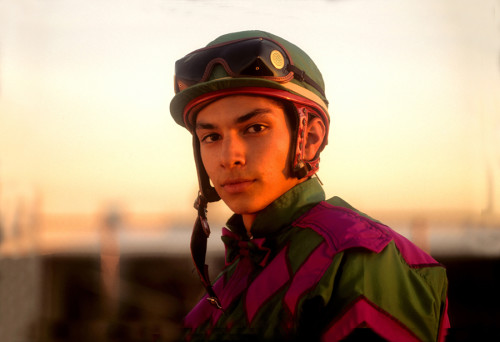
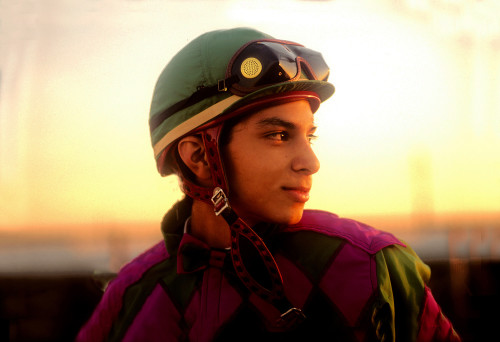
With hover (just move the mouse)
The left-hand jockey
The right-hand jockey

In sales jargon we’re use to hearing, the expression two-fer means “an item or offer that comprises two items but is sold for the price of one.” So what in the world does that mean to photography and to all my fellow photographers that love to make photos as I have which is closing in on fifty years.

It means (to the photographers that have heard me talking about it in my  “Stretching Your Frame of Mind” workshops) don’t just settle for one variation of a final composition when you can easily walk away with a two-fer and not spend that much more time doing it.

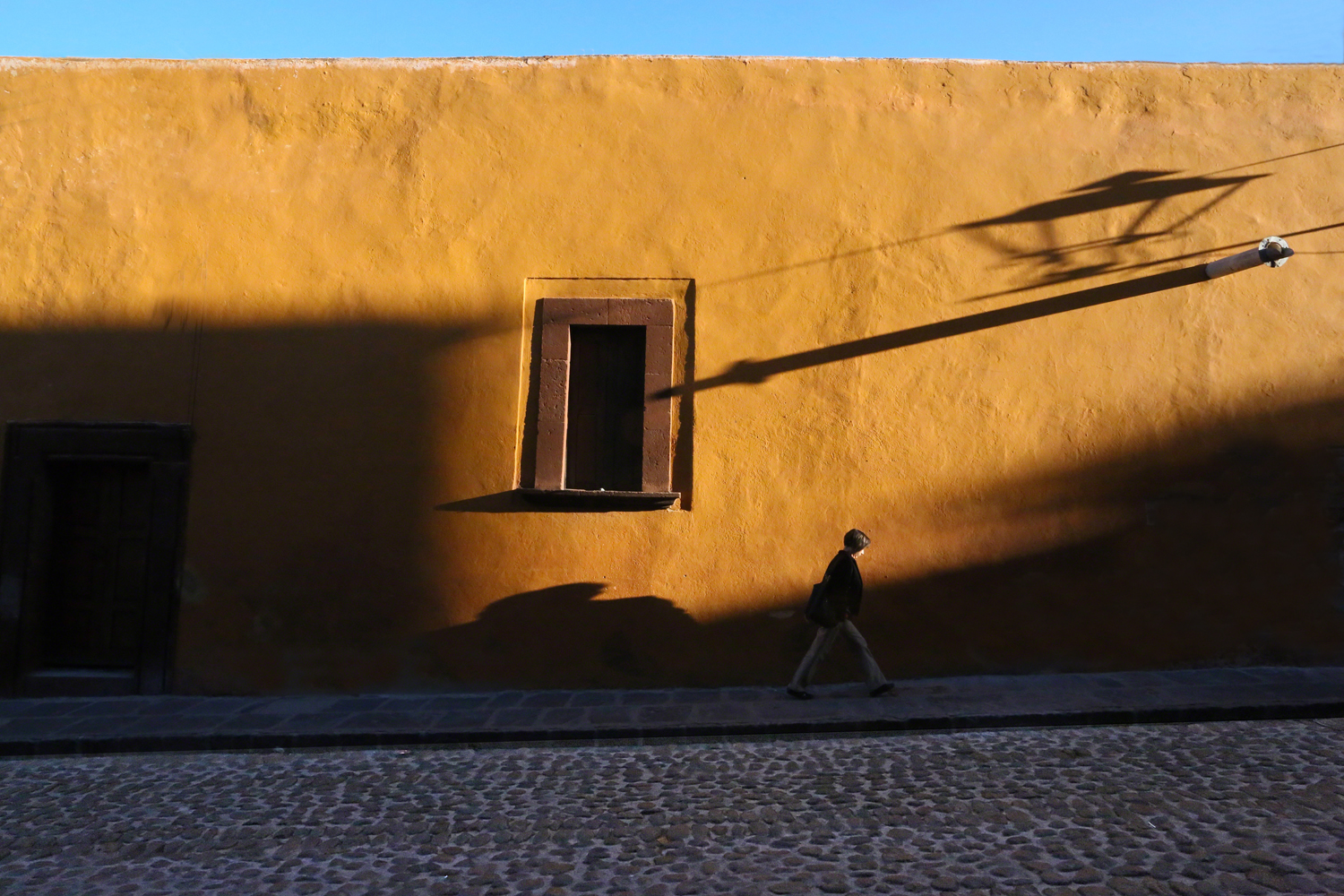
When I’m out shooting, and when I’m composing, I’m already thinking about the second variation, and a lot of the time the third. In doing that, it gives me a much better chance to come home with a Keeper. It might be something as simple as shooting both horizontally and vertically. I will often change my POV from eye level to climbing up on a ladder to look down on the subject. I can tell you one thing I always do and that is to change the direction of the light. I’ll move around or have the subject move around so they are both side and back lit.

I’ll usually go out with just one or two lens that will cover anything I want from 17 to 70mm. I don’t mean just standing there and zooming in and out. I mean having the ability in shooting with a wide angle lens, a fairly normal focal length, and a medium telephoto.

Light is so fleeting that I seldom have time to try different filtration such as a ND or a polarizing filter, but if the timing is right they can offer me other different looks. The Polarizing filter can get rid of unwanted reflections (although I love reflections since they can add visual interest and tension). It can also darken the sky and make clouds stand out.

You have to remember that this will only work if the sun is at  ninety degrees to where your lens is pointing to. You’ll also have problems trying to use a wide angle lens with it. A Neutral Density filter, especially one that’s at least two stops can make running water look smooth and also make the clouds appear to be moving.

In the above portrait, having the jockey looking into the lens gives off a completely different feeling as when he’s looking out of the frame. It took several seconds and a slight shift of my POV since the horse was moving around to leave with two versions of an environmental portrait. Of course shooting at sunrise didn’t hurt as far as the quality of the light is concerned.

So there’s many ways to make your image look different and it can be done in less than a minute; as long as you’re thinking about it in the first place. Next time you go out think about that two-fer…two keepers for the price of one!!

Visit my website at: www.joebaraban.com, and follow me on Instagram: www.instagram.com/barabanjoe. Check out my workshop schedule at the top of this blog. Come shoot with me sometime.FYI, my workshops fill in a few days, and when they do I take it off.

JoeB
Personal Pearl of Wisdom: Get Up and Give me Six.

Is it worth six seconds

Inspiration for these posts come in all flavors anytime day or night…no matter what I’m doing. So to tell you that this one came from surfing my cable television provider on a particularly dreadful evening where you wonder why you have to pay so much to get absolutely nothing of any content or cerebral stimulation.

As I had my thumb sitting on the up button, watching the programs whiz by at close to warp speeds I suddenly stopped, backed up, and began watching the PBR Network. An obscure channel (at least for this city boy) that’s all about professional bull riding…as in PBR…and by the way not to be confused with Pabst Blue Ribbon beer.

I quickly became enthralled, fascinated as to who had the biggest testicles the bulls or the cowboys willing to ride these four-legged monsters whose main purpose in life as I see it…is to kill, maim,  mutilate, or seriously injure those that decide to get on and ride it for eight seconds right into the history books as heroes and legends for unnamed prizes, silver very large belt buckles, big trophies and or cash.

In my online class with the BPSOP, and in my “Stretching Your Frame of Mind” workshops I conduct around our planet, I’m often telling my fellow photographers that visual input is a part of our everyday life ,and if we can make it our objective to present this visual information in a way that makes  it worthwhile for the viewer to stick around, we’ve done our job as an artist and photographer. Make him an active participant by moving him around the frame via line, having him discover things in your composition while he’s moving around the frame, and create what I refer to as Layers of Interest.

These Layers of Interest should work together in harmony and be balanced. There should be some sort of rhythm that makes the viewer comfortable while looking around for things to discover. I can tell you that once the viewer sees something interesting, he’ll look for another.

Creating depth by using wide-angle lens to anchor your subject up close and personal is another way to keep the viewer around. The use of light, communicating ideas using color are others.

Here’s what it all boils down to:

When I’m shooting and right before I click the shutter, I ask myself if the photo I’m about to take was a print hanging on a wall during the opening of a new trendy gallery…surrounded by other photos. There are people dressed up in hip and trendy new fashions, holding cheap Merlot or Chardonnay wine in plastic glasses, milling around looking important, hoping someone will see them, and occasionally looking at the photographs.

Would any of them stop from self-indulgent reverie and look at my photo for at least six seconds, or stroll by with nothing more than a cursory look. If I can’t say with the utmost assurance to myself that yes they will stop, then I re-think my composition and not go any farther as far as committing to the final act, the decisive moment of clicking the shutter.

Eight seconds is a very long time to expect someone to study your photograph as well as it is riding a bull. For me, I like the challenge, but perhaps six seconds is more like it; still a long time. If you adhere to some of my ideas and practices, you’ve got a very good chance to last the full eight seconds and take home one of those coveted trophies…maybe a silver silver belt buckle in the shape of a camera would be more appropriate.

Visit my website at: www.joebaraban.com, and follow me on Instagram: www.instagram.com/barabanjoe. Check out my workshop schedule at the top of this blog. They don’t stay up long because they fill fast. Come shoot with me sometime.

JoeB

The Use Of Gestalt In Photography: Wetting The Viewer’s Whistle.

Let the viewer fill in the missing pieces.

I teach three online classes with the BPSOP. A part I and Part II where we work on ways to incorporate the Elements of Visual Design into our photography. I also work on these same elements in my “Stretching Your Frame of Mind” workshops I conduct around the planet.

I also teach a third class on the Psychology of Gestalt. Each of the four weeks we work on the six concepts in this theory. The one I want to talk about today is ‘Closure’.

First of all, here’s a brief description of Gestalt:

By several definitions Gestalt comes from the German/Austrian word meaning shape, form, or the whole . It is stated that Gestalt is the theory that the whole’ is greater than the sum of its parts. It is also stated by others that the ‘whole’ is different than the sum of its parts. My thinking is that when you use the “Elements of Visual Design” in your imagery you are basically working with and structuring these ‘parts’ that will eventually make up the ‘whole’; the ‘whole’ being your finished composition.

The methods we use to gain attention to our photography will vary, but what’s important is how we manage what the viewer perceives and processes when looking at the information we lay out to him in the form of a photograph. Visual input is a part of our everyday life, and as photographers it is our prime objective to present this visual information in a way that takes control of what the viewer sees and when looking at our imagery.

In our reality, making the mind work harder is not necessarily a good thing, but in photography it is.  By leading the viewer’s eye around our composition, having them discovering new things as they go, or having them consider the scene, they are now participating by taking an active role, and when we can accomplish that our images will definitely be stronger.

When we talk about different ways to keep the viewer involved in our photographs, one of several ways is to have them “complete an image, or a form, or an idea”. The brain has the ability to complete an unfinished form or subject, and this ability in the theory of Gestalt, is called closure.

Closure is all about sparking an interest in your photos. to give a little taste of what the entire message your presenting to the viewer. The key is to present to the viewer an interesting composition that makes him or her want to stick around to see what “the bigger picture” is…so to speak!!!

When he fills in the rest of the pieces to create the finished idea, he’ll feel a sense of satisfaction. Of course this idea is predicated on the notion that he knows ahead of time what it is he’s filling in; at least to some degree.

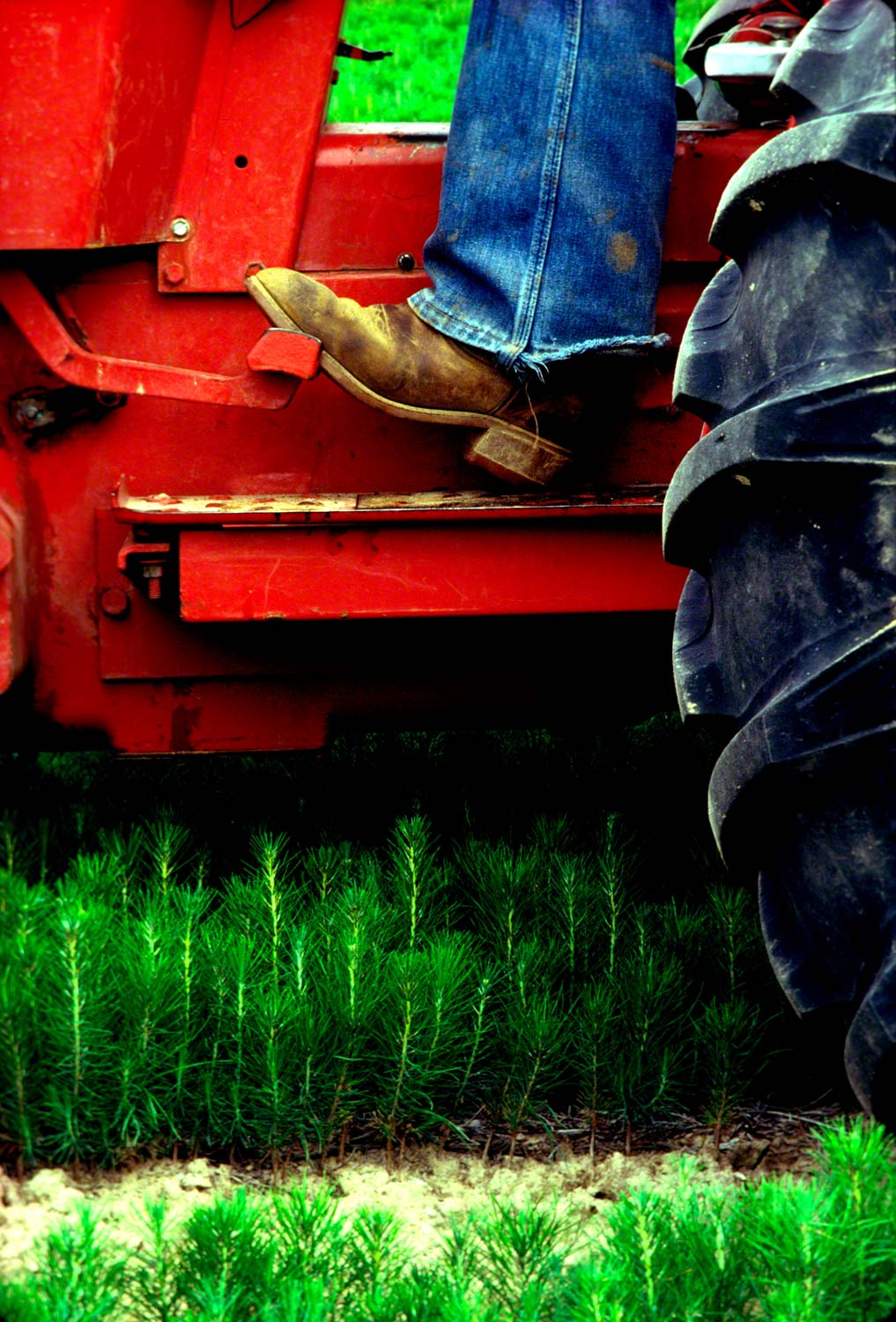
In the above photo, I was sent to East Texas by an in-house magazine for Champion Paper to do a photo story on East Texas Pine Seedlings. The company owns several hundred acres of Pine Trees and a lumber mill. The designer asked me to create a photo he could use on the cover. He wanted it to suggest Texas, the day to day operations, and Pine Tree Seedlings.  I decided to create an image using the concept of Closure.

Here are a few more examples of closure:

Visit my website at: www.joebaraban.com and follow me on  Instagram: www.instagram.com/barabanjoe. Watch for my new workshop schedule at the top of this blog. Come shoot with me sometime.

JoeB
Personal Pearls Of Wisdom: Make It Don’t Take It

Making pictures is a lot more fun than taking them.

The first workshop I ever taught was at the Maine Media Workshop in 1984, and up until the last few years I’ve been teaching while shooting advertising and corporate photography ever since. That’s thirty years of looking at my fellow photographer’s photos.

Thirty years later, I’m semi-retired and now teaching online with the BPSOP, and still conducting my “Stretching Your Frame of Mind” workshops around the planet.

If I were to pick out one thing that I’ve seen over the course of my teaching career, it would be the fact that the majority of all my students just go out with their camera and take pictures. I wrote a post about it called “I came, I shot, I left”, which somewhat touches on the subject at hand.

One of my favorite lines that I say to my students is, “I don’t photograph what I see because I never see what I want, so I photograph what I’d like to see”. What does that mean you say? It means that I’m in the business of making, not taking pictures. My background isn’t in photography. Truth be known, I didn’t hold a 35mm camera until I was twenty-one. I was an art student who loved painting and design. The day I picked up that camera was the day I changed my favorite medium, a paintbrush, to a 35mm Pentax Spotmatic with a 50mm lens.

I still consider myself an artist. Now, instead of a canvas on an easel where I was making works of art, I have a camera on a tripod, and I’m now making pictures.

If you’re out with a camera over your shoulder with the intent of coming back with your ‘work of art’, and you’ve taken my online class or my workshop, you have an ‘Artist Palette’ with you. You’re using the elements of visual design to help you see things you wouldn’t normally see and be able to make a picture from what you looking at by using one or all of these Elements.

Think about going out and making pictures, here’s what I mean: Before you click the shutter, take some time to walk around your subject, center of interest, or even the entire location your about to shoot in. Shoot it from different points of view. Before you even bring the camera up to your eye, look where the sun or light source is coming from. Position yourself to side light then backlight your subject. I’m not a fan of front light, but there’s time when it works so look for it as well. I wrote a post about looking at things in a new way. It’s also about making pictures.

Think about scouting the location ahead of time to check on the direction of the light. Maybe there’s some props you’d like to bring to help tell some kind of story. Being a storyteller is about making pictures. Maybe adding a person would help, so you drag one of your kids (you do have to pay them something if you want their undivided attention), or a spouse or friend. If you live in or close to a large city, Google up that cities Tourism Bureau or Film Commission for places to shoot; they love to help photographers. What about festivals (lots of photo ops) that come once a year? These are the kinds of things that change your thought process, and now you’re also in the business of making pictures.

Visit my website at: www.joebaraban.com, and follow me on Instagram: www.instagram.com/barabanjoe. Check out my new workshop schedule at the top of this blog. Come shoot with me sometime.

JoeB
Personal Pearls of Wisdom: Click Off the Left, Click On the Right.

Seeing with the right side of the brain.

Check out my new workshop on the six concepts in the Psychology of Gestalt: Gestalt Workshop link

I was very lucky to have studied art all the years I was being educated, from high school all the way through college. During those years I took just about every art class you can think up: drawing I, II, III, painting I,II,III, composition I, II, and III, watercolor, figure-drawing, pastels, printmaking, Art History, and some I can’t even remember.

I studied all the elements of visual design and composition, and not knowingly, applied them the moment I picked up a camera and looked through the viewfinder. I had found my medium because it was instant gratification. No longer did I have to worry about meeting some deadline and having to stay up all night (sometimes for more than one night) finishing a drawing or painting. I could do it all in a blink of the ‘eye’….so to speak!

In my online class with the BPSOP, and in my “Stretching Your Frame of Mind” workshop I conduct around our planet, I show my fellow photographers how to incorporate the elements of visual design into their imagery. I give each of them what I call my Artist Palette, and by the end of the class or workshop, that palette is filled with all the elements, including elements of good composition as well.

I talk a lot about right and left brain thinking. The left brain is the analytical side while the right side is the creative side. For example, if you were to look close up at a fence around a little league baseball infield, the left side would see a fence around a little league baseball infield. If you were to look at that same fence with the right side of your brain, you would see Pattern, Shape (actually diamonds), and Line; three of the basic elements of visual design.

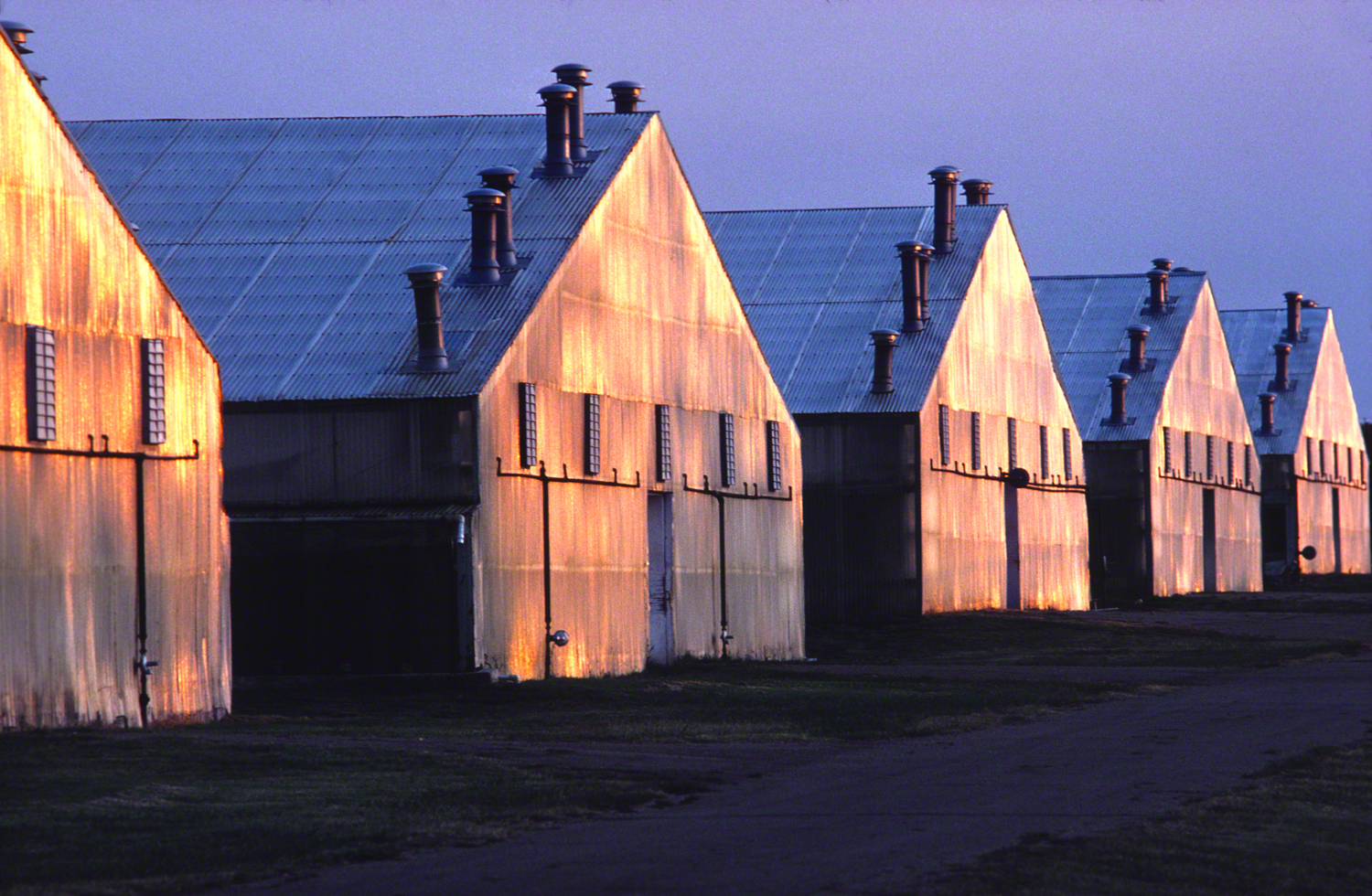
In the photo shown above, the left side of the brain sees a group of commercial greenhouses. Since I always look at things with the right side of my brain, when I looked at the buildings I saw Pattern, Texture, Line, Shape, and Form; all basic elements of visual design.

So my fellow photographers, the next time you strap on a camera and go out shooting, click off the left side of your brain and click on the right. You’ll be surprised at what you’ll start seeing.

Visit my website at: www.joebaraban, and follow me on Instagram: www.instagram.com/barabanjoe. Be sure to check on my workshop schedule. Come shoot with me sometime. It will be a whole new ballgame.

JoeB
Personal Peals of Wisdom: Right Smack Dab in the Middle

right smack dab in the middle

Since I started my photography career right after the dinosaurs disappeared, there was no information highway to get information from. I shot the way I felt when a photo op came my way without thinking about anything but what I had (subconsciously) learned studying painting and design practically my entire life.

There weren’t any rules for photographers to follow back then, or if there were I didn’t know about them; and wouldn’t have paid attention to them anyway. After teaching an online class with the BPSOP for the past seven years and conducting my “Stretching Your Frame of Mind” workshops for the last thirty-three years, I’ve been a promoter of the idea that rules are a hindrance to creativity and the shackles of originality. There are countless rules one can read about simply by Googling up rules for Photography, but I won’t help you on that.

Who writes these rules anyway? When I click on some they’re all the same insipid articles with some changes in grammar and vocabulary. My guess is that there are photographers out there trying to become immortal and trying to stretch their fifteen minutes of fame into an eternity. I can tell you that this is one photographer’s name that you’ll never see among the others.

I’m thinking about writing an article for the internet and calling it the Anti-Rules for Proper Photography. It will contain everything you ever wanted to know about taking your own path and just letting your imagination be your guide; not some silly rules that can only lead you down a one way path to photo boredom. Or perhaps you won’t ever make it all the way to the end but wind up in some strange creative photography purgatory…YIKES that’s a sobering thought.

Here’s an example of one of my Anti-Rules: Put your subject right smack dab in the middle. How’s that for an Anti-Rule?

The first thing you’ll have to shake off is this dumb rule that’s called The Rule of Thirds, and for those of you that just can’t get it out of your mind and you need help to de-program, there’s photo therapy out there and it’s called a workshop; specifically my workshops…where you’ll see no rules attached. Actually, Ansel Adams said it best, “There are no rules for good pictures, there’s just good pictures”.

On day one we’ll work on my first anti-rule then work on all the others the internet has helped to brainwash all my fellow photographers. We’ll stand side by side in case you start to feel woozy (perfectly normal) and I’ll watch as you put your subject right smack dab in the middle of your frame. It will be hard at first, but once you realize that the difference between doing this and following the Rule of Thirds is the difference between you’re photo being remembered because of the visual interest and tension and it falling through the cracks leaving you in a state of mediocrity.

Visit my website at: www.joebaraban.com, and be sure to check out my upcoming workshops. Come shoot with me sometime.

JoeB
Personal Pearls of Wisdom: Steady As She Goes

Steady as she goes.
Steady as she goes.

The first workshop I was ever asked to conduct was for the then Maine Workshop (changed to the Maine Media Workshop}. The year was 1983, and I was right in the middle of my career as an advertising, corporate, and editorial photographer when I started accumulating what I began referring to as my “Personal Pearls of Wisdom”.

Since then, I have amassed a plethora of these Pearls, and always share them with my online class and in the workshops I conduct around the planet; my private workshops and those I’m asked to teach with various organizations and schools.

“Steady as she goes” is a term I often say to a fellow photographer when I see them about to take a photo too soon. Over the years I’ve noticed that a student of mine will start shooting some kind of action before it’s ready to be taken. They don’t anticipate the action as far as when the subject is in just the right space to provide either balance, or one of the important ways to generate Visual Tension…the peak of action.

I would imagine it’s all tied into this digital age where everything needs to be done in a hurry. When you can go from the freezer, to the microwave, to the dinner table just three minutes.. That’s good if you’re late to work or wanting to see your favorite TV show. It’s not necessarily a good approach to capturing that moment in time when everything is in it’s place or that captured moment that leaves the action un-completed. That’s going to take a little more time, but it’s usually well worth it.

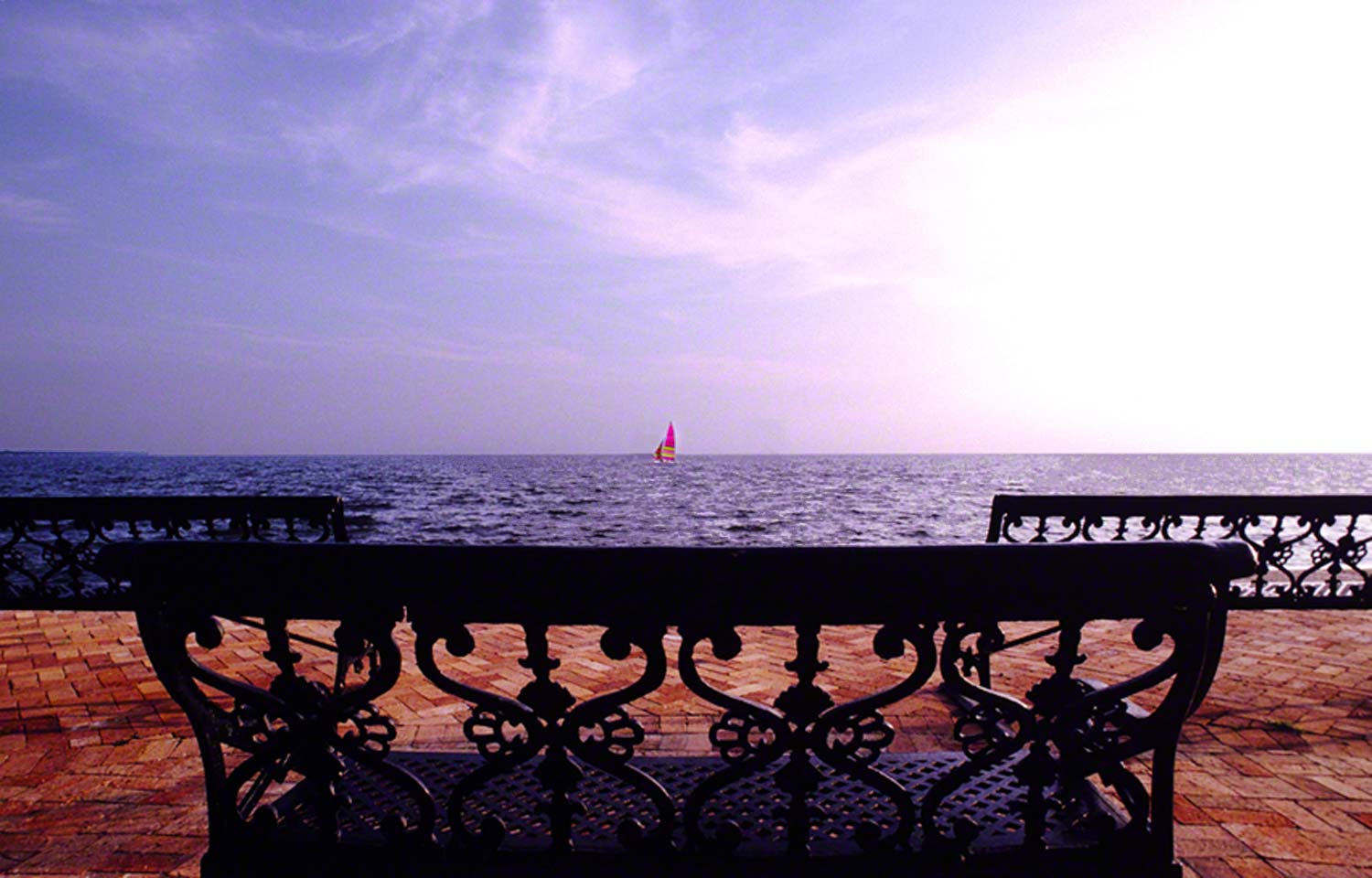
I was shooting for Alabama Tourism, and one sunrise we were walking along a boardwalk looking for photos that reflect the Alabama coast, tourism, and water activities. I came upon these benches shown in the above photo and thought they might make a good picture if given something else I could add…another “Layer of Interest”.

As I was standing there, out of the corner of my eye I saw an object coming into my frame. It was a small sailboat, and it was right on the horizon. I set my camera on a tripod, composed the benches the way I wanted, and waited….and waited. I knew what I wanted and hoped that the person sailing would accommodate me and my idea.

As it turned out, and following Eddie Adams famous quote that said, “When you get lucky, be ready”, I was ready and got the shot.

So, the next time you’re out shooting remember to wait for the right moment. Don’t be in such a hurry to start shooting, and maybe you too will get lucky…chill out as my kids use to say!!!

Visit my website at: www.joebaraban.com, and follow me on Instagram www.Instagram.com/barabanjoe. Be sure to check out  my workshop schedule at the top of this blog.

JoeB
Personal Pearls of Wisdom: It Ain’t Over Til It’s Over

It ain’t over til it’s over.

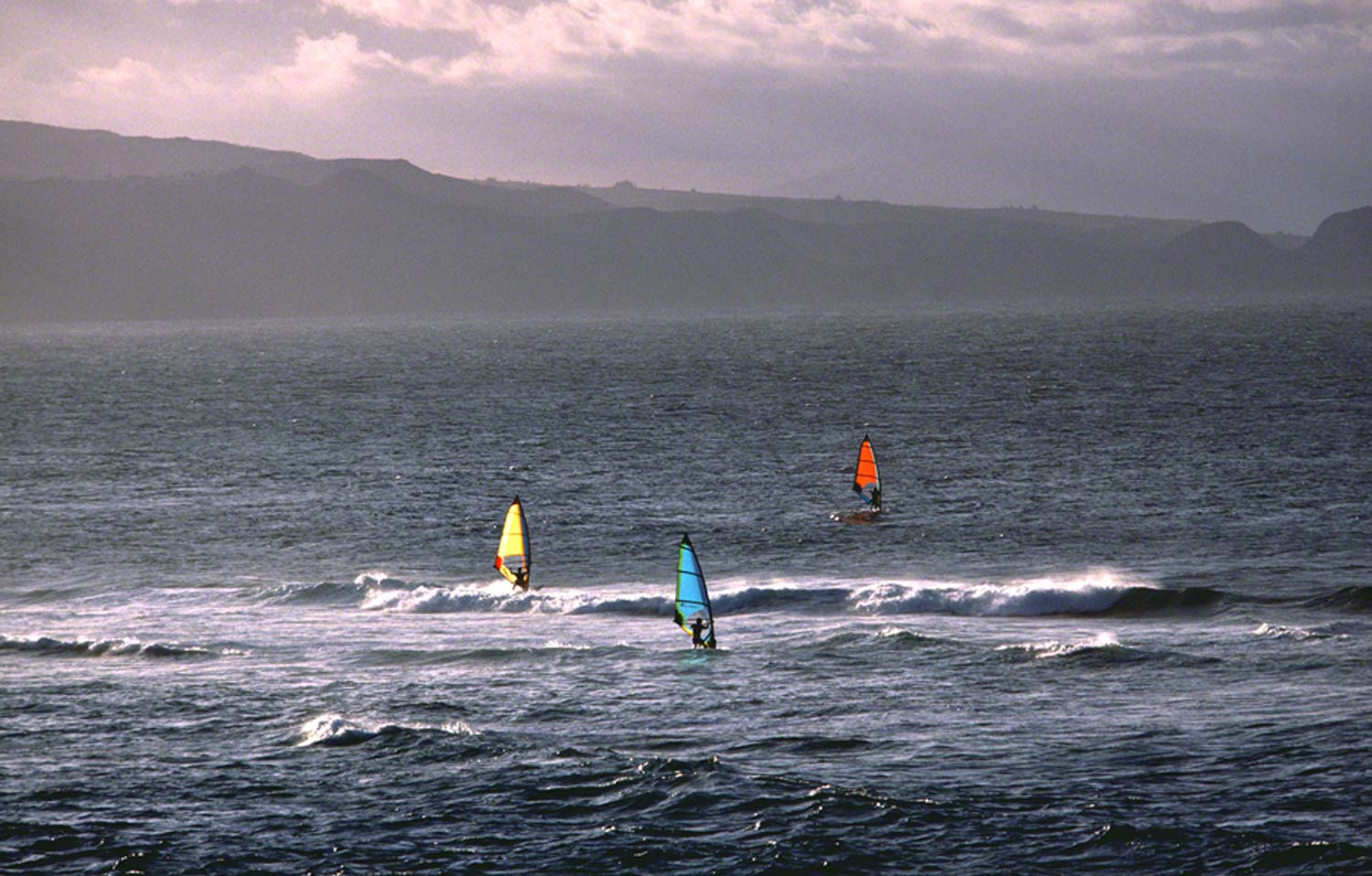
While shooting an assignment for United Airlines I had gone to Ho’okipa Beach on the north shore of Maui to photograph windsurfers. Ho’okipa is regarded as the best place in the world for this sport. The international championship was just a couple of weeks away, so all the best windsurfers were there practicing.

It was late in the afternoon and incredibly overcast; about as gray a day as it gets in Hawaii. As a result, all my fellow photographers standing all around me had decided to leave. Since one of my long time favorite Personal Pearls of Wisdom is, “It ain’t over til it’s over”, and one I’m always sharing both with my online classes with the BPSOP, and in my “Stretching Your Frame of Mind” workshops I conduct around the planet, I followed my own advice and stayed.

I had My 600mm F/4 Nikor lens and body mounted on my tripod and I was watching these three windsurfers go through their trial run. I was basically watching them as though I had a pair of binoculars; purely for interest.

As I was following them, the sun poked it’s face out for just a couple of minutes, and during that time the windsurfers moved around to create a triangle, while being backlit. Since I teach my fellow photographers how to incorporate the basic elements of visual design into their imagery, and Shape is one of them, I’m always on the lookout. FYI, the four basic shapes are: squares, circles, triangles, and rectangles.

I was very lucky to get this shot, and as Eddie Adams ( a Pulitzer prize winning photographer) once said, “When you get lucky, be ready”. So, the next time you’re out shooting and the weather isn’t cooperating,   stick around and see what happens because you just never know. Always remember that “it ain’t over til it’s over”.

Visit my website at: www.joebaraban.com, and follow me on Instagram www.instagram.com/barabanjoe. Check out my workshop schedule at the top of this blog.

JoeB

Personal Pearls of Wisdom: Make a New Photo Friend.

I made a new photo friend, and drank Grappa with him.

When I was an active advertising and corporate photographer, one of the areas of photography I was and still am known for was/is my environmental portraiture. What I like the most about this genre is what I tell my online students with the BPSOP, and with my fellow photographers that take my “Stretching Your Frame of Mind” workshops..and is one of my many personal pearls of wisdom…”Make a new photo friend”. I tell them that for me, talking to my subject before I ask to take their picture is as much fun as the actual process of composing it.

Whether it be a random person I’ve met on the street or a worker at some manufacturing or industrial plant, I’ll start a conversation with them from asking about their job to their kids (especially if they look like grandkids), to what brought them to the place we just met.

I do this for a couple of reasons: I’m curious by nature, and it loosens them up. The last thing I want to do is stick my camera in someone’s face because it will either put them off or frighten them. Either way it can’t or won’t lead to a successful portrait; one that appears as if they knew me long before I started shooting.

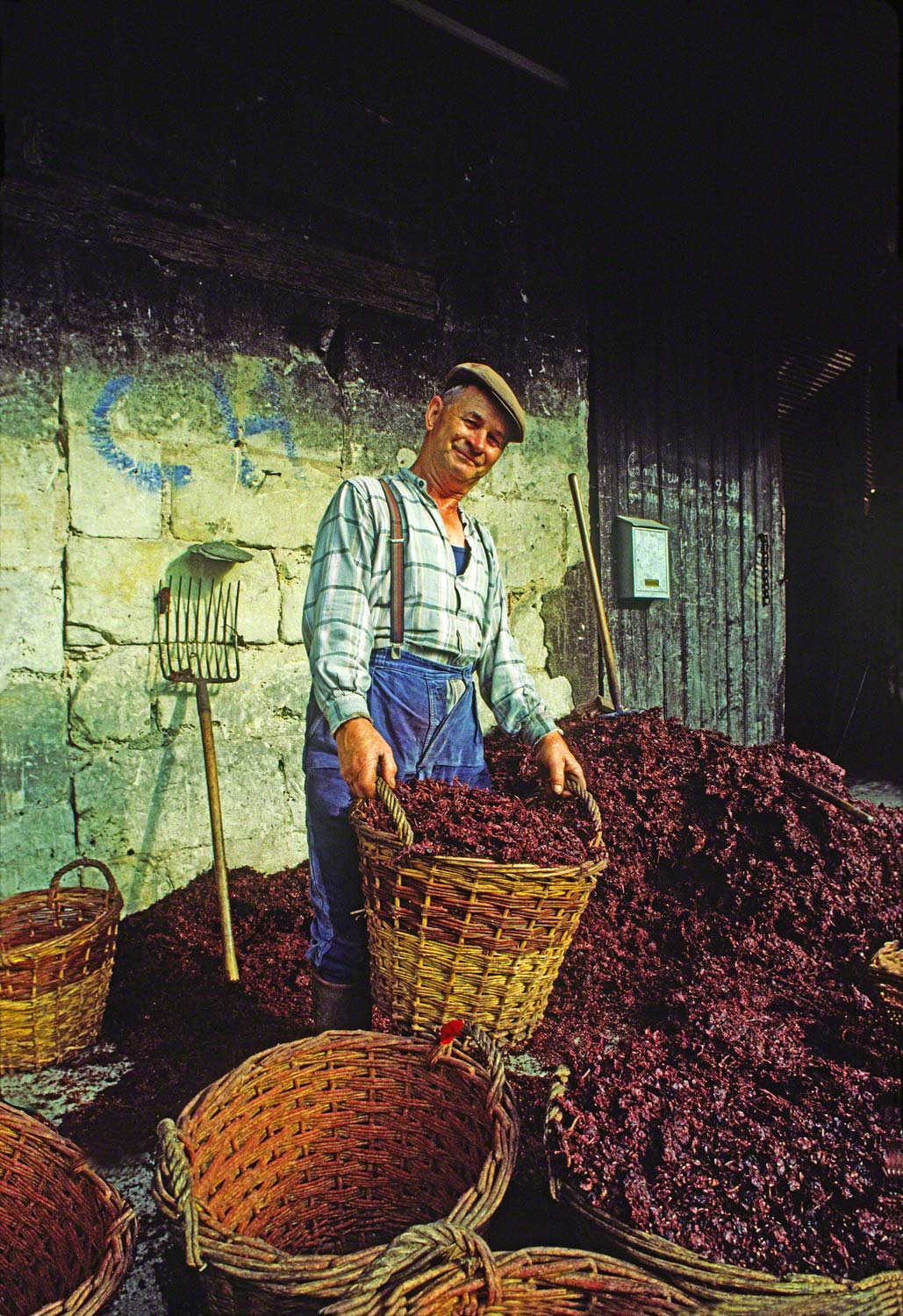
We were driving down the road in Provence when I saw this man moving baskets around a small building. I couldn’t tell what was in the baskets so we pulled over to find out.  I was hoping that he spoke even a little English so I could talk to him without our  French driver to translate. As it turned out he did speak enough English to communicate with me.

We started a conversation and it turned out that he was making Grappa, which is a grape based Brandy that originated in Italy. Grappa is made by distilling the skins, pulp, seeds, and stems, and can be very strong. The proof was when he gave us some to drink from a spigot at the end of a pipe…aged two hours!

It was a most enjoyable conversation and I walked away with a new photo friend. Btw, it’s always a good thing to send them a print, and these days it’s become so easy to e-mail a copy.

Visit my website at: www.joebaraban.com, and follow me on Instagram...www.instagram.com/barabanjoe/.Be sure to check out my 2023 workshop schedule at the top of this blog. Come shoot with me sometime.

JoeB


Personal Pearls of Wisdom: Weird Is A Good Thing.

Pretty weird man.
Pretty weird man.

I suppose it comes from the old days, my youth, when I worked for UPI and then AP as a stringer. I was given assignments where I had a chance to roam the streets of Houston. Naturally, I also had to cover the Houston Rockets, the Astros, and the Oilers. That was fun as well, but not like being in the position to capture something weird. I just adore weird!!!

I like for my photos to be remembered and shooting predicable subject matter just won’t do it for me. I’ve learned to either smell something weird that’s either happening or about to happen. I’ve also learned how to create weird as well.

In my online class with the PPSOP, and in my “Stretching Your Frame of Mind” workshops I conduct around the planet, I tell my fellow photographers that they need to look for that which is different. Something out of the ordinary. Something that even scares you or puts you off a touch can lead to those kinds of photos that people will remember. If it’s weird people, I like to get “up close and personal”. If the situation comes up, be ready for it. Go for it and take the photo plunge. You’ll love what you get.

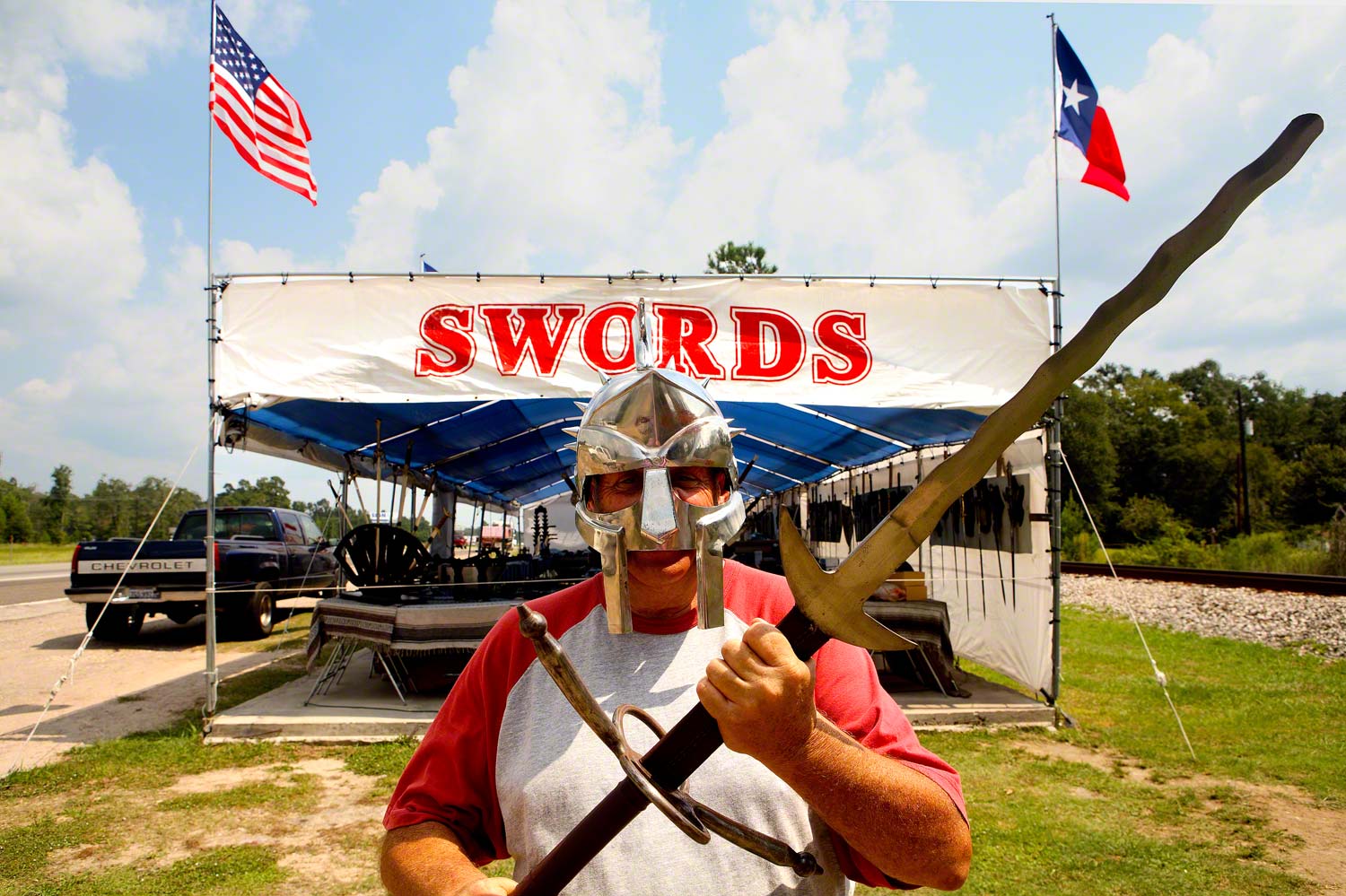
In the photo above, this man had a weekend business set up in a tent on the side of a small highway on Highway 59 North of Houston. As soon as I saw the red stripes a half mile ahead of me, I knew that there might be weird lurking around.  Sure enough the owner fit the bill. I asked to take his portrait, and he said yes but insisted in wearing some of his merchandise. Who was I to turn my back on weird? I wanted to get close to get the full impact of this very strange man, and I think it worked!!!

I just love the weird in life.

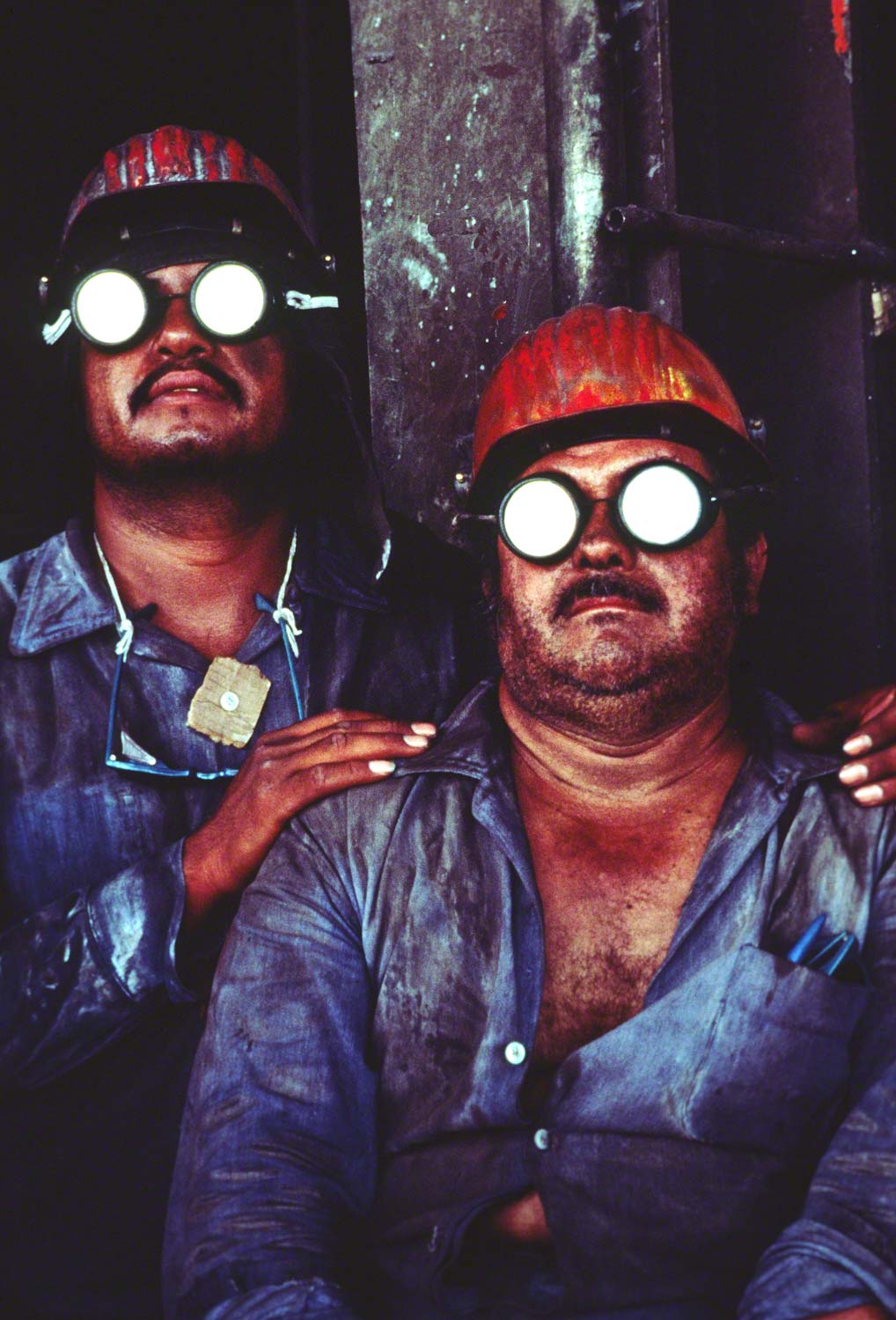
In the photo of the two steel workers, I created the weird look. I simply had them sit together and had them raise and lower their heads until I was able to get the reflections of the sky in their sunglasses.

So, my fellow photographers, next time you’re out shooting, look for weird things. Scary as it might seem, it’s all around you…all the time. you just have to look for it.

Visit my website at: www.joebaraban.com, and check out my new 2014 workshop schedule. I have some great ones coming in this year. how about my 26th year at the Maine Media Workshop the very end of July, Cuba in November, Jerusalem in September. Come shoot with me.

Don’t forget to send me a photo and question to:AskJoeB@gmail.com.

JoeB

“Good Photographers Follow the Rules, Great Photographers Break Them”

Rule of Thirds? What Rule of Thirds?
The Rule of Thirds? I guess I just plain forgot!!

At the beginning Friday of my four-week class I teach online with the

BPSOP, and the first day of my “Stretching Your Frame of Mind” workshop I conduct around the plane, I introduce what I call my “Personal Pearls of Wisdoms”.

These are sayings I’ve created during my fifty-three-year career as a corporate and advertising photographer, and my thirty-plus years teaching and giving seminars at photo events.  In my ever expanding list of these ‘Pearls’,  none will ever match up to one of my all-time favorites:

“GOOD PHOTOGRAPHERS FOLLOW THE RULES, GREAT PHOTOGRAPHERS BREAK THE RULES”.

I wrote this a very long time ago, and it has been my mantra ever since. I’ve been living by this creed  (if you will) for as long as I’ve been taking pictures, the latest count is forty-eight years going on forty-nine.

I had a student tell me that the president of her camera club once told her to never shoot into the sun. I love shooting into the sun!

Others have been scolded by senior members of camera clubs for not following the Rule of Thirds (see the above photo). Whatever you do, don’t follow people because your friends told you to or the guy behind the counter at your local camera store said so, or those newly appointed officers at your camera club…they are usually the worst!!!


Ansel Adams once said, “There are no rules for good pictures, just good pictures”.

BTW, I was rummaging through the stuff at the back of an old antique store when I found this amazing quote written on a plain piece of wood…which I now have on the wall in my studio. It says, “Color outside the lines”.

So, I ask you; where do YOU want to fit into the ‘cosmic photographic scheme of things?

Stay tuned for more discussions on forgettable rules!!

Visit my website at www.joebaraban.com, and www.instagram.com/barabanjoe. Check out my workshop schedule at the top of this blog. Come shoot with me sometime.

JoeB

Personal Pearls of wisdom: Seek and ye Shall Find

To be honest, as some of you just might know, I stole this line from Matthew 7:7, and not being a very religious person I thought this would fit perfectly in the post I had been thinking of writing.

I’m not talking about language that connotates or that involves religion of any kind, I referring to the Light…seeking out and finding the light; photographically speaking.

I just love talking about the light and how it affects our composition. For one thing, we are attracted to it like a moth to a flame. No matter what’s in the final composition, the viewer will immediately look at the brightest object in the frame.

In my “Stretching Your Frame of Mind” workshops I’m often referring to ways to get students to realize this, as well in my online classes with the BPSOP. Knowing this, it will be easier to seek out the light and use it to your advantage. You don’t need a lot of it to make an impression and it comes in all shapes, colors, and sizes.

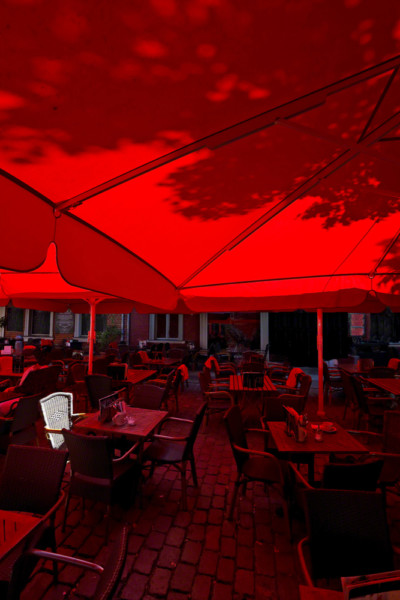
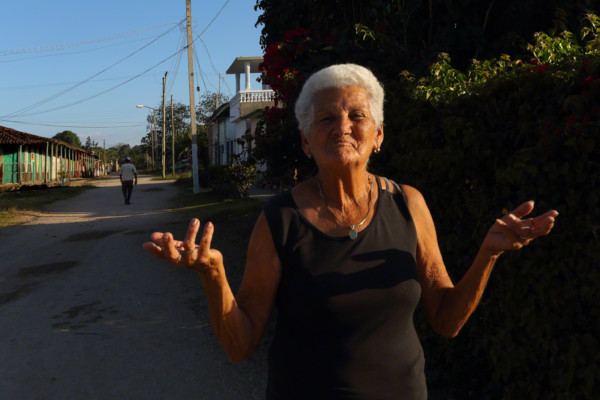
When looking at my examples, you’ll get the idea of just how important light plays in our images and how its use will definitely take your photography what I refer to as ‘up a notch’.

So, when your out shooting, be aware of what’s bright in your peripheral vision and see how you can incorporate it into your thought process.

Visit my website at www.joebaraban.com, and check out my workshop schedule at the top of this blog. come shoot with me sometime.

JoeB


Food For Digital Thought: Been There Shot That?

Henry David Thoreau once said, “It’s not what you look at that matters, it’s what you see”.

This is a quote I memorized thirty years ago when while I was doing some personal research on his essay entitled Civil Disobedience. It struck me as something I had been doing all along in my photography, as I always went out looking for new ways to say the same thing; not for anyone else’s edification but my own. As long as I was able sleep at night knowing I did everything possible to make the best photo I could, that’s what mattered most.

Been there shot that

In my online class with the BPSOP, and with my “Stretching Your Frame of Mind” workshops I conduct around the planet, I tell my students that what’s so important in taking their photos what I refer to as “Up a Notch” is to “see past first impressions”, or in other words, “It’s not what you look at that matters, it’s what you see”.

So how does the phrase “been there shot that” relate to this post? It’s a phrase I’ve heard photographers say when they thought there wasn’t much of a point in going back to the same place since they had already been there and shot all there was to shoot. Or investing any more of their time taking pictures of the same subject because it was boring. Some might call it boring, but then again some might call it being lazy.

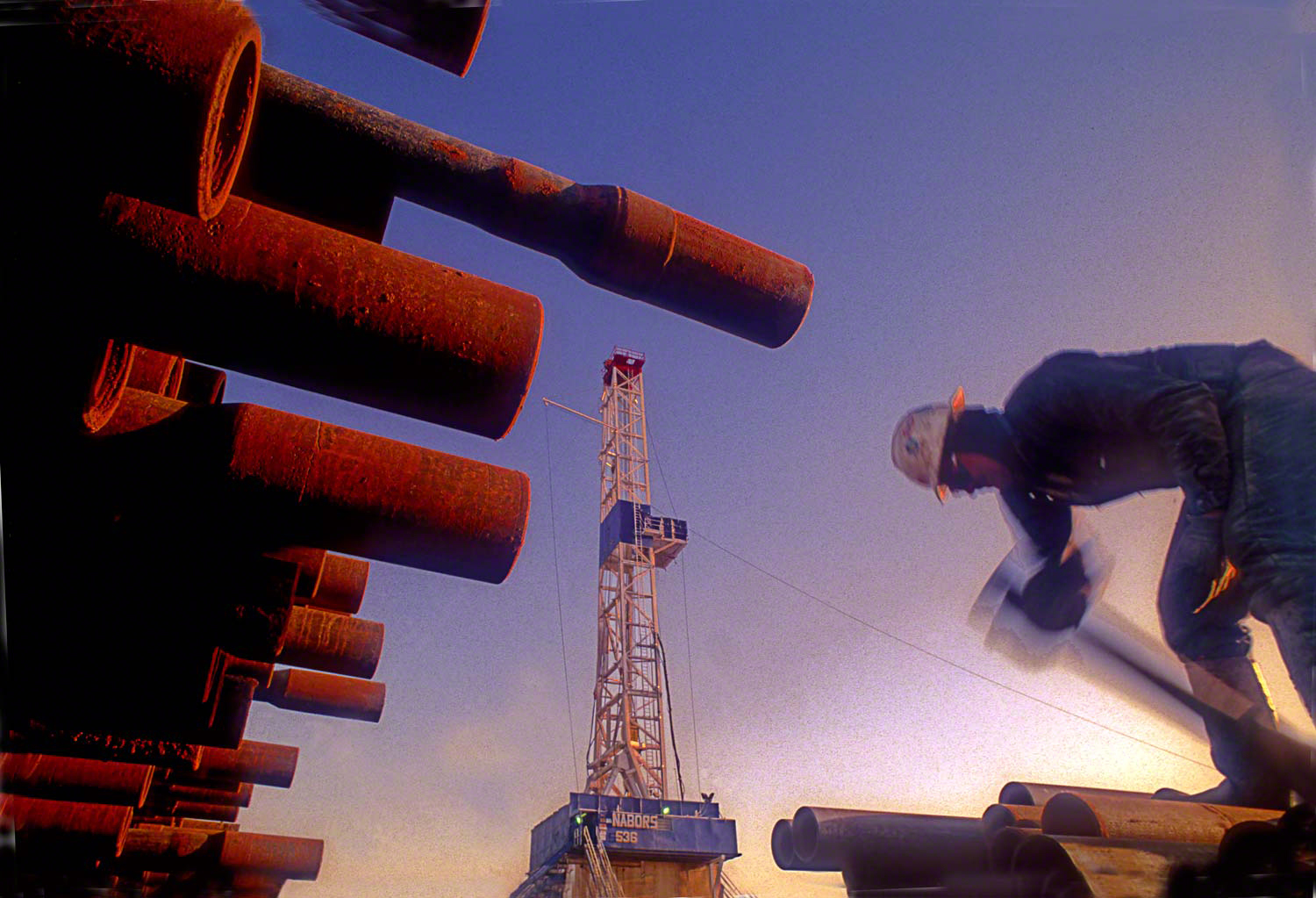
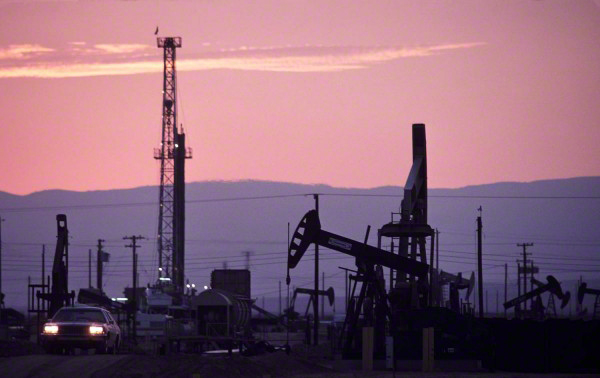
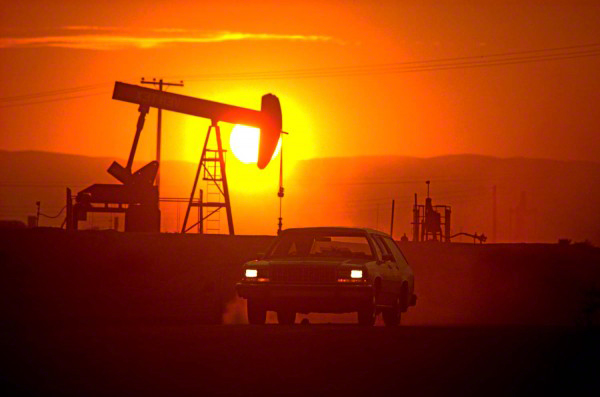
Do you want to know what the epitome of boring is? Shooting oil rigs and Pumpjacks…now you’re talking boring!!! You couldn’t be a corporate photographer in the eighties and nineties without shooting for companies that dealt somehow in the oilfield industry; that is if you wanted to earn a living as a photographer. If you did want photography to be your day job you shot oil rigs and Pumpjacks and smiled the whole time.

Every time I got a call to shoot an annual report for an oil company I always made it sound as if I was excited to get to shoot their oil rigs or Pumpjacks. Truth be told, it’s just about as boring as it got. Sure it was exciting in the beginning, but how many ways can you shoot an oil rig or a Pumpjack over the course of a fifty-year career???

This is where I tell you to remember that “it’s not what you look at that matters, it’s what you see”. If you’ve been there and shot that, go back and shoot it again. All you have to do is to work with the elements of visual design and composition found on my ‘Artist Palette’ and “Stretch Your Frame of Mind”!

As Marcel Proust said, “The only real voyage of discovery is not in discovering new landscapes, but in having new eyes”. Challenge yourself…couldn’t hurt!!!

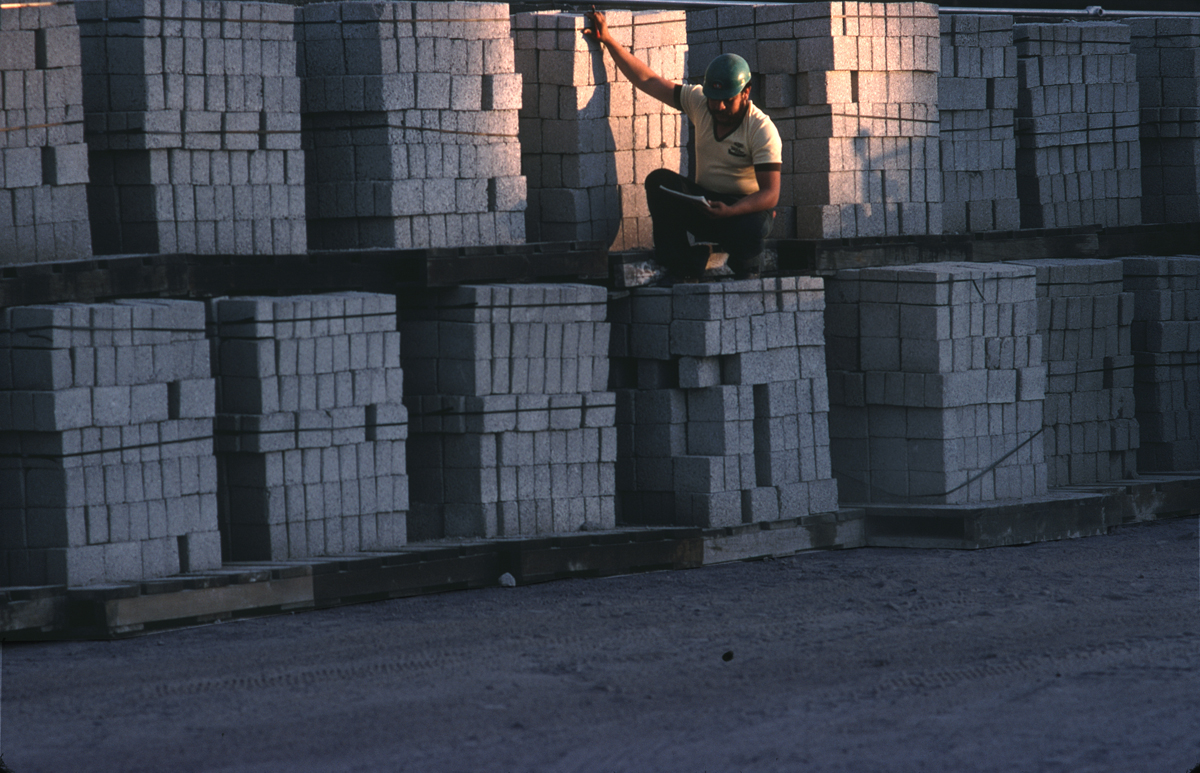
Here are just a few examples showing years of shooting oil rigs and Pumpjacks:

Visit my website at www.joebaraban.com, and check out my workshop schedule at the top of this blog. Come shoot with me sometime.

JoeB

Personal Pearls of Wisdom: Tension gets your attention

Creating Visual Tension

In several of my past classes with the BPSOP, I’ve been asked about the importance of Visual Tension. So, I’m sending out this post that I wrote in 2016.

Why do we look at some photos more than others? What compels us to stick around longer for some and not for others? How we can control what the viewer perceives and processes when looking at our photos? The answer will differ and the different methods we use will vary. For me, the important part is to draw the viewer into your photo.

I teach an online class with the BPSOP, and I also conduct my “Stretching your Frame of Mind” workshops around our planet. I teach people how to use the elements of visual design to create stronger images.

I discuss how humans rely on the perception of their environment and that visual input is a part of our everyday life. If we can present this information (photographically) in such a way we can make him a visual partner, an active participant, and when we do we’ll have his undivided attention.

Our eye is constantly moving around and notices elements in out photos that stand out, and for one reason or another are significant. An example is the fact that the eye is drawn to light; like a moth to a flame.

One of the best ways to do this is by incorporating visual tension, a compositional tool,  into our imagery. Visual tension gives your photograph strength and intensity. It’s a psychological force to be reckoned with and used correctly can take your photography what I refer to as “up a notch”. Tension refers to the positioning of the physical elements in our frame, and the feeling within us of the spatial relationship when looking at a photogrph.

They’re many ways to create visual tension, and I have talked a lot about them to my fellow photographer. The use of light, contrast, i.e.,  shadows and areas in shadow, framing within a frame, combining opposites or unrelated objects, peak of action, body language, and gestures; showing the subject and its reflection are some of the ways.

The way we place the elements and creating design imbalance giving off the feeling of instability, will generate visual tension. Where we place the camera in relation to the viewer will have an impact on the viewer and will help generate the tension we’re looking for. Conversely, the placement of the subject in the frame will have an acute effect as well. Using the Rule of Thirds to place your subject will NOT create the visual tension as placing it close to the edge of the frame would.

So, I don’t know about you, but I like attention when it comes to people looking at my photos. I want them to walk away shaking their heads in amazement after being totally immersed in my imagery. If indeed you feel the same way, then think about incorporating visual tension into your photography.

Visit my website at www.joebaraban, and check out my workshop schedule at the top of this blog. Come shoot with me some time and we’ll create some visual tension together.

JoeB