Personal Pearls of Wisdom: “Pulling Out My Bag of Solutions”
When I’m online with my class with the BPSOP, or traveling with my “Stretching Your Frame of Mind“ workshop, I often refer to my “Pearls of Wisdom”. One of them is, “My bag of solutions”.
What I mean is how do I solve a problem that’s come up unexpectedly? If I could only get a couple of feet higher, or have to stand out in the water, or pick up any trash, or how about fixing something that might be broken or needing a piece of tape to hold something while I shoot. Here’s what I often carry in my car when I’m going out. You just never know when you’ll need something!!!I don’t necessarily carry everything all at once, but I have before on personal long road trips and assignments. Although I consider this list equipment, I call this my “bag of solutions”:
- Tripod
- Bean bag
- Small table tripod
- Six foot ladder
- Spray bottle with water/glycerin mixture
- Photo stand with a sand bag to keep it steady
- A-clamps (to secure the reflector and umbrella to the stand).
- White reflector or white piece of foamboard.
- Duct tape (very important)
- Fifty feet of garden hose (for ‘wet downs’)
- Mikita (or another brand) 14 or 18 volt rechargeable screw gun
- Rubber boots
- Chest waders
- Knee pads
- Blanket
- Walki-Talki’s
- Plastic tarp
- Broom
- Rake
- Garbage bag
- Golf Umbrella
- Change of clothes
- Small Red line tactical flashlight for light painting
- https://www.google.com/?gws_rd=ssl#q=redline+flashlight&tbm=shop&spd=4139016517009177550
- Model/minor/property releases (important if you plan to sell the photos)
- Ice chest with water, soft drinks, beer, and Martini fixers’ (after the wonderful sunset)
Did I leave out anything?
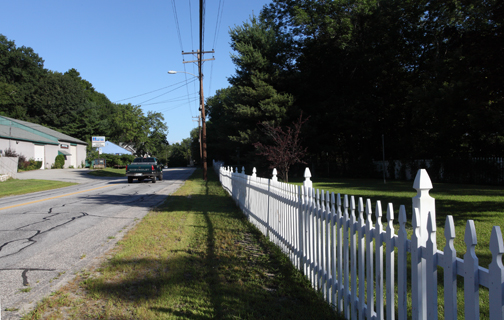
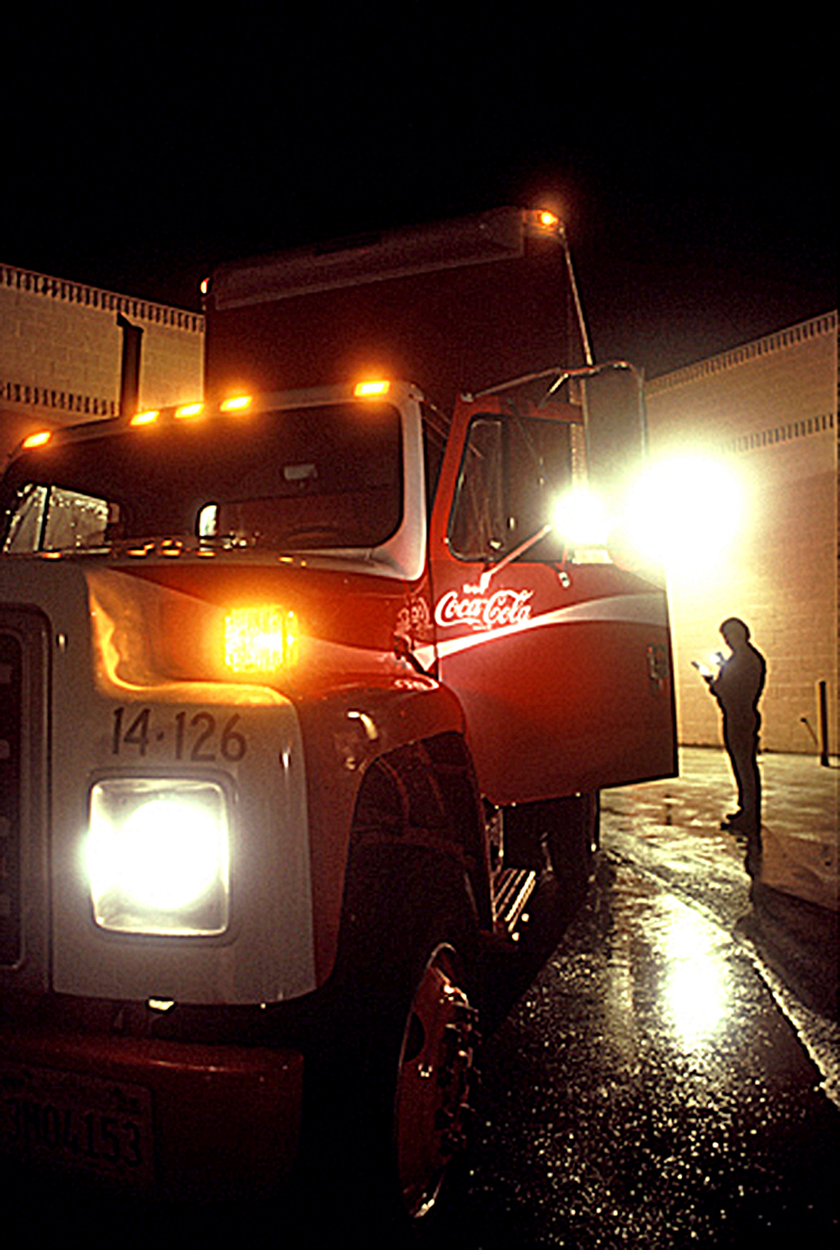
In the photo above that I shot for the Coca Cola Bottling Annual Report, I used the broom and rake to clean up the area, the fifty feet of hose (every bit of it) to wet down the pavement, the small mag light to light up the lettering on the truck’s door, the duct tape to secure the flashlight to the six foot ladder, and the garbage bag to clean up whatever trash I created.
Check out my website at: www.joebaraban.com and come shoot with me sometime.
JoeB