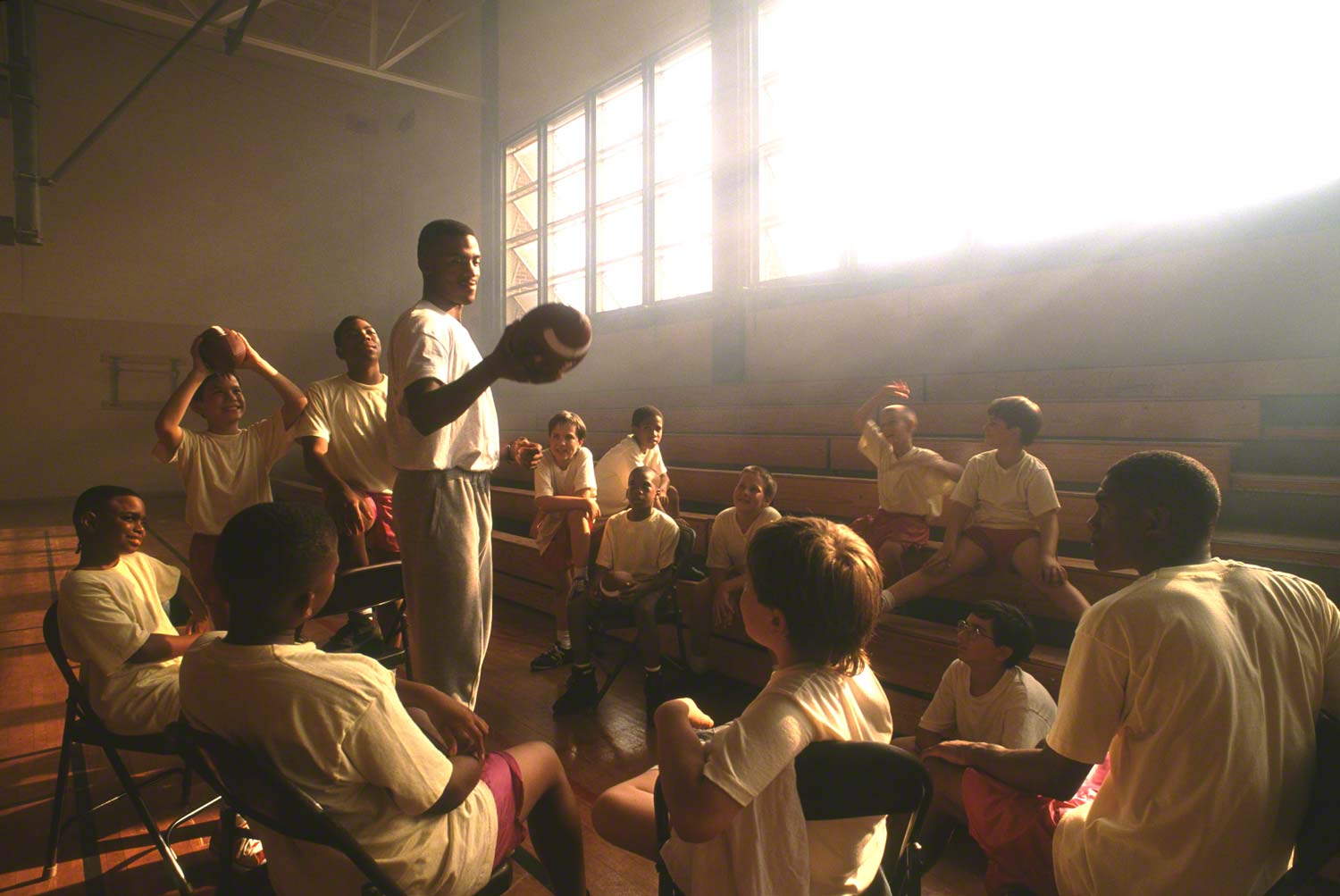
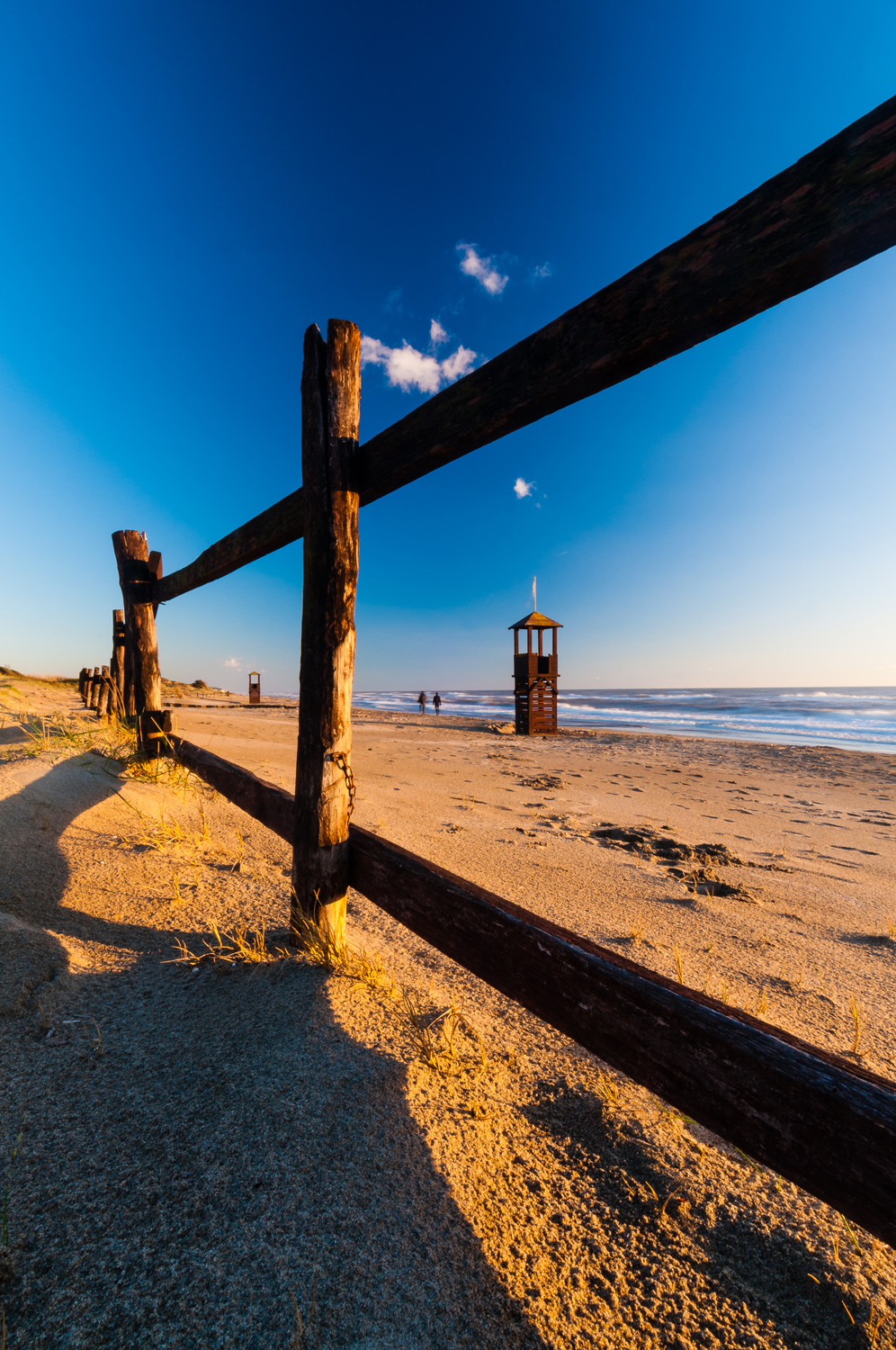
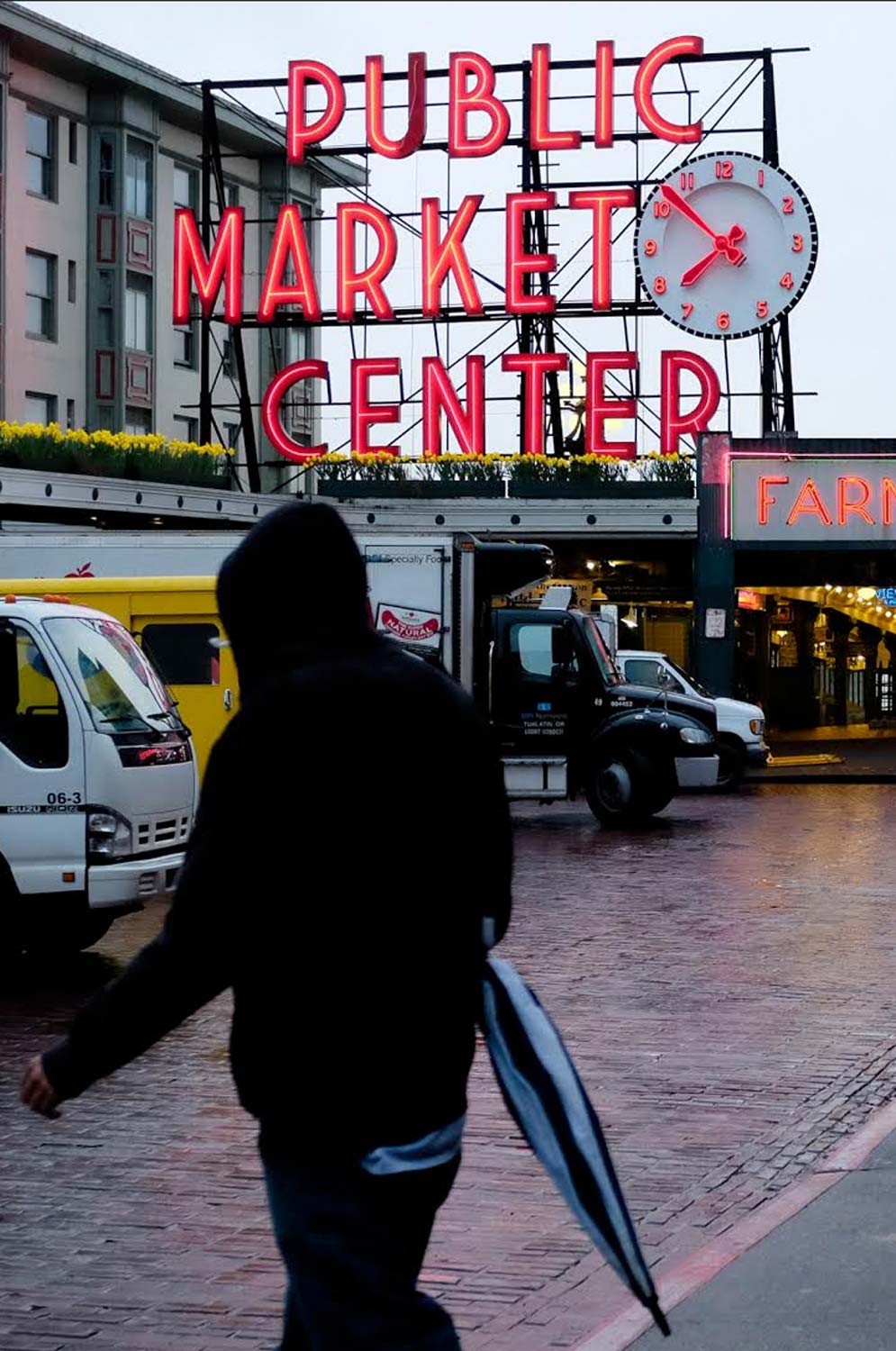
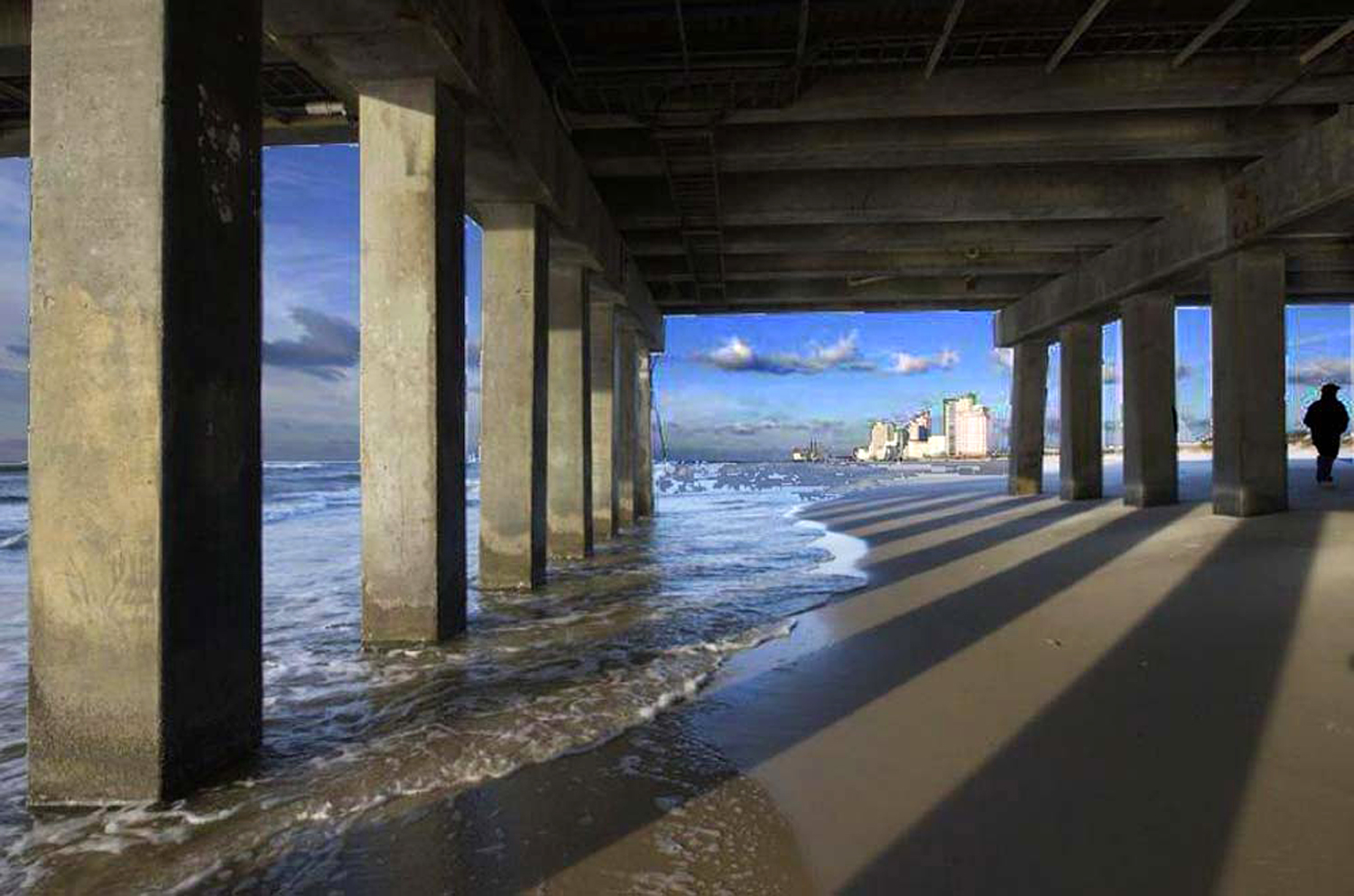
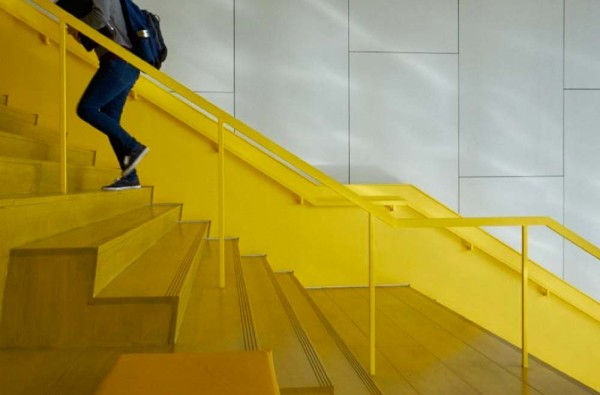
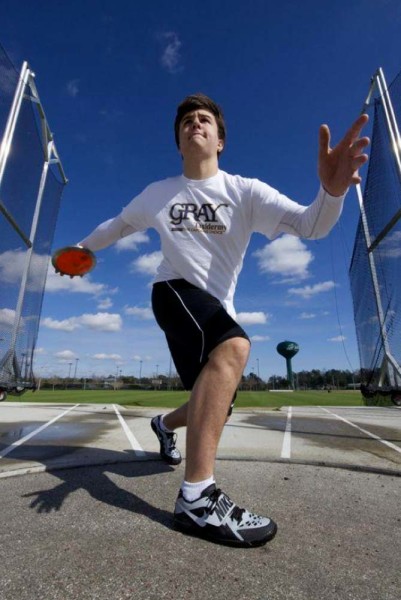
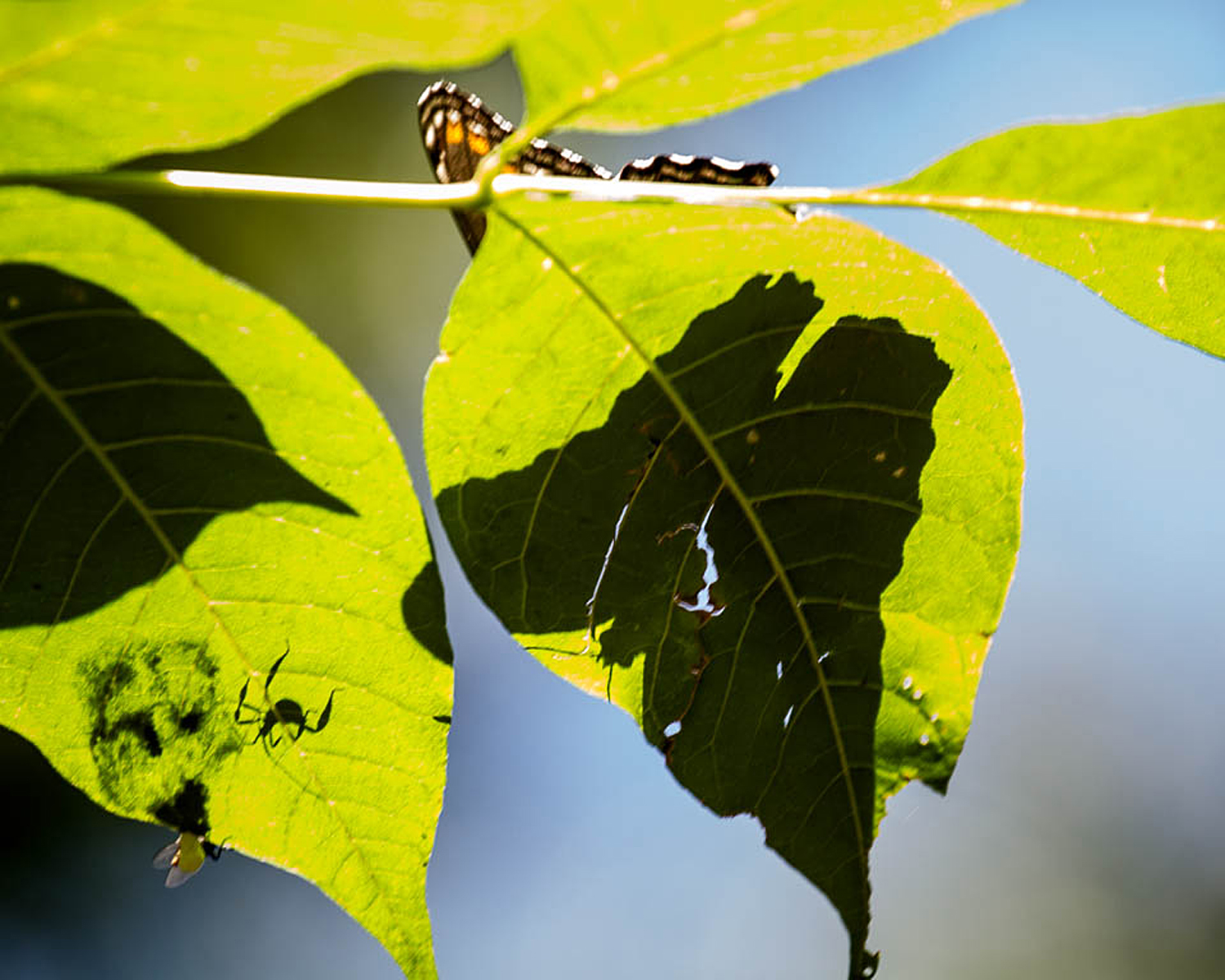
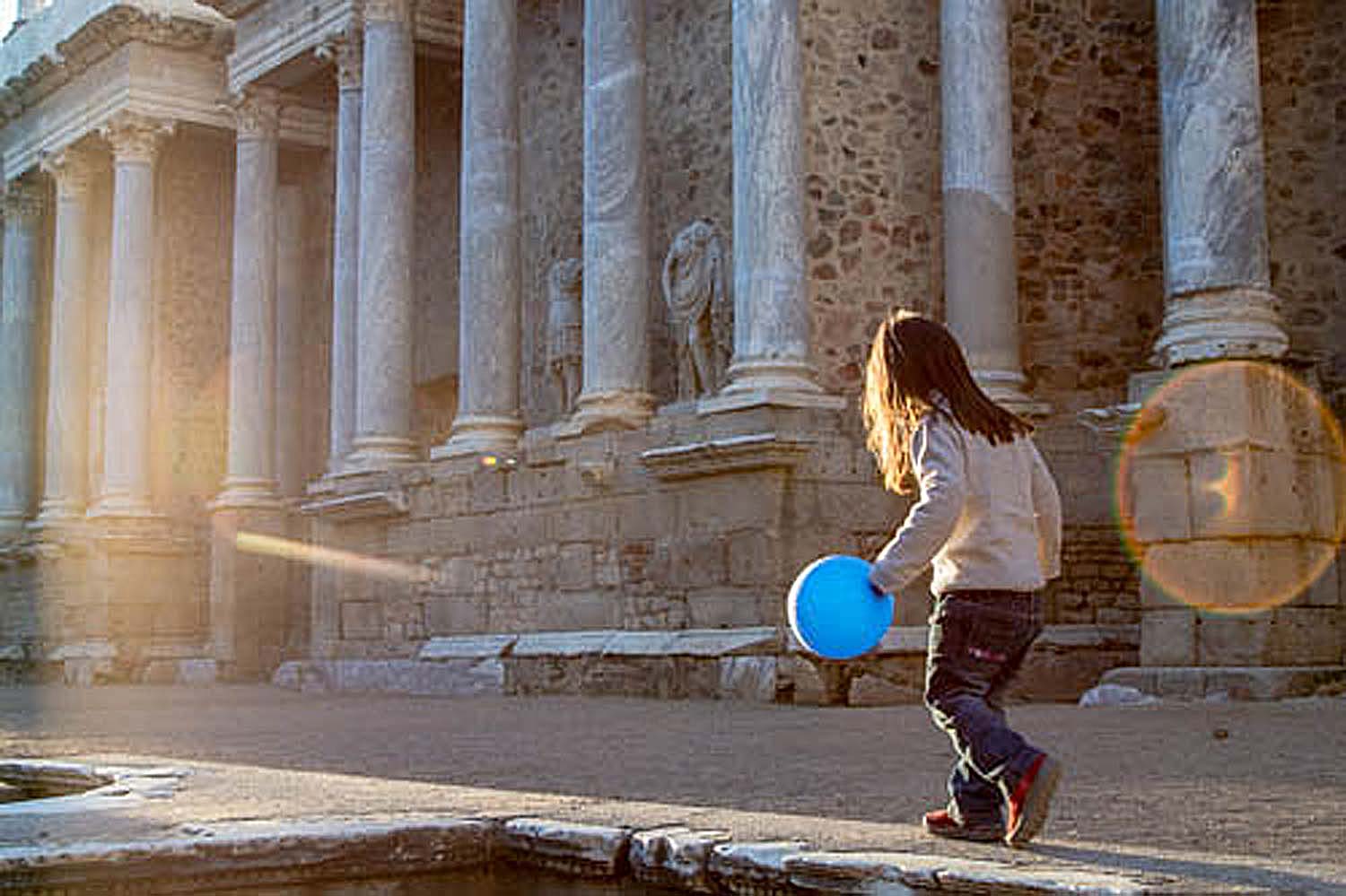
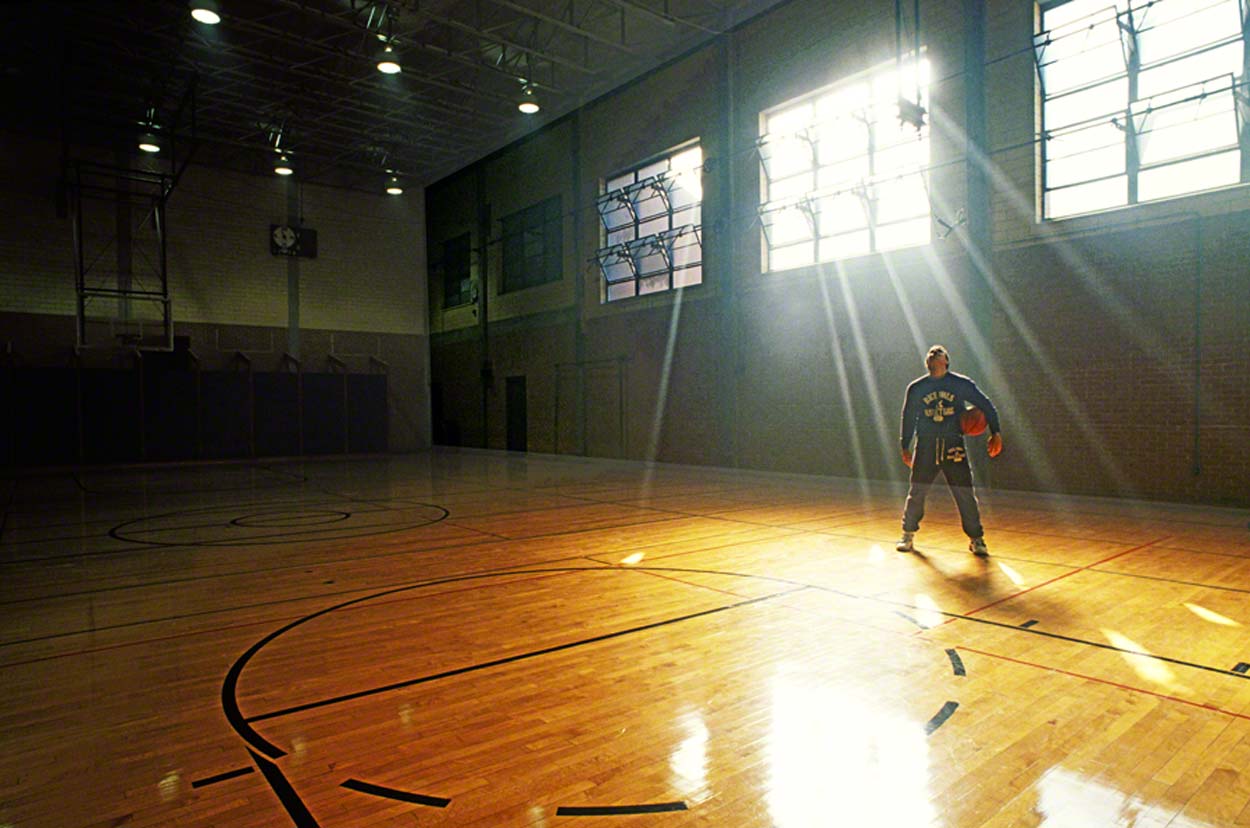
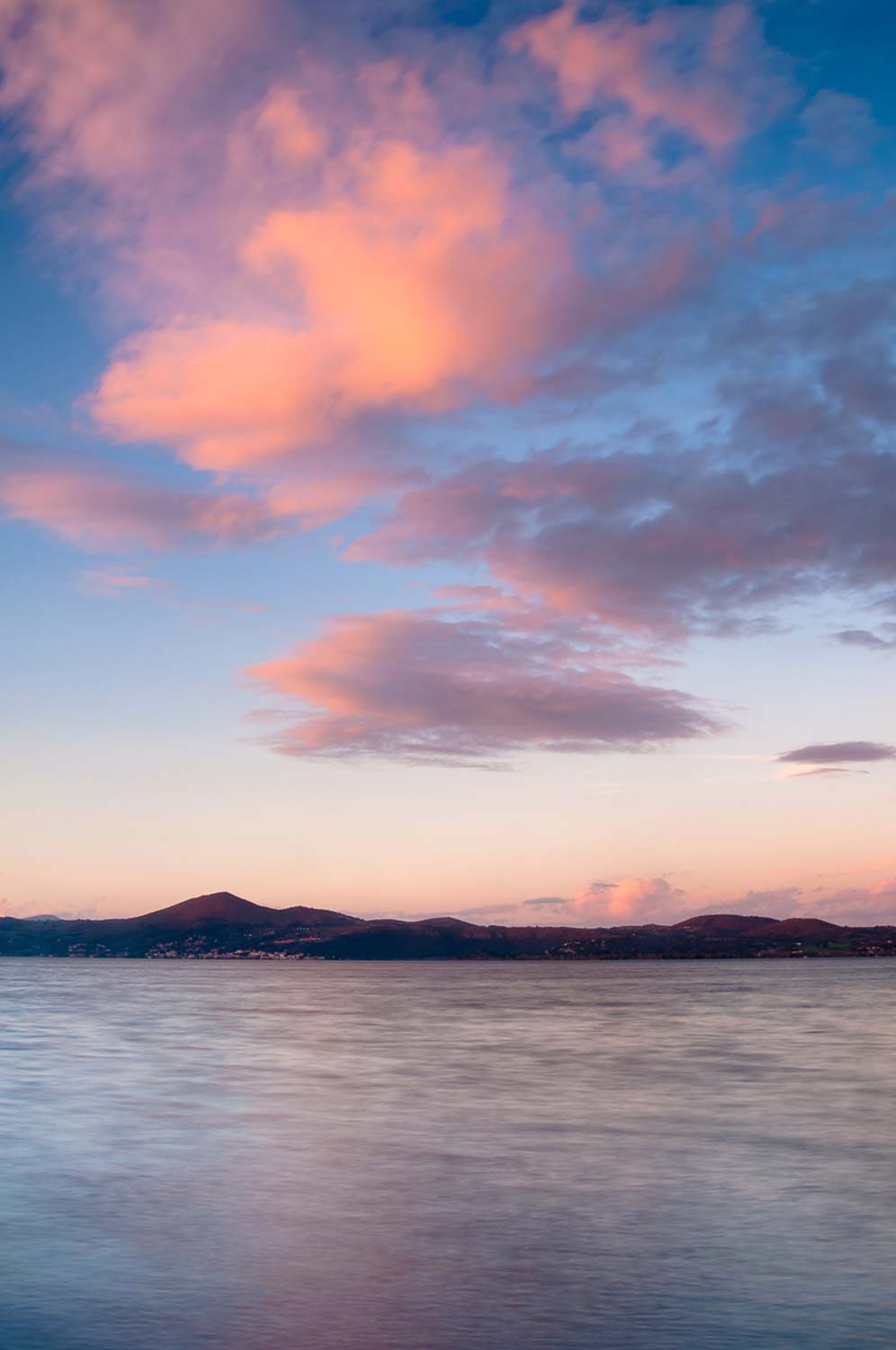
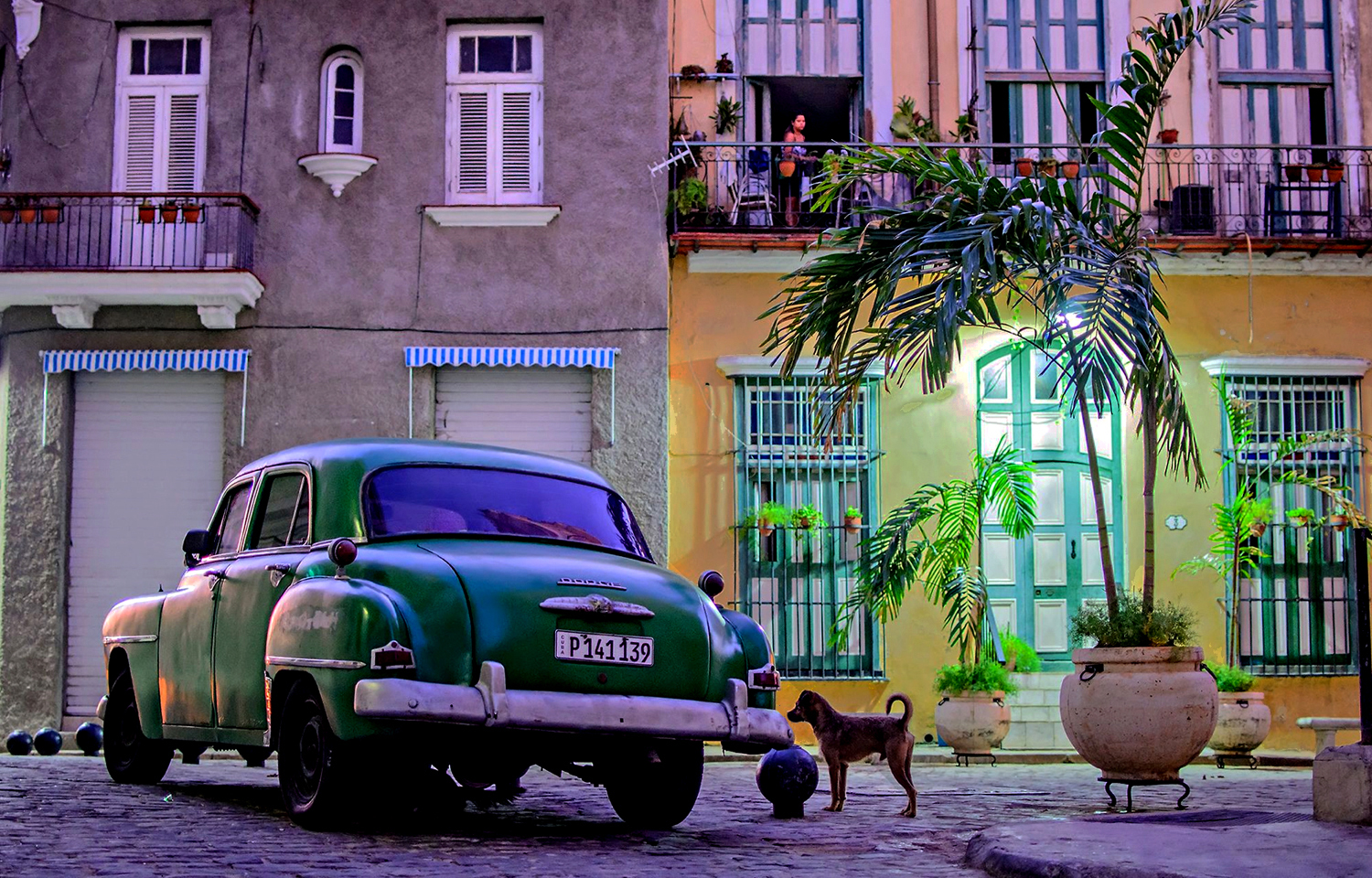
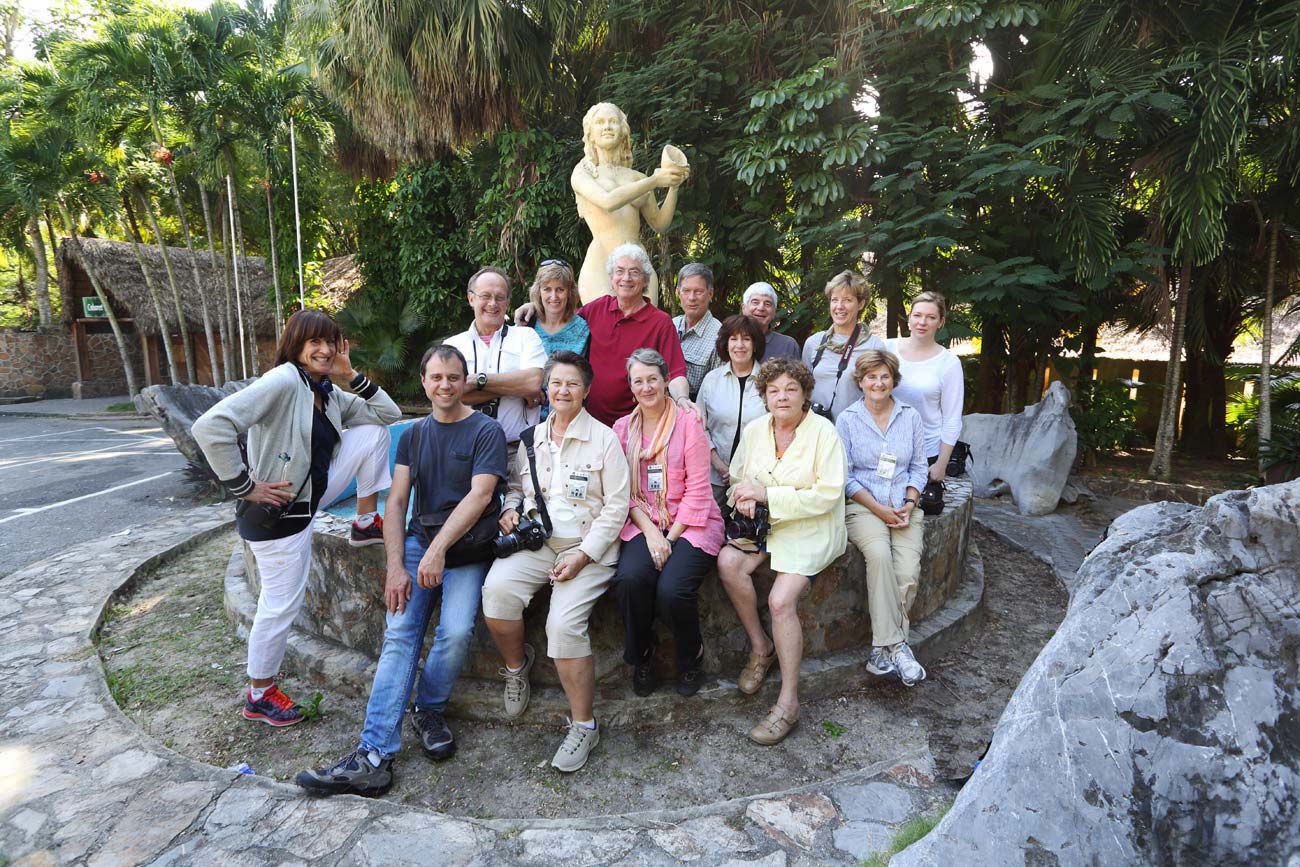
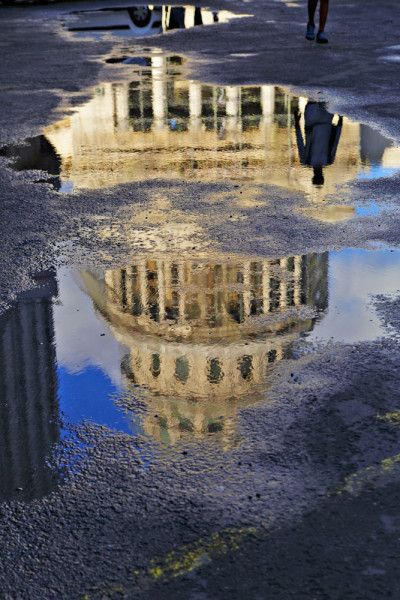
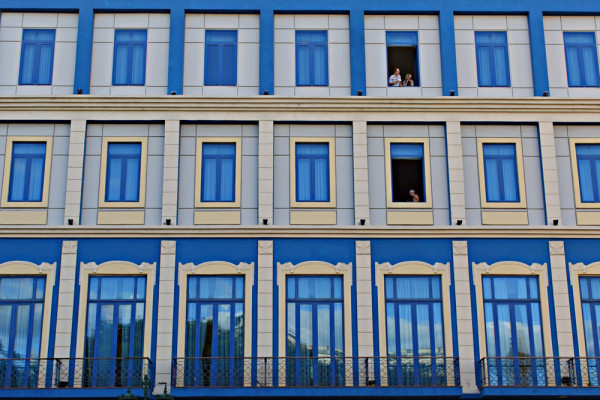
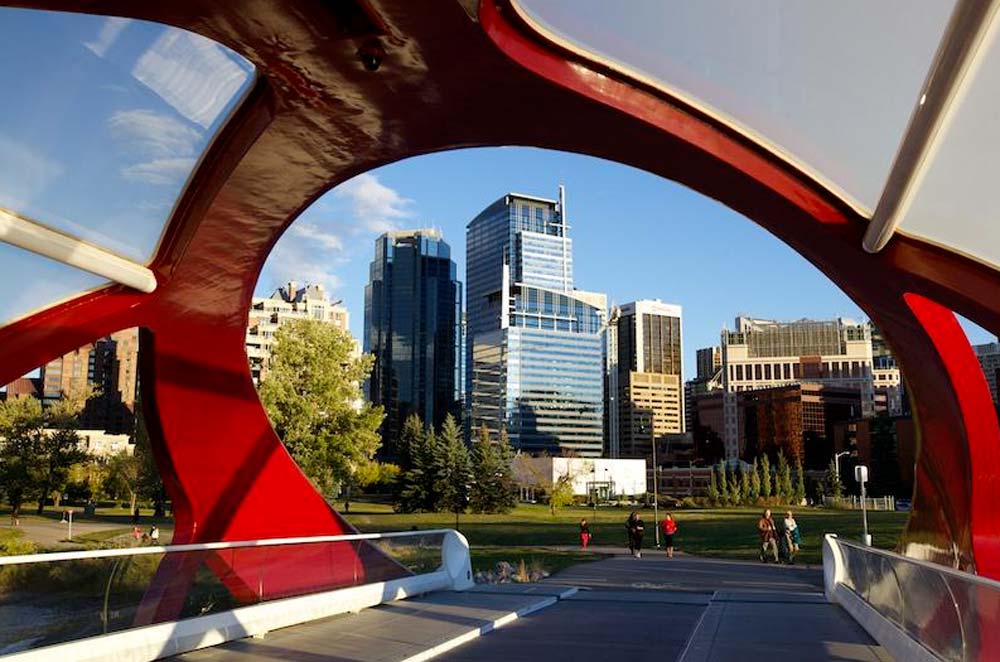
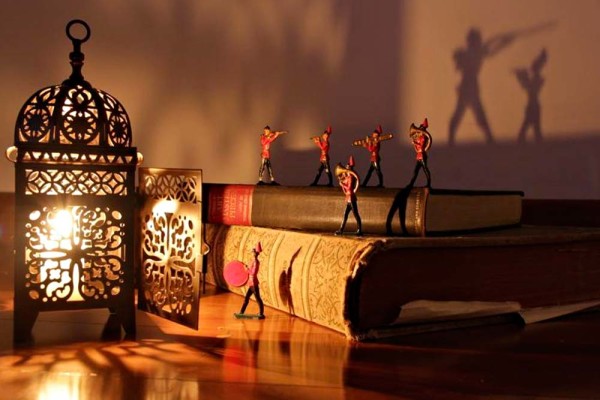
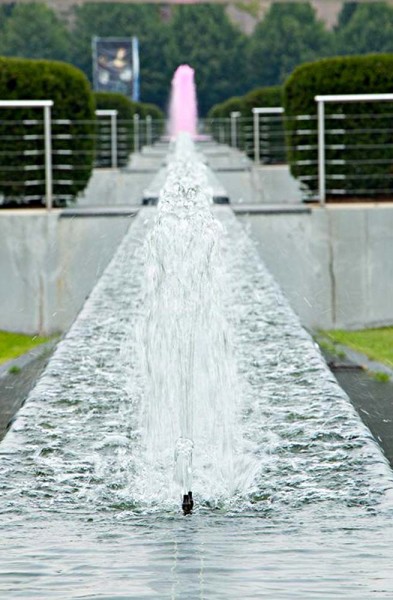
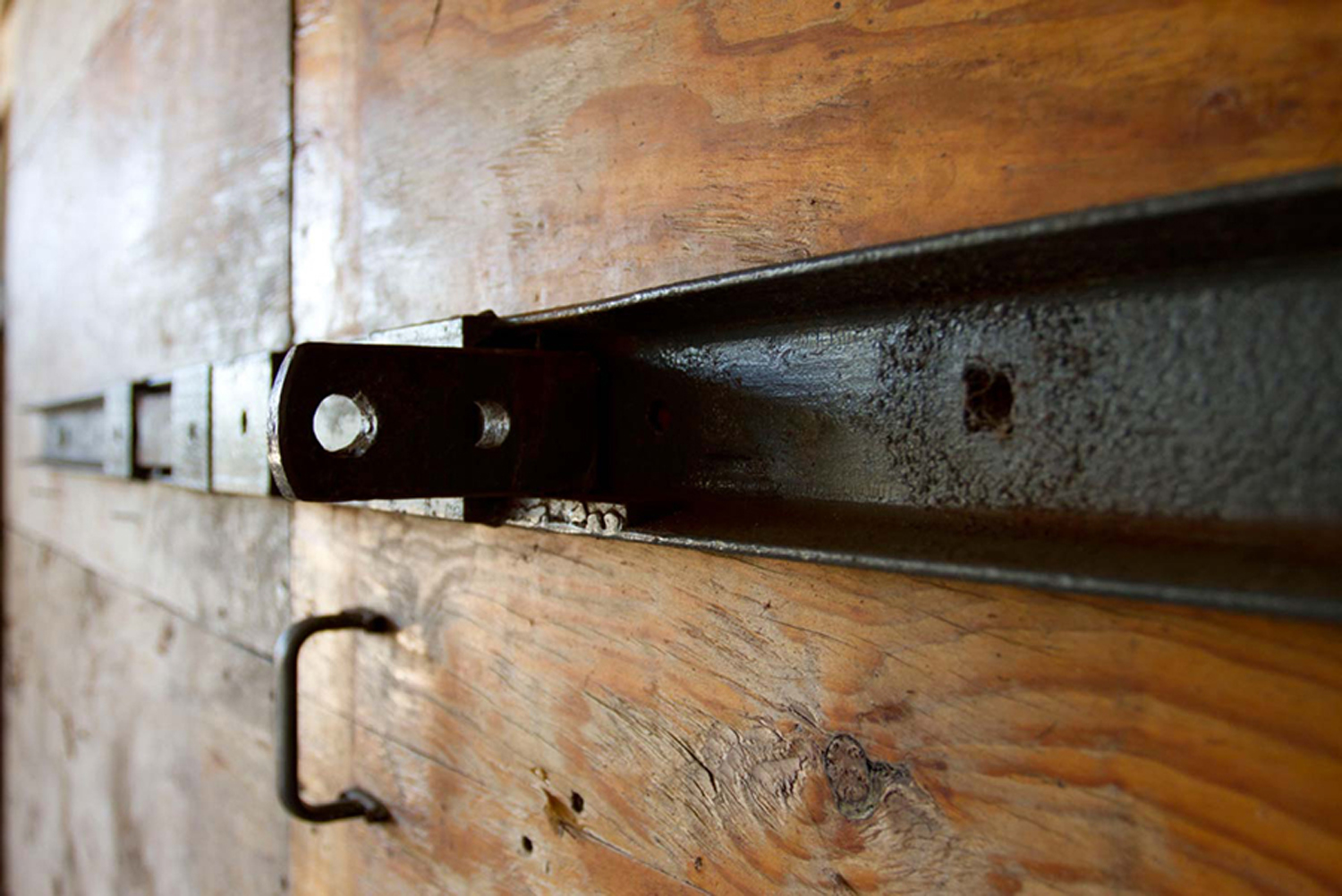
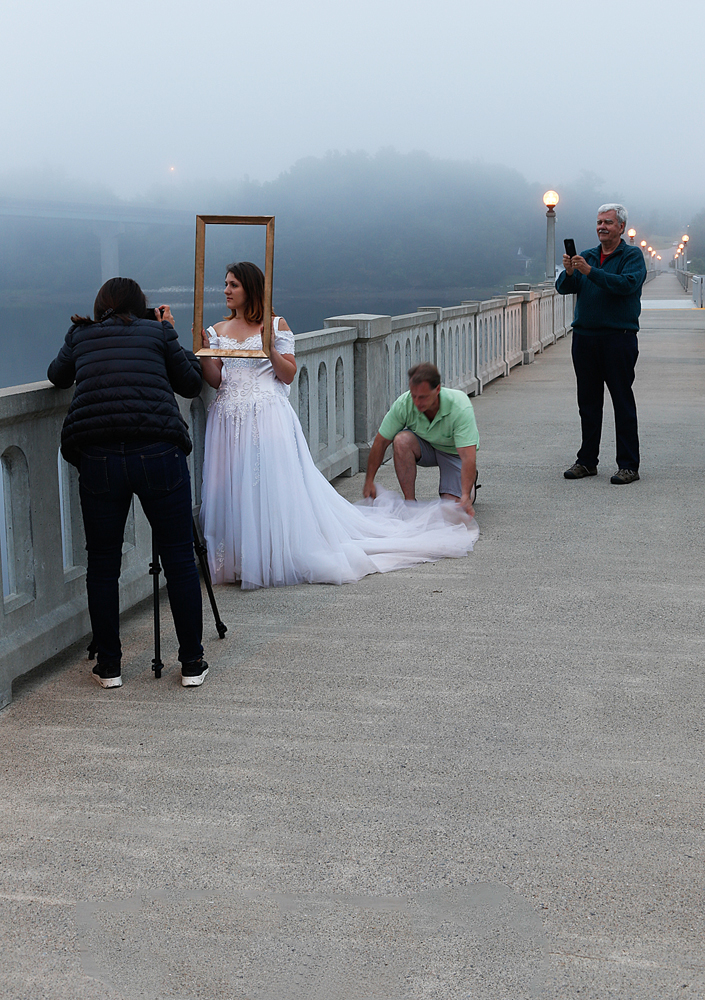
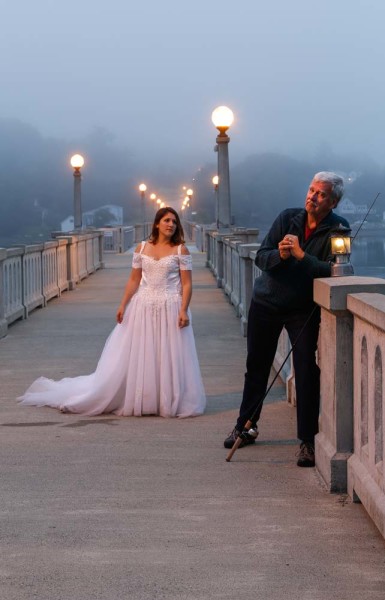
One of so many great photos taken by my class. This one was from Vikki.
I recently returned from leading a fantastic photo tour/workshop to Cuba. Several months ago the Santa Fe Workshops asked me to lead a group of photographers to this small island just ninety miles off the coast of Florida. However, in our unfortunate and misguided political reality, it might as well be a million.
Because of the embargo that was placed in October of 1960, we are not allowed to travel directly to Cuba. Having said that, the Santa Fe Workshops has set up a person-to-person cultural exchange program whereas people can travel to this exciting and romantic country with special visas. These visas are for the purpose of exchanging ideas and sharing the different aspects of each countries cultures relating specifically to the arts and the artists living there; whether they be photographers, writers, dancers, or musicians. The management team at Santa Fe have been doing this for years, and have developed a very good working relationship with the government. As a result they have become adept at making the Cuban experience a life long memory.
I’ve been leading workshops since the eighties, and I can tell you that this was one of if not the most memorable experiences I’ve ever been involved in. The way it was handled was to be expected from Santa Fe, but it far exceeded my expectations. Our Cuban guide and the three Cuban photographers that always traveled with us were professional, courteous, knowledgeable in Cuban history, and were very talented photographers in their own right; also really good guys to be around.
Our producer, Kip Brundage, who works with and produces these Cuban workshops, has years of experience in the advertising and corporate community and one could not ask for a more qualified and approachable person.
With our first class accommodations and great restaurants to be found everywhere, not counting the freedom we had to explore Havana on our own, made the trip all the more memorable. I for one can’t wait to go back.
I had a full class, so this slideshow of photos taken strictly by my fellow photographers might be a little long, but as you’ll see the extra effort to view their work will be worth the time. For me, these photos have captured the essence of Cuba.
I hope to lead another group at some point, so stay tuned for future details. I can absolutely you one of the best experiences of your life whether you’re a photographer or you just want to see the country and perhaps make friends with these warm, photogenic, friendly, outgoing people.
Visit my website at: www.joebaraban.com, and check out my workshop schedule at the top of this blog. I still have a couple of spots left for my next “Springtime” workshop to be in Portugal next May 21st. Although my workshop to Myanmar in conjunction with Epic Photo Tours is full, as is my “Autumn in Provence” workshop so I’d be happy to place your name on a waiting list. In April of 2016, I’ll be taking a group to Viet Nam so although it’s a long way off, if you’re interested let me know.
Keep those photos and questions coming in to: AskJoeB@gmail.com.
I recently was asked by a past student what I thought about his photo. As is always the case, I like to have the actual comments as a lot of my fellow photographers out there have had a similar question, or have experienced something similar in their picture-taking. Here’s what Sunil had to say:
“Hi Joe,
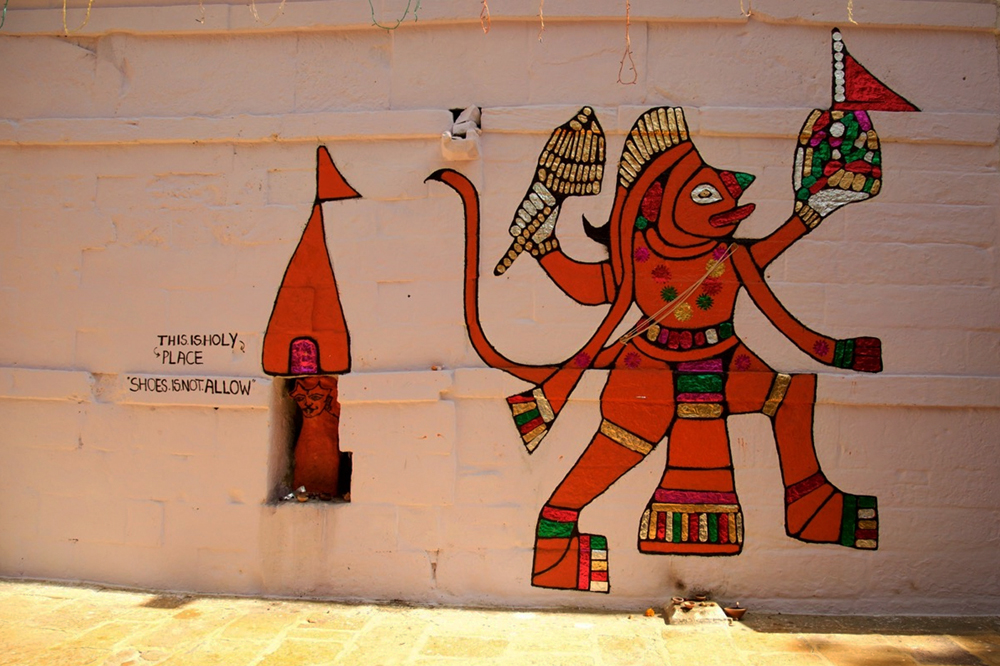
I shot this in Jaiselmer, the desert town of Western India. It was shot inside a fort which was built about 860 years ago ! The horizon lines do not appear straight at the bottom as this was shot from an angle. Would love to have your comments as I owe most of my photographic journey to the mentorship I did with you.
Warm rgds”
Sunil had taken my online class with the PPSOP in which I teach people how to incorporate the Elements of Visual Design into their photography. I also teach these elements in my “Stretching Your Frame of Mind” workshops I conduct around the planet. One of the points I always cover is that people like to see people in pictures. This was actually a recent post I just wrote on the subject.
Here’s a little trivia for you…Henri Cartier-Bresson would compose a picture and have everything exactly the way he wanted. The, he would wait until someone ran or walked into his frame, and at just the right place, he clicked the shutter. You would be doing no wrong to follow his thought process.
Here’s what it looks like when it’s a cleaner read.
Visit my website at: www.joebaraban.com, and check out my workshop schedule at the top of this blog. My workshop in Myanmar is sold out, so if you’re interested I’ll put your name on a waiting list.
I still have two spots left for my next “Springtime in Portugal” workshop to be next May 21st. I’m onboard for the 27th year at the Maine Media Workshop to be next July 26th, I have one spot left for my “Autumn in Provence” workshop to be next October 21st, 2015, and in April of 2016, in conjunction with Epic Photo Tours, I’ll be leading a workshop to North and Central Viet Nam. Come shoot with me sometime.
Don’t forget to send me a photo and question to: Ask JoeB@gmail.com.
“Framing within a frame “is one of the ways to create Visual Tension.
I teach two online classes with the PPSOP that centers around the Elements of Visual Design, and how to incorporate them into your photography. In my part I class we work on Negative Space, Vanishing Points, Depth, Shape, Pattern, Visual Tension, Texture, Light, and Color.I also teach these in my “Stretching Your Frame of Mind” workshops i conduct around the planet.
In my Part II class, which is a continuation, we work on Line ( the most important of all the elements), Form, creating Shadows and Silhouettes, and more on Light and Color. We also work on ways to see things that are not obvious to most people’s eyes…”Not what is, but what could be”, is the class mantra.
The following slideshow consists of images from both my part I and II class, and if you compare notes you’ll see these elements used in creative ways by my fellow photographers that are learning how to see differently. Keeping in mind that these students are not professionals, but people that have started to use the Elements to their benefitwhen composing their photos.
Visit my website at: www.joebaraban.com, and check out my ever-changing workshop schedule at the top of this blog. I have one spot left for my “Springtime in Portugal” workshop May 21st. I have my Maine Media Workshop coming up July 26th, which will be my 27th year.
Keep those photos and questions coming in to: AskJoeB@gmail.com, and I’ll send you a video critique.
Deb sent me this photo with a question. Since so many of us has had a similar situation, or have had similar questions, I like to include what was asked. Here’s what Deb had to say:
“I shot this picture of an iron bolt. I thought it had great potential but I just could not make it as interesting to the viewer as I thought it was. How would you have shot this subject?
Thanks,
Deb”
Deb, in my online class with the PPSOP, and in my “Stretching Your Frame of Mind” workshops I spend a lot of time on light. Where you place yourself in relation to the light source is the key in creating photos that have energy and visual interest. Before I raise my camera up to my eyes I want to know where that light is coming from, so i can position myself to create the strongest image I can.
Visit my website at: www.joebaraban.com and from time to time, check out my 2015 workshop schedule at the top of this blog. I still have one spot open for my photo tour in conjunction with Epic Photo Tours to Myanmar, and I still have a few spots for my next “Springtime” workshop to be held next May 21st. in Portugal. These are two completely different destinations but what they have in common is their long history and the amazing photo opportunities.
Keep those photos and questions coming into: AskJoeB@gmail.com and receive a video critique.
Dawn is a very good shooter that recently took my “Springtime in Paris ” workshop. She sent me this photo to take a look at. and as usual, I like to put the exact message my fellow photographers send me. the reason is that so many of you out there have similar questions or have been in similar situations. Here’s what Dawn had to say:
“Hi Joe,
Attached is an image I photographed a few days ago at the Mucem, the new museum in Marseilles, as it left the camera. I wonder if it would be more dramatic, if that’s not too serious a word, if I were to crop the sides and the foreground to make the 3 people bigger? Crop the sides to the edge of the blue-ish lights at the top left and to the edge of the horizontal light on the other side; and cropping the foreground so the side railings end at the same point. This would reduce the depth of the scene, however……
Thank you in advance for your comments,
Regards,
Dawn”
First of all, as I tell people that take my online class with the PPSOP, and my “Stretching Your Frame of Mind” workshops I conduct around the planet, NEVER CROP your pictures in front of a computer. You’ll never know where the edges of your frame are and you won’t be able to use those edges as a compositional tool. Henri Cartier-Bresson said that when you crop, you lose the integrity of your original composition. If it wasn’t good enough at the point of clicking the shutter, then it never will be.
That said, since you know how I feel about cropping, you must be talking in theory and would have cropped it the way you thought before clicking the shutter!!!
Visit my website at: www.joebaraban.com, and be sure to follow my 2015 workshop schedule at the top of this blog. My next “Springtime” workshop will be in Portugal next May. A wonderful city filled with history and photo opportunities. I still have two spots left with my photo tour in conjunction with Epic Photo Tour to Myanmar. Talk about history and photo opts!!!
Don’t forget to send me a photo and question to: AskJoeB@gmail.com, and I’ll send you a video critique of your image.
Bill took this at the Lobster Festival in Rockland, MaineThe class having fun on a foggy morning in Belfast, Maine
One of the posts I look forward to writing is right after one of my workshops. As most of my followers know I recently wrote a post on my last “Springtime” workshop, this time in Paris this last May. It was followed by a second post on the Eiffel Tower competition where everyone went out to capture the famous structure as creatively as they could.
The end of this last July, I conducted my “Stretching Your Frame of Mind” class at the Maine Media Workshop, and it was the twenty-sixth year I had done so. The Maine Media Workshop is the granddaddy of them all and it’s where many of the know-famous workshops got their beginning. It was a great time with a great class, and the resulting images they took are among some of the best I’ve seen in all the years I’ve taught there. The lasting friendships and experiences all of us came away with, are indelibly etched in the minds of not only all my fellow photographers who took my class, but mine as well.
As I trek towards my thirtieth year teaching in Maine, next summer I hope I’ll have an opportunity to meet some of you that have followed my blog over the years. FYI, I also teach this same class with the PPSOP, probably the top online school out there.
Meanwhile, enjoy the slideshow created solely by all my recent students.
Visit my website at: www.joebaraban.com, and be sure to watch for my 2015 workshop schedule coming out in a couple of months. Although my workshop, in conjunction with Santa Fe, to Cuba is full, you can still put your name on a waiting list. I still have two spots open for my workshop with Epic Photo Tours to Myanmar next February.
Don’t forget to send me a photo and question to: AskJoeB@gmail.com.
He made it real easy for me…no release required!!!
I’ve been asked several times by my online students with the PPSOP, my “Stretching Your Frame of Mind” workshops I conduct around the planet, and several of you that had ask me on my blog as to when you need a model release.
The following is an article I had Dana Lejune (http://www.triallawyers.net/, my attorney, write for my blog. Since he’s an expert on the subject, I thought it would be great for you to read it straight from him. I guarantee you that what he says is the Gospel and can be taken to the bank. It might be a little long, but you know how lawyers are!!!
Here’s what he had to say:
“These days, it is commonplace to view photographs in newspapers, websites, and magazines depicting everyday people in a bustling city square, busy airport, or crowded stadium. Most will look at such pictures without a second thought. However, this might make one wonder if all the people in these photos are aware they are forever encapsulated in a stranger’s photograph. More importantly, how would they react if they were to find out? If a photographer isn’t careful, he can be held liable for violations of the laws governing invasion of privacy. This area of the law can be vast, encompassing common law, constitutional law, statutory law, and international law. However, this article will focus on three specific types of privacy incursions, which photographers must consider in their art: (1) Intrusions and harassment in the course of photography in public places; (2) The dissemination of misleading or false information; and (3) the appropriation of name or likeness.
Intrusion upon seclusion: One who intentionally intrudes, physically or otherwise, upon the solitude or seclusion of another or his private affairs or concerns, is subject to liability to the other for invasion of his privacy, if the intrusion would be highly offensive to a reasonable person. A claim for intrusion upon seclusion requires the matter into which there was an intrusion is of the kind that is entitled to be private, and is kept private by the plaintiff. This comes down to what the average person views as a matter of one’s private business. Photographers shooting in a public place will generally be shielded from this cause of action. The courts have determined anything visible in a public place can be recorded by means of a photograph since this amounts to nothing more than giving publicity to what is already public and what anyone would be free to see.
Simply put, there is just no reasonable expectation of privacy in apublic place, which would lead an objective viewer to weigh a plaintiff’s interest in privacy over a photographer’s interest in shooting there. So an individual who spots himself in a magazine advertisement walking to work on a crowded city street, generally should have no cause of action against the photographer.
False Light: A photographer who gives publicly to a matter concerning another that places the other before the public in a false light is subject to liability to the other for invasion of his privacy, if: (a) The false light in which the other was placed would be highly offensive to a reasonable person, and (b) The actor had knowledge of or acted in reckless disregard as to the falsity of the publicized matter and the false light in which the other would be placed. False light invasion of privacy can be, and often is, compared to defamation. However, there’s a few major caveats which differentiates the two. First defamation only requires “publication,” which means that the communication merely requires communication to another person. False light, on the other hand, requires “publicity.” This means that in order to be successful in a false light suit, the plaintiff must show there was a wider communication of the information to the public at large.
Additionally, a key component to false light is the manner in which an individual is depicted, not what is actually stated. That is to say, the photographer doesn’t have to actually make a false and defamatory statement to be liable. A photographer could be liable for false light so long as a reasonable person would insinuate a highly offensive false impression. For example, often certain religious fundamentalist photographers will take pictures of men walking near massage parlors or adult entertainment clubs. These photographers could be liable for false light invasion of privacy, if one of these men subsequently loses his job or gets divorced as a result of the publicity of this image.
Despite the damaging consequences such acts can have on an individual, false light remains the least-recognized and most controversial aspects of invasion of privacy law, and many jurisdictions do not recognize this cause of action at all. While photographers should be aware of false light invasion of privacy; in many jurisdictions, including Texas, a photographer cannot be held liable for merely depicting another in a false light in a photograph.
Appropriation of name or likeness: One who appropriates to his own use or benefit the name or likeness of another is subject to liability to the other for invasion of his privacy. Unlike intrusion upon seclusion and false light, this cause of action surrounds the commercial nature of the photograph. It is only when the publicity is given for the purpose of appropriating to the defendant’s benefit the commercial values associated with the name or the likeness that the right of privacy is invaded. Put another way, there must be something unique or special about the individual’s name or likeness that would result in commercial profit from using his image in the photograph in question.
For example, if a photographer captures a picture of George Clooney standing next to a brand new Ferrari and uses it for an advertisement for Ferrari; the photographer could be liable for appropriation of name or likeness. However, a picture of a local pizza delivery boy doing the same—much less likely.
Example: A group of patrons at a dog-racing park were photographed in the stands, and the park printed the picture in an advertising brochure. The patrons were not identified by name and were not considered celebrities or prominent members of society in any form. The court concluded that there was no unique quality or value in the patrons’ likenesses that would result in commercial profit to the park simply from using a photograph that included them, and their action failed. If you use a photograph for a commercial purpose, it’s a good idea to get a release. However, shots of public scenes will likely fall into the ” no reasonable expectation of privacy” category regardless of its use. It just wouldn’t be practical to try and get 10,000 releases for a photo of a section of a football stadium.
Photographers Must Be Aware of Their Surroundings. Generally, a photographer shooting in public would have scant liability to those who incidentally appear in an image. Nevertheless, photographers should do what they can to protect themselves. A prudent photographer should always carry prepared release agreements, and seek permission to publicize an individual’s face in a photograph.”
Btw, Photos used for education or news stories do not generally require releases because there’s no appropriation issue. However, these uses could become susceptible to false light defamation, or claims for commercial appropriation by a celeb or professional model.
When shooting children, always have a parent sign a minor release.
Visit my website at: www.joebaraban.com, and be sure to check out my upcoming workshops. I have two spots left for my photo trip (in conjunction with Epic Photo Tours) to Myanmar. This top rated company has been taken groups there for a long time and the testimonials have been outstanding. I’ve had several past students tell me that it was one of the best experiences since they’ve been shooting…a first class adventure.
Don’t forget to send me a photo and question to: AskJoeB@gmail.com
In my online class with the PPSOP, and in my “Stretching Your Frame of Mind” workshops I conduct around the planet, I teach my fellow photographers how to incorporate the elements of visual design into their imagery.
One of the basic elements is Texture. Texture, simply put refers to the surface quality of a shape. The use of texture can grab the attention of the viewer, and can be a powerful tool in creating good photographs. There are three kinds of texture: Detail, Drama, and Information.
Detail is just that. By moving the camera in close to an object, the camera records the detail while the actual objects becomes less important. An example would be a close up of a rock formation.
Dramais the kind of texture we see that adds to your composition. In this instance, texture plays a supporting role rather than the principal role as in the detailvariety. The color or contrast of this texture is what’s relevant here so it’s important to consider that in your composition. An example would be a large canyon with layers of different colored rock.
Information is when we utilize this texture to communicate an idea that will enhance the final impact of your image. An example would be an image of a decades old rusty car in the desert (shown above). This texture alludes to the history of which the car was a part of.
We think of texture as prickly, sharp, rough and hard. Texture can also be smooth and cold. Since we were young, texture has been instilled in our thought process. As a result, we’ve been aware of touch: Don’t touch that it’s sharp, don’t touch that it’s wet, don’t touch that it’s dirty, don’t touch that you don’t know where it’s been.
Texture, as an element of design, can best be accomplished during “golden hour’. This is when texture can be viewed as a bolder relief. Late or early light adds richness to texture and saturates the color within it.By using texture, we can make the viewer feel like touching the photograph. It can add realism and character to your images.
Visit my website at: www.joebaraban.com, and check out my 2014 workshop schedule at the top of this blog. Come shoot with me in Jerusalem September 17th.
Don’t forget to send me a photo and question to: AskJoeB@gmail.com.
Joe sent me this photo to take a look at. He simply said, “What do you think”?
The first thing I see is the light. In my online class with the PPSOP, and in my “Stretching Your Frame of Mind” workshops I conduct around the, I’m always saying to my fellow photographers that light is everything.
Unless your walking around a city street shooting where capturing a moment in time is the most important element, and the one time it trumps the light, light is one of the most important things ( if not the most important thing) that will take your photography what I always refer to as “up a notch”.
That said, take a look at the video on what I think about Joe’s photo:
http://www.screencast.com/t/jdJXh6jo
Thanks for the submission Joe, and I hope I’ve been of some help.
Visit my website at: www.joebaraban.com ans check out my workshop schedule at the top of this blog. I still have a few spots open for my Maine Media Workshop. It’s the granddaddy of them all and a great way to spend a week that’s full of energy and talk about photography. It’s the same week as the Lobster Festival down the rod in Rockland and the State Fair in Bangor. It offers us a completely different subject matter than the beautiful coast of Maine. Come shoot with me and eat lobster!!!
Don’t forget to send me a photo and question to: AskJoeB@gmail.com.
I was recently sent this photo to comment on. As usual I like to share what the photography said. Several of my fellow photographers may have a similar question or may have encountered a similar situation. In this case Joe was right to the point when asking what I thought about this image. He merely asked me what I thought.
As I have been doing lately, I’m responding with a video critique so everyone can understand right away and not try to understand my text. What I talk about in this video is what I teach both in my online class with the PPSOP, and in my “Stretching Your Frame of Mind” workshops I conduct around the planet.
Take a look: http://www.screencast.com/t/MyRARzOUtX
Here’s what I mean by “light is everything”
It’s all about the light.
Visit my website at: www.joebaraban.com, and check out my 2014 workshop schedule at the top of this blog. On July 27th I’ll be back at the Maine Media Workshop for the 26th year. It’s the granddaddy of all the workshops and a great place to immerse yourself in photography for a week. I still have three spots left for my coordinated trip with Epic Photo tours to Myanmar. It’s a fabulous country rich in photo opportunities and memories.
Don’t forget to send me a photo and question to: askjoeb@gmail.com.
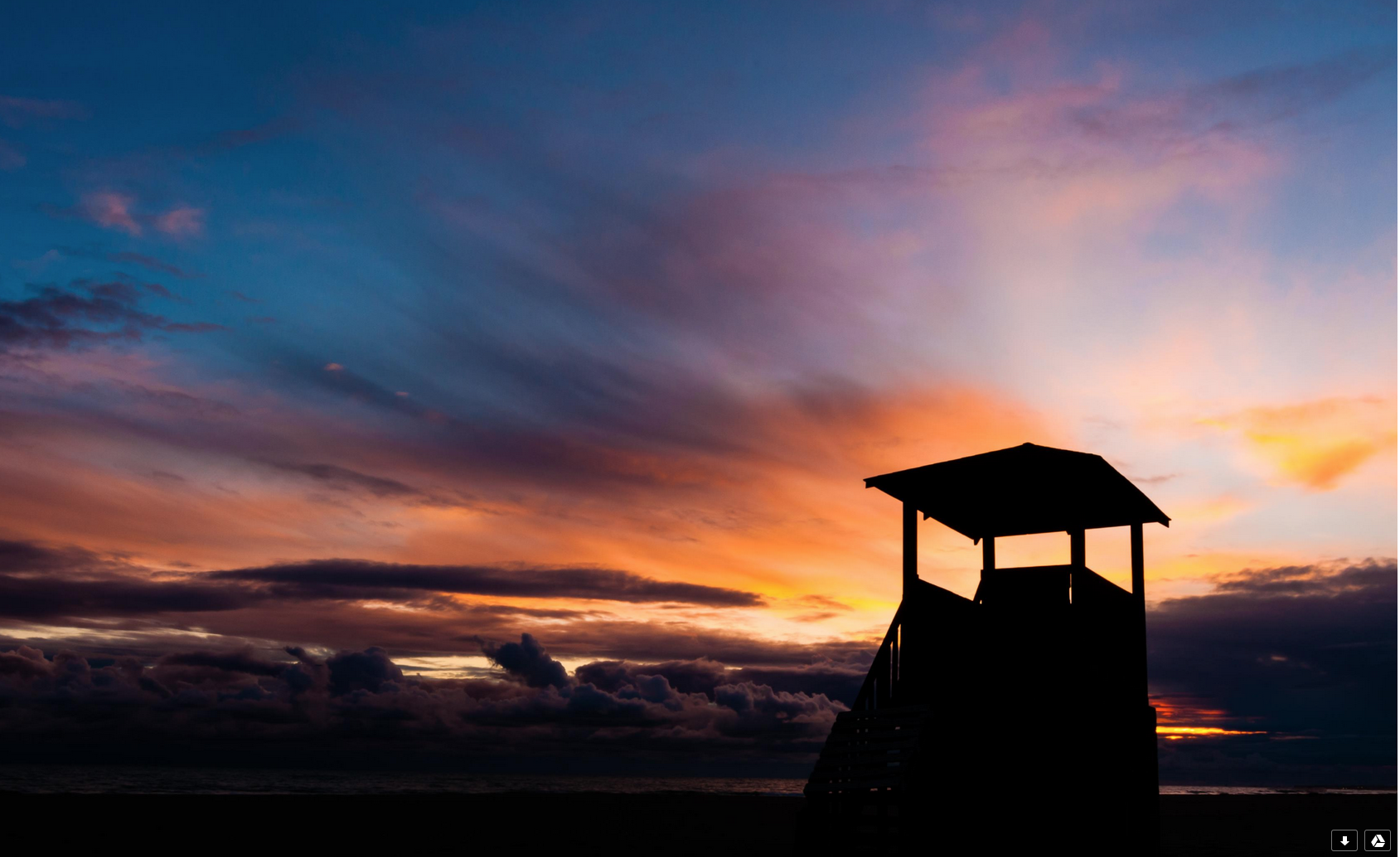
For those of you that follow and enjoy these posts from AskJoeB, you’ll know that I like to let my fellow photographers read what each person had to say when they submit. I’ve found that other people have had the same experiences or have at one time or another similar questions. Here’s what Valeriano had to say:
“Hi Joe,
I’m submitting these photos to you cause I’m not really sure about which one works the best. As you can see it’s the very same composition and subject which I was shooting at sunset. There are subtle changes in the light and in the sky —clouds were also moving fast since it was a transitional weather with lots of wind— I had been shooting it while the sun was setting till the latest rays of sun (I was also bracketing and I also have different exposures but I think these are the ones working better)
I’m also interested on your overall opinion and critique about it. As usual thank you for your invaluable help.”
Valeriano.
Quite a while ago Valeriano had taken my four week online class with the PPSOP, and like all the other photographers in the classes and in my “Stretching Your Frame of Mind” workshops I conduct around the planet, they learn how to incorporate the elements of Visual Design and composition into their imagery. At the end of my Part I and II class each person leaves with what I call the ‘Artist Palette’. On this palette are all the things we cover. First the basic elements of Visual Design: Texture, Pattern, Form, Shape, Color, and Line. Also on the Palette are the elements for good composition: Visual Tension, Negative Space, and how to create a Vanishing Point.
I received another photo to talk about in my AskJoeB category. I love receiving these as I like to share knowledge and past experiences with my fellow photographers.
As usual, I like to include the note I got from Steven because everyone reading it may have experienced a similar situation, or hat time have had the same question. Here’s what Steve had to say:
I was inspired by the beautiful fall colors reflected in the New River in the NC mountains, in Ashe County of North Carolina to be exact. My goal was to draw the viewers eyes to that part of the scene where the trees and the red and gold colors of foliage were lit up and reflected by the water and the setting sun from the west, as I was not overly concerned with DOF. Do you or others who view this feel I captured the beauty of this lovely moment in nature?”
Steven, in my online class with the PPSOP and in my “Stretching Your Frame of Mind” workshops I conduct around the planet, we work on the elements of Visual Design and Composition which are on my Artist Palette’ that everyone walks away with. One of the things on the Artist Palette is Visual Tension. I’m not talking about Tension that comes from mental or emotional stress, I’m talking about Visual Tension. One of the several ways to create Visual Tension is to show the subject and it’s reflection.
One last note: You should ALWAYS be conscious of the DOF. It’s one of many very important ingredients is making interesting and memorable photos.
Thanks for sending me the photo.
Visit my website at: www.joebaraban.com and check out my 2014 workshop schedule at the top of this blog and read all the descriptions. Come shoot with me at the Maine Media Workshop July 27th, Or my “Springtime in Paris” workshop May 28th, my “Back to the Beginning” workshop in Jerusalem September 17th, or Cuba November 4th.
Don’t forget to send me a photo and question to: AskJoeB@gmail.com
Rick sent me this photo to comment on and as usual, I like to copy and paste the actual words. I do this because there’s a lot of my fellow photographers out there that might have a similar question, or have had a similar situation come up in their photography. Here’s what he had to say:
“Hi Joe,
What do you think of the composition and mood in this photograph?
It’s a shot of a friend at a Nighthawk’s concert in Williamsport, PA, pre-concert in a rather dark setting, as you can see. I took my Canon 5D Mark II with a Sigma 85mm 1.4 lens, no flash, to go after some natural-light stuff. Only auto contrast in Elements.
Much appreciated.”
Rick
Rick, one of the areas I cover a lot in both my online class with the PPSOP, and in my “Stretching Your Frame of Mind” workshop I conduct around the planet is the ways to create Visual Tension. Mood will certainly be one of the ways, but there are others ways that will also generate Tension.
The areas I concentrate on are what we work on in my online class with the PPSOP, and in my “Stretching Your Frame of Mind” workshops I conduct around the planet.
Visit my website at: www.joebaraban.com and check out my 2014 workshop schedule at the top of this blog.
Don’t forget to send me a photo and question to: AskJoeB@gmail.com. You’ll receive my new video critique.
Daniel sent me three photos to look at with the intent of choosing the strongest image. As always, I like my fellow photographers to read what was written to me since so many people share the same questions or experiences. Here’s what Daniel had to say:
“Hey Joe,
Once again, just looking for a good critique. this pictures were taken at the rooftop of the hotel I work for. Lately I’ve been trying to make photographs that tell a little more than “uh, look at that”.
I’m not quite sure if this pictures tell much, I’m sure I would have to explain what the objects on the left are, and why the person is tied up, if the viewer is even able to tell. I guess my main concern is whether this pictures have any visual tension. i tried to create a bit of a pull by having his body kind of go with the buildings from big to small. Same thing with the objects on the left. Out of these three which one would you say works best?
Thanks for time,
Daniel”
Daniel, I’ve started created video critiques the same way I do in my online class with the PPSOP, so I’ve positioned all three of your photos side by side so a more comprehensive comparison can be made. Creating Visual Tension is an important part of my “Stretching Your Frame of Mind” class and workshop, and is an important element that’s found on my Artist Palette.
Thanks for the submission, and BTW, I like where you placed the man. The negative space that surrounds him clearly defines him and by minimizing that negative space between him and the buildings also generates Visual Tension.
Visit my website at: www.joebaraban.com and check out my new 2014 workshop schedule at the top of this blog. My first one so far is my “Springtime in Paris” workshop in May. Come shoot with me sometime.
Don’t forget to send me a photo and question to: AskJoeB@gmail.com.