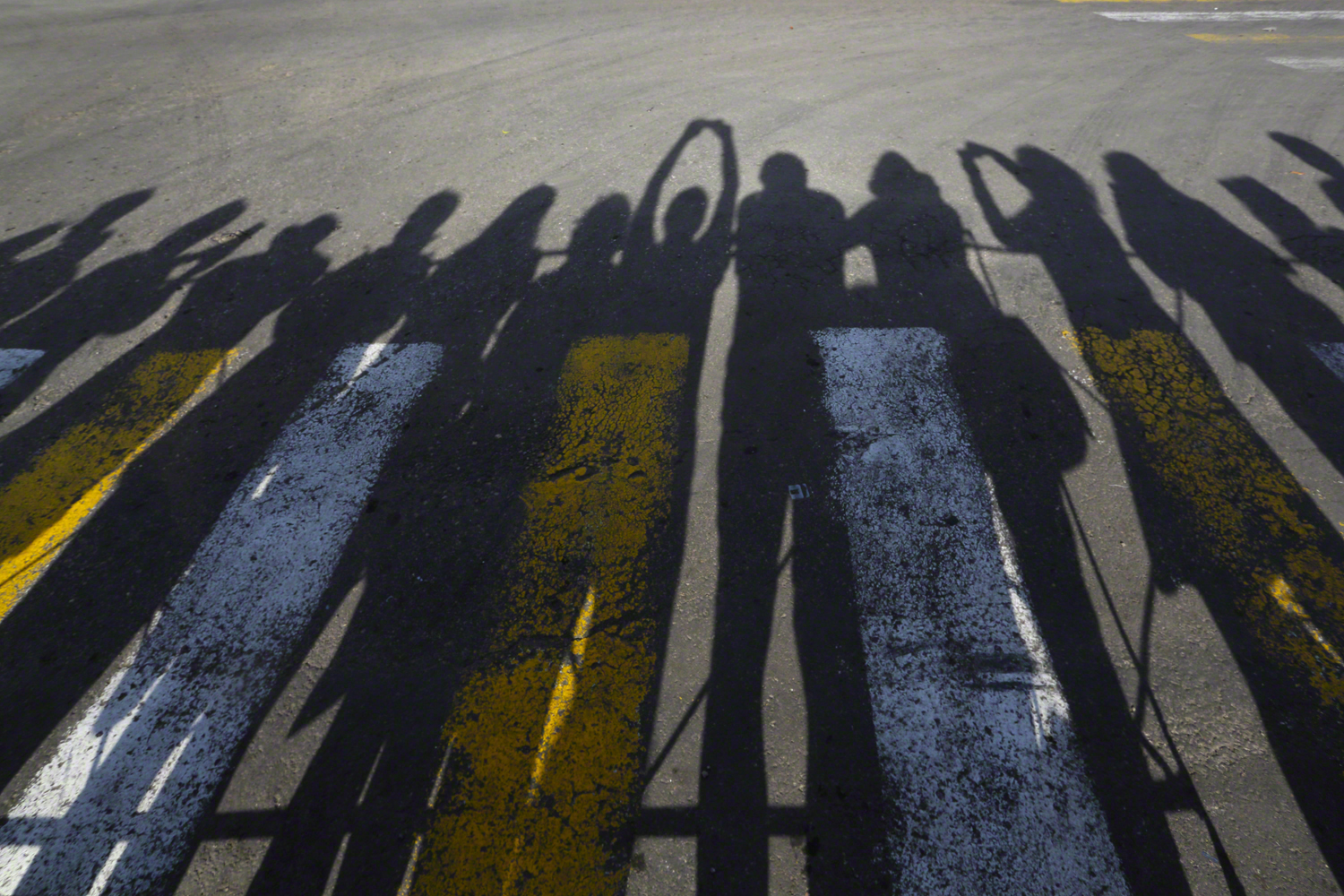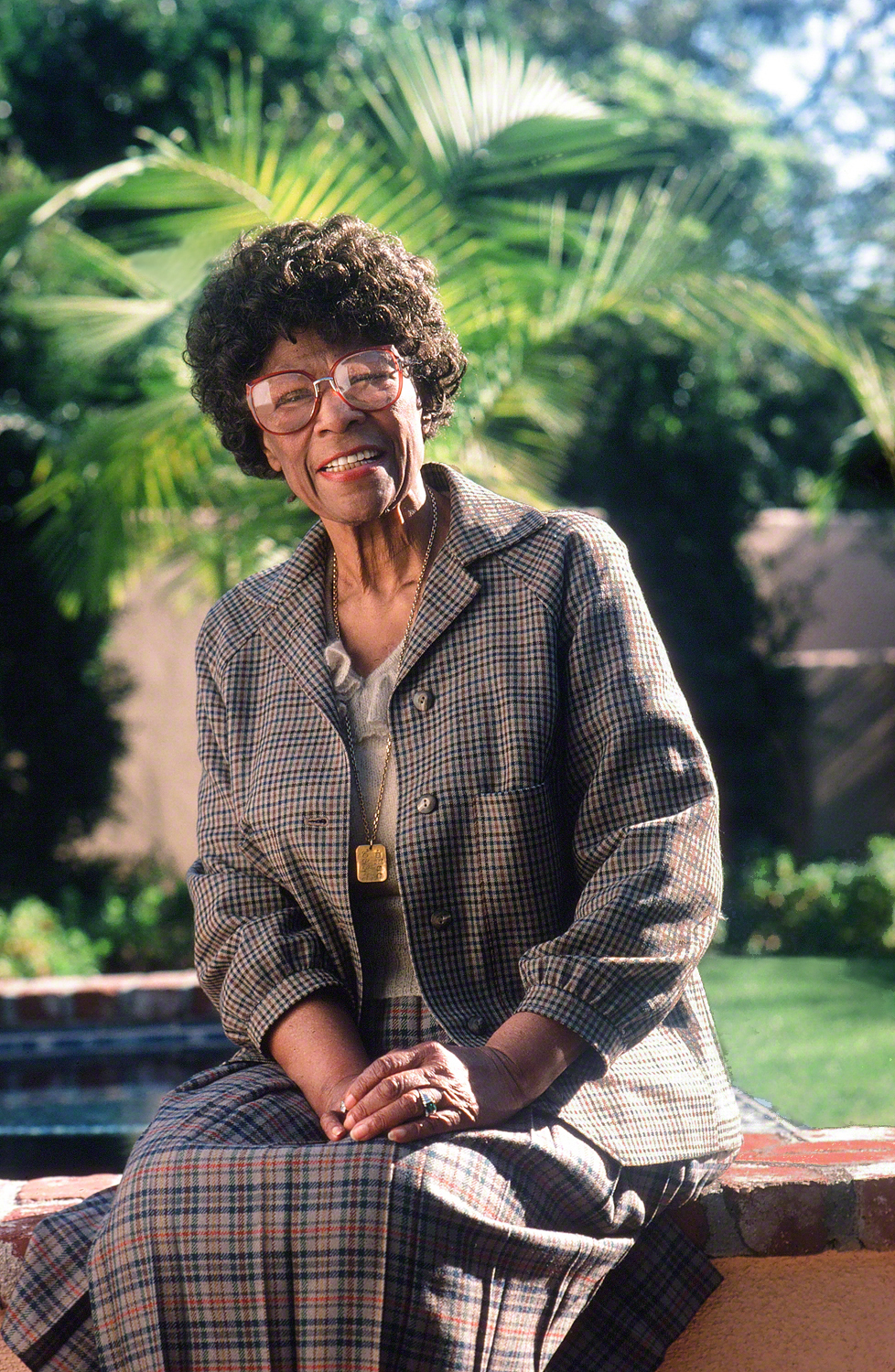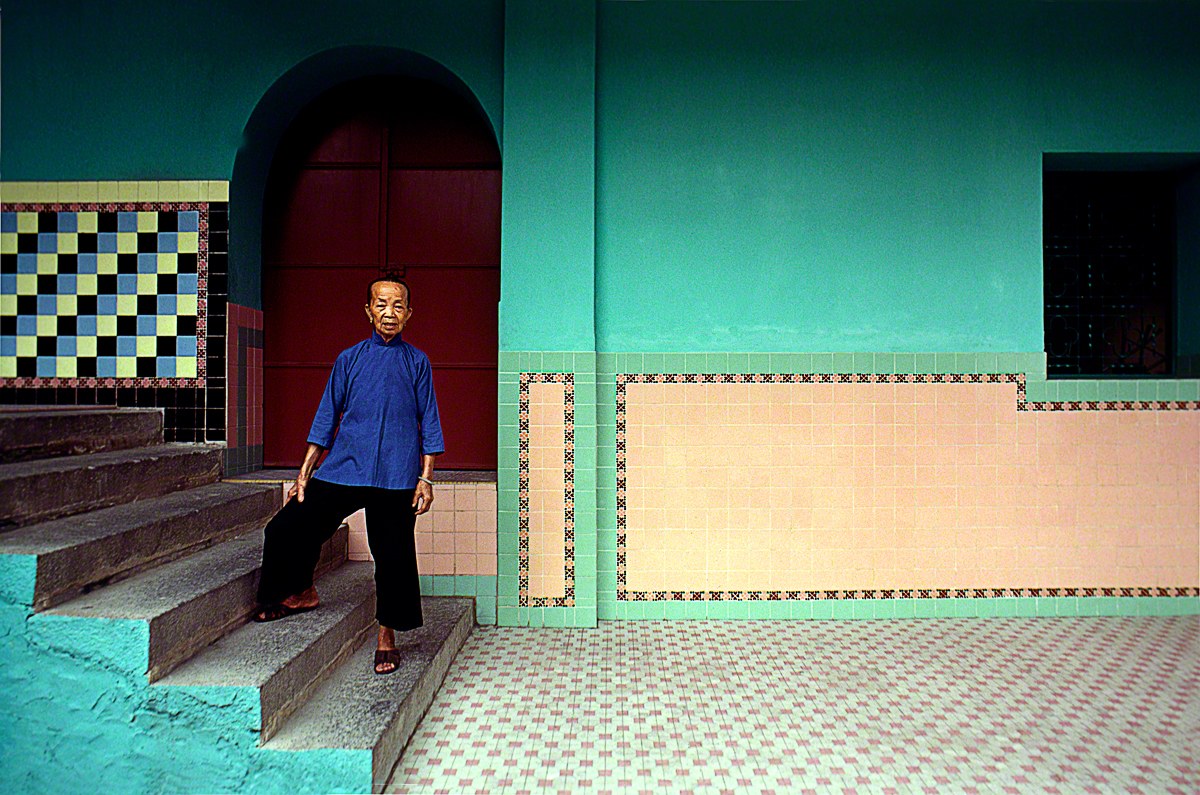
Quick Photo Tip: Call Shotgun!!

I’m so glad I wasn’t driving.

SHOTGUN!

For most of the people that are now reading my blog that have heard or have used this expression, you understand its importance in our society. For those that don’t, it was a common declaration growing up that meant if you said it out loud and before anyone else could say it, you got to sit in the front passenger seat next to the window;  it was written in stone and no one could dispute it; except maybe a much bigger friend.

Now that I’m no longer a kid, although I still consider myself extremely immature, I can sit there whenever I want. As I tell my students that take my online classes with the BPSOP, and those that have been with me on multiple workshops around the planet, I will often quote people that have played a significant part in the way I approach photography. This time it’s Eddie Adams who once said, “When you get lucky, be ready”.

What I mean is that by sitting shotgun with a camera in your lap you just never know what you’re going to see when stopped either at a red light or during rush hour. Btw, I won’t always do this because of the position of the sun, but I’ll jump at the chance when the sun is low on the horizon either early in the morning or late in the afternoon.

In the above photo, it was late in the afternoon and we were downtown stuck in a rush hour traffic jam. I had decided beforehand that it was a good time to call shotgun (even though it was just my wife and I). No one around us seemed to be very happy except me, since I was pre-occupied with the light…as is usually the case.  As I  was looking around for the light, a car driven by a woman pulled up right next to me who appeared to be wearing a white hijab.

I noticed the light hitting all around both sides of her car and brought my camera (my little Lumix DMC-LX7) up to the ready position. I was watching her while she was sitting in the car’s interior shadows,  and it was obvious she didn’t want to be there anymore than anyone else that afternoon. In just the quickest of moments she stuck her head out the window and because I was ready when I got lucky, I got off one shot.

So my fellow photographers, the next time you know that you’ll be stuck in traffic, take a camera along with you and call shotgun. You just never know when and where that “OMG” photo will raise it’s head, and if you’re ready for it and can anticipate what might happen, you’ll thank me for it.


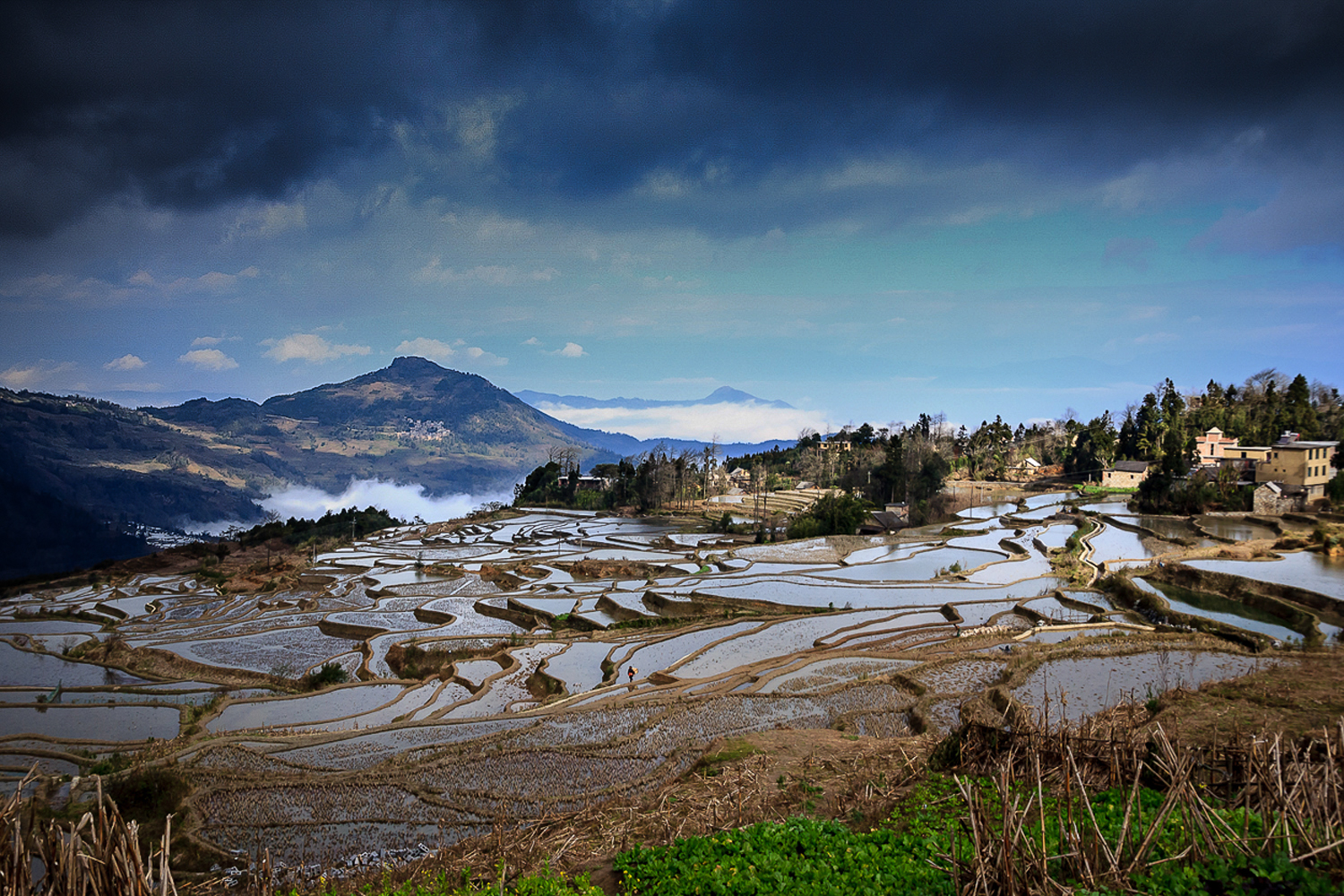
Visit my website at: www.joebaraban.com, and check out my workshop schedule at the top of this blog. Come shoot with me some time. This coming January Along with William Yu, I’ll be taking a group to China to photograph the flooded rice terraces and also the tribal villages. Next February in conjunction with the Santa Fe Workshops, I’ll be returning to Cuba for the fourth time. My next springtime workshop will Berlin next May; an incredibly beautiful city.

If you send me a photo and question to AskJoeB@gmail.com. I’ll create a video critique for you.

JoeB

My Favorite Quotes: Arnold Newman

Symmetry, a sense of order and balance in chaos

When I first started doing my “Stretching Your Frame of Mind” workshops that I conduct around our planet, the year was 1983 and it was for the Maine Workshop; now called the Maine Media Workshops.

In those early years I had the great pleasure and honor to be teaching there (on several occasions) the same week as did Arnold Newman. As a result, we got to be friends and I was actually friendly with his wife Augusta as well.

He wasn’t a fan of rules and would often say so and if you knew Arnold, he often said what was on his mind…no matter what; even to the point of intimidating very young photographers.

One of the points he always talked about were rules, once saying, ” There are no rules nor regulations for perfect compositions”.

Truer words have never been spoken, and because of the latest conversation with yet another one of my fellow photographers seemingly lost in a sea of fake truths, I’m now writing this post.

I recently had a student enrolled in my online class with the BPSOP tell me and I quote, ”  I tend to put more space around my subjects and I must admit every other course I’ve done or book I have read, the instructors will emphasize not going close to the edge. I am a bit confused about this issue.”

MORE’S THE PITY!!

What those so called experts, (and I say experts loosely),  are doing is to get you to walk down a one way path to mediocrity only to be able to rise up out of the mire to take “half-way decent” pictures. If those are the types of images you’ll be satisfied with until the day comes when they pry your cold dead fingers off the shutter release, then to each his own.

If you’re interested in taking photos that transcend conventional, uninspiring, and dare I say mainstream photographs, then I ask you to heed  the words of Arnold Newman and take the path less traveled; forget about rules as they are the shackles that bind creativity.

When arranging the elements to create your perfect composition, remember that balance is important enough to be considered one of the basic elements of visual design; the balance between positive and negative space

Positive space is that which has mass; which is usually your subject. Negative space is everything else, so think about it as well while trying to strive for balance between the two. A great way to check for balance is to turn your camera upside down and look at your photo that way. When you do that you’re looking at it with the left side of your brain, the analytical side so all you’ll see is shapes and relationships between positive and negative space.

The difference between a photo that is composed well can be the difference between a photo that has a sense of order or one that is off balanced and chaotic; that said, chaos can be a good thing if used correctly.

Color outside the lines, take some chances. Try things you’ve never done before. Try putting your subject closer to the middle of your frame, then closer to the edge of your frame, and have him about to leave it and/or look outside it. This will not only imply content outside the frame, making him think about it (which will keep him around longer) but it will also generate visual tension; then compare the two side by side on your monitor.

Above all, stop following and listening to those that think rules are important. Most of the time they don’t know anymore than you do. Writing a book is not necessarily a criteria for knowledge.  Knowledgeable people will tell you that a tomato is a fruit. You have to decide whether you’re going to put it in a fruit salad.

Visit my website at: www.joebaraban.com, and check out my workshop schedule at the top of this blog. Come shoot with me some time. This coming January Along with William Yu, I’ll be taking a group to China to photograph the flooded rice terraces and also the tribal villages. Next February in conjunction with the Santa Fe Workshops, I’ll be returning to Cuba for the fourth time. My next springtime workshop will Berlin next May; an incredibly beautiful city.

Send me a photo and question to: AskjoeB@gmail.com, and I’ll create a video critique for you.

JoeB

Food For digital Thought: Implying Content Outside the Frame

Content outside the frame

I’m closing in fast on fifty years of taking pictures, and by now I’ve learned how to keep the viewer an active part of my images.

I do this to keep him looking at my images for as long as possible, and I don’t know about you but I like for people to enjoy my photography.

There are ways to control how the viewer perceives and processes information that you lay out to him in the form of a photograph. For me, creating stories for the viewer to listen to visually, or making the viewer wonder about certain things in my images, is one of the best ways to keep him around longer.

 One way, and something I’ve been doing for a very long time, is to imply content outside the frame. In other words let the viewer think there’s more to it than meets the eye; there’s something going on outside the frame that he wonders about and tries to figure out just what it is…which keeps him around.

By placing the subject close to the edge of the frame and have him/her looking out will imply that there’s something happening  just outside his field of vision. I like to have the subject smiling as though he/she  was looking at someone they know.

I can’t tell you how many times I’ve offered this suggestion to both my online classes with the BPSOP, and to the people that sign up for my “Stretching Your Frame of Mind” workshops I conduct around the planet.

The response I often get is, “I’ve always been told to have your subject looking, walking, riding, etc., into the frame”; the Leading in Rule…I hate rules!!! Rules are the iron shackles that bind creativity. What I usually tell them is that anyone that tells you this nonsense is hoping to lead you down a one-way path to mediocrity; run away from them as fast as you can.

FYI, Ansel Adams once said, “There are no rules for good pictures, there’s just good pictures”.

So my fellow photographers give it a try, better yet shoot it both ways. Put your subject in the Rule of Thirds (another stupid rule), or have him looking into the frame so the viewer will know what he or she is looking at…then ask yourself if the viewer already knows what he’s looking at then there’s no story, nothing for him to wonder about so why stick around longer than he has to. Then place the subject close to the edge of the frame looking out and compare them side by side.


Visit my website at: www.joebaraban.com, and check out my workshop schedule at the top of this blog. Come shoot with me some time. This coming January Along with William Yu, I’ll be taking a group to China to photograph the flooded rice terraces and also the tribal villages. Next February in conjunction with the Santa Fe Workshops, I’ll be returning to Cuba for the fourth time. My next springtime workshop will Berlin next May; an incredibly beautiful city.

Send me a photo and question to: AskJoeB@gmail.com, and I’ll create a video critique for you.

JoeB

Quick Photo Tip: Implied Photographs

A family of four

I was relating a story to a fellow photographer that was taking my “Stretching Your Frame of Mind” workshop (who had also taken my two online classes with the BPSOP) that I conduct around our planet. I was telling him how I could imply a family of four by only showing one person. It was for a Texas Tourism campaign I worked on about a million years ago.

Every year they sent a photographer down to South Padre Island, a resort area way down on the Texas gulf coast and close to Mexico; and had been doing this for quite some time.

As always, they wanted the photographer to show a family of four on the beach. I asked the art director if we had to do that once again since to me it was a boring predictable photograph that had been done just about every way there was; needless to say his answer was , “Yes absolutely, and if we don’t come back with that shot it’s going to be a problem”.

Well I can tell you that there was no way I was going to take a photo that had been done so many times before me…even though mine would be the best they ever had!!!!!!

🙂

In the above photo, an idea came screaming into my head so I told the art director that if I could imply a family of four could he sell it? He was as tired as I was of shooting the same photo year after year, so he said, “Maybe”?

I went to a general store for tourist on the boardwalk and found what I was looking for…four colorful beach chairs that would glow when backlit. We put just one kid in the chair and left the other ones empty. The art director loved it and would up selling it to the client.

A couple on the seawall

In the photo of the two bicycles almost the identical story happened. This photo was taken for Alabama Tourism, and as always they wanted a couple riding on the seawall. Once again I asked the art director about an idea I had that would imply a couple without showing them; and once again it worked.

So my fellow photographers, you don’t have to be literal when you’re shooting. Think about implied photos so you can give yourself a much better chance in “coloring outside the lines”.


Visit my website at: www.joebaraban.com, and check out my workshop schedule at the top of this blog. Come shoot with me some time. This coming January Along with William Yu, I’ll be taking a group to China to photograph the flooded rice terraces and also the tribal villages. Next February in conjunction with the Santa Fe Workshops, I’ll be returning to Cuba for the fourth time. My next springtime workshop will Berlin next May; an incredibly beautiful city.

Send me a photo and question to: AskJoeB@gmail.com, and I’ll create a video critique for you.

JoeB

Quick Photo Tip: Getting into your zone

“Got him”!!

Although I’m not able to spend a lot of time walking around a city, I know that when I do plan on going out street shooting, I need to prepare myself by getting into a mindset…a zone. I want to blend in so I can best feel the heartbeat of humanity…it’s soul.

Here’s what I suggest:

Don’t think too much..rely on your instinct. Your eyes should be constantly moving in every direction, and paying close attention to what I call my 25X4=100 rule; more of a guideline than a rule…I don’t like rules!!!!!!!!!!!

Watch for unusual movement going in a different direction. Remember that the viewer will always look towards the brightest part of your composition, so look for changes in light.

Anticipate the action, in other words if you’re following someone interesting, look ahead so you can put him or her into the area you’ve created.

Henri Cartier-Bresson was a master at this method. although he would shoot the moment it was happening, he would also set up a composition and wait for the person to walk into his frame; sometimes waiting for quite awhile.

Avoid wearing colorful or bright clothes, as it would not be the best way to integrate yourself into the general population that walks on either side of the street. Having said this, I like to walk on the shady side and shoot into the bright side…why? Because I’m looking for contrast behind the shadows that are tangent with the areas in sunlight.

I have discussed this not only with my online class with the BPSOP, but walking around with my fellow photographers that are taking my “Stretching Your Frame of Mind” workshops I teach around the planet.

I’ll recommend that they have two exposures settings saved in their cameras that they can switch back and forth to. What I mean is that when they’re shooting into the brightest areas on one side of the street, they have one exposure set for that.

When they decide to shoot into the shady side of the street, change over to your exposure that was set for that. This will make a big difference in capturing that moment and have it close to being properly exposed.

Small cameras with small lens…decide on a lens, or have some small bag that can hold one other…just for a change. Going around with a big Canon or Nikon with a big lens might get some looks of envy and make you feel important, (if that’s your thing) but it won’t go very far when you’re trying to stalk that illusive “moment in time”.

You’ll maintain better focus if you walk alone, that is if you’re taking it seriously. A small group of photographers can be fun, but probably not as rewarding as far as the number of quality photos you come home with. Meet up later over a glass of wine at some outdoor restaurant and compare notes.

In the above photo, I was walking down a street in Shanghai, China among the masses and stopped to scan the faces of all the men (mostly wearing the same color jacket). I noticed a man that had stopped and was looking around for something. I had a feeling that this might be the shot so I began to zone in on him. While  I was moving the camera from right to left, keeping one eye on him, he looked right at me.

I had my exposure already set just in case, and the split second I saw him looking at me I clicked the shutter, and as Eddie Adams once said, “When you get lucky, be ready”.


Visit my website at: www.joebaraban.com, and check out my workshop schedule at the top of this blog. Come shoot with me some time. This coming January Along with William Yu, I’ll be taking a group to China to photograph the flooded rice terraces and also the tribal villages. Next February in conjunction with the Santa Fe Workshops, I’ll be returning to Cuba for the fourth time. My next springtime workshop will Berlin next May; an incredibly beautiful city.

Send me a photo and question to: AskJoeB@gmail.com, and I’ll create a video critique for you.

JoeB

My Favorite Quotes: Christine Lavin

Unusual portrait compositions keep me from falling into a rut.

First I wanted to let some of you know that originally had an interest, because of a family issue my completely full workshop with William Yu photographing the flooded rice terraces in China has two openings. This is a once in a lifetime opportunity to see places you only see in National Geographic and shoot with me. Check it out: Yunnan China with William Yu

Ok, Christine Lavin is a New York City based singer songwriter best known for her contemporary folk music. Christine once said, ” There’s a fine line between a rut and a groove”. So how does this translate to the Art of Photography? The best way to explain is through real life examples, and I’ve heard maybe not all of them, but a good many.

For the past six years I’ve taught a couple of classes for the BPSOP, and since 1983, I’ve been conducting my “Stretching Your Frame of Mind” workshops around our ever changing ( 🙁 ) planet; critiquing lots of photos.

Some of my fellow photographers insist in only shooting either one way or one particular subject. For example, shooting everything with a 50MMF/1.4 prime lens, or taking pictures of nothing but dead flowers…yes, dead flowers!!!

That’s all well and good, but what might happen is that the groove you think you’re in suddenly becomes a rut, and because of the comfort level you’ve created and the security you think surrounds you it’s had to break out of it.

That prime lens I just mentioned is difficult to use, in the sense that most people shoot on a program and your photos wind up having the same look…sharp on the subject ( not all the time), and everything else out of focus; one of many reasons I don’t own one.

Don’t get me wrong as I like that look, but just not all the time. I can tell you from years of looking at photographer’s photos, most of the time they don’t even know what’s going to be in focus and what won’t be.

Btw, this happens because a friend has talked someone into buying this lens and that someone has no idea how it works; thus perpetuating the rut.

A groove is a good thing as long as that same someone realizes when to implement that 50mm lens or when to include dead flowers into their composition. As they say, there’s a time and place for everything.

Don’t fall into that trap. Shoot with different lens, at different F/stops. Broaden your visual horizon, open your eyes to the incredible amount of subject matter that is in front, on either side, and behind you: don’t forget my 25X4=100 rule!!!

Visual input is a part of our everyday life, and as photographers we need to embrace what we perceive and translate it into to images that will keep the viewer asking for more.

Visit my website at: www.joebaraban.com, and check out my workshop schedule at the top of this blog. Come shoot with me some time. This coming January Along with William Yu, I’ll be taking a group to China to photograph the flooded rice terraces and also the tribal villages. Next February in conjunction with the Santa Fe Workshops, I’ll be returning to Cuba for the fourth time. My next springtime workshop will Berlin next May; an incredibly beautiful city.

If you send me a photo and question, I’ll create a video critique for you: AskJoeB@gmail.com.

JoeB

Quick Photo Tip: Two Birds With One Stone

 I’m always being asked how do I come up with these weird analogies and the answer is simple. Ideas come into my mind all the time because I’m always watching, reading, and listening…even sleeping. When an idea pops into my mind, I figure I have about five seconds to either pick up my phone, take it out of my pocket, lift it off my nightstand, go to my notes, and jot it down before it vanishes somewhere in the cosmos…usually lost forever; isn’t it hell being old and gray!!!

But I digress.

I like shooting in all kinds of genre be it landscapes, nature, industrial, people, environmental portraits, architecture, etc. The two I like to combine are people and architecture, and this is where the title of this posts comes in.

There are two reasons (birds) I like to do this: one is that people like to see people in photographs. Showing a gondola in Venice floating by itself and tied to a set of stairs down one of the many canals doesn’t say the same thing as a gondola with two young lovers being chauffeured down the same canals by a Gondolier while having a glass of Chianti; especially if they’re backlit by the last rays of a beautiful setting sun.

In my online classes with the BPSOP and in my “Stretching Your Frame of Mind” workshops I conduct around our ever changing planet ( 🙁 ), I’ll often show examples of exactly what I mean; after all isn’t one picture worth a thousand words?

The other reason is I like to include people to show scale of either a building or an architectural detail. The viewer can relate to the size of a person since he’s familiar with average heights, and depending on where you place the person in your composition you can generate visual tension.

For example, placing a person in the middle of the frame and close to the lens gives a feeling of intimacy, whereas placing the person  in the bottom right corner sends a message of loneliness; as well as the feeling of being small in the environment surrounding him or her.

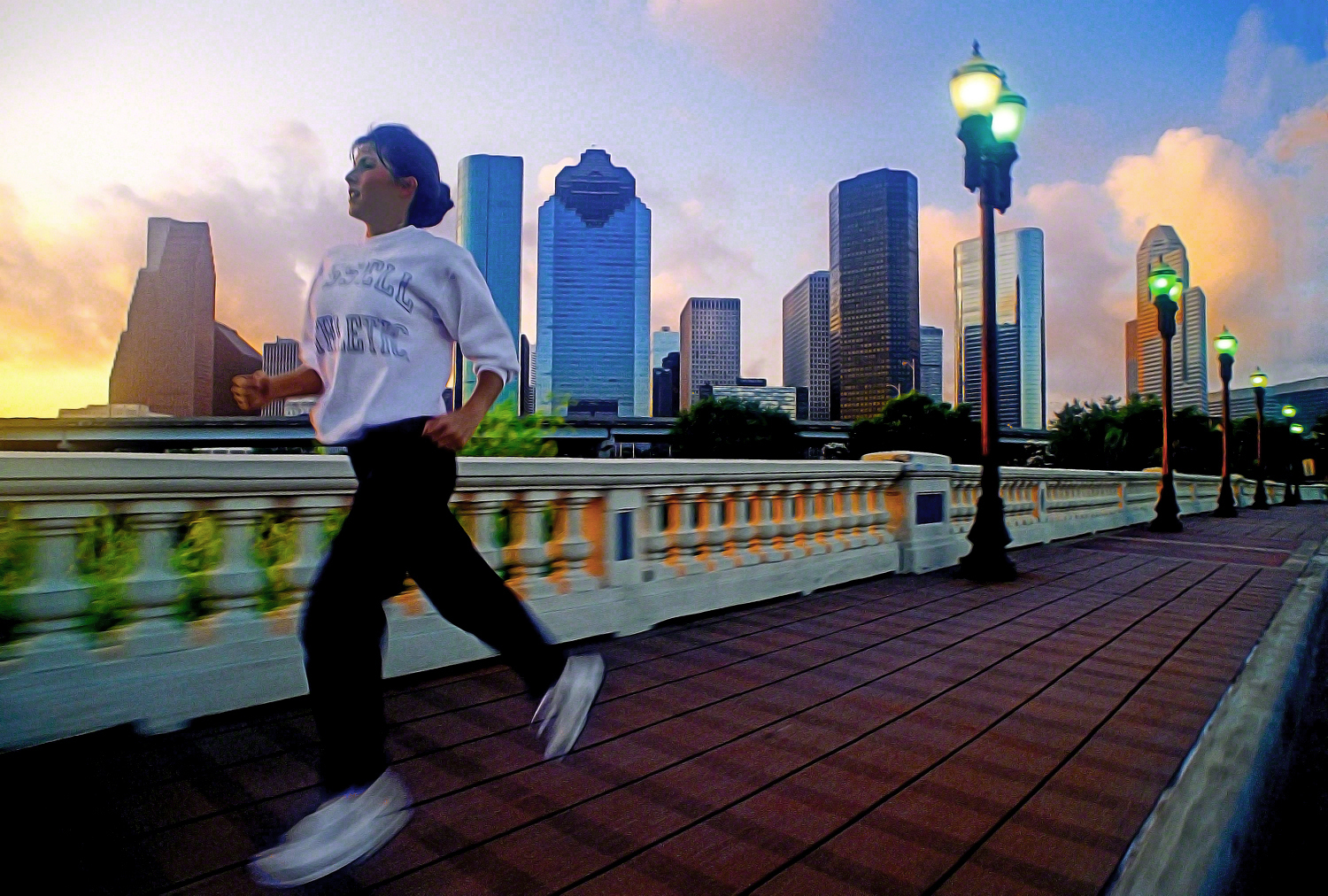
Another way to create Visual Tension is by using body language, gesture, and stopping the action of someone and leaving it un-completed. Blurring a person walking or running through your composition and in front of the building not only adds interest, but adds energy to your images. Color is a good way to draw attention to a person, especially if they’re wearing red.

One last note…when traveling be sure to photograph the people as they are the key to the countries culture.


Visit my website at: www.joebaraban.com, and check out my workshop schedule at the top of this blog. Come shoot with me some time. This coming January Along with William Yu, I’ll be taking a group to China to photograph the flooded rice terraces and also the tribal villages. Next February in conjunction with the Santa Fe Workshops, I’ll be returning to Cuba for the fourth time. My next springtime workshop will Berlin next May; an incredibly beautiful city.

If you send me a photo and question I’ll create a video critique for you: AskJoeB@gmail.com.

JoeB

Quick Photo Tip: Now Look Right at Me.

Photographing people has always come natural to me since the early days of my well spent youth as a stringer for AP, UPI, and being a Black Star photographer. Whether it be simple portraits or including a lot of the environment surrounding them, I’m in my comfort zone.

Over the years as one of the instructors for the BPSOP, an online photography school, and in my “Stretching Your Frame of Mind” workshops I often see portraiture submitted. More often than not my fellow photographers will usually have the subject looking away; that’s fine but they’re missing something important…what you say?

I teach two classes with the BPSOP and they’re about how to incorporate the Elements of Visual Design into your imagery; the most important of all the elements being Line.

With Line, none of the other elements would exist. Three of them: Pattern, Texture, and Shape all require Line to be elements. In fact planes, trains, automobiles, and even you and I couldn’t exist because we all have an outLine.

There are lines and then there are implied lines, and these types of lines are what’s important in portraiture…WHAT?

These implied lines are merely suggestions and not directly revealed to the viewer. To me, the implied line between the subject’s eyes and the camera’s lens is very powerful; I’m looking past their conscious thought and right into their soul; of course without stealing it!!!

Implying content outside the frame.

I feel a bond has been created, and a trust arises from the subject willing to look me straight in the eye. That said, there’s one time when I DO want them looking away from the camera.

When you place the subject close to the edge of the frame you’re creating Visual Tension. When you have them looking out of the frame at that point you’re implying content outside of the frame. In other words you’re suggesting to the viewer that there’s more to the story that meets the eye; the viewer will wonder what he/she is looking at.

This makes the viewer an active participant and he will stick around looking longer…isn’t that what you want?

Visit my website at: www.joebaraban.com, and check out new workshops as I add them in 2018. Come shoot with me sometime. I have two spots left in my joint workshop with William Yu to photograph the tribal villages and rice terraces in China

I have two spots left in my Springtime Workshop in Berlin starting May 23rd. My sixth workshop in conjunction with Santa Fe to Cuba is now open to register. It begins February 11th.

Send me a photo and question to: AskJoeB@gmail.com, and I’ll create a video critique for you.

JoeB

Food For digital Thought: Making New Friends

He couldn’t speak English, I can’t speak French.

I’ve been shooting closing in (fast) on fifty years, and to me being a photographer has always been sort of a calling card, a way to introduce myself and meet people all over the world. Lifting up your camera and aiming it at someone hoping to take their portrait is for me, such a small part of the total experience.

If you want to go home with more than a few photos of people you’ve taken either on your vacation, or during a workshop, then I suggest you get to know your subject before moving on. I realize that there might be time restraints especially if you’re traveling with a group of non-photographers. but if you’re on vacation you usually have the time to get to know the people whose country you’re in; isn’t that part of your trip?

Yes I know that they might not understand a word you say, but I’ve never had that problem and I’ve traveled around the world.; of course I try to seek out people that speak at least a few words of English. I have also tried to learn a few expressions in their language, and I can tell you from experience that people are more likely to open up to you if they think you’re trying to communicate with them.

Language didn’t seem to be a problem.

As I said, I’m into the total experience so I enjoy hanging around and eventually even having our photos taken together. I would be hard pressed to think of a better way to spread goodwill around the planet than with a camera. Being in the digital age enables us to share the photo with the people whose photo you just took. Just that one small act can make someone smile and perhaps leave that smile on their face for the rest of the day.

I’ve promoted that idea to everyone that takes my online class with the BPSOP, and especially when I’m traveling with people that are with me in one of my “Stretching Your Frame of Mind” workshops. It’s a lot of fun to see how my fellow photographers can get into it and having it be something we remember sitting around in the evening with a glass of wine.

Visit my workshop at: www.joebaraban.com, and check out new workshops as I add them in 2018. Come shoot with me sometime. I have two spots left in my joint workshop with William Yu to photograph the tribal villages and rice terraces in China

I have two spots left in my Springtime Workshop in Berlin starting May 23rd. My sixth workshop in conjunction with Santa Fe to Cuba is now open to register. It begins February 11th.

Send me a photo and question to: AskJoeB@gmail.com, and I’ll create a video critique for you.

JoeB

Quick Photo Tip: You Can Never Go Back

This building was gone in two days.

Even though I’ve realized this for most of my career, it didn’t really come into focus until I started working on my fine art series called Window Dressings.

Besides working on great advertising and corporate assignment that took me around the world, the biggest kick I get is when I load my dog into my car with my camera bag, a map, and an ice chest and head out for parts unknown; without a clue as to where I’m going.

My goal is to find great looking old worn-out windows, windows that if they could speak what would they tell me. Imagining who the last person to look out the abandoned window was and what they saw before leaving for good.

I come to an intersection on an interstate or two-lane blacktop and flip a coin as to what direction I’m going to go in, and look for small towns that have a center square with streets running out in all directions.

This building became a dance studio.

Unfortunately, I don’t have the luxury of coming across one of these windows when the light is low on the horizon. I take what I can get at the time I pull up to one of them. I’m certainly not going to try and come back to it under better lighting conditions, especially when I’m trying to cover as much ground as I can in a few days. But that’s just half of it.

When I’m talking to my online students with the BPSOP, and observing photographers that are with me on one of my “Stretching Your Frame of Mind” workshops I conduct around our planet.

I will often hear from one of them that they plan on going back to shoot something at a later date for one reason or another, usually because they just didn’t want to take the time or had something else to do; even though it had great possibilities.

I’m here to tell you that there’s a very good chance that when you do decide to go back it won’t be the same. There might be a large truck parked just where you were going to stand, there’s a construction crew that has roped it off, inclement weather, it just might not be there anymore, or a brand spanking new security guard shaking his head no.

This window had been boarded up in a week.

Case in point, the photo at the top was taken on the way to my lakehouse just outside Crockett Texas. I had never noticed it before and really didn’t have a reason to. I passed by it and after a few miles, I had the feeling that I better turn around and take a closer look at the building. I decided to go back and photograph it; especially since I had one of my cameras and a tripod.

As it turns out, it’s one of my favorites and my intuition was right. Coming back from Crockett on my way back home in Houston I looked to where the Mexican restaurant had been just to days before and now it was gone…as in where did it go in two days!!

And so my fellow photographers, if you see something that tickles your fancy don’t think you’ll just go back at a later date. Stop and shoot it right then and there…even if the light isn’t ideal. At least you have it in the can, and then you can think about going back under better conditions with more time.

Visit my workshop at www.joebaraban.com, and check out future workshops at the top of this blog. Come shoot with me sometime.

JoeB

Food For Digital Thought: Great Camera, Great Typewriter

Taken with my $300 Lumix DMC-LX5

Over the years, it just seems like I get the same feedback from both the students that sign up for my online class with the BPSOP, and my fellow photographers that attend my “Stretching Your Frame of Mind” workshops I conduct around our planet. It’s weird that over the course of a few days I’ll get the exact same thoughts that seem to come in waves of three or four.

Well, it happened again to me, and this time I was walking down the street minding my own business, my Canon EOS 5D Mark III ( now outdated) over my shoulder when I was accosted by a couple that said…since I had such a great camera I must be a great photographer.

Then during a conversation with a couple of online students a few days later the conversation’s focus was about cameras and what ones should we buy. First I started out with this line, “In my opinion, the last person you want to talk to about it is friends, fellow camera club members, and salespeople that make a commission.”

Then I went on to remind them that most cameras (and I don’t keep up with new designs and innovation) have a place to put your finger when you’re ready to take a picture; called a shutter release. They all have a place to put on the lens (unless it’s a fixed lens found on smaller cameras), All DSLRs have a viewfinder where you put your eye to compose your pictures.

Continuing into the exchange of ideas, I said that those three things are all you need to create memorable photos…why they asked? Because, I told them, that it’s not the camera but the ten inches behind it that’s important; the most important piece of equipment.

All cameras have the ability to let you see just enough to compose a picture, then it’s up to you to perceive what’s in front of you and realize when you have enough information to process, thus resulting in a good shot; that’s the tricky part.

Ok, I’m not telling you not to buy a good camera, because there are advantages in doing just that. I will advise you to do some research, read the reviews when possible, and find the camera best suited to you, your needs, and what level you’re at now or want to be in the future.

Staying in this vein of logic, I will tell you what I often tell people that are in a position to buy new photography equipment..of any kind. Buy the best you can so you only have to cry once. You take care of your camera and it will last you a lifetime of enjoyment.

Having said that, I leave you with this…you have a great camera, so you must be a great photographer. is like saying…I’ve read all your books, you must have a great typewriter.

🙂

Visit my website at: www.joebaraban.com, and check out upcoming workshops at the top of this blog. Come shoot with me some time.

Send me a photo and question to: AskJoeB@gmail.com, and I’ll create a video critique for you.

JoeB

Food for Digital Thought: Slow Down and Smell the Roses

When I slowed down and started smelling the roses, I saw this right before my eyes.

I’ve been an advertising and corporate photographer for almost fifty years and I’ve also been teaching my “Stretching Your Frame of Mind” workshops for thirty-four of those years and an online class with the BPSOP for six. One occurring theme throughout all these years is when I observe photographers taking pictures…which has happened a lot!!!

🙂

What I just about always see is a student taking a photo without taking any time at all between the time he/she first sees something they think is worthwhile enough to bring the camera up to their eye, to clicking the shutter, to moving on to look for something else to shoot. They don’t spend enough time smelling the roses.

They will invariably walk up to a subject or location, shoot the first idea that comes to mind, and then move on leaving a lot still ‘on the table’. By the way, the photograph is usually taken at eye level and horizontal since it’s the easiest and less stressful way to compose.  STOP!!! Don’t leave!!! Use this first shot for what I call the ‘Master Shot’ and stick around to observe what else is going on.

I’ve seen photographers that have become stronger shooters put a lot of undo pressure on themselves to continue the upward path they’re now on. This is the time to relax and enjoy your new way of seeing things.

Look at your subject from as many different positions as you can. While doing so check out where the sun is and how it’s affecting your composition. Btw, this is probably what I see happening the most when I observe my fellow photographers about to take a picture. I can tell you that your odds of coming back home with a good photo will greatly increase if you just take a second to observe what’s going on around you.

Having said all this, there’s going to be times when you don’t have the extra time to think before you shoot. I’m talking about street shooting when capturing the moment is essential in creating strong memorable images. Of course, if you’re always thinking about what I’ve been saying you have an even better chance of capturing that moment in time and have great light on your subject at the same time…and this can be somewhat controlled…how you say?

By picking the side of the street to walk on. If I’m walking on the shady side of the street I’m going to look for ways for the sun to hit certain areas. For example buildings of different sizes next to each other, intersections close together allowing light to come down the street highlighting some areas and keeping some in the shadow…a great combination.

If I choose to walk on the sunny side I then look for areas in shadow. Remember that the use of light and contrast are two ways to generate visual tension.

All this boils down to one thing to remember. Think before you act, slow down, and smell the roses.

Visit my website at: www.joebaraban.com and check out upcoming workshops at the top of this blog. Come shoot with me sometime.

Send me a photo and question to: AskJoeB@gmail.com, and I’ll crate a video critique for you.

JoeB

Anecdotes: Prince Tennis

Let The Games Begin

I’ve been a professional photographer for almost fifty years, and the number of anecdotes and stories I’ve encountered along the way still pop into my head at one time or another. Since I teach an online class with the BPSOP I’m constantly going through my files looking for photos to show to my students for any number of reasons; mostly to show an alternative way of looking at similar subjects or ideas.

Sharing a glass of wine or a martini while talking to some of my fellow photographers that take my “Stretching Your Frame of Mind” workshops planet will usually unleash a story or two.

There’s been enough time pass by so that the bad experiences have mostly melted into any lasting memory I might have had since so many years have passed. The funny memories and anecdotes will hopefully always remain in my mind, no matter how much time goes by.

I was shooting a series of posters, centered around a tennis court, for Prince Tennis rackets that appeared in pro shops  around the country. The campaign’s slogan was let the games begin, and it referred to the fact that people would do anything to play tennis, even shovel snow off the court. I was to produce four different posters, all at one time which made it logistically difficult since one of them had to look like it was shot in Winter while the others had more of a Spring and Summer backdrop.

Since the time of year was during the Winter months, a decision was finally made to shoot three of them in Santa Barbara, California while one of them needed a location somewhere in the North where we could find some snow; easier said than done…why?

I had hired a location scout around the Santa Barbara area to find just the right court. A court that would get either very early sun or one that would be a good place at sunset; to obviously get the best (golden hour) light. I was also suppose to send a scout up north to find the same thing. This is where a serious dilemma would play a big part.

Even if the location scout were to find a snow covered tennis court, by the time my crew and the people on the agency side arrived, there was no guarantee that the snow would still be there; and a lot of money would have been wasted. Having thought through that, I came up with an idea. Since the other posters were to be shot in Santa Barbara, why not just cover a local tennis court with snow? It would cost about the same as everyone flying up to who knows where and maybe not getting the shot.

The agency account executive, wearing a blue t-shirt and his head down, was just told about the additional $4500.

Well we had good intentions, but as my mother use to say, “The road to hell is paved with good intentions”. The client had approved $4500 for enough shaved ice to cover the courts, but the day of the shoot turned out to be a record breaker and the temperature climbed to ninety degrees when we started laying out the ice; $4500 turned into $9000 and by that time we were committed.

The account executive on the account was freaked out when we told him what was happening, the client took it pretty good…why?

He was pre-occupied and had something else entirely on his mind. Right before I climbed into the giant crane so I could shoot straight down, he came up, pulled me aside, and asked me for a big favor.

He said he would make her a star

He asked me if I would take a quick picture of this blonde he had met the night before in a bathing suit. It seems that he had met her in a bar and promised her stardom in exchange for…your guess is as good as mine!!!

Since he was willing to pay the extra $4500, it was the least I could do…I took one for the team…literally.

Visit my website at: www.joebaraban.com and check out my upcoming workshops at the top of this blog. Come shoot with me sometime…I got a million stories.

Send me a photo and question to: AskJoeB@gmal.com, and I’ll create a video critique for you.

JoeB

Photo Opportunities: A little research goes a long way

Found him on the internet.

In the old days, and when I say old days, I’m referring to the days before the internet. The days when you had to send away for information or go to the Library, and maybe it would come when you needed it and before it was too late, or maybe it wouldn’t.

Every time I was awarded a project in another state or country it was important to find out as much as I could about the place or places I was going to be shooting in. It was especially important if I was looking for possible photo ops to either send a location scout to or check out myself; advance preparation was and still is the key to a successful shoot. This is important not only for the professional photographer, but serious amateur shooters as well that want to come back home with interesting photos created in interesting locations.

Every state and  city in the US, as well as every other country has a Department of Tourism and also a Film Commission. The best way to find out information as to the best places to shoot is to contact them, and now it’s so easy to do through the World Wide Web.

Before you travel, whether it be on vacation or for work, and you want to shoot as much as you can in the little amount of time most people have, instead of looking for places when you get there spend a little time researching ahead of time.

I would find (and still do) where the traditional tourists places are…the ones that are crowded with them and make sure I go to those first…why would I do that you ask?

Because I’m there for sunrise and late in the afternoon right before the sun sets. That’s when the light is the best. When I’m coming back to the hotel for breakfast, the tourists are just leaving to go to these places to shoot. When I’m shooting the last light of the day at sunset, the tourists have already left to go eat.

No matter what country you’re going to be in, the Film Commission and the Tourist Bureau want to help you in any way they can. They want and encourage photographers to come photograph their country and cities.

I teach an online class with the BPSOP, and I have students from all over the world signing up. I always suggest that they look up these sites to check out possible photo ops. You would be surprised to learn that a lot of homegrown people as well as xpats are not familiar with everything in their city, state, or country.

I also teach my “Stretching Your Frame of Mind” workshops around the planet, and looking up these sites is one of the first things I do. The above photo was taken during my workshop in Sicily. I had found this fish market in Palermo on the internet.

Here’s a couple of examples if you were going to Italy and Rome:

http://www.filminginitaly.com/home

http://www.turismoroma.it/?lang=en

Here’s a link if you were coming to New York to shoot for the first time:

https://www.viator.com/New-York-City-tours/d687-ttd?pref=02

Good luck and safe travels.

Visit my website at: www.joebaraban.com, and watch for upcoming workshops in 2017. Come shoot with me sometime.

Don’t forget to send me a photo and question to: AskJoeB@gmail.com, and I’ll create a video critique for you.

JoeB