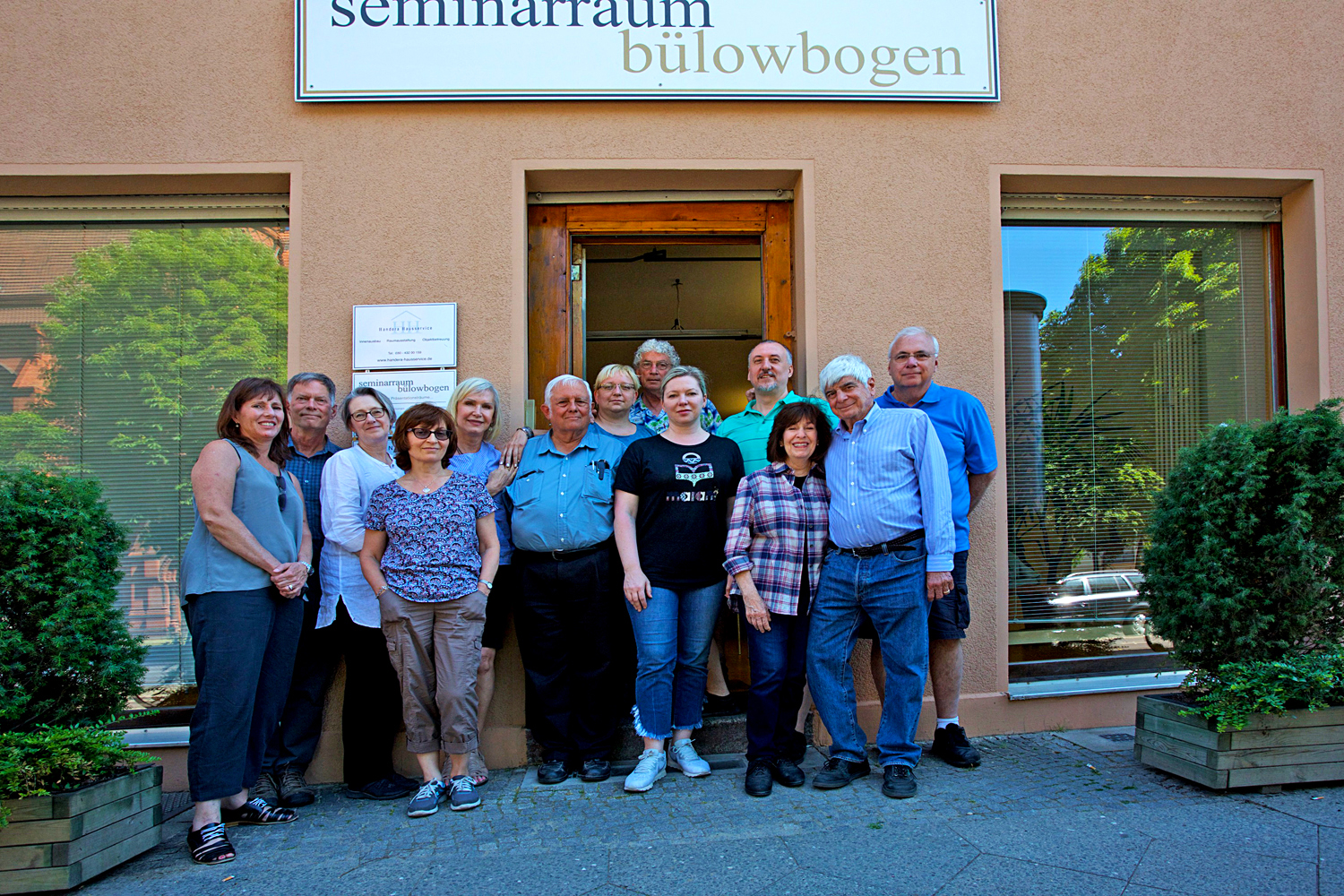
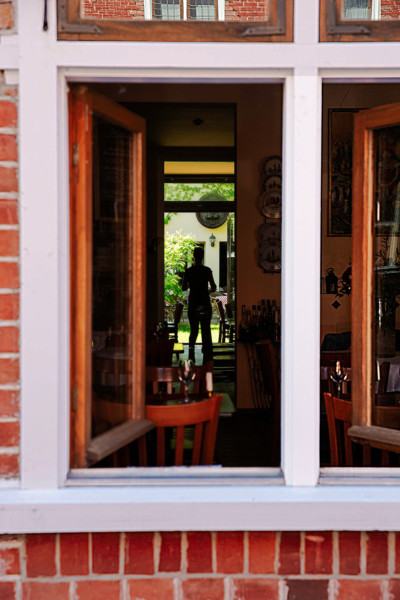
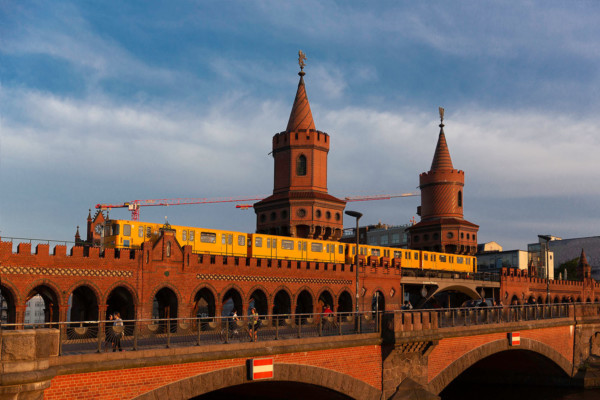
2018 WORKSHOPS

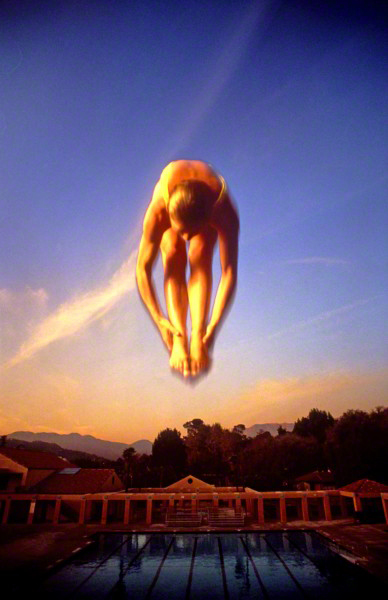
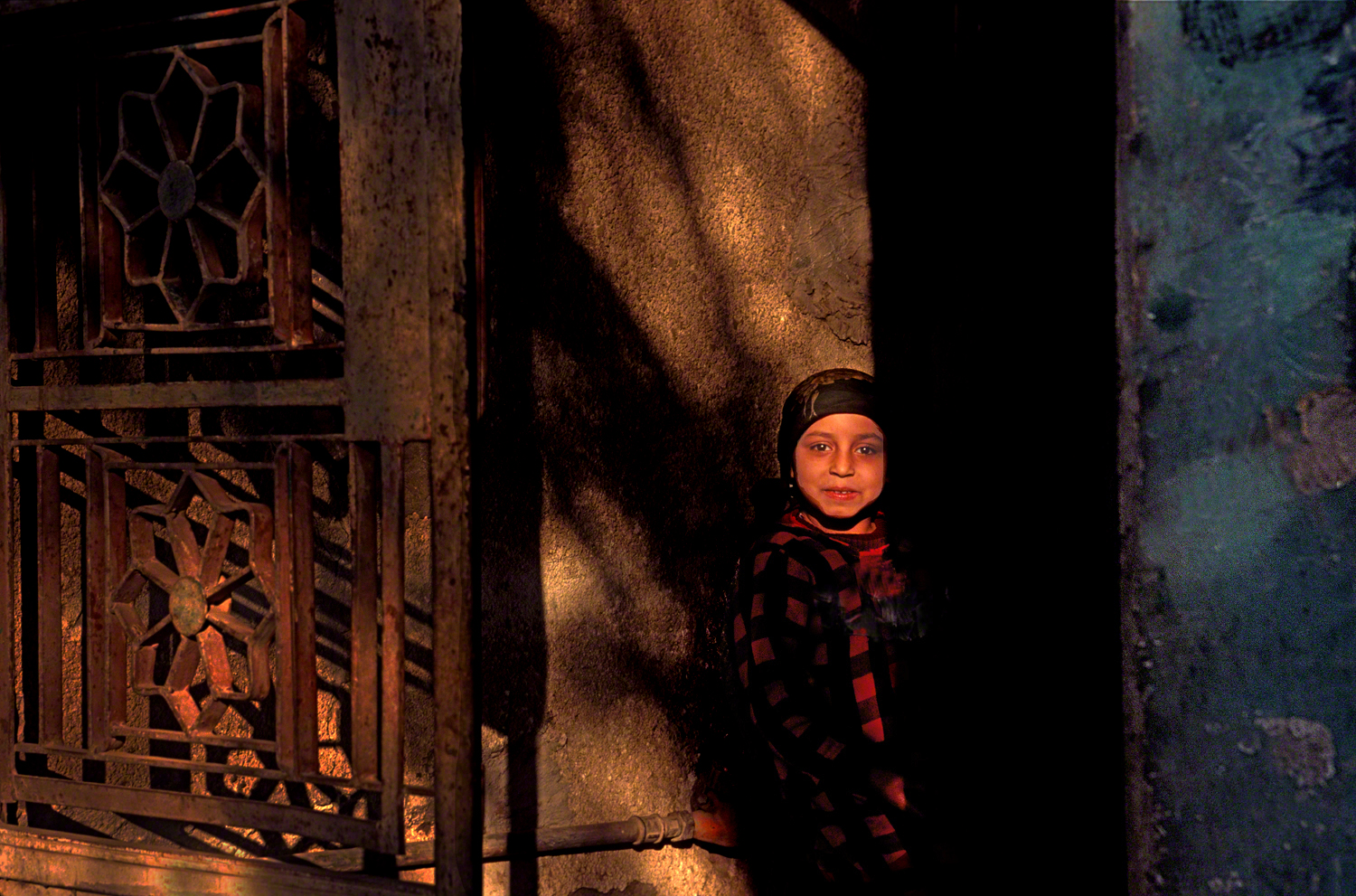
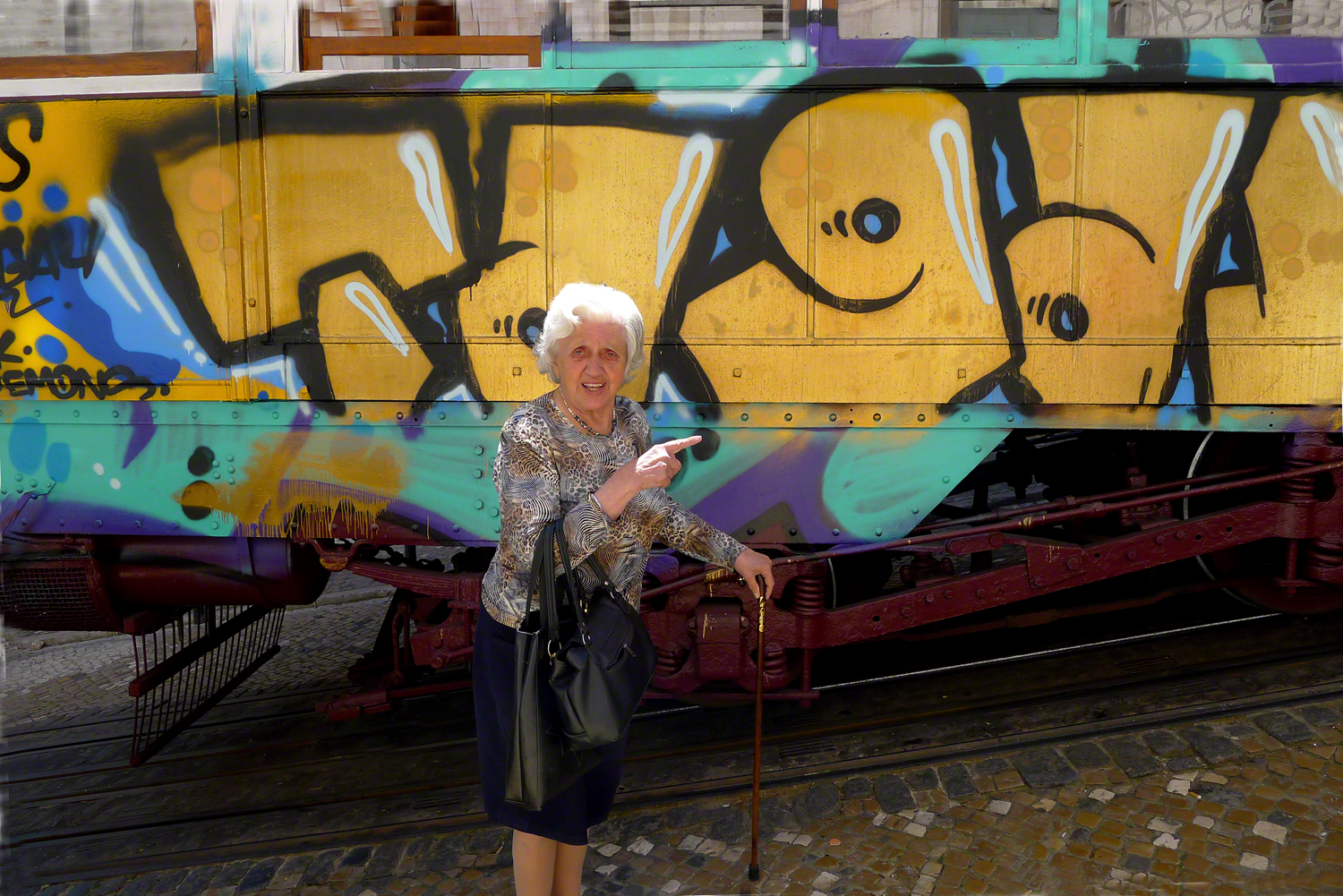
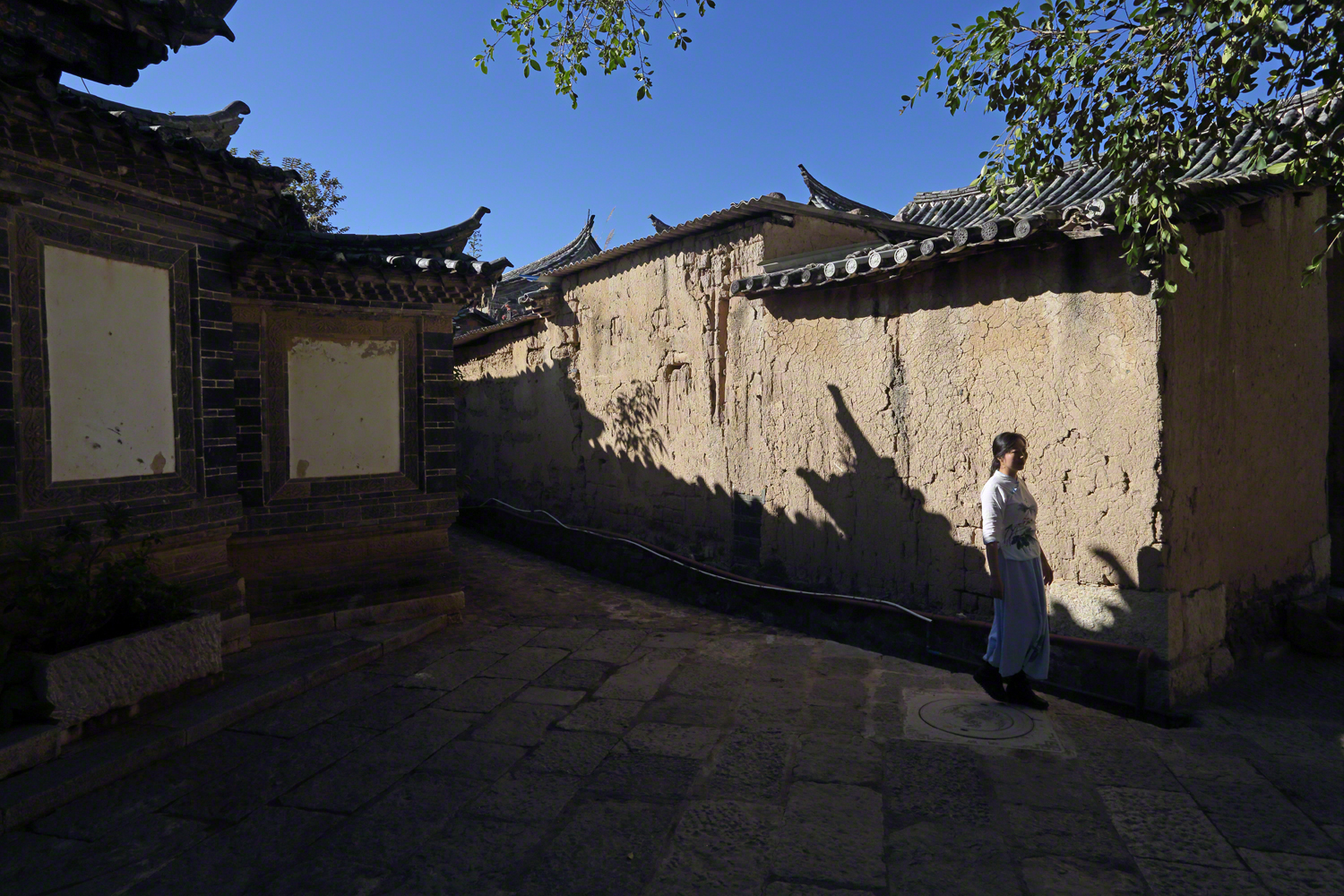
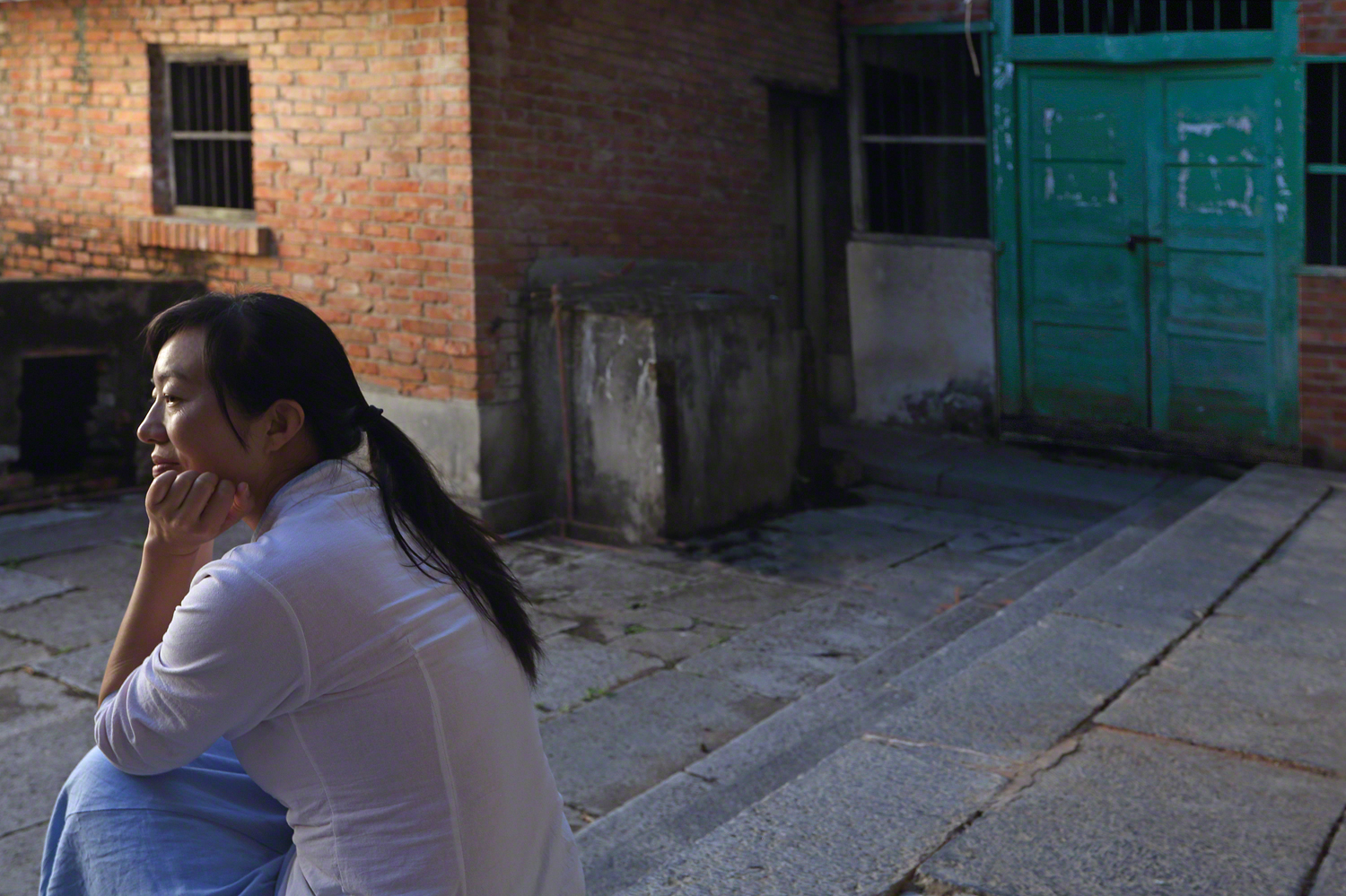
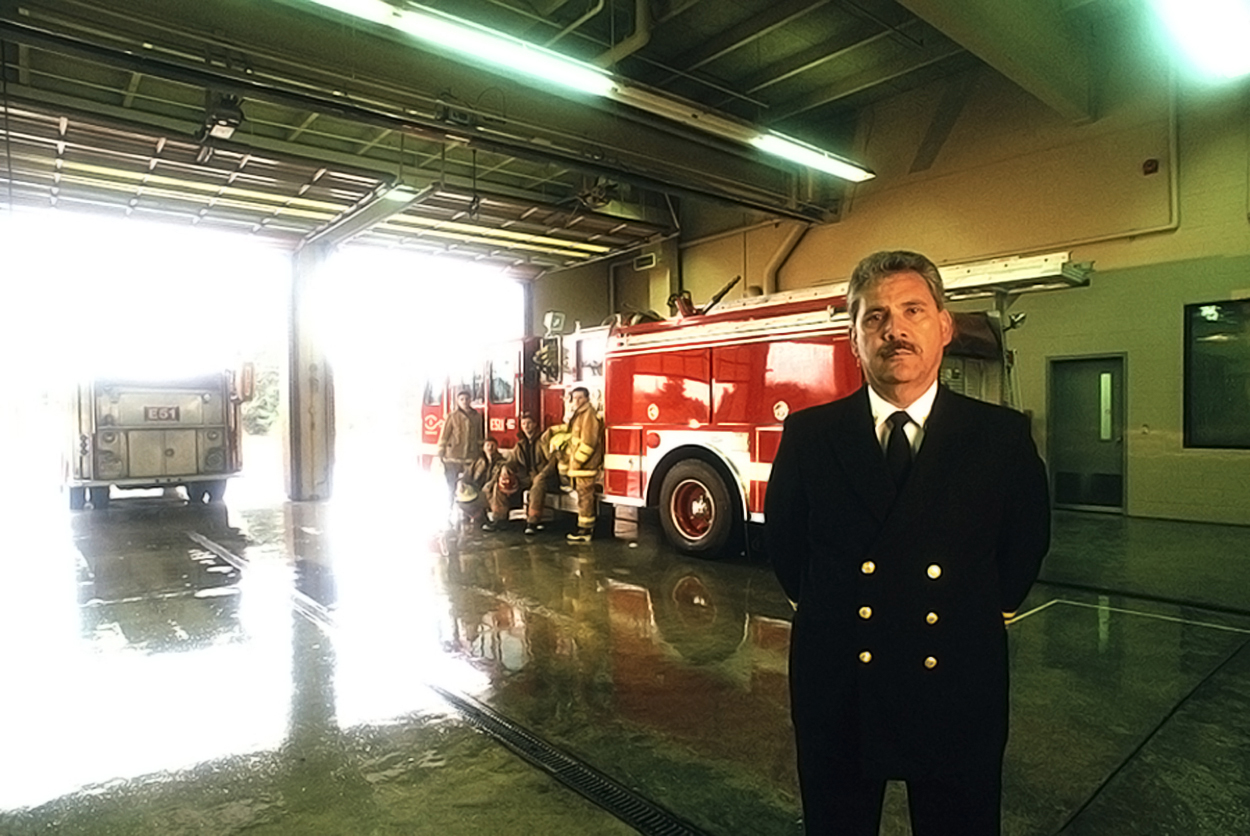
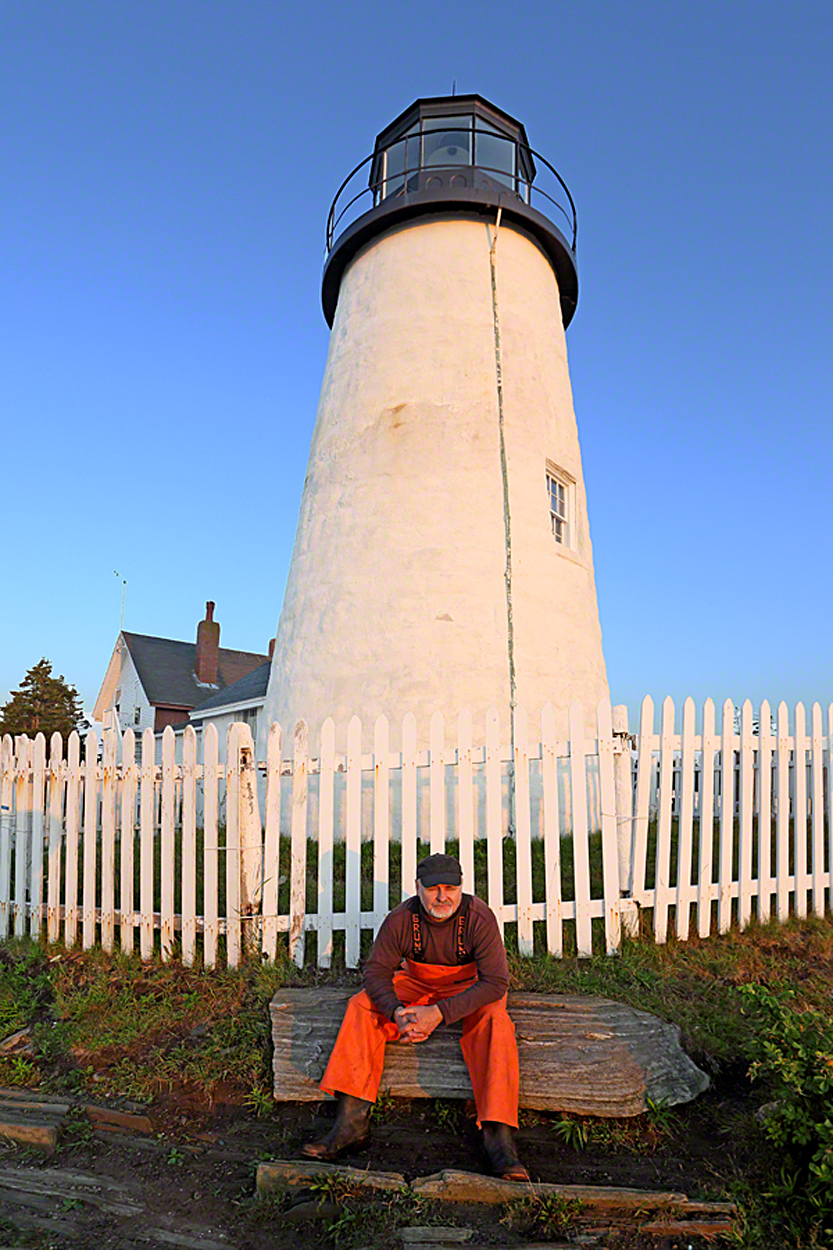
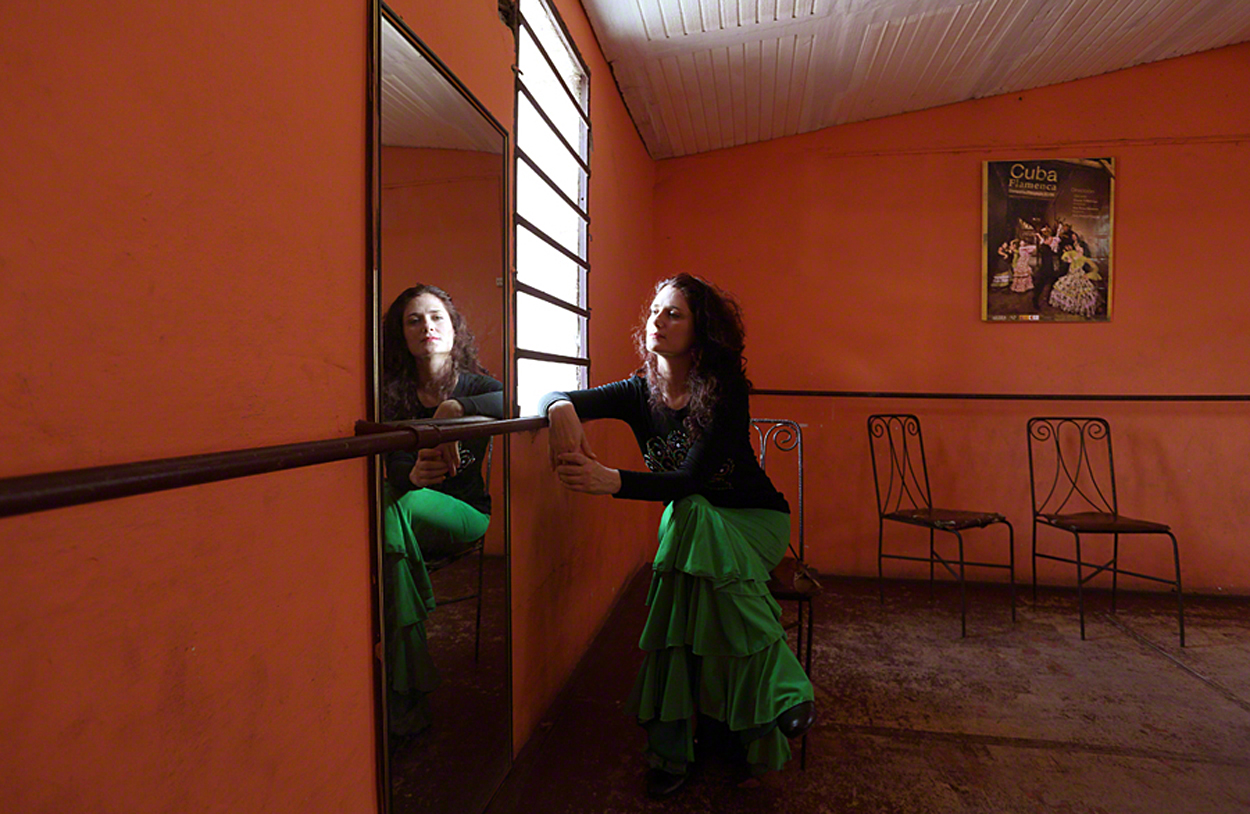
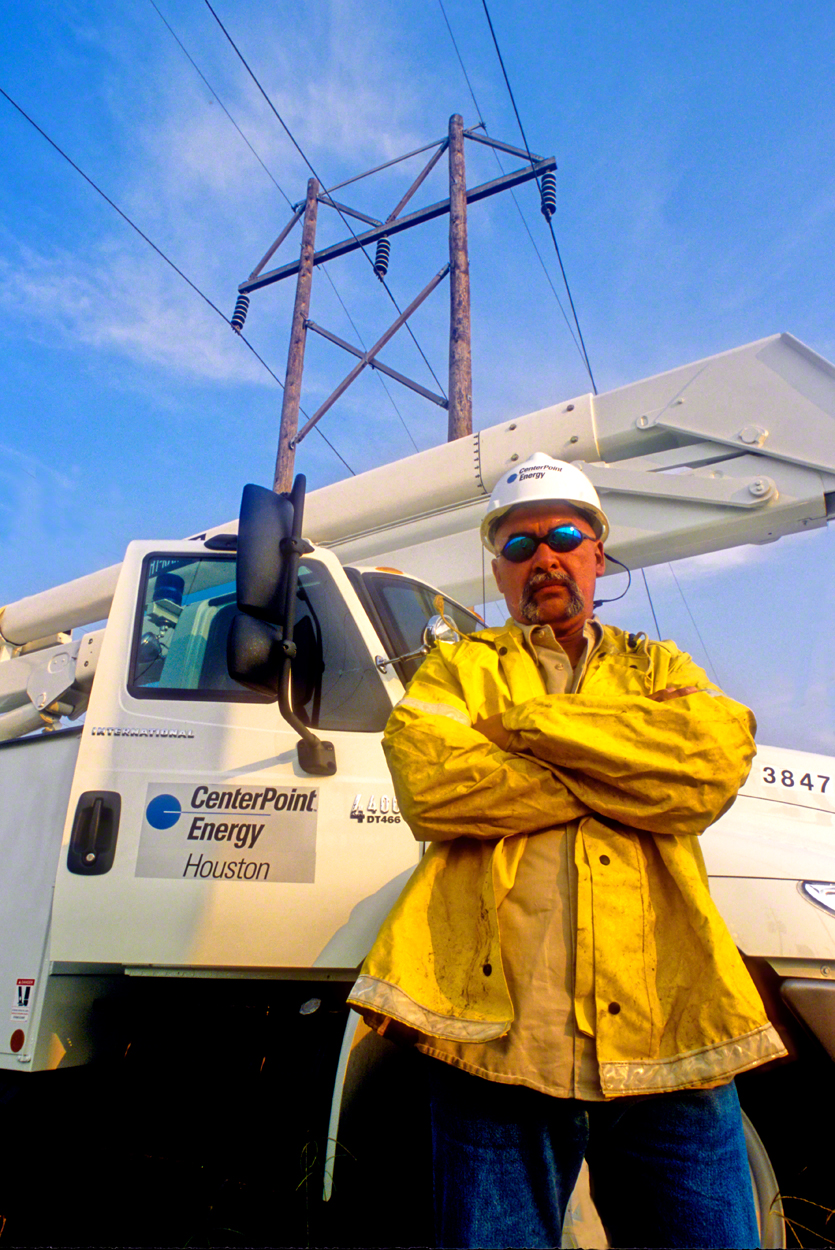
This portrait I took was actually of one of my students.

I wanted to send out this post dedicated to the new 2018 workshops I have coming up.

I want to share two new workshops I have planned this year. The first one is the Maine Media Workshop beginning July 29th. I will be celebrating my 30th anniversary there and after all these years, I still love going there. I’ve always had it the same week, as it’s the week of the Lobster Festival just down the road in Rockland. The reason is that it offers a completely different set of photo opportunities than the Maine coast, fishing villages and lighthouses. At the festival there’s color, design, energy, people watching, and being able to shoot various environmental portraits of people (sometimes in costume) willing to be photographed.

Here’s the link: https://www.mainemedia.edu/workshops/item/stretching-frame-mind-jul-29-aug-4-2018/

Here’s a couple of links from past workshops images taken by students:

https://joebaraban.com/2016maine-media-workshop/

https://joebaraban.com/workshop-stuff-maine-2017/

https://joebaraban.com/2014-maine-media-workshop/

The second one is in conjunction with the Santa Fe Workshops. Beginning October 2nd, I’ll be leading a workshop in San Miguel de Allende. This is not a city you might think of when considering Mexico as a destination. San Miguel is an oasis high up in central Mexico.

Here’s the link: https://santafeworkshops.com/workshop/Light_Color_People_San_Miguel/

Here’s what Lonelyplanet has to say about this beautiful city:

https://www.lonelyplanet.com/mexico/northern-central-highlands/san-miguel-de-allende

Also Wikitravel: https://wikitravel.org/en/San_Miguel_de_Allende

I hope some of you will join me in the fun well as shoot alongside me.

JoeB

Food For Digital Thought: Clipping The Highlights

I blow out highlights.

First of all, let me explain what is meant by “clipping the highlights”:

According to several definitions I’ve read over the information highway, clipping occurs when there is an incorrect exposure. When an exposure is increased so is the amount of light, and increasing the exposure too far will cause the lightest areas in your photograph to ‘clip’ or appear ‘blown out’.

Here’s one of those definitions, and would I love to meet the person that wrote it!!!!!

“The clipped area of the image will typically appear as a uniform area of the minimum or maximum brightness, losing any image detail. The amount by which values were clipped, and the extent of the clipped area, affect the degree to which the clipping is visually noticeable or undesirable in the resulting image.”

UNDESIRABLE??? SERIOUSLY???? If you’re the one that wrote this please contact me so I can try to get your head screwed back on so you’ll see where you’re going instead of always looking behind you and in the past.

It’s always amazing to me when a student tells me that he had a  photography instructor or a fellow member of the camera club, tell him or her to never clip the highlights.  It’s also amazing when I’m looking at the back of a student’s digital camera and there’s a bunch of “blinking stuff” on it.

This conversation comes up a lot in my online class with the BPSOP  and in my  “Stretching Your Frame of Mind”, workshop I conduct all around the planet.

The first thing I tell my fellow photographers is to get that stuff off of their display. You know, the areas that blink when they’re being clipped.

It would drive me crazy!!! In fifty-three years of shooting professionally I’ve NEVER, and I do mean NOT ONCE ever worried or even thought about whether my  highlights were clipped; I want that energy…that visual tension!!

Always remember this: “The viewer will always react to that which is most different.” It’s what I teach/preach when I talk about the Psychology of Gestalt and how the different concepts within it can help us make stronger images.

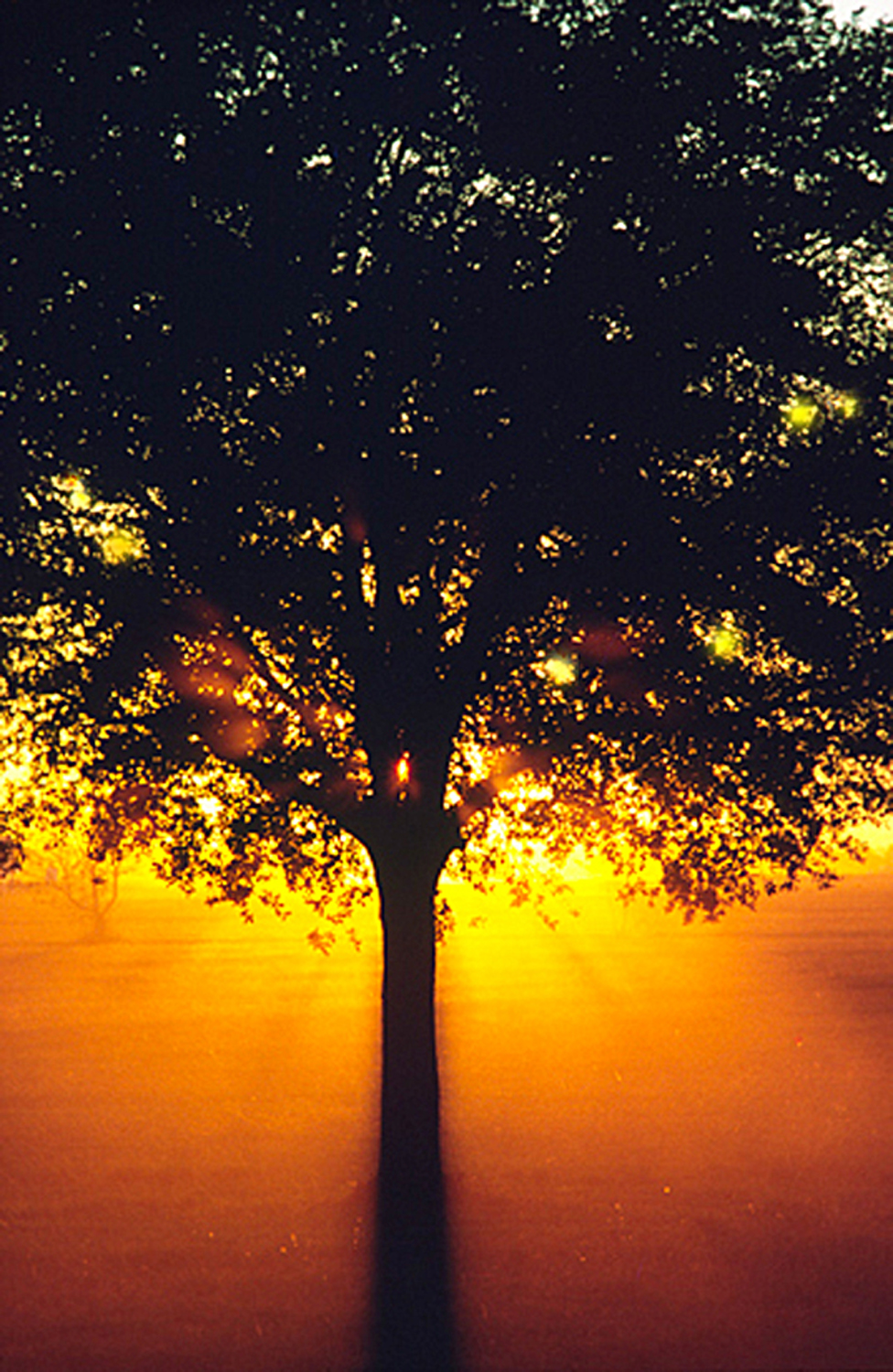
Here’s some examples of when I clip the highlights:

My last thought on this is when those same fellow photographers tell me that during their camera clubs yearly competition, if they were to submit an image where areas are blown out they’re either disqualified or told to go sit in a corner; can you just image the degradation one would encounter?

The answer I usually give is for them to start their own camera club that encourages photographers to color outside the lines.

Blow out those highlights, and be damn proud of it.

Visit my website at: www.joebaraban.com and check out my 2018 workshop schedule at the top of this blog. Come shoot with me sometime. I’ve a couple of openings in my Springtime in Berlin workshop next May 23rd. A fantastic city with so many great locations we’re going to be shooting.

In conjunction with The Santa Fe Workshops, October 2nd I’ll be leading a group in San Miguel de Allende. A beautiful oasis and artist colony, and the entire city is a UNESCO site.

Come join me for a week of fun and photography…what could be better?

JoeB

Food For Digital Thought: Tripods, What Are They Good For?

Only with a tripod.

I would safely say that the biggest hurdle I have in my online class with the BPSOP, and in my “Stretching Your Frame of Mind” workshops I conduct around the planet, is to get my students to use a tripod. The digital era has brought with it a new class of photographers that think the only way to take a photo is to always hand hold their camera; and that’s fine a lot of the time. When I’m walking around, either when I’m traveling or just taking snapshots around my hometown, I’ll carry my camera over my shoulder. That’s when the photos are for a record  of where I’ve been, or possibly for planning out my next shoot, or for showing a family member something or someone I might have seen, or perhaps for a teaching aid.

However, when I’m going out to take serious photos, I always use a tripod…why you ask?

Because I’ll never let my camera tell me when and where I can take a photo. I’m going to be the only one that decides if I can shoot something or not…certainly not a machine. Ok, I know you can jack up the ISO to a million (give or take a few hundred thousand), but I wish I had a dollar for every time a student explained that the reason the photo they submitted looked weird is because they forgot to change the ISO back to the normal range. I’ve also been told that they don’t shoot when the light is toooooooooo low because they can’t hand hold their camera during that time…YIKES!!!!! Tell me it ain’t so!!!!!!

All this is predicated on the idea that early in the morning or late in the evening is going to be the best light, and therefore that’s when I’m going to shoot; it’s the only time I shoot when I’m serious. I want to be able to shoot at any shutter speed I want, and with any aperture setting…and any combination of the two. This is how I maintain control of my photographs.

If you like shooting after breakfast right after lunch, and before dinner and your goal is to take “half way decent pictures” and be a fairly good photographer, then by all means hand hold your camera. If you want something more, then get a tripod. The key is to get a tripod that’s simple to use and lightweight. So many students of mine have inexpensive tripods that are only good for putting hanging plants on. It’s a life time investment and one of the best you’ll ever make. Buying one and occasionally using it won’t do you any good. It takes practice…a lot of practice. When you get use to it you’ll find that it’s going to open up soooooooo many creative doors for you. It’s going to free up your hands…why is that important you ask?

To me, I think of a camera on a tripod like a canvas on an easel. When I’m on a tripod, I can leave the camera and adjust something in my composition and know that when I take a look at whatever changes I’ve done, the camera will be in the exact same position. If you’re hand holding your camera and you make a change, you’ll never be able to go back to the same position. When I’m designing the Negative and Positive space for example, or moving something into or out of my frame, I want to be able to see the exact change in my viewfinder

BTW, buy the best tripod you can, that way you’ll only cry once!!

Visit my website at: www.joebaraban.com, and follow me on Instagram: www.instagram.com/barabanjoe. Check out my 2018 workshop schedule at the top of this blog. Come shoot the sunrise and sunsets with me. You might want to bring along a tripod!! I’ve a couple of openings in my Springtime in Berlin workshop next May 23rd. A fantastic city with so many great locations we’re going to be shooting.

🙂

JoeB

Food For digital Thought: POV

From a different POV

It’s amazing how often I see photos that were taken either for my online class with the PPSOP, or in my “Stretching Your Frame of Mind” workshops I conduct around the planet, that appear to be taken from the exact same height; that height being the distance from their eyes to the ground.

In other words, my fellow photographers shoot from the same POV (point of view) all the time….why you ask?

Two reasons:

The first is because it’s the easiest and laziest  way to take a photo. All you have to do is raise the camera up to your eyes, aim, then pull the trigger (Texas talk for clicking the shutter). Simple and quick, am I right? The second reason is because most of my fellow photographers take instead of make pictures. Part of that is what I refer to in a past post as “I came, I shot, I left“.

🙁

If I can make a suggestion, that will help take your photos what I always refer to as “up a notch”, change your point of view the next time you go out shooting. Instead of bringing the camera up to your eye and shooting from the same height as always, think about getting down low to the ground. Look all around, there might be a railing or balcony you can shoot from. How about shooting through a window or the windshield in your car? Is there a ladder nearby? If you’re shooting flowers, get down to their level. Get some dirt on the front of your shirt!!!

The next time you’re shooting your kids, or your friends kids, or your grand kids, don’t just stand over them and point your camera down. Get on their level, and you’ll immediately see how much more powerful your photo is.

The above photo was taken while I was conducting a workshop in Myanmar. Our guide had these small girls that were about to go in a convent to become nuns pose for my fellow photographers. They all had fun taking various portraits of individual girls and as a group. When they were all done I asked our guide to have them sit next to each other on the curb. I put on my 17-40mm Canon lens and stood on my tiptoes above them.

I had pre-visualized the photo in my mind so it took just a few seconds to shoot it. This photo is one of my favorite, if not the number one favorite, of everything I had taken while in the country.

Visit my website at: www.joebaraban.com and check out my 2018 workshop schedule at the top of this blog. Come shoot with me sometime. I’ve a couple of openings in my Springtime in Berlin workshop next May 23rd. A fantastic city with so many great locations we’re going to be shooting.

Don’t forget to send me a photo and question to: AskJoeB@gmail.com.

JoeB

My China Photo Tour and Workshop

Photo by Denis Bennett

I recently returned from my photo tour/workshop I conducted with William Yu. To say that it was an experience/adventure is putting it mildly. We visited places in rural China very few westerners will ever see; sometimes as close as a few miles from the northern Vietnam border.

We went in January because that’s the time of year the thirteen hundred year old rice paddies are flooded, in preparation to the planting. Thanks to William and his very good friend and local guide Junyong Ma, we were able to view the fields from several lookouts both early in the morning and late in the afternoon.

Although we were hampered by an unseasonably cold front, gray skies, and fog almost every day,  we still managed to take some great photos; especially in the tribal villages where we shot both close-up and environmental portraits.

We were also very fortunate to be there the same time as the yearly festival where the various local tribes bring their specialty dishes for all to taste; placed on over four hundred tables that run throughout one of the villages.

With me were photographers that had taken both my online classes with the BPSOP and several had taken as many as 2,3,4,5,6,7,8, and even nine of my “Stretching Your Frame of Mind Workshops” I conduct around our planet.

For those that are seeking “new horizons where few men have gone before”, I can recommend William to be your captain.

These are not mine, but represent my fellow photographers that were with me. I know there’s a lot of photos, but you should have seen the list I first began with. Just sit back and click on the slideshow at your own speed.

Visit my website at: www.joebaraban.com, and check out my new 2018 workshop schedule at the top of this blog. Come shoot with me sometime.

I have just added two new workshops for 2018. The first one is my next Maine Media Workshop to begin the end of next July. It will be the 30th anniversary there so come celebate with me. I’ve always held it the same week as it’s the week of the Lobster Frstival down the road in Rockland. It offers a completely different set of photo ops than the beautiful coast, lighthouses, and fishing villages where we shoot at. You’ll be surrounded by color, lights, design, energy, people watching, and food.

I have just received the link to my next workshop in conjunction with the Santa Fe Workshops to be next October 2nd in San Miguel de Allende. A fabulous oasis and artist community.

JoeB

Quick Photo Tip: Stop, Look, and Listen

I stopped, I looked, and I listened.


I’m guessing that most of you have heard this saying, but how many know its origin? There have been films with this title, numerous songs sung by an assortment of people, and even a game show, but it was originally a slogan made up for a pedestrian safety campaign in the UK.

I recently saw it written somewhere and immediately though of a photo I took at a flea market in Paris a million years ago with my fellow photographers that were taking my “Stretching Your Frame of Mind” workshops I conduct around the planet. To this day I still think about it when I go out street shooting or mention it to the students that take my BPSOP online classes; unfortunately my pet dinosaur didn’t survive the asteroid like I did.

I digress!

Ok, let’s talk about each word and how in the hell it could possibly relate to the art of “making” interesting pictures. To make it easier to explain my thought process, let’s use these words as they narrate the photo above.

STOP: While walking around looking for interesting subject matter and how said subjects interacted with the light (light is everything), I immediately stopped when I saw these sunglasses and the way the light was dancing on them. They seemed to be sparkling, and as I slightly moved from left to right different parts of the sunglasses were in what is known as “The Law of the Light”, and would glow.

I knew that I had one piece of the puzzle and needed a couple more pieces to make a visually interesting photo…one that would also tell a story; I decided it was worth hanging around.

LOOK: As I was standing there I observed several people walking by giving an occasional glance to the sunglasses but weren’t interested enough to stop. I thought that if I would just be patient and wait long enough I might just get lucky and add another piece to the puzzle; and perhaps complete the work of art I was beginning to form in my mind. I was looking for just the right person.

LISTEN: My patience was rewarded as a couple of women stopped and began studying the rows of sunglasses. I non-nonchalantly moved closer to put myself in a position to capture whatever might happen next, while listening to their conversation. They were asking each other which pair they liked and one of them (the one not in the photo) pointed to a single pair.

At that moment I brought my little Lumix DMC-LX5 up to my chest ( in crowded places my small Lumix is more discreet) so it would be closer to my eye just in case I got lucky, and when you get lucky be ready. The other woman reached out her hand and pointed to the pair she liked, and when she did I grabbed the shot. I was ready for it!!!

I still have two spots open for my Springtime in Berlin workshop to begin the end of May.

Visit my website at: www.joebaraban.com and check out my 2018 workshop schedule at the top of this blog. Come shoot with me sometime. I’ve a couple of openings in my Springtime in Berlin workshop this coming May 23rd. A fantastic city with so many great locations we’re going to be shooting.

JoeB

Life Before Photoshop: Russell Athletics

Look ma, no Photoshop

I’m sure some of you can relate to the phrase often said by one or both parents or by someone that was in control of your daily lives, and it went like this, “You think you have it tough? I had to walk to school everyday in the freezing cold and two feet of snow.”…or something to that order.

Well, I can honestly say that I never said that to any of my four kids…why? Because they were raised in Houston, Texas!!

But one phrase I have said (repeatedly) to my online class with the BPSOP, and to those that have taken one or more (some ten) of my “stretching your frame of mind” workshops I conduct around our planet is “Once upon a time Adobe was only known as a type of house in the southwest part of the US, and everything had to be done in the camera; one exposure, one click”.

I don’t blame the majority of my fellow photographers that fell in love with photography after the advent of the digital era. That said, these people think that Photoshop, HDR, and all the weird plug-ins are a vital part of image making, and as a result the challenge of getting it in the camera will become obsolete when people like me are long gone.

More’s the pity!! The good news is that I won’t be around to witness it, and the bad news is that I won’t be around to continue the fight.

The above photo was challenging because I had to create the movement in the camera. It was a two page consumer spread appearing in sports magazines, and the art director wanted an attractive fit looking woman jogging while wearing clothing made by Russell Athletics.

I picked a location near downtown Houston that was a small bridge that had some character, while showing the skyline. I scouted the location ahead of time with my Sunpath program and hand bearing compass, and determined that sunrise would be ideal as far as having light coming from the 10 o’ clock position.

I was in a convertible with the top down and my assistant was driving alongside her at the same rate of speed she was going. I was shooting at a fairly slow shutter speed so as to make it seem like she was running faster than she was. Since her feet were moving faster than the rest of her they appear to be blurred more.

All this was accomplished in the camera, one exposure, one click.

Visit my website at: www.joebaraban.com and check out my 2018 workshop schedule at the top of this blog. Come shoot with me sometime. I’ve a couple of openings in my Springtime in Berlin workshop next May 23rd. A fantastic city with so many great locations we’re going to be shooting.

JoeB

Personal Pearls of Wisdom: Don’t shoot because it makes you feel good, shoot because it looks good.

Feels good, looks good, and has meaning.

OK, I hope this doesn’t draw angry letters or bomb threats since at first this “Pearl of Wisdom” might seem a little harsh and insensitive but there’s a reason for my madness.

When I get a submission in my online class with the BPSOP, or a photo presented to me during one of the daily reviews in  my “Stretching Your Frame of Mind” workshops I conduct all over the place, there is usually feedback in the form of an explanation as to why the photo was shot in the first place.

I will often say to the photographer, “Ok, tell me about this shot. Why did you decide to click the shutter?” If I had a dollar for every time I’ve  heard someone say…”besides it was just so cute I couldn’t help myself”, I would be writing this posts from my own island after one of my staff brought me a blue and frothy drink with an umbrella hanging perilously down from one side.

That’s all well and good and I love having my fellow photographers feeling terrific about the world and the environment that surrounds them; but if the photo doesn’t have some meaning to others, it won’t stand the test of time.

I’m as sentimental as the next guy and I like feeling good about things that I see on a daily basis, but I’m also out there trying to take photos that look good…and if they make me feel good doing it so much the better; usually it’s one in the same since I love taking pictures.

For example, I’m walking down the street and I see a child getting licked in the face by a puppy I will probably say to myself, “oh how cute”, but that doesn’t mean I’m going to take a picture of it…unless maybe it’s my kid and puppy, and it’s going into a time capsule to be opened with they get engaged or married and I show all the guests how cute they were when they were little.

I digress.

Now, if that same child and puppy is not the entire puzzle but a piece of it, then I’m going to take a closer look. In other words if there’s something else going on around them, something that tells or completes a story, then I will stop…providing I obtain permission from the parent beforehand.

What if the kid being licked is a freckled-face darling little girl, wearing a white lace dress with bows tied around her pigtails while behind or next to them is a bunch of dirty, huge, hard hat wearing constructions workers sitting around having lunch? Then you have a dichotomy, and that would give the photo a different meaning…why you ask?

Because you would be combining opposites in the same composition and in so doing you’re creating visual tension.

See what I mean?

Visit my website at: www.joebaraban.com and check out my 2018 workshop schedule at the top of this blog. Come shoot with me sometime. I’ve a couple of openings in my Springtime in Berlin workshop next May 23rd. A fantastic city with so many great locations we’re going to be shooting.

Send me a photo and question to: AskJoeB@gmail.com, and I’ll create a video review for you.

JoeB

Food for Digital Thought: Make Hay While the Sun Doesn’t Shine

I just love a rainy day

Yes you’re reading that right..while the sun doesn’t shine not while the sun does shine. The original expression is an idiom that’s been around for a long time. Basically, it means to grab an opportunity when the time and conditions are perfect.

In my online classes with the BPSOP, and in my “Stretching Your Frame of Mind” workshops I conduct I often hear from my fellow photographers that since it was a overcast day, or even raining, there wasn’t any reason to go out…that’s just an excuse to watch TV because that’s just not true!!!

Btw, throughout my career, I’ve gone out countless times when it was gray, or even raining only to get lucky and have the sky open up; perhaps for only a minute or two…and that’s all you need to get that one shot off that winds up being one for the wall.

If it’s overcast then don’t show the sky or very little of it. A gray day will produce either a white or light gray sky; if it’s raining take an umbrella. If you have a camera similar to the one I use in these situation (a Panasonic Lumix DMC-LX7) you can easily walk around with the umbrella in one hand while holding your camera in the other. Give it a try sometime, you’ll thank me down the road.

If you were familiar with my workshop and class overview, you would know that I teach people how to incorporate the basic elements of visual design into their imagery. When it all said and done, these elements and other compositional tools are firmly planted on what I call my Artist Palette.

What’s good about these elements and various tools: Line, Pattern, Texture, Shapes, Balance, Negative Space, Vanishing Points, Silhouettes, Shadows, and Color, is that they can help you out on overcast crummy gray days not just sunny good days; shadows being the possible exception!!

Getting back to my personal workshops, we will often spend time walking the streets of some village, town, or big city. Street shooting is one genre that doesn’t necessarily require good light; it’s more about capturing a moment in time. In fact, shooting in the streets at night can reward the photographer with some real keepers; especially after it rains and those wonderful reflections from wet streets are fun to find.

I’ve always found that using a long lens and a very shallow DOF (Figure-Ground) on a gray day can result in good photos, especially if you combine color with it.

Overcast light can be extremely beneficial when you are required to shoot in the middle of the day; weddings for one example. For the most part midday sun can be a real problem shooting portraits because the contrast between the shadows and the highlights can be too extreme. Looking for natural shade in this harsh light is important. A gray day can save you from dealing  with this type of light by the fact that the contrast has been negated.

Don’t fight it, go with the flow. Take advantage of the overcast conditions to create a unique photo that reflects the gloomy weather. For example, shooting a sad photo is a great use of overcast weather conditions.

There is one other way to create memorable photos on dreadful days is the use of humor. As far as I know, it’s one of the best ways to overcome these kinds of days.

Visit my website at: www.joebaraban.com, and check out my 2018 workshop schedule at the top of this blog. Come shoot with me sometime. My next springtime workshop will Berlin next May; an incredibly beautiful city.

If you send me a photo and question to: AskJoeB@gmail.com, I’ll create a video critique for you.

JoeB

My Favorite Quotes: Rod Stewart

Certainly tells a story, don’t it?

Rod Stewart has always been one of my favorite singers, having most of his music. I happened to be listening to one of his old hits when an idea for a post popped into my head; as is usually the case. The title of the song  that was playing was, Every picture tells a story, don’t it?

The phrase is an idiom and refers to the fact that when something is happening in a situation it’s clear because of the way something look, or what has taken place.

I had recently conducted one of my workshops in New York and we were shooting at the 9/11 memorial while a group of Navy men were also there to honor someone. What I saw happening was like a visual reminder of Stewart’s message.

In this song, the title… Every pictures tells a story don’t it doesn’t appear in the lyrics until the very end when it’s repeated twenty-four times. That said, seeing this happening in front of me sent a crystal clear message of the title to Stewart’s song.

When composing my photo It was also clear to incorporate one of the six concepts in the psychology of Gestalt, namely Closure. It seemed that coming in tight on just the hands and folded flag, was all the viewer needed to get the message; the viewer would fill in the rest.ure

I’m always mentioning Closure to the students that sign up for my online classes with the BPSOP, as well as working on it one on one to those that take my “Stretching Your Frame of Mind” workshops I conduct around our planet.

Telling a story in your photographs is not always necessary, although even the simplest landscape tells a certain kind of story to a particular type of viewer. It’s just that storytelling is a great way to keep the viewer around longer, and if you’re at all like I am, you like for people to look at and admire your photos.

FYI, the flag is folded into a triangle to represent the shape of the hats worn by colonial soldiers in the war for independence.

Btw, if you’re interested, here’s the link to Every picture tells a story, don’t it.

Visit my website at: www.joebaraban.com, and check out my workshop schedule at the top of this blog. come shoot with me sometime.  My next springtime workshop will be in Berlin next May; and incredibly beautiful city. check out the description above. Next October 2nd in conjunction with Santa Fe workshops I’ll be doing a photo workshop in San Miguel de Allende. A fantastic city in central Mexico and home to a huge artist colony filled with ex-pats. The description and link will be coming out soon so stay tuned. If you have questions beforehand let me know.

If you send me a photo and question to: AskJoeB@gmail.com, I’ll create a video critique for you.

JoeB

Food For Digital Thought: Are You an Umbraphile?

I’m a shadow lover!

Several months ago, right before the total solar eclipse, I was listening to a piece on CBS Sunday Morning. Btw, it’s one of the best programs on TV.

They were talking about the word Umbraphile which literally means a “shadow lover”, but when properly applied it means one who’s addicted to the “glory and majesty of total solar eclipses”; and will drop everything they are doing to see one…wherever it my be on the globe. I can tell you that I don’t go chasing eclipses, but I will admit to being a lover of the shadow; which, by the way,  is a photographer’s best friend.

Umbraphillia is thought by many a smart college educated person to not only be an addiction, but an affliction as well. I guess that means me…YIKES!!

I am addicted to light and shadows (and proud of it), so much so that in my online class with the BPSOP, and my “Stretching Your Frame of Mind” workshop I conduct around the planet, students learn beforehand exactly where shadows will fall any day of the week, anywhere in the world. Using a program called Sunpath, and coupling it with a hand bearing compass called a Morin 2000 not only do they learn where the shadows will fall, but which direction the light will be coming from, when it will be coming,  how long it will be there, and when it will leave.

Once the interrelationship between light and shadow is established, a mood is set and the results can range from mysterious to downright scary. Shadows can affect how the viewer perceives and is a quick way to conjure up all kinds of emotions by giving a dramatic edge to your composition. Shadows can also be used as lines to move the viewer around your composition or as elements to point to a subject or one of your centers of interest.

Photographers usually don’t give shadows any consideration; in fact, to many they can be intimidating.  Truth be told, they are leaving out a very important part of their imagery. Shadows can suggest what we can’t see in our reality. In fact, shadows help us to “celebrate the unseen”.  Also, the next time you’re out shooting, don’t think/worry about shadows falling on people’s faces, as that creates not only visual interest, but visual tension as well; through the use of contrast.

In the above photo, I was standing right behind a barrier in Havana, Cuba when Obama drove by. I looked down and saw the shadows that to me told a story.

Here’s some ways to incorporate shadows:

1) Try making the shadow the main subject. It can tell a story on its own.
2) Try distorting the shadows.
3) Try to duplicate your silhouette with a shadow.
4) Try using a shadow to fill in an empty space in your composition. It can create interest in an otherwise boring area.
5) Try using the dark shadows to extend a dark subject. For example, the shadow coming from a tree.
6) Try using the late light from the ‘golden hour’ to reveal more about Texture, and form.
7) We know that Line can draw the viewer to the main subject. Try using shadows to do the same thing.
8) Just for fun, try turning your photo upside down, so the subject takes the place of the shadow, and vice verse.

Maybe I’ll start a new self-help organization and call it…shadow lovers anonymous!!!

🙂

Visit my website at: www.joebaraban.com, and check out my 2018 workshop schedule at the top of this blog. This February in conjunction with the Santa Fe Workshops, I’ll be returning to Cuba for the fourth time. My next springtime workshop will be in Berlin next May; an incredibly beautiful city.

Send me a photo and question to: AskjoeB@gmail.com, and I’ll create a video critique for you.

JoeB

Quick Photo Tip: Using Linear Perspective

Linear perspective

In the first week of my four week online class with the BPSOP, we work on linear perspective. I don’t call it by this name, I call it a Vanishing Point since the name rings more bells than the former. It’s also a topic in my “Stretching Your Frame of Mind” workshops I conduct around our planet.

The first known picture to make use of linear perspective was created by the Italian architect Fillipo Brunelleshi. It was developed as a way to create the illusion of depth from a three dimensional world onto a two dimensional representation of it in the form of a painting.

This was done by using a vanishing point to have all the lines in a painting converge at a point at, near, or just passed the horizon. A vanishing point within an image will move the viewer around your composition, appearing to him as the continuation of real space.

To create a classic vanishing point, one must consider three elements: Point, Plane, and Line. The Point is the spot on or close to the horizon. The Plane is what the camera see in two dimensions. The Line is the parallel lines that begin behind the camera and converge at a point at, neat, or just past the horizon.

I like portraits with a vanishing point in them

Line, as I tell my students, is the most important of all the elements of visual design. Without Line, none of the other elements…Texture, Pattern, Shape would exist. You and I, planes, trains, and automobiles would cease to exist…why? Because we all have an outLINE.

Not only is linear perspective a great tool to use in great light, but it’s also a way to come home with strong photos when the light isn’t so good; a vanishing point is important enough of a device that will emphasize line rather than light or color.

Btw, I’ll often put my subject in a vanishing point as see in the photo above. It adds visual interest to the portrait.

This February in conjunction with the Santa Fe Workshops, I’ll be returning to Cuba for the fourth time. My next springtime workshop will Berlin next May; an incredibly beautiful city.  Come shoot with me sometime.

If you send me a picture and question to: AskJoeB@gmail.com, I’ll create a video critique for you.

JoeB

Anecdotes: Ella Fitzgerald

First lady of song

For those new to my blog, I was an advertising and corporate photographer for almost fifty years, and now being semi-retired I teach an online class with the BPSOP, and I also conduct my personal “Stretching Your Frame of Mind” around our planet.

When you’ve been shooting as long as I have, fifty years and counting,  one can’t help but to acquire a certain amount of stories along the way. Some funny then and now, and some only funny now.

Thinking back, the not so funny stories usually came from bad decisions made by one person or another. Having said that, I’ve found that the best stories almost always come from said bad decisions. This story didn’t follow that guideline, in fact it’s one of my all time best memories.

I was hired by a graphic design firm to shoot an annual report for a company that made joint replacements. The idea was to shoot famous celebrities or sports heroes that had a replacement of some kind, and Ella Fitzgerald was one that had a hip replacement.

For those of you too young to remember, Ella was an American Jazz singer who was referred to as the “first lady of song”. For more than a half a century Ella was the most popular jazz singer in the US, winning thirteen Grammy awards and selling forty million albums.

My assistant and I, along with the designer, flew out to LA and met Ella at her home in Beverly Hills. Her publicist informed us that Ella wanted to be photographed in her backyard. I went outside to scout for a suitable spot to photograph her. Afterwards we waiting on a couch in her formal living room for her to appear, and after thirty minutes Ella finally came down the long stairway that led into the large room where we were sitting.

I had only known her as a rather large woman that could belt out a song to very large audiences; from Carnegie Hall to Las Vegas. When I first saw her coming down I had no idea that it was Ella. She was very thin, but still looked great…and healthy.

We went out to her backyard and after fifteen minutes I felt I had captured her and told her so. Well, that seemed to go over big as she invited us for breakfast. Well I have to tell you that when she personally started cooking for us I couldn’t believe it; eggs, bacon, toast, juice, and coffee.

After we all cleared and washed the dishes, Ella took me into her special room where she had all her Grammys, awards, posters, and walls of framed gold records.

One poster stood out to me in particular. It was of Ella appearing at a famous jazz club, and she had been drawn and signed by Picasso. It was amazing that it looked like he had, in a matter of seconds, represented Ella’s essence with just a few scribbles; it was Ella Fitzgerald and it was awesome!!

A few weeks later Ella’s assistant called me and said that Ella loved the portrait and could she purchase one for her room. I thanked her and said that I would be willing to trade…a framed portrait for one of those posters.

I couldn’t believe it! She said yes, and now I have a fantastic poster signed by Picasso and Ella on my wall.

This February in conjunction with the Santa Fe Workshops, I’ll be returning to Cuba for the fourth time. My next springtime workshop will Berlin next May; an incredibly beautiful city.

JoeB

Quick Photo Tip: One Shot Per Smile

I had her turn around while smiling

I have spent a considerable amount of time (in my fifty years of being a photographer) shooting people, either in the studio or out on location. As a result, I have a good understanding of ” the way people smile”…believe it or not!!!

I have described this to my online classes with the BPSOP, as well as actually shooting with people that take my “Stretching Your Frame of Mind” workshops I conduct around our planet.

One smile one shot in Sicily

I compare a smile to what I call the peak of action. The peak of action can best be though of as an apple being tossed up in the air. There’s a point in time when the apple is no longer going up, but has not begun coming down; that split second is what I refer to as the peak of action.

How does this relate to portraiture? I have seen it hundreds of times when I look at other people’s photos of people smiling, and have actually watched students taking pictures of people.

One smile one shot in France

What happens is the photographer tells the subject to smile and while the person continues to smile the photographer starts clicking away. There’s an inherent problem with that approach and I identify that issue with the peak of action.

How long can a person keep the same smile as he had in the first second of being told to do so? The first second of the smile (the apple not going up or down) is going to be the freshest and the most genuine, after that the smiles begins to fade ( the apple on its way down) and becomes a mere direction given by the photographer.

One smile one shot in Texas

How do I approach this potential problem? By giving the initial smile just one click of the shutter release; one shot per smile.

I ask my subject to smile and at that moment…that peak of action, I’ll take one exposure. I say something or make some minor adjustment, then ask for that smile again. This keeps the smiles fresh and natural.

In the featured environmental portrait at the top of this post, I had my daughter turn her back to me. I told her that when I called her name I wanted her to recognize my voice and begin her smile while turning around greet me. At that point the smile was as fresh as it was going to be and as seconds went by her smile would begin to diminish; just enough to make it look like she was being directed to smile.

One smile one sot in Myanmar

We did this about a dozen time so I could get a dozen different adjustments in my composition.

So, my fellow photographers, the next time you’re taking pictures of people whether they be friends, relatives, or strangers, try just giving each smile just one click.

By the way, I’ve found this technique to have no geographic boundaries, as you can see in the additional pictures.

This February in conjunction with the Santa Fe Workshops, I’ll be returning to Cuba for the fourth time. My next springtime workshop will Berlin next May; an incredibly beautiful city.

If you’ll send me a photo and question to:AskJoeB@gmail.com, I’ll create a video critique for you.

JoeB