Food For Digital Thought: It Won’t Make it Better
Nice and simple
Nice and simple

Since my background is not in photography but in painting and design, I still consider myself an artist; specifically a painter of sorts.

I tell my fellow photographers that take my online class with the BPSOP, and also those that are in my “Stretching Your Frame of Mind” workshops I conduct around our planet that a camera on a tripod is just like a blank canvas on an easel.

Ok, having said this, there are so many out there that don’t know when to stop painting…or in other words, stop adding things to a photograph. Either by arranging existing elements in your composition or by adding elements. I’m about “making not taking pictures”, photographing not what is but what could be., and this is what I suggest others try…but you gotta know when to stop!!

I use my artist palette when I’m looking for and taking photos, the same artist palette I show my students how to use. The palette that no longer has pigment on it but all the elements of visual design and composition. The key is knowing when to quit, and sometimes that’s the hard part. A lot has to do with security, and being insecure is a tough way to take your imagery forward, and it’s one of the main causes for overdoing it. This especially becomes evident when I see people’s photographs that have been over processed and saturated…to the point of being downright silly!!!

Let’s take painting for example. Adding more pigment won’t necessarily make your painting better, unless you were an impressionist. What it’s sure to do is make the pigments thicker and your canvas heavier. The last time I checked, paintings are not sold by the pound. The same holds true for photography. If you keep adding more and more light, and more props, it’s not going to create a stronger photo.

Remember that photography is the art of subtraction. Painting starts out with a blank canvas on an easel and you begin to fill it in until you have a finished work of art. When you have a camera on a tripod you start out with everything and start taking things out…or taking things out that you put in until you have a finished work of art. Therein lies the problem, knowing when to stop…when in doubt, cut it out!!!

I’ll leave you with this: It’s not what you put into a photo that counts, it’s what you don’t put in that matters.

Visit my website at: www.joebaraban.com and watch for my 2016 workshop schedule at the top of this blog. Come shoot with me sometime.

I have added a new workshop to my 2016 schedule. On September 21st, ten photographers will get together with me at my evening “meet and greet” to begin a fantastic five-day workshop in New York, New York. Check out my description at the top of this blog. Come shoot with me.

Don’t forget to keep those photos and questions coming in to: AskJoeB@gmail.com, and I’ll create a video critique for you.

JoeB
Food For Digital Thought: The Histogram

Did i really want to be looking at a Histogram?

A conversation that often comes up is when one of my students taking my BPSOP class tells me that according to their Histogram, the exposure was the correct one. During one of my “Stretching Your Frame of Mind” workshops, I’ve walked up to one of my fellow photographers, when there was a few seconds of great light still left, and saw him/her standing there looking at that worthless chart on the back of their camera…the Histogram!!!

EGADS!!! YIKES!!! WHAT???

So let me get this straight. You’re telling me that you need ( or should be doing) to look at something the Digital Gods (those would be the geeks) created with the sole purpose of letting you miss what could have been the best photo you’ve ever taken? REALLY???

When I do encounter that problem during one of my workshops, I always tell people to get that off their camera…why? Because you don’t need it to create good photos. It’s going to do more harm than good, and that’s the reality of it all. The absolute last thing I want to be doing is to have a camera ( a machine) telling me if a photo is ready to be taken. I want and can decide that all by lonesome…thank you very much!

Ok, so it’s not all their fault. The majority of my students didn’t begin their passion for photography until after the advent of the digital world. They only know what they’re led to believe, and they’re led to believe that in order to take good photos you have to pay attention to Histograms, and those ridiculous blinking areas on the back of your camera telling you that you’ve clipped the highlights.

All I can say is don’t stand there and miss the shot, be a student of light and know to take matters into your own hands…How? By bracketing. By bracketing you’ll be able to get the exposure in the camera without needing to look at a Histogram. By putting your brackets next to each other on your monitor you’ll start to realize when you’ll need to underexpose more and overexpose more. Try setting your camera to bracket automatically then you can study the different exposures and have a clearer idea about shutter speed/aperture combinations.

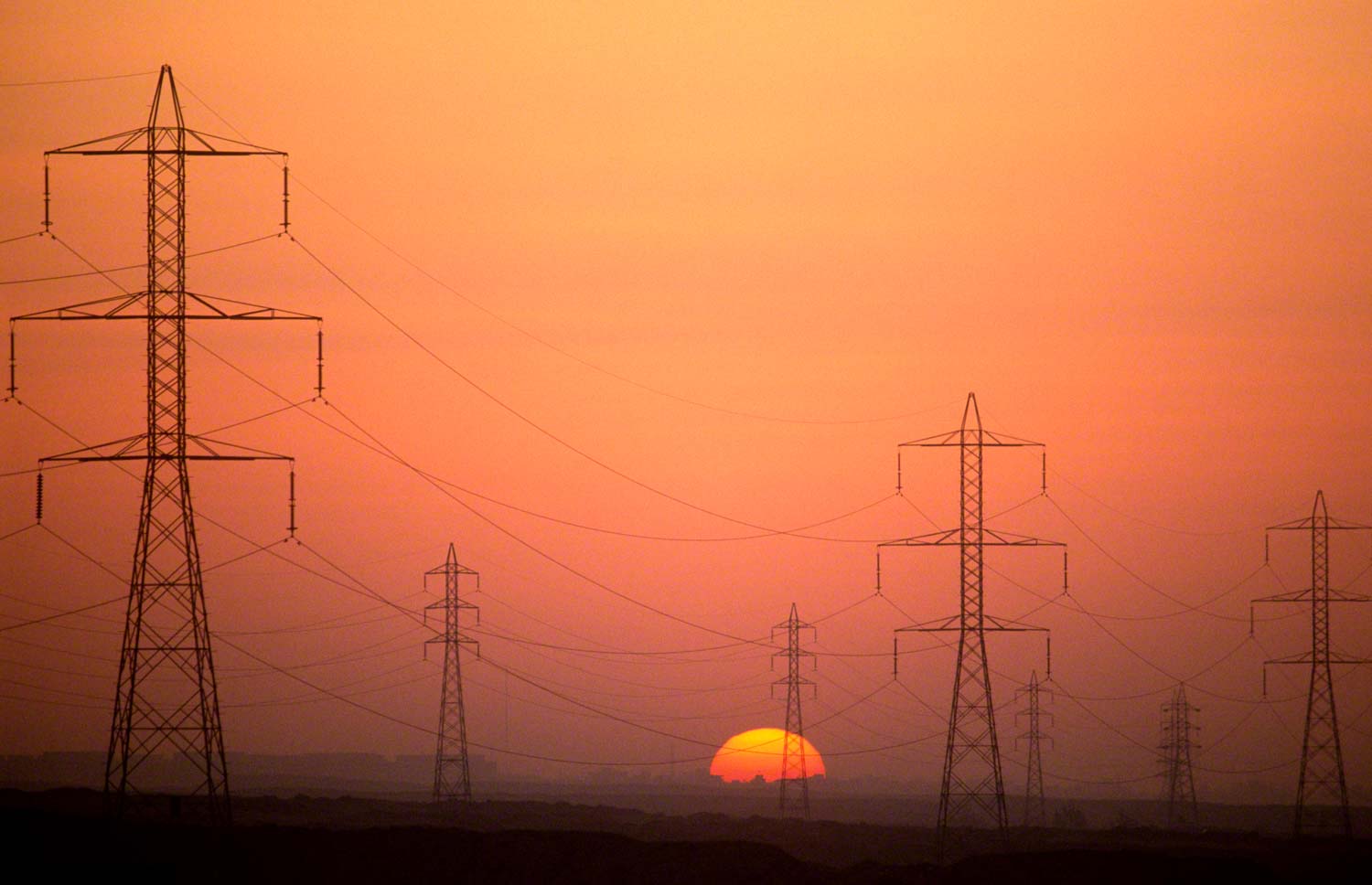
The above photo was taken without the help of a Histogram. If I had been looking at the back of my camera waiting for it to tell me that it was ok to shoot, I would have missed the shot.

🙁

Visit my website at: www.joebaraban.com, and check out my 2016 workshop schedule at the top of this blog. come shoot with me sometime.

I have added a new workshop to my 2016 schedule. On September 21st, ten photographers will get together with me at my evening “meet and greet” to begin a fantastic five-day workshop in New York, New York. Check out my description at the top of this blog. Come shoot with me.

JoeB

My Favorite Quote: Dr. John

At the right place at the right time.

I just love working on this category, and when I hear, see, or read something that directly relates to information I’ve been sharing  with my fellow photographers that take my online class with the BPSOP or my “Stretching Your Frame of Mind” workshops I conduct around our planet, it really makes me smile!!

One of my all time favorite singers is Dr. John, a Rock and Roll Hall of Fame legend from New Orleans. One of my all time favorite songs he wrote is “Right Place Wrong Time”, and of all the quotes I’ve been sharing with all of you this one probably means the most to me.

It hits home because of the one and only time (a million years ago) I showed up at a location at sunrise all ready to shoot, only to discover that the location only received light at sunset. It wouldn’t have been quite so bad had I shown up alone with my assistants but noooooooooooo…the Art Director, agency account executive, and last but certainly nor least was the client!!!!

We were at the right place at the wrong time!!! What did I do you ask? With my tail between my legs we all got back in our cars went back to the hotel and waited until sunset. It was a bummer extraordinaire.

🙁

From that moment on I made a promise to myself that it would never happen to me again, and to this day ( a million years later) it hasn’t.

Right place, right time

There’s two different way I approach photography: The first is if I’m just walking around a city in the US or some village in Europe or Asia either by myself or with a group from one of my workshops. If I was able to scout the locations ahead of time to see when it received the best light for the longest time all the better; if not I just showed up and just made do with the light we had.

A lot of the time we were there mid morning to mid afternoon when the sun was at it’s zenith, and for the most part it was fine as most of these old medieval towns or Asian villages had narrow streets with tall buildings surrounding them. The best advice I had at that point was to look for areas in shadow and use the contrast between light and dark to their advantage.

The second approach is the more serious approach and that is to scout all my locations ahead of time to determine exactly where the sun will come up and go down to the degree; as well as knowing where it will be all day.

For as long as I can remember I’ve been using a program called Sunpath, and a hand bearing compass called a Morin2000. It’s a far better combination that one of those apps you put on your phone…far more accurate and it’s great when shooting indoors with window light.

I don’t want to be at a location at sunrise when I should have been there at sunset. Depending on the subject matter, the idea, and the location, I might want to backlight, but on the other hand side light might be the best way to achieve what I want. If I’m really lucky, I might be able to do both.

Scouting ahead of time will also enable me to develop a shot list. Let’s say for example I’m at a large marina that’s nestled into the side of a small group of hills. My first shots would be as close to those hills as possible, then as the sun began to drop behind those same hills I would want to get as far away from the hills as I could which would by me some more time before losing the light altogether.

Always at the right place ,at the right time.

Let’s also say that the mega-yacht I’m suppose to shoot is moored close to the end of the marina and even closer to the hills. If the sun is coming up right behind the hills, early morning light won’t be hitting the vessel until mid morning. I don’t want to be there at sunrise, I need to be there at sunset so that late afternoon light (golden hour) will be hitting the yacht.

So, my fellow photographers the best advice I could give you is to make sure you don’t show up all excited and ready to shoot great photos only to discover that your morning has been a waste of time…be prepared!

For those of you that would like to see where my epiphany, my sudden insight into this post came from, click on this link: https://www.youtube.com/watch?v=Y6RtVmc5dSE

Visit my website at: www.joebaraban.com and check out my upcoming workshops at the top of this blog. Come shoot with me sometime.

I have added a new workshop to my 2016 schedule. On September 21st, ten photographers will get together with me at my evening “meet and greet” to begin a fantastic five-day workshop in New York, New York. Check out my description at the top of this blog. Come shoot with me.

Keep sending in your photos and questions to: AskJoeB@gmail.com and I’ll create a video critique for you.

JoeB
AskJoeB: Joe, what do you think about this photo?

What do you think?
What do you think?

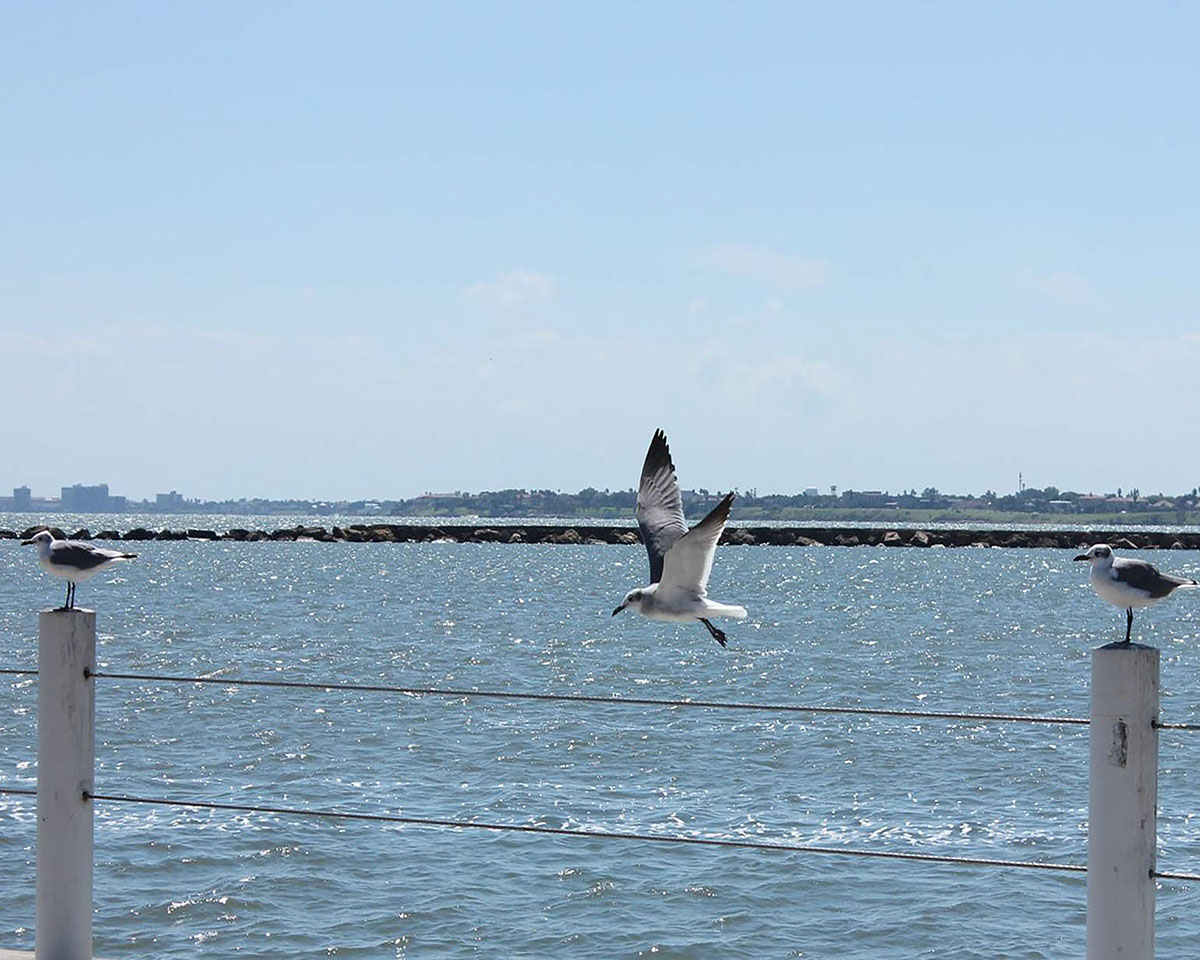
Karen submitted this photo of three seagulls. She asked me what I thought about the photo, and I like to share what each of my fellow photographers had to say. In this case, all Karen said was ” Joe, what do you think about this photo”.

The first thing I immediately felt was how closed in the photo seemed…Why you ask? Because of the square format.

As I’m always reminding my students that take my online class with the BPSOP, and in my own “Stretching Your Frame of Mind” workshops I conduct around our planet, we don’t perceive in a square, we perceive in a rectangle; which is why I always use a 3:2 aspect ratio. In my opinion it’s very difficult to achieve visual tension in a square, especially in a landscape.

I’m not saying you can never achieve tension, because it depends on the subject matter. Diane Arbus comes to mind as someone that could generate tension in a square, and if you know her photos, you’ll know why I’m saying it. Sh also committed suicide.

Take a look at my video: http://www.screencast.com/t/c900iYDpgchJ

As I said Karen, cropping is not necessarily a cure-all for creating strong photos. There’s so much more involved as far as deciding on what’s important in your composition. I would suggest you try getting it in the camera and not cropping it later in front of a computer. It’s just one opinion, but if you strive to being a better shooter, then design your shot before you click the shutter.

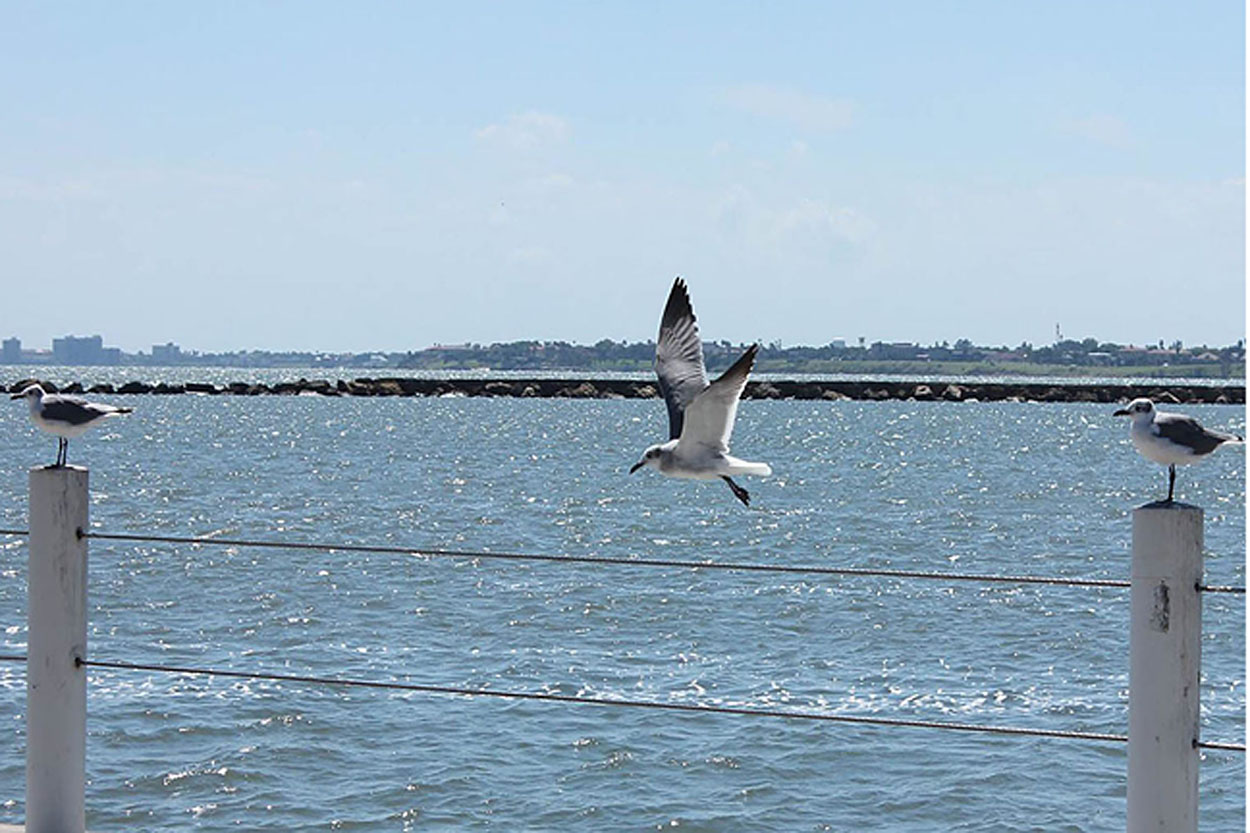
Here’s what it would look like if it was in a 3:2 aspect ratio. Which one do you like?

A rectangle
A rectangle

Thanks for the submission, and I hope my critiqued helped.

I want to announe my new upcoming three day intensive workshop at the Los Angeles Center for Photography this coming July 15th with my presentation on the evening of the 14th. I hope to see some new fces out there and say hello to some old ones: https://lacphoto.org/events/stretching-your-frame-of-mind-with-joe-baraban/

Visit my website at: www.joebaraban.com, and check out my workshop schedule at the top of this blog. July 31st starts my Maine Media Workshop. It will be my 28th year, and it’s a great way to immerse yourself in taking pictures for a week. Come shoot with me.

Keep sending in photos and questions to: AskJoeB@gmail.com, and I’ll create a video critique for you.

JoeB
Cuba/March/2016

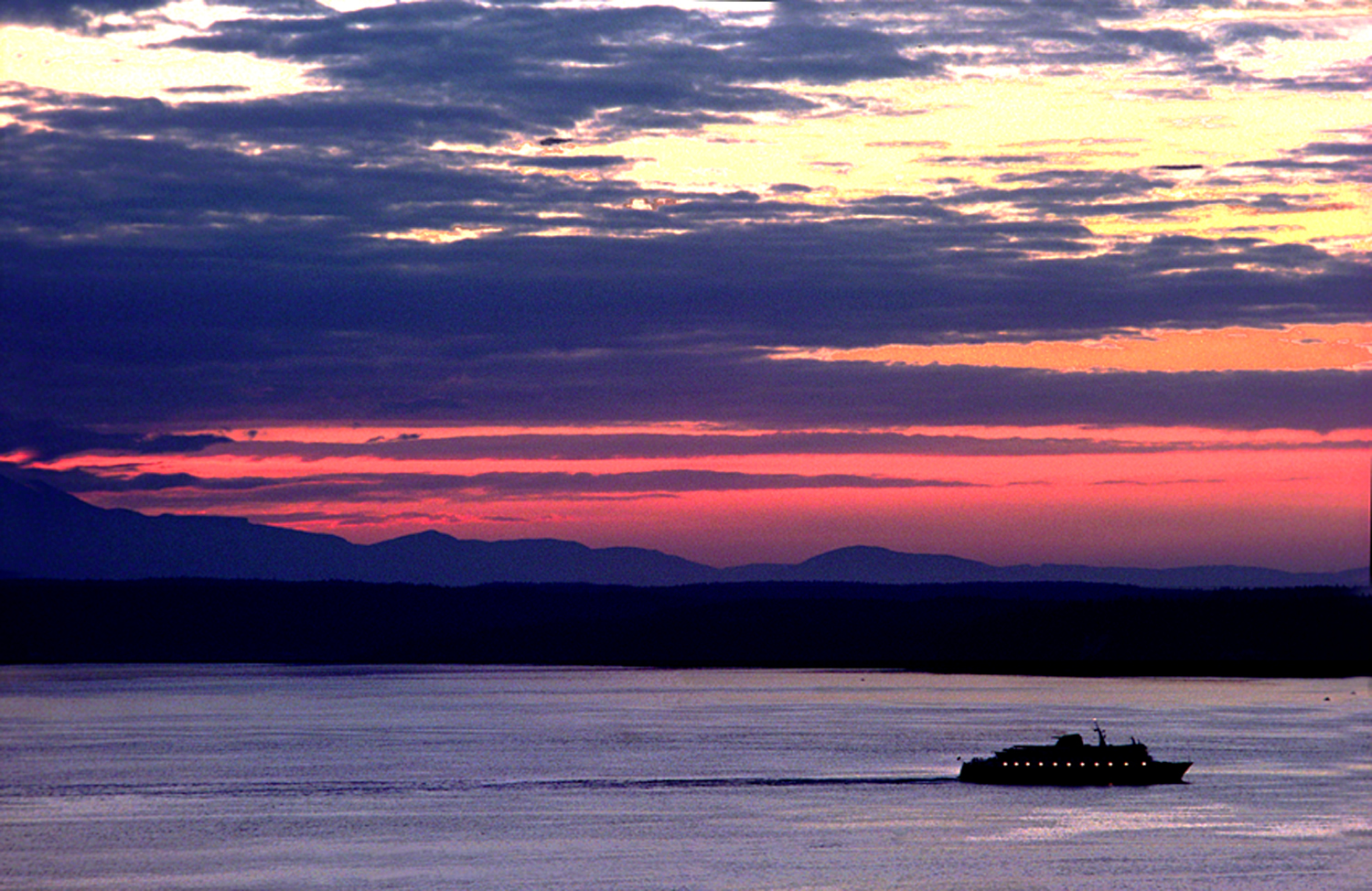
Taken during "Dawn Patrol"
Taken during “Dawn Patrol”

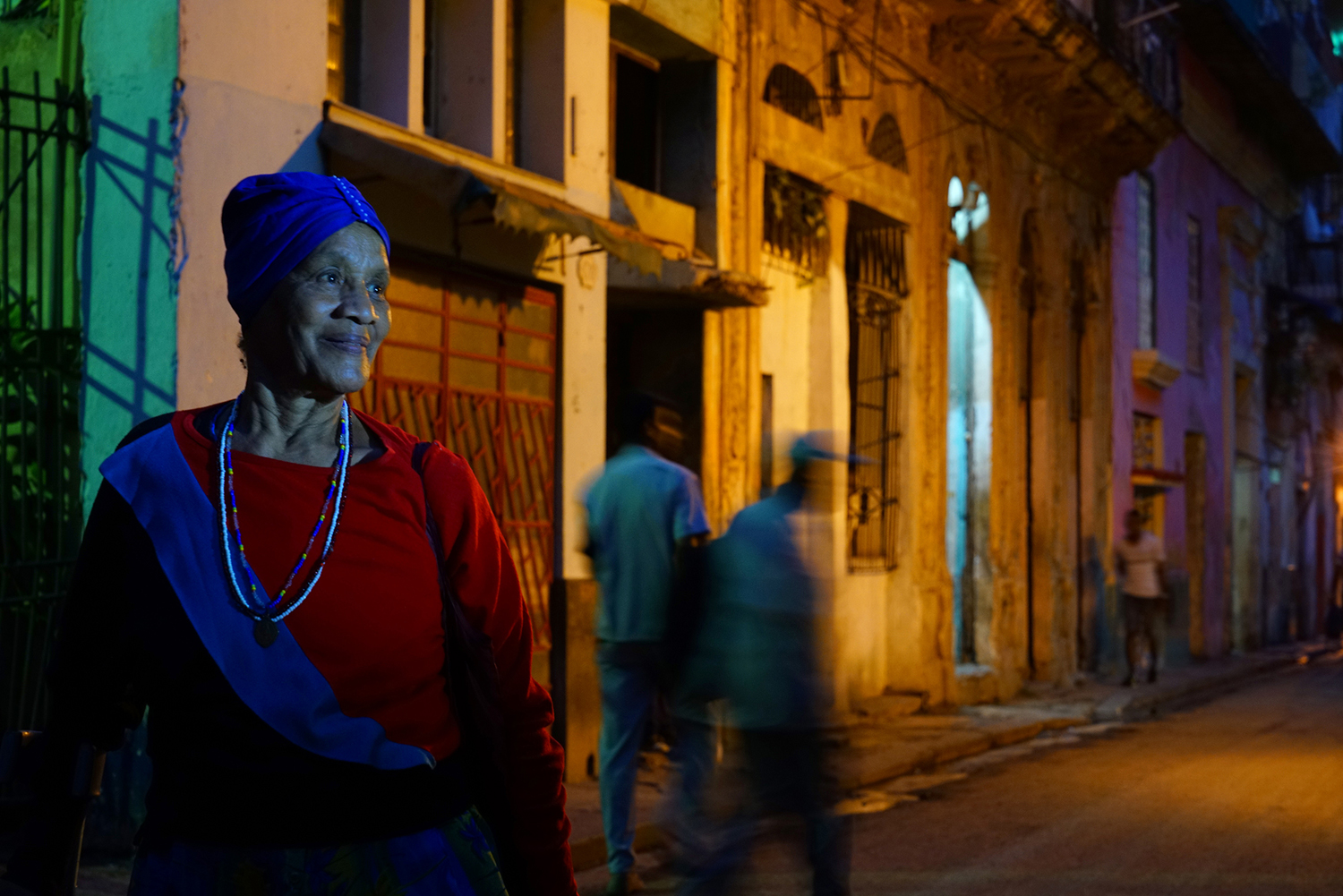
While the experience and images of Cuba are still so fresh in my mind, I wanted to share this wonderful country with you in a visual presentation.

For the third time, the Santa Fe Workshops asked me to lead a group to Cuba, and for the third time I was as exited as I was the first time I was asked. Together with their point man Kip Brundage, a top photographer in his own right, one couldn’t ask for a more professional experience.

These photos were all taken by my fellow photographers that had signed up for me to shoot with them through the streets of Havana, as well as smaller towns that were withing an hour’s ride from our hotel.

Many of them had taken my online class with the BPSOP, or had been with me in one of my own “Stretching Your Frame of Mind” workshops. For three, it had been their second time in Cuba with me.

To be sure, things in Cuba are rapidly changing and just within a couple of years, the differences for me were very apparent.  From the new Paladares  (privately owned restaurants) offering cuisine for even the discerning foodie, to the increase in tourism shown by the endless line of huge tour buses.

For the first time I saw cranes rising above the narrow streets, jutting into the blue skies over Havana, and of course the beginning of traffic jams. I walked by huge cruise ships that were either docked in the harbor or on the horizon waiting to come in.

What hasn’t changed is the people. They are still warm and friendly and anxious to invite you into their small humble homes for coffee and conversation. For the most part, they are willing to be photographed and only once in a while ask for something in return.

I had many people refuse money (a CUC…about a dollar) but would smile when you offered them, a pack of gum or a candy bar. There’s nothing like the feeling you get when you see the joy of a child you just gave a small toy to.

I can tell you that they absolutely love people from the United States, and eager to talk and spend time with you. Havana is still well worth the visit, but if I were you I would go sooner rather than later.

Btw, I happened to be there at the same time as President Obama, and watched his motorcade drive by hundreds of cheering Cubans. It was very cool and definitely part of history.

Enjoy the show:

Visit my website at: www.joebaraban.com, and check out my 2016 workshop schedule at the top of this blog. Come shoot with me sometime. The end of July marks my twenty-eight year at the Maine Media Workshops. It’s a wonderful way to immerse yourself for a week and think about nothing but photography.

It’s the same week as the Lobster Festival down the road in Rockland, and offers a completely different set of photo ops than the beautiful Maine coastline, amazing lighthouses, and quaint fishing villages. The full description is at the top of this blog.

I have added a new workshop to my 2016 schedule. On September 21st, ten photographers will get together with me at my evening “meet and greet” to begin a fantastic five-day workshop in New York, New York. Check out my description at the top of this blog. Come shoot with me.

Don’t forget to send me a photo and question to: AskJoeB@gmail.com and I’ll create a video critique for you.

JoeB
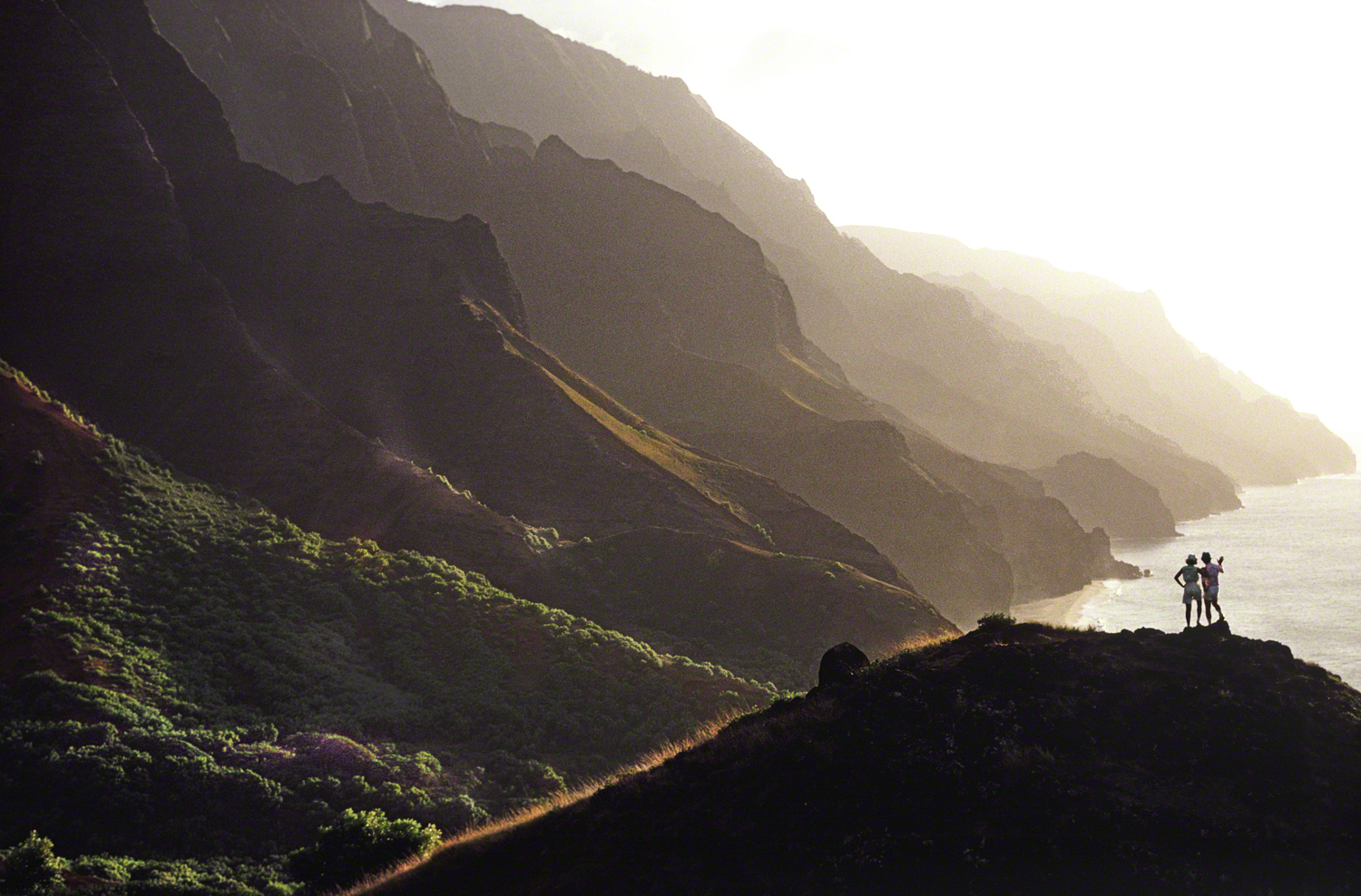
Photo Opportunities

One of mine
One of mine

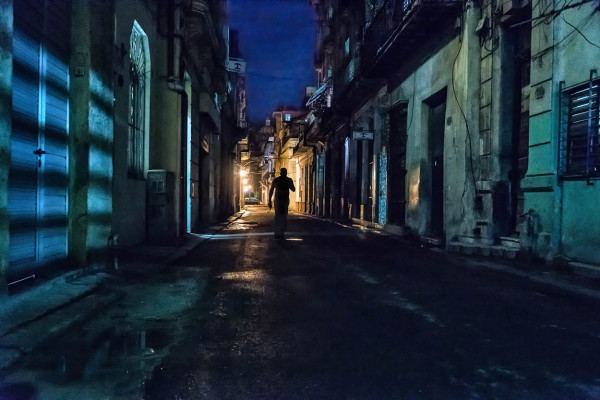
I wanted to write this post for all of those that have had interest in my upcoming photo trip to Cuba through the Santa Fe Workshops.

Next March will be my third trip and I look forward to it as much as the first time. in 2014. Now that there are so many changes going on with the US and Cuba relations, it makes it even more of a wonderful destination.

Private restaurants have been opening up and I can tell you that the food is great, and the atmosphere in these new Paladors (trip advisor) is a photo op in of itself.

The people are very warm and friendly and open to having their portrait taken against the Havana backdrop.

Here’s a link to my last two trips where  you’ll see, through the eyes of the two groups, what Cuba is like.

Enjoy and I hope these photo taken solely by the photographers that were with me:

https://joebaraban.com/santa-fe-workshops-cuba-2014/

https://joebaraban.com/cuba-april-2015/

Here’s the link to the Santa Fe Workshop site and my trip next March:

http://www.santafeworkshops.com/photography-workshops/workshop/1556

I hope you’ll come and experience this wonderful country with me.

Visit my website at: www.joebaraban.com, and watch for my additional 2016 workshops as they come up.

Don’t forget to send me a photo and question to: AskJoeB@gmail.com, and I create a video critique.

JoeB

AskJoeB: So, what do you think?

So, what do you think?

Valeriano, a past online student of mine with the BPSOP sent me this image to talk about. I always like to include what each photographer has to say, because so many of you out there have had similar problems or thoughts about one of your photos. Here’s what Valeriano had to say:

Hello Joe,

I’d like your critique about this photo. In particular I’m concerned about the slight motion in the clouds. When I shot this I was not thinking about getting a motion filled shot.

Though I just went with using a small aperture (f/16 or f/22 can’t remember precisely for this particular shot) in order to get everything in focus from foreground to infinity.
I was using a polarizing filter, which obviously cut the exposure of -2 stops, though slower shutter speed.

So what do you think about it? The main subject here is the sky, and the cloud placed on top-left third which is slightly blurred by motion. Is that something which can work for this kind of landscape photography or not?
Thanks for your critique.

Valeriano.”

In both my online class and my “Stretching Your Frame of Mind” workshop I conduct around the planet, we work on how to incorporate the Elements of Visual Design into your photography. We also talk a lot about matching the light to the shutter speed and aperture combinations so you get the maximum depth of field or the fastest shutter you’re after.

Take a look at this video and it will hopefully demonstrate what I mean: http://www.screencast.com/t/jITnXaeR5LF

It’s a beautiful image with great light and color, so thanks for sharing it.

Here’s the link to the post on giving meaning: https://joebaraban.com/giving-meaning-to-photographs/

One thing I forgot to mention in the video is the placement of the horizon line. Since you wanted to emphasize the sky, you were correct in placing the horizon line in the bottom thirds. when you want to emphasize the foreground, you place the horizon line at the top. If you have a mirror image, you place the horizon line in the middle. Of course I don’t adhere to any rules so forget what I just said and do what you think feels right. Ansel Adams once said, “There are no rules for good pictures, there’s just good pictures.”

Visit my website at: www.joebaraban.com, and check out my workshop schedule at the top of this blog. I still have two spots left on my next “Springtime” workshop to be in Portugal next May 21st. My workshops in Myanmar and Provence are full at the moment, but if you’d like to be placed on my waiting list please let me know. My 27th year at the Maine Media Workshop will be next July 26th, and in April of 2016, in conjunction with Epic Photo Tours, I’m leading a workshop to the coastal cities of North and Central Viet Nam. What an incredible photographic experience. Photos that you would see in National Geographic are yours for the taking.

Come shoot with me sometime.

Don’t forget to keep those photos and questions coming to: AskJoeB@gmail.com and receive a video critique.

JoeB

Santa Fe Workshops: Cuba 2014

One of so many great photos taken by my class. This one was from Vikki.

I recently returned from leading a fantastic photo tour/workshop to Cuba. Several months ago the Santa Fe Workshops asked me to lead a group of photographers to this small island just ninety miles off the coast of Florida. However, in our unfortunate and misguided political reality, it might as well be a million.

Because of the embargo that was placed in October of 1960, we are not allowed to travel directly to Cuba. Having said that, the Santa Fe Workshops has set up a person-to-person cultural exchange program whereas people can travel to this exciting and romantic country with special visas. These visas are for the purpose of exchanging ideas and sharing the different aspects of each countries cultures relating specifically to the arts and the artists living there; whether they be photographers, writers, dancers, or musicians. The management team at Santa Fe have been doing this for years, and have developed a very good working relationship with the government. As a result they have become adept at making the Cuban experience a life long memory.

I’ve been leading workshops since the eighties, and I can tell you that this was one of if not the most memorable experiences I’ve ever been involved in. The way it was handled was to be expected from Santa Fe, but it far exceeded my expectations. Our Cuban guide and the three Cuban photographers that always traveled with us were professional, courteous, knowledgeable in Cuban history, and were very talented photographers in their own right; also really good guys to be around.

Our producer, Kip Brundage, who works with and produces these Cuban workshops, has years of experience in the advertising and corporate community and one could not ask for a more qualified and approachable person.

With our first class accommodations and great restaurants to be found everywhere, not counting the freedom we had to explore Havana on our own, made the trip all the more memorable. I for one can’t wait to go back.

I had a full class, so this slideshow of photos taken strictly by my fellow photographers might be a little long, but as you’ll see the extra effort to view their work will be worth the time. For me, these photos have captured the essence of Cuba.


I hope to lead another group at some point, so stay tuned for future details. I can absolutely you one of the best experiences of your life whether you’re a photographer or you just want to see the country and perhaps make friends with these warm, photogenic, friendly, outgoing people.

Visit my website at: www.joebaraban.com, and check out my workshop schedule at the top of this blog. I still have a couple of spots left for my next “Springtime” workshop to be in Portugal next May 21st. Although my workshop to Myanmar in conjunction with Epic Photo Tours is full, as is my “Autumn in Provence” workshop so I’d be happy to place your name on a waiting list. In April of 2016, I’ll be taking a group to Viet Nam so although it’s a long way off, if you’re interested let me know.

Keep those photos and questions coming in to: AskJoeB@gmail.com.

JoeB

AskJoeB: Would love to have your comment.

His original photo
His original photo

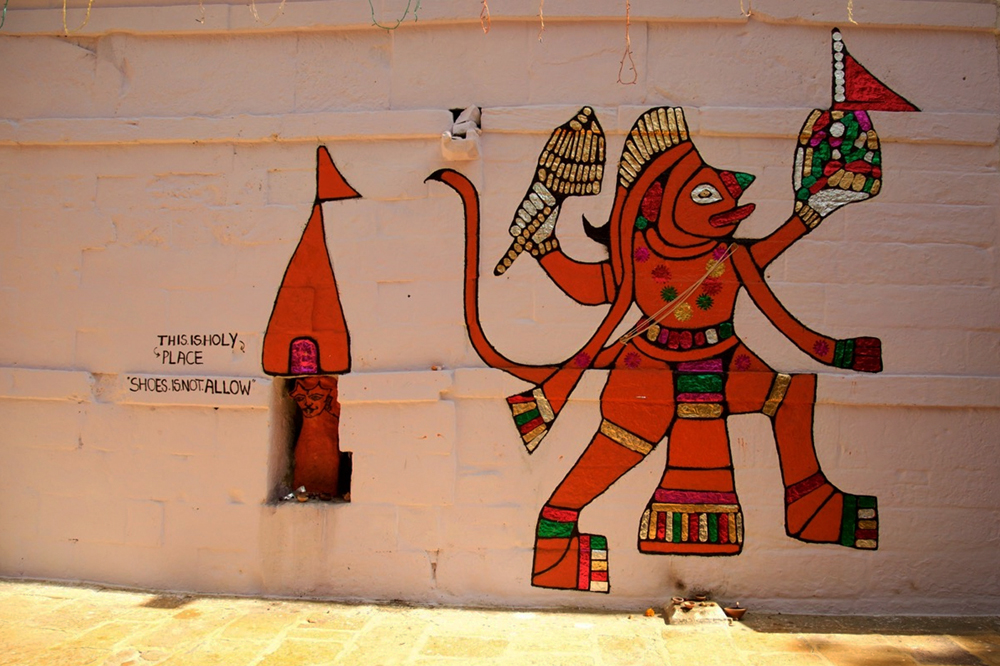
I recently was asked by a past student what I thought about his photo. As is always the case, I like to have the actual comments as a lot of my fellow photographers out there have had a similar question, or have experienced something similar in their picture-taking. Here’s what Sunil had to say:

“Hi Joe,

I shot this in Jaiselmer, the desert town of Western India. It was shot inside a fort which was built about 860 years ago ! The horizon lines do not appear straight at the bottom as this was shot from an angle. Would love to have your comments as I owe most of my photographic journey to the mentorship I did with you.

Warm rgds”

Sunil had taken my online class with the PPSOP in which I teach people how to incorporate the Elements of Visual Design into their photography. I also teach these elements in my “Stretching Your Frame of Mind” workshops I conduct around the planet. One of the points I always cover is that people like to see people in pictures. This was actually a recent post I just wrote on the subject.

Here’s a little trivia for you…Henri Cartier-Bresson would compose a picture and have everything exactly the way he wanted. The, he would wait until someone ran or walked into his frame, and  at just the right place, he clicked the shutter. You would be doing no wrong to follow his thought process.

Here's what it looks like when it's a cleaner read.
Here’s what it looks like when it’s a cleaner read.

Take a look at this video: http://www.screencast.com/t/DYKLbTd5

Thanks for sharing it Sunil.

Visit my website at: www.joebaraban.com, and check out my workshop schedule at the top of this blog. My workshop in Myanmar is sold out, so if you’re interested I’ll put your name on a waiting list.

I still have two spots left for my next “Springtime in Portugal” workshop to be next May 21st. I’m onboard for the 27th year at the Maine Media Workshop to be next July 26th, I have one spot left for my “Autumn in Provence” workshop to be next October 21st, 2015, and in April of 2016, in conjunction with Epic Photo Tours, I’ll be leading a workshop to North and Central Viet Nam. Come shoot with me sometime.

Don’t forget to send me a photo and question to: Ask JoeB@gmail.com.

JoeB

AskJoeB: How would you have shot it?

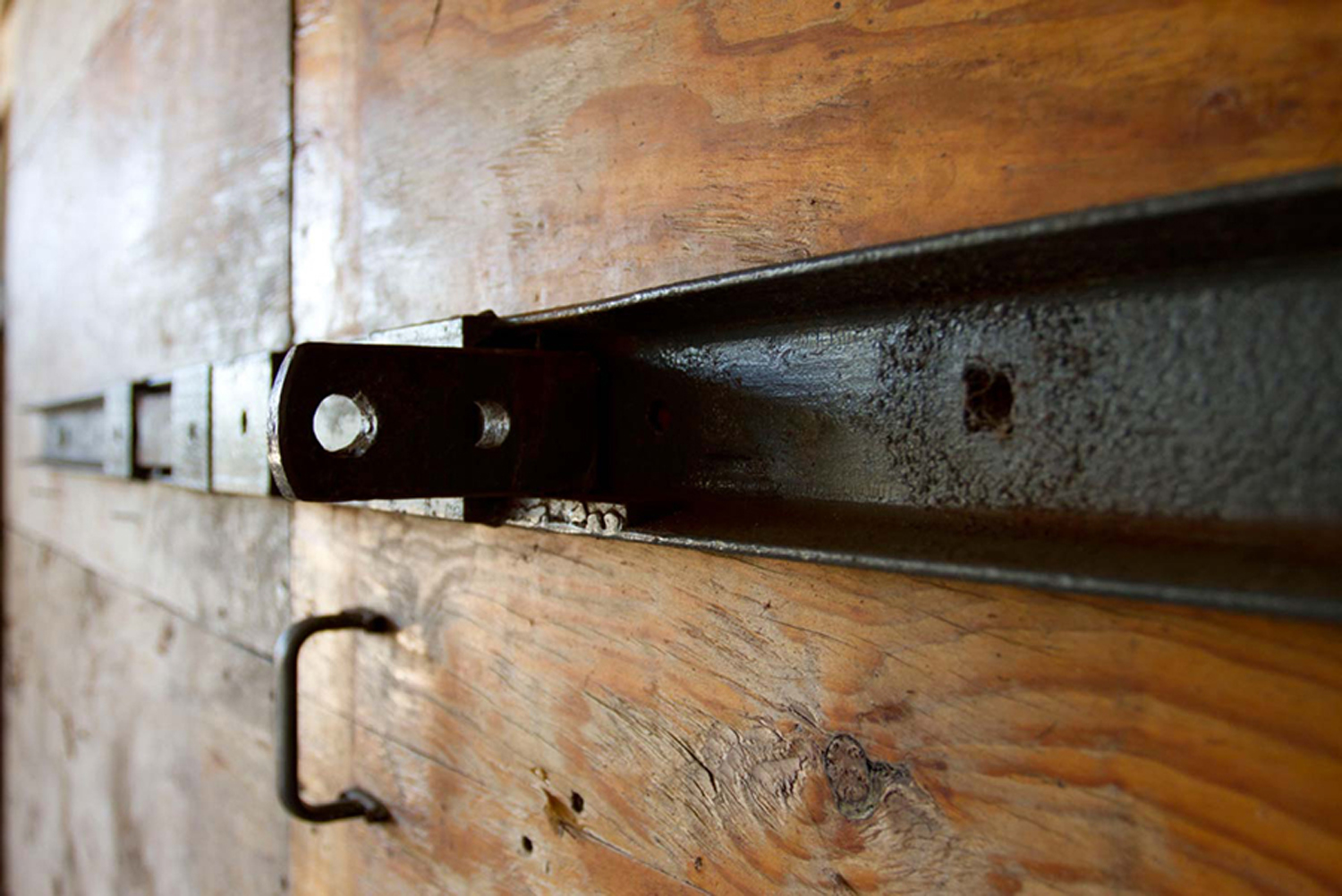
Deb sent me this photo with a question. Since so many of us has had a similar situation, or have had similar questions, I like to include what was asked. Here’s what Deb had to say:

“I shot this picture of an iron bolt. I thought it had great potential but I just could not make it as interesting to the viewer as I thought it was. How would you have shot this subject?
Thanks,
Deb”

Deb, in my online class with the PPSOP, and in my “Stretching Your Frame of Mind” workshops I spend a lot of time on light. Where you place yourself in relation to the light source is the key in creating photos that have energy and visual interest. Before I raise my camera up to my eyes I want to know where that light is coming from, so i can position myself to create the strongest image I can.

Take a look at this video critique: http://www.screencast.com/t/tIOmY7ipOre

Thanks for the submission, and I hope this helps.

Visit my website at: www.joebaraban.com and from time to time, check out my 2015 workshop schedule at the top of this blog. I still have one spot open for my photo tour in conjunction with Epic Photo Tours to Myanmar, and I still have a few spots for my next “Springtime” workshop to be held next May 21st. in Portugal. These are two completely different destinations but what they have in common is their long history and the amazing photo opportunities.

Keep those photos and questions coming into: AskJoeB@gmail.com and receive a video critique.

JoeB

AskJoeB: Does it Work?

Does it work?
Does it work?

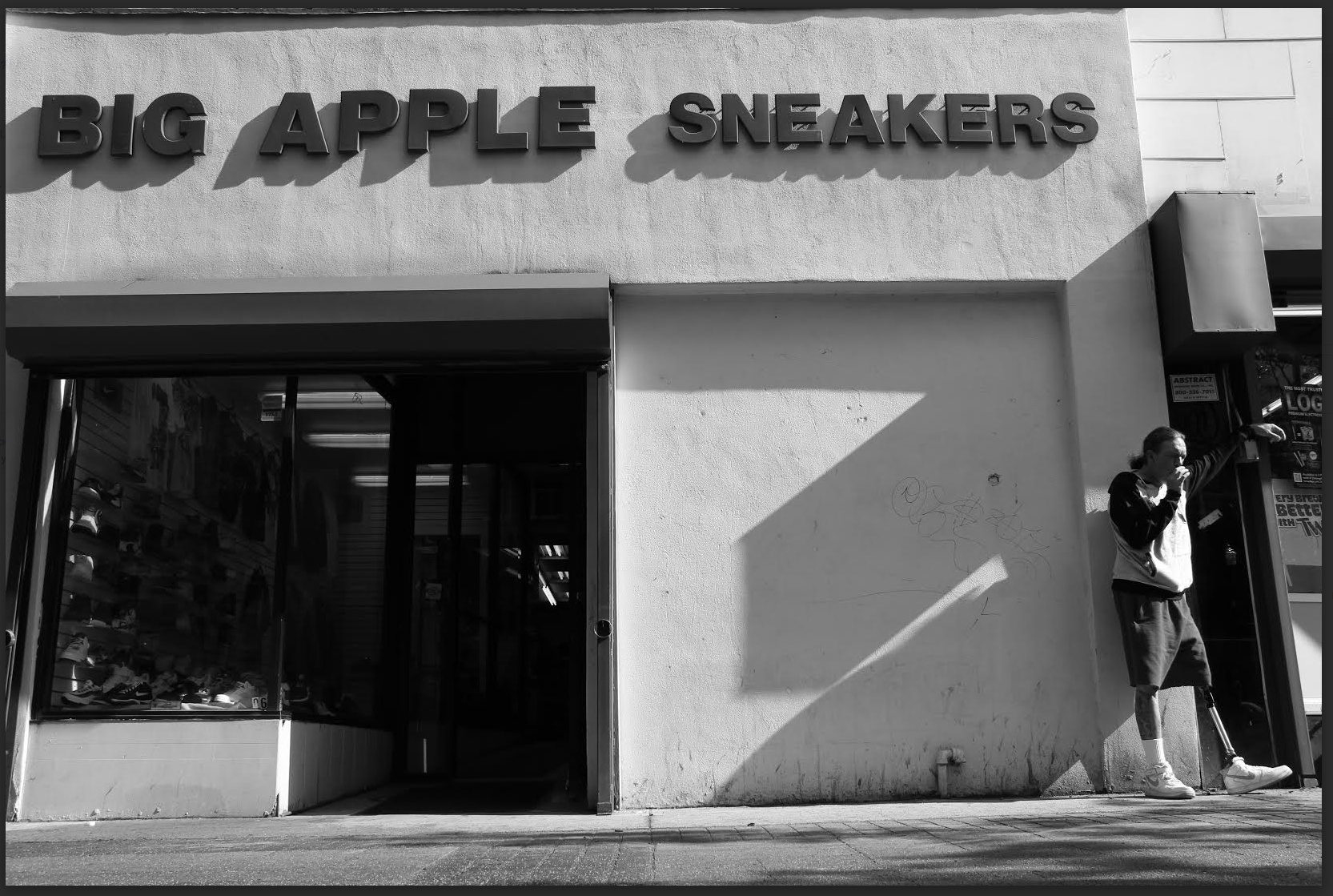
Daniel sent this photo to me for a quick critique. I always like to quote the photographer since so many people out there have experienced the same thing or have had similar thoughts and ideas. Here’s what Daniel had to say:

“Hey Joe!
Would like you’re thoughts on this. I tried to tie everything with the word sneakers. Does it work?”

One of the areas that I always talk about in my online class with the PPSOP, and in my “Stretching Your Frame of Mind” workshops is making sure the horizon line is always straight, as well as trying to keep buildings from falling over. There’s four ways to keep this from happening: If you tilt your camera to the right and left, you’ll keep the horizon line straight. If you tilt your camera straight down and up you’ll keep the vertical lines close to the edge of your frame from falling backwards and to the right or left.

To me, this practice should be observed even when you’re put and about street shooting, and a building is part of your message your sending to the viewer.

Here’s a video to look at:

http://www.screencast.com/t/VDkTcNuJTQ

Good catch Daniel, thanks for sharing it. Btw, I like where you put the man. The viewer won’t see him right away and that’s a very good thing!!!

Visit my website at: www.joebaraban.com, and check out my 2015 workshop schedule at the top of this blog, as it evolves. I have two places in my photo trip to Myanmar with Epic Photo Tours, next February 4th, and I still have spots for my “Springtime in Portugal” next May 20th. Two fabulous places filled with history and photo opportunities.

Keep those photos and questions coming in to: AskJoeB@gmail.com and I’ll send you a video critique.

JoeB

AskJoeB: Would It Be More Dramatic?

Crop or not to crop.

Dawn is a very good shooter that recently took my “Springtime in Paris ” workshop. She sent me this photo to take a look at. and as usual, I like to put the exact message my fellow photographers send me. the reason is that so many of you out there have similar questions or have been in similar situations. Here’s what Dawn had to say:

“Hi Joe,
Attached is an image I photographed a few days ago at the Mucem, the  new museum in Marseilles, as it left the camera. I wonder if it would be more dramatic, if that’s not too serious a word, if I were to crop the sides and the foreground to make the 3 people bigger? Crop the sides to the edge of the blue-ish lights at the top left and to the edge of the horizontal light on the other side; and cropping the foreground so the side railings end at the same point. This would reduce the depth of the scene, however……
Thank you in advance for your comments,
Regards,
Dawn”
First of all, as I tell people that take my online class with the PPSOP, and my “Stretching Your Frame of Mind” workshops I conduct around the planet, NEVER CROP your pictures in front of a computer. You’ll never know where the edges of your frame are and you won’t be able to use those edges as a compositional tool. Henri Cartier-Bresson said that when you crop, you lose the integrity of your original composition. If it wasn’t good enough at the point of clicking the shutter, then it never will be.
That said, since you know how I feel about cropping, you must be talking in theory and would have cropped it the way you thought before clicking the shutter!!!
🙂

Take a look at this video:

http://www.screencast.com/t/PAvVrpgc

Nice photo Dawn, and thanks for sharing it.

Visit my website at: www.joebaraban.com, and be sure to follow my 2015 workshop schedule at the top of this blog. My next “Springtime” workshop will be in Portugal next May. A wonderful city filled with history and photo opportunities. I still have two spots left with my photo tour in conjunction with Epic Photo Tour to Myanmar. Talk about history and photo opts!!!

Don’t forget to send me a photo and question to: AskJoeB@gmail.com, and I’ll send you a video critique of your image.

JoeB

AskJoeB: What do you think of this composition and mood?

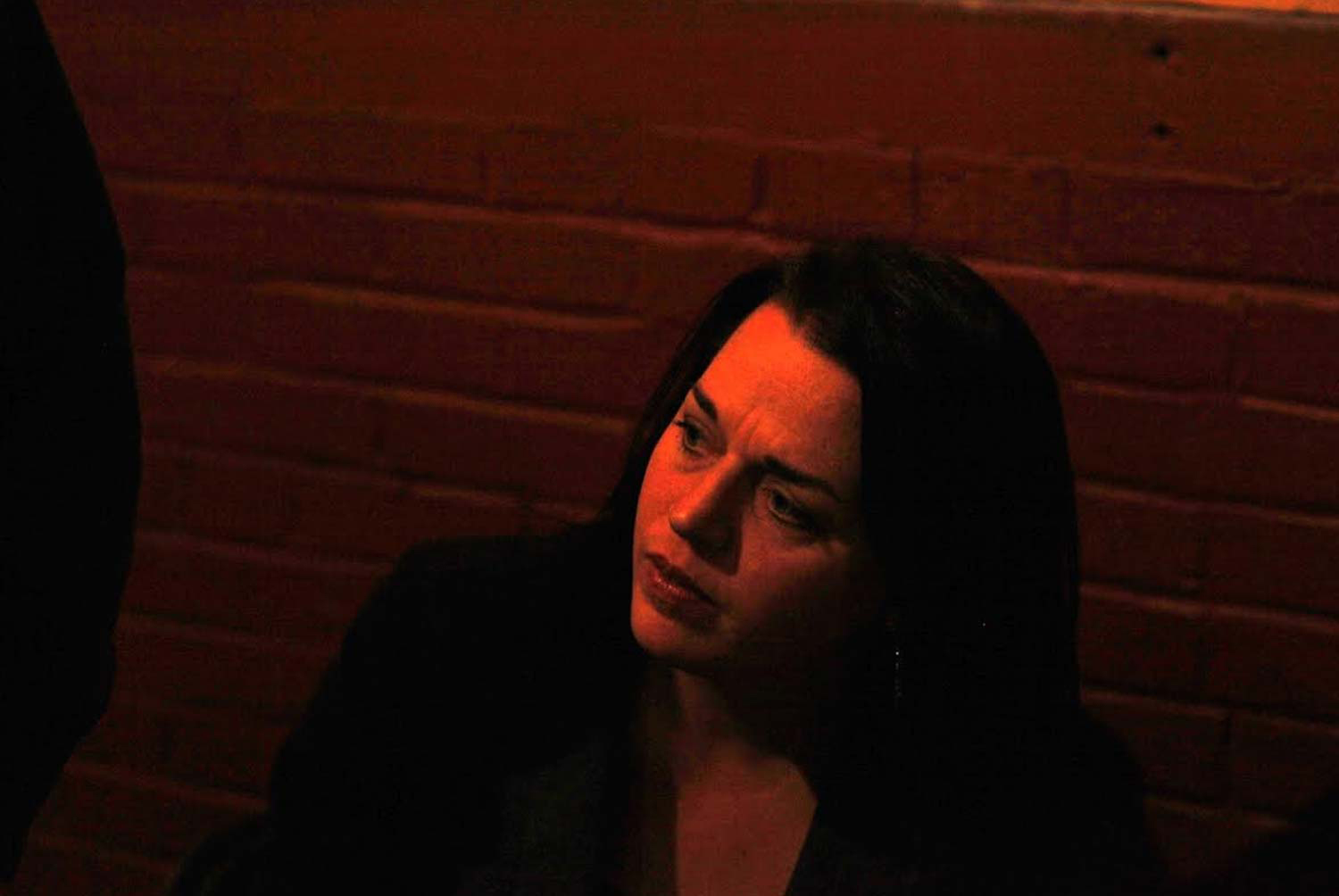
Rick sent me this photo to comment on and as usual, I like to copy and paste the actual words. I do this because there’s a lot of my fellow photographers out there that might have a similar question, or have had a similar situation come up in their photography. Here’s what he had to say:

“Hi Joe,

What do you think of the composition and mood in this photograph?
It’s a shot of a friend at a Nighthawk’s concert in Williamsport, PA, pre-concert in a rather dark setting, as you can see.  I took my Canon 5D Mark II with a Sigma 85mm 1.4 lens, no flash, to go after some natural-light stuff. Only auto contrast in Elements.

Much appreciated.”

 Rick

Rick, one of the areas I cover a lot in both my online class with the PPSOP, and in my “Stretching Your Frame of Mind” workshop I conduct around the planet is the ways to create Visual Tension. Mood will certainly be one of the ways, but there are others ways that will also generate Tension.

Take a look at this video. It will help explain far better that filling up this page with a lot of text: http://www.screencast.com/t/qMo0ljXu

The areas I concentrate on are what we work on in my online class with the PPSOP, and in my “Stretching Your Frame of Mind” workshops I conduct around the planet.

Visit my website at: www.joebaraban.com and check out my 2014 workshop schedule at the top of this blog.

Don’t forget to send me a photo and question to: AskJoeB@gmail.com. You’ll receive my new video critique.

JoeB

AskJoeB: On Canon Lens

Canon 5D Mark II with a 17-40mm F/4 lens

Henning  from Germany, sent me this question that I thought I would share:

“Joe,

I know you shoot with Canon. So I would like your advice on the following question of mine: I am thinking of purchasing a few additional lenses for my Canon camera. At the moment, I own a Canon model with APS-C sensor (30D), but I would like to buy my lenses with a future upgrade to a full-format sensor camera in mind.

I have always loved shooting with a fast fixed-focus small tele lens for portraits, and I am starting to really enjoy shooting with a wide angle lens, as well, thanks to your online course “Stretching your Frame of Mind” (a great course, by the way). Fixed focus lenses would be okay for me – I actually like shooting with them. I am looking to upgrade in terms of picture quality (in particular, my Canon kit zoom 4.0 – 5.6 / 17 – 85 mm is not the greatest, I find)

My current favo rite combination would be a Canon 4.0 / 17mm – 40 mm and either a Canon 1.8 / 85 mm or a  2.8 / 100 mm Macro lens (not so much looking for a Macro lens in particular, but rather for a high-quality portrait / multi-purpose small tele lens). I would keep my 1.4 / 50 mm to cover the “middle” range and to have at least one faster lens available. As an alternative to this combination,  Canon’s 2.8 / 24 – 70 mm lens sounds like an interesting option.

I am not a professional photographer, so I am on a budget. However, I would be willing to spend some money on good quality lenses that I can continue to use after my next camera upgrade and that give me a range of options from wide angle to small tele.Which lenses would you recommend in my case?Your feedback would be much appreciated.
Thanks,

Henning”

Here’s my response to him:
Henning, your choices are right on! I actually have both of these lens and I’ve always been very happy with them. When buying these lens, remember that it would be a lifetime investment, and providing that you take care of them you probably would never have to replace them.
FYI, when I was buying my first digital wide angle lens, I inadvertently bought the 17-40mm F/4 when I meant to buy the 16-35mm F’2.8. I didn’t realize it until i got my lens and was shooting with it for a while. I guess some might suggest a “senior moment’!!! I was going to send it back but after using it for a while I decided to keep it because I was really liking it.
The stop I lost going from a F/2.8 to a F/4 was negligible since I virtually always use a tripod, and I’m very fast with it!!! If you’re the type that doesn’t want complete control of your photographs and you hand hold your camera, then that one stop would/could make the difference in being able to shoot in a low light situation (without having to crank up your ISO, and then forgetting that you did later on). Of course, that one stop makes a huge difference in price. The 17-40mm lens sells for $US840.00, while the 16-35mm goes for $US1700.00. You’re paying a lot for that stop but to me it’s worth it when you think of it as a one-time investment and amortize it over the course of your photographic lifetime.
I really love my F/2.8 100mm Macro, and like you I use it for portraiture as well as other situations besides Macro work. A fantastic lens!!! As far as the F/2.8 24-70mm lens, I also have it and let me tell you that it’s an incredible piece of glass!!! Down the road, it’s a ‘must have’ lens for you.
There’s always going to be a lot more you can do with zooms over fixed lens. At one time, i traveled with fifteen lens, now, I carry four and I have everything from 17-200mm and my life is soooooooo much easier.
Since light is so fleeting, and can vanish in a blink of an eye I don’t want to miss it by changing lens. even as fast as I am, I’m not as fast as Mother Nature.
One last note Henning: When it’s time for you to upgrade your camera body, I would absolutely go with the Canon 5D Mark II. To me, it’s unbeatable. I’ve been shooting with them for a long time and I have no desire to change. As they say, “if it ain’t broke, why fix it”? One thing I will tell you and hope you’ll remember is that buying your first 5D Mark II won’t make you a better photographer, but what it will do is to make you the very proud owner of a Canon 5D Mark II. It’s not the camera, it’s the ten inches behind it that’s important!!!
I hope this helps.
JoeB