My Favorite Quotes: Yul Brynner
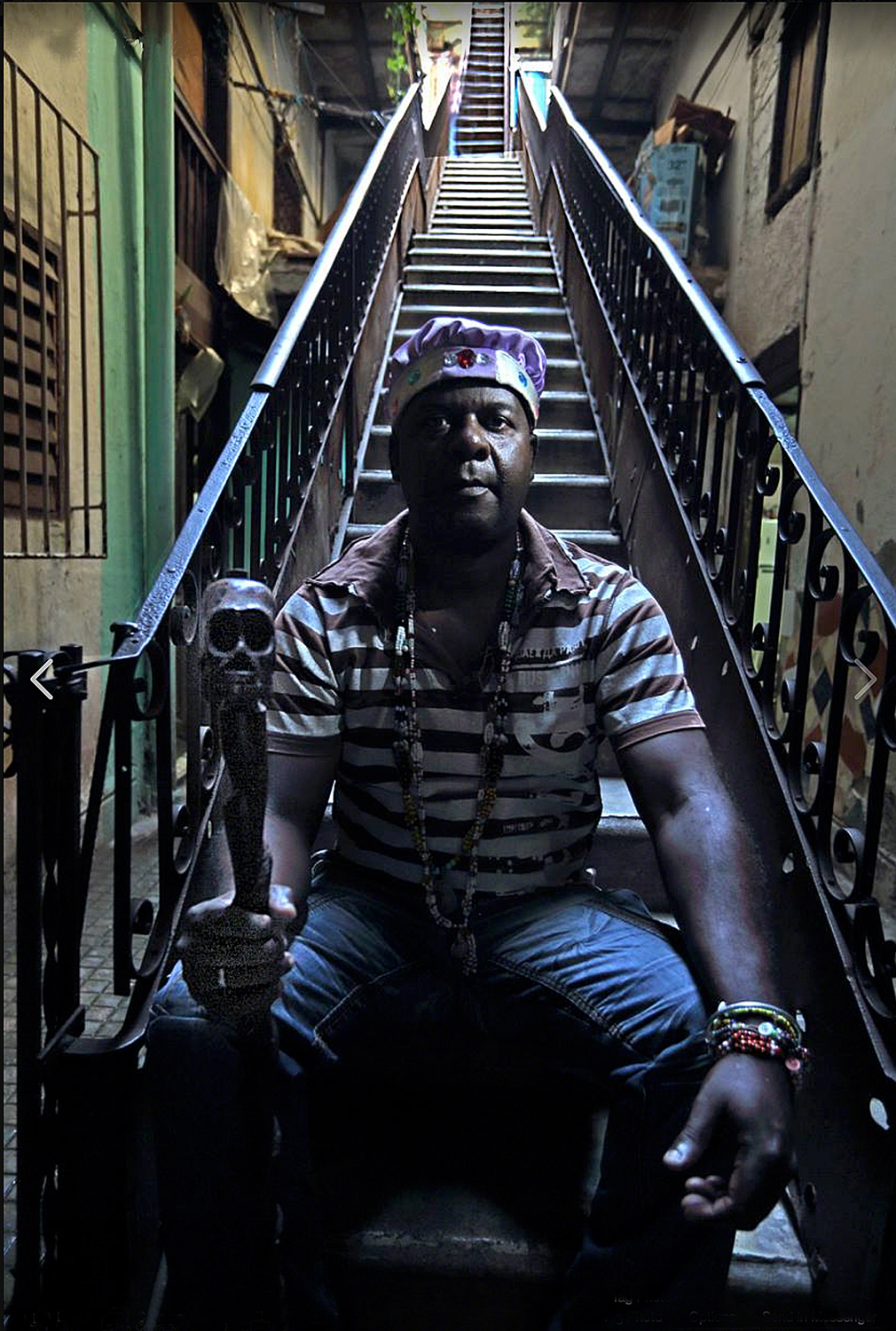 I get my ideas for all my posts from the strangest places, and I never know what is going to spark an idea. They can be from listening to a description of a photo submitted by one of my online students with the BPSOP, or from those that are taking one of my “Stretching Your Frame of Mind workshops during one of my daily critiques, while sleeping, or even watching an old movie.
This idea came from a conversation with some friends during the week of Passover when for the one-millionth time I watched The Ten Commandments. I’m not sure how many of you ever watched it, but it has been one of my all-time classics starring Yul Brynner and Charlton Heston. I’ve seen it so many times that I know most of the dialogue and say it simultaneously with the characters; much to the chagrin of my wife.
The quote was said by Brynner playing Pharoah, aka Ramseys II. He said, ” So let it be written, so let it be done.”
What in the world does that have to do with photography, you’re asking yourself as you scratch your head!!!!
Okay, here you go…it’s amazing how many times one of my students tells me that he or she did something (in creating a photo) because they had read it in a book…so it had to be true. When possible I will ask them to take a screenshot of exactly what they read, and in what book they read it.
Here are just a couple of instances of what they showed me: They actually read it wrong, they took it completely out of context, it referring to a completely different genre so as not to compare apples to apples, it was written so long ago that the way it was then is no longer the way it is now, or last but not least…the writer didn’t know what he was talking about. This last part reminds me of an old saying, “You have a great typewriter so you must be a great writer.
I digress.
Don’t get me wrong, I read a lot on the ‘information highway’ for ideas and to do research of what I heard and didn’t know, so as to answer my student but I never trust just one person, and neither should you. There’s so much misinformation out there mainly because everyone thinks they are an expert in the field. Generally, with little or no experience in the area that they’re writing about.
There are some great articles on the internet written by some of the top photographers, but I always, and let me repeat, I always seek out affirmation; by reading as much as I can on a subject and making sure everyone is on the same page…so to speak!!!
BTW, I’ve been shooting, writing, and conducting workshops since 1983, and I know a little bit about it.
Visit my website at www.joebaraban.com, and check out my workshop schedule at the top of this blog, Shoot with me sometime.
If you’re still reading this and are interested, here’s the line:
https://www.youtube.com/watch?v=h4emcNAf5lY
JoeB