Personal Pearls of Wisdom: Are you Ready for Your Closeup?
Is anyone out there old enough to remember this famous line, “Ok Mr. DeMille I’m ready for my close-up”? Well I was five when Gloria Swanson first uttered these famous words in the 1950 movie Sunset Boulevard, so I didn’t actually see the movie since I was five at the time. That said, over the years I have heard it repeated several times since that line has become sort of a Hollywood semi-joke/legend.

Moving forward into modern times, I have spoken this line to my online classes with the BPSOP, and in my “Stretching Your Frame of Mind” workshops I conduct all over the place; btw, it’s not because I remember hearing them when I was a kid.

I say this phrase because it’s part of my approach to taking people pictures. I will usually start out with more of a longer lens environmental portrait, then once my subject is comfortable with me I move in for the close-up.

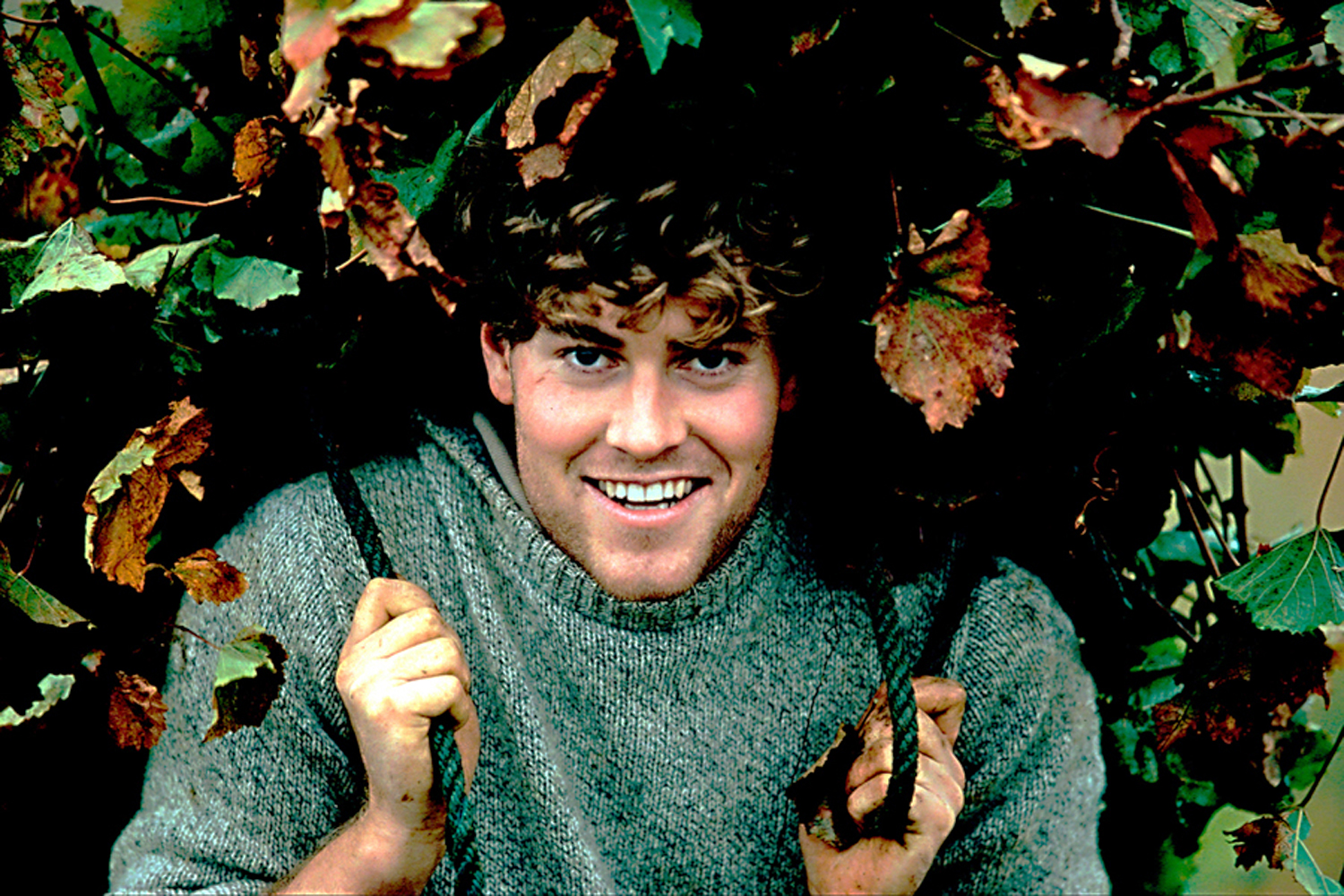
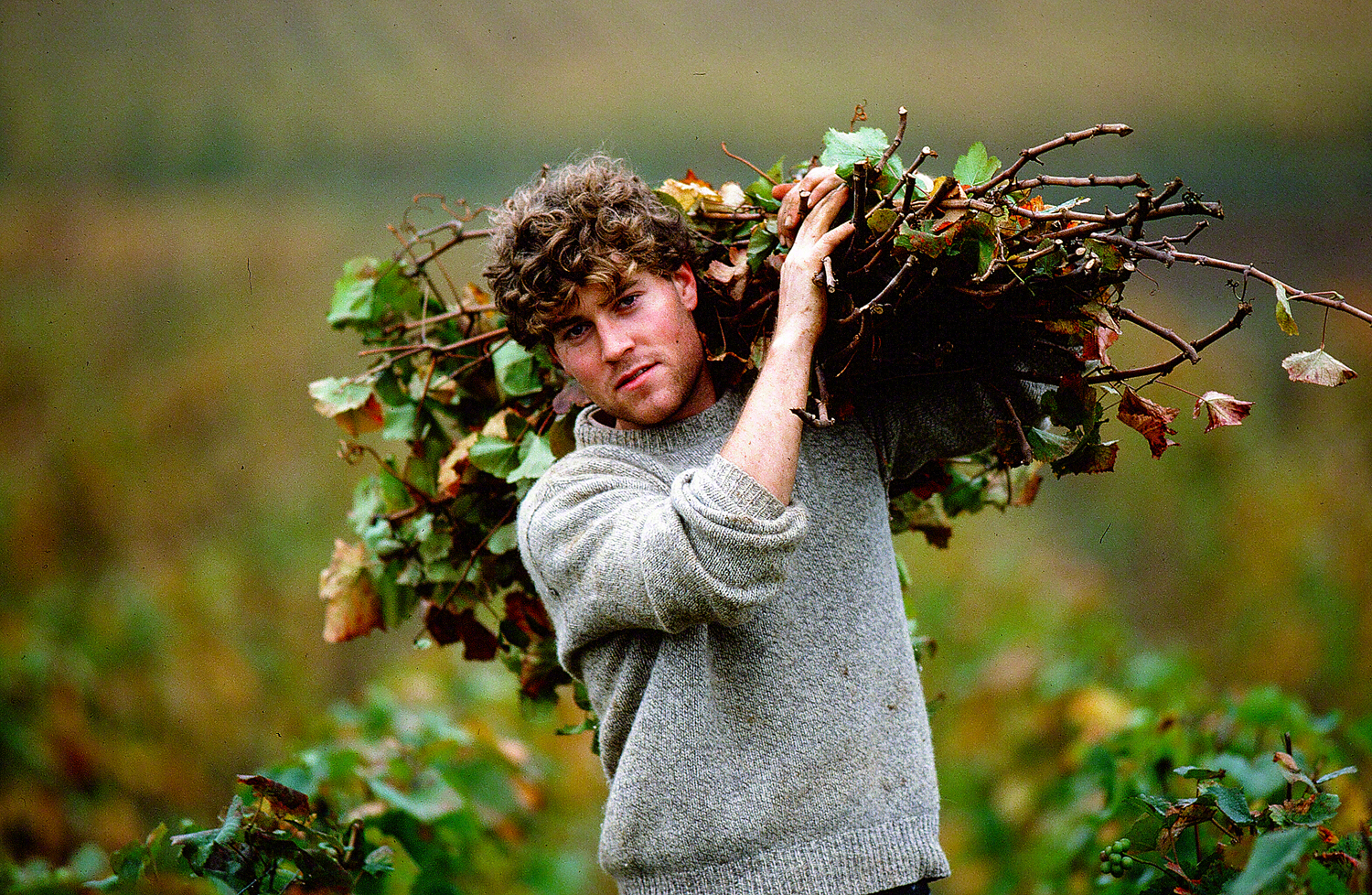
In the two images above, I was shooting for a client publishing a cookbook that was going to be called, “Autumn in Provence”. We were in a van that started out in Normandy and shot all the down to Nice. There were specific locations and events that the woman wanted me to shoot, and there were times that while we were going down the highway I woud see something worth shooting so we would stop for a photo op.

Since we were always moving South, there wasn’t time for me to wait until the best conditions so it was hit or miss as far as the quality of the light.

As we were driving down the highway I looked out at several people cleaning up after the harvest in a vineyard. We got out of the van and I approached this great looking young Frenchman and asked if I could photograph him. He loved the idea!!

As I tell my students and fellow photographers, when the sky is that nasty bluish-gray-white that we all know, do whatever you can to avoid it. I usually do this one of two ways:

I will use a lens like my 300mm F/2.8 and shoot wide open knocking everything out of focus, as in the photo above when you place the slide on the far left. Then for my close-up I’ll switch to my 20mm lens and get up close and personal thus eliminating unwanted sky; as in the photo on the right.

FYI, he wasn’t French, he was from Idaho and was spending the Fall bumming around in France.

If you’re interested in seeing Gloria say this infamous line, click here: https://www.youtube.com/watch?v=zIcC8YJrevQ

For me, the key to coming home with ‘wall hangers’ is to give yourself as many options as you can, and when you’re ready for that closeup…take it!!

Visit my website at: www.joebaraban.com, and check out my 2018 workshop schedule a the top of this blog. Come shoot with me sometime. In conjunction with The Santa Fe Workshops, on October 2nd I’ll be leading a group in San Miguel de Allende. A beautiful oasis and artist colony, and the entire city is a UNESCO site.

JoeB
Personal Pearls of Wisdom: “The Rule of Thirds Is Not For Everyone”

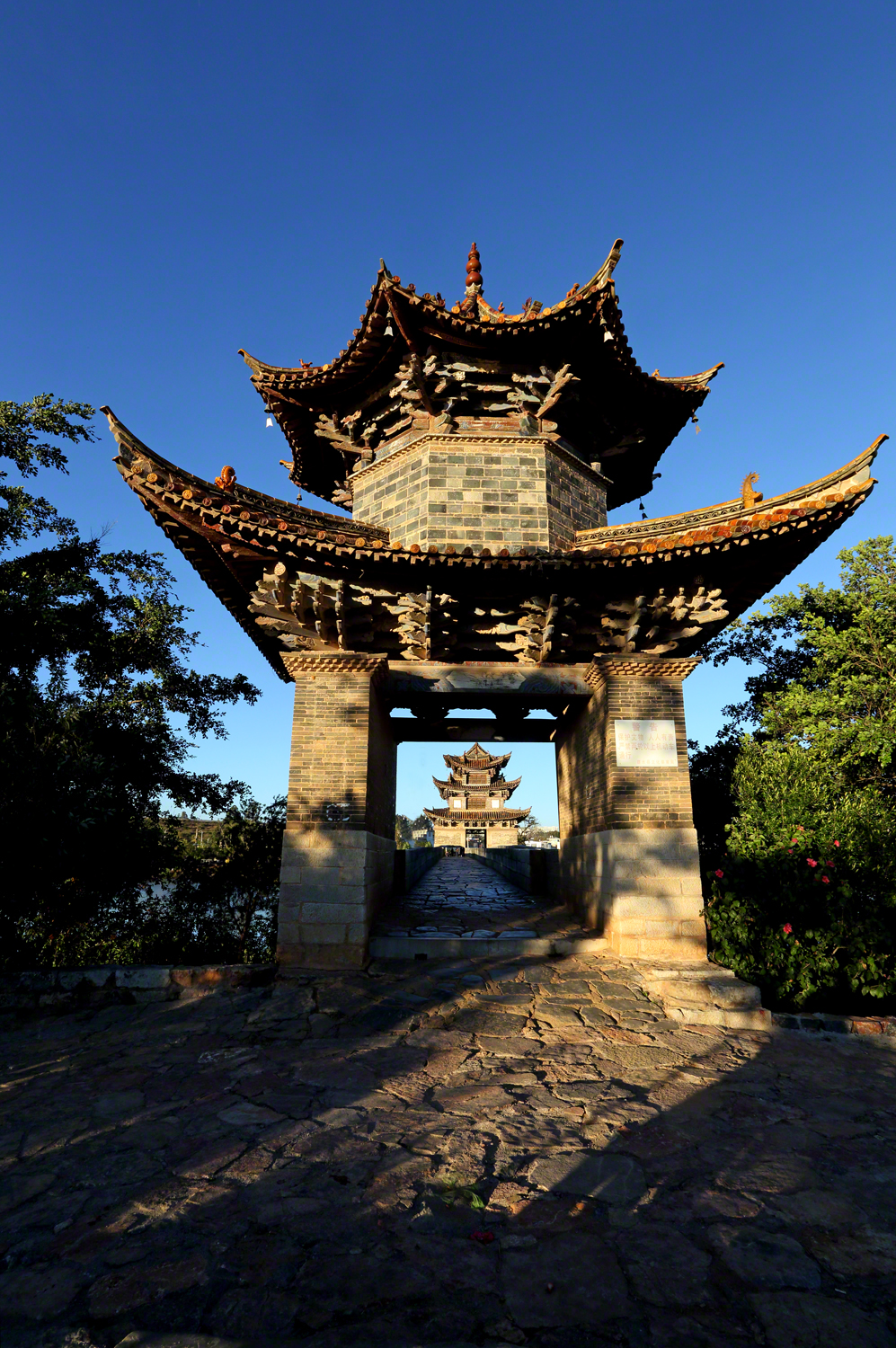
Centered with tension, energy, and interest.

First of all, let me define what the Rule of Thirds means for those that have been lucky enough to have never heard of it:

The rule states that an image should be imagined as divided into nine equal parts by two equally-spaced horizontal lines and two equally-spaced vertical lines, and that important compositional elements should be placed along these lines or their intersections.

Proponents of the technique claim that aligning a subject with these points creates more tension, energy and interest in the composition than simply centering the subject would.

Ok, here’s my two-cents worth: TENSION, I don’t think so…ENERGY, no way…INTEREST…not for those that get bored easily. Better than centering the subject? Boy would I like to meet the person that wrote this, he needs to have his mind stretched, and I’m just the one to do it.

At least once during my four week online classes with the BPSOP, and also in my “Stretching Your Friend of Mind” workshops I have the same discussions with one or more of my fellow photographers. They almost always say the exact same thing…”I was told to always follow the Rule of Thirds”.

In my opinion, this is the silliest rule out there. The last thing I want to do is to be standing there somewhere, anywhere with just a couple of seconds left of incredible light, and worry about what intersection to put my subject in. I’m going to save that idea for those people that aspire to be a ‘good photographer’…why? Because good photographer’s follow the rules; those rules that take you down a one way path to mediocrity; purgatory for those that would rather color inside the lines.

Now, if you would rather be a ‘great photographer’, I strongly suggest you break every rule you can. Ansel Adams once said, “There are no rules for good pictures, there’s just good pictures”. To me, rules are a hindrance that gets in the way of creativity thinking. Rules, and especially the Rule of Thirds should be avoided at all costs. I suppose learning the rules might be important, but so is finshing all your vegetables.

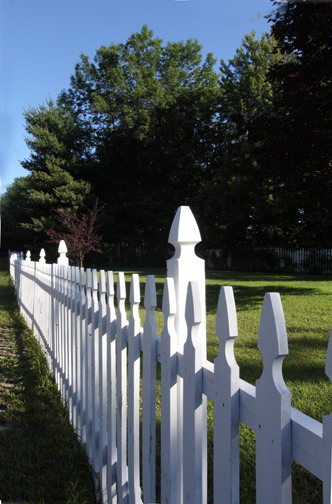
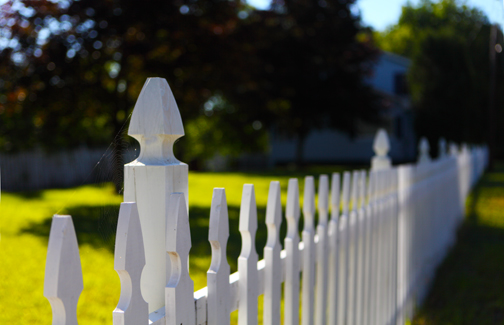
Here’s a few examples of not following the Rule of Thirds:

So the next time you out and about taking pictures, do yourself a big favor and decide for yourself what makes a photo have tension, energy, and interest.

Visit my website at: www.joebaraban.com, and check out my 2018 workshop schedule at the top of this blog. Come shoot with me sometime, and we’ll break some rules. In conjunction with The Santa Fe Workshops, on October 2nd I’ll be leading a group in San Miguel de Allende. A beautiful oasis and artist colony, and the entire city is a UNESCO site.

JoeB
Personal Pearl of Wisdom: Focus on Focus


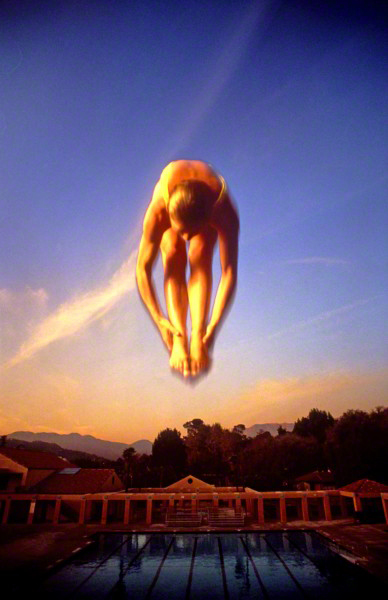
F/22 and manually focused a third of the way in.

As I hope a lot of you know, I’ve had a post come out every five or six days for seven years, and the ideas for these posts come in all shapes, sizes, and colors.

It can come from the following: A word or phrase I hear on the TV, a song title while listening to the radio, while reading a novel, a comment said to me from one of my students that take my online class with he BPSOP, or in one of my “Stretching Your Frame of Mind” workshops I conducts around our planet, or just recently a woman that signed up for my six-month mentoring program. It can basically come from the time I wake up to the time I go to sleep; even in my dreams where I will wake up and immediately write it down; least I forget by morning..

This time it came from a woman that is currently taking my mentoring program, and it came about from a discussion on depth of field.

While skyping and sharing the screen, we were looking at the photos she had submitted for the critique. I saw a common thread while looking at all her images, and that was areas that were in focus and areas that should have been; or areas that should not have been.

When talking about it she admitted that she really had no idea what was going to be in focus until she looked at them while sitting at her computer; not in her best interest.

Why I asked??? Because she depended on her digital camera to always decide for her…WHAT???

Until we started to work on her shooting in the manual mode she always shot on some program…mostly aperture or shutter priority. Here’s the inherent problem with that: You won’t know what’s in focus before you click the shutter, and you really should.

I see it all the time when one of my students is totally bummed because she or he wanted something in focus but it didn’t turn out that way. Unfortunately, it’s almost impossible to correct after the fact.

I make my life simple…If I want everything in focus from the front to the back I stop down to F/22 and focus a third of the way into my composition. Of course you would want to manually focus to make sure. Remember that auto focus is a luxury, not a necessity.

Ok, so you say that in order to shoot in ideal light (very early or very late) you would have to increase your ISO, because in order to stop down that much you would be shooting at a slow shutter speed and couldn’t hand hold your camera.

I never worry about that because when I’m working under this kind of light I never change my ISO…WHY YOU ASK? Because I’m always on a tripod!!!!!!!

And so my fellow photographers, next time not only bracket your exposure, but bracket your DOF as well. It will give you a whole lot more choices, and the more choices we have the better our chances to come back with a wall hanger…focus on the focus!!

Visit my website at: www.joebaraban.com, and check out my 2018 workshop schedule at the top of this blog. Come shoot with me sometime.

JoeB

Personal Pearls of Wisdom: Embrace the Sun

Look ma, no filter and no post processing!!!

One of the comments I’ve constantly heard from both my online students I teach with the BPSOP, and my “Stretching Your Frame of Mind” workshop I conduct around the planet is to never, never, never shoot into the sun.

One student said that she was always taught to avoid it “at all costs”, while another said that a teacher told her to make sure the sun was at her back. By the way, when you do that, you can’t add depth to ‘Form’ (an elements of visual design).

“OMG”, who says these things????

I love shooting into the sun!!! I’ve read what some photographers say and that is to always use a filter when the sun is low on the horizon. Hogwash!!! I’ve been shooting for coming onto fifty years, and I’ve never had to use a filter to create good photos under those conditions.

In the above photo shot for a campaign for the Range Rover, I intentionally wanted a dirt road that led to the setting sun; the sun being one of the two subjects. I never worried that shooting into the sun could be a bad idea, but then I’ve never put a lot of faith into the “photography powers that be” whose advice is sometines (not always) damaging to the outcome of my photos; that is, if I wanted them to be keepers!!!

By using my Sunpath program and my Morin2000 hand bearing compass I could pinpoint the exact spot (to the one degree) the sun would either rise or set and set out to find a dirt road that the vehicle would drive to…or very close to it.

I’ll tell you this: Make sure you’re shooting in the manual mode and bracket. Also, it would be a really good idea to avoid high noon sun.

Visit my website at: www.joebaraban.com, and check out my 2018 workshop schedule at the top of this blog. Come shoot with me sometime.

This coming July 29th will be my 30th anniversary teaching at the Maine Media Workshop. I’ve always picked this time as it’s the week of the Lobster Festival down the road in Rockland. This ofers a unique set of photo ops, different from the Maine Coast, fishing villages and lighthouses. The Lobster Festival is all about color, design, light, energy, people watchng and environmental portraits everywhere you look; some people are there in costumes and loved to be photographed.

In conjunction with The Santa Fe Workshops, on October 2nd I’ll be leading a group in San Miguel de Allende. A beautiful oasis and artist colony, and the entire city is a UNESCO site.

Come join me for a week of fun and photography…what could be better?

JoeB

Personal Pearls of Wisdom: “The Whole Enchilada”

I looked at the whole enchilada.

When I’m working with my online students at the BPSOP, or at one of the “Stretching Your Frame of Mind” workshops I conduct around the planet, there seems to be a recurring theme. Photographers will invariably shut their minds out to anything except the immediate subject at hand, which includes telling whatever story they’re trying to sell to the viewer.

Most of the time, they’re not even aware they’re doing it because they’re usually shooting too fast to begin with. They run around with their heads cut off and shooting anything that comes into their periphery; sometimes regardless of the subject matter.

At best, when there is a subject worth shooting, they’re so focused on placing the subject in the best light and the best positioning in the frame, that they forget about the rest of the environment. That is, the balance between the Negative or Positive Space that’s surrounding the subject/main center of interest, the contrast between the light and dark areas, or whether the colors compliment one another. Way too much time might be spent on coming up with some esoteric title.

It could be as simple as making sure a telephone pole or tree isn’t growing out of someone’s head. What about DOF? Don’t you want to know what’s going to be in focus from the front to the back? You don’t want to find out in front of a computer.

It’s “The Whole Enchilada”, that’s going to take your photograph what I call “up a notch”. It’s not just the pretty girlfriend, wife, lover, or grandson, granddaughter, mom, dad, brother, sister, aunt, uncle, etc, or your dog, horse, parrot, turtle, or cat. Nor is it any inanimate object. It’s the relationship between these subjects/objects and the environmental reality they happen to be in, or that you put them in.

One of the best ways to check on these relationships is what I talked about in an earlier post. I use what I refer to as my “Fifteen Point Protection Plan”. Or the Border Patrol, or checking the four corners.

Right before I click the shutter, I look around each and every IMAGINARY black dot that’s covering my focusing screen. You should try it sometime, I’ve been using it for fifty-three years, and it really helps!!!

In the above photo, it may look like a photo that didn’t take me very long to shoot, quite the contrary. I placed her in different places in this environment and settled for this one that because of the Figure-Ground concept in Gestalt, I had her head in front of the black area.

I purposely chose the shallow DOF to make her stand out; also part of Figure-Ground. I also placed her at the edge of the frame to generate Visual Tension. There’s nothing brighter than her face so the viewer will go straight to it. The light is coming from ten on the invisible clock…my favorite. She’s looking out which implies “content outside the frame”.

Visit my website at: www.joebaraban.com, check out my 2018 workshop schedule at the top of this blog. Come shoot with me sometime. You’ll love my Protection Plan!!!

This coming July 29th will be my 30th anniversary teaching at the Maine Media Workshop. I’ve always picked this time as it’s the week of the Lobster Festival down the road in Rockland. This offers a unique set of photo ops, different from the Maine Coast, fishing villages, and lighthouses. The Lobster Festival is all about color, design, light, energy, people watching, and environmental portraits everywhere you look; some people are there in costumes and love to be photographed.

In conjunction with The Santa Fe Workshops, on October 2nd I’ll be leading a group in San Miguel de Allende. A beautiful oasis and artist colony and the entire city is a UNESCO site.

Come join me for a week of fun and photography…what could be better?

JoeB

Personal Pearls of Wisdom: I came, I shot, I left.

Spanning almost forty years of teaching photography workshops, I have compiled a list of my own “Personal Pearls of Wisdom” that I have written over the years.

When talking to photography students from around the world, either in person, or online, or by email, I often refer to a catchphrase I’ve created throughout my photographic career. These Pearls of Wisdom’ are usually used in a critique, but sometimes I just throw one out for everyone’s enjoyment. Most of the time it gets a laugh…not all the time but a LOT.

Here’s one of my favorites, and one I’m constantly using: “I came, I shot, I left.”

What that means is that photographers usually don’t spend a lot of time taking a photo. They will invariably walk up to a subject or location, shoot the first idea that comes to mind, and then move on leaving a lot still ‘on the table’. By the way, the photograph is usually taken at eye level since it’s the easiest and less stressful way to compose.  STOP!!! Don’t leave!!! Use this first shot for what I call the ‘Master Shot’ and stick around to observe what else is going on.

I can’t remember when I started doing this, but I think it was when I started as a director/cameraman and began with TV commercials…about thirty years ago.

I learned to take the ‘Master Shot’, which was the first set up in a scene.  It was important because it set up the rest of what was left of the thirty seconds. It’s the key shot, and when you could walk away with in case it started to “rain on your parade”.

In my online class I teach with the BPSOP school, and my “Stretching Your Frame of Mind” workshop I teach around the world, I have them take a ‘Master Shot’, which is the first idea that they see when they come upon a worthy subject/location. Then, I have them take two more photos of the same location/subject. These two shots should come to them while taking this first shot. The idea is to find ways to segue your first photo into a better and stronger way to see it.

What I don’t mean is to stay in the same position and just zoom in or out in the same composition.

For example:

  • Up close and personal
  • Change lens
  • Up high then down low
  • Different light
  • Change a prop
  • Put in a person, or take one out
  • Look for something that might be unexpected or unpredictable.
Master shot

When I’m shooting, I have one eye in the viewfinder and the other scouring the location for a way to segue my current composition into a stronger shot. As I’m shooting, I’m constantly making small to medium-sized changes.

I’m always looking for that elusive “OMG” shot.

Here’s an example of a ‘Master Shot’:  While driving around with my class at the Maine Media Workshop, Chasing the Light as I refer to it, I stopped at this location to show them what I meant. While these photos are not going to win any awards, they are an excellent example of taking a ‘Master Shot’, then looking for other ways to make it more interesting before leaving.

So the next time you’re out shooting think about taking a master shot then see what other possibilities come from it. Once you try it and see that it works, you’re on the right road to taking your work to the next level.

Visit my website at www.joebaraban.com and check out my 2018 workshop schedule at the top of this blog. Come shoot with me sometime. I have a couple of openings in my Springtime in Berlin workshop next May 23rd. A fantastic city with so many great locations we’re going to be shooting.

In conjunction with The Santa Fe Workshops, October 2nd I’ll be leading a group in San Miguel de Allende. A beautiful oasis and artist colony and the entire city is a UNESCO site.

Come join me for a week of fun and photography…what could be better

JoeB

Personal Pearl of Wisdom: Use It Or Lose It.

  If you’ve taken my online classes with the BPSOP, or have come shooting with me in one of my “Stretching Your Frame of Mind” workshops I conduct around our planet, you’ve undoubtedly been exposed to several if not all of my personal pearls of wisdom at one time or another. If you’ve done both classes and workshops you’ve head them a lot more times than once!!!

Defending myself, I can only say that they are helpful hints that when thought about can make the difference in your photos standing the test of time and certainly will keep the viewer around for that important “give me six”.

One of my all time favorites, and one I’ve been touting for years is, “Use it or lose it”.

Right before I click the shutter I check for any UFO’s. Those are things you didn’t want in your photos but weren’t paying enough attention to see them.

These can be any unidentifiable objects scattered around your composition. I say unidentified because the viewer won’t know what they are, even if you do. Generally I refer to those UFO’s that sneak in to one of the edges of your frame….without you noticing.

They come in all shapes and sizes and are usually distracting. They can be anything from someone’s foot, to a piece of a lamppost, to part of another building, etc. When I say to use it I mean to take a step back and put more into your photo, or swing your camera around to see them. At least enough so the viewer won’t scratch his head wondering just what it is; not a good thing to see.

When I say to lose it, well that pretty much speaks for itself…as in get rid of it completely; which will probably simplify your photo as well.

In the photo above I took while walking the streets in Paris, if I hadn’t check my border patrol I would not have seen the foot of a man standing just at the edge of the frame. I wanted to keep the photo simple so I lost it instead of using it by including more of him.

Ok, here’s the easy part, or the hard part if you ask enough of my fellow photographers what they think. The easy part is to use your 15PPP, do your Border Patrol, and check those Four Corners. The hard part is remembering to do them.

I once had a student tell me that she put a small yellow post it note on the back of her camera, and all it said was 15PPP-BP-FC. She kept it on until she didn’t need it anymore, but in her mind it would always be there.

Whatever works!!!

Visit my website at: www.joebaraban.com, and check out my workshop schedule at the top of this blog. Come shoot with me some time. This coming January Along with William Yu, I’ll be taking a group to China to photograph the flooded rice terraces and also the tribal villages. Next February in conjunction with the Santa Fe Workshops, I’ll be returning to Cuba for the fourth time. My next springtime workshop will Berlin next May; an incredibly beautiful city.

JoeB
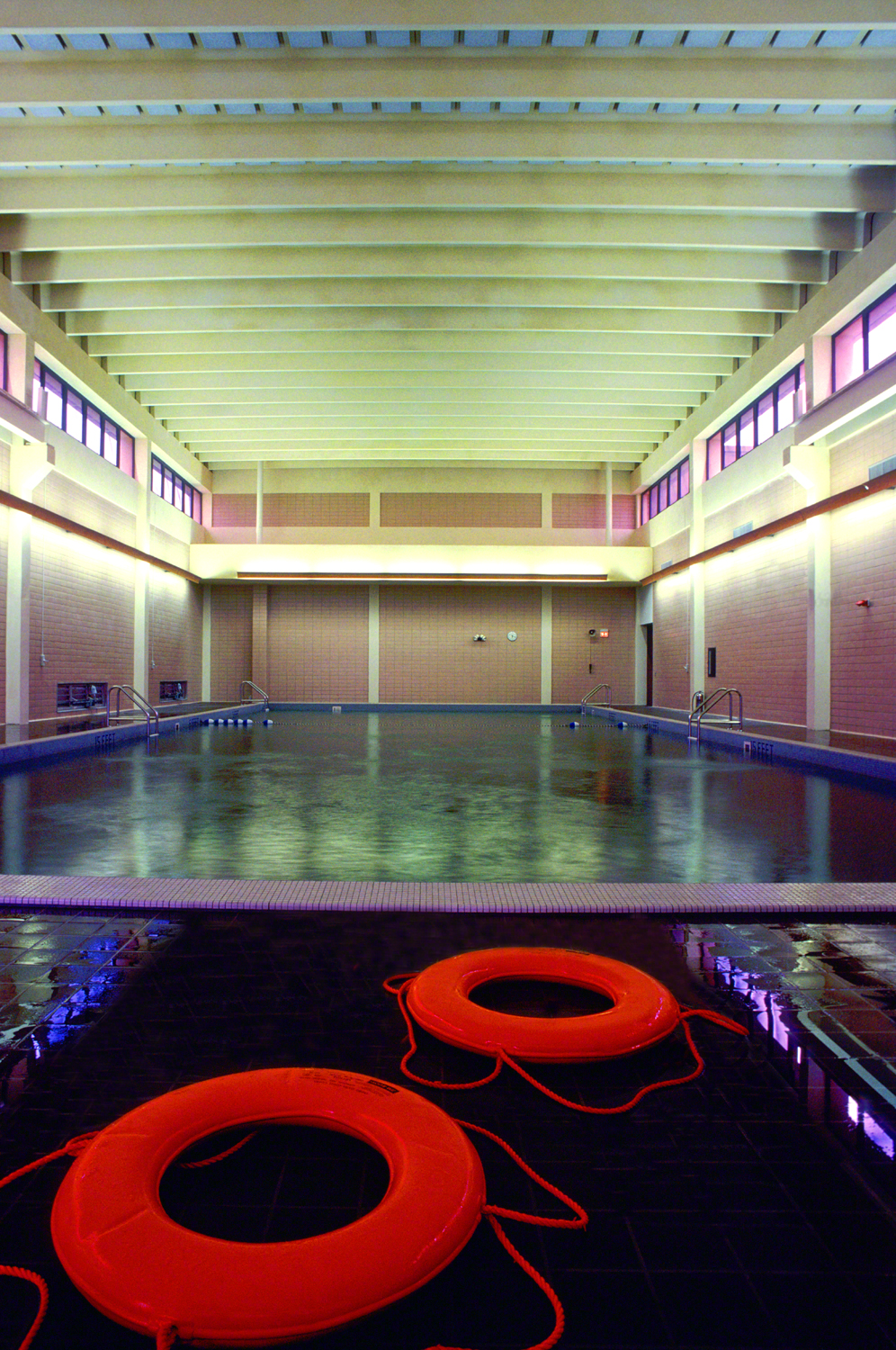
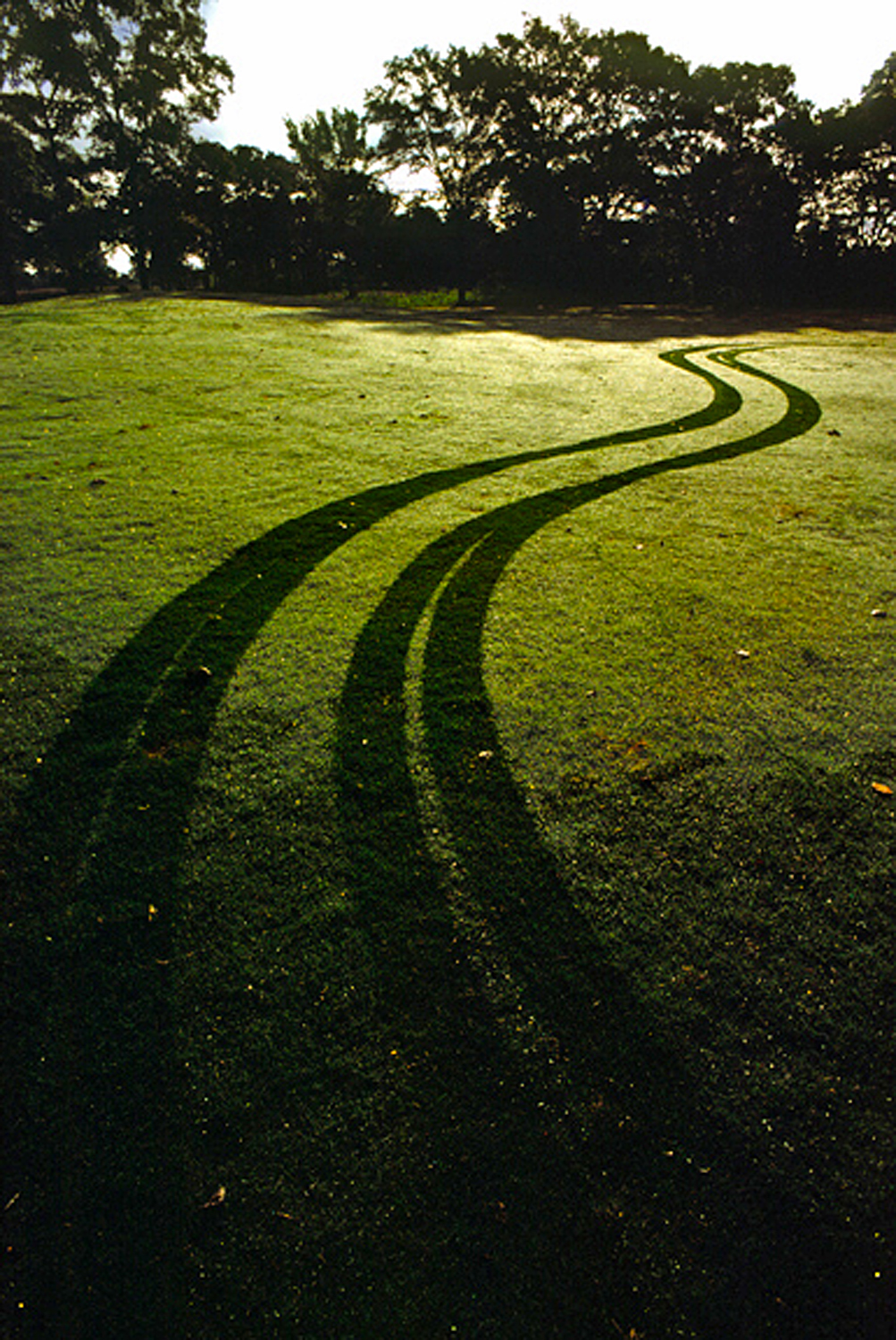
Personal Pearl of Wisdom: It’s not what you put in your composition that counts, it’s what your don’t put in that matters.

Didn’t really need the golf cart.

I always have students feel compelled to put more things into their photos than they really need, and I’m a firm believer in the concept that “if more’s better then too much is just right”. However, when it comes to composition I always want to keep things relatively clean and simple, using Symmetry, Balance, and Order as starting points….although chaos can be a very good thing.

Invariably, photographers that sign up for my BPSOP classes that I teach online, and those that take my “Stretching Your Frame of Mind” workshops think that if they put in a lot of stuff the photo will look better…not so!

Painting is the art of addition, and coming from a background in painting and design, I would start out with a blank canvas on an easel. From there, I would add stuff and the appropriate pigments until I felt that I had enough of each to call whatever it was that I had just painted, a finished ‘work of art’.

That was then.

Photography is the Art of Subtraction.

Now, I put my camera on a tripod, look through the viewfinder, and see that everything is already there. My job now, as a photographer instead of a painter, is to take away enough stuff until I feel that I have a well composed and interesting photograph.

The interesting thing is that sometimes I look at images and see that there’s an opportunity to make a really good image—if the emotion of the scene had been identified and the distracting elements subtracted from the image.

Anything in your frame that doesn’t enhance it is a potential distraction. It only serves only to dilute the image (as the melted ice cubes dilutes the lemonade). In short, all things that do not strengthen the emotion of an image weaken the image.

Removing distractions is often as simple as tightening the composition, or re-positioning the camera; also thinking about keeping it clean and simple.

The Figure-Ground concept is another way. Figure-Ground is one of the concepts in the psychology of Gestalt, and refers to ways to separate the Figure (the subject) from the Ground (the background). By shooting with a narrow DOF, you can also eliminate unwanted stuff and make it work for you by being completely out of focus.

One of my favorite techniques for photographing colorful wildflowers and fall foliage is to narrow the range of focus until just a select part of my subject is sharp, softening the rest of the scene to an appealing blur of color and shape.

Most photographers have no problem seeing what to put in their images, but many struggle with what to leave out. Or how to do it.

Hired by a country club to photograph their re-modeled golf course for a brochure, I originally included a golf cart in this photo above. Since I had seen that shot a thousand times, I wanted something different; a little less predictable.

As a matter of course, I started taking things out that I felt weren’t really necessary to get the point across. The result was a photo that the viewer had a better chance in remembering since the viewer will always react to that which is the most different.


Visit my website at: www.joebaraban.com, and check out my workshop schedule at the top of this blog. Come shoot with me some time. This coming January Along with William Yu, I’ll be taking a group to China to photograph the flooded rice terraces and also the tribal villages. Next February in conjunction with the Santa Fe Workshops, I’ll be returning to Cuba for the fourth time. My next springtime workshop will Berlin next May; an incredibly beautiful city.

JoeB
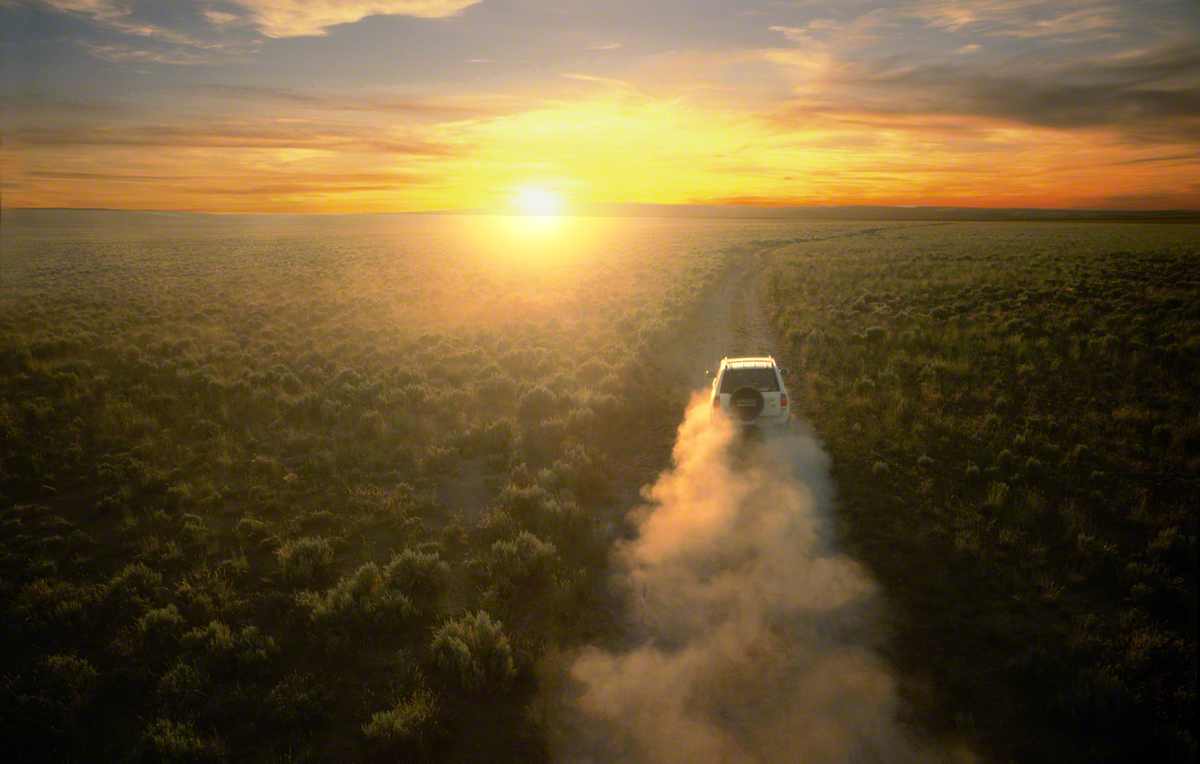
Quick Photo Tip: Call Shotgun!!

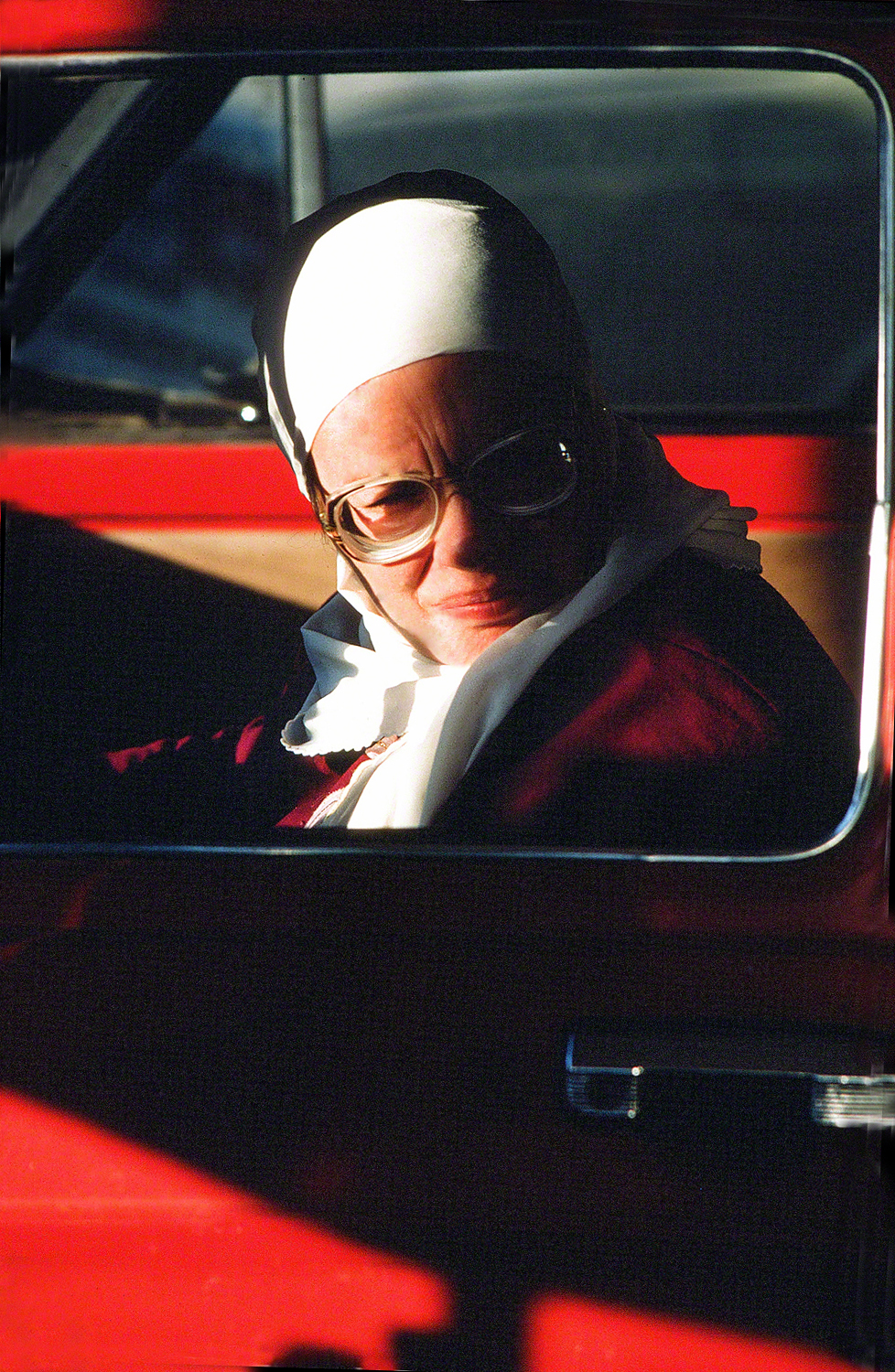
I’m so glad I wasn’t driving.

SHOTGUN!

For most of the people that are now reading my blog that have heard or have used this expression, you understand its importance in our society. For those that don’t, it was a common declaration growing up that meant if you said it out loud and before anyone else could say it, you got to sit in the front passenger seat next to the window;  it was written in stone and no one could dispute it; except maybe a much bigger friend.

Now that I’m no longer a kid, although I still consider myself extremely immature, I can sit there whenever I want. As I tell my students that take my online classes with the BPSOP, and those that have been with me on multiple workshops around the planet, I will often quote people that have played a significant part in the way I approach photography. This time it’s Eddie Adams who once said, “When you get lucky, be ready”.

What I mean is that by sitting shotgun with a camera in your lap you just never know what you’re going to see when stopped either at a red light or during rush hour. Btw, I won’t always do this because of the position of the sun, but I’ll jump at the chance when the sun is low on the horizon either early in the morning or late in the afternoon.

In the above photo, it was late in the afternoon and we were downtown stuck in a rush hour traffic jam. I had decided beforehand that it was a good time to call shotgun (even though it was just my wife and I). No one around us seemed to be very happy except me, since I was pre-occupied with the light…as is usually the case.  As I  was looking around for the light, a car driven by a woman pulled up right next to me who appeared to be wearing a white hijab.

I noticed the light hitting all around both sides of her car and brought my camera (my little Lumix DMC-LX7) up to the ready position. I was watching her while she was sitting in the car’s interior shadows,  and it was obvious she didn’t want to be there anymore than anyone else that afternoon. In just the quickest of moments she stuck her head out the window and because I was ready when I got lucky, I got off one shot.

So my fellow photographers, the next time you know that you’ll be stuck in traffic, take a camera along with you and call shotgun. You just never know when and where that “OMG” photo will raise it’s head, and if you’re ready for it and can anticipate what might happen, you’ll thank me for it.


Visit my website at: www.joebaraban.com, and check out my workshop schedule at the top of this blog. Come shoot with me some time. This coming January Along with William Yu, I’ll be taking a group to China to photograph the flooded rice terraces and also the tribal villages. Next February in conjunction with the Santa Fe Workshops, I’ll be returning to Cuba for the fourth time. My next springtime workshop will Berlin next May; an incredibly beautiful city.

If you send me a photo and question to AskJoeB@gmail.com. I’ll create a video critique for you.

JoeB
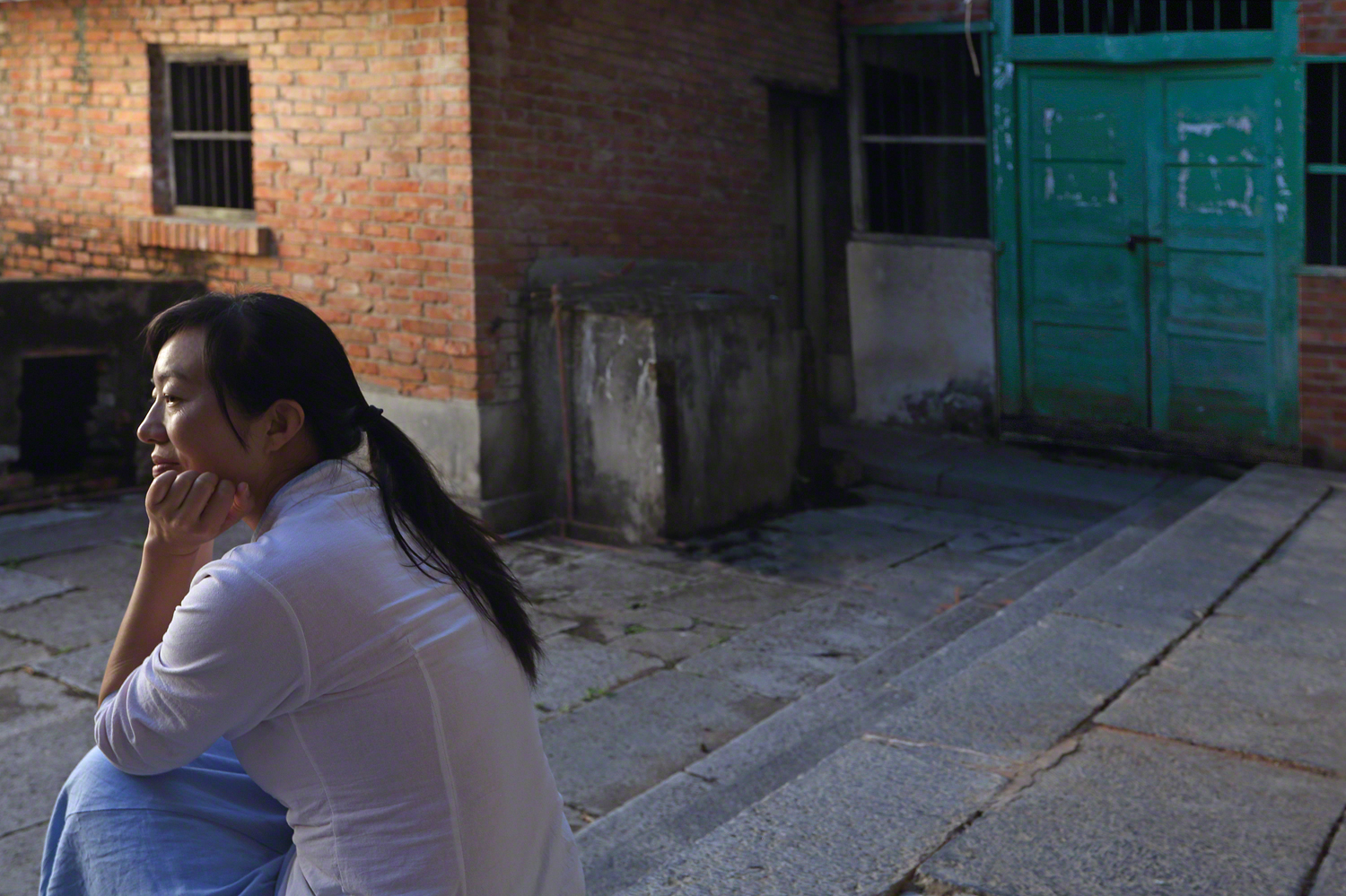
Personal Pearl of Wisdom: When in Doubt Leave it Out.

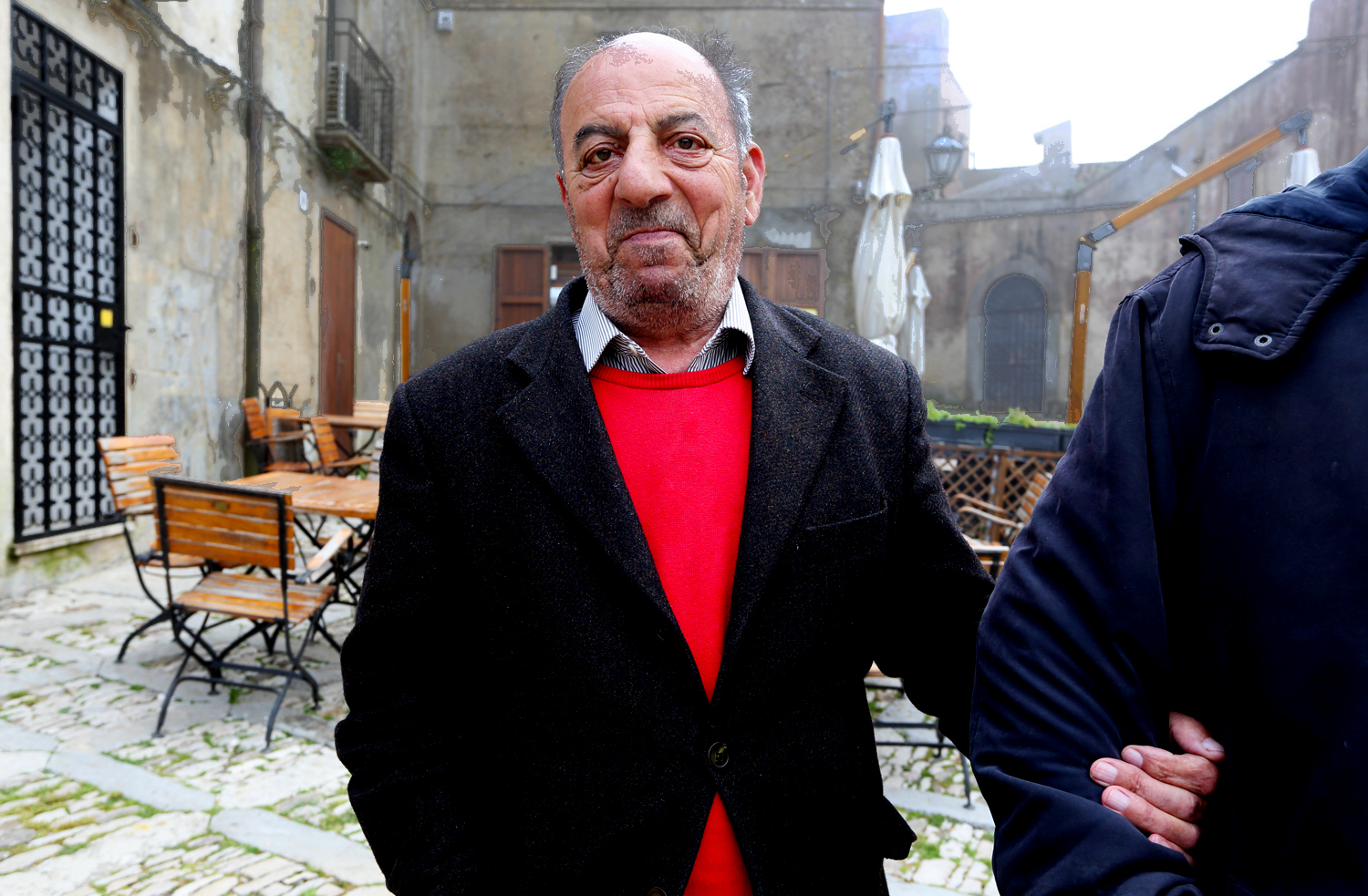
I was in doubt, so I left it out.

Over the past five years, I found that in both my online classes with the BPSOP, and in my “Stretching Your Frame of Mind” workshops I conduct, people that are just now starting to understand the “why and the how” of photography are not quite confident in what they put or don’t put into a photograph.

As the level of my fellow photographers images goes up to what I refer to as up a notch, striving for that OMG shot, that photo that can become a wall-hanger, will become more difficult; at least in their minds. You can read more about it in a post I did under the category “My favorite quotes” and was about Edgar Degas, who once said, “Painting is easy when you don’t know how, very difficult when you do”.

So, the tendency is to put more than you need to get your message across. To that I always say, “When it doubt leave it out”.

This might mean taking a little more time when composing, and there lies the rub. I’ve found that after thirty years of showing people how to create stronger images, people just are not willing to take the extra time. I can tell you from my fifty years of shooting, that’s what it will take.

Photography is the art of subtraction. When you have a blank canvas on an easel you fill it up with all different pigment until you get the desired effect; a camera on a tripod is just the opposite.

When you raise the camera up to your eye and look through the viewfinder, it’s already filled with some sort of composition based on the environment you happen to be standing it. To me that’s when the real thought process, the real photography begins.

It begins by the photographer choosing what to leave in and what to take out, and this is where it gets a little tricky! This is when you decide what you need to create that illusive keeper.

This is when, and I’ve seen it a thousand times, one will tend to put or keep in too much because of the lack of confidence; the moment when your photo is about to go up one level.

In the above image I shot on a very cold and foggy day in a small Medieval village north of Taromina, Sicily. People walking around were few and far between. I saw these two men walking down a very small cobblestone street and was immediately drawn to his red sweater; since finding color anywhere would have been a blessing.

However, I didn’t want to show very much of the sky sine it was so gloomy. I decided to come in close to the older man while still giving the viewer a clear message that he was being helped by a friend or family member. To me leaving the rest of the man out added another dimension…Closure in the Psychology of Gestalt.

If you have happened to take my online classes where I show photographers how to incorporate the elements of visual design into their photos, the job is considerably easier; because now you know what to look for.

Although I’m a firm believer in the expression, “if more’s better then too much is just right”, in this scenario more is definitely not better.

I leave you with one last thought…if you have the opportunity shoot it both ways and look at both images side by side on your monitor and them make the decision.

Visit my website at: www.joebaraban.com, and check out my workshop schedule at the top of this blog. Come shoot with me sometime. On July 30th I begin my 29th year at the Maine Media Workshops. I’ve had the same week since the beginning. It’s the week of the Lobster Festival down the road in Rockland. It offers a completely different set of photo ops than one would expect when coming to photograph the coastline, lighthouses, and fishing villages of Maine. Come join me and spend a week completely immersed in your love for photography.

Send me a photo with a question to: AskJoeB@gmail.com, and I’ll create a video critique for you.

JoeB
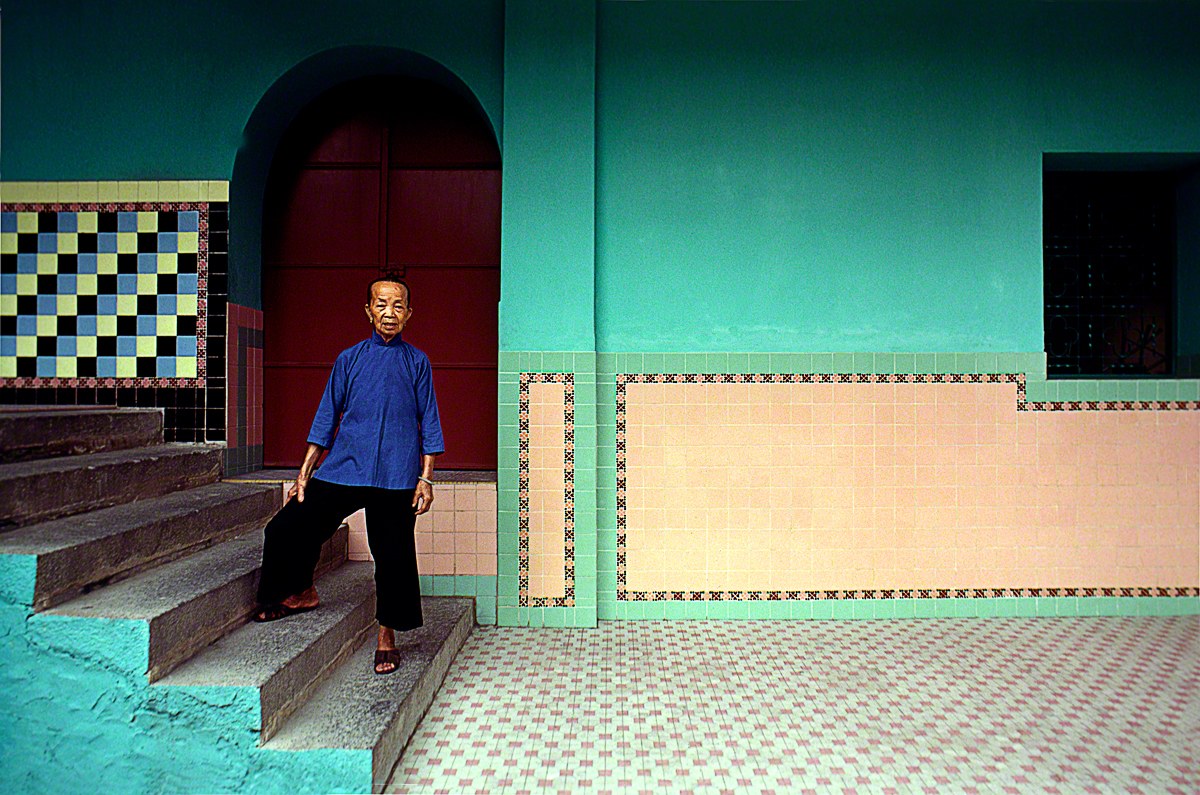
Personal Pearls of Wisdom: More Shots Per Hour

Five seconds later he was gone.

This post really stems from my younger days when I was shooting advertising, corporate, and editorial photography, and was on the road over two hundred days out of the year. Once I did all my pre-visualization and the subsequent pre-production I moved fast. My policy was more shots per hour and because I shot very early in the morning and very late in the day, my actual shooting was limited to The Golden Hour when the sun was low on the horizon.

That’s not to say that it was the only time I shot, but I can safely say that 80% of every photo I’ve ever taken in the past fifty years was taken during this time of day…Why? Because the color is more saturated and richer, the light softer and magical, and the shadows long and directional.

I’ll often mention this pearl to my online class with the BPSOP, and with my “Stretching Your Frame of Mind” workshops, I’ll be able to physically tell my fellow photographers just what I mean…and what exactly do I mean by more shots per hour?

Since light is so fleeting I want to shoot as many photos as I possibly can, whether they’re adjustments of the same composition or totally different ideas at the same location. Once I’ve gone through my fifteen point protection plan, my border patrol, and checking my four corners (all are done withing a few seconds) I take the shot and move on to the next one.

I don’t stand there and study the silly histograms, or admire the photo, or anything that’s going to eat up any precious time. There’s plenty of time for that later when I’m home sitting in front of my computer with a nice Chianti!!  I trust myself to not click the shutter until it’s ready to be clicked; and if it isn’t, I don’t.

In the old days when I was a director-cameraman, we had a phrase for any of us that were wasting time. We use to say to one another, “Hurry up, you’re burning daylight.”

For me, one of my favorite times was when I got back to my studio and started looking at all my images. Because I was always shooting more shots per hour, I forgot a lot of what I had shot. It was a total surprise when I saw photos I didn’t remember taking.

So my fellow photographers if I can give you some advice, the next time you go out don’t worry about anything but shooting. try going out either at sunrise or sunset and shoot as much and as fast as you can; adhering to my three ways to check your photo before clicking the shutter. For all you film people you don’t have to worry about paying for the film and processing anymore. Now you just have to remember to take more than one card with you…running out of cards when the light is perfect can be a real bummer!!!

Visit my website at: www.joebaraban.com, and check out my workshop schedule at the top of this blog. Come shoot with me sometime. On July 30th I begin my 29th year at the Maine Media Workshops. I’ve had the same week since the beginning. It’s the week of the Lobster Festival down the road in Rockland. It offers a completely different set of photo ops than one would expect when coming to photograph the coastline, lighthouses, and fishing villages of Maine. Come join me and spend a week completely immersed in your love for photography.

Keep sending me photos and questions to: AskJoeB@gmail.com, and I’ll create a video critique for you.

JoeB
Personal Perls of Wisdom: I Run for Photos

I had seconds to run to this photo.

I actually jotted this one down after waking up rather abruptly from a dream about this very scenario.

I teach an online class with the BPSOP, and I also conduct my “Stretching Your Frame of Mind Workshops around our planet. It happened the beginning of last August while I was teaching at the Maine Media Workshop.

If I might digress for a moment, I’ll be back there next July 30th for my twenty-ninth year. It’s the granddaddy of them all and a wonderful place to immerse yourself in photography while shooting with me for a week. Since there’s several other workshops, everyone has their meals at the Homestead so the energy level is awesome!!! Keep an eye out for the school to put the workshop description online and I’ll also comment on it in future posts.

I’d also like for all of you to send me a friends request on Facebook. I always posts my workshops there.

Ok back to what I was dreaming about.

I was standing by the water’s edge in Port Clyde (a location we always go to) and was observing one of my fellow photographers watching the sun about to come out from under a cloud and set. I would say that the entire length of time from beginning to end was about three minutes give or take a minute.

This person whose name I won’t mention to protect the innocent, was in a position that would have rendered a somewhat predictable photo. I mean how many times have you seen a sun setting over the water? I guess this photographer was from Tulsa, Oklahoma and didn’t get out much so he started setting up his tripod to take the photo.

I ran over to him and as fast as I could talked to him about “giving meanings to photographs” and suggested that he go over to where some boats were docked and put them in the foreground to create depth and some layers of interest.

He agreed and slowly began to separate his camera from his tripod. I quickly suggested that he didn’t have time for that and to keep the camera where it was and run over to the spot I suggested; now he had about a minute left of beautiful light.

He looked at me as if I had just landed from Neptune and finally got the point of my suggestion. That was the good news, the bad news was that he missed the shot.

These kinds of moments are few and far between so the more time you take to decide the bigger the chance in missing the shot. I can tell you that no matter what the subject is and where I am, I know better than to take my time.

Light is so fleeting that if you pause for even a few seconds, those few seconds can make the difference in going home with a great photo…a trophy worthy of being on a wall.

Next time you’re out, no matter where you are and what the subject is…even if the light’s not great and you’re going for a “moment”, don’t walk, run!!!

That’s what I do, I run for photos and I’m seventy-one years old.

Visit my website at: www.joebaraban.com, and check out my workshop schedule at the top of this blog. Come shoot with me sometime. On July 30th I begin my 29th year at the Maine Media Workshops. I’ve had the same week since the beginning. It’s the week of the Lobster Festival down the road in Rockland. It offers a completely different set of photo ops than one would expect when coming to photograph the coastline, lighthouses, and fishing villages of Maine. Come join me and spend a week completely immersed in your love for photography.

Send me a photo and question to: AskJoeB@gmail.com, and I’ll create a video critique for you.

JoeB
Personal Pearls of Wisdom: Ok, What’s Your Next Shot

Smoke or No Smoke?

I have many pearls of wisdom as my fellow photographers that take my online classes with the BPSOP, and those that shoot with me in my “Stretching Your Frame of Mind” workshops I conduct around our planet will attest to.

The one I use the most during the daily reviews/critiques in all my workshops is, “OK, what’s your next shot”? What do I mean by that you’re asking yourself?

For the most part, when I observe a photographer shooting, I see him/her usually take one maybe two shots then move on. WOW, the odds of taking one photo and walking away with what I call a keeper is quite a bit. I wonder what odds Vegas would give it. I’m a pretty good photographer and I wouldn’t necessarily bet on me doing it with any regularity. There’s just too many factors involved and they all have to click (no pun intended) at the same time…unless you’re the type that relies on post processing to “save the day”.

🙁

First of all, before I bring the camera up to my eye, I determine where the source of the light is coming from; to me the most important part of photography. I’ll take my first photo then I’ll look for another POV, which might be getting some dirt on my shirt. I’ll walk around it and look for different ways to say the same thing.

If I’m shooting people in the street I’ll shoot then watch him or her for a different expression, or I’ll move around to change the background or if I have the time I’ll change my DOF to either make everything sharp behind the subject or I’ll quickly change the aperture so the subject is the only thing that is sharp. It’s all about giving myself choices. The more choices the lower the odds get so I can go home with one of those very illusive keepers.

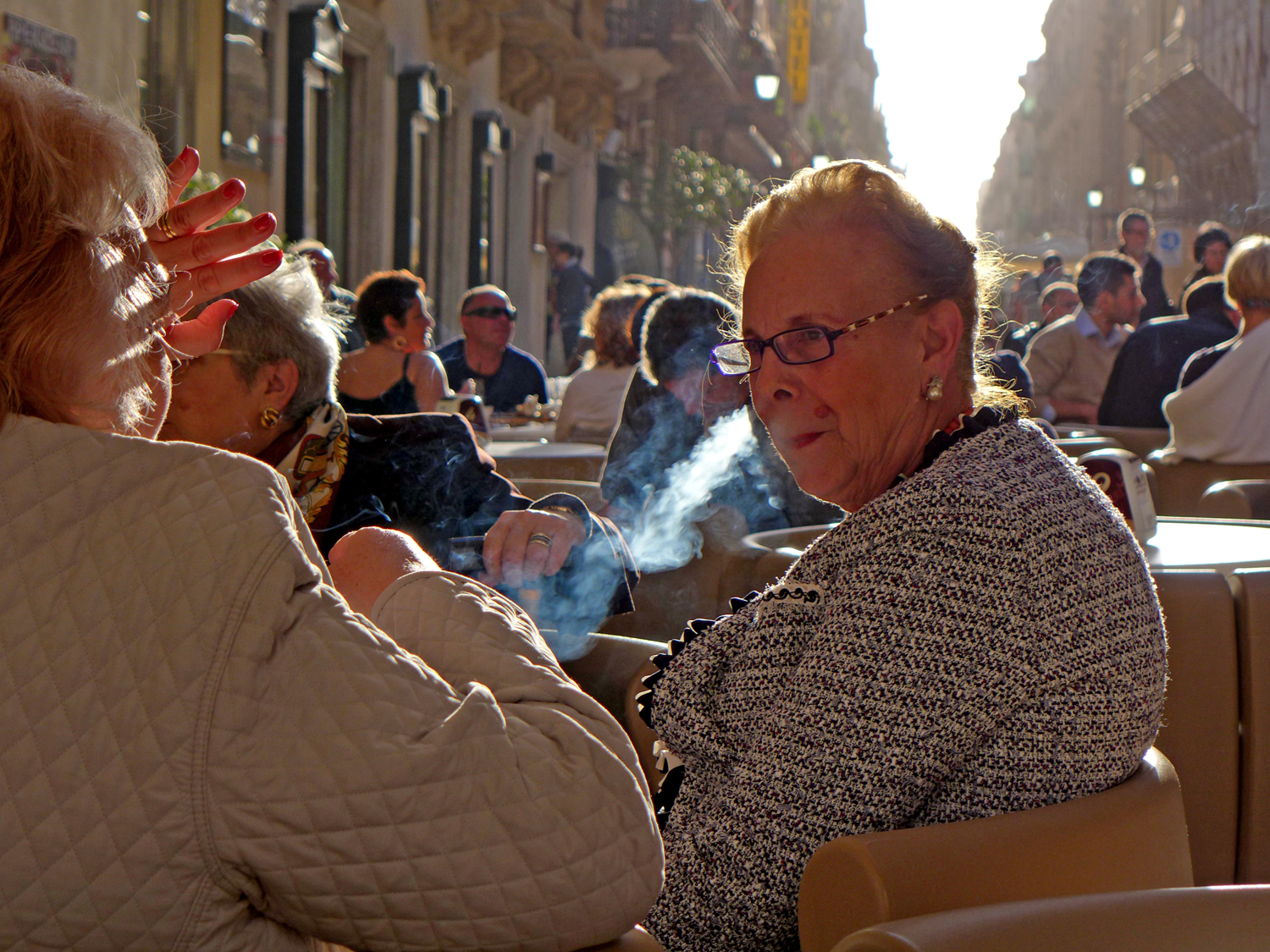
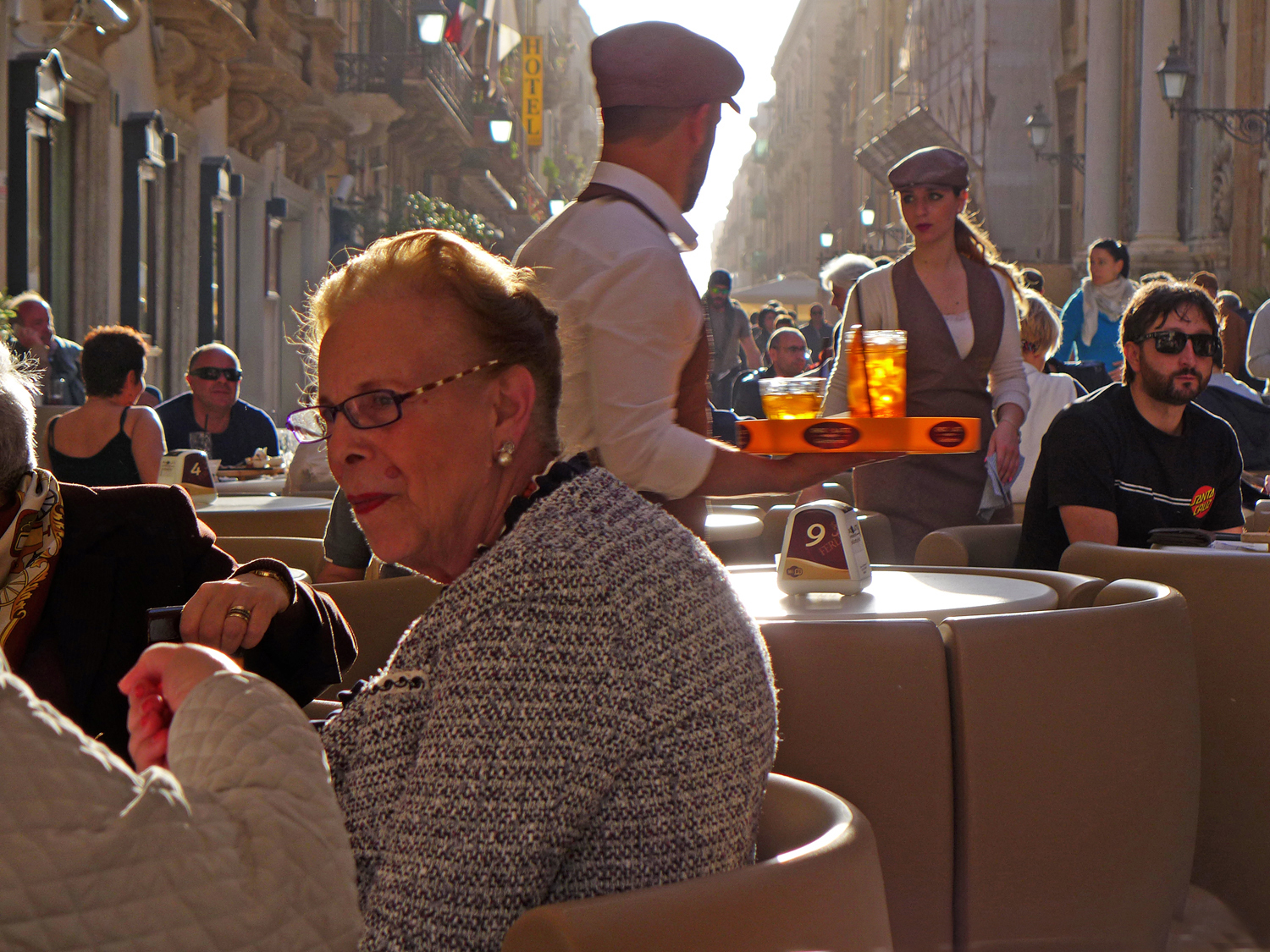
The above photos were taken in about a sixty second period of time. I took the first image of the woman who wasn’t really doing anything except talking to her friends; it was more about the light and the waiter behind her carrying a tray with some backlit drinks on it. That’s what I was going after Still, I though there was something else there so I waited with my camera virtually next to my eye.

The woman lit up a cigarette and began blowing smoke out her nose (move bar under photo). Then the other woman was shielding her face from the sun…BINGO!!!!! I had my shot.

So the next time you go out shooting don’t rely on your first photo being the wall-hanger, because the odds are against you. Think about what your next shot will be and you’ll level the playing field to what Vegas calls…even money!!

Visit my website at: www.joebaraban.com, and check out my workshop schedule at the top of this blog. Come shoot with me sometime.

JoeB

Personal Pearl of Wisdom: Place your subject way off center, cause its much more better.

Much more better
Much more better

I’ll use it only when I know that the people reading it will realize that I really do know that it’s incorrect to say it… grammatically illegal!!!

However one must note that one cannot place more or most before better. Why is that? Simple. Better itself means “more good”. So “more better” would be “more more good” which doesn’t sound good.

But I digress!!

Ok, you’re asking yourself how in the world can he (Joe) segue this into something that relates to photography?

When I’m talking to one of my students that take my online class with the BPSOP, or when I walk up to someone that’s in one of my “Stretching Your Frame of Mind” workshops someone on the planet, or in the daily critiques during that said workshop, I’ll say it’s “much more better” if you compose your photo so as the subject is way off center…Why?

Well, there are two answers: The answer to the first why is to get a reaction from them since what I say is not grammatically correct. I want the short discussion to be remembered, and I’ll do that any way I can; a brief chuckle before my explanation is just the ticket!

The answer to the second why is that when you place the subject close to the edge of the frame, you’re creating visual tension. Don’t ever let anyone tell you differently. Especially those old-school hardliners (usually the officers in their camera club) that live and will die by the ever so silly Rule of Thirds.

So the next time you’re out shooting and you’re in a position to have your subject either somewhere in one of those pesky (Rule of Thirds) intersections go ahead and take the shot. However, before you move on to the next photo, try placing the subject close to the edge of the frame. Realizing you’ve probably been brain-washed, take a leap of faith while getting over the hump.

When you’re sitting in front of your computer place both versions side by side and really study them. Be honest with yourself and decide which one offers the viewer not only decidedly more visual interest but visual tension as well.

Visit my website at www.joebaraban.com, and check out my workshop schedule at the top of this blog. Come shoot with me sometime.

JoeB