Life Beforte Photoshop: Bacardi Rum Shoot
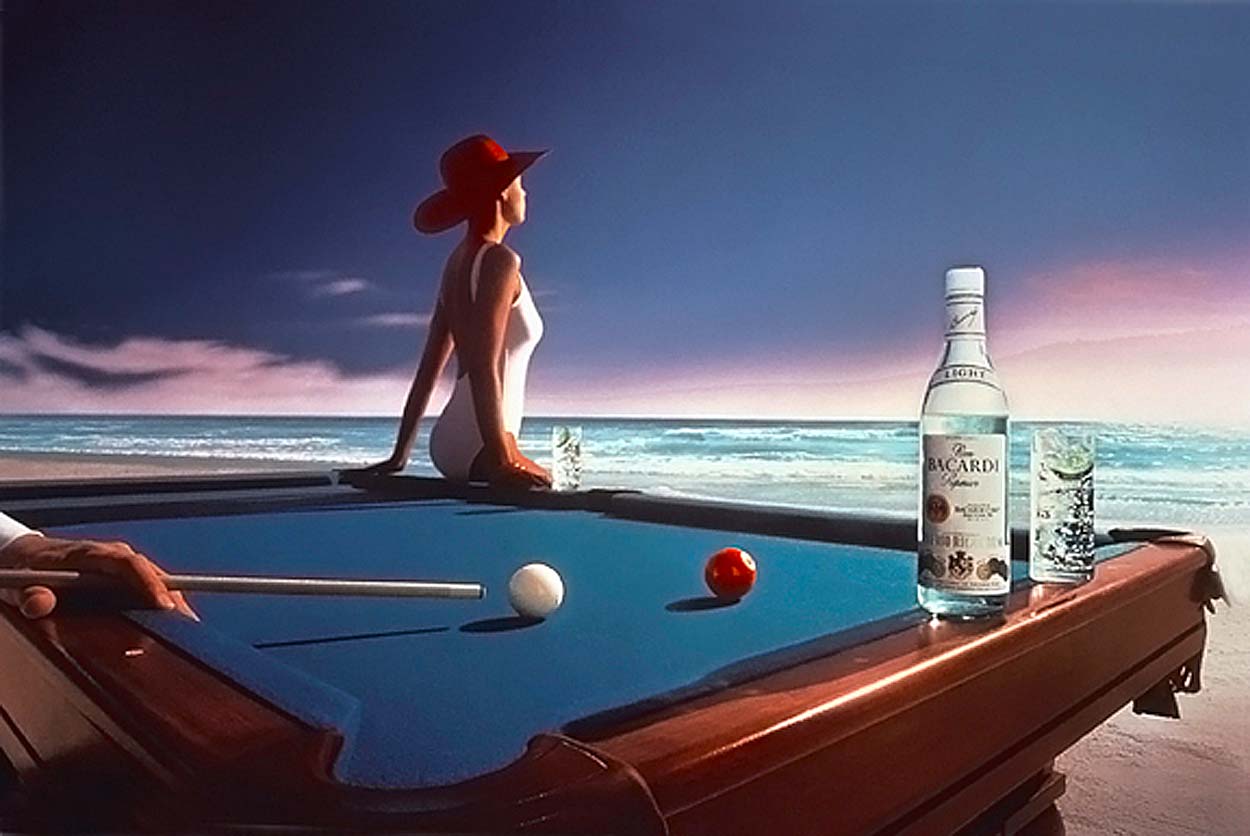
Look ma, no Photoshop.

Here’s yet another in my series I call Life Before Photoshop. These images are from years of shooting when the word Adobe referred to a type of house in the Southwest; years before Photoshop, Lightroom, and any other software or plug-in you can readily find in the annals of those beloved magazines called Popular and Modern Photography. I’m hoping that they’re not the only source one has for important information.

As I often tell my online students with the BPSOP, and in my “Stretching Your Frame of Mind” workshops I conduct around the planet, I’m here to tell you that I’m far from a purist. I often use Photoshop to tweak an image of mine if I couldn’t achieve what I wanted “in the camera”. The majority of my fifty-plus years as a corporate, advertising and editorial photographer were spent without any help from a computer. For me, the challenge comes in creating an image that originated in my imagination and was transposed into a photograph before I clicked the shutter…not after. I want to be a good photographer, not a good digital technician; but that’s just me.

Over the past few years, I’ve come to realize that the digital world has made my fellow photographers lethargic and apathetic; in other words lazy. “Why worry about it now when I can fix it later” is a statement I’ve heard way too many times. I always thought photography was the art of making pictures, not being a very good computer artist??????? Go figure.

I digress again!!!

The above photo was taken for Bacardi Rum…unfortunately before a lot of my readers were born.

🙁

After an initial conversation with the Art director, I decided on shooting in Sarasota, Florida. I did this for the white sand and beautiful water. We started out early in the morning, and had the company transport the pool table and set it up on the beach. As you can imagine, this took several hours to set up, while about a hundred onlookers watched in disbelief. After determining where the sun was going to set with my Sunpath program and Morin2000 (hand-bearing compass), we started setting up the shot. Right as the sun was setting we started shooting and stopped when the last rays of sun slipped into the Gulf of Mexico. Everything you see was created in the camera.

The art director checks out the composition with Rum and coke as well as Rum and soda.

Btw, the model was Miss Bacardi for the year and was flown in from LA. Great looking but apparently dead from the neck up.

Visit my website at: www.joebaraban.com and Follow me on Instagram at www.instagram.com/barabanjoe      Check out my workshop schedule at the top of this page. Come shoot with me sometime.

JoeB
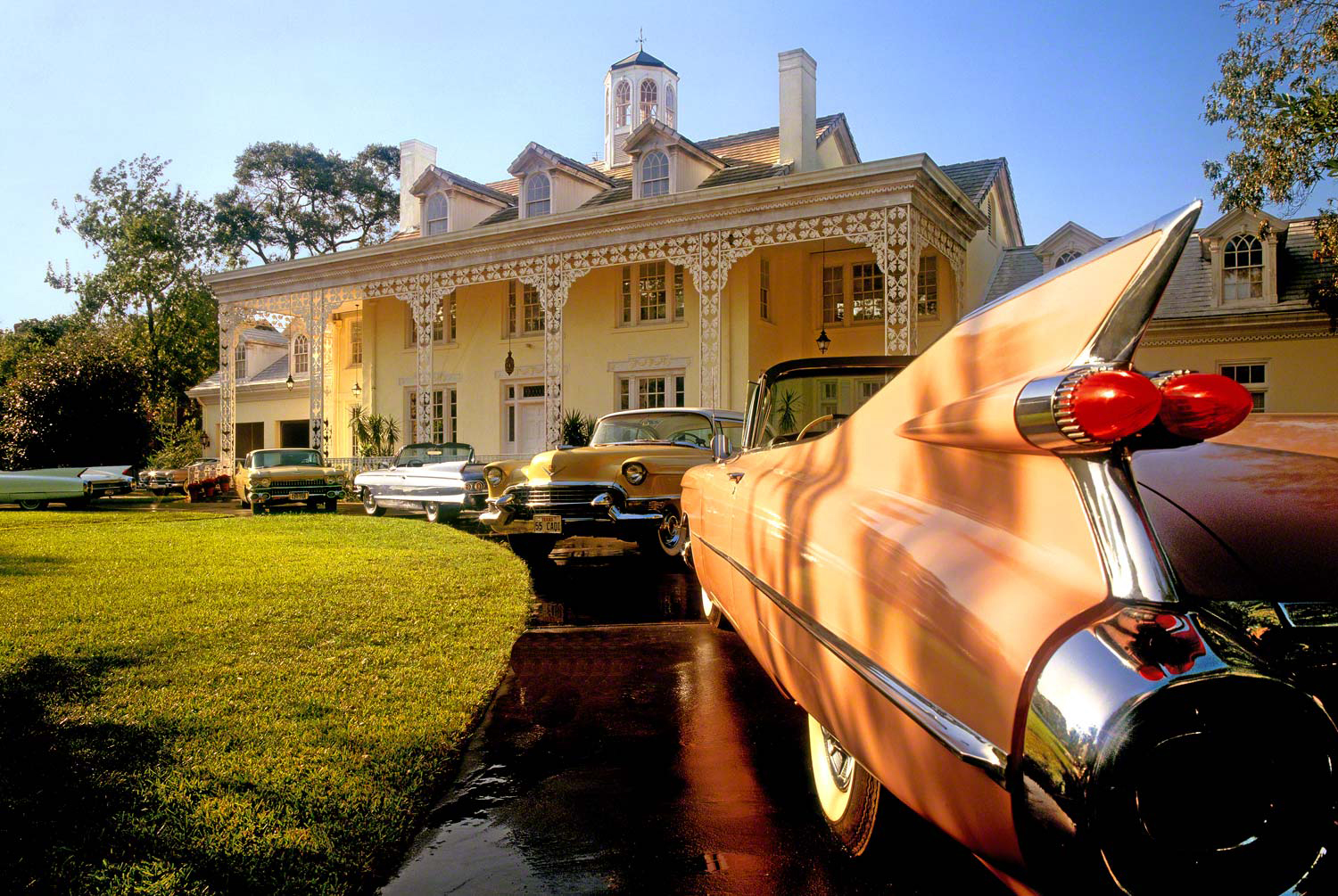
Life Before Photoshop: Caddy Collection

Look ma no Photoshop.

For all my fellow photographers that fell in love with taking photos in the digital age, there was actually a time when you had to create everything in the camera. A time when you had to take a roll of film out of a canister and load it into your camera; compose, then focus all by yourself.

Now, you don’t have to do anything but bring the camera up to your eyes and click the shutter. If something ain’t right, well don’t worry because you can “fix it later”. I’ve heard this exact quote a lot in my online classes with the BPSOP, and in my “Stretching Your Frame of Mind” workshops I conduct around the planet.

Don’t think for a minute that I’m some old-fashioned, medicare card-carrying gray-haired old man that has not kept up with the times. I might be old and gray, but I assure you that I’m fairly good with Photoshop and use it all the time; on just about every photo I take.

I like creating as much in the camera as I can because to me that’s what a good photographer does. If there are things that I have no control over, or can’t fix before I click the shutter, I have no problem working on them in post-production.

In the photo above, I was hired by a man who collected Cadillacs. He wanted a poster to put up in his office, and he wanted to show the cars in his front yard. I scouted the location to determine whether it received morning or evening light, and determined that a late afternoon shoot would provide me with the best and latest light.

I set up my camera on a tripod and arranged the Cadillacs while looking through the viewfinder. The hard part was arranging the cars so they would reflect light, but not be blown out. It took the entire day to do it. I brought out a hose and we wet down the driveway to catch any reflections I could while creating a sense of depth. Knowing that I had a small window of light, I waited until it was the way I wanted then took the shot.

All this was created on one piece of film.

Visit my website at: www.joebaraban.com, and check out my workshop schedule, also follow me on Instagram www.instagram.com/barabanjoe/ Come shoot with me.

JoeB

Life Before Photoshop: Microsoft

As I tell my online students with the BPSOP and in my “Stretching Your Frame of Mind” workshops I conduct around the planet, there was actually a time when you had to create your pictures in the camera. During that period of time which goes back before most of the new age digital photographers were crawling around looking for our pacifier, Kodachrome was the film of choice. I shot Kodachrome 25, and when I needed high-speed film I switched to Kodachrome 64. Not only was the word Adobe linked to a type of house in the Southwest, but you had to wait until your film came back from the lab before you could breathe again.

What that did for photographers like myself was to make us rely solely on our own wits and knowledge of the camera. We had to know that 1/250th of a second at F/4 was the same exposure as 1/125th of a second at F/5.6, and 1/60th of a second at F/8. We also had to know that the depth of field would change according to the aperture.

Don’t get me wrong, I love CS5, and especially the content-aware tool!!! Now, if I can’t move to the right or the left to remove a telephone pole growing out of someone’s head, I use that tool as part of my thought process; however, I would rather embrace the challenge of creating my photographs in the camera. For me, the reward is knowing that I’m a good photographer that can solve problems and not a computer artist or digital technician that relies on a machine to fix something I could have taken care of at the point of conception…that is at the point that my camera and I created/made a picture together.

🙂

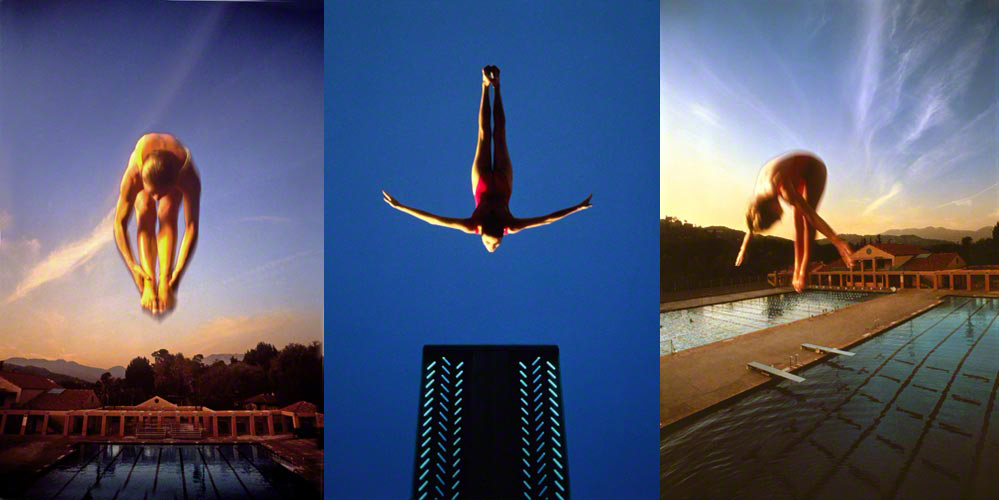
The three pictures above were a part of a campaign for Microsoft. The campaign was about being the best you can, and excelling in whatever endeavor you choose. The art director wanted something in the field of sports to make their point so I made a list I thought would make the best visuals. I had diving in the back of my mind and had already started to pre-visualize how the photos would look. The agency and client liked my idea so we started scouting locations where there was an Olympic pool. The direction of the light was critical to my idea so after looking at several pools across the country, I decided on the pool in Pasadena, California; just down the street where the Rose Bowl is played.

Ok, I had the right pool, so now it was time to secure some divers. As usual, when I’m shooting sports of any kind I want the best people out there. The visual part of the sport is important, as in the form, so I want the people that can do just that. I had my producer talk to the swimming clubs and organizations to get a list of names. We were in luck!!! There were several young women that were trying out for the US Olympic team that lived in the area. I thought you couldn’t do better than that since their form would be perfect. We paid three young teenage girls to come dive for me at sunset. I used three because one would get too tired climbing up to the top platform. I had each one doing their best dive for me one right after the other for the few minutes of time I had to be in the best light.

The swan dive was the easiest since I shot her with just the available light against a blue sky. With the other two, I waited until the sun went down behind a large hill so all I had was the sky behind them. I lit these with a small softbox I had set up on the top platform next to me. I waited until the sky behind the girls read the same as the light from the electronic flash and used what was called a synch delay so the flash would go off at the end of the exposure instead of the beginning. This created a slight movement.

I edited the selects down to these three and sent them to the art director to pick one for the ad. They wound up using the shot with the girl in a swan dive and as I said, there’s absolutely no post-processing of any kind in either of these three photos.

Visit my website at www.joebaraban.com, and follow me on Instagram: www.instagram.com/barabanjoe

JoeB

Life Before Photoshop: New York Lotto

Look ma, no Photoshop!

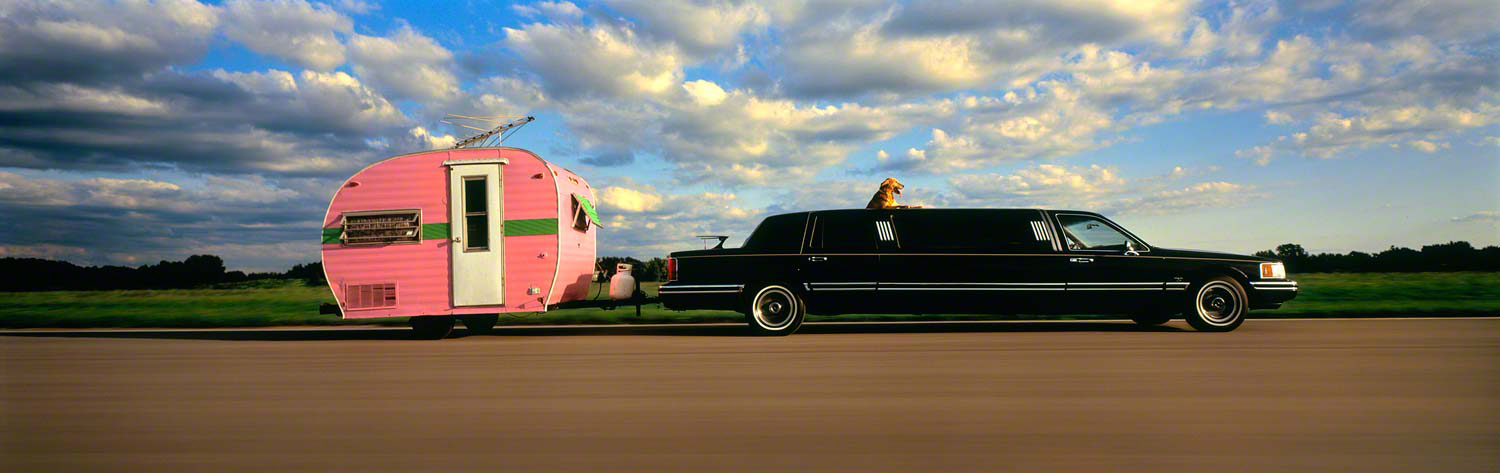
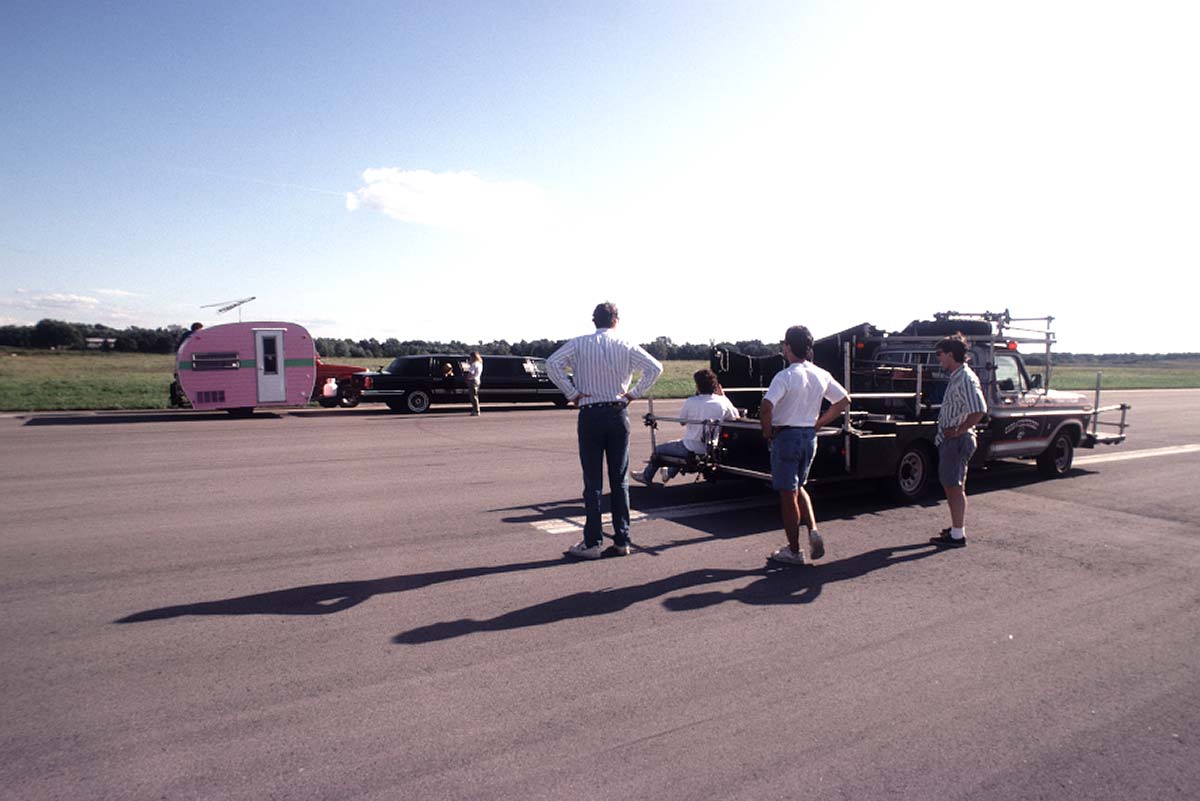
I was hired by an advertising agency in New York to shoot a photograph for their client who was the New York Lottery. The campaign was called, “Hey, you never know”. Since we had to shoot in the same state as the lottery, I sent a location scout out to find a highway that would be able to fit both the stretch limo and trailer and the camera car as well. Easier said than done!!!

In fact, it wasn’t happening. Because the limo was so long, and the trailer added even more, I couldn’t get back far enough to get it all in the Panoramic camera I was using. Why a Panoramic you ask? Because the ad was going to be on the sides of the buses in Manhattan. This way, the art director wouldn’t have to crop, making the photo a lot sharper.

If this image was to be shot in the digital age, it would be sooooo easy!!! You just shoot the limo and trailer in some large studio, or anywhere for that matter, then CGI it into the background. How much fun is that????. Maybe for the digital technician!!!

Back then it all had to be shot in the camera, so what did I do? I rented a runway at a small airport outside of the city and I sat on the camera car (panoramic camera in hand) while we both traveled down the runway at the exact same speed (at sunset) while I shot at a slow shutter speed. That way, I could blur the background. I talked the agency into painting the trailer ping and putting the dog (held up by three people) out the roof. Don’t worry, we were only traveling ten miles an hour!!!@

Now that was fun!!!! Here’s the setup:

In my online class with the BPSOP, and my “Stretching Your Frame of Mind” workshop I conduct around the planet, my students work on incorporating the elements of visual design and composition into their photographs, and we also work on creating as much of it as we can in the camera.

Visit my website at: www.joebaraban.com, and check out my workshop schedule at the top of this blog. Come shoot with me sometime.

Follow me on Instagram:

https://www.instagram.com/barabanjoe/

JoeB

Life Before Photoshop: Microsoft

As I tell my online students with the BPSOP and in my “Stretching Your Frame of Mind” workshops I conduct around the planet, there was actually a time when you had to create your pictures in the camera. During that period of time which goes back before most of the new age digital photographers were crawling around looking for our pacifier, Kodachrome was the film of choice.

I shot Kodachrome 25, and when I needed high-speed film I switched to Kodachrome 64. Not only was the word Adobe linked to a type of house in the Southwest, but you had to wait until your film came back from the lab before you could breathe again.

What that did for photographers like myself was to make us rely solely on our own wits and knowledge of the camera.

We had to know that 1/250th of a second at F/4 was the same exposure as 1/125th of a second at F/5.6, and 1/60th of a second at F/8. We also had to know that the depth of field would change according to the aperture.

Don’t get me wrong, I love CS5, and especially the content-aware tool!!! Now, if I can’t move to the right or the left to remove a telephone pole growing out of someone’s head, I use that tool as part of my thought process; however, I would rather embrace the challenge of creating my photographs in the camera.

For me, the reward is knowing that I’m a good photographer that can solve problems and not a computer artist or digital technician that relies on a machine to fix something I could have taken care of at the point of conception…that is at the point that my camera and I created/made a picture together.

🙂

The three pictures above were a part of a campaign for Microsoft. The campaign was about being the best you can, and excelling in whatever endeavor you choose. The art director wanted something in the field of sports to make their point so I made a list I thought would make the best visuals.

I had diving in the back of my mind and had already started to pre-visualize how the photos would look. The agency and client liked my idea so we started scouting locations where there was an Olympic pool.

The direction of the light was critical to my idea so after looking at several pools across the country, I decided on the pool in Pasadena, California; just down the street where the Rose Bowl is played.

Ok, I had the right pool, so now it was time to secure some divers. As usual, when I’m shooting sports of any kind I want the best people out there.

The visual part of the sport is important, as in the form, so I want the people that can do just that. I had my producer talk to the swimming clubs and organizations to get a list of names. We were in luck!!!

There were several young women that were trying out for the US Olympic team that lived in the area. I thought you couldn’t do better than that since their form would be perfect.

We paid three young teenage girls to come dive for me at sunset. I used three because one would get too tired climbing up to the top platform. I had each one doing their best dive for me one right after the other for the few minutes of time I had to be in the best light.

The swan dive was the easiest since I shot her with just the available light against a blue sky. With the other two, I waited until the sun went down behind a large hill so all I had was the sky behind them.

I lit these with a small softbox I had set up on the top platform next to me. I waited until the sky behind the girls read the same as the light from the electronic flash and used what was called a synch delay so the flash would go off at the end of the exposure instead of the beginning. This created a slight movement.

I edited the selects down to these three and sent them to the art director to pick one for the ad. They wound up using the shot with the girl in a swan dive and as I said, there’s absolutely no post-processing of any kind in either of these three photos.

Visit my website at www.joebaraban.com, and follow me on Instagram: www.instagram.com/barabanjoe

JoeB

Life Before Photoshop: Cessna

Look ma, no Photoshop!

Here’s another post in my never-ending quest to bring to life the: over the top, incredible, amazing, unbelievable, and yes even scary idea that you can actually create your pictures “in the camera”.

I started teaching workshops in the early eighties when we used film, and Adobe was thought to be a type of building material that went into houses in the southwest part of the US. Through the years I’ve seen the transformation from film to digital, and for the most part students of mine that I teach online at the BPSOP and the “Stretching Your Frame of Mind” workshops I conduct around the planet fell in love with photography after the sorrowful end of “cellulose acetate”…momma they took my Kodachrome away!!!

🙁

For the most part, my fellow photographers think that Lightroom and Photoshop are just part of the process; a needed part of the process. An integral part of picture taking, the results being a good photo that we can show our friends and family and watch them react favorably with plenty of “Ooh’s and Aah’s.

Well that’s all well and good, and truth be told I also enjoy Cs5, but my first thought is to take on the challenge of creating my photos before I pull the trigger (that’s Texas talk for clicking the shutter). That includes cropping in the camera. You see, by not cropping in the camera, you’ll never know where the edges of your frame are. The best thing that ever happened to me was that I’ve spent the majority of my forty-six-year career in film and without the added help of post-processing…why you ask?

Because I think it’s made me a stronger photographer.

🙂

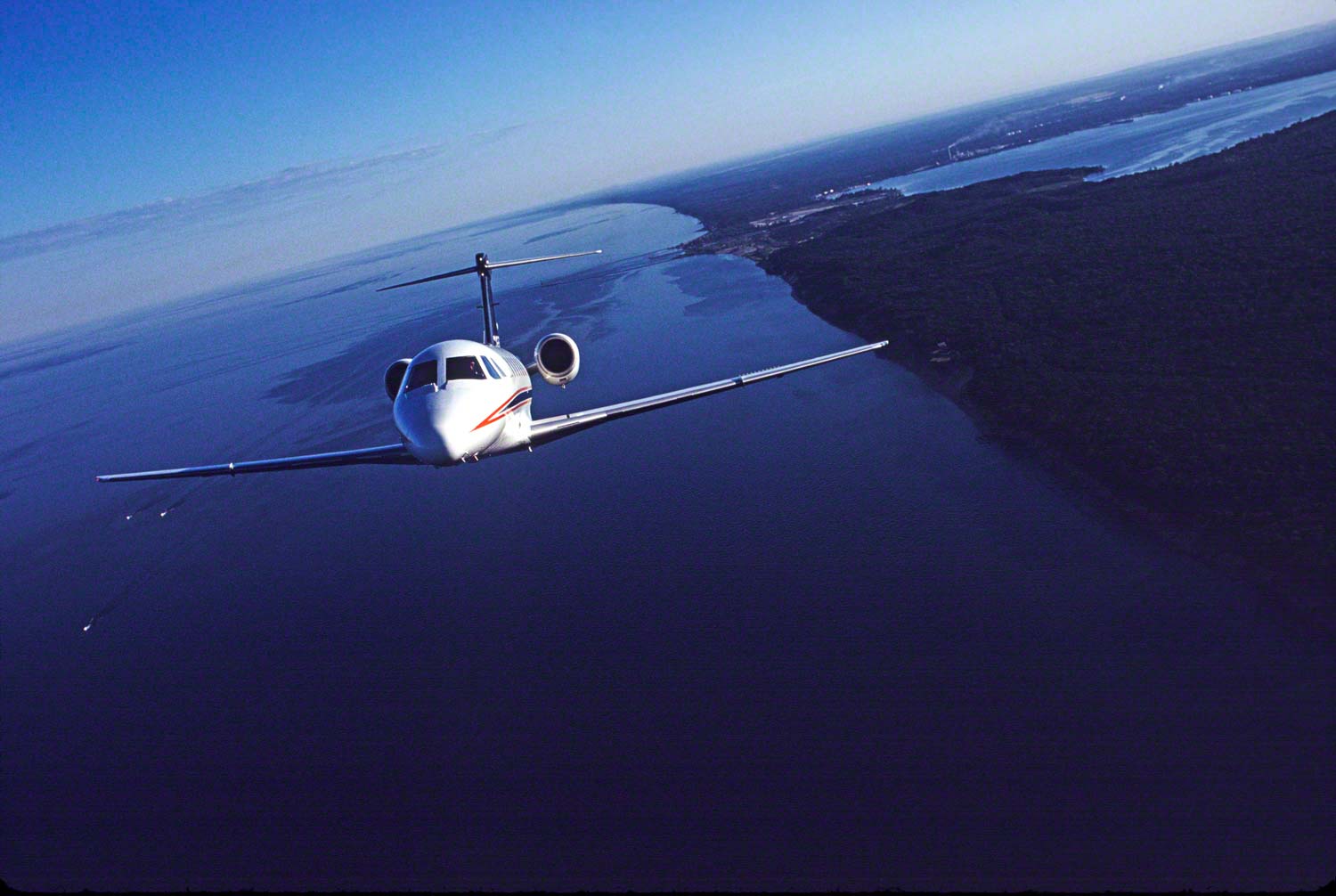
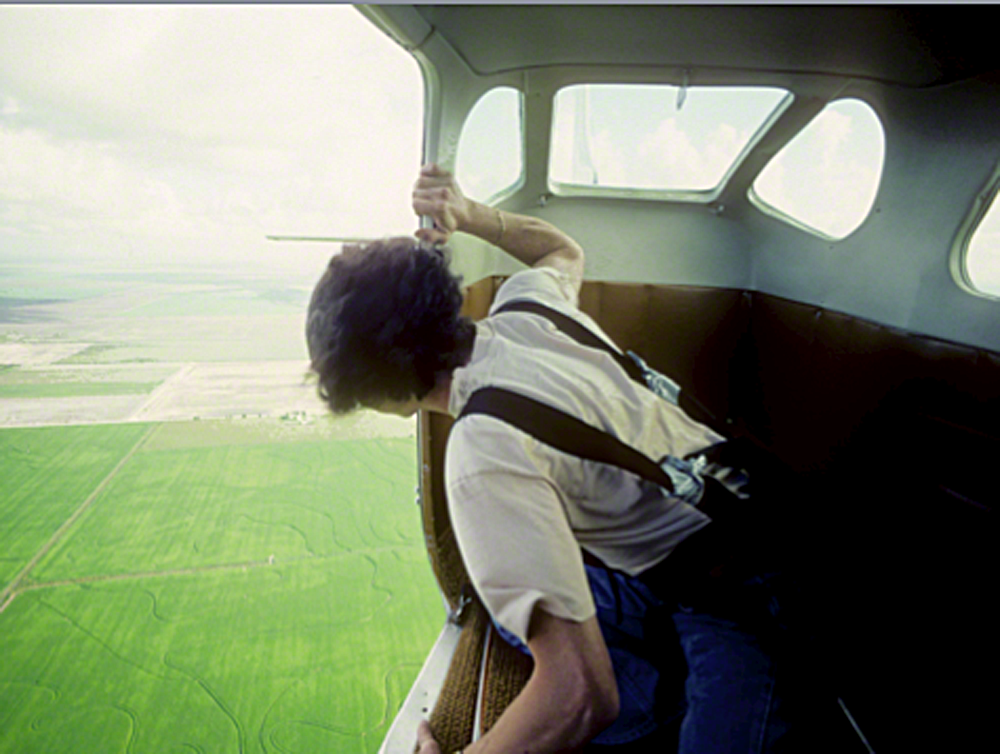
The photo above was taken for Cessna. I was in a shoot plane designed for taking air-to-air photos of their line of aircraft. As you can see, one side of the plane is completely open. We took off first and I positioned our plane so the Citation Jet would get the best light. As the jet approached, I sat on the edge with my feet hanging out and I started shooting until it veered off, leaving a lot of turbulence in its wake. We went through the steps a couple more times until I felt I had it “in the can”. You see, there wasn’t a way I could view my shots in the back of the camera!!!

Checking the direction of the light.

Visit my website at: www.joebaraban.com and check out my workshop schedule at the top of this blog. Come shoot with me sometime.

Follow me on Instagram.

https://www.instagram.com/barabanjoe/

JoeB


Life Before Photoshop: Shell Oil Calendar

Look ma, no Photoshop.

Every time I write one of these posts, it reminds me of great memories and days gone by when you had to be a good photographer. When in order to eat every day, as in three squares,  you had to be able to take photos in the camera without any help after the fact; when Adobe was a type of house in the southwest part of this country.

Don’t get me wrong, as I tell my online students with the BPSOP, and in my “Stretching Your Frame of Mind” workshops I conduct around the planet, I’m not some kind of purist that refuses to use post-processing, I use it all the time to tweak my images. I can tell you that on occasion, it comes in mighty handy when I just can’t what I want in the camera, or I can’t leave something out no matter where I move to or stand.

It’s just that for me, I like the challenge of doing it all in the camera, and as a result, I can look at myself in the mirror and feel good that I accomplished something without any help from the new digital world created by lightroom and Photoshop. That makes me feel like a good photographer and not a good computer artist; I mean where is the line drawn between the two?

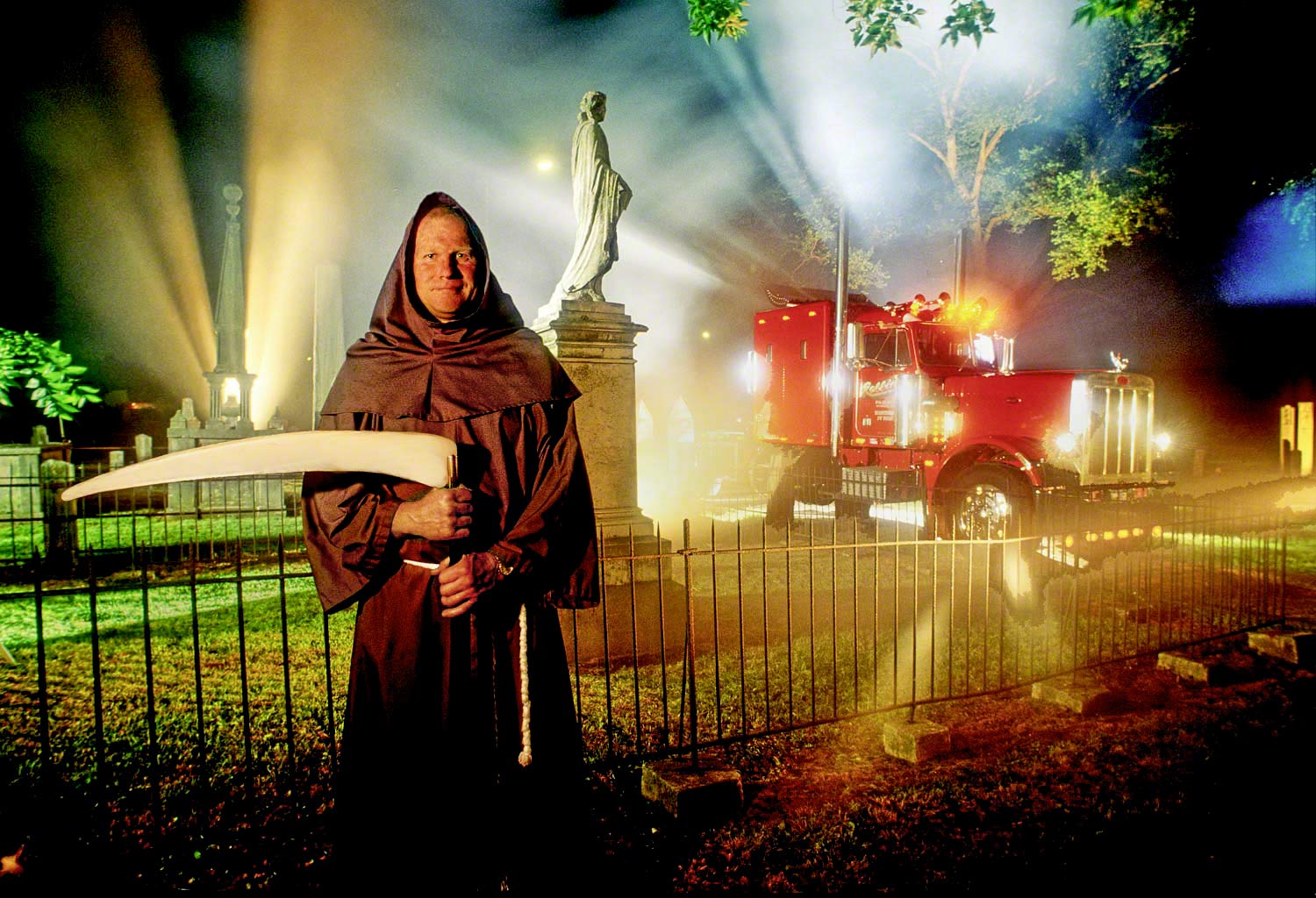
The above photo was shot for an advertising agency in Houston that handled Shell Oil. Every year Shell picked a city where Super Rigs from all over the country would gather and have a competition to see what twelve trucks would win a spot to be on next year’s Shell Rotella calendar. It was a big deal and an honor to have your truck represent one of the months.

I was given full reign to come up with an idea for the calendar and decided to take an environmental portrait of all the truck owners next to their Super Rigs. My producer was sent there ahead of time to find some locations based on our initial conversation. For the month of October, I decided on a scary theme mixed with some humor, and as I always say, if it is worth taking seriously, it’s worth making fun of…as in death and the Grim Reaper.

I told this owner of my idea, and would he like to represent October and Halloween. He was all over it like a cheap suit. We found the wardrobe and took Darin and the truck to an old Victorian cemetery. I placed all the lights in the cemetery, lit the truck, and Darin, then with a fog machine smoked it ll up to create the mood.

This was shot in one exposure without any help from any post-processing. In other words, all in the camera.

Visit my website at: www.joebaraban.com and check out my workshop schedule at the top of this blog. Come shoot with me sometime.

https://www.instagram.com/barabanjoe/

JoeB

Life Before Photoshop: Miata Campaign

Look ma, no Photoshop!

For those new to my blog, I teach photographers how to incorporate the elements of visual design into their imagery. Both through the BPSOP, an online school,  and in my “Stretching Your Frame of Mind Workshops” I conduct around the world. This is another in my series I call “life before Photoshop”.

For all you out there that began your love for photography in the digital era, there was a time when Adobe was a type of house made of sand, clay, and water, mixed with a fibrous material like straw. Now, Adobe Photoshop rules the photographic world, and these new photographers truly believe they can’t create good photos without it.

I’m not saying I don’t love Photoshop, for I would be considered one fry shy of a happy meal. With me, I use it sparingly, and only after what I’m trying to accomplish in the camera just can’t be done. For me, being a good photographer that can’t think without the aid of post-processing just makes me feel better. I love a challenge, and there’s no better challenge than creating in reality and through the lens what I’m thinking in my mind.

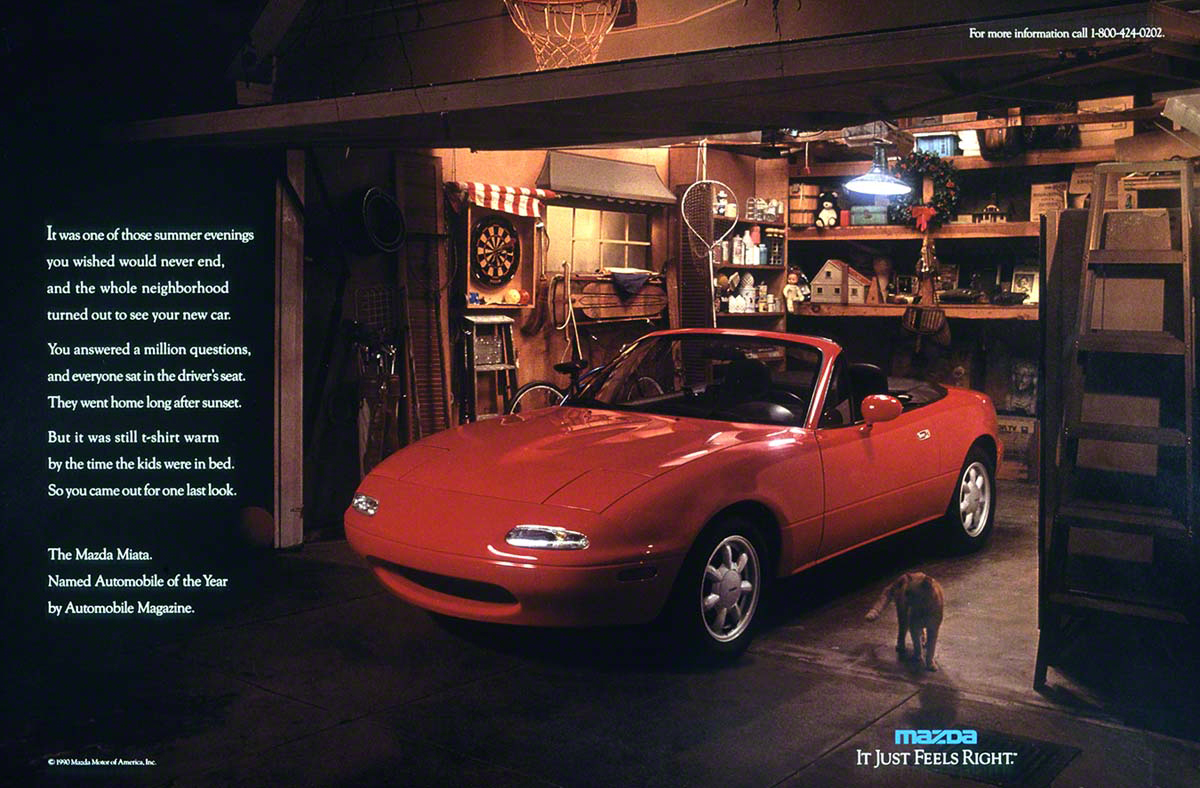
Years ago I worked on the Mazda account, and one of the ads created by the Art Director/writer was to show a Miata in the garage of its owner. They wanted to convey that this car was the love of the owner’s life and wanted me to carry that idea into a single photograph.

My location scout found a garage that would not only work, but the price to rent it was somewhere in the budget’s ballpark; considering this was shot in Burbank, $3000.00 was on the high side of reasonable. I had a stylist gather props several days ahead of time while I was figuring out how to light the car. At the same time, my producer was tracking down a Cat Wrangler that could make a cat stay on command.

I had several 2400 watt/second heads mounted in the ceiling facing up towards several large pieces of white Foamboard so the light would be soft when it fell onto the car. I had another 4X8piece of foam board in front of the car so it would light the front.  This entire set-up took the entire day and was a hell of a lot of fun!!!

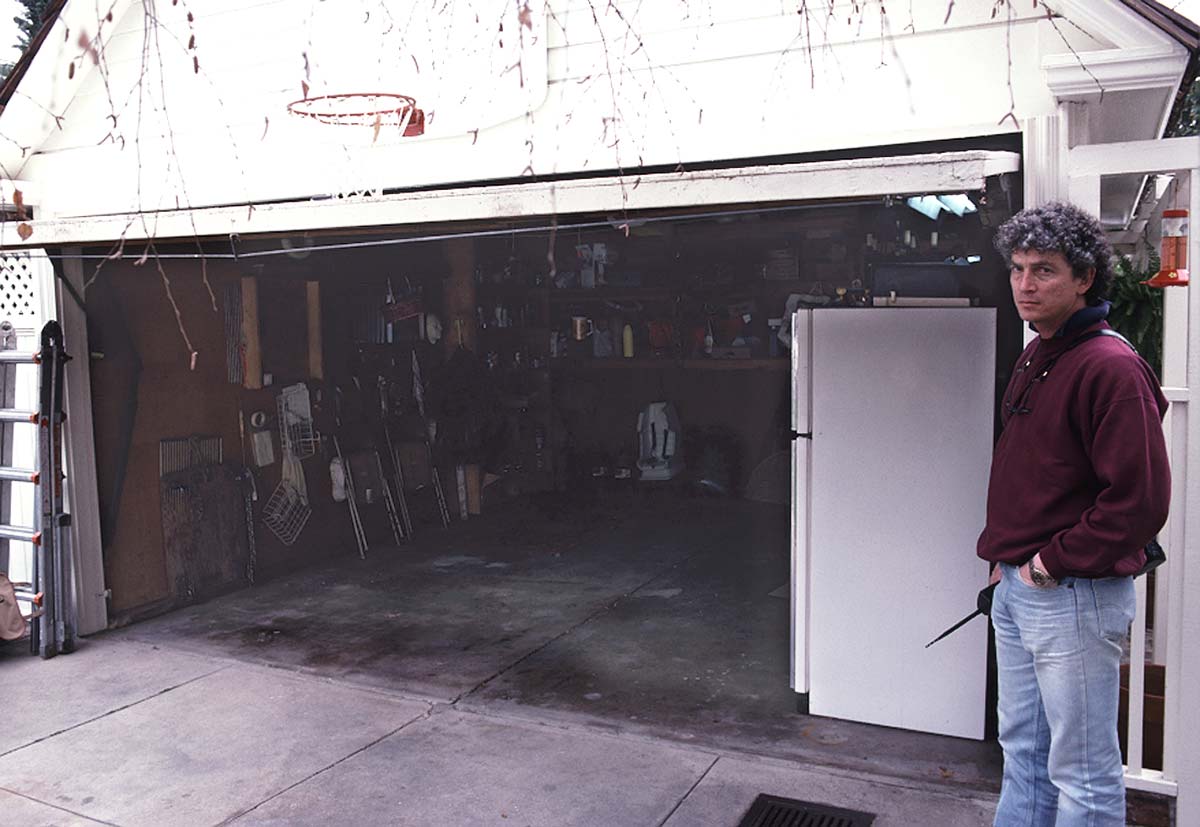
Here’s the garage the way we found it.

Before

This photo would probably not be shot the same way today. The car would be shot in a studio and the Agency would use CGI (computer-generated imagery) to put it all together. HOW AWFUL!!!

The digital age has done so much in so many areas, but in my opinion, it’s hurt photography in a way that can never be repaired.

🙁

Visit my website at: www.joebaraban.com, and check out my workshop schedule. Come shoot with me some time and we’ll cry together over a glass of wine!!!

🙂

JoeB

Life Before Photoshop: BMW Motorcycle Campaign


Look ma, no Photoshop!

In one of my earlier posts, I talked out how it was before the invention of digital cameras and Photoshop. That’s when you had to create whatever idea you had in the camera. In my online class, I teach with the BPSOP, and the “Stretching Your Frame of Mind” workshops I conduct around the planet, I ask my students to not use post-processing. It’s not because I don’t like or use Photoshop, because I use it all the time; my favorite tool in CS5 is the Content-Aware Tool!!!

I just want my students to be better photographers, not better digital technicians.

However, as much as I like to use Photoshop, I always try to fix whatever problems in the camera. For example, why take a distracting telephone pole out later with Photoshop, when all you have to do is move a step to the right or left. That is, if you can without being run over by a very large truck, or falling into a vat of acid.

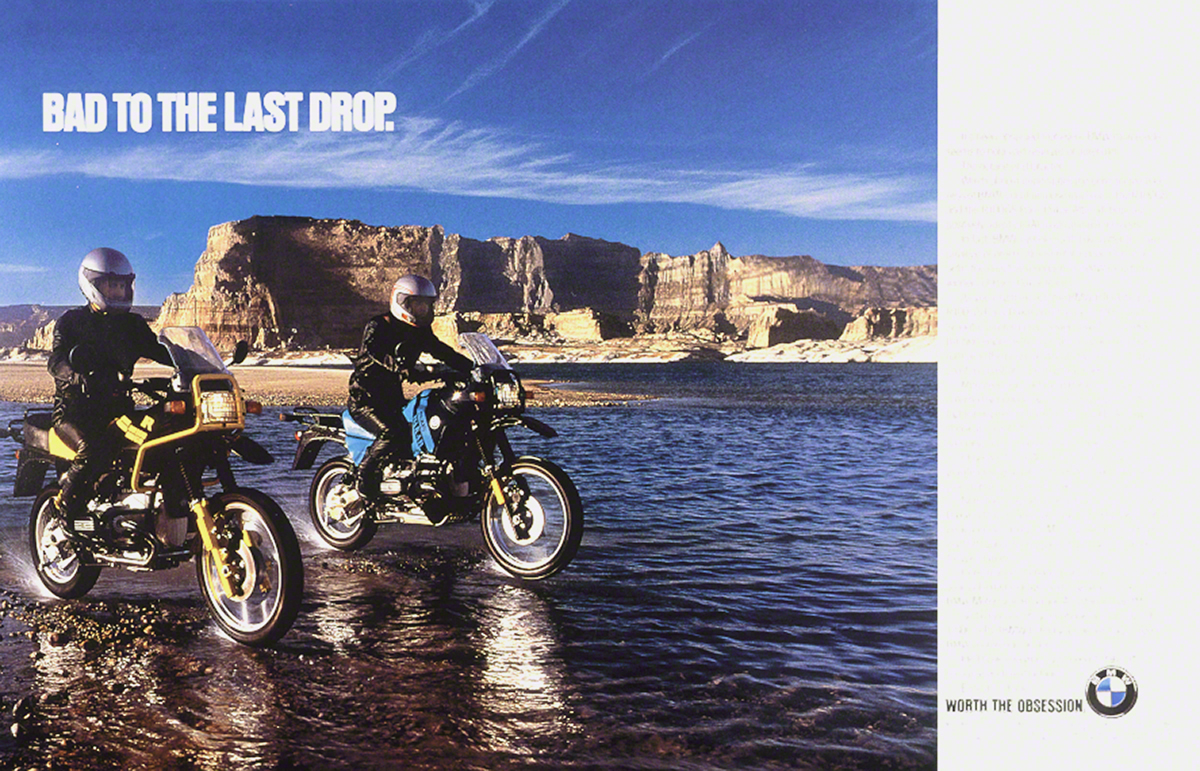
The photograph pictured above was part of the full line catalog for BMW motorcycles, shot before the days when you could shoot the motorcycle in the studio, and with the help of CGI, make it look like it was actually moving, and then drop it into a landscape.

How very sad!! How very boring!!! What fun is that???????????????

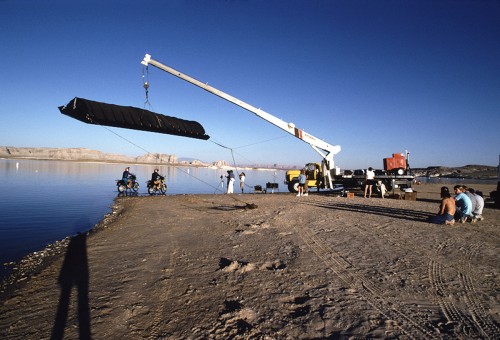
Here’s how we did it back then:

Most of you have either used or know what a softbox is and what’s it for, but how many of you out there have ever seen a softbox this big? It took three and a half hours to set it up by an independent company so the motorcycles could run through it while I shot on continuous. I matched the exposure coming out of the twelve 24oo watt/sec Speedotron heads to the ambient light. That way, I could stop the action and still have the wheels turning and water coming up from behind the bikes.

Now that was fun!

Visit my website at: www.joebaraban.com, check out my workshop schedule at the top of this blog, and come shoot with me sometime. You’ll have fun too.

JoeB


Life Before Photoshop: Cessna

Look ma, no Photoshop!

Here’s another post in my never-ending quest to bring to life over the top, incredible, amazing, unbelievable, and yes even scary idea that you can actually create your pictures “in the camera”.

I started teaching workshops in the early eighties when we used film, and Adobe was thought to be a type of building material that went into houses in the southwest part of the US. Through the years I’ve seen the transformation from film to digital, and for the most part students of mine that I teach online at the BPSOP and the “Stretching Your Frame of Mind” workshops I conduct around the planet fell in love with photography after the sorrowful end of “cellulose acetate”…momma they took my Kodachrome away!!!

🙁

For the most part, my fellow photographers think that Lightroom and Photoshop are just part of the process; a needed part of the process. An integral part of picture taking, the results being a good photo that we can show our friends and family and watch them react favorably with plenty of “Ooh’s and Aahs.

Well that’s all well and good, and truth be told I also enjoy Photoshop, but my first thought is to take on the challenge of creating my photos before I click the shutter. That includes cropping in the camera. You see, by not cropping in the camera, you’ll never know where the edges of your frame are. The best thing that ever happened to me was that I’ve spent the majority of my fifty-three year career in film and without the added help of post processing…why you ask?

Because I think it’s made me a stronger photographer.

🙂

The photo above was taken for Cessna. I was in a shoot plane designed for taking air-to-air photos of their line of aircraft. As you can see, one side of the plane is completely open. We took off first and I positioned our plane so the Citation Jet would get the best light. As the jet approached, I sat on the edge with my feet hanging out and I started shooting until it veered off, leaving a lot of turbulence in its wake. We went through the steps a couple more times until I felt I had it “in the can”. You see, there wasn’t a way I could view my shots in the back of the camera!!!

Checking the direction of the light.

Visit my website at www.joebaraban.com and check out my workshop schedule at the top of this blog. Come shoot with me sometime.

JoeB

Life Before Photoshop: Russell Athletics

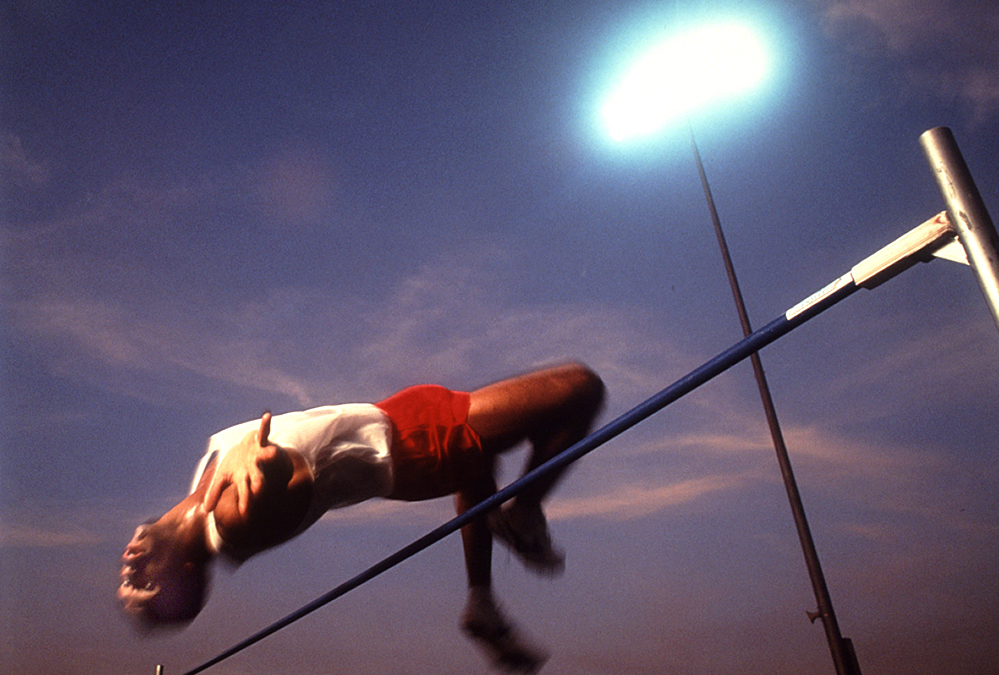
The finished un-retouched photo

Years ago, right after the last remaining dinosaur disappeared, I shot a campaign for Russel Athletics. Among several other photos, this idea was to capture a well-known athlete during the sport he or she was involved in.

To digress for a moment, I show people both in my online classes with the BPSOP; and also in my “Stretching Your Frame of Mind ways to create Visual Tension in our imagery. I’m not talking about the kind of tension that comes from mental or emotional strain, I’m talking about Visual Tension. One of the ways is to stop an action and leave it uncompleted.

This is what I was thinking when I first started preparing for the shoot.

When this photo was taken, Adobe was a type of house in the southwest part of the country…in other words, Photoshop didn’t exist so we had to everything in the camera. Can you imagine how much easier it would have been if shot today? Easier, but not nearly as much fun.

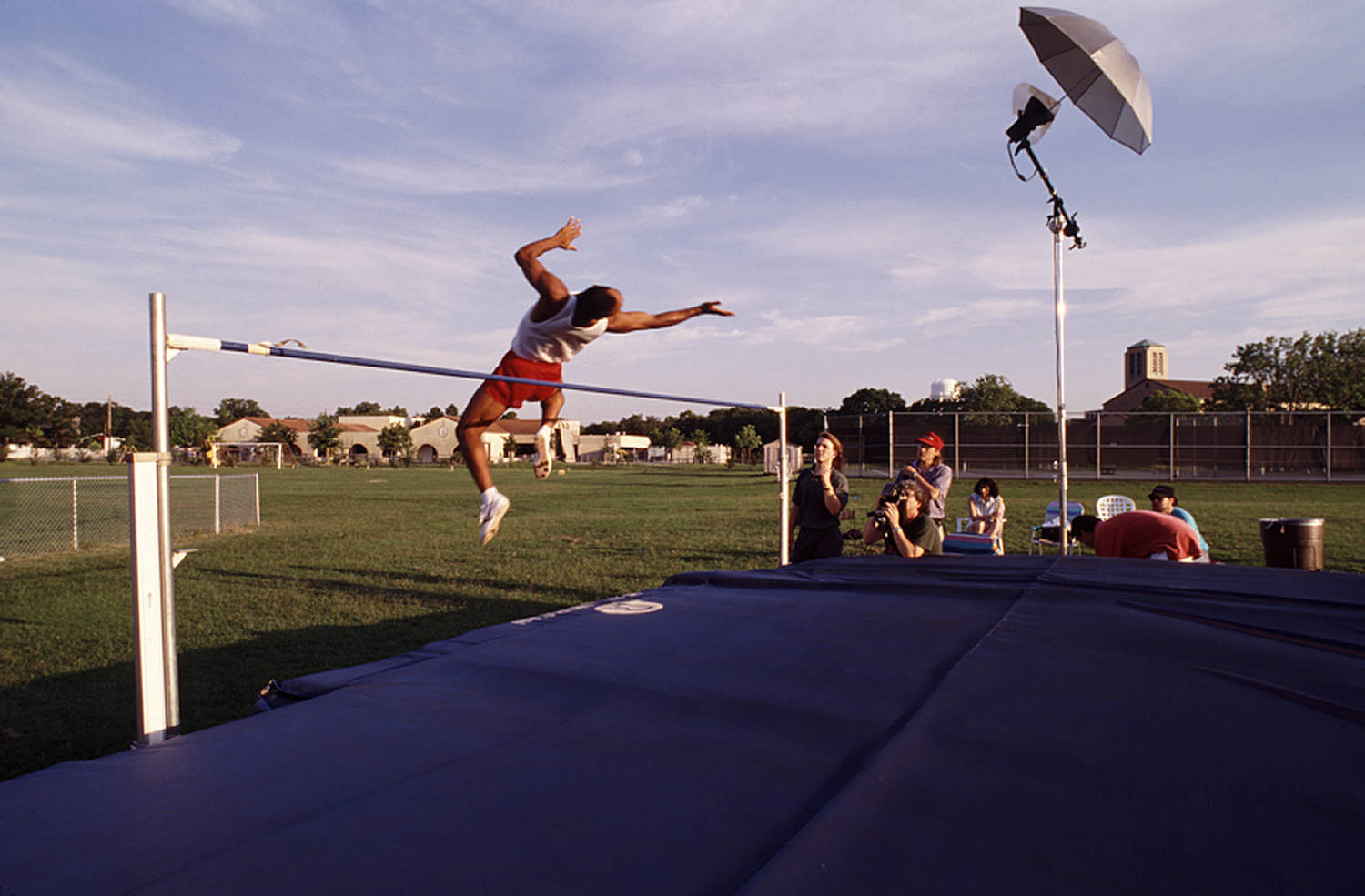
This is how we use to do it, and this shot was relatively easy to create. One strobe head with an umbrella. I waited until the beginning of the Blue Hour and with a one-degree handheld spot meter set on the flash function, I waited until the exposure on his face matched the shy behind him.

How it was done.

I purposely shot directly into the lights so I could blow them out, creating not only energy but also more Visual Tension.  BTW, don’t let anyone ever tell you that ‘clipping the highlights’ is a bad thing!!!!!

This image was produced using one frame, one exposure, and one click.

Visit my website at www.joebaraban.com, and check out my workshop schedule at the top of this blog. Come shoot with me sometime.

JoeB

Life Before Photoshop: Mazda Shoot

Look ma, no Photoshop!

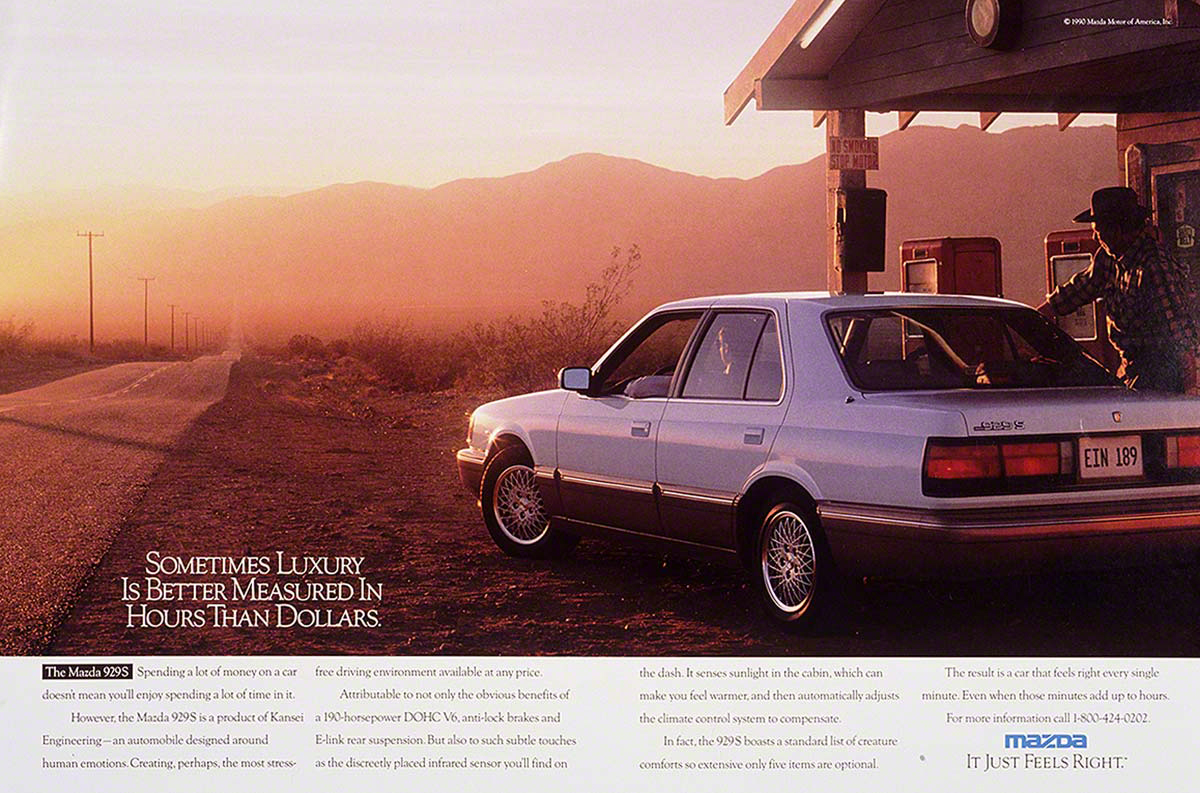
In the continuation of my series I call “Life Before Photoshop“, I present to you a tw0-page center spread taken for the Mazda car account.

In my online class with the BPSOP, and in my “Stretching Your Frame of Mind” workshops I conduct around the planet, the majority of my students began shooting in the digital era. Along with digital cameras came post processing, and for some weird reason, new-age photographers think that they go together; as in you can’t have one without the other.

Don’t get me wrong, I use Cs5 all the time but sparingly. The challenge for me (since I’m old and a product of the film era) is to create as much in the camera as I can. I love to see something in my imagination and be able to create it without any help. So many students of mine absolutely panic at the thought of not using post-processing, and I only have to show them my film work to convince them that they too can create good photos all by themselves.

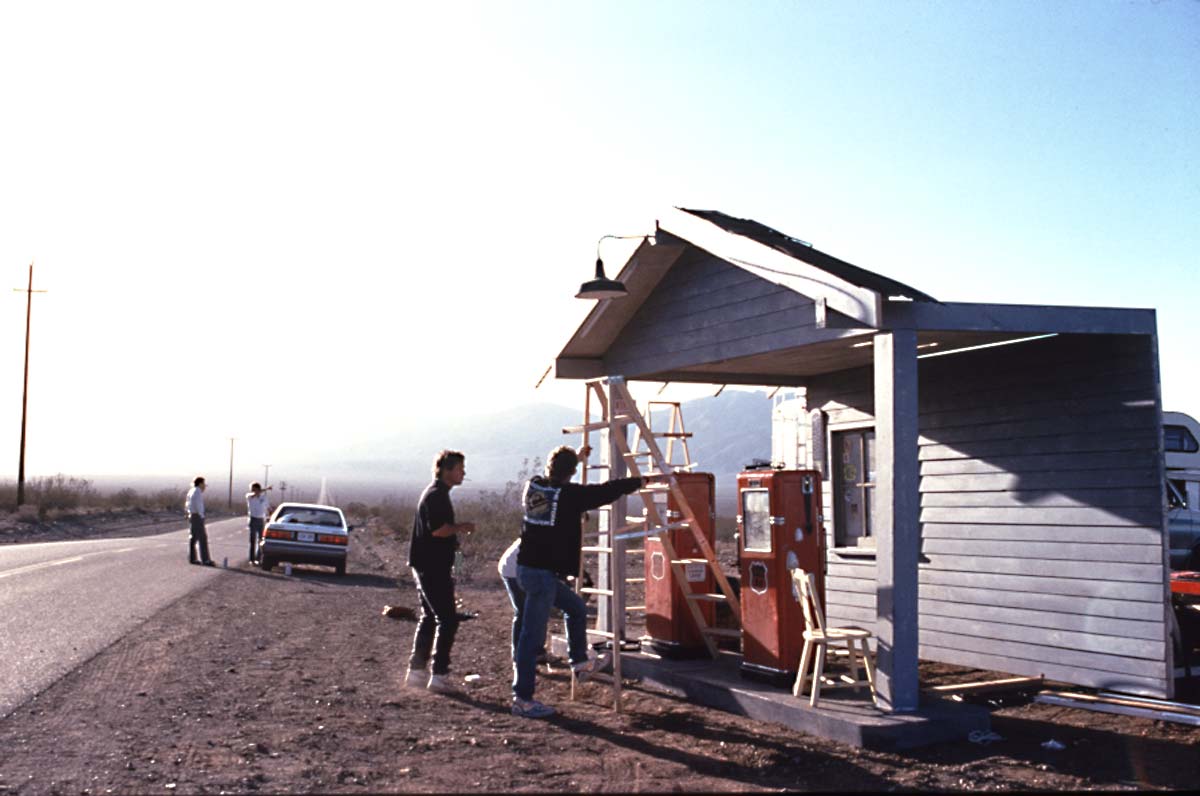
In the above photo, the Art Director wanted me to find a gas station close to the side of the road in the desert. As usual in those days Art Director’s had no idea what they were asking for, and most of the time what they wanted couldn’t be done; no matter how big the budget was.

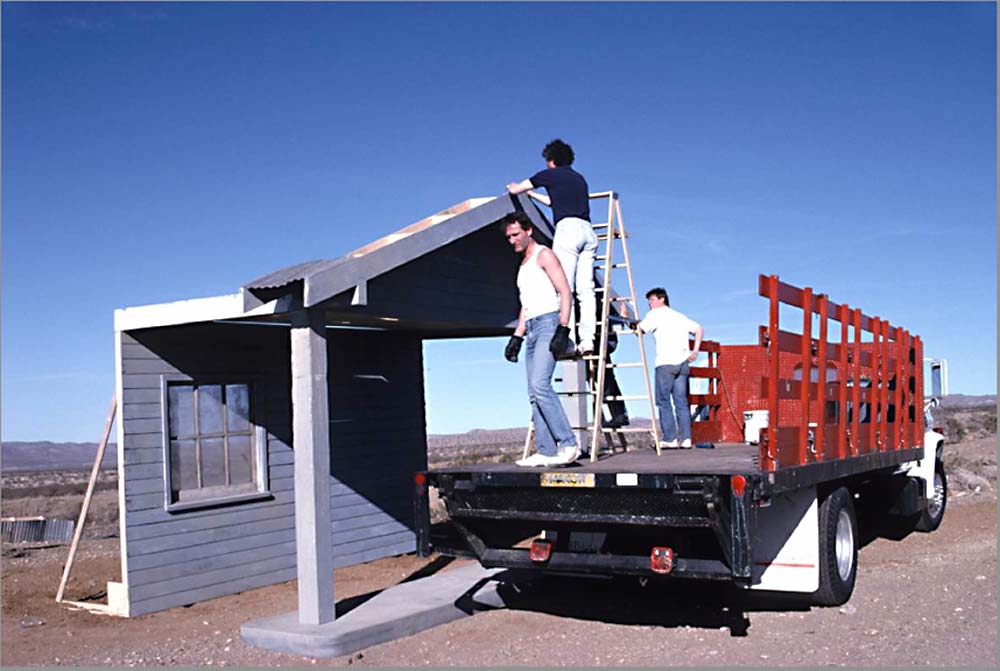
After a location scout looking for a week came up empty-handed…there aren’t any gas stations next to the road in the desert because there weren’t any gas stations at all.  I ask the Art Director if I could have one built there in Hollywood, dismantled and put back together in the Mojave Desert which was fairly close. He went back to the client and explained that we could either keep spending $750.00 a day on a location scout or we could have complete control and build one. The client agreed on the price and we set off to shoot the ad…without the help of post-processing!

If we were to shoot this ad now, the car would have been shot in a studio and the gas station would have been a very small model. Together with the help of CGI (computer-generated imagery), they would have had a digital artist put the two together.

How much fun would that be????? BORING!!!

Here’s a couple of production photos showing the set up.

I had the gas station built after I took readings with my Sunpath software and used my Morin 2000 hand bearing compass to find where the sun would set on the horizon. I wanted to get a glow on the side of the car by placing it with the grill facing the last moments of sunset.

Visit my website at www.joebaraban.com., and check out my workshop schedule. Come shoot with me sometime.

JoeB
Life Before Photoshop: Dewars Scotch

Look ma, no Photoshop!

For those that are new to my blog, I teach an online class with the BPSOP, and I conduct my “Stretching Your Frame of Mind” workshops all over our (round) planet.

I was shooting film a million years ago when the name Adobe was a type of house in the Southwest part of the US…in other words before Photoshop when everything had to be done in the camera. Here’s one of my stories:

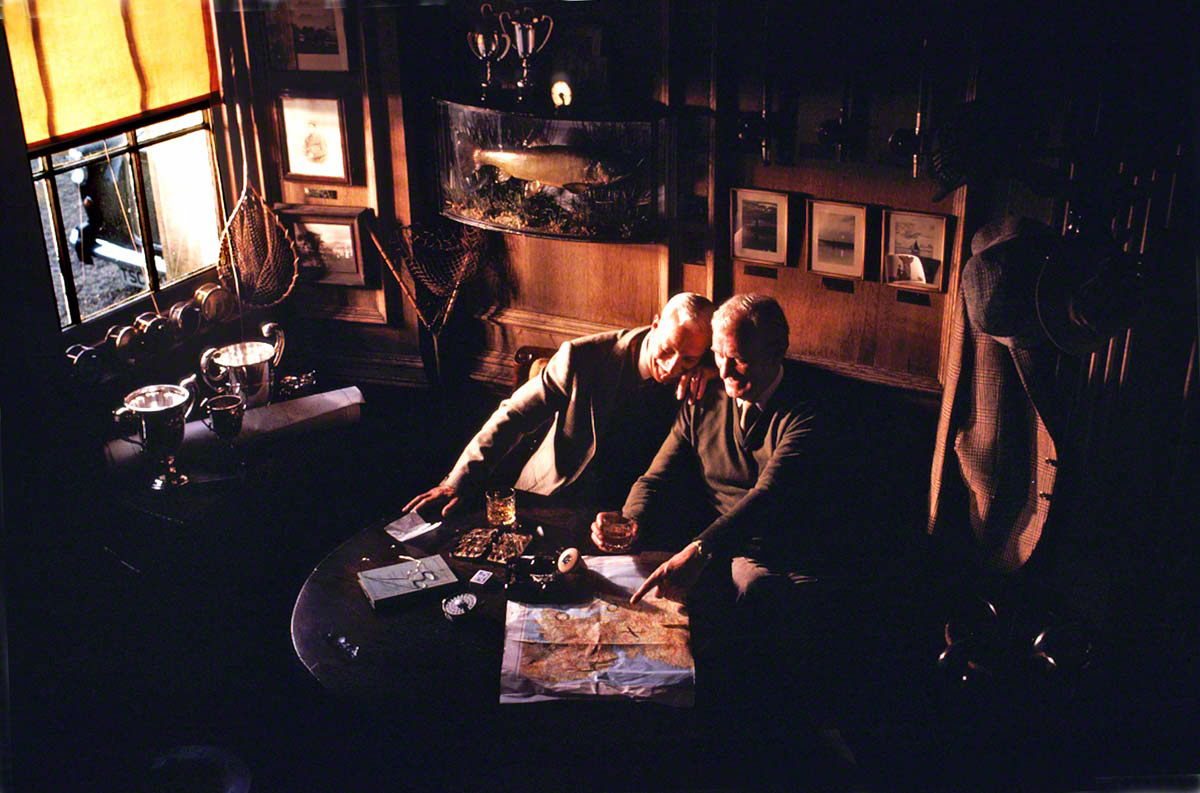
I was hired by Leo Burnett Advertising to shoot a series of ads in Scotland. One of the ads featured two fishing buddies exchanging their secret fly-fishing locations.

While we were shooting the others, I sent a location scout out to find an authentic Scottish Pub…a location I thought would be easy considering where we were; I was so wrong. After spending a couple of days, the scout came up empty.

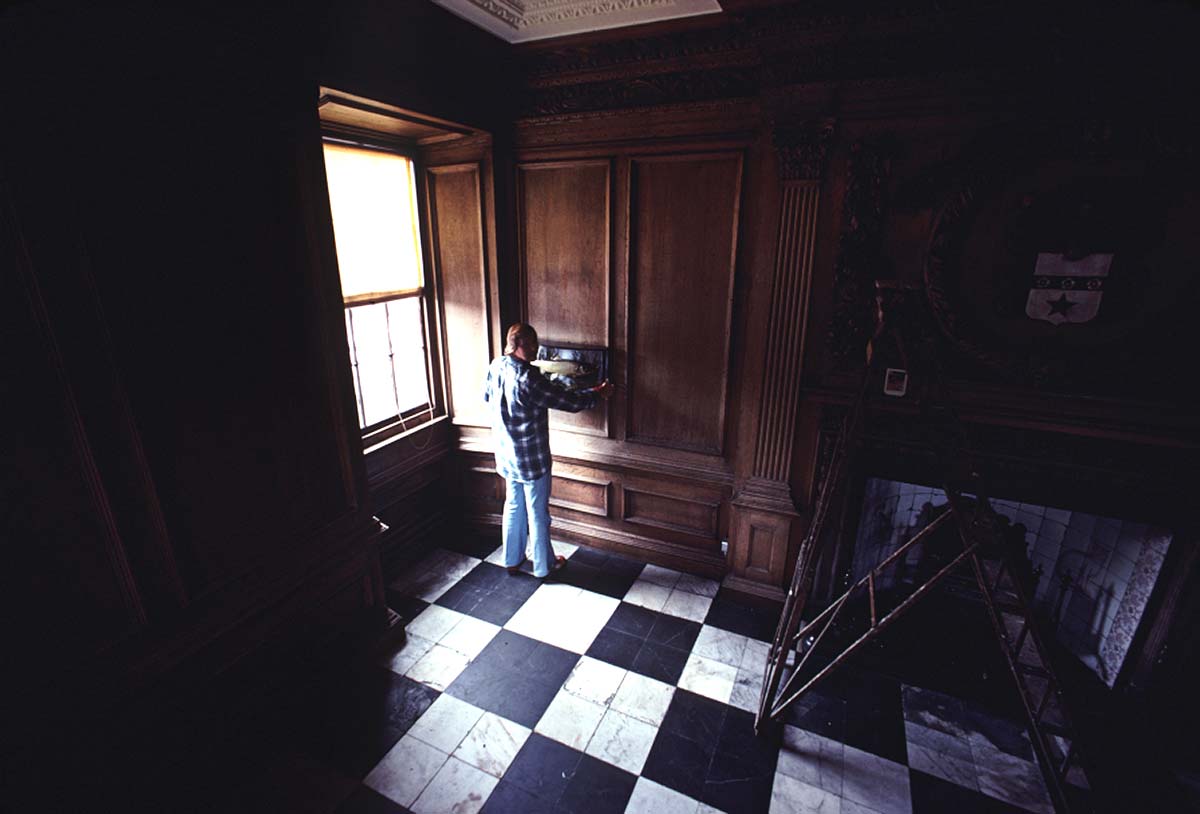
At that point we extending the search to find a room that would fit the layout. We found a back room in a private boy’s prep school that would work but would require a lot of stying.

We all went out looking for stuff that had a fishing theme and found exactly what we needed…we began to convert the room into a ‘Scottish Pub’. That’s when it went downhill.

The headmaster came in to see what we were doing and at that point said that since the wood paneling was over seven hundred years old, and we weren’t allowed to touch it, he just wanted to know how we were going to do it. It was like being run over by the business end of an Amtrak train (express with no stops).

Acting quickly and purely out of desperation, an idea came to me. We ran over to the nearest fishing store and purchased enough twenty-pound monofilament line to reach across the entire country.

So everything you see on the wall is not actually touching, but is suspended down from hooks mounted on the ceiling and is approx. 1/8th to 1/4 of an inch in front of it. It’s what you had to do when Photoshop was years away from being invented. You had to shoot everything in the camera.

The men had never seen each other before that day. We went out in the street and recruited these two you see in the photo. The reason that they look like old friends exchanging their secret fly-fishing spots was that being realistic, I had them actually drinking Dewars. In this photo, they are so drunk that we had to hire private cars to take each one of them home.

FYI, this photo was lit with one 12K HMI out the window and a large roll of white seamless between the camera and the men.

Here’s the room before we started:

Visit my website at www.joebaraban.com, check out my workshop schedule at the top of this blog. Come shoot with me sometime.

JoeB
Life Before Photoshop: Saturn Car Campaign

Look ma, no Photoshop!

Before reading this post, for all of you that have taken my part I and II classes, the school is bringing back my Gestalt class for a month, starting the first week in May. Here’s the link: https://bpsop.com/courses-1/

In my ongoing quest to enlighten those photographers that started in the digital era, I like to explain to people that there was actually a time when you had to create your image in the camera without any help from Photoshop; mainly because it wasn’t born yet. I know it’s scary to a lot of you because we talk about it in my online class with the bPSOP and in my “Stretching Your Frame of Mind” workshops I conduct around the planet. The thought of not being able to fix it later in front of a computer is chilling to say the least. YIKES!!!

I’m not opposed to using my Adobe CS5 program, because I tweak all my photos to some degree, but to me, the challenge is taking my visual idea and shooting it in the camera. The digital age has made photographers lazy. Why move a step to the right to take the telephone out of someone’s head when you can just use the Content Aware tool to remove it later? Why concern yourself with learning that 1/60th of a second at F/8 is going to look a stop darker than 1/60th of a second at F/5.6. there’s Lightroom to take care of that mistake.

To me, shooting on manual will make you a better photographer than setting your camera to one of many program modes. It’s a good way to learn exposure and shutter speed combinations.

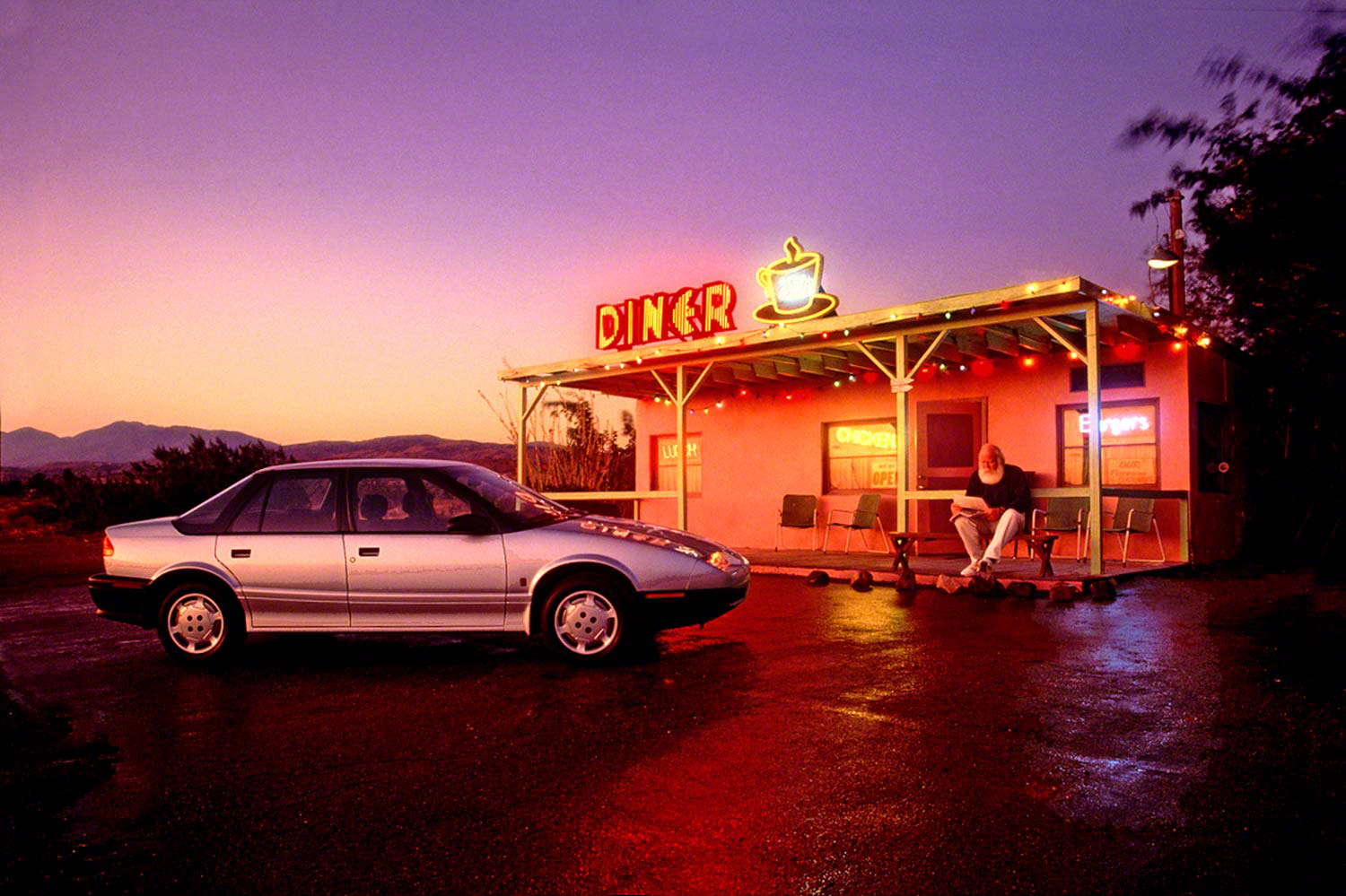
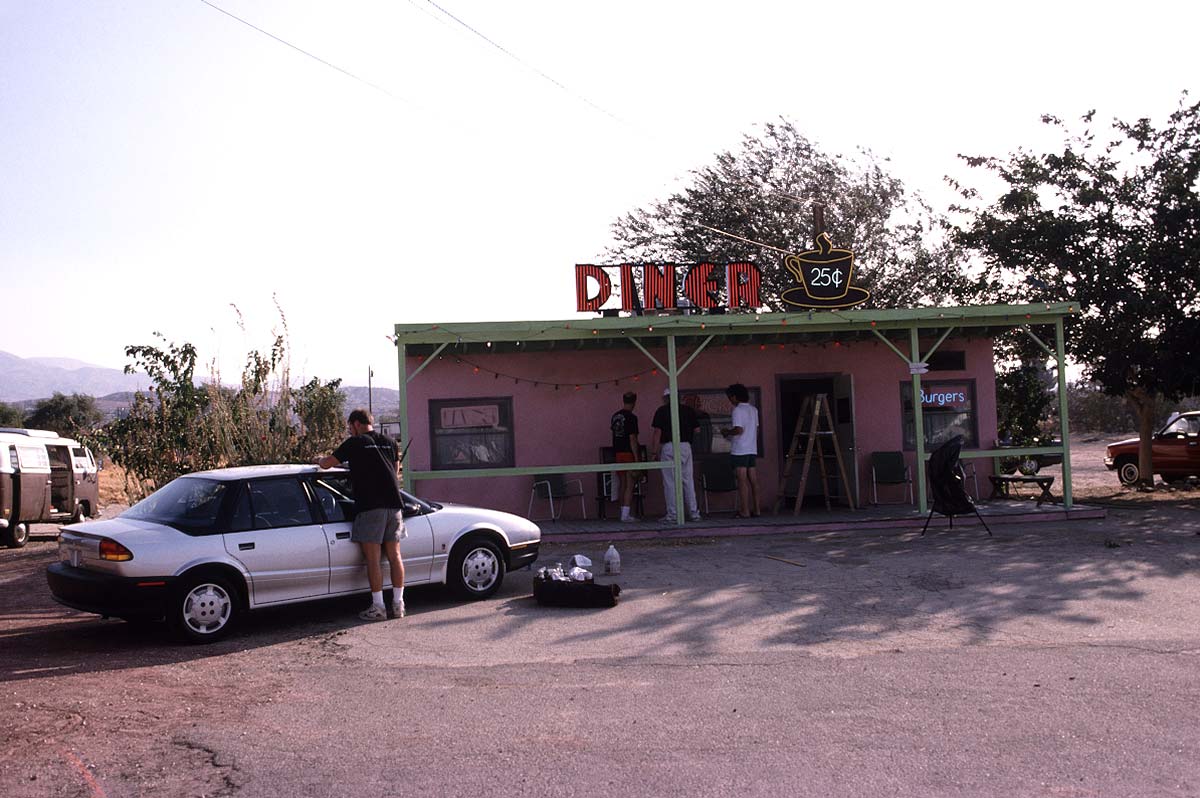
In the top photo of the Saturn, everything was done in the camera. The color silver was chosen so it would reflect the ambient light of the sunset evenly without adding any additional light. My instruction to the location scout was to find a diner where the sun would set or rise directly behind it. Using my Sunpath software and my Morin 2000 hand bearing compass, I was able to know ahead of time if this location would work. Shooting close to Hollywood was always nice because I had access to any props I could conjure up in my imagination. It certainly helped here since the diner was abandoned; we added all the neon and interior lights.

The pavement looked terrible so I had a water truck come in and do what’s called a wet down. This makes the driveway not on;y hide the cracks and discoloration, but being wet, it reflected the lights from the diner.

By the way, the man sitting out in front was the agency’s Art Director. I put him there to add an editorial feel.

So, there you have it. A little pre-visualization and pre-production can achieve the same results as sitting in front of a computer for hours to create this photograph. I can assure you that you don’t have to have a big budget to be able to create in the camera. It comes down to whether being a well-rounded photographer that takes the time to challenge himself is more important that being a good digital technician. Why not have the best of both worlds?

Here’s the diner when we started to work on it:

Visit my new website at www.joebaraban.com, and check out my workshop schedule at the top of this blog. Come shoot with me sometime!

JoeB