Life Before Photoshop: REI
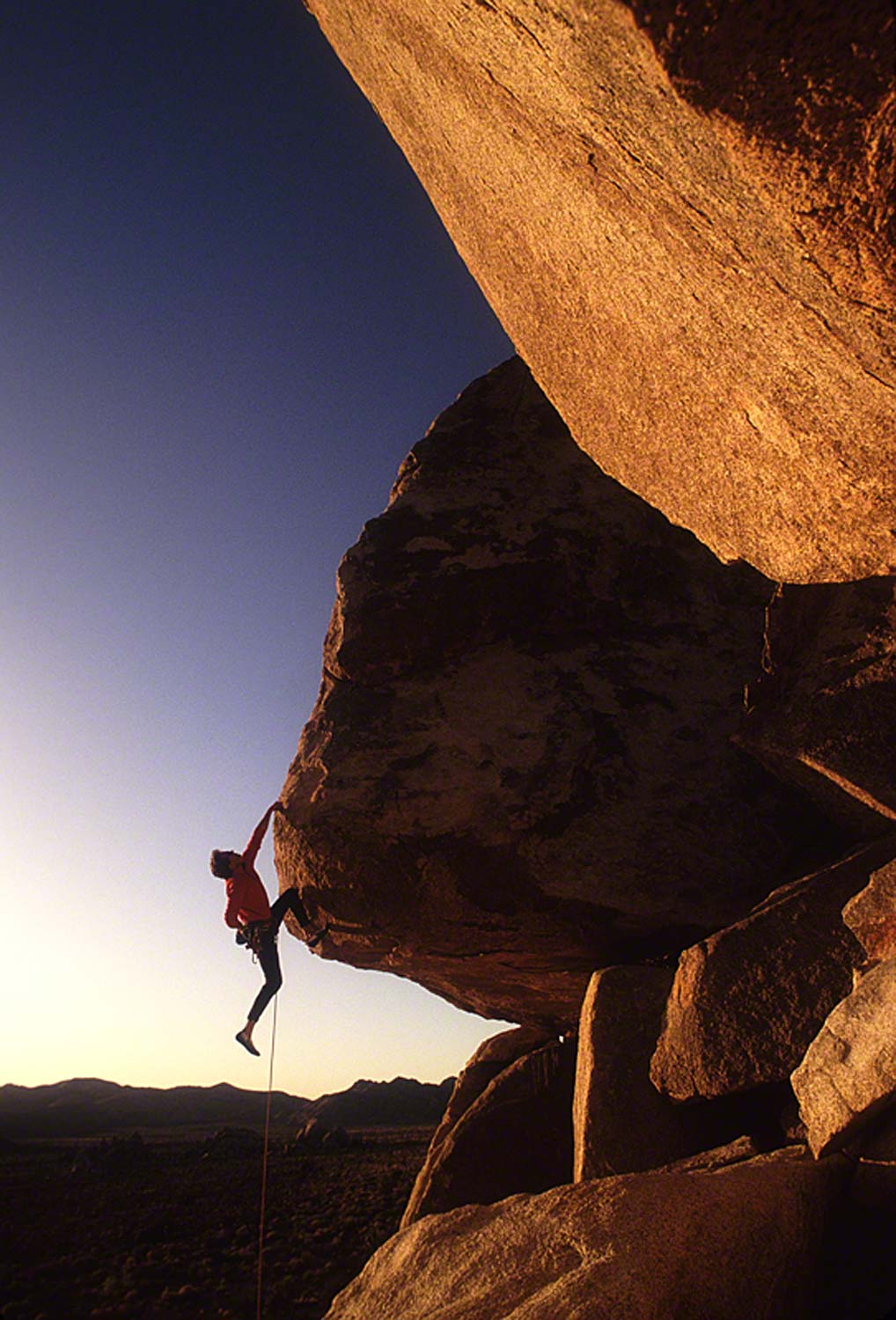
Look ma, no Photoshop.

For most of my career as an advertising and corporate photographer, Adobe had not been born. The name was synonymous with a type of house predominately in the southwest part of the US. Everything that you could think up in your imagination had to be translated to one piece of 35mm film. Everything you wanted to say, and the final exposure was in the camera before you clicked the shutter; you even did the focusing yourself.

Now, in the digital age that’s no longer necessary, and to many no longer important. Time marches on, but it’s a pity because it has taken away the chance for new photographers as well as those that have been shooting for years to simply be a good photographer, and not a better computer artist.

In my “Stretching Your Frame of Mind” workshops I conduct around our planet, I encourage my fellow photographers to spend more time getting it right in the camera. Stop relying on a computer to either fix their mistakes or to do what they didn’t feel like doing when working on the final composition. BTW, this also goes for cropping their photos which in my personal opinion shows a tinge of sloppiness in the approach of a photographer’s technique; certainly a lack of discipline in his or her area of expertise. But that’s another story.

Having said that, I’m no purist when it comes to making my photos look as good as they can. I use Photoshop to some degree on every photo…why not? It’s no different as when I use to spend hours in the darkroom tweaking one of my images. However, I want to capture as much as possible before I click the shutter. For me, it’s a good feeling knowing that I can take a good picture…all by myself.

BTW, in my forty-eight years shooting professionally, I’ve never cropped on of my photos.

Now days the photo shown above taken for REI could have easily been created in the studio and using a computer; that’s no fun!!!
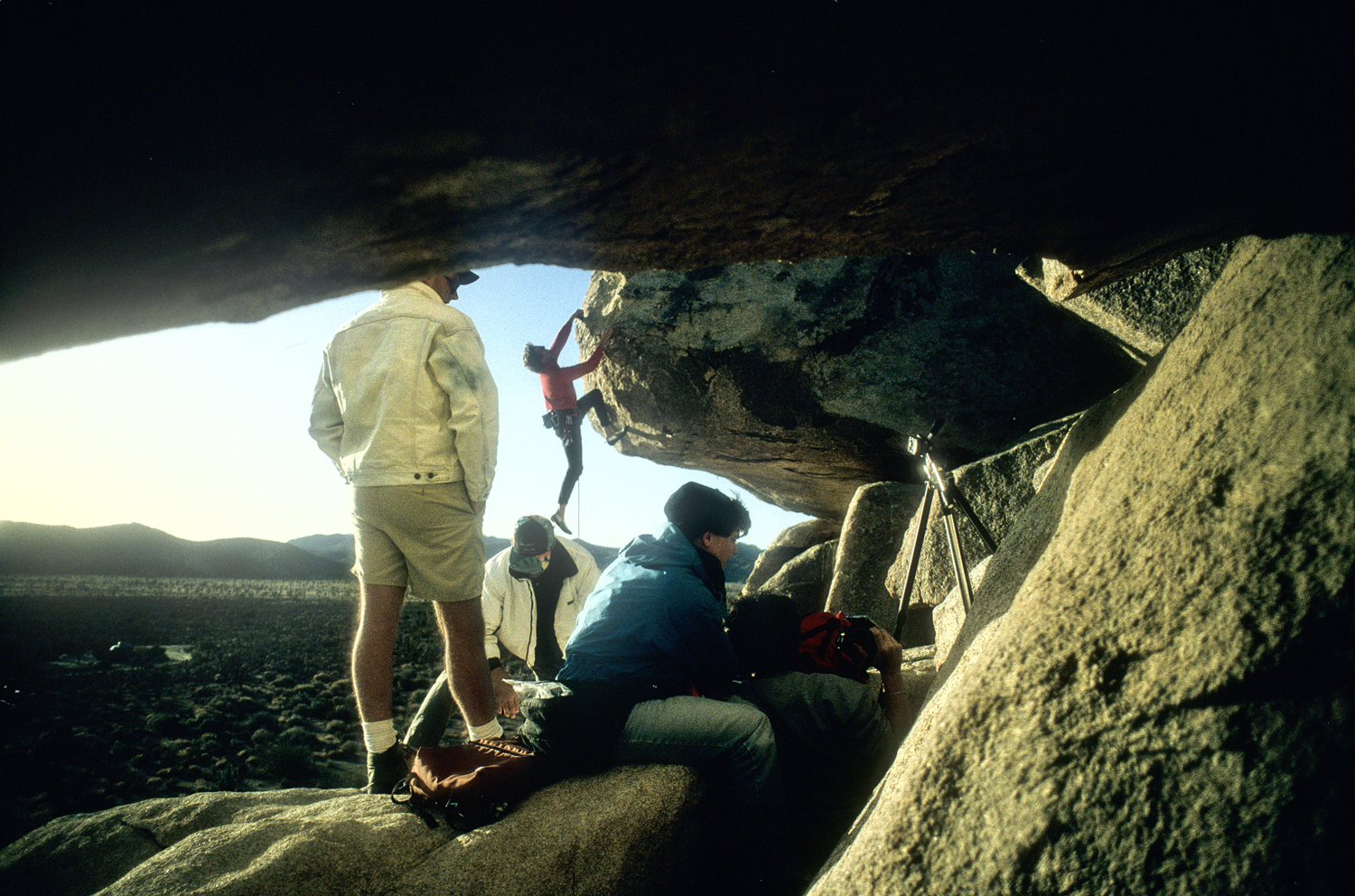
And that's the way it was.
And that’s the way it was.

The process started from scouting the best location using my Sunpath readings in conjunction with my Morin 2000 Hand Bearing Compass. Then after determining where to set up shop we climbed up the side of the mountain with all the gear and the team to help get me there. The final part was getting the climber in the right position ready to go at exactly the right time of day; not only cool, but just way tooooooo much fun…and needless to say challenging.

FYI, watching this guy free climb was frightening, but memorizing at the same time. And as this category is called, there was no Photoshop done to this image. What you see is exactly what I saw…no tricks, no mirrors, no nothing!!!

I will admit that it did cross my mind the potential Pulitzer Prize for spot news I might have received capturing the fall from the moment he lost contact with the mountain to the time he and the earth became one.

Visit my website at: www.joebaraban.com, and follow me on Instagram: www.instagram.com/barabanjoe. Be sure to watch for my upcoming workshops. Come shoot with me sometime.

JoeB
Life before Photoshop: Ho’okipa

Look ma, no Photoshop!

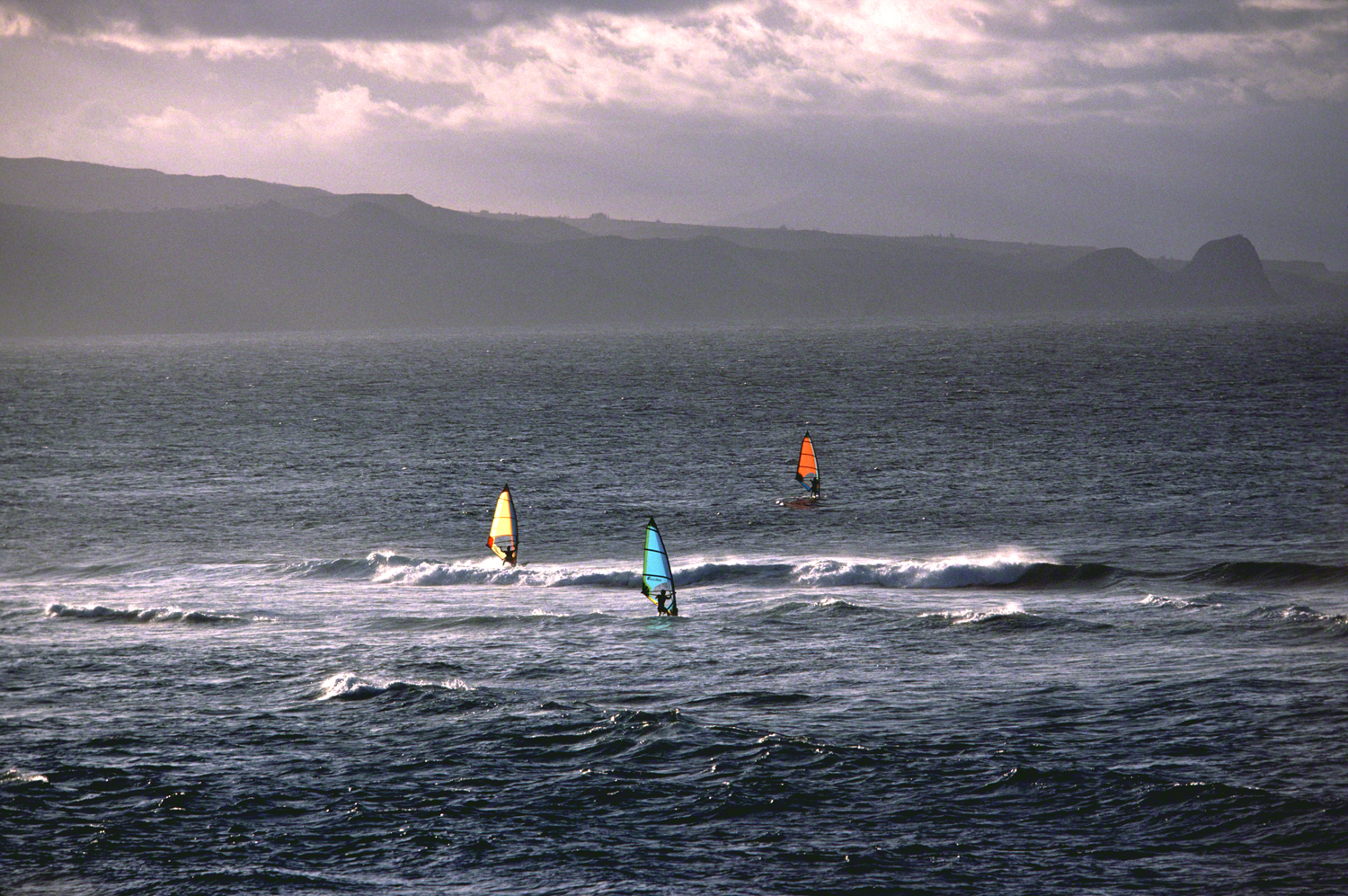
Ho’okipa Beach is on the north shore on the Island of Maui, and probably the most renowned windsurfing site in the world. I was there working on another project and went up to see what we could get since the international championships was just a week away.

All the top windsurfers from all over the world were going to be there, so I figured it would be a great photo opportunity. In those days I was selling a lot of stock photography, so I thought why not make a few bucks while adding to my sports portfolio.

We arrived in the afternoon, and on that day it was overcast; rare for Maui. We had just this one afternoon off, so I couldn’t spend more than a few hours…so we waited, hoping for a break in the weather. I was set up on a pullout that overlooked the beach, with my 600mm Nikkor f/4 lens on, and was watching the windsurfers until there was just a handful of them left.

By that time all the other tourists had left, but as I tell my online students with the BPSOP, and those that take my “Stretching Your Frame of Mind” workshop I conduct around our planet, “it ain’t over til it’s over”…as in dark!!

Sure enough waiting around paid off because for less than minute the sun peaked through the almost solid gray sky, and as Eddy Adams once said, “When you get lucky, be ready”….and I was.

The three remaining windsurfers came around and for a matter of seconds had formed a perfect triangle. As the sun was back lighting the sails making them glow, I was shooting…and screaming in pure joy!!!!

What you see in the above is one exposure, on one piece of film.

Visit my website at: www.joebaraban.com, and follow me on Instagram: www.instagraam.com/barabanjoe. Watch for my workshop schedule at the top of this post. Come shoot with me some time.

JoeB

Life Before Photoshop: IBM

Look ma, no Photoshop

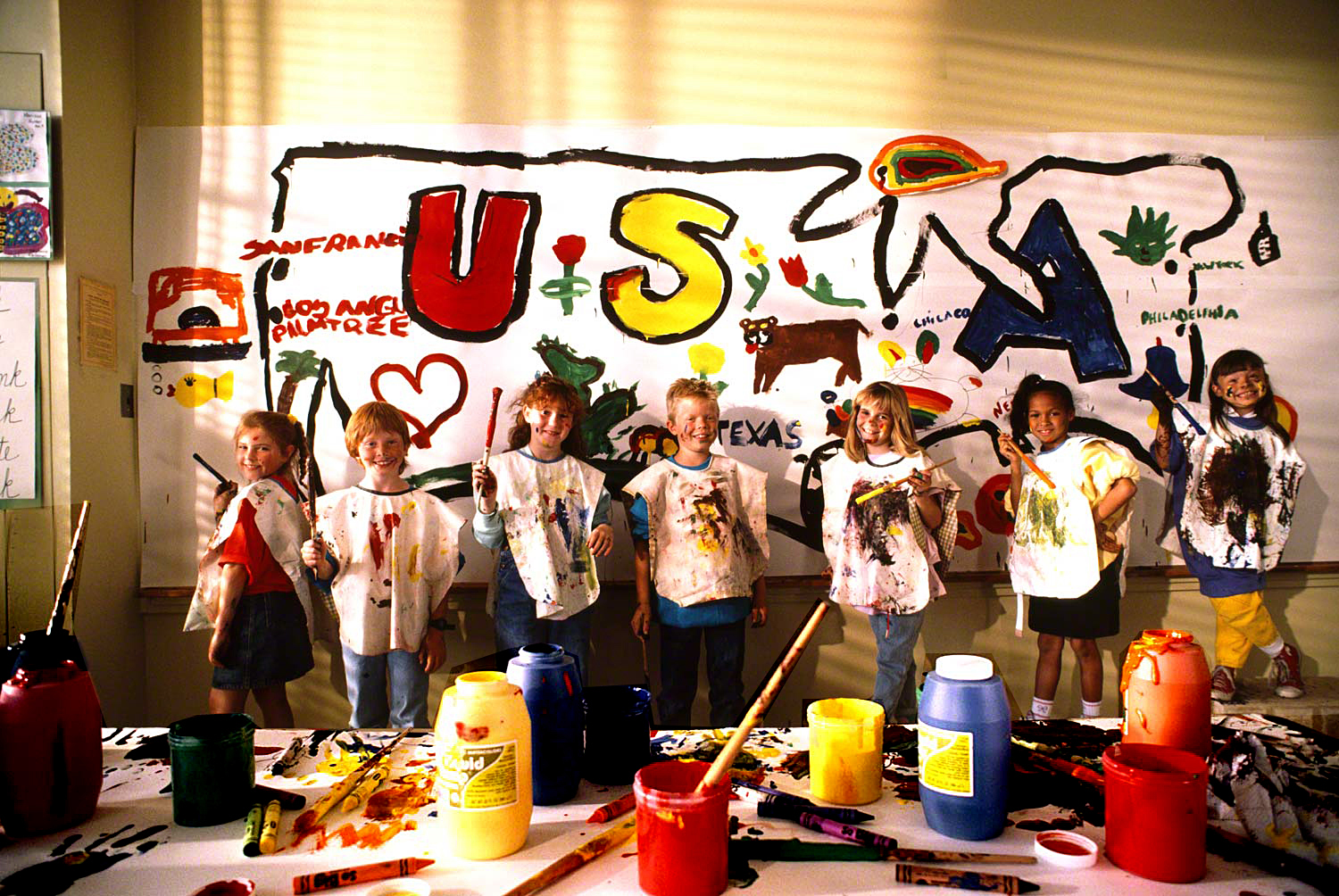
In 1983 I was hired to shoot a series of ads for IBM. One of the ads featured a class of young students painting a mural of the United States. I wanted strong window light coming in from 9 o’clock to side light providing depth to the room. The clock is one of the most important topics I talk about in my online class with the BPSOP, and in my “Stretching Your Frame of Mind” workshops I conduct around the planet.

In the old film days, the days when the word Adobe meant a type of house in the Southwest part of the US, I couldn’t rely on post processing to help create the illusion of depth.; for that matter, for anything. I also couldn’t rely on finding a room that would give me nice sidelight on the kids; let alone count on a sunny day. There was too much money involved for the advertising agency and client to reach a level of comfort in my ability to arrange for everything needed..for example late afternoon light at 9 o’clock.

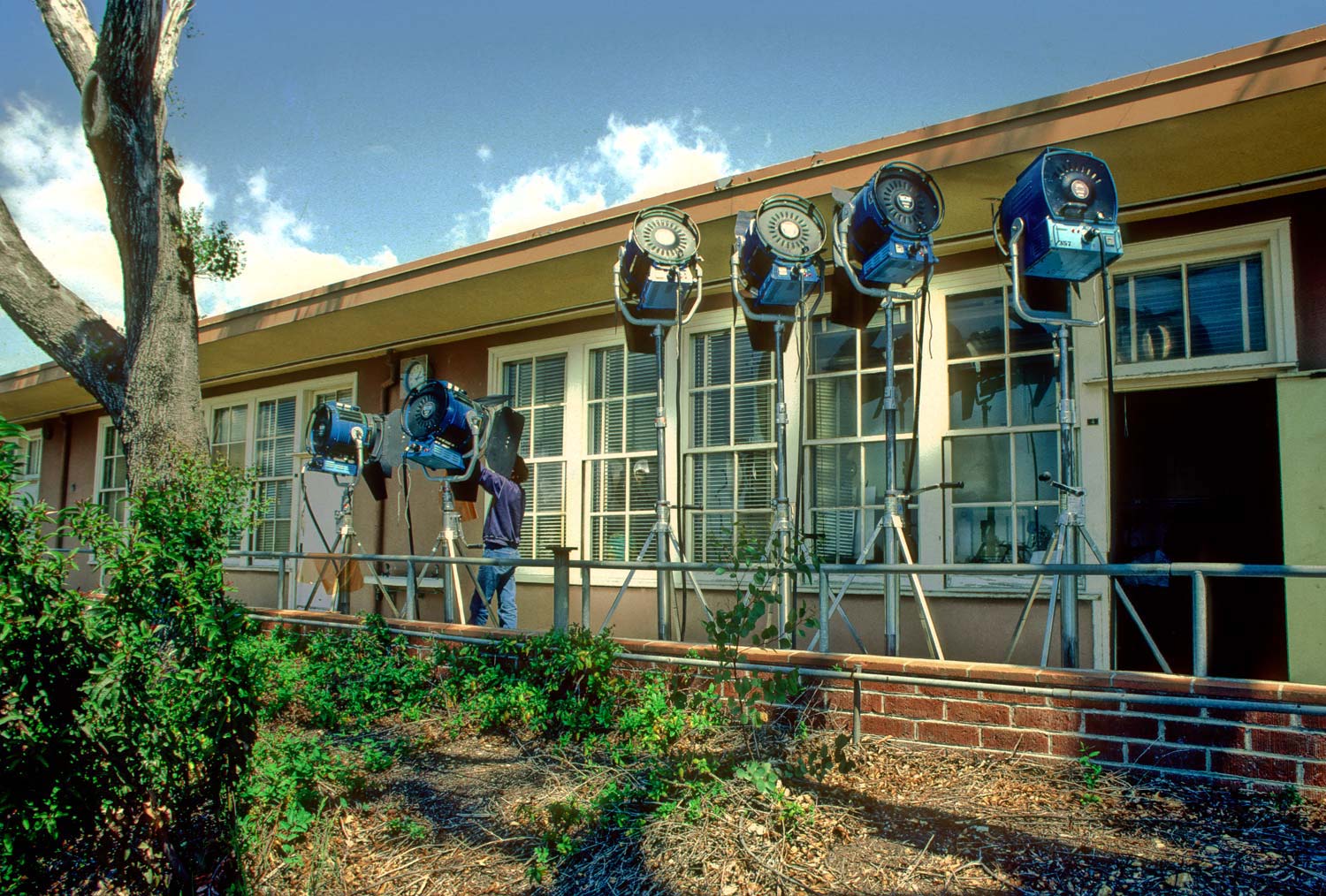
So, what do you do? You bring out the “big lights”, 12K HMI’s, the lights I often used both in print and when I was acting as a director/cameraman on TV commercials. These lights were 12,000 watt daylight balanced lights that needed a big generator and ballasts to operate…and a package that included a gaffer, assistant, truck and portable generator would run about $2000.00 a day for just one light, CTO gels (warming gels since the light was on the blue side) and barn doors.

An all day shoot.
An all day shoot.

In order to create an even exposure from one end of the kids to the other it took six lights and several hours to set up and shoot. It was the “good old days” where it was fun creating the look on one piece of film and one exposure.

Visit my website at: www.joebaraban.com, and follow me on Instagram: www.instagram.com/barabanjoe. Check out my workshop schedule at the top of this blog. Come shoot with me sometime.

JoeB

Life Before Photoshop: VW Campaign

One exposure on one piece of film.

In the film days, the days when the word Adobe meant a type of house in the southwest, we had to create all our images in the camera. One piece of celluloid, one exposure was all we had to work with.

I would say that the hardest subject matter to shoot during those times were automobiles, and actually anything that had wheels and moved was difficult. These were big budget shoots, and if you didn’t nail it, you didn’t work on that account any longer; you didn’t work at all with that agency. You were “persona non grata”, which basically meant that you would be through getting work from them. Worse, if that art director you just made to look bad wound up at another agency (and they moved around all the time), you were done there as well.

Scary times? you bet!!!

I loved car shoots because the day rates were the largest and you always stayed at the best hotels, flew first class, and ate at the best restaurants. Believe me when I say it was great times, but hardly worth whatever consequences there were if you screwed it up.

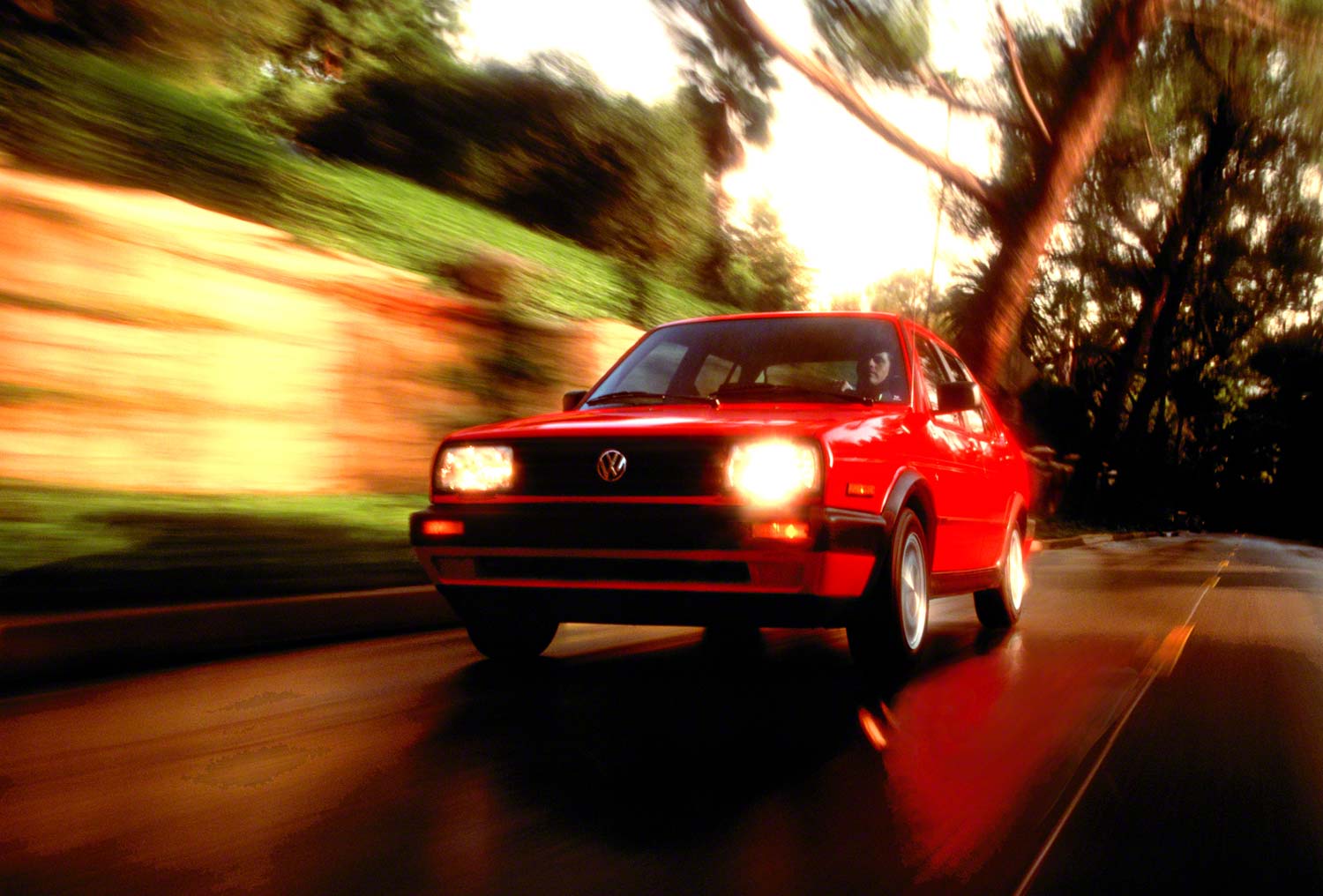
I was shooting a big campaign for Volkswagen, and one of the ads was going to have a local buy…as they referred to advertisements running in just one or two cities. The budget couldn’t support a camera car so when this occasionally came up, we would rent a Lincoln Town car because they had the smoothest ride. As in the photo above, we would get in the trunk and shoot car-to-car from there.

After determining the Sun’s position using my Sunpath readings and my Morin2000 hand bearing compass, we decided on this urban street in LA. My assistant and I were in the trunk of the Town Car, and another station wagon with a large piece of foam-board taped to the rear door to bounce light back into the grill, was right next to me.

We hired two cops to block the street and a water truck to give the road a wet-down…so the reflection would add to the visual interest. Although the car looks like it’s speeding down the road, in actuality we were only traveling ten to fifteen to twenty miles maximum per hour. As long as both cars were moving at the identical speed, I could shoot at 1/4th of a second) to create the illusion of speed while keeping the car sharp..

As I tell my online students with the BPSOP, and the ones that take my “Stretching Your Frame of Mind” workshops I conduct around the planet, in the digital age, the age of CGI, most car photography is now done in the studio, often times the landscape is bought separately, and the illusion of speed and the blending of the car in the landscape is handled with Photoshop….so sad, so very sad!!!

🙁

Visit my website at: www.joebaraban.com, and follow me on Instagram: www.instagram.com/baraban/joe. Be sure to check out  my workshop schedule at the top of this post. Come shoot with me sometime.

JoeB
Life Before Photoshop: Alpha Romeo Shoot

Look ma, no Photoshop.


Every time I write one of these posts it takes me way, way back to the days when Adobe was the name of a style of house in the Southwest part of the US.

The good old days when you had to do everything in the camera, and as a result got the occasional ulcer for doing it. Yes, those do-da days where it took just one screw-up and you became persona non grata at not just the agency you were shooting for, but if that Art Director that picked you went to another agency, and they often did, your name went with them. That’s just the chance you took because the money was so good. In those days car shooters (the good ones) were getting $5000.00 per shot (plus all expenses) and up, and that day sometimes meant one shot at sunrise and one at sunset.

In my online classes with the BPSOP, and in my “Stretching Your Frame of Mind” workshops I conduct around the planet, we work on incorporating the Elements of Visual Design into their photography. We also work on getting as much in the camera before the shutter is clicked so that my fellow photographers can become better photographers, not better computer artists.

That’s not to say that I don’t use Photoshop because I do with just about every photo; not to do anything except minor tweaking. For me, getting it in the camera is a great challenge, and as a result I fell good that I’m a good shooter that relies on my eye and imagination, not Histograms, blinking lights, and that insidious bane of existence that’s called…HDR!!!.

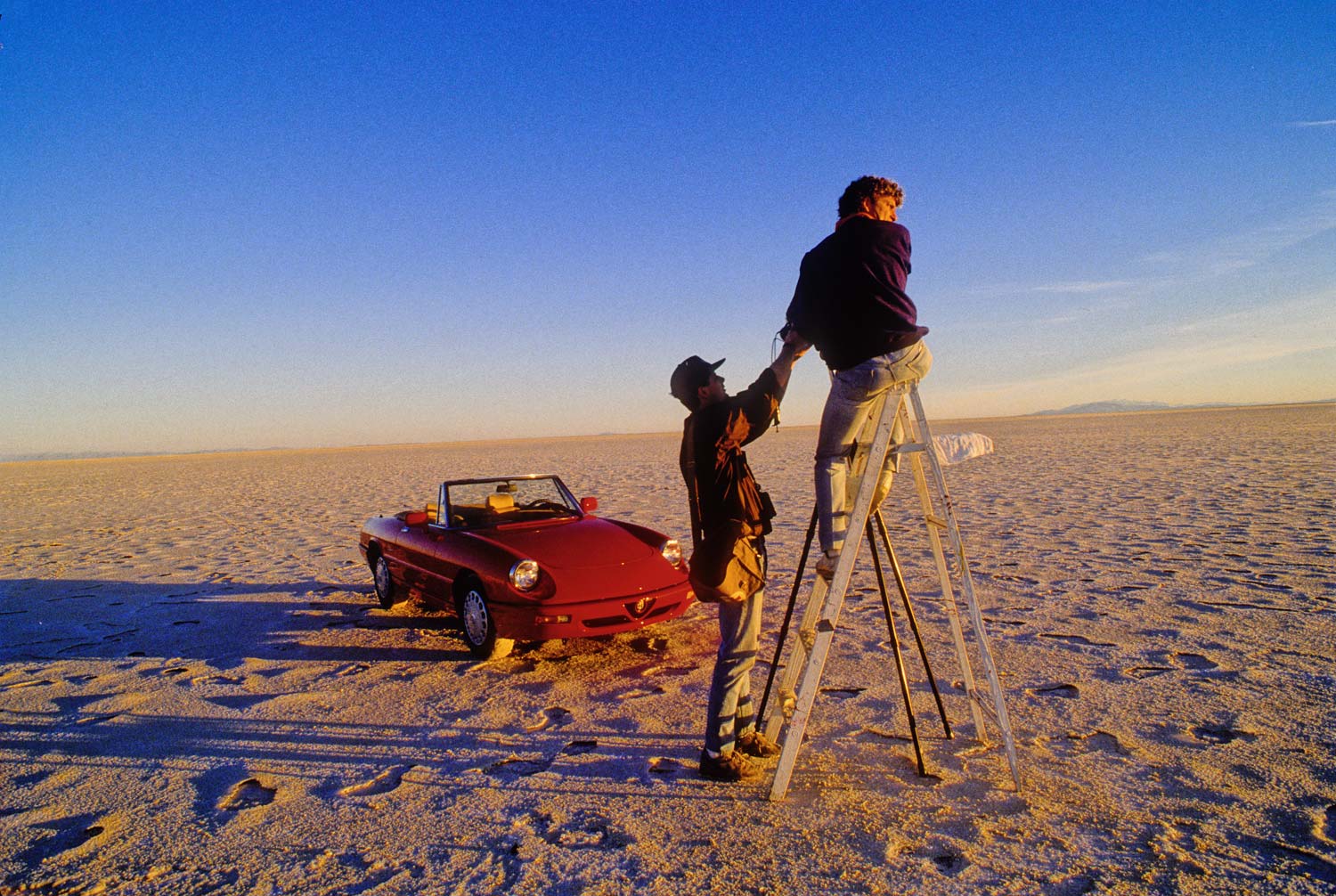
In the above photo, the Art director and I choose The Bonneville Salt Flats for the location because of the simplicity, the great light, and all that wonderful texture.

It may look like a simple set-up but I can tell you that it was anything but simple. The car company that brought the new-never been seen before Alpha Romeo got their huge van and trailer stuck and after hours of trying and a twenty foot hole, we were able to rent a back hoe to get the tractor out that got stuck trying to get the trailer out in the first place…what a mess!!! This took a day. Then, we had to fill in this giant crater so it looked like it never happened…another day of expenses.

Simple set-up????????

The placement of the car was extremely important since as a prototype it came without a motor and had to be manually placed (by hands) to get the right angle of the light. When seconds counted, there wasn’t enough time to move it again (and keep those tire tracks out of the shot. To do this I determined the degrees of both sunset and sunrise then I used my Morin 2000 hand bearing compass to decide on which one to shoot and to get it at the exact angle to eliminate unwanted hotspots and glare, and the shadow that was important as well. I knew that the shot had to be taken right before the full sun was visible on the horizon. After that the car was subject to those elements that couldn’t be taken out since any thought of post-processing was years away.

Visit my website at: www.joebaraban.com, and follow me on Instagram: www.instagram.com/barabanjoe. Check out my workshop schedule at the top of this blog. come shoot with me sometime.

JoeB

Life Before photoshop: Microsoft/Leader Of The Pack

Look ma, no Photoshop!

Check out my new workshop on the six concepts in the Psychology of Gestalt: Gestalt Workshop link

Life before Photoshop is one of my favorite categories to write about. It was a time way back when I shot film and everything had to be accomplished in the camera. There was no computer to save your butt, so my fellow photographers and I had to rely on our own imagination and wit. That’s not counting a very good knowledge of every shutter speed and aperture combinations possible and how they reacted to one another.

In order to get a certain “look” that the Art Director wanted, we played around with different color film stock and pushed and pulled the film to get the desired effect. We depended on camera bracketing (manually bracketing) to get the right mixture, and there wasn’t a display on the back of the camera to see what we were getting.

Pretty scary? It was scary because if you screwed up, you were through with that advertising agency. You became “Persona non grata”. In other words, you were not welcome at their Christmas parties anymore. What’s even worse, if any agency team member on your shoot went to another agency your name went with them, and your reputation went downhill faster than the plague spread over Europe. Of course that’s besides how you personally felt if that happened. In my case, it would feel terrible. For me it’s always been great or bad with nothing in between, and it never mattered or matters what anyone else thought or thinks.

In my online class with the BPSOP, and in my “Stretching Your Frame of Mind” workshops I conduct around the planet, I encourage my students to not use Photoshop during the time they’re with me. Why? Because the more you create in the camera, the better you’ll become as a photographer. It’s definitely a challenge, but the end will definitely justify the means.

Don’t get me wrong, I love being able to use CS5 to help fix something I couldn’t get right before I clicked the shutter. If at the moment right before I pull the trigger I see something I can’t correct, then the solution becomes part of my thought process that I know to work on later, and I’m perfectly happy with that. Truth be told, I wish I had it in the good old days!!!

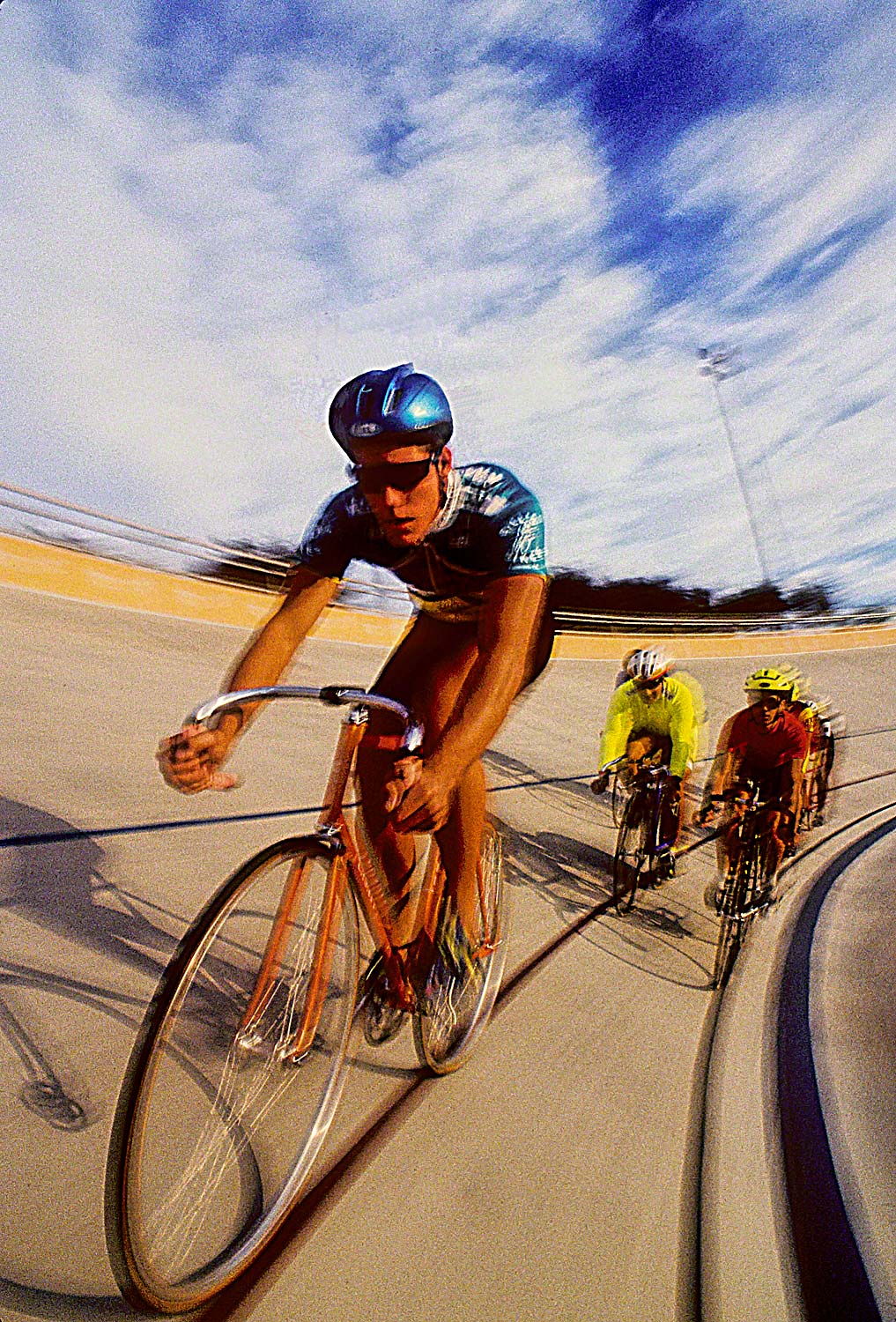
In the above photo, I was shooting an ad for the agency that handled Microsoft. The Art Director wanted me to shoot a photo that would say that their client was a “Leader of the pack”. I came up with different scenarios and he liked the idea of a biker winning a bike race. After scouting several locations, based on the sunset readings from my hand bearing compass, we choose the Velodrome in LA. He also said that he wanted a grainy and gritty look to it with a feel of movement. BTW, the movement came from shooting at various shutter speeds.

Back then, my film of choice after Kodachrome went away was Fuji Velvia 100.  I decided to re rate the ASA ( now referred to as ISO) from 100 to 800 which meant pushing the film three stops. This would make the film become grainy. After trying it out, I showed the look to the Art Director for final approval. He liked it so off we went to LA.

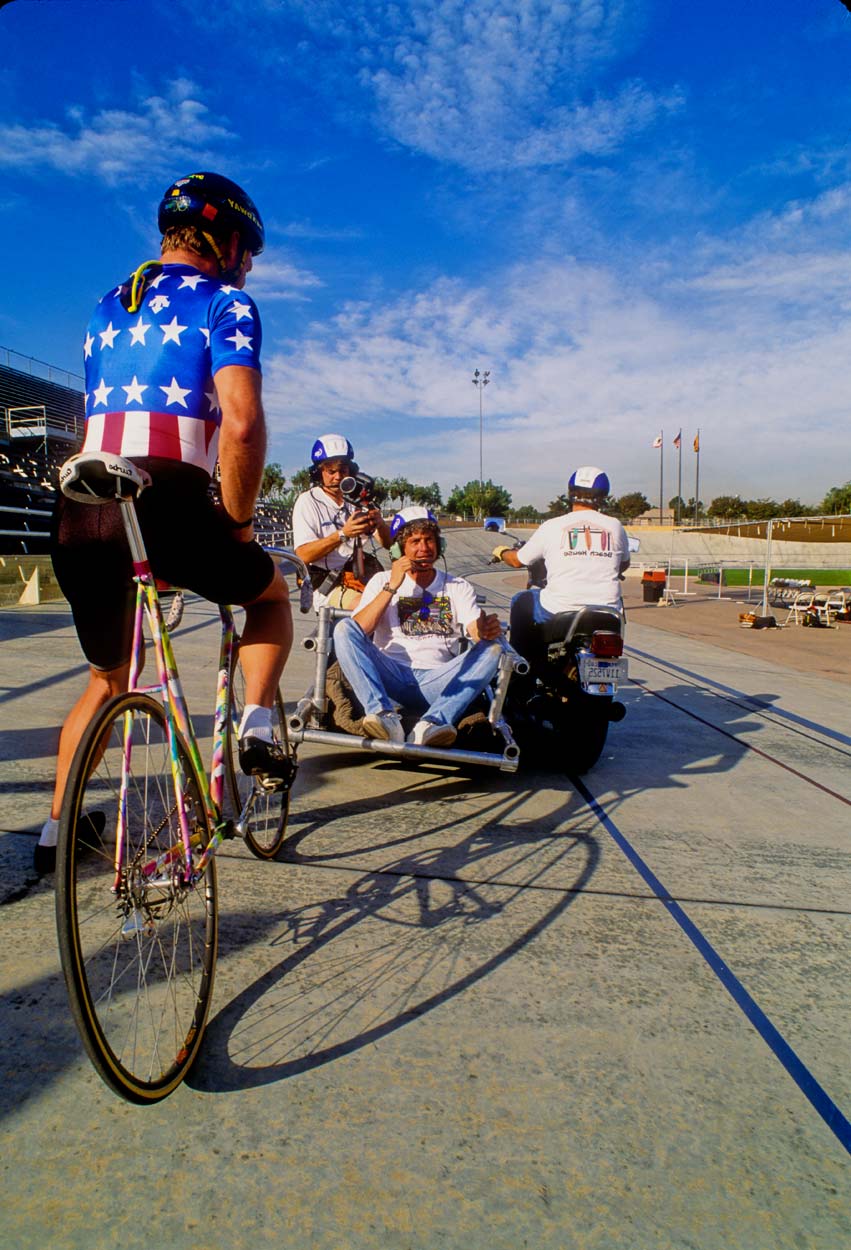
As I told you, there was no Photoshop available to create what I wanted in the computer, so we had to do it in the camera. I had a company build a platform that would attach to a motorcycle and act like a sidecar. I choose a BMW because it uses a drive shaft instead of a chain and would be as smooth as a car.I had a walki-talki with a headset and voice activated mike to communicate with the bikers that also has walki-talki’s strapped to their belt. I also had my first assistant sitting right next to be constantly giving me readings on the faces and sky with my Minolta One Degree Spot Meter. To make the camera more stable, I attached a small gyro to the bottom  of the camera.

A production shot.

Not only did the final photo make the agency and the client happy, not to mention making the Art director look really good, but the best part was that it was soooooo much fun from the idea first popping into my mind to the pre-production, to the final shoot. Far better than the way they would do it now, as in shooting the Velodrome in one shot, then using a blue screen for the bikes and CGI to put it all together in the computer.

Really, how much fun would that be?????????

Visit mt website at:www.joebaraban.com and follow me on Instagram: www.instagram.com/barabanjoe check out my workshop schedule at the top of this blog. Come shoot pictures in the camera with me sometime.

JoeB


Life Before Photoshop: Prince Tennis Racquet Campaign

Look ma, no Photoshop.

I continue my quest to bring to those of you that discovered photography in the digital era, an idea of what it was like way back when. I’m talking about a time when Adobe was a style of house found in the Southwest part of our fifty states. A time when my producer had to drive around to find a phone booth to call me, a person on our crew, a client, a location scout, etc. A time when you had to create images all by your lonesome, and “in the camera”.

Sound scary? Well it was, as I think back about it!!! However, I didn’t know any difference. It was just something you did, and everyone was on the same playing field. Yes, “those were the days my friend, oh yes those were the days.” When I teach my online class with the BPSOP, and I take my “Stretching Your Frame of mind” workshop around the planet, Photoshop is put on hold. We work on getting photos “in the camera”. I don’t mean to suggest that I never use Photoshop because I do. I just love the ‘content aware’ tool!!!

The challenge for me and one I ask of all my students is to be able to get as much as you can without the use of Photoshop. If there’s one thing I’m sure of in this “crazy mixed up world”, is that it will make you a better photographer, and that’s my goal. I’m not interested in my classes becoming better computer artists, just better shooters.

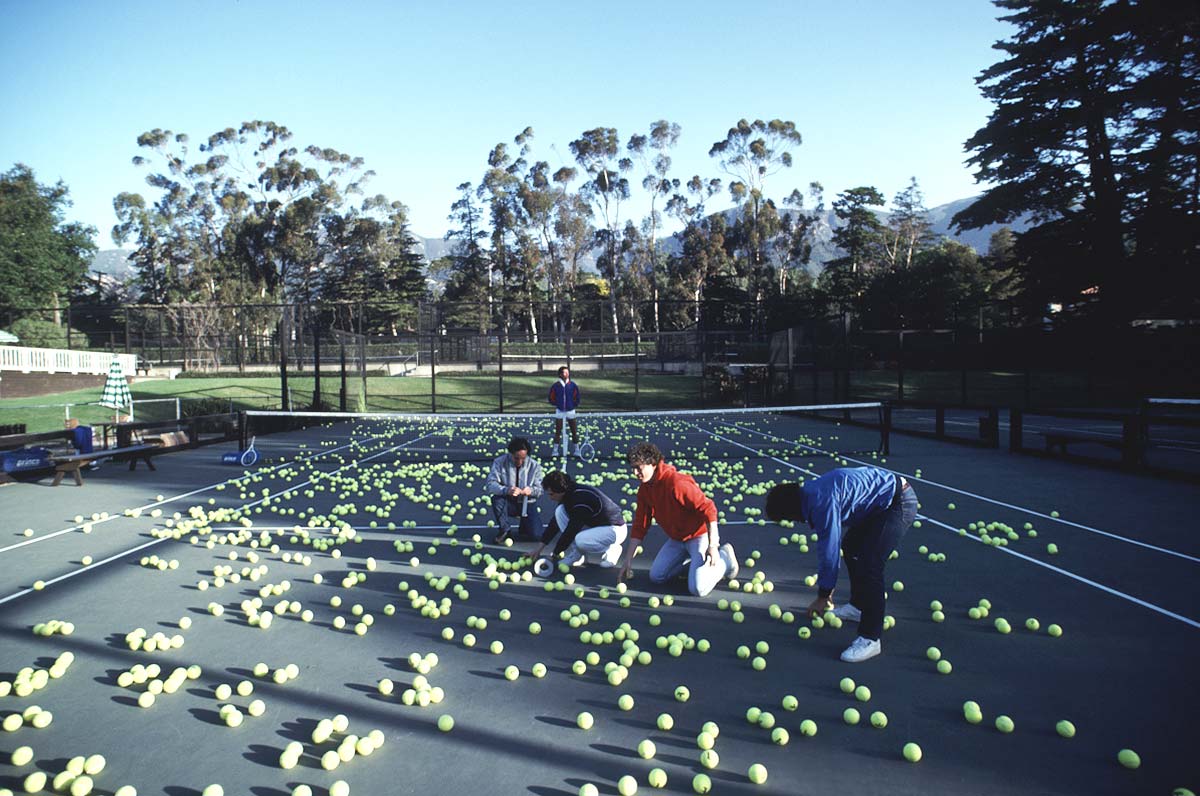
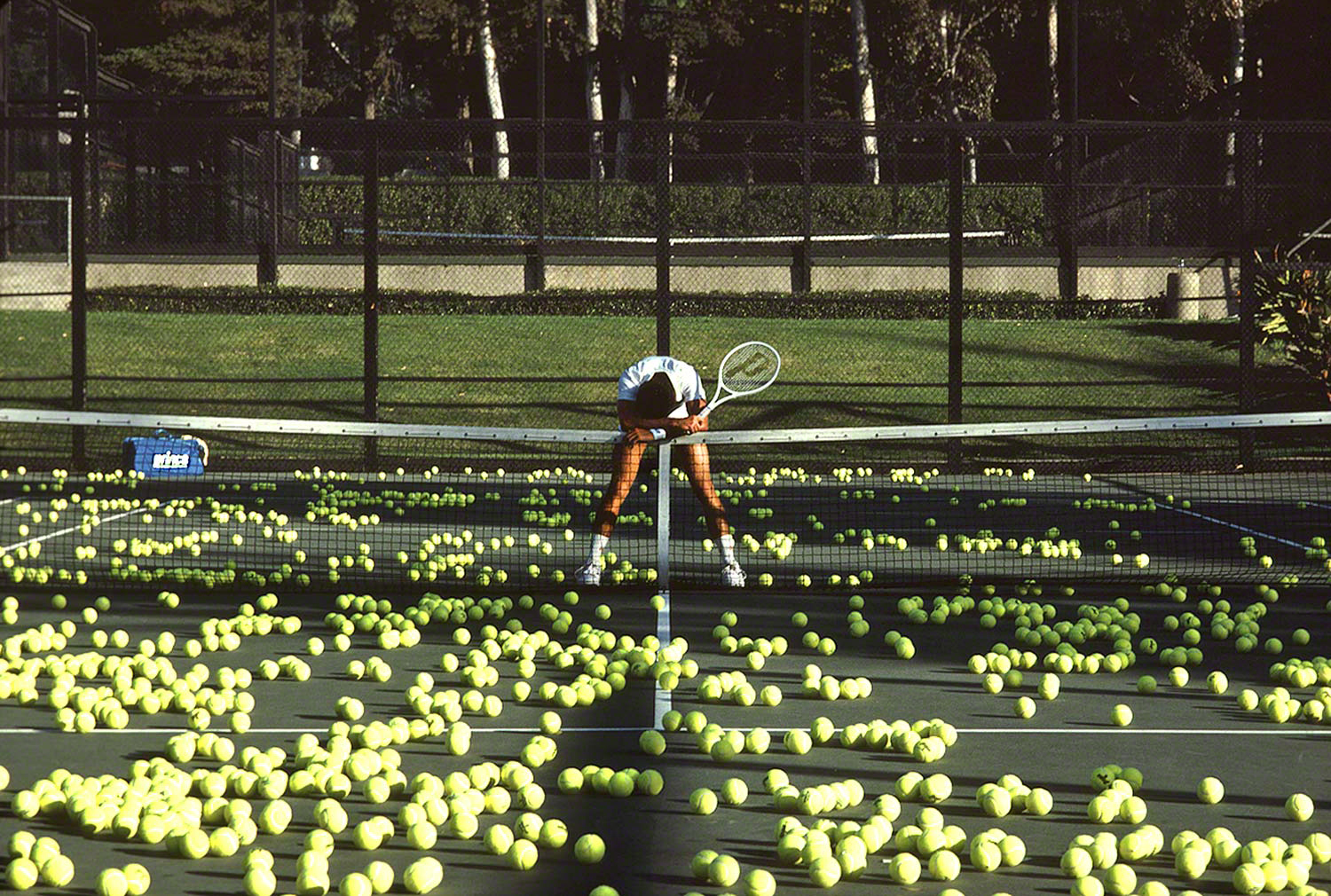
I was shooting a campaign and a series of posters for Prince, the makers of tennis equipment, and the campaign was called, “Let the games begin”. It was about what people will go through to become better players; aside from using Prince’s equipment. The photo above was taken in Santa Barbara, California, and I had scouted several locations with my Sunpath chart and my Morin 2000 hand bearing compass. I knew from those readings that the sun would hit this location at sunset. I stood where I was going to place the tennis player, took a reading with my compass, and determined that he would get perfect late light.

Since most of the work comes in the pre-production stages of a photo-shoot, I was feeling pretty good about the prospects of coming away with a “keeper”. Now, all I had to do was set up the tennis balls, put the model in the right spot, put the Prince blue bag as far away as I could, and still make the client happy, then wait for the light.

Well, here came Murphy’s Law. You know the one, that pesky law that says, “if anything can go wrong, it will. If there’s a possibility of several things going wrong, the one that will cause the most damage will be the one to go wrong.”

So, you’re asking yourself what could have gone wrong? Well imagine everything set up perfect, the late sun shining low and bright, and a Santa Anna wind coming up from nowhere and blowing every tennis ball off the court. Can you imagine? Well, I can tell you that it was just about the last thing that was on my mind, but that’s exactly what happened.

What did I do back then without the help of Photoshop? I did what I had to to make it work. I had everyone grab some Duct tape, tear off several thin strips and secure every ball to the court. So every ball you see has two pieces of very strong sticky tape under it.

This is what people look like when they’re taping tennis balls to the court.

“Oh yes, those were the days!!!

Visit my website at: www.joebaraban.com and follow me on Instagram: www.instagram.com/barabanjoe. Watch for my workshop schedule I’ll post at the top of this blog. Come shoot with me sometime and listen to a million stories just like this one.

JoeB

Life Before Photoshop: Rubbermaid Outdoor Furniture

Look ma, no Photoshop

I often wonder what kind of photographer I would have turned out to be had there been Photoshop way back when. Way back when Adobe was a type of house in the Southwest part of the US. What would I have done differently? It’s always a topic talked about with my online students at the BPSOP, and in my “Stretching Your Frame of Mind” workshops I conduct around the planet.

Remembering back when whatever you did in terms of creating a photo that the client would buy, had to be done in the camera because way back when there weren’t personal computers.

The big companies were just starting to use computers, and these giant behemoths I was occasionally sent to photograph took up an entire floor to generate the power that can now be found sitting on my desk in my iMac 27 with 32 GB of RAM, a 4.0 GHz processor, and a three terabyte Fusion hard drive…maybe? Close?

In my opinion, I wouldn’t be near the photographer had I had access to Lightroom, Photoshop, and all the plug-ins that one can find out in the geek-produced/induced digital market. I would have wound up with a sore butt from the hours that would have been needed sitting in front of a computer to achieve what I did in the camera.

In terms of my imagination, and my eye, and always thinking about “coloring outside the lines” these things would not have been any different. It’s using that imagination and my ‘eye’ instead of digital help that I’m talking about. Using the Elements of Visual Design and composition, and being a student of the Light is what made me whatever I am today, and not a computer.

I even know how to focus manually!!!!

🙂

Don’t get me wrong, I’m not a purist in any sense of the word. I love Photoshop, and I use it on every photo I take to some extent…why not!! I just personally like the challenge of getting it in the camera.

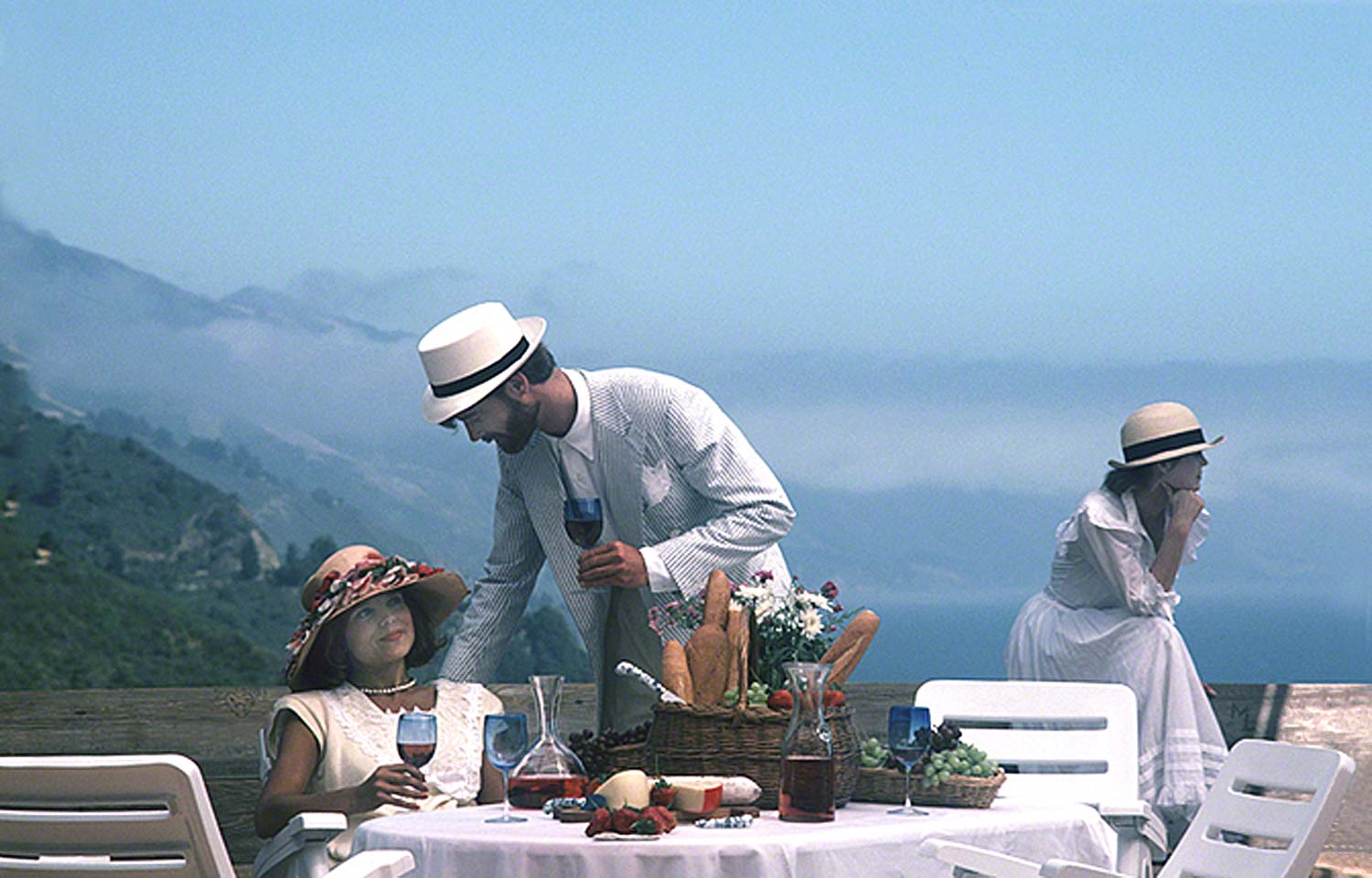
In the above photo, I was shooting for Rubbermaid outdoor furniture, and had two truck loads of their entire line that followed me down the California coast. We were in Big Sur at the Ventana Inn. Actually, we were on the roof of the Nepenthe restaurant and it was mid day.; not the ideal time to shoot as the light was hot and harsh.

I needed the light to be soft so it might replicate the period of time we were going for; it wasn’t going to happen without help.

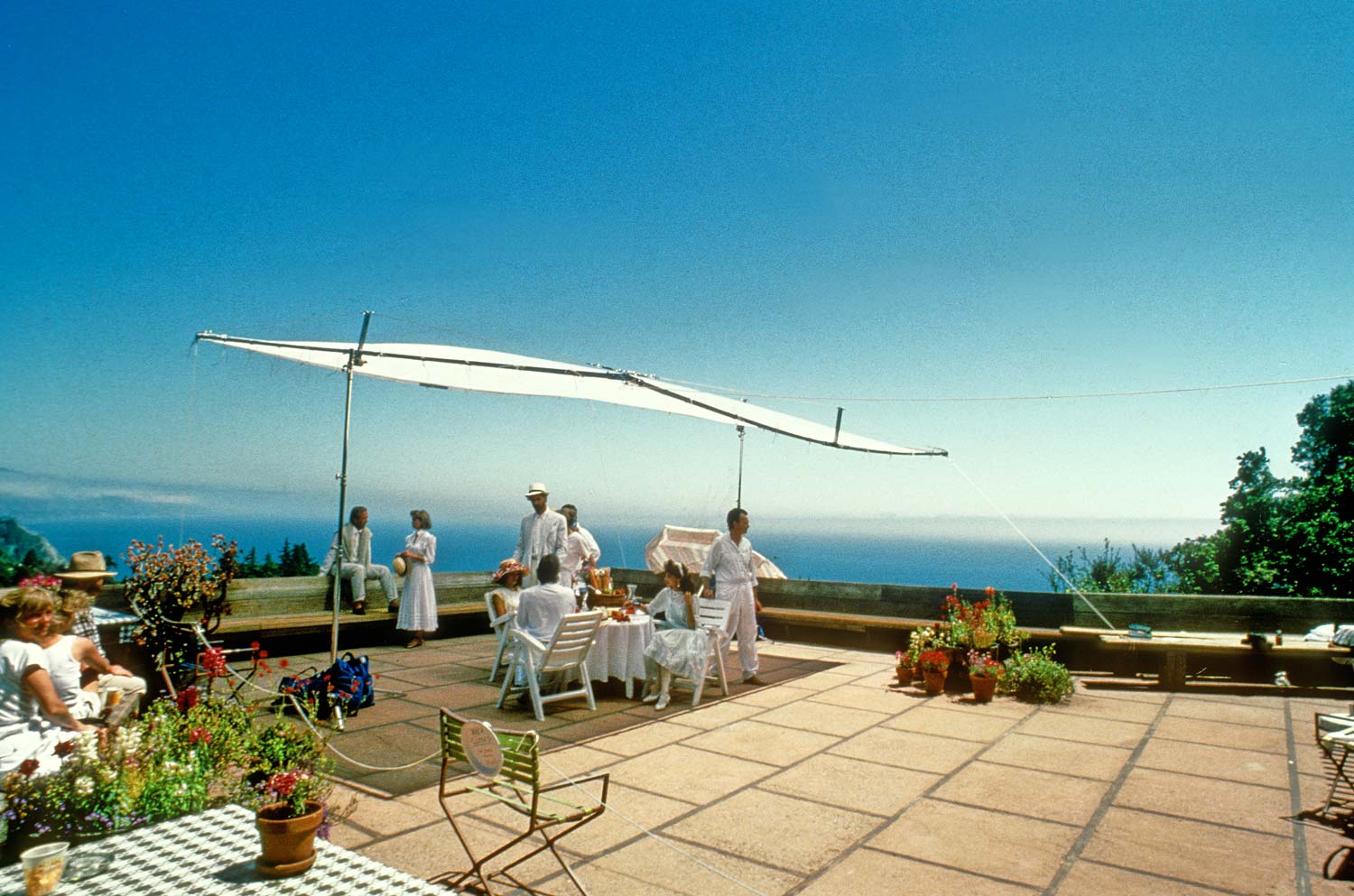
If this would have been shoot in the digital age, creating that feeling in front of the computer would have been easy, but it wasn’t. Instead, to get that feeling I set up my 20X20 silk to diffuse the harsh light. coming from a sun that was directly above us. As you can see, this isn’t a small item, and it took an hour and a half just to set it up in the wind.

Think about a 20X20 piece of silk…that’s 400 square feet of sail, and if not tied down correctly on huge stands that were held down with sand bags, it would take my assistants over the ocean and deposit them in really cold water inhabited by things that can eat you…or maybe just play with you until you drown.

400 sq. ft. of sail.

The good news is that it wouldn’t take me ( as I would be the only one left) near as long to break down what was left of the set.

🙁

Visit my website at: www.joebaraban.com, and follow me on Instagram: www.instagram.com/barabanjoe. Check out my  workshop schedule at the top of this blog, and come shoot with me sometime.

JoeB


Life Before Photoshop: Fine Dining

Look ma, no Photoshop.

Here’s another photo in my ongoing category to show those of my fellow photographers how it was when Adobe was a type of house prevalent in the Southwest. Both in my online class with the BPSOP, and in my “Stretching Your Frame of Mind” workshops I conduct around the planet, the vast majority of my students became interested in Photography after the demise of film and the cameras that shot it.

These same students think that computers with Photoshop, Lightroom, and all the available plug-ins downloaded into them are a necessary part of the new digital age. To some, it’s the only way to create photographs. While it’s true that Photoshop and Lightroom have been an important part of my photography, I can also tell you that you don’t need any of it to make memorable pictures.

On the first day of my classes, I tell people that for the duration of the course, whether it be the four weeks of my online class, or my one week workshops, they’re not allowed to use any post-processing of any kind. I can’t tell you how many people freaks out!!! “What? Are you kidding? No way I can do that”, just to mention the three most popular come-backs.

FYI, auto focus is a luxury, not a necessity. That really has them baffled.

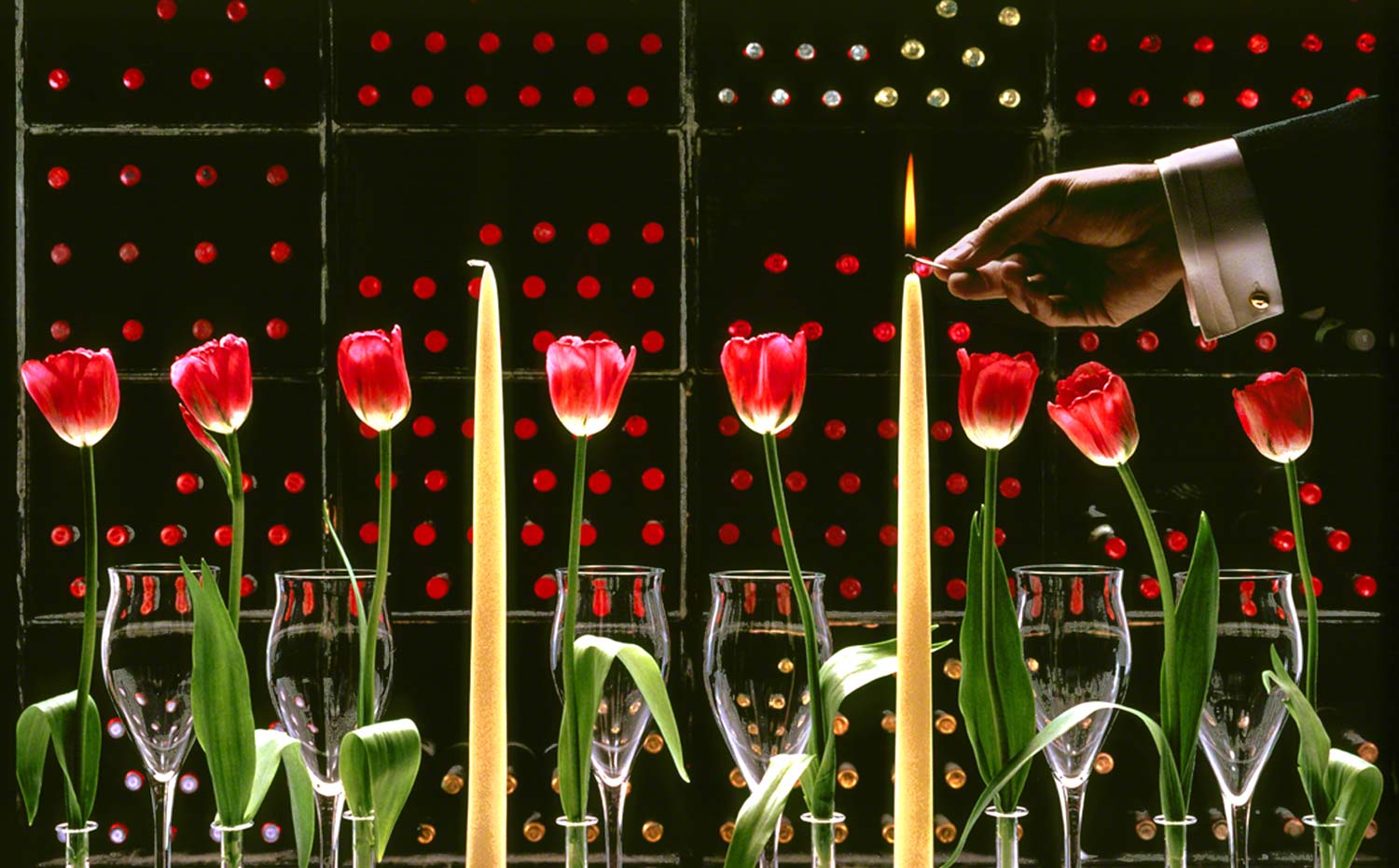
The above photo was taken for a company that was building a mid-level high rise in Houston. Since the building hadn’t been built, they wanted to show what amenities there would be in the area for those that would live there. One of the ideas was to create a photo that suggested Fine Dining in the area.

I created this photo in the wine cellar of a well known restaurant in the area. With the bottles of wine in the background, I set up a table and arranged the wine glasses and tulips from edge to edge. That was the easy part. I wanted to show a hand coming into the frame lighting one of the candles. Trying to open the shutter and exposing for the table setting and then having the hand light the candle proved to be impossible. I just couldn’t get the flame to stand up and look delicate. Remember that this was before the days of Photoshop, where it would now be soooooooo easy to create it on the computer.

I finally figured out a way to make it work. I had the waiter hold his hand in position with an unlit match in it. I turned off the modeling light and fired the flash to record everything. While the shutter was still open, I placed a black card in front of the lens and lit the match with another one. Once the smoke cleared and just the flame was showing I removed the black card and exposed for the flame.

What you see here was shot on one piece of film and one exposure.

Visit my website at: www.joebaraban.com, follow me on Instagram: www.instagram.com/barabanjoe. Check out my workshop schedule at the top of this blog. Come shoot with me sometime.

JoeB
Life Before Photoshop: Hawaii

16Look ma, no Photoshop  I teach a four week online class with the BPSOP, and I also  conduct my “Stretching Your Frame of Mind” workshops around the planet. What’s the single thread that connects all my fellow photographers to one another? It’s the fact that the vast majority began their love for this creative institution after the advent of the digital camera. Virtually every month , I  try to educate these students of mine that you don’t need Lightroom or Photoshop to make good photos. I’m not saying there not great tools, just that you don’t need them to make a good photo.

I recently had a student ask me if I bracketed my photos and combined them in HDR to get the “correct exposure”. This is a clear sign that validates my thinking…she had been told that there was a correct exposure….What????? First of all there’s no such thing as a correct exposure. every picture I’ve ever taken had a different “correct exposure”. How can there be a universal correct exposure? Beat’s the hell out of me. I guess it’s just another one of those things that lie just above my pay grade.

My exposures are based on what I’m feeling at the point of creation. It has solely to do with the message I want to send to the viewer. Bright and sunny, or dark and dramatic…it just all depends…doesn’t it????

Second, I’ve been shooting for forty-four years and most of that was when you bracketed and choose the best exposure. There was no other way to do it; at least when I was shooting color. HDR was the initials of a girl I went out with!!!

Ok, read my lips…YOU DON’T NEED HDR TO CREATE A CORRECT EXPOSURE. IN FACT, YOU DON’T NEED HDR AT ALL!!!

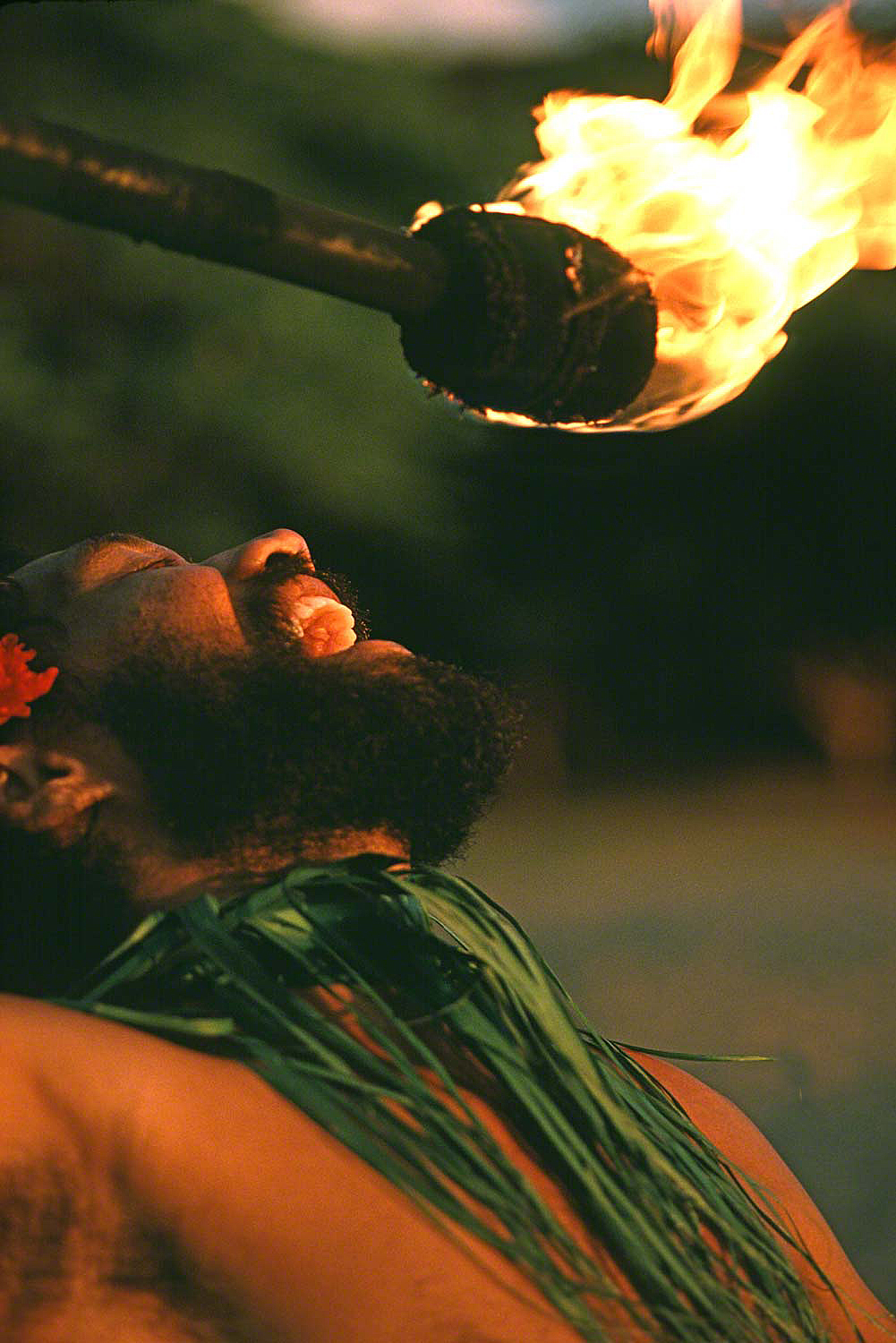
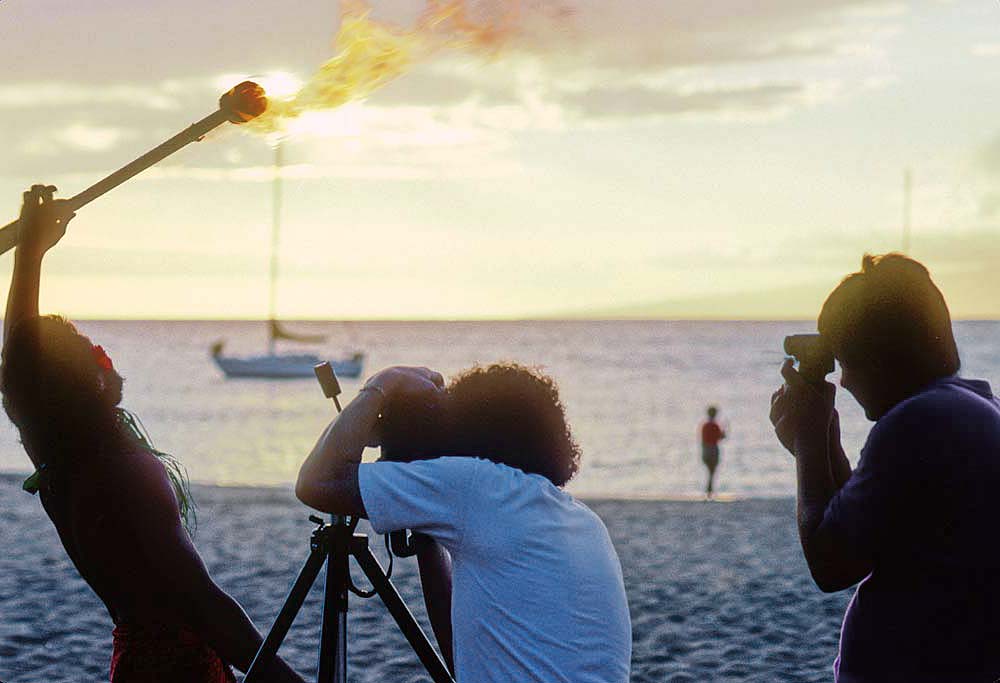
In the above photo, I was shooting a project for United Airlines. One of the toughest assignments I’ve ever had. Five weeks in Hawaii shooting pretty much whatever I wanted..oh the horror!!!

We were invited to take some photos of a popular Luau at the hotel we were staying at. My assistant was standing right next to me giving me readings from my Minolta One-Degree spot meter. Yes, it actually reads just one degree of reflected light at a time. I want to know everything about the light and when it changes. It’s why I never use the meter in my Mark III after crossing over to the digital world. It’s just not as accurate as I want it.

A new reading every few seconds.

I wanted to maintain the aperture, so my assistant kept yelling out the changes in shutter speeds., until it was too dark to show the fire-eater and the environment around him, and too slow to stop the action. I was able to achieve this on one piece of film, and one exposure.

Visit my website at: www.joebaraban.com, and follow me on Instagram www.instagram.com/barabanjoe. Check out my workshop schedule at the top of this blog.  Come shoot me sometime.


JoeB

Life Before Photoshop: Jaguar Shoot

Look ma, no Photoshop.

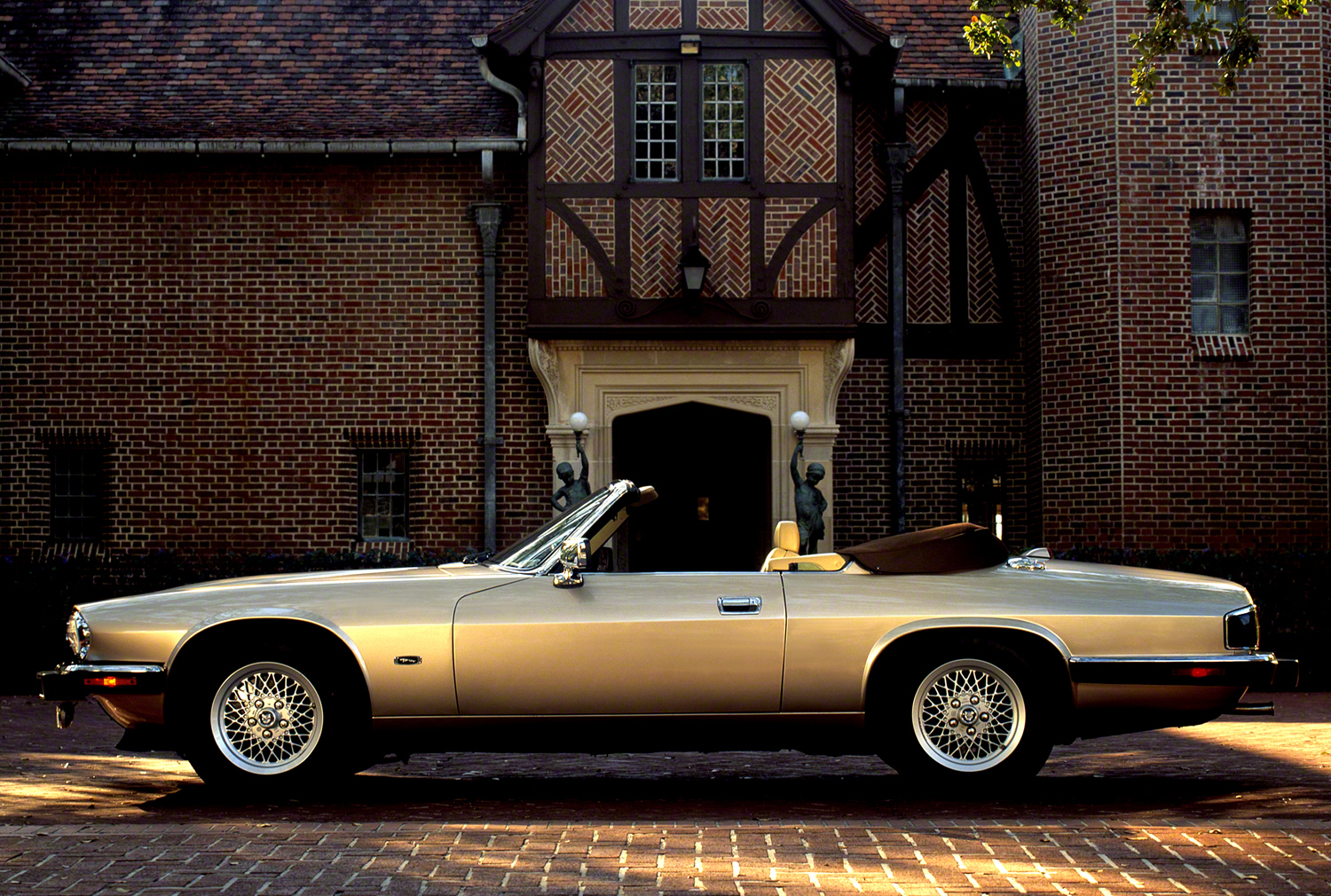
One of the hardest photos to take without the aid of post processing is that of an automobile. I’m not talking about the new car you bought and is now sitting in your driveway for all to see on Facebook, I’m talking about a photo that will become a two page consumer ad and wind up in all the top national magazines, and possible billboards across the US.

Back in the film days, Photoshop wasn’t going to be invented for another five to ten years when Photoshop 1.0 was released in 1990. Even then it was in its infant stage and not all that helpful to make the clients cars look good.

A great deal of pre-production was involved from finding the right location using my Sunpath readings in combination with my Morin 2000 Hand Bearing Compass. Having enough room to maneuver around with either artificial light, or a series of reflectors was critical. Car prep companies were hired to bring the cars to the location, get the looking pretty enough to photograph, and take them away. No one was ever allowed to move or even touch the cars besides these companies.

Small pieces of white board right outside the frame to reflect soft light, or shiny board to reflect a little harder light to small areas on the wheel rims.

Depending on the light, and knowing exactly where it would fall, I would have them move the vehicles into the position I wanted, and on several occasions these cars were prototypes and came without motors; they would be rolled into position. Budgets on these shoots would sometimes be six figures, and that was over thirty years ago. Needless to say that a lot was riding on it and whatever you did you had to create in the camera on one piece of film.

As I tell my online students with the BPSOP, and also in my “Stretching Your Frame of Mind” workshops I conduct around our planet, take the challenge and try creating memorable images without the help of post processing. I’m not saying I don’t use Photoshop, because I do…all the time. I like the idea of being a good photographer and not a good computer artist.

Visit my website at: www.joebaraban.com, and follow me on Instagram: www.instagrm.com/barabanjoe. Check out my upcoming workshops at the top of this blog. Come shoot with me sometime.

JoeB
Life Before Photoshop: Isuzu Campaign

Look ma, no Photoshop!

Yes, those were the day my friend, those were the days. The days when Adobe was a type of house in the Southwest. When you had to be a good photographer and not a good computer artist. When you had to create everything created in your imagination in the camera. When you sometimes had to actually focus your own camera’s lens…can you imagine? Oh the horror!!!

Don’t get me wrong, as I always tell my online students with the BPSOP, and in my “Stretching Your Frame of Mind” workshops I conduct around our planet,  consider being a good photographer and capture as much as you can in the camera…including the best exposure.

I also tell them that I use Photoshop all the time, but to make the minor adjustments that I couldn’t achieve before clicking the shutter. For me, the challenge/fun  is doing it on location and not in my office in front of my computer.

I guess that the hardest production shots to pull off in the camera were in car photography. It was very difficult to get it right, and if you didn’t the car clients would not be happy. When the digital age really took hold, it spelled death to the car shooters that made a living just shooting cars. A great many of them had to close the door. agencies and clients were shooting the cars CGI style…in the studio against a blue or green screen. They would either go out and shoot the environment/landscape separately, or just buy one from a stock agency. The results were and still are mostly awful; the main reason is the light never matches.

Ok, now to the photo above.

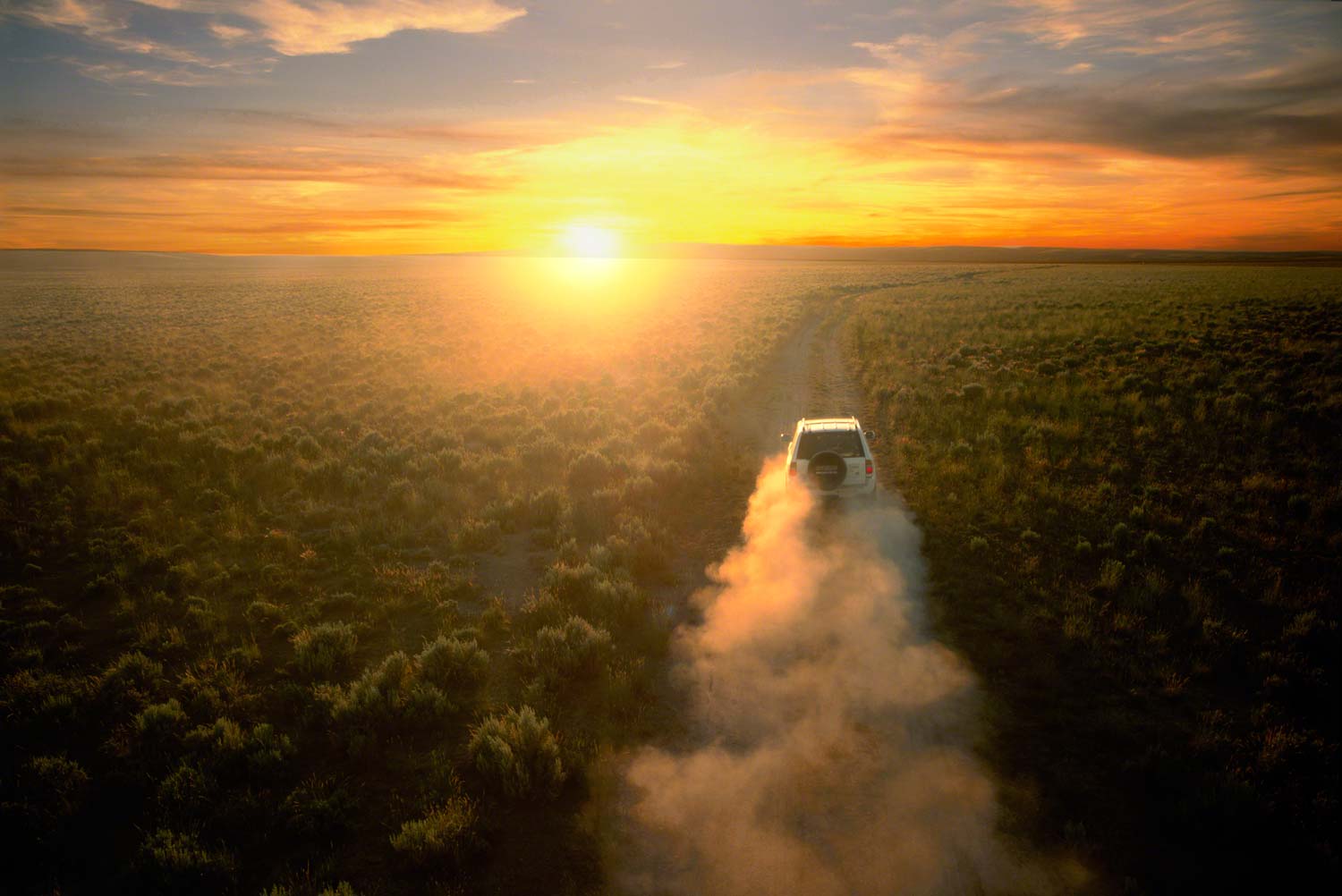
This was shot for the cover of the Isuzu full line car brochure. I had a location scout find a road that would lead into the sunset and make the dirt the car kicked up glow from being backlit. I gave her the Sunpath readings and with her Morin 2000 hand bearing compass, she was able to pinpoint where the sun was going to set. I was positioned right over the road in a cherry picker so that the car would come out from right underneath me.

The dirt is actually called Fuller’s Earth. It’s a very fine powder used to accentuate dust or even explosions in cinematography. We spread it over the existing dust from the lift all the way down to the horizon. When the sun was at the degree I wanted, I had the car start driving to the sunset. I was communicating with the driver via walki-talki, to have him adjust the speed to maximize the glowing dust.

It was a lot more fun than sitting in front of a computer to achieve something similar…if I even had the skills!!!

Visit my website at: www.joebaraban.com and follow me on instagram www.instagram.com/barabanjoe. Check out my workshop schedule at the top of this blog. Come shoot with me sometime.

JoeB
Life Before Photoshop: Kawasaki Shoot

Look Ma, no Photoshop.

Look ma, no Photoshop.

I want to announce my next workshop “Autumn in France” to be next October 2nd. It will be in Bordeaux, Dordogne, and Toulouse. If you go to the top of my blog and click on the link, you can read the description. Join me for a great visual experience, seeing places that few people won’t ever be able to.

Back in the old days, when I was shooting film (that would be right after fire was invented), I never thought anything about shooting everything “in the camera”. I didn’t think anything about it because there were no other options available. It was a way of life and that was that.

If an Art Director called me to work on a project, he expected me to come up with whatever solution there was to come back with a great photo. If I couldn’t do it, there were plenty of other top shooters that could. Sometimes his job and certainly my reputation was on the line. That old adage that you were only as good as your last photo was true, at least in the eyes of most advertising agencies across the country.

The key was to give the agency just enough of your idea to “wet their whistle”. If you gave them too much, they might take your ideas and pass them along to another photographer who charged less…sound cheesy? It was, but that’s the way it went way back when.

A big part of my love for photography was in the planning stages. That’s where all the crazy ideas came from. That’s when I thought up as many ideas as I could, because most of them were not feasible. Thinking up ideas in the studio, and making them happen on location were two different animals.

In my online class with the BPSOP, and in my “Stretching Your Frame of Mind” workshops I conduct around the planet, I want my students to do as much in the camera as they can. That’s where the challenge is, not in front of a computer with the help of Photoshop. I want them to become good photographers, not good computer artists.

Coming up with an idea in your imagination, and seeing it become a reality is the best feeling in the world…well almost the best feeling!!!

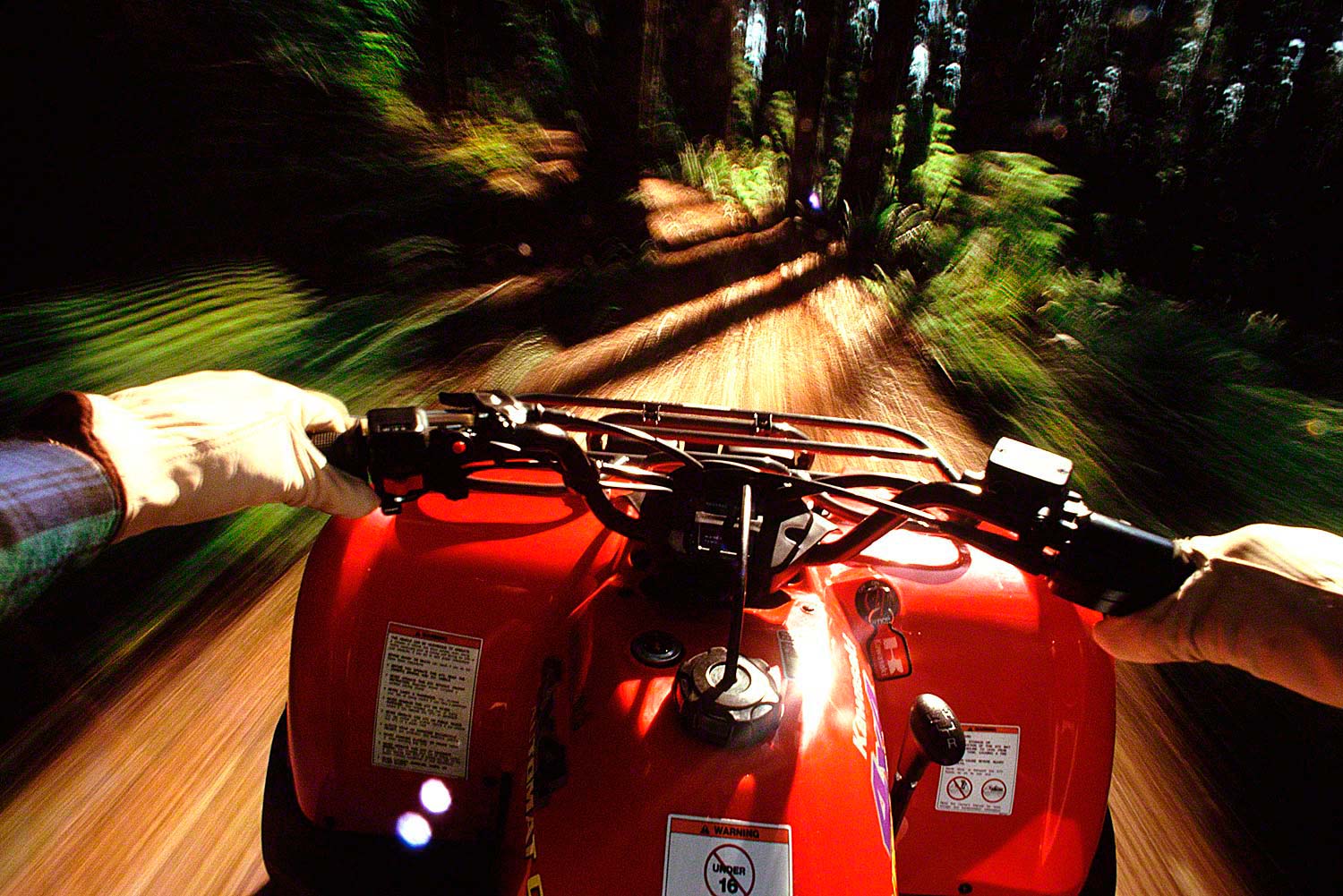
In the above photo taken for Kawasaki, the Art Director wanted the feeling of speed, and taken from the point of view of the person riding the four-wheeler. I decided on the huge forests in the Pacific Northwest because of all the trails designated for those machines. Once there, my assistants helped me rig my camera with a 20mm lens on it to my chest with a whole lot of duct take so that It was ‘hands-free’. I ran a long electronic cable release from the camera, up my sleeve to my hand inside the glove.

As I was driving through all the trails, I was firing my motor drive at the same time. I shot just about every combination of shutter speed and aperture as I could so we would have choices in the amount of blur and motion. It was great fun!!!! A lot more fun than the quick and easy way it would probably be done now. It would either be done on a blue screen in a studio, or we would just sit the four-wheeler on a path, shoot it, and add the motion and speed in post production…HOW BORING!!!!!

Visit my website at: www.joebaraban.com and follow me on Instagram. Check out my 2022 workshop schedule at the top of this Blog. Come shoot and have fun with me sometime.

JoeB
Life Before Photoshop: Hawaii for United Air Lines

Look ma, no Photoshop.

In my online class with the BPSOP, and in my “Stretching Your Frame of Mind” workshops I conduct around the planet, I’m always showing examples of my work to make a point or to illustrate one of the elements of Visual Design that we work on from day to day.

A lot of my examples were shot in the days of film so most of the time there wasn’t any post processing done to them. Since the majority of my students started shooting in the digital age where everyone thinks Lightroom and Photoshop are part of the photographic process, I get a lot of “WOW you’re kidding, these were all shot without any post processing?”  I just love it when that happens!!!

Don’t get me wrong, I use Photoshop all the time. I probably do something to every photo I take now. However, I would much rather create my photos in the camera. to me that’s about being a good photographer and not a good computer artist or digital technician. I love the challenge, and when things are working out and I’m about to click the shutter having done everything (or most everything) beforehand, I get a pretty damn good feeling inside.

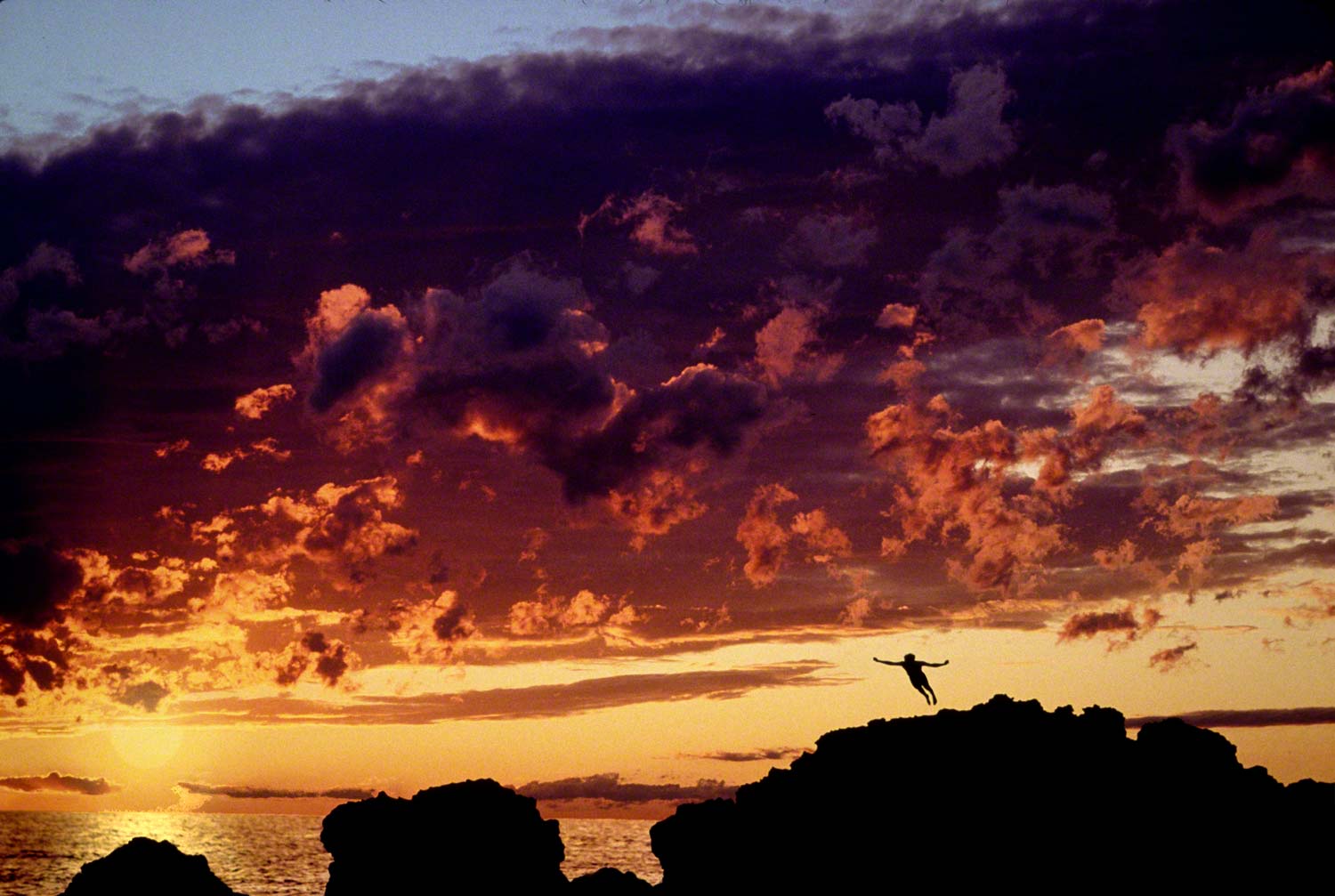
In the photo above, I was in Hawaii for five weeks shooting whatever I wanted for United Airline’s new advertising campaign. There was a template that had been approved ahead of time for the design of the ad, so I had to shoot photos that would fit into that template. Needless to say a dream project!!!

It was so long ago that I can’t remember what Island we were on (we shot on all of them), but we found a couple of divers that would work for us for a fee. I was set up on some rocks across this small area of water. It wasn’t very high up, it just appears that way.

My assistant was behind the rocks right nest to the divers. We each had walki-talkis so I could tell him when I was ready for one of them to dive. I would also have him direct the divers, for example having them keep their feet together and their hands spread out straight so they would be equal on both sides.

I saw this cloud moving fairly fast across the water from right to left, and became worried that it would finish the shoot by blocking the sun; I knew it was going to be close. I was hoping that the sun would drop enough to be under the cloud formation and not stop the shoot. What I didn’t realize is that when the sun did do as I was hoping, and fell below the cloud, it lit up the underneath like something I had never seen before.

I had my assistant tell these guys to dive as many times as they could, climb back up to the top and dive again. I was able to get two more dives apiece before the sun and the incredibly light was gone.

Needless to say I was worried. In the days before you could just look at the back of your camera, you had to have the perfect exposure and wait until you could send the film off to the lab. It sometimes became a nail biter. Sometimes you had to fly out not knowing you had captured it or not.

When I was able to go through all the film, I saw it…drinks were on the house!!!!

As one of the most famous photographers named Eddie Adams once said, “When you get lucky, be ready”.

Visit my website at: www.joebaraban.com, and follow me on Instgram www.instagram.com/barabanjoe/ Watch for upcoming workshops in 2023

JoeB