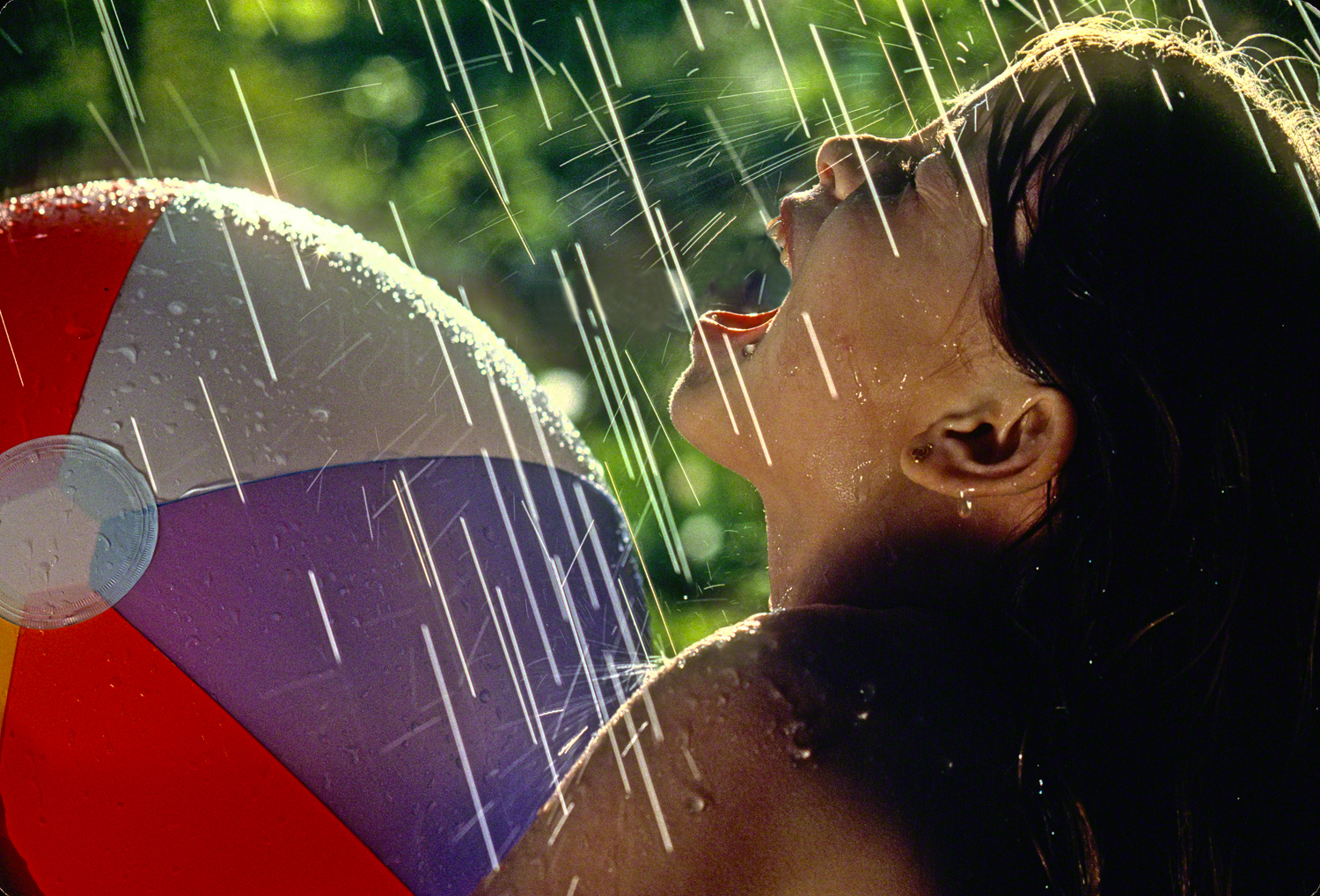
Food For Digital Thought: Engage the Viewer
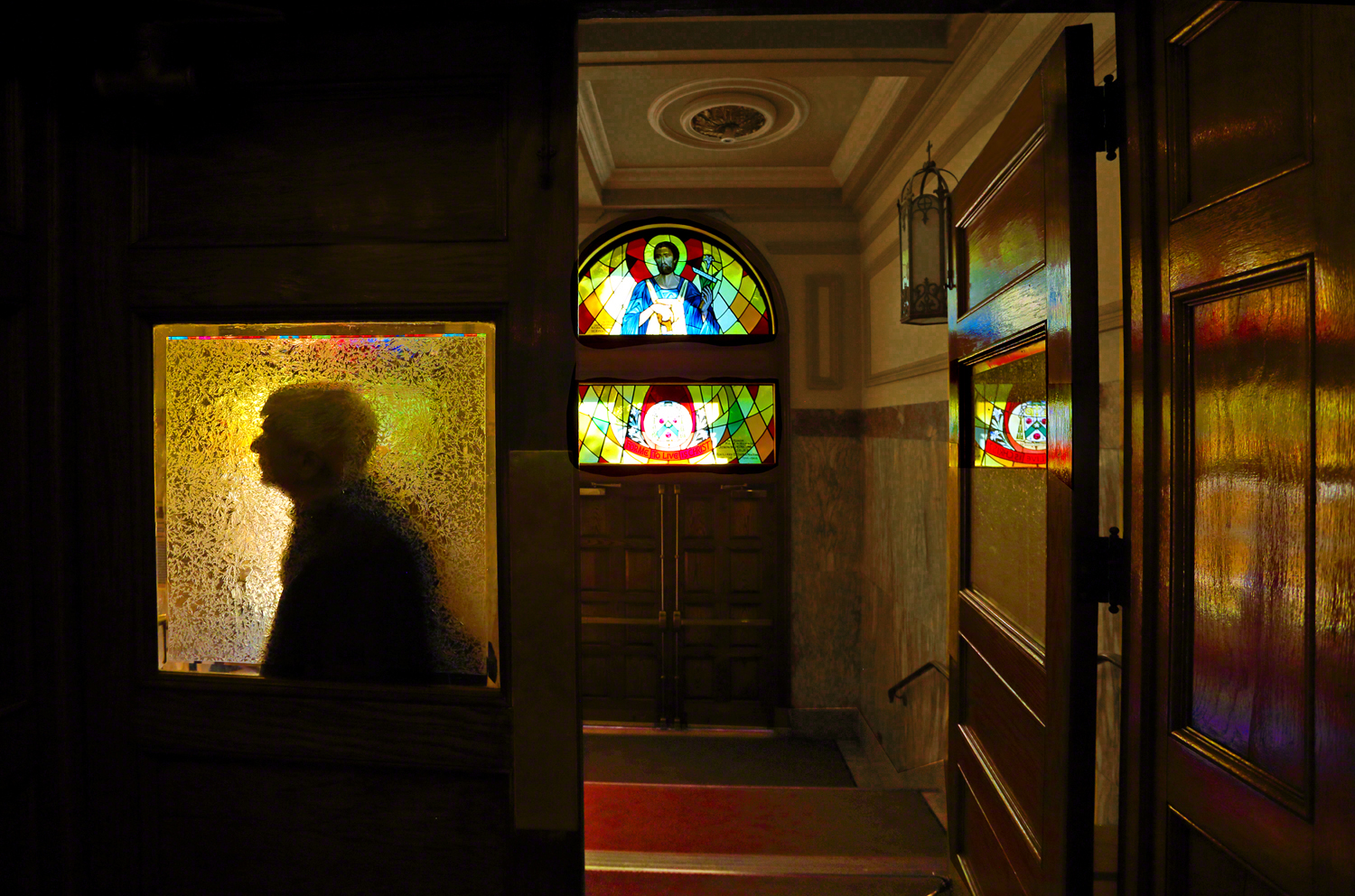
Engage the viewer

I don’t know about you, but I like people to look at and enjoy my photography. In order to do that I need to make my images contain enough visual interest to keep them around.

Like all of us, visual input is a part of everyday life, and as photographers, it’s our prime objective to present this visual information in a way that takes control of what the viewer sees when looking at our imagery.

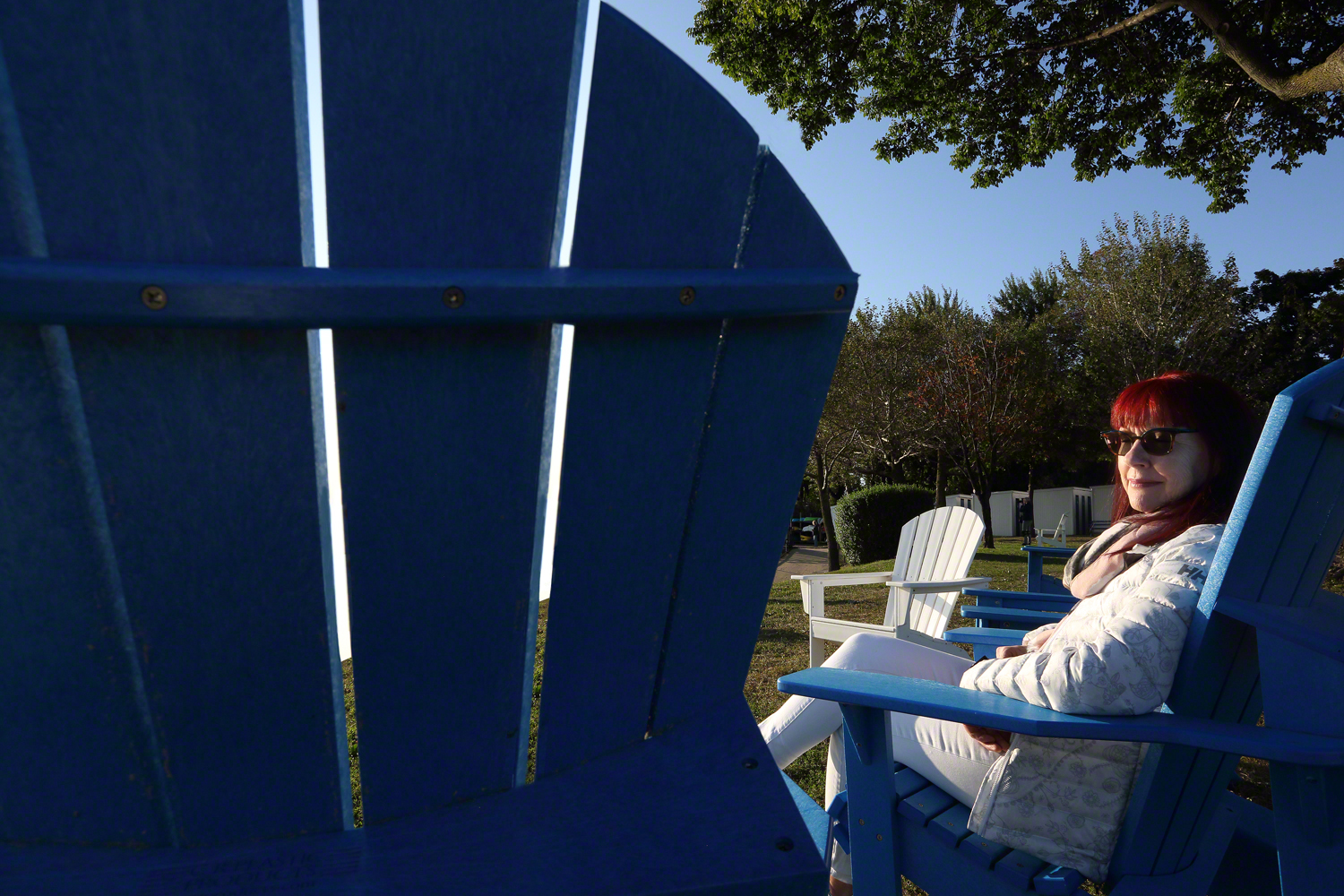
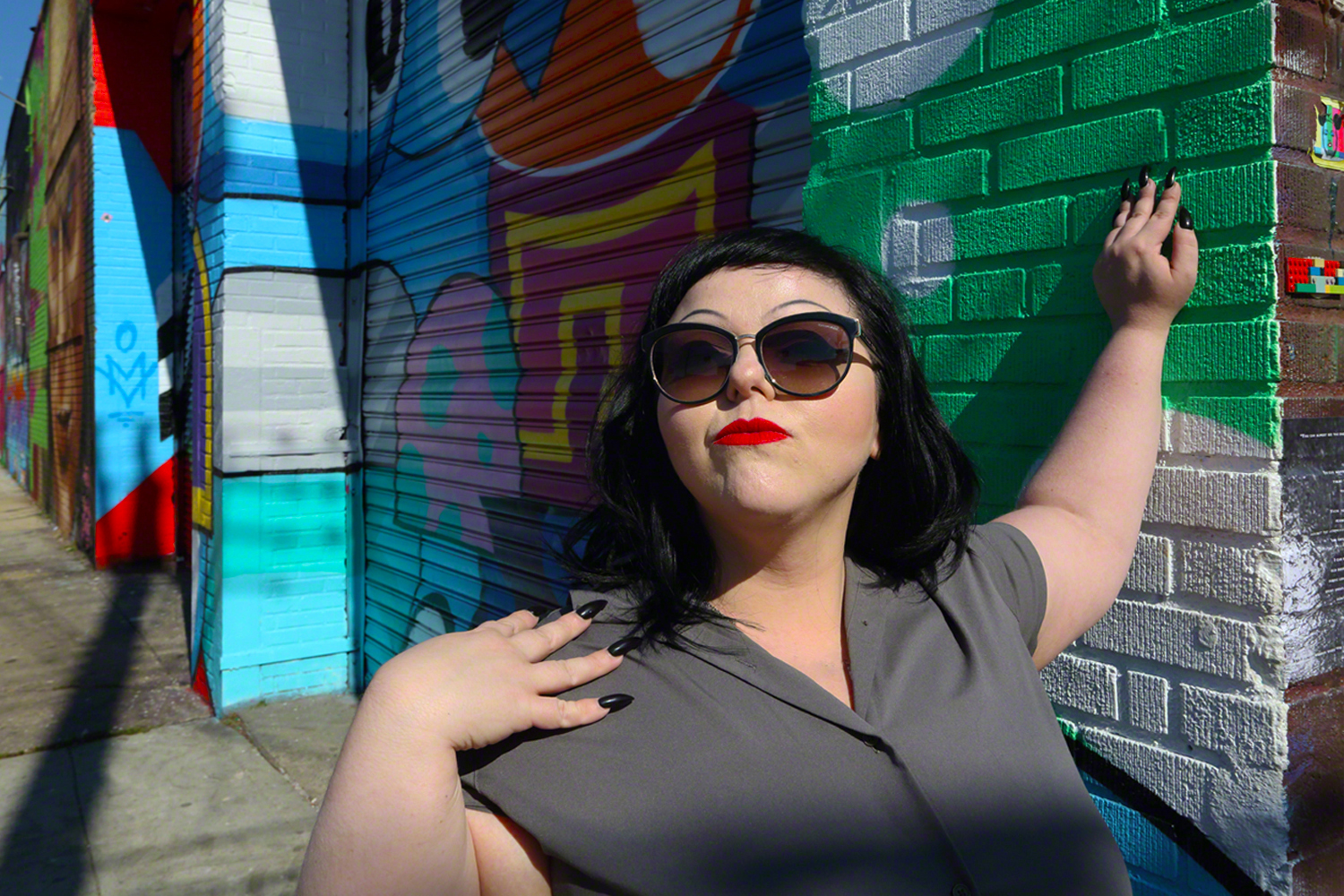
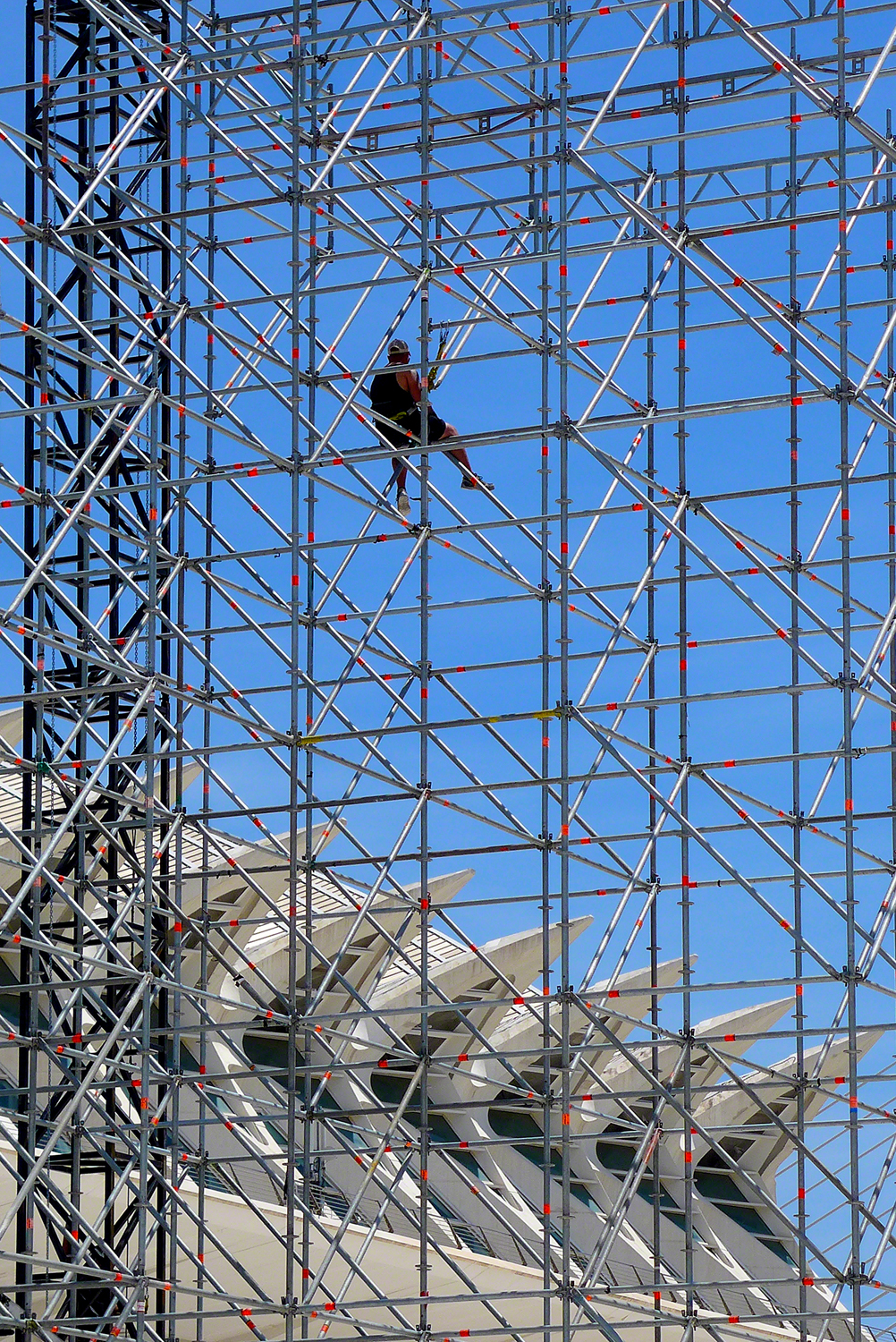
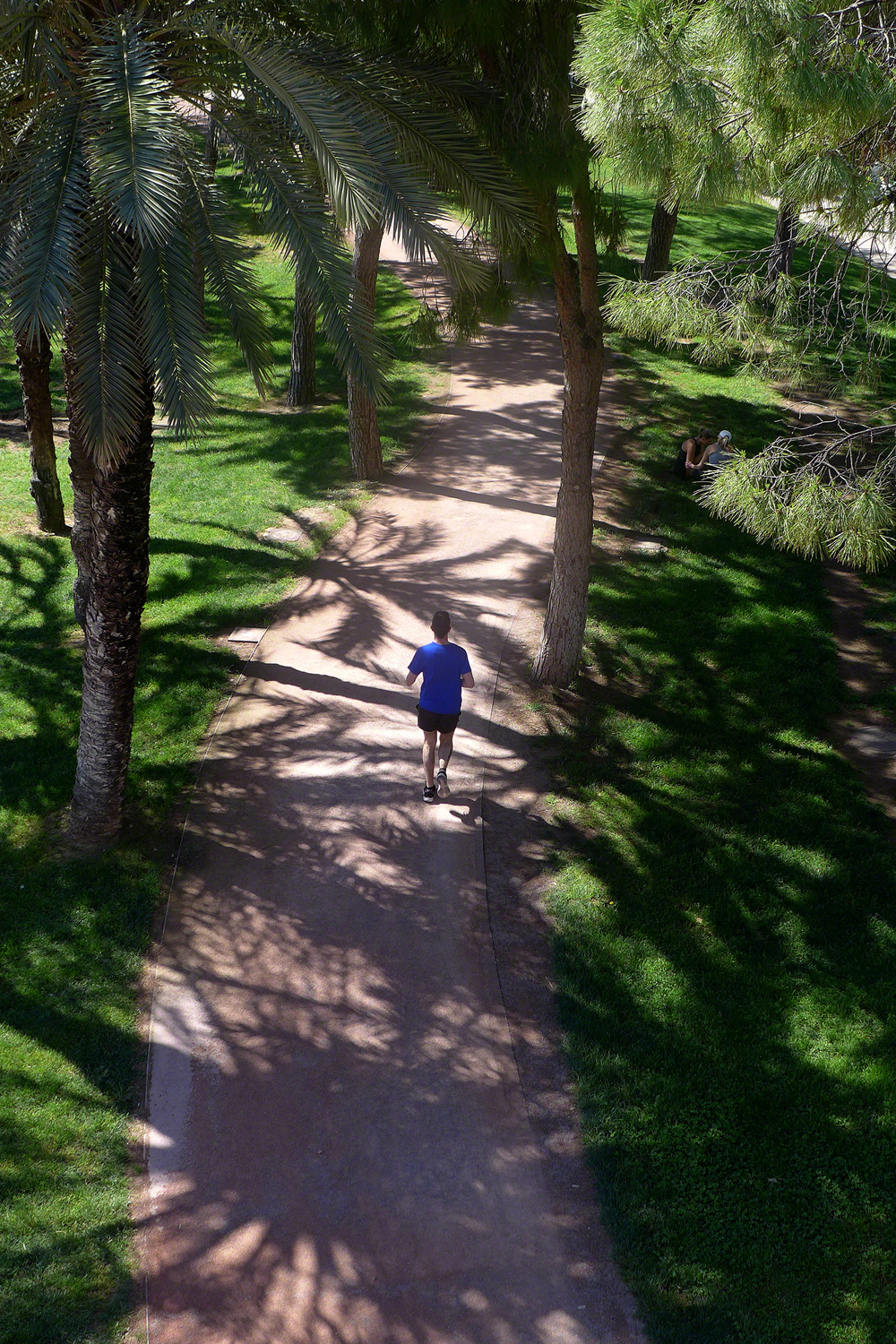
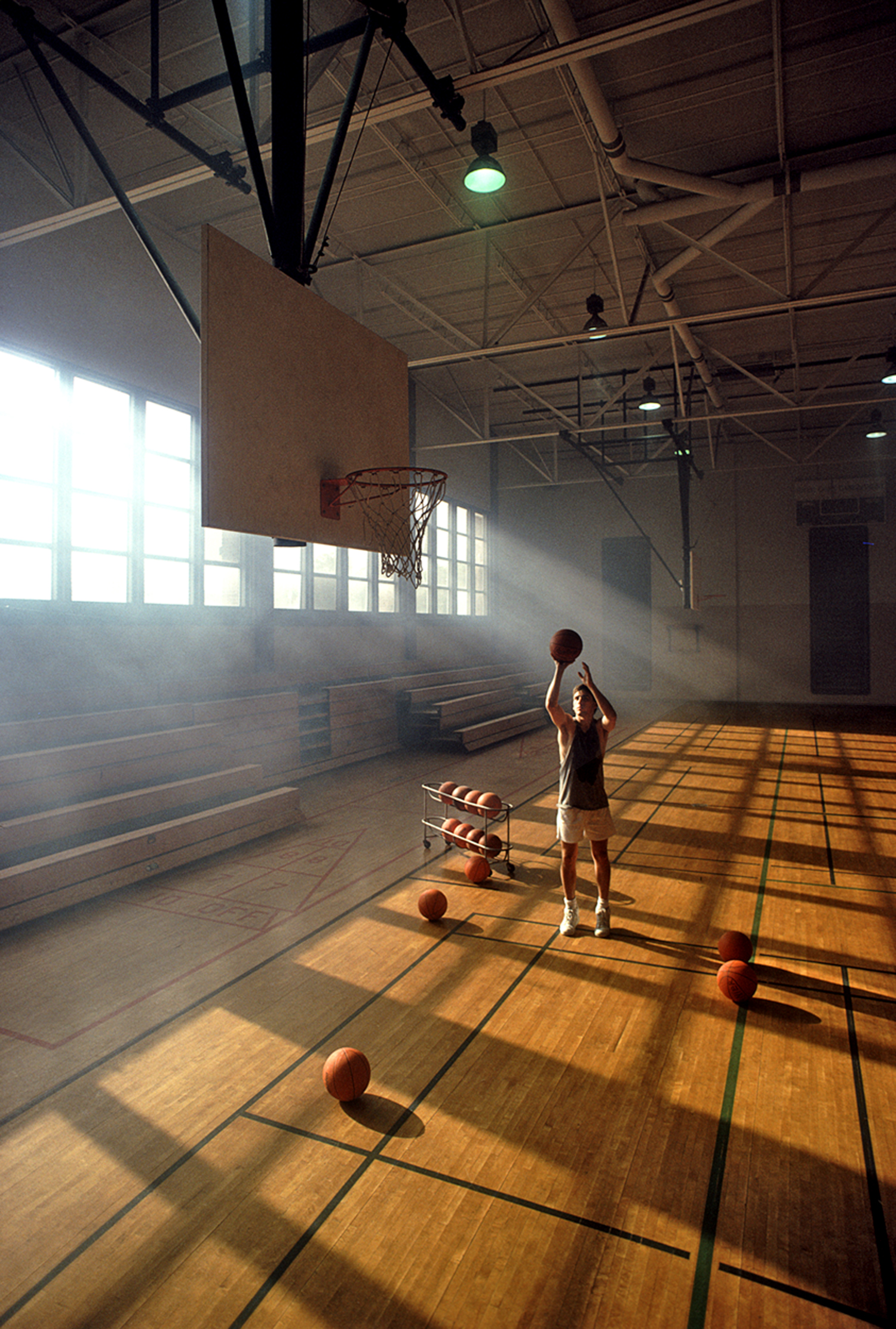
We want to make the viewer an active participant when looking at our photos. For example, the more ways we can have the viewer move around our composition, while at the same time leaving and entering the frame the longer they will stick around. The more things we can get the viewer to discover while moving around the frame will also keep them around longer.

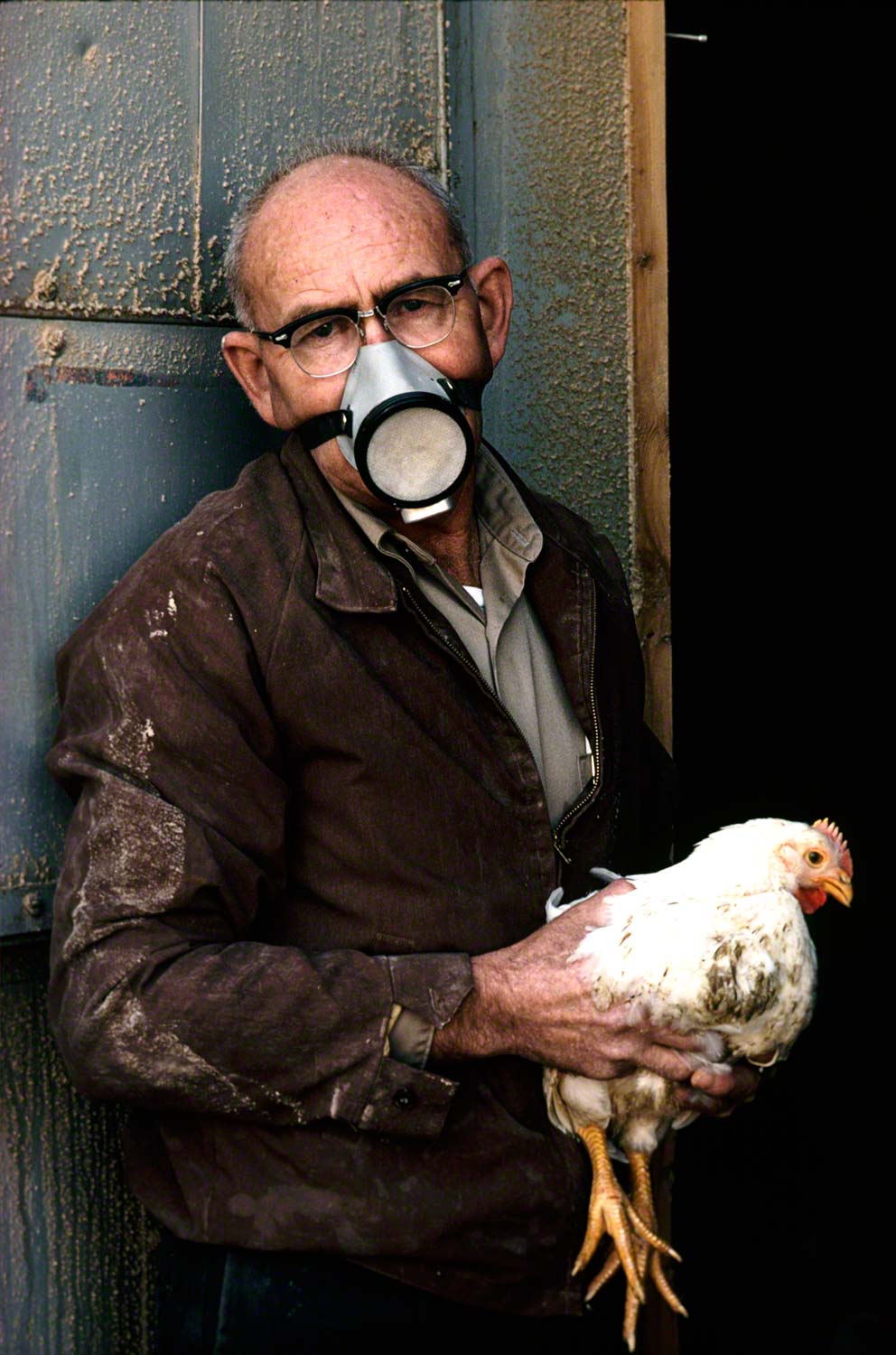
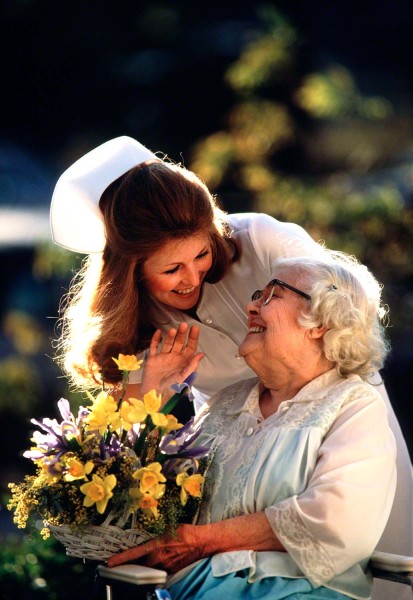
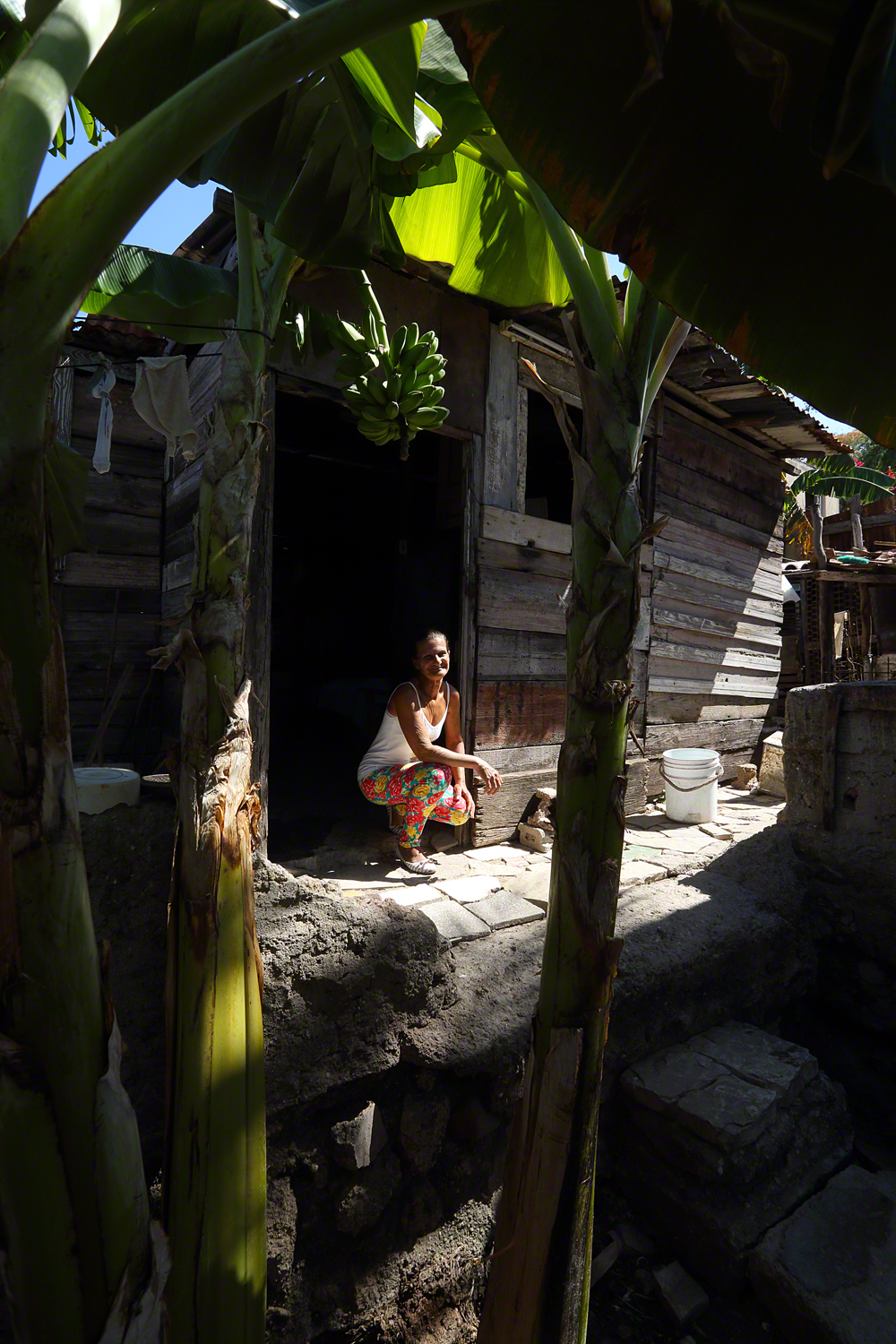
Think about putting people in your images; it’s a known fact that people like to see people in photos. Editorialize your pictures, in other words, have them ask questions, tell a story; which by the way is one of the definitions of editorial.

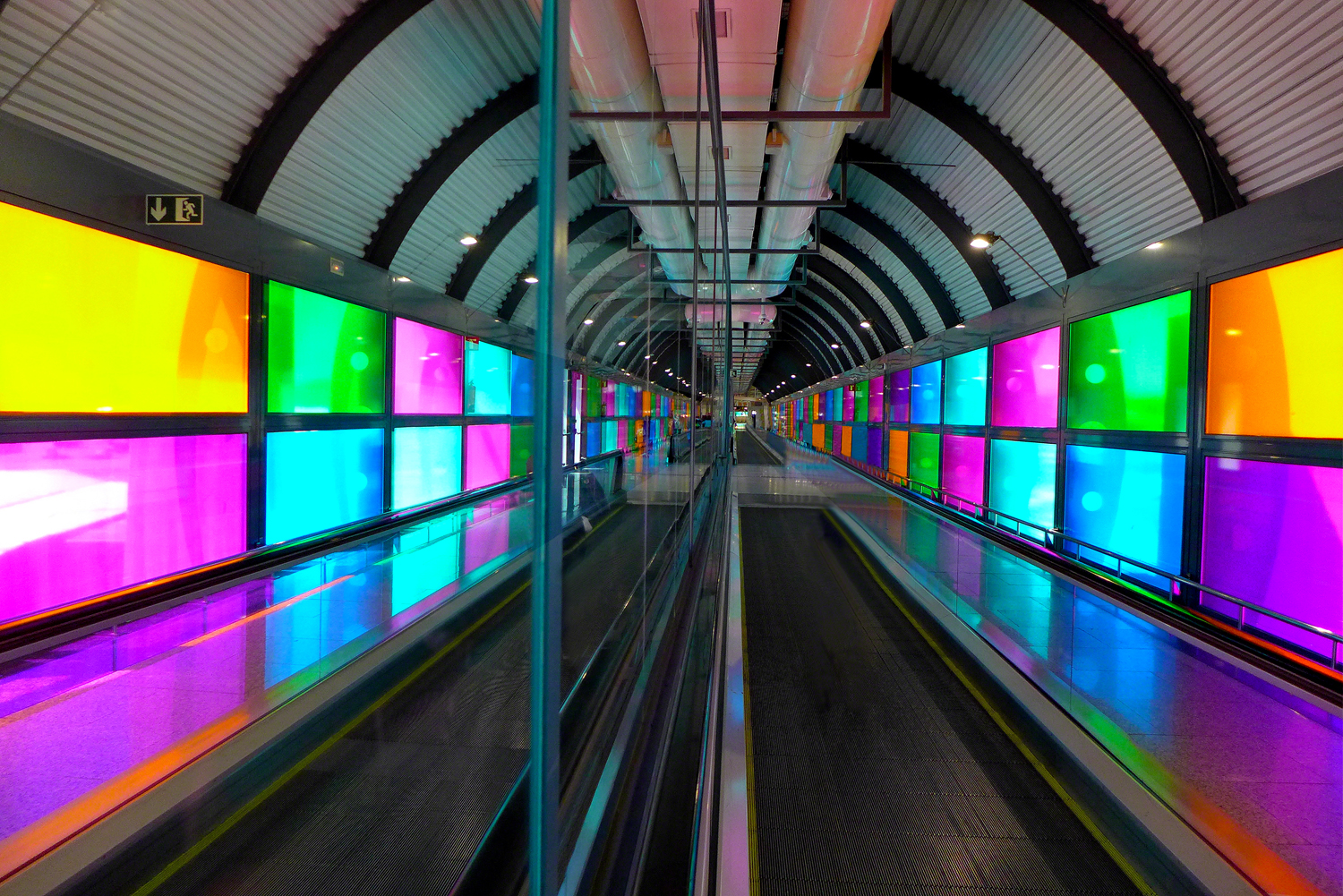
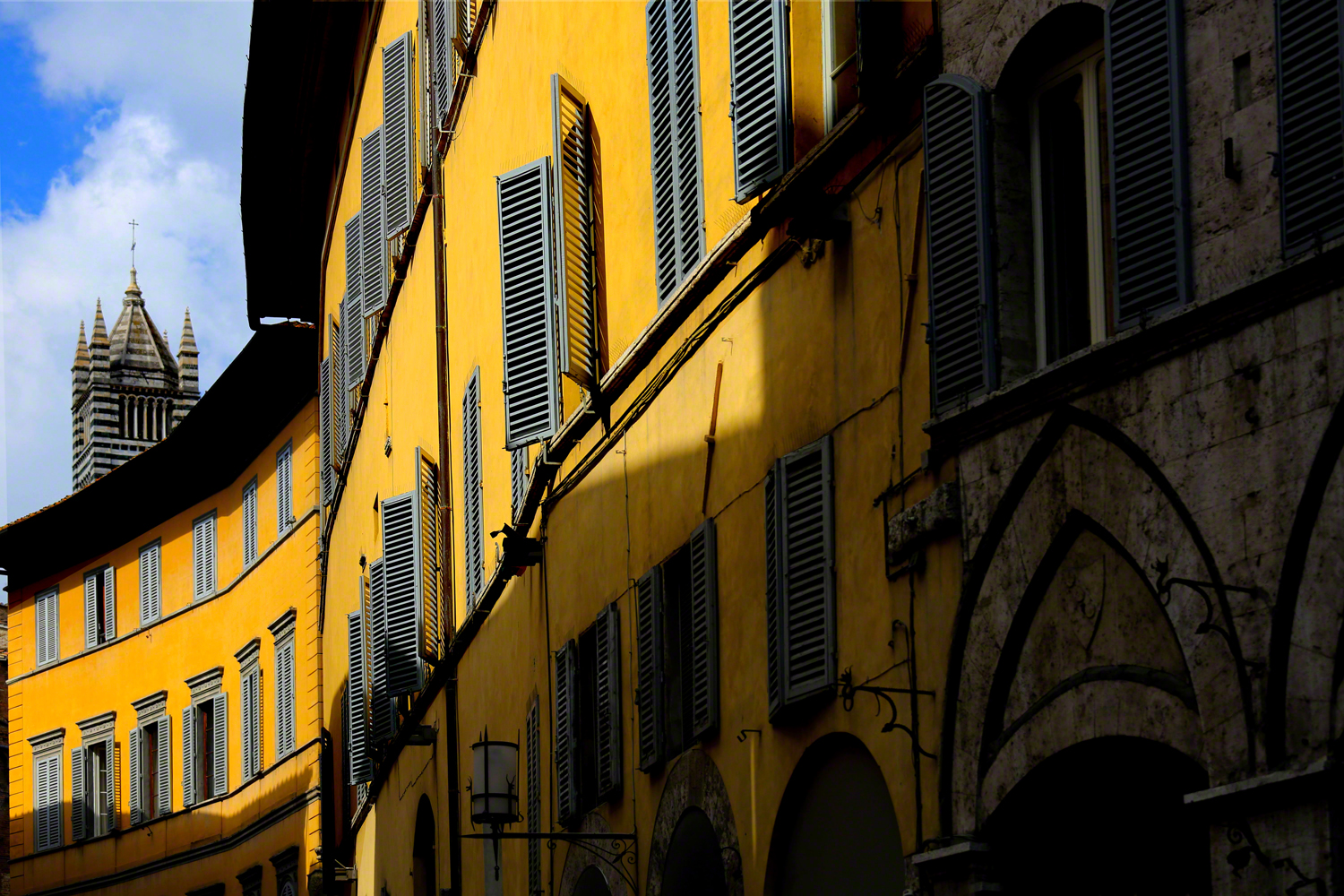
This is what engaging the viewer is all about. I primarily think about incorporating all the basic elements of visual design, especially color, and this is as good as it gets in keeping the viewer around for at last six seconds.

That might not seem like a lot, but consider that some television commercials can be as little as ten to thirty seconds of constant motion, so in that regard looking at a still photograph for six seconds is a big deal.

All this is a big part of what I teach online in my BPSOP online classes, and also in my “Stretching Your Frame of Mind” workshops I conduct all over the world.

So, my fellow photographers, whatever you do do it on the path less traveled. Don’t follow any rules you’ve been taught to follow. Rules hinder the creative juices, and you’ll only wind up going down the well traveled road to mediocrity.

Visit my website at joebaraban.com, and check out my workshop schedule at the top of this blog. Come shoot with me sometime.

JoeB
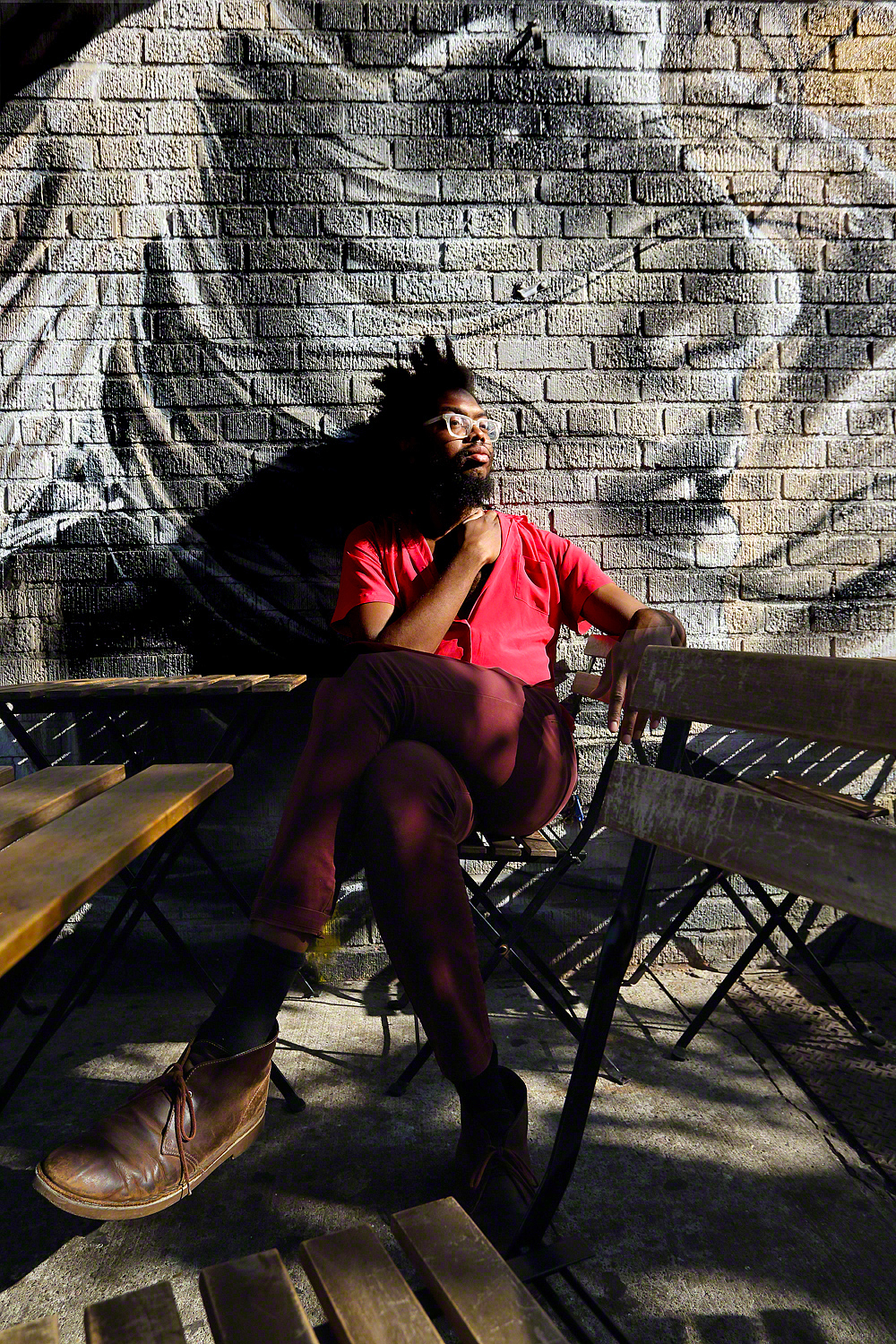
Food For Digital thought: Paralysis Through Analysis

Painting 101

Degas once said, ” Painting is easy when you don’t know how, very difficult when you do.”.

I find this to be the basis for writing this post. You see, I teach an online class with the BPSOP, and I also conduct my “Stretching Your Frame of Mind” workshops around out hopefully around the planet.

Most of the people that have taken both online classes have taken at least one of my workshops; some as many a ten. As their eye develops, and they’re using the right side of their brain to compose more and more, frustration begins to creep into their thought process.

They tend to over analyze everything and I can tell you from years of experience teaching, doing that is not in your best interest.

I show people how to use the artist palette I give them that instead of pigment, there are the basic elements of Visual Design: Color, Shape, Pattern, Texture, Form, Balance, and the most important of them all…Line.

When I say over-analyze, I mean they begin seeing design elements that are not really there except for in their imagination. They get so tense that they almost become paralyzed and wind up either not shooting anything at all, or shooting something that winds up being deleted on the computer monitor.

So, my fellow photographers, when you go out shooting it needs to be fun and not something you overthink. Making visual mistakes comes with the territory, and everyone makes them…me included.

Visit my new website at www.joebaraban.com, and check out my upcoming workshops at the top of this blog. Come shoot with me sometime.

JoeB

Food For Digital Thought: If I Had Hammer…

A different lens

I’ll admit that in my college days, and the days soon after, one of my favorite songs was sung by one of my all-time favorite groups. The song was If I Had a Hammer, and the group was Peter, Paul, and Mary.  I won’t take up space or time here but it was about someone that would hammer all the time, day or night. He would hammer out all the social injustices and love (lots of them in the sixties) all over the land.

Ok, you might be asking yourself how this could possibly relate to this Photography Blog???

I’ll answer that by submitting to you this saying,” If you have a hammer in your hand and everything looks like a nail, then you have a problem”. Still wondering????

In my online class with the BPSOP, and in my “Stretching Your Frame of Mind” workshops I conduct around the planet, I’m constantly telling my fellow photographers to try different lenses. So many people get comfortable with one lens or one focal length on their zoom until it gets to be a problem. What I mean is that a comfort zone might be established and sooner rather than later a fear will creep into your psyche and manifest itself deep into your thought process. It’s very powerful and could prohibit you from advancing creativity.

Yes, I’ve seen it happen, and believe me it’s not a pretty sight!!!

It can become so obvious, that after a few days in one of my workshops, or even online, I can almost tell who shot the submitted picture without looking at the name. Either because the photo was taken at the exact same height (that would be the height of the person’s eyes to the ground), or the same things were in focus or out of focus across the composition, or the amount of subject matter was the same from edge to edge and from top to bottom, or the shutter speed, ISO, and the aperture were identical. It’s no wonder that I’m always being told by a student that they feel like they’re finding it difficult to be creative.

How do we go about taking your photos “up a notch”? It’s the ability to look at the same subject matter/location as many ways as you can. That means changing your lens all the time. Look at it with a wide-angle, something at least in the 17- 20mm range, then from 35-70mm, then over 70mm if you can. Of course, this is made easier if you have a couple of zoom with you; sometimes a little too easy!!!

What I mean by that is zoom lenses make us lazy. It can keep us from moving around a scene. Ernst Haas once said, “The best zoom lens is your feet”, and I couldn’t offer better advice to anyone.

Next time you go out, put on a lens you’ve completely forgotten about and shoot with it. It sounds easy, but for many people, it can be tooooooo scary to even consider. You just got to “Get over the hump”!!!

Visit my new website at www.joebaraban.com and check out my 2020 workshop schedule at the top of this blog. Come shoot with me sometime.

JoeB  

Food For Digital Thought: Giving Meaning to Photographs

Just another sunrise?

In my online class with the BPSOP, and also in my “Stretching Your Frame of Mind” workshops I will send out this article for all my fellow photographers to read. In my recent workshop to Boston, I had people read it and one woman said I should post it on my blog.

I told her that I actually did about ten years ago but now that she mentioned it I would post it again. I had found on the internet years ago so I thought I would share with all of you again.

Unfortunately, I failed to write down the name of the woman or man who wrote it, and now I can’t locate the article again. I would have loved to credit it to her/him as I find it a great read. If you are the author or know who she is, please let me know so I can credit it properly.

Here’s the article just the way I found it:

“Unless you take photographs strictly for yourself, you probably like to share your images with others. What makes that dreaded slide show your uncle pulls out every time you visit so boring is that while it has tons of associations for him and your aunt, it has none for you. After all, it was their trip to Borneo, not yours. You didn’t share the experience of buying food from a street vendor or smell the smells of the urban neighborhoods. So, pictures of them don’t mean much to you.

You should keep this exclusivity in mind when editing your own pictures. Ask yourself, “Do I like my images because they have a certain emotional appeal to me alone?” A special vacation shot or a picture of your grand kids, might be an example. Or, do your images convey a more universal meaning that will inspire emotional response in others? It helps to gather feedback from a trusted friend.

REMEMBER THAT BELOVED SUNSET OR SUNRISE YOU HAVE–SO EXCELLENTLY CAPTURED, SO EXPERTLY PRINTED AND FRAMED–MAY BE JUST ANOTHER SUNSET TO SOMEONE ELSE.

Learn how composition can affect meaning. Placement of the subject within the viewfinder can have profound effects on the meaning. Placing the subject low and surrounded by a large amount of negative space sends a different message than cropping it close. The former may send the message of hopelessness or depression, the latter a message of intimacy or friendship.

It’s a challenge to create images with meaning. It’s what separates a good photographer from a mediocre one. In judging contests and exhibits, I’ve seen many prints that are technically well done, but lack depth of meaning. These may be processed to resist aging in preparation for archival preservation, but they won’t stand the test of time on anyone’s wall–except, perhaps, the photographer’s own.

For, without an emotional connection to the image, we’ll grow weary of it. It’ll remain on exhibition for a few months and then be taken down or simply ignored as part of the background blur of our lives.

Our ability to connect with an image emotionally entices us to keep coming back to an image over and over again in order to repeat the emotion. Or, what’s even more exciting, we may find new meaning in the image as we grow emotionally and experience it in a fresh, new way.

A part of the issue surrounding meaning is the controversy over whether an image should be titled. Many contests require that the photographer name her image as part of the process of entering. And I know of several professional competitions in which the title of the print is actually part of the judging process.

I can’t tell you how strongly I object. A strong print needs no title. If I have to be told what the meaning of a print is via a title, I wonder if the photographer is certain of his message.

Titles also serve to direct and/or mislead. A title given by a photographer may direct his viewer in a particular direction, but without the limitations of a title, a viewer may discover meaning which was only subliminally apparent to the photographer. We have all taken a picture and thought it meant one thing, only to find that everyone else was seeing something else– something that emerged from our subconscious.

A title, in this instance, would have served to confuse the real meaning.

And, of course, there is the issue of language and culture itself. If a title is important, what if it’s in a language the viewer doesn’t understand? Does the image cease to have meaning? Of course, not. Art, in general, and photography specifically, are universal languages. They speak to us all–regardless of our native tongues or cultures.”

Visit my website at www.joebaraban.com, and check out my workshop schedule at the top of this blog. Come shoot with me sometime.

JoeB
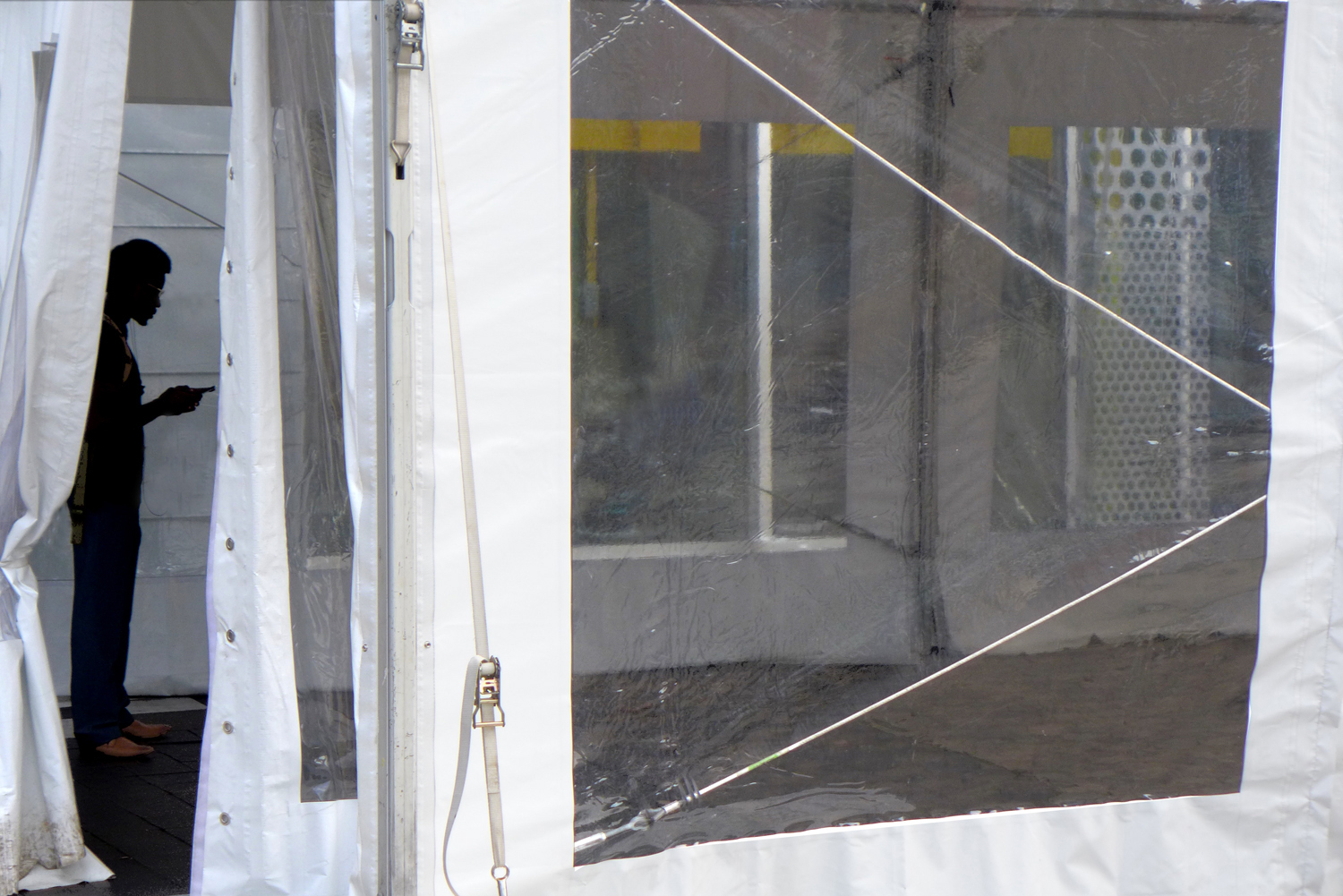
Food for Digital Thought: Where, When, and for How Long

“The Law of the Light”

Through the years, I’ve been asked why my photos look the way they do since I use little to no post-processing. There’s no secret as to why, if you’ve taken my online classes with the BPSOP, or have come on my “Stretching Your Frame of Mind” workshops I conduct all over our (round) planet.

My secret is simple. In relation to my subject, I know where to stand, when to stand there, and how long I have to shoot while standing there. Before I bring my camera up to my eye I look to see where the direction of the sun is. For me, that’s the most important part in creating strong photos.

Ok, imagine a clock in your viewfinder, but if it’s easier, imagine the clock on the ground with your subject standing in the center. Now, imagine the sun (or light source) coming from behind the 11,12, and 1. This is ‘backlight’. It’s probably the way I light almost all the time…why?

Because backlight makes everything glow: water, grass, hair, or anything translucent. It adds so much energy and can be effective even if your subject is a touch on the boring side.

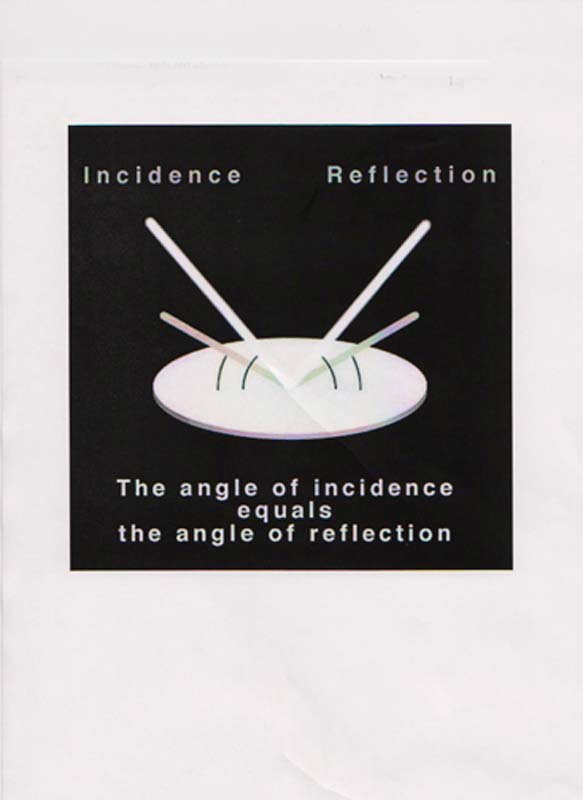
Now, imagine the light source behind the ’10’ and the ‘2’. This is what is called “The Law of the Light”. When the sun casts light on a subject it comes at a specific angle, and that angle is called the “Angle of Incidence”; it’s the light falling on the subject.

When that same light bounces (reflects) off the subject and hits the lens, it also bounces off at an angle to the camera. When those two angles are the same, it’s called the “Law of the Light”…also known as “The Angle of Reflection”…and I don’t know why??

Side Light

Now, imagine the sun at either ‘3’ or ‘9’. This is sidelight, and if I can’t backlight or put my subject in the Angle of reflection, this is the light I go for. When the sun is at ‘4’ or ‘8’ it’s ok, still somewhat side-lit, but bordering on front light…to me, this is the worst way to light…5,6, and 7 is front light and I avoid it like the plague…why? Because there aren’t any shadows or shading; it’s all about Form.

Form is a basic ‘element of visual design’, and Form refers to the three-dimensional quality of an object. When light hits an object from the side, part of the object is in shadow. The light and dark areas provide contrast that can suggest volume. Without shadows, the subject will be recorded without Form…appearing flat. Without shading/shadows Form exists in just two dimensions, height and width.

Front Light

This is what happens when you front light. Now, I’m not saying that you can’t take pictures that are front lit…I’m saying that those times for me are rare, and the sun should be low on the horizon and the background behind the subject fairly dark. Remember that Ansel Adams once said, “There are no rules for good pictures, there are just good pictures”.

So as I said, THE VERY FIRST THING I EVER DO when I get to a location…before I ever raise my camera up to my eyes…is to determine where the light source is coming from. Then I position myself to get the right/best light.

As far as WHEN and FOR HOW LONG, almost all of my photos were taken when the sun is no higher than ten degrees off the horizon, or in The Golden Hour.

In the mornings, I will usually shoot before the sun comes up (the Blue hour) and for about an hour after sunrise, depending on the time of year and where I am.

The same goes for the afternoon. I’ll start shooting about an hour before sunset, then until the end of the Blue Hour.

Having said this, this is the ideal time to shoot, but that doesn’t mean it’s the only time to shoot. It’s always time to take photos!!!

Visit my website at: www.joebaraban.com, and check out my upcoming workshops at the top of this blog.

JoeB


Food For Digital Thought: Can One Frame Tell The Story?

Can you tell the point I'm trying to make?
Can you tell the point I’m trying to make?

In my early days of photo-journalism, if one of my photos was used it was used one or two ways: either “Spot News Photography” or in a “Feature Story” where several photos were used that tied together to compliment the written part of the story. There was one more area called a “photo-essay”, but those were hard to come by and far between if they did.

Most of the time I was sent out it was to come back with one photo that had to say it all, and that was referred to as “Spot News Photography”. This was a photo that happened unexpectedly, and besides a small caption, it had to convey whatever message there was to convey in the one photo because that’s all they were going to run with whatever copy that was written.

Since those early days, my focus has changed to color and light and using the elements of visual design and composition to create stronger images. That being said, I still think about making sure that I tell whatever story I’m trying to get across to the viewer as quickly as possible and an immediate understanding of any emotional tone I put in.

In my online class with the BPSOP, and in my “Stretching Your Frame of Mind” workshops I conduct around the (round) planet, I’m always telling my students to make each photo count. Get your point across in what I refer to as “a quick read”. Believe me it’s a challenge to make one photo say all you want to say, and reveal whatever emotion may be tied to the story behind it.

Rod Stewart wrote, “every picture tells a story, don’t it”.

In the following photos, can you tell what the subject is trying to say without actually hearing him say anything? Can you pick up on what message I was trying to get across to the viewer?

Visit my new website at: www.joebaraban.com and check out my 2020 workshop schedule at the top of this blog. Come shoot with me sometime.

JoeB

Food For Digital Thought: Everyone’s a Photographer…

Shot in the manual mode

For those of you that are reading my post for the first time, I was an advertising, corporate, and editorial photographer for fifty years.

I’m retired now and teach an online class with the BPSOP, and I also conduct my “Stretching Your Frame of Mind”  workshops all over this (round) planet.

I teach my fellow photographers how to incorporate the basic elements of visual design into their imagery. At the same time I work with them on becoming stronger shooters…how you ask?

First, let me finish my digital thought I posted in the title of this post. I didn’t write it and I’m not sure any one person did. At one point in time, I even might have had a hand in it since it’s one of my mantras!!

“Everyone’s a photographer until they try to shoot in the manual mode”. As I said, one of my mantras.

Shooting in the manual mode means that you’re in charge and not the camera; it’s a camera, but it’s also a machine. You make all three decisions: The exposure, the aperture, and the ISO. I can tell you that it’s in your best interest if you want to move your level of photo expertise what I refer to as ‘up a notch’.

In my online classes, it’s always a struggle to get people to stop depending on a program. One of the biggest problems is that most of the photographers out there started in the digital era, and think it’s important to use what the camera offers up by letting the camera make all the creative decisions…remember that it’s a machine, not an instrument for producing creative thought.

I have students that accept the fact (and wear it proudly on their chest) that shooting in the aperture mode is a bad habit, but they won’t do anything about it. It’s part being afraid to learn, and being too lazy to even try. That said, there’s a lot of comfort in shooting with a camera that’s fully automatic…unfortunately!!!

Shooting in ‘A’ means that the photographer sets the F/stop and the camera automatically sets the shutter speed. The problem here is that the camera won’t know what shutter speed will be fast (or slow) enough to do what you intended…it just picks one for you.

Shooting in ‘S’, the shutter priority, isn’t any better. You choose the shutter speed and the camera decides on what is going to be in focus…seriously????? I just shake my head and wonder why a photographer would not want to be in control of his/her photo destiny!!!

While a camera might be smart to some extent, it won’t ever be able to make any artistic decisions; and make no mistake, we are all artists who have chosen the camera as our medium.

Having written all this, if you really want to take you photography “to where no man has gone before”, then set your camera to ‘M’ on your dial and start practicing. It will take a commitment on your part, but the rewards are well worth it.

You can always sign up for my classes and I’ll help you!!!

Visit my new website at: www.joebaraban.com, and check out my workshop schedule at the top of this blog. Come shoot with me sometime.

JoeB

Food For Digital Thought: Adapt and Adjust

Adapt and adjust

The last time I was conducting a workshop I saw several of my fellow photographers walk away from a subject in one of the many location I scout out ahad of time. They walked away because something interrupted them and they didn’t want to deal with it any longer.

Things are not always going to go your way, in fact most of the time they don’t. I guess if they did, it would becoming boring to always be able to shoot a ‘wall hanger’. For me, the thrill is in the chase.

Here’s an example of just what I mean. First of all I teach an online class with the BPSOP, and I conduct my “Stretching Your Frame of Mind” workshops all over our round planet.

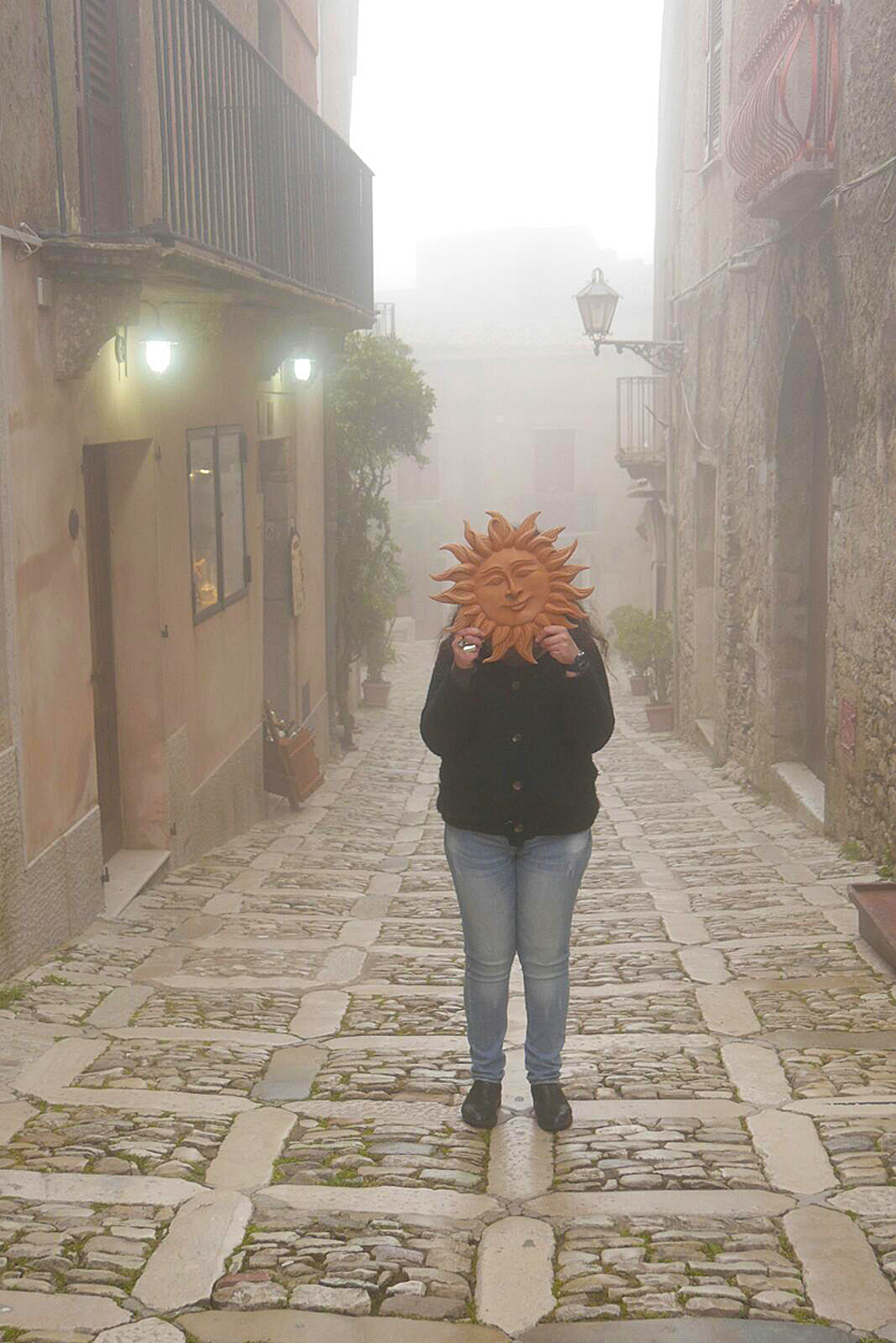
I was with a group in Sicily, and to be more specific, a medieval village high in the mountains just north of Catania.  Going up the tiny highway to shoot at sunset, we were in our bus that was an experience unto itself; but looking all around one could see clear blue skies.

When we arrived and started getting our gear out, within minutes a dense fog enveloped us and the light was history. It was a huge bummer!!!

People were so bummed that they wanted to leave. It was time for a ‘pep talk’!!

I said that in order to rise above and transcend difficulties, one must adapt to whatever environment dealt to you at that moment; besides it took an hour and a half to get ther and I wasn’t going to give in so easily.

“In oder to adjust“, I said with authority,  you have to modify your thought process…”how”, someone blurted out.

By doing a series of things: Look for color and include it in your composition. Put on your widest lens and get up close and personal to your subject.

One of the best ways you can overcome fog or even a gray day is to include humor in your images.

The above photo wass shot by one of my students that did just that. She walked in and out of all the stores that were still open looking for props; anything to include in her photo. She saw this sun and her mind started to think aout what I had said, “include humor”.

Visit my website at: www.joebaraban.com, and check out my wotkshop schedule at the top of this blog. come shoot with me sometime.

JoeB

Food For Digital Thought: “The Law Of The Light” Part One.

The Law of the Light

Have you ever driven past a glass high rise or office building and just for a few seconds as you were driving by the glass in the building started to glow, and just as fast as it appeared it disappeared? Usually when this happened, wasn’t the sun closer to the horizon than at it’s apex in the sky?

Well, you can stop wondering why that was because you were experiencing a phenomenon that’s referred to as “The Law of the Light”.

When light strikes (falls on) a surface it strikes it at an angle, and that angle is called the “Angle of Incidence”. When that same light bounces off that surface to the lens, it’s called the “Angle of Reflection”. When the two angles are the same, it’s called the “Law of the Light”. It’s what causes that “POP” (as I call it) or that glow in the glass. The reason why you see the glow is because you’re driving right into the same angle of light that hit the building and is now being reflected off it to your eyes, and the reason why it goes away so quick is because you’ve driven out of that angle.

So why is this so important in taking our photos “Up a Notch”? Well for one thing it’s my favorite way to light…anything!!! So, how do we go from watching the “POP” on a building to utilizing the “Law of the Light” in our Photography? In my online class I teach with the BPSOP, and in my “Stretching Your Frame of Mind” workshops I conduct around the planet, I show my students just how it’s done and how easy it is to do it.

The Law of the Light

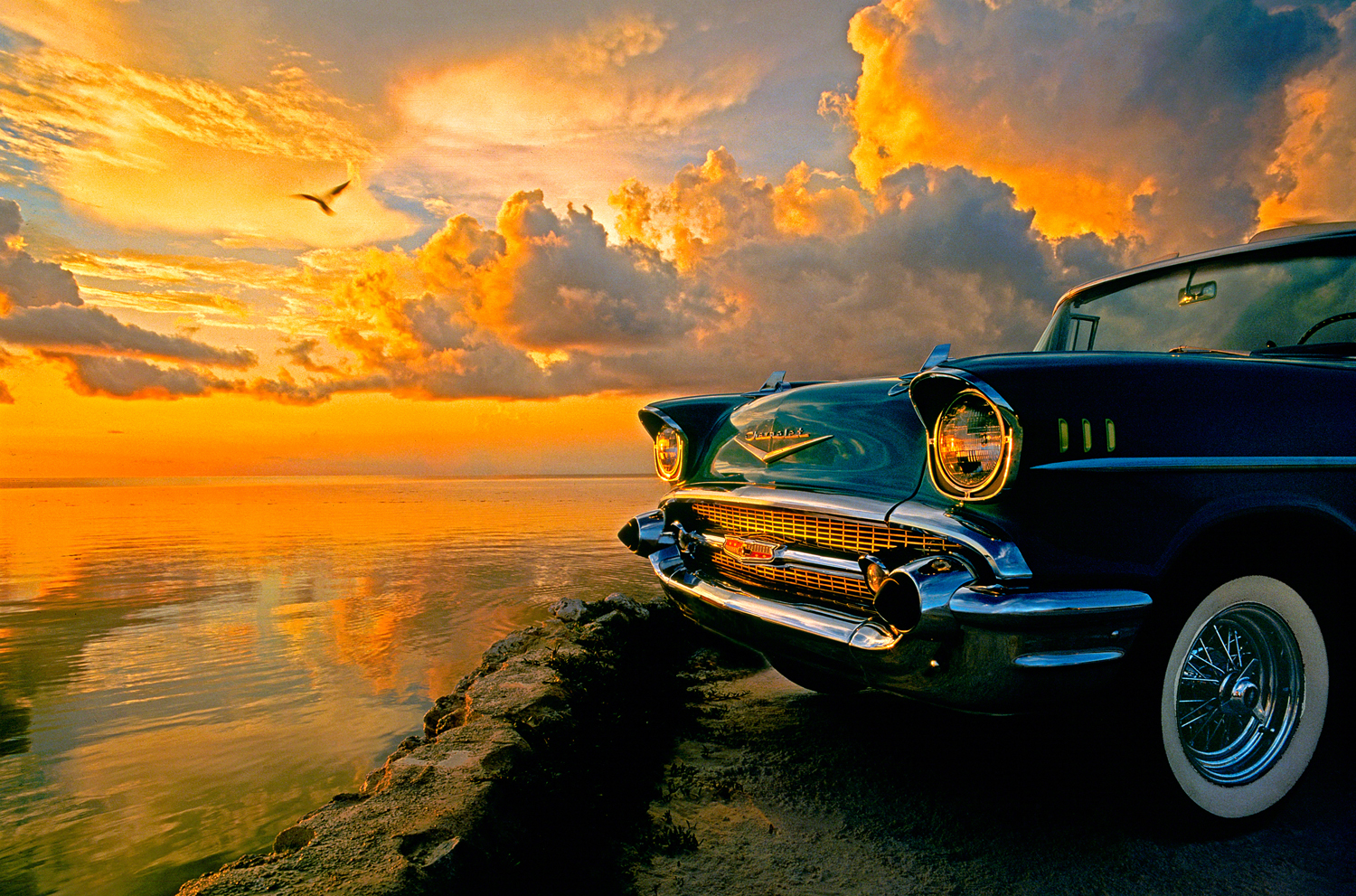
In my photo of the 57′ Chevy I shot for National Car Rental, the first thing I did was to determine the exact location of the setting sun…to the degree. I did this with my Sunpath readings and my Morin 2000 hand bearing compass. Once I knew where the sun would hit the horizon, I positioned the Chevy so that the grill would be in the correct angle. That is, the angle from the sun to the grill was the same angle as the grill to the lens. This enabled me to get that “POP” on the grill that I was after. Since the “POP” was so bright on the grill, I had to move my camera so I would be slightly out of the exact angle.

FYI, the cloud formation behind the Chevy was in the same angle.

Knowing where to put your camera, when to put it there, and how long you have to shoot it there, makes all the difference in the world. It’s the difference between shooting “In the camera”, and doing post processing work. Since I knew all those things, I didn’t have to do anything later in post production!!!!! It’s all in the camera, including the bird.

Stay tuned for my part II post of the “Law of the Light”, where I’ll show you how I shoot portraits utilizing it.

Visit my brand new website at: www.joebaraban.com, and check out my 2019-2020 workshop schedule. Come shoot with me in the “Law of the Light”.

JoeB

Food For Digital Thought: It’s All in the Details

Lot’s of details to think about.

If you think about it, the old adage, “It’s all in the details” would fit almost any occupation one can possibly think of: An attorney has to consider every detai in his deliberation, or in just seeking out the facts and truth…as in no stone left unturned. A stock broker has to pay attention to every aspect of the market, the companies profit and loss statements, and it’s constantly changing daily prices. A baker has to follow his recipe’s to the letter for any kind of continuity. A pro golfer, just to hit the ball straight, has to think about his swing, grip, stance, follow through, wind direction, and so on.

Well, I’m here to tell you that in photography the details will make the difference between going home with a ‘wall hanger’ or a photo that will eventually fall on the proverbial ‘cutting room floor’..as in hitting the delete tab…with extreme prejudice!!!

A good composition will put forth visual information that should and will support what the photographer is trying to say to the viewer as far as the overall impression.

In my online classes with the BPSOP, and in my “Stretching Your Frame of Mind” workshops I conduct all over the place, I’m constantly directing my fellow photographers to pay attention to the details.

And more details to think about.

I have three ways to to do this: My fifteen Point Protection Plan, my Border Patrol, and the Four Corner Checkoff.

Yes, I know, you can always fix it in Photoshop!! There’s one inherent problem with that and it is in the fact that it won’t make you a stronger photographer; however, it will keep your post-processing skills well honed…if that’s your cup of tea.

When I’m with my fellow photographers in one of my workshops, I notice that the camera comes up to the eye before knowing where the source of the light is coming from; it should be the other way around.

That small detail (not so small) will make a huge difference in whatever subject matter you’re shooting…why? Because when you’re in a position to sidelight your subject, you’ll be provided all three dimensions to the viewer: height, width, and depth. If you front light your subject, you can only achieve two of the three dimensions: height and width.

I was recently working with a student in Spain that had no idea what was going to be in focus besides his main subject. He never paid any attention to what F/stop he was shooting at. He, like so many others, have begun their love for photogrphy in the digital era, and thinks that the camera should be making all the decisions for him; not in his best interest.

Just another small detail???

Visit my new and improved website at: www.joebaraban.com, and checkout my workshop schedule at the top of this blog. Come shoot with me sometime.

JoeB

Food For Digital Thought: Are You a Photo Sinner or Saint?


Follow the road less traveled

To all my brothers and sisters,

Do you raise the camera up to your eye and start shooting without first thinking it out? Do you take one shot then move on leaving a lot still on the table? Do you follow advice from all your self taught fellow photographers, even though it will lead you down the iniquitous path to mediocrity? Photographic purgatory for life everlasting!!!!

Moreover, do you buy expensive cameras in the name of artistry hoping for that creative vision, inspiration, and imagination that will evade you in perpituity? Do you really think a fast 50mm prime lens will make you a better photographer, so it’s the only lens you use? Do you crop your photos into squares, long rectangles, and enhancement bubbles or circles as they’re commonly called? Do you triple mount with colorful mats those camera club entries and give them weird esoteric titles? Do you let your camera do all your thinking for you? Do you aimlessly walk the hallowed aisles of the B&H photo store looking for expensive unnecessary crap you really don’t need? Do you let those naysayers convince you that HDR is the only way to achieve proper exposures? Do you fix it later in Photoshop?

If you answer yes to any of these, then I beseech you my fellow photographers in the name of all that’s sacred, mend your ways or become photo sinners for all eternity!!!

REPENT!! How do you ask? How do you find salvation? How do you keep the devil, also referred to as Lucifer, The Prince of Darkness, Beelzbub,  Satan, the Antichrist, or the funny looking guy with horns, a weird tail, and carries a trident wherever he goes, off your left shoulder who is just itching to force you into acts of bad behavior? How do you change your ways and go from being a photo sinner to saint?

By following the righteous trail less traveled…by not taking advice from people you might know more than…by using the elements of design and composition in your imagery…by making sure you convey your thoughts to the viewer….by doing what you intended…by having a center of interest…by including visual tension and interest in your photos…by pre-visualizing…by slowing down and smelling the roses…by coloring outside the lines, and most importantly…by breaking all the rules!!!

Of course, you could always take my online classes with the BPSOP, and/or take one of my “Stretching Your Frame of Mind” workshops I conduct around our (round) planet.

🙂

Visit my new website at: www.joebaraban.com, and check out my workshop schedule at the top of this blog. Come shoot with me some time and find sanctuary.

JoeB

Food For Digital Thought: giving a dramatic edge to your photos.

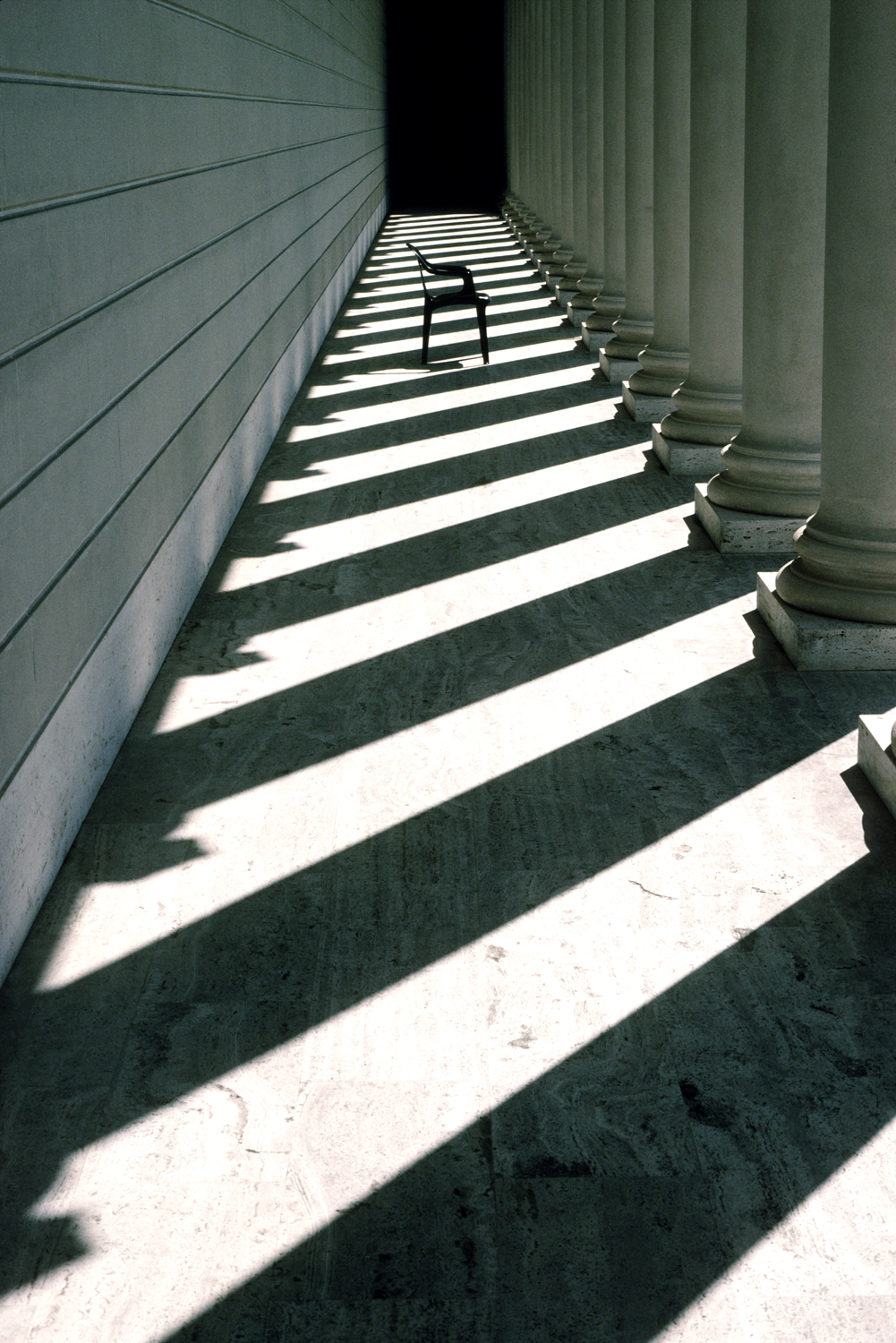
  As I’ve always said, Light is everything, and should be considered first, even before your composition. When it interacts with shadows, the results can be incredible. It’s a sure fire way to take our imagery “up a notch”. Light is important for sure, but equally important are the shadows. Not only is it important to know where the light is going to be, but it’s equally important to know where the shadows will fall.

In my online class with the BPSOP, and my “Stretching Your Frame of Mind” workshop I conduct around the planet, students learn beforehand exactly where shadows will fall any day of the week, anywhere in the world. Using a program called Sunpath, and coupling it with a hand bearing compass called a Morin 2000 not only do they learn where the shadows will fall, but which direction the light will be coming from, when it will be coming,  how long it will be there, and when it will leave.

Pretty important information if you ask me!

Once the interrelationship between light and shadow is established, a mood is set and the results can range from mysterious to downright scary. This is where the Theory of Gestalt comes in. Shadows can affect how the viewer perceives and is a quick way to conjure up all kinds of emotions by giving a dramatic edge to your composition.

In both these images, I’ve made the shadows important enough as to make them the subject.

Photographers usually don’t give shadows any consideration; in fact, to many they can be intimidating.  Truth be told, they are leaving out a very important part of their imagery. Shadows can suggest what we can’t see in our reality. In fact, shadows help us to “celebrate the unseen”. Btw, the next time you’re out shooting, don’t think/worry about shadows falling on people’s faces.

Finally, when you master the light, be sure to master the shadows as well. We should pay tribute to the shadow, as it can help us take our imagery to “a place where no man has gone before”!!!

Visit my new website at: www.joebaraban.com, and check out my workshop schedule at the top of this blog. Come shoot with me sometime.

JoeB
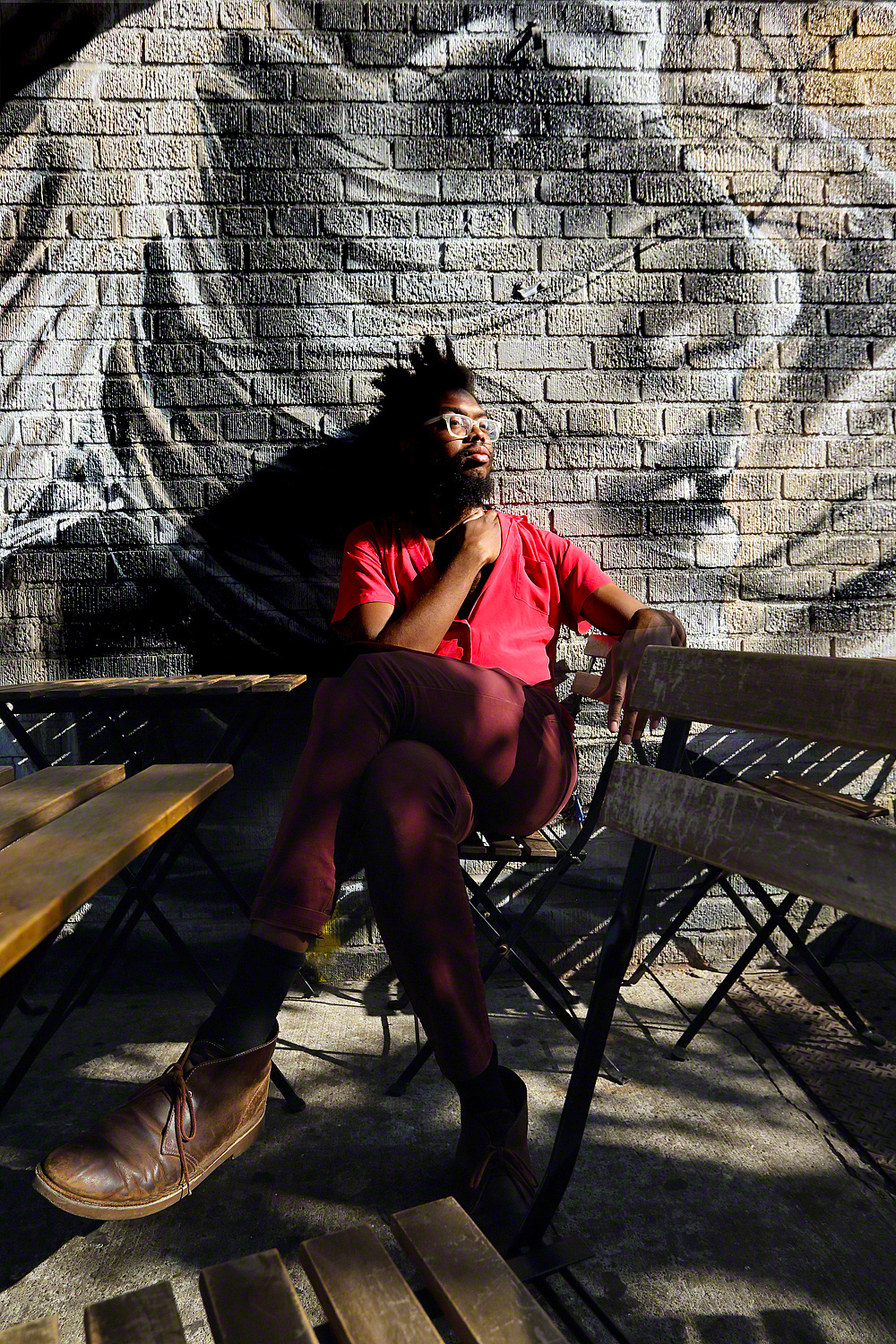
Food For digital Thought: Checks and Balances

A balanced photograph

Ok, in this day and age we’re hearing this term almost on a daily basis. Just to be sure everyone knows the full definition, here you go:

Checks and balances: A system that allows each branch of a government to amend or veto acts of another branch so as to prevent any one branch from exerting too much power.

Yesterday, while listening to a news program, I kept hearing it and suddenly it all became crystal clear!!!

When I say it became clear,  I mean photographically speaking…how, you’re asking yourself right about now?

In my online classes with the BPSOP, I work with my fellow photographers on how to effectively use the basic elements of visual design in their imagery. I also discuss these as refreshers/reminders during the daily reviews with my “Stretching Your Frame of Mind” workshops; since many participants have taken my online classes beforehand.

One of the basic elements is Balance, and it’ about visual weight. A balanced photo is what we as photographers try to achieve because it makes for visually inviting images. A balanced photo gives the viewer a feeling of stability. We all are more comfortable when the environment around us is feels firm and steady.

The balance between the Positive and Negative Space is important in creating either symmetrical or asymmetrical balance. There is positive space, that area that has mass (visual weight), and the negative space that is everything else.

Btw, if you want to find out if your photo is balanced right away to check it, try looking at you photo on the LED glass…upside down!!! The proper checks and balances can be achieved by using my 15 Point Protection Plan.

Visit my new website at: www.joebaraban.com, and check out my 2019 workshop schedule at the top of this blog. Come shoot with me sometime. I have one last spot on my New York workshop starting this coming September 17th. We’ll be shooting in all five boroughs.

JoeB

Food For Digital Thought: Tighten Up

Tightened up by moving closer

After getting out of college, in the early part of 1970 I moved to Houston. My second job after graduating was with a newly formed advertising agency working as an art director.

One of our clients was Archie Bell and the Drells, and in 1968 they recorded a song called Tighten Up. It was our job to do any graphics and public relationss for them.

I got to know Archie and every once in a while on Siriusxm they play his big hit; which always maks me smile.

Just recently, I was talking to one of my online students with the BPSOP about one of his images he submitted for a critique. Since I had just heard the song, the title of Archie’s song immediately popped into my head; Tighten Up.

What I was talking to the student about was his  constant desire to crop his photos, dealing with any problems later sitting in front of a computer.

Let me digress for a moment to say that in my classes there’s no cropping allowed…I want to see their thought process right out of the camera. I tell them that in fifty years of shooting I’ve never, not ever, cropped one of my photos.

Tightened up by changing lens

Btw, I’ve had similar conversations with photographers that join me in one of my “Stretching Your Frame of Mind” workshops I conduct aound our planet.

If there’s things in your composition you don’t like, deal with them then not later. Having said this, cropping in front of a computer will hone your skills as a digital artist; if that’s your preference. What it won’t do is make you a better photogrpher.

What will make you a stronger photographer is to keep changing your initial composition by making adjustments. Adjustments come in all varieties, but the one that usually offeres the most benefits is to tighten up said composition.

Tighten it up by simply moving in closer, or perhaps changing lens to get rid of superfluous objects or unnecessary people. Using your 15PPP, your Border Patrol, and checking the four corners is the best way to do that.

Remember my fellow photographers, it’s not what you put into your photo that counts, it’s what you don’t put in that matters.

If you’ve never heard the song click on this link. If you do remember and want to remember the good old days click on the link!!

The Tighten Up

Visit my new website at: www.joebaraban.com, and check out my workshop schedule at the top of this blog. Come shoot with me sometime. I have a spot open for my New York Workshop this Septmber 17th if you want to photograph all five borougs.

JoeB