Quick Photo Tip: Stop, Look, and Listen
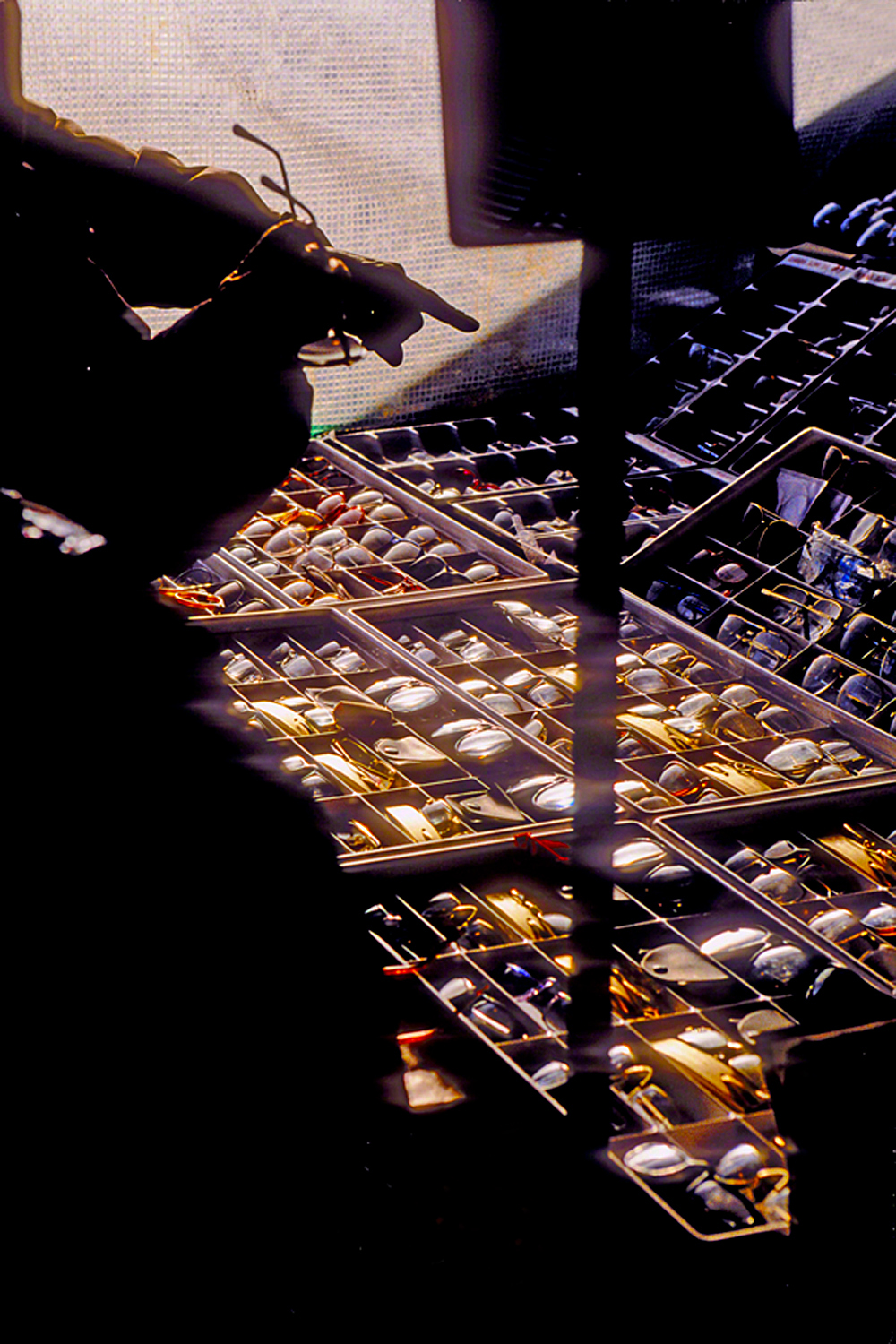
I stopped, I looked, and I listened.


I’m guessing that most of you have heard this saying, but how many know its origin? There have been films with this title, numerous songs sung by an assortment of people, and even a game show, but it was originally a slogan made up for a pedestrian safety campaign in the UK.

I recently saw it written somewhere and immediately though of a photo I took at a flea market in Paris a million years ago with my fellow photographers that were taking my “Stretching Your Frame of Mind” workshops I conduct around the planet. To this day I still think about it when I go out street shooting or mention it to the students that take my BPSOP online classes; unfortunately my pet dinosaur didn’t survive the asteroid like I did.

I digress!

Ok, let’s talk about each word and how in the hell it could possibly relate to the art of “making” interesting pictures. To make it easier to explain my thought process, let’s use these words as they narrate the photo above.

STOP: While walking around looking for interesting subject matter and how said subjects interacted with the light (light is everything), I immediately stopped when I saw these sunglasses and the way the light was dancing on them. They seemed to be sparkling, and as I slightly moved from left to right different parts of the sunglasses were in what is known as “The Law of the Light”, and would glow.

I knew that I had one piece of the puzzle and needed a couple more pieces to make a visually interesting photo…one that would also tell a story; I decided it was worth hanging around.

LOOK: As I was standing there I observed several people walking by giving an occasional glance to the sunglasses but weren’t interested enough to stop. I thought that if I would just be patient and wait long enough I might just get lucky and add another piece to the puzzle; and perhaps complete the work of art I was beginning to form in my mind. I was looking for just the right person.

LISTEN: My patience was rewarded as a couple of women stopped and began studying the rows of sunglasses. I non-nonchalantly moved closer to put myself in a position to capture whatever might happen next, while listening to their conversation. They were asking each other which pair they liked and one of them (the one not in the photo) pointed to a single pair.

At that moment I brought my little Lumix DMC-LX5 up to my chest ( in crowded places my small Lumix is more discreet) so it would be closer to my eye just in case I got lucky, and when you get lucky be ready. The other woman reached out her hand and pointed to the pair she liked, and when she did I grabbed the shot. I was ready for it!!!

I still have two spots open for my Springtime in Berlin workshop to begin the end of May.

Visit my website at: www.joebaraban.com and check out my 2018 workshop schedule at the top of this blog. Come shoot with me sometime. I’ve a couple of openings in my Springtime in Berlin workshop this coming May 23rd. A fantastic city with so many great locations we’re going to be shooting.

JoeB
Food for Digital Thought: Make Hay While the Sun Doesn’t Shine

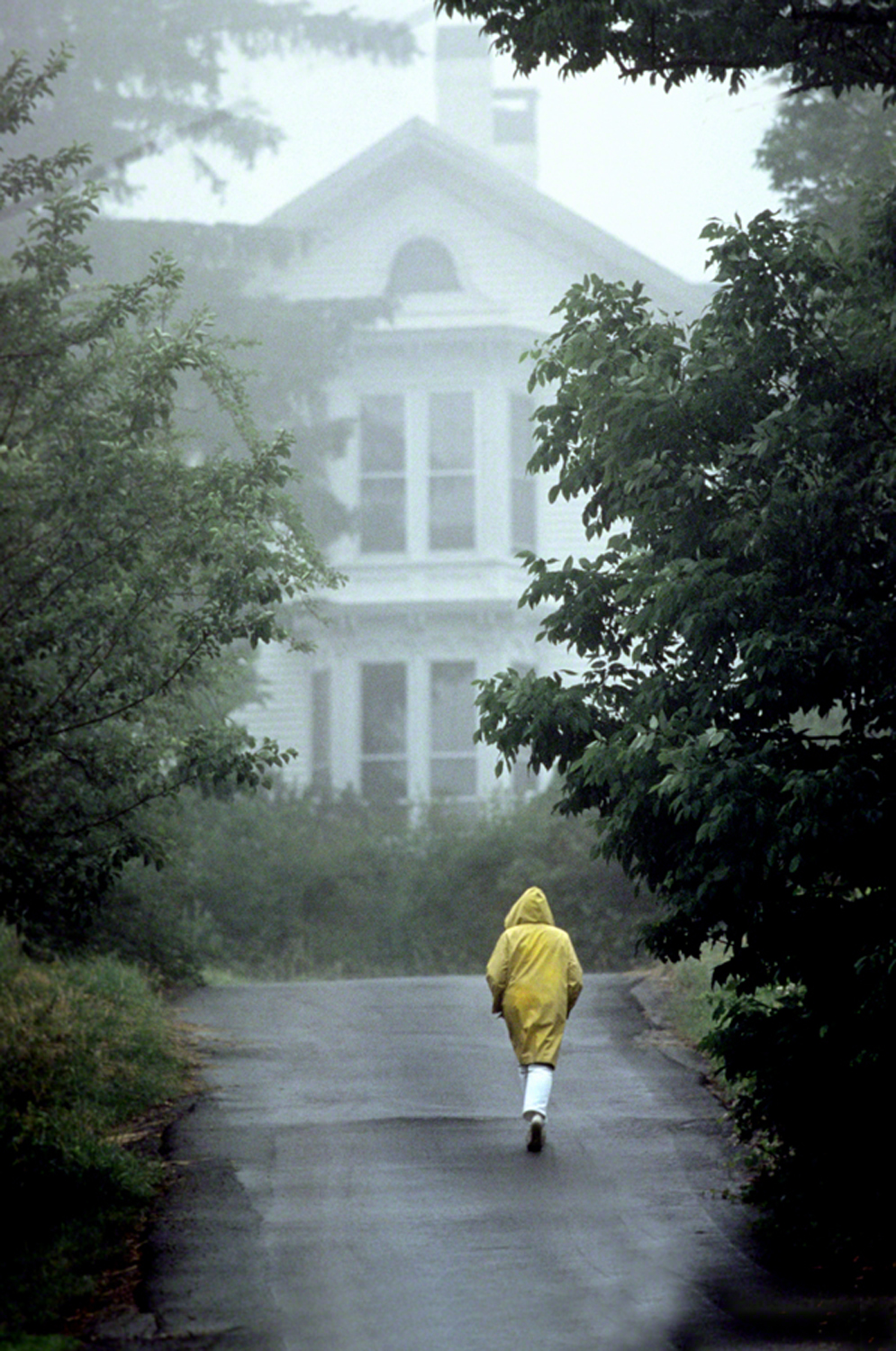
I just love a rainy day

Yes you’re reading that right..while the sun doesn’t shine not while the sun does shine. The original expression is an idiom that’s been around for a long time. Basically, it means to grab an opportunity when the time and conditions are perfect.

In my online classes with the BPSOP, and in my “Stretching Your Frame of Mind” workshops I conduct I often hear from my fellow photographers that since it was a overcast day, or even raining, there wasn’t any reason to go out…that’s just an excuse to watch TV because that’s just not true!!!

Btw, throughout my career, I’ve gone out countless times when it was gray, or even raining only to get lucky and have the sky open up; perhaps for only a minute or two…and that’s all you need to get that one shot off that winds up being one for the wall.

If it’s overcast then don’t show the sky or very little of it. A gray day will produce either a white or light gray sky; if it’s raining take an umbrella. If you have a camera similar to the one I use in these situation (a Panasonic Lumix DMC-LX7) you can easily walk around with the umbrella in one hand while holding your camera in the other. Give it a try sometime, you’ll thank me down the road.

If you were familiar with my workshop and class overview, you would know that I teach people how to incorporate the basic elements of visual design into their imagery. When it all said and done, these elements and other compositional tools are firmly planted on what I call my Artist Palette.

What’s good about these elements and various tools: Line, Pattern, Texture, Shapes, Balance, Negative Space, Vanishing Points, Silhouettes, Shadows, and Color, is that they can help you out on overcast crummy gray days not just sunny good days; shadows being the possible exception!!

Getting back to my personal workshops, we will often spend time walking the streets of some village, town, or big city. Street shooting is one genre that doesn’t necessarily require good light; it’s more about capturing a moment in time. In fact, shooting in the streets at night can reward the photographer with some real keepers; especially after it rains and those wonderful reflections from wet streets are fun to find.

I’ve always found that using a long lens and a very shallow DOF (Figure-Ground) on a gray day can result in good photos, especially if you combine color with it.

Overcast light can be extremely beneficial when you are required to shoot in the middle of the day; weddings for one example. For the most part midday sun can be a real problem shooting portraits because the contrast between the shadows and the highlights can be too extreme. Looking for natural shade in this harsh light is important. A gray day can save you from dealing  with this type of light by the fact that the contrast has been negated.

Don’t fight it, go with the flow. Take advantage of the overcast conditions to create a unique photo that reflects the gloomy weather. For example, shooting a sad photo is a great use of overcast weather conditions.

There is one other way to create memorable photos on dreadful days is the use of humor. As far as I know, it’s one of the best ways to overcome these kinds of days.

Visit my website at: www.joebaraban.com, and check out my 2018 workshop schedule at the top of this blog. Come shoot with me sometime. My next springtime workshop will Berlin next May; an incredibly beautiful city.

If you send me a photo and question to: AskJoeB@gmail.com, I’ll create a video critique for you.

JoeB

Food For Digital Thought: Are You an Umbraphile?

I’m a shadow lover!

Several months ago, right before the total solar eclipse, I was listening to a piece on CBS Sunday Morning. Btw, it’s one of the best programs on TV.

They were talking about the word Umbraphile which literally means a “shadow lover”, but when properly applied it means one who’s addicted to the “glory and majesty of total solar eclipses”; and will drop everything they are doing to see one…wherever it my be on the globe. I can tell you that I don’t go chasing eclipses, but I will admit to being a lover of the shadow; which, by the way,  is a photographer’s best friend.

Umbraphillia is thought by many a smart college educated person to not only be an addiction, but an affliction as well. I guess that means me…YIKES!!

I am addicted to light and shadows (and proud of it), so much so that in my online class with the BPSOP, and my “Stretching Your Frame of Mind” workshop I conduct around the planet, students learn beforehand exactly where shadows will fall any day of the week, anywhere in the world. Using a program called Sunpath, and coupling it with a hand bearing compass called a Morin 2000 not only do they learn where the shadows will fall, but which direction the light will be coming from, when it will be coming,  how long it will be there, and when it will leave.

Once the interrelationship between light and shadow is established, a mood is set and the results can range from mysterious to downright scary. Shadows can affect how the viewer perceives and is a quick way to conjure up all kinds of emotions by giving a dramatic edge to your composition. Shadows can also be used as lines to move the viewer around your composition or as elements to point to a subject or one of your centers of interest.

Photographers usually don’t give shadows any consideration; in fact, to many they can be intimidating.  Truth be told, they are leaving out a very important part of their imagery. Shadows can suggest what we can’t see in our reality. In fact, shadows help us to “celebrate the unseen”.  Also, the next time you’re out shooting, don’t think/worry about shadows falling on people’s faces, as that creates not only visual interest, but visual tension as well; through the use of contrast.

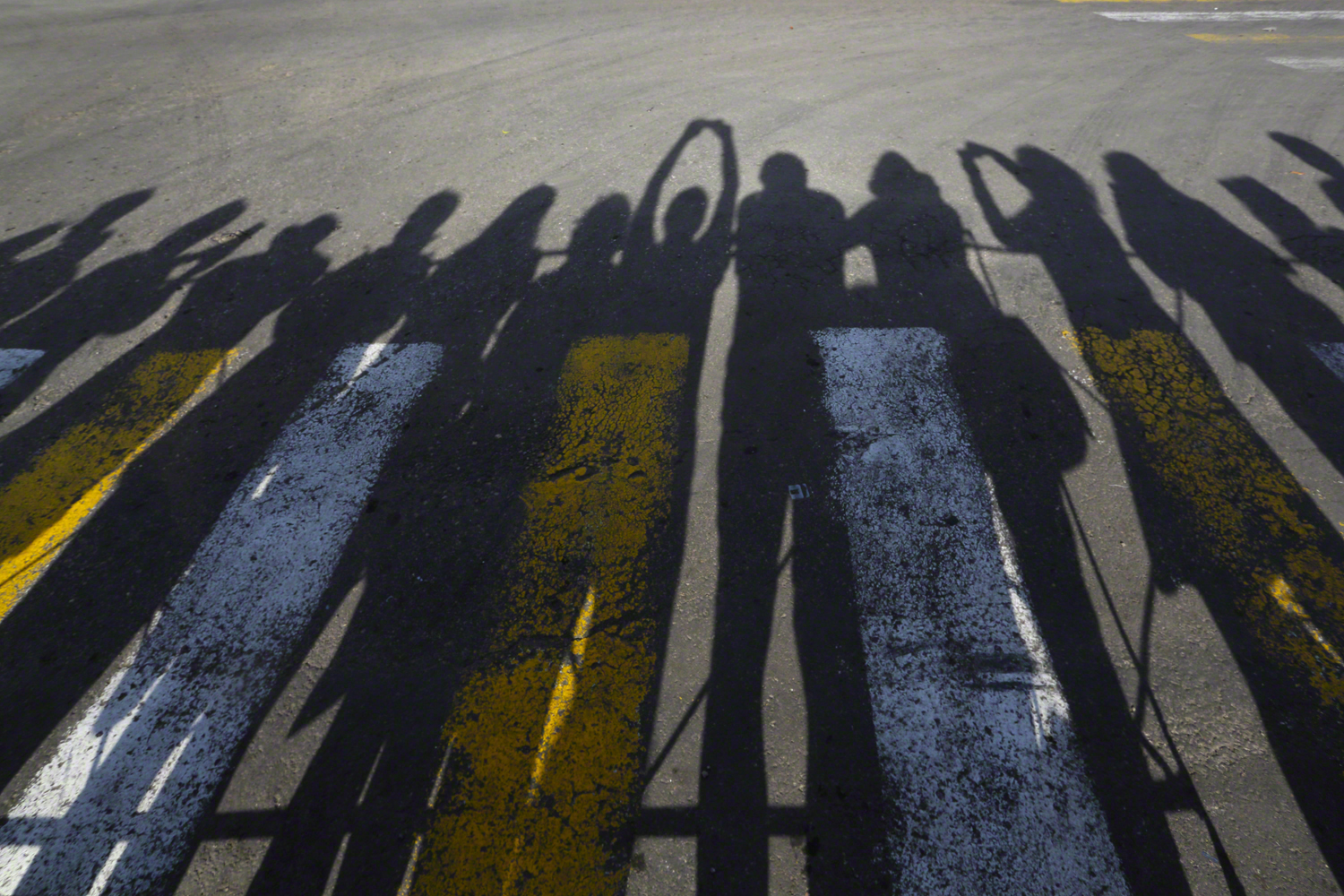
In the above photo, I was standing right behind a barrier in Havana, Cuba when Obama drove by. I looked down and saw the shadows that to me told a story.

Here’s some ways to incorporate shadows:

1) Try making the shadow the main subject. It can tell a story on its own.
2) Try distorting the shadows.
3) Try to duplicate your silhouette with a shadow.
4) Try using a shadow to fill in an empty space in your composition. It can create interest in an otherwise boring area.
5) Try using the dark shadows to extend a dark subject. For example, the shadow coming from a tree.
6) Try using the late light from the ‘golden hour’ to reveal more about Texture, and form.
7) We know that Line can draw the viewer to the main subject. Try using shadows to do the same thing.
8) Just for fun, try turning your photo upside down, so the subject takes the place of the shadow, and vice verse.

Maybe I’ll start a new self-help organization and call it…shadow lovers anonymous!!!

🙂

Visit my website at: www.joebaraban.com, and check out my 2018 workshop schedule at the top of this blog. This February in conjunction with the Santa Fe Workshops, I’ll be returning to Cuba for the fourth time. My next springtime workshop will be in Berlin next May; an incredibly beautiful city.

Send me a photo and question to: AskjoeB@gmail.com, and I’ll create a video critique for you.

JoeB

Food For digital Thought: The Power of an Arrow

Visual tension at work

I’ve talked a lot about the psychology of Gestalt to both my online classes with the BPSOP, and in my “Stretching Your Frame of Mind” workshops I conduct all over the planet. It’s about controlling what the viewer perceives and processes when looking at our photos.

One of the six concepts I discuss is “The Law of Common Fate”. This concept is about moving two or more people (in the same direction) across the frame. The viewer seems that as one unit and sharing a common destiny.

It’s all about visual direction, and by doing so, you’re making the viewer an active participant in your photos.

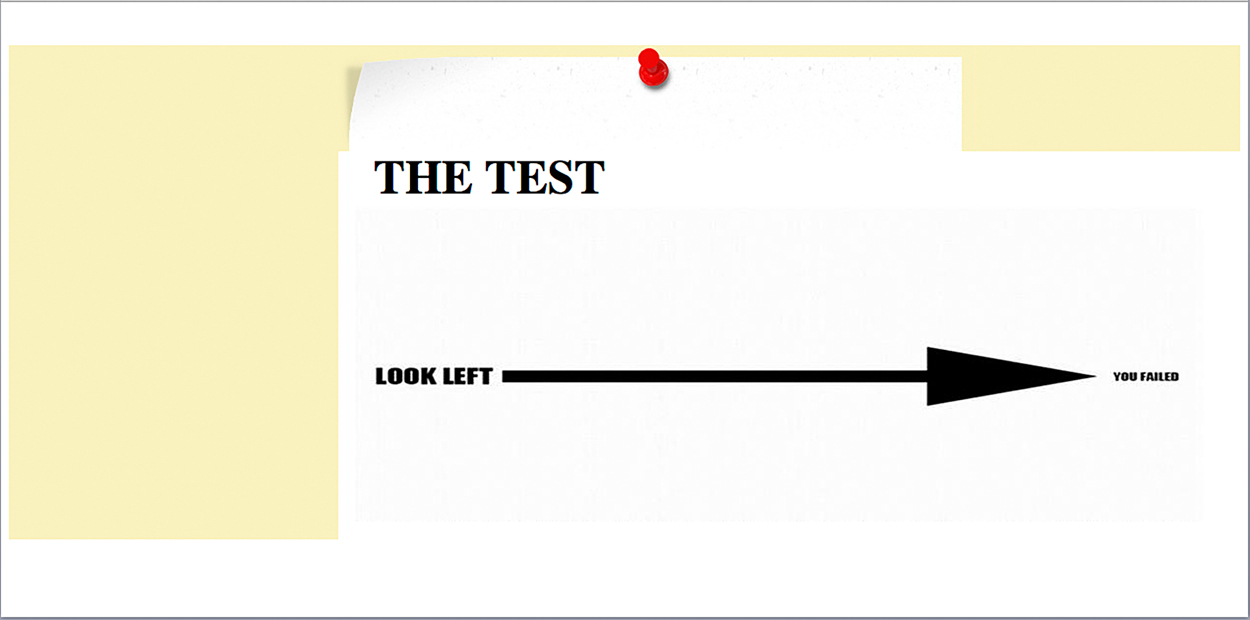
An arrow pointing in a direction will take control and the viewer…no matter how hard he tries…will look in the direction that it’s pointing. An arrow pointing in the opposite direction as your subject, will generate visual tension; because the viewer will not see it as part of your “directional whole”

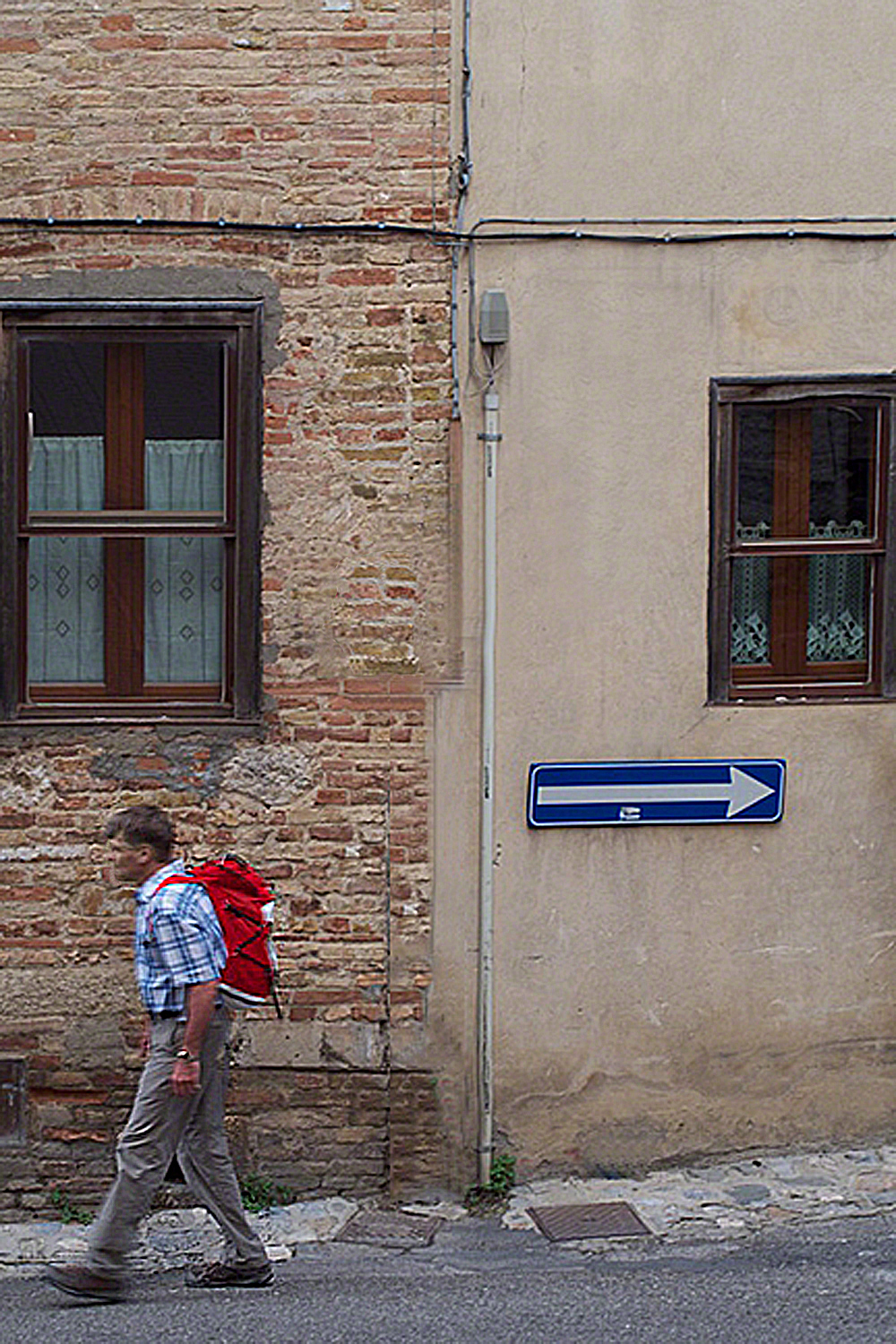
The above photo was taken during one of my Stretching Your Frame of Mind workshops. My subject was a man that had taken my online class with the BPSOP and was now shooting with me.

To show the workshop class the power of an arrow, I had him walk in the opposite direction the arrow was pointing. This not only created visual tension, but the viewer will immediately look in the direction of the arrow (which will create even more visual tension) and disregarding the subject.

An implied arrow

Whenever I see an arrow, or an implied arrow (an arrow made up of various elements), I immediately try to figure out a way to incorporate it into my photo. That said, if the photographer looks with only the left side of the brain he won’t see the arrow. It only works when the right side of the brain is being used.

The importance of an arrow

So, my fellow photographers, the next time you see an arrow and you have an opportunity to include it in your composition, you be glad you did.

Visit my website at: www.joebaraban.com, and check out my workshop schedule at the top of this blog. Come shoot with me some time. Next February in conjunction with the Santa Fe Workshops, I’ll be returning to Cuba for the fourth time. My next springtime workshop will Berlin next May; an incredibly beautiful city.

Send me a photo and question to: AskJoeB@gmail.com, and I’ll create a video critique for you.

JoeB

Food For Digital Thought: Order Among Chaos

Order in chaos

I love to push my photos right up to or beyond any kind of artistic control. What that means is to make the viewer an active participant pushing him through a series of complicated photos.

Ordinarily, I like a certain sense of order by offering up well organized subject matter that leads the same viewer around my composition…well constrained by the four edges that frames my visual input into the form of a photograph.

Not everything in the world is organized and or has order, and one’s point of view can change order into chaos. In other words seemingly random subject matter, things you seem most of your life and never thought twice about them can suddenly behave chaotically.

By showing the viewer an entirely new way of seeing a subject occurring naturally in the environment, a subject he’s been accustomed to seeing one way can become unpredictable…almost to the point of becoming unrecognizable.

Showing examples to my online classes with the BPSOP, and also in my “Stretching Your frame of Mind” workshops I conduct around the planet has been an important part of the ways to keep the viewer around as long as possible; to shed new light on a subject.

My mantra is to get some dirt on your shirt or knees, look at things upside down or lie on your back and lookup.

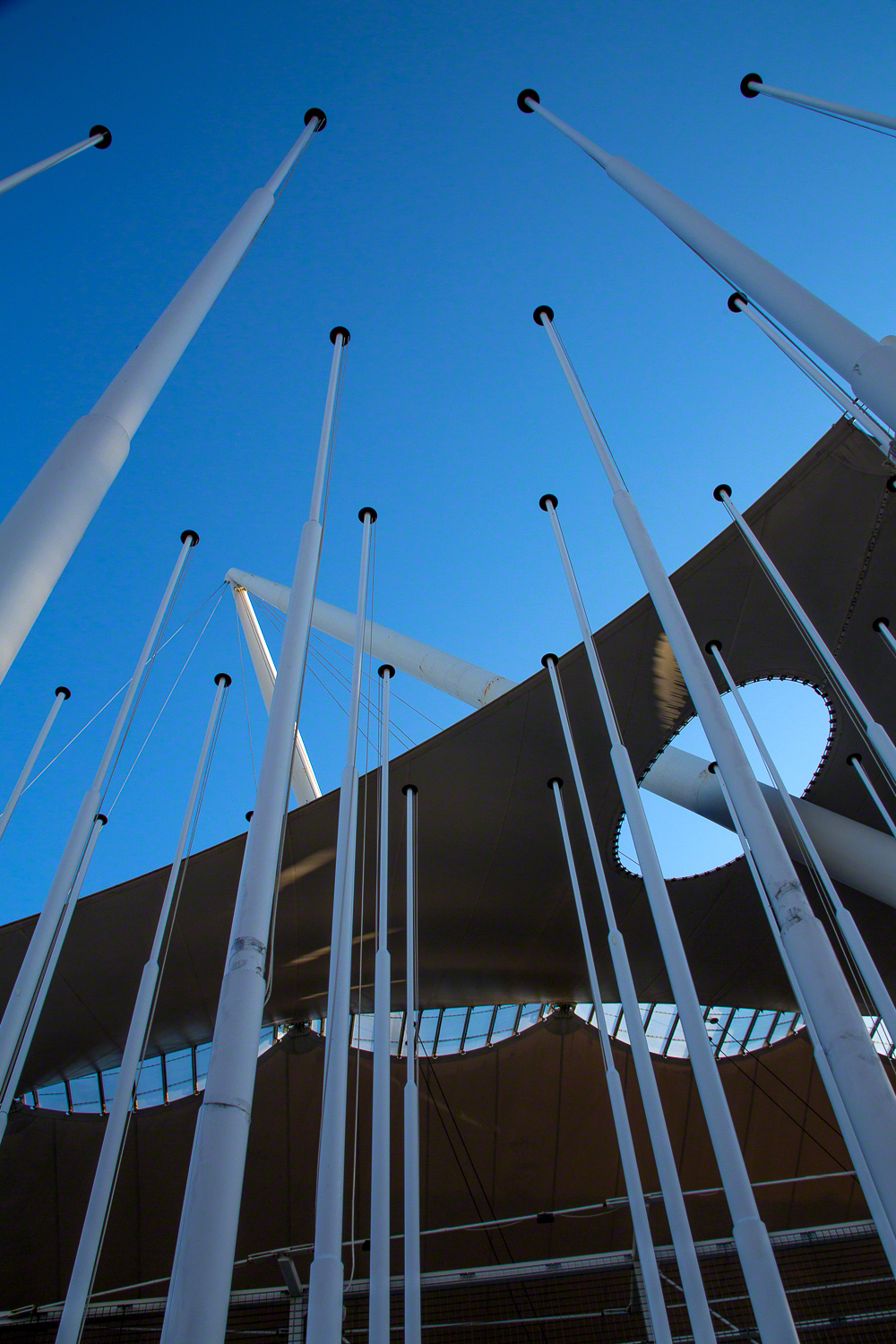
During my springtime in Portugal workshop, I decided to take the class down to a well-known area of Lisbon that was totally different than what one would expect from this enchanting city of “Seven Hills”. It was the convention area full of beautifully designed buildings.

Walking around one morning I saw off in the distance a group of flagpoles and led my fellow photographers straight to them. I stood back to see how they would all approach this somewhat common subject matter and watched as they began taking their photos.

I waited for a while to see if anyone would follow my advice and look at things not in an orderly fashion, but in a way that would shake up the viewer…so to speak.

What I started seeing was a group of people walking around trying as hard as they could to take these flagpoles and create an interesting photo with them. One that would comply with my six second rule (I hate rules); all I saw was frustration.

I gathered my flock, put them all right smack dab in the middle of them, and had them lie down on their back and look up through their viewfinder. It must have seemed a touch strange to the people that were walking by scratching their heads!!

This innocuous group of orderly poles became a pattern of chaotic lines and immediately had all of them mesmerized as a result.

Visit my website at www.joebaraban.com, and check out my workshop schedule at the top of this blog. Come shoot with me sometime. This coming January Along with William Yu, I’ll be taking a group to China to photograph the flooded rice terraces and also the tribal villages. Next February in conjunction with the Santa Fe Workshops, I’ll be returning to Cuba for the fourth time. My next springtime workshop will Berlin next May; an incredibly beautiful city.

JoeB

Food For digital Thought: Harmony

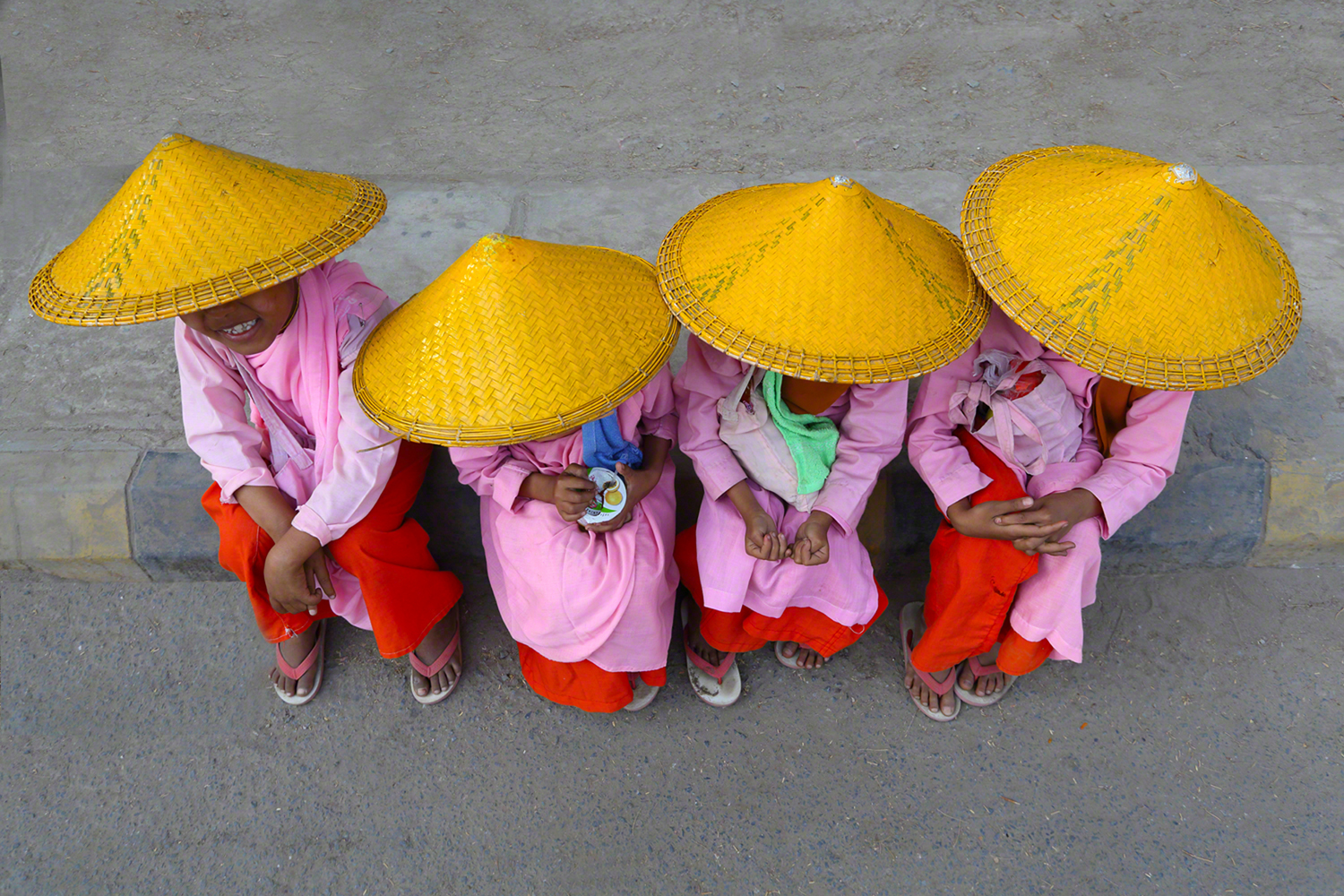
Triadic Harmony

Although it would be nice if everyone lived in harmony with one another, that concept will most probably have to wait. Until then I would like to talk about something that can happen right now, and that would be to seek out and use colors that are in harmony with one another in your photos.

Since my background is not in Photography but in painting and design, I’ve learned through my studies which color is in harmony with another. I taken that knowledge and have applied it to my love of photography. By the way, I still consider myself an artist, I’ve just switched the medium from a paintbrush to a camera.

I tell my students that take my online classes with the BPSOP, and those that have taken my “Stretching Your Frame of Mind” workshops I conduct all around the planet that a camera on a tripod is just like a blank canvas on an easel. I talk a lot about color since it’s a basic element of visual design, and should be thought of as a very important tool in creating those works of art…the same ones you find on a canvas.

The methods we use to gain attention to our photography will vary, but what’s important is how we manage what the viewer perceives and processes when looking at the visual information we lay out to him in the form of a photograph. Humans rely on perception of the environment that surrounds them. Visual input is a part of our everyday life. Color, and understanding how the viewer perceives color, is what we as photographers have as a tool to present this information in a way that creates a sense of harmony.

 In my opinion we spend far too much time dwelling on so called ‘Rules’ in Photography: The Rule of Thirds (the silliest of them all), The Leading in Rule, Never Clip the Highlights, are three that come to mind and I’ve written posts about them going back six years.

We also think about shutter speeds, DOF, cropping (please don’t do that!), White Balance, etc., etc., ad nauseam. I can tell you that color should be considered right alongside every other facet when composing your photo.

Color is a great resource when trying to get across an emotion, drawing the viewer into our photos, making the subject stand out against the environment he or it is in, creating visual tension, visual interest, balance, and a sense of order in our present day chaotic world.

Ok, let’s first talk about ways to achieve harmony through the color wheel, which as a trivia question for you to someday know, it was invented by Sir Issac Newton….yes it’s the same guy, the one who discovered gravity.

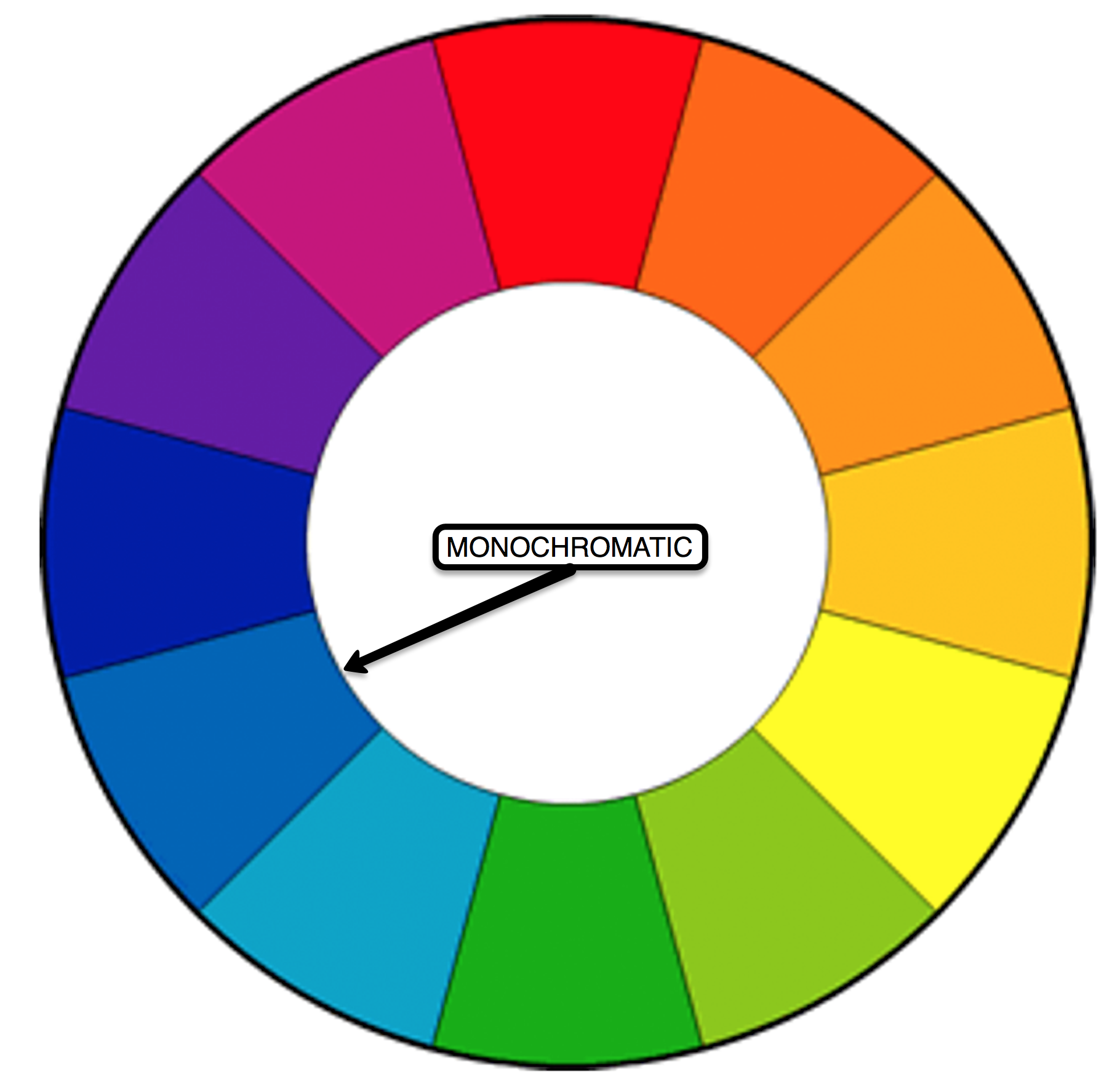
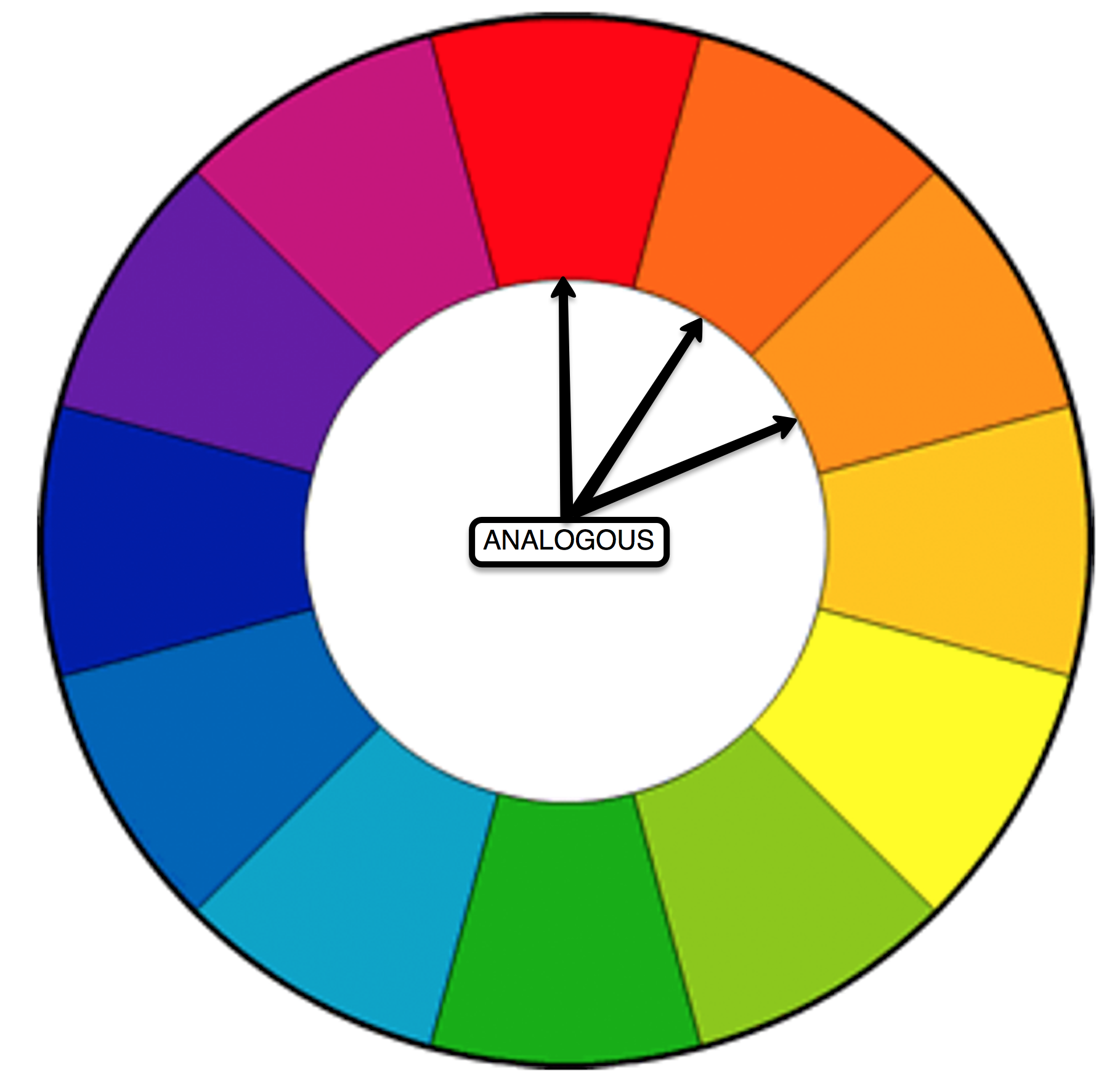
There are four main ways to create harmony using color: Using Monochromatic, Analogous, Complementary, and Triad colors.

The word monochromatic would usually conjure up the old black and white days, but it can also apply to color. In this application it’s made up of just one color, and different shades of it. This will create a visually balanced and appealing photo, albeit one that’s low in contrast; good to use when you don’t want a particular object stand out from the rest of the environment.

 Analogous colors are those that are next to one another on the color wheel. They live in harmony because of the similar hues. They’re pleasing to the eye and appear more often in nature than monochromatic and complementary colors do. That said, if you’re looking for contrast these colors wouldn’t be my first choice…complementary colors would.

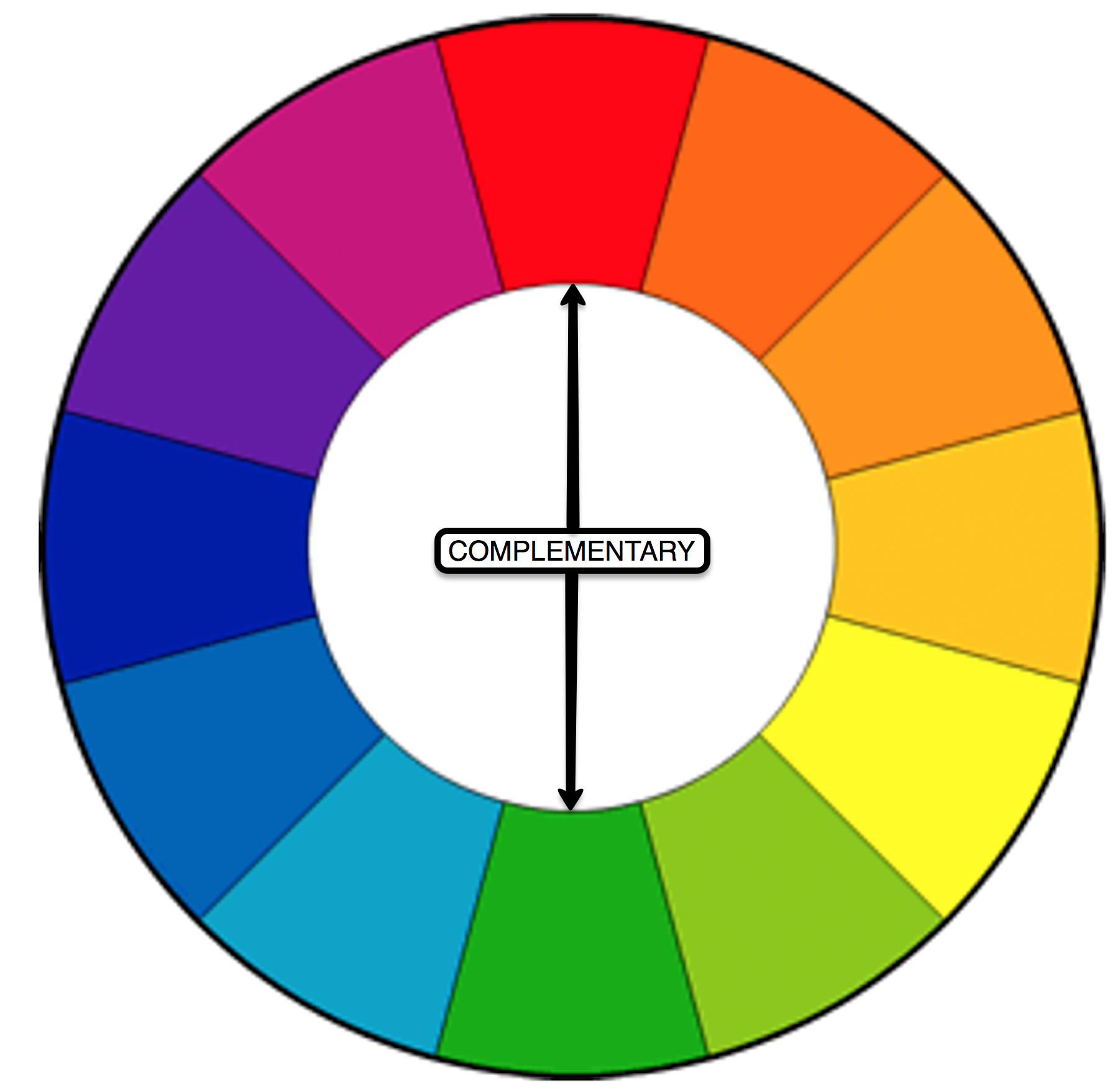
Complementary colors are those that are opposite one another on the color wheel. They generate visual tension because of the contrast of one to another.

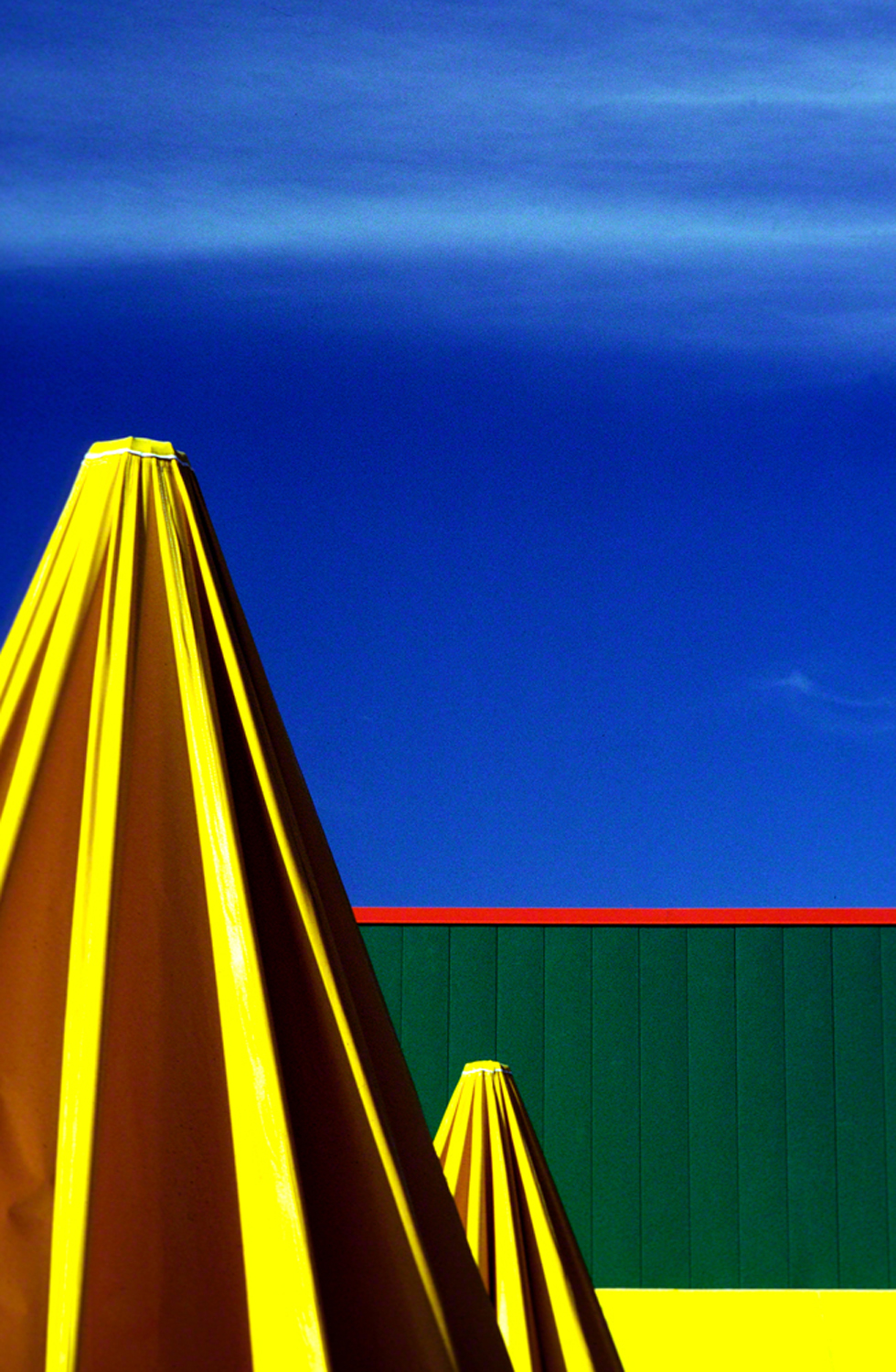
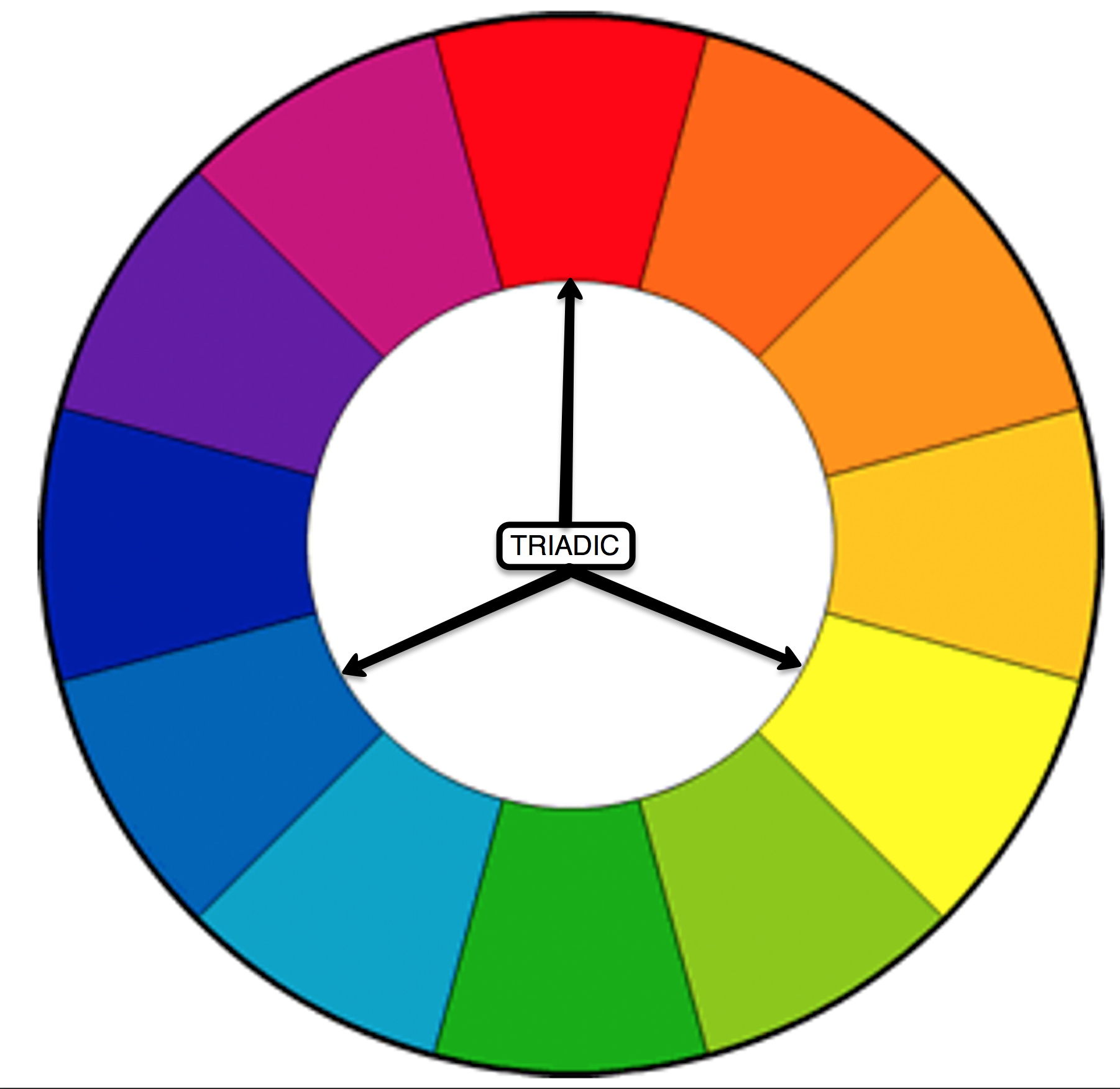
Triadic colors on the color wheel are those that are evenly spaced on the color wheel, and will form a triangle. When using this form it’s important to achieve balance between the three colors.

Pre-visualization” is one of the guidelines in my “did it do it” list for good composition I pass out to my students. Being aware of colors that are in harmony and the effects it will have on the viewer will help you do just that…pre-visualize.

So my fellow photographers, the next time you go out think about all the tools you have on hand and make sure color and the harmony are included. Observe the effects colors have upon each another, study the color wheel and become a student of their visual relationships.

Visit my website at: www.joebaraban.com, and check out my workshop schedule at the top of this blog. Come shoot with me some time. This coming January Along with William Yu, I’ll be taking a group to China to photograph the flooded rice terraces and also the tribal villages. Next February in conjunction with the Santa Fe Workshops, I’ll be returning to Cuba for the fourth time. My next springtime workshop will Berlin next May; an incredibly beautiful city.

If you send me a photo and question to AskJoeB@gmail.com, I’ll create a video critique for you.

JoeB

Golden Hour: A Romantic Expression Or A Practical Phrase?

A romantic expression and a practical phrase.

I recently had a student taking my online class with the BPSOP submit a picture that was obviously shot under an overcast sky with no directional light. In other words no light except the gray ambient kind.

Thinking back, I also remember people taking my “Stretching Your Frame of Mind” workshops talking about shooting in the Golden Hour, but not completely understanding exactly what it meant.

In the case of the BPSOP student, she told me in her written explanation of the submitted shot that she had taken it in the Golden Hour. For her to say that, to me, was a signal ( a cry for help) that she was expressing more of a romantic expression…and then and there I had to explain to her exactly what shooting during that time actually meant.

She may well have shot this during the last hour of the day, but that’s only half of the concept. The other half is obviously the quality of the light.

Golden Hour is usually just that. The first hour after sunrise and the last hour before sunset. I say “usually” because the time will vary depending on where you are in relation to the equator, and the time of year.

I say time of year because in the summer months the sun gets high and hot very fast and as far as I’m concerned Golden Hour is more like thirty minutes of quality light.

In the winter months the sun doesn’t get up as high and not nearly as strong, so you have a little more time when the light is right…at least for me.

When the sun is this low (either at sunrise or sunset) it will travel through more atmosphere, the angle the light travels to the Earth is longer, and there’s more water vapor that scatters the rays of the sun. This in turn warms the different hues (colors), minimizes contrast, elongates and renders the shadows light, and also keeps the highlights from becoming too overexposed.

Another way to determine Golden hour is to calculate the degrees the Sun is off the horizon. I’ve found that fifteen to twenty degrees fits into the time frame when the sun is low and warm; and what I consider the Golden Hour.

After explaining this to her she quickly picked up on the fact that shooting in the Golden hour is actually a practical phrase.

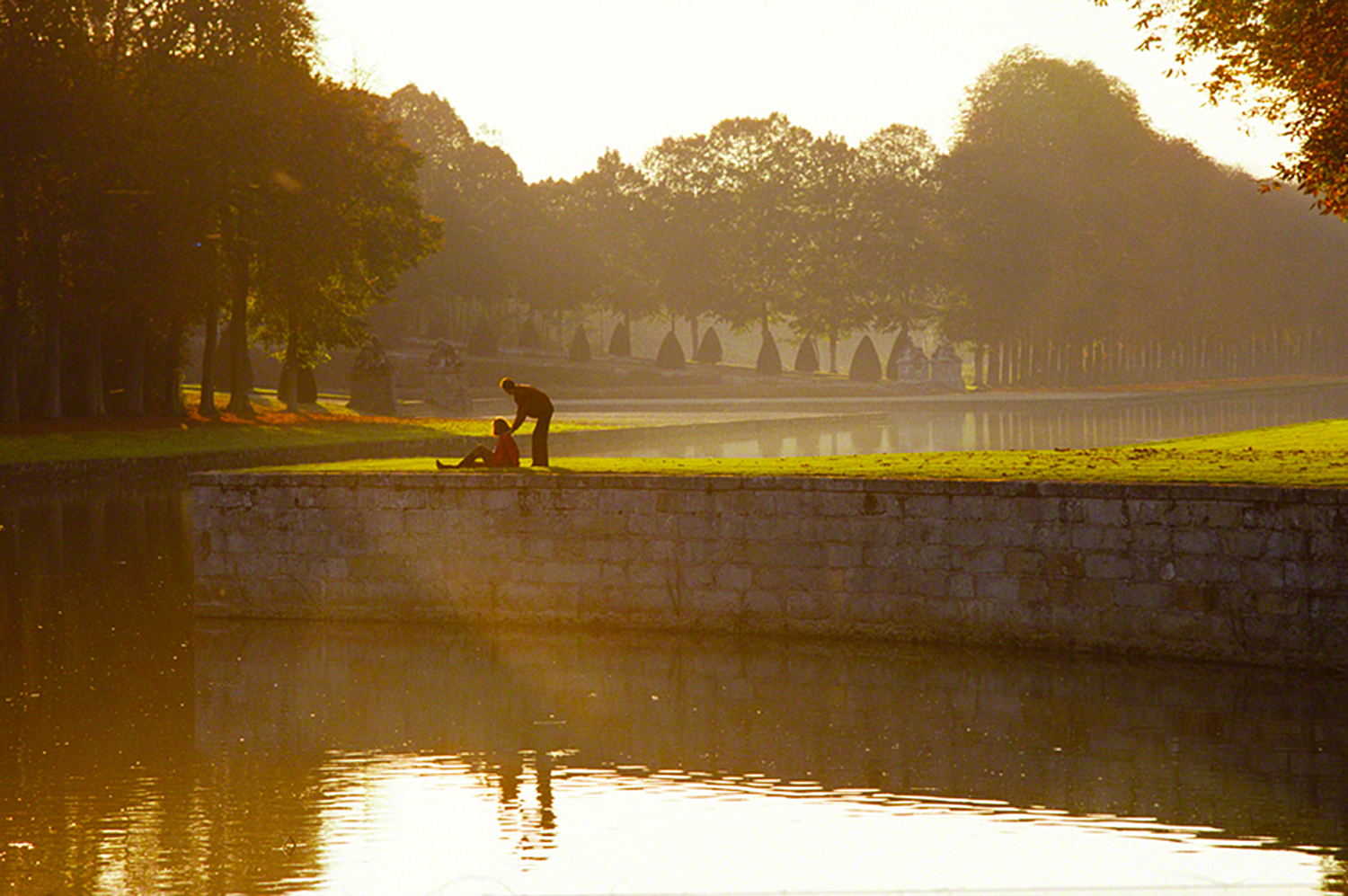
Having said all this, there are certainly times when shooting in the Golden Hour is both a romantic expression and a practical phrase, as in the photo taken above.

By the way, have you ever noticed that sunsets are usually more colorful? Want to know why? The reason the sky can be more dramatic is because of dust, debris and pollution that’s had time to build up during the day. You and I help with both!!! Just people walking around causes the dust and debris to rise into the atmosphere.


Visit my website at: www.joebaraban.com, and check out my workshop schedule at the top of this blog. Come shoot with me some time. This coming January Along with William Yu, I’ll be taking a group to China to photograph the flooded rice terraces and also the tribal villages. Next February in conjunction with the Santa Fe Workshops, I’ll be returning to Cuba for the fourth time. My next springtime workshop will Berlin next May; an incredibly beautiful city.

If you send me a photo with a question to: AskjoeB@gmail.com, I’ll create a video critique for you.

JoeB

Food For digital Thought: The Road Less Traveled

coloring outside the lines

I Invariably have the same conversation in both my online class I teach with the BPSOP, and I now have it down to occasionally in my “Stretching Your Frame of Mind” workshops I conduct around our planet…why so you ask?

Because in my workshops a lot of my fellow photographers have taken either my online classes, several past workshops, or both and they know by now that I always encourage photographers not to take the road well-traveled; take the one with fewer footprints.

After a fifty-three year career in advertising, editorial, and corporate photography, while also teaching for thirty-four of those years, I’ve talked to a wide variety of photographers that are content with listening to others tell them (in so many words) to follow the rules, aka, the Yellow Brick Road and at the end of said road will be a great and powerful wizard that will show them the road to photographic Nirvana; the ultimate happiness and spiritual liberation.

But perhaps they won’t find a great and powerful wizard, maybe they’ll find an old circus magician from Kansas (that would be Oz) that will instead take them straight down the one-way road to mediocrity…and a state of non-creative purgatory.

YIKES!!!

Without sounding like someone that always assumes the worst, it seems to me based on years of experience, most photographers out there are afraid to step out and color outside the lines; better safe than sorry is their motto. They have their close friends and family to tell them that their pictures are wonderful, and that can be just good enough; enough to get you through the day.

I’ve found that the majority of the students that come to me are not sure of themselves, and without some level of confidence they trust others to guide them; when in fact they just might know more than those offering advice.

What’s the worst that can happen? They’ll laugh at your art, call you names behind your back, make you cry in front of strangers, and maybe even kick you out of their camera club!!!

There are worse things in life; however, I can’t think of any as I write this post.

🙂

In my opinion you should venture out, get some dirt on your shirt while looking at things from a different perspective. Forget about encountering the ubiquitous negative viewer that may not like what you’ve created in the form of a photograph. Your first attempt may or may not be a “wall hanger”, but that’s to be expected. One has to learn how to balance themselves while trying to stand up and stand before they can walk, and walk before they can run.

Open your eyes to new ways of thinking. Try to remember you’re an artist with a camera as your medium. Work on making not just taking pictures. Bob Marley conveyed it best when he said, “Some people feel the rain while others just get wet”.

Take some chances and follow the road less traveled…even if it means getting wet.

Visit my website at www.joebaraban.com, and check out my workshop schedule at the top of this blog. Come shoot with me some time. This coming January Along with William Yu, I’ll be taking a group to China to photograph the flooded rice terraces and also the tribal villages. Next February in conjunction with the Santa Fe Workshops, I’ll be returning to Cuba for the fourth time. My next springtime workshop will Berlin next May; an incredibly beautiful city.

JoeB

Food For digital Thought: Implying Content Outside the Frame

Content outside the frame

I’m closing in fast on fifty years of taking pictures, and by now I’ve learned how to keep the viewer an active part of my images.

I do this to keep him looking at my images for as long as possible, and I don’t know about you but I like for people to enjoy my photography.

There are ways to control how the viewer perceives and processes information that you lay out to him in the form of a photograph. For me, creating stories for the viewer to listen to visually, or making the viewer wonder about certain things in my images, is one of the best ways to keep him around longer.

 One way, and something I’ve been doing for a very long time, is to imply content outside the frame. In other words let the viewer think there’s more to it than meets the eye; there’s something going on outside the frame that he wonders about and tries to figure out just what it is…which keeps him around.

By placing the subject close to the edge of the frame and have him/her looking out will imply that there’s something happening  just outside his field of vision. I like to have the subject smiling as though he/she  was looking at someone they know.

I can’t tell you how many times I’ve offered this suggestion to both my online classes with the BPSOP, and to the people that sign up for my “Stretching Your Frame of Mind” workshops I conduct around the planet.

The response I often get is, “I’ve always been told to have your subject looking, walking, riding, etc., into the frame”; the Leading in Rule…I hate rules!!! Rules are the iron shackles that bind creativity. What I usually tell them is that anyone that tells you this nonsense is hoping to lead you down a one-way path to mediocrity; run away from them as fast as you can.

FYI, Ansel Adams once said, “There are no rules for good pictures, there’s just good pictures”.

So my fellow photographers give it a try, better yet shoot it both ways. Put your subject in the Rule of Thirds (another stupid rule), or have him looking into the frame so the viewer will know what he or she is looking at…then ask yourself if the viewer already knows what he’s looking at then there’s no story, nothing for him to wonder about so why stick around longer than he has to. Then place the subject close to the edge of the frame looking out and compare them side by side.


Visit my website at: www.joebaraban.com, and check out my workshop schedule at the top of this blog. Come shoot with me some time. This coming January Along with William Yu, I’ll be taking a group to China to photograph the flooded rice terraces and also the tribal villages. Next February in conjunction with the Santa Fe Workshops, I’ll be returning to Cuba for the fourth time. My next springtime workshop will Berlin next May; an incredibly beautiful city.

Send me a photo and question to: AskJoeB@gmail.com, and I’ll create a video critique for you.

JoeB

Quick Photo Tip: Implied Photographs

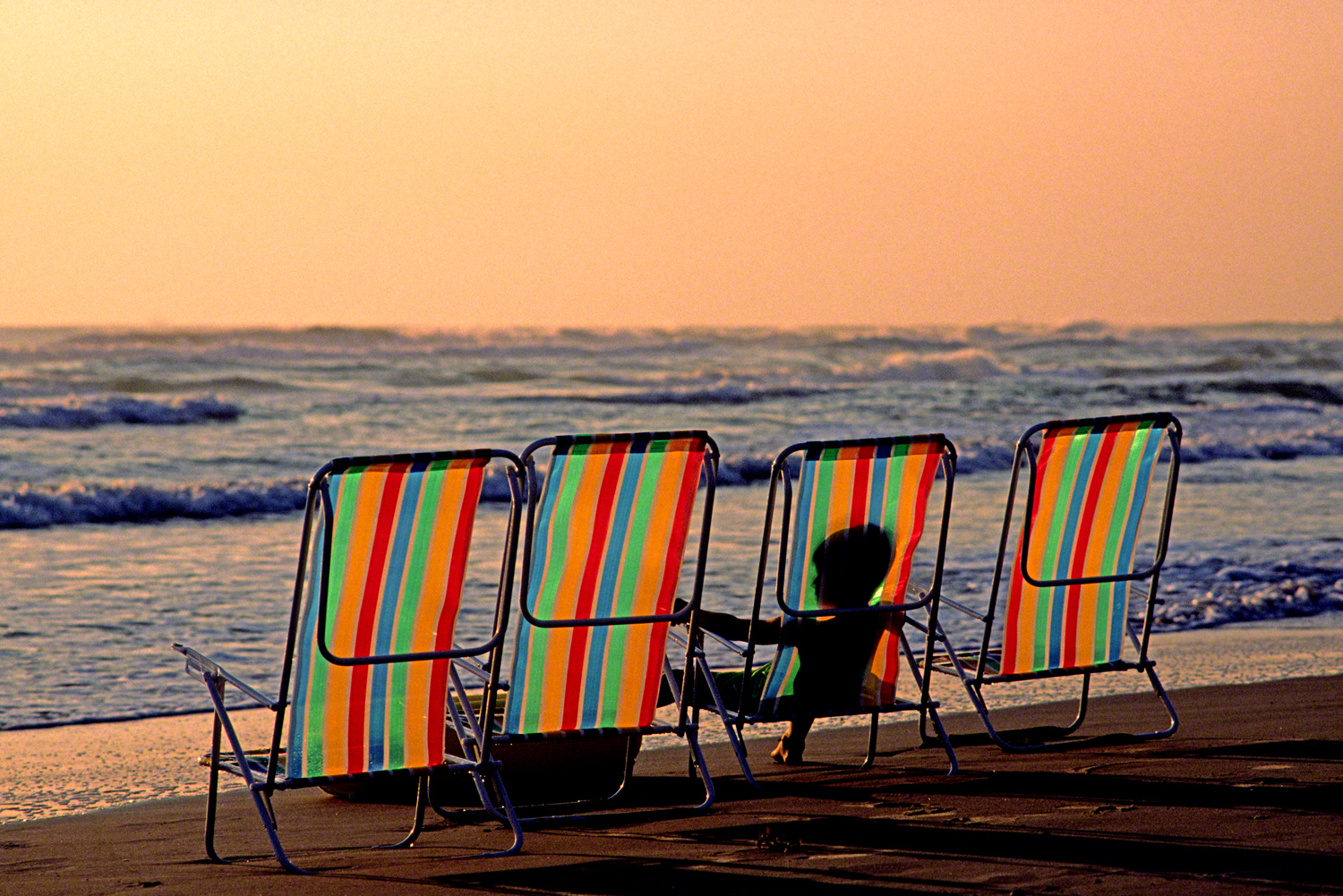
A family of four

I was relating a story to a fellow photographer that was taking my “Stretching Your Frame of Mind” workshop (who had also taken my two online classes with the BPSOP) that I conduct around our planet. I was telling him how I could imply a family of four by only showing one person. It was for a Texas Tourism campaign I worked on about a million years ago.

Every year they sent a photographer down to South Padre Island, a resort area way down on the Texas gulf coast and close to Mexico; and had been doing this for quite some time.

As always, they wanted the photographer to show a family of four on the beach. I asked the art director if we had to do that once again since to me it was a boring predictable photograph that had been done just about every way there was; needless to say his answer was , “Yes absolutely, and if we don’t come back with that shot it’s going to be a problem”.

Well I can tell you that there was no way I was going to take a photo that had been done so many times before me…even though mine would be the best they ever had!!!!!!

🙂

In the above photo, an idea came screaming into my head so I told the art director that if I could imply a family of four could he sell it? He was as tired as I was of shooting the same photo year after year, so he said, “Maybe”?

I went to a general store for tourist on the boardwalk and found what I was looking for…four colorful beach chairs that would glow when backlit. We put just one kid in the chair and left the other ones empty. The art director loved it and would up selling it to the client.

A couple on the seawall

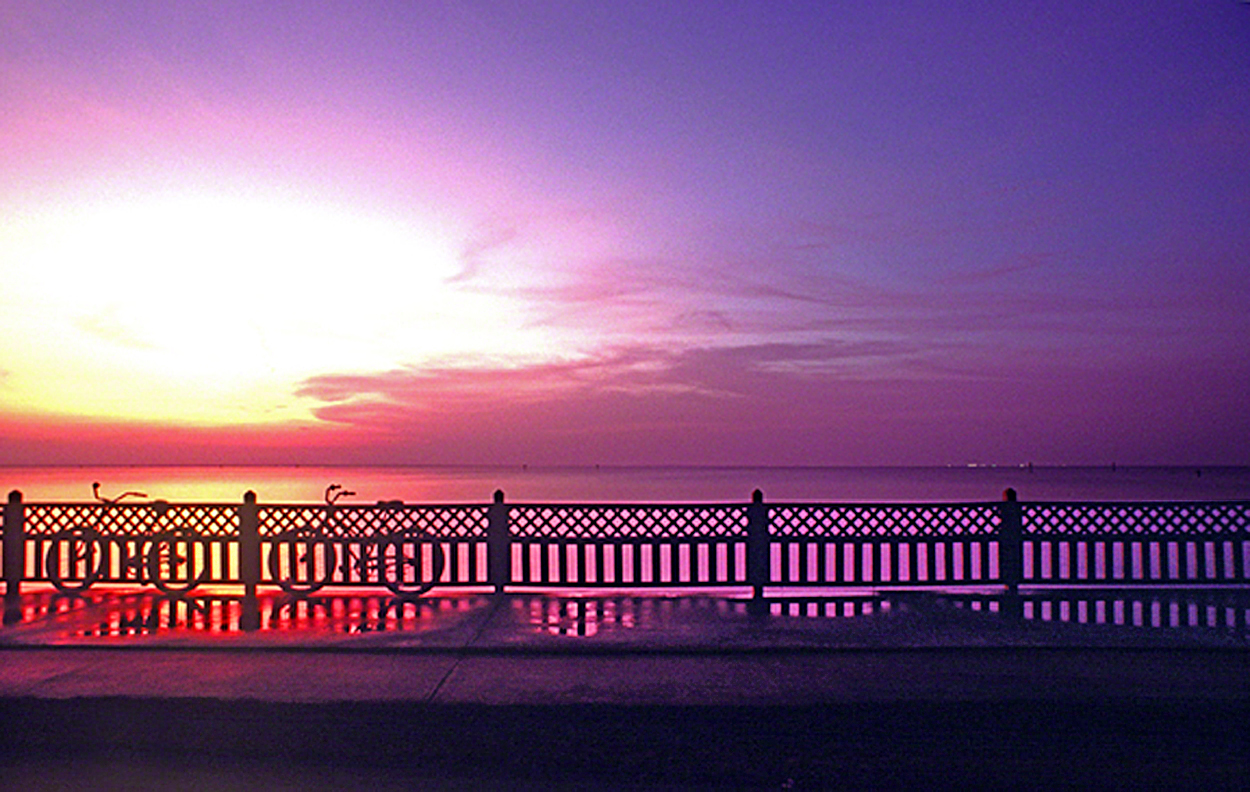
In the photo of the two bicycles almost the identical story happened. This photo was taken for Alabama Tourism, and as always they wanted a couple riding on the seawall. Once again I asked the art director about an idea I had that would imply a couple without showing them; and once again it worked.

So my fellow photographers, you don’t have to be literal when you’re shooting. Think about implied photos so you can give yourself a much better chance in “coloring outside the lines”.


Visit my website at: www.joebaraban.com, and check out my workshop schedule at the top of this blog. Come shoot with me some time. This coming January Along with William Yu, I’ll be taking a group to China to photograph the flooded rice terraces and also the tribal villages. Next February in conjunction with the Santa Fe Workshops, I’ll be returning to Cuba for the fourth time. My next springtime workshop will Berlin next May; an incredibly beautiful city.

Send me a photo and question to: AskJoeB@gmail.com, and I’ll create a video critique for you.

JoeB

Food For digital Thought: Making New Friends

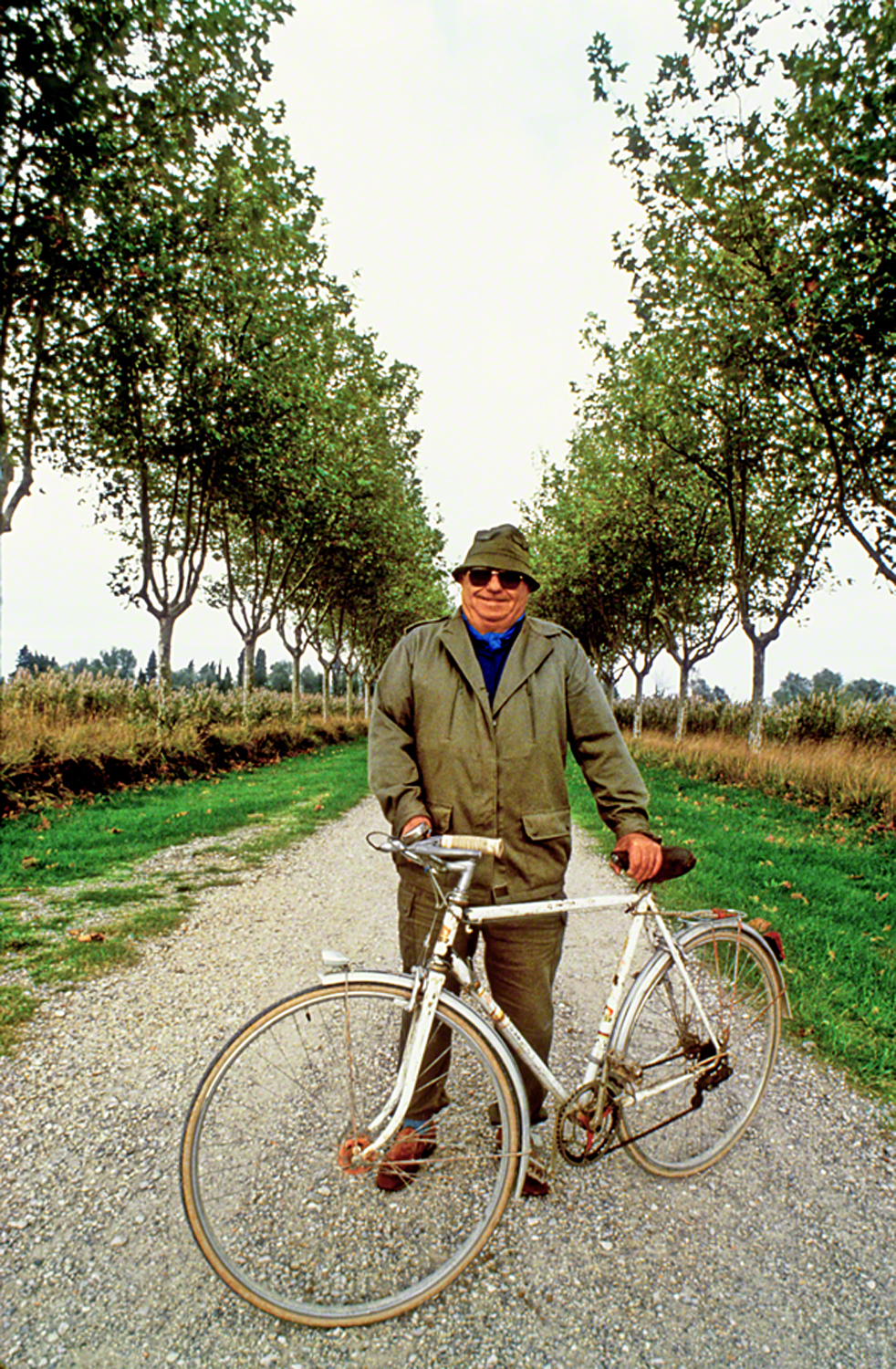
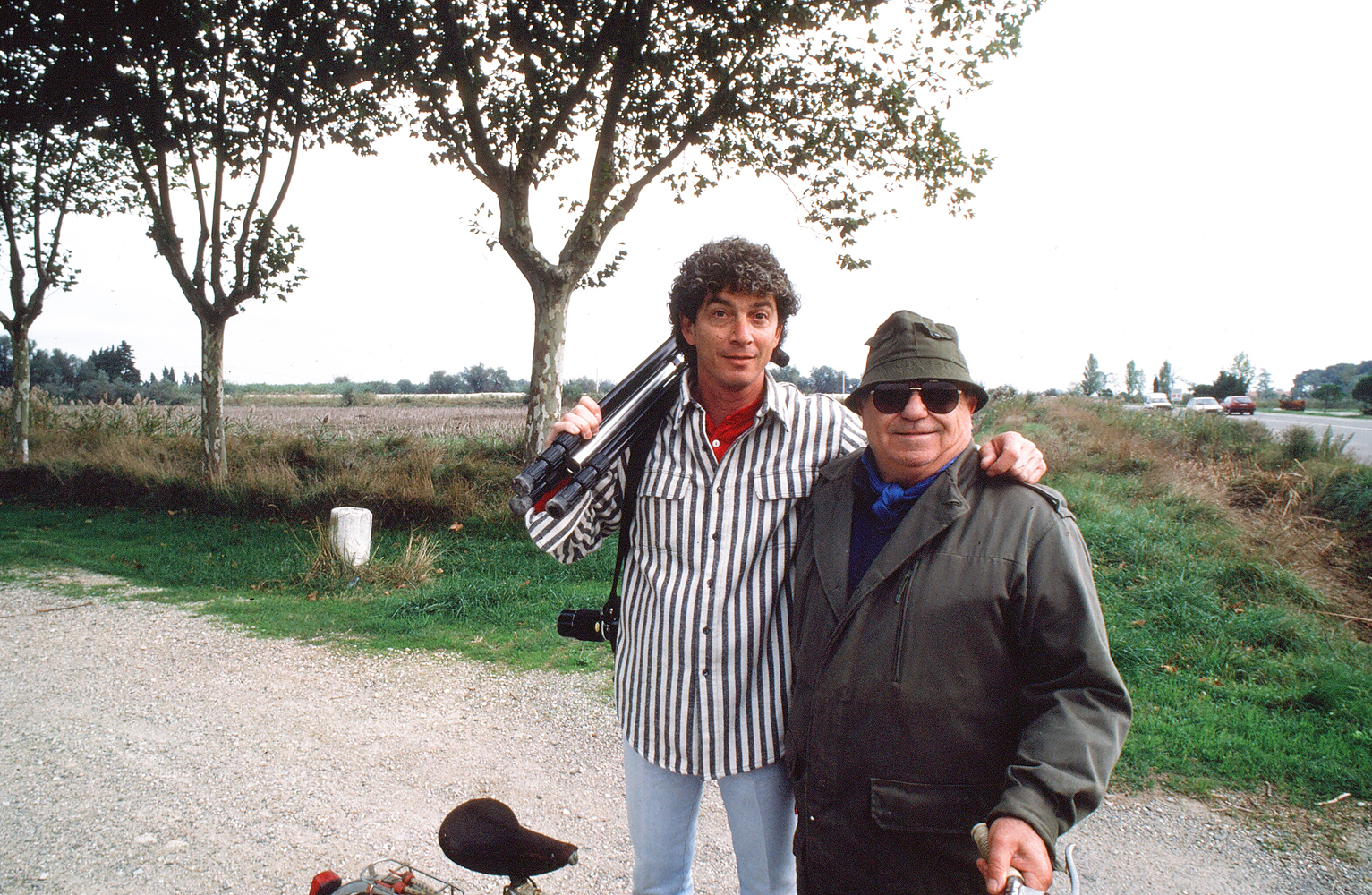
He couldn’t speak English, I can’t speak French.

I’ve been shooting closing in (fast) on fifty years, and to me being a photographer has always been sort of a calling card, a way to introduce myself and meet people all over the world. Lifting up your camera and aiming it at someone hoping to take their portrait is for me, such a small part of the total experience.

If you want to go home with more than a few photos of people you’ve taken either on your vacation, or during a workshop, then I suggest you get to know your subject before moving on. I realize that there might be time restraints especially if you’re traveling with a group of non-photographers. but if you’re on vacation you usually have the time to get to know the people whose country you’re in; isn’t that part of your trip?

Yes I know that they might not understand a word you say, but I’ve never had that problem and I’ve traveled around the world.; of course I try to seek out people that speak at least a few words of English. I have also tried to learn a few expressions in their language, and I can tell you from experience that people are more likely to open up to you if they think you’re trying to communicate with them.

Language didn’t seem to be a problem.

As I said, I’m into the total experience so I enjoy hanging around and eventually even having our photos taken together. I would be hard pressed to think of a better way to spread goodwill around the planet than with a camera. Being in the digital age enables us to share the photo with the people whose photo you just took. Just that one small act can make someone smile and perhaps leave that smile on their face for the rest of the day.

I’ve promoted that idea to everyone that takes my online class with the BPSOP, and especially when I’m traveling with people that are with me in one of my “Stretching Your Frame of Mind” workshops. It’s a lot of fun to see how my fellow photographers can get into it and having it be something we remember sitting around in the evening with a glass of wine.

Visit my workshop at: www.joebaraban.com, and check out new workshops as I add them in 2018. Come shoot with me sometime. I have two spots left in my joint workshop with William Yu to photograph the tribal villages and rice terraces in China

I have two spots left in my Springtime Workshop in Berlin starting May 23rd. My sixth workshop in conjunction with Santa Fe to Cuba is now open to register. It begins February 11th.

Send me a photo and question to: AskJoeB@gmail.com, and I’ll create a video critique for you.

JoeB

Quick Photo Tip: You Can Never Go Back

This building was gone in two days.

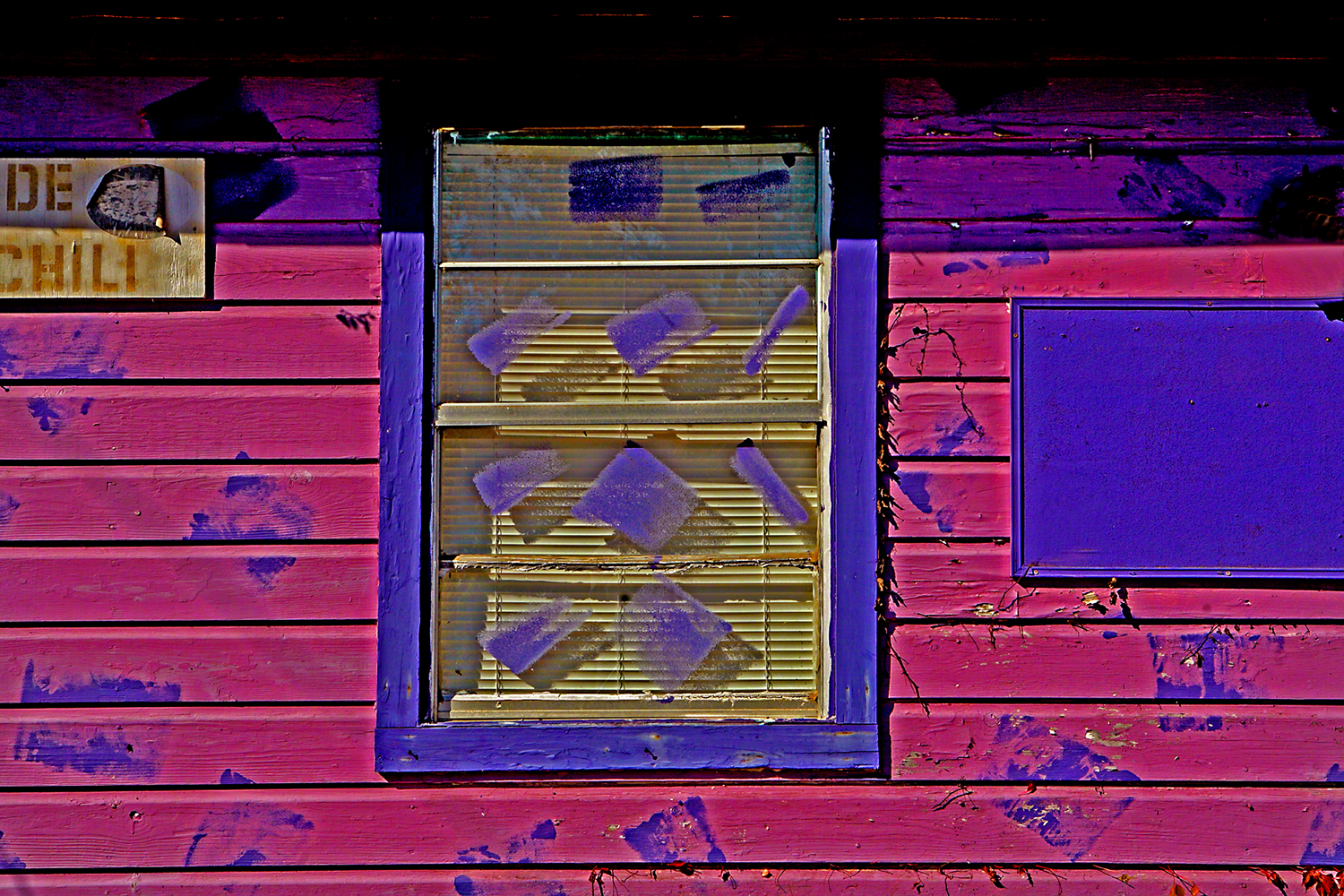
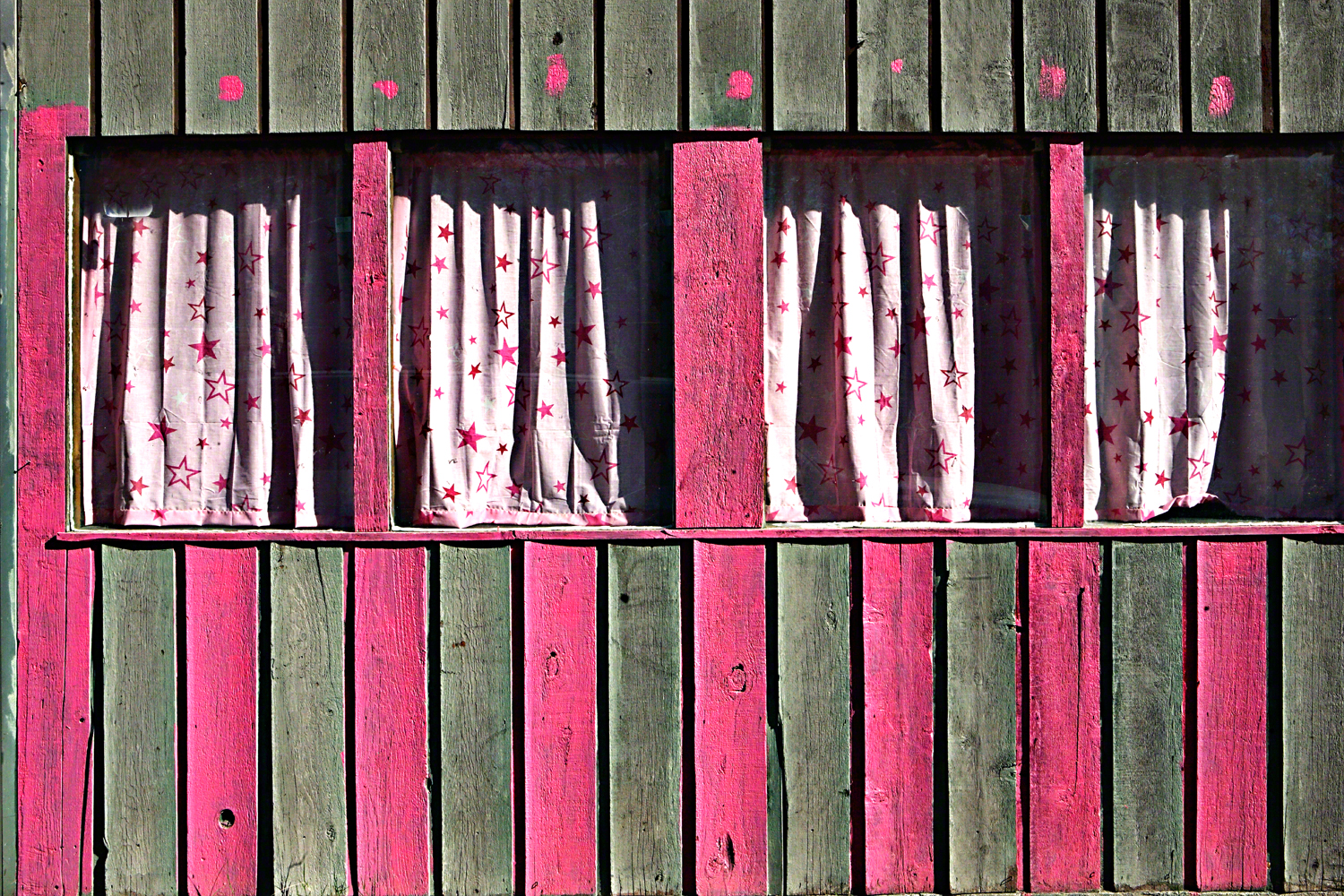
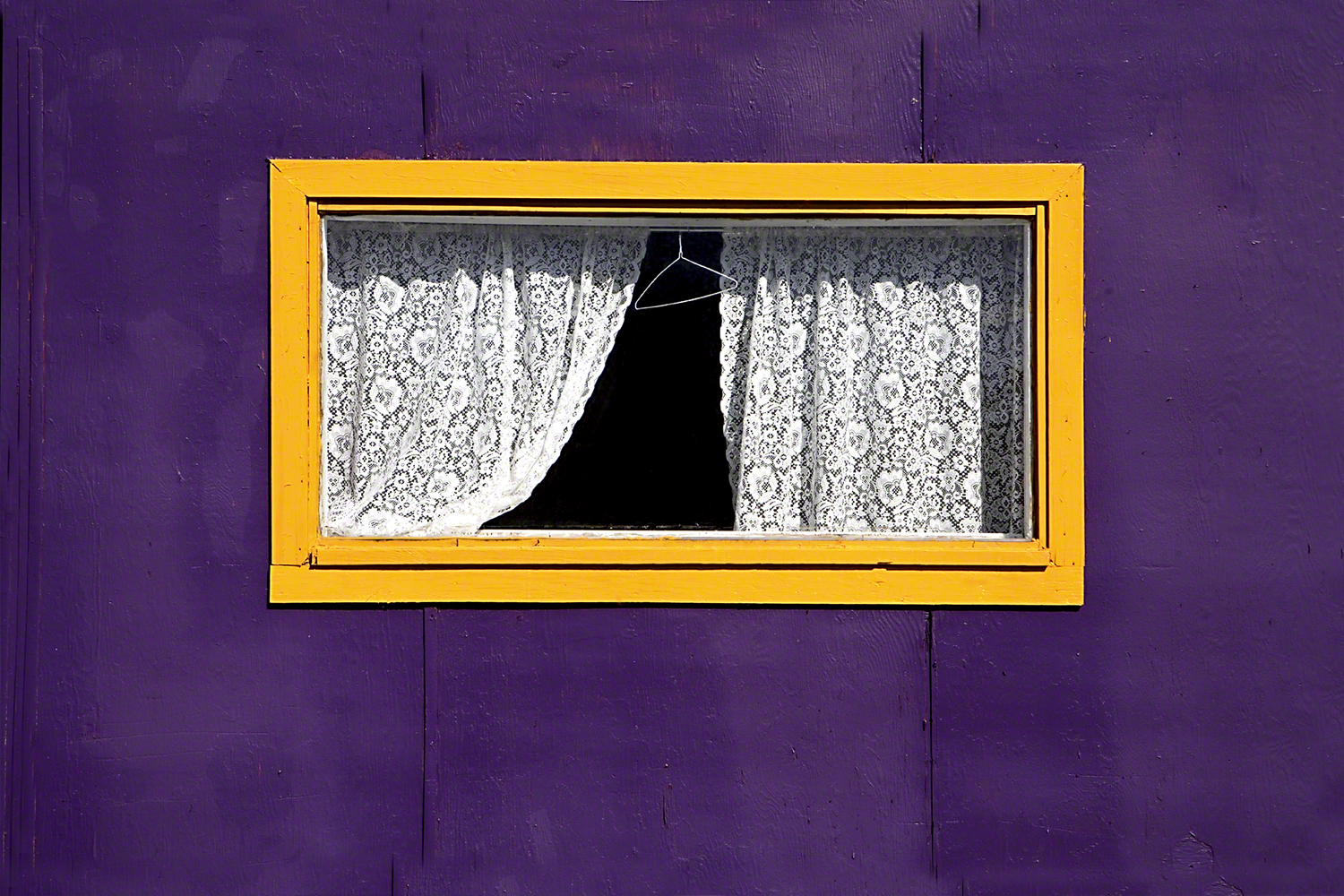
Even though I’ve realized this for most of my career, it didn’t really come into focus until I started working on my fine art series called Window Dressings.

Besides working on great advertising and corporate assignment that took me around the world, the biggest kick I get is when I load my dog into my car with my camera bag, a map, and an ice chest and head out for parts unknown; without a clue as to where I’m going.

My goal is to find great looking old worn-out windows, windows that if they could speak what would they tell me. Imagining who the last person to look out the abandoned window was and what they saw before leaving for good.

I come to an intersection on an interstate or two-lane blacktop and flip a coin as to what direction I’m going to go in, and look for small towns that have a center square with streets running out in all directions.

This building became a dance studio.

Unfortunately, I don’t have the luxury of coming across one of these windows when the light is low on the horizon. I take what I can get at the time I pull up to one of them. I’m certainly not going to try and come back to it under better lighting conditions, especially when I’m trying to cover as much ground as I can in a few days. But that’s just half of it.

When I’m talking to my online students with the BPSOP, and observing photographers that are with me on one of my “Stretching Your Frame of Mind” workshops I conduct around our planet.

I will often hear from one of them that they plan on going back to shoot something at a later date for one reason or another, usually because they just didn’t want to take the time or had something else to do; even though it had great possibilities.

I’m here to tell you that there’s a very good chance that when you do decide to go back it won’t be the same. There might be a large truck parked just where you were going to stand, there’s a construction crew that has roped it off, inclement weather, it just might not be there anymore, or a brand spanking new security guard shaking his head no.

This window had been boarded up in a week.

Case in point, the photo at the top was taken on the way to my lakehouse just outside Crockett Texas. I had never noticed it before and really didn’t have a reason to. I passed by it and after a few miles, I had the feeling that I better turn around and take a closer look at the building. I decided to go back and photograph it; especially since I had one of my cameras and a tripod.

As it turns out, it’s one of my favorites and my intuition was right. Coming back from Crockett on my way back home in Houston I looked to where the Mexican restaurant had been just to days before and now it was gone…as in where did it go in two days!!

And so my fellow photographers, if you see something that tickles your fancy don’t think you’ll just go back at a later date. Stop and shoot it right then and there…even if the light isn’t ideal. At least you have it in the can, and then you can think about going back under better conditions with more time.

Visit my workshop at www.joebaraban.com, and check out future workshops at the top of this blog. Come shoot with me sometime.

JoeB

Food For Digital Thought: Great Camera, Great Typewriter

Taken with my $300 Lumix DMC-LX5

Over the years, it just seems like I get the same feedback from both the students that sign up for my online class with the BPSOP, and my fellow photographers that attend my “Stretching Your Frame of Mind” workshops I conduct around our planet. It’s weird that over the course of a few days I’ll get the exact same thoughts that seem to come in waves of three or four.

Well, it happened again to me, and this time I was walking down the street minding my own business, my Canon EOS 5D Mark III ( now outdated) over my shoulder when I was accosted by a couple that said…since I had such a great camera I must be a great photographer.

Then during a conversation with a couple of online students a few days later the conversation’s focus was about cameras and what ones should we buy. First I started out with this line, “In my opinion, the last person you want to talk to about it is friends, fellow camera club members, and salespeople that make a commission.”

Then I went on to remind them that most cameras (and I don’t keep up with new designs and innovation) have a place to put your finger when you’re ready to take a picture; called a shutter release. They all have a place to put on the lens (unless it’s a fixed lens found on smaller cameras), All DSLRs have a viewfinder where you put your eye to compose your pictures.

Continuing into the exchange of ideas, I said that those three things are all you need to create memorable photos…why they asked? Because, I told them, that it’s not the camera but the ten inches behind it that’s important; the most important piece of equipment.

All cameras have the ability to let you see just enough to compose a picture, then it’s up to you to perceive what’s in front of you and realize when you have enough information to process, thus resulting in a good shot; that’s the tricky part.

Ok, I’m not telling you not to buy a good camera, because there are advantages in doing just that. I will advise you to do some research, read the reviews when possible, and find the camera best suited to you, your needs, and what level you’re at now or want to be in the future.

Staying in this vein of logic, I will tell you what I often tell people that are in a position to buy new photography equipment..of any kind. Buy the best you can so you only have to cry once. You take care of your camera and it will last you a lifetime of enjoyment.

Having said that, I leave you with this…you have a great camera, so you must be a great photographer. is like saying…I’ve read all your books, you must have a great typewriter.

🙂

Visit my website at: www.joebaraban.com, and check out upcoming workshops at the top of this blog. Come shoot with me some time.

Send me a photo and question to: AskJoeB@gmail.com, and I’ll create a video critique for you.

JoeB

Food for Digital Thought: Slow Down and Smell the Roses

When I slowed down and started smelling the roses, I saw this right before my eyes.

I’ve been an advertising and corporate photographer for almost fifty years and I’ve also been teaching my “Stretching Your Frame of Mind” workshops for thirty-four of those years and an online class with the BPSOP for six. One occurring theme throughout all these years is when I observe photographers taking pictures…which has happened a lot!!!

🙂

What I just about always see is a student taking a photo without taking any time at all between the time he/she first sees something they think is worthwhile enough to bring the camera up to their eye, to clicking the shutter, to moving on to look for something else to shoot. They don’t spend enough time smelling the roses.

They will invariably walk up to a subject or location, shoot the first idea that comes to mind, and then move on leaving a lot still ‘on the table’. By the way, the photograph is usually taken at eye level and horizontal since it’s the easiest and less stressful way to compose.  STOP!!! Don’t leave!!! Use this first shot for what I call the ‘Master Shot’ and stick around to observe what else is going on.

I’ve seen photographers that have become stronger shooters put a lot of undo pressure on themselves to continue the upward path they’re now on. This is the time to relax and enjoy your new way of seeing things.

Look at your subject from as many different positions as you can. While doing so check out where the sun is and how it’s affecting your composition. Btw, this is probably what I see happening the most when I observe my fellow photographers about to take a picture. I can tell you that your odds of coming back home with a good photo will greatly increase if you just take a second to observe what’s going on around you.

Having said all this, there’s going to be times when you don’t have the extra time to think before you shoot. I’m talking about street shooting when capturing the moment is essential in creating strong memorable images. Of course, if you’re always thinking about what I’ve been saying you have an even better chance of capturing that moment in time and have great light on your subject at the same time…and this can be somewhat controlled…how you say?

By picking the side of the street to walk on. If I’m walking on the shady side of the street I’m going to look for ways for the sun to hit certain areas. For example buildings of different sizes next to each other, intersections close together allowing light to come down the street highlighting some areas and keeping some in the shadow…a great combination.

If I choose to walk on the sunny side I then look for areas in shadow. Remember that the use of light and contrast are two ways to generate visual tension.

All this boils down to one thing to remember. Think before you act, slow down, and smell the roses.

Visit my website at: www.joebaraban.com and check out upcoming workshops at the top of this blog. Come shoot with me sometime.

Send me a photo and question to: AskJoeB@gmail.com, and I’ll crate a video critique for you.

JoeB