famous photo quotes

My Favorite Quotes: The Temptations
It was a smiley face winking at me.

I usually read or hear something first that get my attention and gives me some of my ideas, then I apply it to conversations I have with my  fellow photographers that sign up for my “Stretching Your Frame of Mind” workshops I conduct around the planet. In this case I had the idea/feeling before hearing or reading it somewhere, and followed it up by searching the web to see if others experienced similar ideas or feelings.

The feeling I had was when I remembered my mother always telling me that I had a huge imagination and it was always running away with me.

im·ag·i·na·tion

iˌmajəˈnāSH(ə)n/
noun
noun: imagination; plural noun: imaginations

“The faculty or action of forming new ideas, or images or concepts of external objects not present to the senses. The ability of the mind to be creative or resourceful”.

Here’s what made me remember that:

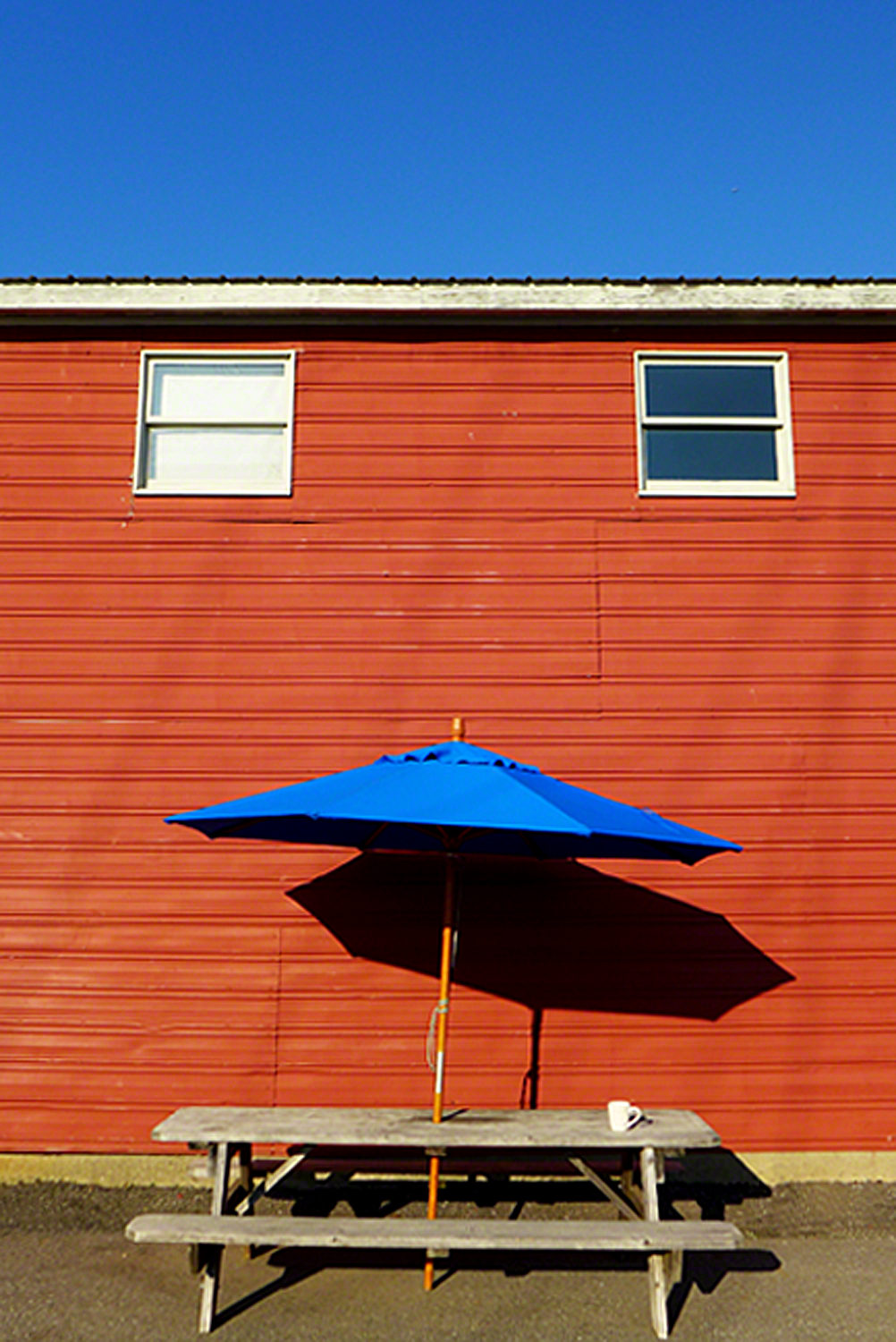
I was in Rockport, Maine conducting a workshop and while shooting down the road in Camden, I saw a table with an umbrella and a coffee cup against a wall. I moved the table over to the right to avoid a broken window to keep it clean and to have balance and negative space surrounding  and defining it.

When I stepped back to take the photo, I didn’t see what I thought I was going to see, instead I saw a smiley face winking at me!!

The next day I took my class to the Lobster Festival down the road in Rockland (which is the reason I have picked this same week to teach there for thirty-six years) and while walking around I stopped suddenly to take a photo of a man putting batter on fish. All of a sudden I was no longer looking at a man, but instead a living American flag…Old Glory. It was my imagination running away with me once again.
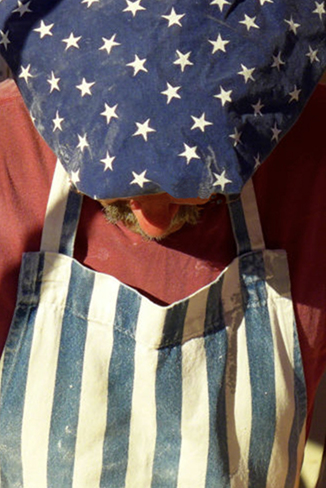
So my fellow photographers, the next time you go out shooting open up your mind and let it wander around. Give it a try, follow it because it just might lead you to a place you’ve never been before.

Use that imagination of yours and you’ll see that it’s a very powerful tool.

Henry David Thoreau once said, “It’s not what you look at, it’s what you see”.

Btw, one of the first things that popped up while searching the web (and what this post is named after and for) was this song, and one of my favorites by the Temptations…how serendipitous was that????????????

Just my imagination running away with me

Visit my website at: www.joebaraban.com, and follow me on Instagram: www.instagram.com/barabanjoe. Check out my workshop schedule at the top of this blog.

JoeB

Famous Quotes: One Picture Is Worth a Thousand Words

One picture tells a story.

How many times in your life have you heard this old adage? For me, I’m putting it at a million to be one the low side. I’ve also said it to my online class with the BPSOP and my “Stretching Your Frame of Mind” workshops as many times. One picture is worth a thousand words can fit all types of applications, for all types of people.

The quote has been attributed to several sources throughout the years from a Chinese proverb to Arthur Brisbane, a newspaper editor who said it in 1911. In any event the meaning has really come to light in the digital era as truth in our new transparent culture. It’s now talked about ad nauseam in social media, but the simple fact is that it’s all about being able to (very quickly) convey so much meaning with so little or no explanation at all in one photograph.

For my fellow photographers it especially has meaning since we talk about it in my online class with the BPSOP, and in my “stretching your frame of mind” workshops I conduct around our planet. Just let your image do the talking for you since you’re not going to be around to share your thought process with the viewer. Unless you’re going for an abstract in which case you’re leaving it up to others to see what they want to see, then it needs to be what I refer to as a “quick read”.

If you’re trying to tell a story, then get to it because it’s not easy to hold the viewer’s attention for very long. Imagine that you’re a cinematographer shooting a scene at twenty-four frames a second. Stop the projector and take one frame out and show it to the viewer. That’s what you’re up against when you’re shooting stills and have to portray whatever it is you’re trying to portray in one image…not like motion where you have some time to get the message across. Btw, did you know that one page in a screenplay is equal to one minute on the screen?

The methods we use to gain attention to our photography varies, but what’s important is how we manage what the viewer perceives and processes when looking at the visual information we lay out to him in the form of a photograph. Visual input is a part of our everyday life, and when you’re trying to gain attention, by telling a story, we want to take immediate control of what the viewer sees when contemplating the message we’re putting out.

In other words as the Notre Dame football teams were know for…”rock em sock em” when it comes to telling it in one photo.

Visit my website at: www.joebaraban.com and follow me on Instagram: www.instagram.com/barabanjoe. Watch for my workshop schedule at the top of this blog. Come shoot with me sometime.

JoeB

Food for Digital Thought: Color or B/W

It's all about capturing their soul.
It’s all about capturing their soul.

When I first starting my career, right at the beginning of recorded history, I knew nothing about color photography. I had studied painting and design my entire life and almost always worked in color.

However, at the time when I was shooting with my first real camera, a Pentax Spotmatic with a 50mm lens, I was shooting in B/W. The reason being that I was also learning all about photography and how to process my film to eventually make my own prints. Color wasn’t an option even if I did know or think about it…which I didn’t.

In 1971, when I started shooting for UPI, AP, and was a Black Star photographer we shot primarily in B/W, so that’s the way I saw things. Besides at that time I was looking for the moment, that moment that assured me that my photo would be bought ( for ten dollars apiece) and transmitted. Color never entered my mind.

To me, that was the best way to shoot B/W…with B/W film. Now, As I tell people in my online classes with the BPSOP, and in my “Stretching Your Frame of Mind” workshops I conduct around the planet, if you’re going out with the intention of shooting B/W, then either look for the action and capturing it or look for the ten different tones that’s between white and black.

As I’ve told my fellow photographers, my background is in painting, drawing, and design. One of the exercises I remember is completing the grayscale with white and black tempera paint. I had to start out with a block of white and by adding a little black at a time get to black in ten steps. We referred it to: 10% of black, 20%, 30%, 40%, 50%, etc. until we got to 100%…pure black right out of the bottle. You might try it sometime. It will help you better understand how we perceive our environment around us without any color.

Contrast will be so important when composing, and you’ll want to have areas of pure white and areas of pure black..as well as the complete tonal range. It takes some getting use to if you’ve never thought that way, but in the long run, I think your images will turn out much stronger than just sit in front of the computer and deciding to convert a color image.

My  B/W image is from those early days when I only thought in B/W. Unfortunately it’s a digital files so it’s lost a lot of the real beauty it had when it was a print.

Btw, Ted Grant, a Canadian photojournalist once said, “When you’re thinking and shooting in color you’re photographing their clothing, and when you’re shooting in B/W, you’re taking pictures of their soul”.

Visit my website at: www.joebaraban.com, and follow me on Instagram: www.joebarabam.com/barabanjoe. Check out my upcoming workshop description at the top of this blog. Come shoot with me sometime.

JoeB

My Favorite Quotes: Robert Frank

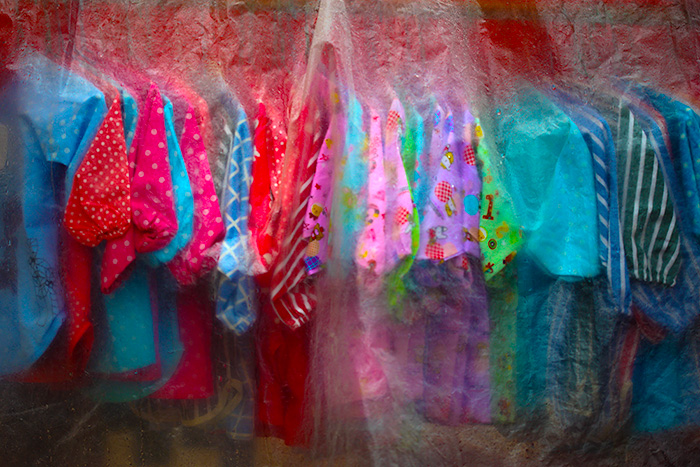
Rural China in the rain.

Every once in a while, I come across a quote that hits me right smack dab in the kisser.  Loving Robert Franks images, I wanted to share one of his quotes with you and explain how it relates to my way of thinking. He once said, “When people look at my pictures I want them to feel the way they do when they want to read a line of a poem twice”.

So, how does that relate to photography? There are several ways that I can come up with that immediately resonated with me:

Imagine you’re at an opening at a photo gallery walking around all dressed up in artful clothing and drinking cheap Chardonnay or Merlot out of the wrong kind of a plastic cup. You’re walking around looking at all the images while talking to you friend about what restaurant you’re going to afterwards.

While you’re talking and walking slow, you are giving each photo a casual glance, but you stop abruptly in front of one of the prints and look at it for more than just a few seconds.

You stop because there’s something there, something that moves you, the way the image treats you with an intrinsic value and brings you into the very essence of what the photographer was trying to communicate.

Another way to keep the viewer around is to be sure to “Make not Take” pictures. When you’re at some location , don’t just walk up to your subject bring the camera up to your eye and take a photo. Think about what you’re doing if you want your photos to stand the test of time.

Take some time to walk around your subject, what is the center of interest? Take a look around the entire location you are about to shoot in. Shoot from different POV, look to see where the Sun or the source of the light is coming from. If you try to sidelight your subject you will be creating depth. Form is one of the basic Elements of Visual Design, and it refers to the three dimensional qualities of an object: height, width, and depth. In order to create the third dimension Depth, you need to sidelight the object, a.k.a., your subject.

I teach these things in my online classes with the BPSOP and also in my workshops. To master just these two ideas will bring the level of you photography what I refer to as “up a notch:”, and will undoubtedly have the viewer giving your images a second look.

Visit my website at: www.joebaraban.com, and follow me on Instagram: www.instagram.com/barabanjoe. Always give my workshop schedule a second look as they occasionally come up. Come shoot with me sometime.

JoeB

My Favorite Quotes: Ralph Waldo Emerson

Smell the Flowers

Ralph Waldo Emerson,  the American essayist, poet, and philosopher, once said, ” Many eyes look through the meadows, but few see the flowers.”

When I first read this quote I immediately connected it to the way I teach both with the BPSOP, and also in my ‘ Stretching your Frame of Mind’ workshops I teach all over the place. From China to Singapore, to most of the countries in Europe, to NY, to LA, to San Miguel de Alende to Cuba and even back home in Houston.

Photographers in general have a tendency to look only at the end of the road and not how they got there in the first place. What it took from where they started to what it took to get them there…to the end. In other words the parts that make up the hole.

This, in part, is the essence behind the Psychology of Gestalt. In order for a photo to stand the test of time it need to bring a lot to the table. Layers of interest I call them, and the more layers you have from the beginning to the end, the start to the finish the better chance it has to hang on your wall, a.k.a., wall hangers.

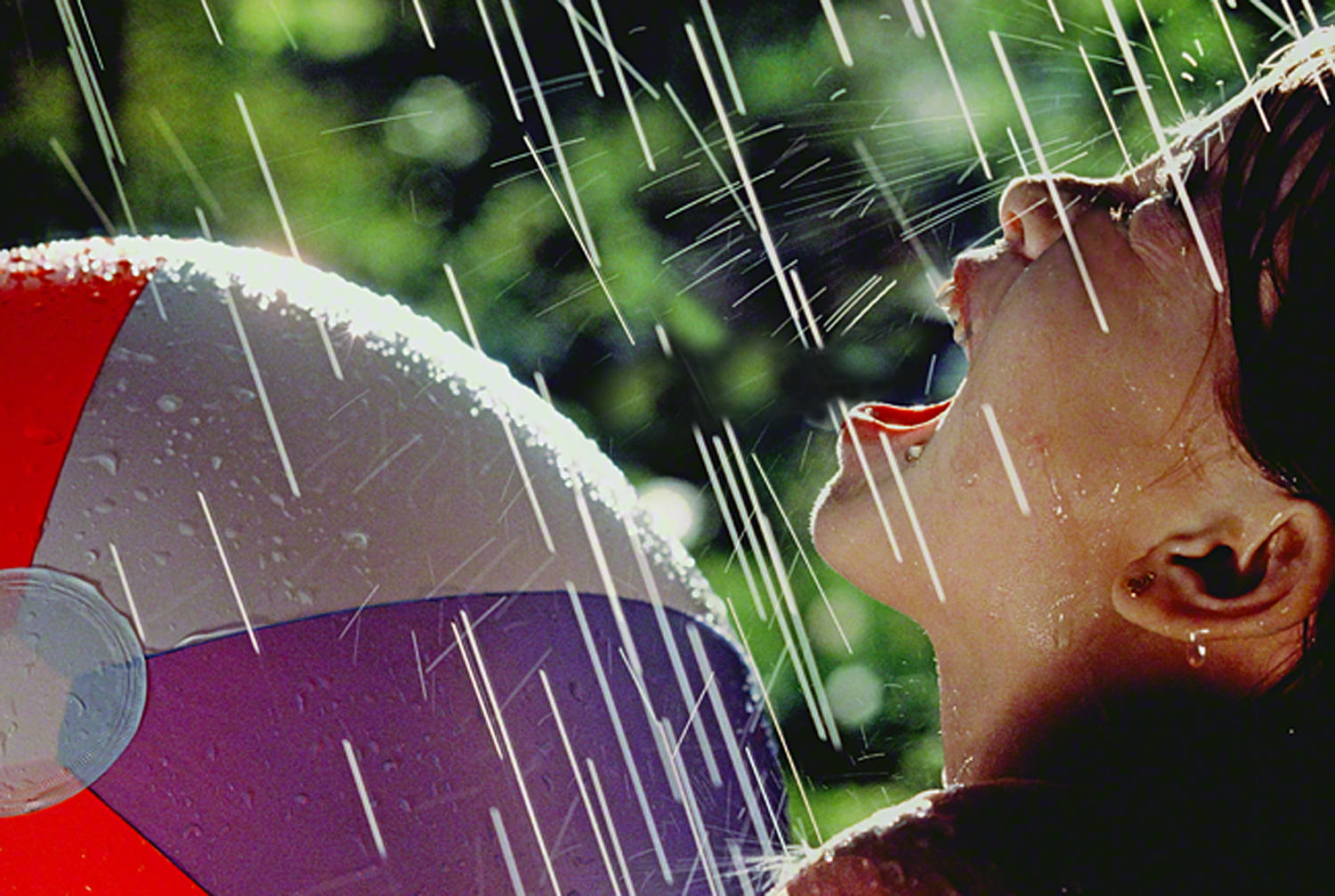
As Bob Marley said, “Some people feel the rain while others just get wet”. In other words, don’t just bring your camera up to your eyes and ‘take’ a picture, think about how you want the finished image to look, how you want it lit, what you want to include, and what you want to leave out. When you’re satisfied, then bring the camera up to your eyes and ‘make’ a picture of what you saw in your mind. I call it pre-visualization.

If you’re a golfer, you know what it takes to hit the ball straight, not necessarily far, just straight: your feet, hands, hips, shoulders, head, etc. That’s a hell of a lot to keep track of. In photography, fortunately you don’t have quite that many to think about, to shoot that elusive ‘Wall Hanger’ but I assure you the number is closer than you might think.

So, don’t narrow your vision to only see the end, keep it wide open take your time and smell the flowers on the way.

Visit my website at: www.joebaraban.com, and follow me on Instagram: www.instagram.com/barabanjoe. Come shoot with me sometime.

JoeB

My Favorite Posts: Edward Weston

So much Visual Tension

This is one of my favorite posts to write on. Whether intentionally or just stumbling upon something that either I’ve heard or read in various publications or when I’m searching Social Media looking for ideas to write my posts on.

I’ve been doing this, teaching workshops both in person with my “Stretching Your Frame of Mind” classes and with the BPSOP, since 1983.

I would strongly suggest you read “The f64 Group, as it talks about the early careers of some of the most famous photographers there ever was. One of these was Edward Weston. He once said, “Anything that excites me for any reason, I will photograph it.”

When I’m conducting my workshops and walking around with either one or a few students, we are looking for things that have Visual Tension or represents one of the basic elements of Visual Design.

When I see something that sticks out from it’s environment, it’s like a magnet drawing me in with it’s energy. It could be anything, dappled light on a wall, objects that create one of the basic shapes: triangles, squares, circles, and rectangles, or a person about to create the “Decisive Moment”, by altering their surroundings.

My job as their teacher is to point these occurrences out so that they can spend time creating their own POV. I love this part, watching them going about their creative business each one looking for that elusive ‘wall hanger’.

So, my fellow photographers, go out and look for those things that excite you. If it excite you, there’s a very good chance that it will excite others.  My only advice is to make sure they know what they’re looking at.

Visit my website at: www.joebaraban.com, and follow me on Instagram: www.instagram.com/barabanjoe. watch for any upcoming workshops. They fill fast so they are not up on my blog for very long.

JoeB

My Favorite Quote: Let it Be

I’ve always been a fan of the Beetles every since they walked off that plane landing in the good old USA in 1964. That was sixty-four years ago, so I’m not sure how many of you out there saw it happening in real time like I did!!!

Let me digress,

I’ve been writing a blog since 2011 and a post has come out every six days since then!!

Getting my ideas for these posts come in all flavors: in my sleep when I wake up and write the idea down, watching a movie or TV show, eating my meals when I envision them while swirling around my Campbell’s Chicken Noodle soup, or spelling them in my alphabet cereal, or while listening to music in my car. This particular posts came to me while listening to Paul McCartney sing, “Let it Be“.

I teach an online classes with the BPSOP, and I also conduct my “Stretching Your Frame of Mind” workshops all over the (perfectly round) planet.

When walking around with one of the photographers during one of my workshops I’m always noticing that they will tend to raise their camera off their chest or hung over their shoulder, bring it up to their eye, and in one innocuous movement click the shutter…and as a result, over-process the hell out of it later while sitting in front of a computer.

I will tell them to not worry about the first shot being the one, you know the one that will go on the wall, a.k.a., wall hanger. I’m not saying that the first one couldn’t be ‘the one’, what I’m saying is that Vegas wouldn’t take those odds. That said, there is one exception, and that is if you’re street shooting and you have that one in a hundred, or thousand, or million chance of getting it, but that’s better than no chance; as in the submitted photo above.

Case in point, I was walking down one of the narrow streets in Shanghai, China and out of my left eye, my right eye in the viewfinder looking straight ahead, I saw this scary somewhat sinister looking man, his gaze fixed on what I was doing, the thought quickly racing through my mind that I could disappear without a trace in a country of over one a half billion people.

I had a 17-20mm lens on and was aiming the camera down the street panning the crowd for a shot, so he didn’t realize that he was my subject. In the proverbial blink of an eye I took the shot, and in the next blink of the (same) eye he had moved out of the light lost in a sea of Chinese.

Except for that, my chances of one of those ‘OMG’ shots lies somewhere in the second, third, fourth, or even fifth adjustment or variation.

So, my fellow photographers, what happens is that you take that first go at it (British talk) and then kill it with over-processing to make it appear as if you had spend time on it. In my respectful opinion it never works. I have seen photos that look like they just came out of a Disney Movie…and then there’s always AI to really f**ck it up.

Take your time, smell the roses and as Bob Marley once said, “Some people feel the rain while others just get wet.”

Visit my website at www.joebaraban.com, and follow me on Instagram: www.instagram.com/barabanjoe. Check out my workshop schedule at the top of this blog, or follow me on FB. Come shoot with me sometime.


My Favorite Quotes: Genesis 1:3

"And there was light".
“And there was light”.

Trust me when I say that I’m very far from being a religious person, but the other day I was listening to a piece on PBS and the book of Genesis was being quoted. I can’t remember exactly what the gist of the conversation was, but the moment this phrase was said, my ears perked up. The direct quote from Genesis 1:3 is,…then God said, “Let there be light”; and there was light.

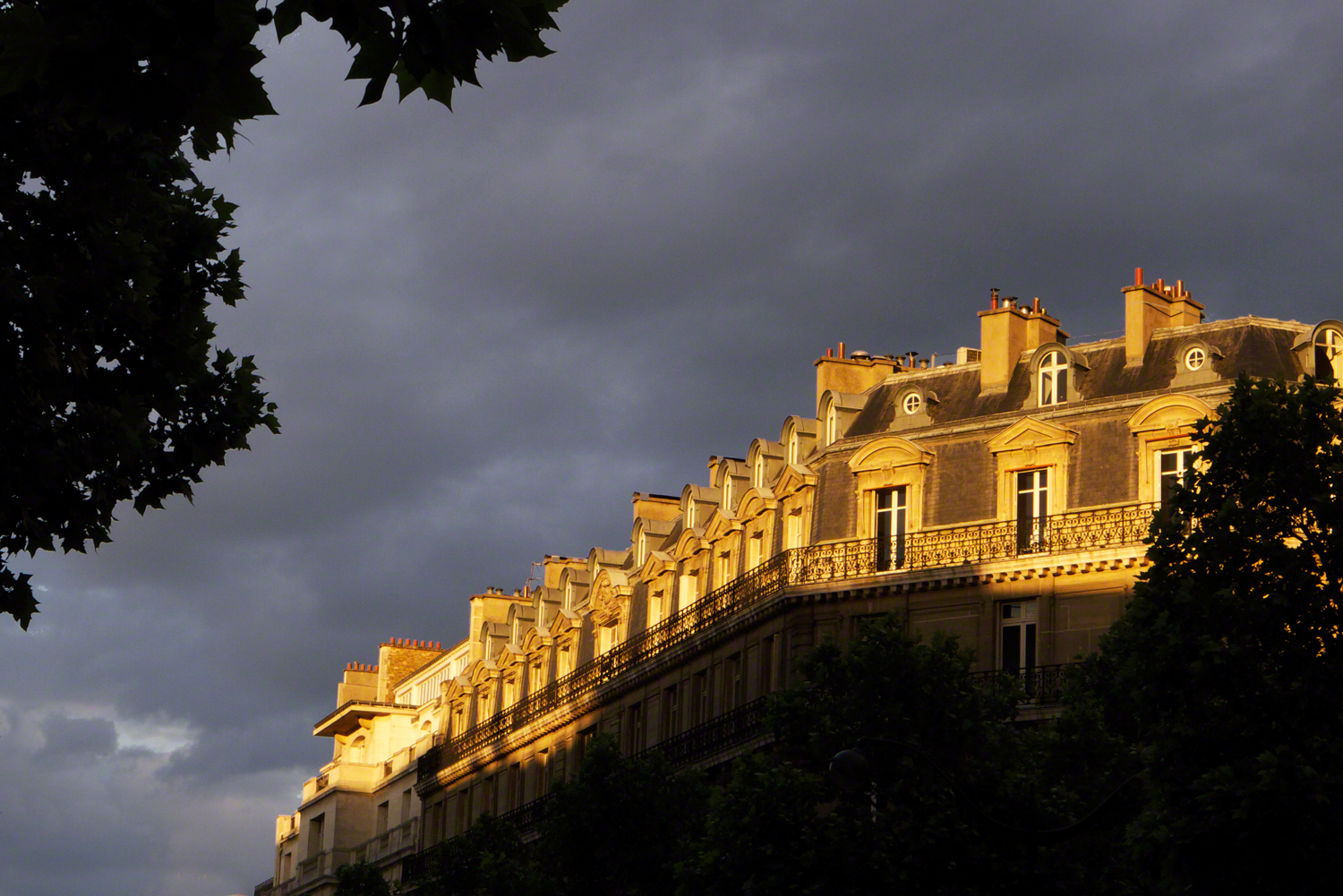
My ears picked up because I remembered walking back to my hotel in Paris during my workshop there from what was a “bust” as far as the afternoon light was concerned. As you can see in the above photo that it was about as dark gray (and threatening rain) as it gets especially so close to sunset.

I tell my online class with the BPSOP, and my fellow photographers that join me in one of my “Stretching Your Frame of Mind” workshops to always be ready because you just never know when something will happen. As always, I still had my camera attached to my tripod and both were resting comfortably on my shoulder. I was asking no one in particular if I could just have a minute of light, and at that moment, as I always do, I was looking all around me from front to back. As I turned around the sun came out for a matter of seconds, and I was able to capture this photo. Needless to say it made my afternoon.

I guess somebody up there likes me!!!

Visit my website at: www.joebaraban.com, and follow me on Instagram: www.instagram.com/barabanjoe. Check out my upcoming workshops at the top of this blog. Come shoot with me sometime.

JoeB

My Favorite Quotes: Elliot Erwitt

What do you see?

Check out my new workshop on the six concepts in the Psychology of Gestalt: Gestalt Workshop link

Elliott Erwitt was a famous street photographer that was born in Paris, and moved to New Your in 1948. BTW, I loved his work and his approach to shooting in the streets.

He once said, “Photography is an art of observation. It has little to do with the things you see and everything to do with the way you see them”.

For s long as I’ve been shooting and teaching classes with the BPSOP and conducting my “Stretching Your Frame of Mind Workshops” This quote has been my mantra.

I’ve worked with people that were right brained and people that were left brained, and I can tell you the incredible difference between these two photographers.

Left brained photographers will see a tree and nothing more. They’re analytical, structured, and naturally wired to ask questions, gather facts and want to know things that are provable.

In other words they want to know why the tree is there, where did it come from, what species is it, etc.

The right brained photographers are visual and creative…with a less organized way of thinking. They see the tree, but they also see the texture of the bark, the shape of the leaves, the way the leaves form a pattern, the negative space between the leaves, and the color of the leaves.

So, my fellow photographers, are you right or left brained?

Visit my website at: www.joebaraban.com and follow me on Instagram: www.instgram.com/barabanjoe. Come shoot with me sometime, and BTW, I’m right brained.

JoeB

My Favorite Quotes: Robert Capa

Close enough?
Close enough?

Check out my new workshop on the six concepts in the Psychology of Gestalt: Gestalt Workshop link

In this category although I always quote an artist, I don’t always quote a photographer. I’ll often quote someone like Kenny Rogers, or Marcel Proust because what they had to say fits in with I often say both in my online class with the BPSOP, and in my “Stretching Your Frame of Mind” workshops I conduct around our planet.

Robert Capa was a well known war photographer and photo-journalist. who documented five different wars. In 1947 he co-founded Magnum ( a international free-lance photographic agency) along with photographers such as Henri Cartier-Bresson. He once said, “If you’re photos aren’t good enough, then you’re not close enough”.

There’s been discussions concerning this quote, and many think that he was referring to being up close and personal to the wars in which he photographed and incidentally, he was in the first wave of soldiers that hit Omaha Beach.

I’ve followed his work for some time, and to me his quote goes well beyond the photos he took during those five wars.

All my fellow photographers that I’ve helped since 1983 when I first started sharing my knowledge have come to known my “Personal Pearls of Wisdom”. One of them is “get up close and personal”. What I mean is that so many photographers will see a subject and without moving start shooting; this might be five feet away or twenty. They will keep at a distance which usually means that there’s not a lot of depth that can be created by anchoring the subject in the foreground while creating layers of interest.

I’ve found that many photographers are easily intimidated and are not comfortable with being close to either a person or even an inanimate subject . Nor are they willing to change their POV like getting on their knees to compose a photo. Therefore, they’re more at ease with keeping their distance and that falls under another Pearl of Wisdom I call “make don’t take pictures”.

So, the next time you’re out and about with your camera and see an interesting photo opportunity, think about what Robert Capa said. You just might find it to be true in your approach to picture taking, and if it is, just for once try to do it his way.

Visit my website at: www.joebaraban.com, and follow me on Instagram: www.instagram.com/barabanjoe. Keep an eye out for my upcoming workshops at the top of this blog. They don’t sty up very long is why you probably never see them. Plese keep looking!! Come shoot with me sometime.

JoeB

My Favorite Quotes: Johnathon Swift

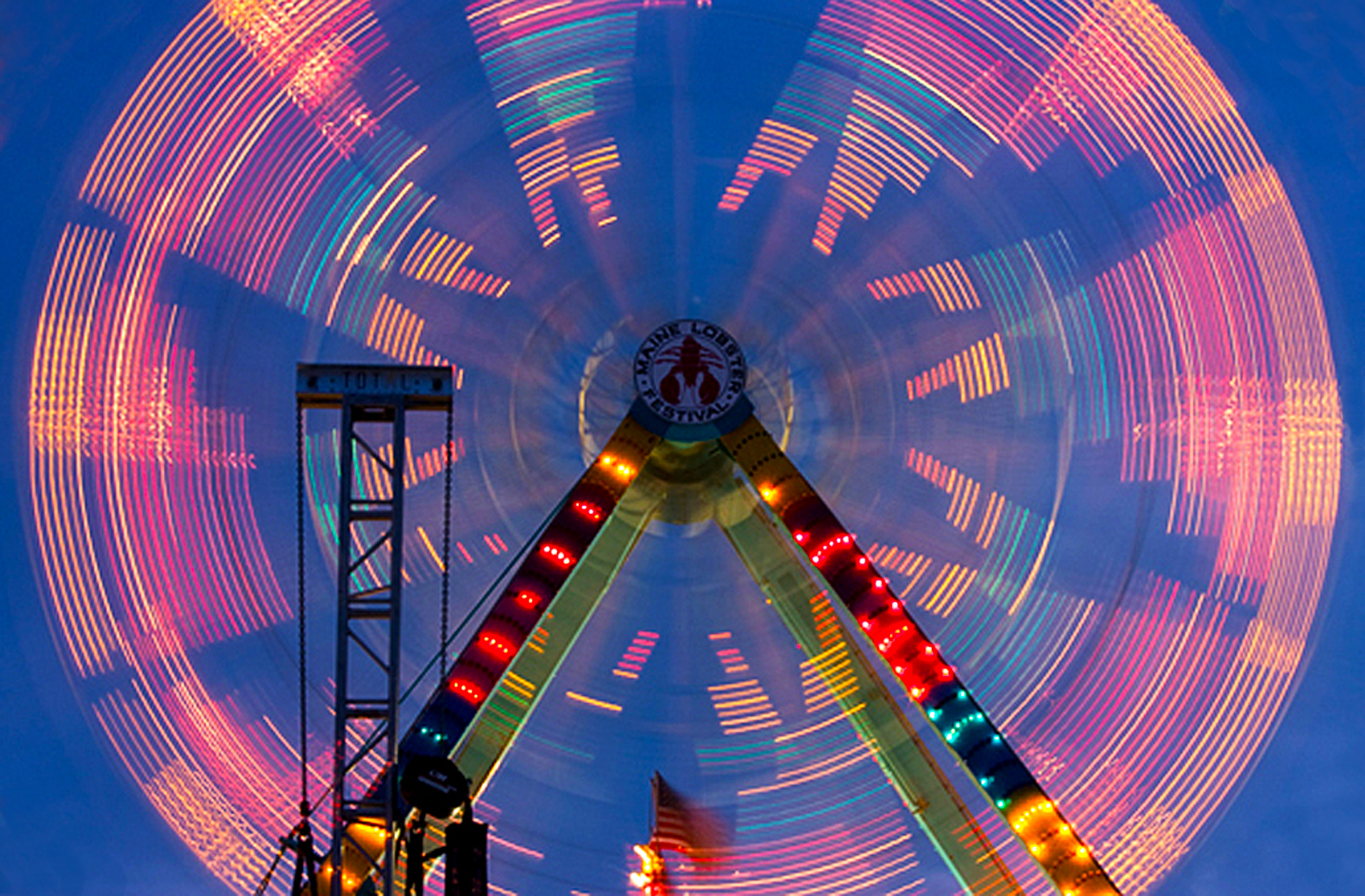
I saw a Ferris wheel, but what else did I see?

Most of you will know Johnathon Swift as the guy that wrote Gulliver’s Travels; one of the few books I read more than once. Among a much smaller crowd, he’s known for a quote he said a long time ago. A quote I have read once or twice in the past forty years as an advertising, editorial,  and corporate photographer. He said, ” Vision is the art of seeing what is invisible to others”.

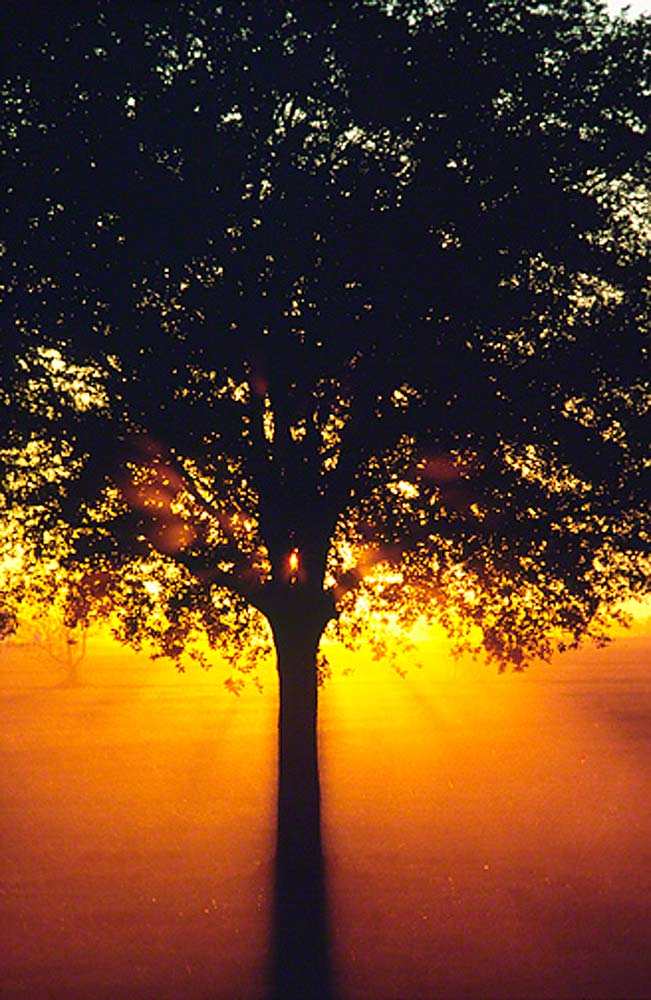
As I often tell my fellow photographers that sign up for my online classes with the BPSOP, or the ones that shoot with me in my “Stretching Your Frame of Mind” workshops I conduct around the planet, use the Elements of Visual Design to help you “see past your first impressions”. If it’s a tree, then what else is it? It’s an object made up of Texture, Patterns, Form (when side lit) Shape, and most important Line. It’s about the Negative Space between the branches that are defining those leaves and branches.

Depending on the time of day, it’s about the shadow the tree creates. When shot early in the morning or late in the day when the sun is gone the tree becomes a two-dimensional silhouette against a brighter sky. It’s all these things that most people can’t see…why, because they just don’t know how to see… with the right vision.

In the above photo, the left side of my brain, the analytical side, saw a Ferris Wheel. The right side, the creative side saw motion, a circle, a triangle, patterns, lines, light, and color.

Once you learn how to see with this vision, a whole new set of photo opportunities will be at your disposal. no longer will you say that when you went out shooting, you just didn’t see anything interesting. There’s ALWAYS something interesting to shoot.

Visit my website at: www.joebaraban.com, and follow me on Instagram: www.instagram.com/barabanjoe. Be sure to check out  my workshop schedule, and come shoot with me.

JoeB

My Favorite Quotes: Ansel Adams

Once again, Ansel Adams pops into the spotlight. Over the years I have taught online at the BPSOP, and have conducted my workshops all over the world. During these years I have quoted this very famous photographer several times. If you’re interested you can just click on “My Favorite Quotes” and scroll through them.

Well, I have another one that really fits the bill!

Ansel once said to his assistant John Sexton, “The harder you work, the luckier you get”.

First of all, anyone can click the shutter on their camera. It’s just about the easiest thing you can do when taking pictures. The hard part is everything else, and that’s the part that takes work.

Over the years, I have walked the Medieval Streets in Europe, country roads in the US and the Malecon in Havana with students in one of my workshops. I have found that most, but not all, will walk by something interesting stop for a moment and ‘take’ a picture of it.

I can tell you from over fifty years of experience shooting on my and teaching for forty years that unless you’re street shooting and looking to stop some sort of action that’s whizzing by you, or you’re whizzing by it, or it’s stopped for just a moment, the odds of you coming home with a wall hanger are slim to none. Of course that depends on what you consider a wall hanger.

But that’s another story.

Wall Hangers rarely come from ‘taking’ pictures. They come from ‘making pictures’. Bob Marley once said, “Some people feel the rain while others just get wet” https://joebaraban.com/my-favorite-quotes-bob-marley/

It takes work, and a lot of it to “feel the rain”. But once you do, you’ll be ready, and as Eddie Adams once said, “When you get lucky, be ready”.

Visit my website at  www.joebaraban.com, and follow me on Instagram www.instagram.com/barabanjoe. Check out my upcoming workshops at the top of this blog. Come shoot with me sometime,

JoeB

My Favorite Quotes: Henry David Thoreau


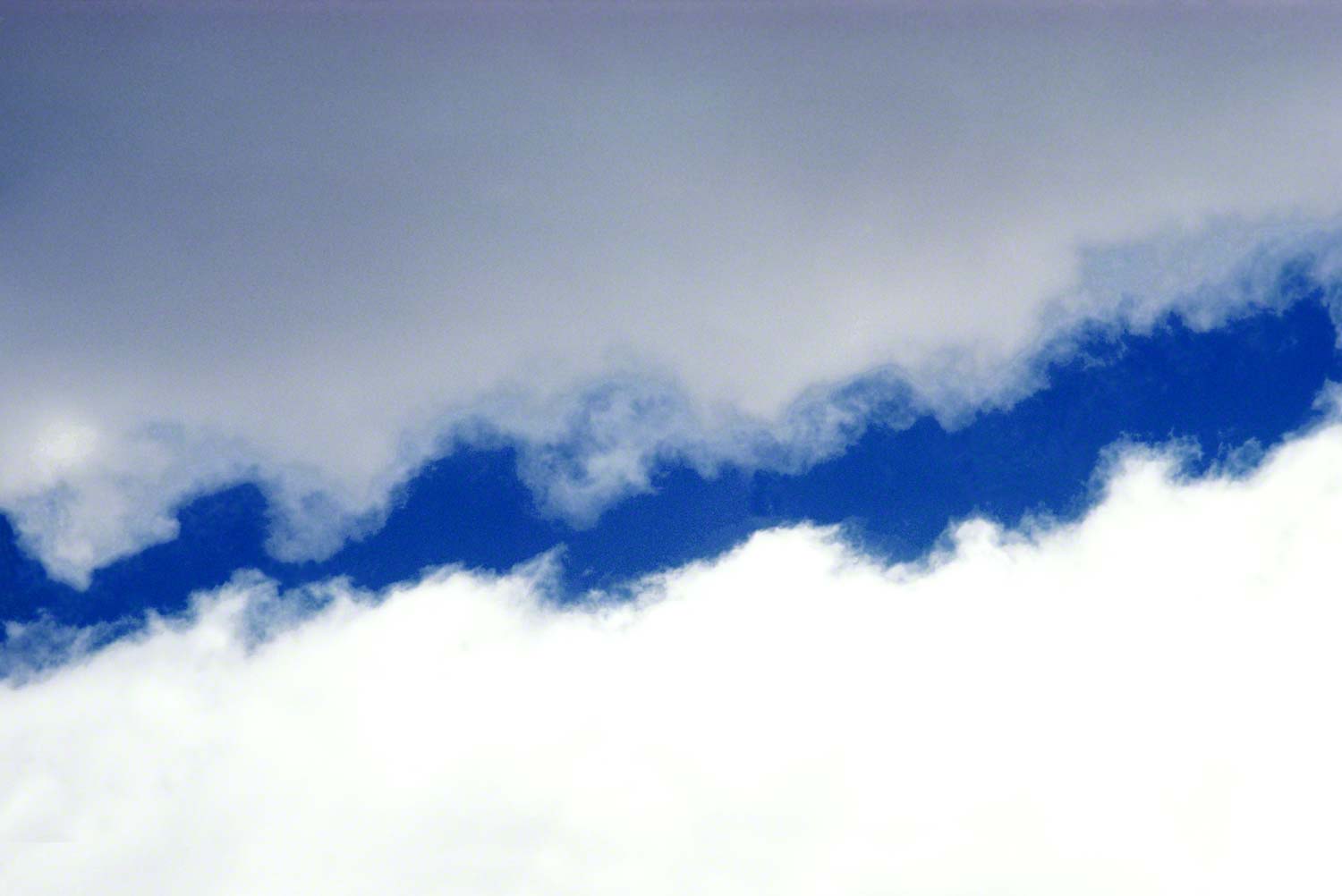
What else do you see besides clouds?

“It’s not what you look at, it’s what you see” This quote, written by nineteenth century author, poet, and philosopher Henry David Thoreau (you might remember him from your American Literature class as the author of Civil Disobedience) is probably one of my all time favorites and one that I’m always sharing with my online class at the BPSOP, my six-month private mentoring program, and in my “Stretching Your Frame of Mind” workshop I conduct around the planet.

My workshop and classes are all about using the six principles of Gestalt and the elements of Visual Design and composition to aid you in taking your photos what I refer to as “up a notch”. Line, Form, Shape, Texture, Pattern, Perspective, Tension, Light, Color and Negative Space are the elements we work on every day and there out there all around you. you just have to see them.

You walk up to a tree and you see a tree. But what else is it? It’s the whole made up of several parts. It’s made up of Lines, Patterns, Texture, and various Shapes. How does it relate to the environment around it? How is the Light affecting it? Does it tell a story? Does Color factor in?

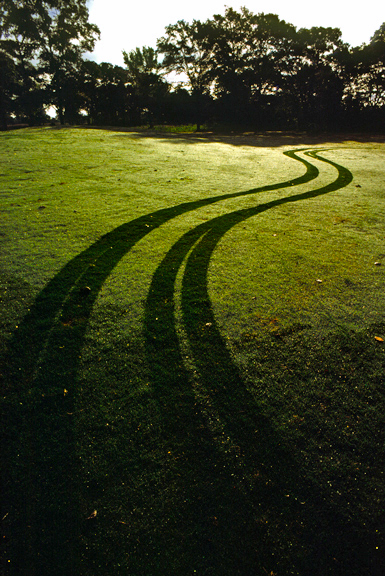
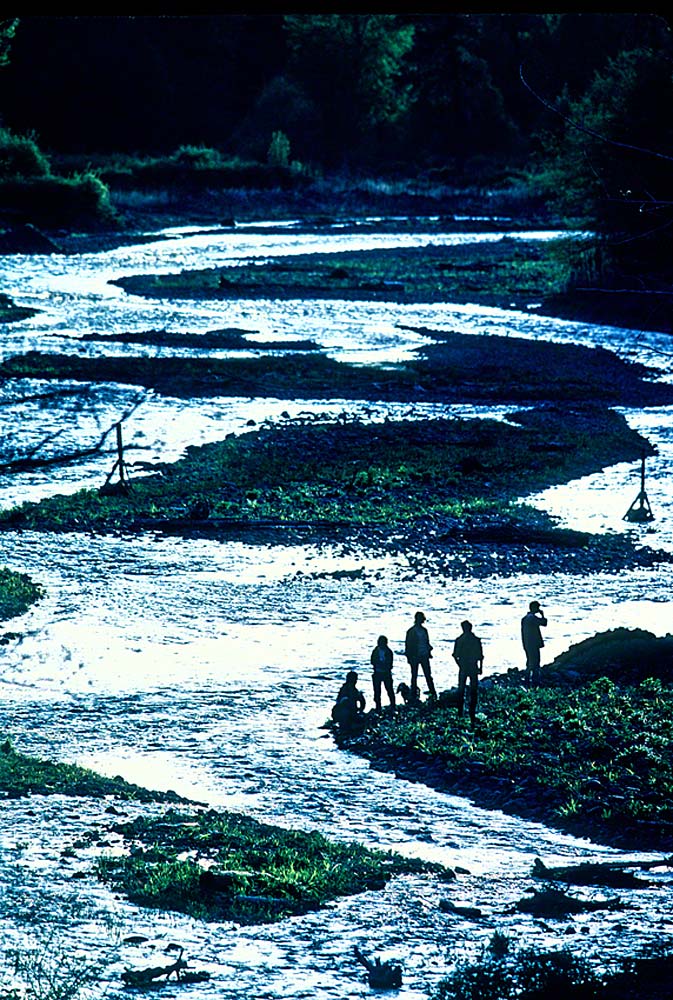
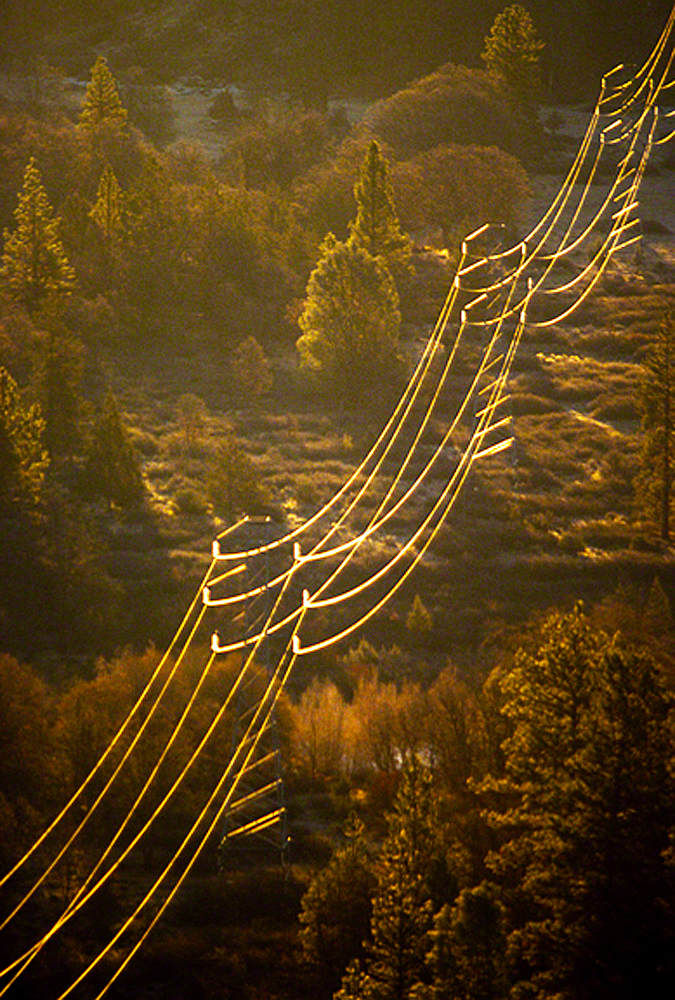
What about golf cart tracks or a stream? Does the golf cart tracks converge at a point on the horizon creating a Vanishing Point, leading the viewer around the frame to that point? Does the river sparkle or glow because the light is coming from behind it? Does it lead the viewer in and out of the composition suggesting more content outside of the frame? How could power lines running along a small highway be of any interest?

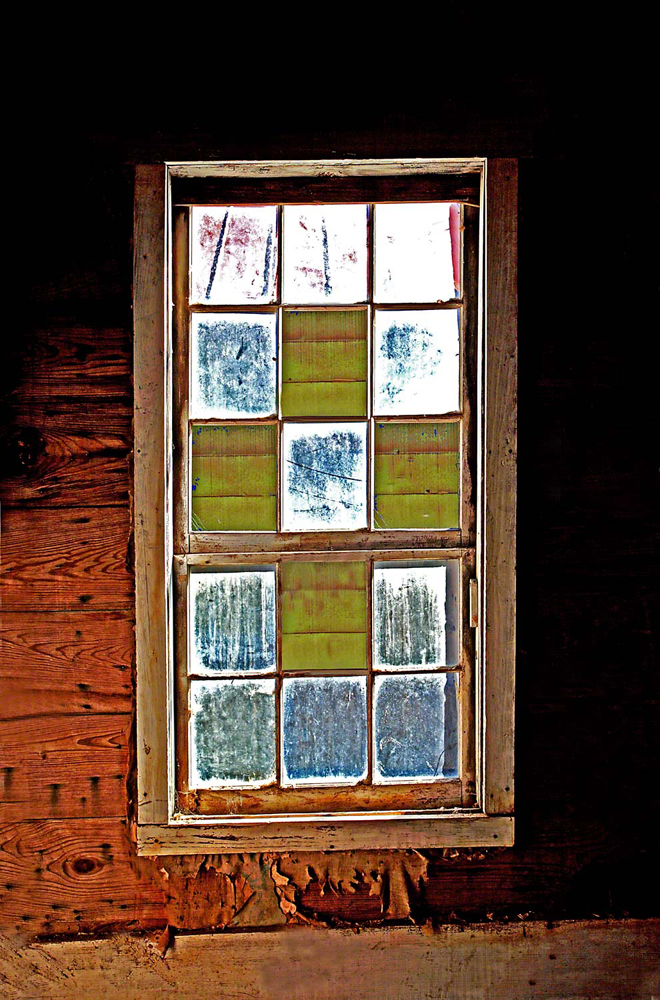
 Do you ever look at an old decayed window and see the beauty in it? Can you envision how father time has transformed it into a cacophony of colors, shapes, textures, and patterns.

What about something as simple as clouds in the above photo? Do they create a design? Shapes? Do they suggest some type of colored line that divides the frame from white to gray?

The next time you go out shooting, don’t look at things the way they are, look at them the way they could be.

Visit my website at: www.joebaraban.com, and follow me on Instagram www.instagram.com/barabanjoe. check out my workshop schedule at the top of this blog. Come shoot with me sometime.

JoeB


My Favorite Quotes: Dr. John

I want to announce my next workshop “Autumn in France” to be next October 2nd. It will be in Bordeaux, Dordogne, and Toulouse. If you go to the top of my blog and click on the link, you can read the description. Join me for a great visual experience, seeing places that few people won’t ever be able to.

One of my favorite categories to write in is ‘My Favorite Quotes’. These are not quotes strictly by well-known photographers. These are quotes I have picked up over the years by artists of any kind.

From photographers, poets, authors, singers, actors, musicians, and yes, even a chemist, at one time or another they have said something that I can immediately relate to and have applied to my teaching people how to see.

Dr. John, one of my favorite musical artists once said in a song, “Right Place, Wrong Time”.  I often talk about this in both my online classes with the BPSOP, and in my “Stretching Your Frame of Mind” workshops I conduct.

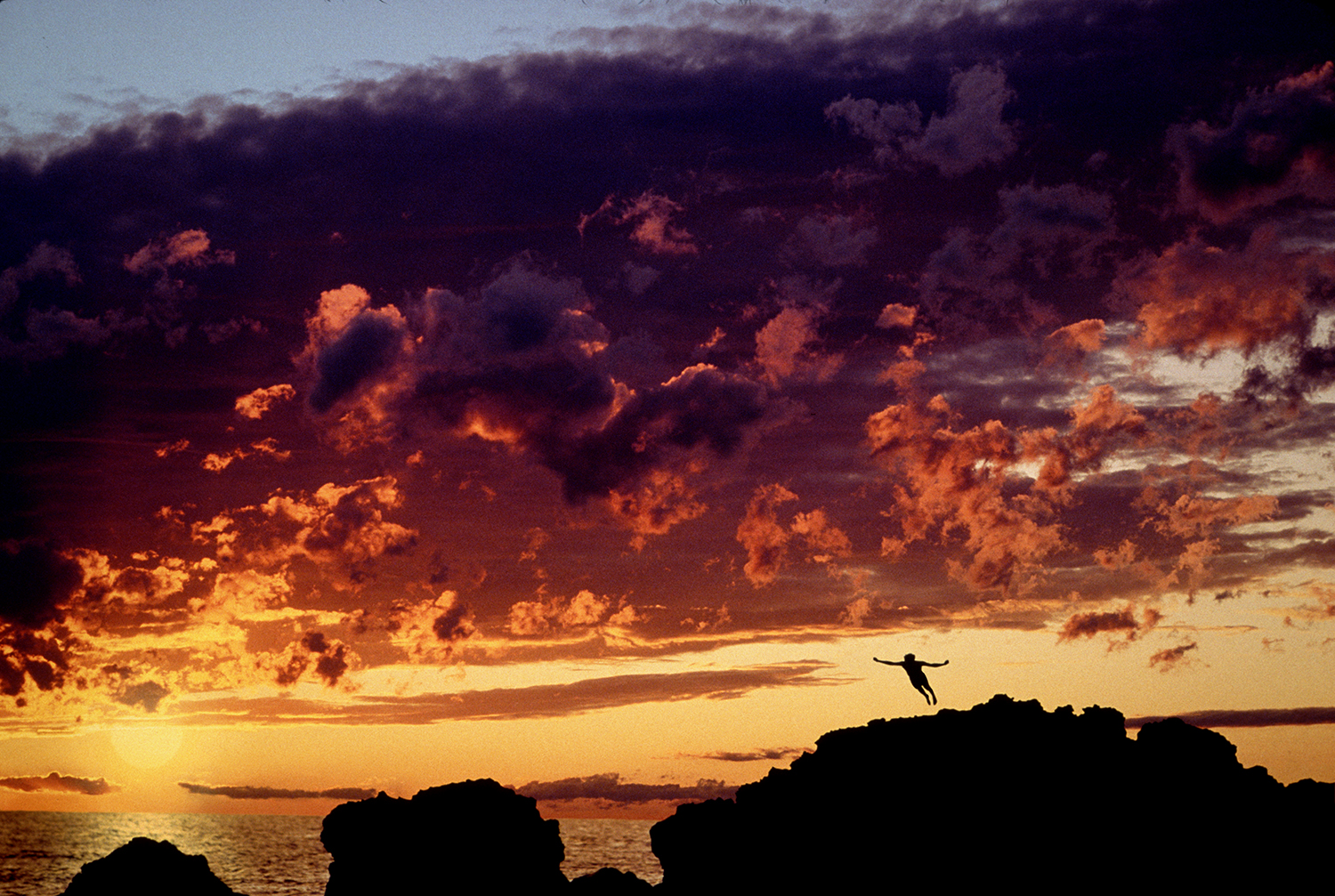
What it means and should mean to photographers is that there are so many times that you’re at a location to shoot during the ‘Golden Hour’ where you would get the nice warm light, and for whatever reason…you don’t.

Just to make sure we’re all on the same page, here’s a link that describes it: https://joebaraban.com/food-for-digital-thought-shooting-in-the-golden-hour/

You’re there at sunrise and it’s the first time you’ve been there. What you discover is that there are very tall buildings, or hills that are between you and the sun. By the time the sun comes up over these obstacles, the sun has been up for a long time and that warm luscious light creating long shadows has gone and in it’s place is harsh light with short shadows.

Or, you’re there at sunset and those same buildings or hills has blocked the sun and you have nothing worthwhile to shoot. Since you’re there anyway you go ahead and try to go home with something decent, but you know as well as I do that it just ain’t gonna happen.

So my fellow photographers, what’s the answer?  Well, there actually is one, but you have to have some time on your hand.

If you know you’re going to be at a location for two days, and have the time to look for potential photo ops. Use the internet to find out when sunrise and sunset are. You can find out not only the time, but where it will come up and go down. Take those readings and put them in your phone.

Go to several places that you either know about or have seen when putting the location in a search engine.

Stand where you see a place you would like to shoot and use a compass (you can add to your apps) to determine if you’re going to get early or late light.

All this is going to take more work, but the payoff will be well worth it. The best time for me is when the sun is about 15 to 20 degrees from the horizon either going up or going down…the Golden Hour.

Visit my website at www.joebaraban.com, and follow me on instagram.

You can also sign up for my six-month mentoring program. If you’re interested send me an email to joe@joebaraban.com

Here it is in one of my favorite tunes!

JoeB


14