Food for Digital Thought: More Tension Leads to More Attention

Tension leads to more attention.

Unless you’re shooting strictly for yourself, the goal, at least for me, is to keep the viewer around for as long as possible.

There’s several ways to achieve that, and I work the ways with my students both in my online classes with the BPSOP, and in my workshops I conduct all over the planet.

I’m not talking about the tension caused by mental or emotional strain,  I’m talking about one of the most important ways to keep the viewers attention, and it’s called Visual Tension…more tension leads to more attention.

Although there’s several ways to accomplish it, one of the more lesser known ways is ‘body language’. When you mix it with contrast, you create a conflict between the person’s body language, and the environment surrounding the person.

In the above photo, I saw this woman talking on her cell phone. Hoping that she would stay long enough for me to arrange my composition, I clicked off some shots to get the exposure the way I wanted. Then I kept my camera very close to my eye and waited.

I waited ten minutes and all that time she was still talking. Then, with hope against hope, she gestured for a split second. Fortunately, it was long enough to capture her.

In that moment, her body language created visual tension as well as visual interest. The conflict between her body language, her silhouette, the contrast between her and the lighter gray space all around her is what generates the visual tension.

Visit my website at www.joebaraban.com, and follow me on Instagam: www.instagram.com/barabanjoe. Check out my upcoming workshops at the top of this blog. Come shoot with me sometime.

JoeB
Food For Digital Thought: How Westerners Perceive.

In the comfort zone.

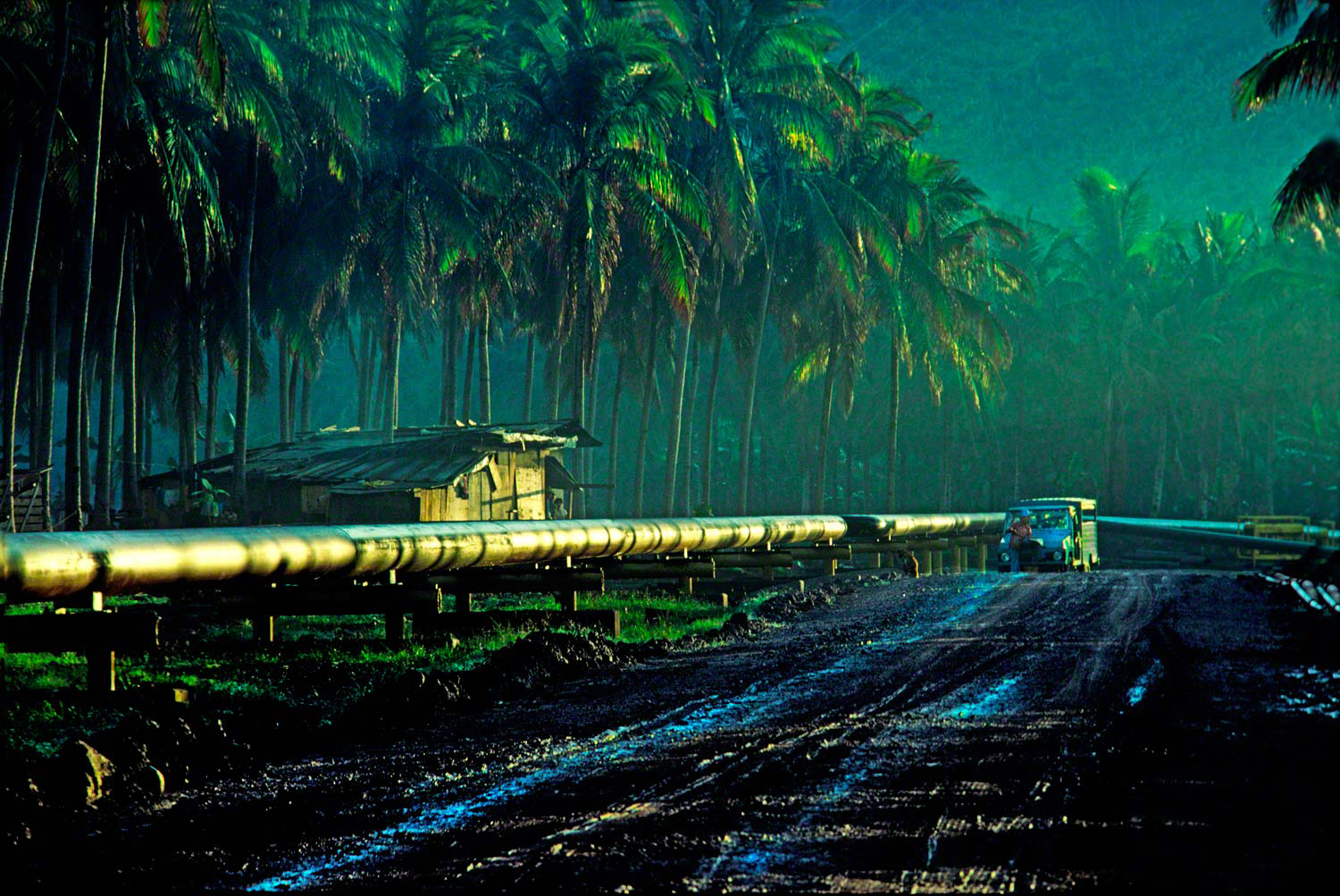
In my online class with the BPSOP, and in my “Stretching Your Frame of Mind” workshops I conduct around the planet, I tell my fellow photographers that Westerners were taught to read from left to right. As a result, we look at photographs from the left to right and we usually start in the lower left corner and work our way to the top right.

Now I realize that there are always exceptions, but for the most part, this is how we perceive. It’s our comfort zone and it’s how I usually design my composition. BTW, when we can get the viewer to look at a vertical, he’s going to take more time going from the bottom of the frame to the top.

This additional time will take more energy, and Energy=Tension. That’s why Verticals have more energy than a horizontal.This certainly doesn’t mean to shoot only verticals; just remember to always shoot both ways.

This is part of the Theory of Gestalt where we take control of what the viewer perceives and processes and lead him comfortably around our composition.

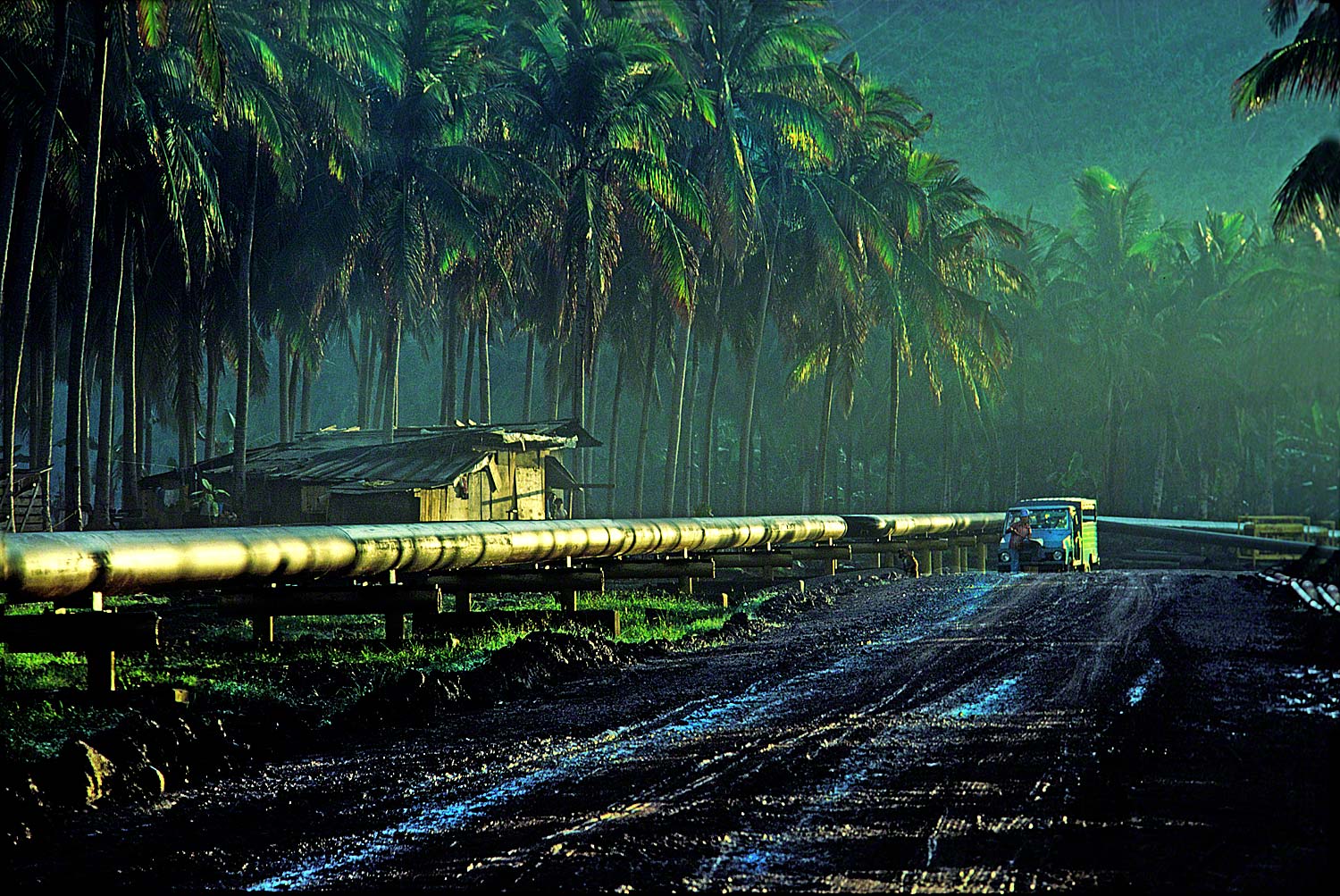
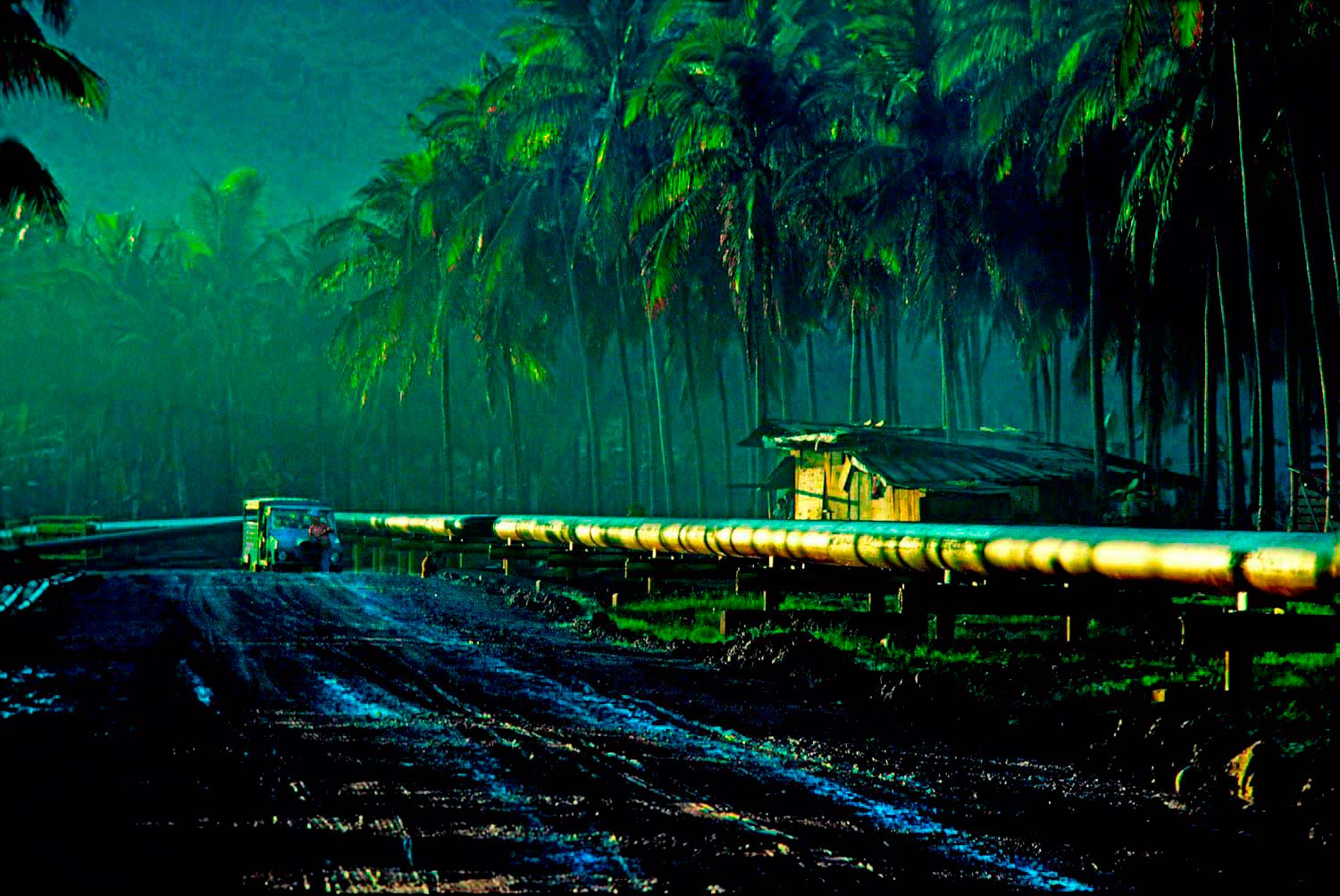
In the above photo, I’ve maintained that comfort zone by having the viewer follow the directional lines of the road, and the pipeline from the left to the right. However, when I flip the photo the other way, it feels awkward and has taken the viewer out of his zone. It doesn’t have the same flow as it did when perceived from left to right.

Flipped and out of the comfort zone.

This is not to say that it can’t be a good thing to take the viewer where he’s not comfortable. There are many times where I like to do just that. Remember what Ansel Adams once said, “There are no rules for good pictures, just good pictures. Try it next time you’re out shooting. Try one where the flow is from left to right, then flip it and see the difference.

Visit my website at: www.joebaraban.com and follow me on Instagram www.instagram.com/barabanjoe. Check out my workshop schedule at the top of this Blog. Come shoot with me sometime.

JoeB
Quick Photo Tip: The Horizon Line Dilemna

What rule says you can't center the horizon line?
What rule says you can’t center the horizon line?

Once again I want to start off by saying that there’s no set rule as to where to put that pesky horizon line; run from anyone that tells you any different.

There’s three basic choices:

Putting the horizon high in the frame will accentuate whatever you put in the foreground while at the same time intensifying the feeling of distance. When I talk about this to my online class with the BPSOP, and in my “Stretching Your Frame of Mind” workshops I conduct around the planet,   I always warn my fellow photographers that when they tilt the camera up or down the vertical lines close to the edge of the frame will bend either in or out.

One way that sometimes corrects that distortion is to switch to a wider lens so the tilting up or down is at a minimum. Switching to a wider lens will also help keep everything in focus from the foreground to the background. Another way to help with the focus is to shoot from a higher POV and then when you tilt the camera down it will extend the DOF.

Breaking through the centered horizon line.

Putting the horizon line low in the frame will do two things. It will bring attention to a dramatic sky, and it will create a feeling of being small in the scheme of things…as in the vastness of the world around us. I will often put my subject in the bottom right corner of my frame to give the feeling of being alone and small in relation to the infinite reaches of the sky above. Putting my subject in that right corner will also generate Visual Tension. Btw, if the sky is not dramatic and just blue, the viewer will quite possibly tire of it and move along.

Putting the horizon line in the middle of the frame is to many, breaking a cardinal rule. These are the people you want to stay away from. There are times when it will work, and it just all depends. One never knows until it’s tried, and I’m the first one to encourage trying. As I always told my kids…”Color outside the lines”.

Putting the horizon line in the middle is often used when you’re reflecting the image in some body of water. It will change the dynamics of your composition by becoming more of a graphic/symmetrical statement; showing the subject in a mirrored reflection. It will also generate Visual Tension. In my classes we work a lot of ways to create Visual Tension, and showing a subject and it’s reflection is one of the ways.

When you’re reading all the rules to becoming a good photographer, and I say this lightly, placing the horizon smack dab in the middle is high up on the list. Btw, who was the first person to tell us that was a real “no-no”????? I think he or she has dressed up in their parent’s clothes and are playing hide-in-seek!!!

A low horizon line.
A low horizon line.

I say it does have merit. Placing your horizon line in the middle can have two effects. first, it can look like someone has spliced two photos together. Second, it can leave your photo non-moving and static. Non-moving in the sense that its important to move the viewer around the frame giving him lots of things to discover. That way he’ll stick around longer.

One way to work around centering the horizon line is to use elements to break the horizon. In effect, it can tie the two parts together.

In any event, what’s important to think about is one of my favorite “personal pearls of wisdom”…consider the scene and its outcome. What message are you trying to get across? Simply put, are you emphasizing the sky or the foreground…or neither one?

There is another way to solve this dilemma, and this will resolve any nightmares you might endure from worrying about where you put that last horizon line. Don’t show the horizon at all. If the centers of interest, or the main subject is below the horizon line, then it makes life so much easier.   This is really a good idea when the sky is overcast.

Visit my website at: www.joebaraban.com, and follow me on Instagram www.instagram.com/barabanjoe. Check out my workshop schedule at the top of this blog. come shoot with me sometime.

JoeB

Food for Digital Thought: Tools of the Trade

my new 100mm macro

I teach an online class with the BPSOP, and I conduct workshops all over the world. I have also written a blog since 2011, and one comes out every five or six days.

I look for and find and see ideas from every corner of the globe, and under every rock…if necessary.

I happened to walk through the power tools at my local Loews and suddenly an idea hit me smack dab in the face. It was an analogy I drew from incidents that occurred along the way in my workshops.

So, my fellow photographers, imagine a carpenter with all his tools next to him or at least very close. For a specific job, he had purchased some new power tools and is about to start working. Here’s the problem, he hasn’t read the manual and doesn’t know all the functions of said tool.

Now, imagine me in my workshop I did in Prague many years ago. We were at a famous church , famous for the amazing Flying Buttress…”a buttress that stands apart from the structure that it  supports. and is connected to it by an arch.”

In any event, it was sunrise and a student came up to me with a Leica body and an assortment of lens that totaled $60,000. She had no idea how to use it and asked me if I could help. All I could do was to look at her as if she had just landed in an extraterritorial spacecraft of some kind.

In other words, I had no idea!!

It wasn’t the last time someone came to me for help with a new piece of equipment they had bought just for the workshop….which includes tripods of various sizes and shapes.

Know your gear, read the manual and practice with it BEFORE you go out in the real world to shoot those elusive ‘Wall Hangers’.

Visit my website www.joebaraban.com and follow me on Instagram: www.instagram.com/barabanjoe. Check out my workshop schedule at the top of this blog. Come shoot with me sometime.

JoeB

Food for Digital Thought: If you always do what you did, you’ll always get what you got.

I don’t always do what I did

I get a lot of ideas for my posts from both my online students with the BPSOP, and from the many WORKSHOPS all over the world.  This post is from an online student in my part one class. FYI, my part one class, (four weeks), is all about showing my fellow photographers how to incorporate the elements of visual design and composition into their imagery.

In the second week we work on ways to create depth and also visual tension.  Let me digress for a moment and say that I want students to meet the challenge and get their composition to look the way they want before they click the shutter.

In other words, no cropping is permitted. BTW, I’ve been shooting for fifty-three years and I’ve never cropped an image…and my photos seem to come out pretty good.

I read once that when you crop, it’s a sign of sloppy technique and a lack of discipline…but that’s another story.

I also want students to try shooting on manual throughout the four weeks. This way they are in complete control and they make all the decisions…not the camera. In the long run, it will make you a much stronger photographer…if that’s what you want.

In any event, this particular student continued to shoot on a program and didn’t know how to adjust the setting while shooting. Also, even though I said that I would not critique a cropped photo, she submitted one that was cropped.

Now she took my class because she wanted to improve her skills, start seeing things with the right side of her brain…the creative side, and take advantage of the elements of visual design as well as the elements of good composition.

I said to her that in the class if you always do what you did, you’ll always get what you got…make sense?

Visit my website at www.joebaraban.com, follow me on Instagram www.instagram.com/barabanjoe. Come shoot with me sometime.

JoeB

Unscripted Verses Scripted

Scripted

In my online classes with the BPSOP, I give out assignments each Friday. These are specific ideas that I want each of my students to look for (with the right side of their brain) and shoot.

These assignments have been scripted as far as what I’ve been teaching for the past forty plus years. That’s not to say that they have complete freedom to shoot whatever they want as long as the theme of the photos follows my lesson for the week. In other words, they have a plan to follow.

What I hope these lessons will do is to help them to see instead of look at subject matter, so that when they’re out on their own they will recognize certain elements that will help to create memorable images that will stand the test of time.

You might also have a particular place to go with a particular subject to photograph. For example, the new interior of the  United Terminal in Houston, or the newly opened botanical gardens in your city.

Unscripted

In the workshops I conduct all over the world, we will spend time just walking around a medieval street in Europe, or walking over a famous bridge…like the Brooklyn Bridge for example.

These are unscripted ‘photo walks’ where you’re not looking for anything special, just whatever you see. I love these because I never know what I’m going to see and, I have no plan.

Whether it’s scripted or un-scripted, remember that you’re an artist that has chosen a camera as the medium instead of a paintbrush. A camera on a tripod is just like a blank canvas on an easel.

Visit my website at www.joebaraban.com, and follow me on instagram. check out my next 2023 workshop at the top of this blog. It will be “Autumn in France” and will be October 2nd 2023. Come shoot with me sometime.

JoeB

The Recipe

I want to announce my next workshop “Autumn in France” to be next October 2nd. It will be in Bordeaux, Dordogne, and Toulouse. If you go to the top of my blog and click on the link, you can read the description. Join me for a great visual experience, seeing places that few people won’t ever be able to.

I have a six month mentoring program, and I recently finished one with a woman living in Spain.

First of all, over the course of the six-months she has become an excellent photographer. Not only can she “make pictures” but she can now see with the right side of her brain, the creative side.

The last area we worked on and had just finished was portraits…environmental portraiture to be exact.

The one area where she was having the biggest difficulty was in making sure the background matched the exposure with the person. She just didn’t remember to do it.

To digress a moment, I have similar issues with photographers that not only take my online classes with the BPSOP , but also in my workshops I conduct all over our round planet.

Ok, here’s the analogy I will share with all my fellow photographers. Imagine you’re in the kitchen about to begin a new recipe that you’ve been dying to try. To make the dish, the directions call for several ingredients from different herbs, fresh and dried, spices, kosher salt, ground pepper, flour, eggs, etc., etc.

Now it’s probably ok to leave out maybe one if the store’s don’t carry it…or you have to buy a pound for 1/2 of a teaspoon. But, that said, if you want to taste it the way it’s suppose to taste, then it’s important to follow the recipe.

When taking pictures of people, there’s also a recipe to follow. I don’t mean there’s a certain way to photograph people, not at all. In fact, Ansel Adams once said,” There are no rules for good photographs, there’s just good photographs.

What I do mean is that there’s a checklist (recipe) that I follow and when everything is checked off in my mind (which takes less than a second)I click the shutter.

One of the main ingredients is exposure. On a late afternoon day when the sun has reached the time when I like to shoot, the Golden Hour, it’s important to pay attention to the exposure on the face as well  as the background. If your subject is in shadow and everything else is in sunlight, your not going to get them both lit the same.

If they are indoors and you’re showing part of the outdoors, remember the importance of knowing about the  Dynamic Range.

Another important ingredient is to check to see if there’s anything growing out of their head. Forget about that silly ‘Rule of Thirds’, unless you’re going for a mediocre less remembered photo. Try placing them close to the edge of the frame to create visual tension.

Keep some contrast between what they’re wearing and what’s behind them.

These are some of the most important things to remember. Create your own recipe that fits your comfort level and your approach to portraiture.

Visit my website at www.joebaraban.com, and follow me on Instagram. Come shoot with me sometime.

JoeB

Food for Digital Thought: The Camera is a Passport

I want to announce my next workshop “Autumn in France” to be next October 2nd. It will be in Bordeaux, Dordogne, and Toulouse. If you go to the top of my blog and click on the link, you can read the description. Join me for a great visual experience, seeing places that few people won’t ever be able to.

For those new to my blog, I have had a post come out on my blog every five days since  2011. For those of you that may or may not know, I conduct an online class with the BPSOP, and I also conduct my “Stretching Your frame of Mind” workshops around our planet.

I can say to all my fellow photographers that have been lucky enough to travel the four corners of the globe that a camera is a passport to all those wonderful places and experiences.

Photography, more specific the camera, is the silent international language for communicating with others. If you’re the kind of photographer that is comfortable with asking strangers if you can take their picture, here’s some advice.

When approaching someone, be as polite and non-threatening as humanly possible, and whatever you do, don’t have your camera in front of you and aiming it at them…it’s intimidating and will get you a lot more people saying no than yes.

Keep the camera over your shoulder and behind you if possible. If time is not a problem, try initiating a conversation. Make him or her feel like you are interested in what they have to say.

If they’re performing, put some money where it’s obvious they would like it i.e., their guitar case. If they’re selling something buy it, even if you are really not interested in whatever it is. Of course these things are predicated on how important the shot is to you.

As I said, if you’re one of my fellow photographers, and enjoy traveling camera in hand, then you know that it’s these kinds of encounters that make you glad that you fell in love with photography. I know I’ve been very fortunate for the past fifty-three years.

Visit my website at www.joebaraban.com, and follow me on instagram. Look for any upcoming workshops in 2023. Come shoot with me sometime.

JoeB

Food For Digital Thought: A vision is just a vision if it’s only in your head

I saw it in my head

I want to announce my next workshop “Autumn in France” to be next October 2nd. It will be in Bordeaux, Dordogne, and Toulouse. If you go to the top of my blog and click on the link, you can read the description. Join me for a great visual experience, seeing places that few people won’t ever be able to.

For those new to my blog, I’ve been posting stuff since 2011. My posts come from what I see, hear, and read, and many from ideas that come specifically from my online classes with the BPSOP, and in my “Stretching your frame of mind workshops” I conduct all over the (round) planet.

This posts is about my fellow photographers who have told me in the past that they wished that they had a camera when they saw something that was worth photographing.

It was something that inspired them, a beautiful sight, an observation, or something that triggered their imagination…in other words, a vision.

Those types of visions would forever remain in their heads because they didn’t have a camera close enough to capture it.

Having said that, there is one occasion when I see a beautiful sunset but I rarely photograph it. I have a million of them in the fifty-three years I’ve been shooting, so I just enjoy watching it.

I digress

I realize that you can’t always have a big camera with you which is why I always have my little Panasonic Lumix DMC-LX7 with me. It does everything my big canon does, and if you look at my website, you wouldn’t know which camera I was using.

Remember that it’s not the camera, it’s the ten inches behind it that matters. I have sold it to a whole lot of my students that now carry it ‘close to their heart’.

So, a vision is just that, a vision if you keep it in your head.

Visit my website at www.joebaraban.com and follow me on Instagram. Be sure to check out my next workshop at the top of this blog. Come shoot with me sometime.

JoeB

Food for Digital Thought: Creativity Doesn’t Come From Force

Color outside the lines

I want to announce my next workshop “Autumn in France” to be next October 2nd. It will be in Bordeaux, Dordogne, and Toulouse. If you go to the top of my blog and click on the link, you can read the description. Join me for a great visual experience, seeing places that few people won’t ever be able to.

I’ve been shooting professionally for fifty-three years, teaching since 1983, teaching online with the BPSOP, and conducting my “Stretching Your Frame of Mind” workshops all over the place.  In all these years I have heard what I would consider horror stories from my photographers about how they’re been indoctrinated into believing that creativity can only come from adhering to a set of rules that either their camera club president, other members of the ‘board’, camera store salesmen, social media pressure, or friends trying to persuade you to their way of thinking. Fuggetaboutit. As Ansel Adams once said, “There are no rules for good pictures, there’s just good pictures.”

I can tell you from years of experience, speaking and judging shows at camera clubs in Houston, a large majority of these photographers have no idea what they’re talking about…and their images show it.

Creativity doesn’t come from force. Creativity comes from within, and in order for your photos to speak to the viewer, you have to have something to say. Gordon Parks said it best.

The best way to achieve originality is in taking the road less traveled. Take chances, color outside the lines. Making mistakes is one of the ways to take your photography what I refer to as “up a notch”.

A great book that I highly recommend is by a man names Freeman Patterson. I’ve read it several times, and I have enjoyed it each time. I always get something new from it: https://www.amazon.com/Photography-Art-Seeing-Perception-Workshop/dp/1554079802

So, my fellow photographers, remember that rules are the shackles that hinder creativity. They will lead you down a one way path to mediocrity…photographic purgatory.

Visit my website at www.joebaraban, and follow me on Instagram. Check out my workshops at the top of this blog and come shoot with me sometime.

JoeB
Food For digital Thought: Leading The Viewer To A Payoff

Leading the viewer to a payoff.

I want to announce my next workshop “Autumn in France” to be next October 2nd. It will be in Bordeaux, Dordogne, and Toulouse. If you go to the top of my blog and click on the link, you can read the description. Join me for a great visual experience, seeing places that few people won’t ever be able to.

In my online class with the BPSOP, and in my “Stretching your Frame of Mind” workshops I conduct around the planet, we work on ways to use the elements of visual design to help take our imagery what I always refer to as “Up a notch”. In my part II class, we spend a lot of time on Line.

First, let me back up a minute.

I teach a class on the six concepts in the Psychology of Gestalt. Gestalt is all about visual perception, and the methods we use to gain attention to our photography will vary, but what’s important is how we manage what the viewer perceives and processes when looking at the visual information we lay out to him in the form of a photograph. Humans rely on perception of the environment that surrounds them. Visual input is a part of our everyday life, and as photographers it’s our prime objective to present this visual information in a way that takes control of what the viewer sees when looking at our imagery.

The more ways we can have the viewer move around our composition, while at the same time leaving and entering it through the use of these concepts, the longer they will stick around. The more things we can get the viewer to discover while moving him around the frame will also keep them around longer. Isn’t that what we want?

Now let’s talk about Line. It’s the most important of all the elements. Without Line, none of the other elements would exist. You and I would cease to exist, as well as planes, trains, car, etc…why? Because we all have an outLINE. Line is a great vehicle in moving our viewer around the frame. I use it all the time in my imagery. The ultimate composition is where I’ve been able to lead the viewer around my frame to some kind of payoff at the end.

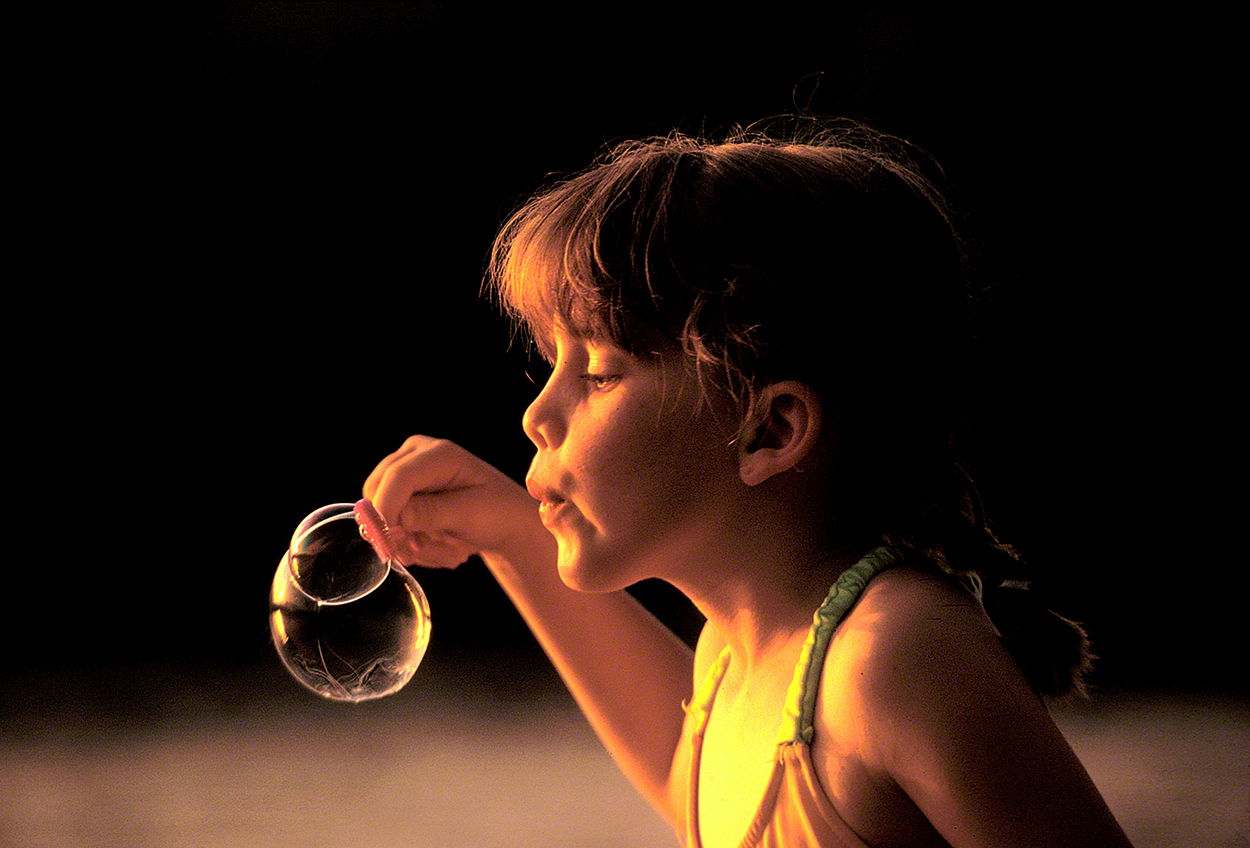
Take a look at these images where I’ve taken control of what the viewer does and then lead him to a payoff by using Line.

Visit my website at: www.joebaraban.com, and follow me on Instagram. Check out my  workshop schedule at the top of this blog. Don’t forget to send me a photo and question to: AskJoeB@gmail.com and I’ll send you a video critique.

JoeB

Food For Digital Thought: What could be…

What was, or what could be?

To finish the thought, it would be “What could be instead of what is”.

For those that have recently been reading my blog, I teach online classes with the BPSOP, and I conduct my “Stretching Your Frame of Mind” workshops all over the place. Besides showing people how to incorporate the elements of Visual Design into their imagery, I stress upon my fellow photographers that we are all artists who have chosen the camera as the medium. A camera on a tripod is the same as a blank canvas on an easel.

There are photographers (artists) that shoot only what they see. In other words, they don’t change anything that they see, they take pictures of what they are looking at the moment in time that it’s happening.

They call themselves purists, but they don’t have a problem manipulating their image in Lightroom, Photoshop, or any one of a thousands plug-ins that are offered.

Some purists!!!!!!!! They photograph what is.

I, on the other hand, am a painter. Actually, I did study painting and design throughout my high school and college education, and wound up with a degree in journalism and starting out as a photo-journalist…but that’s another story.

I photograph what could be. In other words, if I want something added into my composition that will create more visual interest, I have no problem moving a chair, table, etc. into my frame. If a person will help, then I’ll ask someone to ‘sit it’, or move, or walk a little to the left or to the right.

I’m a storyteller and instead of words,  I love to tell stories with my camera.

Visit my website at www.joebaraban.com, and follow me on Instagram. Check out my workshop schedule at the top of this blog. Come tell stories with me sometime.

JoeB

Food For Digital Thought: Direction, Length, and Thickness

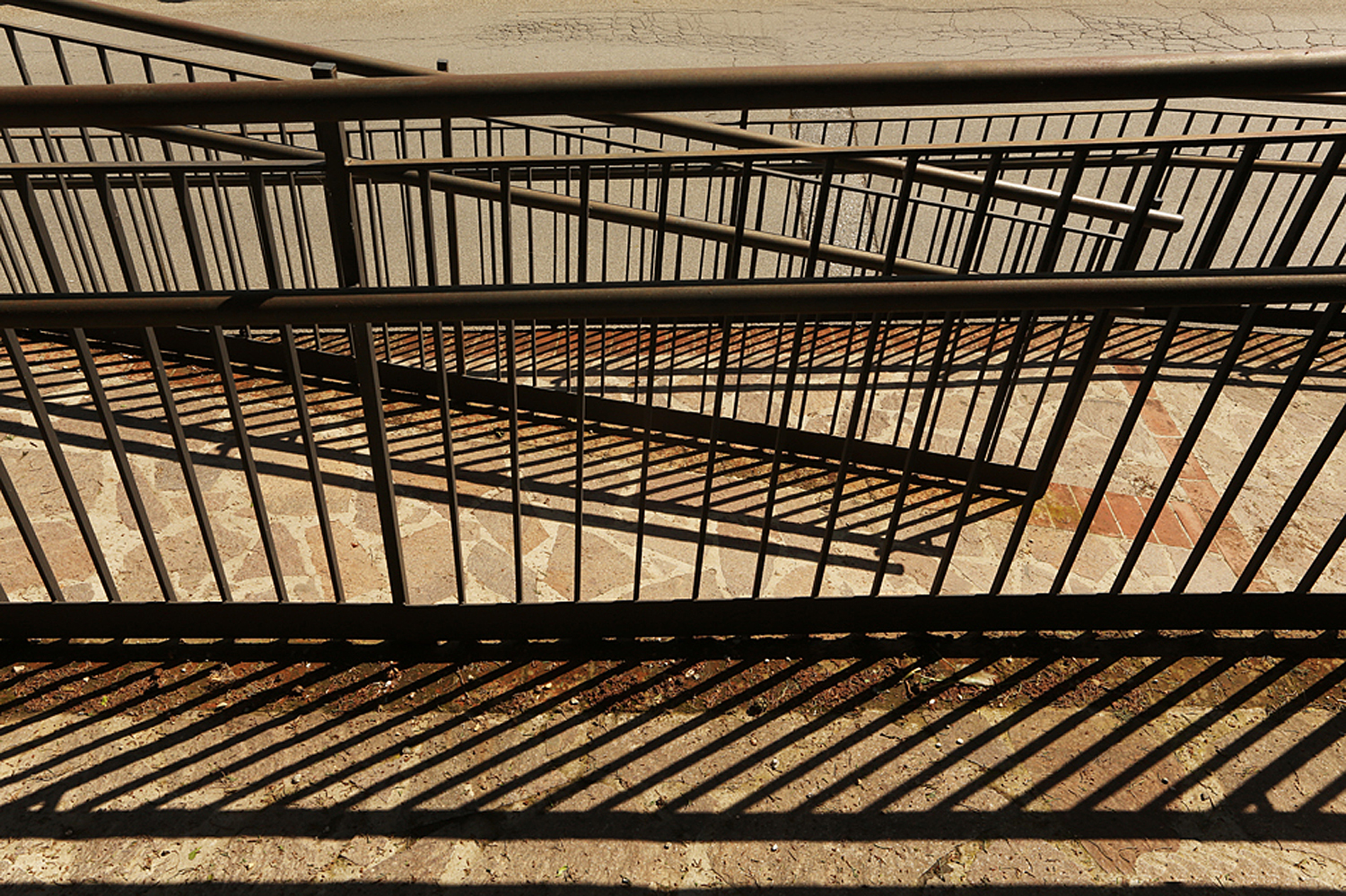
Lots of lines going everywhere.

I teach my fellow photographers how to incorporate the Elements of Visual Design into their photography. In my online classes with the BPSOP, and in my “Stretching Your Frame of Mind” workshops I conduct around the planet I explain that of all the elements, Line is the most important…why you ask?

Because without Line, none of the other elements would exist. In fact, you and I wouldn’t be around nor would trains, planes, and automobiles for the simple reason that we all have an outLINE.

Quickly, there’s all kinds of lines, but the three main ones are: Horizontal, Vertical, and Diagonal. Diagonal lines have the most energy and tension because it’s the anticipation of the lines falling forward.

Having said that, there are three things that all lines have in common: direction, length, and thickness. These three are what you want to be looking for when you’re out shooting. Forget that the road your standing, walking, or driving on is going to the horizon. Imagine it not as a road, but instead a Vanishing Point leading the viewer in a particular direction, either from right to left, left to right, or the foreground to the background. It’s anywhere from a few blocks to a few miles long, and it’s from two lanes in thickness to a four lane interstate.

What about a stand of Birch trees you often see in photos, especially when the leaves have turned during the Fall. They’re trees right? But what else are they? They’re a bunch of textured predominately white lines that all go in the same direction and are all different in length and thickness. They also form a pattern which incidentally is one of the basic Elements of Visual Design.

In the above photo, taken in Tuscany, After I had traversed the short distance from the bottom to the top of this small sidewalk from the street to another street above it, I looked back and saw a whole lot of lines, instead of the concrete ramp and railings.

This kind of thinking is what’s always part of my thought process. Since Line is so important to our virtual existence, not only do I look for lines but when I do see it, I break them down into the three categories to see what each one is doing and if they’re pertinent to my final composition.

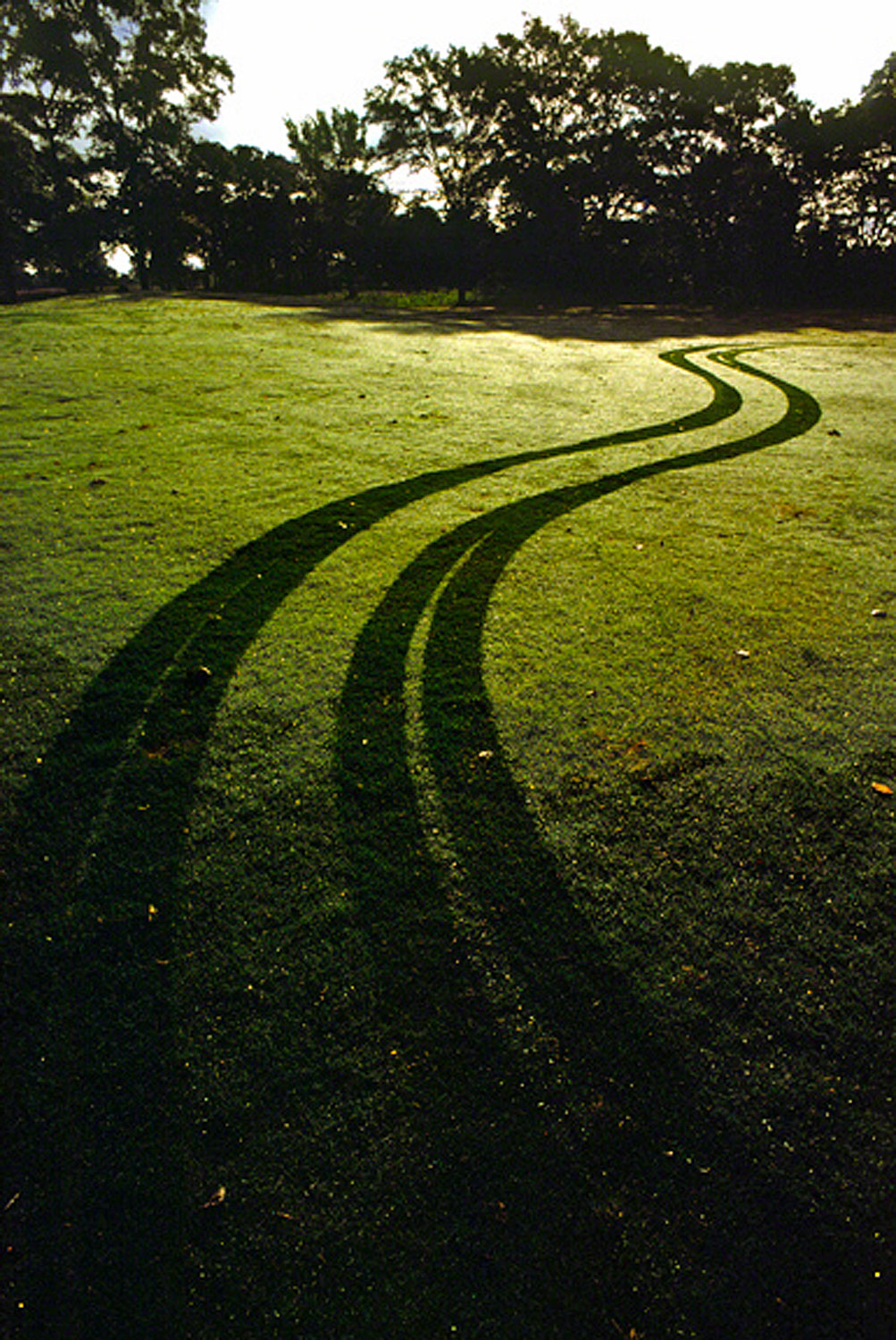
So, the next time you’re out and about looking for subject matter, instead of using the left side of your brain and taking pictures of roads, golf cart tracks, and trees, switch that side off and click on the right side…the creative side and I can promise you that not only will your photos have more of an impact, but you’ll wind up having a lot more fun in the process.

They're golf cart tracks, but what else are they
They’re golf cart tracks, but what else are they

As Henry David Thoreau once said, “It’s not what you look at, it’s what you see”.

Visit my website at: www.joebaraban.com, and follow me on Instagram. check out my 2023 workshop schedule at the top of this blog. Come shoot with me sometime.I’ll be conducting a Fall workshop in Bordeaux and Toulouse next September of 2023. If You’re interested send me an email and I’ll send you the description.

JoeB

Food For digital Thought: What do you wish?

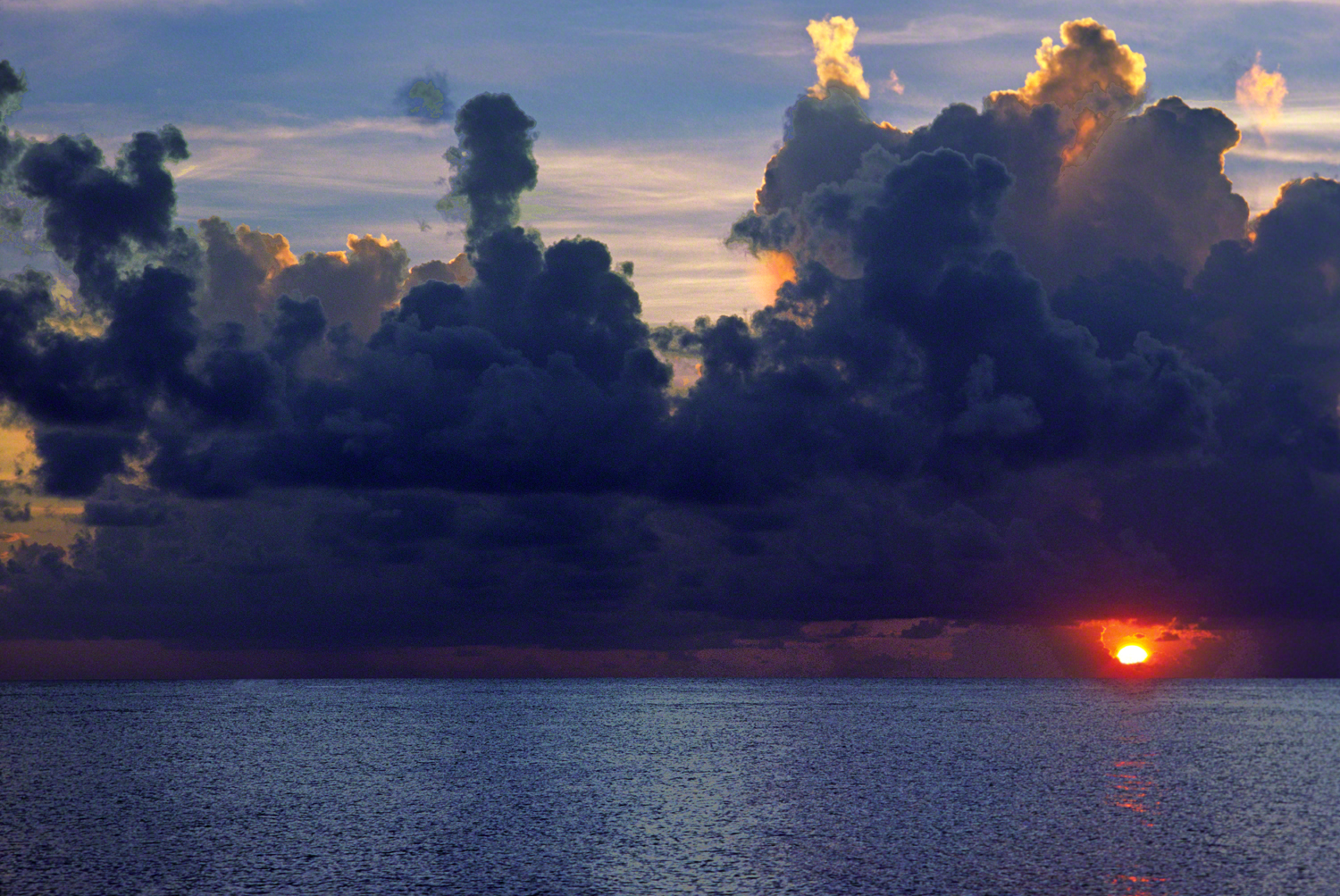
What did I wish?
What did I wish?

This is what I talk about when I’m working with my online students with the BPSOP. During my “Stretching Your Frame of Mind” workshops I conduct around our planet, we have daily critiques in the late mornings. We discuss images they’ve shot either the evening before or after the morning shoot. One of the first questions I ask someone when talking about a particular image of theirs is what do you wish.

It’s a little mental game I’ve played with myself for as long as I can remember. I’m always wishing something that’s not in my frame would be, some additional layer of interest that would hold the viewer’s attention and keep him around longer; I’m always looking for ways to make my photos stronger.

When I ask someone this question, I want them to think, to color outside the lines. This keeps their mind flowing with ideas, and helps them become more of a storyteller ( a photo maker not a photo taker) when composing their own images. It doesn’t have to be a big thing like a hot air balloon landing right behind the subject.

It can be as subtle as a black cat in an area in the foreground where nothing is going on…maybe even its shadow.  A person riding a bike through the frame with a white shirt on and wishing it were a red one. Maybe the subject is two feet to the right to get a little more of the light on the face. Or a little more to the left so that huge telephone pole isn’t sticking out of his head!!!

🙂

Since I hope that all my fellow photographers always take more than one photo of any particular subject, your wish might just be walking down the street towards you, or coming up behind you, or maybe that yellow cab you wanted pulls up and man wearing a red shirt climbs out.

I’m personally not a big fan of sunrises over the ocean. However, this one is not bad. So what did I wish that would have created another layer of interest? Something to have kept the viewer around by offering him something to think about? How about a cruise ship (all lit up) about to leave the edge of the frame on the left; leaving a wake all the way across to the right edge.

Btw, if a hot air balloon all of a sudden does land right behind your subject with Dorothy and Toto waving to the lens, I strongly suggest you immediately wish for World Peace…then a billion dollars!!!

Try it yourself sometime. As you’re composing wish for something else happening and who knows, maybe your wish will come true.

Visit my website at: www.joebaraban.com, and check out my workshop schedule at the top of this blog. Come shoot with me sometime.

JoeB