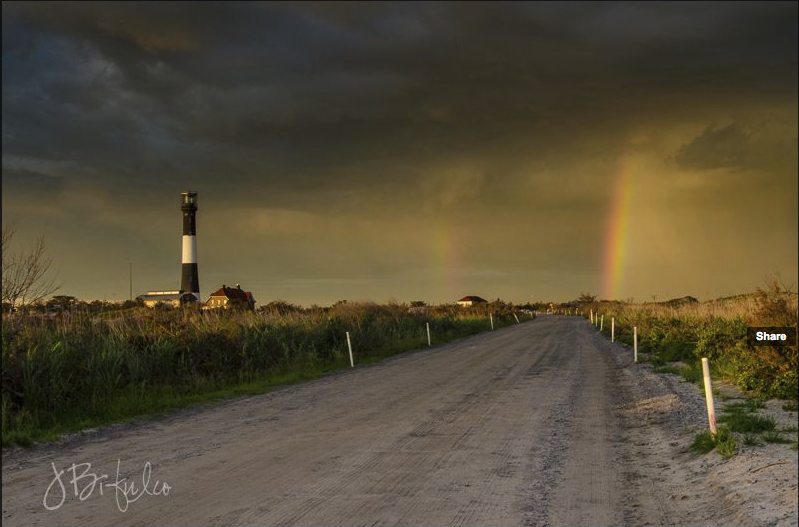
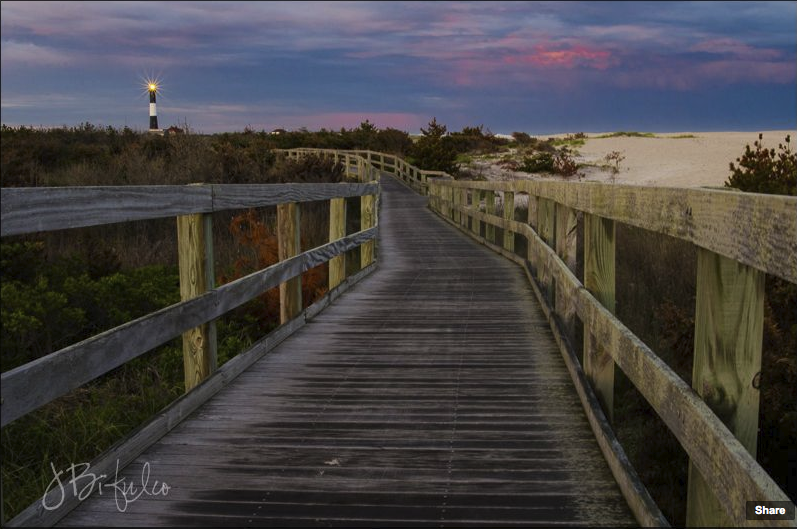
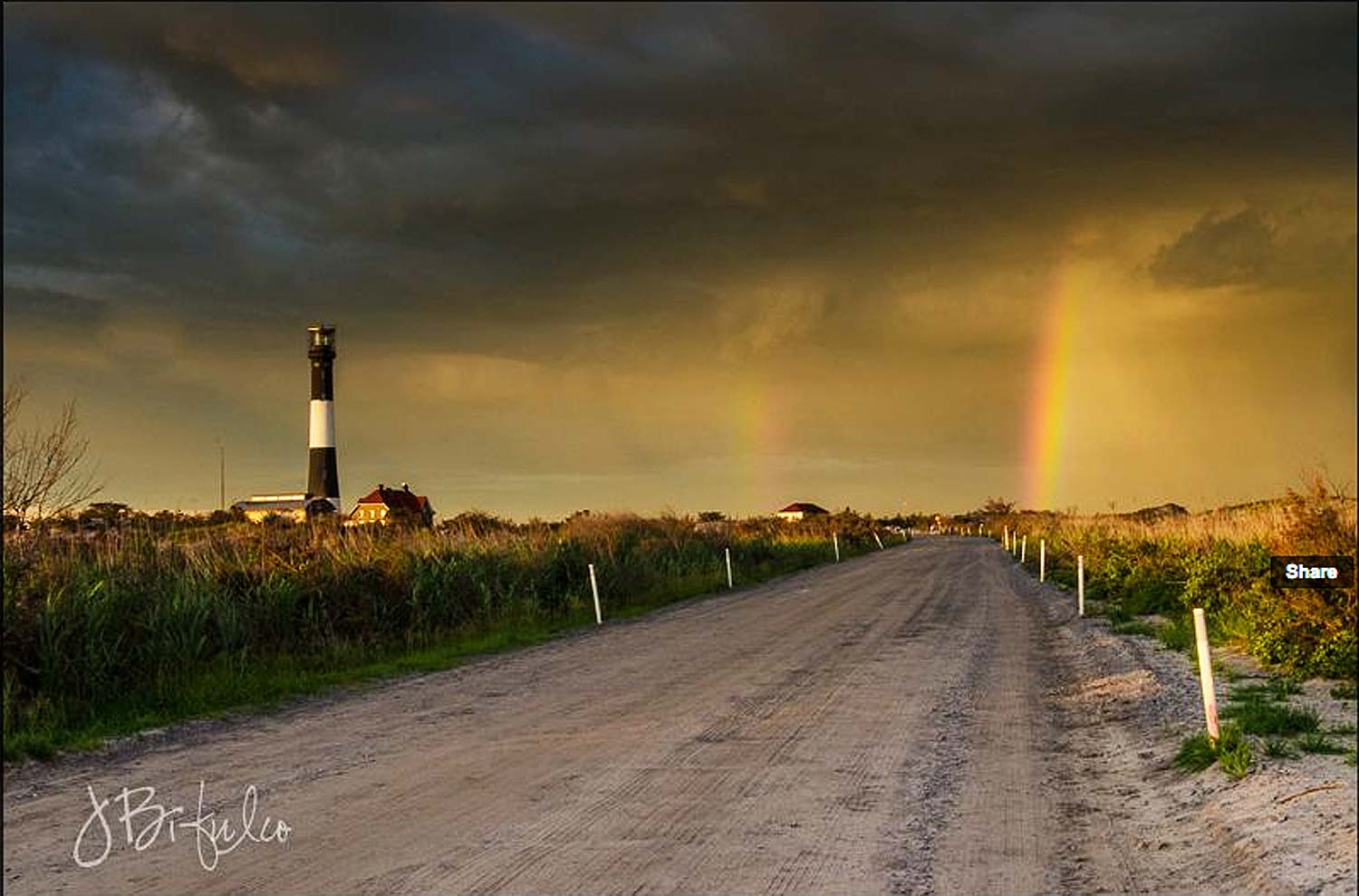
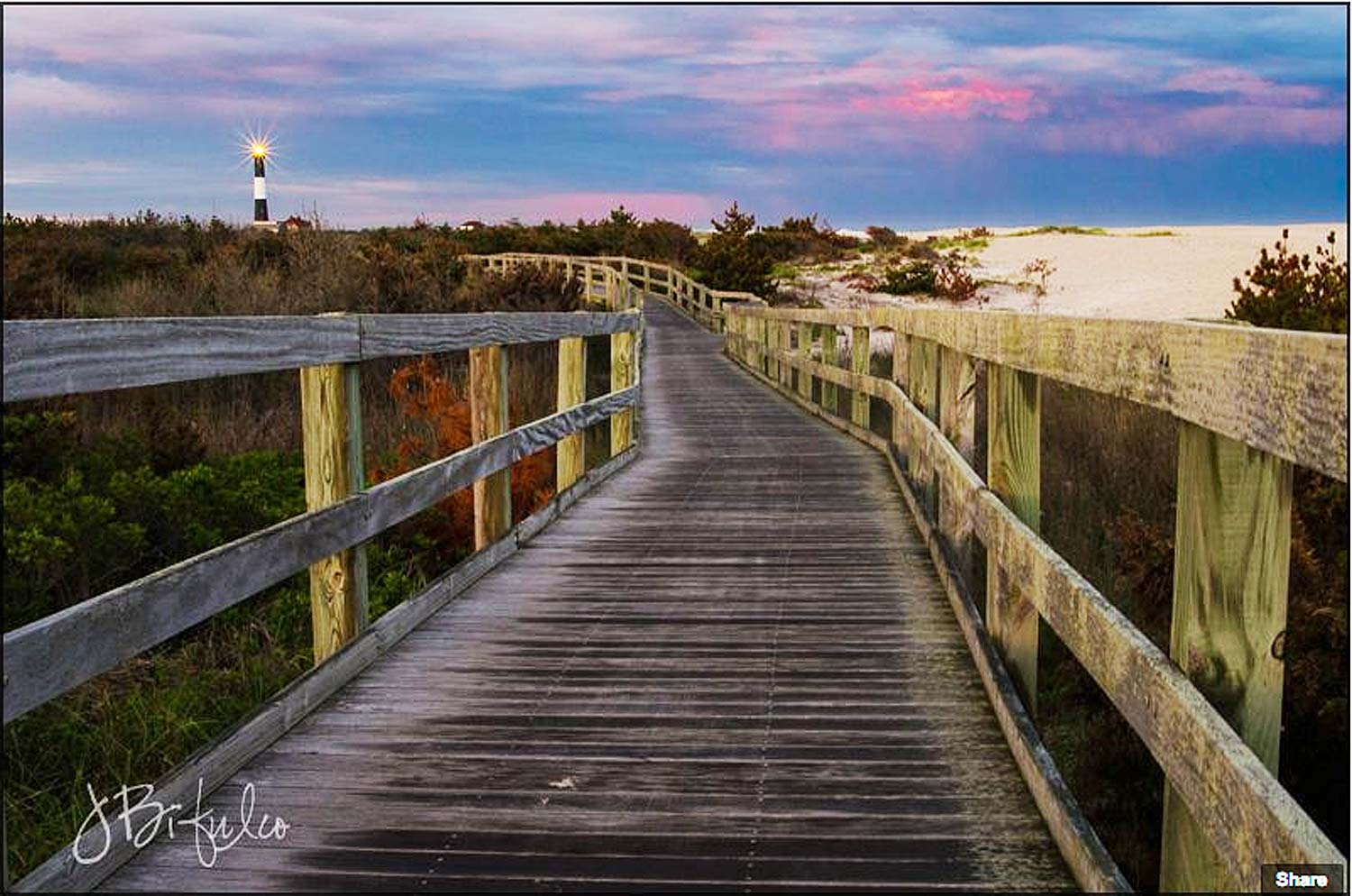
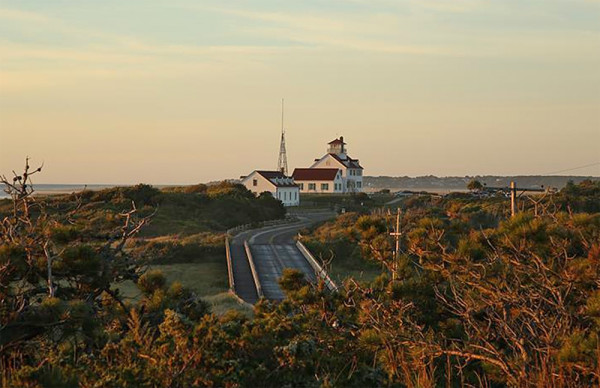
Admiralty Head Lighthouse on Whidbey Island

As I write this, today marks the anniversary of my workshop on Whidbey Island. The unique locations for photographers to photograph, and the quality of the light. Both of these came to bear when I took my “Stretching Your Frame of Mind” workshop there for a week. As I always say both in my workshops and my online class with the BPSOP, LIGHT IS EVERYTHING!!! You find the light and you’ll find the shot. In this case finding the light at a wonderful location is just about as good as it gets.

We were shooting at one location late one afternoon in June when the sun disappeared behind a large bank of dark clouds, and it looked like we were done for the day. We were heading back to the offices and classroom when I looked over and saw that there was a small hole between the horizon and the dark clouds. One of my students that was familiar with the area told me about Admiralty Head lighthouse, and that it was high enough in elevation to catch the sun break through the clouds before it set.

I immediately thought to myself about Eddie Adams, a famous Pulitzer Prize winning photographer. He once said, “When you get lucky, be ready”. This has been my mantra for the last fifty-three years, and it has helped me take some incredible photos; so off we went chasing the light, my favorite pastime!!!

When we arrived, the temperature had dropped significantly, and the wind was howling at us. It was mighty ‘freaking’ cold up there that night and I have to take my hat off to the students that went with me. As they say in Texas, “Sometimes you just gotta cowboy up”.

Larry could “cowboy up”!!!
Second version a few seconds later.

While working with another one of my students I said  that Light is so fleeting that it will change in just seconds. I took this shot and had her run with me around to the other side to show that the time it took for us to get there the light and color  had changed dramatically.

As I always say, “Never stop shooting until you can’t see anything, because as long as you can see it, you can photograph it!!!

Visit my website at: www.joebaraban.com, and follow me on Instagram: www.instagram.com/barabanjoe. Check out my workshop schedule at the top of this page and come shoot with me some time.

JoeB

Food For Digital Thought: Subjective vs Objective Photography

I took the shot

Here’s something to think about next time when you pick up a camera and go out shooting. Is your approach to taking pictures more of a objective nature or are you more subjective in the way you see things?

Let me explain by giving you an example: If you’re out shooting and you see two dressed up women standing side by side, and all of a sudden one of them picks her nose, do you take the shot?

If the answer is yes, then you’re being objective…why? Because you’re not being influenced by any personal feelings; you’re merely representing the facts.

You also probably have an ulterior motive, that being you caught someone in an act and you’re after some recognition for being ‘quick on your feet’; and the forthcoming laughter from the viewer(s).

Conversely,  if you’re somewhere and you see two women all dressed up standing side by side, and all of a sudden one picks her nose…but it’s your favorite aunt, do you take the shot?

If the answer is no, then you’re being subjective…why? Because you’re being influenced by personal feelings; you don’t want to represent the fact that your aunt picks her nose.

I will often get images from people that take my online class with the BPSOP, and my StretchingYour Frame of Mind” workshops I conduct around the planet, that may or may not show something like that happening.

During the critique they will tell me that they have other variations where the subject isn’t doing something embarrassing. The problem is that they’re not as interesting.

Part of my answer is in the form of ways to create Visual Tension. Visual Tension gives your photograph strength and intensity. Tension equals energy, and it’s a psychological force to be reckoned with and used correctly can take your photography what I refer to as “up a notch”.

When you hear the word tension you more than likely associate it with mental or emotional stress since that’s the most popular definition. After all, how many commercials have you seen or heard where they talk about “the tension headache”, and that their pill works better than all the rest to get rid of it?

I’m talking about the kind of Visual Tension that’s comes as a result of forces acting against one another; which creates energy and visual interest.

When Visual Tension is present, it’s the feeling that something is going to (or has occured) occur that will change the dynamics of the message we’re trying to get across to the viewer. There are several ways to do this and two of them fits this post: body language and gesture.

In the above photo, I was walking around New Orleans during Mardi Gras, and stopped to take a picture of this couple. At that moment the man turned around but the woman, through her body language, told me that she was very old and very tired from being on her feet all day for countless years.

Do I become subjective and not take the shot, or do I transcend any personal empathy and take the shot; I took the shot and now it’s in the permanent photography collection at the Museum of Fine Art in Houston.

So my fellow photographers, it will be a tough choice…do you go for the gold and become objective? Do you sell your aunt down the proverbial river, or do you protect her by waiting until she’s through picking?

For me, it all depends on whether I’m in her will.

Visit my website at: www.joebaraban.com, and check out my workshop schedule at the top of this blog. Come shoot with me sometime.

JoeB

My Favorite Quotes: Robert Frank

Rural China in the rain.

Every once in a while, I come across a quote that hits me right smack dab in the kisser.  Loving Robert Franks images, I wanted to share one of his quotes with you and explain how it relates to my way of thinking. He once said, “When people look at my pictures I want them to feel the way they do when they want to read a line of a poem twice”.

So, how does that relate to photography? There are several ways that I can come up with that immediately resonated with me:

Imagine you’re at an opening at a photo gallery walking around all dressed up in artful clothing and drinking cheap Chardonnay or Merlot out of the wrong kind of a plastic cup. You’re walking around looking at all the images while talking to you friend about what restaurant you’re going to afterwards.

While you’re talking and walking slow, you are giving each photo a casual glance, but you stop abruptly in front of one of the prints and look at it for more than just a few seconds.

You stop because there’s something there, something that moves you, the way the image treats you with an intrinsic value and brings you into the very essence of what the photographer was trying to communicate.

Another way to keep the viewer around is to be sure to “Make not Take” pictures. When you’re at some location , don’t just walk up to your subject bring the camera up to your eye and take a photo. Think about what you’re doing if you want your photos to stand the test of time.

Take some time to walk around your subject, what is the center of interest? Take a look around the entire location you are about to shoot in. Shoot from different POV, look to see where the Sun or the source of the light is coming from. If you try to sidelight your subject you will be creating depth. Form is one of the basic Elements of Visual Design, and it refers to the three dimensional qualities of an object: height, width, and depth. In order to create the third dimension Depth, you need to sidelight the object, a.k.a., your subject.

I teach these things in my online classes with the BPSOP and also in my workshops. To master just these two ideas will bring the level of you photography what I refer to as “up a notch:”, and will undoubtedly have the viewer giving your images a second look.

Visit my website at: www.joebaraban.com, and follow me on Instagram: www.instagram.com/barabanjoe. Always give my workshop schedule a second look as they occasionally come up. Come shoot with me sometime.

JoeB

Student Work: Shooting At Lake Yamanaka In Japan

Working with his ‘Artist Palette’.

Lemena, an online student of mine with the BPSOP sent me this photo to take a look at. As usual, I like to include what people had to say as it often mirrors what others are thinking about when they’re shooting. There’s lots of photographers out there that experience the same thing. I know that the people that take my “Stretching Your Frame of mind” workshop class deals with a lot of the same issues, so let’s talk about them.

Dear Joe,

I just took your class at BPSOP a couple of weeks ago. Last week, I  came back from Japan and was at Lake Yamanaka, one of the Fuji’s 5 Lakes. I saw this scenery one early morning. There was a rope and some wet spots on the metal bridge. A little shadow as there was morning light, although at a distant, it was misty. I thought these fit the suggestions you made in the class when I took it.

I spot meter the reddish-brown metal bridge to choose my exposure. As a result, the sky on the right side of the picture is overblown. But inside the shade of the green duckling, you can see a small boat at a distant. I love the combination of these colors. I use active D-lighting in my camera. Standard setting. About 6:30 am local time. Did not manipulate the color in the White Balance as I usually do.
Hopefully, this picture can be improved with the help of  your critique.

Thanks so much.”

Regards,
Lemena

Lemena,

I remember your work well, as it was usually full of color and pretty light. As I always told you that using your ‘Artist Palette’ with all the elements of Visual Design on it will help take your imagery “up a notch” and make it memorable. Ok, lets talk:

The first thing to address is your choice of exposure. You remember me talking about the two different kinds of light, incident and reflected. Incident light being the kind of light that falls on an object and reflected light is the type that reflects off an object.  When you metered off the bridge there was more light being absorbed than reflected because the color was dark. The sky, being lighter, reflected more light than it absorbed. Therefore there was no way that you were going to get a proper exposure on the sky and the bridge at the same time.

Also, there’s the ‘Dynamic Range‘ factor, check it out! what you have in this image is a huge difference between the highlights , mid tones, and the shadows. It’s really important to always keep that in mind when exposing your photo.

So, what do you do? Being the type of photographer that wants to do as much in the camera as possible, I want to make sure that there’s some tone in the sky, unless I’m purposely trying to blow it out as in my photo of the small road.

Intentionally blowing out the sky to create energy.

I would take a reading somewhere close to the brightest area, of the sky where there’s a little blue. that’s what you set your camera on. With color you always want to expose for the brightest area and then open up the shadows…unless the Dynamic Range is too great. At that point you either show as little sky as possible or eliminate it all together.

That’s if you want to do as much “in the camera” as you can. If I were standing there taking the photo, part of my thought process would be in identifying the potential problem and telling myself that I could easily fix what I couldn’t fix “in the camera” in either Light Room or Photoshop.

BTW, I’m glad you didn’t mess with the color and make it unreal looking. To me, there’s nothing wrong with the color as I see it here. It looks natural compared with some of the photos I’ve seen out there that look like a cartoonist took the picture!!!

Now, let’s talk about the composition itself: Are you still using my “Fifteen Point Protection Plan”? You know the one that helps you leave out what should be left out and put in what should be in?  The reason I ask is the messy rope in the foreground that to me is a little distracting. I would have picked up on that and decided if it looked good the way it was or should I have wrapped it around itself making it look less messy. For me, KI have no problem making it look good. A camera on a tripod is just like a blank canvas on an easel. You’re an artist so paint, and if that means changing something then “Just Do It”!

Did you realize that you were not centered on the bridge?  Either move to one side to make the bridge more of a diagonal shape I(leading line), or move one step to the right so it would be symmetrical. I vote on it being symmetrical. It was just a slight adjustment.

As you know, I love reflections, and especially those created by water. Having said that, I would have tried one where I was “Up Close And Personal” to the wettest part half way down the bridge. Either that, or find a bucket or a hose and wet down the area right in front of where you would put your camera. Remember that reflections create Visual Tension”.

Also remember that you’re out there “making pictures”, not taking them.

I love the small boat in the distance. In the psychology of Gestalt as it applies to photography, it’s important to keep the viewer an active participant in perceiving and processing out photos. One of the ways is to keep him discovering new things as he looks at our pictures. He won’t see the small boat right away and that’s a very good thing!!!

Nice photo Lemera and nice light as well. As you know,LIGHT IS EVERYTHING!!!

Thanks for the submission.

Visit my website at: www.joebaraban.com and follow me on Instagram: www.instagram.com/barabanjoe. Check out my new workshop schedule at the top of this blog. Come shoot with me some time.

JoeB

Food for digital Thought: The Seven Steps to Better Sight

All seven steps.
All seven steps.

When I taught online with the BPSOP, and now when I also conduct my “Stretching Your Frame of Mind” workshops around the planet. I teach my fellow photographers how to incorporate the elements of visual design into their photography. I also show them how to use their eye, and to see past first impressions. to not look at things but to see them.

There is a skill in photography called ‘seeing’, a few have it naturally, most people don’t, but can be shown the way.

The first step is the ability to frame just the part of the scene in front of you that makes a good, interesting photograph; this will take time to develop.

The second step is to fill the frame with your subject and to photograph ‘bits of things; pieces of the puzzle. Instead of the building just the window, instead of the window, the texture of the faded, peeling paint.

When out on the street and you look at the scene in front of you there are probably 30 or 40 good images you could take. Seeing is the ability to pick them out one at a time. Each potentially being the individual pieces that makes up the finished puzzle.

After a while you’ll realize that you have been walking around blind. It’s an epiphany, a sudden exciting realization that brings you into your own personal reality…perhaps for the first time.

The third step is ‘seeing’ the lighting and only taking images when the lighting is good, this takes a lot longer; a lot more discipline.

The fourth step is deciding on the best composition for your images, keeping in mind that balance is a basic element of visual design. Cropping only in the camera, and using the edges of your frame as a compositional tool.

The fifth step to consider is applying color contrasts, keeping in mind those colors that are in harmony, and juxtaposition of the light to your images; one of the best ways to generate Visual Tension.

The sixth step is simplifying the images, paring down the subject to its bare essentials. Remembering that it’s not what you put into a picture that counts, it’s what you don’t put in that matters.

The seventh and last step is grabbing the ‘moment’. The moment it all comes together, recording it to secure it’s place in our history…by clicking the shutter.

It’s a long, long learning curve.

I didn’t mention the word camera because it’s the least important part of the whole process. Clicking the shutter is the easiest part of photography.

Visit my website at: www.joebaraban.com, and follow me on Instagram: www.instagram.com/barabanjoe. Check out my website schedule at the top of this blog. Come shoot with me sometime.

JoeB

Quick Photo tips: Let That Sunshine…Shine In

I exposed for the two men.

I like to have complete control over all aspects of my final composition/photo. That means being in control of the final exposure as well. Letting the meter in your camera decide your exposure takes you out of the control you need to create strong images with lots of Visual Tension/Energy, and interest. I can tell you that the meter in your camera, no matter the brand, is not giving you the right information.

One of the many areas I cover both in my online classes with the BPSOP, and in my “Stretching Your Frame of Mind” workshops I conduct around the planet is how to take meter readings that will provide you with this tension, interest, and energy.

Most of my fellow photographers have the meter in their camera set on Matrix. The problem with that is the meter doesn’t know exactly what you want. It will read a large area of reflected light, and that’s not the best way to have control of the final photograph.

For me, I want more control than that. I want to know what every area of my composition reads so I can compare one part of the frame to the other. I want to know what it’s going to look like before I look at it on the back of my camera, and certainly before I sit down in front of a computer. By that time I had lost control and now I’m left to devices, computer software, and programs to help out.

The next time you go out, try setting your meter on ‘spot’ so it will read a smaller portion of your composition. Read the highlights and then the shadows and see what you get. If you really want to master the light, get a handheld meter like the one I’ve used for the past forty-four years. I use a meter that’s not made anymore but you can find them in mint condition on e-Bay.

I use a one degree spot meter that was made by Minolta, and in it’s day, it was the state of the art. I can read just one degree of light at a time and can compare readings from the highlights to the shadows…and everything in between.

Minolta One-Degree Spot Meter

In the past couple of years, this meter has become very popular again. I guess there’s more people out there that want the challenge of being a good photographer and not a good computer artist.

Of course these days you don’t need that, but to me it’s fun and challenging to get exactly what I want in a photo…before I click the shutter.

In the photo above, I wanted that sunrise energy so I read the reflected light on the two men. Once I set my camera to expose for them, the early morning sky behind blew out creating the Visual Tension, interest, and energy.

I’m sure some of you out there are horrified because I clipped the highlights. All I can say is…get over it. Stop being predictable and following rules written by people a long time ago that never colored outside the lines.

Visit my website at: www.joebaraban.com, and follow me on Instagram. Check out my workshop schedule at the top of this blog.

JoeB
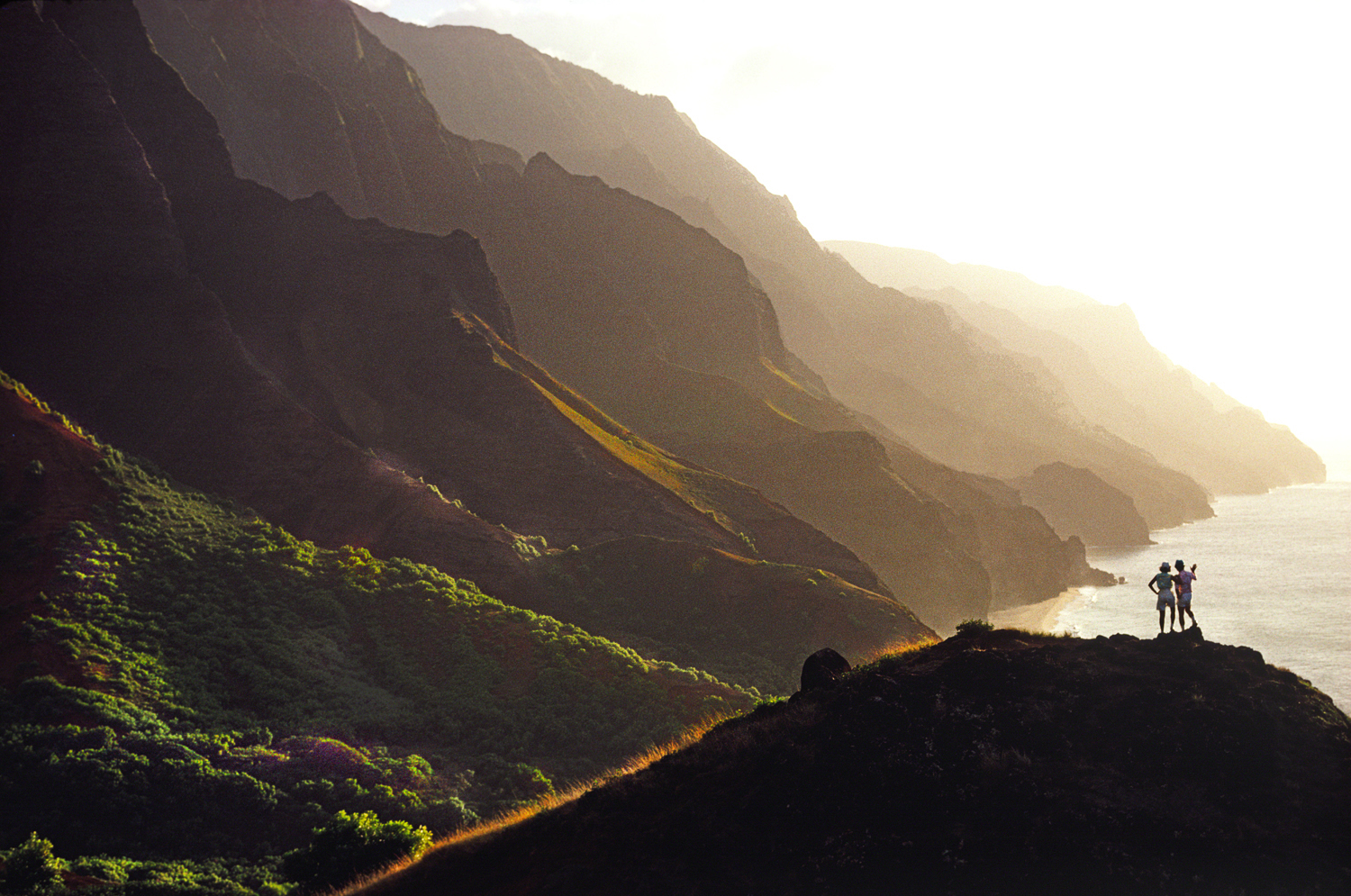
 

BPSOP November Class

The 'Artist Palette' at work
The ‘Artist Palette’ at work

Besides my “Stretching Your Frame of Mind” workshop I conduct around the planet, I also teach a four week class with an online school called the BPSOP. Actually, I teach a part I and a part II class, the latter covering several areas I’m not able to cover in the first four week class.

In each of the four weeks I give a different lesson that covers the different elements of visual design and composition. These elements have been around since the Renaissance and are still considered classic ways to take your imagery what I often refer to as “Up a Notch”. At the end of the classes, fellow photographers walk away with I call the ‘Artist Palette’, and on this Palette are: Negative Space, Vanishing Point, Perspective, Tension, Pattern, Texture, Color, and Line. They also walk away with an understanding in how these elements work with Light, since we concentrate on it.

The above photo, taken in week three by one of my students, has several of the elements from his new ‘Artist Palette’. Can you see them?

When you look at the following slideshow from my part I class, you will see the ‘Artist Palette’ in action. As a result, these same photos, were taken from non professional fellow photographers whose only requirement for taking my class is a desire for improvement in the way they approach their photography, a good working knowledge of their camera and be able to shoot on the manual setting; passion also helps.

As you can see, these images are a definite cut above and in a lot of instances memorable. Btw, in my classes, my goal is to make you a better photographer not a better computer artist, so no post production of any kind or cropping is allowed so all the photos you see were taken “in the camera”.

🙂

Visit my website at: www.joebaraban.com and follow me on Instagram: www.instagram.com/barabanjoe. Be sure to check out my workshop schedule at the top of this blog. Come work on your ‘Artist Palette’ with me some time.

JoeB
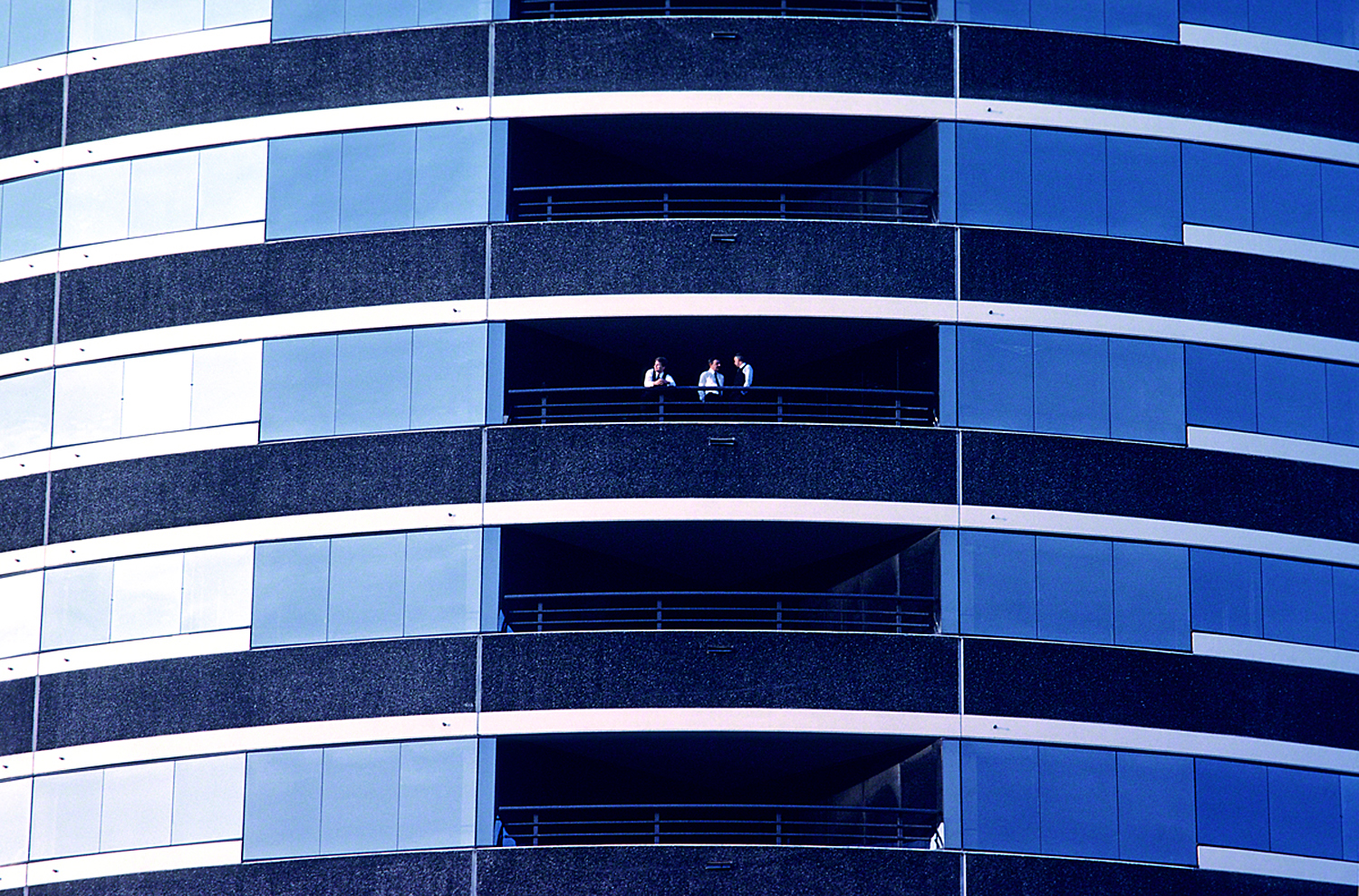
Student Work: Your Thoughts

Too underexposed?
Too underexposed?

Daniel sent me this photo and asked me for “my thoughts and a critique”.

I usually get more of a description and a question associated with it, but since it’s a fairly straightforward image, I can still write a critique.

The first thing I want to discuss is one of the biggest areas of concern I have in my online class with the BPSOP, and in my “Stretching Your Frame of Mind” workshop I conduct around the planet, and that’s about exposure. For some unknown reason, my fellow photographers trusts what the camera tells them as far as what exposure to use. In my opinion, that’s one of the worst things you can do, and Daniel’s photo is a good example. It’s so underexposed, that I can’t figure out what the meter was telling him. I could be dead wrong, but if I had to guess, I would say that this was probably the only exposure taken of this composition. If you look at the top left side of the frame, the structure doesn’t really stand out against the sky until you almost get to the middle of the frame. Also, the color of the sky and horizon appear to be muddy and not a pure value of said colors.

I can’t tell you how many students of mine have no idea what shutter speeds and aperture settings are. They’ll go their entire life and never know because they let the camera do their work for them. I would not be shocked if I told one of them to put their camera on manual, and set the camera on 1/60 at F/8 and they just looked at me with question marks in their eyes…now that’s scary!!!

If you’re shooting for yourself, then it’s not going to be a problem since you were there and saw it the way it really was. If you’re shooting so other people can enjoy your work, then I suggest you learn what’s the right exposure to use for every photo you ever take. When I tell you that it will make you a stronger photographer, take it to the bank.

Better exposure?
Better exposure?

But I digress.

Ok, back to the photo. In my classes we spend a great deal of time working on balance and using negative space to define the positive space. In Daniel’s image if you look at the building on the left side of the structure, the negative space around it clearly defines it. If you look at the building just to the right of the same structure, a viewer won’t know where the left side ends and the object begins. It’s not a “quick read”. If you look way over to the right, the building is defined on both sides.

I like the strong diagonal line that almost cuts the frame in half. Line is the most important of all the Elements of Visual Design. Although there are many kinds of lines, the three basic ones are: Vertical, Horizontal, and Diagonal. Diagonal lines have more energy and visual tension that the other two. The reason is that it’s the anticipation of the diagonal lines falling forward that gives them the additional energy and tension.

I’m not sure what the red and white things at the bottom right corner are but I would have liked to see more of them; to add another layer of interest. The more the viewer discovers in our imagery, the longer he’ll stick around…and that’s exactly what we all want…that is if we’re shooting for other people.

Thanks for sending it to me.

Visit my website at: www.joebaraban.com, and follow me on Instagram: www.instagram.com/barabanjoe. Be sure to check out my workshop schedule at the top of this blog. Come shoot with me sometime.

JoeB
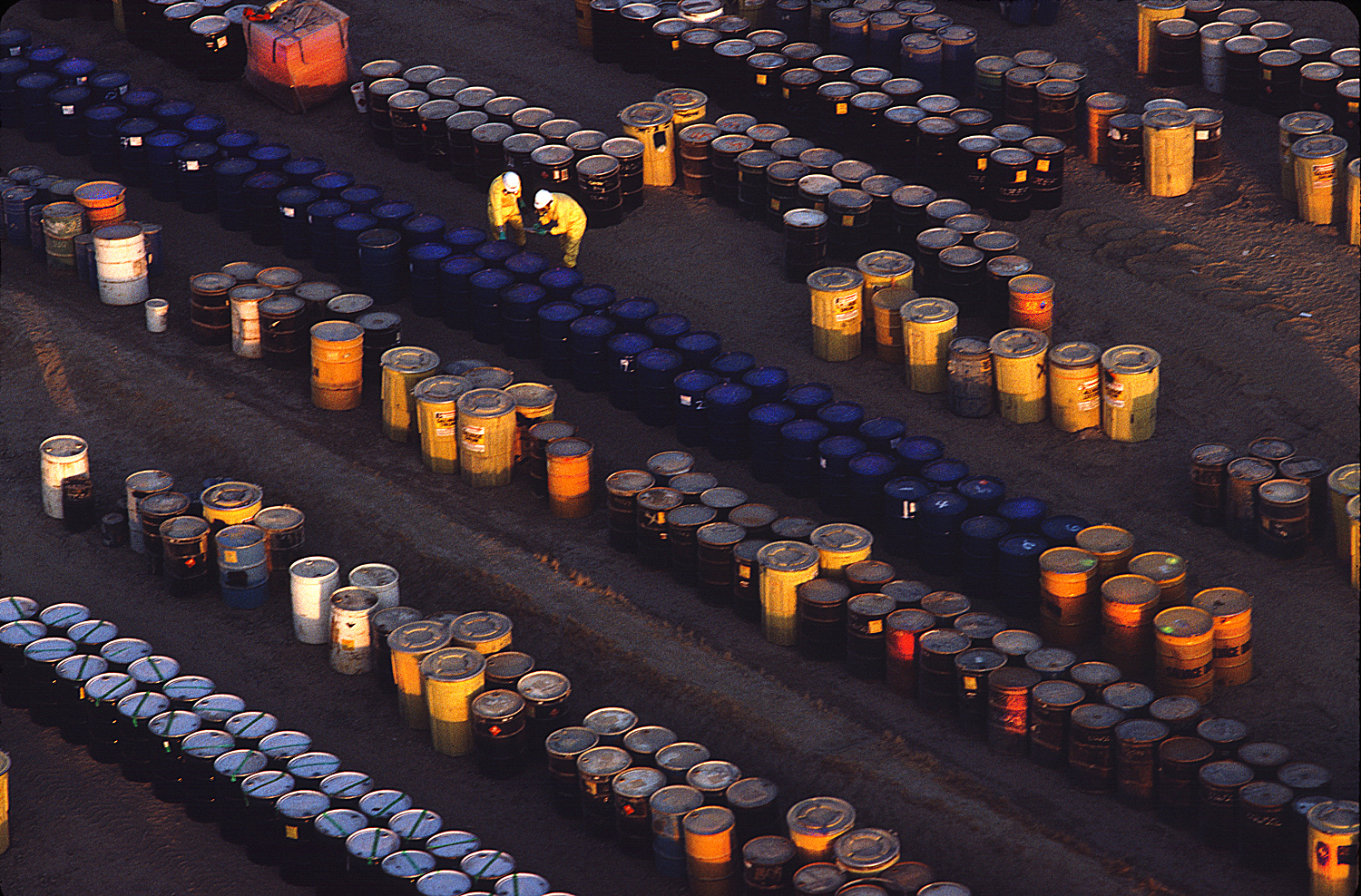
My Favorite Quotes: Ralph Waldo Emerson

Smell the Flowers

Ralph Waldo Emerson,  the American essayist, poet, and philosopher, once said, ” Many eyes look through the meadows, but few see the flowers.”

When I first read this quote I immediately connected it to the way I teach both with the BPSOP, and also in my ‘ Stretching your Frame of Mind’ workshops I teach all over the place. From China to Singapore, to most of the countries in Europe, to NY, to LA, to San Miguel de Alende to Cuba and even back home in Houston.

Photographers in general have a tendency to look only at the end of the road and not how they got there in the first place. What it took from where they started to what it took to get them there…to the end. In other words the parts that make up the hole.

This, in part, is the essence behind the Psychology of Gestalt. In order for a photo to stand the test of time it need to bring a lot to the table. Layers of interest I call them, and the more layers you have from the beginning to the end, the start to the finish the better chance it has to hang on your wall, a.k.a., wall hangers.

As Bob Marley said, “Some people feel the rain while others just get wet”. In other words, don’t just bring your camera up to your eyes and ‘take’ a picture, think about how you want the finished image to look, how you want it lit, what you want to include, and what you want to leave out. When you’re satisfied, then bring the camera up to your eyes and ‘make’ a picture of what you saw in your mind. I call it pre-visualization.

If you’re a golfer, you know what it takes to hit the ball straight, not necessarily far, just straight: your feet, hands, hips, shoulders, head, etc. That’s a hell of a lot to keep track of. In photography, fortunately you don’t have quite that many to think about, to shoot that elusive ‘Wall Hanger’ but I assure you the number is closer than you might think.

So, don’t narrow your vision to only see the end, keep it wide open take your time and smell the flowers on the way.

Visit my website at: www.joebaraban.com, and follow me on Instagram: www.instagram.com/barabanjoe. Come shoot with me sometime.

JoeB
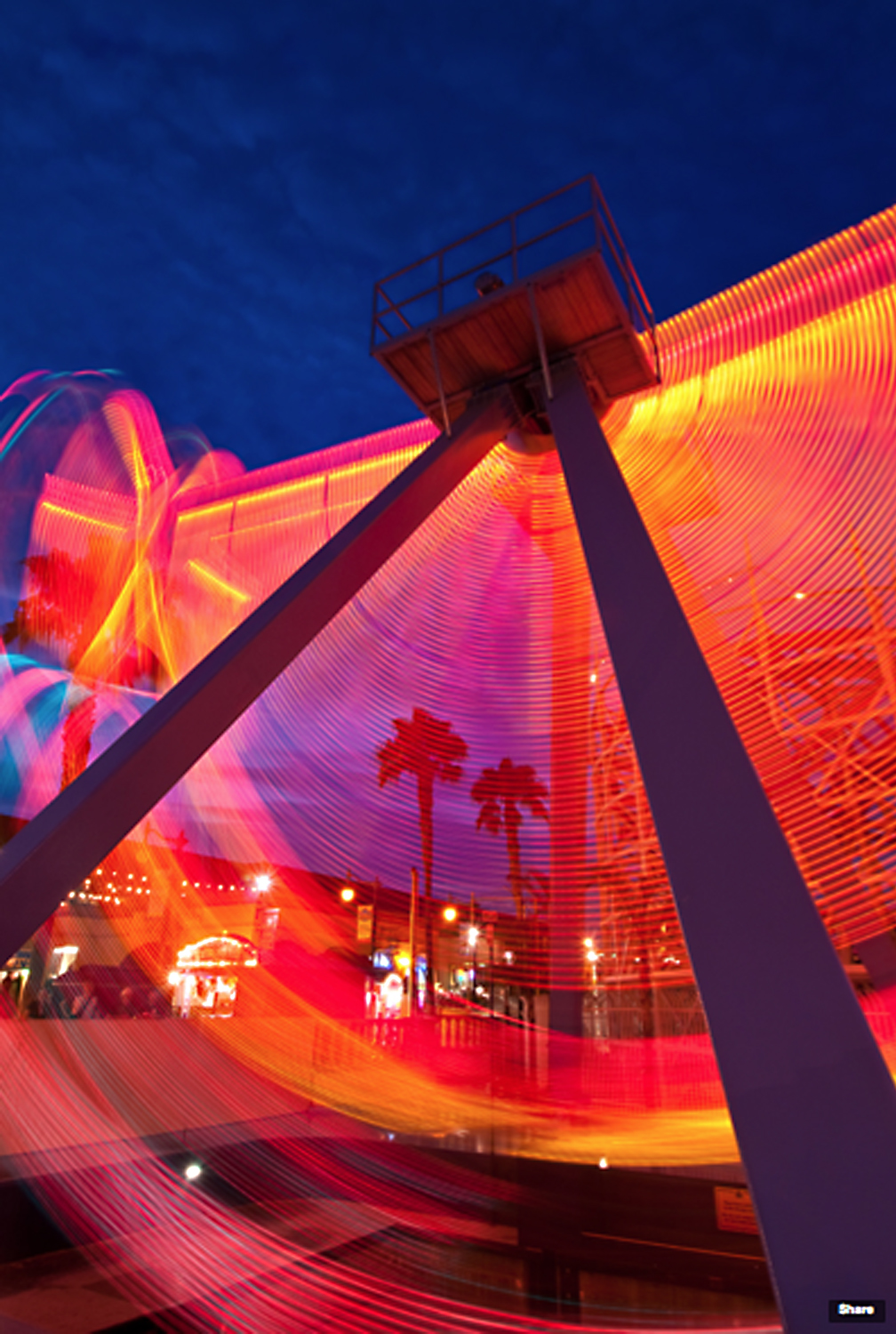
Food for digital Thought: Color

Color was my subject

When I go out shooting, I never look for a particular subject. For example: flowers, fences, boats, cars, buildings, planes, trains, rivers, oceans, etc. What I look for is color, and color is often the subject. A white picket fence is not just a picket fence. It’s a ‘white’ picket fence. The type of flower is unimportant; it’s the color that attracts me to it.

Coming from a background in color theory, painting and design, I have over the years, trained my eye to look for color, and it often requires looking past your initial impression. The use of color can come either first or last in our thought process, and for me, it’s usually first and foremost.

When I’m working with my online students with the BPSOP, and also in my “Stretching Your Frame of Mind” workshops, I’ll put color on their Artist Palette as one of the basic elements of visual design.

Since my background is also in Journalism (as in a BA) I love to write and tell stories. Now, my medium is photography, so I will often use color as my way of communicating ideas. For me, color is a stimulant for our eyes, and ties the elements of a photograph together. Color affects every moment of our lives, and has an enormous impact on our photography. Knowing color is one of the first steps in taking consistently good photographs.

Being a student of the color wheel will help you as far as creating harmony and balance when composing. Harmony, as it applies to photography is a way of more than one color making sense to one another.

Studying the psychological effects of color is a class in itself. For example: Blue is calming or depressing. Brown is earthy and provides an element of comfort. Orange is an attention grabber. Purple is sexy, powerful, and regal.

Yellow is cheerful. Green is the color of freshness. Black is mysterious. White is associated with cleanliness. Red, the most powerful color of all, stimulates the heart and brain. It’s sexy, angry, ambitious, and can imply risk-taking. Artists use color to achieve several effects.

Color can give you a sense of mood as well as a sense of place, and time. It can also be used to move the viewer’s eye around your composition.

Here’s a portfolio of examples

Visit my website at: www.joebaraban.com, and follow me on Instagram: www.instagram.com/barabanjoe. Check out my 2016 workshop schedule at the top of this blog. Come shoot with me sometime.

I have added a new workshop to my 2016 schedule. On September 21st, ten photographers will get together with me at my evening “meet and greet” to begin a fantastic five-day workshop in New York, New York. Check out my description at the top of this blog. Come shoot with me.

JoeB

Student work: Am I doing too much?

Did he do too much?
Did he do too much?

Tom submitted this photo with a question.  I always like to share what people say to me, in their own words. Since so many of my fellow photographers will occasionally find themselves in the same situation, it’s good to know that they’re not alone. Here’s what Tom had to say:

“Joe,

I took this at the Vivid Sydney festival.  This piano lit up in different colors when different keys were played.  Most of the people who played on it were seriously good, including this lady.  I wanted to capture her poise and confidence, the purples and blues she was producing with her music, and the vividly lit sails of the Opera House in the background.  Am I trying to do too much here?  What do you think?”

Tom,

Given the circumstances, I think you did as good a job as possible to get your message across to the viewer. That’s a tough situation to be in since you have virtually no control and have to “go with the flow”. I don’t think you did too much. It’s a pretty straight forward photo that shows the environment (as best as you could given the exposure parameters), and the energy created by the light and colors.

If I had been there with you, I would have suggested that you wait (with your finger close to the shutter release) for her to express herself with more body language; perhaps some kind of gesture. I want to hear the music through her body language and even facial expression. It seems like she’s stopped or waiting for something. Maybe she leaned and looked to her left. Something other than the appearance of her holding still.

In my online class with the BPSOP, and in my “Stretching Your Frame of Mind” workshops I conduct around the planet, I often refer to my expression “In a perfect world what if”?

What I mean is that if you could go back and do anything you wanted, what would you do? In this case, I’d like to be able to move around her. One shot I would definitely take is from the end of the piano looking straight at her. I would be using the top of the piano to frame her with color, and use the piano strings (wire) to lead the viewer to her face. What else would you like to do?

It’s a good photo Tom, and thanks for sharing it.

Visit my website at: www.joebaraban.com, and follow me on Instagram: www.instagram.com/barabanjoe. Be sure to check out my workshop schedule at the top of this blog. Come shoot with me sometime.

JoeB

Personal Pearl of Wisdom: Get Up and Give me Six.

Is it worth six seconds

Inspiration for these posts come in all flavors anytime day or night…no matter what I’m doing. So to tell you that this one came from surfing my cable television provider on a particularly dreadful evening where you wonder why you have to pay so much to get absolutely nothing of any content or cerebral stimulation.

As I had my thumb sitting on the up button, watching the programs whiz by at close to warp speeds I suddenly stopped, backed up, and began watching the PBR Network. An obscure channel (at least for this city boy) that’s all about professional bull riding…as in PBR…and by the way not to be confused with Pabst Blue Ribbon beer.

I quickly became enthralled, fascinated as to who had the biggest testicles the bulls or the cowboys willing to ride these four-legged monsters whose main purpose in life as I see it…is to kill, maim,  mutilate, or seriously injure those that decide to get on and ride it for eight seconds right into the history books as heroes and legends for unnamed prizes, silver very large belt buckles, big trophies and or cash.

In my online class with the BPSOP, and in my “Stretching Your Frame of Mind” workshops I conduct around our planet, I’m often telling my fellow photographers that visual input is a part of our everyday life ,and if we can make it our objective to present this visual information in a way that makes  it worthwhile for the viewer to stick around, we’ve done our job as an artist and photographer. Make him an active participant by moving him around the frame via line, having him discover things in your composition while he’s moving around the frame, and create what I refer to as Layers of Interest.

These Layers of Interest should work together in harmony and be balanced. There should be some sort of rhythm that makes the viewer comfortable while looking around for things to discover. I can tell you that once the viewer sees something interesting, he’ll look for another.

Creating depth by using wide-angle lens to anchor your subject up close and personal is another way to keep the viewer around. The use of light, communicating ideas using color are others.

Here’s what it all boils down to:

When I’m shooting and right before I click the shutter, I ask myself if the photo I’m about to take was a print hanging on a wall during the opening of a new trendy gallery…surrounded by other photos. There are people dressed up in hip and trendy new fashions, holding cheap Merlot or Chardonnay wine in plastic glasses, milling around looking important, hoping someone will see them, and occasionally looking at the photographs.

Would any of them stop from self-indulgent reverie and look at my photo for at least six seconds, or stroll by with nothing more than a cursory look. If I can’t say with the utmost assurance to myself that yes they will stop, then I re-think my composition and not go any farther as far as committing to the final act, the decisive moment of clicking the shutter.

Eight seconds is a very long time to expect someone to study your photograph as well as it is riding a bull. For me, I like the challenge, but perhaps six seconds is more like it; still a long time. If you adhere to some of my ideas and practices, you’ve got a very good chance to last the full eight seconds and take home one of those coveted trophies…maybe a silver silver belt buckle in the shape of a camera would be more appropriate.

Visit my website at: www.joebaraban.com, and follow me on Instagram: www.instagram.com/barabanjoe. Check out my workshop schedule at the top of this blog. They don’t stay up long because they fill fast. Come shoot with me sometime.

JoeB

Student Work: Has Doubts.

Does it work?
Does it work?
Ghita sent me this photo with doubts about whether I thought it was a good photo or not. As usual, i like to let my fellow photographers read what was sent to me. The reason being that we all at some point have doubt about our work, or have asked themselves similar questions. Here’s the question as it was sen to me:
“Hi Joe,
I’m a Danish hobbyist photographer following your blog. I send you a photo, I took a few evenings ago in my local area.

I’m quite happy about it, but nevertheless have some doubts about the light and the composition. It’s edited in Lightroom. I increased the clarity a bit and lightened the shadows. It now looks pretty much as I saw it.

But how does it work? Is it too dark? Is it too light? What about the balance between the amount of sky and water? And the composition? I had to be quick, because the boat went rather fast.

Kind Regards,

Ghita,

First of all, let’s talk about the overall composition. It’s a really nice, well balanced and the horizon line is straight (harder than you might think). I love the fact that you showed just the important part of the sky that has the color. You’ve created a really nice area of Negative Space between the bottom of the sky and the tops of the buildings. I always tell people to look at what’s the most important part of your image, the information above or below the horizon line. In this example, the information below is filled with texture, one of the basic principles of Visual Design so it will keep the viewer’s interest.

I talk about these elements both in my online class with the BPSOP, and also in my Stretching Your Frame of Mind workshops I conduct all around our perfectly round planet…Earth

So you said that you lightened the shadows, but not near enough to show any detail in the buildings. To show more detail would turn them a bad looking gray, so why not just leave them as silhouettes? They are almost at that point so they look good. All you need is the different shapes to show the different buildings, and the Negative Space and the contrast provides visual interest.

As far as the boat, you put it in just the right space, so great thinking. Eddy Adams once said, “When you get lucky be ready”. You were lucky and you were readt with a quick eye and responce.

Visit my website at: www.joebaraban.com and follow me on Instagram: www.instagram.com/barabanjoe. Watch for my Workshop schedule at the top of this blog. I don’t keep them up long because they fill very fast. Come shoot with me sometime.

JoeB

AskJoeB: Did It Do It…Create Tension?

Did it create Visual Tension?

A past online student with the BPSOP, sent me this photo to review. Like always I like to show the actual message, since so many of my fellow photographers have experienced similar situations and have had the same questions. Here’s what tom had to say:

“Hi Joe,

Took this shot of the Sydney Opera House almost an hour before sunrise – 120 seconds at f/13, 70mm on a full frame camera.
When I’m shooting, I’m always remembering the artist palette you taught me in the online BPSOP courses – or at least trying to. In this shot, I was thinking about tension, perspective, negative space, line, texture, and of course, light. The main focus was to create tension by putting the strong, smooth, and very simple diagonal of the bow of the cruise ship close to the complexity and texture of the Opera House, leaving enough negative space to define each clearly but not so much that they become separated.

Did it do it (create tension)?

Also, I’m not sure how quickly a viewer will be able to see that the strong white triangle is the front of a ship, there may not be enough there for them to fill in the rest in their mind (closure). But also not sure it makes much difference to the overall appeal of the shot whether that is a ship or a building or a UFO. Would appreciate your thoughts on that.
I did make a few lightroom adjustments. Brought the shadows up a bit and the highlights down, as the sails of the Opera House were a bit dark but the lights around it were a bit strong. Added contrast and decreased clarity. And increased both the saturation and the luminance of the blues, but left the other colours alone..

It’s a really nice photo,beautifully lit. So many areas to look at, and besides in my BPSOP class, I also talk a lot about ways to keep the viewer around longer in my “Stretching Your Frame of Mind” workshops I conduct around our planet. Having him discover new things when looking at your image, and moving him around the frame are two ways to keep him around.

Here’s my only problem: Since you were there standing in your three dimensional reality, you know that it’s a very large ship. However, you won’t be around to explain what this large object (that takes up just about fifty percent of your frame) is to the viewer. It will have to stand on its own and be a ‘quick read’. My question to you is…to you think that someone living in a place that is not bordered by water of any kind will know what it is?

As far as tension is concerned, yes it does generate tension. By minimizing the negative space between the ship and the Opera House, you create Tension. The use of light, and contrast also creates Tension.

Thanks for sharing this beautiful image with us, and I’m glad you’re thinking about my “did it do it” list for good composition we worked on in our online class.

FYI, a triangle has three sides, not four.

What do you think about it darker?

Visit my website at: www.joebaraban.com, and follow me on Instagram: www.instagram.com/barabanjoe. Check out my upcoming workshops at the top of this blog. Come shoot with me sometime.

JoeB