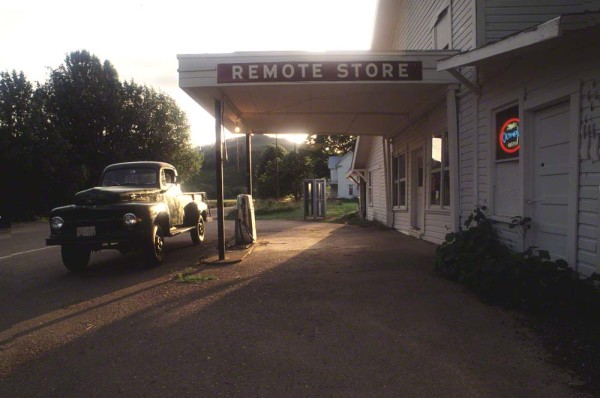
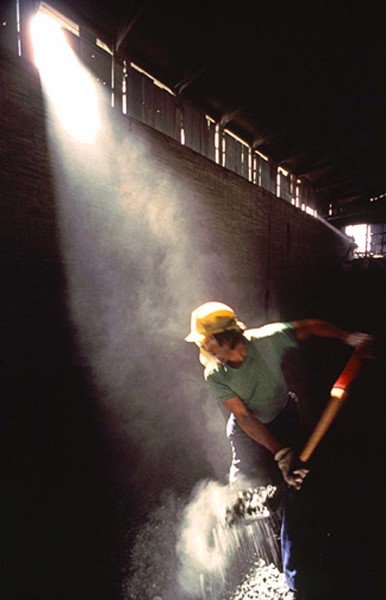
Quick Photo Tip: Don’t Always Listen To Your Friends.
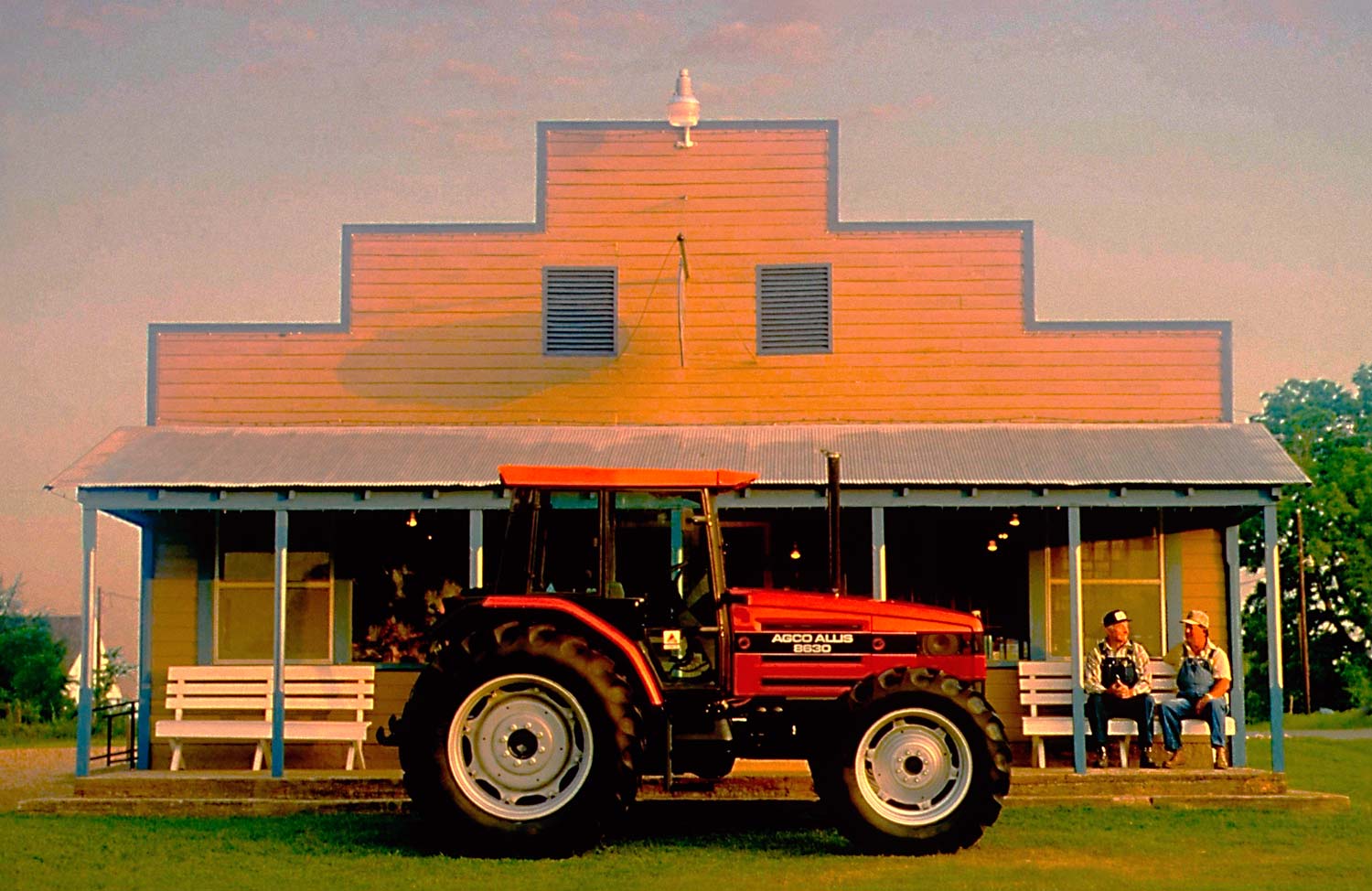
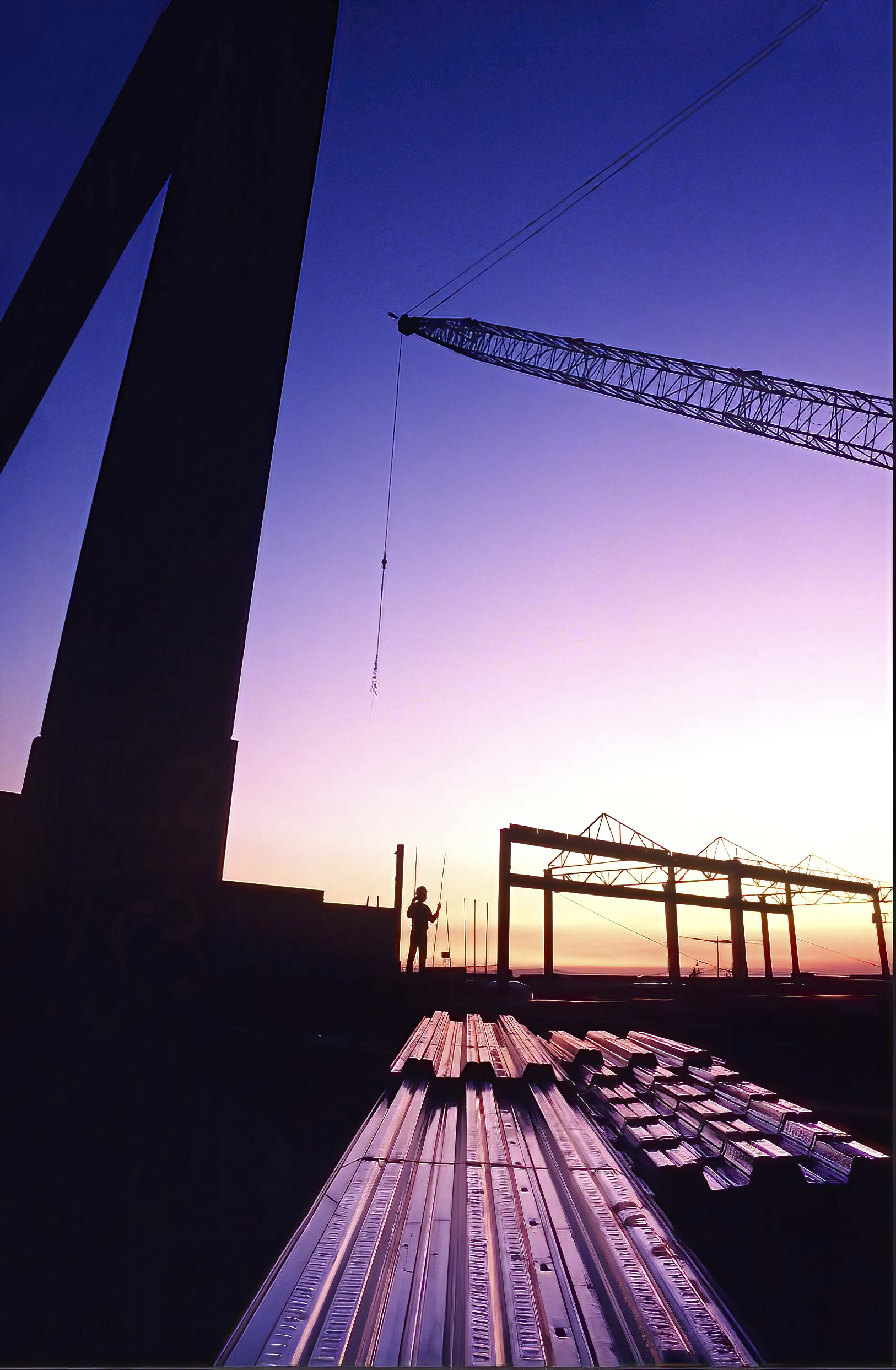
Shot from the front, and with a red tractor.

I teach my fellow photographers how to use the Elements of Visual Design to create stronger compositions, as well as images that have strong visual interest. Unfortunately, it’s more than every once in a while that someone in my online class with the BPSOP, or someone that’s with me in one of my “Stretching Your Frame of Mind” workshops I conduct around the planet tells me that a friend told them not to do something.

Just the other day, one of my students said that a friend of hers, that’s a “professional” photographer, told her to never shoot buildings from the front. WHAT?????

Moreover, I’ve also been told that friends (more professionals) have also said to never shoot anything that’s red. Someone, please shake me because I must be in some kind of twilight zone episode. How about this one from a friend to another friend…”Why worry about it now, you can always fix it later”. “Always have people walking into the frame so you can give them room to walk into”, is another ridiculous statement; by yet another professional photographer.

Let me digress for a moment by saying…by definition a professional photographer is someone that at one time in their life got paid for taking a photo. All it takes is one photo to qualify for this ubiquitous title so…I’m just saying!!!

My standard answer is…’Well, I guess if they told you to follow them while they jumped off that bridge, you would? If you do, leave your camera on the ground before you take a dive so someone might get some use out of it “.

I find it interesting that a lot of photographers, especially those that haven’t been at it long don’t have faith in their abilities and creative ways to make good photos. It’s hard to be objective when looking at our work, and so we sometimes rely on what others tell us, and we take it in good faith to be the way it is. After all, they want to sound as if they know what they’re talking about when in reality you probably know more than they do…at least as much!!!

Follow what you feel is right, and stop listening to your friends that just might have an agenda other than helping out. Take workshops from people whose work you admire. More than likely they’ll lead you down a better path. Read books like Freeman Patterson’s, The Art of Seeing. It’s one of my all-time favorites.

BTW, I guess I really screwed up when I shot this building straight on and put s red tractor in front!!!

🙁

Visit my website at: www.joebaraban.com, and follow me on Instagram www.instagram.com/barabanjoe/ check out my workshop schedule at the top of this blog. come shoot with me sometime.

JoeB
Life Before Photoshop: Caddy Collection

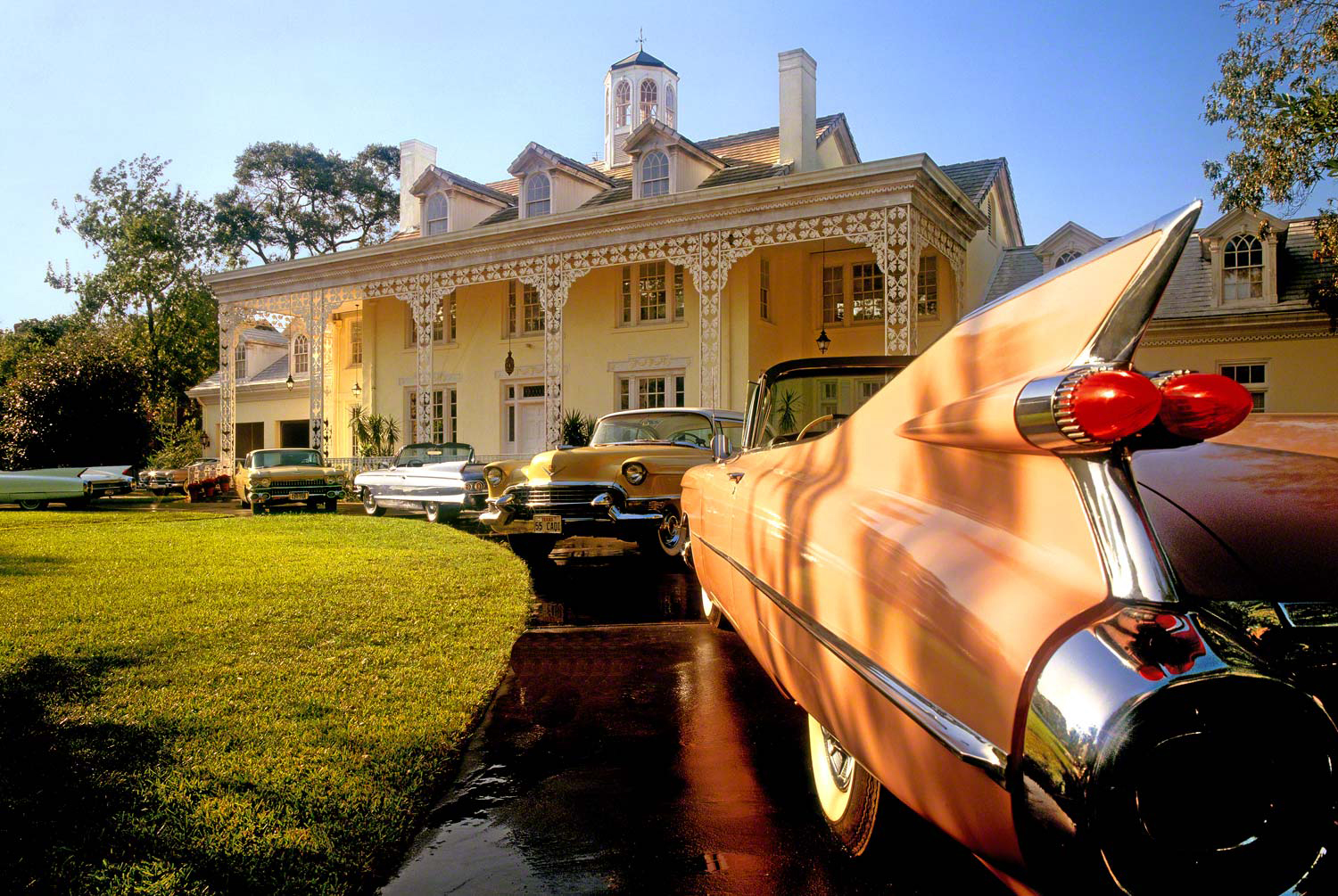
Look ma no Photoshop.

For all my fellow photographers that fell in love with taking photos in the digital age, there was actually a time when you had to create everything in the camera. A time when you had to take a roll of film out of a canister and load it into your camera; compose, then focus all by yourself.

Now, you don’t have to do anything but bring the camera up to your eyes and click the shutter. If something ain’t right, well don’t worry because you can “fix it later”. I’ve heard this exact quote a lot in my online classes with the BPSOP, and in my “Stretching Your Frame of Mind” workshops I conduct around the planet.

Don’t think for a minute that I’m some old-fashioned, medicare card-carrying gray-haired old man that has not kept up with the times. I might be old and gray, but I assure you that I’m fairly good with Photoshop and use it all the time; on just about every photo I take.

I like creating as much in the camera as I can because to me that’s what a good photographer does. If there are things that I have no control over, or can’t fix before I click the shutter, I have no problem working on them in post-production.

In the photo above, I was hired by a man who collected Cadillacs. He wanted a poster to put up in his office, and he wanted to show the cars in his front yard. I scouted the location to determine whether it received morning or evening light, and determined that a late afternoon shoot would provide me with the best and latest light.

I set up my camera on a tripod and arranged the Cadillacs while looking through the viewfinder. The hard part was arranging the cars so they would reflect light, but not be blown out. It took the entire day to do it. I brought out a hose and we wet down the driveway to catch any reflections I could while creating a sense of depth. Knowing that I had a small window of light, I waited until it was the way I wanted then took the shot.

All this was created on one piece of film.

Visit my website at: www.joebaraban.com, and check out my workshop schedule, also follow me on Instagram www.instagram.com/barabanjoe/ Come shoot with me.

JoeB

Photographic Equipment: The Reflector

Just one white reflector.

When I’m teaching either with my online class with the BPSOP or with my “Stretching Your Frame of Mind” workshops I conduct around the planet, students are always asking me the best way to use fill flash when shooting portraits outdoors. I have a simple and quick response to them.

I tell them that in my fifty-two year career, I’ve never, and I mean not once used fill flash outdoors. I don’t even like to use it indoors. I can honestly say that I’ve never missed it because my portraits do just fine without it. So, you’re thinking, what do I do?

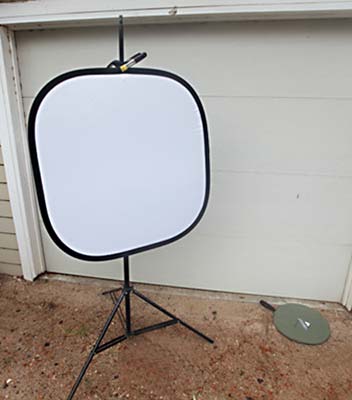
Here’s my set-up. How much simpler can you get?

I use a collapsible reflector with white on one side and silver on the other. 90% of the time I use the white side. I’ll occasionally use a larger piece of Foam-board when I have a larger area to cover, as in a full length shot. All I ever need is a stand that won’t fall over, an A-clamp, and a reflector. It’s a hell of a lot easier than figuring out ratios when I’m losing the light. Why complicate my life? There’s enough things I have no control over that does a good job messing with my head. Why cloud it up even more with something that I love and have control over.

It’s unbelievable how many times I see an outdoor portrait lit with a flash. It’s a look that’s been beaten to death, and usually the photographer doesn’t know what he or she is doing which makes it worse. I realize it’s a matter of personal preference, and for me I like a natural look. The kind of look that has never gone out of style and never will.

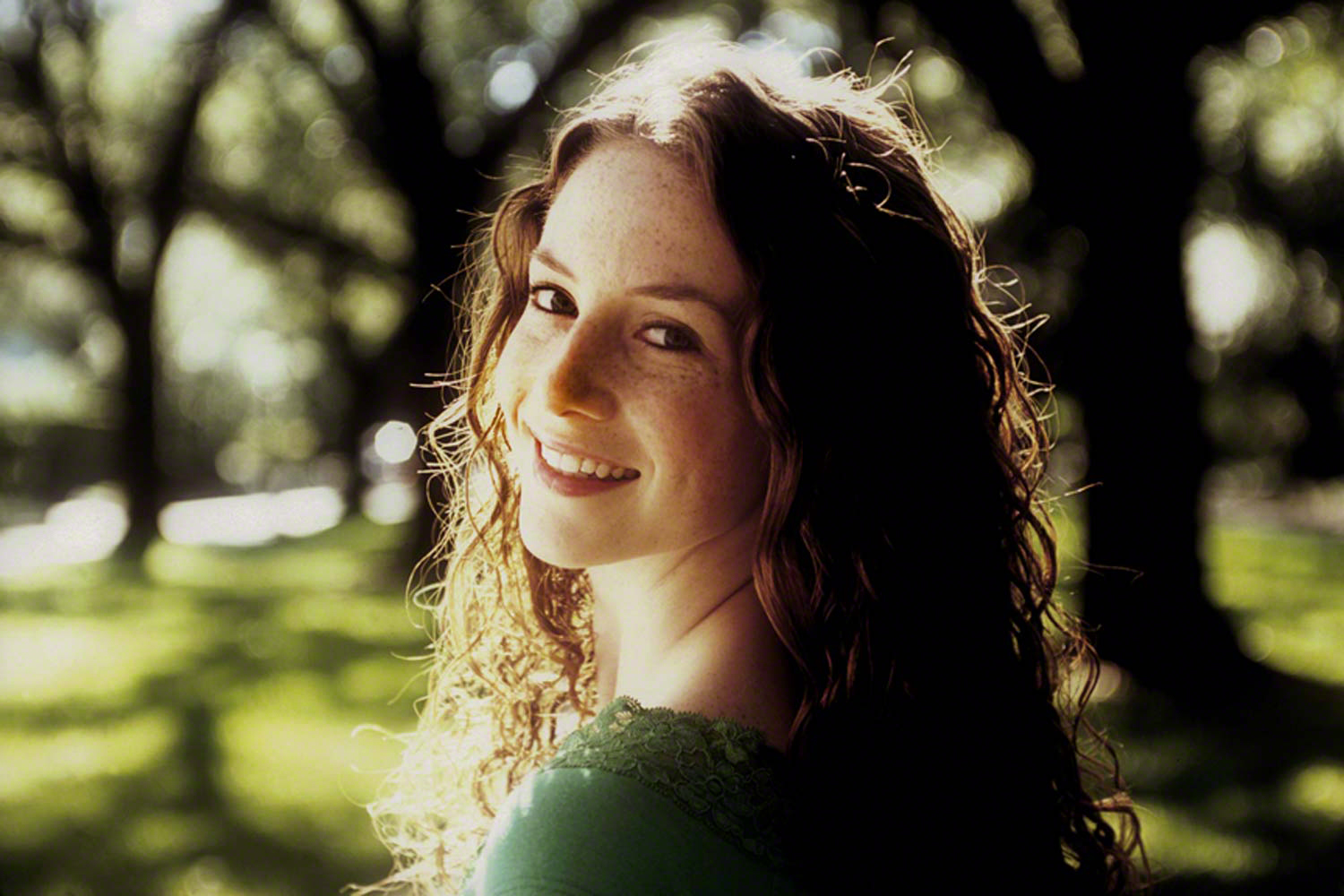
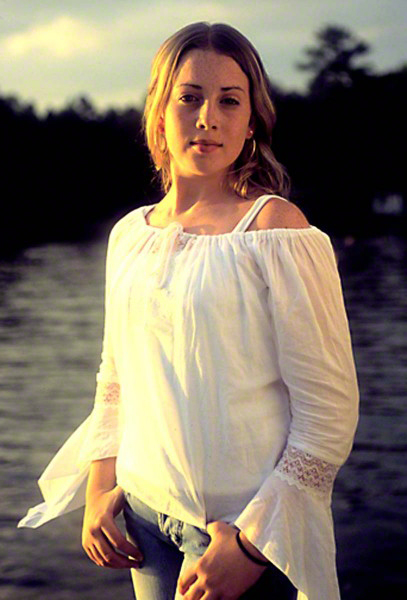
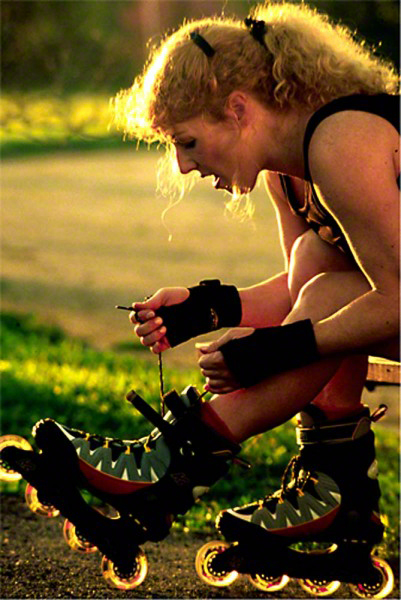
Take a look at some of my portraits lit with only a white reflector or a larger piece of foam board:

Visit my website at: www.joebaraban.com, and follow me on Instagram www.instagram.com/barabanjoe/and check out my workshop schedule at the top of this blog. Come shoot with me sometime.

JoeB

Food For Digital Thought: What is the subject without light?

It’s all about the light

For those new to my blog, I teach an online class with the PBSOP, and I conduct my “Stretching Your Frame of Mind” workshops around our perfectly round planet. Now, before I get into my post, I wanted to explain exactly what light is all about:

LIGHT: “Light or visible light is electromagnetic radiation within the portion of the electromagnetic spectrum that is perceived by the human eye. Visible light is usually defined as having wavelengths in the range of 400-700 nanometres (nm), corresponding to frequencies of 750-420 terahertz, between the infrared (with longer wavelengths) and the ultraviolet (with shorter wavelengths).”

For those that understood this definition, you are way above my pay grade…and probably, for the most part, left-brained thinkers. However, for those like me, we are right-brained thinkers. For those that are switch hitters, I’m always impressed when I meet one of you.

To me light is everything. There are two reasons why light is not necessarily everything. Humor can replace great light, and street shooting when you’re trying to capture a moment in time.

Other than those, light is what makes or breaks an image. To get to that point, it’s important to know where to stand in relation to the light source, when, and how long to stand there.

Don’t just stand there, bring your camera up to your eye and ‘take a picture. Take a look around and see what direction the light is coming from.

I have seen images that were submitted to my online classes, and I have seen it firsthand when watching a photographer in one of my workshops. As I constantly tell my fellow photographers, before you do anything, think about whether you want to sidelight, backlight, or front light your subject?

My favorite form of light is when it’s available…I just love North light softly coming into a window, etc. It’s also important to comprehend the phases of natural light.

Learn to distinguish the Golden Hour, the Blue Hour, and the twilights of daytime and nighttime. Explore the ways each can be used to create varying degrees of warmth and saturation in our images.

I assure you that if keep all in mind when you’re out shooting, your work will show it.

Visit my website at www.joebaraban.com, and follow me on Instagram www.instagram.com/barabanjoe/. Check out my workshop schedule at the top of this blog. Come shoot with me sometime.

JoeB

My Favorite Quotes: Louis Pasteur

I'm always ready for anything that comes my way.
I’m always ready for anything that comes my way.

In my famous quotes category, they don’t necessarily come from well-known photographers, writers, or musicians. They are quotes I’ve heard over time that have stuck with me for one reason or another.

Yes, in order for me to identify with them they need to have some bearing on what I happen to have been doing for the past forty-eight years…and that would be taking pictures.

Louis Pasteur once said, “Chance favors the prepared mind”.

Photographically speaking, that refers to being mentally ready to take on whatever is coming your way…either from behind you or straight at you.

In my online class with the BPSOP, and in my “Stretching Your Frame of Mind” workshops I conduct around the planet, I’m constantly pointing out that light, among other things comes and goes so fast that it’s easy to miss out.

Sure, it takes talent, but it takes fast reflexes, being alert to the forever changing light, and a very good knowledge of your camera. I sometimes just scratch my head when a fellow photographer signs up for one of my workshops and shows up with a brand new camera and an assortment of lenses he or she has…and bought and so very proud of.; without ever reading the manual or shooting with it before the workshop.

I specifically remember being at a location in Paris at sunrise. Not just a typical beautiful sunrise, but one that was anything but typical. It had a perfect mix of a glorious sky and beautiful warm light. So beautiful, that one could just stand there and admire it…which incidentally was exactly what this photographer wound up doing.

She had purchased a new camera system and four lenses, and had no idea how to use it; since I didn’t shoot with the system, I could not help…a sad lesson learned.

I digress.

When you put your camera over your shoulder, you are basically going out hunting that wily-rouge OMG photo, that keeper that you can put on your wall and be proud to say you shot it…when asked.  You need to be ready and alert mentally for anything because that’s what’s liable to come your way…anything and everything. That also includes always looking over your shoulder.

A well-known pool hall expression is…”When you snooze, you lose”. One example is if you had just been shooting on the Aperture mode and suddenly something happened that would require a fast shutter speed, you would probably miss it if you hadn’t thought about it (very quickly) and changed your setting. This is one of many reasons I always shoot on manual…but that’s another story.

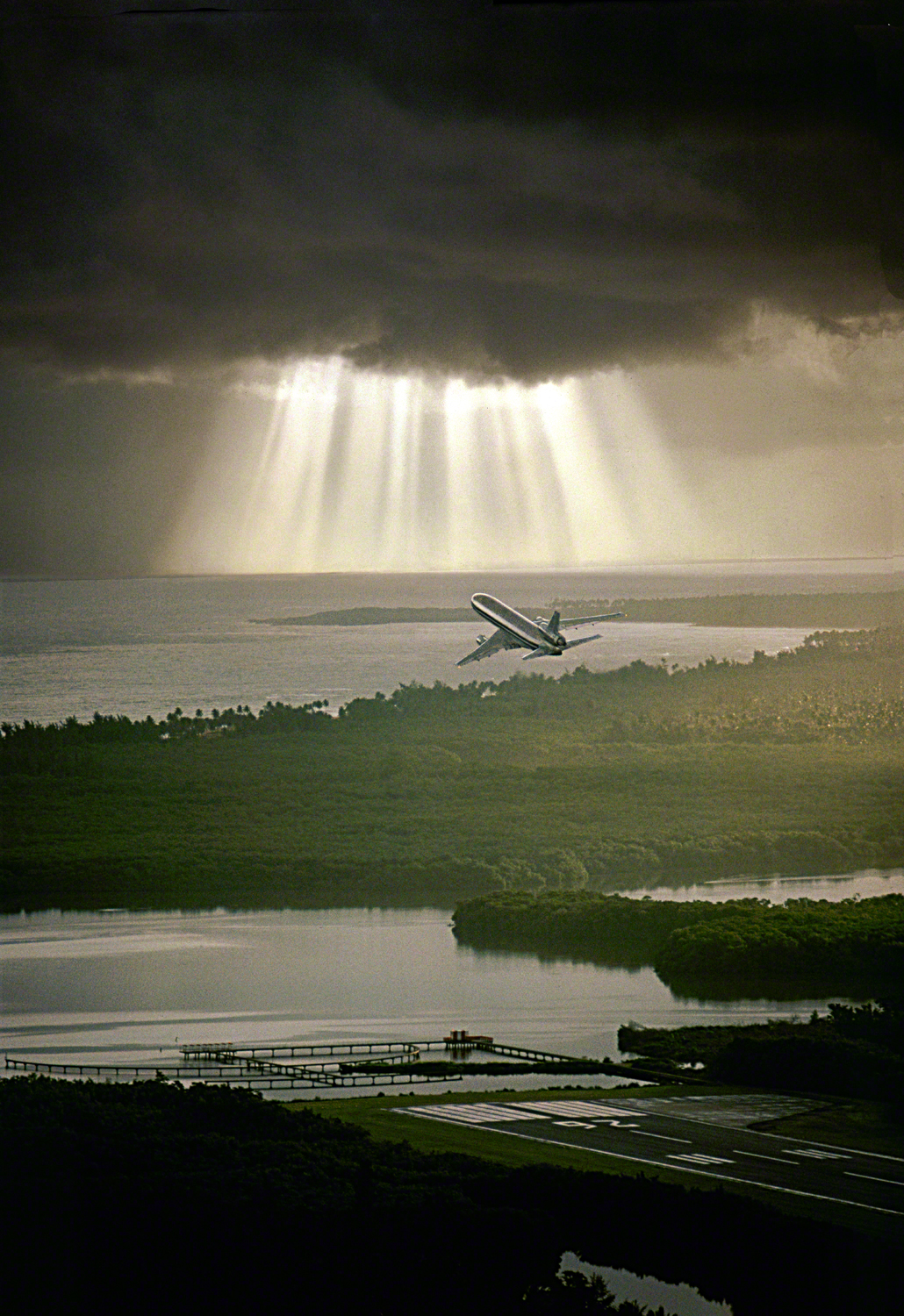
In the photo above, I was returning back to the San Juan airport after shooting the coastline from a helicopter. I looked to my far left and saw this incredible sky, and for a moment it had mesmerized me.

To my right, I saw a jet taking off and quickly got myself into position to shoot the jet as it headed towards the clouds and before the jet was gone…which took about ten seconds. As a result, I was able to capture this amazing (un-retouched) image that has always been one of my favorites.

Btw, imagine what it must have looked like to the pilot and co-pilot.

Visit my website at: www.joebaraban.com, and follow me on Instagram https://www.instagram.com/barabanjoe/

JoeB

Personal Pearls of Wisdom: Weird Is A Good Thing.

Pretty weird man.
Pretty weird man.

I suppose it comes from the old days, my youth, when I worked for UPI and then AP as a stringer. I was given assignments where I had a chance to roam the streets of Houston. Naturally, I also had to cover the Houston Rockets, the Astros, and the Oilers. That was fun as well, but not like being in the position to capture something weird. I just adore weird!!!

I like for my photos to be remembered and shooting predicable subject matter just won’t do it for me. I’ve learned to either smell something weird that’s either happening or about to happen. I’ve also learned how to create weird as well.

In my online class with the PPSOP, and in my “Stretching Your Frame of Mind” workshops I conduct around the planet, I tell my fellow photographers that they need to look for that which is different. Something out of the ordinary. Something that even scares you or puts you off a touch can lead to those kinds of photos that people will remember. If it’s weird people, I like to get “up close and personal”. If the situation comes up, be ready for it. Go for it and take the photo plunge. You’ll love what you get.

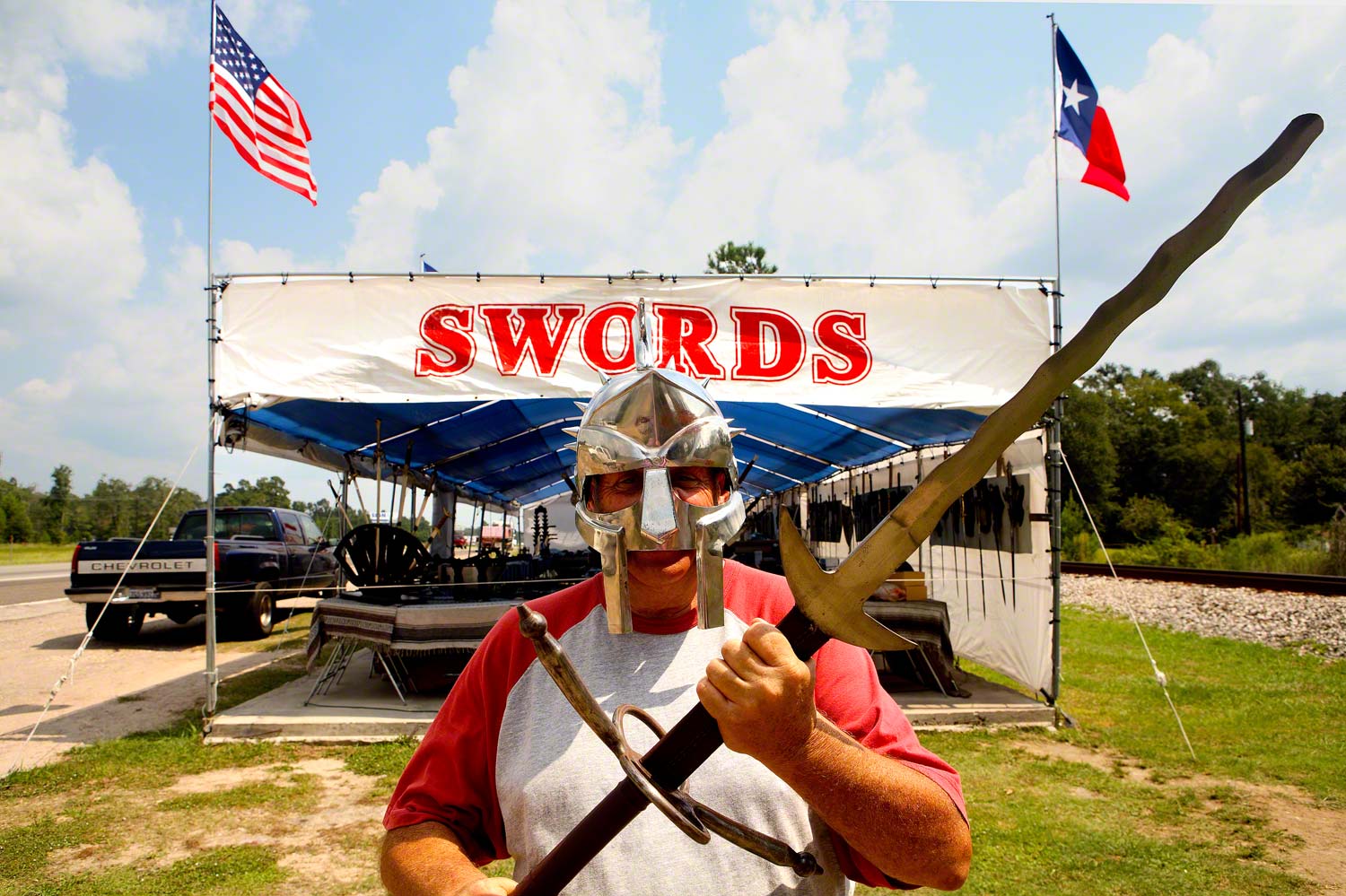
In the photo above, this man had a weekend business set up in a tent on the side of a small highway on Highway 59 North of Houston. As soon as I saw the red stripes a half mile ahead of me, I knew that there might be weird lurking around.  Sure enough the owner fit the bill. I asked to take his portrait, and he said yes but insisted in wearing some of his merchandise. Who was I to turn my back on weird? I wanted to get close to get the full impact of this very strange man, and I think it worked!!!

I just love the weird in life.

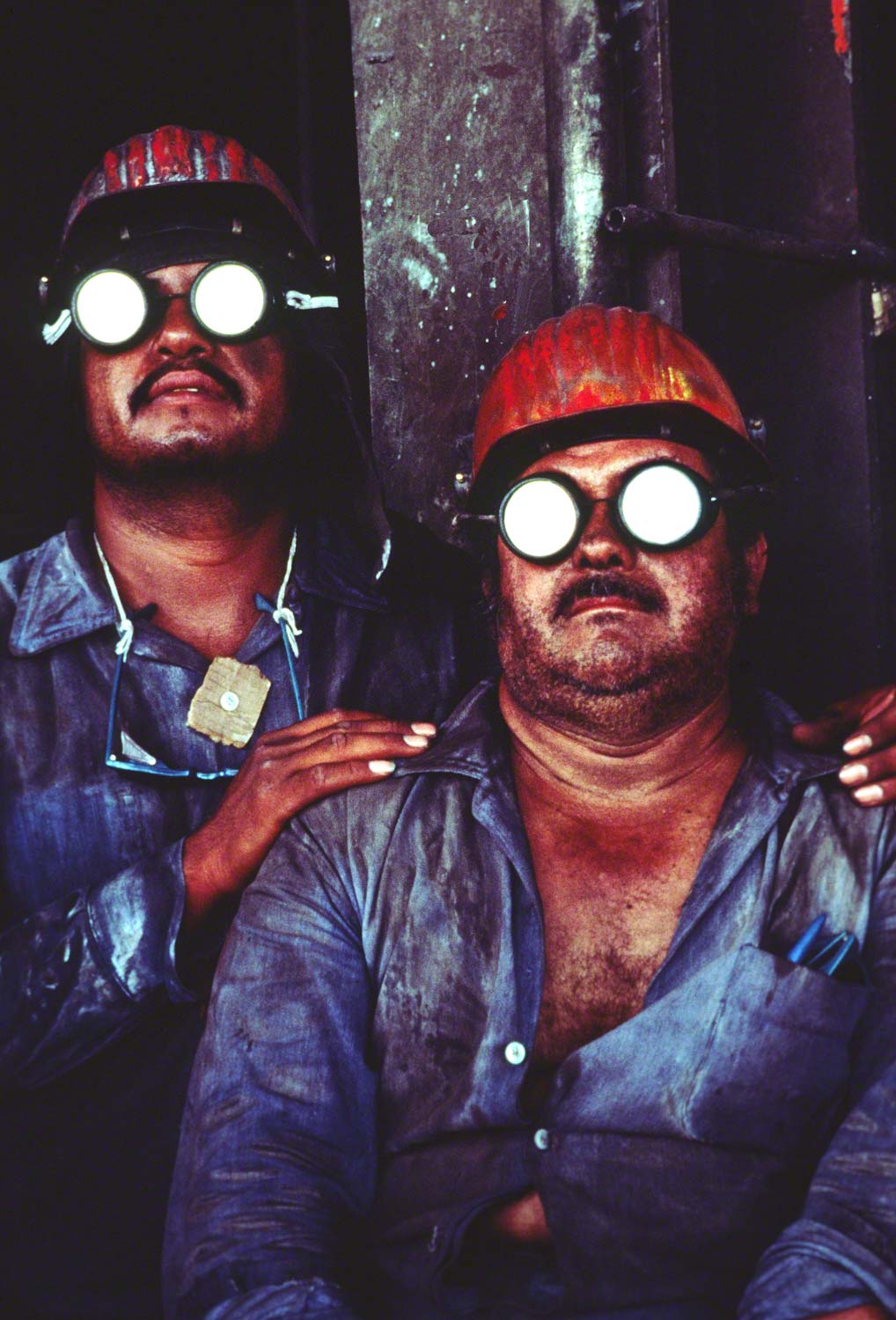
In the photo of the two steel workers, I created the weird look. I simply had them sit together and had them raise and lower their heads until I was able to get the reflections of the sky in their sunglasses.

So, my fellow photographers, next time you’re out shooting, look for weird things. Scary as it might seem, it’s all around you…all the time. you just have to look for it.

Visit my website at: www.joebaraban.com, and check out my new 2014 workshop schedule. I have some great ones coming in this year. how about my 26th year at the Maine Media Workshop the very end of July, Cuba in November, Jerusalem in September. Come shoot with me.

Don’t forget to send me a photo and question to:AskJoeB@gmail.com.

JoeB

Food For Digital Thought: Roaming

  It’s interesting to note that whenever you hear the word roaming in these days of rapidly changing technology, you immediately think of your ‘Smart Phone’.

Well, while that’s true, I conjure up something completely different. I think of the psychology of Gestalt, and how it plays such an important part in keeping the viewer of our photos around as long as possible.

In my online class with the BPSOP, and in my “Stretching Your Frame of Mind” workshops I conduct around the planet we work on the different ways to manage how the viewer perceives and processes when looking at the visual information we lay out to him in the form of a photograph.

Since humans rely on the perception of the environment that surrounds them, it’s our objective to present information in such a way as to take control of what he sees.

The more ways we can get the viewer to ‘roam’ around our composition, looking for new things to discover, the longer he’ll stick around.

What I try to do is create “layers of interest” in my imagery. What I mean is while I like to have one subject or center of interest, I like having secondary points of interest.

Generally, that means having pieces of the puzzle sprinkled around the four edges of my frame, and letting the viewer put all these pieces together creating the finished product…A well-composed, balanced photo that meets several of the criteria I’ve discussed in my “did it do it” category. a photo that the viewer will remember long after he’s moved on.

Visit my website at: www.joebaraban.com and check out my workshop schedule.

https://www.instagram.com/barabanjoe/

JoeB

Food For Digital Thought: The facilitator of Vision

It was my vision not my camera that took this photo

To my fellow photographers that follow my blog, either those that have taken my online class with the BPSOP, or have taken one of my “Stretching Your Frame of Mind” workshops I conduct around the world, or those that have just found me in one way or another I have a thought for you.

I have had discussions with photographers that say, “Technology is the facilitator of vision”.  First of all, here is the actual definition:

fa·cil·i·ta·tor| fəˈsiləˌtādər | nouna

person or thing that makes an action or process easy or easier: a true educator acts as a facilitator of learning | a program run by trained facilitators.

In other words, all the new equipment that’s coming out will make you take better pictures. Ok, here’s the definition of vision:

vi·sion| ˈviZHən | noun 1

the faculty or state of being able to see:

She had defective vision. the images seen on a television screen: the box converts the digital signal into sound and vision on an ordinary TV.

2 the ability to think about or plan the future with imagination or wisdom: the organization had lost its vision and direction. a mental image of what the future will or could be like: a vision of retirement.

3 an experience of seeing someone or something in a dream or trance, or as a supernatural apparition: the idea came to him in a vision. (often visions) a vivid mental image, especially a fanciful one of the future: he had visions of becoming the Elton John of his time.

4 a person or sight of unusual beauty: madame was a vision in black velvet. 

If we just concentrate on the first definition, the state of being able to see, How in the world does technology have anything to do with it?

For me, before I raise my (whatever camera technology affords me) camera up to my eye, I have to see what it is I want to shoot. The old expression, “It’s not the camera, it’s the ten inches behind it that count” couldn’t be more true.

I quickly pre-visualize the composition I want then I raise my camera to take the shot.

I guess I’m just too old and gray, but I’ve seen some of these new cameras where you almost have to have a left-brain degree to understand what all the programs and buttons mean.

So, my fellow photographers that have these awesome mirrorless cameras, more power to you and I’m sort of jealous of what they can do.

For example, I was shooting sports for AP, a very long time and standing on the sidelines of an NFL game, and had a 200mm lens on that I had to focus myself. Try getting a running back that’s coming right at you sharp when you’re on manual and focussing the camera all by your lonesome. Now all these Sports Illustrated photographers just have to aim their camera and they get perfect pictures.

I also had to walk five miles to the game in a snowstorm!!!! Oh well, it is what it is.

Visit my website at www.joebaraban.com , and follow me on Instagram https://www.instagram.com/barabanjoe/

JoeB


Food for digital Thought: Give it a Second Thought

One shot is all I got.

First of all, the expression “Don’t give it a second thought” is an idiom. So, to begin with, let me explain what an idiom is:

Essential Meaning of idiom

1: an expression that cannot be understood from the meanings of its separate words but that has a separate meaning of its ownThe expression “give way,” meaning “retreat,” is an idiom.

To make it easy, here are some common idioms: rock and roll, going bananas, a wet blanket, a tall order, a blind spot. So, now you understand what the title of this post is…or not???? Let me explain ‘where I’m coming from…another idiom.

I recently heard someone say that and I immediately thought of a post to write, but changing the wording just a touch so it refers to photography.

When I’m doing a critique of one of my student’s photos in my online class with the BPSOP, and also talking about stuff in my “Stretching Your frame of Mind” workshops I tell my fellow photographers to not just take one shot of any subject in any photo genre. I guarantee you that the odds are that it won’t be a ‘wall-hanger’; on your wall or anyone else’s…especially mine.

For me, it’s a series of adjustments and variations. The adjustment is moving to the right, left, raising your camera, or lowering it. I do these to get rid of the things I don’t want in my composition or the things I do want. Of course, the best way to do that is to always do my ‘Border Patrol’, check the four corners, and especially the 15PPP.

Then, the variations are different ways to look at the same subject. Whether it’s laying on my stomach or on my knees, Moving around to one side or the other…or behind it. This is to see how the different the light affects the person or object. Changing lens or depth of field is also on my checklist.

Don’t be a “one and done” (another idiom) type of photographer. The only time that’s a possibility is when I’m street shooting and I have one chance to freeze a moment in time, as in the photo above.

The rest of the time…take time and you’ll see all the options you’ll have when you’re sitting in front of the computer viewing your photos.

Visit my website at www.joebaraban.com, and follow me on Instagram https://www.instagram.com/barabanjoe/

Check out any upcoming workshops at the top of this blog. Come shoot with me sometime…another idiom!!!

JoeB

Anecdotes: There Is a Photo God

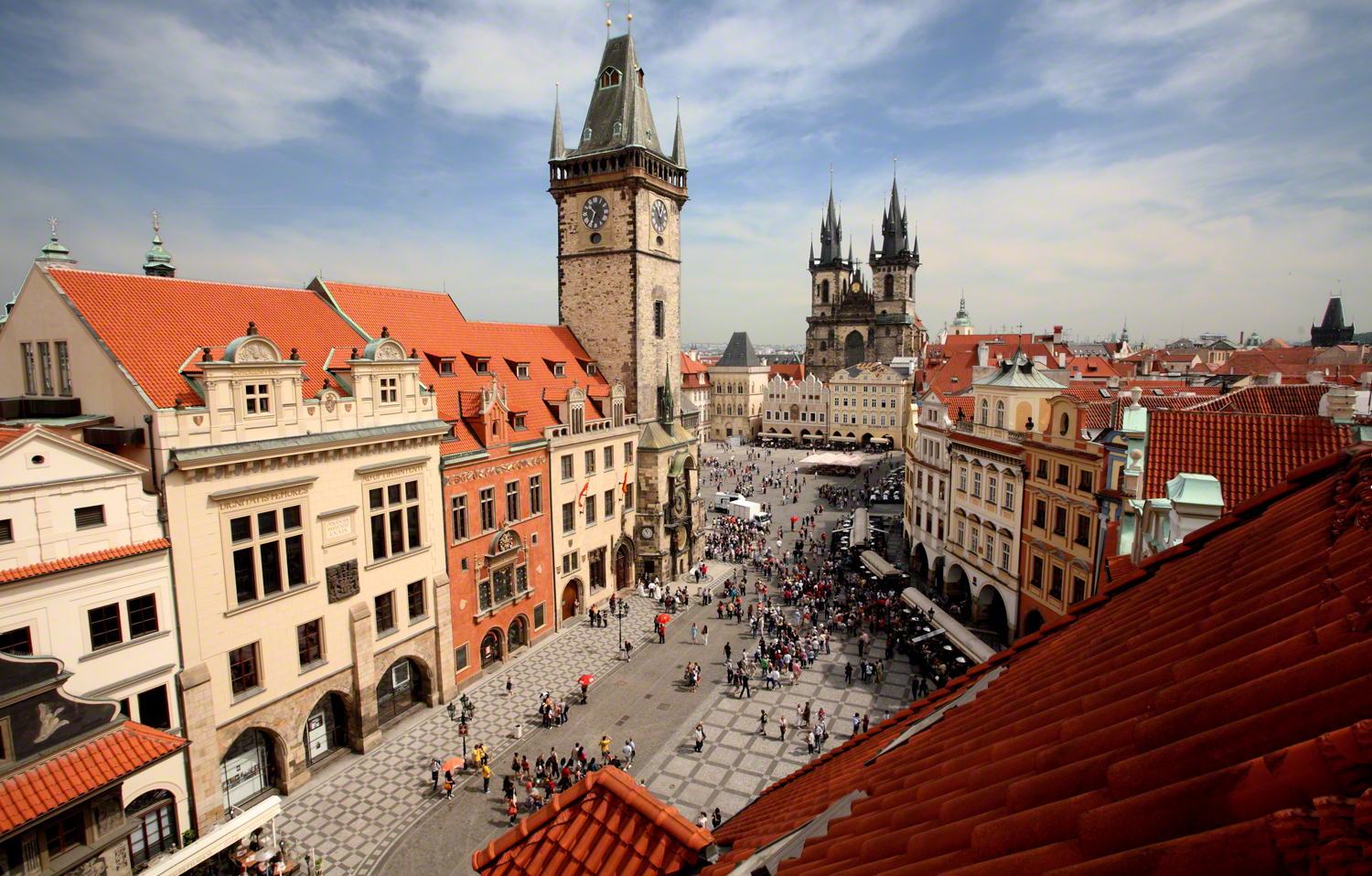
Enjoying the view of the Old town Square with a glass of wine.

I teach three online classes with the BPSOP, and I conduct my “Stretching Your Frame of Mind” workshop around the planet. Before the start of my Springtime workshop in Prague, I had arrived there a few days early to scout all the locations with Katka, the woman that was coordinating/producing everything for me. I always do this so I can put my fellow photographers at the right spot for the early and then late light.

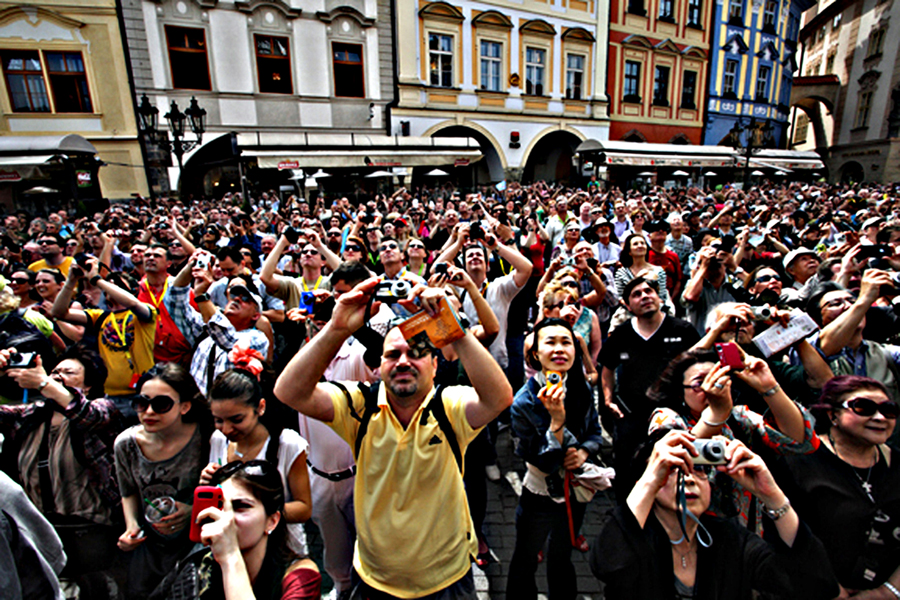
One afternoon she took me to a wonderful restaurant in Old Town Square. We sat on the roof and enjoyed appetizers with a glass of white wine. Looking down I asked Katka what the big crowd was doing at the base of the tall Old Town City Hall that seemed to be in the center of the square.

Katka told me that they were standing at the base where the astronomical clock was located waiting for the top of the hour. On the hour, a show of figures of the Apostles and other moving sculptures—notably a figure of Death (represented by a skeleton) is set in motion. They all come out and the skeleton strikes the bell. Immediately, all other figures shake their heads, side to side, signifying their un-readiness “to go.”.

As it turned out, we were through just in time to go down and watch the action unfold up close and personal. I was standing there looking up as the skeleton began his thing, and when I looked behind me, the place was packed with people taking pictures of the figures above me. It really struck me funny and it sort of felt like they were all taking my picture. Of course I yelled out…”My people, my people” since I always wanted to do that and there was never going to be a better opportunity.

My people!
My people!

🙂

For one brief shining moment…I was a Photo God!!!

Visit my website at: www.joebaraban.com, and follow me on Instagram. www.instagram.com/barabanjoe. Check out my workshop schedule at the top of this blog.

JoeB

Food For digital Thought: Moving the viewer around the frame.

Making a statement using Line.

I teach my fellow photographers how to incorporate the elements of visual design and composition into their imagery. In my online class with the BPSOP, and in my “Stretching Your Frame of Mind” workshops I conduct around the planet, My goal is to provide my students with an ‘Artist Palette’. On that palette are all the elements we work on during the class, and the most important of all the elements is Line. Without Line, none of the other elements would exist. Vanishing Points, texture, patterns, and shapes are all made up of Line. Planes, trains, automobiles, even you and I wouldn’t be around if it wasn’t for Line; we all have an outLINE.

Creating memorable photos, as you probably know, is not an easy task. Keeping the viewer around as long as possible is a very important ingredient in doing just that. Unless you’re shooting strictly for yourself, the idea is to take control of how the viewer perceives and processes our images. Making him an active participant is the best way I know of to achieve this lofty goal.

One of the best ways is to use Line to move the viewer around your composition. Leading him in and out of the frame using lines to do so will keep him interested. Another way to use Line effectively is to arrange the lines to leave an impression or make a statement that communicates a visual idea.

Visit my website at: www.joebaraban.com, and follow me on www.instagram.com/barabanjoe. Check out my workshop schedule at the top of this blog. Come shoot with me sometime.

JoeB

“Good Photographers Follow the Rules, Great Photographers Break Them”

Rule of Thirds? What Rule of Thirds?
The Rule of Thirds? I guess I just plain forgot!!

At the beginning Friday of my four-week class I teach online with the

BPSOP, and the first day of my “Stretching Your Frame of Mind” workshop I conduct around the plane, I introduce what I call my “Personal Pearls of Wisdoms”.

These are sayings I’ve created during my fifty-three-year career as a corporate and advertising photographer, and my thirty-plus years teaching and giving seminars at photo events.  In my ever expanding list of these ‘Pearls’,  none will ever match up to one of my all-time favorites:

“GOOD PHOTOGRAPHERS FOLLOW THE RULES, GREAT PHOTOGRAPHERS BREAK THE RULES”.

I wrote this a very long time ago, and it has been my mantra ever since. I’ve been living by this creed  (if you will) for as long as I’ve been taking pictures, the latest count is forty-eight years going on forty-nine.

I had a student tell me that the president of her camera club once told her to never shoot into the sun. I love shooting into the sun!

Others have been scolded by senior members of camera clubs for not following the Rule of Thirds (see the above photo). Whatever you do, don’t follow people because your friends told you to or the guy behind the counter at your local camera store said so, or those newly appointed officers at your camera club…they are usually the worst!!!


Ansel Adams once said, “There are no rules for good pictures, just good pictures”.

BTW, I was rummaging through the stuff at the back of an old antique store when I found this amazing quote written on a plain piece of wood…which I now have on the wall in my studio. It says, “Color outside the lines”.

So, I ask you; where do YOU want to fit into the ‘cosmic photographic scheme of things?

Stay tuned for more discussions on forgettable rules!!

Visit my website at www.joebaraban.com, and www.instagram.com/barabanjoe. Check out my workshop schedule at the top of this blog. Come shoot with me sometime.

JoeB

Quick Photo tip: A Cheap Safari At Your Door

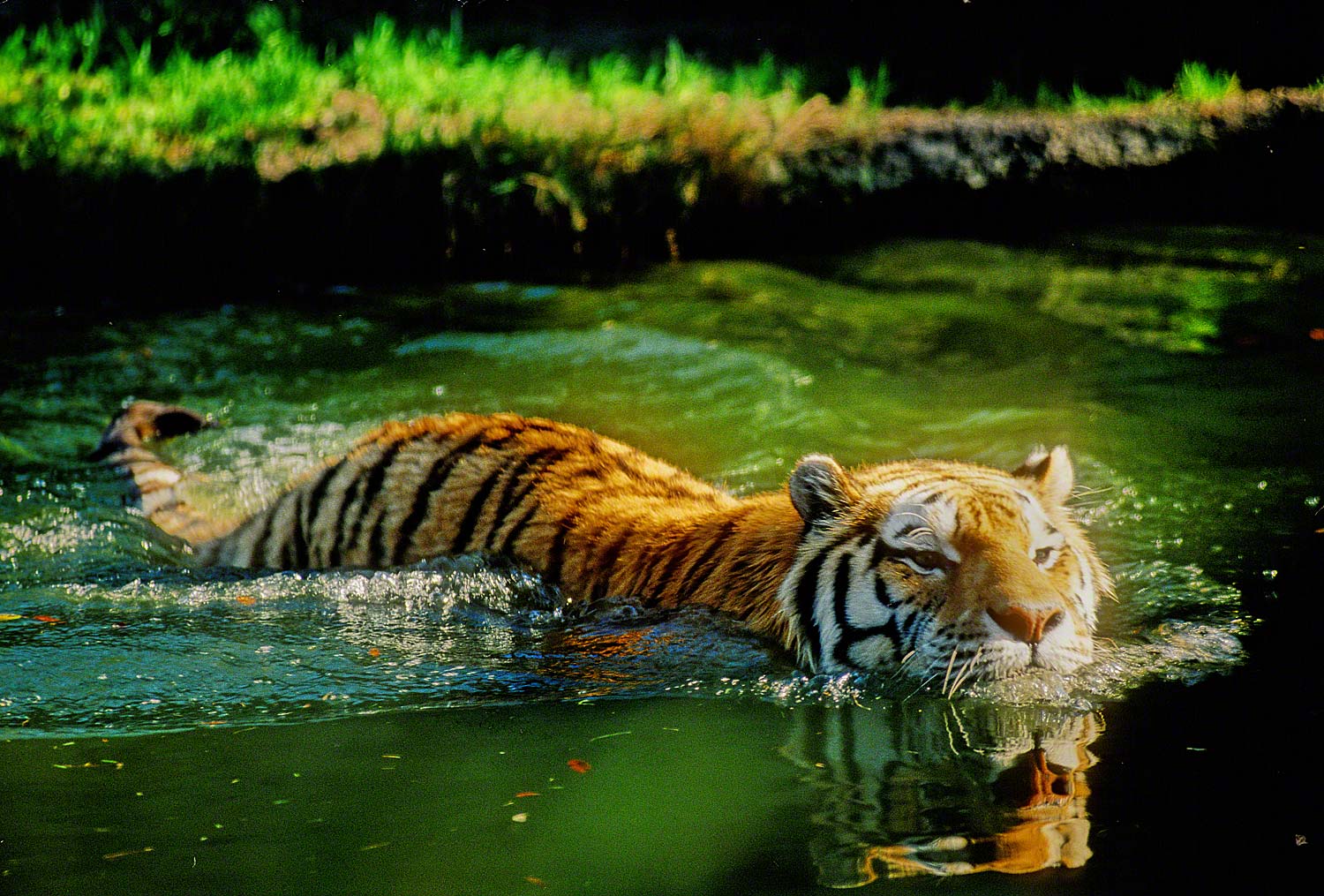
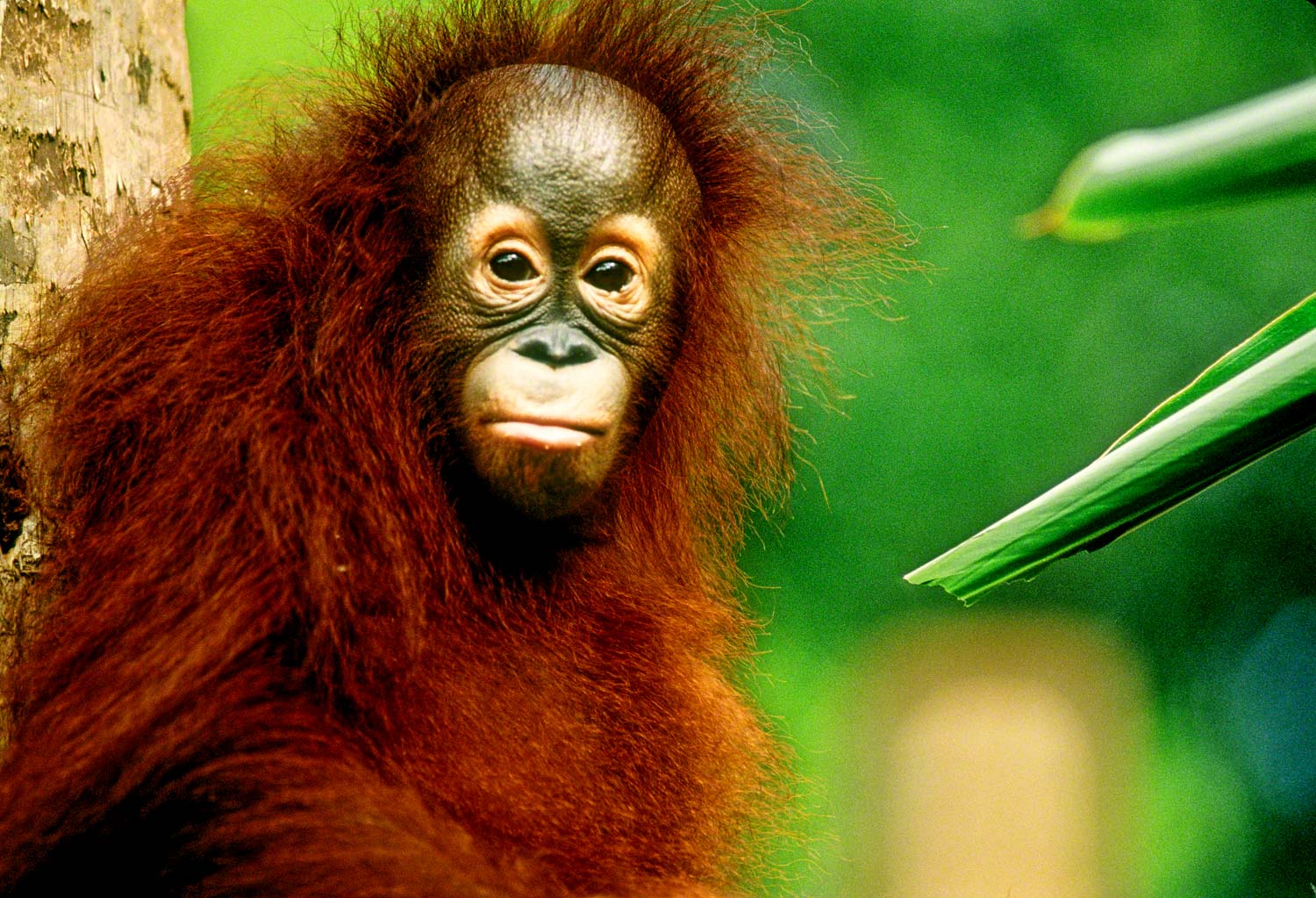
300mm @ F/2.8
300mm @ F/2.8

How many of my fellow photographers that have taken my online class with the BPSOP, or been with me in one of my “Stretching Your Frame of Mind” workshops I conduct around the planet can afford to go photograph wild animals? Probably not that many, and fewer still can get away for that long.

For the ones that can, and I’ve know several friends that have gone to Africa on a Photo Safari, it’s not guaranteed that you’ll even come back with pictures that were worth the cost. You’re in a special truck with lots of other people shooting, and the time of day is not usually the most advantageous for quality light or seeing animals moving around in their natural habitat. I’ve been told that when they went out a lot of the animals were sleeping in the shade of a very hot sun.

Well, here’s a good idea that will dazzle your friends and at the same time give you an idea of what it would be like to photograph exotic animals… go to your closest zoo!!!

Yes, I know it sounds dorky, dumb, and a host of similar adjectives too numerous to count, but I can tell you from experience that it can be a lot of fun. One gray day I was kind of bored, so I picked up my camera, my tripod, and my longest lens and headed to the Houston Zoo. I had no idea if it was going to work out or what I would come back with, but before long I was having a great time; I was in Africa. The key for me was to make sure the animals looked like they could have been free and wandering all around me, which meant to not show much of the environment…as in cages or walls with moats around them.

No cages or walls.
No cages or walls.

With my 300mm lens always set on F/2.8, I could knock everything out of focus except for my subject. I wandered around the zoo several times hunting animals. Since I had gone on a weekday morning, I felt as though I was wandering around in the jungle all alone, and it was great. It felt as if the animals sense this and acted as if they were also alone in the jungle. It was a great experience, and one I plan on repeating; now that I know what to expect.

You should give it a try sometime. Your friends just might start calling you Bwana!!

Visit my website at: www.joebaraban.com, and www.instagram.com/barabanjoe Be sure to check out my 2015 workshop schedule at the top of this blog. Come shoot with me sometime.

JoeB

My Favorite Quotes: Hank Williams

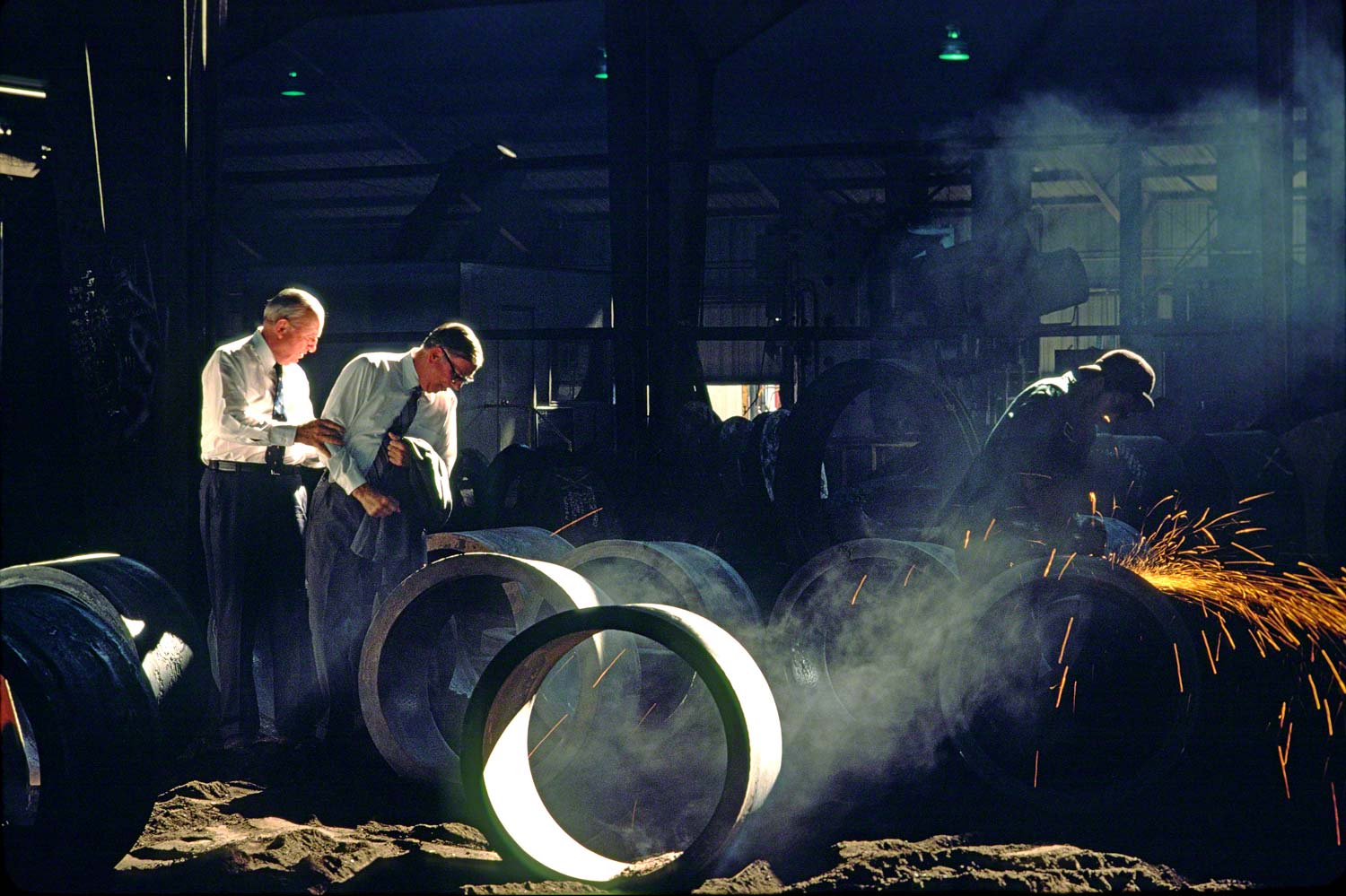
I saw the light and the welder first, then moved the bankers into it.

One of my favorite quotes is actually the title to a famous country and western song entitled, “I saw the light”, sung by one of the true country legends, Hank Williams.  Not that I’m a die hard lover of country music or a religious person, but years ago whenever I was shooting on location, chasing and finding the light, I would sing a couple of verses to sort of celebrate my good fortune and timing.:

I saw the light, I saw the light
No more darkness, no more night
Now I’m so happy, no sorrow in sight
Praise the Lord, I saw the light.

If you’re interested, here’s Hank singing it: https://www.youtube.com/watch?v=xtolv9kM1qk

Btw, my crew thought it was REALLY getting old!!!

The analogy I’m drawing is what I teach in my online class with the BPSOP, or in one of my “Stretching Your Frame of Mind” workshops I conduct around the planet.  I tell my fellow photographers that light is everything; you find the light and you’ll find the shot. The only exception is in photojournalism/street photography where capturing the moment/action can transcend great light and therefore be more important…every once in a while you can get both!

I’m always looking all around my environment and peripheral vision for that moment when I see the light hitting or falling on something. Light is so fleeting that once you see it, you have to act fast or you’ll lose it. Sometimes the light returns, as in a cloud moving across the sky, but I’ve found after forty-eight years of shooting that once it’s gone…baby it’s gone!!! Light will make the difference between going home empty handed or being less satisfied because of a gray day when you could have slept in.

When you do see it, while running towards it, you should also be thinking about how you’re going to use it. Sometimes there’s a subject or center of interest already in the light, and sometimes I look around for something to move into the light. The faster you can determine that the better your chances are of capturing it.

Are you going to side light, back light, front light? These questions need to be addressed and put in order of importance. In other words, try to light your subject from as many points of view as you can. I always try to start out backlighting or from the light in the ten or two position. Then I’ll look at my subject as it’s side lit. Finally and rarely will I front light anything…why?

Because when you front light, your subject will lose the third dimension, depth. The one exception is when the background behind your subject is dark, making it stand out.

Here’s what I saw when I see the light:

Imagine me singing away when I’m seeing the light!!!

Visit my website at: www.joebaraban.com, and www.instagram.com/barabanjoe Check out my workshop schedule at the top of this blog. Come shoot with me and we’ll sing in two-part harmony.

JoeB